Table of Contents
- 10 Secrets to Successful Food Gardening For Beginners
- Why Food Gardening is the Perfect Hobby for Beginners
- Secret #1: Start Small and Scale Gradually
- Secret #2: Understanding Your Growing Zone and Climate
- Secret #3: Choosing the Perfect Garden Location
- Secret #4: Invest in Quality Soil Preparation
- Secret #5: Select Beginner-Friendly Vegetables and Herbs
- Secret #6: Master the Art of Proper Watering
- Secret #7: Embrace the Power of Companion Planting
- Secret #8: Practice Consistent Maintenance and Vigilant Monitoring
- Secret #9: Learn from Failures and Keep Detailed Records
- Secret #10: Harvest at the Right Time for Maximum Flavor and Production
- Essential Tools Every Beginning Gardener Needs
- Common Mistakes to Avoid in Your First Garden
- Final Thoughts: Your Food Gardening Journey Begins Now
10 Secrets to Successful Food Gardening For Beginners
There’s something deeply satisfying about stepping into your backyard, plucking a ripe tomato from the vine, and knowing you grew it yourself. Food gardening has exploded in popularity over recent years, with millions of people discovering the joy, health benefits, and cost savings that come from cultivating their own produce. Whether you’re motivated by wanting fresher vegetables, reducing your grocery bills, or simply connecting with nature, starting a food garden can be one of the most rewarding decisions you’ll ever make.
However, many beginners dive into gardening with enthusiasm only to face disappointment when their plants wilt, pests invade, or harvests fall short of expectations. The truth is, successful food gardening isn’t about having a magical green thumb—it’s about understanding and applying fundamental principles that experienced gardeners have refined over generations. These aren’t complicated scientific formulas; they’re practical, actionable secrets that can transform your gardening experience from frustrating to flourishing.
In this comprehensive guide, we’ll unveil ten essential secrets that will set you on the path to food gardening success. From selecting the perfect location to mastering the art of harvesting, you’ll discover expert insights and proven strategies that will help you grow bountiful, healthy produce right in your own backyard.
Why Food Gardening is the Perfect Hobby for Beginners
Food gardening offers newcomers an accessible entry point into sustainable living while providing numerous physical, mental, and financial benefits.
Growing your own food represents one of the most empowering skills you can develop in today’s world. Unlike many hobbies that require expensive equipment or specialized training, food gardening welcomes everyone regardless of their background or budget. The barriers to entry are remarkably low—you can start with just a few containers on a balcony or a small raised bed in your backyard.
The benefits of growing your own produce extend far beyond simply having fresh vegetables available. Research consistently shows that gardening reduces stress levels, improves mood, and provides moderate physical exercise that benefits cardiovascular health. The act of nurturing plants and watching them grow creates a sense of accomplishment that positively impacts mental well-being. Many gardeners report that time spent in their gardens serves as a form of meditation, offering a peaceful escape from the digital demands of modern life.
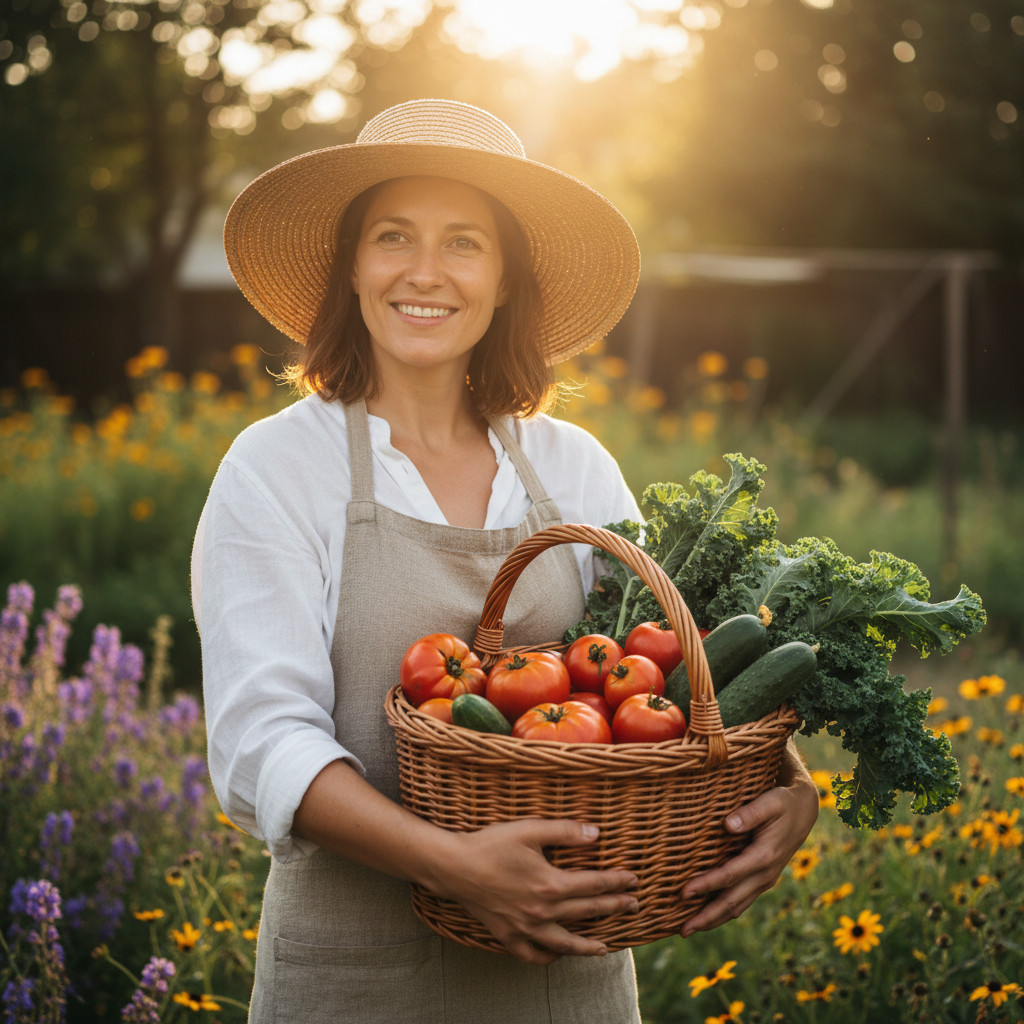
From a practical standpoint, food gardening can significantly reduce your grocery expenses over time. While there’s an initial investment in seeds, soil, and basic tools, the return on investment can be substantial. A single tomato plant, for example, can produce 10-15 pounds of tomatoes throughout a growing season—that’s roughly $30-50 worth of organic tomatoes from a $3 seedling. When you multiply this across multiple plants and crops, the savings become considerable.
Key benefits for beginning food gardeners include:
- Fresher, more nutritious produce harvested at peak ripeness
- Complete control over growing methods and avoiding pesticides
- Physical activity that burns calories while being productive
- Educational opportunities for children and families
- Environmental impact through reduced food transportation
Secret #1: Start Small and Scale Gradually
One of the biggest mistakes beginners make is overcommitting to large garden spaces before developing fundamental skills and understanding their time availability.
The excitement of starting a new garden often leads beginners to envision sprawling vegetable patches filled with every crop imaginable. However, this ambitious approach typically results in overwhelming workloads, neglected plants, and disappointing harvests. The secret that experienced gardeners understand is that starting small creates a foundation for long-term success while preventing burnout and frustration.
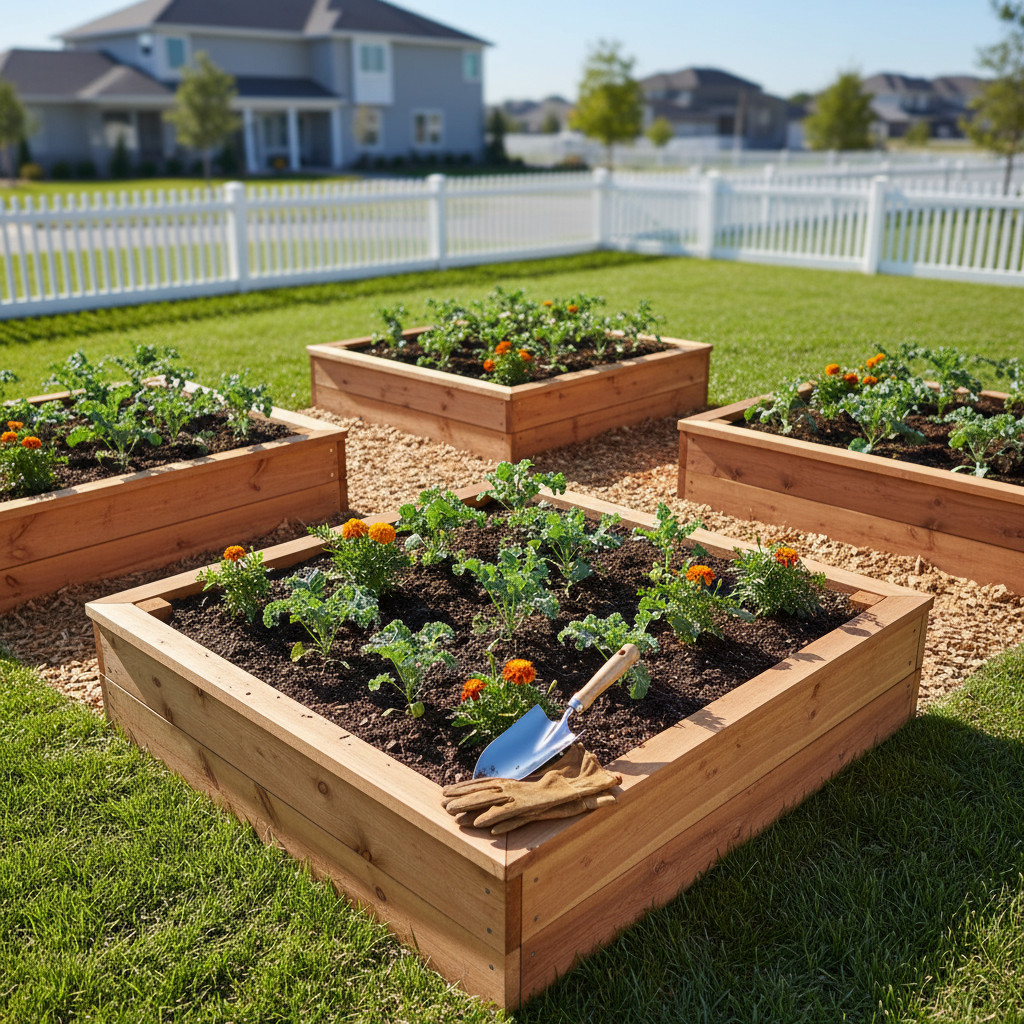
Beginning with a manageable space—typically 4×4 feet or 4×8 feet for a first garden—allows you to learn essential skills without becoming overwhelmed. This controlled environment lets you observe how plants grow, understand watering needs, recognize pest problems early, and develop a routine that fits your lifestyle. Once you’ve mastered a small space and feel confident in your abilities, expanding becomes a natural and exciting progression rather than an intimidating challenge.
Container gardening presents an excellent option for absolute beginners or those with limited outdoor space. Growing vegetables in pots, grow bags, or raised containers offers several advantages: you have complete control over soil quality, can easily move plants to optimize sunlight exposure, and reduce weed problems significantly. Many highly productive food gardens consist entirely of containers arranged on patios, balconies, or driveways.
Practical steps for starting small:
- Choose 3-5 crops that you actually eat regularly and enjoy
- Calculate realistic time commitment—most small gardens need 15-30 minutes of daily attention
- Plan for your skill level by selecting beginner-friendly vegetables initially
- Create a simple layout that allows easy access to all plants for watering and harvesting
Secret #2: Understanding Your Growing Zone and Climate
Knowing your USDA hardiness zone and local climate patterns is essential for selecting appropriate plants and timing your garden activities correctly.
Every successful garden begins with understanding your specific growing conditions. The United States Department of Agriculture (USDA) has divided North America into numbered hardiness zones based on average annual minimum winter temperatures. These zones, ranging from 1 (coldest) to 13 (warmest), help gardeners determine which plants can survive in their region and when to plant them for optimal results.
Finding your hardiness zone is simple—enter your zip code on the USDA’s online plant hardiness zone map, and you’ll immediately know your classification. This information guides everything from selecting perennial herbs that will survive winter to determining the last frost date that signals when it’s safe to transplant tender seedlings outdoors. Ignoring zone information often leads to planting too early, resulting in frost-damaged seedlings, or selecting varieties that simply cannot thrive in your climate.
Beyond the general hardiness zone, understanding your specific microclimate dramatically improves gardening success. Microclimates are small areas within your property where conditions differ from the surrounding environment. A south-facing wall might create a warmer microclimate suitable for heat-loving peppers, while a low-lying area might collect cold air and experience frost earlier than elevated spots just yards away.
Factors that create microclimates in your garden:
- Proximity to buildings that radiate heat or block wind
- Slope and elevation affecting cold air drainage
- Nearby trees or structures creating shade patterns
- Pavement and concrete that absorb and release heat
- Bodies of water that moderate temperature extremes
Observing your property throughout different seasons helps identify these microclimates, allowing you to strategically place plants where they’ll thrive best. Heat-loving tomatoes might flourish near a brick wall, while cool-weather lettuce performs better in a spot that receives afternoon shade.
Secret #3: Choosing the Perfect Garden Location
Location selection represents one of the most critical decisions you’ll make, directly impacting plant health, productivity, and your gardening enjoyment.
The perfect garden location balances multiple factors including sunlight exposure, drainage, wind protection, and convenience. Many beginners select garden spots based primarily on aesthetics or available space, overlooking critical environmental factors that determine whether plants thrive or struggle. Taking time to evaluate your options before breaking ground prevents years of frustrating gardening in a suboptimal location.
Sunlight remains the single most important factor in vegetable garden placement. Most fruiting vegetables—tomatoes, peppers, cucumbers, squash—require a minimum of 6-8 hours of direct sunlight daily to produce abundant harvests. Leafy greens and root vegetables can tolerate partial shade (4-6 hours of sunlight), but even these crops perform better with more light. Before committing to a location, observe potential sites throughout the day during the growing season, noting how shadows from buildings, trees, and fences affect light availability.
Drainage considerations prevent waterlogged roots and disease problems. Avoid low-lying areas where water pools after rain, as consistently wet soil promotes root rot and fungal diseases. If your preferred location has drainage issues, raised beds offer an excellent solution by elevating the root zone above problematic soil. When evaluating drainage, visit potential sites after heavy rain to observe where water accumulates and how quickly it drains.
Wind protection, while often overlooked, significantly impacts plant health and water retention. Strong winds damage plants physically, increase water evaporation from soil and leaves, and can topple tall crops like tomatoes and corn. Natural windbreaks like hedges or fences provide protection without eliminating beneficial air circulation. Position gardens where buildings or existing vegetation buffer prevailing winds while maintaining good airflow to prevent fungal diseases.
Location selection checklist:
- Receives 6-8 hours minimum direct sunlight during peak growing season
- Drains well without standing water after rain
- Protected from strong prevailing winds but not completely enclosed
- Conveniently accessible for daily visits and watering
- Close to water source for easy irrigation
- Level or gently sloping terrain for ease of maintenance
Secret #4: Invest in Quality Soil Preparation
Healthy soil forms the foundation of every successful garden, providing plants with nutrients, moisture retention, and beneficial organisms that support robust growth.
Perhaps no single factor influences gardening success more than soil quality, yet beginners frequently overlook this crucial element. Many assume that any dirt will suffice, planting directly into compacted, nutrient-depleted native soil and wondering why their vegetables struggle. Understanding and improving your soil transforms gardening outcomes more dramatically than any other intervention.
Soil testing represents the smartest first step for any new gardener. Home testing kits available at garden centers provide basic pH and nutrient information, while comprehensive tests from cooperative extension services offer detailed analysis with specific amendment recommendations. Testing reveals whether your soil is acidic, neutral, or alkaline—critical information since most vegetables prefer slightly acidic to neutral soil (pH 6.0-7.0). Tests also identify nutrient deficiencies that can be corrected before planting.
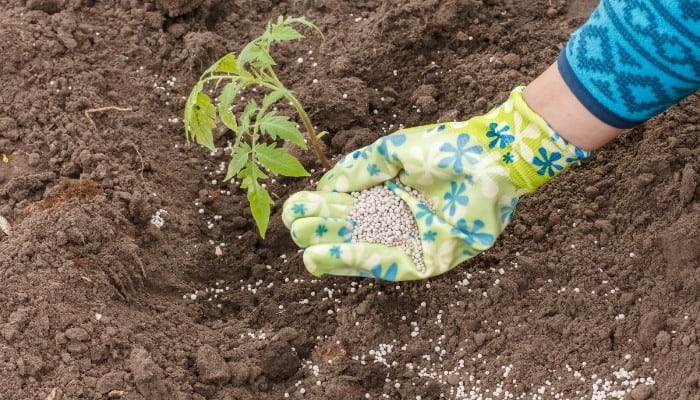
Organic matter serves as the universal soil improver, benefiting virtually every soil type. In clay soils, organic matter improves drainage and prevents compaction. In sandy soils, it increases water and nutrient retention. Compost, aged manure, leaf mold, and composted wood chips all add valuable organic matter while introducing beneficial microorganisms that support plant health. Plan to incorporate 2-4 inches of compost into your garden beds before planting, and top-dress annually to maintain soil health.
Essential soil preparation steps:
- Test your soil to understand current conditions and specific needs
- Remove existing vegetation including grass, weeds, and debris
- Loosen compacted soil to at least 12 inches deep using a garden fork or tiller
- Incorporate 2-4 inches of compost and any recommended amendments
- Level the surface and allow soil to settle for 1-2 weeks before planting
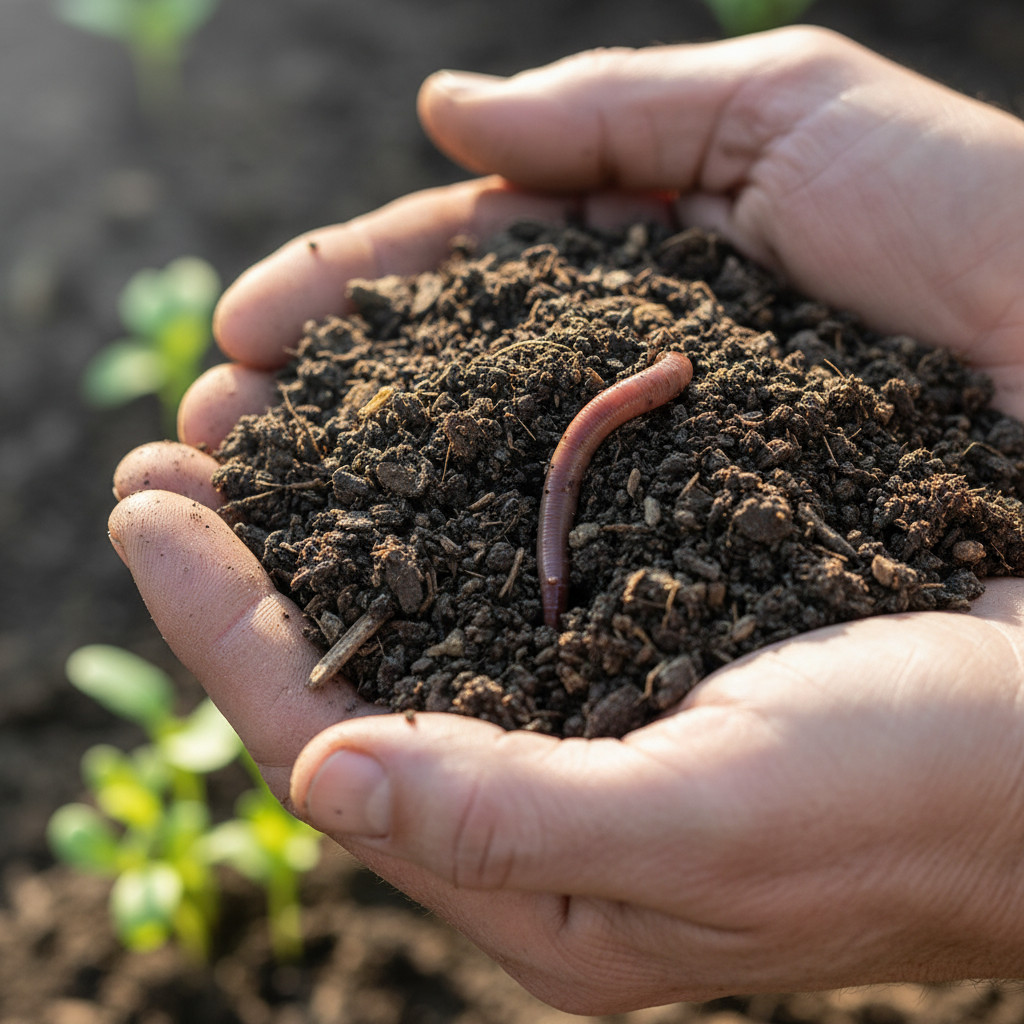
Understanding soil structure helps beginners appreciate what healthy soil looks like. Ideal garden soil crumbles easily in your hand, neither forming hard clumps (too much clay) nor running through your fingers like sand. It should have a dark color indicating rich organic content, smell earthy rather than sour, and contain visible signs of life like earthworms. Building this type of soil takes time, but each season of adding organic matter brings improvement.
Secret #5: Select Beginner-Friendly Vegetables and Herbs
Choosing forgiving, productive crops for your first garden builds confidence and ensures satisfying harvests while you develop your gardening skills.
Not all vegetables present equal growing challenges, and selecting appropriate crops dramatically influences first-year success. While exotic vegetables and challenging crops might tempt adventurous beginners, starting with proven performers creates positive experiences that fuel continued gardening enthusiasm. Save the temperamental artichokes and finicky celery for future seasons when your skills have developed.
Tomatoes consistently rank among the best beginner vegetables despite requiring some attention. They’re forgiving of minor care mistakes, produce abundantly, and offer visible daily progress that keeps gardeners engaged. Choose determinate varieties for containers or small spaces, as these stay compact and produce their harvest within a concentrated period. Indeterminate varieties grow continuously throughout the season, requiring staking but providing tomatoes over many months.
Leafy greens offer nearly foolproof options for beginning gardeners. Lettuce, spinach, and Swiss chard germinate quickly, mature fast, and tolerate partial shade that would limit fruiting vegetables. These crops also allow continuous harvesting—you can pick outer leaves while inner leaves continue growing, extending the productive period significantly. For hot climates, heat-tolerant varieties prevent the premature bolting (flowering) that makes leaves bitter.
Top 10 beginner-friendly vegetables ranked by ease of growing:
- Radishes – Ready to harvest in 25-30 days, virtually foolproof
- Lettuce and salad greens – Quick germination, tolerates cooler weather
- Green beans – Direct sow, minimal pest problems, heavy producers
- Zucchini and summer squash – Abundant harvests from few plants
- Cucumbers – Fast growing with proper watering
- Tomatoes – Rewarding despite needing staking and consistent water
- Peppers – Similar care to tomatoes, fewer disease issues
- Swiss chard – Heat and cold tolerant, ornamental appeal
- Herbs (basil, mint, chives) – Low maintenance, highly useful
- Cherry tomatoes – Even easier than full-sized varieties, prolific
When selecting crops, consider not just growing difficulty but your family’s eating habits. Growing vegetables you’ll actually use prevents waste and ensures your gardening efforts translate into tangible benefits. There’s no point growing mountains of kale if your family won’t eat it, no matter how easy it is to grow.
Secret #6: Master the Art of Proper Watering
Watering mistakes cause more garden failures than any other factor, making proper irrigation one of the most important skills for beginners to master.
Watering seems deceptively simple—just add water when plants look thirsty, right? Unfortunately, improper watering techniques lead to shallow root systems, disease problems, nutrient deficiencies, and stressed plants that underperform or die. Understanding how, when, and how much to water transforms struggling gardens into thriving ones.
Deep, infrequent watering encourages strong root development while shallow, frequent watering creates weak, surface-level root systems. When you water deeply—applying enough to moisten soil 6-8 inches down—roots grow downward seeking moisture, creating resilient plants capable of surviving dry periods. Conversely, light daily watering keeps moisture only in the top inches of soil, training roots to stay near the surface where they’re vulnerable to heat and drought.
Morning watering represents the optimal timing for most gardens. Watering early allows foliage to dry before evening, reducing fungal disease risk that increases when leaves remain wet overnight. Morning watering also ensures plants are hydrated before the heat of the day, reducing stress. While evening watering is second-best, avoid wetting foliage; instead, apply water directly to soil using drip irrigation or a soaker hose.
Signs your plants need water:
- Soil feels dry 1-2 inches below surface when you insert your finger
- Leaves appear dull rather than glossy and vibrant
- Slight wilting occurs during afternoon heat (severe wilting indicates urgent need)
- Containers feel light when lifted
Signs of overwatering:
- Yellowing leaves starting from bottom of plant
- Wilting despite wet soil indicating root rot
- Fungal growth on soil surface
- Slow growth and general unhealthiness
Drip irrigation systems offer significant advantages for beginners, delivering water directly to plant roots while keeping foliage dry. These systems can be automated with timers, ensuring consistent watering even when you’re busy or traveling. While the initial investment exceeds a simple hose and watering can, the time savings and improved plant health quickly justify the cost.
Secret #7: Embrace the Power of Companion Planting
Strategic plant combinations improve pest control, enhance pollination, maximize space utilization, and create mutually beneficial growing conditions.
Companion planting represents one of gardening’s oldest and most effective techniques, yet many beginners randomly arrange their vegetables without considering plant interactions. Certain plants naturally support each other’s growth through various mechanisms—some repel pests, others attract beneficial insects, and some improve soil conditions for their neighbors.
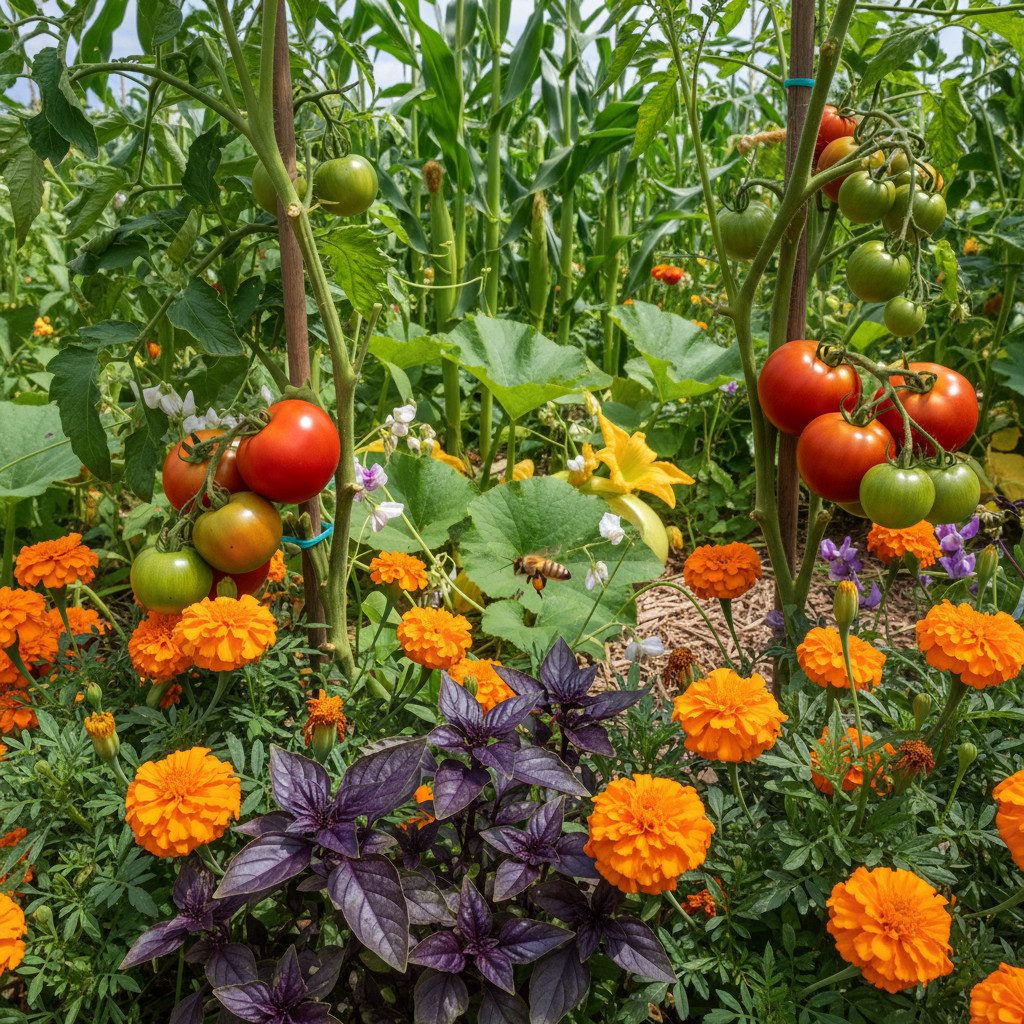
The classic “Three Sisters” combination demonstrates companion planting at its finest. Indigenous peoples of the Americas developed this system of growing corn, beans, and squash together centuries ago. Corn provides a natural trellis for climbing beans. Beans fix nitrogen in the soil, benefiting all three crops. Squash’s large leaves shade the ground, suppressing weeds and retaining moisture. Each plant contributes something the others need, creating a sustainable growing system.
Tomatoes benefit tremendously from strategic companion planting. Basil planted near tomatoes reportedly improves their flavor while repelling aphids, flies, and mosquitoes. Marigolds around the garden perimeter deter nematodes and various pest insects. Carrots planted near tomatoes loosen soil with their deep roots, improving water penetration. However, tomatoes should be kept away from brassicas (cabbage, broccoli) and fennel, which inhibit their growth.
Beneficial companion planting combinations:
| Primary Crop | Good Companions | Plants to Avoid |
|---|---|---|
| Tomatoes | Basil, carrots, marigolds, parsley | Brassicas, fennel, corn |
| Peppers | Tomatoes, basil, spinach, carrots | Fennel, kohlrabi |
| Cucumbers | Beans, corn, peas, radishes | Sage, potatoes |
| Beans | Corn, squash, carrots, beets | Onions, garlic, peppers |
| Carrots | Onions, leeks, tomatoes, lettuce | Dill, parsnips |
Beyond pest control, companion planting maximizes garden productivity through efficient space use. Fast-maturing radishes can be interplanted with slower carrots—radishes harvest before carrots need the space. Tall crops like corn or staked tomatoes can shade heat-sensitive lettuce during summer. Trailing squash vines can grow between corn rows, utilizing otherwise wasted space. Thoughtful companion planting essentially allows you to grow more food in less area.
Secret #8: Practice Consistent Maintenance and Vigilant Monitoring
Regular garden maintenance prevents small problems from becoming major disasters while ensuring plants receive consistent care for optimal production.
Successful gardeners develop routines that include daily observation and regular maintenance tasks. This consistent attention catches problems early—when a few aphids can be hosed off rather than requiring intervention after they’ve infested entire plants. Gardens neglected for even a week during peak growing season can develop issues that take considerable effort to correct.
Daily garden walks should become as routine as checking email or social media. These brief 5-10 minute visits allow you to observe plant health, check soil moisture, spot pest problems early, and harvest ripe produce before it becomes overripe. During these walks, look under leaves where many pests hide, check stems for signs of disease, and notice which plants seem to be thriving versus struggling. Over time, you’ll develop an intuitive sense for when something isn’t right.
Weeding represents one of the most important ongoing maintenance tasks. Weeds compete with vegetables for water, nutrients, and light while potentially harboring pest insects and diseases. Removing weeds when small prevents them from establishing deep roots and producing seeds that create future problems. The old gardening adage “one year’s seeding equals seven years’ weeding” accurately describes how quickly weed problems compound when ignored.
Essential weekly maintenance tasks:
- Weed thoroughly, removing all visible weeds including roots
- Check for pest damage and treat problems immediately
- Inspect for disease symptoms like spots, wilting, or unusual growth
- Add mulch as needed to maintain 2-3 inch coverage
- Fertilize according to crop needs and soil test recommendations
- Prune and stake plants that require support
- Harvest all ripe produce to encourage continued production
Mulching dramatically reduces maintenance requirements while improving plant health. A 2-3 inch layer of organic mulch (straw, wood chips, shredded leaves) suppresses weeds, retains soil moisture, moderates soil temperature, and gradually improves soil as it decomposes. Mulched gardens require less watering, less weeding, and produce more consistent yields. This simple practice represents one of the best time investments any gardener can make.
Secret #9: Learn from Failures and Keep Detailed Records
Every experienced gardener has failed countless times—the difference between those who succeed and those who quit is learning from mistakes and documenting what works.
Garden failures aren’t just inevitable; they’re essential learning opportunities that build expertise over time. The beginner who loses tomatoes to blight learns to space plants wider for better air circulation. The gardener whose cucumbers succumb to powdery mildew discovers resistant varieties exist. Each setback provides specific, localized knowledge that no book or article can fully convey because growing conditions vary tremendously between locations.
Garden journaling transforms random observations into accumulated wisdom. Recording what you plant, when you plant it, how it performs, and what problems arise creates a personalized gardening guide specific to your exact conditions. Over seasons, patterns emerge—perhaps certain varieties consistently outperform others in your garden, or specific planting times yield better results. This documentation helps you repeat successes and avoid repeating failures.
What to record in your garden journal:
- Planting dates for every crop and variety
- Seed sources and variety names
- Weather observations including unusual hot spells, frosts, or droughts
- Pest and disease occurrences with treatments tried and results
- Harvest dates and yields for productivity tracking
- Soil amendments applied throughout the season
- Successes to repeat and failures to avoid
- Ideas for next season captured when inspiration strikes
Photographing your garden regularly creates visual documentation that words can’t capture. Progress photos show how quickly plants mature, time-stamped images remind you exactly when problems appeared, and comparison photos reveal which varieties performed best. Modern smartphones make garden photography effortless, and cloud storage preserves these images indefinitely. Many gardeners find great satisfaction in reviewing previous years’ photos while planning new seasons.
When crops fail, resist the temptation to give up or blame your lack of a “green thumb.” Instead, investigate what went wrong. Was it a watering issue? Pest damage? Wrong planting time? Once you identify the cause, research solutions and try again. Every master gardener you admire has killed countless plants on their journey to expertise.
Secret #10: Harvest at the Right Time for Maximum Flavor and Production
Proper harvesting techniques maximize both immediate eating quality and continued plant productivity throughout the growing season.
Harvesting represents the culmination of all your gardening efforts, yet improper timing or techniques can diminish the rewards you’ve worked so hard to achieve. Vegetables picked too early lack full flavor development, while those left too long become tough, bitter, or seedy. Additionally, many crops stop producing if not harvested regularly, making timely picking essential for maximizing yields.
Most vegetables taste best when harvested slightly young rather than fully mature. Zucchini develops tough skin and seedy interiors when left to grow large—harvest when 6-8 inches long for optimal texture. Green beans become stringy and tough as they mature; pick when beans are visible inside pods but before they bulge prominently. Cucumbers turn bitter when overripe, so harvest while still dark green and firm. This “pick early, pick often” approach applies to most garden vegetables.
Tomatoes present a common harvesting dilemma for beginners. For best flavor, leave tomatoes on the vine until fully colored, but pick before they become soft or show any signs of splitting or pest damage. Once tomatoes begin changing color from green, they’ll continue ripening off the vine if needed, though vine-ripened tomatoes have superior flavor. In hot weather, harvest may be needed before full ripeness to prevent sunscald or cracking.
Harvesting tips for common vegetables:
- Leafy greens: Harvest outer leaves first, allowing inner leaves to continue growing
- Root vegetables: Gently pull one to check size; most mature in the time indicated on seed packets
- Peppers: Can be harvested green or left to ripen to red, orange, or yellow for sweeter flavor
- Squash: Check daily during peak production; summer squash can grow 2+ inches overnight
- Herbs: Harvest in the morning after dew dries but before intense heat releases volatile oils
Regular harvesting stimulates continued production in many crops. When you pick zucchini, beans, or cucumbers, the plant redirects energy toward producing more fruit rather than maturing seeds in existing fruit. Gardeners who harvest diligently often enjoy three to four times the yield of those who harvest sporadically. Make harvesting part of your daily garden walk, and you’ll maximize both production and eating quality.
Essential Tools Every Beginning Gardener Needs
Starting with quality basic tools prevents frustration and makes gardening tasks more efficient and enjoyable.
While gardening doesn’t require expensive equipment, investing in a few quality tools significantly improves your experience. Cheap tools break under normal use, develop uncomfortable handles, and make simple tasks unnecessarily difficult. Conversely, quality tools last decades, feel good in your hands, and make gardening more pleasant.
The essential starter tool kit includes:
- Quality hand trowel – Your most-used tool for planting, transplanting, and weeding; choose stainless steel with comfortable grip
- Garden fork or cultivator – Loosens soil, incorporates amendments, and removes established weeds
- Pruning shears – Essential for harvesting, removing damaged growth, and general plant maintenance
- Watering can or hose with adjustable nozzle – Delivers water gently without disturbing soil or damaging plants
- Sturdy garden gloves – Protects hands from blisters, thorns, and soil-borne pathogens
- Kneeling pad – Makes ground-level work comfortable and protects knees
As you gain experience, additional tools become worthwhile investments. A garden cart or wheelbarrow simplifies moving soil, compost, and harvests. A quality hoe makes weeding larger areas efficient. A soil thermometer helps time plantings accurately. However, these can wait until you’ve established your gardening habit and confirmed this hobby fits your lifestyle.
Common Mistakes to Avoid in Your First Garden
Learning from others’ mistakes accelerates your progress and helps you sidestep frustrations that discourage many beginning gardeners.
Even with the best intentions, beginners commonly make certain mistakes that undermine their success. Awareness of these pitfalls helps you avoid them, creating a smoother path toward productive gardening.
The most frequent beginner mistakes include:
- Planting too much, too soon – Overwhelming yourself leads to neglected plants and burnout
- Ignoring soil preparation – Poor soil limits plant health regardless of other care
- Inconsistent watering – Alternating between drought and flooding stresses plants severely
- Crowding plants – Spacing requirements exist for good reasons; crowded plants underperform
- Planting at wrong times – Warm-season crops planted too early rot in cold soil; cool-season crops bolt in heat
- Neglecting pest monitoring – Small pest problems become infestations without early intervention
Each mistake provides learning opportunity, but foreknowledge helps you avoid unnecessary setbacks. Take the secrets shared in this guide seriously, start small, and build your skills progressively.
Final Thoughts: Your Food Gardening Journey Begins Now
The ten secrets revealed in this guide—starting small, understanding your climate, choosing the right location, preparing quality soil, selecting beginner-friendly crops, mastering watering, embracing companion planting, maintaining consistently, learning from failures, and harvesting properly—form the foundation upon which successful gardens are built. None of these secrets require special talent or expensive equipment; they simply require attention, consistency, and willingness to learn.
Remember that every expert gardener began exactly where you are now. They faced the same uncertainties, made similar mistakes, and gradually developed the skills and knowledge that now seem intuitive. The difference between those who became accomplished gardeners and those who gave up often comes down to persistence through early challenges and willingness to treat failures as learning opportunities rather than defeats.
Your food garden awaits. Whether you begin with a single container of cherry tomatoes on your balcony or a modest raised bed in your backyard, the journey toward growing your own food starts with taking that first step. The fresh, flavorful vegetables you’ll harvest, the money you’ll save, the peace you’ll find, and the skills you’ll develop all await you just beyond that initial planting.
Start small, be patient, stay curious, and enjoy the process. The garden will teach you everything you need to know if you’re willing to observe, adapt, and persist. Welcome to one of humanity’s oldest and most rewarding pursuits—may your garden flourish and your harvests be bountiful.