Table of Contents
- 10 Secrets to Successful Fruit Garden Plan
- Why Strategic Planning Is the Foundation of Fruit Garden Success
- Secret #1: Master Your Climate Zone and Microclimate Understanding
- Secret #2: Select Fruit Varieties Matched to Your Available Space
- Secret #3: Design Your Layout for Optimal Sunlight Exposure
- Secret #4: Test and Prepare Your Soil for Fruit-Growing Success
- Secret #5: Plan for Proper Pollination Requirements
- Secret #6: Create a Succession Planting Schedule for Extended Harvests
- Secret #7: Integrate Pest and Disease Management from Day One
- Secret #8: Design an Efficient and Sustainable Irrigation System
- Secret #9: Schedule Seasonal Maintenance and Pruning Tasks
- Secret #10: Plan for Long-Term Growth and Future Expansion
- Putting Your Fruit Garden Plan into Action
- Final Words: Your Fruit Garden Journey Begins Now
10 Secrets to Successful Fruit Garden Plan
Imagine stepping into your backyard and plucking sun-ripened peaches, crisp apples, or juicy berries straight from your own trees and bushes. There’s something deeply satisfying about growing your own fruit—the flavors are incomparable to anything you’ll find at the grocery store, and the health benefits of eating fresh, organic produce are undeniable. Yet, many aspiring fruit gardeners dive in without proper planning, only to face disappointment when their trees fail to thrive, produce poorly, or succumb to pests and diseases.
The difference between a struggling fruit garden and a thriving orchard often comes down to one critical factor: strategic planning. A well-designed fruit garden plan considers everything from climate compatibility and soil preparation to pollination requirements and long-term maintenance needs. Without this foundation, even the most enthusiastic gardeners find themselves fighting an uphill battle against nature rather than working harmoniously with it.
Whether you’re dreaming of a small backyard fruit patch or an ambitious mini-orchard, the secrets you’re about to discover will transform your approach to fruit gardening. These aren’t just tips—they’re time-tested strategies that professional orchardists and master gardeners use to ensure bountiful harvests year after year. Let’s unlock the doors to fruit-growing success together.
Why Strategic Planning Is the Foundation of Fruit Garden Success
Before planting a single tree, understanding why planning matters will save you years of frustration and thousands of dollars in failed investments.
Many novice fruit gardeners make the costly mistake of purchasing fruit trees on impulse, attracted by beautiful nursery displays or enticing catalog descriptions. They plant these trees without considering whether the varieties are suited to their climate, whether the soil can support healthy growth, or whether they’ll have the space needed once the plants reach maturity. The result is often stunted growth, poor fruit production, or complete plant failure within the first few years.
Strategic planning transforms fruit gardening from a gamble into a calculated investment. Unlike vegetable gardens, where you can start fresh each season, fruit trees and perennial berry plants represent long-term commitments. Apple trees can live and produce for 50 years or more, while blueberry bushes may thrive for decades with proper care. Making informed decisions upfront ensures these plants will reward you with abundant harvests throughout their lifespans.
A comprehensive fruit garden plan also helps you:
- Maximize limited space by selecting appropriately sized varieties and optimal placement
- Ensure continuous harvests by choosing varieties that ripen at different times
- Reduce maintenance requirements by grouping plants with similar care needs
- Prevent costly mistakes that lead to plant replacement or garden redesign
- Create aesthetic appeal alongside practical food production
Secret #1: Master Your Climate Zone and Microclimate Understanding
Your local climate determines which fruits will thrive in your garden, but understanding microclimates unlocks even more possibilities.
The foundation of every successful fruit garden plan begins with honest assessment of your growing conditions. The United States Department of Agriculture (USDA) Plant Hardiness Zone Map divides North America into 13 zones based on average annual minimum winter temperatures. This classification system helps gardeners identify which plants can survive their winters, but it’s just the starting point for fruit garden planning.
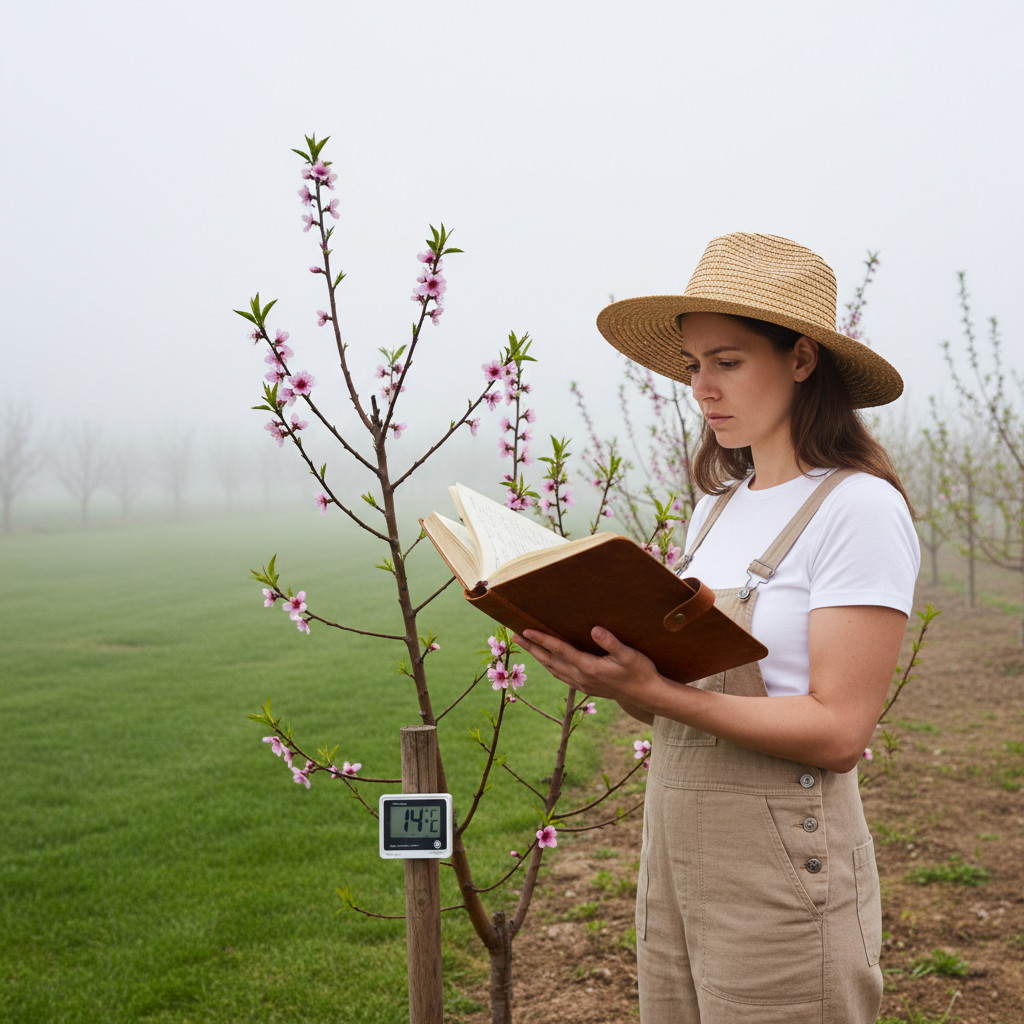
Chill hours represent a critical factor that many gardeners overlook. Most temperate fruit trees—including apples, peaches, cherries, and pears—require a specific number of hours below 45°F (7°C) during winter dormancy to produce fruit properly. A peach tree requiring 800 chill hours planted in a zone that only receives 400 will likely produce little to no fruit, regardless of how well you care for it. Research the chill hour requirements for any fruit variety before purchasing, and compare these requirements to your area’s typical accumulation.
Beyond official hardiness zones, every property contains unique microclimates that can expand or limit your growing options:
-
South-facing slopes and walls absorb and radiate heat, creating warmer pockets that may allow you to grow fruits rated for one zone warmer than your area. These locations are ideal for heat-loving fruits like figs or less cold-hardy peach varieties. However, this warmth can also cause premature spring blooming, making plants vulnerable to late frost damage. Position frost-sensitive varieties where cold air can drain away rather than pooling around roots.
-
Low-lying areas and valleys collect cold air that flows downhill, creating frost pockets that may be significantly colder than surrounding terrain. These areas are generally poor choices for fruit trees, as late spring frosts can devastate blossoms and eliminate your entire year’s harvest. If low areas are your only option, select late-blooming varieties that flower after your last expected frost date.
-
Building and fence proximity creates sheltered areas protected from harsh winds and temperature extremes. These locations are excellent for espalier training fruit trees against walls, effectively using reflected heat to extend growing seasons. Urban environments often benefit from the heat island effect, gaining an extra zone of warmth compared to surrounding rural areas.
Secret #2: Select Fruit Varieties Matched to Your Available Space
Choosing the right-sized plants for your property prevents overcrowding problems and ensures every tree reaches its full productive potential.
One of the most common planning mistakes involves underestimating mature plant sizes. That adorable apple sapling from the nursery can become a 30-foot giant requiring extensive space for root development and canopy spread. Understanding the difference between rootstock types and variety characteristics allows you to match plant sizes to your available space perfectly.
Fruit trees are typically grafted onto different rootstocks that control their ultimate size. Standard rootstocks produce full-sized trees reaching 25-30 feet tall with equally wide spreads. Semi-dwarf rootstocks limit growth to 12-18 feet, while true dwarf rootstocks keep trees at manageable 6-10 foot heights. For small yards, dwarf and semi-dwarf varieties offer the perfect solution—they produce full-sized fruit on compact trees that are easier to maintain, spray, net, and harvest.
Consider these space requirements when planning your layout:
- Standard fruit trees: 25-35 feet spacing between trees, suitable for large properties
- Semi-dwarf trees: 12-18 feet spacing, ideal for medium-sized yards
- Dwarf trees: 6-10 feet spacing, perfect for small spaces and container growing
- Berry bushes: 3-8 feet depending on variety, excellent for border plantings
- Grape vines: 6-8 feet between plants with sturdy trellis support required
Columnar and espalier-trained trees offer additional options for tight spaces. Columnar apple varieties grow straight up with minimal lateral branching, fitting into spaces as narrow as 2-3 feet wide. Espalier training flattens trees against walls or fences, creating productive fruit-bearing surfaces that take up virtually no yard space while adding architectural interest to your landscape.
Secret #3: Design Your Layout for Optimal Sunlight Exposure
Fruit production depends heavily on adequate sunlight, making strategic positioning one of your most powerful planning tools.
Light is the engine that drives fruit production. Through photosynthesis, plants convert sunlight into the sugars that make fruits sweet and flavorful. Most fruit trees and berry plants require full sun—defined as at least 6-8 hours of direct sunlight daily—to produce abundant, high-quality harvests. Shaded plants may survive but will produce sparse crops with inferior flavor.
Before finalizing your garden layout, conduct a thorough sun mapping exercise throughout your property. Observe sun patterns at different times of day and different seasons, noting how shadows from buildings, trees, and fences move across potential planting areas. Remember that the sun’s arc changes dramatically between summer and winter—areas receiving full summer sun may be heavily shaded during spring and fall when fruit trees are flowering and setting fruit.
Strategic positioning maximizes available light:
-
Place tallest plants on the north side of your fruit garden to prevent them from shading smaller plants. Standard fruit trees should occupy northern positions, with semi-dwarf and dwarf trees progressively southward, and low-growing berries along southern edges.
-
Consider existing and future shade sources including your home, outbuildings, fences, and neighboring trees. A sunny spot today may become shaded as surrounding trees mature. Conversely, removing a large tree can suddenly expose previously shaded areas to full sun.
-
Use reflective surfaces strategically to increase light availability in marginal areas. White walls, fences, or mulches bounce additional light onto nearby plants, potentially making slightly shaded areas viable for fruit production. This technique works especially well for espalier-trained trees against light-colored walls.
Secret #4: Test and Prepare Your Soil for Fruit-Growing Success
Healthy soil is the foundation of healthy plants—investing in soil preparation pays dividends for decades to come.
Your soil’s composition, drainage, and pH directly impact every fruit plant’s ability to absorb nutrients, develop strong root systems, and resist diseases. Unlike annual vegetables where you can amend soil each season, fruit trees and perennial berry plants will live in the same soil for years or decades. Getting soil preparation right from the start eliminates ongoing struggles with nutrient deficiencies and poor plant performance.
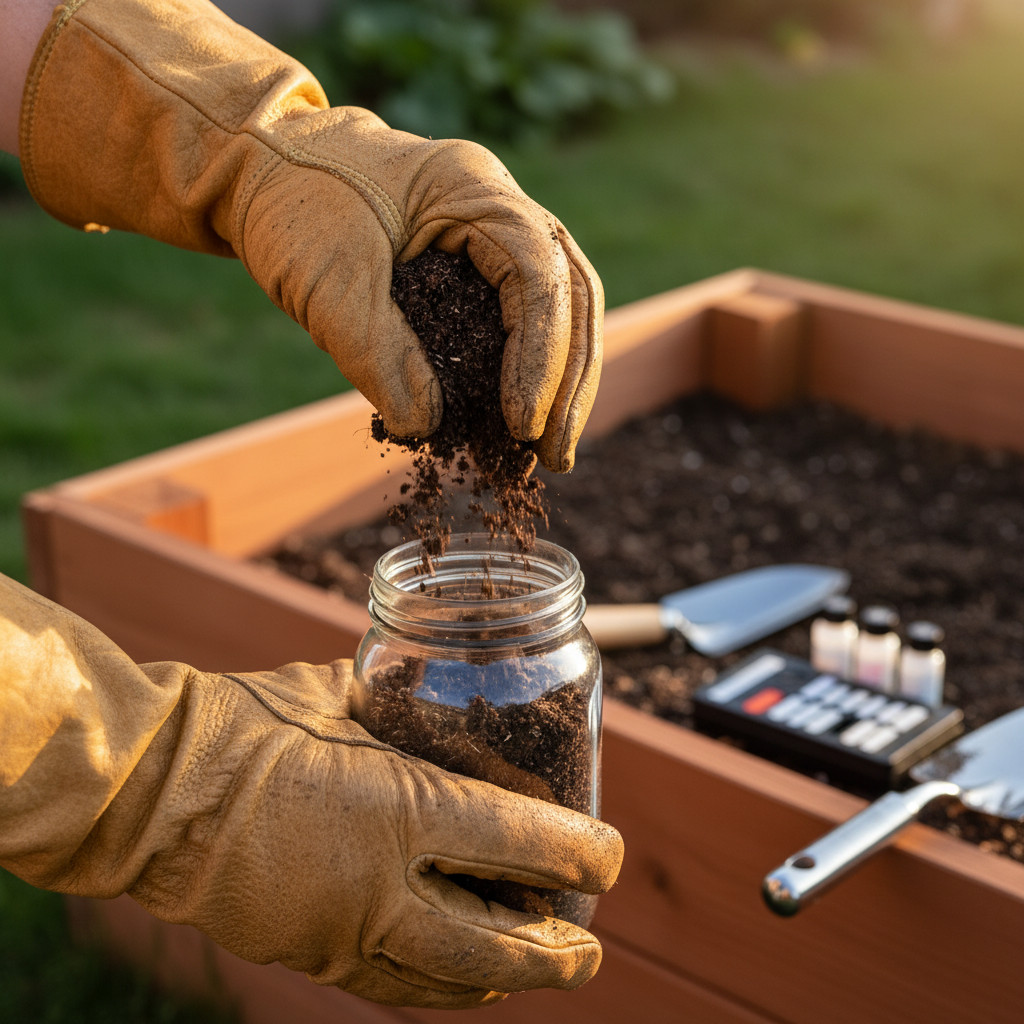
Begin with a comprehensive soil test from your local cooperative extension service or a reputable soil testing laboratory. These tests reveal your soil’s pH level, nutrient content, and organic matter percentage. Most fruit trees prefer slightly acidic to neutral soil (pH 6.0-7.0), while blueberries require distinctly acidic conditions (pH 4.5-5.5). Attempting to grow blueberries in alkaline soil without amendment leads to yellow leaves, stunted growth, and eventual plant death.
Essential soil preparation steps include:
-
Correcting pH imbalances before planting by incorporating sulfur to lower pH or lime to raise it. These amendments work slowly, so apply them at least 6-12 months before planting for best results. Retesting after amendment confirms you’ve achieved target levels. For blueberries in alkaline areas, consider raised beds filled with acidic planting mix rather than attempting to modify native soil.
-
Improving drainage in heavy clay soils that retain excessive moisture. Fruit tree roots sitting in waterlogged soil develop root rot diseases that quickly kill plants. Incorporate generous amounts of organic matter—compost, aged manure, or leaf mold—to improve clay soil structure. For severely poor drainage, install French drains or create raised planting mounds that elevate roots above standing water.
-
Building organic matter content to support beneficial soil microorganisms and improve nutrient availability. Aim for 3-5% organic matter content in your planting areas. Annual additions of compost, mulch, and cover crop residues gradually build this percentage over time, creating increasingly fertile soil that supports vigorous plant growth.
Secret #5: Plan for Proper Pollination Requirements
Understanding pollination needs prevents the frustrating experience of healthy trees that never produce fruit.
Pollination—the transfer of pollen from male flower parts to female parts—is essential for fruit formation in most species. Without successful pollination, even the healthiest, most vigorous fruit trees will produce empty seasons. Your fruit garden plan must account for each variety’s pollination requirements to ensure reliable fruit set year after year.
Fruit plants fall into several pollination categories:
-
Self-fertile (self-pollinating) varieties can produce fruit using their own pollen. Examples include most peaches, nectarines, apricots, sour cherries, and certain apple varieties like ‘Golden Delicious.’ These are excellent choices for gardeners with space for only one tree of a particular fruit type.
-
Self-unfruitful varieties require pollen from a different variety of the same fruit species to produce fruit. Most apples, pears, sweet cherries, and plums fall into this category. You’ll need at least two compatible varieties that bloom simultaneously for successful cross-pollination.
-
Partially self-fertile varieties can produce some fruit alone but yield significantly better with cross-pollination. Planting a compatible pollination partner dramatically increases harvest size and fruit quality.
Maximizing pollination success involves several strategies:
Selecting compatible pollinator pairs is crucial for self-unfruitful varieties. Not all varieties are compatible—some apple varieties produce sterile pollen and cannot serve as pollinators for others. Consult variety-specific pollination charts when selecting trees, ensuring your chosen varieties have overlapping bloom periods and proven cross-compatibility.
Attracting pollinators to your garden ensures pollen actually reaches receptive flowers. Plant flowering herbs, wildflowers, and other pollinator-friendly plants near your fruit trees. Avoid pesticide applications during bloom periods that could harm visiting bees. Consider maintaining a bee-friendly garden year-round to establish resident pollinator populations.
Secret #6: Create a Succession Planting Schedule for Extended Harvests
Strategic variety selection spreads your harvest across months rather than overwhelming you with fruit ripening all at once.
One common fruit garden planning oversight involves selecting varieties based solely on flavor preferences without considering ripening times. Planting three apple varieties that all ripen in early September means several weeks of frantic harvesting, processing, and preserving—followed by months without fresh fruit. A thoughtfully designed succession planting schedule delivers fresh fruit from early summer through late fall, with stored fruits extending enjoyment through winter months.
Most fruit species offer early, mid-season, and late-ripening varieties. By selecting one variety from each ripening period, you create a continuous harvest stream that’s easier to manage and enjoy:
| Fruit Type | Early Season | Mid-Season | Late Season |
|---|---|---|---|
| Apples | Lodi, Gala | Honeycrisp, Jonagold | Fuji, Granny Smith |
| Peaches | Springcrest, Redhaven | Cresthaven, Loring | Encore, Victoria |
| Pears | Bartlett | Anjou | Comice |
| Blueberries | Duke, Patriot | Bluecrop, Legacy | Elliott, Aurora |
Benefits of succession planting include:
- Manageable harvest volumes that one family can reasonably pick, eat fresh, and preserve without waste
- Extended fresh-eating seasons providing ripe fruit for several months rather than several weeks
- Pollination backup when early-blooming varieties are damaged by late frosts—later bloomers may still produce
- Risk distribution protecting against total crop loss from variety-specific pest or disease problems
Keep detailed records of bloom times and harvest dates in your specific garden. Published ripening dates are approximations that vary based on local conditions. After a few seasons, you’ll develop personalized knowledge of how varieties perform in your unique microclimate.
Secret #7: Integrate Pest and Disease Management from Day One
Preventive planning is far more effective—and less toxic—than reactive treatments after problems establish.
Fruit plants face numerous pest and disease pressures that can devastate harvests and kill plants if left unchecked. Rather than waiting for problems to appear and then scrambling for solutions, successful fruit gardeners build pest and disease management into their initial plans. This proactive approach reduces chemical inputs, protects beneficial insects, and creates resilient garden ecosystems.
Disease-resistant variety selection represents your most powerful preventive tool. Plant breeders have developed numerous fruit varieties with genetic resistance to common diseases like apple scab, fire blight, cedar-apple rust, and brown rot. Planting resistant varieties eliminates or dramatically reduces the need for fungicide applications. For example, the apple variety ‘Liberty’ resists scab, fire blight, cedar-apple rust, and powdery mildew—diseases that require multiple spray applications to control on susceptible varieties.
Key integrated pest management strategies include:
-
Sanitation practices remove pest and disease overwintering sites. Rake and destroy fallen fruit and leaves that harbor fungal spores. Prune out diseased or damaged branches promptly, disinfecting tools between cuts to prevent spreading pathogens. Remove mummified fruits that harbor brown rot and other diseases through winter.
-
Physical barriers prevent pest access without chemicals. Kaolin clay sprays create protective films on fruit surfaces that deter many insects. Fruit bagging—enclosing developing fruits in paper or mesh bags—protects against codling moth, apple maggot, and birds while producing pristine, unblemished fruit.
-
Beneficial insect habitat brings natural pest control to your garden. Flowering plants attract parasitic wasps, ladybugs, lacewings, and other beneficial insects that prey on fruit pests. Avoid broad-spectrum pesticides that kill beneficials along with pests. Allow some “wild” areas in your landscape where beneficial insect populations can establish.
Secret #8: Design an Efficient and Sustainable Irrigation System
Consistent, appropriate watering supports healthy growth and maximum fruit production while conserving this precious resource.
Water stress dramatically impacts fruit production—both too little and too much moisture cause problems. Drought-stressed trees drop fruit prematurely, produce undersized crops, and become vulnerable to pest and disease attacks. Overwatered trees develop root rots, show weak growth, and may die suddenly when stressed root systems can’t support aboveground demands. Your fruit garden plan should include an efficient irrigation system designed for your specific conditions and plant needs.
Fruit trees and berry plants have different water requirements at different growth stages:
- Newly planted trees need consistent moisture to establish root systems, typically requiring 1-2 inches weekly during the first two growing seasons
- Established trees develop deep root systems that access soil moisture unavailable to shallow-rooted plants, often needing supplemental irrigation only during extended dry periods
- Fruiting plants have highest water demands during fruit development, when water stress most severely impacts harvest quantity and quality
Drip irrigation offers significant advantages over overhead sprinklers for fruit gardens:
Drip systems deliver water directly to root zones, eliminating the water waste from evaporation and runoff associated with sprinklers. This targeted approach also keeps foliage dry, reducing fungal disease problems that flourish in humid conditions. Wet leaves during cool nights create ideal environments for apple scab, powdery mildew, and other common fruit diseases.
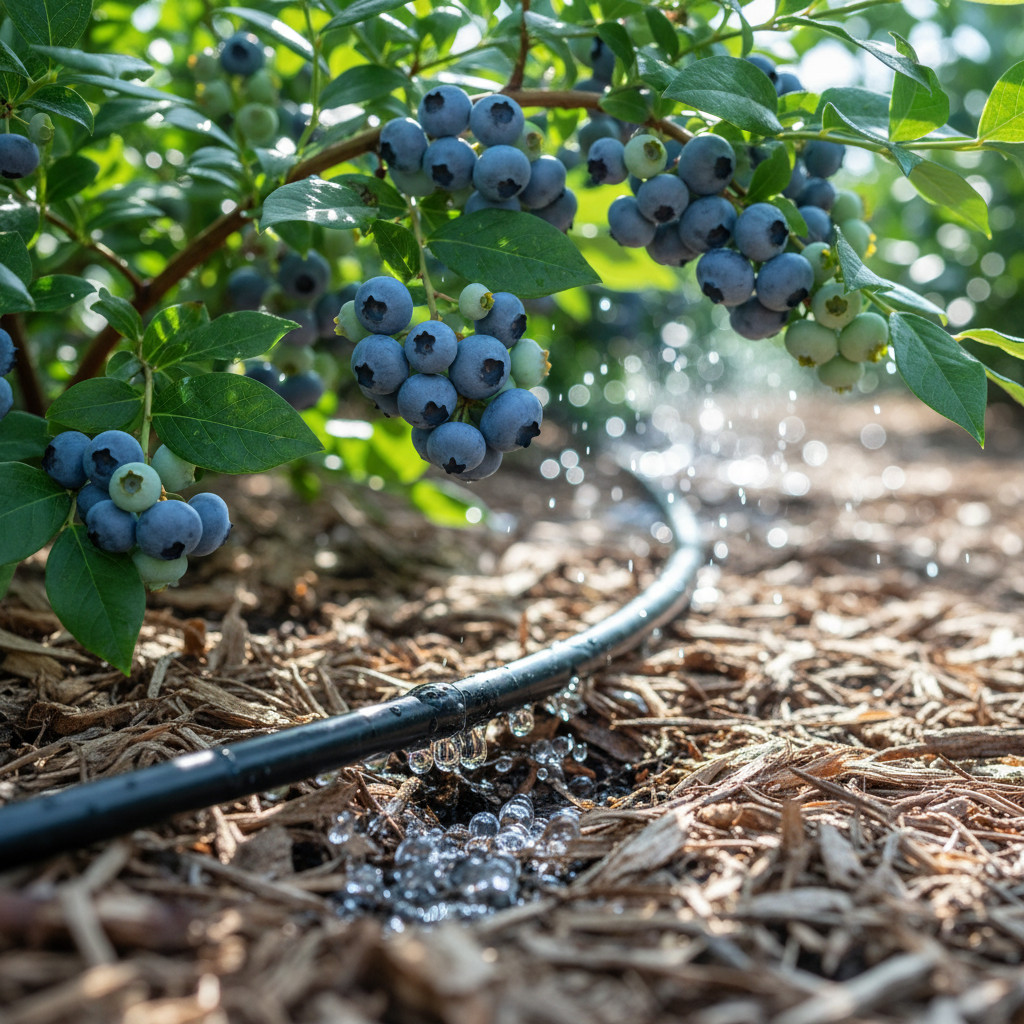
Installing drip irrigation with an automated timer ensures consistent watering even during busy periods or vacations. Zone your system to group plants with similar water needs, allowing you to provide more frequent irrigation to thirsty plants without overwatering drought-tolerant species. Add soil moisture sensors for truly optimized watering that responds to actual conditions rather than predetermined schedules.
Mulching around fruit plants dramatically reduces irrigation needs by conserving soil moisture. A 3-4 inch layer of organic mulch—wood chips, straw, or shredded leaves—can cut water requirements by 25-50% while suppressing weeds and building soil health as materials decompose.
Secret #9: Schedule Seasonal Maintenance and Pruning Tasks
Regular maintenance keeps plants healthy and productive—planning these tasks prevents them from being overlooked.
Fruit trees and berry plants require ongoing care beyond watering and fertilizing. Pruning represents the most important maintenance task, shaping plant structure, controlling size, removing diseased wood, and stimulating the fruiting wood production that determines harvest size. Neglected fruit trees become overgrown tangles producing small, poor-quality fruit that’s difficult to harvest.
Develop a seasonal maintenance calendar that schedules essential tasks throughout the year:
Late Winter (Before Bud Break):
- Major structural pruning for apples, pears, and stone fruits
- Apply dormant oil sprays to smother overwintering pest eggs
- Complete any delayed fall cleanup
- Check and repair trellises, stakes, and supports
Spring (Bloom Through Fruit Set):
- Thin fruit on heavy-setting trees to improve fruit size and prevent branch breakage
- Monitor for early pest activity and disease symptoms
- Apply preventive fungicide sprays if needed for disease-susceptible varieties
- Begin regular irrigation as weather warms
Summer (Fruit Development):
- Continue irrigation and pest monitoring
- Summer pruning to control vigorous growth and improve air circulation
- Install bird netting as fruits approach ripeness
- Harvest early-ripening varieties
Fall (Post-Harvest):
- Clean up fallen fruit and leaves
- Apply final fertilizer applications
- Protect young trees from winter damage with guards
- Plant new trees and bushes during dormant season
Pruning knowledge is essential for every fruit gardener. Each fruit type has specific pruning requirements based on where it produces fruit. Apples and pears fruit on long-lived spurs, requiring minimal annual pruning once structure is established. Peaches fruit on one-year-old wood, requiring aggressive annual pruning to stimulate new growth. Blueberries fruit on two-year-old canes, requiring systematic removal of older canes to maintain productive young growth.
Secret #10: Plan for Long-Term Growth and Future Expansion
Thinking decades ahead prevents the painful necessity of removing mature, productive plants that have outgrown their space.
The final secret to successful fruit garden planning involves envisioning your garden’s future state—not just its appearance at planting time. That bare-root apple whip standing 4 feet tall will become a spreading 15-foot tree within a decade. The blueberry bush you can step over today will grow chest-high and 6 feet wide. Planning for mature sizes prevents the heartbreaking need to remove established plants that have become problems.
Consider these long-term factors in your planning:
Your own physical capabilities will change over time. The ladder work required for harvesting standard-sized trees may become difficult or dangerous as you age. Planting dwarf varieties or training espalier forms keeps fruit within easy reach for harvesting, pruning, and pest management without ladders—a consideration that becomes increasingly important over decades of fruit growing.
Phase your planting over several years rather than installing everything at once. This approach offers multiple benefits: spreading the financial investment over time, allowing you to learn from early plantings before committing to additional varieties, and creating staggered ages that prevent all plants from reaching end-of-life simultaneously. A garden planted entirely in one year will eventually need complete replacement in a short period—phased planting smooths this transition.
Leave room for experimentation and expansion. Your initial plan might focus on proven, reliable varieties, but you’ll inevitably discover new fruits you want to try. Reserving space for future additions—or planning which established plants might eventually be replaced with new varieties—keeps your fruit garden dynamic and exciting over the long term.
Putting Your Fruit Garden Plan into Action
With these secrets in hand, you’re ready to transform knowledge into a thriving reality.
Creating your comprehensive fruit garden plan brings together all ten secrets into a cohesive document that guides your planting decisions and ongoing management. Start by mapping your property, noting sun exposure, microclimates, existing vegetation, and potential planting areas. Research varieties suited to your climate zone and chill hour accumulation. Select a mix of varieties that meet your space constraints, pollination requirements, and succession harvest goals.
Your action plan should include:
- A scaled drawing showing plant locations with mature spacing requirements
- A variety list with pollination partners, rootstock types, and expected ripening dates
- A soil preparation timeline beginning months before planting
- An irrigation system design with zones for different water needs
- A seasonal maintenance schedule with specific tasks for each period
- A multi-year planting schedule if implementing phases
Final Words: Your Fruit Garden Journey Begins Now
The secrets revealed in this guide transform fruit gardening from hopeful experimentation into confident, strategic cultivation. By understanding your climate and microclimate, selecting appropriate varieties, designing for optimal growing conditions, and planning for long-term success, you’ve equipped yourself with the knowledge that separates thriving fruit gardens from struggling failures.
Remember that every expert fruit gardener started exactly where you are now—dreaming of abundant harvests but uncertain how to achieve them. The difference between success and frustration lies in the planning foundation you’re now prepared to build. Take time to develop your comprehensive plan before purchasing a single plant. This investment in forethought pays dividends for decades as your trees mature and your harvests grow.
Your fruit garden represents a legacy—trees you plant today may still be producing fruit for your children and grandchildren. By applying these ten secrets, you’re creating not just a productive garden, but a living inheritance of beauty, abundance, and connection to the land. The journey of a thousand harvests begins with a single well-planned step. Take that step today, and watch your fruit garden dreams grow into delicious reality.
Start your planning this weekend. Grab a notebook, walk your property with fresh eyes, and begin envisioning the fruitful paradise waiting to emerge. Your future self—basket in hand, reaching for perfect sun-warmed fruit—will thank you for the effort you invest now.
![What Kind Of Fruits Grow On Palm Trees? [10 Most Common Ones]](https://fruitonix.com/wp-content/uploads/2023/08/image-126-1024x683.png)