Table of Contents
- The Complete Guide to Fruit Growing In Containers
- Why Container Fruit Growing Is Transforming Modern Gardening
- The Rising Popularity of Portable Orchards
- Key Benefits That Make Container Growing Worthwhile
- Selecting the Perfect Containers for Your Fruit Plants
- Container Materials: Understanding Your Options
- Size Requirements for Different Fruit Types
- Essential Drainage Considerations
- Best Fruits to Grow in Containers
- Dwarf Fruit Trees Perfect for Container Growing
- Berry Bushes and Vines
- Unique Container-Friendly Options
- Creating the Ideal Growing Medium
- Essential Components of Quality Potting Mix
- pH Requirements and Adjustments
- Mastering Watering and Irrigation Techniques
- Understanding Container Water Needs
- Signs of Watering Problems
- Automated Irrigation Solutions
- Fertilization Strategies for Abundant Harvests
- Understanding Nutrient Needs
- Fertilizer Types and Application Methods
- Optimizing Sunlight and Placement
- Understanding Light Requirements
- Microclimate Management
- Pruning and Training for Compact, Productive Plants
- Why Pruning Matters for Container Fruits
- Pruning Techniques and Timing
- Pest and Disease Management Strategies
- Common Container Fruit Pests
- Disease Prevention and Treatment
- Overwintering and Seasonal Care
- Cold Protection Strategies
- Indoor Winter Care
- Final Thoughts: Your Container Fruit Growing Journey
The Complete Guide to Fruit Growing In Containers
Imagine stepping onto your balcony, patio, or small backyard and plucking a perfectly ripe strawberry, a juicy lemon, or a sweet fig straight from your own container garden. This dream is not only achievable but increasingly popular among urban dwellers, apartment residents, and anyone with limited outdoor space. Container fruit growing has transformed the way millions of people approach home gardening, breaking down barriers that once made fresh, homegrown fruit seem impossible for those without sprawling yards or traditional garden plots.
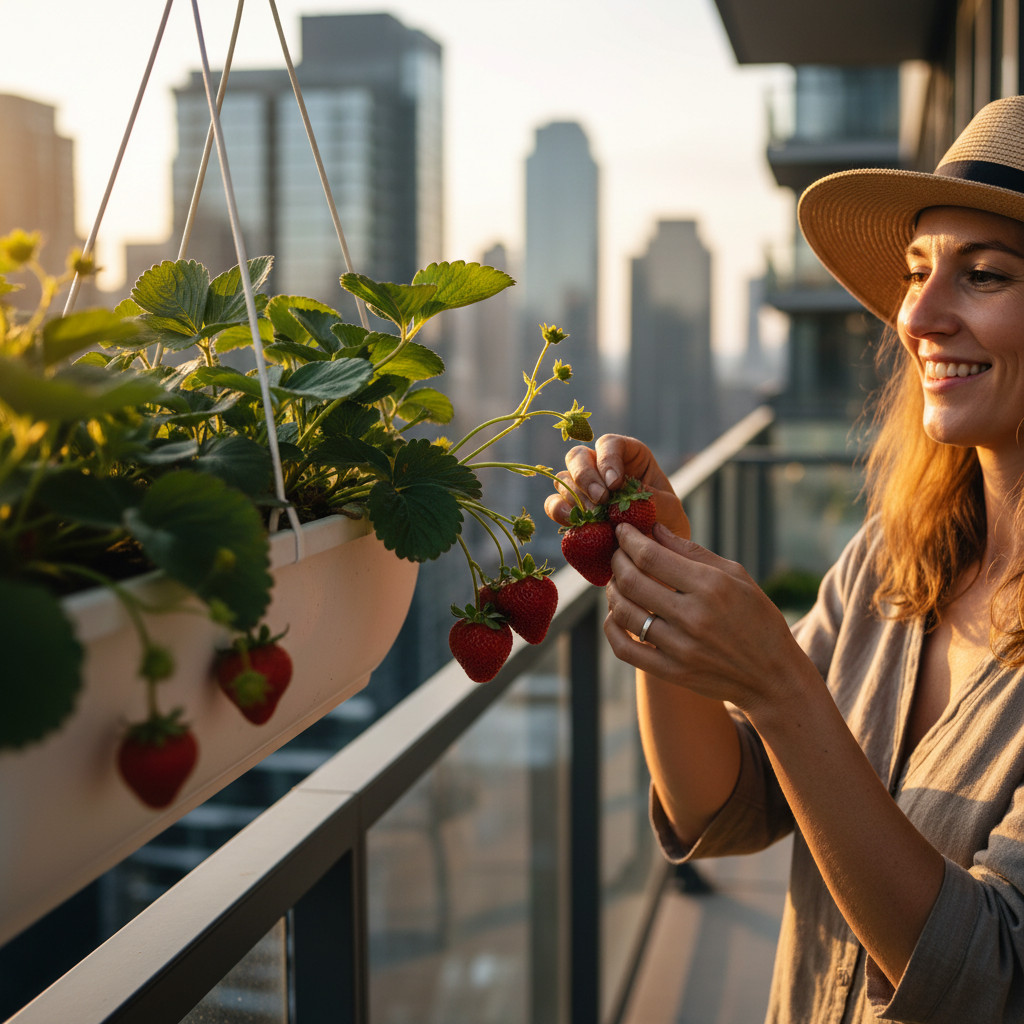
The beauty of growing fruit in containers lies in its accessibility and flexibility. Whether you’re a seasoned gardener looking to maximize your harvest or a complete beginner eager to nurture your first plant, container gardening offers an adaptable solution that fits virtually any living situation. From compact dwarf apple trees to trailing strawberry plants and aromatic citrus varieties, the possibilities are remarkably diverse and rewarding.
This comprehensive guide will walk you through everything you need to know to successfully grow delicious, healthy fruit in containers. You’ll discover which fruits thrive in confined spaces, how to select the perfect containers and soil, master watering and fertilization techniques, and learn expert strategies to ensure bountiful harvests year after year.
Why Container Fruit Growing Is Transforming Modern Gardening
Container gardening has emerged as a game-changing approach for fruit enthusiasts, offering unmatched versatility and control over growing conditions.
The Rising Popularity of Portable Orchards
The movement toward container fruit growing has accelerated dramatically in recent years, driven by urbanization, smaller living spaces, and a growing desire for sustainable, locally-sourced food. Unlike traditional orchards that require permanent installations and substantial land, container gardens can be established on balconies, rooftops, patios, driveways, and even indoors near sunny windows.
This approach empowers gardeners to create microclimates tailored to specific fruit varieties. You can move sun-loving citrus trees to follow the light throughout the day, bring tender plants indoors during unexpected frosts, and rearrange your entire garden setup as seasons change. The portability factor alone makes container growing invaluable for renters who want to take their garden with them when they move.
Key Benefits That Make Container Growing Worthwhile
Container fruit growing delivers numerous advantages that traditional ground planting simply cannot match:
- Space efficiency: Grow multiple fruit varieties in minimal square footage
- Pest and disease control: Elevated containers reduce exposure to soil-borne diseases
- Soil customization: Create the perfect growing medium for each specific fruit type
- Extended growing seasons: Move plants indoors or to sheltered areas during inclement weather
- Accessibility: Raised containers reduce bending and kneeling, making gardening easier for those with mobility challenges
The ability to control every aspect of your plant’s environment—from soil composition to sun exposure—gives container gardeners a significant edge in producing healthy, productive fruit plants. This level of control proves especially valuable when growing fruit varieties that might not typically thrive in your local climate or soil conditions.
Selecting the Perfect Containers for Your Fruit Plants
The foundation of successful container fruit growing begins with choosing appropriate vessels that support healthy root development and plant growth.
Container Materials: Understanding Your Options
Selecting the right container material significantly impacts your fruit plant’s health, your maintenance requirements, and your garden’s aesthetic appeal. Each material offers distinct advantages and drawbacks that merit careful consideration.
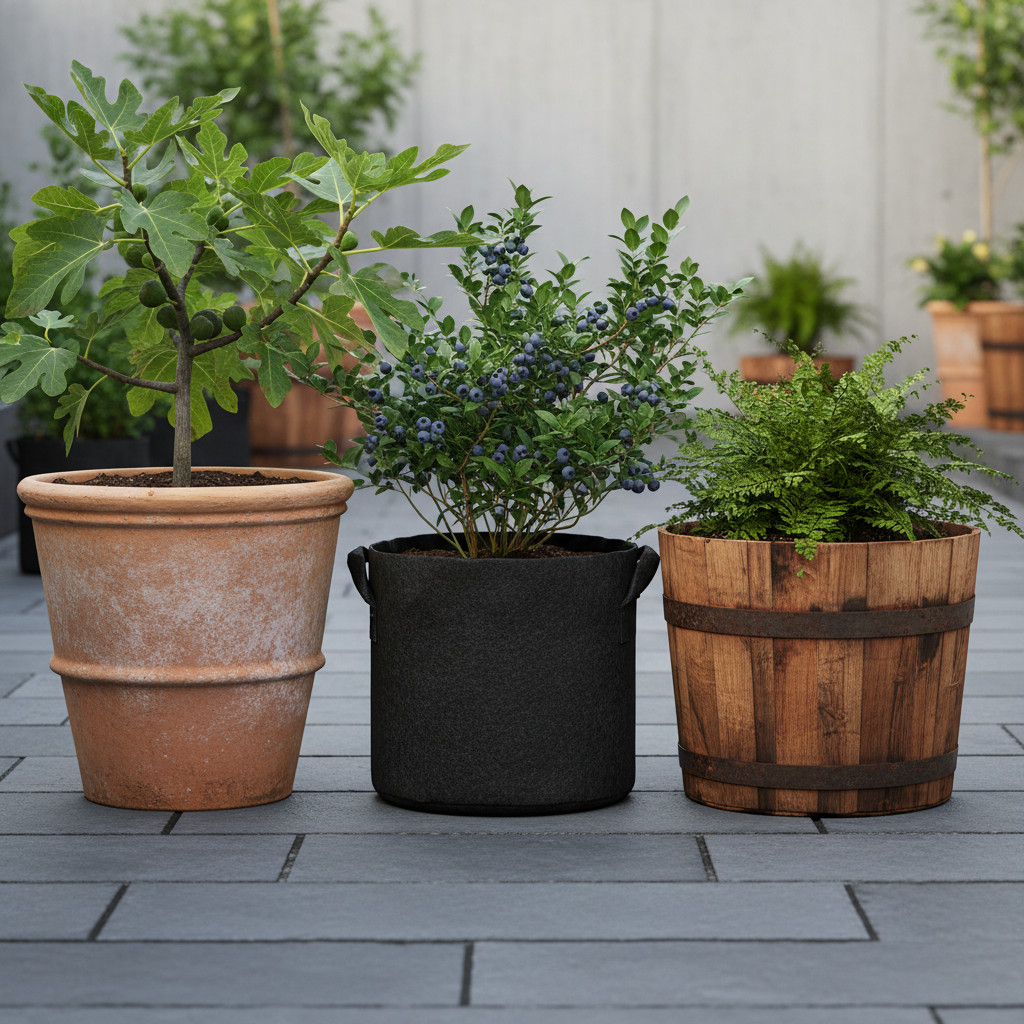
Terracotta and Clay Pots provide excellent breathability, allowing roots to access oxygen while excess moisture evaporates through the porous walls. However, this same porosity means more frequent watering and potential cracking in freezing temperatures. These classic containers work beautifully for Mediterranean fruits like figs and olives that prefer well-drained conditions.
Plastic Containers offer lightweight durability and excellent moisture retention at affordable prices. Modern options include UV-resistant formulations that withstand years of sun exposure without degrading. Their lightweight nature makes them ideal for balconies with weight restrictions or gardeners who frequently reposition plants.
Fabric Grow Bags have revolutionized container gardening with their air-pruning capabilities that prevent root circling and promote healthier root systems. These breathable containers provide excellent drainage and fold flat for easy storage during off-seasons.
Wooden Half-Barrels and Planters deliver rustic charm while providing good insulation for roots. Ensure wooden containers are made from rot-resistant wood like cedar or redwood, or line them with plastic to extend their lifespan.
Size Requirements for Different Fruit Types
Container size directly correlates with your fruit plant’s ultimate size, health, and productivity. Insufficient root space stunts growth, reduces yields, and stresses plants, making them more susceptible to disease.
| Fruit Type | Minimum Container Size | Recommended Depth |
|---|---|---|
| Strawberries | 6-8 inches | 8 inches |
| Blueberries | 18-24 inches | 18 inches |
| Dwarf Citrus | 18-24 inches | 18-24 inches |
| Dwarf Apple/Pear | 20-24 inches | 24 inches |
| Fig Trees | 24-36 inches | 24 inches |
Always err on the side of larger containers when possible. Plants in roomier containers require less frequent watering, experience less temperature stress, and generally produce more abundant harvests than their crowded counterparts.
Essential Drainage Considerations
Proper drainage stands as the single most critical factor in container selection. Fruit plants cannot tolerate waterlogged roots, which lead to root rot, fungal infections, and eventual plant death.
-
Ensure adequate drainage holes: Every container must have multiple drainage holes at the bottom. If your desired container lacks holes, drill several quarter-inch to half-inch openings.
-
Elevate containers: Place containers on pot feet, wheeled plant caddies, or bricks to allow water to escape freely and prevent sitting in accumulated water.
-
Avoid drainage layer myths: Contrary to popular belief, placing gravel or rocks at the container bottom does not improve drainage—it actually creates a perched water table that keeps roots wetter longer.
Best Fruits to Grow in Containers
Not all fruits adapt equally well to container life. Understanding which varieties thrive in confined spaces ensures gardening success and satisfying harvests.
Dwarf Fruit Trees Perfect for Container Growing
Modern horticultural advances have produced numerous dwarf fruit tree varieties specifically suited for container cultivation. These compact trees deliver full-sized fruit on manageable, space-efficient plants.
Dwarf Apple Trees remain among the most popular container choices, with varieties like ‘Honeycrisp,’ ‘Gala,’ and ‘Fuji’ available on dwarfing rootstocks. When selecting apple trees, remember that most require a compatible pollination partner, so plan to grow at least two different varieties or choose self-fertile options like ‘Golden Delicious.’
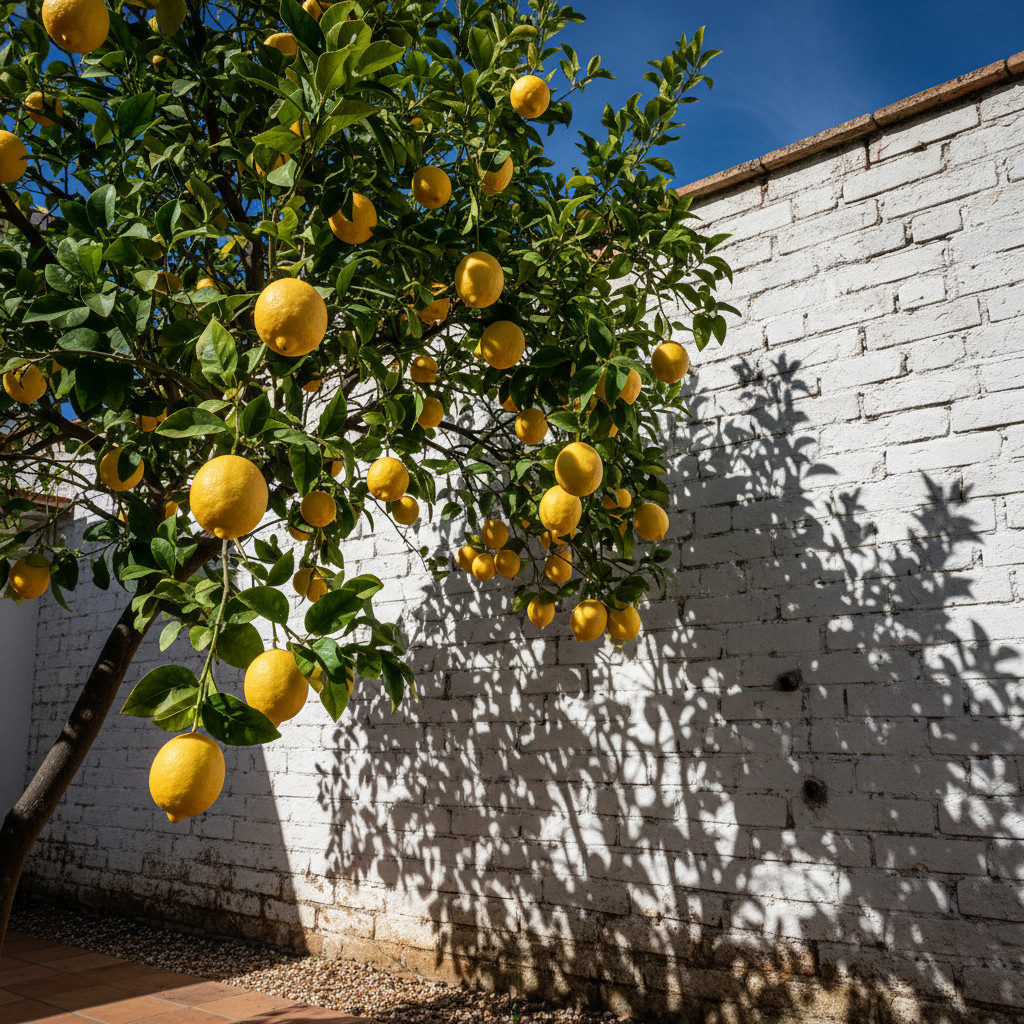
Dwarf Citrus Trees perform exceptionally well in containers, including Meyer lemons, key limes, kumquats, and Calamondin oranges. These Mediterranean natives appreciate the ability to be moved indoors during cold months, making them viable options for gardeners in cooler climates. Most citrus varieties are self-pollinating, simplifying the selection process.
Fig Trees adapt remarkably well to container culture, with varieties like ‘Brown Turkey,’ ‘Chicago Hardy,’ and ‘Petite Negra’ producing delicious fruit in relatively small containers. Figs actually benefit from root restriction, which can encourage more abundant fruiting.
Berry Bushes and Vines
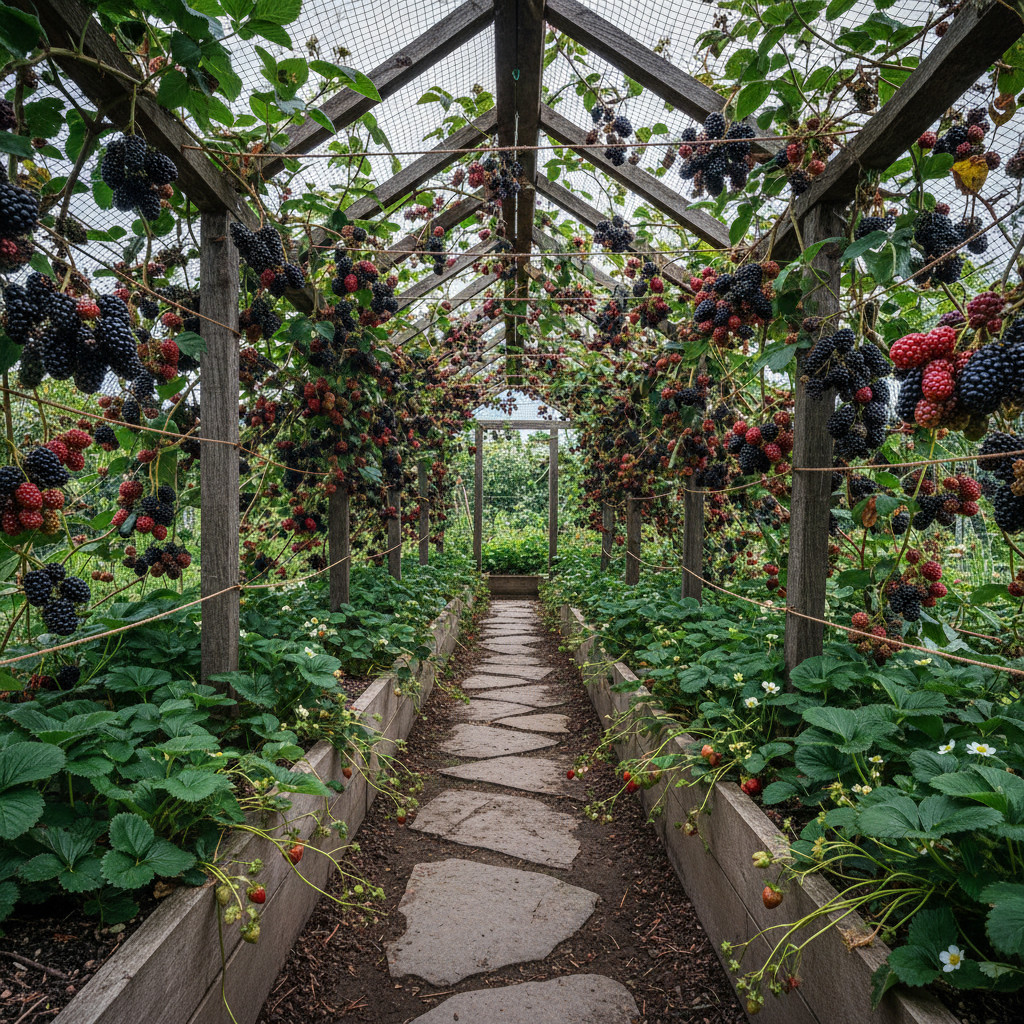
Berries represent perhaps the easiest entry point into container fruit growing, offering quick establishment, early harvests, and relatively simple care requirements.
-
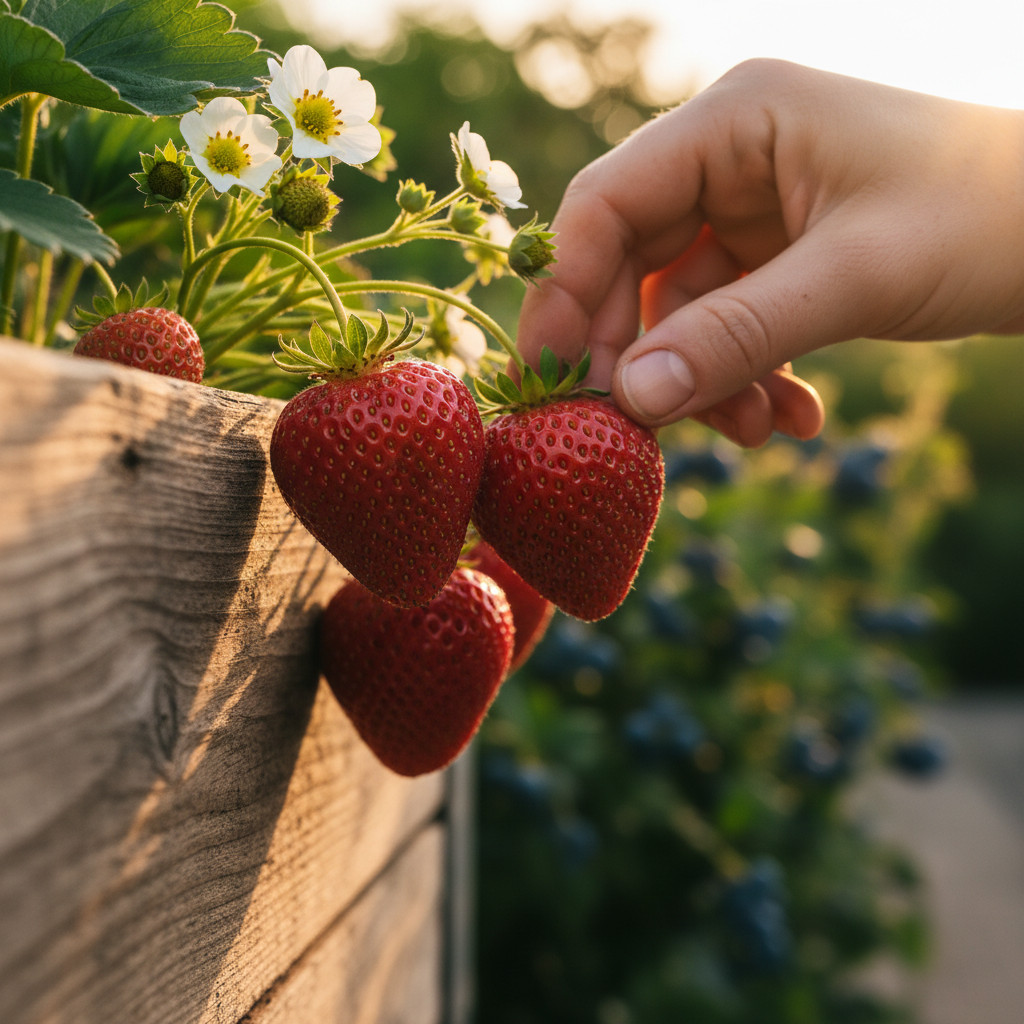
Strawberries: These versatile plants thrive in hanging baskets, strawberry jars, window boxes, and traditional containers. Everbearing varieties like ‘Albion’ and ‘Seascape’ produce fruit throughout the growing season.
-
Blueberries: Compact varieties such as ‘Top Hat,’ ‘Northsky,’ and ‘Sunshine Blue’ flourish in acidic potting mixes. Plant at least two different varieties for optimal cross-pollination and fruit set.
-
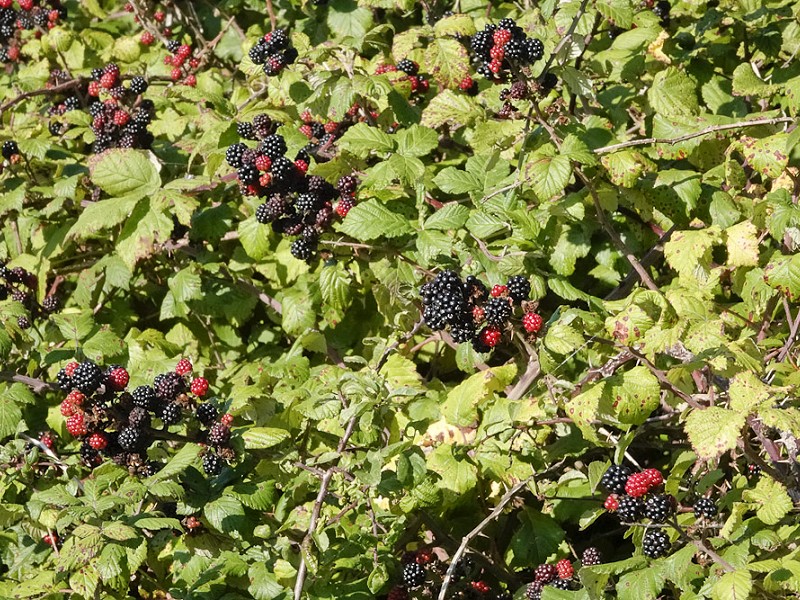
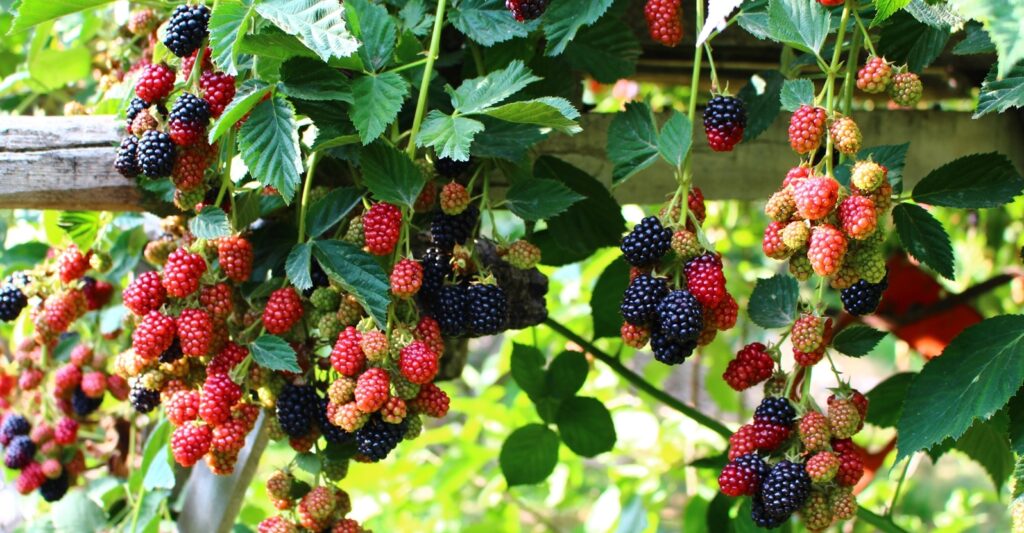
Raspberries and Blackberries: Look for compact cultivars like ‘Raspberry Shortcake’ or ‘Baby Cakes’ blackberry, which produce thornless canes on dwarf plants perfect for containers.
Unique Container-Friendly Options
Beyond traditional favorites, consider these exceptional performers for container cultivation:
Passion Fruit Vines produce exotic tropical fruit and stunning flowers while climbing trellises inserted into large containers. In cooler climates, these vigorous vines can be overwintered indoors.
Dwarf Pomegranates offer ornamental value alongside edible fruit, with compact varieties reaching only 2-4 feet in containers. Their drought tolerance makes them forgiving for gardeners who occasionally forget to water.
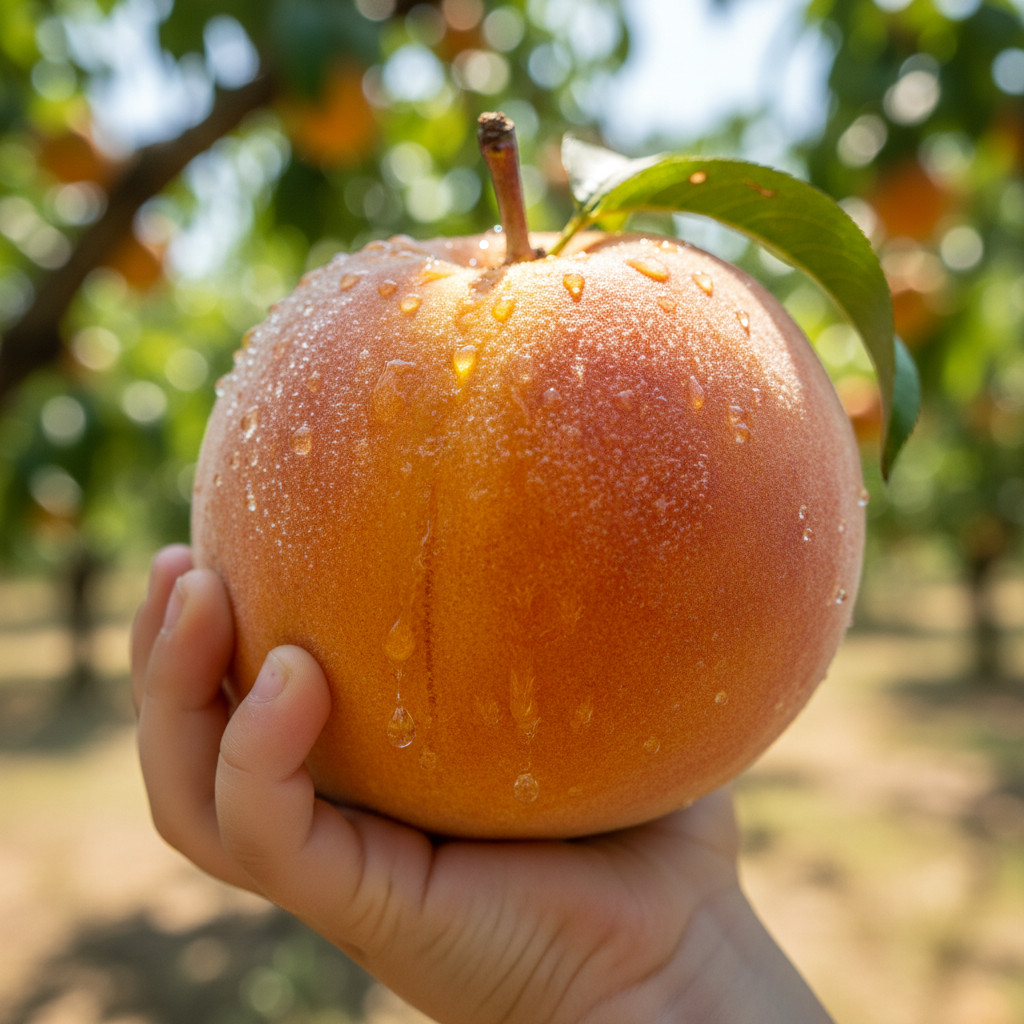
Dwarf Peaches and Nectarines like ‘Bonanza’ and ‘Garden Gold’ produce full-sized fruit on trees topping out at 4-6 feet, making them perfectly suited for large containers on sunny patios.
Creating the Ideal Growing Medium
The soil mix you choose determines your container fruit’s access to nutrients, water, and oxygen—the three essentials for vigorous growth.
Essential Components of Quality Potting Mix
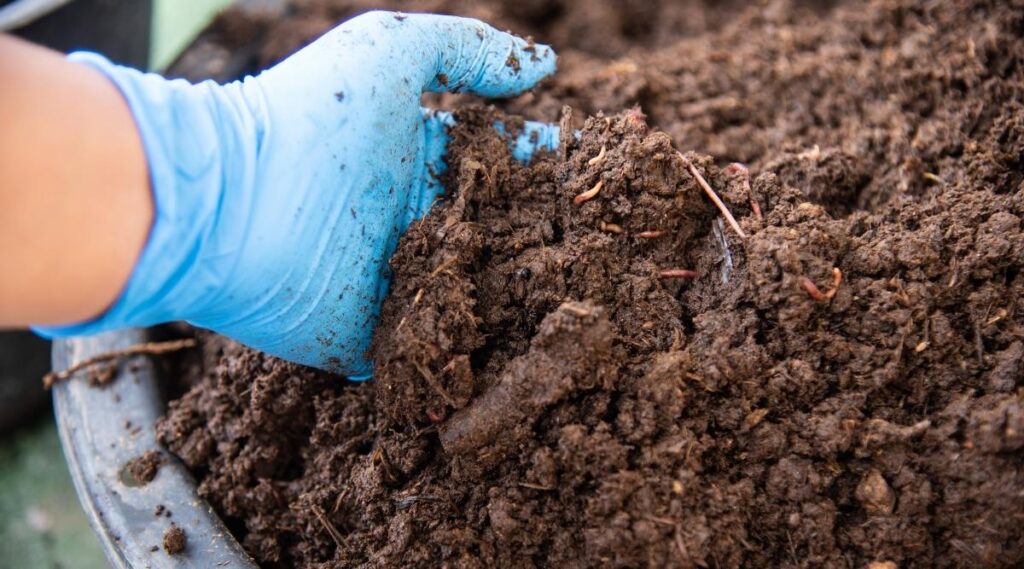
Never use garden soil directly in containers. Ground soil compacts in containers, restricts drainage, and may harbor pests, diseases, and weed seeds. Instead, create or purchase a quality potting mix specifically formulated for container growing.
A superior container growing medium typically includes:
-
Peat Moss or Coco Coir: These materials provide moisture retention while maintaining a lightweight, fluffy texture. Coco coir offers an environmentally sustainable alternative to peat moss with similar performance characteristics.
-
Perlite or Pumice: These lightweight volcanic materials improve drainage and prevent compaction, ensuring roots can access vital oxygen. Aim for 20-30% perlite content in your mix.
-
Compost or Aged Bark: Organic materials provide slow-release nutrients and beneficial microorganisms that support healthy root development and disease resistance.
-
Vermiculite: This mineral improves moisture retention and nutrient availability, proving particularly valuable in containers that dry quickly.
pH Requirements and Adjustments
Different fruit plants require specific soil pH levels for optimal nutrient uptake. Understanding and adjusting your growing medium’s pH significantly impacts plant health and productivity.
Blueberries demand acidic soil with pH between 4.5 and 5.5. Achieve this by incorporating sulfur into your potting mix or using specialized acidic potting soils designed for azaleas and rhododendrons. Regular applications of acidifying fertilizers help maintain appropriate pH levels over time.
Most other fruit trees and plants prefer slightly acidic to neutral conditions with pH between 6.0 and 7.0. Standard quality potting mixes typically fall within this range without modification.
Test your potting mix’s pH using inexpensive home testing kits before planting and annually thereafter. Gradually adjust pH as needed using sulfur (to lower) or lime (to raise), following product directions carefully to avoid shocking plants.
Mastering Watering and Irrigation Techniques
Proper watering represents the most challenging aspect of container gardening, requiring consistent attention and adjustment based on conditions.
Understanding Container Water Needs
Container plants dry out faster than their ground-planted counterparts because roots cannot seek moisture from surrounding soil. Several factors influence how quickly your containers require water:
- Container material: Porous materials like terracotta dry faster than plastic or glazed ceramic
- Container size: Smaller containers dry more rapidly than larger ones
- Weather conditions: Wind, heat, and low humidity accelerate evaporation
- Plant size: Larger, established plants with extensive root systems consume more water
- Growth stage: Actively growing and fruiting plants require more moisture
During peak summer months, large container fruit trees may need watering twice daily, while the same plant might need water only weekly during cool, cloudy winter periods.
Signs of Watering Problems
Learning to recognize watering issues early prevents plant stress and potential loss:
Underwatering symptoms:
- Wilting leaves that don’t recover in evening coolness
- Crispy, brown leaf edges
- Premature fruit drop
- Stunted growth
Overwatering symptoms:
- Yellowing leaves, especially lower ones
- Soft, mushy stems near soil level
- Fungal growth on soil surface
- Root rot (confirmed by brown, mushy roots when inspected)
The most reliable watering method involves checking soil moisture by inserting your finger 2-3 inches into the potting mix. Water thoroughly when this depth feels dry, allowing excess water to drain completely from container bottoms.
Automated Irrigation Solutions
For gardeners managing multiple containers or those who travel frequently, automated watering systems provide consistency and convenience:
Drip irrigation systems deliver water directly to the root zone through emitters connected to a timer-controlled water source. These systems conserve water while ensuring consistent moisture levels.
Self-watering containers feature built-in reservoirs that wick moisture up to the root zone as plants need it. These containers significantly reduce watering frequency while preventing both over and underwatering.
Moisture monitoring devices range from simple probes to sophisticated sensors that connect to smartphone apps, alerting you when plants need attention.
Fertilization Strategies for Abundant Harvests
Container fruits depend entirely on you for nutrition since they cannot send roots searching for nutrients beyond their confined growing space.
Understanding Nutrient Needs
Fruit plants require three primary nutrients—nitrogen (N), phosphorus (P), and potassium (K)—along with numerous secondary and micronutrients for healthy growth and fruit production.
Nitrogen promotes leafy vegetative growth and is particularly important during spring when plants emerge from dormancy. However, excessive nitrogen produces lush foliage at the expense of fruit production.
Phosphorus supports root development, flowering, and fruit set. Adequate phosphorus proves essential during blooming periods when plants transition from vegetative to reproductive growth.
Potassium strengthens overall plant health, improves disease resistance, and enhances fruit quality, size, and flavor. This nutrient becomes increasingly important as fruits develop and ripen.
Fertilizer Types and Application Methods
Select fertilizers formulated for fruit production, typically featuring moderate nitrogen with higher phosphorus and potassium levels:
-
Slow-release granular fertilizers: These products gradually release nutrients over 3-6 months, providing consistent feeding with minimal effort. Incorporate slow-release fertilizer into potting mix at planting and top-dress annually in spring.
-
Water-soluble fertilizers: Quick-acting liquid feeds provide immediate nutrition and allow precise control over feeding schedules. Apply every 2-4 weeks during active growth periods, following label directions for dilution rates.
-
Organic options: Fish emulsion, seaweed extracts, compost teas, and worm castings provide gentle, sustained nutrition while improving soil biology. These options prove especially valuable for gardeners concerned about chemical inputs.
Fertilization Schedule:
- Early Spring: Apply balanced fertilizer as plants break dormancy
- Flowering Period: Switch to bloom-boosting formulas higher in phosphorus
- Fruit Development: Continue regular feeding with potassium-rich fertilizers
- Late Summer/Fall: Reduce or cease fertilization to allow plants to harden off before winter
Optimizing Sunlight and Placement
Strategic positioning of your container garden dramatically influences plant health, fruit quality, and overall productivity.
Understanding Light Requirements
Most fruit-producing plants require full sun—defined as at least 6-8 hours of direct sunlight daily—to produce abundant, sweet fruit. Insufficient light results in leggy growth, reduced flowering, and disappointing harvests.
High-light demanding fruits (8+ hours):
- Citrus trees
- Peaches and nectarines
- Grapes
- Melons
Moderate light tolerant (6-8 hours):
- Apples and pears
- Figs
- Berries
- Cherries
Partial shade tolerant (4-6 hours):
- Certain berry varieties
- Currants and gooseberries
Observe your growing space throughout the day and across seasons to identify locations receiving optimal light. Remember that sun patterns shift significantly between summer and winter, potentially requiring seasonal repositioning.
Microclimate Management
Containers offer the unique advantage of mobility, allowing you to create ideal microclimates for your fruit plants:
- Heat-loving plants benefit from placement near south-facing walls that radiate stored warmth during cool nights
- Wind protection proves essential for young plants and those with delicate blossoms that wind can damage
- Reflected light from light-colored walls and surfaces can boost light exposure in partially shaded locations
- Air circulation remains important for preventing fungal diseases—avoid clustering plants too densely
Pruning and Training for Compact, Productive Plants
Regular pruning and training transform potentially unruly fruit plants into attractive, manageable, and highly productive specimens.
Why Pruning Matters for Container Fruits
Pruning serves multiple essential functions in container fruit production:
Size management keeps plants appropriately scaled for their containers and growing spaces. Without regular pruning, dwarf fruit trees can still outgrow their allotted areas.
Improved fruiting results from removing unproductive wood and directing plant energy toward fruit-bearing branches. Proper pruning opens plant interiors to light and air circulation, improving fruit quality and reducing disease pressure.
Shape and aesthetics transform fruit plants into attractive garden features that complement your outdoor living space.
Pruning Techniques and Timing
Different fruit types require different pruning approaches:
-
Dormant pruning (late winter/early spring): Remove dead, damaged, and crossing branches from deciduous fruit trees. Shape the overall structure and reduce size as needed before new growth begins.
-
Summer pruning: Pinch back vigorous shoots to maintain compact form and redirect energy toward fruit development. Remove suckers emerging from rootstocks immediately.
-
Renewal pruning for berries: Remove oldest canes from berry bushes after fruiting to encourage vigorous new growth that will bear next season’s crop.
Essential pruning tools include:
- Sharp bypass pruners for cuts up to ½ inch diameter
- Loppers for larger branches
- Pruning saw for thick wood
- Rubbing alcohol for sanitizing tools between plants
Pest and Disease Management Strategies
Container growing reduces but doesn’t eliminate pest and disease challenges. Proactive management protects your investment and ensures bountiful harvests.
Common Container Fruit Pests
Several pests commonly affect container-grown fruits:
Aphids cluster on tender new growth, sucking plant juices and potentially transmitting diseases. Control with strong water sprays, insecticidal soap, or beneficial insects like ladybugs.
Spider mites thrive in hot, dry conditions, producing fine webbing and stippled leaves. Increase humidity around plants and apply horticultural oils or miticides if infestations persist.
Scale insects appear as small bumps on stems and leaves, draining plant vigor over time. Remove manually when possible and apply horticultural oil during dormant periods.
Fruit flies attack ripening fruit, particularly citrus, figs, and stone fruits. Use protective bagging, harvest promptly when ripe, and employ traps to reduce populations.
Disease Prevention and Treatment
Prevention remains your most effective disease management strategy:
- Provide adequate spacing between containers for air circulation
- Water at soil level rather than overhead to keep foliage dry
- Remove fallen leaves and fruit promptly to eliminate disease reservoirs
- Sanitize tools between plants and seasons
- Choose disease-resistant varieties whenever available
Common diseases affecting container fruits include powdery mildew, various fungal leaf spots, and root rot. Address fungal issues with appropriate fungicides—organic options include neem oil, copper fungicides, and sulfur-based products.
Overwintering and Seasonal Care
Protecting your container fruit plants through winter months ensures their return for many productive seasons.
Cold Protection Strategies
Container plants face greater cold vulnerability than ground-planted specimens because their roots lack the insulating protection of surrounding soil.
For marginally hardy plants:
- Group containers together and wrap with burlap or bubble wrap
- Push containers against building walls for added warmth
- Mulch heavily over the soil surface
- Water thoroughly before hard freezes—moist soil holds heat better than dry
For tropical and subtropical fruits:
- Move containers indoors before first frost
- Provide bright light near south-facing windows or supplement with grow lights
- Reduce watering and cease fertilization during dormancy
- Maintain humidity around plants with pebble trays or humidifiers
Indoor Winter Care
When overwintering tender fruit plants indoors, monitor for common indoor plant challenges:
- Reduced light: Many plants enter semi-dormancy indoors; this is natural and acceptable
- Dry air: Indoor heating dramatically reduces humidity; group plants and use humidity trays
- Pest vigilance: Scale, spider mites, and mealybugs often proliferate indoors
- Overwatering risk: Reduced growth means reduced water needs
Gradually acclimate plants to outdoor conditions in spring, hardening them off over 1-2 weeks before leaving them outside permanently.
Final Thoughts: Your Container Fruit Growing Journey
Growing fruit in containers opens a world of possibilities for gardeners regardless of space limitations or living situations. The keys to success lie in selecting appropriate varieties, providing proper containers and growing medium, maintaining consistent watering and fertilization, and giving your plants the attention they need throughout the seasons.
Start your container fruit growing adventure with one or two easy varieties like strawberries or a dwarf citrus tree. As you gain confidence and experience, expand your collection to include more challenging species and experiment with different techniques.
Remember that gardening is a journey of continuous learning. Every season brings new insights, occasional setbacks, and the incomparable satisfaction of harvesting fruit you’ve nurtured from blossom to ripeness. Embrace the process, learn from both successes and failures, and enjoy the remarkable rewards that container fruit growing offers.
Take action today: Assess your available space, research varieties suited to your climate and light conditions, gather your supplies, and plant your first container fruit. The best time to start your portable orchard is now—your future self will thank you when enjoying that first delicious, homegrown harvest.