Table of Contents
- How to Master Fruit Trees In Garden at Home
- Understanding the Basics of Home Fruit Tree Cultivation
- Why Growing Fruit Trees at Home Is Worth the Effort
- Assessing Your Climate and Hardiness Zone
- Choosing the Right Fruit Trees for Your Garden
- Popular Fruit Tree Varieties for Home Gardens
- Dwarf vs. Standard Trees: Making the Right Choice
- Understanding Pollination Requirements
- Planning and Preparing Your Planting Site
- Selecting the Ideal Location
- Soil Preparation and Testing
- Planting Your Fruit Trees the Right Way
- Best Time to Plant Fruit Trees
- Step-by-Step Planting Process
- Essential Watering and Irrigation Techniques
- Understanding Water Requirements
- Irrigation Systems for Fruit Trees
- Fertilizing for Optimal Growth and Fruit Production
- Understanding Nutrient Needs
- Creating a Fertilization Schedule
- Pruning and Training Your Fruit Trees
- Why Pruning Matters
- Pruning Techniques for Different Fruit Trees
- Pest and Disease Management
- Common Pests Affecting Fruit Trees
- Disease Prevention and Treatment
- Harvesting and Enjoying Your Homegrown Fruit
- Knowing When to Harvest
- Proper Harvesting Techniques
- Seasonal Care and Maintenance Calendar
- Spring Tasks
- Summer Care
- Fall Preparation
- Winter Protection
- Final Thoughts
How to Master Fruit Trees In Garden at Home
There’s something deeply satisfying about walking into your backyard and plucking a perfectly ripe apple, peach, or cherry straight from your own tree. The burst of flavor from homegrown fruit simply cannot be replicated by anything you’ll find in a grocery store, and the journey of nurturing a fruit tree from a young sapling to a bountiful producer creates a connection to nature that many homeowners find incredibly rewarding. Growing fruit trees at home might seem intimidating at first, especially if you’re new to gardening, but with the right knowledge, preparation, and ongoing care, anyone can transform their garden into a productive orchard that provides years of delicious harvests.
Whether you have a sprawling backyard or a compact urban space, modern fruit tree varieties and cultivation techniques make it possible to enjoy homegrown fruit regardless of your circumstances. This comprehensive guide will walk you through every aspect of fruit tree cultivation, from selecting the perfect varieties for your climate to mastering pruning techniques that maximize fruit production. By the end, you’ll have all the tools and knowledge necessary to embark on your fruit-growing journey with confidence.
Understanding the Basics of Home Fruit Tree Cultivation
Before diving into the practical aspects of planting and care, it’s essential to understand the fundamental principles that govern successful fruit tree cultivation, as this knowledge forms the foundation for every decision you’ll make throughout your gardening journey.
Why Growing Fruit Trees at Home Is Worth the Effort
Growing fruit trees in your home garden offers numerous benefits that extend far beyond simply having fresh fruit available. The advantages span health, environmental, and economic considerations that make this investment of time and effort genuinely worthwhile for homeowners of all experience levels.
Fresh, Chemical-Free Produce: When you grow your own fruit, you maintain complete control over what goes into and onto your trees. You can choose organic methods, avoid synthetic pesticides, and harvest fruit at peak ripeness rather than relying on produce picked early for shipping. This results in superior flavor and nutritional content that store-bought alternatives simply cannot match.
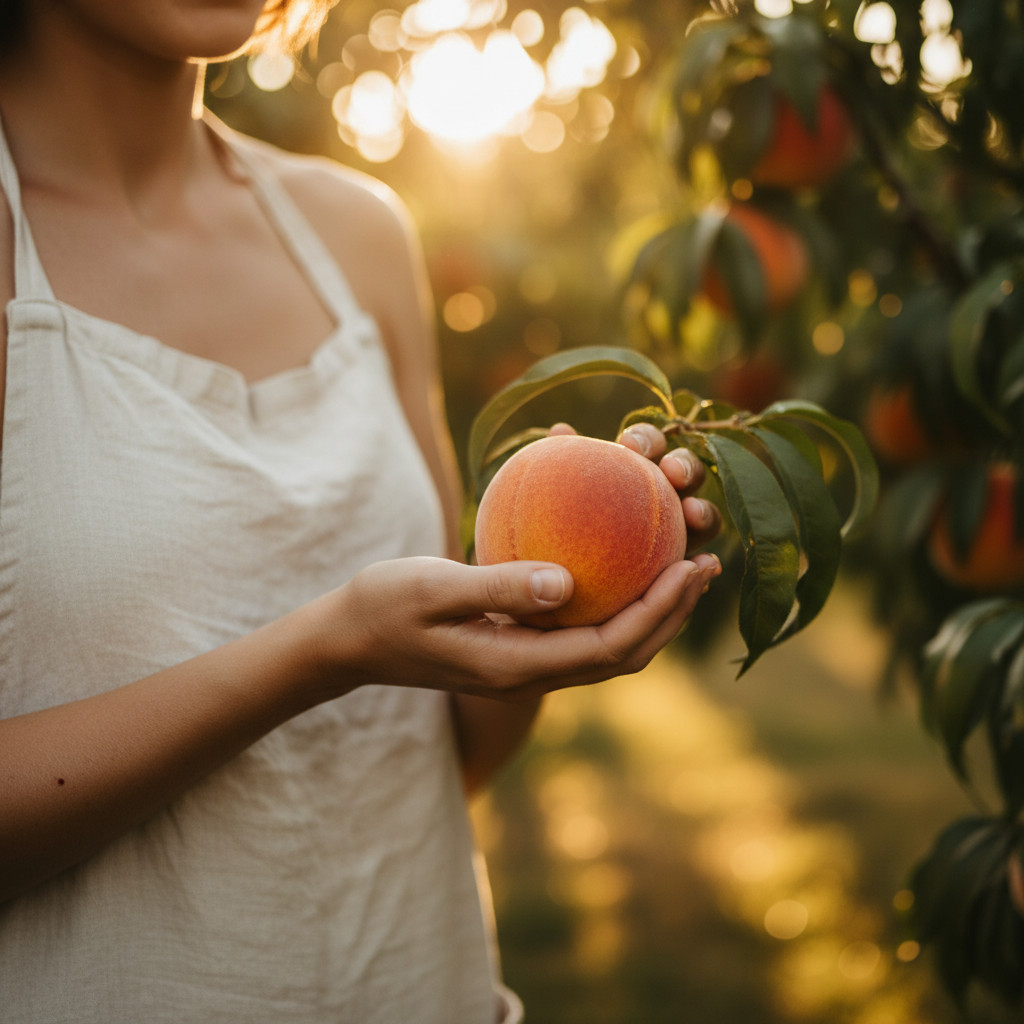
Cost Savings Over Time: While fruit trees require an initial investment, a single mature tree can produce hundreds of pounds of fruit annually for decades. Consider that a healthy apple tree can yield 400-800 apples per season, representing significant savings compared to purchasing organic fruit at retail prices year after year.
Environmental Benefits: Fruit trees contribute to local ecosystems by providing habitat for beneficial insects and birds, improving air quality through oxygen production, and reducing your carbon footprint by eliminating the transportation associated with commercial produce. They also help manage stormwater runoff and can moderate temperatures around your home.
Educational Value: For families with children, fruit trees provide invaluable hands-on learning opportunities about nature, patience, responsibility, and the food production process. Watching the seasonal cycle of blooming, fruiting, and dormancy teaches lessons that cannot be learned from textbooks.
Assessing Your Climate and Hardiness Zone
Understanding your local climate conditions is absolutely crucial for selecting fruit trees that will thrive in your specific environment. The USDA Plant Hardiness Zone Map serves as the primary reference for determining which plants can survive winter temperatures in your area, but successful fruit tree cultivation requires consideration of several additional factors.
Chill Hours: Most deciduous fruit trees require a specific number of hours below 45°F (7°C) during dormancy to properly set fruit the following season. Low-chill varieties exist for warmer climates, while northern gardeners must ensure adequate chill accumulation without excessive cold that could damage trees.
Frost Dates: Knowing your average last spring frost and first fall frost dates helps you select varieties whose bloom times avoid late freezes that can destroy flower buds and eliminate entire harvests. This information also guides your planting schedule and protective measures.
Microclimates: Your property likely contains microclimates—small areas with conditions that differ from the general surroundings. South-facing slopes warm earlier in spring, while low-lying areas may collect cold air. Understanding these variations helps you position trees for optimal performance.
Choosing the Right Fruit Trees for Your Garden
Selecting appropriate fruit tree varieties represents one of the most important decisions in your journey toward a productive home orchard, as this choice impacts everything from care requirements to harvest timing and ultimate success.
Popular Fruit Tree Varieties for Home Gardens
Different fruit trees offer varying levels of difficulty, different care requirements, and unique characteristics that make some better suited for home gardens than others. Understanding these distinctions helps you make informed selections.
Apple Trees: Perhaps the most popular choice for home orchards, apples offer tremendous variety with options ranging from sweet dessert apples to tart cooking varieties. They’re relatively forgiving of beginner mistakes and adapt well to various pruning styles. Popular home garden varieties include Honeycrisp, Fuji, Gala, and heritage options like Cox’s Orange Pippin.
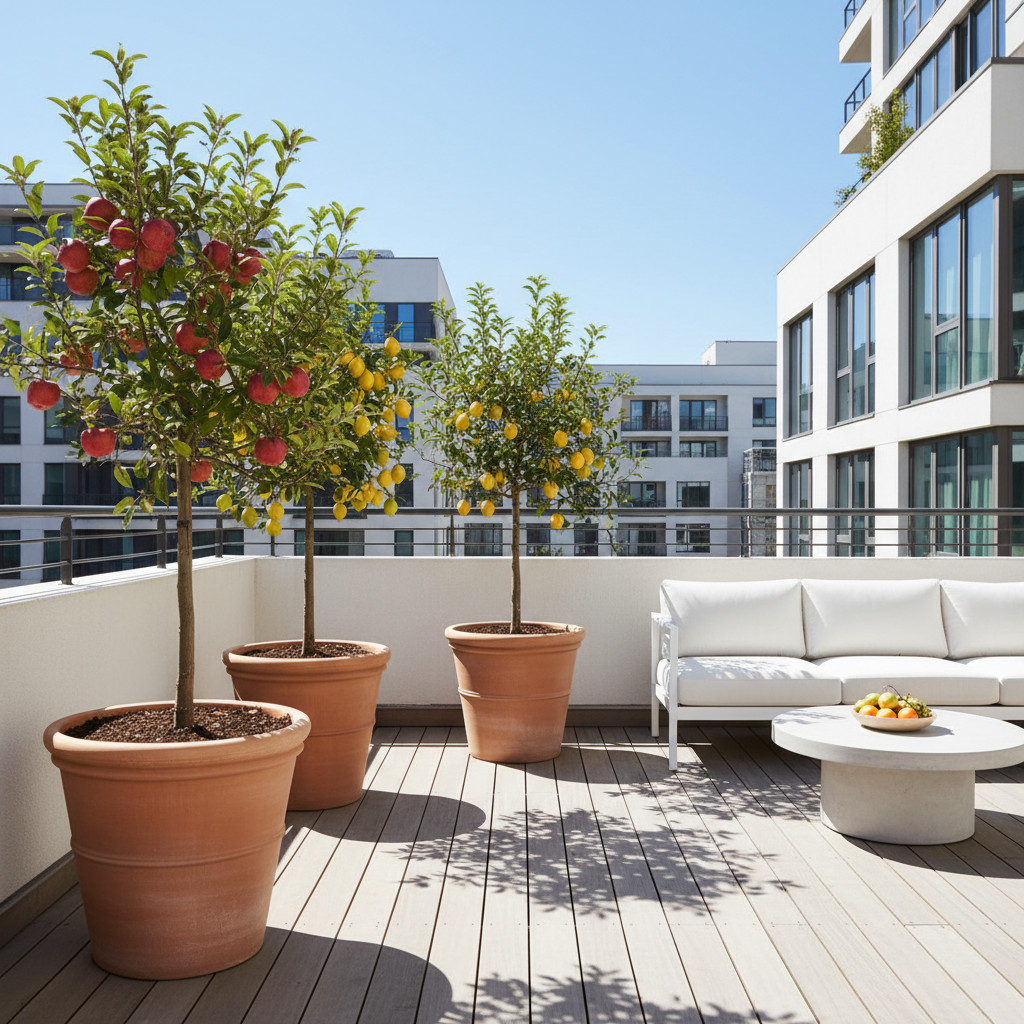
Citrus Trees: Ideal for USDA zones 9-11 or container growing in cooler climates, citrus trees including lemons, oranges, and limes provide year-round interest with fragrant blooms and colorful fruit. Meyer lemons and kumquats are particularly well-suited for smaller spaces and container cultivation.
Stone Fruits: Peaches, plums, cherries, and apricots belong to this category and offer stunning spring blossoms along with delicious summer fruit. They require more careful attention to pest management and are somewhat more demanding than apples but reward dedicated gardeners with exceptional harvests.
Pear Trees: Often overlooked, pears are actually easier to grow than apples in many regions, suffering from fewer pest problems while producing abundant crops. Asian pear varieties are particularly disease-resistant and offer unique crisp texture unlike traditional European pears.
Dwarf vs. Standard Trees: Making the Right Choice
Modern fruit tree cultivation has been revolutionized by the development of dwarfing rootstocks, giving gardeners options that simply didn’t exist for previous generations. Understanding the differences between tree sizes helps you maximize your available space.
| Tree Size | Mature Height | Space Required | Years to Bearing | Best For |
|---|---|---|---|---|
| Dwarf | 6-10 feet | 8-10 feet | 2-3 years | Small yards, containers |
| Semi-Dwarf | 12-15 feet | 12-15 feet | 3-4 years | Average yards |
| Standard | 18-30 feet | 25-30 feet | 5-7 years | Large properties |
Dwarf Trees reach only 6-10 feet tall and begin producing fruit within 2-3 years of planting. They’re perfect for small spaces, easier to prune and harvest without ladders, and ideal for container growing. However, they typically require staking throughout their lives due to weaker root systems and may be less winter-hardy in extreme climates.
Standard Trees grow to full size, producing the largest harvests but requiring substantial space, ladders for maintenance, and 5-7 years before meaningful fruit production begins. They’re best suited for large properties where their impressive size becomes an asset rather than a limitation.
Understanding Pollination Requirements
Pollination is a critical factor that many beginning fruit growers overlook, yet it determines whether your trees will produce fruit at all. Different fruit trees have varying pollination needs that must be addressed during the planning stage.
Self-Fertile vs. Self-Sterile Trees: Some fruit trees, including most peaches, apricots, and certain apple varieties, can pollinate themselves and produce fruit as single specimens. Others require cross-pollination from a compatible variety blooming at the same time, meaning you’ll need to plant at least two different varieties for fruit production.
Pollination Partners: When selecting trees requiring cross-pollination, ensure you choose varieties with overlapping bloom times and genetic compatibility. Not all varieties within a species can pollinate each other effectively, so research specific compatibility charts for your chosen fruits.
Pollinator Attraction: Even self-fertile trees benefit from pollinator activity. Creating a pollinator-friendly garden with flowering plants that bloom throughout the season attracts bees and other beneficial insects that improve fruit set even on self-fertile varieties.
Planning and Preparing Your Planting Site
Proper site selection and preparation establish the foundation for your fruit trees’ long-term health and productivity. Investing time in this stage prevents problems that become difficult or impossible to correct once trees are established.
Selecting the Ideal Location
Your fruit trees’ location affects nearly every aspect of their development and production, making this decision worthy of careful consideration before any digging begins.
Sunlight Requirements: Most fruit trees require a minimum of 6-8 hours of direct sunlight daily for optimal fruit production. While trees may survive in partially shaded conditions, fruit quality and quantity suffer significantly. Observe potential planting locations throughout the day to assess actual sun exposure before committing to a site.
Air Circulation: Good air movement around fruit trees helps prevent fungal diseases by keeping foliage dry and reducing humidity in the canopy. Avoid planting in enclosed areas where air stagnates, but also consider protection from strong prevailing winds that can damage branches and interfere with pollination.
Drainage Considerations: Fruit trees generally require well-drained soil and will not tolerate standing water around their roots. Avoid low-lying areas where water collects after rain, and consider raised beds or berms if your property lacks naturally well-drained locations.
Proximity to Structures: While fruit trees can provide valuable shade and aesthetic appeal near homes, ensure adequate distance from buildings, fences, and underground utilities. Root systems extend well beyond the canopy spread, potentially damaging foundations, pipes, and other structures if planted too close.
Soil Preparation and Testing
Understanding and improving your soil creates the optimal growing medium for fruit tree roots, directly impacting tree health, growth rate, and fruit production for years to come.
Soil Testing: Before planting, conduct a comprehensive soil test through your local cooperative extension service or a commercial laboratory. This analysis reveals pH levels, nutrient content, and organic matter percentage, providing specific recommendations for amendments needed to create ideal growing conditions.
pH Adjustment: Most fruit trees prefer slightly acidic soil with pH between 6.0 and 7.0. If testing reveals soil outside this range, amendments can correct the imbalance. Eleite sulfur lowers pH in alkaline soils, while lime raises pH in overly acidic conditions. These corrections should ideally be made several months before planting.
Organic Matter Enhancement: Incorporating compost, aged manure, or other organic materials improves soil structure, water retention, drainage, and nutrient availability. Work these amendments into the top 12-18 inches of soil throughout the planting area, not just the hole where the tree will be placed.
Planting Your Fruit Trees the Right Way
The planting process itself sets the stage for your tree’s entire life. Proper technique during this critical phase ensures strong root establishment and healthy growth from the very beginning.
Best Time to Plant Fruit Trees
Timing your planting correctly gives trees the best opportunity to establish themselves before facing environmental stresses like heat, drought, or freezing temperatures.
Bare-Root Trees: Plant bare-root trees during their dormant season, typically late winter to early spring before bud break. This timing allows root development before top growth demands significant water and nutrient uptake. Bare-root trees are generally more affordable and establish quickly when planted at the proper time.
Container-Grown Trees: These can be planted throughout the growing season but establish most successfully when planted in early spring or fall when temperatures remain moderate. Avoid planting during summer heat waves or within six weeks of your first expected frost to allow adequate establishment time.
Regional Considerations: In northern climates, spring planting is generally preferred to give trees maximum time to establish before winter. Southern gardeners often prefer fall planting when cooler temperatures and increased rainfall create ideal establishment conditions.
Step-by-Step Planting Process
Following a systematic planting approach ensures each tree receives proper installation for optimal establishment and long-term success.
-
Dig an Appropriate Hole: Excavate a hole two to three times wider than the root system but only as deep as the root ball. This wide, shallow hole encourages lateral root growth into the surrounding soil. Loosen the soil along the sides to eliminate smooth walls that can redirect root growth.
-
Examine and Prepare Roots: For bare-root trees, soak roots in water for 2-4 hours before planting to rehydrate them. Remove any damaged or circling roots, making clean cuts with sharp pruners. For container trees, gently loosen circling roots and spread them outward to encourage proper growth direction.
-
Position the Tree Correctly: Set the tree in the hole with the graft union (the bulge where the variety joins the rootstock) 2-4 inches above the final soil line. Planting too deep can cause rootstock sprouting and variety failure, while planting too shallow exposes roots to damage.
-
Backfill and Water Thoroughly: Fill the hole with native soil, gently firming around roots to eliminate air pockets. Water deeply as you backfill to settle soil around roots and ensure good root-to-soil contact. Avoid amendments in the backfill, as this can discourage roots from growing beyond the planting hole.
-
Apply Mulch and Protection: Spread 3-4 inches of organic mulch in a circle around the tree, keeping it several inches away from the trunk to prevent moisture-related bark problems. Install tree guards or hardware cloth around the trunk to protect against rodent damage and mechanical injury.
Essential Watering and Irrigation Techniques
Proper watering represents one of the most critical ongoing care practices for fruit trees, yet it’s also one of the most commonly misunderstood aspects of tree cultivation.
Understanding Water Requirements
Fruit trees have specific water needs that vary based on age, season, soil type, and weather conditions. Learning to recognize and respond to these needs prevents both underwatering and overwatering damage.
Newly Planted Trees: Young trees require consistent moisture during their first two growing seasons as they establish root systems. Water deeply once or twice weekly depending on rainfall, providing enough water to soak the entire root zone rather than frequent shallow applications that encourage surface rooting.
Established Trees: Once established, fruit trees are relatively drought-tolerant but produce best fruit with consistent moisture, particularly during fruit development. The general guideline is 1-2 inches of water weekly through rainfall or irrigation during the growing season.
Critical Watering Periods: Certain growth stages demand particular attention to moisture:
- Bloom time – adequate moisture supports pollination and fruit set
- Fruit development – consistent water prevents cracking and improves size
- Late summer – reduce watering to harden wood before winter
Irrigation Systems for Fruit Trees
Various irrigation methods offer different advantages for home orchard watering, and selecting the right approach depends on your garden size, available time, and water resources.
Drip Irrigation: This highly efficient method delivers water directly to the root zone through emitters placed around each tree. Drip systems minimize evaporation loss, keep foliage dry to reduce disease, and can be automated for consistent watering without daily attention. Installation requires initial investment but saves water and time long-term.
Soaker Hoses: A more affordable alternative to drip irrigation, soaker hoses can be laid in circles around trees and connected to timers for automated watering. They deliver water slowly, allowing deep soil penetration without runoff, though they’re less precise than drip systems.
Hand Watering: While time-consuming, hand watering allows you to observe trees closely and respond to individual needs. Use a gentle flow and water long enough to thoroughly soak the root zone—typically 15-20 minutes per tree depending on soil type and tree size.
Fertilizing for Optimal Growth and Fruit Production
Proper nutrition fuels healthy growth and abundant fruit production, but fruit trees require a balanced approach to fertilization that supports overall health without encouraging excessive vegetative growth at the expense of fruiting.
Understanding Nutrient Needs
Fruit trees require various nutrients in different quantities, and understanding these needs helps you provide appropriate fertilization without over-application.
Primary Nutrients (N-P-K):
- Nitrogen (N) promotes leaf and shoot growth—essential for young trees establishing canopy structure
- Phosphorus (P) supports root development and flower/fruit formation
- Potassium (K) enhances fruit quality, disease resistance, and winter hardiness
Secondary Nutrients and Micronutrients: Calcium, magnesium, sulfur, and trace elements including iron, zinc, and boron play important roles in tree health and fruit quality. Deficiencies often manifest as leaf discoloration, poor fruit set, or unusual growth patterns.
Soil Testing for Guidance: Rather than applying fertilizers blindly, use periodic soil tests to identify actual deficiencies and guide your fertilization program. Over-fertilization causes as many problems as under-fertilization, including excessive vegetative growth, reduced fruit quality, environmental pollution, and tree stress.
Creating a Fertilization Schedule
Timing fertilizer applications correctly ensures nutrients are available when trees can use them most effectively while avoiding problems associated with late-season fertilization.
Early Spring Application: Apply the primary annual fertilization as buds begin swelling in early spring, when trees are emerging from dormancy and preparing for the intensive growth and fruiting season. This timing allows nutrients to support bloom, fruit set, and initial fruit development.
Mid-Season Adjustments: A lighter supplemental feeding in early summer can support fruit development for heavy-bearing trees, but avoid high-nitrogen applications after mid-summer, which can stimulate tender growth vulnerable to winter damage.
Annual Application Rates: General guidelines suggest:
- Young trees (1-3 years): 1/10 pound actual nitrogen per year of tree age
- Bearing trees: 1/10 pound actual nitrogen per inch of trunk diameter
- Adjust based on: growth rate, soil test results, and tree appearance
Pruning and Training Your Fruit Trees
Pruning represents one of the most important skills for fruit tree growers to master, as proper pruning directly impacts tree structure, health, light penetration, air circulation, fruit quality, and overall productivity.
Why Pruning Matters
Understanding the purposes behind pruning helps you make better decisions about which branches to remove and which to retain.
Structural Development: Proper pruning during a tree’s early years establishes strong branch architecture that supports heavy fruit loads without breaking and creates a balanced, attractive form that enhances your landscape.
Light Penetration: Fruit quality depends significantly on sunlight reaching developing fruit. Pruning opens the canopy to allow light into interior branches, improving fruit color, sugar content, and storage quality while reducing disease pressure.
Size Management: Regular pruning maintains trees at manageable sizes for harvesting and care, particularly important for standard and semi-dwarf varieties that would otherwise grow beyond convenient reach.
Disease and Pest Reduction: Removing dead, diseased, or crossing branches eliminates disease entry points and pest habitat while improving air circulation that keeps foliage dry and less susceptible to fungal infections.
Pruning Techniques for Different Fruit Trees
Different fruit types require specific pruning approaches based on their fruiting habits and growth patterns.
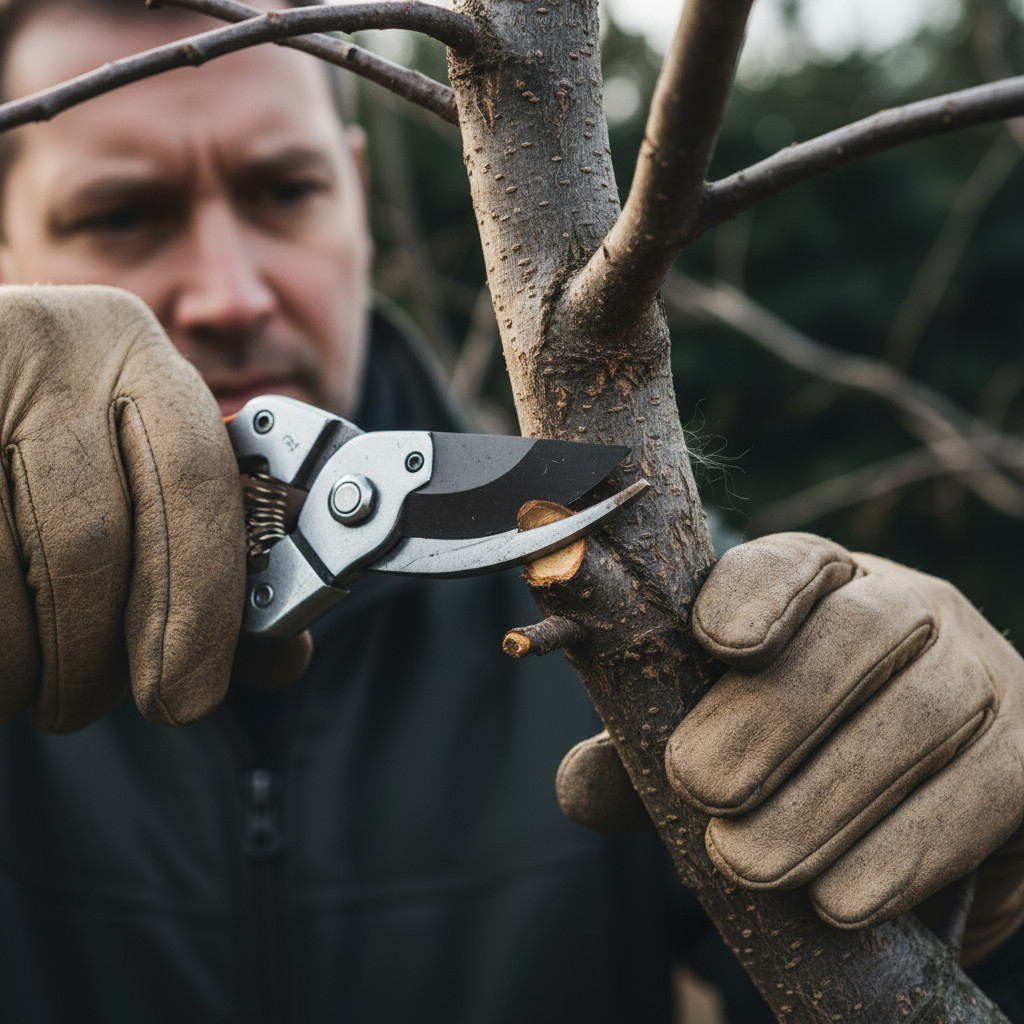
Apple and Pear Trees: These fruits produce on long-lived spurs, so pruning focuses on maintaining an open center or central leader form while encouraging spur development. Remove water sprouts (vigorous vertical shoots), crossing branches, and dead wood annually during dormancy.
Stone Fruits: Peaches, nectarines, and plums fruit on one-year-old wood, requiring more aggressive annual pruning to stimulate new growth. The open vase system works well for these trees, maintaining 3-5 main scaffolds and removing about 40% of growth annually.
Citrus Trees: These evergreens require minimal pruning compared to deciduous fruits. Remove dead wood, crossing branches, and suckers below the graft union, but avoid heavy pruning that reduces fruit production and exposes bark to sunburn.
Pest and Disease Management
Even the best-cared-for fruit trees encounter pest and disease challenges. Developing a proactive management strategy protects your investment and ensures continued productivity.
Common Pests Affecting Fruit Trees
Familiarizing yourself with common fruit tree pests helps you identify problems early when intervention is most effective.
Aphids: These small, soft-bodied insects cluster on new growth and leaf undersides, sucking plant sap and excreting sticky honeydew. While rarely fatal, heavy infestations weaken trees and transmit diseases. Control with strong water sprays, insecticidal soap, or by encouraging beneficial insects like ladybugs.
Codling Moths: The major pest of apples and pears, codling moth larvae tunnel into fruit, leaving characteristic “wormy” damage. Prevention through pheromone traps for monitoring, timely organic sprays, and fruit bagging provides effective management without synthetic pesticides.
Scale Insects: These small, armored pests attach to bark and branches, weakening trees through sap feeding. Dormant oil sprays applied before bud break suffocate overwintering populations and provide excellent control when timed correctly.
Disease Prevention and Treatment
Many fruit tree diseases can be prevented through good cultural practices and treated effectively when caught early.
Fungal Diseases: Fire blight, apple scab, brown rot, and powdery mildew represent common fungal problems affecting various fruit trees. Prevention strategies include:
- Selecting disease-resistant varieties
- Maintaining good air circulation through proper spacing and pruning
- Removing fallen leaves and infected material
- Applying copper-based fungicides during dormancy
Bacterial Issues: Bacterial diseases like fire blight can devastate susceptible trees rapidly. Prune out infected branches 12-18 inches below visible damage, sterilizing tools between cuts. Avoid excessive nitrogen fertilization that promotes susceptible succulent growth.
Viral Diseases: Unfortunately, viral infections have no cure. Prevention through purchasing certified virus-free nursery stock and controlling insect vectors provides the only protection. Remove and destroy infected trees to prevent spread.
Harvesting and Enjoying Your Homegrown Fruit
After months or years of patient care, harvest time represents the ultimate reward for your dedication to fruit tree cultivation.
Knowing When to Harvest
Determining optimal harvest timing ensures you enjoy fruit at peak flavor and quality, as neither underripe nor overripe fruit provides the best eating experience.
Visual Indicators: Color change often signals approaching ripeness, though specific changes vary by fruit type. Apples develop full background color beneath any red blush, peaches shift from green to yellow/orange, and citrus brightens to full color as sugars develop.
Touch and Feel: Texture provides important ripeness clues. Ripe stone fruits yield slightly to gentle pressure near the stem, while apples should feel firm. Citrus should feel heavy for its size, indicating juice content.
Taste Testing: When other indicators suggest ripeness, sample fruit to confirm flavor development before harvesting the entire crop. Sugar content and flavor complexity continue developing until the optimal moment, so patience pays dividends in taste quality.
Proper Harvesting Techniques
How you harvest affects both fruit quality and tree health for future seasons.
Gentle Handling: Treat fruit carefully to avoid bruising that accelerates decay. Harvest into shallow containers that prevent crushing lower layers, and avoid dropping fruit even short distances.
Stem Preservation: For most fruits, twist gently while lifting to separate from the tree with the stem attached. Pulling straight can tear fruit or damage fruiting spurs needed for next year’s crop. Use pruning shears for fruits with tough stems.
Multiple Harvests: Unlike commercial operations that harvest entire trees at once, home gardeners can pick fruit over several weeks as individual pieces reach optimal ripeness. This extended harvest maximizes quality and spreads out preservation tasks.
Seasonal Care and Maintenance Calendar
Organizing fruit tree care into a seasonal schedule ensures nothing gets overlooked and helps you anticipate upcoming tasks throughout the year.
Spring Tasks
As trees emerge from dormancy, spring brings intensive activity including:
- Complete any remaining dormant pruning before bud break
- Apply dormant oil sprays for pest control
- Begin fertilization program as growth starts
- Monitor for pest emergence and disease symptoms
- Thin fruit clusters after June drop for larger, higher-quality fruit
Summer Care
The active growing season requires ongoing attention:
- Maintain consistent watering, especially during fruit development
- Monitor pest populations and intervene as needed
- Support heavy-laden branches to prevent breakage
- Begin harvest as early varieties ripen
- Continue disease monitoring and management
Fall Preparation
Preparing trees for winter ensures healthy dormancy and strong spring emergence:
- Complete harvest of late varieties
- Clean up fallen fruit and leaves to reduce disease carryover
- Apply final watering before ground freezes
- Install guards against winter rodent damage
- Avoid fertilization that could stimulate late growth
Winter Protection
Even during dormancy, fruit trees benefit from attention:
- Protect tender trees from extreme cold with wrapping or mulch
- Monitor for animal damage and repair guards as needed
- Plan and order new trees for spring planting
- Sharpen and clean pruning tools for upcoming season
Final Thoughts
Mastering fruit trees in your home garden represents a journey rather than a destination—one that rewards patience, observation, and continuous learning with harvests that improve year after year. The knowledge you’ve gained through this guide provides the foundation for success, but nothing replaces hands-on experience with your own trees in your specific growing conditions.
Remember these key principles as you move forward:
- Start with proper planning – select appropriate varieties for your climate and space
- Invest in soil preparation – healthy soil creates healthy trees
- Master the fundamentals – watering, fertilizing, and pruning skills develop with practice
- Stay vigilant – early pest and disease detection prevents major problems
- Be patient – fruit trees reward those who think in years, not weeks
The time and effort you invest in your home fruit trees will return dividends for decades, providing not just delicious harvests but also the deep satisfaction of nurturing living things that become more productive and beautiful with each passing season. Whether you’re planting your first sapling or adding to an established collection, every tree represents an opportunity to deepen your connection to the land and create something of lasting value for yourself and future generations.
Now is the perfect time to begin—choose your varieties, prepare your site, and take that first step toward becoming a confident and successful home fruit grower. Your future self, enjoying fresh-picked fruit from your own garden, will thank you for starting today.