Table of Contents
- Why You Should Start Garden Fruit Netting Today
- The Growing Challenge of Protecting Your Fruit Harvest
- Common Threats to Backyard Fruit Gardens
- The Cost of Unprotected Fruit Trees and Plants
- What Is Garden Fruit Netting and How Does It Work?
- Types of Fruit Netting Materials
- The Science Behind Effective Fruit Protection
- Top Benefits of Installing Fruit Netting in Your Garden
- Protection Against Birds and Wildlife
- Pest Prevention Without Chemicals
- Weather and Environmental Protection
- Extended Harvest Windows
- Choosing the Right Fruit Netting for Your Garden
- Mesh Size Considerations
- Material Durability and Longevity
- UV Resistance and Weather Performance
- Step-by-Step Guide to Installing Garden Fruit Netting
- Preparing Your Garden for Netting
- Proper Installation Techniques
- Securing and Maintaining Your Netting System
- Common Mistakes to Avoid When Using Fruit Netting
- Improper Sizing and Coverage Gaps
- Neglecting Wildlife Safety Considerations
- Cost-Effectiveness: The ROI of Garden Fruit Netting
- Comparing Costs vs. Crop Loss
- Long-Term Savings and Investment Value
- Seasonal Timing: When to Install Your Fruit Netting
- Early Season Preparation
- Peak Protection Periods
- Expert Tips for Maximizing Your Fruit Netting Success
- Final Thoughts: Securing Your Fruit Garden’s Future
Why You Should Start Garden Fruit Netting Today
There’s nothing quite as heartbreaking as watching months of careful gardening disappear overnight. You’ve nurtured your fruit trees through spring frosts, watered them diligently through summer heat, and eagerly anticipated that first bite of a sun-ripened peach or the satisfying crunch of a homegrown apple. Then, just days before harvest, you discover your precious crop has been ravaged by birds, insects, or opportunistic wildlife. This frustrating scenario plays out in countless backyard gardens every single year, leaving gardeners feeling defeated and questioning whether fruit cultivation is even worth the effort.
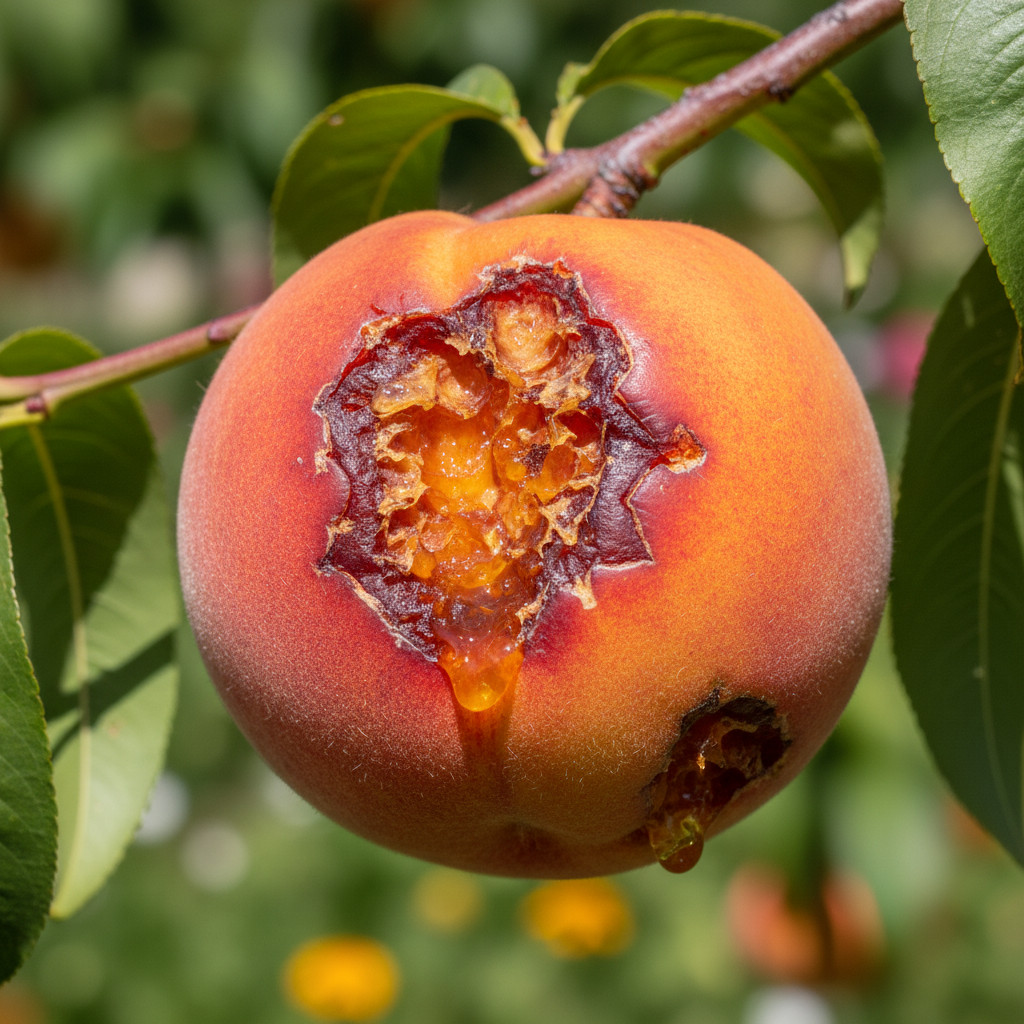
The solution to this common problem isn’t complicated, expensive, or time-consuming—it’s garden fruit netting. This simple yet remarkably effective protective measure has transformed the harvests of millions of home gardeners worldwide, turning potential disasters into bountiful yields. Whether you’re growing strawberries, blueberries, cherries, grapes, or any other delicious fruit, implementing proper netting can mean the difference between enjoying your harvest and watching it disappear before your eyes.
In this comprehensive guide, you’ll discover everything you need to know about garden fruit netting, from understanding its fundamental benefits to mastering installation techniques that professional orchardists use. By the time you finish reading, you’ll have the knowledge and confidence to protect your fruit garden like never before and enjoy the abundant harvests you truly deserve.
The Growing Challenge of Protecting Your Fruit Harvest
Modern gardeners face unprecedented challenges when trying to successfully grow and harvest fruit crops, making protective measures more essential than ever before.
Growing fruit in your backyard has become increasingly challenging over the past several decades. Urban expansion has displaced natural wildlife habitats, pushing birds, squirrels, and other animals into residential areas where gardens represent easy food sources. Climate changes have altered pest populations and migration patterns, creating new threats that previous generations of gardeners never encountered. Understanding these challenges is the first step toward implementing effective solutions.
Common Threats to Backyard Fruit Gardens
Your fruit garden faces a surprising array of threats that can devastate your harvest in remarkably short timeframes. Birds represent the most visible and persistent threat, with species like starlings, blackbirds, robins, and crows capable of stripping a fruit tree clean within hours once they discover the bounty. These intelligent creatures communicate food source locations to their flocks, meaning a single bird’s discovery can quickly attract dozens or even hundreds of hungry visitors.
Beyond birds, your garden contends with numerous other challenges:
- Squirrels and chipmunks that can consume or damage significant quantities of fruit daily
- Insects and flying pests including fruit flies, wasps, and beetles attracted to ripening produce
- Deer and rabbits in rural and suburban areas that browse on both fruit and foliage
- Severe weather events like hail, heavy rain, and wind that can physically damage delicate fruit
- Excessive sun exposure that can cause sunscald and premature ripening on sensitive varieties
Each of these threats operates differently, but comprehensive netting solutions can address multiple challenges simultaneously, providing layered protection that individual countermeasures cannot match.
The Cost of Unprotected Fruit Trees and Plants
The financial and emotional toll of unprotected fruit gardens extends far beyond the simple loss of produce. Consider the investment you make in a single fruit tree: the initial purchase price, soil amendments, fertilizers, pest management products, water costs, and countless hours of labor over multiple growing seasons. When that investment fails to produce harvestable fruit year after year, the cumulative losses become substantial.
Studies suggest that unprotected fruit gardens can lose anywhere from 40% to 100% of their potential harvest to pests and wildlife. For a mature apple tree that might produce 200-400 pounds of fruit annually, those losses translate to significant monetary value—potentially hundreds of dollars per tree, per season. When you multiply this across multiple trees or extensive berry plantings, the economics become compelling arguments for protective netting.
What Is Garden Fruit Netting and How Does It Work?
Garden fruit netting is a specialized mesh material designed to create physical barriers between your fruit crops and the various threats that seek to consume or damage them.
At its most fundamental level, garden fruit netting works by establishing an impenetrable barrier that allows essential elements like sunlight, air, and water to reach your plants while excluding unwanted visitors. Modern fruit netting has evolved significantly from the basic mesh materials of previous generations, incorporating advanced materials and designs that maximize protection while minimizing negative impacts on plant health and growth.

Types of Fruit Netting Materials
Today’s market offers several distinct categories of fruit netting, each with specific advantages and ideal applications. Understanding these options helps you select the most appropriate solution for your particular gardening situation.
Polyethylene netting represents the most common and affordable option for home gardeners. This lightweight plastic mesh comes in various colors (typically black, green, or white) and mesh sizes, offering versatile protection against birds and larger pests. Quality polyethylene netting features UV stabilization that extends its useful lifespan to three to five years with proper care.
Polypropylene netting offers enhanced durability and resistance to stretching, making it ideal for permanent or semi-permanent installations. This material handles tension well and maintains its shape over time, which proves particularly valuable for larger fruit tree applications where the netting must span significant distances without sagging.
Woven fabric netting provides the highest level of protection, featuring tighter construction that excludes even small insects while still permitting adequate airflow. These premium products typically cost more but offer superior longevity and comprehensive protection that justifies the investment for serious fruit growers.
The Science Behind Effective Fruit Protection
Effective fruit netting operates on several scientific principles that combine to create comprehensive protection. The physical barrier function is obvious—mesh openings too small for pests to penetrate simply block access. However, modern netting designs also incorporate color science and visual deterrent principles that enhance effectiveness.
Dark-colored netting (black or dark green) absorbs light rather than reflecting it, making the barrier less visible to approaching birds who might otherwise attempt to find entry points. Conversely, white or reflective netting can startle birds with unexpected visual patterns, causing them to avoid the area entirely. Some premium products combine these approaches with specialized coatings or patterns that maximize deterrent effects.
The mesh structure also affects microclimate conditions beneath the netting. Properly designed netting provides approximately 10-15% shade while maintaining airflow, which can actually benefit fruit development by reducing heat stress and sunscald while slowing moisture loss from both soil and plant surfaces.
Top Benefits of Installing Fruit Netting in Your Garden
The advantages of garden fruit netting extend far beyond simple pest exclusion, offering multiple benefits that enhance your overall gardening success and enjoyment.
Investing in quality fruit netting delivers returns that compound over time, making it one of the most cost-effective improvements you can make to your fruit garden. The benefits touch every aspect of fruit production, from plant health to harvest quality to environmental sustainability.
Protection Against Birds and Wildlife
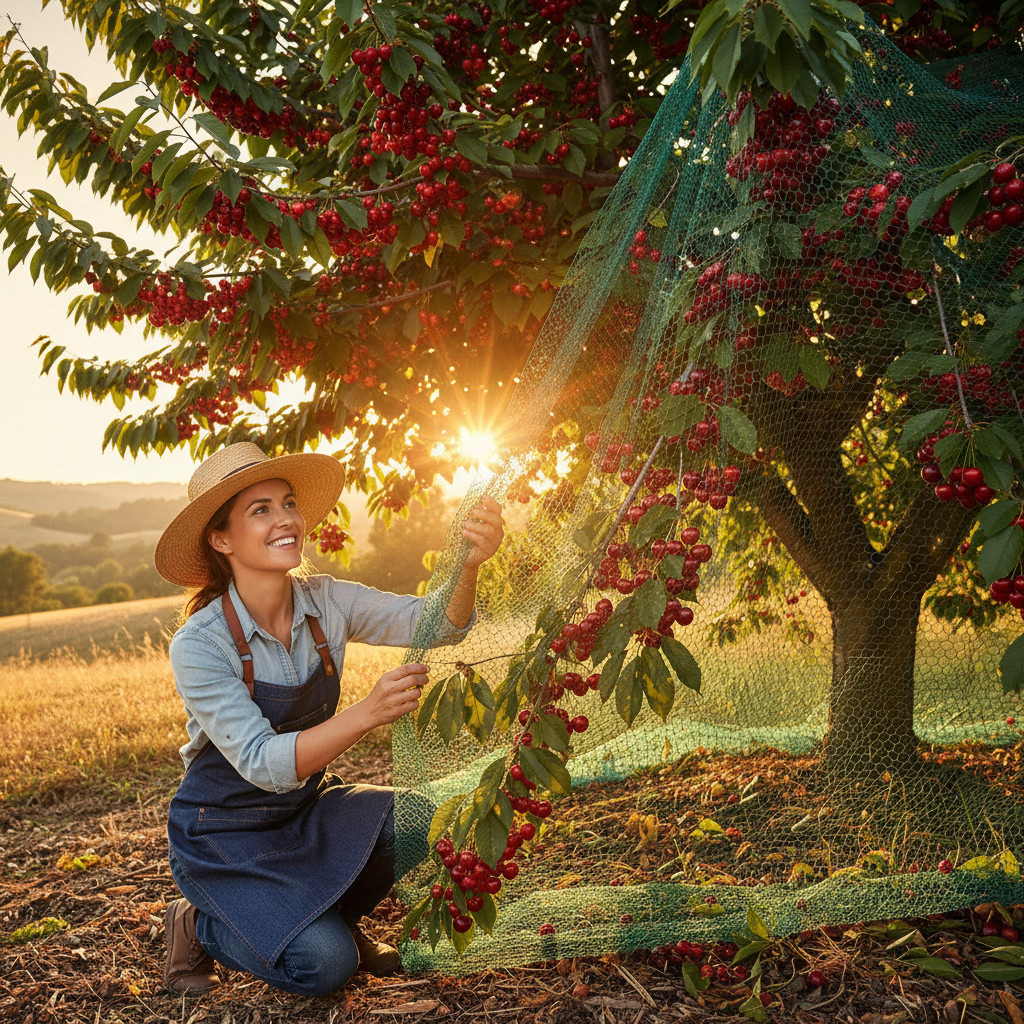
The primary benefit of fruit netting—and the reason most gardeners initially consider it—is reliable protection against birds and wildlife. Unlike scarecrows, reflective tape, or ultrasonic deterrents that lose effectiveness as animals become accustomed to them, physical netting provides permanent, consistent protection that cannot be overcome through habituation.
Properly installed netting creates an impenetrable barrier that protects your entire harvest, not just the portions that happen to escape notice. This complete protection allows fruit to ripen fully on the plant, developing maximum sweetness, color, and nutritional content. You’ll harvest fruit at its peak rather than picking prematurely in hopes of salvaging something before pests arrive.
Key advantages include:
- 100% effectiveness when properly installed, unlike deterrents with variable success rates
- Protection during critical ripening periods when fruit becomes most attractive to pests
- Coverage for entire plants or orchards rather than leaving vulnerable areas exposed
- Season-long reliability without maintenance, replacement, or reapplication requirements
Pest Prevention Without Chemicals
In an era of increasing concern about pesticide residues on food and environmental impacts of chemical applications, fruit netting offers a compelling alternative. Physical exclusion eliminates the need for many chemical treatments while actually providing superior protection in most cases.
Chemical pest deterrents require careful timing, repeated applications, and often fail to provide complete protection. They may also affect beneficial insects, contaminate soil and water, and leave residues that concern health-conscious consumers. Netting avoids all these issues while delivering more reliable results.
This benefit proves particularly valuable for organic gardeners who cannot use conventional pesticides and must rely on approved alternatives that may be less effective or more expensive. Netting provides organic-compatible protection that meets the strictest certification standards while requiring no ongoing inputs beyond the initial installation.
Weather and Environmental Protection
Beyond pest exclusion, fruit netting provides meaningful protection against environmental stresses that can damage or destroy fruit crops. Hail represents one of the most devastating threats to fruit gardens, with a single storm capable of destroying an entire season’s harvest in minutes. Quality netting can absorb and deflect hail impact, preventing or significantly reducing damage to developing fruit.
Heavy rain can also damage fruit through physical impact, premature splitting, and promotion of fungal diseases. Netting reduces rain impact while still allowing adequate moisture to reach soil and plants. Similarly, excessive wind can cause fruit to drop prematurely or develop bruising and scarring from contact with branches—problems that netting helps prevent by reducing wind exposure.
Extended Harvest Windows
An often-overlooked benefit of fruit netting is the flexibility it provides in harvest timing. Without netting, gardeners face pressure to harvest fruit immediately upon ripening—or even slightly before—to prevent pest losses. This urgency can result in harvesting at inconvenient times or before fruit achieves optimal quality.
With reliable netting protection, you can leave fruit on the plant until it reaches perfect ripeness and harvest at your convenience. This flexibility proves especially valuable for gardeners with limited time or those growing varieties that benefit from extended hang time to develop complex flavors and sugars.
Choosing the Right Fruit Netting for Your Garden
Selecting appropriate fruit netting requires careful consideration of your specific needs, growing conditions, and the particular threats your garden faces.
Not all fruit netting is created equal, and choosing the wrong product can result in inadequate protection, wasted money, or even harm to wildlife you’re trying to exclude humanely. Taking time to evaluate your options ensures you select netting that will perform reliably for years while meeting your specific requirements.
Mesh Size Considerations
Mesh size represents the single most important factor in netting selection, directly determining what pests your netting will exclude and what might still penetrate the barrier. Different pest threats require different mesh specifications:
-
Large mesh (2″ or greater) provides protection against birds and large animals but allows smaller pests and even some determined small birds to penetrate. This option works well when birds are your primary concern and you want maximum airflow and light transmission.
-
Medium mesh (3/4″ to 1″) offers the best balance of protection and practicality for most home gardeners. This size excludes virtually all birds while preventing access by larger insects like butterflies that might lay eggs on your plants. Airflow and light transmission remain excellent.
-
Fine mesh (1/4″ or smaller) creates exclusion zones that prevent even small insects from accessing your fruit. This level of protection comes with tradeoffs, including reduced airflow and light transmission that may require adjustments to your growing practices.
-
Ultra-fine insect netting with mesh below 1/8″ excludes all flying insects but significantly impacts growing conditions. This specialized netting suits particular situations like protecting against specific insect-borne diseases but isn’t necessary or advisable for general fruit protection.
Material Durability and Longevity
Your netting investment should deliver multiple seasons of reliable service, making material quality a crucial consideration. Evaluate potential products based on construction quality, material weight, and manufacturer durability claims.
Higher-quality indicators include:
- Reinforced edges and borders that resist fraying
- Welded or heat-sealed seams rather than simple cuts
- Substantial material weight (heavier generally indicates more durable construction)
- Strong warranties that demonstrate manufacturer confidence
Avoid the cheapest available options, which often deteriorate rapidly and may create wildlife hazards as they break apart. The small additional investment in quality netting pays dividends through extended service life and reliable performance.
UV Resistance and Weather Performance
Outdoor exposure subjects netting to intense ultraviolet radiation that degrades most plastics over time. Quality fruit netting incorporates UV stabilizers that dramatically extend useful lifespan, but the degree of protection varies significantly between products.
Look for netting specifically marketed as “UV-stabilized” or “UV-resistant” with clear lifespan estimates. Premium products may offer five to seven years of UV protection, while budget options might deteriorate significantly within one to two seasons. Consider your climate’s intensity when evaluating these claims—gardens in sunny, hot regions impose greater UV stress than those in cloudier, cooler areas.
Step-by-Step Guide to Installing Garden Fruit Netting
Proper installation techniques determine whether your netting provides complete protection or leaves vulnerabilities that persistent pests will eventually exploit.
Even the highest-quality netting fails if installed carelessly or incompletely. Taking time to plan and execute your installation properly ensures your investment delivers the protection you expect.
Preparing Your Garden for Netting
Before installing any netting, thorough preparation ensures optimal results and prevents problems that could compromise protection or damage your plants.
-
Prune and shape your plants appropriately. Fruit trees and bushes should be pruned to manageable sizes and shapes that facilitate netting coverage. Remove any branches that might poke through or tear netting, and create smooth canopy profiles that netting can drape over without catching or tearing. This preparation typically happens during dormant season pruning but may require touch-up just before netting installation.
-
Install support structures if needed. Many netting applications benefit from framework that holds netting away from plants, preventing fruit from contacting the mesh where pests might still damage it. PVC pipes, wooden stakes, metal hoops, or commercial netting frames create the necessary standoff distance. Plan these structures before netting installation to ensure proper sizing and placement.
-
Clear the installation area of debris and obstacles. Remove fallen branches, garden tools, and anything else that might tear netting during installation or create gaps where it contacts the ground. Mow grass short around fruit plantings to allow secure ground contact.
-
Inspect existing netting for damage before reuse. If reinstalling netting from previous seasons, carefully examine every section for tears, stretched areas, or degradation that might compromise protection. Repair small holes with patches or replace sections that show significant wear.
Proper Installation Techniques
Installing netting correctly requires attention to detail and systematic execution. Follow these proven techniques for reliable results:
-
Start from the top and work downward when covering individual trees or structures. Drape netting over the highest point first, then gradually pull it down and outward to cover the entire canopy. This approach prevents bunching and ensures complete coverage without gaps.
-
Overlap seams generously when joining multiple netting sections. Plan for at least six inches of overlap, and secure overlapped areas with clips, ties, or stitching to prevent separation. Gaps at seams represent common failure points that observant pests quickly discover.
-
Secure ground edges completely using stakes, weights, or burial. Any gap at ground level allows access for crawling pests and birds that may walk under loose edges. Heavy-duty landscape staples work well for securing netting to soil, while weights or burial provide security on hard surfaces.
-
Create access points strategically for future entry without removing entire netting sections. Velcro closures, zipper installations, or overlapping flap designs allow you to reach plants for inspection, pruning, and harvesting without compromising overall security.
Securing and Maintaining Your Netting System
After initial installation, ongoing attention ensures your netting continues performing effectively throughout the growing season and beyond.
Regular inspections should become part of your gardening routine. Walk your netted areas weekly during active growing seasons, checking for developing tears, loosened edges, or areas where plant growth has created new vulnerabilities. Address any issues immediately before they allow pest access.
Seasonal maintenance requirements include:
- Tightening loosened ties or clips as needed
- Repairing small tears with patch kits or replacement sections
- Adjusting coverage as plants grow and change shape
- Clearing debris that accumulates on netting surfaces
- Removing netting for winter storage in climates with heavy snow loads
Common Mistakes to Avoid When Using Fruit Netting
Even experienced gardeners make errors that compromise netting effectiveness, but awareness of these common pitfalls helps you avoid them.
Learning from others’ mistakes saves time, money, and frustration while ensuring your netting investment delivers expected results. These frequently observed errors represent the most important pitfalls to avoid.
Improper Sizing and Coverage Gaps
Underestimating netting requirements represents perhaps the most common installation error. Gardeners frequently purchase netting that technically covers their plants’ current dimensions without accounting for growth, access requirements, or secure edge attachment. The result is stretched, inadequate coverage that leaves vulnerable areas exposed.
Always purchase netting at least 20-30% larger than minimum coverage calculations suggest. This additional material provides slack for secure ground attachment, accommodates plant growth, and allows coverage adjustments as needed. Extra netting costs relatively little compared to crop losses from inadequate coverage.
Similarly, failing to secure edges completely creates entry points that clever pests quickly discover. Birds especially excel at finding and exploiting gaps, with remarkable persistence in probing for any possible access. Assume that any opening larger than your mesh size will eventually be discovered and used.
Neglecting Wildlife Safety Considerations
Improperly installed netting can trap, injure, or kill birds and other wildlife—outcomes that no gardener wants regardless of their frustration with pest damage. Loose, unsecured netting poses the greatest hazard, as animals can become entangled in drooping mesh and unable to escape.
Wildlife-safe installation practices include:
- Maintaining taught, wrinkle-free netting surfaces that prevent entanglement
- Using fine enough mesh that animals cannot partially penetrate and become trapped
- Checking netting regularly for any trapped animals requiring rescue
- Removing or securing netting during off-seasons when protection isn’t needed
- Avoiding netting with large mesh sizes that allow head entry but not body passage
Choose white or highly visible netting if wildlife entanglement concerns you, as animals more easily see and avoid visible barriers compared to nearly-invisible fine mesh.
Cost-Effectiveness: The ROI of Garden Fruit Netting
Understanding the financial return on netting investments helps justify expenditures and guides smart purchasing decisions.
Garden improvements should deliver value proportionate to their costs, and fruit netting typically provides exceptional returns when evaluated against the losses it prevents.
Comparing Costs vs. Crop Loss
A straightforward cost-benefit analysis demonstrates netting’s value. Consider a mature cherry tree that produces 50 pounds of fruit annually. At retail prices of $4-8 per pound for quality cherries, that harvest represents $200-400 in value. If birds typically consume 60% of unprotected fruit, annual losses equal $120-240.
Quality netting for a single tree costs approximately $30-75 depending on size and material quality, with a useful lifespan of three to five years. The math clearly favors netting installation—first-year savings alone typically exceed total netting costs, with subsequent years delivering pure profit compared to unprotected growing.
These calculations become even more compelling for berry plantings and vineyards, where concentrated fruit displays attract intense pest pressure and even moderate crop losses represent substantial value.
Long-Term Savings and Investment Value
Beyond direct harvest protection, netting investments generate additional long-term savings that enhance overall return on investment.
Reduced pesticide costs result from decreased need for chemical pest management. Many gardeners spend significant amounts on bird deterrents, insecticides, and other products that netting makes unnecessary. These ongoing savings accumulate year after year.
Lower replacement costs follow from reduced plant stress and damage. Trees and bushes stressed by repeated defoliation or fruit loss may decline over time, eventually requiring replacement. Protected plants remain healthier and more productive longer.
Increased property value may result from well-maintained, productive fruit gardens that appeal to potential buyers. While difficult to quantify precisely, attractive, functional gardens contribute positively to property appeal and market value.
Seasonal Timing: When to Install Your Fruit Netting
Strategic timing of netting installation maximizes protection while minimizing interference with pollination and other essential processes.
Timing your netting installation correctly ensures complete protection during vulnerable periods while allowing necessary activities like pollination to occur unimpeded.
Early Season Preparation
Preparation should begin well before protection becomes critical. During late winter or early spring, assess your netting inventory, repair or replace damaged sections, and plan any changes to your installation approach. Order new netting early to ensure availability when you need it.
Install structural elements and supports during dormant periods when plant access is easiest. Building frameworks, installing anchor points, and positioning equipment before plants leaf out simplifies these tasks considerably.
Peak Protection Periods
Actual netting installation should follow pollination completion but precede fruit ripening. For most fruit crops, this means installing netting as fruits begin developing and showing color changes that signal approaching maturity.
General timing guidelines by crop type:
- Stone fruits (cherries, peaches, plums): Install when fruits reach full size but remain hard and uncolored
- Pome fruits (apples, pears): Install approximately two to three weeks before anticipated harvest dates
- Berries (strawberries, blueberries, raspberries): Install as first fruits begin showing color changes
- Grapes: Install at véraison when berries begin softening and coloring
Early installation is generally preferable to late—protection costs nothing when pests aren’t yet active, but delayed installation after pest discovery means losses have already occurred.
Expert Tips for Maximizing Your Fruit Netting Success
Experienced gardeners and professional orchardists have developed numerous strategies for enhancing netting effectiveness. Implementing these proven techniques elevates your protection from adequate to exceptional.
Create dedicated access zones rather than removing entire netting sections for garden tasks. Strategically placed openings with secure closures allow regular access without compromising overall protection.
Color-coordinate netting with surroundings to minimize visual impact on garden aesthetics. Green netting blends with foliage, black netting becomes nearly invisible at distance, and white netting provides high visibility when that serves your purposes.
Combine netting with complementary deterrents for enhanced protection. Motion-activated sprinklers, visual deterrents, and sound devices can discourage pests from approaching netted areas, reducing pressure on your barrier systems.
Document your installations annually with photographs and notes recording what worked well, what required adjustment, and ideas for future improvement. This accumulated knowledge guides increasingly effective installations each season.
Final Thoughts: Securing Your Fruit Garden’s Future
The decision to implement garden fruit netting represents one of the most impactful improvements you can make to your fruit-growing success. By creating reliable physical barriers between your precious crops and the countless threats seeking to consume them, you transform the frustrating gamble of unprotected gardening into a predictable, rewarding experience.
The benefits extend far beyond simple pest exclusion. You’ll enjoy higher quality fruit that ripens fully on the plant. You’ll reduce or eliminate chemical treatments that concern health-conscious consumers. You’ll protect your investment in plants, time, and resources that would otherwise disappear into the stomachs of uninvited guests. And you’ll experience the profound satisfaction of harvesting abundant, beautiful fruit that reflects your care and effort.
Don’t wait for another season of disappointment before taking action. Start researching netting options appropriate for your specific garden today. Measure your plants and calculate coverage requirements. Set a budget that reflects netting’s exceptional value relative to protected harvest value. Then make the investment that will transform your fruit gardening experience for years to come.
Your future self—the one enjoying bushels of perfect peaches, buckets of unblemished berries, and countless delicious harvests—will thank you for the decision you make today. The time to start garden fruit netting isn’t next season or when you get around to it. The time is now.