Table of Contents
- 10 Secrets to Successful Growing Fruit And Vegetables In Small Spaces
- The Urban Gardening Revolution: Why Small Space Growing Matters More Than Ever
- Secret #1: Choose the Right Containers for Maximum Growth Potential
- Understanding Container Materials and Their Impact
- Sizing Your Containers Correctly
- Secret #2: Master the Art of Vertical Gardening
- Types of Vertical Growing Systems
- Best Plants for Vertical Growing
- Secret #3: Select Compact and Dwarf Varieties Bred for Small Spaces
- Compact Vegetable Varieties That Deliver
- Dwarf Fruit Trees for Container Growing
- Secret #4: Optimize Your Soil and Growing Medium
- Why Garden Soil Fails in Containers
- Creating the Ideal Container Growing Medium
- Secret #5: Implement Succession Planting for Continuous Harvest
- Understanding Succession Planting Strategies
- Creating Your Succession Planting Schedule
- Secret #6: Maximize Sunlight and Consider Supplemental Lighting
- Assessing and Maximizing Natural Light
- Supplemental Lighting for Indoor and Low-Light Spaces
- Secret #7: Practice Companion Planting in Tight Quarters
- Beneficial Companion Combinations
- Plants to Keep Separated
- Secret #8: Master Watering Techniques for Container Gardens
- Understanding Container Watering Needs
- Implementing Efficient Watering Systems
- Secret #9: Feed Your Plants Strategically Throughout the Season
- Understanding Container Fertilization
- Fertilization Strategies for Maximum Production
- Secret #10: Utilize Every Inch: Windowsills, Balconies, and Beyond
- Windowsill Gardening Excellence
- Balcony and Patio Optimization
- Essential Tools and Supplies for Small Space Garden Success
- Common Mistakes to Avoid in Your Small Space Garden
- Final Words: Your Abundant Small Space Garden Awaits
10 Secrets to Successful Growing Fruit And Vegetables In Small Spaces
Imagine stepping onto your tiny balcony and plucking fresh, sun-ripened tomatoes for your evening salad. Picture reaching across your kitchen windowsill to snip fragrant basil leaves while cooking dinner. This isn’t a fantasy reserved for those with sprawling backyards or acres of farmland—it’s an achievable reality for anyone willing to think creatively about their growing space.
The movement toward small space gardening has exploded in recent years, driven by urban dwellers hungry for fresh produce, sustainability enthusiasts seeking to reduce their carbon footprint, and everyday people who simply want to reconnect with the satisfying process of growing their own food. Whether you’re working with a cramped apartment balcony, a modest patio, or just a few sunny windowsills, the potential to cultivate an abundant harvest is genuinely within your reach.
What separates successful small space gardeners from those who struggle isn’t luck or natural talent—it’s knowledge. The techniques, strategies, and insider secrets that transform limited square footage into productive growing areas are learnable skills that anyone can master. Throughout this comprehensive guide, you’ll discover the proven methods that experienced urban gardeners use to maximize their yields, overcome common challenges, and create thriving edible gardens in the most unlikely spaces.
The Urban Gardening Revolution: Why Small Space Growing Matters More Than Ever
Small space gardening represents one of the fastest-growing trends in home food production, offering benefits that extend far beyond fresh vegetables.
The landscape of home gardening has transformed dramatically over the past decade. According to the National Gardening Association, approximately 35% of all households in the United States now grow food at home or in community gardens, with container gardening seeing the most significant growth among urban populations. This shift reflects a fundamental change in how people think about food security, sustainability, and personal well-being.
Growing your own produce in small spaces delivers remarkable benefits that compound over time. The financial savings alone can be substantial—a single tomato plant in a container can produce 10-15 pounds of fruit over a season, representing significant grocery savings. Beyond economics, you gain complete control over growing methods, eliminating concerns about pesticide residues or questionable farming practices.
The psychological benefits deserve equal attention. Studies published in the Journal of Health Psychology demonstrate that gardening activities reduce cortisol levels and improve mood more effectively than other leisure activities. The simple act of nurturing plants, watching them grow, and harvesting your own food creates a profound sense of accomplishment and connection to nature that many urban dwellers desperately need.

Environmental impact represents another compelling reason to embrace small space gardening. Every vegetable grown on your balcony is one that doesn’t require transportation from distant farms, packaging materials, or refrigeration during distribution. When multiplied across millions of urban gardeners, this localized food production creates meaningful reductions in carbon emissions and food system resource consumption.
Secret #1: Choose the Right Containers for Maximum Growth Potential
Container selection forms the foundation of successful small space gardening, directly influencing root development, moisture retention, and overall plant health.
The container you choose for each plant isn’t merely a decorative decision—it’s a critical factor that determines whether your vegetables thrive or merely survive. Understanding the relationship between container characteristics and plant needs empowers you to make choices that set your garden up for success from day one.
Understanding Container Materials and Their Impact
Different materials offer distinct advantages and challenges for container gardening. Terracotta pots provide excellent breathability for roots but dry out quickly and may crack in freezing temperatures. Plastic containers retain moisture longer and weigh less, making them ideal for balcony gardening where weight restrictions apply. Fabric grow bags have emerged as favorites among experienced gardeners because they naturally air-prune roots, preventing the root-bound conditions that stunt growth in traditional containers.
Consider these material-specific factors when selecting containers:
- Terracotta and ceramic: Beautiful and breathable but heavy and prone to moisture loss; best for herbs and drought-tolerant plants
- Plastic and resin: Lightweight and moisture-retentive; excellent for vegetables requiring consistent hydration like tomatoes and peppers
- Fabric grow bags: Superior drainage and root health; ideal for root vegetables and plants prone to overwatering issues
- Metal containers: Modern aesthetic but can overheat in direct sun; use with caution and insulating measures
- Wood planters: Natural insulation and appearance; ensure food-safe treatment and proper drainage holes
Sizing Your Containers Correctly
Root depth requirements vary dramatically between different vegetables, and matching container size to plant needs prevents the frustration of stunted harvests. Shallow-rooted crops like lettuce, radishes, and most herbs thrive in containers as shallow as 6-8 inches. Medium-rooted vegetables including peppers, beans, and compact tomato varieties need 12-18 inches of soil depth. Deep-rooted plants such as full-size tomatoes, cucumbers, and root vegetables require containers providing 18-24 inches for optimal development.
Width matters equally for plant spacing and root spread. A general rule suggests providing at least 12 inches of diameter per full-size vegetable plant, though compact varieties may succeed in somewhat smaller spaces. When growing multiple plants in a single large container, maintain appropriate spacing to prevent competition for nutrients and light.
Secret #2: Master the Art of Vertical Gardening
Vertical growing techniques multiply your available planting area by utilizing wall space, railings, and overhead structures that traditional gardening ignores.
When floor space is limited, the only direction to expand is up. Vertical gardening represents perhaps the single most impactful strategy for dramatically increasing your growing capacity without requiring additional square footage. This approach transforms blank walls, fence panels, and overhead spaces into productive growing areas that can triple or quadruple your harvest potential.
Types of Vertical Growing Systems
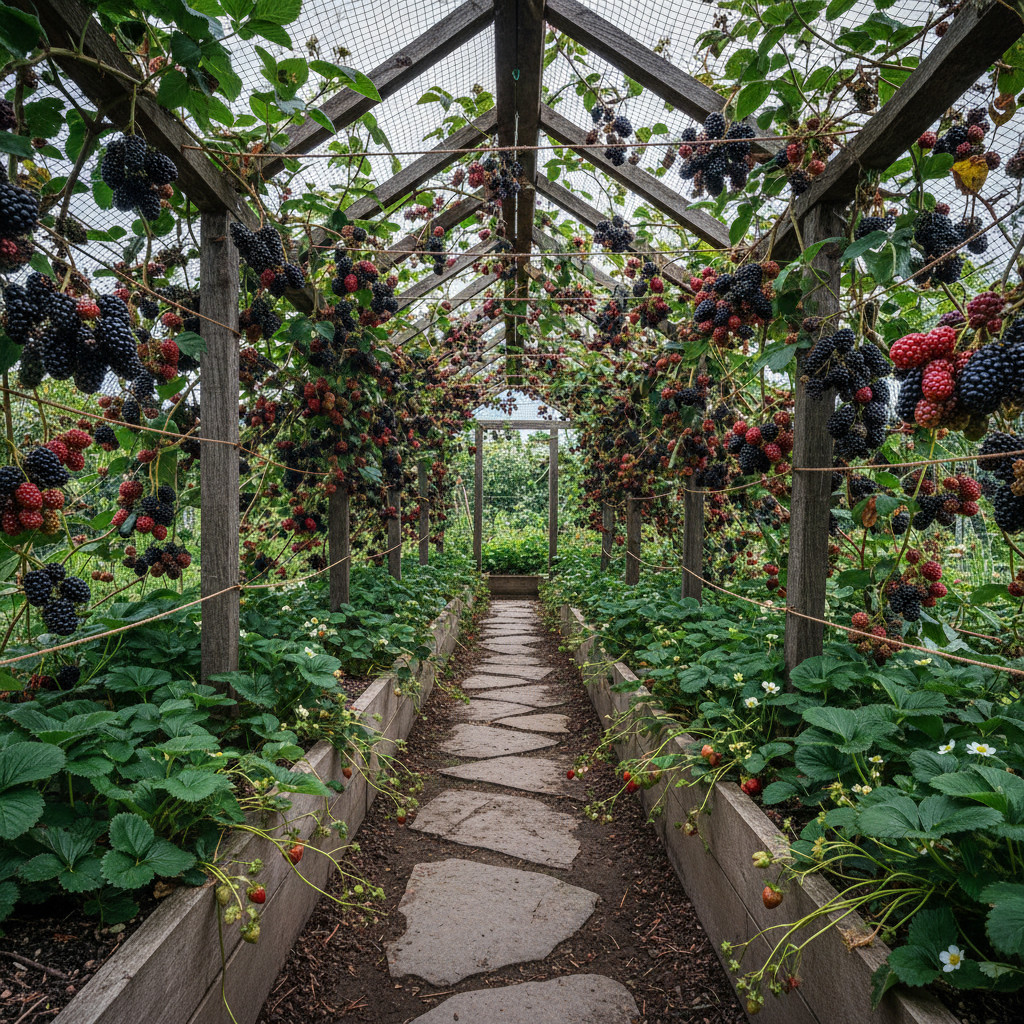
Multiple vertical gardening approaches exist, each suited to different spaces and skill levels. Trellising remains the simplest and most cost-effective method, using stakes, cages, or mesh panels to support climbing and vining plants. Pocket planters and living wall systems attach directly to vertical surfaces, creating stunning displays of herbs and compact vegetables. Hanging baskets utilize overhead space for trailing varieties like cherry tomatoes and strawberries.
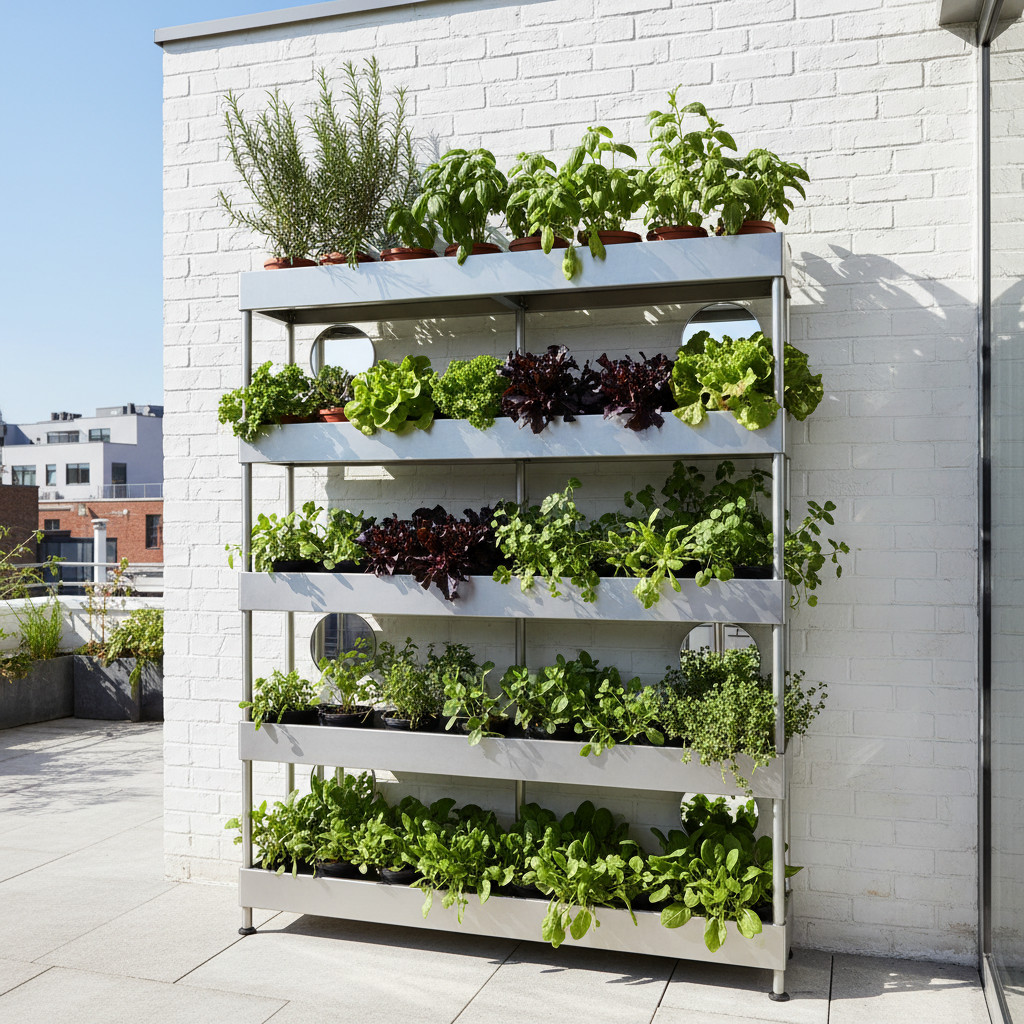
Tiered shelving systems offer exceptional versatility for small space gardeners, allowing you to stack multiple growing containers vertically while maintaining access to sunlight for each level. Position these systems against south-facing walls to maximize light exposure, angling shelves slightly to prevent upper tiers from completely shading lower plants.
Best Plants for Vertical Growing
Not every vegetable adapts well to vertical cultivation, so selecting appropriate varieties ensures success. Pole beans, cucumbers, and indeterminate tomatoes naturally climb when provided support structures, making them ideal vertical candidates. Vining squash varieties, including many winter squash types, readily climb trellises when trained from young plants. Even normally sprawling plants like melons can be grown vertically using fabric slings to support developing fruit.
Consider these proven performers for vertical gardens:
- Pole beans and peas: Natural climbers that produce heavily on vertical supports, with harvests continuing for weeks when picked regularly
- Cucumbers: Vining varieties thrive on trellises, producing straighter fruit and better air circulation that prevents disease
- Indeterminate tomatoes: These continuously growing varieties benefit enormously from vertical training, producing more fruit in less horizontal space
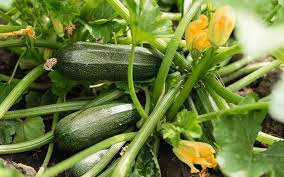
- Small melons and squash: Compact cantaloupe and acorn squash varieties climb readily when young vines are directed toward supports
- Strawberries: Perfect for hanging baskets and vertical pouches, keeping fruit clean and pest-free while maximizing space
Secret #3: Select Compact and Dwarf Varieties Bred for Small Spaces
Plant breeders have developed remarkable compact varieties specifically designed for container growing, delivering full-size harvests from space-efficient plants.
The genetics of your chosen plants determine much of your potential success before you ever put a seed in soil. Modern plant breeding has produced an impressive array of compact, dwarf, and bush varieties that maintain the flavor and productivity of their full-size counterparts while requiring a fraction of the growing space. Selecting these purpose-bred varieties represents one of the most impactful decisions you’ll make for your small space garden.
Compact Vegetable Varieties That Deliver
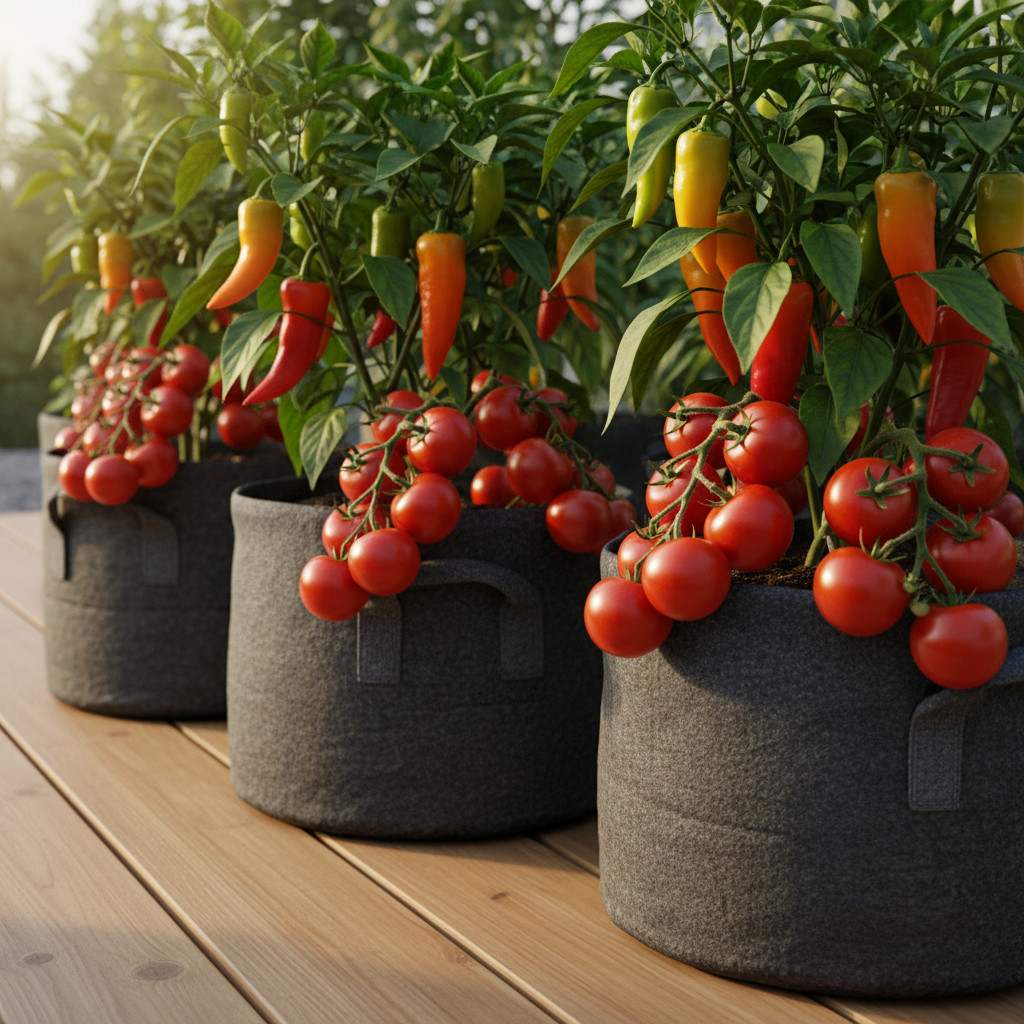
Determinate tomato varieties grow to a predetermined size and produce their crop in a concentrated period, making them ideal for container culture. Varieties like ‘Tiny Tim,’ ‘Patio Princess,’ and ‘Tumbling Tom’ were specifically developed for small space growing, reaching mature heights of 12-24 inches while producing abundant cherry or grape-size fruits. For larger tomatoes, ‘Bush Early Girl’ and ‘Patio’ provide slicing-size fruit on compact plants.
Compact pepper varieties offer similar advantages, with plants like ‘Mohawk,’ ‘Redskin,’ and ‘Baby Belle’ producing full-flavor peppers on plants that stay under 18 inches tall. These compact growers often prove more productive per square foot than their full-size relatives because gardeners can plant more individuals in the same space.
Dwarf Fruit Trees for Container Growing
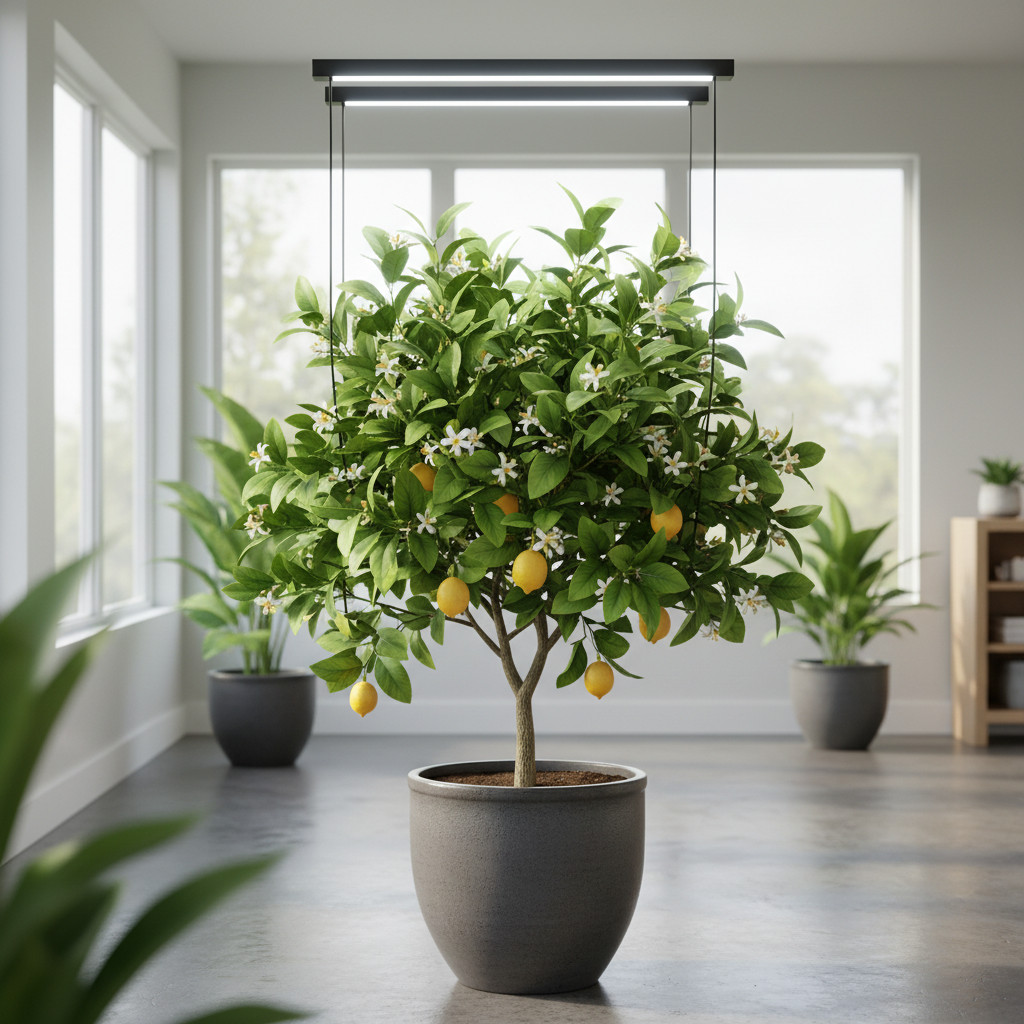
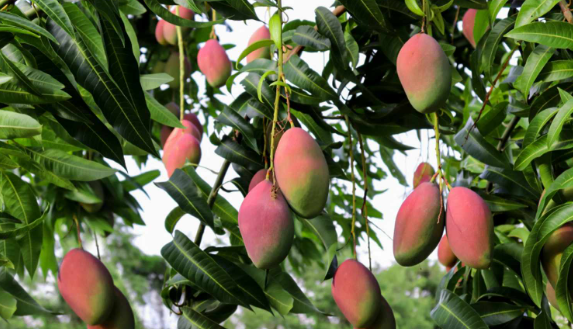
The development of dwarf and semi-dwarf fruit trees has revolutionized small space fruit production, enabling apartment dwellers to grow apples, citrus, figs, and stone fruits in containers. Genetic dwarfing rootstocks limit tree size while maintaining full-size fruit production, creating trees that mature at 6-10 feet rather than the 20-30 feet typical of standard varieties.
When selecting dwarf fruit trees for containers, consider these factors:
- Citrus varieties: Meyer lemons, key limes, and kumquats adapt exceptionally well to container culture, producing fragrant flowers and fruit with minimal space requirements
- Apple trees on M27 or M9 rootstock: These ultra-dwarf rootstocks create trees that thrive in 15-20 gallon containers while producing full-size apples
- Fig trees: Naturally compact varieties like ‘Little Miss Figgy’ and ‘Petite Negra’ stay under 6 feet and produce abundant fruit in containers
- Stone fruits: Genetic dwarf peaches and nectarines like ‘Bonanza’ and ‘Garden Gold’ reach just 5-6 feet tall, perfect for patio growing
Secret #4: Optimize Your Soil and Growing Medium
Container growing demands specially formulated growing media that provide drainage, aeration, and nutrient retention impossible to achieve with regular garden soil.
The growing medium in your containers serves as the complete environment for your plants’ root systems—their source of water, nutrients, oxygen, and physical support. Unlike in-ground gardening where roots can spread widely to find what they need, container plants depend entirely on what you provide within their limited soil volume. Getting this foundation right determines everything that follows.
Why Garden Soil Fails in Containers
Regular garden soil compacts severely in containers, eliminating the air spaces roots require for respiration and water uptake. This compaction creates waterlogged conditions that suffocate roots and promote fungal diseases. Additionally, garden soil may contain weed seeds, pathogens, and pest eggs that thrive in the protected container environment.
Quality potting mix addresses these challenges through careful formulation of ingredients that maintain structure, drainage, and moisture retention over an entire growing season. The best container mixes combine peat moss or coconut coir for moisture retention, perlite or vermiculite for drainage and aeration, and compost or other organic matter for nutrient content and beneficial microbial activity.
Creating the Ideal Container Growing Medium
A proven recipe for vegetable container growing combines:
- 40% quality compost or composted bark for nutrients and beneficial organisms
- 30% peat moss or coconut coir for moisture retention and acidity balance
- 20% perlite for drainage and aeration that prevents compaction
- 10% vermiculite for additional moisture and nutrient retention
Enhance your growing medium with these additions:
- Slow-release organic fertilizer: Incorporate granular fertilizer at planting time to provide steady nutrition throughout the growing season without risk of burning roots
- Mycorrhizal inoculant: These beneficial fungi colonize plant roots and dramatically improve nutrient and water uptake, especially valuable in the limited soil volume of containers
- Worm castings: Adding 10-15% worm castings to your mix provides gentle, long-lasting nutrition and improves soil structure and microbial activity
- Biochar: This charcoal-like material improves water retention, provides habitat for beneficial microbes, and enhances nutrient availability over multiple seasons
Secret #5: Implement Succession Planting for Continuous Harvest
Strategic timing of plantings ensures your limited growing space produces continuously throughout the season rather than delivering everything at once.
Small space gardeners cannot afford to let containers sit empty or devoted to spent plants when those same containers could be producing fresh harvests. Succession planting—the practice of staggering plantings to ensure continuous production—transforms your limited space into a perpetual harvest machine that delivers fresh produce week after week from spring through fall.
Understanding Succession Planting Strategies
The simplest succession approach involves planting the same crop at regular intervals, ensuring that as one planting finishes producing, the next reaches harvest stage. For fast-growing crops like lettuce, radishes, and bush beans, plant new seeds every 2-3 weeks throughout the growing season. This prevents the common problem of harvesting everything at once and then having nothing for weeks.
A more sophisticated strategy involves following one crop with a different one as seasons change. Cool-season crops like lettuce, spinach, and peas planted in early spring give way to heat-loving tomatoes and peppers in summer, which then transition to fall crops of kale, carrots, and brassicas as temperatures cool. This approach keeps every container productive across multiple growing seasons.
Creating Your Succession Planting Schedule
Successful succession planting requires understanding the days to maturity for each crop you grow and working backward from your desired harvest dates. Most seed packets provide this information, allowing you to calculate precisely when to start seeds to achieve continuous harvests.
Follow these steps for planning succession plantings:
- Identify your first and last frost dates: These boundaries define your growing season and determine which crops can grow when in your specific climate
- List crops by maturity time: Group quick-maturing crops (30-60 days) separately from long-season crops (60-90+ days) for different succession strategies
- Calculate planting intervals: For continuous harvest of fast crops, divide the harvest window by the number of plantings you want; plant new seeds when previous plantings show their first true leaves
- Plan seasonal transitions: Identify when summer crops will finish and have fall transplants ready to immediately occupy that container space
- Track and adjust: Keep records of planting dates and harvest results to refine your schedule each season based on real performance in your specific conditions
Secret #6: Maximize Sunlight and Consider Supplemental Lighting
Light energy drives photosynthesis and fruit production, making light optimization essential for productive small space gardens.
No amount of perfect soil, ideal containers, or expert care can compensate for insufficient light. Fruiting vegetables like tomatoes, peppers, and cucumbers require minimum 6-8 hours of direct sunlight daily to produce meaningful harvests. Understanding how to maximize natural light and supplement when necessary enables small space gardeners to grow productive gardens even in less-than-ideal lighting situations.
Assessing and Maximizing Natural Light
Before planting, carefully observe how sunlight moves across your growing area throughout the day and across seasons. Note which spots receive morning sun, which get intense afternoon exposure, and which fall into shadow from buildings or trees at different times. This assessment reveals your actual growing conditions rather than assumptions about your space.
Reflective surfaces dramatically increase available light in shaded or partially shaded locations. Position white walls, mirrors, or reflective mulches to bounce additional light onto your plants. Even aluminum foil wrapped around cardboard can create effective reflectors that measurably increase light reaching lower leaves and shaded containers.
Supplemental Lighting for Indoor and Low-Light Spaces
Modern LED grow lights have transformed indoor gardening possibilities, providing full-spectrum light that supports photosynthesis while consuming minimal electricity and generating little heat. These advances make year-round vegetable production feasible even in apartments without outdoor space or during winter months when natural light proves insufficient.
When selecting and using grow lights, consider these factors:
- Light intensity: Fruiting vegetables require high-output lights providing 40-60 watts of actual power per square foot of growing area; leafy greens and herbs succeed with lower intensity
- Spectrum: Full-spectrum lights supporting both vegetative growth (blue wavelengths) and flowering/fruiting (red wavelengths) provide complete plant nutrition
- Duration: Most vegetables require 12-16 hours of light daily when growing under artificial lighting; use timers to maintain consistent schedules
- Distance: Position lights 12-24 inches above plant tops, adjusting as plants grow to maintain optimal intensity without heat stress
- Quality matters: Invest in reputable LED panels from established manufacturers; cheap lights often deliver inadequate spectrum or intensity despite marketing claims
Secret #7: Practice Companion Planting in Tight Quarters
Strategic plant combinations improve pest resistance, pollination, and space efficiency while enhancing the overall health of your container garden.
Companion planting—the practice of growing certain plants together for mutual benefit—proves especially valuable in small space gardens where every plant must earn its place. Beyond the well-documented benefits of pest deterrence and improved pollination, companion planting in containers allows you to grow multiple crops in the same container, effectively multiplying your growing space.
Beneficial Companion Combinations
Classic companion pairings translate effectively to container growing with appropriate adjustments for space limitations. The famous “three sisters” combination of corn, beans, and squash works in large containers, with beans fixing nitrogen that feeds heavy-feeding corn and squash while corn provides climbing support for beans.
Proven companion combinations for container gardens include:
- Tomatoes with basil: Basil repels aphids and whiteflies while some gardeners report improved tomato flavor; both thrive in similar growing conditions
- Carrots with onions: Onion scent masks carrot foliage from carrot flies while carrots deter onion flies; their different root depths allow close planting
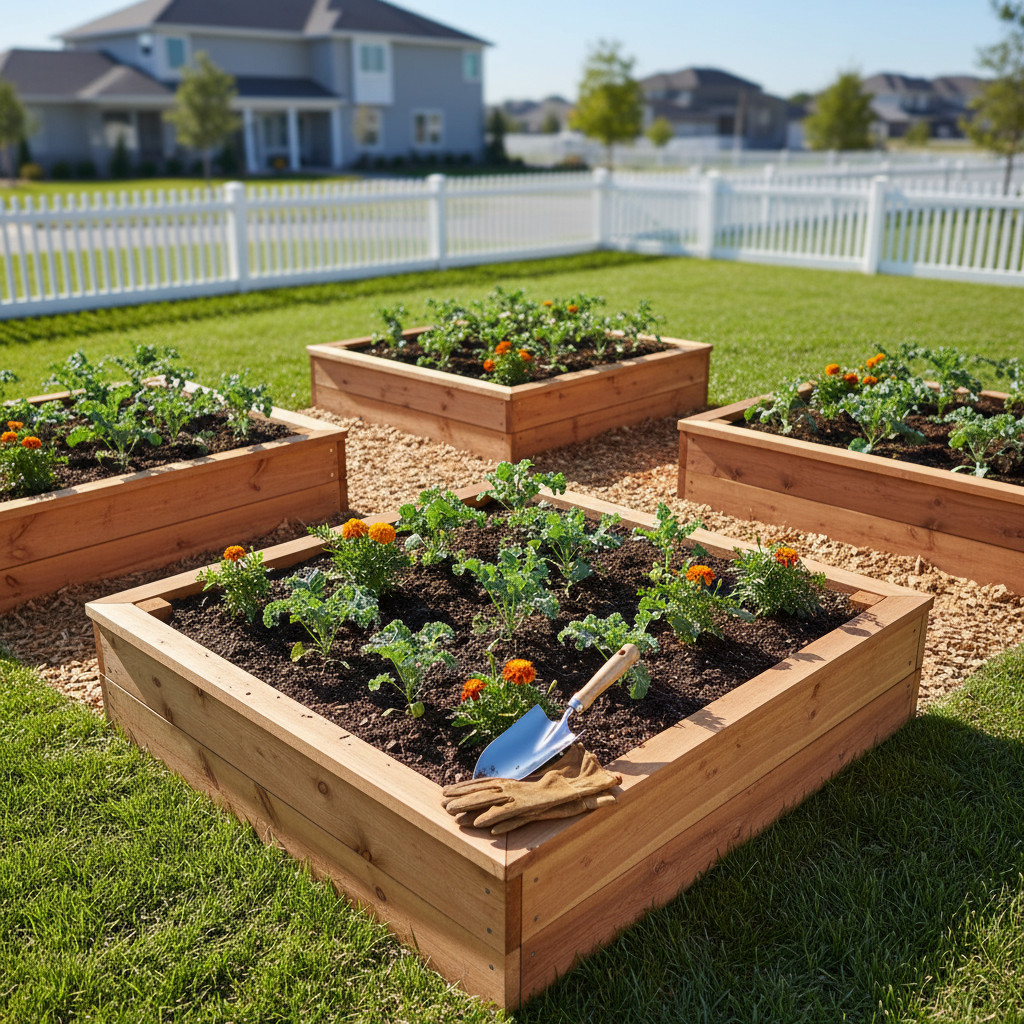
- Peppers with marigolds: Marigold roots exude compounds that repel nematodes and their flowers attract beneficial pollinators to pepper blooms
- Lettuce with tall vegetables: Grow heat-sensitive lettuce in the shade of taller tomato or pepper plants, extending lettuce harvest into warmer weather
- Herbs throughout: Scatter aromatic herbs among vegetables; their strong scents confuse pests seeking specific host plants
Plants to Keep Separated
Some plant combinations prove detrimental, and avoiding these pairings prevents disappointment and wasted growing space. Plants in the same family often share pest and disease vulnerabilities, making them poor companions. Chemical incompatibilities between certain plants can inhibit growth or reduce yields.
Avoid these problematic combinations:
- Tomatoes and brassicas: Tomatoes and plants like cabbage, broccoli, and kale compete heavily for calcium and may inhibit each other’s growth
- Beans and alliums: Onions, garlic, and chives release compounds that inhibit bean growth and nitrogen fixation
- Fennel near anything: Fennel exudes allelopathic compounds that inhibit most other plants; grow it in isolated containers
- Cucumbers and aromatic herbs: Strong herbs like sage and mint may negatively impact cucumber growth and flavor
Secret #8: Master Watering Techniques for Container Gardens
Container plants face unique watering challenges due to limited soil volume, rapid drainage, and exposure to drying conditions that in-ground gardens don’t experience.
Watering represents the most frequent maintenance task in container gardening and the most common source of plant problems. Both overwatering and underwatering cause stress, reduced yields, and plant death. Mastering the balance between these extremes—and implementing systems that maintain consistent moisture—separates struggling container gardens from thriving ones.
Understanding Container Watering Needs
Container soil dries much faster than ground soil due to exposure on all sides, limited soil volume, and often-porous container materials. During hot summer weather, containers may require watering twice daily to prevent moisture stress. This demanding schedule makes container gardening challenging for those with busy lives or travel schedules.
Factors affecting watering frequency include:
- Container size: Larger containers retain moisture longer and buffer against rapid drying; small pots may need multiple daily waterings
- Container material: Unglazed terracotta breathes and dries quickly; plastic and glazed containers retain moisture significantly longer
- Plant size: Larger plants with extensive leaf area transpire more water and require more frequent irrigation
- Weather conditions: Hot, dry, windy conditions dramatically increase water loss compared to cool, humid, calm days
- Plant growth stage: Flowering and fruiting plants require more water than vegetative plants; adjust schedules accordingly
Implementing Efficient Watering Systems
Self-watering containers have revolutionized container gardening by providing consistent moisture through reservoir systems that plants access as needed. These containers include a water reservoir beneath the growing medium, separated by a barrier that prevents waterlogging while allowing roots to wick moisture upward. Many gardeners report dramatically improved yields and reduced maintenance after switching to self-watering systems.
Consider these watering efficiency strategies:
- Drip irrigation: Connect containers to timer-controlled drip systems that deliver precise water amounts on schedule, eliminating manual watering entirely
- Wicking systems: DIY wicking beds use fabric strips or rope to draw water from reservoirs into growing media, maintaining consistent moisture inexpensively
- Mulching: Cover soil surfaces with organic mulch to dramatically reduce evaporation; even small containers benefit from this simple technique
- Grouping containers: Cluster containers together to create a microclimate with higher humidity and reduced drying compared to isolated pots
- Watering globes and stakes: Glass globes and ceramic stakes provide gradual water release for short absences, though they’re insufficient for extended periods
Secret #9: Feed Your Plants Strategically Throughout the Season
Container plants exhaust available nutrients quickly and depend entirely on you for the nutrition needed to produce abundant harvests.
Unlike in-ground gardens where plant roots access soil nutrients over large areas, container plants must obtain everything they need from the limited volume of growing medium in their pots. Even high-quality potting mixes provide sufficient nutrients for only 4-6 weeks before supplemental feeding becomes necessary. Strategic fertilization prevents the nutrient deficiencies that cause yellowing leaves, poor fruit set, and disappointing harvests.
Understanding Container Fertilization
Container watering leaches nutrients rapidly, washing soluble fertilizers out of the growing medium with every watering session. This reality demands either frequent fertilizer applications or slow-release products that continuously replenish nutrients over extended periods. Most successful container gardeners combine both approaches—slow-release base fertilization supplemented with liquid feeding during heavy production periods.
Signs of nutrient deficiency to watch for include:
- Nitrogen deficiency: Overall yellowing starting with older leaves, stunted growth, pale green coloration
- Phosphorus deficiency: Purplish tints on leaves, poor flowering and fruit set, weak root development
- Potassium deficiency: Brown leaf edges, weak stems, poor fruit development and flavor
- Calcium deficiency: Blossom end rot in tomatoes and peppers, distorted new growth
- Magnesium deficiency: Yellowing between leaf veins while veins stay green, particularly on older leaves
Fertilization Strategies for Maximum Production
Organic fertilizers provide gentle, long-lasting nutrition that feeds soil biology while nourishing plants. Fish emulsion, kelp extract, and compost tea deliver nutrients in forms that plants readily absorb without risk of chemical burn. These products support the beneficial microbial communities that improve overall plant health and disease resistance.
Follow this fertilization schedule for optimal results:
- At planting: Incorporate slow-release organic fertilizer into growing medium according to package directions; this provides base nutrition for 8-12 weeks
- Vegetative growth phase: Apply balanced liquid fertilizer (equal nitrogen, phosphorus, potassium) every 2 weeks to support leaf and stem development
- Flowering and fruiting: Switch to low-nitrogen, high-phosphorus and potassium fertilizer to promote flowering, fruit set, and fruit development
- Mid-season boost: Reapply slow-release fertilizer halfway through the growing season to replenish depleted nutrients
- Late season: Reduce fertilization as plants approach end of production to harden growth before cooler weather arrives
Secret #10: Utilize Every Inch: Windowsills, Balconies, and Beyond
Creative space utilization reveals growing opportunities that casual observation misses, dramatically expanding your productive garden area.
The final secret encompasses a mindset shift that transforms how you view your living space. Every sunny windowsill, wall surface, railing, and overhead area represents potential growing space waiting to be utilized. Gardeners who maximize their harvests think creatively about space, seeing opportunities where others see limitations.
Windowsill Gardening Excellence
Sunny windowsills provide ideal conditions for herbs, microgreens, and compact vegetables. South-facing windows receive maximum light exposure in northern hemisphere locations, making them premium real estate for edible gardening. Even east or west-facing windows provide sufficient light for herbs and leafy greens that tolerate moderate light levels.
Maximize windowsill productivity with these strategies:
- Use window boxes: External window boxes multiply growing space while keeping indoor surfaces clear
- Install glass shelves: Clear shelving across windows allows multiple levels of growing containers without blocking light
- Choose appropriate plants: Match plants to available light; don’t waste sunny windows on shade-tolerant herbs that would grow anywhere
- Rotate regularly: Turn containers weekly to ensure even growth and prevent plants from leaning toward light sources
Balcony and Patio Optimization
Balcony gardens face unique challenges including weight restrictions, wind exposure, and often limited direct sunlight. Understanding and addressing these challenges enables impressive production from these compact outdoor spaces. Always verify building weight limits before establishing heavy container gardens, and consider lightweight alternatives like fabric grow bags and plastic containers for structurally limited spaces.
Consider these balcony-specific optimization techniques:
- Windbreaks: Install mesh screens or strategically place larger containers to protect delicate plants from drying winds that stress container plants
- Railing planters: Purpose-designed planters that hang over railings utilize otherwise wasted space for herbs and compact vegetables
- Overhead utilization: Hang baskets from ceiling hooks or overhead structures for strawberries, cherry tomatoes, and trailing herbs
- Furniture integration: Choose outdoor furniture that incorporates planting spaces, or position containers to serve as attractive barriers and privacy screens
- Vertical panels: Attach pocket planters or trellis systems to walls and railings to multiply growing space without consuming floor area
Essential Tools and Supplies for Small Space Garden Success
The right tools make container gardening more efficient and enjoyable while preventing common problems before they occur.
You don’t need a shed full of equipment for successful small space gardening, but investing in quality versions of essential tools pays dividends in easier maintenance and better results. Focus on versatile, compact tools that store easily and serve multiple purposes.
Every small space gardener should own:
- Quality hand trowel: Your primary tool for filling containers, transplanting, and soil amendment; invest in stainless steel with comfortable grip
- Hand pruners: Essential for harvesting, removing dead growth, and training plants; bypass pruners provide cleanest cuts
- Watering can with rose attachment: Provides gentle watering that doesn’t disturb soil or young seedlings
- Spray bottle: For foliar feeding, pest treatment application, and increasing humidity around plants
- Soil moisture meter: Removes guesswork from watering decisions; inexpensive meters provide reliable guidance
- Compact kneeling pad: Protects knees during container maintenance and makes low-level work comfortable
- Twine and plant clips: For training and supporting plants on trellises and stakes
Common Mistakes to Avoid in Your Small Space Garden
Learning from others’ mistakes accelerates your success and prevents frustrating setbacks that discourage beginning gardeners.
Even experienced gardeners make mistakes when transitioning to container growing, because containers present fundamentally different challenges than in-ground cultivation. Awareness of common pitfalls helps you avoid them and troubleshoot problems when they occur.
Watch out for these frequent errors:
- Overcrowding containers: Resist the temptation to squeeze extra plants into containers; overcrowding produces weak, unproductive plants that compete for limited resources rather than robust specimens that produce abundantly
- Inadequate drainage: Every container requires drainage holes; plants sitting in waterlogged soil develop root rot that kills faster than any other problem
- Using garden soil: As discussed earlier, garden soil compacts in containers and fails to provide the drainage and aeration container plants require
- Inconsistent watering: Alternating between drought stress and overwatering damages plants and reduces yields; establish consistent watering routines
- Ignoring pest problems: Container plants’ stress makes them more susceptible to pests; inspect regularly and address problems immediately before they spread
- Planting too early or late: Container soil temperature swings more dramatically than ground soil; follow planting dates for your zone rather than planting based on enthusiasm
- Neglecting nutrition: Container plants cannot seek out nutrients like ground-planted vegetables; maintain regular fertilization throughout the growing season
Final Words: Your Abundant Small Space Garden Awaits
The transformation from empty containers to overflowing harvests begins with the first seed you plant. Every successful small space gardener started exactly where you are now—curious about the possibilities, perhaps uncertain about the process, but excited about growing their own fresh, nutritious produce. The ten secrets revealed throughout this guide provide the foundation you need to succeed.
Remember these key principles as you begin your journey:
- Start small and expand: Begin with a few containers and proven-easy crops like herbs, lettuce, and cherry tomatoes before tackling challenging vegetables
- Observe and adapt: Pay attention to how plants respond in your specific conditions and adjust your approach based on what works
- Embrace experimentation: Try different varieties, techniques, and container types; failures teach as much as successes
- Connect with community: Local gardening groups, online forums, and extension services provide invaluable location-specific advice and encouragement
- Celebrate every harvest: Each tomato, pepper, or handful of herbs represents genuine achievement worth appreciating
The compact balcony, modest patio, or sunny windowsill you have today contains more productive potential than you likely imagine. With the knowledge you’ve gained from these ten secrets—proper containers, vertical growing, compact varieties, optimized soil, succession planting, adequate light, companion planting, proper watering, strategic fertilization, and creative space utilization—you possess everything needed to transform that potential into reality.
Your small space garden journey starts now. Choose your first containers, select your first seeds, and begin creating the productive, satisfying garden that proves size truly doesn’t determine success. The fresh flavors, nutritional benefits, and profound satisfaction of homegrown produce await anyone willing to start—and that includes you.