Table of Contents
- The Complete Guide to Growing Fruit in a Small Garden
- Why Growing Fruit in a Small Garden is Worth Your Effort
- Assessing Your Small Garden Space for Fruit Growing
- Understanding Sunlight Requirements
- Evaluating Soil Quality and Drainage
- Measuring Available Space Accurately
- Best Fruit Varieties for Small Gardens
- Compact Fruit Trees (Dwarf and Semi-Dwarf)
- Berry Bushes and Shrubs
- Climbing and Vining Fruits
- Container-Friendly Fruit Options
- Space-Saving Techniques for Maximum Yield
- Vertical Gardening Methods
- Espalier Training Techniques
- Multi-Grafted Trees
- Succession Planting Strategies
- Essential Planting and Care Guidelines
- Proper Planting Techniques
- Watering Requirements
- Fertilizing Fruit Plants
- Pruning for Health and Productivity
- Pest and Disease Management in Small Gardens
- Common Pests and Natural Solutions
- Disease Prevention Strategies
- Companion Planting Benefits
- Maximizing Pollination in Limited Spaces
- Understanding Pollination Needs
- Attracting Pollinators
- Seasonal Care Calendar for Small Garden Fruits
- Spring Tasks
- Summer Maintenance
- Fall Preparation
- Winter Protection
- Harvesting and Storing Your Homegrown Fruit
- Knowing When to Harvest
- Proper Harvesting Techniques
- Storage and Preservation Methods
- Common Mistakes to Avoid When Growing Fruit in Small Spaces
- Final Thoughts: Your Fruitful Garden Awaits
The Complete Guide to Growing Fruit in a Small Garden
Imagine stepping outside your back door and plucking a perfectly ripe strawberry, still warm from the morning sun. Picture yourself harvesting crisp apples from a compact tree that takes up no more space than a garden chair. This isn’t a fantasy reserved for those with sprawling orchards or country estates—it’s entirely achievable in even the most modest urban plot or compact suburban garden.
The misconception that fruit growing requires vast amounts of land has prevented countless gardening enthusiasts from experiencing the unparalleled satisfaction of homegrown produce. In reality, modern horticultural advances, clever space-saving techniques, and an impressive array of compact fruit varieties have revolutionized what’s possible in limited spaces. Whether you’re working with a tiny courtyard, a narrow side passage, or a postage-stamp-sized backyard, you can cultivate a surprising abundance of delicious, nutritious fruit.
Growing your own fruit offers benefits that extend far beyond the obvious pleasure of fresh produce. You’ll reduce your carbon footprint, eliminate concerns about pesticide residues, save money over time, and introduce children to the magic of watching food grow from blossom to harvest. This comprehensive guide will walk you through every aspect of successful fruit cultivation in small gardens, from selecting the perfect varieties to mastering space-efficient growing techniques that maximize your yield per square foot.
Why Growing Fruit in a Small Garden is Worth Your Effort
Before diving into the practical aspects of fruit cultivation, understanding the compelling reasons to embark on this rewarding journey will fuel your motivation and commitment.
The decision to grow fruit in a small garden represents one of the most rewarding choices any gardener can make. Beyond the obvious benefit of fresh, flavorful produce, cultivating fruit transforms your outdoor space into a productive ecosystem that engages all your senses throughout the seasons. From fragrant spring blossoms that attract beneficial pollinators to the vibrant colors of ripening fruit in summer and autumn, your garden becomes a dynamic, living food source.
Key Benefits of Small-Space Fruit Growing:
-
Superior Flavor and Nutrition: Homegrown fruit picked at peak ripeness contains higher levels of vitamins, antioxidants, and natural sugars compared to commercial produce harvested early for shipping. The difference in taste between a supermarket strawberry and one picked fresh from your garden is genuinely remarkable, with complex flavor profiles that commercial varieties simply cannot match.

-
Cost Savings Over Time: While initial investments in plants and containers require some expenditure, established fruit plants produce harvests year after year. A single mature blueberry bush can yield ten to fifteen pounds of berries annually, representing significant savings compared to store-bought organic berries that can cost five dollars per pint or more.
-
Environmental Impact: Growing fruit at home eliminates transportation emissions, reduces packaging waste, and allows you to garden organically without contributing to industrial agricultural practices. Your small garden becomes a haven for pollinators and beneficial insects, supporting local biodiversity.
-
Therapeutic Value: The physical activity involved in tending fruit plants, combined with the satisfaction of nurturing living things, provides proven mental health benefits. Gardening reduces stress, improves mood, and creates a meaningful connection to natural cycles that many people find increasingly valuable in our digitally-dominated world.
-
Educational Opportunities: For families with children, growing fruit provides invaluable lessons about plant biology, nutrition, patience, and responsibility. Children who participate in growing food develop healthier eating habits and a deeper appreciation for where their food originates.
Assessing Your Small Garden Space for Fruit Growing
Successful fruit cultivation begins with a thorough evaluation of your available growing conditions, ensuring you match plant requirements with what your space can realistically provide.
Before purchasing a single plant, investing time in carefully assessing your garden’s characteristics will save you frustration and failed plantings later. Every outdoor space possesses unique microclimates, light patterns, and soil conditions that dramatically influence which fruits will thrive and which will struggle.
Understanding Sunlight Requirements
Most fruiting plants require substantial sunlight to produce abundant harvests, making light assessment your first priority. Spend several days observing how sunlight moves across your garden, noting which areas receive direct sun and for how long. Most fruit trees and bushes need a minimum of six to eight hours of direct sunlight daily during the growing season, though some berries tolerate partial shade.
Track shadows cast by buildings, fences, and neighboring trees throughout the day. Remember that sun patterns change seasonally—areas shaded in winter may receive adequate light during summer growing months when the sun sits higher in the sky. South-facing aspects in the Northern Hemisphere typically offer the best light conditions, while north-facing spots may be suitable only for shade-tolerant varieties like alpine strawberries or certain currants.
Evaluating Soil Quality and Drainage
Conduct a simple soil test using an inexpensive kit from garden centers to determine your soil’s pH level and nutrient content. Most fruits prefer slightly acidic to neutral soil (pH 6.0-7.0), though blueberries require acidic conditions around pH 4.5-5.5. Understanding your baseline soil chemistry allows you to make appropriate amendments or select container growing where native soil proves unsuitable.
Drainage assessment is equally critical, as waterlogged roots cause rapid plant decline. After heavy rain, observe how quickly water drains from potential planting areas. If puddles persist for more than a few hours, you’ll need to improve drainage through raised beds, soil amendments, or strategic container placement.
Measuring Available Space Accurately
Create a scaled drawing of your garden, marking existing features, pathways, and structures. Measure not just ground-level space but vertical opportunities—walls, fences, and structures suitable for climbing plants or espalier training. Consider access requirements for maintenance, harvesting, and wheelbarrows or garden carts. Planning on paper prevents overcrowding and ensures adequate spacing for mature plant sizes.
Best Fruit Varieties for Small Gardens
Selecting appropriate varieties represents perhaps the most crucial decision in small-space fruit growing, as the right choices yield abundant harvests while wrong selections lead to disappointing results.
The fruit variety marketplace has expanded dramatically in recent decades, with breeders specifically developing compact cultivars suited to limited spaces. Understanding these options empowers you to select plants that match your growing conditions and personal preferences.
Compact Fruit Trees (Dwarf and Semi-Dwarf)
Dwarf fruit trees result from grafting desirable fruiting varieties onto rootstocks that restrict overall size while maintaining full-sized fruit production. These remarkable plants grow to heights of six to ten feet rather than the twenty to thirty feet of standard trees, making them perfect for small gardens.
Top Choices for Limited Spaces:
-
Dwarf Apple Trees: Varieties like ‘Gala,’ ‘Honeycrisp,’ and ‘Fuji’ on M27 or M9 rootstocks remain manageable while producing dozens of full-sized apples. These trees can be grown in large containers or planted directly in garden soil, requiring only a six to eight-foot spacing. With proper care, dwarf apple trees begin producing fruit within two to three years of planting, much faster than their full-sized counterparts.
-
Compact Cherry Trees: Self-fertile varieties such as ‘Stella’ and ‘Sunburst’ on dwarfing rootstocks like Gisela 5 reach heights of only eight to ten feet. These stunning trees provide spring blossom displays followed by delicious summer harvests, making them excellent dual-purpose ornamental and productive additions to small gardens.
-
Patio Peaches and Nectarines: Genetic dwarf varieties including ‘Bonanza’ and ‘Garden Gold’ grow naturally compact without specialized rootstocks, reaching only four to six feet tall. These varieties thrive in large containers on sunny patios, producing surprisingly abundant crops of sweet, juicy stone fruit.
Berry Bushes and Shrubs
Berry-producing shrubs represent ideal choices for small-space fruit growing due to their compact nature, relatively rapid production, and high yields per square foot. These plants typically begin bearing fruit within one to two seasons of planting.
Blueberry bushes offer exceptional value, combining ornamental appeal with nutritious harvests. Compact varieties like ‘Top Hat’ and ‘Northsky’ grow only two to three feet tall, making them suitable for containers and borders. Their spring flowers, summer berries, and spectacular autumn foliage provide year-round garden interest while producing antioxidant-rich fruit perfect for fresh eating or preserving.
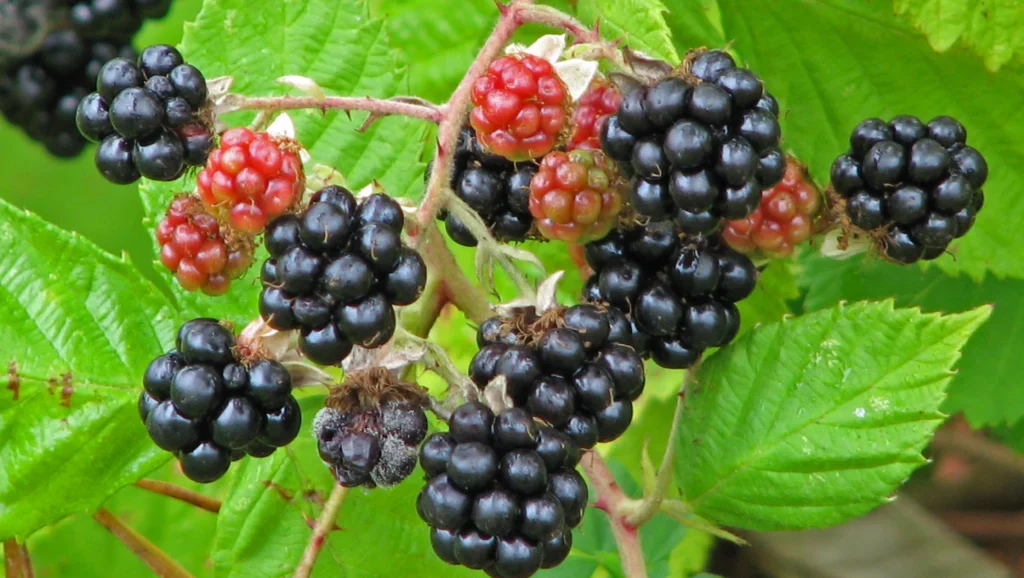
Raspberry and blackberry plants, when selected carefully, provide abundant harvests without aggressive spreading. Thornless, compact varieties such as ‘Raspberry Shortcake’ (a naturally dwarf raspberry requiring no staking) and ‘Baby Cakes’ blackberry grow as neat, self-supporting bushes rather than rambling canes, perfect for container cultivation or small border plantings.
Climbing and Vining Fruits
Vertical growing opportunities transform limited ground space into productive fruit-growing areas. Vining fruits trained on walls, fences, and supports utilize otherwise wasted space while creating attractive garden features.
Excellent Climbing Options:
-
Grape Vines: A single grapevine trained along a fence or over an arbor can produce fifteen to thirty pounds of fruit annually while occupying minimal ground space. Dessert varieties like ‘Flame Seedless’ and wine grapes suited to your climate provide both fresh eating and winemaking opportunities.
-
Kiwi Vines: Hardy kiwi varieties (Actinidia arguta) produce smooth-skinned, grape-sized fruits with the same delicious flavor as fuzzy kiwis. These vigorous climbers cover pergolas and fences quickly, providing shade and abundant harvests within three to four years of planting.
-
Passion Fruit: In warmer climates, passion fruit vines create stunning ornamental displays with exotic flowers followed by flavorful fruit. Even in cooler regions, these plants can be grown in large containers and overwintered indoors.
Container-Friendly Fruit Options
Container growing expands fruit cultivation possibilities dramatically, allowing gardeners to grow fruit on balconies, patios, and paved areas with no open soil. Containers also enable you to provide specific soil conditions for acid-loving plants like blueberries regardless of native garden soil pH.
Strawberries rank among the most rewarding container fruits, producing harvests the same season as planting. Everbearing varieties like ‘Seascape’ and ‘Albion’ produce fruit continuously from late spring through autumn, while day-neutral types remain unfazed by summer heat. Specialized strawberry planters, hanging baskets, and vertical towers maximize production in minimal space, with a single square foot potentially yielding several pounds of berries per season.

Citrus trees, including dwarf lemons, limes, and kumquats, thrive in containers even outside traditional citrus-growing regions when brought indoors during winter months. Improved Meyer lemons and key limes produce fragrant blossoms and fruit year-round under proper care, providing both ornamental value and practical harvests.
Space-Saving Techniques for Maximum Yield
Mastering innovative growing techniques allows small-garden fruit growers to dramatically increase production beyond what conventional planting methods can achieve.
Creative approaches to fruit cultivation have been developed over centuries by gardeners facing space limitations. These time-tested techniques, combined with modern innovations, enable remarkable productivity in surprisingly small areas.
Vertical Gardening Methods
Vertical growing represents the single most effective strategy for maximizing fruit production in limited spaces. By directing growth upward rather than outward, you effectively multiply your growing area many times over.
Install sturdy trellises against sunny walls and fences to support climbing fruits like grapes, kiwis, and thornless blackberries. Ensure supports can handle mature plant weights, particularly when laden with fruit. Permanent installations using galvanized wire, treated timber, or metal frameworks provide decades of service and create attractive garden features even during dormant seasons.
Tiered planters and shelving systems allow you to stack container-grown strawberries, compact blueberries, and dwarf citrus at different heights, capturing maximum sunlight while occupying minimal floor space. Position taller plants behind shorter ones to prevent shading, and ensure all plants remain accessible for watering, feeding, and harvesting.
Espalier Training Techniques
Espalier—the art of training fruit trees to grow flat against walls or fences—transforms tree growing in small gardens. This technique, perfected in European monastery gardens centuries ago, reduces the footprint of fruit trees to mere inches while maintaining substantial harvests.
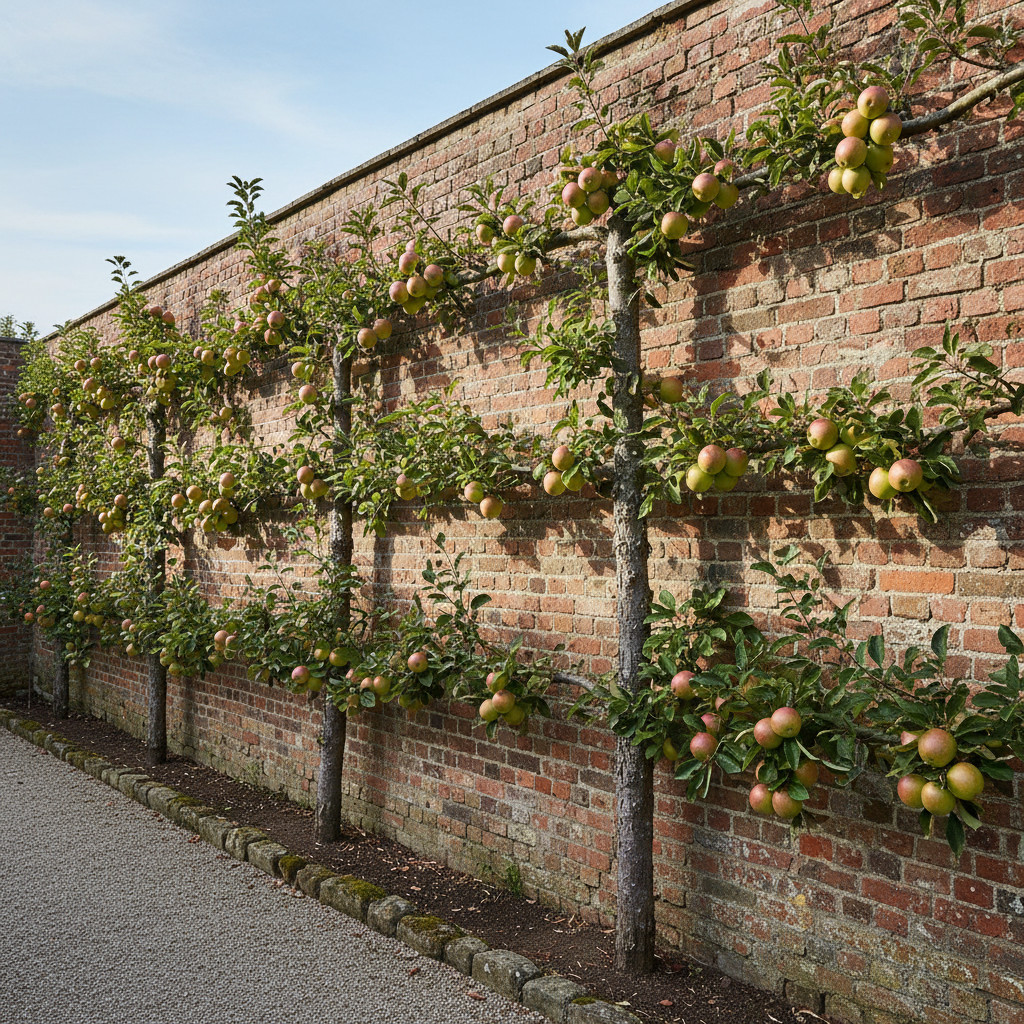
Steps to Successful Espalier Training:
-
Select Appropriate Specimens: Begin with young, single-stem trees (called whips) on dwarfing rootstocks, as these prove easiest to train. Apples and pears respond exceptionally well to espalier training, though stone fruits like peaches and cherries can also succeed with slightly different approaches.
-
Install Strong Support Systems: Create a framework of horizontal wires spaced twelve to eighteen inches apart, secured to walls or freestanding posts. This permanent infrastructure guides branch development and supports fruit-laden limbs throughout the tree’s productive life.
-
Develop the Framework Gradually: During the first few years, focus on establishing the desired shape by selecting and tying in appropriately positioned branches while removing competing growth. Traditional espalier forms include horizontal cordons, fans, and Belgian fences, each offering different aesthetic and practical advantages.
-
Maintain Through Regular Pruning: Once established, espalier trees require consistent summer pruning to maintain their two-dimensional form and encourage fruiting spur development. This ongoing maintenance becomes meditative for many gardeners and keeps trees highly productive for decades.
Multi-Grafted Trees
Multi-grafted or “family” trees feature multiple fruit varieties grafted onto a single rootstock, enabling small-garden growers to enjoy variety without dedicating space to numerous trees. A single multi-grafted apple tree might produce four or five different varieties, ensuring extended harvests and proper cross-pollination from one compact plant.
These remarkable trees solve the pollination challenges that single-variety plantings often face, as the different varieties bloom at various times and cross-pollinate naturally. While they require slightly more complex pruning to maintain balanced growth among different grafts, the convenience and space savings make them invaluable for limited areas.
Succession Planting Strategies
Strategic variety selection extends harvest seasons dramatically, ensuring continuous fruit supply rather than overwhelming gluts followed by empty periods. By planting early, mid-season, and late-bearing varieties of the same fruit, you create a harvest window spanning weeks or even months.
For example, strawberry growers might combine June-bearing types for heavy early-summer crops with everbearing varieties that produce smaller but continuous harvests through autumn. Apple enthusiasts can plant trees ripening from July through October, enjoying fresh fruit for nearly half the year from just three or four compact trees.
Essential Planting and Care Guidelines
Proper planting techniques and consistent ongoing care form the foundation of productive fruit growing, with attention to fundamentals yielding dividends throughout your plants’ lives.
Understanding and implementing correct cultural practices ensures your fruit plants establish quickly and produce abundantly for years or decades to come.
Proper Planting Techniques
Successful establishment begins with correct planting, which varies somewhat depending on whether you’re working with bare-root plants, container-grown specimens, or establishing container gardens.
For Ground Planting:
Dig planting holes approximately twice the width of root balls but no deeper than roots currently sit. This wider-than-deep approach encourages roots to spread horizontally into surrounding soil rather than circling within the hole. Amend excavated soil with compost at a ratio of roughly one-quarter compost to three-quarters native soil, creating improved growing conditions while encouraging roots to eventually venture into unamended ground.
Position plants so that the graft union (the swollen area near the base where fruiting variety meets rootstock) sits two to three inches above soil level. Burying graft unions can cause problems including suckering from rootstocks and potential variety death. Backfill carefully, firming soil to eliminate air pockets while avoiding excessive compaction that inhibits root development.
For Container Planting:
Select containers with adequate drainage holes and sizes appropriate for mature plant dimensions. Most dwarf fruit trees require minimum twenty-gallon containers, while berry bushes thrive in ten to fifteen-gallon pots. Use high-quality potting mix rather than garden soil, which compacts excessively in containers and drains poorly.
Watering Requirements
Consistent moisture proves critical for fruit development, with irregular watering causing problems including fruit drop, cracking, and reduced sweetness. Develop watering routines that maintain evenly moist (but never waterlogged) soil conditions throughout growing seasons.
Key Watering Principles:
-
Deep, Infrequent Watering: Rather than light daily sprinklings, water thoroughly to saturate root zones completely, then allow soil to approach (but not reach) dryness before watering again. This approach encourages deep root development and drought resistance while discouraging shallow rooting and disease problems.
-
Morning Watering: Apply water early in the day, allowing foliage to dry before evening. Wet leaves overnight promote fungal disease development, particularly problematic for susceptible fruits like grapes and strawberries.
-
Container Attention: Container-grown fruits require more frequent watering than ground-planted specimens, sometimes daily during hot weather. The limited soil volume in containers holds less moisture reserve, making vigilance essential for plant health and productivity.
Consider installing drip irrigation or soaker hoses for consistent moisture delivery while conserving water and keeping foliage dry. Timers automate watering schedules, ensuring consistency even during busy periods or vacations.
Fertilizing Fruit Plants
Proper nutrition supports healthy growth and abundant harvests, though over-fertilization causes problems as significant as nutrient deficiency. Balanced feeding programs tailored to specific fruit requirements optimize plant health without excessive vegetative growth at the expense of fruit production.
Apply balanced fertilizers in early spring as growth resumes, following package rates carefully. Organic options including compost, well-rotted manure, and commercial organic fertilizers provide slow-release nutrition that feeds plants steadily throughout growing seasons. Avoid high-nitrogen fertilizers, which promote lush leaf growth while reducing flowering and fruiting.
Container plants require more frequent feeding than ground-planted fruits, as regular watering leaches nutrients from limited soil volumes. Feed container fruits every two to four weeks during active growth with diluted liquid fertilizers or top-dress with slow-release granules in spring.
Pruning for Health and Productivity
Regular pruning maintains plant health, controls size, and maximizes fruit production. While pruning techniques vary among fruit types, general principles apply broadly across most fruiting plants.
Remove dead, diseased, or crossing branches promptly regardless of season, preventing disease spread and mechanical damage. Conduct major structural pruning during dormancy for deciduous fruits, when plant architecture remains clearly visible and cuts heal before spring growth resumes. Summer pruning controls vigor and maintains trained forms like espaliers.
Learn specific pruning requirements for each fruit type you grow, as techniques for stone fruits differ from those for apples, and berry bushes each have unique requirements. Proper pruning dramatically improves both fruit quality and quantity while keeping plants within size bounds appropriate for small gardens.
Pest and Disease Management in Small Gardens
Protecting fruit plants from pests and diseases requires vigilance and integrated approaches that prioritize prevention while minimizing chemical interventions.
Small gardens actually offer advantages for pest and disease management, as intensive observation catches problems early and localized interventions remain feasible without resort to broad-spectrum treatments.
Common Pests and Natural Solutions
Familiarize yourself with likely pest challenges for your chosen fruits, enabling quick identification and response when problems appear.
Frequently Encountered Pests:
-
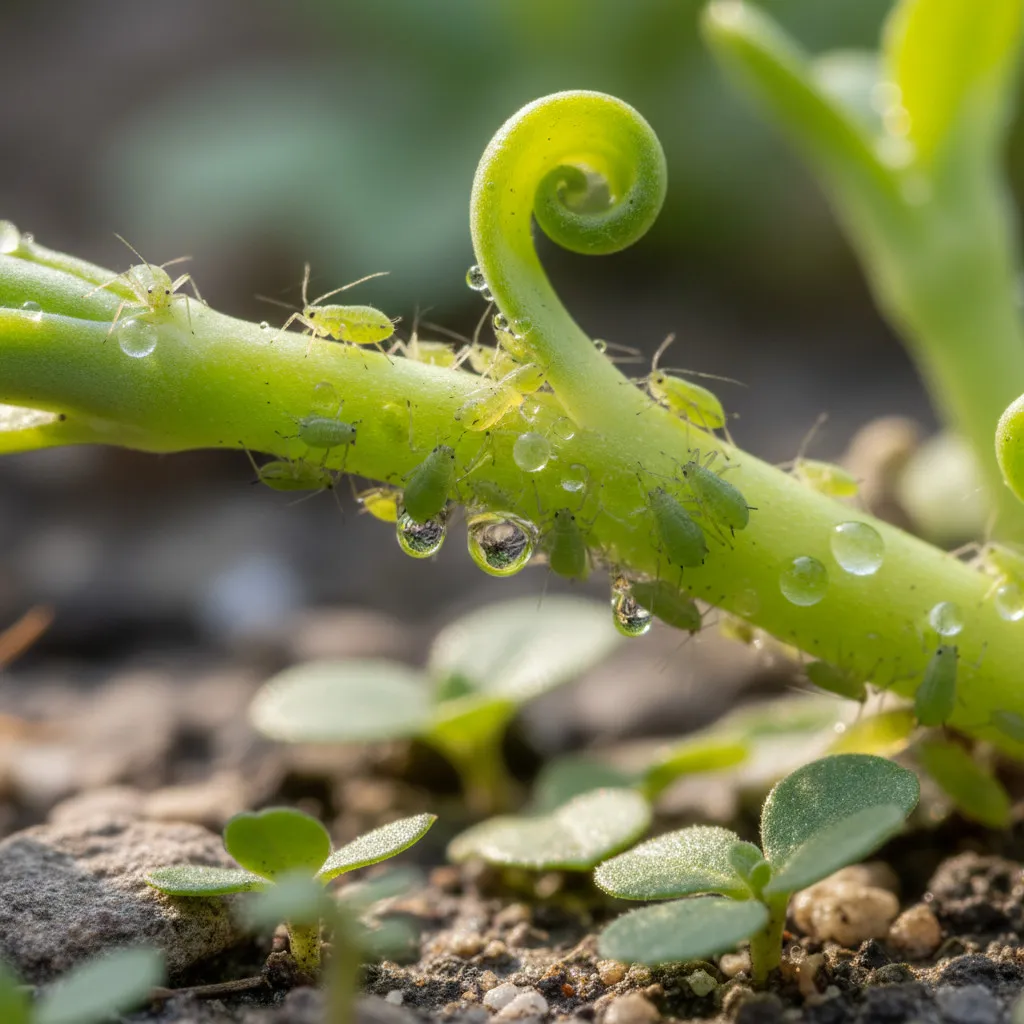
Aphids: These soft-bodied insects cluster on new growth, sucking plant sap and potentially transmitting diseases. Strong water sprays dislodge light infestations, while insecticidal soaps provide effective control for heavier populations without harming beneficial insects that arrive after treatment dries.
-
Codling Moths: The primary apple and pear pest, codling moth larvae tunnel into fruit causing “wormy” damage. Pheromone traps monitor populations, while corrugated cardboard bands wrapped around trunks trap pupating larvae for removal and destruction.
-
Birds: Often the most significant challenge for berry growers, birds can decimate harvests overnight. Physical exclusion using netting provides reliable protection, though proper installation techniques prevent bird entanglement and ensure human access for picking.
-
Slugs and Snails: These mollusks target strawberries particularly, leaving damaged fruit and slime trails. Raised containers reduce access, while beer traps, copper barriers, and evening handpicking provide chemical-free control.
Disease Prevention Strategies
Most fruit diseases prove easier to prevent than cure, making cultural practices your first line of defense against problems like powdery mildew, brown rot, and fire blight.
Ensure adequate air circulation around plants through proper spacing, pruning, and strategic garden positioning. Stagnant, humid air promotes fungal disease development, while gentle breezes keep foliage dry and discourage pathogen establishment. Remove and dispose of fallen fruit and leaves promptly, as these harbor disease organisms that reinfect plants the following season.
Select disease-resistant varieties whenever possible, as plant breeding has produced many excellent options that resist common problems without requiring chemical intervention. Research resistance ratings when selecting varieties, prioritizing those bred for resilience to diseases prevalent in your region.
Companion Planting Benefits
Strategic companion planting enhances pest management while maximizing space utilization in small gardens. Certain plants repel pests, attract beneficial insects, or provide other advantages when grown alongside fruit plants.
Marigolds, nasturtiums, and calendula attract beneficial insects including hoverflies and lacewings whose larvae consume enormous quantities of aphids. Planted beneath fruit trees or around berry patches, these colorful companions provide pest control while adding ornamental value.
Aromatic herbs including basil, mint, and chives repel various pests through volatile compounds while occupying ground space beneath taller fruit plants. These multi-functional companions provide culinary harvests alongside their pest-management contributions, maximizing productivity per square foot.
Maximizing Pollination in Limited Spaces
Understanding pollination requirements ensures successful fruit set, as even healthy, well-cared-for plants produce little fruit without effective pollination.
Many fruit growers express frustration when plants flower prolifically but set minimal fruit. In most cases, inadequate pollination rather than plant health explains this disappointing situation.
Understanding Pollination Needs
Different fruits have varying pollination requirements that significantly impact variety selection for small gardens. Self-fertile varieties pollinate themselves and produce fruit without companion plants, making them ideal for limited spaces. Cross-pollinators require compatible varieties flowering simultaneously nearby, complicating small-garden planning.
Self-fertile fruits including most strawberries, many blueberry varieties, self-pollinating apple cultivars, and most citrus produce fruit independently, simplifying variety selection. However, even self-fertile plants often produce larger harvests when cross-pollination occurs, making pollinator attraction beneficial regardless of variety choices.
Cross-pollinating fruits like most apples, pears, and sweet cherries require different compatible varieties planted within bee-flying distance (typically within fifty feet). Multi-grafted trees solve this challenge elegantly, providing multiple varieties on single plants. Alternatively, coordinate with neighbors who may already grow compatible varieties, allowing your plant to benefit from nearby pollinators.
Attracting Pollinators
Even self-fertile fruits benefit from pollinator visits, making your garden attractive to bees, butterflies, and other pollinating insects pays dividends in improved fruit set and harvest quantities.
Plant flowers that bloom before, during, and after fruit plants flower, ensuring consistent food sources that keep pollinators resident in your garden. Native wildflowers, single-flowered varieties (not heavily doubled cultivars), and continuous-blooming plants like lavender provide season-long pollinator support.
Avoid pesticide applications during flowering periods, as these harm the very creatures essential for fruit production. If pest control becomes necessary, treat in evening when pollinators have retired and ensure products don’t persist into morning foraging hours.
Seasonal Care Calendar for Small Garden Fruits
Timing garden tasks appropriately throughout the year ensures plants receive care when needed most, maximizing health and productivity.
Organizing fruit care activities by season creates manageable workloads while ensuring no critical tasks get overlooked.
Spring Tasks
As plants emerge from dormancy, spring represents the most active period for fruit garden care. Remove winter protection from tender plants as frost danger passes, and inspect all plants for winter damage requiring pruning attention.
Apply first fertilizer applications as growth resumes, providing nutrients to support flowering and early fruit development. Install or repair support structures before plant growth obscures access. Monitor for early pest activity and address problems before populations explode with warming temperatures.
Summer Maintenance
Summer care focuses on supporting fruit development through consistent watering and monitoring for pest and disease problems. Thin fruit on heavily-loaded trees to improve remaining fruit size and prevent branch breakage from excessive weight.
Install bird netting as fruit approaches ripeness, checking regularly for trapped birds requiring release. Continue summer pruning of trained trees and vigorous berry canes to maintain desired forms and prevent overcrowding.
Fall Preparation
As harvests conclude, autumn preparations set the stage for successful overwintering and strong growth the following season. Clean up fallen fruit and leaves thoroughly, removing disease and pest reservoirs from the garden.
Apply final fertilizer applications (typically lighter than spring feeding) to support root development before dormancy. Plant new fruit trees and bushes during fall, allowing root establishment before spring growth demands begin.
Winter Protection
Protect tender plants from winter damage through mulching, wrapping, or temporary shelter construction. Move container plants to protected locations or wrap containers with insulating materials to prevent root freezing.
Use dormant season to plan next year’s additions, order plants for spring delivery, and maintain tools and equipment. Winter provides valuable reflection time for evaluating what worked well and what requires adjustment in coming seasons.
Harvesting and Storing Your Homegrown Fruit
Proper harvesting and storage techniques maximize enjoyment of your harvests, preserving fruit quality from garden to table.
Knowing when and how to harvest ensures peak flavor and quality while protecting plants from damage during picking.
Knowing When to Harvest
Different fruits provide distinct indicators of ripeness, and learning to recognize these signs ensures harvests at peak quality. Apples and pears should lift away easily when cupped and gently twisted—pulling indicates unripe fruit better left to develop further. Berries show ripeness through color change, often accompanied by slight softening and easy release from plants.
Sample frequently as harvest season approaches, noting flavor development that indicates optimal picking time. Unlike commercial growers who harvest early for shipping durability, home gardeners can pick at perfect ripeness for maximum flavor enjoyment.
Proper Harvesting Techniques
Handle fruit carefully during harvest to prevent bruising that shortens storage life and invites decay. Use clean, shallow containers that prevent crushing lower layers under upper fruit weight.
Harvest during cool morning hours when possible, as fruits picked cool remain fresher longer. Refrigerate perishable harvests promptly, though some fruits including tomatoes and bananas lose quality when chilled.
Storage and Preservation Methods
Fresh storage potential varies dramatically among fruit types, from days for soft berries to months for properly stored apples. Understanding appropriate storage conditions for each fruit maximizes fresh-eating windows.
When harvests exceed immediate consumption capacity, preservation methods including freezing, canning, drying, and jam-making extend enjoyment throughout the year. Small-garden growers often find preservation activities deeply satisfying, transforming summer abundance into winter treats that maintain connection to garden productivity during dormant months.
Common Mistakes to Avoid When Growing Fruit in Small Spaces
Learning from others’ errors accelerates your success, helping you bypass frustrating setbacks that derail many beginning fruit growers.
Critical Pitfalls to Sidestep:
-
Underestimating Mature Plant Size: Research mature dimensions carefully before planting, ensuring adequate space for full development. Overcrowded plants compete for resources, harbor disease, and frustrate maintenance and harvesting efforts.
-
Neglecting Pollination Requirements: Verify pollination needs before purchasing, ensuring compatible varieties or self-fertile types that won’t leave you with flowers but no fruit. This common oversight causes significant disappointment for many new fruit growers.
-
Inconsistent Watering: Develop reliable watering routines rather than irregular attention that stresses plants and reduces fruit quality. Automated systems provide consistency even when life gets busy.
-
Excessive Fertilization: More is not better with fruit plant feeding. Over-fertilization promotes vegetative growth at the expense of fruit production while potentially damaging plants and polluting groundwater.
-
Delayed Pest Response: Small problems become major infestations quickly. Monitor plants regularly and address pest issues promptly before populations explode beyond easy control.
Final Thoughts: Your Fruitful Garden Awaits
The journey from empty garden to productive fruit paradise requires patience, learning, and consistent effort, but the rewards far exceed the investment. Starting small with a few well-chosen plants allows you to build skills and confidence before expanding your fruit-growing ambitions.
Remember that every experienced fruit grower once stood where you stand now, uncertain about whether success was possible in limited space with limited experience. The difference between those who harvest abundant homegrown fruit and those who never try lies simply in taking that first step.
Your action plan for getting started:
- Assess your garden’s light, soil, and space characteristics honestly
- Select two or three appropriate fruits matched to your conditions
- Invest in quality plants from reputable nurseries
- Implement proper planting and care practices from the beginning
- Learn continuously from both successes and setbacks
The first bite of fruit you’ve grown yourself—warmed by sunshine, perfectly ripe, bursting with flavor—will convince you that every effort was worthwhile. Your small garden holds potential you’ve perhaps never imagined. It’s time to discover what’s possible when you commit to growing fruit in whatever space you have available.
Begin this season. Start small. Dream big. And prepare to enjoy the incomparable satisfaction of harvesting fruit from your very own garden.