California gardeners enjoy one of the most enviable climates in the entire United States for growing fresh, delicious vegetables. While most regions across the country face harsh winters that halt all gardening activity, California’s Mediterranean climate opens the door to year-round vegetable cultivation that keeps your kitchen stocked with homegrown produce in every season. Whether you’re tending a sprawling backyard garden in the Central Valley, nurturing container plants on a San Diego balcony, or cultivating raised beds along the Northern California coast, understanding what to plant and when to plant it can transform your gardening experience from frustrating guesswork into abundant harvests.
The Golden State spans an impressive range of USDA hardiness zones—from zone 5a in the mountainous regions to zone 11a in the warmest coastal areas—creating a diverse tapestry of microclimates that each offer unique growing opportunities. This diversity means that California gardeners must pay close attention to their specific location, elevation, and proximity to the ocean when planning their vegetable gardens. A garden in Oceanside will operate very differently than one in Julian, and what thrives in Sacramento may struggle in San Francisco’s foggy conditions. By learning to work with your local climate rather than against it, you can maximize yields, reduce pest problems, conserve precious water resources, and enjoy the unmatched flavor of vegetables picked at peak ripeness from your own backyard.
Table of Contents
- Why California’s Climate is Ideal for Year-Round Vegetable Gardening
- Understanding Cool-Season vs. Warm-Season Vegetables
- Cool-Season Vegetables: The Winter Garden Stars
- Warm-Season Vegetables: Summer’s Bounty
- Best Vegetables to Grow in Southern California
- Top Warm-Season Vegetables for Southern California
- Top Cool-Season Vegetables for Southern California
- Comprehensive Month-by-Month Planting Calendar for California
- Winter Planting (December Through February)
- Spring Planting (March Through May)
- Summer Planting (June Through August)
- Fall Planting (September Through November)
- Fast-Growing Vegetables for Quick Harvests
- Essential Tips for Successful California Vegetable Gardening
- Soil Preparation and Amendment
- Watering Strategies for California’s Climate
- Pest Management and Disease Prevention
- Beginner-Friendly Vegetables for California Gardens
- Final Words: Embracing California’s Year-Round Growing Potential
Why California’s Climate is Ideal for Year-Round Vegetable Gardening
California’s unique Mediterranean climate creates exceptional opportunities for growing vegetables throughout all four seasons, making it a gardener’s paradise with proper planning and knowledge.
California stands apart from most of the United States because its mild winters and warm, dry summers create conditions where gardening never truly stops. Unlike regions where the first frost signals the end of the growing season, many California communities experience no frost whatsoever, allowing continuous cultivation of both warm and cool-season crops. This extended growing window means you can harvest fresh tomatoes in summer, crisp lettuce in winter, and nutritious kale virtually year-round.
The Mediterranean climate advantage manifests in several key ways that benefit vegetable gardeners:
- Mild winter temperatures allow cool-season crops like broccoli, spinach, and carrots to thrive when other parts of the country lie dormant under snow
- Long, warm summers provide the heat that tomatoes, peppers, and melons need to develop full flavor and abundant yields
- Predictable dry seasons reduce fungal disease pressure on many vegetable crops
- Abundant sunshine ensures plants receive the light energy necessary for robust growth and fruit production
Understanding your specific USDA hardiness zone is crucial for successful California vegetable gardening. The state encompasses zones 5 through 11, with coastal areas typically falling in zones 9-11, interior valleys in zones 8-10, and mountainous regions in zones 5-7. These zones indicate the average minimum winter temperatures in your area and help determine which perennial vegetables can survive year-round and when annual vegetables should be planted. You can find your specific zone using the USDA Hardiness Zone Finder online, which provides detailed information based on your zip code.
Microclimates play an equally important role in California vegetable gardening. Proximity to the ocean moderates temperatures significantly—coastal gardens experience cooler summers and warmer winters than inland areas at the same latitude. Elevation changes create temperature variations of approximately 3-5°F per 1,000 feet of elevation gain. Even within a single property, south-facing slopes receive more sun and warmth than north-facing areas, and urban heat islands can push temperatures several degrees higher than surrounding rural land.
Understanding Cool-Season vs. Warm-Season Vegetables
Successful California vegetable gardening requires understanding the fundamental difference between cool-season and warm-season crops and matching each to the appropriate planting window.
California’s year-round growing potential depends on strategically rotating between two categories of vegetables: those that thrive in cooler temperatures and those that demand summer heat. Recognizing which category each vegetable falls into—and understanding their specific temperature requirements—forms the foundation of successful garden planning.
Cool-Season Vegetables: The Winter Garden Stars
Cool-season vegetables grow best when average temperatures range between 55°F and 75°F and typically tolerate light frosts without damage. These hardy plants actually prefer the shorter days and moderate temperatures of fall, winter, and early spring, often producing sweeter, more tender harvests during these seasons than they would in summer heat.
Key cool-season vegetables for California gardens include:
- Leafy greens: Lettuce, spinach, kale, Swiss chard, arugula, and collards
- Brassicas: Broccoli, cauliflower, cabbage, Brussels sprouts, and kohlrabi
- Root vegetables: Carrots, beets, turnips, radishes, and parsnips
- Alliums: Onions, garlic, leeks, and shallots
- Legumes: Peas and fava beans
These vegetables often bolt—meaning they flower and go to seed prematurely—when exposed to extended periods of heat or lengthening spring days. Planting them at the appropriate time prevents this disappointing outcome and ensures you harvest tender, flavorful produce rather than bitter, woody plants that have redirected their energy toward reproduction.

Warm-Season Vegetables: Summer’s Bounty
Warm-season vegetables require temperatures between 65°F and 95°F to thrive and cannot tolerate any frost. These heat-loving plants originated in tropical and subtropical regions and demand both warm soil for germination and sustained heat for fruit development.
Essential warm-season vegetables for California include:
- Solanaceous crops: Tomatoes, peppers, and eggplant
- Cucurbits: Cucumbers, zucchini, summer squash, winter squash, pumpkins, and melons
- Legumes: Green beans, lima beans, and cowpeas
- Corn: Sweet corn varieties
- Heat-loving greens: Malabar spinach and New Zealand spinach
Planting warm-season crops too early, when soil temperatures remain below 60°F, results in poor germination, stunted growth, and increased susceptibility to disease. Patience pays dividends—waiting until conditions are truly warm ensures your plants establish quickly and produce abundantly.
Best Vegetables to Grow in Southern California
Southern California’s moderate climate allows gardeners to grow an exceptionally wide variety of vegetables, with some crops thriving particularly well in the region’s abundant sunshine and mild winters.
Southern California gardeners enjoy one of the longest growing seasons in the continental United States, with many coastal areas experiencing no frost whatsoever. This climate permits growing food crops virtually every month of the year, provided you select appropriate vegetables for each season.
Top Warm-Season Vegetables for Southern California
1. Tomatoes
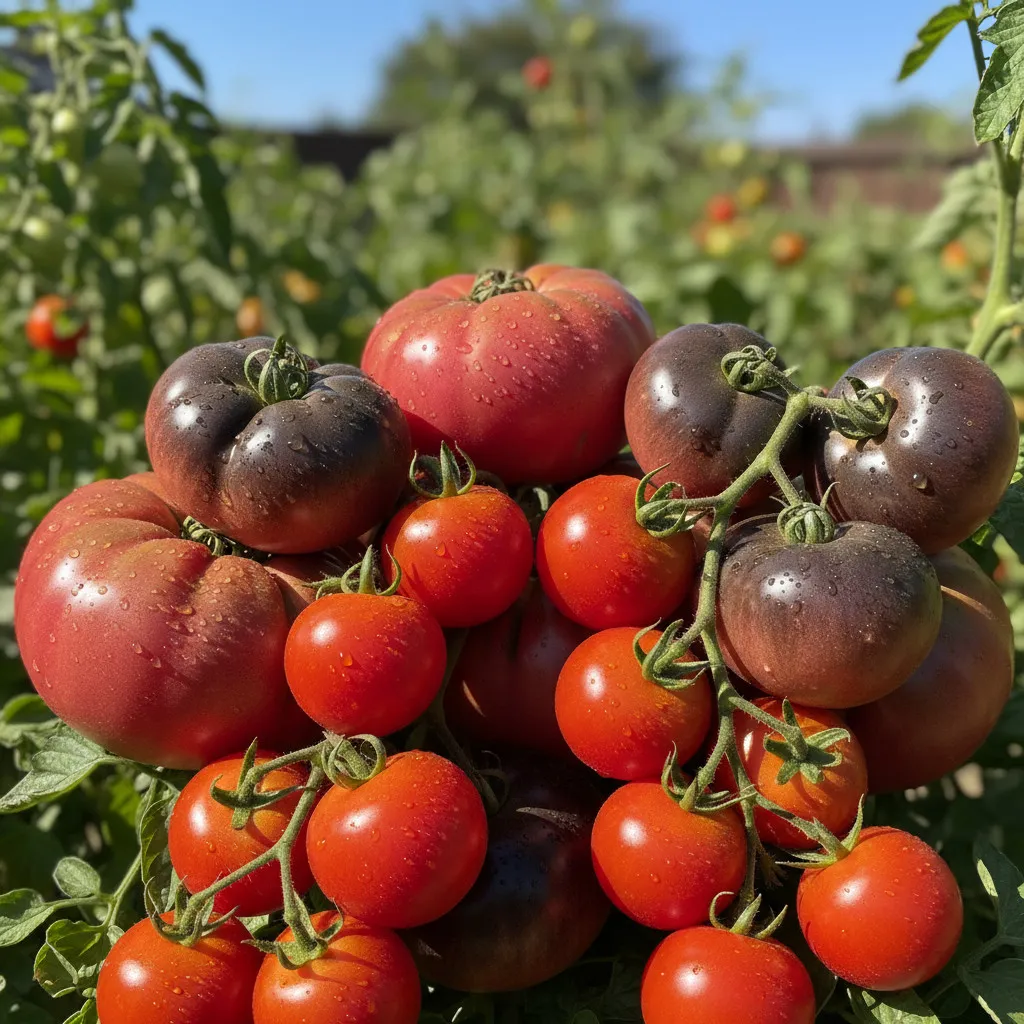
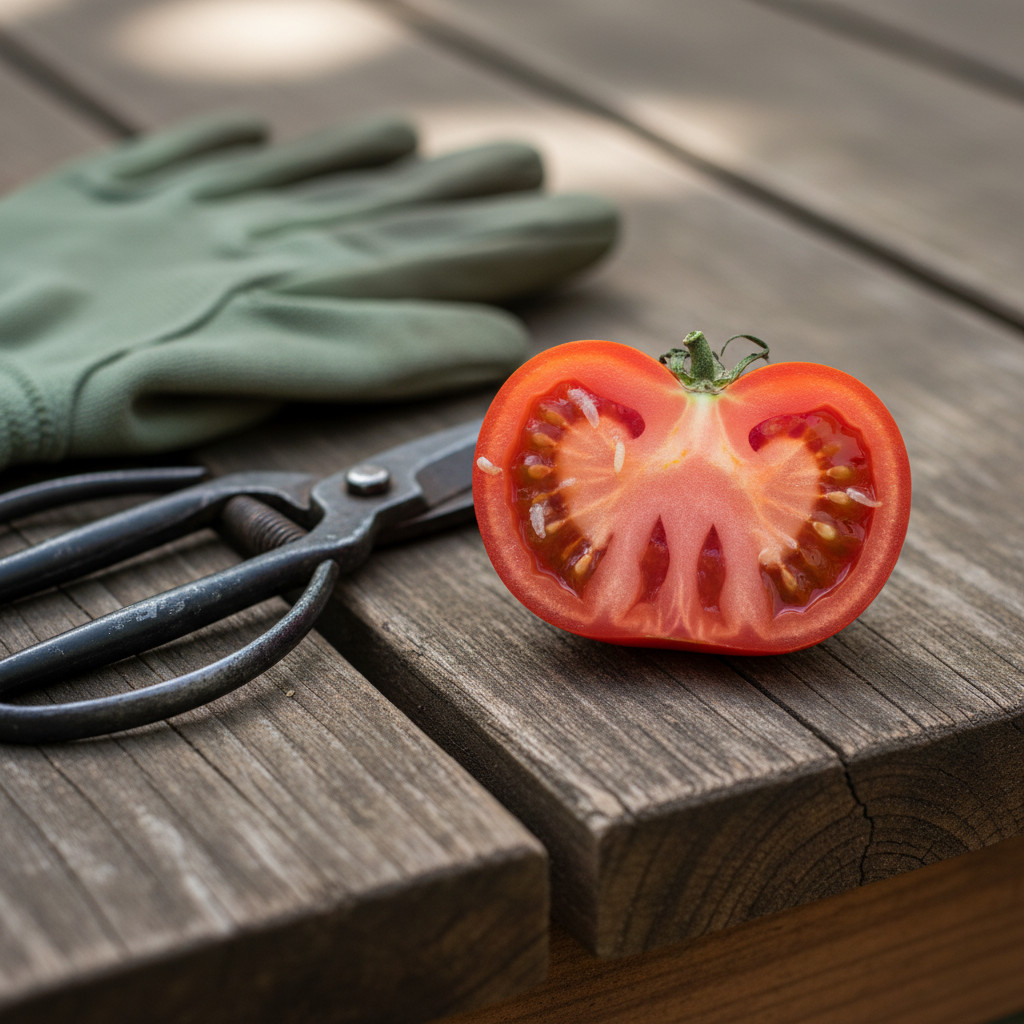
Tomatoes reign as the most rewarding vegetable to grow in Southern California gardens. The region’s warm temperatures and abundant sunshine produce intensely flavorful fruits that far surpass anything available in grocery stores. Homegrown tomatoes can be picked at peak ripeness, delivering remarkable flavor that commercial tomatoes—picked green for shipping durability—simply cannot match. Popular varieties for the region include heirloom types like Brandywine and Paul Robeson, reliable producers like Better Boy and Early Girl, and prolific cherry tomatoes like Sungold. Plant tomatoes from March through June for the main season, with a second planting possible in August for fall harvests in mild areas.
2. Peppers
Peppers thrive in Southern California’s heat, producing abundant harvests of both sweet and hot varieties. Bell peppers in rainbow colors add visual appeal to gardens, while jalapeños, poblanos, and specialty varieties like Purple Beauty bring culinary diversity. Pepper plants need at least 5-6 hours of direct sunlight daily and regular watering to prevent leaf drooping. In frost-free areas, pepper plants often become perennials, producing for multiple years when cut back in fall and allowed to regrow in spring.
3. Summer and Winter Squash
Squash varieties grow prolifically in Southern California’s warm climate. Zucchini produces so abundantly that gardeners often struggle to keep up with harvests—check plants daily once production begins, as fruits grow rapidly and lose flavor when oversized. Winter squash like butternut, spaghetti squash, and pumpkins require longer growing seasons but store well for months after harvest. Plant squash from April through June, with a second planting possible in August for some varieties.
Top Cool-Season Vegetables for Southern California
Leafy greens including lettuce, spinach, kale, and Swiss chard perform exceptionally well during Southern California’s mild fall, winter, and spring months. These nutritious vegetables grow quickly, allowing multiple harvests from a single planting when you practice cut-and-come-again harvesting of outer leaves.
Brassicas like broccoli, cauliflower, cabbage, and Brussels sprouts thrive in cooler temperatures and actually produce sweeter, more tender harvests after light frost exposure. Plant these from August through February for harvests spanning fall through early spring.
Root vegetables including carrots, beets, radishes, and turnips appreciate the cooler soil temperatures of Southern California’s winter months. These crops store well in the ground, allowing you to harvest as needed rather than all at once.
Comprehensive Month-by-Month Planting Calendar for California
This detailed planting schedule helps California gardeners know exactly what to plant each month for continuous harvests throughout the year.
Winter Planting (December Through February)
Winter represents prime planting season for cool-season vegetables in California, particularly in mild coastal and southern regions. While gardeners in colder climates huddle indoors, California gardens can burst with productivity during these months.
December plantings include:
- Lettuce, kale, and spinach for winter salads
- Broccoli, cabbage, and cauliflower transplants
- Root crops like beets, carrots, and radishes
- Garlic cloves for summer harvest
- Cover crops to improve soil health
January activities focus on:
- Starting tomato, pepper, and eggplant seeds indoors for spring transplanting
- Direct-sowing more cool-season crops
- Planting bare-root strawberries and fruit trees
- Continuing root vegetable and leafy green production
February marks the transition period:
- Transplanting seedlings started indoors in January
- Beginning outdoor planting of carrots, radishes, and leafy greens after last frost
- Preparing beds for warm-season crops by adding compost and amendments
- Starting cucumber, squash, and melon seeds indoors in mild areas
Spring Planting (March Through May)
Spring brings the exciting transition from cool-season to warm-season crops, with soil temperatures rising and frost danger diminishing.
March priorities include:
- Planting tomato and pepper transplants outdoors in warm areas
- Sowing pumpkin seeds for Halloween harvest
- Direct-seeding beans, corn, and squash once soil warms
- Continuing cool-season crop harvests while plants remain productive
- Starting successive plantings of quick-maturing crops
April plantings expand to:
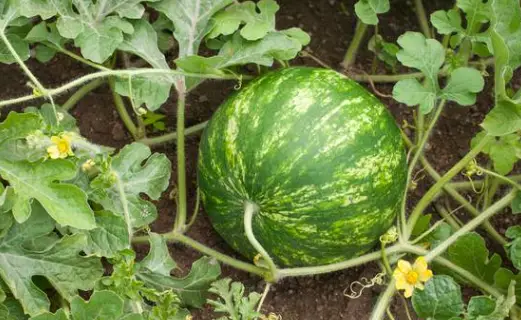
- Squash, watermelon, and cantaloupe—heat-lovers that demand warm soil
- Additional rounds of beans, cucumbers, and corn
- Last chance for pumpkin planting for October harvest
- Eggplant transplants in warm locations
May completes the warm-season transition:
- Final plantings of summer vegetables before heat intensifies
- Succession plantings of beans, squash, and cucumbers for extended harvest
- Herb plantings including basil, cilantro, and dill
- Beginning regular harvests of spring-planted crops
Summer Planting (June Through August)
Summer planting requires strategic thinking, as intense heat limits options while offering opportunities for fall harvest preparation.
June considerations:
- Limited new plantings due to heat—focus on beans, peppers, and corn
- Maintaining existing crops through proper watering and mulching
- Harvesting spring plantings at their peak
- Planning for fall garden transition
July opportunities include:
- Transplanting tomatoes and peppers for fall production
- Planting heat-tolerant beans and squash varieties
- Starting cool-season crop seeds indoors for August transplanting
- Monitoring soil moisture carefully during peak heat
August marks fall garden preparation:
- Transplanting broccoli, cauliflower, and cabbage starts
- Sowing seeds for fall lettuce, spinach, and other greens
- Planting celery, beans, and cucumbers for fall harvest
- Reducing watering frequency as temperatures begin moderating
Fall Planting (September Through November)
Fall offers the second major planting window, particularly for cool-season crops that will produce through winter.
September plantings focus on:
- Direct-sowing carrots, beets, and other root vegetables
- Transplanting cool-season brassicas and leafy greens
- Starting seeds for late-fall transplanting
- Planting garlic cloves for next summer’s harvest
October expands the cool-season garden:
- Beans, broccoli, cabbage, and kale transplants
- Garlic, onions, and shallots for spring/summer harvest
- Spinach, lettuce, and chard for winter salads
- Fruit tree planting as dormancy approaches
November continues productive planting:
- Cool-season crops in frost-free areas
- Cover crops in vacant beds
- Root vegetables that will overwinter in the ground
- Preparation of beds for spring planting
Fast-Growing Vegetables for Quick Harvests
These speedy vegetables deliver garden-to-table satisfaction in weeks rather than months, perfect for impatient gardeners and succession planting strategies.
Fast-growing vegetables offer multiple advantages beyond quick gratification. Their short growth periods allow multiple harvests per season, reduce exposure to pest damage, and enable gardeners to maximize limited space through intensive succession planting.
Top fast-growing vegetables for California gardens:
-
Radishes (3-4 weeks): The undisputed champions of speed, radishes germinate quickly and reach harvest size before most other vegetables have established themselves. Varieties like Cherry Belle and French Breakfast add peppery crunch to salads within a month of sowing.

-
Lettuce and Leafy Greens (3-6 weeks): Baby greens can be harvested in as little as three weeks, while full-size heads mature in six to eight weeks. Cut outer leaves to encourage continuous production from a single planting.
-
Green Onions (3-4 weeks): These versatile alliums reach usable size quickly and can be harvested as needed. Replant the root ends of store-bought green onions for essentially free plants.
-
Bush Beans (50-60 days): While not the fastest, beans grow reliably and produce abundant harvests. Their ability to fix nitrogen in the soil benefits subsequent plantings.
-
Cucumbers (50-70 days): Once established, cucumber plants produce prolifically, with daily harvesting extending production for weeks.
Essential Tips for Successful California Vegetable Gardening
These expert strategies ensure your California vegetable garden thrives regardless of your specific location or experience level.
Soil Preparation and Amendment
California soils vary dramatically—from heavy clay to sandy loam—and often require improvement before supporting productive vegetable gardens. Testing your soil for pH and nutrient levels provides baseline information for targeted amendments.
Key soil improvement strategies:
- Add organic matter generously: Compost improves both clay and sandy soils by enhancing drainage, water retention, and nutrient availability
- Address drainage issues: Raised beds solve many California soil problems, providing excellent drainage and allowing complete control over soil composition
- Maintain soil health: Rotate crops, plant cover crops during fallow periods, and minimize soil compaction through permanent pathways
Watering Strategies for California’s Climate
Water conservation remains essential in California’s drought-prone climate. Efficient irrigation delivers water directly to plant roots while minimizing evaporation and runoff.
Best practices for California vegetable garden irrigation:
- Install drip irrigation: Delivers water precisely where plants need it, reducing waste by up to 50% compared to overhead watering
- Water deeply but infrequently: Encourages deep root growth that makes plants more drought-resistant
- Mulch generously: A 2-4 inch layer of organic mulch dramatically reduces evaporation and keeps roots cool during summer heat
- Water early morning: Minimizes evaporation and allows foliage to dry before evening, reducing disease pressure
Pest Management and Disease Prevention
Healthy plants grown in proper conditions resist pests and diseases far better than stressed plants. Prevention through good cultural practices reduces or eliminates the need for intervention.
Integrated pest management strategies include:
- Attracting beneficial insects through diverse plantings
- Removing diseased plant material promptly
- Rotating crop families to prevent pest and disease buildup
- Using row covers to exclude flying insects
- Employing organic controls like neem oil only when necessary
Beginner-Friendly Vegetables for California Gardens
New gardeners achieve the greatest success by starting with forgiving, productive vegetables that build confidence while delivering delicious harvests.
If you’re new to vegetable gardening, certain crops offer much higher success rates than others. These beginner-friendly vegetables tolerate minor mistakes in watering, timing, and care while still producing satisfying harvests.
Start your California garden with these reliable performers:
- Zucchini and Summer Squash: Nearly impossible to fail with these prolific producers
- Cherry Tomatoes: More forgiving than large-fruited varieties and incredibly productive
- Leafy Greens: Fast-growing lettuce, spinach, and kale provide quick wins for new gardeners
- Radishes: Rapid results build confidence and demonstrate the gardening cycle quickly
- Green Beans: Reliable germination and abundant harvests reward minimal effort
- Herbs: Basil, parsley, and chives thrive with basic care and reward regular harvesting
Container gardening offers excellent options for beginners with limited space. Many vegetables grow beautifully in pots, including tomatoes, peppers, lettuce, radishes, and herbs. Containers allow complete control over soil quality and can be positioned for optimal sun exposure.
Final Words: Embracing California’s Year-Round Growing Potential
California gardeners possess a remarkable advantage that most of the country envies—the ability to grow fresh vegetables every single month of the year. By understanding the distinction between warm and cool-season crops, learning your local microclimate, and following a strategic planting calendar, you can keep your table stocked with homegrown produce regardless of the season.
Key takeaways for successful California vegetable gardening:
- Know your zone and microclimate: Local conditions matter enormously in California’s diverse landscape
- Plan for both seasons: Rotate between warm and cool-season crops to maximize year-round production
- Start with reliable vegetables: Build confidence with forgiving crops before tackling challenging ones
- Prioritize soil health: Healthy soil grows healthy plants that resist pests and diseases
- Water wisely: Efficient irrigation conserves resources while keeping plants thriving
- Plant successively: Stagger plantings for continuous harvests rather than overwhelming gluts
The rewards of California vegetable gardening extend far beyond the delicious harvests. Growing your own food connects you to the seasons, provides unmatched freshness and flavor, and offers the profound satisfaction of nurturing plants from seed to table. Whether you’re cultivating a single tomato plant on a sunny balcony or managing extensive raised beds filled with diverse crops, California’s generous climate invites you to dig in, plant abundantly, and enjoy the fruits—and vegetables—of your labor throughout the entire year.
![How Long Does An Apple Tree Take To Bear Fruit? [ANSWERED]](https://fruitonix.com/wp-content/uploads/2023/06/Screenshot-2023-06-02-12.52.12-AM.png)