California produces approximately 90% of all avocados grown in the United States, making it the undisputed avocado capital of the nation. From the sun-drenched groves of San Diego County to the fertile valleys of Ventura and beyond, the Golden State’s unique combination of warm, sunny days and cool coastal breezes creates the perfect environment for growing this beloved fruit. Whether you’re a backyard grower eager to harvest your first crop or a culinary enthusiast seeking the freshest California avocados at your local market, understanding avocado seasonality is essential for enjoying this creamy, nutrient-dense fruit at its absolute best. The timing of your harvest can mean the difference between a watery, flavorless disappointment and a rich, buttery delight that elevates any dish. In this comprehensive guide, we’ll explore everything you need to know about California avocado season, including when different varieties reach peak maturity, how to determine the perfect picking time, and expert tips for harvesting and storing your avocados to maximize their exceptional flavor.
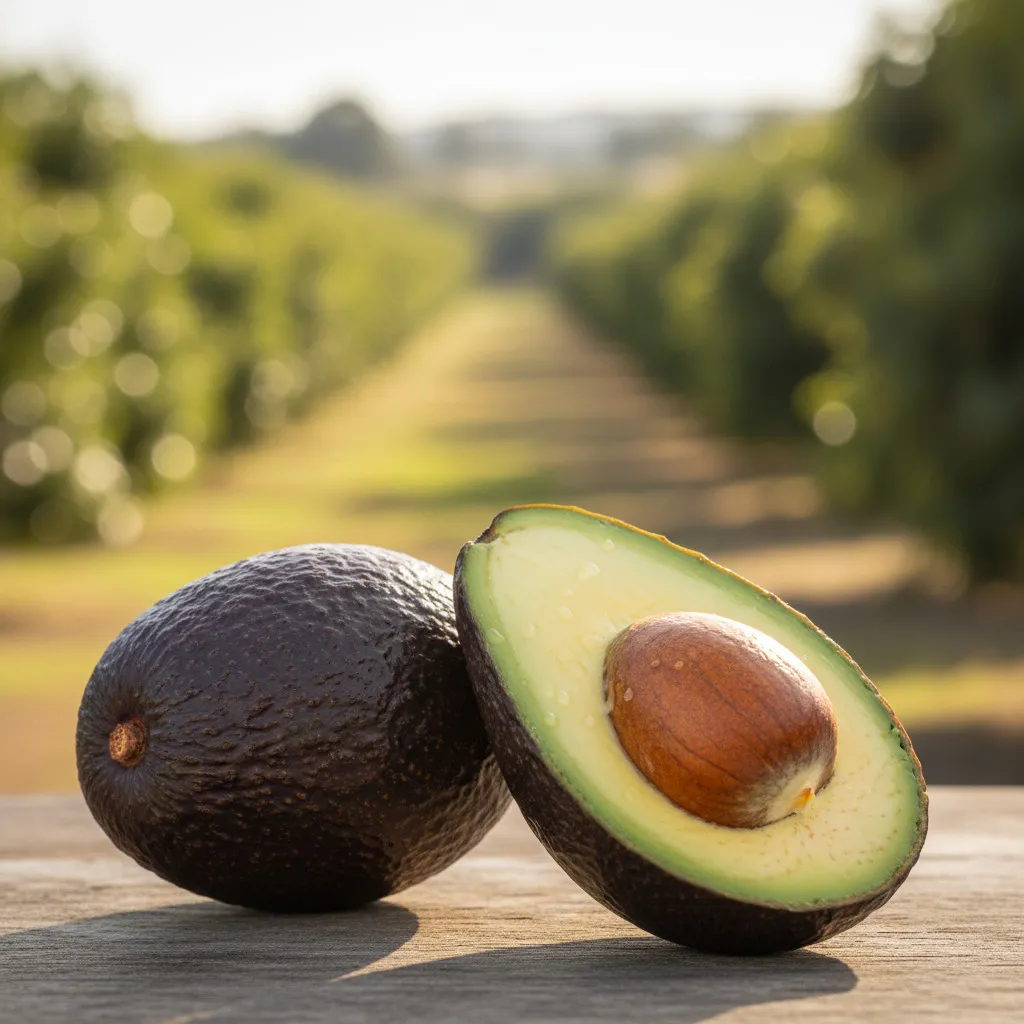
Table of Contents
- Understanding California Avocado Season
- Popular California Avocado Varieties and Their Harvest Seasons
- Hass Avocados
- Fuerte Avocados
- Reed Avocados
- Bacon Avocados
- Other Notable California Varieties
- How to Determine When to Pick Avocados
- Factors That Affect Avocado Maturity Timing
- The California Department of Food and Agriculture Maturity Release Dates
- How to Test If Your Avocados Are Ready to Pick
- Proper Harvesting and Storage Techniques
- Tips for Backyard Avocado Growers in California
- Key Takeaways
Understanding California Avocado Season
California’s avocado season is a fascinating journey that moves geographically from south to north throughout the year, following the natural ripening patterns influenced by the state’s diverse microclimates. This section provides an overview of the general growing season and explains why California remains the premier avocado-growing region in the United States.
The California avocado season typically extends from late winter through early fall, with peak availability occurring from April through August. However, thanks to the variety of cultivars grown throughout the state and the range of climatic conditions, fresh California avocados can actually be found during much of the year. The season historically begins in San Diego County, where the warmer southern climate allows fruit to mature earliest, sometimes as early as January or February for certain varieties. As the months progress, the harvest moves northward through Orange County, Ventura County, and eventually to the more northern growing regions.
Why California is ideal for avocado cultivation:
- Mediterranean climate provides the perfect balance of warm days and cool nights
- Coastal breezes moderate temperatures and reduce heat stress on trees
- Well-draining soil in many growing regions supports healthy root development
- Minimal frost in key growing areas protects sensitive avocado trees
- Rich, fertile land less than 1% of the state is suitable for avocado farming, but this specialized terrain produces exceptional fruit
The geographical progression of the harvest season means that avocados from different regions will reach peak flavor at different times. For example, Hass avocados from San Diego may taste their best in late April or May, while those from the central coast won’t reach optimal oil content until June or July. Understanding this north-to-south maturation pattern helps both commercial buyers and home consumers select the freshest, most flavorful avocados based on current seasonality.
Popular California Avocado Varieties and Their Harvest Seasons
California grows numerous avocado varieties, each with its own distinct harvest window, flavor profile, and characteristics. Knowing which varieties are in season helps you select the best avocados for your culinary needs and ensures you’re enjoying them at peak ripeness.
Hass Avocados
The Hass avocado dominates California production, accounting for approximately 95% of the state’s crop and representing the variety most consumers recognize and love. This iconic cultivar, native to California and first planted by Rudolph Hass in La Habra Heights during the 1920s, features distinctive pebbly, dark skin that turns nearly black when ripe. The harvest season for Hass avocados in California typically runs from April through October, though the California Department of Food and Agriculture may release fruit as early as late November for commercial picking.
Hass avocados are prized for their rich, nutty flavor and creamy, smooth texture that surpasses most other varieties. The fruit has an exceptionally long storage life on the tree—up to eight months—which gives growers flexibility in timing their harvest. In warmer, more southern locations like San Diego, Hass avocados typically reach optimal flavor earlier in the season, while those grown in cooler coastal areas may not peak until summer months.
Fuerte Avocados
Fuerte avocados were once the most popular commercial variety before Hass gained dominance. These pear-shaped fruits feature smooth, thin green skin and a distinctly nutty, slightly fruity flavor that many connoisseurs consider unmatched. The Fuerte harvest season runs from November through June, making it an excellent choice for enjoying fresh avocados during the winter and early spring months when Hass availability may be limited.
Fuerte avocados are more cold-hardy than many other varieties, tolerating temperatures down to approximately 26°F, which makes them suitable for slightly cooler growing regions within California. The fruit holds well on the tree for several months but has a shorter overall harvest window compared to Hass.
Reed Avocados
Reed avocados stand out for their large, round shape and smooth, shell-like green skin that remains green even when fully ripe. These summer avocados are harvested from July through October in most California locations, providing excellent fresh fruit during the latter part of the season. Reed avocados are known for their rich, nutty flavor and exceptionally creamy texture, making them ideal for eating fresh or using in recipes where their buttery quality can shine.
One important consideration with Reed avocados is that their large size develops long before the fruit is actually mature. Many growers make the mistake of picking Reeds too early based on size alone, resulting in fruit that won’t ripen properly.
Bacon Avocados
Bacon avocados offer a milder, more subtle flavor with a hint of sweetness compared to the richer Hass variety. These medium-sized fruits feature very thin, smooth green skin and are harvested from November through March, making them a popular choice for winter consumption. The Bacon variety is relatively cold-hardy, tolerating temperatures down to about 26°F, and performs well in inland California valleys.
While Bacon avocados have excellent texture—smooth and easy to peel—they don’t develop the same rich, buttery quality as Hass. Many experts note that Bacons make weak guacamole but excel when sliced fresh on sandwiches or salads. The fruit typically begins tasting acceptable around Halloween but reaches its best flavor around Christmas in most growing regions.
Other Notable California Varieties
Several other varieties contribute to California’s diverse avocado offerings:
- Pinkerton (December–April): Features small seeds, slightly pebbled skin, and high oil content with creamy richness
- Lamb Hass (Spring–Summer): Similar to Hass but larger and more tolerant of heat and wind
- GEM (Spring–Summer): Pear-shaped with thick, dark skin and natural gold flecks; known for nutty flavor
- Gwen (Spring–Summer): Similar taste and texture to Hass with a plump oval shape
- Zutano (October–March): Shiny yellow-green skin with milder flavor; often used as a pollinizer
How to Determine When to Pick Avocados
Determining the optimal harvest time for avocados presents unique challenges because, unlike most fruits, avocados do not ripen on the tree—they must be picked before they will soften. This section covers the key indicators of maturity and provides practical guidance for timing your harvest.
Understanding avocado maturity is essential because picking too early results in fruit that won’t ripen properly, becoming rubbery, shriveled, or remaining hard indefinitely. Conversely, leaving fruit on the tree too long can result in overripe avocados with dark, cheesy flesh and diminished flavor. The goal is to harvest when the fruit has developed sufficient oil content to ripen into the creamy, flavorful avocado we desire.
Key indicators that avocados are ready to pick:
-
Skin appearance changes: Mature avocados often lose their glossy “bloom” and appear slightly duller. Small, rusty brown specks may develop on some varieties.
-
Seed coat color: Internally, the seed coat transitions from ivory to dark brown as the fruit matures—though this obviously requires cutting open a test fruit to observe.
-
Fruit size: While size alone isn’t a reliable indicator, the largest fruits on a tree are often the oldest and most mature.
-
Skin color changes: Some varieties, like Hass and Sir-Prize, turn darker colors when mature. Hass transitions from green to nearly black, while Sir-Prize develops black coloring that indicates readiness.
-
Season timing: Referring to harvest charts provides a general timeframe, though local conditions may cause variations of one to three weeks.
The importance of knowing your variety cannot be overstated. Different varieties have vastly different harvest windows—Bacon avocados are ready in winter while Reed avocados don’t mature until summer. If you don’t know which variety you’re growing, you’ll need to conduct systematic testing to determine when your particular tree produces mature fruit.
Factors That Affect Avocado Maturity Timing
Multiple environmental and biological factors influence when avocados on any given tree will reach maturity. Understanding these variables helps explain why harvest charts should only serve as rough guides rather than definitive schedules.
Geographic location plays a significant role in maturity timing. Avocados grown in warmer, more southern locations like San Diego County typically mature earlier in the year than those grown in cooler areas like Santa Barbara or Ventura. As a general rule, trees located farther south will produce mature fruit a few weeks earlier than identical varieties grown in northern regions. Elevation also matters—trees at higher elevations may experience delayed maturity compared to those at sea level.
Seasonal weather variations cause harvest timing to shift from year to year. A cool spring may delay maturity by several weeks, while an unusually warm season might accelerate it. The 2019 California growing season, for example, experienced a particularly cool spring that pushed harvest dates later than normal for many varieties. Growers who rely solely on calendar dates without accounting for annual weather patterns may find themselves picking too early or too late.
Additional factors affecting maturity include:
- Tree health and vigor: Well-nourished, properly watered trees generally produce fruit that matures on schedule, while stressed trees may experience delayed or uneven maturity
- Crop load: Trees carrying heavy fruit loads may have avocados that mature at slightly different rates than lightly-loaded trees
- Bloom timing: Since avocado trees bloom over a period of months rather than weeks, individual fruits on the same tree can vary significantly in maturity
- Microclimate conditions: A tree’s specific location—whether it’s protected from wind, receives full sun, or sits in a frost pocket—affects when its fruit matures
The California Department of Food and Agriculture Maturity Release Dates
The California Department of Food and Agriculture (CDFA) operates an Avocado Inspection Program that controls when commercial farmers can legally harvest and sell their fruit. These maturity release dates provide valuable guidance for backyard growers seeking to time their harvests appropriately.
The CDFA releases specific dates for different varieties and fruit sizes each year. For example, the largest Fuerte avocados may be released for picking as early as late October, while larger Hass fruit becomes legal to harvest around late November. Smaller fruit sizes are always released at later dates compared to larger fruit, based on the principle that larger avocados have typically been on the tree longer and are therefore more mature.
How backyard growers can use these dates:
The release dates provide useful benchmarks for understanding the general order of maturity among different varieties. For instance, knowing that Fuerte is released about a month before Hass, and Lamb Hass isn’t released until May, helps growers understand the relative timing of different varieties. However, these dates represent minimum maturity standards rather than optimal harvest times.
Important considerations regarding CDFA release dates:
- Early dates favor commercial interests: The dates allow early harvesting to extend the marketing season but may not reflect peak flavor
- Size-based releases: Only start picking a variety after the release date for “Size 70 and smaller” for better-tasting fruit
- Home growers have flexibility: Without the pressure to sell, backyard growers can wait for optimal flavor rather than settling for barely mature fruit
- Testing is still recommended: Even after official release dates, conducting your own maturity tests ensures the best eating quality
How to Test If Your Avocados Are Ready to Pick
Testing for maturity is the most reliable method for determining when your avocados are truly ready to harvest. This systematic approach eliminates guesswork and prevents the disappointment of picking immature fruit.
Step-by-step maturity testing process:
-
Select a test fruit: Choose one of the larger avocados from your tree, particularly one with dull rather than glossy skin. Larger fruit tends to be older and more likely to be mature.
-
Pick the fruit carefully: Snap or clip the avocado from the tree, leaving a small stem remnant attached if possible.

-
Allow time for ripening: Place the fruit at room temperature and wait for it to soften. This process can take anywhere from a few days to two weeks depending on the variety and degree of maturity. Be patient—don’t give up after just a few days.
-
Evaluate the results: Once the fruit yields to gentle pressure, cut it open and assess the flesh.
Signs of immature fruit:
- Skin shrivels near the stem end during ripening
- Flesh never softens beyond a rubbery texture
- Fruit remains hard indefinitely
- Flavor is watery, grassy, or bitter
Signs of properly mature fruit:
- Softens uniformly from stem to blossom end
- Flesh is creamy with good consistency
- Flavor is rich and nutty
- Texture is smooth, not stringy or tough
What to do based on test results:
If your test fruit is immature, wait approximately one month before picking and testing another avocado. If the fruit is overly mature—dark yellow flesh with an overly rich, cheesy taste—you’ve waited too long for this season. Make a note to start picking about six months earlier next year.
Proper Harvesting and Storage Techniques
Once you’ve determined your avocados are mature, proper harvesting and storage practices ensure you enjoy the best possible quality from your fruit.
Harvesting best practices:
- Use proper tools: A clipper pole or basket pole works well for reaching fruit on larger trees. The classic claw/basket picker or blade picker each have advantages for backyard growers.
- Handle fruit gently: Avoid dropping avocados or squeezing them, as this causes bruising and discoloration
- Leave stem intact: Clipping fruit with a small stem remnant can help you monitor ripeness later
- Harvest in morning hours: Picking when temperatures are cooler reduces heat stress on the fruit
- Move fruit to shade promptly: Don’t leave harvested avocados sitting in direct sunlight
Storage recommendations:
| Storage Method | Best For | Duration |
|---|---|---|
| Room temperature | Ripening unripe fruit | 3-7 days |
| Refrigerator (whole, unripe) | Slowing ripening | Up to 2 weeks |
| Refrigerator (ripe, uncut) | Short-term storage | 2-3 days |
| Refrigerator (cut) | Preserving opened fruit | 1-2 days |
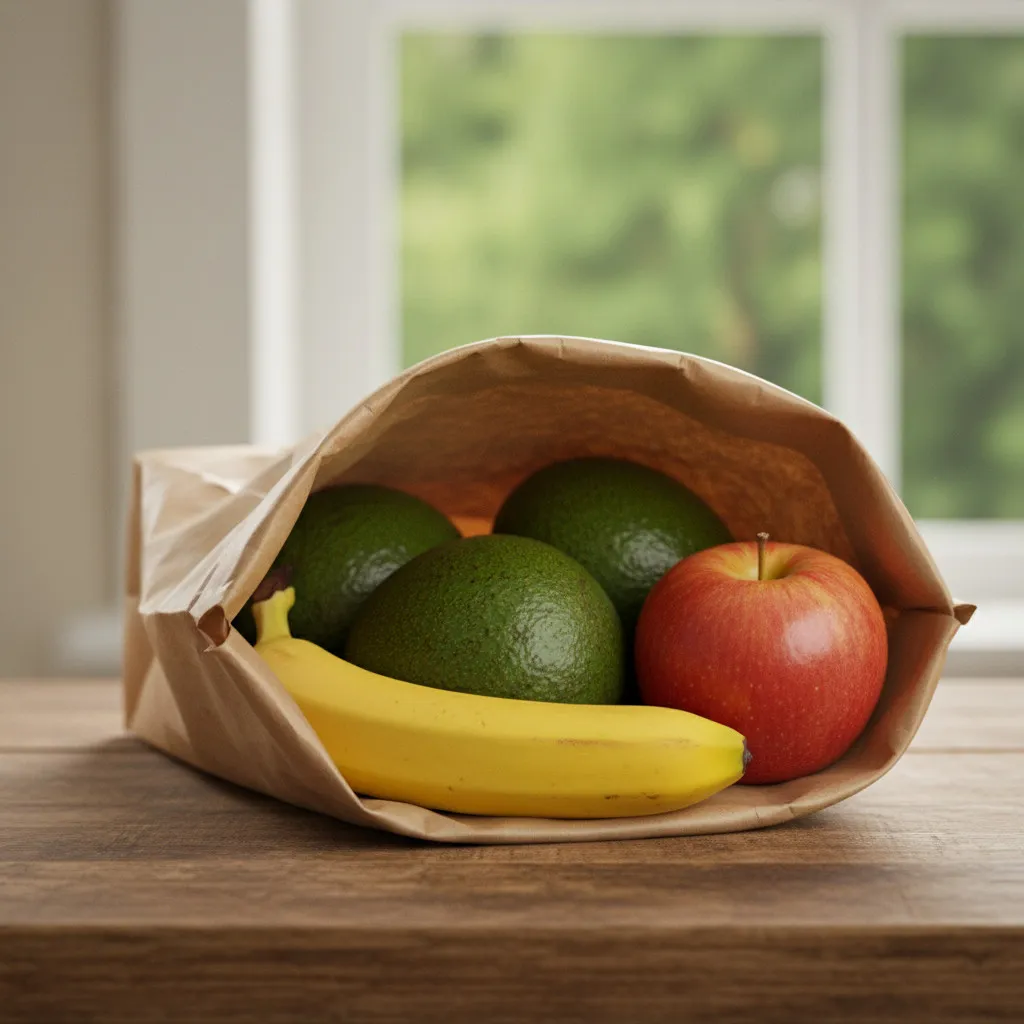
To speed up ripening, place avocados in a paper bag with a banana or apple. The ethylene gas emitted by these fruits accelerates the ripening process. Simply closing avocados in a paper bag without other fruit will also help, though more slowly.
Tips for Backyard Avocado Growers in California
Growing avocados successfully in your California backyard requires attention to regional conditions and proper tree care throughout the growing season.
Regional considerations for planting:
- Coastal areas: Ideal for most varieties; cooler temperatures mean later maturity but extended harvest windows
- Inland valleys: Choose cold-hardy varieties like Bacon, Fuerte, or Mexicola; protect from frost and extreme heat
- San Diego County: Optimal growing conditions; can successfully grow most commercial varieties
- Northern California: Limited success; focus on cold-tolerant Mexican varieties
Essential care during growing season:
Water management is critical, especially during California’s hot September and October months. When trees don’t receive adequate water during heat spells, roots pull salts from the soil, causing leaf tip burn. Increase watering frequency during hot weather, providing enough moisture to saturate the entire root zone. Allow fallen leaves to remain under the tree as natural mulch—this protects shallow roots and helps retain soil moisture.
Protecting your developing crop:
- Support heavy branches: Use wooden props to prevent branch breakage under heavy fruit loads
- Apply thick mulch: Studies show heavy mulching protects against avocado root rot
- Monitor for pests: Watch for persea mites, thrips, and other common California avocado pests
- Prune strategically: Remove low horizontal branches and dead wood, but wait until after harvest for major pruning
Key Takeaways
Understanding California avocado season empowers you to enjoy this exceptional fruit at its absolute peak quality. The journey from blossom to harvest is a patient one, but the reward—a perfectly ripe, creamy, flavorful avocado—is well worth the wait.
Remember these essential points:
- California avocado season runs primarily from April through August, though different varieties extend availability from November through October
- Hass avocados dominate production and are harvested from April through October, with peak flavor typically occurring in spring and early summer
- Geographic location matters: Southern California avocados mature earlier than those grown in northern regions
- Never rely solely on fruit size: Conduct maturity tests by picking, ripening, and evaluating test fruit before harvesting your crop
- CDFA release dates provide useful guidelines but represent minimum maturity rather than optimal flavor
- Patience pays off: Avocados left on the tree longer generally develop higher oil content and richer flavor
- Proper storage extends enjoyment—use room temperature for ripening and refrigeration for slowing the process
Whether you’re selecting California avocados at your local farmers’ market or nurturing your own backyard tree, this knowledge transforms the experience from guesswork into informed decision-making. Mark your calendar, note your observations, and soon you’ll develop an intuitive understanding of exactly when your favorite California avocados reach their delicious peak.

![How Long Does An Apple Tree Take To Bear Fruit? [ANSWERED]](https://fruitonix.com/wp-content/uploads/2023/06/Screenshot-2023-06-02-12.52.12-AM.png)