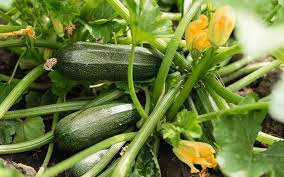
Spring arrives with renewed energy, and for gardeners eager to transform their outdoor spaces into vibrant displays of color, there’s no better time to start planning. While many people associate bulb planting with autumn preparation for spring blooms, a whole world of spectacular flowering bulbs awaits those who plant in spring for breathtaking summer and fall displays. These tender beauties—including dahlias, gladiolus, lilies, and tropical favorites like elephant ears—deliver show-stopping performance from midsummer through the first frost, filling your garden with waves of color precisely when you need them most. Whether you’re a seasoned gardener looking to expand your repertoire or a beginner seeking foolproof additions to your landscape, spring-planted bulbs offer incredible versatility, dramatic impact, and surprisingly easy care. In this comprehensive guide, we’ll explore more than twenty exceptional bulbs to plant in spring, providing expert insights on selection, planting techniques, and ongoing care to ensure your garden becomes the envy of the neighborhood.
Table of Contents
- Understanding Spring-Planted Bulbs: What Sets Them Apart
- The Fundamental Difference Between Spring and Fall-Planted Bulbs
- Top 20+ Best Bulbs to Plant in Spring for Stunning Summer Blooms
- Dramatic Flowering Bulbs for Bold Garden Impact
- Elegant and Fragrant Selections
- Tropical Statement Makers
- Easy-Care and Naturalizing Options
- When to Plant Spring Bulbs: Timing for Success
- Regional Planting Guidelines by USDA Zone
- How to Plant Spring Bulbs: Essential Steps for Success
- Step 1: Prepare Your Planting Site
- Step 2: Determine Proper Planting Depth and Spacing
- Step 3: Position and Plant Correctly
- Where to Plant Spring Bulbs for Maximum Visual Impact
- Garden Beds and Borders
- Container Gardening with Bulbs
- Essential Care Tips for Thriving Spring-Planted Bulbs
- Watering and Fertilizing Requirements
- Staking and Support
- Deadheading and After-Bloom Care
- Storing and Overwintering Tender Bulbs
- When and How to Lift Bulbs
- Storage Conditions and Techniques
- Final Thoughts: Creating Your Dream Summer Garden
Understanding Spring-Planted Bulbs: What Sets Them Apart
Before diving into specific varieties, it’s essential to understand what makes spring-planted bulbs unique and why they deserve a prominent place in your garden planning. These plants differ significantly from their fall-planted counterparts in both their growing requirements and the timing of their spectacular displays.
The Fundamental Difference Between Spring and Fall-Planted Bulbs
Spring-planted bulbs, often called tender bulbs or summer-blooming bulbs, cannot survive freezing temperatures in the ground. Unlike fall-planted varieties such as tulips and daffodils that require a cold dormancy period to initiate blooming, spring-planted bulbs need warm soil and air temperatures to thrive. This fundamental difference dictates everything from planting timing to winter care requirements.
Key characteristics of spring-planted bulbs include:
- Warm-season growth: These bulbs actively grow during summer’s heat, producing foliage and flowers when temperatures rise
- Frost sensitivity: Most cannot tolerate freezing and must be planted after the last frost date
- Storage requirements: In colder zones, these bulbs need lifting and indoor storage during winter
- Extended bloom periods: Many provide flowers from midsummer through fall, offering months of color
The term “bulb” in gardening actually encompasses several different plant structures. True bulbs like lilies contain layered scales surrounding a flower embryo. Corms, such as gladiolus and crocosmia, are solid storage organs that produce new growth from the top. Tubers like dahlias and begonias store nutrients in thickened stem tissue, while rhizomes such as cannas grow horizontally underground. Understanding these distinctions helps you provide optimal care for each plant type, though the planting principles remain largely similar across categories.
Top 20+ Best Bulbs to Plant in Spring for Stunning Summer Blooms
Selecting the right bulbs for your garden depends on your climate, available space, and aesthetic preferences. The following comprehensive list features proven performers that reward gardeners with exceptional color, form, and—in some cases—intoxicating fragrance throughout the growing season.
Dramatic Flowering Bulbs for Bold Garden Impact
These statement-making varieties serve as focal points in garden beds, borders, and cutting gardens, delivering the kind of visual drama that transforms ordinary landscapes into extraordinary displays.
1. Dahlias (Dahlia)
Dahlias reign supreme among summer-blooming bulbs, offering an astonishing range of flower forms, sizes, and colors. From petite pompons to dinner-plate varieties measuring over ten inches across, dahlias provide endless possibilities for garden design and floral arrangements. The American Dahlia Society recognizes eighteen distinct flower forms and fifteen color classifications, with over sixty thousand named varieties available to gardeners.
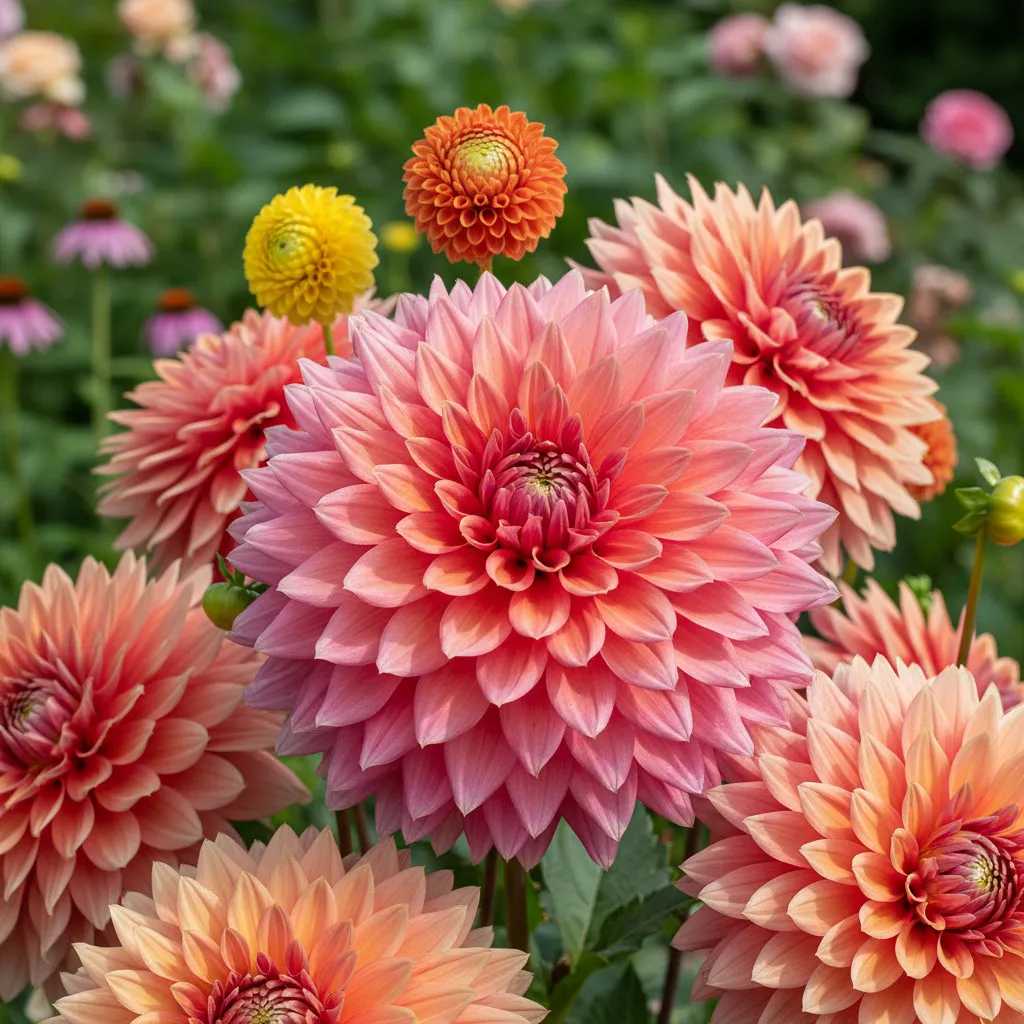
Plant dahlia tubers in spring once soil temperatures reach approximately 60°F, positioning them horizontally with the eye (growth point) facing upward. These heavy feeders appreciate rich, well-amended soil and consistent moisture throughout the growing season. In zones 8 and warmer, tubers can remain in the ground year-round; elsewhere, they require lifting after the first frost and storing in a cool, dry location until spring.
2. Gladiolus (Gladiolus)
Few flowers rival gladiolus for vertical drama and cutting-garden excellence. Their tall spikes, reaching three to five feet in height, produce ten to twelve florets that open sequentially from bottom to top, extending the vase life considerably. Available in virtually every color except true blue, gladiolus have experienced a renaissance among floral designers who appreciate their elegant form and extensive color palette.
Plant gladiolus corms every two weeks from mid-spring through early summer to ensure continuous blooms throughout the season. Position corms four inches deep with the pointed end facing upward, spacing them four to six inches apart. Because of their height, gladiolus benefit from staking or planting in groups where they can support each other.
3. Asiatic Lilies (Lilium)
Asiatic lilies burst onto the scene in early summer with upward-facing blooms in brilliant oranges, yellows, pinks, reds, and whites. These sturdy performers require no staking, produce no fragrance (ideal for those sensitive to strong scents), and multiply reliably year after year in zones 4-9.
Unlike many spring-planted bulbs, Asiatic lilies are cold-hardy and can remain in the ground permanently in most regions. Plant bulbs three times deeper than their height in well-drained soil enriched with organic matter. Position them among perennials that will hide their foliage as it matures and eventually dies back.
4. Oriental Lilies (Lilium)
For gardeners who crave intoxicating fragrance, Oriental lilies deliver beyond expectation. These late-summer bloomers produce massive, outward-facing flowers in pink, white, and crimson, often with distinctive spotting and ruffled petal edges. Their powerful perfume fills gardens and rooms alike, making them favorites for both landscape and cutting-garden use.
Oriental lilies prefer slightly acidic soil and appreciate afternoon shade in hot climates. Their tall stems (often reaching four to six feet) may require staking, particularly when laden with multiple heavy blooms. Plant in fall or early spring for summer flowering.
5. Calla Lilies (Zantedeschia)
The elegant, sculptural blooms of calla lilies have made them wedding favorites and sophisticated garden additions. Available in classic white as well as dramatic shades of deep purple, coral, yellow, and nearly black, calla lilies grow from rhizomes and thrive in moist conditions that would rot other bulbs.
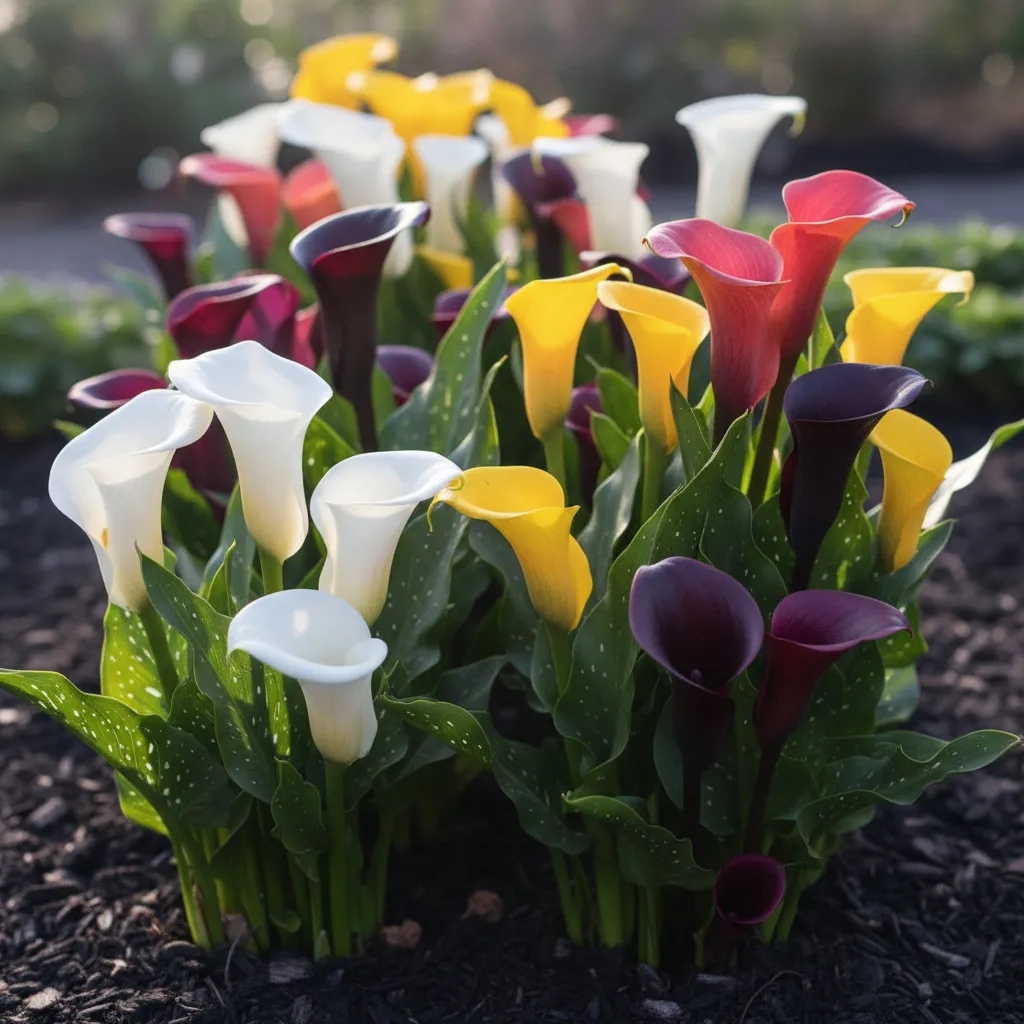
Plant calla lily rhizomes three to four inches deep after all frost danger passes. These versatile plants perform beautifully in containers, borders, and even water gardens where they can tolerate up to twelve inches of standing water. In zones 8-10, they’re winter-hardy; elsewhere, lift and store rhizomes before freezing temperatures arrive.
6. Canna Lilies (Canna)
Nothing says tropical paradise quite like cannas, with their bold, banana-like foliage and vibrant flower spikes. Available in heights ranging from compact dwarf varieties (twenty inches) to towering giants (six feet), cannas provide both dramatic foliage interest and continuous summer blooms in reds, oranges, yellows, and pinks.
Plant canna rhizomes two to three inches deep in rich, consistently moist soil. These heat-lovers perform best in full sun and appreciate regular fertilization throughout the growing season. Their lush foliage makes them excellent screening plants or focal points in container gardens.
Elegant and Fragrant Selections
These varieties add sensory depth to gardens through exceptional fragrance and refined flower forms that enhance both landscapes and indoor arrangements.
7. Tuberoses (Polianthes tuberosa)
The intoxicating fragrance of tuberoses has made them legendary among flower enthusiasts and perfumers alike. Native to Mexico, these summer bloomers produce spikes of creamy white, waxy flowers whose sweet, heady scent intensifies after sunset, filling gardens with romantic perfume.
Plant tuberose bulbs two to three inches deep in warm soil, spacing them six to eight inches apart. These heat-lovers require a long growing season and may not bloom successfully in regions with short summers. In zones 7 and colder, start tubers indoors four to six weeks before the last frost date.
8. Freesia (Freesia)
Beloved for their intense fragrance and delicate beauty, freesias produce clusters of tubular flowers in an extensive color range including yellow, white, pink, red, purple, and bicolors. These South African natives bloom most reliably in mild climates but can succeed in northern gardens with proper care.
In zones 9-10, plant freesia corms in fall for spring blooms. In colder regions, plant in spring for summer flowering or grow in containers that can be moved indoors during winter. Position corms one to two inches deep in well-drained soil, providing support for their slender stems.
9. Begonias (Begonia)
Tuberous begonias offer exceptional versatility, thriving in shade conditions where many other flowering bulbs struggle. Their rose-like blooms in vibrant oranges, pinks, reds, yellows, and whites make stunning displays in hanging baskets, window boxes, and shaded garden beds.
Start begonia tubers indoors six to eight weeks before the last frost, placing them hollow-side up in moist potting mix. Transplant outdoors once nighttime temperatures remain consistently above 50°F. These shade-lovers prefer cool, humid conditions and suffer in extreme heat.
Tropical Statement Makers
Transform your garden into a lush paradise with these bold foliage plants that create instant tropical ambiance.
10. Elephant Ears (Colocasia/Alocasia)
Few plants make a bolder statement than elephant ears, with their massive, heart-shaped leaves reaching up to three feet in length. These tropical giants create instant jungle atmosphere and thrive in consistently moist conditions, even tolerating standing water in some varieties.
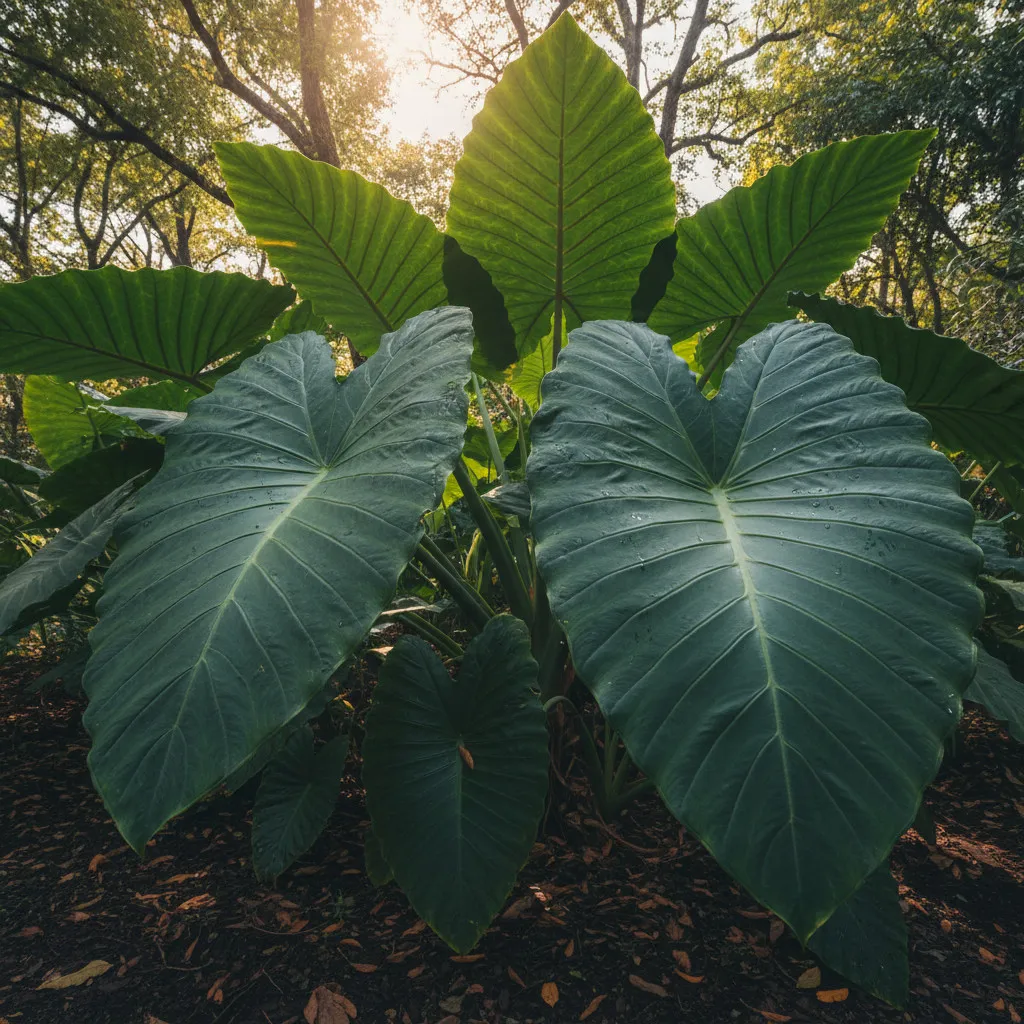
Plant elephant ear corms one to two inches deep in rich, moisture-retentive soil after all frost danger passes. Position in partial shade to full sun, providing ample water throughout the growing season. In zones 8-11, these impressive plants are winter-hardy; elsewhere, lift and store corms or grow in containers that can overwinter indoors.
11. Caladiums (Caladium)
Grown exclusively for their spectacular foliage, caladiums illuminate shaded garden areas with heart-shaped leaves splashed in combinations of red, pink, white, and green. These tropical tubers excel in containers, borders, and mass plantings where their colorful foliage compensates for their lack of significant flowers.
Plant caladium tubers one to two inches deep with the knobby side facing up once soil temperatures exceed 70°F. These heat-lovers require consistently warm conditions and struggle in cool, wet springs. In zones 9-11, caladiums are winter-hardy; elsewhere, lift tubers before frost or grow as annuals.
Easy-Care and Naturalizing Options
These reliable performers require minimal maintenance while providing maximum impact season after season.
12. Crocosmia (Crocosmia)
Crocosmia brings fiery color to mid-to-late summer gardens with arching sprays of tubular flowers in blazing reds, oranges, and yellows. Hummingbirds find these blooms irresistible, adding wildlife interest to their considerable ornamental value. The variety ‘Lucifer’ has achieved particular popularity for its intensely red flowers and exceptional cold hardiness.
Plant crocosmia corms three to four inches deep in well-drained soil. Once established, these vigorous growers naturalize readily, forming expanding colonies that provide increasing displays each year. In zones 5-9, crocosmia proves reliably winter-hardy; in colder regions, apply heavy mulch for winter protection.
13. Ranunculus (Ranunculus asiaticus)
The tissue-paper-thin petals of ranunculus create some of the most exquisite blooms in the flower world. Often called Persian buttercups, these rose-like flowers in vibrant yellows, oranges, pinks, reds, and whites have become florist favorites and cutting-garden essentials.
In zones 8-11, plant ranunculus corms in fall for spring blooms. In colder regions, plant pre-sprouted corms in early spring or start them indoors. Soak corms for three to four hours before planting, positioning them claw-side down at a depth of one to two inches.
14. Anemones (Anemone)
Anemones produce cheerful, poppy-like flowers in brilliant blues, purples, reds, pinks, and whites that brighten spring and early summer gardens. These versatile plants perform well in borders, rock gardens, and containers while providing excellent cut flowers.
Plant anemone corms one to two inches deep after soaking overnight. In zones 7-10, plant in fall for spring blooms; in colder zones, plant in early spring for early summer flowering. These adaptable plants tolerate partial shade and naturalize readily in favorable conditions.
Additional Excellent Choices:
- 15. Chinese Ground Orchid (Bletilla): Hardy terrestrial orchid for shaded areas
- 16. Hardy Begonia (Begonia grandis): Shade-loving with attractive foliage and flowers
- 17. Chocolate Cosmos (Cosmos atrosanguineus): Burgundy blooms with cocoa fragrance
- 18. Acidanthera (Gladiolus murielae): Fragrant white flowers with purple markings
- 19. Pineapple Lily (Eucomis): Unique flower spikes topped with leafy crowns
- 20. Amaryllis Belladonna: Late-summer bloomer with fragrant pink flowers
- 21. Ismene (Hymenocallis): Spider-like white flowers with exceptional fragrance
- 22. Ornamental Oxalis: Shamrock-like foliage with delicate flowers
When to Plant Spring Bulbs: Timing for Success
Proper timing ensures your spring-planted bulbs establish quickly and bloom abundantly. Planting too early risks frost damage; planting too late reduces blooming time.
Regional Planting Guidelines by USDA Zone
Understanding your hardiness zone helps determine optimal planting windows:
| Zone | Recommended Planting Time |
|---|---|
| Zones 3-4 | Late May to early June |
| Zone 5 | Late May (after Memorial Day) |
| Zone 6 | Early to mid-May (around Mother’s Day) |
| Zone 7 | Late April |
| Zones 8-10 | Mid-March to early April |
Critical timing considerations include:
- Soil temperature: Most tender bulbs require soil temperatures of 60°F or higher for active root growth
- Frost dates: Always plant after your region’s last expected frost date
- Indoor starting: Extend the growing season by starting bulbs indoors four to six weeks before outdoor planting time
How to Plant Spring Bulbs: Essential Steps for Success
Proper planting technique establishes the foundation for healthy growth and abundant blooms. Follow these detailed steps to give your bulbs the best possible start.
Step 1: Prepare Your Planting Site
Begin by selecting a location with appropriate light exposure for your chosen bulbs. Most summer-blooming bulbs prefer full sun (six or more hours of direct sunlight daily), though some—including begonias, caladiums, and elephant ears—thrive in partial to full shade.
Prepare the soil by incorporating generous amounts of organic matter such as compost, aged manure, or peat moss. This amendment improves both drainage in heavy clay soils and moisture retention in sandy soils while providing essential nutrients. Most bulbs require well-drained conditions; soggy soil leads to rot and plant failure. If drainage is poor, consider raised beds or container planting.
Step 2: Determine Proper Planting Depth and Spacing
A reliable rule of thumb suggests planting bulbs at a depth equal to three times their height. However, many tender bulbs and tubers prefer shallower planting than their fall-planted counterparts:
- Large bulbs and tubers (dahlias, cannas): 2-4 inches deep
- Medium bulbs (gladiolus, lilies): 4-6 inches deep
- Small corms and tubers (anemones, ranunculus): 1-2 inches deep
Space bulbs according to their mature spread, typically three to six inches apart for smaller varieties and twelve to eighteen inches for large plants like dahlias and elephant ears. Planting in odd-numbered groups (three, five, or seven) creates more natural-looking displays.
Step 3: Position and Plant Correctly
Identify the correct orientation for each bulb type:
- Pointed end up: Gladiolus corms, lily bulbs
- Eyes or growth points up: Dahlia tubers, begonia tubers
- Roots or claw-side down: Ranunculus, anemones
- Horizontal: Canna and calla lily rhizomes
If orientation isn’t clear, plant bulbs on their sides—they’ll find their way to the surface. Cover with soil, firming gently to eliminate air pockets, then water thoroughly to settle the soil around the bulbs and initiate root growth.
Where to Plant Spring Bulbs for Maximum Visual Impact
Strategic placement enhances both the beauty of your bulbs and the overall garden design. Consider these approaches for spectacular results.
Garden Beds and Borders
Position tall varieties like gladiolus, dahlias, and cannas toward the back of borders where they provide vertical interest without blocking shorter plants. Plant medium-height bulbs like lilies and crocosmia in the middle zone, with compact varieties such as ranunculus and anemones near the front edges.
Design tips for maximum impact:
- Mass plantings: Group five or more of the same variety for bold color statements
- Succession planting: Stagger plantings every two weeks for continuous blooms
- Color coordination: Choose complementary or contrasting colors for dynamic displays
- Layered bloom times: Combine early, mid, and late-summer bloomers for season-long interest
Container Gardening with Bulbs
Many spring-planted bulbs perform exceptionally well in containers, offering flexibility in placement and easy protection from frost. Choose pots with adequate drainage holes and use high-quality potting mix rather than garden soil.
Container advantages include:
- Mobility: Move plants to optimal light conditions or display areas
- Protection: Bring containers indoors before frost
- Focal points: Create portable color for patios, decks, and entryways
- Controlled conditions: Provide ideal soil and moisture conditions
Essential Care Tips for Thriving Spring-Planted Bulbs
Consistent care throughout the growing season ensures healthy plants and abundant blooms. Follow these guidelines for optimal results.
Watering and Fertilizing Requirements
Most summer-blooming bulbs prefer consistent moisture without waterlogging. Water deeply when the top inch of soil feels dry, typically once or twice weekly depending on weather conditions. Container plantings require more frequent watering as they dry out faster than in-ground beds.
Fertilization recommendations:
- Apply balanced, slow-release fertilizer at planting time
- Feed monthly during active growth with water-soluble fertilizer
- Reduce feeding as bloom period ends to encourage bulb maturation
- Avoid high-nitrogen fertilizers that promote foliage at the expense of flowers
Staking and Support
Tall varieties including dahlias, gladiolus, and some lilies benefit from staking to prevent wind damage and keep heavy blooms upright. Install stakes at planting time to avoid damaging roots later. Use soft ties that won’t cut into stems as plants grow.
Deadheading and After-Bloom Care
Remove spent flowers promptly to redirect energy from seed production into bulb development for next year. Allow foliage to remain until it yellows naturally—leaves manufacture and store energy essential for future blooms. Once foliage dies back completely, cut it to ground level.
Storing and Overwintering Tender Bulbs
In zones where tender bulbs cannot survive winter outdoors, proper lifting and storage preserves your investment for years of future enjoyment.
When and How to Lift Bulbs
Wait until after the first light frost blackens foliage before lifting bulbs. This timing allows maximum nutrient transfer from leaves to storage organs. Carefully dig around plants with a garden fork, lifting the entire root mass to avoid damaging bulbs.
Proper lifting procedure:
- Cut back dead foliage to two to three inches above the bulb
- Gently shake off excess soil without washing (moisture promotes rot)
- Lay bulbs in a single layer in a warm, dry, well-ventilated location
- Allow to cure for one to two weeks until outer surfaces dry completely
- Remove remaining soil and dead foliage after curing
Storage Conditions and Techniques
Store cured bulbs in breathable containers—paper bags, mesh bags, or cardboard boxes with ventilation holes. Surround bulbs with slightly damp (not wet) peat moss, vermiculite, or wood shavings to prevent complete desiccation while allowing air circulation.
Optimal storage conditions:
- Temperature: 45-55°F (cool basement, garage, or root cellar)
- Humidity: Moderate (avoid both excessive dryness and moisture)
- Light: Dark conditions prevent premature sprouting
- Inspection: Check monthly for signs of rot or excessive drying
Final Thoughts: Creating Your Dream Summer Garden
Spring-planted bulbs offer gardeners an extraordinary opportunity to extend the flowering season with minimal effort and maximum reward. From the architectural drama of elephant ears to the romantic elegance of ranunculus, these versatile plants provide options for every garden style, light condition, and skill level. By selecting quality bulbs, planting at the appropriate time, and providing consistent basic care, you’ll enjoy months of spectacular blooms that transform your outdoor spaces into vibrant living canvases.
Key takeaways for success:
- Start with quality: Choose firm, healthy bulbs from reputable sources
- Time it right: Plant after your last frost date when soil has warmed
- Prepare properly: Amend soil for drainage and fertility
- Plant correctly: Position bulbs at appropriate depths with proper orientation
- Care consistently: Water regularly and fertilize throughout the growing season
- Plan for winter: Lift and store tender bulbs in cold climates
Whether you’re filling a cutting garden with dahlias and gladiolus, creating tropical drama with cannas and elephant ears, or brightening shaded corners with begonias and caladiums, spring-planted bulbs deliver exceptional value and beauty. This spring, invest in these remarkable plants and watch as they reward your efforts with wave after wave of stunning summer color.