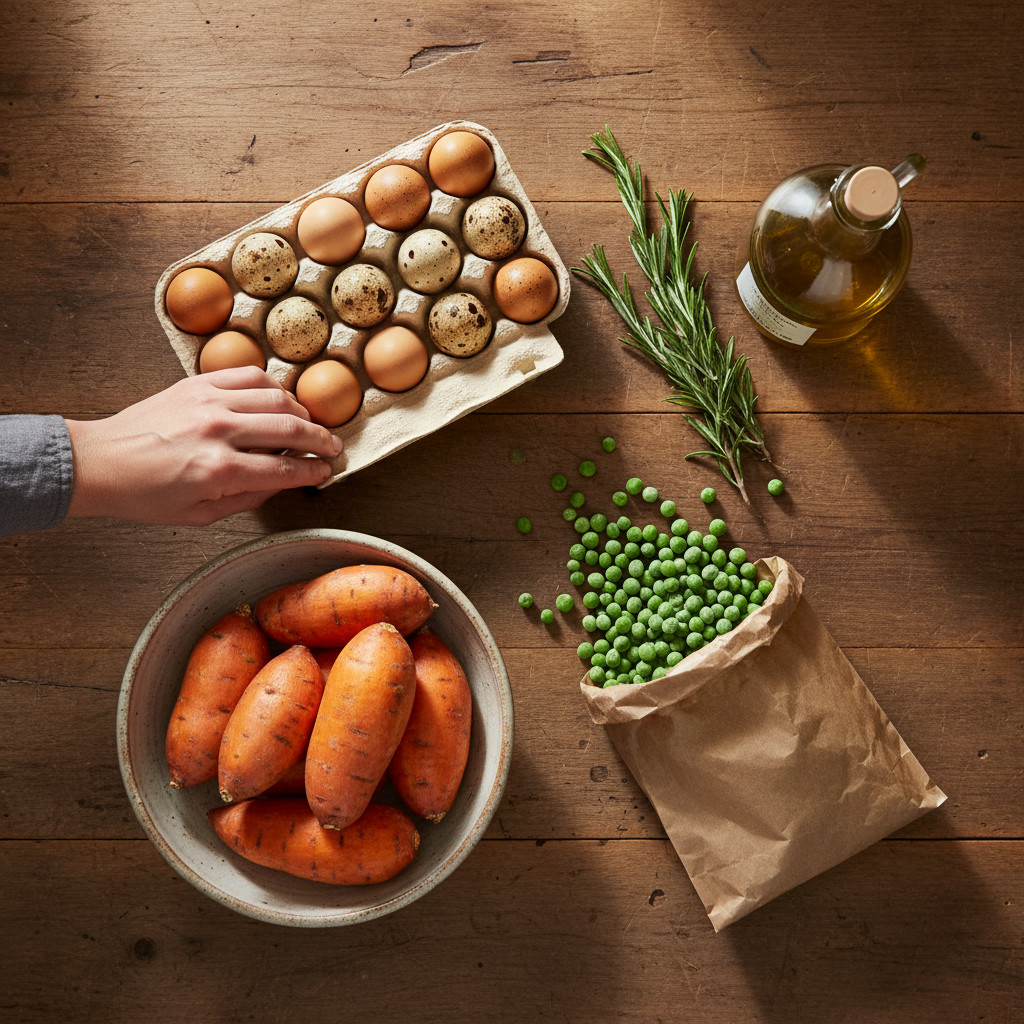
Fifteen minutes. That’s less time than it takes to scroll through a delivery app, second-guess your options, and wait for your order to load. And in that same window, you could have a plate of smoky, perfectly flaky grilled fish on the table — protein-packed, genuinely delicious, and made with ingredients you probably already have on hand.
Grilled fish gets an unfair reputation for being fussy. People worry about it sticking, falling apart, or drying out. But here’s what experienced cooks know: fish’s biggest advantage is speed. Most fillets are fully cooked in 4 to 8 minutes over high heat. That’s not a limitation — it’s a superpower. When you pair that with a sharp seasoning blend or a quick marinade, you’ve got a weeknight dinner strategy that beats almost anything else in your repertoire.
The eight recipes below cover the full range — from a weeknight staple as simple as olive oil and Old Bay to bold, globally-inspired flavor profiles that taste like you planned far more than you did. Each one is grillable in under 15 minutes, whether you’re working with an outdoor gas or charcoal grill, a stovetop grill pan, or an electric indoor grill. The techniques are the same. The results are equally good.
Pick your fish, fire up the heat, and let’s get cooking.
Table of Contents
- Why Grilled Fish Belongs in Your Weekly Rotation
- The Secrets to Grilling Fish in 15 Minutes Flat
- Get the Grill Ripping Hot Before the Fish Goes On
- Pat the Fish Dry — Every Single Time
- Oil the Fish, Not Just the Grill
- Flip Once — and Wait for It to Release
- Use a Wide, Thin Spatula
- 1. Simple Seasoned Grilled Fish with Old Bay and Lemon
- Ingredients
- How to Make It
- Why It Works
- 2. Garlic Herb Grilled Halibut Steaks
- Ingredients
- How to Make It
- Why It Works
- 3. Spicy Ginger-Soy Grilled Catfish
- Ingredients
- How to Make It
- Why It Works
- 4. Chipotle Lime Grilled Mahi-Mahi
- Ingredients
- How to Make It
- Why It Works
- 5. Brown Sugar Glazed Grilled Salmon
- Ingredients
- How to Make It
- Why It Works
- 6. Lemon Pepper Grilled Cod
- Ingredients
- How to Make It
- Why It Works
- 7. Garlic Butter Grilled Tilapia
- Ingredients
- How to Make It
- Why It Works
- 8. Mediterranean Grilled Swordfish Steaks
- Ingredients
- How to Make It
- Why It Works
- Choosing the Right Fish for a 15-Minute Cook Time
- Thin, Delicate Fillets (Cook in 4–5 Minutes Total)
- Medium-Density Fillets (Cook in 6–10 Minutes Total)
- Firm, Meaty Steaks (Cook in 8–12 Minutes Per Inch of Thickness)
- What to Serve Alongside 15-Minute Grilled Fish
- How to Store and Reheat Grilled Fish Without Ruining the Texture
- Final Thoughts
Why Grilled Fish Belongs in Your Weekly Rotation
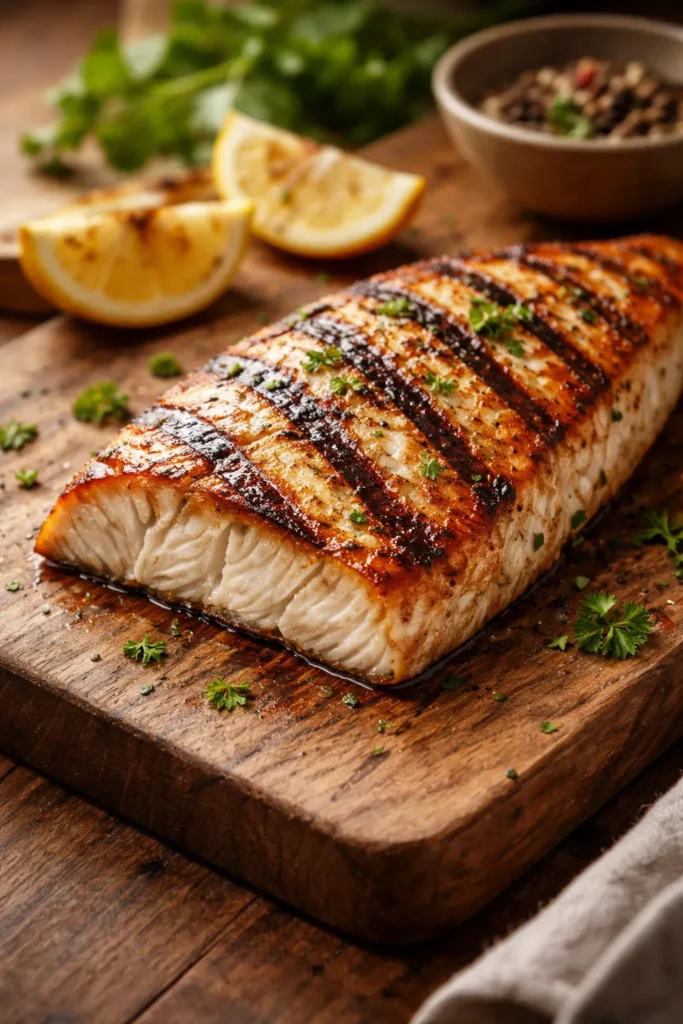
Fish is one of those ingredients that punishes hesitation. Leave a steak in the fridge for an extra day and it’s usually fine. Leave a delicate fillet, and you’ve missed your window. The silver lining? That perishability means fish almost always cooks fast — which makes grilling it a genuinely practical weeknight move, not just a weekend luxury.
A single 4-ounce grilled fillet typically delivers around 23 grams of protein, less than 6 grams of fat, and under 150 calories. White fish varieties like tilapia, cod, and sole are among the leanest proteins you can put on a plate. Fattier fish like salmon and mahi-mahi bring omega-3 fatty acids that support heart health, brain function, and inflammation reduction. Either way, you’re getting a meal that’s nutritionally dense without feeling heavy.
The grill adds something no other cooking method quite replicates: that dry, intense heat that crisps the exterior while sealing in the moisture inside. Combine that with a little acid (lemon, lime, or citrus zest) and a fat (olive oil or butter), and you have a flavor formula that works on almost any fish species. The recipes below each put a different spin on that formula — but they all share the same 15-minute promise.
The Secrets to Grilling Fish in 15 Minutes Flat
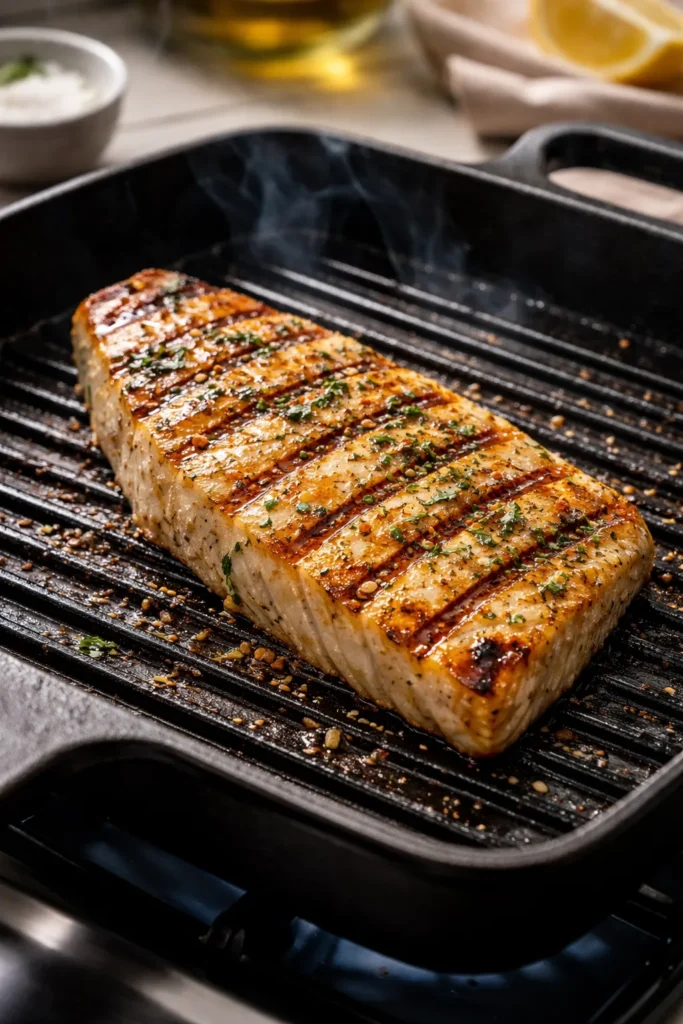
Speed on the grill isn’t just about turning up the heat and hoping for the best. There are a few non-negotiable habits that separate fish that’s ready in 15 minutes from fish that’s still sticking to the grates at minute 20.
Get the Grill Ripping Hot Before the Fish Goes On
This is the single most common mistake. A cold or lukewarm grill guarantees sticking, steaming instead of searing, and a fish that wants to fall apart the moment you try to flip it. Your grill — whether gas, charcoal, or a stovetop pan — should be preheated to 400–450°F (200–230°C) before any fish touches it. On a stovetop grill pan, that means medium-high heat for at least 3 minutes. On an outdoor gas grill, all burners on high for 10 minutes with the lid closed. The heat creates an instant sear that naturally releases the fish from the surface when it’s ready.
Pat the Fish Dry — Every Single Time
Moisture on the surface of a fillet is the enemy of a good sear. Whether you’re using fresh fish or thawed frozen fillets, pat them dry with paper towels before brushing on oil or applying seasoning. That step takes 10 seconds and makes a dramatic difference in how the fish behaves on the grill. Wet fish steams. Dry fish sears.
Oil the Fish, Not Just the Grill
Brushing olive oil directly onto both sides of the fillet before seasoning serves two purposes: it carries the fat-soluble flavor compounds from spices and herbs into the fish, and it creates a barrier between the protein and the grill grate. You can also spray the grate with a high-smoke-point cooking spray (avocado oil spray works well) right before laying the fish down.
Flip Once — and Wait for It to Release
Fish will tell you when it’s ready to flip. If you try to turn it and it resists, wait another 30 seconds to a minute. A properly seared fillet releases naturally from the grate. Forcing it causes tearing, which is the number-one reason home cooks feel like they “can’t” grill fish. The rule is simple: one flip, once it releases, and no touching in between.
Use a Wide, Thin Spatula
A thick barbecue spatula designed for burgers will destroy a delicate fish fillet. Invest in a wide, thin fish spatula (sometimes called a “fish turner”) that can slide cleanly underneath the entire fillet without bending it. Tongs work for firm fish like swordfish and tuna; for everything else, a spatula is the right tool.
1. Simple Seasoned Grilled Fish with Old Bay and Lemon
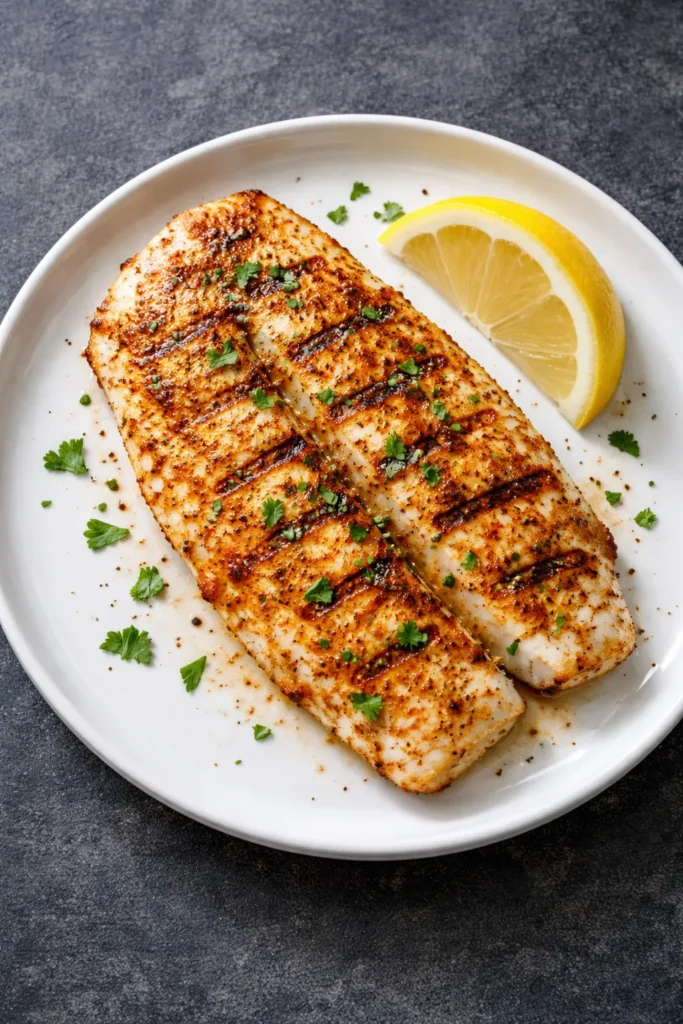
This is the foundational recipe — the one you’ll reach for on the busiest nights when the mental load of cooking anything elaborate feels impossible. It works on sole, flounder, tilapia, redfish, or any mild white-fleshed fillet you can find, and it’s genuinely on the table in five minutes.
The magic is in the layering: oil goes on first, then salt and pepper, then a generous hit of Old Bay seasoning with a pinch of smoked paprika. Old Bay is criminally underrated as an everyday fish seasoning. Its blend of celery salt, paprika, mustard, and bay leaf gives any white fish a flavor profile that’s complex without being fussy.
Ingredients
- 4 fish fillets (4 oz each) — sole, flounder, or tilapia
- 4 teaspoons extra-virgin olive oil
- ½ teaspoon fine salt
- ½ teaspoon black pepper
- 1 teaspoon Old Bay seasoning
- ½ teaspoon smoked paprika
- ½ lemon, for serving
- Fresh chopped parsley, optional
Yield: Serves 4 | Prep Time: 1 minute | Cook Time: 4 minutes | Total Time: 5 minutes | Difficulty: Beginner — no marinating, no special equipment needed.
How to Make It
Preheat your grill pan or skillet over medium-high heat for 3 minutes. Brush one side of each fillet with olive oil and season with salt, pepper, Old Bay, and paprika. Place fillets seasoned side down on the hot grill. Brush the top side with oil and add more seasoning. Cook for 2 minutes undisturbed, flip with a wide spatula, cook another 2 minutes until opaque. Finish with a squeeze of lemon.
Why It Works
The thin, flat profile of sole and flounder means they cook through completely in that 4-minute window. The paprika adds a rich color and a subtle sweetness that makes even the most basic plate look polished. One pan, zero cleanup drama, and dinner is handled.
Pro tip: If your fillets are thicker than ½ inch, add an extra minute per side. Never rush it — but never overcook it either.
2. Garlic Herb Grilled Halibut Steaks
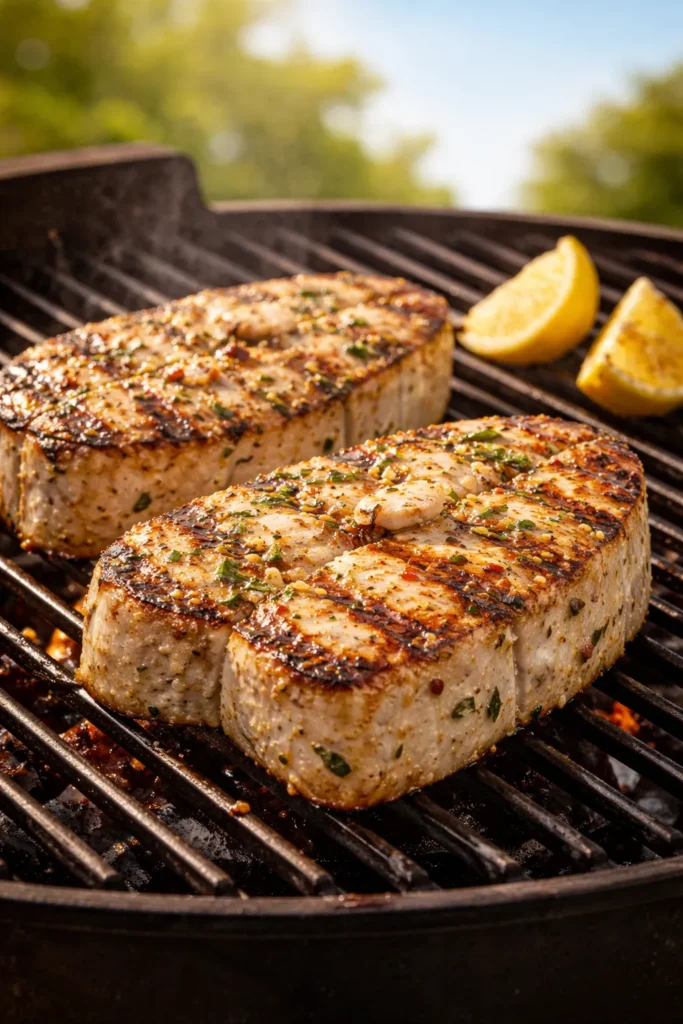
Halibut is a forgiving fish for the grill because it’s firm, meaty, and doesn’t flake apart at the first sign of a spatula. Marinated briefly in olive oil, lemon juice, fresh garlic, and dried basil, it develops a flavor that feels restaurant-worthy without any of the effort.
This recipe borrows from a widely loved approach: a simple marinade that doubles as a basting sauce. The lemon juice does gentle work on the protein structure during the brief marinating window, helping the fish stay moist even over the high dry heat of the grill.
Ingredients
- 2 halibut fillets (6 oz each)
- 6 tablespoons olive oil
- 1 tablespoon fresh lemon juice
- 1 tablespoon fresh parsley, chopped
- 1 garlic clove, minced
- 1 teaspoon dried basil
- 1 teaspoon salt
- 1 teaspoon black pepper
Yield: Serves 2 | Prep Time: 10 minutes + 20–30 minutes marinating | Cook Time: 10 minutes | Total Time: 40 minutes | Difficulty: Beginner — straightforward marinade and simple grill method.
How to Make It
Whisk together olive oil, lemon juice, parsley, garlic, basil, salt, and pepper. Pour over halibut in a shallow dish and marinate for 20 to 30 minutes in the refrigerator. Preheat an outdoor grill to high heat and oil the grate. Remove fillets from marinade and shake off the excess. Grill for 5 minutes per side over direct heat, or until the fish flakes easily with a fork at the thickest point.
Why It Works
Halibut has a clean, mild flavor that acts like a blank canvas. The garlic and basil marinade soaks into the surface and creates an herby crust when it hits the hot grate. If you skip the marinade entirely — pressed for time — just brush on the oil, season aggressively, and cook. It still delivers.
Pro tip: Halibut cooks at roughly 8 to 10 minutes per inch of thickness. A 1-inch fillet is ready at 5 minutes per side. Check for doneness by pressing the thickest part gently — it should feel firm and spring back slightly.
3. Spicy Ginger-Soy Grilled Catfish
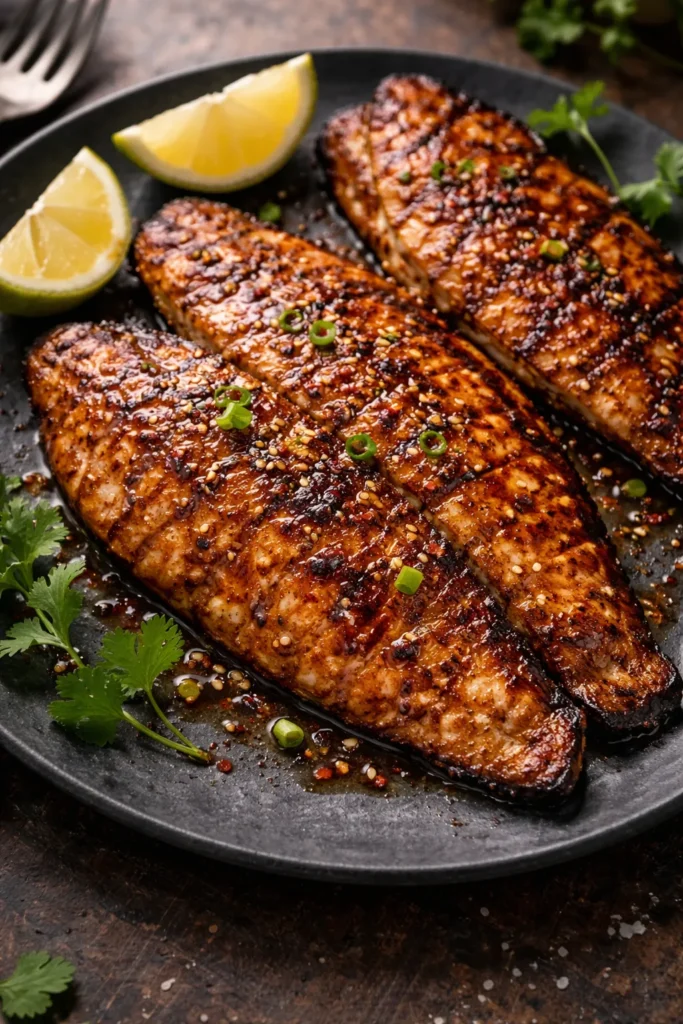
Don’t sleep on catfish. It’s inexpensive, readily available, and holds up beautifully on the grill thanks to its firm, dense flesh. This recipe marinates it in a punchy blend of soy sauce, fresh ginger, lemon juice, garlic, and cayenne — a combination that gives the fish a genuinely bold, layered heat without crossing into overwhelming territory.
The marinade has roots in Asian-inspired flavor profiles, but the technique is pure Southern weeknight practicality. One hour of marinating is ideal; 30 minutes still works if you’re short on time.
Ingredients
- 24 oz catfish fillets (or any mild firm fish)
- ¼ cup fresh lemon juice
- ¼ cup vegetable oil
- 2 tablespoons low-sodium soy sauce
- 2 tablespoons fresh ginger, finely minced
- 6 garlic cloves, minced
- 3 green onions, chopped (green and white parts)
- 1 teaspoon onion powder
- 1 teaspoon paprika
- ½ teaspoon cayenne pepper (adjust to your heat preference)
- Lemon wedges and chopped parsley to serve
Yield: Serves 4 | Prep Time: 10 minutes + 1 hour marinating | Cook Time: 8 minutes | Total Time: ~1 hour 20 minutes | Difficulty: Beginner — straightforward but requires marinating time.
How to Make It
Combine all marinade ingredients and stir well. Place catfish in a zip-seal bag, pour the marinade over it, seal, and refrigerate for 1 to 2 hours. Oil the grill grate well and preheat to medium-high. Remove fish from marinade and grill for 4 minutes per side, flipping only once and brushing with reserved marinade after the flip. The fish is done when the color shifts from translucent to fully opaque throughout.
Why It Works
Ginger and soy create an umami backbone that makes the fish taste deeply savory rather than just “seasoned.” The cayenne gives heat that builds gradually — it’s not a slap in the face, it’s a slow warmth that lingers pleasantly. Don’t overcook catfish — it goes from perfectly moist to dry quickly, so pull it the moment it turns fully opaque.
4. Chipotle Lime Grilled Mahi-Mahi
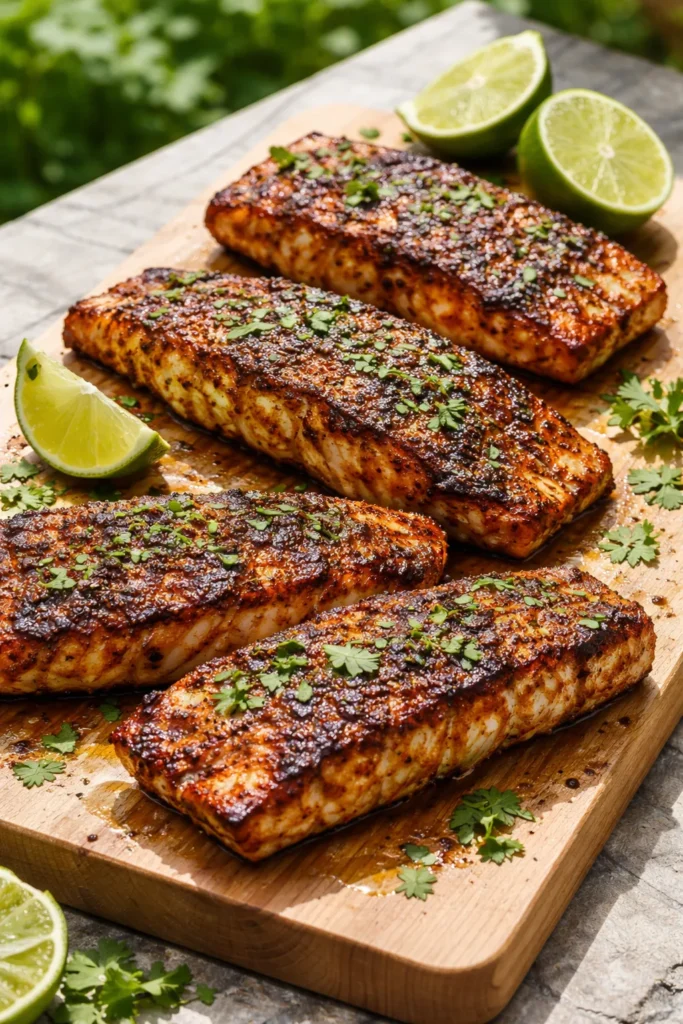
Mahi-mahi has become a grilling staple for good reason: it’s firm enough to handle direct high heat, has a mildly sweet flavor that pairs with bold seasonings, and stays together beautifully when you flip it. This version uses a dry rub built around chipotle powder, cumin, garlic powder, and lime zest — then finishes with a squeeze of fresh lime right off the grill.
It’s the kind of recipe that works as a standalone main, slides into fish tacos, or gets flaked over a grain bowl without losing anything in translation.
Ingredients
- 4 mahi-mahi fillets (5–6 oz each), skin removed
- 2 tablespoons olive oil
- 1 teaspoon chipotle chili powder
- 1 teaspoon cumin
- ½ teaspoon garlic powder
- ½ teaspoon onion powder
- ½ teaspoon fine salt
- Zest of 1 lime
- 2 limes, halved (for grilling and serving)
Yield: Serves 4 | Prep Time: 5 minutes | Cook Time: 8 minutes | Total Time: 13 minutes | Difficulty: Beginner — dry rub technique, no marinating required.
How to Make It
Mix chipotle powder, cumin, garlic powder, onion powder, salt, and lime zest together in a small bowl. Pat fillets completely dry with paper towels. Brush both sides with olive oil and coat evenly with the spice rub. Grill over high heat for 4 minutes per side until the flesh is opaque and slightly charred at the edges. Squeeze lime over the top immediately before serving.
Why It Works
Chipotle powder brings heat with smokiness — it’s essentially a chili flavor that already tastes like the grill before the fish even touches the grate. When it chars slightly on the outside, those smoky notes intensify into something genuinely crave-worthy. Mahi-mahi is particularly forgiving because its firm texture won’t fall apart if you’re slightly off on timing.
5. Brown Sugar Glazed Grilled Salmon
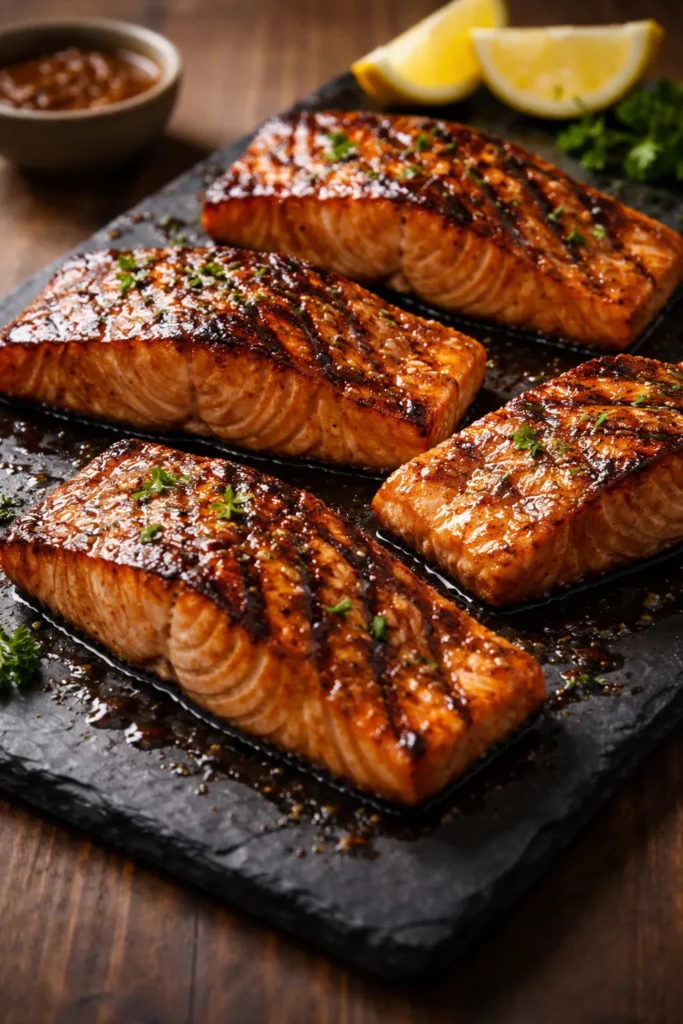
Salmon is probably the most frequently grilled fish, and for excellent reasons: its high fat content keeps it moist under high heat, its rich flavor stands up to bold glazes, and it looks impressive on a plate with almost zero effort. This recipe uses a three-ingredient glaze — brown sugar, Dijon mustard, and a pinch of salt — that caramelizes on the grill into a glossy, sweet-savory crust.
It’s a recipe that consistently surprises people who think they don’t like salmon. The glaze mutes the more pronounced “fishy” notes and introduces a caramelized sweetness that makes the fish feel almost indulgent.
Ingredients
- 4 salmon fillets (5–6 oz each), skin on
- 3 tablespoons brown sugar, packed
- 2 tablespoons Dijon mustard
- ½ teaspoon fine salt
- 1 tablespoon olive oil
- Black pepper to taste
Yield: Serves 4 | Prep Time: 5 minutes | Cook Time: 8–10 minutes | Total Time: 13–15 minutes | Difficulty: Beginner — simple glaze, one-flip method.
How to Make It
Stir together brown sugar, Dijon mustard, and salt until smooth. Pat salmon dry and brush the flesh side with olive oil and a grind of pepper. Preheat grill to medium-high. Place salmon skin-side down and cook for 5 to 6 minutes undisturbed. Spread the brown sugar glaze over the flesh side, then flip carefully and cook for another 3 to 4 minutes until the glaze is caramelized and the salmon flakes in the thickest part.
Why It Works
Leaving the skin on is critical here — it acts as an insulating layer that protects the delicate flesh from the direct heat while the skin itself becomes crispy and caramelized. If you don’t eat the skin, it still peels off cleanly after cooking. The brown sugar glaze starts to char at the edges on the second side, creating bittersweet notes that balance the sweetness of the sugar perfectly.
6. Lemon Pepper Grilled Cod
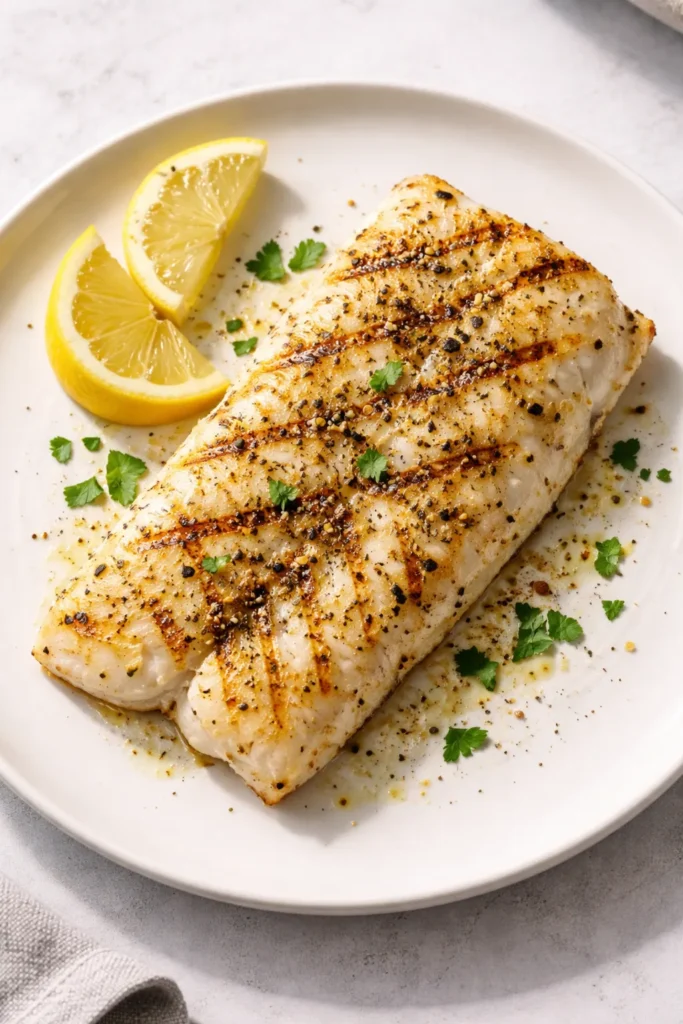
Cod is one of the more delicate fish you’ll encounter on the grill, which means it needs a bit of extra care — specifically, a hot grill, dry fillets, and a hands-off approach once it’s down. This recipe keeps the seasoning intentionally minimal: lemon juice, black pepper, and a little olive oil. The restraint is the point. Good cod has a clean, sweet flavor that heavy seasoning just obscures.
For fillets that might be prone to breaking, a grill basket or sheet of aluminum foil with holes punched in it gives you extra insurance without sacrificing the open-flame flavor.
Ingredients
- 4 cod fillets (5–6 oz each)
- 2 tablespoons olive oil
- 2 tablespoons fresh lemon juice
- 1 teaspoon coarsely ground black pepper
- ½ teaspoon fine salt
- Lemon slices for serving
Yield: Serves 4 | Prep Time: 3 minutes | Cook Time: 8–10 minutes | Total Time: 13 minutes | Difficulty: Beginner — minimal ingredients, but requires attention to avoid overcooking.
How to Make It
Preheat grill to high. Brush cod fillets on both sides with olive oil. Drizzle lemon juice over the flesh side and season with salt and pepper. If using a grill basket, spray it with cooking spray before adding fillets. Grill skin-side down for 5 to 6 minutes, then flip once and cook for another 2 to 3 minutes until the fish is opaque all the way through. Serve immediately with lemon slices.
Why It Works
Lemon juice applied before cooking does two things: it slightly firms up the outer layer of the fish protein, helping it hold together on the grill, and it infuses the surface with brightness that intensifies as the fish cooks. Coarsely ground pepper (not pre-ground powder) forms little bursts of heat and spice that contrast beautifully with the clean sweetness of the cod.
Pro tip: Add a handful of capers and some cherry tomatoes to the grill basket alongside the fish for a built-in sauce that takes zero extra effort.
7. Garlic Butter Grilled Tilapia
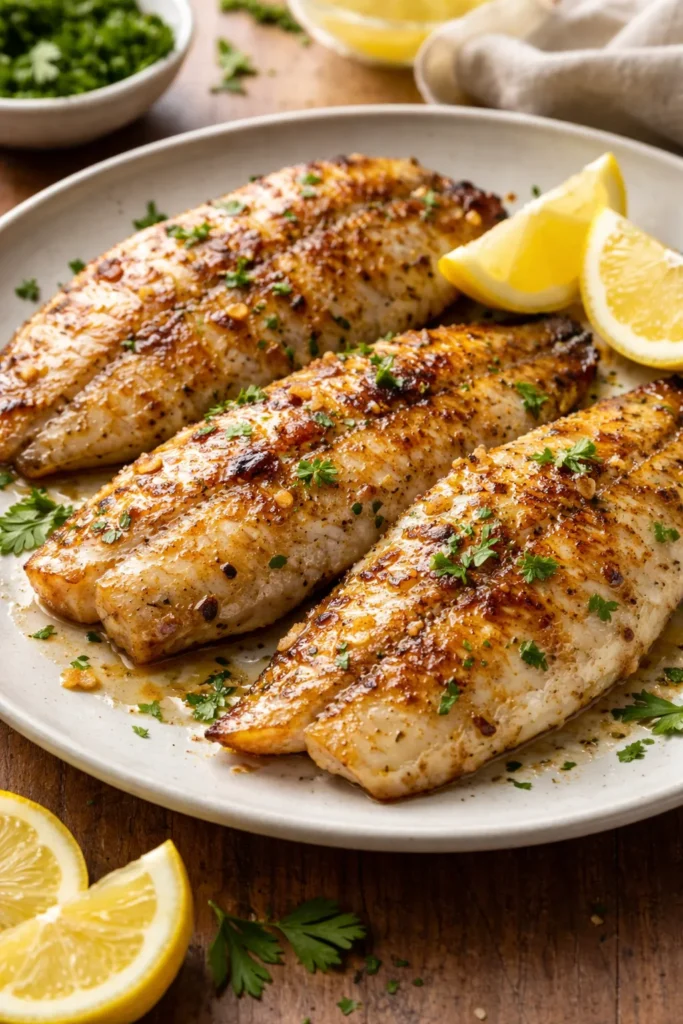
Tilapia gets dismissed as boring, and that reputation is almost entirely the fault of under-seasoning. When you treat tilapia properly — high heat, good fat, aggressive seasoning — it transforms into something genuinely satisfying. This recipe uses a garlic butter baste applied during the last minute of cooking that soaks into the fish and makes every bite rich and aromatic.
It’s the fastest recipe on this list alongside the Old Bay version. Tilapia fillets are thin and cook through in 4 minutes flat, which makes this an ideal choice on nights when you have under 10 minutes of active cooking time.
Ingredients
- 4 tilapia fillets (4–5 oz each)
- 2 tablespoons olive oil
- 3 tablespoons unsalted butter
- 4 garlic cloves, minced
- 1 teaspoon dried Italian seasoning
- ½ teaspoon salt
- ½ teaspoon black pepper
- 1 tablespoon fresh lemon juice
- Fresh chopped parsley for garnish
Yield: Serves 4 | Prep Time: 5 minutes | Cook Time: 6 minutes | Total Time: 11 minutes | Difficulty: Beginner — quick cook time, simple technique.
How to Make It
Melt butter in a small saucepan over medium heat and add minced garlic. Cook for 1 minute until fragrant. Remove from heat and stir in lemon juice. Pat tilapia completely dry. Brush both sides with olive oil and season with Italian seasoning, salt, and pepper. Grill over medium-high heat for 2 to 3 minutes per side. In the final minute of cooking, spoon garlic butter over each fillet generously. Remove from heat and garnish with parsley.
Why It Works
The garlic butter applied during the last minute doesn’t just add flavor — it bastes the fish in fat at the exact moment the surface is most absorbent, creating a glossy, sauce-like coating that keeps the fish from tasting dry even if you’re a few seconds past the ideal cook time. Italian seasoning on tilapia is an underrated combination: the dried oregano and thyme complement the mild fish without fighting the garlic.
8. Mediterranean Grilled Swordfish Steaks
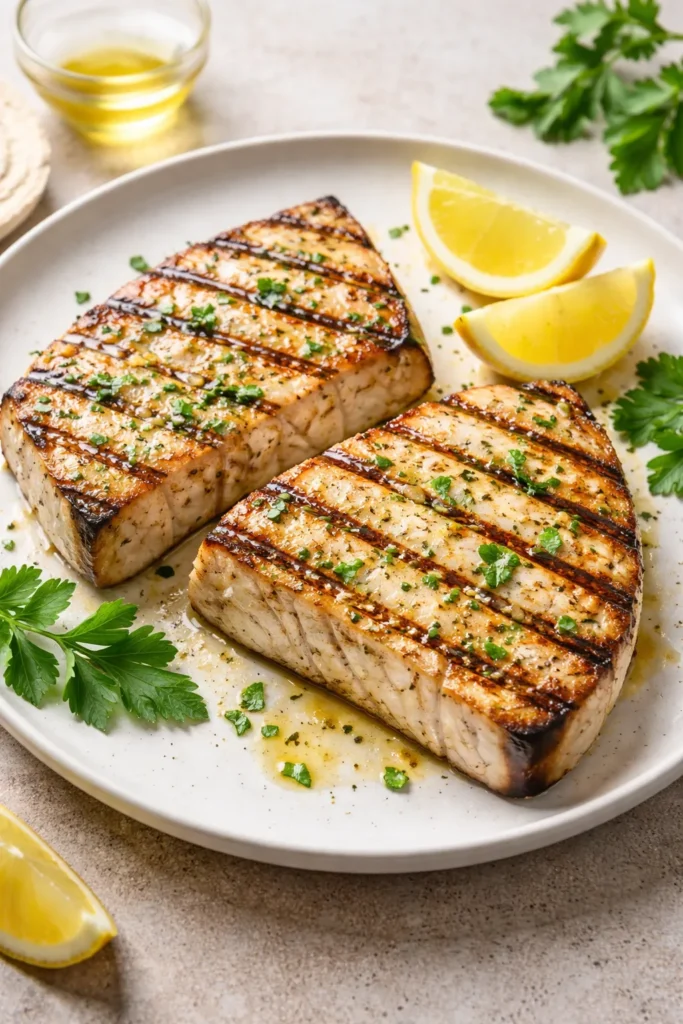
Swordfish is the exception to the “handle with care” rule of grilling fish. It’s dense, meaty, and firm — closer in texture to a good pork chop than to a delicate fillet — which means you can use tongs instead of a spatula and flip it without anxiety. This Mediterranean-inspired preparation uses a simple olive oil marinade with lemon, garlic, and a blend of cumin, oregano, and a pinch of cayenne, then tops the finished fish with fresh tomato and olive relish.
It’s the most elevated recipe on this list, and it still comes in under 15 minutes of active cooking time.
Ingredients
For the swordfish:
- 4 swordfish steaks (6–7 oz each), about 1 inch thick
- 3 tablespoons extra-virgin olive oil
- 2 garlic cloves, minced
- 1 teaspoon dried oregano
- ½ teaspoon cumin
- ¼ teaspoon cayenne pepper
- Salt and black pepper to taste
- Juice of ½ lemon
For the quick tomato relish (optional but highly recommended):
- 1 cup cherry tomatoes, halved
- ¼ cup Kalamata olives, roughly chopped
- 2 tablespoons fresh parsley, chopped
- 1 tablespoon extra-virgin olive oil
- 1 teaspoon red wine vinegar
- Salt to taste
Yield: Serves 4 | Prep Time: 10 minutes | Cook Time: 8–10 minutes | Total Time: 18–20 minutes | Difficulty: Beginner — firm fish makes grilling straightforward; the relish adds flair with minimal effort.
How to Make It
Whisk together olive oil, garlic, oregano, cumin, cayenne, lemon juice, salt, and pepper. Brush generously over both sides of the swordfish steaks. Let sit while the grill preheats to high. Combine all relish ingredients in a small bowl and set aside. Grill swordfish for 4 to 5 minutes per side, using tongs to flip once. The steaks are done when they feel firm throughout and the exterior has visible grill marks and slight charring. Spoon tomato relish over the top and serve immediately.
Why It Works
Swordfish can handle this treatment — the bold spice blend, the high heat, the char — because the flesh is dense enough to absorb the marinade and hold up to the grill without breaking down. The fresh tomato relish added at the end provides acid and brightness that cuts through the richness of the fish and the smoke of the grill. Don’t skip the relish — it takes 3 minutes to make and turns a simple grilled steak into something that looks and tastes like a proper restaurant dish.
Choosing the Right Fish for a 15-Minute Cook Time
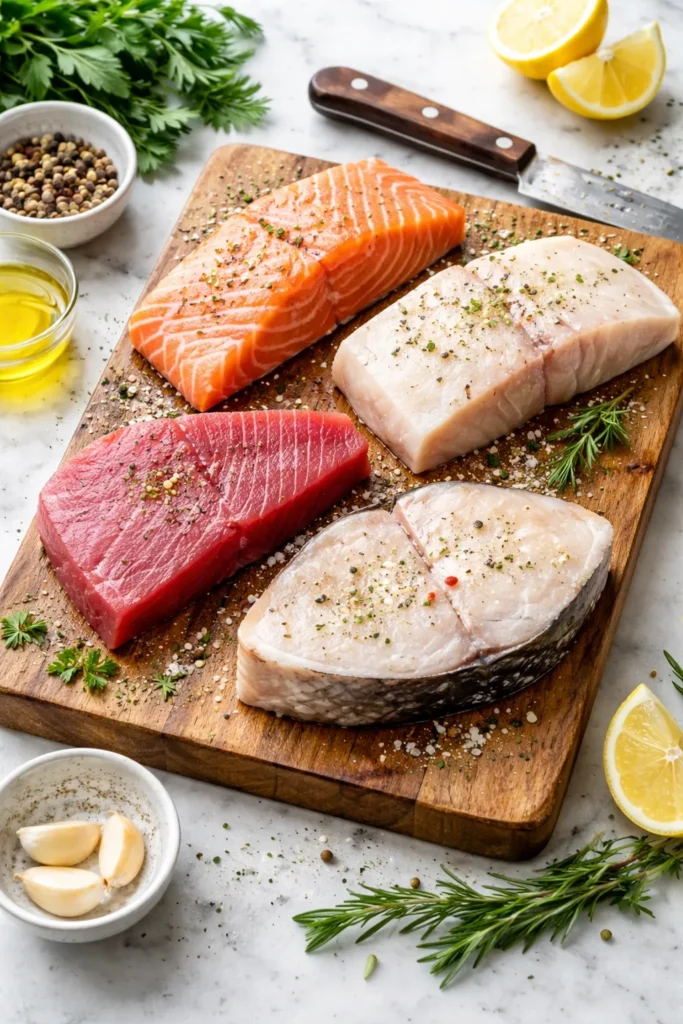
Not every fish is equally suited to a quick grill session. Thickness, fat content, and flesh density all determine how fast a fillet cooks and how forgiving it is if your timing is slightly off.
Thin, Delicate Fillets (Cook in 4–5 Minutes Total)
Sole, flounder, and tilapia fall into this category. They’re lean and thin — usually under ½ inch — which means they cook almost instantly. The advantage is speed; the disadvantage is a narrow window between perfectly cooked and overcooked. Keep the heat high and your eyes on the clock with these varieties.
Medium-Density Fillets (Cook in 6–10 Minutes Total)
Cod, catfish, mahi-mahi, and halibut sit in the middle ground. They’re thick enough to develop good grill marks and forgiving enough to handle an extra 30 seconds without falling apart. This group is the most beginner-friendly for grilling and represents the widest variety of flavors and textures.
Firm, Meaty Steaks (Cook in 8–12 Minutes Per Inch of Thickness)
Salmon, swordfish, and tuna behave more like meat on the grill. They can go to medium-high or even high heat, develop a beautiful crust, and tolerate more handling. Salmon’s high fat content keeps it moist even when cooked a touch longer than ideal. Swordfish and tuna are best served slightly pink in the center — think of them like a beef steak rather than a white fish fillet.
What to Serve Alongside 15-Minute Grilled Fish
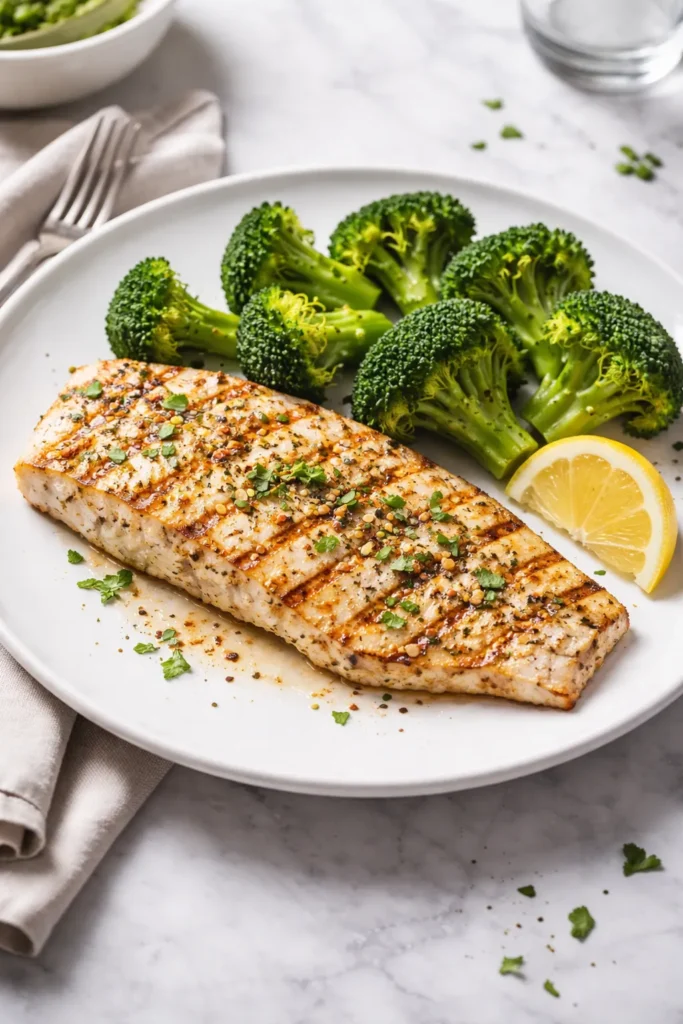
The beauty of grilled fish as a weeknight protein is that it pairs well with almost anything — which means you can build sides from whatever’s already in your kitchen without a second trip to the store.
For a complete 15-minute meal, lean on these:
- Steamed or roasted broccoli — toss florets with olive oil and salt, microwave for 4 minutes or roast at 425°F while the fish grills
- Quick cucumber salad — sliced cucumbers, a squeeze of lime, a pinch of salt, and a drizzle of sesame oil; done in 3 minutes
- Couscous — covers with boiling water in 5 minutes, fluff with a fork, add lemon zest and parsley
- Pre-washed salad greens with lemon vinaigrette — zero cook time, maximum freshness
- Warm corn tortillas — turn any of the spiced recipes above into instant fish tacos with shredded cabbage and lime crema
Grilled vegetables are particularly natural alongside grilled fish. Zucchini, bell peppers, and corn on the cob can share the grill simultaneously, picking up the same smoky char as the fish. Throw them on 5 minutes before the fish and everything finishes at nearly the same time.
How to Store and Reheat Grilled Fish Without Ruining the Texture
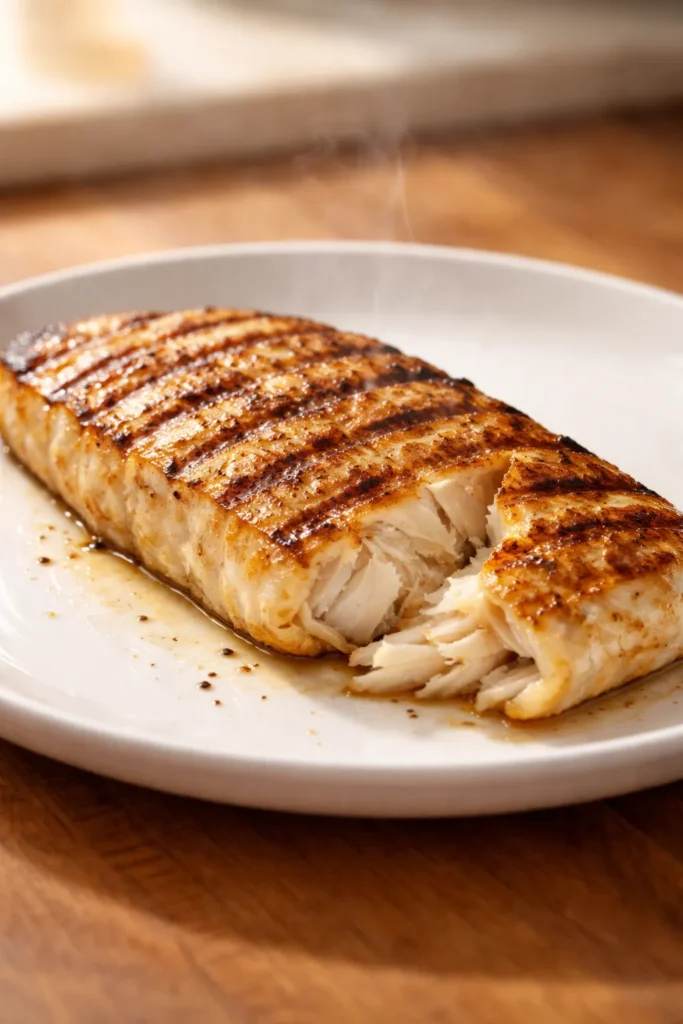
Grilled fish is best eaten immediately — that’s not negotiable. The texture and moisture are at their peak within minutes of leaving the grill, and they do decline as the fish sits. That said, leftovers aren’t a lost cause.
Store cooled grilled fish in an airtight container in the refrigerator and eat within 2 days. To reheat without drying it out, skip the microwave. Instead, place the fish in a covered skillet over low heat with a splash of water or fish stock — the gentle steam warms it through without cooking it further. Two to three minutes is all it takes.
Cold leftover grilled fish is also excellent in grain bowls, flaked over pasta with olive oil and capers, or folded into a quick taco with fresh toppings that hide any slight texture change. Plan for leftovers intentionally — cook an extra fillet or two and refrigerate immediately after cooking. You’ll have a ready protein for lunch the next day with essentially zero additional effort.
Final Thoughts
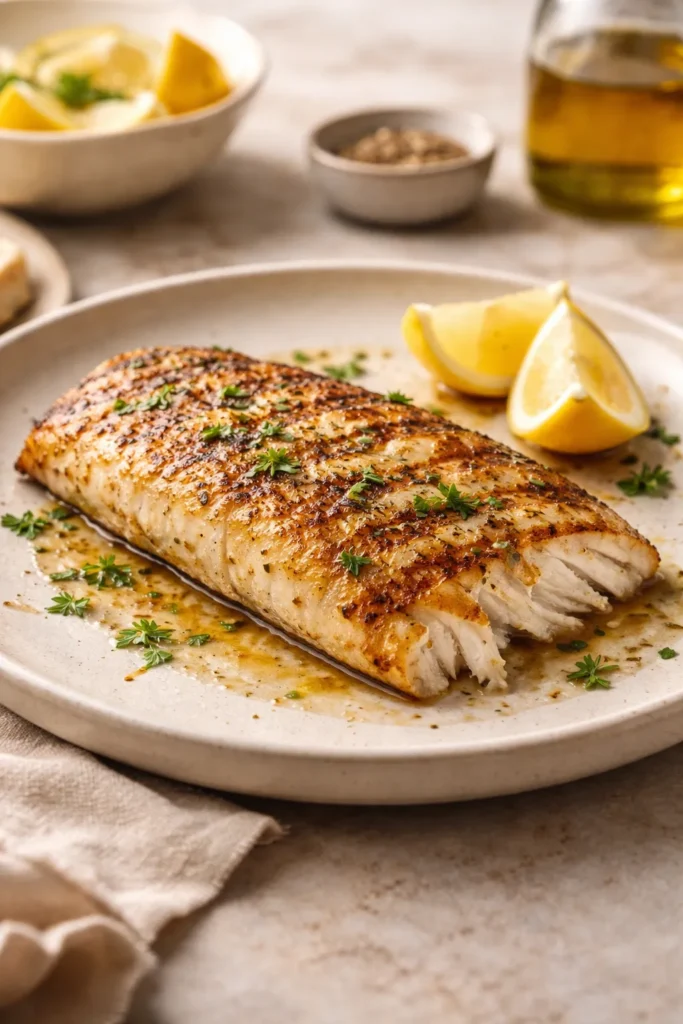
Grilled fish is the rare weeknight dinner that’s fast without being boring, healthy without being punishing, and flexible enough to work with dozens of different flavor profiles. Once you’ve made even one of these recipes, the muscle memory kicks in — hot grill, dry fish, oil, season, four minutes a side, done.
The hardest part for most people is trusting the process enough not to poke, press, or move the fish while it cooks. Resist that urge. High heat and patience are the two things standing between you and a perfectly cooked fillet every time.
Start with whichever recipe fits your mood or your pantry today. Once you’ve got the basic technique locked in — and you’ll have it after the first or second time — the other seven recipes on this list will feel like natural variations on the same simple skill. That’s exactly what they are.