Table of Contents
- Are Peach Trees Self Pollinators: Complete Growing and Care Guide
- Understanding Peach Tree Pollination
- What is Self-Pollination?
- Are Peach Trees Self-Pollinating?
- Benefits of Cross-Pollination
- Selecting the Right Peach Tree Variety
- Self-Fertile Peach Varieties for Home Gardens
- Cold Hardy and Low Chill Varieties
- Dwarf and Space-Saving Options
- Choosing the Perfect Location for Your Peach Tree
- Sunlight Requirements
- Soil Type and Drainage
- Spacing Considerations
- Planning for the Future
- Planting Your Peach Tree Successfully
- Best Planting Time
- Soil Preparation and Planting Techniques
- Container Growing Options
- Essential Care and Maintenance
- Watering Requirements
- Fertilizing Schedule
- Mulching Best Practices
- Pruning Your Peach Tree
- Why Pruning Matters
- When to Prune
- Pruning Techniques for Maximum Production
- Pest and Disease Management
- Common Issues
- Prevention Strategies
- Harvesting Your Peaches
- When to Harvest
- How to Harvest
- Storage and Preservation
- Final Words
Are Peach Trees Self Pollinators: Complete Growing and Care Guide
Few experiences in gardening rival the satisfaction of biting into a sun-warmed, tree-ripened peach from your own backyard. The superior flavor and unmatched juiciness of homegrown peaches far surpass anything you’ll find at the grocery store. Yet many aspiring fruit growers hesitate to plant peach trees, often wondering about pollination requirements and care needs. If you’ve been asking yourself whether peach trees are self-pollinators or if you need multiple trees to enjoy a bountiful harvest, you’ve come to the right place. This comprehensive guide will answer all your questions about peach tree pollination while providing expert insights on successfully growing these rewarding fruit trees in your home orchard.
Understanding the pollination requirements of peach trees is crucial for planning your garden space and ensuring successful fruit production. Unlike some fruit trees that demand careful pollinator pairing, peach trees offer an exceptional advantage for home gardeners—they’re remarkably self-sufficient when it comes to reproduction. Whether you’re a beginner taking your first steps into fruit growing or an experienced gardener expanding your orchard, this guide will walk you through everything from selecting the perfect variety to harvesting bushels of delicious peaches for years to come.
Understanding Peach Tree Pollination
This section explores the fascinating science behind how peach trees reproduce and why most varieties don’t require a pollination partner.
What is Self-Pollination?
Self-pollination occurs when a plant can fertilize itself without requiring pollen from another plant. In fruit trees, this process involves the transfer of pollen from the male parts (stamens) to the female parts (pistils) within the same flower or between flowers on the same tree. Peach tree flowers are botanically classified as “complete” flowers, meaning each bloom contains both male and female reproductive organs. The anthers produce pollen, while the sticky stigma serves as the landing pad where pollen must reach to initiate fruit development.
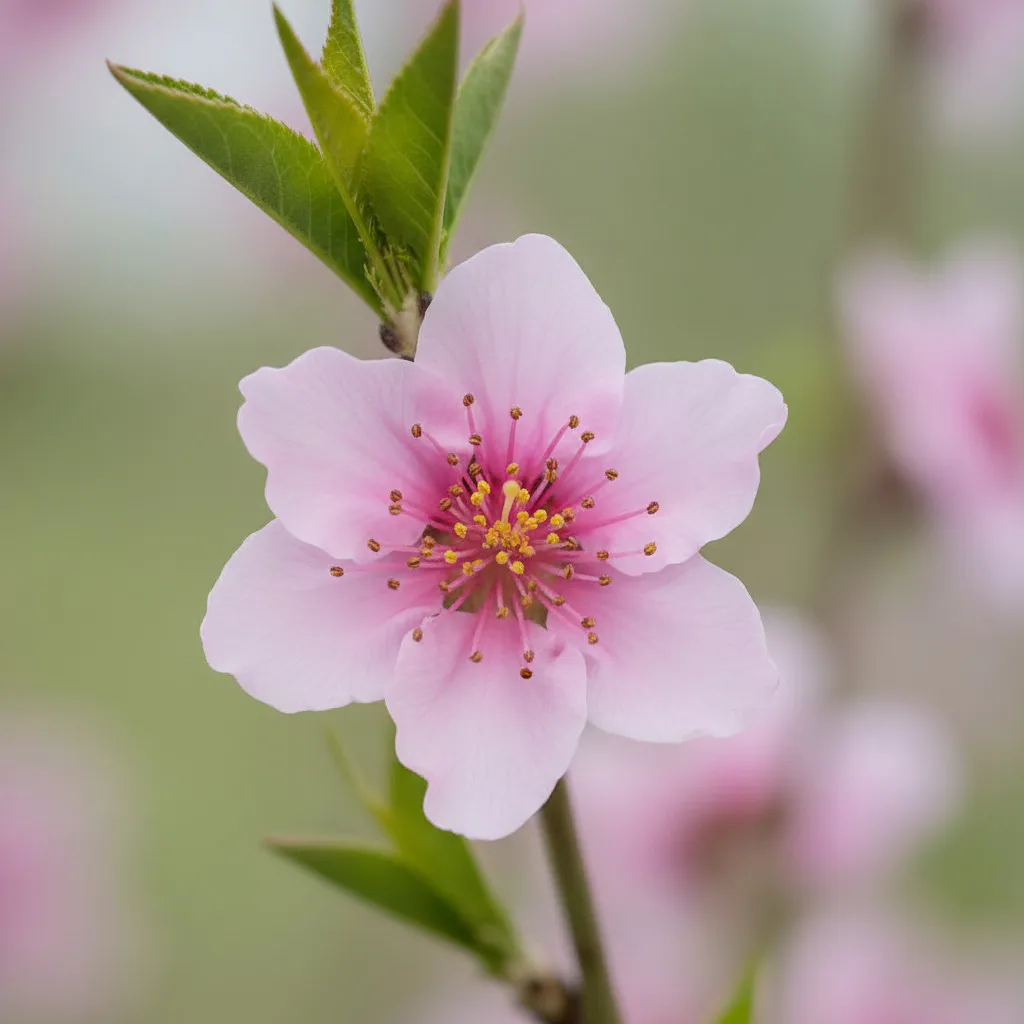
The beauty of self-pollinating trees lies in their independence. When you plant a self-fertile peach tree, you’re essentially planting a tree capable of producing fruit entirely on its own, without relying on another tree variety nearby. The pollen only needs to travel mere millimeters from the anthers to the pistil—a distance so short that wind alone can accomplish the task effectively. This makes peach trees an ideal solution for small spaces where planting multiple trees simply isn’t feasible. Bees and other pollinators can certainly help improve fruit set by transferring pollen as they visit flowers seeking nectar, but they’re not absolutely necessary for successful fruit production.
Understanding this fundamental characteristic of peach trees helps you plan your garden more efficiently. Unlike apples, pears, and sweet cherries that typically require careful selection of compatible pollinator varieties, peaches offer remarkable flexibility. You can confidently plant a single peach tree in your yard and expect it to reward you with fruit within just a few years.
Are Peach Trees Self-Pollinating?
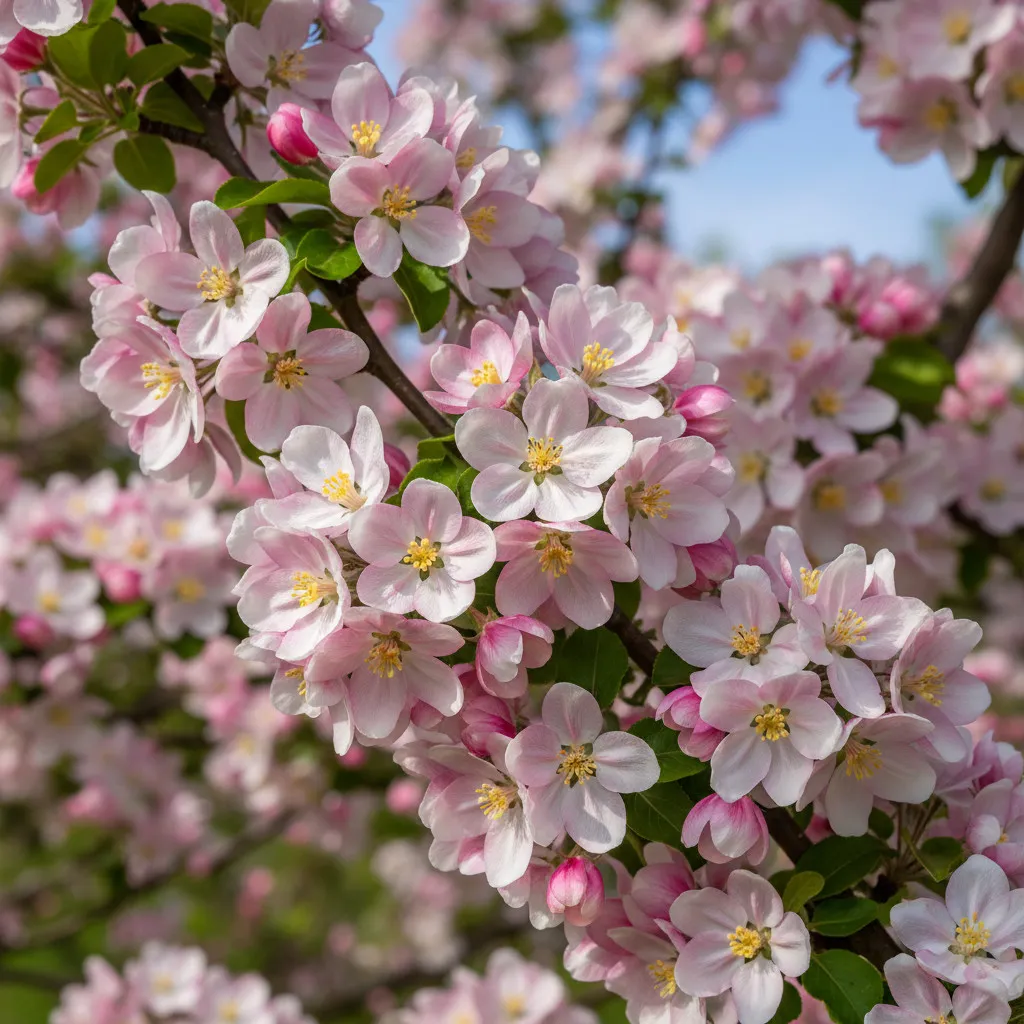
Yes, the vast majority of peach trees are self-pollinating, making them one of the most beginner-friendly fruit trees available. Almost all peach varieties—including popular options like Redhaven, Elberta, Contender, Belle of Georgia, and Reliance—can produce abundant crops without requiring pollen from another peach tree. This self-fertile characteristic extends to nectarines as well, which are simply smooth-skinned varieties of peaches. When you examine a peach blossom closely, you’ll notice its efficient design: vibrant pink petals surround both the pollen-producing stamens and the receptive pistil, creating a self-contained reproductive system.
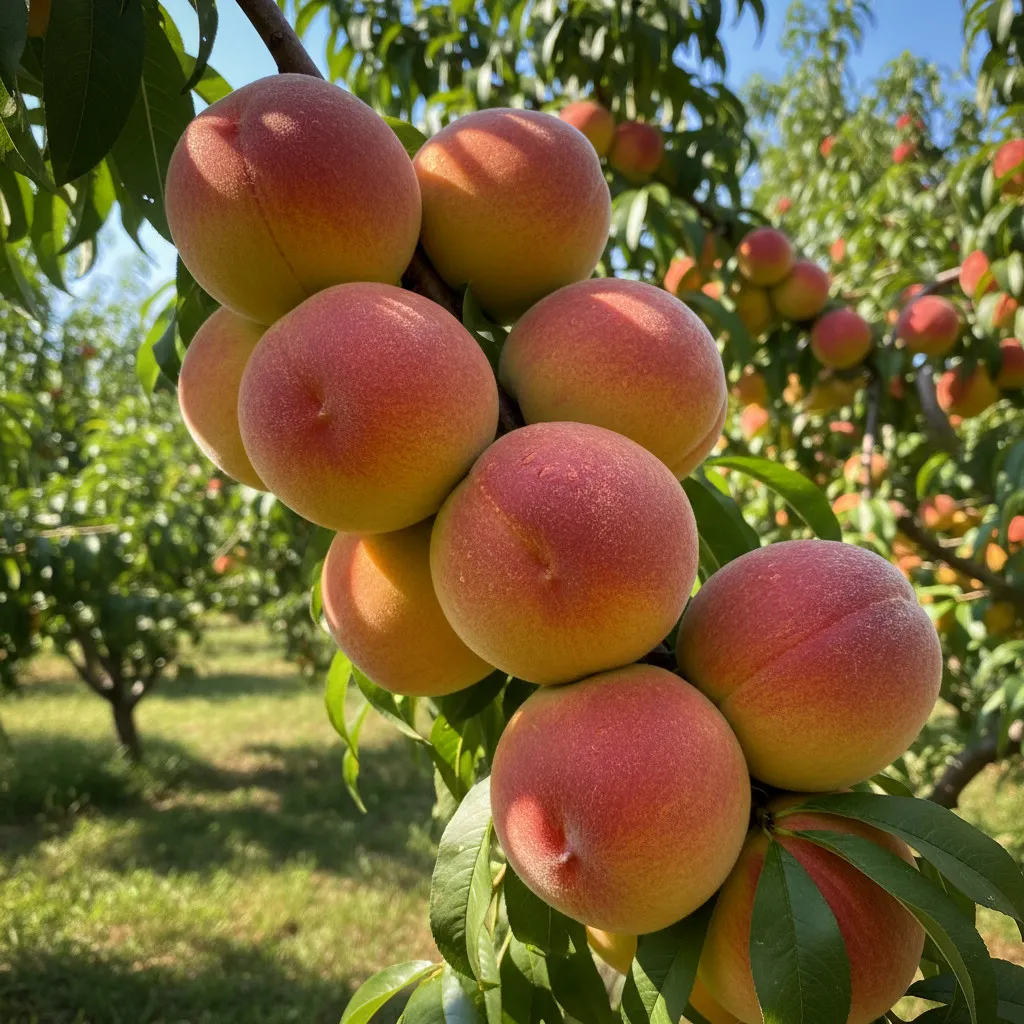
However, there are rare exceptions worth noting. Stark Hal-Berta Giant, for example, requires a pollinator and cannot set fruit on its own. Indian Blood Cling and J.H. Hale are two other varieties that need cross-pollination from another peach tree to produce fruit. These exceptions are uncommon in the commercial nursery trade, and most retailers clearly indicate when a variety needs a pollinator. When shopping for peach trees, you’ll typically find that product descriptions specify whether the tree is self-pollinating or requires a companion tree.
The self-pollinating nature of peach trees represents a significant advantage for urban and suburban gardeners working with limited space. You don’t need to dedicate valuable garden real estate to multiple trees or worry about whether your chosen varieties bloom at compatible times. A single healthy peach tree, properly cared for, can produce an abundant harvest sufficient for fresh eating, baking, canning, and sharing with neighbors.
Benefits of Cross-Pollination
While peach trees are technically self-sufficient, there’s compelling evidence that planting multiple varieties can enhance your overall harvest. Cross-pollination occurs when bees carry pollen from one peach variety to flowers on a different variety. This genetic diversity can result in improved fruit set, meaning more flowers successfully develop into mature peaches rather than dropping off the tree. Many experienced orchardists report that trees planted near other peach varieties produce not only more fruit but also larger individual peaches with better overall quality.
Key benefits of planting multiple peach varieties include:
- Increased fruit set: Additional nearby peach trees within 100 feet can significantly improve the percentage of blossoms that develop into fruit
- Extended harvest season: By selecting early, mid-season, and late varieties, you can enjoy fresh peaches for several months rather than dealing with an overwhelming harvest all at once
- Improved fruit size: Cross-pollination can lead to better fertilization, resulting in larger, more fully developed peaches
- Insurance against crop failure: If one variety experiences blossom damage from late spring frost, other varieties with different bloom times might still produce a successful crop
- Flavor diversity: Different varieties offer unique taste profiles, from tangy and firm to sweet and melting
When planning your orchard, consider planting complementary varieties that bloom simultaneously. Early bloomers work well together, as do mid-season and late-season varieties. This overlap in bloom time maximizes the opportunity for bees to transfer pollen between trees. Even if you have limited space, dwarf or columnar peach trees can be planted as close as 8-10 feet apart, allowing you to grow multiple varieties in a small footprint while enjoying the benefits of cross-pollination.
Selecting the Right Peach Tree Variety
Choosing the appropriate peach variety for your climate and space is essential for long-term success and abundant harvests.
The peach variety you select will dramatically impact your growing experience and harvest success. Modern breeding has produced an impressive array of peach cultivars suited to different climates, taste preferences, and garden sizes. When browsing nursery catalogs or visiting garden centers, you’ll encounter terms like “freestone” versus “clingstone,” “chill hours,” and “cold hardiness zones.” Understanding these characteristics helps you make informed decisions that set you up for fruit-growing success.
Freestone peaches have flesh that separates easily from the pit, making them ideal for fresh eating, freezing, and most culinary applications. Clingstone varieties have flesh that clings tenaciously to the pit, which can make processing more challenging, though these peaches are often exceptionally flavorful and work well for canning and preserves. Most home gardeners prefer freestone varieties for their versatility and ease of use.
Self-Fertile Peach Varieties for Home Gardens
The following self-pollinating varieties have proven themselves reliable performers in home orchards across various growing zones. Redhaven Peach stands as a classic favorite, prized for its exceptional flavor, beautiful red-blushed yellow skin, and dependable production. This mid-season variety thrives in zones 5-8 and requires approximately 950 chill hours, making it suitable for most temperate climates. The freestone fruit ripens in mid-summer with firm, sweet flesh perfect for fresh eating or preserving.
Elberta Peach has been a garden staple for over a century, valued for its vigorous growth habit and large, golden-yellow fruit with a red blush. Ripening in late summer, Elberta produces freestone peaches with classic peach flavor—sweet with a pleasant hint of tartness. This variety adapts well to various climates and has excellent disease resistance, making it an ideal choice for beginning fruit growers.
Contender Peach deserves special mention for its exceptional cold hardiness and late bloom time, which helps it avoid damage from late spring frosts that devastate earlier-blooming varieties. Hardy to zone 4, Contender produces medium to large freestone fruit with outstanding fresh-eating qualities. The sweet, rich flavor surpasses many other hardy varieties, making this tree an excellent choice for northern gardeners who want truly delicious homegrown peaches.
Belle of Georgia Peach offers something different—beautiful white flesh with a delicate, sweet flavor and minimal acidity. This freestone variety ripens in mid to late summer and produces large, attractive fruit with a red blush over creamy white skin. Belle of Georgia performs best in zones 5-8 and has maintained popularity since its introduction in 1870.
Cold Hardy and Low Chill Varieties
Understanding chill hours—the cumulative hours between 32°F and 45°F that trees experience during winter dormancy—is crucial for successful peach growing. Most peach varieties require 700-1,000 chill hours to break dormancy properly and bloom successfully. Without adequate chilling, trees may bloom erratically, produce fewer flowers, or fail to leaf out vigorously in spring. Selecting varieties matched to your local chill hour accumulation ensures your trees perform optimally.
For Northern Climates (Zones 4-5):
Reliance Peach lives up to its name by reliably producing crops even after experiencing spring frosts that would damage most other varieties. This variety blooms later than many peaches, helping it sidestep late-season cold snaps. Hardy to zone 4, Reliance produces medium-sized freestone fruit with good flavor and requires approximately 1,000 chill hours.
TruGold Peach represents a breakthrough in cold-hardy peach breeding, combining exceptional hardiness with incredible fresh-eating quality. The flavor profile surpasses many traditional varieties, with a perfect balance of sweetness and classic peach taste. Requiring 1,000+ chill hours, TruGold thrives in northern regions where growing peaches was once considered impossible.
For Southern Climates (Zones 8-9):
Southern gardeners need low-chill varieties specifically bred to perform in warmer winters. Flordaking Peach requires only 450 chill hours, making it suitable for central and south Florida and similar Gulf Coast climates. This semi-clingstone variety produces large, flavorful yellow fruit in early season.
Karla Rose Peach needs just 700 chill hours and produces beautiful fruit with rose-colored flesh. This freestone variety offers exceptional flavor and performs reliably in zones 8-9, extending the joy of homegrown peaches to gardeners in warmer regions.
Dwarf and Space-Saving Options
Space-conscious gardeners should explore dwarf peach trees, which produce full-sized fruit on compact trees. Stark Bro’s Reachables brand offers dwarf peaches that top out at just 6-8 feet tall, compared to 18-25 feet for standard trees. These smaller trees offer numerous advantages: easier maintenance without ladders, simpler pest and disease management, earlier fruit production (often bearing in their second year), and the ability to fit multiple varieties in limited space.
Bonanza Peach is a genetic dwarf that naturally stays small, growing only 4-6 feet tall even without dwarfing rootstock. This compact tree produces full-sized freestone peaches with excellent flavor and works beautifully in containers on patios or balconies. Bonanza self-pollinates reliably and adapts to zones 6-9.
Multi-grafted fruit cocktail trees offer another space-saving solution, with three different peach varieties grafted onto a single rootstock. These trees ensure cross-pollination between the grafted varieties while providing an extended harvest season and diverse flavors—all from a single tree. Popular options include the 3-on-1 California Peach collection and the Low Chill Requirement Peaches collection, each carefully selected to include compatible, simultaneously blooming varieties.
Choosing the Perfect Location for Your Peach Tree
Proper site selection sets the foundation for decades of productive peach growing, so take time to evaluate all aspects before planting.
The location you choose for your peach tree will influence its health, productivity, and longevity more than almost any other factor. Peach trees can live 12-20 years with peak production occurring between years 4 and 12, so selecting the optimal site from the beginning saves you from difficult transplanting later. A well-chosen location provides the sunlight, drainage, and space your tree needs to thrive while fitting harmoniously into your overall landscape design.
Before breaking ground, spend time observing your property throughout the day. Notice where sunlight falls during different seasons, where water tends to accumulate after rain, and how much space various areas truly offer. Consider not just the tree’s current size but its mature dimensions. Visualizing your young sapling as a fully grown tree helps you avoid future conflicts with structures, utilities, or other plantings.
Sunlight Requirements
Peach trees absolutely must receive full sun to produce quality fruit—this is non-negotiable. “Full sun” means a minimum of 6-8 hours of direct, unfiltered sunlight each day during the growing season, though more is always better. Light directly impacts fruit production in multiple ways: it provides energy for the tree to develop flower buds that become next year’s crop, it helps fruit develop optimal sugar content and flavor, it promotes the red skin coloration that makes peaches so visually appealing, and it helps prevent fungal diseases by keeping foliage dry and promoting good air circulation.
Trees planted in partial shade typically produce sparse, poorly flavored fruit with pale coloration. The reduced light also weakens the tree’s overall vigor, making it more susceptible to pests and diseases. When evaluating potential planting sites, observe how shade patterns change throughout the year. That spot that seems sunny in early spring might be heavily shaded in summer when the tree needs light most. Consider not just existing shade but also how nearby trees will grow and potentially shade your peach tree in coming years.
South-facing locations typically receive the most consistent, intense sunlight throughout the growing season. West-facing sites also work well, capturing strong afternoon sun. East-facing locations receive gentler morning sun and afternoon shade, which might be insufficient in many regions. Avoid north-facing sites entirely, as they receive the least direct sunlight.
Soil Type and Drainage
Peach trees demand well-drained soil and will struggle or die in locations where water stands after rain. Root health forms the foundation of tree health, and peach roots require oxygen to function properly. Waterlogged soil suffocates roots, leading to root rot and eventual tree death. Well-drained soil allows excess water to percolate away while retaining enough moisture to keep roots hydrated between waterings.
Ideal soil characteristics include:
- Loamy texture that balances drainage with moisture retention
- pH between 6.0-7.0 (slightly acidic to neutral)
- Rich in organic matter to support beneficial soil microorganisms
- Free of heavy clay that compacts and drains poorly
- Good structure that allows root penetration and oxygen exchange
If your native soil consists of heavy clay that stays wet for days after rain, you have several options. First, consider selecting a different site with better natural drainage. If that’s not possible, you can build raised beds at least 12 inches deep and 3-4 feet in diameter, filling them with a blend of quality topsoil, compost, and drainage-improving amendments. The raised bed elevates roots above poorly draining native soil while providing an ideal growing medium.
Conversely, extremely sandy soil presents the opposite challenge—it drains so quickly that trees may experience drought stress and require frequent watering. Amending sandy soil with compost, well-rotted manure, or coco fiber growing medium helps improve water retention while maintaining adequate drainage. The ideal soil feels slightly moist and crumbly in your hand but doesn’t form a dense, sticky ball or fall apart completely.
Spacing Considerations
Proper spacing prevents overcrowding that leads to increased disease pressure, reduced fruit production, and difficulty maintaining trees. Spacing requirements depend primarily on the rootstock and eventual tree size. Standard peach trees should be planted 18-20 feet apart from other trees or structures. This distance allows each tree’s canopy to develop fully without competing for light or touching neighboring trees. The 18-20 foot spacing also ensures adequate air circulation between trees, which helps reduce fungal disease problems.
Dwarf peach trees can be planted much closer together—8-10 feet apart is sufficient for most dwarf varieties. Columnar or upright varieties that grow more vertically than horizontally can be planted as close as 2-3 feet apart, making them ideal for tight spaces or creating living fence lines. Miniature genetic dwarfs like Bonanza need only 4-6 feet between trees.
Beyond considering spacing between trees, think about proximity to other landscape features. Keep peach trees at least 10-15 feet from building foundations, as roots can potentially damage structures and buildings may create undesirable shade. Maintain at least 20-25 feet of clearance from septic drain fields to prevent root intrusion. Stay clear of underground utilities, water lines, and irrigation systems. Plant far enough from driveways, patios, and sidewalks that falling fruit won’t create a mess or hazard.
Planning for the Future
Take a moment to imagine your young tree at maturity—a beautiful 20-foot-tall specimen with a spreading canopy loaded with fruit. Will it block views you want to preserve? Could it interfere with overhead power lines? Might it eventually shade areas where you want to grow sun-loving plants? These considerations matter because established peach trees are extremely difficult to transplant successfully. Moving a mature tree often results in severe transplant shock or death, so choosing the right location initially saves enormous frustration later.
If you’re starting with just one or two trees but anticipate expanding your home orchard in the future, plan your layout accordingly. Leave space for additional trees, berry bushes, and companion plants. A well-planned orchard not only produces more efficiently but also creates a beautiful, cohesive landscape feature that enhances your property’s value and your family’s enjoyment.
Planting Your Peach Tree Successfully
Proper planting techniques give your peach tree the strongest possible start and set the stage for years of productive growth.
The actual process of planting a peach tree takes relatively little time, but the care you put into doing it correctly pays dividends for years to come. Whether you’re planting a bareroot tree in early spring or a container-grown tree later in the season, following best practices ensures your tree establishes quickly and begins growing vigorously. Poor planting technique, by contrast, can hamper tree development for years or even kill a young tree before it has a chance to establish.
Before your tree arrives, prepare the planting site by clearing away grass, weeds, and debris in a circle at least 3-4 feet in diameter. This preparation eliminates competition for water and nutrients during the critical establishment period. Having your planting hole prepared in advance also means you can get the tree in the ground immediately upon arrival, preventing root desiccation that can occur if trees sit around waiting to be planted.
Best Planting Time
Timing your planting appropriately for your climate improves establishment success. In northern climates (zones 4-6), early spring planting is ideal. Plant bareroot trees as soon as the ground can be worked and before the tree breaks dormancy. Container-grown trees can be planted throughout spring and even into early summer, though earlier is always better to give trees maximum time to establish before winter.
In warmer climates (zones 7-9), both fall and spring planting work well. Fall planting allows roots to establish during the cool season when top growth is dormant, resulting in more vigorous spring growth. Plant container-grown trees in fall at least 6-8 weeks before your first expected hard freeze. Spring planting also succeeds in warm climates; just ensure trees receive adequate water during their first summer.
Avoid planting during extreme weather—neither during the heat of summer nor in frozen winter soil. Trees planted during temperature extremes struggle to establish and may not survive. If your tree arrives at an inopportune time, you can temporarily “heel it in” by covering roots with moist soil or storing container trees in a protected location until conditions improve.
Soil Preparation and Planting Techniques
For bareroot trees, begin by soaking roots in a bucket of water for 1-2 hours before planting. This rehydrates roots that may have dried slightly during shipping. Dig a planting hole twice as wide as the root spread but no deeper than the root system’s height. The hole should have sloping sides rather than straight edges, which can create a “pot-like” effect that restricts root expansion. Roughen the sides of the hole with a garden fork to make it easier for roots to penetrate into surrounding soil.
Create a small mound of soil in the center of the hole. Spread the bareroot tree’s roots over this mound in their natural pattern without forcing or bending them. The goal is to position roots so they angle slightly downward and outward from the trunk. Position the tree so the graft union (the swollen area where the variety was grafted onto the rootstock) sits 2-3 inches above the final soil level. Planting too deeply can cause the tree to root from the scion wood, negating the benefits of the rootstock and potentially changing the tree’s ultimate size.
For container-grown trees, carefully remove the tree from its pot and gently tease apart circling roots on the outside of the root ball. Circling roots can eventually girdle the trunk or restrict proper root development, so it’s important to redirect them outward even if you need to be slightly aggressive in pulling them apart. If roots are extremely pot-bound, make 3-4 vertical cuts through the outer inch of the root ball to encourage roots to grow outward into native soil.
Backfill the hole with the native soil you removed—there’s no need to amend it in most cases, and recent research suggests that adding amendments to the planting hole can actually discourage roots from expanding beyond the planting zone. As you backfill, gently firm soil with your hands to eliminate large air pockets while avoiding excessive compaction. When the hole is two-thirds full, water thoroughly to settle soil around roots, then finish filling the hole.
Create a shallow watering basin around the tree by forming a 3-4 inch ridge of soil in a circle around the planting area. This basin helps retain water where the tree needs it most. Water thoroughly again, applying 2-3 gallons slowly to ensure deep penetration. Apply a 2-3 inch layer of organic mulch (wood chips, shredded bark, or compost) over the root zone, keeping mulch 2-4 inches away from the trunk itself to prevent rot and rodent damage.
Container Growing Options
Peach trees adapt surprisingly well to container culture, making them accessible even to apartment dwellers with balconies or patios. Select a large container—at least 15-20 gallons for dwarf varieties—with adequate drainage holes. Larger containers hold more soil, which buffers against temperature fluctuations and reduces how often you need to water. Terra cotta pots provide excellent drainage but dry out quickly; plastic or resin containers retain moisture better but must have ample drainage holes to prevent waterlogging.
Use a high-quality potting mix specifically formulated for containers rather than garden soil, which compacts in pots and drains poorly. Container soil should be lightweight, drain freely, yet retain adequate moisture between waterings. Position the tree at the same depth it was growing in its nursery pot and backfill with potting mix, watering thoroughly as you fill to eliminate air pockets.
Container peaches require more attentive care than in-ground trees. Water whenever the top 2 inches of soil feels dry, which may be daily during hot weather. Feed every 2-3 weeks during the growing season with a balanced liquid fertilizer diluted to half strength. Plan to repot every 2-3 years, moving up to the next container size and refreshing the potting mix. In cold climates, protect container peaches in winter by moving them to an unheated garage or wrapping containers with insulation to prevent root zone freezing.
Essential Care and Maintenance
Consistent, appropriate care throughout the growing season keeps your peach tree healthy, productive, and resilient against pests and diseases.
Once established, peach trees are relatively low-maintenance compared to many fruiting plants. However, they do require consistent attention to watering, fertilizing, and mulching to perform at their best. Understanding your tree’s needs during different growth phases—from dormancy through flowering, fruit development, and harvest—allows you to provide targeted care when it matters most.
Watering Requirements
Newly planted peach trees need consistent moisture to establish their root systems. For the first growing season, water deeply once or twice weekly if rainfall is insufficient. “Deeply” means applying water slowly enough that it soaks down 12-18 inches rather than running off the surface. A slow trickle from a hose for 20-30 minutes works better than a quick blast of water. Your goal is to keep soil consistently moist but never waterlogged. Check soil moisture by digging down 3-4 inches with your finger or a trowel; if the soil feels dry at that depth, it’s time to water.
Established peach trees (those that have been in the ground for more than a year) typically need about 1 inch of water per week, either from rainfall or supplemental irrigation. Water needs increase significantly from bloom through fruit development—this is when adequate moisture most impacts final fruit size and quality. Drought stress during fruit development results in small fruit, poor flavor, and premature fruit drop. Conversely, excessive water or erratic watering can cause fruit to crack and promotes root diseases.
Deep, infrequent watering encourages deep root growth, making trees more drought-tolerant and stable. Shallow, frequent watering encourages shallow roots that are vulnerable to drought and wind damage. During hot summer weather, monitor your tree for signs of water stress: wilting leaves during the heat of the day, leaf edges turning brown, or premature leaf drop. If you observe these symptoms, increase watering frequency.
Fertilizing Schedule
Peach trees benefit from annual fertilization to support vigorous growth and heavy fruit production. However, more is not better—excessive fertilization produces lush vegetative growth at the expense of fruit production and makes trees more susceptible to certain diseases and winter injury. The key is providing balanced nutrition at appropriate rates and times.
Apply fertilizer in early spring just before the tree breaks dormancy—typically February or March in most regions. Use a balanced fertilizer such as 10-10-10 or a fruit tree specific formula like Stark Tre-Pep. For young trees (1-3 years old), apply 1/2 to 1 pound of actual nitrogen per year. For mature bearing trees, apply 1-2 pounds of actual nitrogen annually. To calculate how much fertilizer to use, divide the amount of nitrogen needed by the first number on the fertilizer bag (which represents the percentage of nitrogen). For example, if you need 1 pound of nitrogen and are using 10-10-10 fertilizer, you would apply 10 pounds of fertilizer (10 pounds × 10% nitrogen = 1 pound actual nitrogen).
Spread fertilizer evenly over the tree’s root zone, which extends slightly beyond the drip line (the outer edge of the canopy). Avoid piling fertilizer against the trunk. Water thoroughly after applying to help dissolve fertilizer and move nutrients into the root zone. Some growers prefer splitting the annual fertilizer application into two doses—half in early spring and half in early summer after fruit has set. This split application provides nutrition throughout the growing season without encouraging excessive late-season growth.
Organic growers can achieve excellent results using compost, well-rotted manure, or organic fertilizer blends. Apply 2-3 inches of compost as a top-dressing around the root zone in early spring. The compost gradually releases nutrients while improving soil structure and supporting beneficial soil microorganisms.
Mulching Best Practices
A proper mulch layer provides numerous benefits: it conserves soil moisture, moderates soil temperature extremes, suppresses weed growth that competes with your tree, and gradually adds organic matter as it decomposes. Apply 2-3 inches of organic mulch such as wood chips, shredded bark, or compost over the root zone in a circle extending 2-3 feet from the trunk. Replenish mulch annually as it decomposes.
The cardinal rule of mulching is keeping mulch away from the trunk. Leave a 2-4 inch gap between mulch and bark. Mulch piled against the trunk creates a constantly moist environment that encourages rot, provides habitat for rodents that gnaw bark, and can lead to disease problems. The proper mulch arrangement looks like a donut, not a volcano, with the trunk rising from the center of the mulched area rather than being buried by mulch.
Avoid using grass clippings as mulch unless they’re completely free of herbicides and pesticides, which can injure or kill fruit trees. Fresh grass clippings can also heat up as they decompose, potentially damaging shallow roots. If you do use grass clippings, apply them in thin 1-inch layers and allow them to dry before adding more.
Pruning Your Peach Tree
Annual pruning is essential for maintaining tree health, managing size, and ensuring consistent production of large, high-quality fruit.
Pruning intimidates many beginning fruit growers, but peach trees actually respond very well to pruning and truly need it to perform their best. Unlike some fruit trees that can limp along without regular pruning, peaches produce fruit on one-year-old wood—the branches that grew during the previous season. This growth pattern means that annual pruning not only controls size and improves air circulation but actually increases fruit production by encouraging the vigorous new growth that will bear next year’s crop.
Why Pruning Matters
Unpruned peach trees quickly become tangled thickets of overlapping branches that shade the interior of the tree. This dense growth creates several problems: fruit production shifts to the outer edges of the canopy where light is available, making harvest difficult; lack of air circulation promotes fungal diseases like brown rot and peach leaf curl; excessive fruit set on weak branches leads to small fruit and broken limbs; and the tree grows larger than necessary, making all maintenance tasks more challenging.
Proper pruning addresses these issues by:
- Opening the tree’s center to allow sunlight and air to reach all branches
- Encouraging the vigorous new growth that produces high-quality fruit
- Maintaining the tree at a manageable size for easy harvest and care
- Removing dead, diseased, or damaged wood that harbors pests and diseases
- Balancing vegetative growth with fruit production for sustainable productivity
Peach trees are typically trained to an “open center” or “vase” shape, where 3-4 main scaffold branches radiate outward from a short central trunk, creating an open, bowl-like canopy. This shape maximizes light penetration and air circulation while distributing the fruit load across strong, well-angled branches.
When to Prune
The ideal time to prune peach trees is late winter while the tree remains dormant but just before buds begin to swell. Pruning at this time allows you to see the tree’s structure clearly without foliage blocking your view. Late winter timing also means pruning wounds heal quickly as the tree enters active growth. In most regions, this timing falls between February and early April, depending on your climate.
Avoid pruning in fall or early winter, as fresh pruning wounds can be susceptible to winter injury and diseases entering the tree. Also avoid pruning during wet weather, as moisture can spread diseases from pruning cuts. If you must prune during the growing season to remove broken or diseased branches, do so during dry weather and sanitize your pruning tools between cuts with a 10% bleach solution or rubbing alcohol.
Young trees require training pruning to establish the desired structure, while mature trees need maintenance pruning to control size, remove unproductive wood, and encourage new fruiting growth. The first year after planting, cut the central leader back to 24-30 inches tall to encourage low scaffold branch development. Select 3-4 well-spaced branches with wide crotch angles as your permanent scaffolds and remove all others.
Pruning Techniques for Maximum Production
For established bearing trees, begin each pruning session by removing the “4 Ds”—dead, diseased, damaged, and downward-growing branches. These contribute nothing to fruit production and can harbor pests and diseases. Next, remove any branches growing toward the tree’s center, as these will shade the interior and interfere with the open-center structure. Remove branches that cross or rub against each other, as rubbing creates wounds susceptible to disease entry.
The most important pruning for fruit production involves thinning and heading back the previous season’s growth. Vigorous upright shoots (often called “water sprouts”) produce little or no fruit and should be removed entirely. Lateral branches growing at 45-60 degree angles from the scaffolds are ideal fruit producers—these should be retained but headed back (tip pruned) by about one-third to encourage lateral branching and prevent branches from becoming too long and weak.
Aim to remove approximately 40-50% of the previous season’s growth during your annual pruning. This might seem shockingly severe, but peach trees grow vigorously and can easily handle aggressive pruning. The result will be fewer but much higher quality peaches, with each fruit receiving more resources to develop excellent size and flavor. Heavy pruning also stimulates the vigorous new growth that will produce fruit the following year.
Pest and Disease Management
Proactive monitoring and timely intervention keep pest and disease problems manageable without resorting to harsh chemical controls.
Peach trees face several common pest and disease challenges, but understanding these issues and implementing integrated management strategies allows most home growers to produce excellent crops without excessive pesticide use. The foundation of effective pest management is growing healthy trees through proper cultural care—stressed trees are far more vulnerable to problems than vigorous ones.
Common Issues
Peach leaf curl ranks as the most widespread fungal disease affecting peach trees, causing leaves to develop reddish, puckered, distorted areas that eventually thicken and curl. Severely affected leaves fall prematurely, weakening the tree and reducing fruit production. The fungus overwinters on bark and bud scales, infecting leaves as they emerge in spring. Fortunately, peach leaf curl is easily prevented with a single well-timed application of copper fungicide or lime sulfur spray applied during the dormant season before buds begin to swell—typically in late winter. Make sure to thoroughly coat all branches and the trunk. Many organic growers have excellent success controlling peach leaf curl with copper sprays, so don’t let fear of this disease discourage you from growing peaches.
Brown rot is a fungal disease that causes fruit rot, beginning as small brown spots that rapidly expand to consume entire fruits. The fruit becomes covered with grayish-brown spore masses and often mummifies on the tree. Brown rot is most problematic during wet weather, especially as fruit approaches maturity. Management includes removing and destroying all mummified fruit (which harbors the fungus through winter), pruning to improve air circulation, avoiding overhead watering that wets fruit, and applying fungicide sprays during bloom and again as fruit approaches maturity during wet weather.
Plum curculio is a small beetle that creates characteristic crescent-shaped scars on young fruit as it lays eggs. Damaged fruit often drops prematurely, and larvae developing inside fruit cause additional damage. Control measures include spreading tarps beneath the tree in early morning and sharply jarring branches to dislodge adults, which can then be collected and destroyed; removing and destroying all dropped fruit, which may contain larvae; and applying organic insecticides such as kaolin clay (Surround) that coats fruit and deters feeding and egg-laying.
Borers are beetle or moth larvae that tunnel into trunks and branches, weakening or killing affected wood. Signs include gummy sap exuding from small holes and sawdust-like frass around the trunk base. Prevention is the best strategy: maintain tree vigor through proper care, avoid wounding bark with mowers or string trimmers, paint trunks with white latex paint to deter egg-laying, and wrap young tree trunks with tree guards. Severe borer infestations may require removing and destroying affected trees to prevent spread to healthy trees.
Prevention Strategies
Cultural practices form your first line of defense against pests and diseases:
- Choose disease-resistant varieties when possible—many modern cultivars have improved resistance to common problems
- Site trees properly with full sun and good air circulation to keep foliage dry
- Space trees adequately to prevent overcrowding
- Prune annually to maintain open tree canopies
- Remove fallen leaves and fruit, which harbor diseases and pest larvae
- Avoid excessive nitrogen fertilization, which produces succulent growth attractive to pests
- Water at soil level rather than with overhead sprinklers that wet foliage
- Maintain a weed-free area around tree trunks to eliminate pest habitat
- Monitor trees regularly to catch problems when they’re small and easily managed
Biological controls can supplement cultural practices. Encourage beneficial insects like lady beetles, lacewings, and parasitic wasps by planting diverse flowering plants near your orchard. These predators help control aphids, mites, and other soft-bodied pests. Avoid broad-spectrum insecticides that kill beneficial insects along with pests.
Organic spray programs effectively manage most pest and disease problems. A basic program includes dormant oil or lime sulfur spray in late winter to control overwintering pests and diseases, copper fungicide spray during dormancy to prevent peach leaf curl, kaolin clay (Surround) applied before and during bloom to deter insects, and copper or sulfur fungicide sprays during bloom and fruit development if weather is wet. Always follow label directions carefully, and avoid spraying during bloom when bees are active.
Harvesting Your Peaches
Knowing when and how to harvest ensures you enjoy peaches at peak flavor and extends the useful life of your harvest.
After months of careful tending, harvest time brings the moment you’ve been anticipating—biting into a sun-warmed, perfectly ripe peach from your own tree. The difference between a peach harvested at optimal ripeness versus one picked too early cannot be overstated. Store-bought peaches are typically harvested underripe to withstand shipping and storage, which is why they often never develop full flavor. Your homegrown peaches, harvested at perfection, will reveal what this fruit truly should taste like.
When to Harvest
Peaches must ripen on the tree to develop their full flavor and sweetness. Unlike pears, which ripen well after harvest, peaches picked before reaching peak ripeness may soften but will never become truly sweet or develop complex flavor. This makes timing crucial—harvest too early and you sacrifice quality; harvest too late and fruit becomes mealy, overly soft, or falls and bruises.
Signs of ripeness include:
- Background color changes from green to yellow (or cream for white peaches)—this is the most reliable indicator
- Fruit gives slightly when you gently press the shoulder and tip
- Fruit separates easily from the branch with just a slight twist
- The area around the stem (the “suture”) develops a slight give when pressed
Different areas of the tree ripen at different rates, with fruit on the top and sunny outer portions typically ripening 3-5 days before fruit in the shaded interior. This staggered ripening means you’ll be harvesting over a 1-2 week period rather than all at once. Plan to check your tree daily once fruit begins ripening, as peaches can progress from perfect to overripe in just 1-2 days during hot weather.
Test a few fruits by tasting them before committing to a major harvest. If they’re still starchy or bland, give the tree a few more days. Once you’ve established the harvest window, pick fruit regularly to prevent overripening on the tree.
How to Harvest
Handle peaches with care, as they bruise very easily. Even slight bruising releases ethylene gas, which causes surrounding peaches to overripen rapidly—a single damaged peach can ruin an entire basket of fruit within a day or two. Harvest during the coolest part of the day, either early morning after dew has dried or in the evening. Avoid picking during hot midday hours when fruit is warmest and most prone to bruising.
To harvest, cup the peach in your palm and gently twist—ripe fruit releases easily. If you have to pull hard, the fruit isn’t quite ready. Place harvested peaches gently in your picking container, never dropping or tossing them. Use shallow containers that hold no more than two layers of fruit to prevent those on the bottom from being crushed. Line containers with soft cloth to cushion fruit.
Sort fruit immediately after harvest, separating any with damage or soft spots to use immediately. Perfect fruit can be refrigerated to slow ripening, but for the best flavor, allow peaches to warm to room temperature before eating. Peaches are best consumed within 3-4 days of harvest, though refrigeration can extend this to 1-2 weeks at the cost of some flavor intensity.
Storage and Preservation
Fresh peaches have a relatively short storage life, which is why preservation methods allow you to enjoy your harvest for months. Freezing works beautifully for peaches destined for smoothies, baking, or cooking. Blanch peaches briefly in boiling water, then plunge into ice water—the skins will slip off easily. Slice peaches, toss with lemon juice to prevent browning, arrange on baking sheets in a single layer, and freeze solid before transferring to freezer bags. This method prevents peach slices from freezing into a solid clump.
Canning preserves both the flavor and the pleasure of eating whole or halved peaches throughout winter. Peaches can be canned in light syrup, heavy syrup, or even in juice for a less sweet option. The high acid content of peaches makes them safe for water bath canning—no pressure canner needed. Home-canned peaches make beautiful gifts and provide a taste of summer during dreary winter months.
Drying concentrates peach flavor into chewy, intensely flavored fruit leather or dried slices that store at room temperature for months. A food dehydrator makes the process simple, or you can dry peaches in a low oven. Making preserves, jams, or peach butter captures summer flavor in a spreadable form perfect for toast, pastries, or as a gift.
With a productive peach tree, you’ll have more than enough fruit for fresh eating, baking your favorite peach pie or cobbler recipes, making homemade ice cream, and preserving for later enjoyment.
Final Words
Growing peach trees successfully hinges on understanding their self-pollinating nature, which makes them remarkably accessible even for gardeners with limited space. While a single peach tree can produce abundant fruit on its own, you’ll enjoy even better harvests by planting multiple varieties within 100 feet of each other to take advantage of cross-pollination benefits. The key factors for success include selecting varieties suited to your climate’s chill hour requirements and hardiness zone, planting in a sunny location with well-drained soil, providing consistent care through watering and annual fertilization, pruning regularly to maintain an open canopy structure, and implementing proactive pest and disease management strategies.
Perhaps the most rewarding aspect of growing peach trees is their relatively rapid return on your investment. Unlike apples and pears that may take 5-7 years to bear significant crops, peaches often begin producing fruit within just 2-4 years of planting, with dwarf varieties sometimes bearing in their second year. This quick turnaround means you won’t wait long to enjoy the incomparable flavor of tree-ripened peaches. Whether you’re planting a single dwarf variety in a container on your patio or establishing a backyard orchard with multiple cultivars, peach trees offer an unbeatable combination of manageable care requirements, reliable self-pollination, and absolutely delicious rewards. Start your peach-growing journey this season, and within just a few years, you’ll be sharing baskets of summer’s finest fruit with grateful friends and neighbors.