Table of Contents
- Best Place to Plant Herbs: 20+ Top Picks for Your Garden
- Why Location Matters for Growing Herbs
- Understanding Your Herb Garden’s Sunlight Needs
- Full Sun Locations (6+ Hours of Direct Light)
- Partial Shade Spots (4-6 Hours of Direct Light)
- Best Outdoor Locations to Plant Herbs
- Kitchen Doorstep Gardens
- Raised Garden Beds
- Along Pathways and Borders
- In Your Vegetable Garden
- Top Container and Pot Locations for Herbs
- Windowsills and Kitchen Counters
- Patios and Balconies
- Hanging Baskets
- Indoor Herb Garden Placement
- South-Facing Windows
- Under Grow Lights
- Bathroom Humidity Zones
- Specialty Herb Garden Locations
- Rock Gardens and Mediterranean Beds
- Pollinator Gardens
- Near Outdoor Living Spaces
- Soil and Drainage Considerations by Location
- Grouping Herbs by Water and Climate Needs
- Mediterranean Herbs Together
- Moisture-Loving Herbs
- Invasive Herbs: Isolated Locations
- Seasonal Considerations for Herb Placement
- Overwintering Tender Herbs
- Year-Round Herb Garden Planning
- 20+ Best Herbs and Their Ideal Planting Locations
- Sun-Loving Herbs (6+ Hours Direct Light)
- Partial Shade Tolerant Herbs (4-6 Hours Light)
- Versatile Indoor/Outdoor Herbs
- Specialty Location Herbs
- Final Thoughts: Creating Your Perfect Herb Garden
Best Place to Plant Herbs: 20+ Top Picks for Your Garden
Growing herbs at home transforms your cooking, fills your garden with fragrance, and puts fresh, nutritious ingredients at your fingertips year-round. Whether you’re dreaming of fragrant basil for homemade pesto or fresh rosemary for Sunday roasts, the secret to thriving herbs isn’t just what you plant—it’s where you plant them. The right location can mean the difference between lush, aromatic harvests and struggling, leggy plants that never quite reach their potential.

Understanding the best place to plant herbs starts with recognizing that these aromatic plants have varying needs for sunlight, soil drainage, water, and space. Some herbs thrive in blazing Mediterranean-style conditions with sandy soil and infrequent watering, while others prefer the cool moisture of shaded garden corners. The good news? Once you understand these preferences, creating a successful herb garden becomes remarkably simple—even for complete beginners.
This comprehensive guide explores the top locations for planting herbs, from sunny kitchen doorsteps to indoor windowsills, raised beds to hanging baskets. You’ll discover which herbs perform best in each setting and learn expert tips for grouping compatible plants together. By the end, you’ll have everything you need to choose the perfect spots for your favorite culinary herbs and watch them flourish throughout the growing season and beyond.
Why Location Matters for Growing Herbs
Choosing the right spot dramatically impacts your herbs’ flavor, growth, and overall health.
The principle of “right plant, right place” is fundamental to successful gardening, and it applies especially well to herbs. When you position herbs in locations that match their natural growing conditions, you’re essentially recreating the environments where these plants evolved over thousands of years. Mediterranean herbs like rosemary, thyme, and oregano developed on sunny, rocky hillsides with excellent drainage—plant them in similar conditions, and they’ll reward you with intensely flavored leaves packed with aromatic oils.
Location affects your herbs in several critical ways:
- Flavor intensity: Herbs grown in optimal sunlight develop higher concentrations of essential oils, resulting in stronger, more complex flavors that elevate your cooking
- Plant health: Proper placement reduces stress, making plants more resistant to pests and diseases while promoting vigorous growth
- Harvest yield: Well-positioned herbs produce more foliage throughout the season, giving you abundant harvests for fresh use, drying, or freezing
- Longevity: Perennial herbs planted in appropriate locations will return year after year, becoming established garden features
When choosing locations for your herb garden, consider practical factors alongside growing conditions. Placing herbs near your kitchen door means you’ll actually use them—running across a dark, wet yard at night for a sprig of thyme quickly becomes tiresome. Similarly, herbs in containers offer flexibility for moving plants to chase sunlight or protect them from frost. The convenience of location often determines whether your herb garden becomes a daily pleasure or an afterthought.
Understanding Your Herb Garden’s Sunlight Needs
Sunlight is the single most important factor determining where your herbs will thrive.
Before selecting planting locations, spend time observing how sunlight moves across your garden throughout the day. Note which areas receive morning sun versus afternoon sun, and identify spots that remain shaded by trees, buildings, or fences. This reconnaissance will prove invaluable when matching herbs to their ideal growing conditions.
Full Sun Locations (6+ Hours of Direct Light)
Most culinary herbs evolved in Mediterranean climates where sunshine is abundant, making full-sun locations the gold standard for herb gardening. A spot receiving six to eight hours of direct sunlight daily will support the widest variety of herbs and produce the most flavorful harvests. When herbs receive ample sunshine, they develop higher concentrations of the essential oils responsible for their characteristic aromas and tastes.
The best herbs for full sun locations include:
- Rosemary – Thrives in hot, sunny spots and can tolerate heat that would wilt more delicate plants
- Oregano – Develops stronger, more pungent flavor with maximum sun exposure
- Basil – Loves warmth and sunshine, producing lush foliage when given 6-8 hours of light
- Thyme – Performs excellently in full sun with well-draining soil
- Sage – Develops its signature velvety leaves best in sunny conditions
- Lavender – Requires full sun and excellent drainage to thrive
South-facing and west-facing areas typically offer the most intense sunlight in Northern Hemisphere gardens. These locations warm quickly in spring, extend the growing season into fall, and provide the heat-loving conditions that Mediterranean herbs crave. However, in extremely hot climates, some afternoon shade can prevent tender herbs like basil from becoming stressed during peak summer temperatures.
Partial Shade Spots (4-6 Hours of Direct Light)
Not every herb demands blazing sunshine to perform well. Several popular culinary herbs actually prefer some protection from intense afternoon sun, making them perfect choices for partially shaded garden corners, north-facing walls, or areas beneath deciduous trees that filter sunlight.
Herbs that grow well in partial shade include:
- Parsley – Performs best with morning sun and afternoon shade, especially in hot climates
- Cilantro – Bolts quickly in full sun; partial shade extends the harvest season significantly
- Chives – Tolerates shade better than most herbs while still producing flavorful leaves
- Mint – Grows vigorously in partial shade and actually benefits from some sun protection
- Dill – Appreciates partial shade to prevent premature bolting in warm weather
- Chervil – Prefers cool, shaded conditions and struggles in intense sunlight
East-facing locations provide gentle morning sunlight followed by afternoon shade—ideal for these shade-tolerant herbs. This orientation offers enough light for healthy growth while protecting plants from the scorching afternoon sun that can cause bolting, wilting, or leaf burn on more delicate species.
Best Outdoor Locations to Plant Herbs
From doorstep gardens to raised beds, outdoor spaces offer endless possibilities for herb cultivation.
The outdoor locations you choose for planting herbs should balance optimal growing conditions with practical accessibility. The most successful herb gardens are those positioned where you’ll see and use them regularly—out of sight often means out of mind when it comes to both care and harvest.
Kitchen Doorstep Gardens
The classic kitchen doorstep garden remains one of the most practical and beloved herb-growing locations. Positioning your most-used culinary herbs just steps from your cooking space encourages daily harvesting and ensures you’ll never forget that crucial finishing touch of fresh herbs for your dishes.
A kitchen doorstep location offers several compelling advantages that make it ideal for herb cultivation. The convenience factor cannot be overstated—when fresh basil grows three steps from your stove, you’ll find yourself reaching for it constantly. Evening meals become more spontaneous when you can simply step outside, snip what you need, and return to your simmering pot within seconds. Additionally, the area near most homes’ entrances typically receives excellent sun exposure since landscaping often prioritizes these high-visibility zones.
Tips for creating a successful doorstep herb garden:
- Choose a sunny spot near the door that receives at least 6 hours of sunlight daily
- Use attractive containers that complement your home’s exterior aesthetic
- Plant your most-used herbs in the most accessible positions—basil, parsley, and chives are common favorites
- Consider a tiered arrangement with taller herbs like rosemary at the back and trailing thyme at the front
- Include fragrant varieties like lavender or lemon balm to enjoy their scents as you come and go
The visual appeal of a doorstep herb garden shouldn’t be underestimated either. Visitors are greeted by lush greenery and wonderful fragrances, while you enjoy the satisfaction of a productive, beautiful entrance. Many herbs produce attractive flowers that add seasonal color—chive blossoms, oregano flowers, and lavender spikes all provide ornamental interest alongside culinary function.
Raised Garden Beds
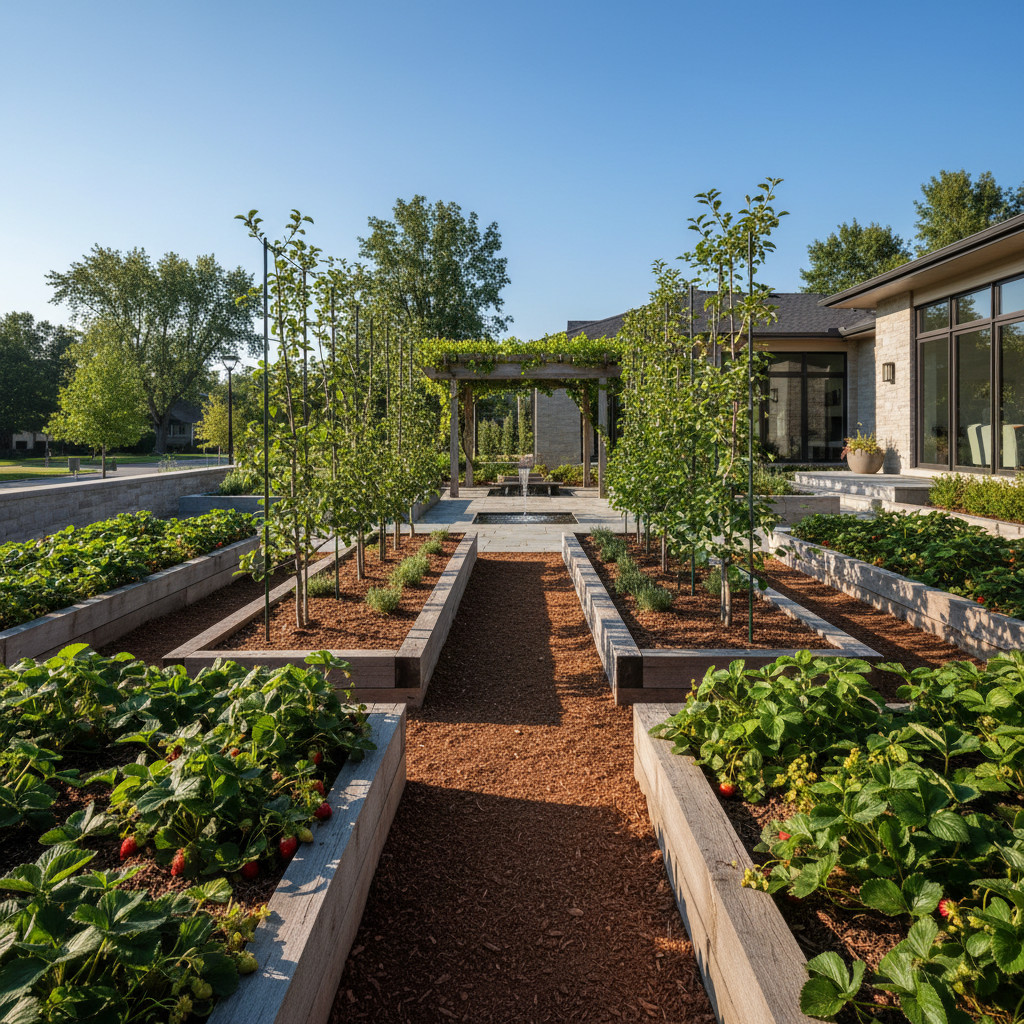
Raised beds represent one of the most effective ways to grow herbs, offering superior drainage, improved soil quality, and easier access for planting, tending, and harvesting. These elevated growing spaces solve many common gardening challenges while creating visually appealing garden structures that organize your outdoor space beautifully.
The elevated growing environment of raised beds provides excellent drainage—crucial for herbs that despise soggy roots. You control the soil composition completely, creating the perfect well-draining mix of topsoil, compost, and coarse sand that most herbs prefer. This is particularly valuable if your native soil is heavy clay, which can cause root rot in Mediterranean herbs accustomed to sandy, rocky conditions.
Benefits of growing herbs in raised beds:
- Improved drainage prevents root rot and creates conditions similar to herbs’ native Mediterranean environments
- Better soil quality allows you to create the ideal growing medium regardless of your native soil type
- Reduced pest pressure keeps some ground-dwelling pests and diseases at bay
- Easier maintenance reduces bending and stooping, making gardening more comfortable
- Extended growing season as raised soil warms faster in spring and stays productive longer into fall
When planning herb placement in raised beds, position taller herbs like dill and fennel on the north side to prevent them from shading shorter plants. Place spreading herbs like oregano along edges where they can cascade over the sides rather than crowding neighboring plants. Reserve the sunniest central positions for heat-lovers like basil during the warm season.
Along Pathways and Borders
Planting herbs along garden pathways creates fragrant corridors that release wonderful scents as you brush past. This dual-purpose approach combines ornamental landscaping with practical food production, transforming functional garden infrastructure into productive growing space.
Low-growing, spreading herbs work exceptionally well as pathway edging or ground cover between stepping stones. Creeping thyme releases its aromatic oils when stepped upon, filling the air with fragrance while withstanding light foot traffic. These herbs serve as beautiful, sustainable alternatives to traditional lawn edging while providing endless harvesting opportunities.
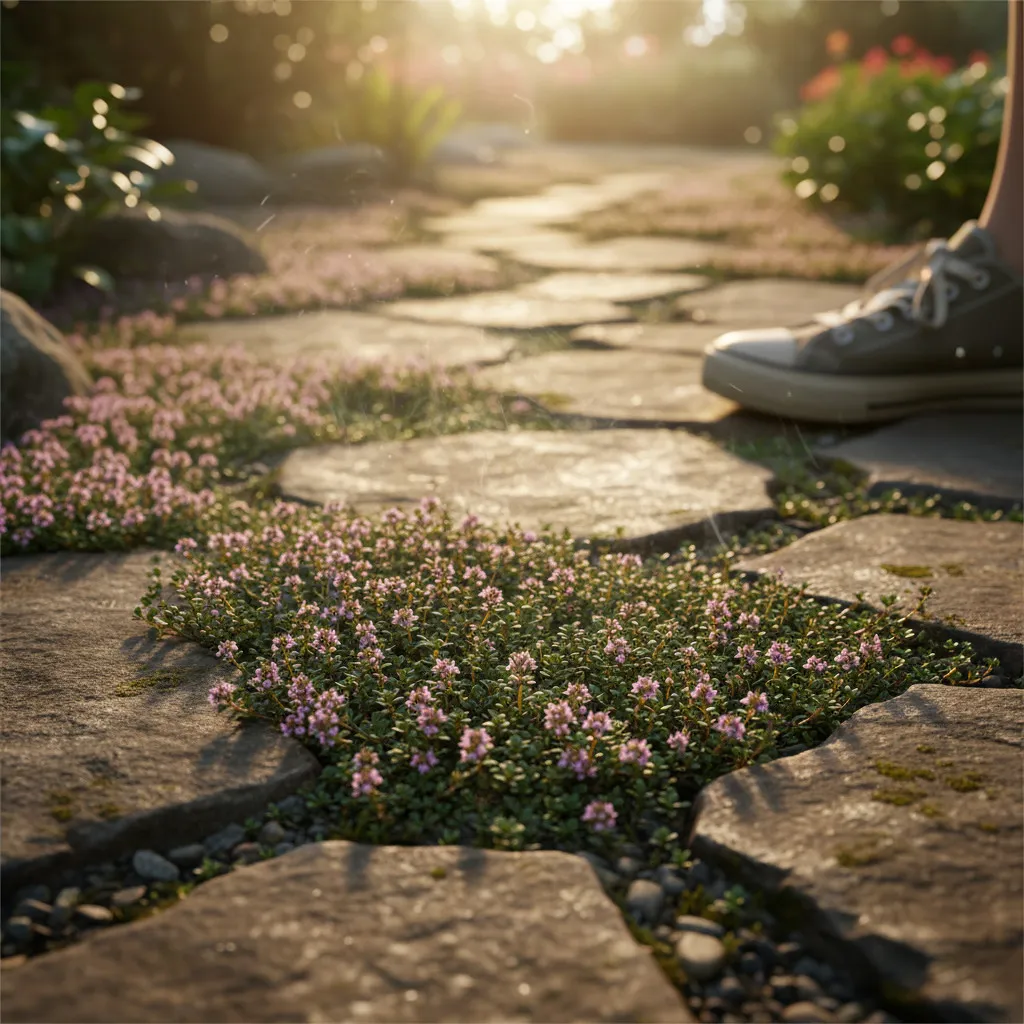
Excellent pathway and border herbs include:
- Creeping thyme – Tolerates light foot traffic and releases fragrance when brushed
- Oregano – Sprawls attractively along bed edges and produces pretty purple-pink flowers
- Lavender – Creates stunning borders with silvery foliage and fragrant purple blooms
- Chives – Forms neat clumps with attractive purple flowers in spring
- Sage – Adds beautiful texture with velvety gray-green leaves
The reflective surfaces of light-colored pathways also benefit herbs by bouncing additional sunlight onto the plants, particularly valuable for sun-lovers like rosemary and sage. Stone or concrete paths retain heat, creating warm microclimates that help Mediterranean herbs thrive even in cooler regions.
In Your Vegetable Garden
Integrating herbs throughout your vegetable garden creates a symbiotic growing environment where plants support each other’s health and productivity. This companion planting approach has been practiced for centuries, leveraging herbs’ natural pest-repelling properties and pollinator-attracting qualities to benefit surrounding crops.
Herbs serve multiple valuable functions within vegetable gardens. Many release aromatic compounds that confuse or repel common pest insects, reducing the need for chemical interventions. Flowering herbs like dill, oregano, and thyme attract beneficial insects including pollinators that increase vegetable yields and predatory insects that consume aphids, caterpillars, and other garden pests.
Effective herb and vegetable companion combinations:
| Herb | Beneficial Companions | Benefits Provided |
|---|---|---|
| Basil | Tomatoes, peppers | Repels aphids and flies; may improve tomato flavor |
| Dill | Cabbage, cucumbers | Attracts beneficial wasps; hosts swallowtail butterflies |
| Chives | Carrots, tomatoes | Deters aphids and Japanese beetles |
| Sage | Cabbage family plants | Repels cabbage moths and carrot flies |
| Rosemary | Beans, cabbage, carrots | Deters bean beetles and cabbage moths |
When planting herbs in vegetable beds, consider their water requirements and life cycles. Annual herbs like basil integrate easily since they’ll be removed at season’s end along with annual vegetables. However, perennial herbs like sage and rosemary are better positioned along permanent bed edges where they won’t interfere with seasonal soil amendments or bed preparation.
Top Container and Pot Locations for Herbs
Container gardening opens up herb-growing possibilities for any space, from apartment balconies to sprawling patios.
Growing herbs in containers provides unmatched flexibility, allowing you to position plants in optimal microclimates, move them as seasons change, and bring tender varieties indoors when frost threatens. Container herb gardens work beautifully on windowsills, patios, balconies, and porches—anywhere you can provide adequate light and convenient access.
Windowsills and Kitchen Counters
Indoor windowsills represent the quintessential location for kitchen herb gardens, bringing fresh culinary herbs within arm’s reach of your cooking space. A sunny windowsill provides the natural light herbs need while keeping them conveniently positioned for daily harvesting and visual enjoyment.
Success with windowsill herb gardens depends heavily on light quality and window orientation. South-facing windows offer the most intense, consistent light in Northern Hemisphere homes, making them ideal for sun-loving herbs like basil, rosemary, and thyme. East-facing windows provide gentler morning light suitable for shade-tolerant herbs like parsley and chives. West-facing windows deliver intense afternoon sun that can be too harsh for delicate plants without some filtering.
Best practices for windowsill herb gardens:
- Choose compact varieties bred specifically for container growing—look for dwarf basil or compact oregano
- Ensure adequate drainage with pots that have drainage holes and saucers to protect surfaces
- Rotate pots regularly to ensure even growth and prevent plants from leaning toward the light
- Monitor moisture carefully as indoor environments often dry plants faster than outdoor conditions
- Provide 4-6 hours minimum of direct sunlight, supplementing with grow lights if necessary
When counter space near windows is limited, consider wall-mounted planters or tiered shelving systems that maximize vertical growing space. Hanging planters positioned near windows allow trailing herbs like oregano and thyme to cascade beautifully while keeping counter surfaces clear for food preparation.
Patios and Balconies
Outdoor living spaces transform into productive growing areas when you incorporate container herb gardens strategically. Patios and balconies often provide excellent growing conditions, with hard surfaces reflecting warmth and light onto plants while offering the flexibility to rearrange as needed throughout the season.
The microclimate advantages of patio growing shouldn’t be underestimated. Concrete, stone, and brick surfaces absorb heat during the day and release it slowly at night, creating warmer conditions that extend the growing season for tender herbs. Walls and buildings provide wind protection while reflecting additional light onto plants—particularly valuable in urban environments where surrounding structures might otherwise create challenging shade patterns.
Container selection tips for patio herb gardens:
- Choose appropriately sized pots that accommodate mature root systems—at least 6-12 inches deep for most herbs
- Consider weight and mobility if you’ll need to move containers seasonally or to chase sunlight
- Select materials suited to your climate—terracotta breathes well but dries quickly; plastic retains moisture longer
- Ensure excellent drainage as waterlogged containers are the primary cause of herb failure
- Use quality potting mix specifically formulated for containers, amended with coarse sand for Mediterranean herbs
Group containers strategically to create attractive arrangements while meeting individual plant needs. Position drought-tolerant herbs like rosemary and lavender together in the sunniest spots, and cluster moisture-loving varieties like basil and parsley where you can water them more frequently without affecting their drought-tolerant neighbors.
Hanging Baskets
Vertical growing space often goes unused in gardens, making hanging baskets an excellent solution for expanding your herb collection. These elevated planters suit trailing and cascading herbs perfectly while keeping plants away from ground-dwelling pests and curious pets.
Hanging baskets work particularly well for spreading herbs that might otherwise overtake ground-level gardens. Mint, oregano, and creeping thyme all cascade beautifully over basket edges, creating living curtains of fragrant foliage. The elevation also makes harvesting easier—no bending required—and displays herbs at eye level where their beauty can be fully appreciated.
Top herbs for hanging basket cultivation:
- Mint varieties – Contains aggressive spreading while showcasing trailing growth
- Oregano – Cascades attractively over basket edges
- Creeping thyme – Trails beautifully with tiny aromatic leaves
- Prostrate rosemary – Drapes elegantly in trailing varieties
- Nasturtium – Edible flowers and peppery leaves in trailing form
Hanging basket maintenance requires extra attention to watering since elevated containers dry out faster than ground-level plantings. Check moisture daily during hot weather, and consider self-watering basket inserts to maintain even moisture levels. Position baskets in locations protected from strong winds, which can desiccate plants quickly and damage delicate foliage.
Indoor Herb Garden Placement
With proper positioning and care, many herbs thrive indoors year-round, providing fresh harvests even in winter.
Growing herbs indoors extends your harvest season indefinitely, allowing you to enjoy fresh culinary herbs regardless of outdoor conditions. Success depends primarily on providing adequate light—the most limiting factor in indoor environments—along with appropriate temperature, humidity, and airflow.
South-Facing Windows
For indoor herb gardens without supplemental lighting, south-facing windows offer the best growing conditions in Northern Hemisphere homes. These windows receive direct sunlight for the longest duration each day, providing the intensity herbs need to develop strong growth and flavorful foliage.
The consistent, strong light from south-facing windows supports a wider variety of herbs than any other indoor location. Sun-loving varieties like basil, rosemary, and thyme that struggle in dimmer conditions can thrive here, producing aromatic leaves nearly as flavorful as outdoor-grown plants. However, even south-facing windows typically provide less light than outdoor gardens, so expect somewhat reduced growth rates compared to summer outdoor cultivation.
Maximizing south-facing window herb gardens:
- Position plants directly in the window rather than several feet back, where light intensity drops dramatically
- Use reflective surfaces like white walls or mirrors to bounce additional light onto plants
- Clean windows regularly to maximize light transmission through the glass
- Avoid crowding plants so each receives adequate light exposure
- Consider supplemental grow lights during winter’s shortest, darkest days
Temperature fluctuations near windows can stress herbs, particularly during winter when glass surfaces become cold at night. Avoid letting foliage touch cold window panes, and move plants away from windows during extreme cold snaps or provide insulating curtains that can be drawn between plants and glass.
Under Grow Lights
Supplemental lighting expands indoor herb-growing possibilities dramatically, allowing you to cultivate herbs anywhere in your home regardless of natural light availability. Modern LED grow lights are energy-efficient, produce minimal heat, and provide the full light spectrum herbs need for healthy growth.
Grow lights solve the fundamental challenge of indoor herb gardening: insufficient natural light. Even homes with excellent windows rarely provide the six-plus hours of direct sunlight most herbs prefer. Supplemental lighting bridges this gap, enabling year-round harvests of tender herbs that would otherwise be limited to summer outdoor growing.
Essential grow light considerations:
- Light duration – Most herbs need 12-16 hours of artificial light daily to compensate for lower intensity compared to sunlight
- Light placement – Position lights 4-6 inches above seedlings, adjusting height as plants grow
- Light spectrum – Full-spectrum LED lights support both vegetative growth and flowering
- Timer automation – Use automatic timers to ensure consistent light schedules without daily manual adjustment
- Heat management – Modern LEDs run cool, but check that lights don’t overheat nearby plants
Combining natural window light with supplemental grow lights creates ideal conditions for indoor herb gardens. Position plants to receive whatever natural light is available, then supplement with grow lights to extend total light exposure to optimal levels. This approach reduces energy consumption while ensuring herbs receive sufficient light for vigorous growth.
Bathroom Humidity Zones
The high humidity and warmth of bathrooms create surprisingly good growing conditions for moisture-loving herbs. If your bathroom has adequate natural light—a window that provides at least 4-6 hours of bright light daily—it can become a thriving herb-growing environment.
Several popular culinary herbs appreciate the humid conditions that most other household rooms lack. Basil, parsley, and cilantro evolved in environments with moderate to high humidity and struggle in the dry air typical of heated homes. The steam from showers and baths creates a naturally humid microclimate that supports lush, healthy growth in these moisture-loving species.

Bathroom-friendly herbs include:
- Basil – Thrives in warmth and humidity with adequate light
- Parsley – Appreciates consistent moisture and humidity
- Mint – Loves humid conditions and tolerates lower light
- Cilantro – Benefits from humidity that extends harvest before bolting
Not all bathrooms suit herb growing. Assess your bathroom’s light honestly—many have small or frosted windows that provide insufficient illumination. If natural light is lacking but humidity conditions are ideal, consider adding a small grow light to supplement. Ensure adequate air circulation to prevent fungal diseases that can develop in constantly humid environments.
Specialty Herb Garden Locations
Create themed herb gardens that serve specific purposes while providing optimal growing conditions.
Beyond basic kitchen herb gardens, specialty planting locations allow you to create purpose-driven herb collections that serve specific functions—from attracting pollinators to repelling mosquitoes around outdoor living spaces.
Rock Gardens and Mediterranean Beds
Rock gardens and Mediterranean-style beds provide ideal conditions for drought-tolerant herbs that struggle in moisture-retentive soils. These specialized growing environments recreate the sunny, rocky, well-drained conditions where many favorite culinary herbs evolved naturally.
The exceptional drainage of rock gardens prevents the root rot that kills Mediterranean herbs in heavier soils. Rocks and gravel mulch absorb heat during the day and release it at night, creating warm microclimates that help cold-sensitive herbs survive marginal climates. The sharp drainage also concentrates essential oil production, resulting in more intensely flavored and aromatic foliage than herbs grown in richer conditions.
Ideal herbs for rock garden settings:
| Herb | Why It Thrives | Growing Notes |
|---|---|---|
| Lavender | Needs excellent drainage; loves heat | Perfect centerpiece plant |
| Rosemary | Mediterranean native; drought-tolerant | Can become large shrub |
| Thyme | Naturally grows in rocky soils | Excellent ground cover |
| Sage | Prefers dry conditions | Beautiful silvery foliage |
| Oregano | Thrives in poor, dry soil | Spreads nicely among rocks |
When creating a rock garden for herbs, amend the planting area with coarse sand and gravel to improve drainage. Position larger rocks to create pockets that collect heat while providing wind protection. Allow soil to dry between waterings—these herbs thrive on relative neglect and actually suffer when given the consistent moisture that other plants require.
Pollinator Gardens
Incorporating herbs into pollinator gardens supports beneficial insects while providing abundant harvests. Many herbs produce prolific flowers that bees, butterflies, and beneficial predatory insects find irresistible, creating vibrant ecosystems that improve the health of your entire garden.
Flowering herbs attract both pollinators and predatory insects that control garden pests naturally. Dill and fennel serve as host plants for swallowtail butterfly larvae—yes, caterpillars will eat some foliage, but the resulting butterflies provide pollination and visual delight. Herbs in the mint family produce nectar-rich flowers that support honeybees, native bees, and beneficial wasps that prey on aphids and caterpillars.
Top pollinator-attracting herbs:
- Lavender – Bees adore the fragrant purple flower spikes
- Oregano – Produces clouds of tiny flowers that bees visit constantly
- Thyme – Blooms attract numerous pollinator species
- Sage – Tubular flowers attract bees and hummingbirds
- Bee balm – Named for its irresistible appeal to bees
- Dill – Umbrella-like flowers attract beneficial wasps and butterflies
- Fennel – Supports swallowtail butterflies and many beneficial insects
Position pollinator herb gardens near vegetable beds to draw pollinators where they can improve crop yields. Allow some herbs to flower rather than harvesting all foliage—the slight reduction in leaf harvest is compensated by increased pollination and pest control throughout your garden.
Near Outdoor Living Spaces
Strategic herb placement around patios, decks, and outdoor seating areas creates naturally fragrant spaces while deterring unwanted insects. Several herbs contain compounds that mosquitoes, flies, and other pests find repellent, making them valuable additions to areas where you gather outdoors.
While herbs won’t provide the complete protection of commercial insect repellents, their aromatic compounds do help deter pests in surrounding areas. The effect is strongest when foliage is crushed or brushed, releasing essential oils into the air. Positioning fragrant herbs where you’ll brush against them as you move—along pathways, near seating areas, or around entryways—maximizes their insect-deterring potential.
Mosquito-repelling herbs for outdoor spaces:
- Lavender – Contains linalool, which mosquitoes avoid
- Rosemary – Aromatic oils deter multiple insect species
- Lemongrass – Contains citronella, a well-known mosquito repellent
- Mint – Strong menthol scent confuses and repels many insects
- Basil – Particularly effective against flies and mosquitoes
- Catnip – Contains nepetalactone, a compound shown to repel mosquitoes effectively
- Thyme – Thymol content provides natural insect-deterrent properties
Beyond insect control, fragrant herbs simply make outdoor spaces more pleasant. The aroma of lavender, rosemary, and lemon balm drifting on evening breezes creates a sensory experience that enhances outdoor dining and relaxation. Container-grown herbs can be positioned where they’ll receive afternoon sun while remaining close enough to brush against and enjoy their fragrances.
Soil and Drainage Considerations by Location
Proper soil preparation is essential for herb success regardless of your chosen planting location.
Herbs are remarkably forgiving plants, but they share one universal requirement: well-draining soil. Waterlogged roots cause more herb failures than any other factor, making soil preparation and drainage considerations fundamental to success in any planting location.
Most culinary herbs originated in Mediterranean climates where light, sandy soils drain quickly after rainfall. When planted in heavy clay soils that hold moisture, these same herbs often develop root rot and decline. The solution is amending your soil to improve drainage, selecting containers with adequate drainage holes, or creating raised beds where you control the growing medium entirely.
Creating ideal soil conditions for herbs:
- For in-ground planting: Amend heavy clay soils with coarse sand and organic matter to improve drainage
- For raised beds: Mix equal parts topsoil, compost, and coarse sand for a light, nutrient-rich growing medium
- For containers: Use quality potting mix amended with perlite or coarse sand; avoid dense garden soil
- For rock gardens: Incorporate generous gravel and sand for maximum drainage
pH preferences vary slightly among herbs, but most thrive in neutral to slightly alkaline soil with pH between 6.0 and 7.5. If you’re uncertain about your soil’s pH, a simple soil test provides valuable guidance. Extremely acidic soils may require lime amendments, while highly alkaline conditions can be corrected with sulfur—though most herbs tolerate a fairly wide pH range without issue.
Fertilization requirements for herbs are modest compared to heavy-feeding vegetables. Overly rich soil actually reduces essential oil production, resulting in lush but bland foliage. A light application of balanced organic fertilizer at planting time, followed by occasional compost top-dressing, provides all the nutrition most herbs require.
Grouping Herbs by Water and Climate Needs
Planting herbs with similar requirements together simplifies care and improves growing success.
One of the most common herb-gardening mistakes is grouping plants with incompatible water needs. When basil shares a container with rosemary, one plant inevitably suffers—basil from drought stress or rosemary from overwatering. Understanding these preferences and grouping compatible herbs together creates healthier, easier-to-maintain gardens.
Mediterranean Herbs Together
Mediterranean herbs share preferences for full sun, excellent drainage, and infrequent watering. Grouping them together allows you to provide the dry conditions they prefer without worrying about moisture-loving neighbors wilting nearby.
These drought-tolerant herbs actually produce more flavorful foliage when grown somewhat dry. Water stress concentrates the essential oils responsible for their aromatic and culinary qualities. Watering only when soil has dried several inches deep mimics their native growing conditions and rewards you with intensely flavored harvests.
Group these Mediterranean herbs together:
- Rosemary
- Thyme (all varieties)
- Oregano
- Sage
- Lavender
- Marjoram
These herbs share similar growing preferences and can be watered on the same schedule—typically when soil feels dry an inch or two below the surface. They also look beautiful together, with varying foliage textures and colors creating attractive combinations in containers or garden beds.
Moisture-Loving Herbs
In contrast, some popular culinary herbs prefer consistently moist soil and struggle when allowed to dry out between waterings. These herbs evolved in different environments than their Mediterranean cousins and perform best when grouped with plants sharing their water preferences.
Moisture-loving herbs benefit from more frequent watering and often appreciate some afternoon shade protection, especially during hot summer months. Their foliage wilts quickly when drought-stressed, and while they usually recover with watering, repeated stress reduces harvest quality and plant health over time.
Group these moisture-loving herbs together:
- Basil
- Parsley
- Cilantro
- Chervil
- Dill
- Lemon balm
These herbs can share containers or bed space, receiving the consistent moisture they need without affecting drought-tolerant neighbors. In mixed gardens, position moisture-lovers toward the center of beds or containers where soil stays damp longest, reserving the drier edges for Mediterranean herbs.
Invasive Herbs: Isolated Locations
Some herbs spread so aggressively that they require isolated planting locations or physical containment. Mint is the classic example—its underground runners can travel feet from the parent plant, sending up new shoots that quickly colonize entire garden beds. Without containment, these vigorous spreaders overwhelm more well-mannered neighbors.
Growing invasive herbs in containers is the simplest containment strategy. Even a single mint plant can fill a large pot within a season, producing abundant harvests without threatening surrounding plants. If you prefer growing mint in the ground, plant it within a bottomless pot sunk into the soil to contain root spread, with the rim extending above the soil surface to catch spreading stems.
Herbs requiring containment or isolated planting:
- All mint varieties – Extremely aggressive spreading via underground runners
- Lemon balm – Spreads by runners and self-seeds prolifically
- Catnip – Can spread aggressively and self-seeds readily
- Horseradish – Nearly impossible to eliminate once established
- Comfrey – Spreads readily and regenerates from root fragments
The aggressive nature of these herbs isn’t necessarily negative—it simply requires planning. Mint grown in a large container produces abundant harvests for mojitos, teas, and Middle Eastern cuisine all season long. Lemon balm contained in a dedicated bed provides endless material for soothing teas and herbal preparations. The key is matching the planting location to the plant’s growth habits.
Seasonal Considerations for Herb Placement
Strategic planning ensures your herb garden remains productive year-round.
Herb garden locations should account for seasonal changes in temperature, light, and weather conditions. Tender herbs that thrive outdoors in summer need protection or indoor relocation when frost threatens, while hardy perennials require appropriate positioning to survive winter conditions in your climate.
Overwintering Tender Herbs
Many favorite herbs are tender perennials that cannot survive frost. In most of the United States, rosemary, bay laurel, and lemon verbena must be brought indoors for winter or treated as annuals and replanted each spring. Growing these herbs in containers makes seasonal relocation simple—just carry them inside as temperatures drop.
The transition from outdoor to indoor growing stresses plants, so preparation helps ensure success. Begin acclimating tender herbs to indoor conditions several weeks before frost threatens by bringing them inside at night and moving them back out during the day. This gradual transition allows plants to adjust to lower light levels and different humidity conditions without shock.
Tips for overwintering tender herbs indoors:
- Inspect for pests before bringing plants inside—treat any infestations before introducing them to your home
- Reduce watering gradually as plants enter slower winter growth
- Provide maximum light via south-facing windows or grow lights
- Accept reduced growth during winter—plants won’t perform as vigorously as they do outdoors
- Avoid fertilizing during winter dormancy
- Resume outdoor placement gradually in spring, after frost danger passes
Some gardeners prefer treating tender herbs as annuals rather than overwintering. Starting fresh plants each spring from nursery starts or cuttings avoids the challenges of indoor winter care while still providing abundant harvests during the outdoor growing season.
Year-Round Herb Garden Planning
Strategic plant selection and placement enables year-round harvests even in climates with harsh winters. Hardy perennial herbs continue producing through much of the year, while annuals and tender perennials extend the harvest during warm months.
Perennial herbs like chives, oregano, thyme, and sage return reliably year after year in most climates, providing harvests from spring through fall and often maintaining green foliage well into winter. Position these permanent plants in dedicated spots where they can establish deep root systems and remain undisturbed for years.
Planning for continuous harvests:
- Early spring: Chives emerge first; perennial herbs resume growth
- Late spring through summer: Peak production for most herbs; plant annual varieties
- Fall: Cooler weather improves cilantro, parsley, and dill performance; hardy herbs continue producing
- Winter: Evergreen perennials like rosemary and thyme (in mild climates) continue producing; indoor herbs supplement
Succession planting of annual herbs extends harvests throughout the growing season. Sow cilantro, dill, and basil every few weeks rather than all at once, ensuring continuous supplies as earlier plantings bolt or decline. This approach maximizes production from limited garden space while providing fresh herbs throughout the entire season.
20+ Best Herbs and Their Ideal Planting Locations
Quick reference guide matching popular culinary herbs to their optimal growing spots.
Understanding each herb’s specific preferences helps you select the perfect planting locations. The following comprehensive list details the ideal placement for more than twenty popular culinary herbs, giving you a ready reference for planning your herb garden.
Sun-Loving Herbs (6+ Hours Direct Light)
1. Basil (Ocimum basilicum) Plant near your kitchen door in containers or raised beds. Loves warmth, moisture, and full sun. Annual; replant after frost danger passes each spring. Grows 18-24 inches tall. Perfect companion for tomatoes in the vegetable garden.
2. Rosemary (Salvia rosmarinus) Position in the sunniest, best-draining spot available. Excellent for rock gardens, Mediterranean beds, or large containers. Perennial in zones 8+; grow in containers for easy overwintering elsewhere. Can reach 3-6 feet tall with age.
3. Oregano (Origanum vulgare) Plant along garden borders or in containers where it can spread freely. Thrives in raised beds and rock gardens with excellent drainage. Perennial in zones 5-12; cascades beautifully over container edges.
4. Sage (Salvia officinalis) Position in well-drained locations with full sun exposure. Beautiful along pathways or vegetable garden edges where its pest-repelling properties benefit neighboring plants. Hardy perennial; can become woody with age.
5. Thyme (Thymus vulgaris) Ideal as ground cover between stepping stones, in rock gardens, or cascading from containers. Requires excellent drainage and full sun. Many varieties available, all performing well in similar conditions. Hardy perennial.
6. Lavender (Lavandula species) Demands full sun and exceptionally well-drained soil. Perfect for Mediterranean beds, rock gardens, or large containers. Position near outdoor seating for fragrance enjoyment. Hardy to zone 5 depending on variety.
7. Bay Laurel (Laurus nobilis) Grow in large containers for flexibility in moving indoors during winter. Can become a large shrub or small tree in warm climates. Requires full sun and well-draining soil. Hardy only in zones 8+.
8. Lemongrass (Cymbopogon citratus) Plant in containers in full sun. Needs warmth and consistent moisture. Grow near outdoor seating for mosquito-repelling benefits. Tender perennial; bring indoors before frost.
Partial Shade Tolerant Herbs (4-6 Hours Light)
9. Parsley (Petroselinum crispum) Thrives in morning sun with afternoon shade. Excellent in raised beds, containers, or mixed among vegetables. Biennial; will return for a second year. Flat-leaf varieties have stronger flavor than curly types.
10. Cilantro (Coriandrum sativum) Best in partial shade to delay bolting. Plant in succession every few weeks for continuous harvest. Annual; allow some plants to flower and set seed for coriander harvest.
11. Chives (Allium schoenoprasum) Adapts to various conditions from full sun to partial shade. Perfect along borders, in containers, or throughout the vegetable garden. Hardy perennial with attractive purple flowers.
12. Mint (Mentha species) Grows vigorously in partial shade. Always plant in containers to prevent spreading. Position near outdoor seating for fragrance and mosquito deterrence. Very hardy perennial.
13. Dill (Anethum graveolens) Appreciates some afternoon shade to prevent bolting. Plant in raised beds near vegetables that benefit from dill’s pest-deterring properties. Grows tall; position where it won’t shade shorter plants.
14. Chervil (Anthriscus cerefolium) Requires partial shade and cool conditions. Best planted in spring and fall; bolts quickly in heat. Annual; succession plant for continuous harvest.
15. Lemon Balm (Melissa officinalis) Tolerates partial shade well. Contain in pots to prevent spreading. Excellent near outdoor living areas for fragrance and insect deterrence. Very hardy perennial.
Versatile Indoor/Outdoor Herbs
16. Tarragon (Artemisia dracunculus) Grows well in containers that can move between indoor and outdoor locations. Requires full sun outdoors; brightest window indoors. French tarragon has superior flavor but must be propagated by division.
17. Marjoram (Origanum majorana) Similar to oregano but more tender. Grow in containers for easy winter protection. Performs well on sunny windowsills or outdoor in full sun during warm months.
18. Catnip (Nepeta cataria) Plant in containers to contain spreading and protect from over-enthusiastic feline admirers. Repels mosquitoes effectively. Hardy perennial that self-seeds readily.
Specialty Location Herbs
19. Chamomile (Matricaria recutita) Excellent in rock gardens or along garden borders. Self-seeds readily; allow some flowers to mature for next year’s plants. Prefers full sun and well-draining soil.
20. Calendula (Calendula officinalis) Perfect for pollinator gardens and vegetable bed companions. Attracts beneficial insects while its roots deter nematodes. Annual that self-seeds generously.
21. Fennel (Foeniculum vulgare) Plant isolated from other herbs—fennel inhibits growth of many plants. Excellent in pollinator gardens where its flowers attract beneficial insects and swallowtail butterflies. Can grow 4-6 feet tall.
22. Borage (Borago officinalis) Self-sows readily in full sun locations. Excellent bee attractor with edible blue flowers. Annual; allow to drop seed for next year’s plants.
Final Thoughts: Creating Your Perfect Herb Garden
Growing herbs successfully comes down to one fundamental principle: matching plants to locations that meet their needs. The sunny doorstep that makes basil thrive might stress shade-loving chervil, while the moist bathroom window perfect for parsley could spell disaster for drought-loving rosemary. Understanding these preferences—and selecting planting locations accordingly—transforms herb gardening from frustrating to fulfilling.
Key takeaways for choosing the best place to plant herbs:
- Prioritize sunlight as the most important factor—most herbs need 6+ hours daily for optimal growth
- Ensure excellent drainage regardless of location; waterlogged roots cause more herb failures than any other factor
- Group compatible herbs with similar water and sun needs together for easier maintenance
- Consider convenience placing frequently-used culinary herbs near your kitchen for easy access
- Contain aggressive spreaders like mint in pots to prevent garden takeover
- Plan for seasons with mobile containers for tender herbs and dedicated spaces for hardy perennials
The beauty of herb gardening lies in its accessibility. Whether you have acres of garden space or a single sunny windowsill, there’s a location perfect for growing fresh, flavorful herbs. Start with a few easy varieties in appropriate locations, learn from your successes (and inevitable failures), and gradually expand your herb collection as your confidence grows.
The investment of time spent understanding your garden’s microclimates and each herb’s preferences pays dividends in abundant, aromatic harvests. Fresh herbs elevate everyday cooking from ordinary to extraordinary, fill your home and garden with delightful fragrances, and connect you to centuries of culinary tradition. Choose your planting locations wisely, give your herbs what they need to thrive, and enjoy the satisfaction of cooking with ingredients grown by your own hands.