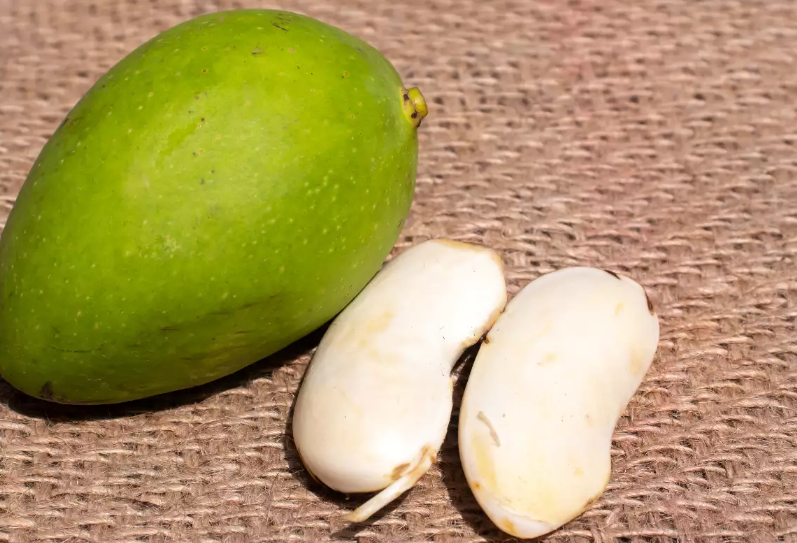
You have likely stood over the kitchen sink, sticky juice running down your forearms, indulging in the sweet, golden flesh of a ripe mango. It is a quintessential summer experience, often ending with a pile of leathery skins discarded in the trash or compost bin. We are conditioned to treat the skin of the mango much like the rind of a pineapple or the shell of an avocado—as an inedible barrier between us and the fruit. However, looking at the skins of apples, pears, and peaches, we know that the exterior often houses the highest concentration of nutrients. This begs the question: are we throwing away a superfood supplement by discarding mango peels, or are we dodging a digestive bullet?
The answer is complex, hovering between “yes, it is edible” and “proceed with caution.” While the skin of a mango is technically safe to eat and laden with powerful bioactive compounds, it presents significant hurdles regarding taste, texture, and potential allergic reactions. Understanding the chemical composition of the peel, from its cancer-fighting antioxidants to the presence of urushiol—the same chemical found in poison ivy—is essential before you decide to take a bite. This guide will navigate the nutritional benefits, the legitimate health risks, and the culinary methods used around the world to make mango skin not just palatable, but delicious.
Table of Contents
- The Short Answer: Is Mango Skin Edible?
- Key Insights on Edibility
- Nutritional Powerhouse: The Hidden Benefits of Mango Peel
- 3 Major Health Benefits of Mango Skin
- The Urushiol Connection: Mangoes and Poison Ivy
- Understanding the Urushiol Risk
- Taste and Texture: What to Expect When Biting In
- Actionable Advice: Mitigating the Bitterness
- Best Practices for Cleaning and Preparation
- How to Properly Clean Mango Skin
- Creative Ways to Eat Mango Skin
- Conclusion
The Short Answer: Is Mango Skin Edible?
To put it simply, yes, mango skin is edible, but it requires a different approach than eating the skin of a nectarine or a plum. In many parts of the world, particularly in Southeast Asia, India, and parts of South America, eating the mango skin is not uncommon, though it is often done with specific varieties or preparation methods. The skin is fibrous, thick, and can be quite bitter compared to the sugary flesh inside. While Western habits tend to favor peeling the fruit entirely, discarding the skin means missing out on a concentrated source of fiber and antioxidants. However, “edible” does not always mean “enjoyable” right off the tree, and for a specific subset of the population, eating the skin can actually lead to an allergic reaction known as “mango mouth.”
When we analyze the consumption of mango skin, we must look at the cultural and botanical context. The mango (Mangifera indica) comes in hundreds of varieties, ranging from the buttery Alphonso to the green-skinned Keitt. The thickness and bitterness of the skin vary significantly between these types. In culinary traditions where the skin is consumed, it is rarely eaten raw and whole like an apple. Instead, it is often pickled, fermented, or cooked down into chutneys where the bitterness complements spices and vinegar. Therefore, while you can eat it, doing so requires knowledge of how to prepare it to avoid an unpleasant waxy texture and bitter aftertaste.

Key Insights on Edibility
-
Cultural Variance in Consumption:
In Western countries, the mango is almost exclusively eaten peeled. However, in countries like India and Thailand, the skin is frequently utilized in traditional recipes. For example, green mangoes are often pickled with the skin intact to add crunch and tartness to the condiment. This suggests that the aversion to mango skin is partly cultural and partly due to the specific varieties of mangoes available in Western supermarkets, which tend to have thicker, tougher skins than some Asian varieties. -
The Barrier of Bitterness:
Unlike the flesh, which is high in fructose and sucrose, the skin is low in sugar and high in bitter compounds. This bitterness comes from a mix of phytonutrients and the natural waxy coating of the fruit. For many palates, this flavor profile is a shock. If you decide to eat the skin, you must be prepared for a flavor that is astringent and sometimes resinous, tasting somewhat like pine or raw sap, which can overpower the sweetness of the fruit if not balanced correctly. -
Texture and Digestibility:
Mango skin is dense and fibrous. It contains cellulose and other structural carbohydrates that are difficult for humans to break down through chewing alone. Swallowing large pieces of raw mango skin can lead to indigestion or a feeling of heaviness in the stomach. Because of this, even those who advocate for eating the skin recommend processing it—either by blending it into a smoothie where the blades break down the fibers or by cooking it until it softens.
Nutritional Powerhouse: The Hidden Benefits of Mango Peel
If you can get past the tough texture, the mango peel is arguably the most nutritious part of the fruit. Scientific studies have shown that the peel contains significantly higher concentrations of antioxidants and fiber than the flesh. Discarding the peel essentially means throwing away a potent nutritional supplement that could aid in everything from heart health to cancer prevention. The peel is a reservoir for the plant’s defense mechanisms, storing compounds designed to protect the fruit from pests and environmental stress—compounds that, when consumed, transfer protective benefits to the human body.
The nutritional profile of mango skin is distinct from the flesh. While the flesh provides a quick burst of energy through natural sugars, the skin provides sustained health benefits. It is loaded with triterpenes and triterpenoids, plant compounds that have demonstrated anti-diabetic and anti-cancer potential in laboratory settings. Furthermore, the peel is a rich source of Vitamin C, Vitamin E, and dietary fiber, which aids in digestive regularity and cholesterol management. Research published in food chemistry journals highlights that the antioxidant capacity of the peel is stronger than that of the pulp, specifically regarding its ability to scavenge free radicals in the body.
3 Major Health Benefits of Mango Skin
-
Potent Antioxidant Protection (Mangiferin):
Mango skin is exceptionally rich in a powerful antioxidant called mangiferin, as well as norathyriol and resveratrol. Mangiferin, in particular, is a polyphenol that has been extensively studied for its ability to combat oxidative stress. Oxidative stress is linked to chronic diseases, aging, and cancer. By consuming the skin, you are ingesting a concentrated dose of these protective compounds, which help neutralize harmful free radicals in the bloodstream, potentially lowering the risk of various cancers, including lung, colon, and breast cancer. -
Weight Loss and Fat Cell Inhibition:
Interestingly, eating mango skin may be more beneficial for weight management than eating the flesh. Research, including studies from the University of Queensland, suggests that phytochemicals found in the peel can inhibit adipogenesis, which is the formation of fat cells. The study noted that extracts from the peel of the ‘Irwin’ and ‘Nam Doc Mai’ mango varieties were particularly effective at preventing fat accumulation, whereas the sugary flesh did not show the same results. This makes the peel a potential ally in metabolic health. -
High Fiber Content for Digestive Health:
The skin of the mango contributes a massive amount of dietary fiber—ranging from 45% to 78% of the total weight of the peel depending on the variety. Fiber is essential for a healthy gut microbiome, as it feeds beneficial bacteria and promotes regular bowel movements. Consuming the skin can help you feel fuller for longer, reducing overall calorie intake, and can help regulate blood sugar spikes that might occur if you were eating the sugary pulp alone.
The Urushiol Connection: Mangoes and Poison Ivy
Despite the nutritional benefits, there is a significant reason why many experts advise against eating mango skin: urushiol. This is the same oily, organic allergen found in poison ivy, poison oak, and poison sumac. Mangoes belong to the Anacardiaceae family, which also includes cashews and pistachios, all of which share this chemical trait. While the flesh of the mango is generally safe for everyone, the skin and the sap near the stem contain the highest concentrations of urushiol.
For people who have a prior sensitivity to poison ivy or poison oak, coming into contact with mango skin—let alone eating it—can trigger a reaction. This is known as a delayed hypersensitivity reaction. You might eat the skin and feel fine, only to develop a rash or swelling days later. This condition is medically referred to as “mango dermatitis.” It is not a toxic reaction in the sense of poisoning, but an allergic response that can range from mild itching to severe blistering.
Understanding the Urushiol Risk
-
The Cross-Reactivity Mechanism:
The human immune system is incredibly adept at recognizing patterns, and unfortunately, the chemical structure of the urushiol in mango skin is nearly identical to that in poison ivy. If your immune system has been sensitized to poison ivy in the past—meaning you have had a rash from the plant—your body retains a memory of that allergen. When you eat mango skin, your body detects the urushiol and launches an immune attack, assuming you are exposed to the toxic plant again. This cross-reactivity means that even if you have never had an issue with mangoes before, a developed sensitivity to poison oak can suddenly make mango skins off-limits. -
Symptoms of “Mango Mouth”:
If you are sensitive to urushiol and consume mango skin, the reaction often manifests as contact dermatitis around the lips and mouth, colloquially known as “mango mouth.” The symptoms include redness, intense itching, small blisters, and swelling of the lips and tongue. These symptoms typically do not appear immediately; they can develop 24 to 48 hours after consumption. In severe cases, the swelling can be uncomfortable and unsightly, lasting for several days. Because of the delay, many people fail to link the reaction to the fruit they ate days prior. -
Prevention and Handling Strategies:
If you are unsure of your sensitivity, or if you know you are allergic to poison ivy, you should avoid eating mango skin entirely. Furthermore, you should have someone else peel the fruit for you, or wear gloves while handling it. The urushiol is concentrated in the peel and the sap that oozes from the stem. Once the fruit is peeled, the flesh is usually safe to eat because the allergen does not penetrate deep into the fruit. If you do touch the skin, washing your hands immediately with soap and warm water can help remove the oily resin before it bonds to your skin.
Taste and Texture: What to Expect When Biting In
If you are not allergic to urushiol and are determined to try mango skin for its nutritional benefits, you must be prepared for the sensory experience. It is not like biting into a peach. Mango skin is thick, leather-like, and requires significant chewing. The texture can be likened to a raw potato skin but tougher and waxier. This fibrous nature is why many people instinctively spit it out; it simply does not break down easily in the mouth.
Flavor-wise, the skin is bitter. This bitterness is a natural deterrent against animals and insects in the wild. While the flesh is floral and sweet, the skin contains tannins and other compounds that create an astringent taste, drying out the mouth slightly. However, the flavor profile changes with ripeness. The skin of a green, unripe mango is extremely sour and tart, while the skin of a fully ripe mango retains bitterness but carries some of the floral, aromatic notes of the fruit. Some people describe the taste as slightly resinous or pine-y, which makes sense given the botanical family of the fruit.
Actionable Advice: Mitigating the Bitterness
If you want to consume the skin but cannot stomach the raw flavor, you do not have to force yourself to eat it plain. The best way to mitigate the bitterness is through culinary processing. Cooking the skin breaks down the fibrous cellulose and softens the texture, while the heat can help mellow the bitter compounds.
Another method is pairing. Never eat the skin in isolation. If you slice a mango with the skin on, ensure every bite includes a substantial amount of the sweet flesh. The high sugar content of the pulp helps mask the astringency of the peel. Additionally, using salt, chili powder, or lime juice—a common practice in Mexico and India—can neutralize the bitterness. The salt suppresses bitter receptors on the tongue, making the skin much more palatable.
Best Practices for Cleaning and Preparation
Before you even consider eating the skin, you must address the issue of external contaminants. Mangoes are often grown in tropical climates where the use of pesticides can be heavy to protect the sweet fruit from insects. The skin acts as a barrier, collecting these chemical residues. Furthermore, mangoes often travel long distances to reach supermarkets, and they may be coated in food-grade wax to preserve freshness or have picked up bacteria during transit and handling.
Therefore, washing is non-negotiable. A simple rinse under cold water is insufficient if you plan to consume the peel. You need to remove the waxy layer, the potential pesticide residue, and the sticky sap that might contain high levels of urushiol.
How to Properly Clean Mango Skin
Step-by-Step Cleaning Guide:
-
The Salt and Turmeric Soak:
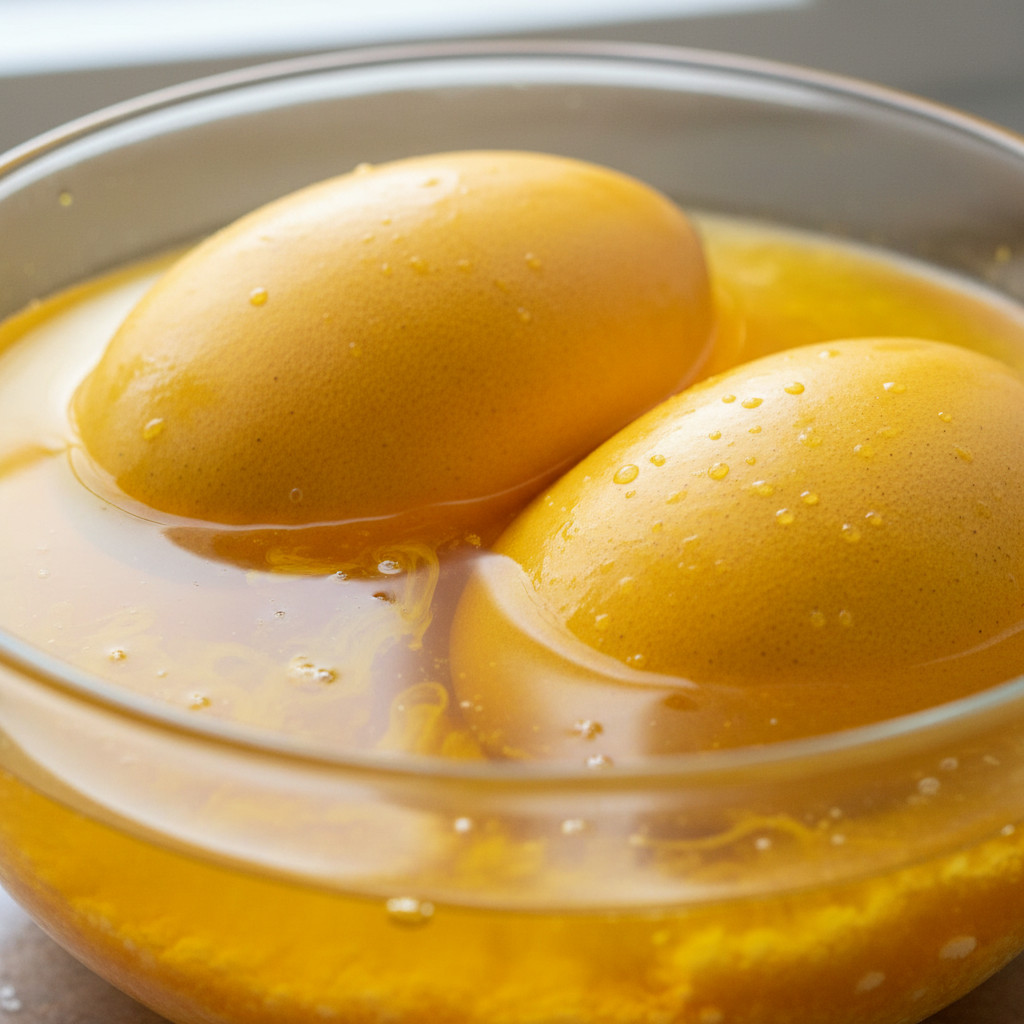
This is a traditional method used in India to disinfect fruit. Fill a large bowl with water and add 1 teaspoon of salt and ½ teaspoon of turmeric powder. Submerge the mangoes in this solution for about 15 to 20 minutes. Turmeric has natural antiseptic properties, and the salt water helps lift residue from the skin. After soaking, rinse the fruit thoroughly under cool running water. -
The Baking Soda Scrub:
Baking soda is highly effective at breaking down pesticide residues. Create a solution by mixing 1 tablespoon of baking soda into a bowl of water. Soak the mangoes for 15 minutes. Alternatively, you can make a paste with baking soda and water and physically scrub the skin of the mango with a clean produce brush. This abrasive action helps remove the natural and artificial waxes on the surface. -
The Vinegar Bath:
Mix one part white vinegar with three parts water. Soak the mangoes for 10 to 20 minutes. The acidity of the vinegar helps kill bacteria and dissolve residues. This method is particularly good if you are concerned about bacterial contamination from the many hands that may have touched the fruit at the grocery store. Rinse well afterwards to remove the vinegar taste.
Important Note: Even with these methods, systemic pesticides (those absorbed into the plant) cannot be washed off. If you are committed to eating the skins regularly, buying organic mangoes is the safest option to minimize chemical exposure.
Creative Ways to Eat Mango Skin
You don’t have to gnaw on a whole mango like an apple to get the benefits of the skin. In fact, most cultures that consume the skin do so by transforming it into something else. By changing the texture and combining it with other flavors, you can turn a waste product into a delicious ingredient.
Here are three distinct ways to incorporate mango skin into your diet:
-
Mango Skin Chips:
This is perhaps the most beginner-friendly way to eat the peel. By dehydrating or baking the skins, you change the texture from leathery to crispy, making them a fun snack.- How to make them: Peel the mango in long strips. Toss the skins in a bowl with a light coating of oil and your favorite seasonings—smoked paprika, sea salt, or even a little cinnamon sugar work wonders. Lay them out in a single layer on a baking sheet. Bake at a low temperature (around 250°F or 120°C) for 40 to 60 minutes, or use an air fryer or dehydrator at 135°F for several hours until they are brittle and crisp. The result is a crunchy, nutrient-dense chip that rivals kale chips.
-
Pickled Mango Skins:
Drawing inspiration from Indian cuisine, pickling is a fantastic way to soften the skin and mask bitterness with acidity and spice.- How to make it: Cut the skins (with a little flesh still attached) into small bite-sized squares. In a jar, combine them with salt, mustard seeds, fenugreek seeds, chili powder, and oil. Allow this mixture to ferment in the sun for a few days or store it in the refrigerator with vinegar. The pickling process breaks down the tough fibers and the spices overwhelm any urushiol residue (though allergic individuals should still avoid this). This creates a tangy, spicy condiment perfect for serving with rice or curry.
-
High-Power Smoothies:
If you want the nutrition without the chewing, your blender is your best friend.- How to make it: When making a smoothie, simply leave the skin on the mango. However, you need a high-powered blender (like a Vitamix or Blendtec) to fully pulverize the fibrous skin; standard blenders might leave you with gritty chunks. Combine the unpeeled mango chunks with creamy elements like banana, yogurt, or avocado to smooth out the texture. The sweetness of the banana and the creaminess of the yogurt will hide the bitter notes of the skin, giving you a fiber-rich drink that tastes like a standard tropical smoothie.

Conclusion
The question of whether you can eat mango skin is ultimately a balance between nutritional ambition and personal tolerance. From a strictly biological standpoint, mango skin is a powerhouse of fiber, vitamins, and unique antioxidants that can actively fight disease and prevent fat accumulation. It transforms a simple fruit snack into a functional food with genuine medicinal properties. However, the presence of urushiol makes it a risky gamble for anyone with a history of poison ivy sensitivity, and the tough, bitter texture can be a culinary deterrent for many.
If you choose to embrace the “whole fruit” lifestyle, do so intelligently. Start by purchasing organic mangoes to avoid pesticide cocktails. Wash them rigorously using a baking soda or turmeric soak. Most importantly, listen to your body. Start with a small piece to test for allergic reactions before blending a whole peel into your morning smoothie. By preparing the skin correctly—whether baking it into chips, pickling it, or blending it down—you can unlock the hidden potential of this tropical fruit, reducing waste and boosting your health in one delicious step.