Table of Contents
- Do Herb Plants Need a Lot of Sun: Growing and Harvesting Tips?
- Understanding Herb Sunlight Requirements
- Full Sun Herbs: The Sun Worshippers of the Garden
- Shade-Tolerant Herbs: Options for Low-Light Gardens
- Creating Optimal Soil Conditions for Herb Success
- Watering Wisdom: Finding the Balance
- Container Growing: Portable Herb Gardens
- Starting Herbs: Seeds, Cuttings, or Transplants?
- Essential Herb Care Throughout the Growing Season
- Harvesting Herbs for Maximum Flavor and Continued Production
- Preserving Your Herb Harvest
- Growing Herbs Indoors: Extending the Season
- Common Herb Growing Mistakes and Solutions
- Troubleshooting Common Herb Problems
- Wrapping Up: Your Path to Herb Growing Success
Do Herb Plants Need a Lot of Sun: Growing and Harvesting Tips?
Fresh herbs transform ordinary meals into culinary masterpieces, and there’s nothing quite like stepping into your garden to snip a handful of fragrant basil or aromatic rosemary. If you’re considering starting an herb garden—or struggling with herbs that aren’t thriving—you’ve probably wondered about their sunlight requirements. The truth is, while most herbs do appreciate generous sunshine, their needs vary significantly depending on their origins and growth habits. Understanding these nuances can mean the difference between a flourishing herb garden that supplies your kitchen year-round and disappointing, leggy plants that barely produce flavorful leaves. Whether you’re working with a sun-drenched patio, a partially shaded balcony, or even a bright windowsill, this comprehensive guide will help you successfully grow, care for, and harvest abundant herbs regardless of your available light conditions.
Understanding Herb Sunlight Requirements
Different herbs have evolved in vastly different climates, which directly influences how much sun they need to thrive in your garden. Most culinary herbs fall into categories based on their sunlight preferences, and recognizing these distinctions is the foundation of successful herb gardening.
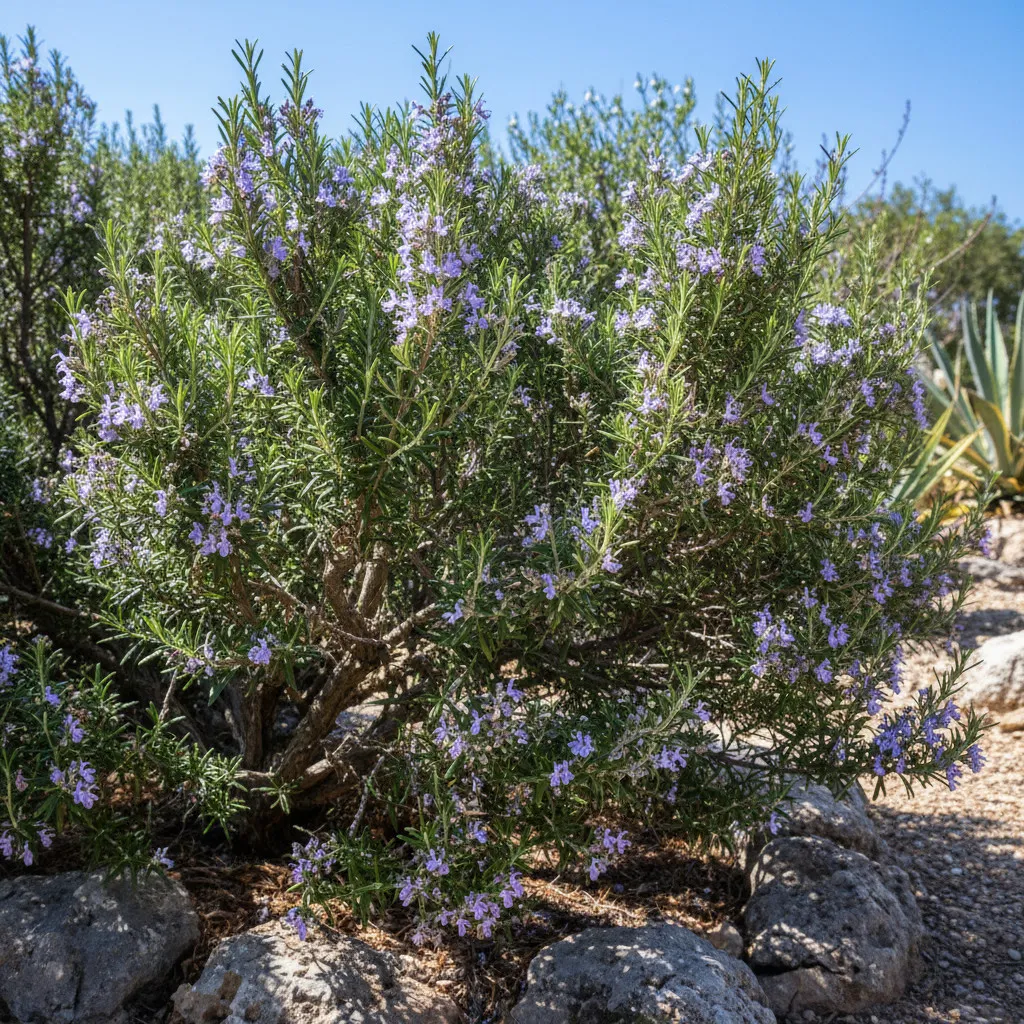
The majority of popular culinary herbs originated in Mediterranean regions where intense sunshine, rocky well-drained soils, and dry summers are the norm. These herbs have adapted to love full sun exposure, which is defined as six to eight hours of direct sunlight daily. Herbs like rosemary, oregano, thyme, sage, lavender, and basil fall into this category and will produce the most flavorful, aromatic leaves when given ample sunshine. The essential oils that give these herbs their distinctive flavors and fragrances are actually produced in higher concentrations when plants receive abundant direct light. This is why sun-grown herbs often taste more intense than their shade-grown counterparts.
However, not all herbs demand such intense light conditions. Several popular herbs can tolerate and even prefer partial shade, especially in regions with scorching summer temperatures. Partial shade typically means the plant receives between three to six hours of direct sunlight daily, or filtered light throughout the day. Herbs that fit this category include parsley, chervil, cilantro, mint, lemon balm, and chives. These herbs often originate from woodland edges or cooler climates where dappled sunlight is more common than relentless sun exposure.
Understanding your specific growing conditions is equally important as knowing herb requirements. A south-facing location receives the most intense sunlight throughout the day in the Northern Hemisphere, making it ideal for sun-loving Mediterranean herbs. East-facing locations receive gentler morning sun, which can be perfect for herbs that appreciate some afternoon shade protection. West-facing areas get hot afternoon sun, which can be too intense for shade-preferring herbs but works well for heat-lovers. North-facing locations receive the least direct sun and are best reserved for the most shade-tolerant herb varieties. When planning your herb garden, carefully observe how sunlight moves across your space throughout the day and across different seasons to make informed planting decisions.
Full Sun Herbs: The Sun Worshippers of the Garden
Mediterranean herbs represent the largest group of culinary herbs, and they absolutely thrive when given maximum sunlight exposure. These woody, aromatic plants have evolved to handle intense heat and bright light, developing characteristics that help them conserve water and maximize photosynthesis under challenging conditions.
Basil is perhaps the most beloved warm-season herb and demands full sun to produce its famously fragrant leaves. This tender annual originated in tropical regions of Asia and requires both warmth and abundant light to thrive. Basil needs at least six hours of direct sunlight daily, though it performs even better with eight hours. In climates with extremely hot summers, providing some afternoon shade can prevent leaf scorch, but generally speaking, the more sun basil receives, the more productive it becomes. When basil doesn’t get enough light, plants become leggy with elongated stems, smaller leaves, and diminished flavor. The essential oils that give basil its distinctive aroma are produced in specialized glands on the leaves, and sunlight directly stimulates this oil production. This is why sun-grown basil tastes noticeably more intense than basil grown in shade or indoors under inadequate lighting.
Rosemary is another quintessential Mediterranean herb that absolutely requires full sun. This evergreen woody perennial can grow into a substantial shrub several feet tall when conditions are ideal, featuring needle-like aromatic leaves and delicate blue, purple, or white flowers. Rosemary needs six to eight hours of direct sunlight daily and prefers hot, dry conditions similar to its native habitat along rocky coastal hillsides. Insufficient light causes rosemary to produce weak, spindly growth with sparse foliage and reduced aromatic intensity. In addition to adequate sunlight, rosemary requires extremely well-drained soil and tolerates drought conditions better than excessive moisture. Overwatering rosemary, especially when combined with insufficient light, almost guarantees root rot and plant death.
Oregano and thyme are low-growing perennial herbs that carpet Mediterranean hillsides and require similar conditions in your garden. Both need full sun exposure to develop their characteristic flavors and dense, compact growth habits. These herbs produce small leaves packed with essential oils, and sun exposure maximizes oil concentration. When grown in shade, both oregano and thyme become leggy and produce fewer leaves with noticeably milder flavors. Their natural growth habit is to spread horizontally, creating attractive groundcover, but this only occurs when they receive adequate sunlight. In shady conditions, they stretch upward toward light sources, resulting in unattractive, sparse plants.
Sage and lavender complete the roster of must-have Mediterranean herbs that demand sunny conditions. Sage develops its characteristic velvety, gray-green leaves and produces beautiful flower spikes in late spring when grown in full sun. The plant becomes woody over time and can live for several years as a perennial in many climates. Lavender, beloved for its fragrant purple flowers and aromatic foliage, absolutely requires full sun and excellent drainage to thrive. It will not tolerate shade or heavy, moisture-retentive soils. Both herbs should receive a minimum of six hours of direct sunlight, with eight hours being optimal for the most vigorous growth and most abundant essential oil production.
Shade-Tolerant Herbs: Options for Low-Light Gardens
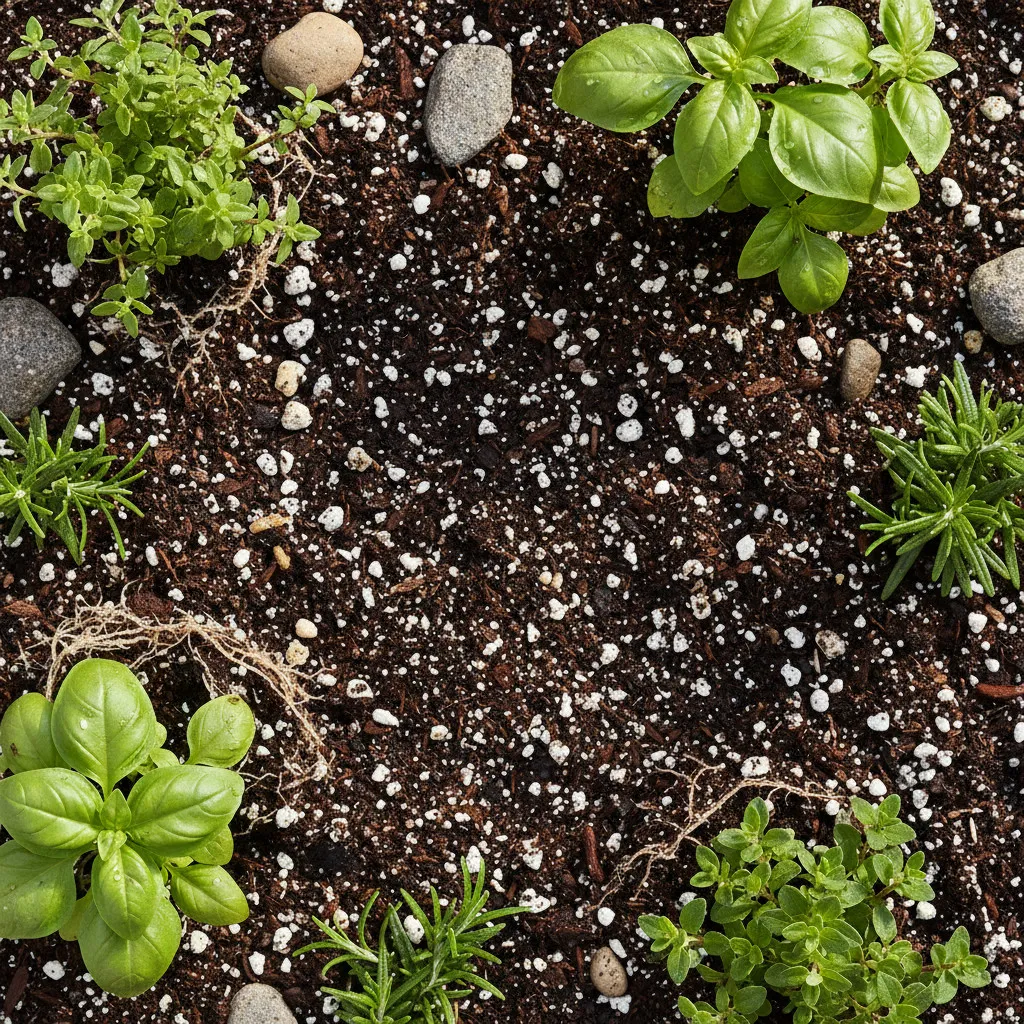
If your garden space receives limited direct sunlight, don’t despair—several excellent culinary herbs will still produce flavorful harvests with just four to six hours of sun daily. These shade-tolerant herbs offer fantastic opportunities to expand your herb collection even in challenging light conditions.
Mint is remarkably adaptable and will grow vigorously in conditions ranging from full sun to partial shade. In fact, in regions with intense summer heat, mint actually benefits from afternoon shade that protects it from scorching. Mint plants can thrive with as few as four hours of direct sunlight daily, making them perfect candidates for shadier garden corners or containers placed in areas with filtered light. The trade-off is that mint grown in shadier conditions tends to have slightly less intense flavor than sun-grown mint, but it will still be perfectly usable for culinary purposes. Mint’s aggressive spreading habit remains intact regardless of light levels, so growing it in containers is advisable to prevent it from overtaking other plants. The plant’s ability to tolerate shade makes it an excellent choice for planting beneath trees or along the shady side of buildings where other herbs would struggle.
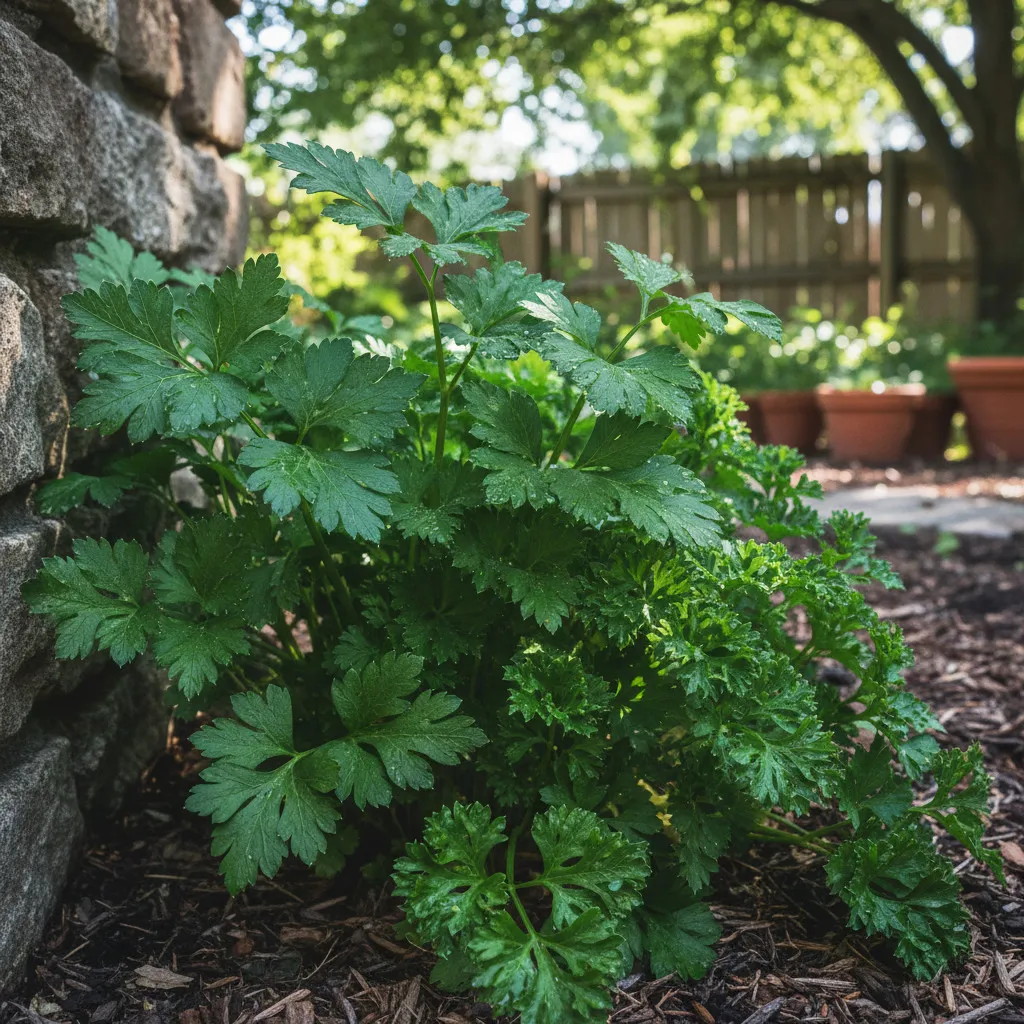
Parsley, both flat-leaf (Italian) and curly varieties, performs admirably in partial shade and actually benefits from afternoon shade protection in hot climates. This biennial herb produces abundant fresh, flavorful foliage throughout the growing season with just four to six hours of sunlight. Parsley’s deep green leaves and compact growth habit make it an attractive addition to partially shaded garden beds or containers. Many gardeners find that parsley grown with some shade protection remains more tender and less likely to bolt (go to seed prematurely) during hot summer months. The plant’s tolerance for cooler conditions and shade makes it an excellent candidate for extending harvests into fall and even winter in mild climates. Parsley’s versatility as both a culinary ingredient and garnish, combined with its shade tolerance, makes it indispensable for gardeners with less-than-ideal light conditions.
Cilantro actually prefers some shade, especially in warmer climates, as this cool-season annual tends to bolt quickly when exposed to intense heat and long days. Providing cilantro with morning sun and afternoon shade significantly extends its productive period before flowering occurs. The herb can produce abundant harvests with just four to five hours of direct sunlight daily. Cilantro’s tendency to bolt rapidly in hot weather frustrates many gardeners, but understanding that it’s essentially a cool-season crop that dislikes intense sun helps explain its behavior. In regions with hot summers, growing cilantro in partial shade or during cooler spring and fall seasons dramatically improves success rates. The plant’s beautiful lacy foliage adds texture to garden beds, and allowing some plants to flower provides coriander seeds while attracting beneficial insects.
Chervil is a delicate, cool-season annual with ferny foliage and a subtle anise-like flavor that’s prized in French cuisine. This lesser-known herb actually prefers partial shade and performs poorly in hot, sunny conditions. Chervil thrives with morning sun and afternoon shade, or in locations receiving filtered light throughout the day. The plant can produce usable harvests with as little as two to four hours of direct sunlight. Chervil’s preference for cooler, shadier conditions makes it perfect for planting beneath taller plants or in the dappled shade beneath deciduous trees. Like cilantro, chervil is a cool-season crop that quickly bolts in warm weather, but providing shade protection significantly extends its productive period. The delicate flavor is best appreciated when leaves are used fresh, as drying destroys most of the aromatic compounds.
Lemon balm and chives are perennial herbs that tolerate shade remarkably well while still producing useful harvests. Lemon balm, with its bright lemon-scented leaves, grows vigorously even with just four to five hours of sunlight daily. The plant can become quite prolific, even in shade, and will self-sow readily if allowed to flower. Chives, members of the onion family, produce their mild onion-flavored leaves and beautiful edible purple flowers even when grown in partial shade. While flowering may be somewhat reduced compared to full-sun conditions, chive plants will still provide abundant harvests of both foliage and flowers with limited light. Both herbs are extremely hardy perennials that return year after year with minimal care, making them excellent low-maintenance options for shadier garden areas.
Creating Optimal Soil Conditions for Herb Success
Regardless of sunlight levels, proper soil preparation is absolutely crucial for growing healthy, productive herbs. Most herb failures result from poor drainage rather than inadequate light, making soil quality the second most important factor after sunlight in herb gardening success.
The majority of popular culinary herbs evolved in regions with rocky, gravelly, or sandy soils that drain water rapidly. These plants have adapted to prefer lean, well-drained soils rather than the rich, moisture-retentive conditions that vegetables often require. Heavy clay soils that remain soggy after watering or rainfall are essentially a death sentence for most herbs, particularly Mediterranean varieties like rosemary, thyme, oregano, and lavender. When herb roots sit in waterlogged soil, they quickly develop root rot, a fungal condition that causes roots to decay. Plants affected by root rot display yellowing leaves, wilting despite moist soil, and eventual death. Preventing waterlogging through proper soil preparation is far easier than trying to save plants once root rot has begun.
Improving soil drainage can be accomplished through several methods depending on your garden situation. For in-ground gardens with heavy clay soil, working in substantial amounts of coarse materials dramatically improves drainage. Effective amendments include coarse sand (such as builder’s sand or paver sand, never fine sandbox sand), small gravel or pea gravel, pine bark fines, wood chips, perlite, or composted materials like aged manure or leaf mold. The goal is to create air pockets within the soil structure that allow excess water to drain away while still retaining some moisture for plant roots. A good rule of thumb is to work amendments into the top 12 inches of soil, incorporating enough that the amended mixture feels noticeably lighter and more friable than the original clay. For particularly problematic soils, building raised beds is often the most practical solution, allowing you to create ideal growing conditions from scratch.
Container growing offers even more control over soil conditions and is often the best approach for herbs, especially for gardeners with poor native soil or limited space. When growing herbs in containers, use high-quality potting mix rather than garden soil, as potting mixes are specifically formulated to drain well while retaining appropriate moisture. For Mediterranean herbs that prefer especially lean, dry conditions, you can further improve drainage by mixing potting soil with additional perlite, coarse sand, or fine gravel at a ratio of about one part amendment to three parts potting mix. This creates an even faster-draining medium that more closely mimics the rocky soils of Mediterranean hillsides. Containers must have adequate drainage holes in the bottom—at least one hole per six inches of pot diameter—to allow excess water to escape. Never place containers in saucers that hold standing water, as this defeats the purpose of good drainage.
Soil pH is another important consideration for growing herbs successfully. Most herbs prefer slightly acidic to neutral soil with a pH range between 6.0 and 7.0. Soil that’s too acidic (below 6.0) or too alkaline (above 7.5) can prevent plants from accessing nutrients even when those nutrients are present in the soil. Conducting a soil test through your local extension office provides valuable information about your soil’s pH and nutrient levels. If your soil is too acidic, adding lime raises the pH toward neutral. If soil is too alkaline, incorporating sulfur or acidic organic materials like peat moss lowers pH. However, many herbs are relatively adaptable to pH variations within a reasonable range, so unless your soil is extremely acidic or alkaline, pH adjustment may not be necessary.
Fertility requirements for herbs differ from many other garden plants. While vegetables typically demand rich, fertile soil with regular fertilization, most herbs actually perform better in leaner soil with moderate nutrient levels. Overly rich, highly fertilized soil causes herbs to produce excessive lush, leafy growth that looks impressive but contains diluted essential oils, resulting in mild flavor. This is particularly true for Mediterranean herbs like rosemary, thyme, oregano, and sage. A light application of balanced organic fertilizer at planting time is generally sufficient for these herbs, with little to no additional feeding required during the growing season. Leafier herbs like basil, parsley, and cilantro benefit from slightly more fertile conditions and can receive light applications of liquid organic fertilizer every four to six weeks during active growth. When growing herbs in containers, slightly more frequent fertilization is necessary since container plants cannot access nutrients from surrounding soil and nutrients leach out more quickly with regular watering.
Watering Wisdom: Finding the Balance
Proper watering practices are essential for herb health and productivity, but many beginning gardeners struggle with finding the right balance. More herbs die from overwatering than underwatering, particularly when excess moisture is combined with poor drainage.
Mediterranean herbs including rosemary, thyme, oregano, sage, and lavender evolved in climates with dry summers and infrequent rainfall. These plants have adapted to tolerate—and even prefer—periods of dryness between waterings. Allowing the soil to dry out somewhat between waterings encourages these herbs to develop extensive root systems as they search for moisture, resulting in stronger, more resilient plants. As a general rule, water these herbs only when the top inch or two of soil feels dry to the touch. Insert your finger into the soil to check moisture levels below the surface rather than relying on how the soil surface appears. In containers, this may mean watering every few days during hot, sunny weather, but only once a week or less during cooler, cloudier periods. In garden beds with good soil, established Mediterranean herbs may require little to no supplemental watering once their root systems are developed, except during prolonged drought.
Herbs in the carrot family including cilantro, parsley, dill, and fennel prefer more consistent moisture than their Mediterranean cousins. These herbs perform best when soil remains evenly moist but never waterlogged. The difference is subtle but important—evenly moist soil feels damp when you touch it but doesn’t leave moisture on your fingers or appear muddy. These herbs are also more likely to bolt (go to seed) when subjected to drought stress, so maintaining consistent soil moisture helps extend their productive period. Leafy herbs like basil also appreciate more regular watering and should never be allowed to completely dry out, as this can cause irreversible wilting and stunted growth. For these moisture-loving herbs, checking soil moisture daily during hot weather and watering whenever the top half-inch becomes dry typically provides appropriate conditions.
The timing of watering significantly impacts herb health and disease prevention. Always water herbs in the morning rather than evening, as this gives foliage time to dry before nightfall. Wet foliage overnight creates ideal conditions for fungal diseases like powdery mildew and leaf spot to develop and spread. Morning watering also allows plants to absorb moisture before the day’s heat increases their water demands. When possible, water at the soil level rather than overhead to keep foliage dry. Drip irrigation, soaker hoses, or carefully directed watering cans all accomplish this goal. For container herbs, water until you see water beginning to drain from the bottom holes, then stop—this ensures the entire root zone receives moisture.
Environmental factors dramatically affect how quickly soil dries and how frequently you’ll need to water your herbs. Hot, sunny, windy conditions cause rapid soil drying and increased water loss through transpiration, meaning herbs will require more frequent watering. Containers, especially smaller pots and those made from porous materials like terracotta, dry out much faster than in-ground plantings and require more attentive watering. Herbs grown in shade or partial shade dry out more slowly than those in full sun. Humidity levels also matter—herbs grown in humid climates may need less frequent watering but are more susceptible to fungal diseases, while herbs in arid climates require more consistent watering but face fewer disease issues. Pay attention to these variables and adjust your watering schedule accordingly rather than following a rigid routine.
Container Growing: Portable Herb Gardens
Growing herbs in containers offers tremendous flexibility, allowing you to optimize growing conditions, move plants to follow the sun, and bring tender herbs indoors when cold weather threatens. Container gardening is often the best approach for beginners and for gardeners with limited space or poor soil.
Selecting appropriate containers is the foundation of successful container herb growing. The most important feature is adequate drainage—containers must have holes in the bottom to allow excess water to escape. Without drainage holes, water accumulates in the bottom of the container, creating waterlogged conditions that quickly kill herb roots. If you fall in love with a container that lacks drainage holes, you can drill holes yourself using a masonry bit for ceramic or terracotta pots, or a regular drill bit for plastic containers. Aim for one drainage hole per six inches of container diameter. Container size matters as well—larger containers hold more soil, which retains moisture longer and provides more root space, reducing how frequently you need to water. For most herbs, containers should be at least six inches deep, but eight to twelve inches deep is even better, especially for herbs like parsley, cilantro, and dill that develop substantial taproots.
Container material affects both aesthetics and plant performance. Terracotta clay pots are classic and attractive, plus their porous nature helps regulate soil moisture by allowing excess water to evaporate through the pot walls. However, this same porosity means herbs in terracotta containers dry out more quickly and require more frequent watering than those in plastic or glazed ceramic pots. Plastic containers are lightweight, inexpensive, and retain moisture well, making them practical choices especially for larger containers. However, black plastic pots can overheat in full sun, potentially damaging roots. Glazed ceramic pots offer beauty and better moisture retention than terracotta while still providing adequate weight for stability. Wood containers, especially untreated cedar, are attractive and work well for herbs, though they eventually degrade. Metal containers like galvanized steel tubs are increasingly popular and work beautifully as long as you add drainage holes and ensure they’re made from food-safe materials without toxic coatings.
You can grow a single herb variety per container or create combination plantings with multiple herbs together. When combining herbs in one container, choose varieties with similar growing requirements, particularly regarding water needs and sunlight preferences. Mediterranean herbs like rosemary, thyme, sage, and oregano pair well together since they all prefer drier conditions and full sun. Moisture-loving herbs like basil, parsley, cilantro, and chives can be combined in another container with regular watering. Avoid pairing herbs with drastically different water needs in the same container, as you’ll end up either overwatering the drought-tolerant varieties or underwatering the moisture-lovers. When planting multiple herbs together, ensure the container is large enough to accommodate all plants—generally, allow six to eight inches of space per herb plant.
Container herbs require more frequent fertilization than in-ground herbs because nutrients leach out with repeated watering and plants cannot access nutrients from surrounding soil. Use a balanced liquid organic fertilizer at half strength every three to four weeks during the active growing season. Water-soluble fertilizers are quickly available to plant roots, providing a gentle nutrient boost without the risk of burning that comes with over-application of granular fertilizers. Reduce or stop fertilizing during winter months when growth naturally slows. Herbs in containers also benefit from occasional repotting to refresh the soil and provide more root space as plants grow. Annual herbs typically don’t require repotting, but perennial herbs like rosemary, sage, and thyme should be moved to slightly larger containers every year or two, or root-pruned and replanted in the same container with fresh soil.
Starting Herbs: Seeds, Cuttings, or Transplants?
Deciding how to start your herb plants depends on the specific herb variety, your timeline, and your gardening experience. Each propagation method has advantages and appropriate applications.
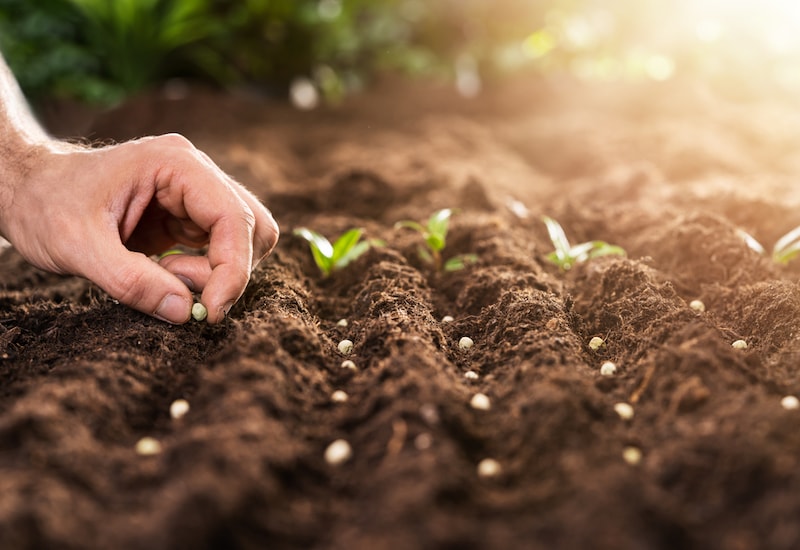
Starting herbs from seed is the most economical approach and provides the widest variety selection, as seed catalogs offer far more varieties than you’ll ever find as transplants at garden centers. Many herbs are remarkably easy to grow from seed, making this an excellent option even for beginners. Basil germinates quickly and reliably from seed, often sprouting within five to seven days under proper conditions. You can start basil seeds indoors under grow lights six to eight weeks before your last spring frost date, or direct sow seeds outdoors after all danger of frost has passed. Cilantro, dill, and parsley are best started by direct seeding into the garden or container where they’ll grow, as their taproots make them sensitive to transplanting. Sow these seeds in early spring as soon as soil can be worked, and make successive sowings every two to three weeks for continuous harvests. Chamomile, calendula, and marigolds are flowering herbs that start easily from seed either indoors under lights or by direct outdoor sowing.
Some herbs are notoriously slow or difficult to germinate from seed, making starting from seed impractical for most home gardeners. Rosemary seeds have poor germination rates and take several weeks to sprout even under ideal conditions. Lavender seeds require cold stratification (a period of cold, moist conditions) to germinate and are famously finicky. French tarragon doesn’t produce viable seeds at all—any tarragon seeds you find for sale are actually Russian tarragon, which has vastly inferior flavor. For these challenging herbs, purchasing nursery-grown plants or propagating from cuttings are better options.
Propagation from stem cuttings is an excellent method for many perennial herbs and produces plants that are genetic clones of the parent plant, ensuring flavor consistency. This method is ideal for rosemary, sage, oregano, thyme, mint, and lemon balm. Take cuttings in spring or early summer when plants are actively growing. Select healthy stems about three to four inches long that haven’t yet flowered. Cut just below a leaf node (the point where leaves attach to the stem) using clean, sharp scissors or pruning shears. Remove the leaves from the bottom half of the cutting, leaving just two or three sets of leaves at the top. Dip the cut end in rooting hormone powder (available at garden centers), then insert the cutting about an inch deep into moist potting mix or a rooting medium like perlite or vermiculite. Cover the pot with a clear plastic bag to maintain humidity, and place it in bright, indirect light. Keep the rooting medium consistently moist but not waterlogged. Most herb cuttings develop roots within two to four weeks, at which point you’ll notice new growth appearing at the top of the cutting. Once roots are established, remove the plastic covering and treat the cutting as a new plant.
Dividing established perennial herbs is the easiest propagation method of all and works beautifully for chives, mint, lemon balm, and oregano. These herbs naturally spread and form clumps that can be easily divided into multiple plants. Division is best done in early spring just as new growth begins, or in fall after plants have finished their main growing season. Dig up the entire plant, including its root system, using a garden fork or spade. Use your hands, a sharp knife, or two garden forks back-to-back to separate the clump into smaller sections, ensuring each division has both roots and stems. Replant divisions immediately at the same depth they were growing previously, water them thoroughly, and keep soil consistently moist for the first few weeks while they re-establish.
Purchasing nursery-grown transplants is the fastest route to a productive herb garden and is often the best choice for beginning gardeners or anyone wanting immediate results. The investment is higher than seeds but far less than the time required to start plants from scratch. When buying herb transplants, look for compact plants with vibrant green foliage and no signs of yellowing, brown spots, or insect damage. Avoid leggy, stretched plants, which indicate they’ve been growing in insufficient light. Check the undersides of leaves for pests like aphids or spider mites. Gently tip the plant from its pot to examine the root system—you want to see white, healthy roots, not circling, pot-bound roots or mushy, brown, rotting roots. Try to purchase herbs from local nurseries rather than big box stores, as locally-grown plants are better adapted to your climate and less likely to have been treated with systemic pesticides that could affect edibility.
Essential Herb Care Throughout the Growing Season
Once your herbs are established, ongoing maintenance ensures continued productivity and plant health throughout the growing season. Fortunately, herbs are relatively low-maintenance plants that don’t demand excessive attention.
Mulching provides multiple benefits for herb plants, though the type of mulch matters significantly. For Mediterranean herbs that prefer dry conditions, use an inorganic mulch like small gravel, pea gravel, decomposed granite, or coarse sand spread one to two inches deep around plants. These gravelly mulches improve drainage around the crown of the plant (where stems meet roots), prevent soil from splashing onto lower leaves during watering or rainfall, moderate soil temperature, and suppress weeds without retaining excess moisture. For moisture-loving herbs like basil, parsley, and cilantro, organic mulches like shredded leaves, straw, or compost work well to conserve soil moisture, suppress weeds, and add nutrients as they decompose. Keep any mulch pulled back an inch or two from plant stems to prevent rot and discourage pests.
Weed control is important, especially during the early weeks after planting when young herbs are becoming established. Weeds compete with herbs for water, nutrients, and light, and can quickly overwhelm small herb plants. Hand-pulling weeds is the safest approach in herb gardens, as you’ll be harvesting and consuming the herbs. Avoid chemical herbicides entirely in edible gardens. Mulching significantly reduces weed pressure, and dense herb plantings naturally shade out weeds once plants mature. Containers generally have fewer weed issues than in-ground gardens, though weed seeds can still blow into pots.
Deadheading (removing spent flowers) is essential for maintaining productive herb plants, especially if you’re growing herbs primarily for foliage rather than flowers or seeds. When herbs begin flowering, the plant’s energy shifts from producing leaves to producing flowers and seeds. For many herbs, foliage flavor actually decreases once flowering begins. Regular deadheading redirects the plant’s energy back into leaf production, extending your harvest period. Simply pinch or snip off flower buds as soon as you notice them forming. This is particularly important for basil, which can develop an unpleasant bitter flavor once it flowers. However, if you’re growing herbs for their seeds (like coriander from cilantro plants, or dill seeds), or their flowers (like chamomile or calendula), you’ll obviously want to allow flowering to occur.
Pest management for herbs is generally straightforward, as many herbs’ aromatic oils naturally deter pests. However, certain pests can still cause problems, particularly in less-than-ideal growing conditions. Aphids are small, soft-bodied insects that cluster on new growth and flower buds, sucking plant sap. Spider mites cause stippling and yellowing of leaves and thrive in hot, dry conditions. Whiteflies are tiny white insects that fly up when plants are disturbed and also suck plant sap. For all these pests, early intervention is key. A strong spray from the hose often dislodges pests before populations become serious. Insecticidal soap or neem oil (both organic options) effectively control these pests when sprayed directly on them. Always spray in early morning or evening to avoid leaf burn, and thoroughly coat both tops and bottoms of leaves. Because you’ll be eating these herbs, avoid synthetic pesticides entirely. Prevention is the best pest management strategy—healthy herbs growing in appropriate conditions rarely experience serious pest problems.
Harvesting Herbs for Maximum Flavor and Continued Production
Knowing when and how to harvest herbs dramatically affects both the quantity and quality of your harvests. Proper harvesting techniques actually stimulate plants to produce more growth, creating an abundant supply throughout the growing season.
The timing of harvest significantly impacts herb flavor, as the essential oils responsible for herbs’ distinctive aromas and tastes fluctuate throughout the day and season. The best time to harvest most herbs is mid-morning, after dew has evaporated from foliage but before the heat of the day causes oils to dissipate. For herbs grown primarily for foliage like basil, oregano, rosemary, and thyme, harvest just before the plant flowers for peak flavor intensity. Once flowering begins, energy redirects to flower and seed production, and leaf flavor often diminishes or changes. If you want to harvest herb seeds (like coriander from cilantro, or dill seeds), allow plants to flower and then wait for seed heads to dry before harvesting.
Harvesting leafy annual herbs like basil requires specific techniques to encourage bushier growth and continued production. Rather than picking individual leaves randomly from around the plant, use scissors or pruning shears to cut entire stems. Make your cut just above a set of leaf pairs, about one-third to one-half of the way down the stem. New growth will emerge from the dormant buds at the point where you made your cut, resulting in two new stems instead of one. This branching response to pruning creates bushier, more productive plants with abundant harvestable foliage. You can safely harvest up to one-third of the plant’s total growth at one time without stressing it. For continuous harvests, cut regularly—basil, in particular, benefits from harvesting every week to 10 days, which prevents flowering and keeps plants compact and productive.
Harvesting woody perennial herbs like rosemary, sage, thyme, and oregano follows similar principles but with slightly different techniques. These herbs develop woody stems over time, and you want to avoid cutting into the old, hardened wood, as regrowth from woody portions is often poor. Instead, harvest by cutting the soft, green, current season’s growth. For established plants, you can safely harvest up to 50 percent of the current year’s growth at one time. Make cuts just above a leaf node or branching point to encourage new growth. Rosemary and sage stems make beautiful additions to bouquets and can be harvested as long sprigs. For oregano and thyme, which grow in more compact mounds, you can either snip individual stems or shear back the entire plant by one-third to one-half, which rejuvenates growth and keeps plants tidy.
Harvesting herbs with taproots like parsley, cilantro, and dill requires a different approach since these plants don’t branch from cuts the way basil does. For parsley, cut individual outer stems at the base of the plant rather than cutting entire plants back. Always leave the center growing point intact, allowing the plant to continue producing new stems. Harvest outer leaves as they reach usable size, working your way around the plant. For cilantro, you can harvest individual leaves or cut entire stems, but always leave at least one-third of the plant intact to support continued growth. Remember that cilantro is a fast-bolting cool-season crop, so harvest leaves frequently before plants flower and foliage becomes less palatable.
Harvesting flowering herbs like chamomile, calendula, and lavender focuses on the blooms rather than foliage. For chamomile, harvest flower heads when they’re fully open, typically by pinching or snipping them individually. Chamomile flowers continuously throughout its growing season, so regular harvesting encourages more blooms. Calendula flowers should be harvested when fully open, either used fresh or dried for later use. For lavender, cut flower stalks just as the buds begin opening for the most fragrant and long-lasting dried flowers. Use sharp scissors or pruning shears to cut flower stems about six inches long, which actually serves as helpful pruning that shapes the plant and encourages healthy growth.
Preserving Your Herb Harvest
Preserving excess herbs allows you to enjoy your garden’s bounty long after the growing season ends. Several preservation methods work well for herbs, each with specific advantages depending on the herb variety and intended use.
Air drying is the traditional preservation method and works beautifully for woody herbs with low moisture content including rosemary, thyme, oregano, sage, and lavender. This slow-drying process preserves essential oils well, resulting in highly flavorful dried herbs. To air dry herbs, gather four to five stems and secure them together at the cut ends with a rubber band or kitchen twine. Hang bundles upside down in a warm, dry, dark location with good air circulation. Darkness helps preserve color and flavor, so avoid sunny spots. A spare bedroom, pantry, or even a garage (if it’s clean and dry) works well. Proper air circulation is crucial to prevent mold; don’t hang bundles too close together or in humid, stagnant areas. Herbs are fully dry when leaves crumble easily between your fingers, typically after one to two weeks depending on humidity and herb density. Once completely dry, strip leaves from stems and store them whole in airtight containers. Whole dried leaves retain flavor longer than pre-crumbled herbs. Store in a cool, dark location and use within one year for best flavor.
Oven drying accelerates the drying process and works for any herb, though very delicate herbs can lose some flavor with this faster method. Spread herb leaves or small stems in a single layer on a parchment-lined baking sheet. Set your oven to the lowest possible temperature, ideally 180°F or lower. Place the baking sheet in the oven and prop the oven door open slightly to allow moisture to escape. Check herbs every 20 to 30 minutes, stirring occasionally. Herbs are dry when they crumble easily, usually after one to four hours depending on herb moisture content and oven temperature. Let herbs cool completely before storing in airtight containers. While faster than air drying, oven drying uses more energy and requires more attention.
Dehydrator drying offers the most control and is ideal if you regularly preserve herbs and other foods. Dehydrators maintain consistent low temperatures (typically 95-115°F for herbs) and provide excellent air circulation, resulting in evenly dried herbs with excellent flavor retention. Spread herbs in a single layer on dehydrator trays without overlapping. Set temperature according to manufacturer’s directions (generally 95-115°F for herbs) and dry until leaves crumble easily, usually four to eight hours. Dehydrators are particularly useful for herbs with high moisture content like basil, which can be challenging to air dry without developing mold.
Freezing herbs is ideal for tender, high-moisture herbs like basil, parsley, cilantro, dill, and chives that lose significant flavor when dried. Freezing preserves fresh flavor remarkably well and is faster and easier than drying. The simplest method is to wash herbs, pat them completely dry, remove leaves from stems, and place them in labeled freezer bags, pressing out as much air as possible before sealing. Alternatively, chop herbs finely and pack them into ice cube tray compartments. Fill each compartment with water or olive oil, freeze until solid, then pop out the herb cubes and store them in freezer bags. These cubes are perfectly portioned for adding to soups, stews, and sauces. Basil freezes particularly well as pesto—make your favorite pesto recipe, pack it into ice cube trays or small containers, and freeze for up to six months. Frozen herbs work best in cooked dishes rather than as fresh garnishes, as freezing breaks down cell walls, resulting in wilted, darkened herbs once thawed.
Herb-infused oils and vinegars offer another preservation method that creates useful culinary ingredients. For herb-infused oils, combine fresh herbs with good quality olive oil or vegetable oil, ensuring herbs are completely submerged. However, be aware that improperly prepared herb-infused oils can support botulism growth, a serious and potentially fatal form of food poisoning. To safely prepare herb-infused oils, use dried herbs rather than fresh (moisture in fresh herbs can foster bacterial growth), store the oil in the refrigerator, and use it within one week. For longer storage, freeze herb-infused oils in ice cube trays. Herb-infused vinegars are safer for room-temperature storage due to vinegar’s acidity. Combine fresh herbs with white wine vinegar, rice vinegar, or white vinegar in clean glass bottles, ensuring herbs are fully submerged. Store in a cool, dark place for two to four weeks to allow flavors to infuse, then strain out herbs and store flavored vinegar indefinitely.
Growing Herbs Indoors: Extending the Season
Don’t let cold weather or lack of outdoor space stop you from enjoying fresh herbs year-round. Many herbs adapt well to indoor growing, providing fresh flavor throughout winter months or even as permanent indoor residents.
Light is the most limiting factor for indoor herb growing. Most herbs need at least six hours of direct sunlight daily, which can be challenging to provide indoors, especially during winter months when days are short and sunlight is less intense. A south-facing window receives the most light in the Northern Hemisphere and is ideal for sun-loving herbs like basil, rosemary, and thyme. East- and west-facing windows provide moderate light suitable for less demanding herbs like parsley and chives. North-facing windows typically don’t provide enough natural light for herbs to thrive. If your home lacks sunny windows, supplemental lighting is essential. LED grow lights specifically designed for plants are energy-efficient and highly effective. Position grow lights 6 to 12 inches above plants and run them for 12 to 16 hours daily to compensate for weaker indoor light intensity. Many gardeners find that even in sunny windows, supplemental lighting during winter months dramatically improves indoor herb performance.
Temperature and humidity require attention when growing herbs indoors. Most herbs prefer temperatures between 60-70°F, which aligns well with typical indoor temperatures. However, avoid placing herbs near heat vents, radiators, or drafty windows, as temperature fluctuations stress plants. Indoor air, especially in winter when heating systems run constantly, tends to be very dry—often far drier than outdoor air. This dry air can cause problems for herbs, leading to brown leaf tips, poor growth, and increased susceptibility to spider mites. Increase humidity around your herbs by grouping plants together (they create a slightly more humid microclimate), placing containers on trays filled with pebbles and water (ensure pots sit on pebbles above water level, not in water), or running a small humidifier nearby. Kitchens and bathrooms naturally have higher humidity than other rooms, making them excellent locations for herbs if they also provide adequate light.
Watering indoor herbs requires a light touch, as overwatering is the number one killer of houseplants, including herbs. Indoor conditions mean slower soil drying and reduced water demand compared to outdoor growing. Water only when the top inch of soil feels dry to the touch. Containers must have drainage holes, and you should always discard water that drains into saucers rather than allowing pots to sit in it. Underwatering is also problematic and can cause plants to wilt and decline. Finding the balance requires checking soil moisture regularly and adjusting your watering schedule based on your home’s conditions. Herbs in smaller pots dry out faster than those in larger containers. Plants under grow lights dry out faster than those relying solely on natural light. Winter heating systems dry soil faster than in summer.
The best herbs for indoor growing include compact varieties that adapt well to container culture and indoor conditions. Basil grows beautifully indoors in a sunny window or under grow lights. Choose bush or compact varieties rather than large Italian basil for easier indoor management. Harvest regularly to keep plants compact. Chives are nearly indestructible indoors, tolerating lower light levels than most herbs while still producing their mild onion-flavored leaves continuously. Parsley, both curly and flat-leaf varieties, performs well indoors and tolerates lower light levels reasonably well. Oregano and thyme adapt to indoor growing when given bright light, though their growth will be slower than outdoors. Mint grows vigorously indoors but needs consistent moisture. Rosemary is challenging indoors as it requires excellent light, cool temperatures (50-60°F is ideal), and isn’t tolerant of the dry air in most homes, but it’s worth attempting if you can provide a bright, cool location.
Common Herb Growing Mistakes and Solutions
Even experienced gardeners make mistakes when growing herbs, but understanding common pitfalls helps you avoid them. Learning from these frequent errors sets you up for greater success.
Overwatering ranks as the most common and most damaging mistake in herb growing. Well-meaning gardeners often water too frequently or too heavily, believing more water equals happier plants. For most herbs, especially Mediterranean varieties, this couldn’t be further from the truth. Overly wet soil leads to root rot, a fungal condition that causes roots to decay and turns them brown and mushy. Above-ground symptoms include yellowing leaves, wilting despite moist soil, stunted growth, and eventually plant death. The solution is to dramatically reduce watering frequency. Always check soil moisture before watering by inserting your finger an inch or two below the surface. If soil still feels moist, wait another day or two before checking again. Ensure containers have adequate drainage holes. If you’ve already overwatered to the point of causing root rot, there’s little you can do to save severely affected plants, but catching it early and allowing soil to dry out completely sometimes allows plants to recover.
Insufficient light causes leggy, stretched growth with long spaces between leaf sets (called internodes), weak stems, pale or yellowing leaves, and poor flavor intensity. This is particularly common with indoor herb growing or when gardeners attempt to grow sun-loving herbs in shady locations. Prevention is key—match your herb selections to your available light conditions. If you must grow herbs in lower light than they prefer, accept that growth will be leggier and harvest more aggressively to keep plants compact. For indoor herbs, adding supplemental grow lights transforms weak, struggling plants into vigorous, productive ones almost immediately. Don’t try to grow rosemary, basil, or oregano on a north-facing windowsill without supplemental lighting—you’ll only be disappointed.
Failing to harvest regularly prevents plants from reaching their productive potential and can actually reduce your total harvest. Many gardeners are hesitant to cut their herbs, worried about damaging plants. However, most herbs are “cut-and-come-again” crops that respond to harvesting by producing new growth. Failing to harvest means plants become tall, leggy, and prone to flopping over. Unharvested herbs also flower earlier, which reduces leaf production and changes flavor. The solution is to harvest boldly and frequently—your plants will reward you with bushier, more productive growth. For annual herbs like basil, harvest stems rather than individual leaves, cutting above a leaf node to encourage branching. For perennial herbs, don’t be afraid to cut significant portions of new growth; they’ll bounce back quickly.
Using poor quality soil or containers without drainage sets herbs up for failure before they even begin growing. Garden soil compacted into containers becomes waterlogged and airless, suffocating roots. Containers without drainage holes allow water to accumulate in the bottom, again leading to root rot. Invest in high-quality potting soil specifically formulated for containers—it’s one of the most important factors in container gardening success. Always ensure containers have adequate drainage holes. If you’re reusing containers from previous years, refresh the potting soil rather than reusing old, depleted soil that’s lost its structure and nutrients.
Improper winter protection for perennial herbs in cold climates results in plants dying that could have survived with appropriate care. Hardy perennial herbs like thyme, oregano, sage, and chives can overwinter in many climates but benefit from protection, especially in areas with harsh winters or fluctuating freeze-thaw cycles. Apply a layer of mulch (straw, shredded leaves, or evergreen boughs) two to four inches deep over the root zone after the ground freezes but before extreme cold arrives. This mulch insulates roots and prevents freeze-thaw cycles from heaving plants out of the ground. Remove mulch in early spring as new growth begins. For marginally hardy herbs like rosemary, consider growing in containers that can be moved to a protected location or brought indoors for winter.
Troubleshooting Common Herb Problems
When herb plants aren’t thriving, identifying the cause helps you correct course and restore plant health. Recognizing common symptoms and their causes empowers you to take appropriate action.
Yellow leaves can indicate several different problems, so look for additional clues to determine the cause. Lower leaves yellowing while upper leaves remain green typically indicates nitrogen deficiency—the plant is pulling nitrogen from older leaves to support new growth. Solution: Apply a balanced liquid fertilizer at half strength. If all leaves are yellowing including new growth, and soil is consistently wet, overwatering and possibly root rot are likely culprits. Solution: Reduce watering frequency and improve drainage. If leaves yellow and drop rapidly, especially in combination with wilting, root disease or severe stress is likely. Check for root rot by carefully removing the plant from its container and examining roots—healthy roots are white or tan and firm, while rotted roots are brown, mushy, and may have an unpleasant odor.
Brown leaf tips or edges often result from inconsistent watering, low humidity, or fertilizer salt buildup. For Mediterranean herbs that prefer drier conditions, some browning of lower leaves is normal as plants mature. However, if newer leaves are browning, examine your watering practices—are you allowing soil to dry out too much between waterings? For tender herbs like basil, low humidity or dry air can cause leaf edges to brown and become crispy. Solution: Increase humidity around plants. If you’ve been fertilizing heavily, especially with chemical fertilizers, salts can accumulate in the soil causing brown leaf margins. Solution: Leach the soil by watering heavily several times in succession, allowing water to drain completely each time. This flushes excess salts from the soil.
Wilting despite wet soil is a serious symptom indicating root problems, most commonly root rot. When roots are damaged and no longer functional, they cannot absorb water even when it’s available, leading to wilting despite moist soil. Dig up or unpot the plant and examine roots—brown, mushy roots confirm root rot. Unfortunately, severely affected plants rarely recover. You might attempt to save slightly affected plants by trimming away rotted roots, repotting in fresh, well-draining soil, and drastically reducing watering, but success isn’t guaranteed. Prevention through proper watering and excellent drainage is far easier than attempting to save plants with root rot.
Slow growth or failure to thrive despite adequate water and no visible pests suggests insufficient light, depleted soil nutrients, or inappropriate temperature. If you’re growing herbs in too much shade, they’ll survive but won’t grow vigorously. Solution: Move plants to a sunnier location or provide supplemental lighting. If plants are in old soil that hasn’t been refreshed or fertilized, nutrient depletion could be the issue. Solution: Apply a balanced liquid organic fertilizer and top-dress containers with fresh compost. If temperatures are too hot or too cold for a particular herb, growth slows or stops. For example, cilantro barely grows when temperatures exceed 75°F, and basil doesn’t grow well when temperatures are below 60°F. Solution: Grow cool-season herbs during cooler months and warm-season herbs during warmer months, or provide season-extending protection.
Pest infestations typically indicate plants are under stress from less-than-ideal conditions. Healthy, vigorous herbs growing in appropriate conditions rarely experience serious pest problems because their strong essential oils naturally deter many pests. However, herbs growing in insufficient light, overly dry or wet soil, or wrong temperature ranges become stressed and more susceptible to attack. Common pests include aphids (small, soft-bodied insects clustered on new growth), spider mites (cause fine webbing and stippled leaves), and whiteflies (tiny white flying insects). Solution: First, improve growing conditions to reduce plant stress. Then address existing pests with a strong spray of water from the hose (outdoors) or by wiping leaves with a damp cloth (indoors). For persistent infestations, use insecticidal soap or neem oil, both organic options safe for edible plants. Spray thoroughly, coating both tops and bottoms of leaves, and repeat weekly until pests are eliminated.
Wrapping Up: Your Path to Herb Growing Success
Growing herbs successfully comes down to understanding and providing each herb’s basic requirements—appropriate sunlight, well-draining soil, proper watering, and regular harvesting. While most popular culinary herbs originated in sunny Mediterranean climates and perform best with six to eight hours of direct sunlight daily, many herbs including parsley, cilantro, mint, and chives produce useful harvests even with partial sun. The key is matching your herb selections to your available growing conditions rather than fighting against them. Mediterranean herbs like rosemary, thyme, oregano, sage, basil, and lavender absolutely require full sun and well-draining soil, while more adaptable herbs give gardeners with less-than-ideal light conditions options for success.
Proper soil preparation, particularly ensuring excellent drainage, prevents more herb failures than any other single factor. Most herbs adapted to lean, rocky soils and absolutely cannot tolerate waterlogged conditions. Investing time in improving drainage through amendments like coarse sand and perlite, or growing herbs in raised beds or containers, pays dividends in plant health and productivity. Similarly, adjusting your watering practices to allow soil to dry somewhat between waterings—especially for Mediterranean herbs—prevents the root rot that kills more herbs than any pest or disease.
Regular, confident harvesting transforms tentative herb plants into bushy, productive powerhouses. Rather than being hesitant to cut your herbs, embrace frequent harvesting as essential maintenance that encourages branching and prevents early flowering. For most herbs, you can safely harvest one-third to one-half of the plant’s current growth without causing stress. This abundant harvest can be used fresh, preserved through drying or freezing, or shared with friends and family.
Whether you’re growing a few pots of herbs on a sunny windowsill, filling containers on a patio or balcony, or dedicating garden beds to an extensive herb collection, fresh herbs enhance your cooking while providing beauty and fragrance to your space. Start with easy, forgiving herbs like basil, mint, chives, and parsley to build your confidence, then expand into more diverse varieties as your experience grows. With the knowledge you’ve gained from this guide, you’re well-equipped to create a thriving herb garden tailored to your specific conditions, providing fresh flavor from garden to table throughout the growing season and beyond.