Table of Contents
- The Complete Guide to Growing Your Own Delicious Berries at Home
- Understanding Different Types of Berry Plants and Their Growth Habits
- Selecting the Perfect Location and Preparing Your Soil
- Planting Your Berry Garden for Long-Term Success
- Essential Care and Maintenance Throughout the Growing Season
- Supporting and Training Berry Plants for Maximum Yields
- Pruning for Productivity and Plant Health
- Managing Pests and Diseases Organically
- Harvesting and Storing Your Berry Bounty
- Wrapping Up: Your Journey to Homegrown Berry Success
The Complete Guide to Growing Your Own Delicious Berries at Home
Imagine stepping into your backyard on a warm summer morning and plucking fresh, sun-warmed berries straight from the plant—berries that are sweeter, more flavorful, and infinitely more satisfying than anything you could find at the grocery store. This dream is entirely within reach for home gardeners, whether you have sprawling acres or just a small balcony. Growing berries at home has become easier than ever, thanks to modern compact varieties and improved growing techniques that make these delicious fruits accessible to gardeners of all skill levels.
Unlike full-size fruit trees that demand considerable space and patience, berry plants are remarkably manageable and often produce their first harvest within just one to two years of planting. From the beloved strawberry to antioxidant-rich blueberries, from prolific raspberries to robust blackberries, the world of berry cultivation offers something for every gardener’s taste and growing conditions. Even better, these plants serve double duty in the landscape, providing ornamental value with beautiful spring blossoms, attractive foliage that changes with the seasons, and in some cases, stunning fall colors that rival any decorative shrub. Whether you’re motivated by the superior taste of homegrown fruit, the desire to know exactly how your food is produced, or simply the joy of nurturing plants from bloom to harvest, growing berries represents one of the most rewarding endeavors in edible gardening.
Understanding Different Types of Berry Plants and Their Growth Habits
Before you dive into berry cultivation, understanding how different berry types grow is essential for success. This section provides insight into the unique characteristics of popular berry varieties, helping you make informed decisions about which berries will thrive in your specific growing situation and meet your harvest expectations.
Strawberries: The Garden Favorite
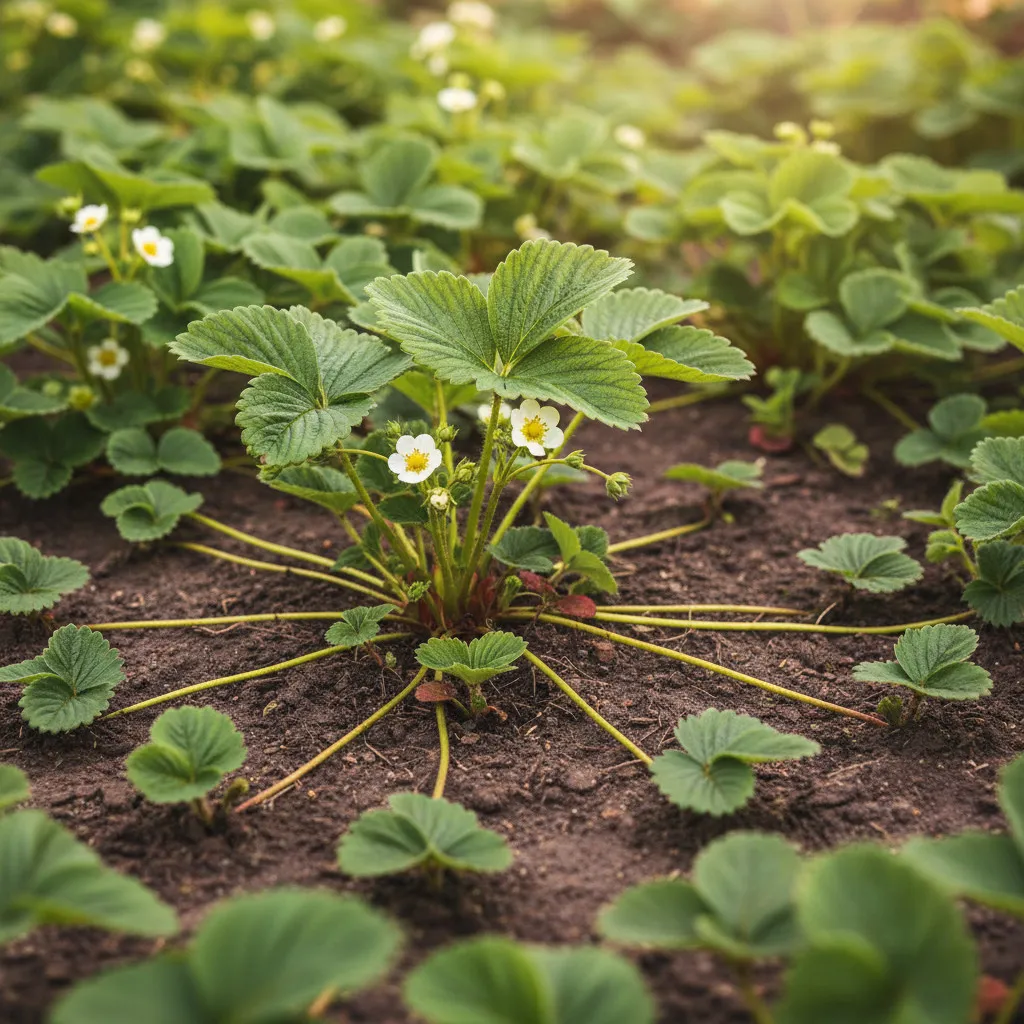
Strawberries reign as the most popular fruit for home gardens, and for good reason—they’re one of the easiest and most rewarding crops you can grow. These low-growing plants spread through stringy runners that create new “daughter” plants throughout the growing season. Unlike their berry cousins, strawberry plants are relatively short-lived, with the original “mother” plants typically at peak production for just one to three years. However, their ability to produce offspring means a well-managed strawberry patch can be maintained indefinitely by carefully managing the balance between established plants and new runners. There are two main types to consider: June-bearing (also called summer-bearing) varieties that produce one very large crop in early summer, and everbearing (or day-neutral) varieties that produce multiple smaller crops throughout the growing season. If abundance is your primary goal, June-bearing varieties deliver the most impressive harvests, while everbearing types extend your enjoyment across several months.
Blueberries: The Long-Term Investment
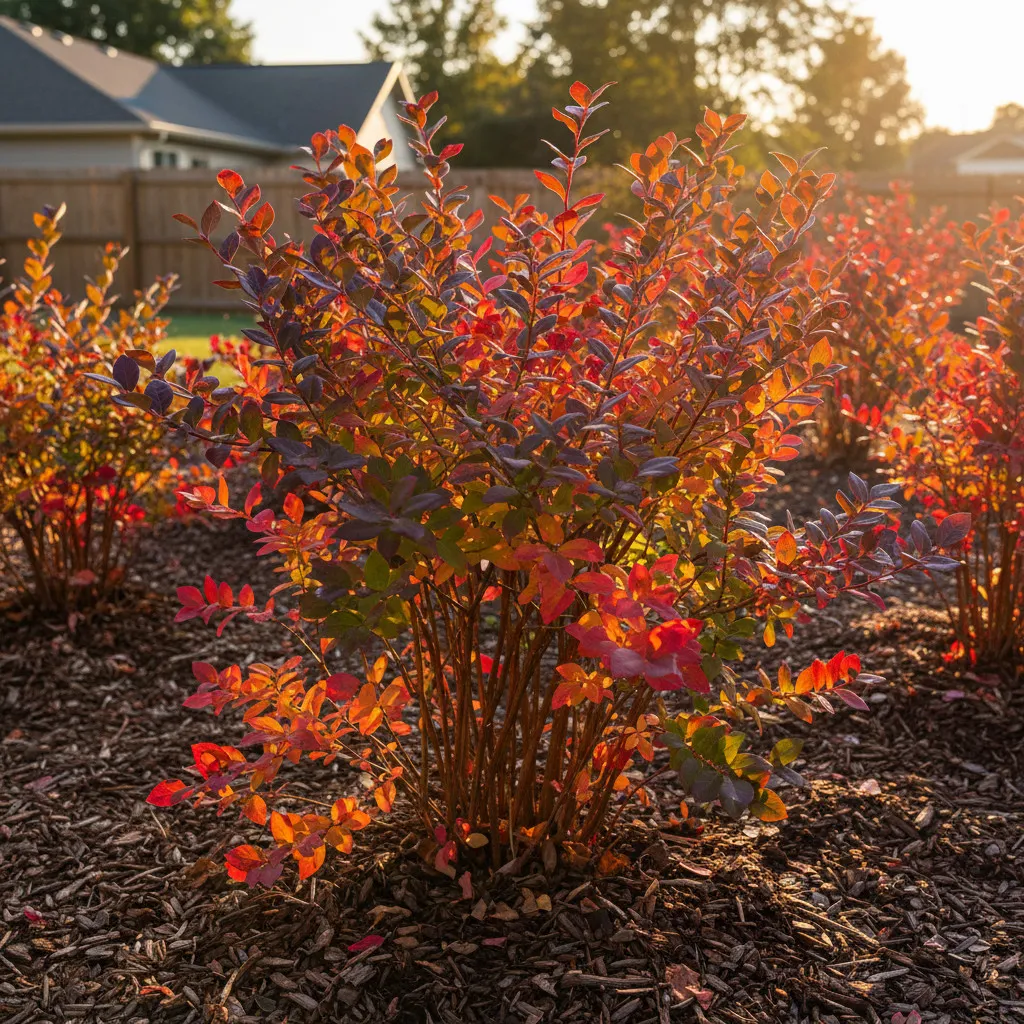
Blueberries grow on deciduous, woody shrubs that are true long-term investments in your edible landscape. These members of the heath family (Ericaceae) are perennial plants that, when properly cared for, can live and produce fruit for an astounding 30 to 50 years. Highbush blueberry plants typically require six to eight years to reach full production capacity and mature to heights ranging from 5 to 8 feet tall, depending on the variety. The plants feature attractive reddish bark and matte green leaves that transform into brilliant shades of red, purple, and orange in fall, making them as ornamental as they are productive. Blueberries have a fine, shallow root system that spreads about 3 to 4 feet wide, with approximately 50% to 60% of roots concentrated in the top foot of soil. Understanding this root structure is crucial for proper irrigation and fertilization practices that will support decades of bountiful harvests.
Raspberries and Blackberries: The Cane Berries
Often called brambles or cane berries, raspberries and blackberries belong to the genus Rubus and share similar growth characteristics that set them apart from other berry types. These plants have a perennial crown and root system that continuously sends up biennial canes—shoots that typically live for only two years. In their first year of growth, canes are vegetative, producing only leaves. In the second year, these same canes bear flowers and fruit before dying at the end of that season. Because plants continuously produce new vegetative canes, once established, you can expect annual crops of fruit. However, there’s an important exception: everbearing (fall-bearing) raspberry varieties produce fruit on first-year canes in fall, and can optionally produce a second crop the following summer on the same canes if you prune them strategically. Raspberries are typically more compact and can spread aggressively through underground roots, while blackberries and their relatives (boysenberries, marionberries, loganberries) produce longer, more sprawling canes that require substantial trellis support.
Selecting the Perfect Location and Preparing Your Soil
Success with berries begins long before you put plants in the ground. The location you choose and the soil preparation you invest in will dramatically impact your plants’ health, productivity, and longevity for years to come.
Sunlight Requirements for Maximum Production
Berry plants are sun-lovers, though their exact requirements vary by type. Most berries perform best with at least 6 hours of direct sunlight daily, which is essential for photosynthesis—the process by which plants convert sunlight, carbon dioxide, and water into the carbohydrates that fuel growth and fruit production. Strawberries and blackberries thrive in full sun locations, producing the sweetest, most abundant crops when they receive maximum light exposure. Blueberries grow in semi-shade in their natural woodland habitats, but heavier fruiting happens with more sunshine; they appreciate some afternoon shade in regions with intense summer heat but can tolerate full sun in milder climates. Raspberries benefit from afternoon shade in hot summer regions, as intense heat can cause sunburn on both fruit and foliage, reducing quality and yield. When selecting your berry patch location, observe how sunlight moves across your property throughout the day, keeping in mind that the shadier the location, the more tart and less sweet the berries will taste, and the lower your overall production will be.
Soil pH and Essential Amendments
Perhaps no factor is more critical to berry success than soil pH—the measure of how acidic or alkaline your soil is. Different berries have varying pH preferences, with blueberries being the most demanding. Blueberries absolutely require soil pH between 4.5 and 5.5, which is significantly more acidic than the neutral pH of 7.0 found in most garden soils. In many regions, including Sacramento and other areas with alkaline soils, this means substantial soil amendment is necessary before planting. Testing your soil pH is the essential first step; inexpensive pH meters or test kits are available at garden centers for under $20, and the investment pays dividends in plant health. To lower pH for blueberries, incorporate elemental sulfur (also called soil sulfur) into the soil, ideally six months to a year before planting to allow time for the chemical reaction that acidifies soil. Raspberries and blackberries aren’t quite as fussy but still prefer slightly acidic soil with pH between 5.5 and 6.5. Strawberries perform best in soil pH ranging from 5.5 to 6.5 as well. Annual pH testing is recommended, especially for blueberries, as soil pH naturally changes over time and may need adjustment to maintain optimal conditions.
Drainage and Soil Structure Considerations
All berry plants demand well-drained soil because their shallow, fibrous root systems are susceptible to root rot when waterlogged. Berry roots die quickly when deprived of oxygen, which occurs in saturated, poorly-drained soils. The ideal soil structure is loose, deep, and rich in organic matter—a balanced mixture of sand, silt, and clay that holds moisture without becoming waterlogged. If you’re gardening on heavy clay soil or in low-lying areas prone to standing water, raised beds offer an excellent solution that provides the drainage berries need while making it easier to control soil pH and composition. For container growing, which works beautifully for compact berry varieties, use high-quality potting mixes specifically formulated for the berry type you’re growing (acid-loving plant mix for blueberries, standard vegetable potting mix for strawberries and cane berries). When planting in the ground, dig planting holes at least twice the size of the root ball—typically 3 to 4 feet wide and 1 to 2 feet deep—and incorporate generous amounts of well-decomposed organic matter like aged compost, which improves both drainage in heavy soils and water retention in sandy soils.
Planting Your Berry Garden for Long-Term Success
Proper planting techniques set the foundation for healthy, productive berry plants. This section covers the critical timing, spacing, and methods that give your berries the best possible start.
Optimal Planting Times for Different Berries
Timing your berry planting correctly significantly impacts how quickly plants establish and begin producing. In most regions of North America, early spring is the ideal planting time for nearly all berry types, whether you’ve purchased dormant bare-root stock or container-grown plants. Spring planting allows the entire growing season for root establishment before winter arrives. However, fall planting (late summer to early fall) also works well in many climates and actually offers advantages for strawberries, which when planted in late summer to early fall will produce heavily the following spring. For bare-root berries—dormant plants sold with soil removed from roots—plant as early as possible in spring, typically late December through February, as soon as the ground is workable and before new growth begins. Container-grown berries offer more flexibility and can be planted throughout the growing season, though spring remains optimal. In mild coastal climates, you can even plant strawberries in fall for winter and early spring production. Regardless of timing, avoid planting when the ground is frozen or waterlogged, and water thoroughly after planting to eliminate air pockets around roots and ensure good soil-to-root contact.
Spacing Guidelines for Healthy Growth
Proper spacing between berry plants ensures adequate air circulation, reduces disease pressure, and gives each plant room to access sunlight, water, and nutrients without excessive competition. For strawberries, space plants about 12 to 18 inches apart in rows, allowing 2 to 3 feet between rows. Keep in mind that strawberries spread through runners, so they’ll fill in spaces over time; many gardeners prefer to plant them in dedicated beds where spread can be managed. Blueberries should be spaced generously—approximately 4 to 6 feet apart for most varieties—to accommodate their mature size and allow good light penetration throughout the canopy. Compact varieties bred for containers can obviously be planted more closely or individually in large pots. Raspberries perform well when spaced about 2 to 3 feet apart in rows that are 6 to 12 feet apart, while blackberries and boysenberries need slightly more room, typically 4 to 5 feet between plants and similar wide spacing between rows. This generous spacing between rows isn’t wasted space—it allows for mulching with weed fabric and wood chips, provides access for picking from both sides, and most importantly, ensures good air circulation around plants, which is critical for limiting fungal diseases that thrive in humid, crowded conditions.
Step-by-Step Planting Techniques
Following proper planting procedures ensures your berries establish quickly and thrive for years to come. Begin by soaking bare-root plants in water for about an hour before planting, allowing the roots to fully hydrate after their dormant period. Dig planting holes large enough to accommodate the root system without crowding—typically twice the diameter of the root ball and deep enough that you can set the crown (where roots meet stems) at the proper level. For most berries, the crown should be planted at the same depth it was growing previously, right at or just slightly below the soil surface; planting too deep can lead to crown rot, while planting too shallow exposes roots to drying. If planting bare-root stock, create a small mound of soil in the center of the hole, spread roots evenly over this mound, and backfill with amended soil, firming gently as you go to eliminate air pockets. For blueberries specifically, if planting in native ground, mix up to 50% acidic planting mix with your native soil, and consider adding a layer of clay granulate at the bottom of the planting hole to improve water absorption while maintaining drainage. After planting, water thoroughly and apply a 2- to 4-inch layer of organic mulch such as wood chips, straw, or pine needles, keeping mulch a few inches away from the crown to prevent rot. For the first few weeks after planting, keep the soil consistently moist but not waterlogged to support root establishment.
Essential Care and Maintenance Throughout the Growing Season
Once your berries are in the ground, ongoing care ensures they remain healthy, productive, and resistant to stress. This section covers the fundamental practices that keep berry plants thriving year after year.
Irrigation: The Foundation of Berry Production
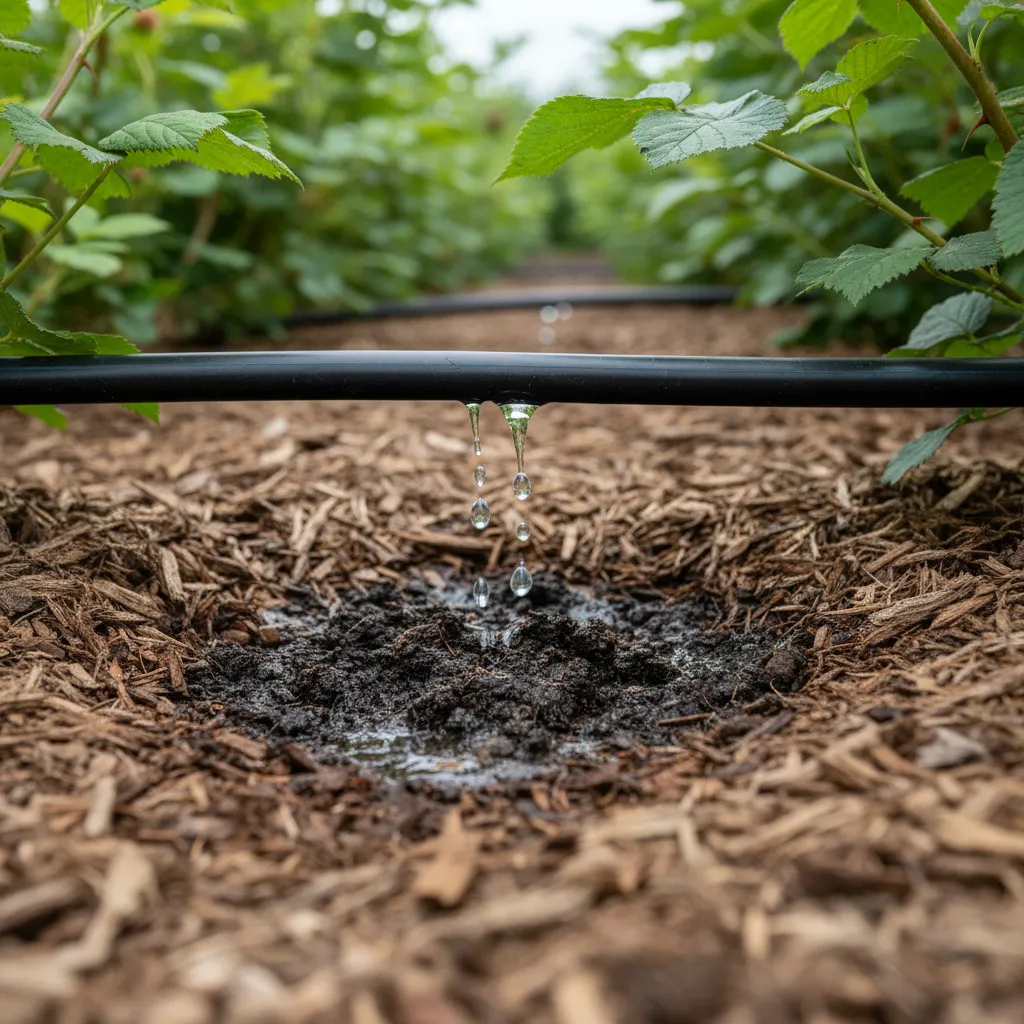
Water management is absolutely critical for berry plants because of their shallow, fibrous root systems that have limited access to deep soil moisture. Berries need consistent moisture—the soil should remain moist but never waterlogged or bone-dry. During the growing season, most berries require approximately 1 to 2 inches of water per week, either from rainfall or supplemental irrigation. This becomes especially important during fruit development, as water stress during flowering and fruit sizing directly reduces both yield and quality. Young plants need particularly attentive watering for at least the first two years after planting while their root systems establish. Drip irrigation offers the most efficient watering method for berries, delivering water directly to the root zone while keeping foliage dry, which helps prevent fungal diseases. If using drip, place emitters about 6 to 8 inches from the plant crown, and remember that blueberry roots will concentrate near these emitters, so you may need multiple emitters per plant as it matures. Overhead sprinkler irrigation also works but should be done in early morning so foliage dries quickly, minimizing disease risk. During hot summer months, you may need to water container-grown berries several times per week, as pots dry out much faster than in-ground plantings. Always check soil moisture before watering—stick your finger 2 to 3 inches into the soil; if it feels dry at that depth, it’s time to water.
Fertilization Schedule and Practices
Berry plants have specific nutritional needs that change throughout the year, and proper fertilization supports vigorous growth, abundant flowering, and high-quality fruit production. Most established berry plants benefit from fertilization twice annually: once in early spring (March or April) as growth begins, which supports leaf development and flower bud formation, and again after harvest (or in early fall for non-fruiting young plants) to help plants store nutrients and carbohydrates for winter and the following season’s growth. For blueberries, use fertilizers specifically formulated for acid-loving plants such as azalea, rhododendron, or camellia fertilizers, which help maintain the low soil pH these plants require. Organic options like cottonseed meal work excellently for blueberries. Raspberries and blackberries are relatively light feeders that respond well to balanced organic fertilizers or formulations designed for tomatoes and vegetables. Strawberries benefit from high-nitrogen fertilizer applications in early spring to promote leaf growth and again in September to support the development of flower buds that will produce next year’s crop. Application technique matters: carefully move existing mulch away from the plant base without disturbing shallow roots, sprinkle the recommended amount of fertilizer on the soil surface in a circle around the plant (keeping it a few inches from the crown), water it in thoroughly, and then replace the mulch. Container-grown berries need more frequent feeding—apply half-strength liquid fertilizer every 2 to 4 weeks during the growing season, as frequent watering leaches nutrients from potting soil more quickly than from garden soil.
The Critical Role of Mulching
Mulching is one of the single most beneficial practices for berry plants, providing multiple advantages that improve plant health and productivity. A 2- to 4-inch layer of organic mulch around your berry plants serves several crucial functions: it suppresses weed growth, which is particularly important because berries have shallow roots that are easily damaged by cultivation or weed competition; it moderates soil temperature, keeping roots cooler in summer and providing some insulation in winter; it conserves soil moisture by reducing evaporation, which is especially valuable during hot, dry periods; and as organic mulches decompose, they gradually add organic matter to the soil, improving its structure and fertility over time. For most berries, excellent mulch choices include wood chips, shredded bark, straw, or well-aged compost. For blueberries specifically, acidic mulches like pine needles or pine bark are particularly beneficial because they help maintain the low soil pH these plants demand. Apply mulch in a donut-shaped ring around each plant, keeping it 2 to 3 inches away from the crown and stems to prevent rot and discourage rodents from nesting against the plant. Refresh mulch annually as it decomposes—typically in spring before fertilizing—by adding a new layer on top of the decomposed previous year’s mulch. This ongoing mulch program creates an increasingly rich, healthy soil environment that supports robust root growth and overall plant vigor.
Supporting and Training Berry Plants for Maximum Yields
Some berry types require physical support to perform their best, while others benefit from strategic training that improves fruit quality and harvest efficiency.
Trellis Systems for Cane Berries
Blackberries, boysenberries, and many raspberry varieties produce long, flexible canes that benefit significantly from trellis support. Without support, these canes flop to the ground, making fruit difficult to harvest, increasing disease pressure, and in the case of blackberries and boysenberries, causing the cane tips to root wherever they touch soil, creating an unmanageable thicket. A simple but effective trellis system consists of sturdy posts (4×4 wood or metal T-posts) set 15 to 20 feet apart along the berry row, with two or three strands of heavy-gauge wire (9 to 12 gauge) stretched tightly between posts at heights of approximately 3 feet, 4.5 feet, and 6 feet from the ground. As new canes grow, train them along these wires, tying them loosely with soft twine or specialized plant clips. For erect-growing blackberry varieties and black raspberries, you might instead use a simple stake-and-tie system, driving a sturdy 6- to 7-foot stake next to each plant and tying canes to it at several points. Some gardeners create more elaborate trellis designs—T-trellises or V-trellises—that separate fruiting canes from new growth, making management easier. For home gardeners with just a few plants, even a simple structure made from bamboo poles arranged in a teepee shape can provide adequate support. The key is providing this support early in the growing season before canes become too long and unwieldy, and certainly before they’re loaded with fruit that adds significant weight.
Container Growing for Small Spaces
The development of compact berry varieties has revolutionized berry growing for gardeners with limited space, making it possible to grow productive plants on balconies, patios, and small urban lots. Strawberries have long been grown successfully in containers, including hanging baskets and specialized strawberry pots with multiple planting pockets along the sides. Modern compact blueberry varieties like Bountiful Blue®, Sunshine Blue, Peach Sorbet®, and Jelly Bean® grow just 2 to 3 feet tall but produce full-size berries, making them perfect for large containers (15 to 20 gallons or larger). Raspberry Shortcake and Baby Cakes blackberry represent the new generation of dwarf cane berries that grow only 3 to 4 feet tall without the need for trellising, and their thornless nature makes them especially appealing for container growing near seating areas or where children play. Some trailing varieties like Sapphire Cascade blueberry are specifically bred for hanging baskets, creating a stunning display of cascading foliage and berries. When growing berries in containers, several considerations ensure success: choose containers with drainage holes and use high-quality potting mix appropriate for the berry type (acidic mix for blueberries); plan to water much more frequently than in-ground plants, potentially daily during hot weather; fertilize regularly with diluted liquid fertilizer since nutrients leach quickly from containers; and in cold climates, provide winter protection by moving containers to a protected location or insulating them, as roots in containers are more vulnerable to freeze damage than in-ground roots.
Pruning for Productivity and Plant Health
Annual pruning is essential for maintaining productive berry plants, though techniques vary dramatically among berry types. Proper pruning improves fruit size and quality, manages plant size, and promotes the development of new fruiting wood.
Blueberry Pruning Fundamentals
Blueberry pruning requirements change as plants mature, with young plants needing minimal intervention and established plants requiring more significant annual pruning to maintain productivity. For newly planted blueberries in their first two years, pruning is simple: remove any dead, diseased, or damaged wood, and pinch off flowers that appear to prevent fruiting. While it’s tempting to allow those first berries, removing flowers allows young plants to invest all their energy into developing strong root systems and framework branches rather than fruit production—this patience pays off with much more vigorous plants that produce heavily in subsequent years. For mature plants (three years and older), prune annually in late winter (January through early March) while plants are still dormant. The goal is to maintain an open, vase-shaped structure with 6 to 8 strong, well-spaced canes of varying ages. Remove the oldest canes (usually more than 6 years old), which you can identify by their thicker diameter and darker, sometimes grayish bark; these produce smaller fruit on short, weak shoots. Also remove any dead, damaged, or diseased wood; thin, spindly growth; and branches that cross through the center of the plant, blocking light and air circulation. Cut unwanted canes as close to the ground as possible. Shorten overly tall canes by cutting them back to a strong lateral branch. This annual renewal pruning ensures a continuous supply of vigorous young wood that produces the largest, highest-quality berries.
Cane Berry Pruning Strategies
Cane berries require different pruning approaches depending on type, but all involve removing canes that have already fruited, since these will never produce again. For blackberries and boysenberries, immediately after harvest (typically late summer), cut all canes that bore fruit completely to the ground. These spent canes are easy to identify by their brown, peeling bark and dried flower clusters where fruit was attached. At the same time, thin the current season’s new growth (which will fruit next year) to the strongest 4 to 6 canes per plant or per linear foot of row, removing weaker canes. In late winter, shorten these remaining canes to 5 to 6 feet long and trim lateral branches back to 12 to 18 inches or about 9 buds, which concentrates the plant’s energy into fewer, larger berries. For summer-bearing and black raspberries, follow a similar pattern: remove fruited canes after harvest and thin new canes. For everbearing (fall-bearing) raspberries, you have two pruning options. The simplest approach is to cut all canes to the ground in late winter, which results in a single fall crop on new canes produced that year—this method requires zero sorting of old versus new canes. Alternatively, after the fall crop, cut only the top half of canes that fruited (the portion that bore fruit), leaving the bottom half to produce a second crop the following June, then remove these canes after that summer harvest. This two-crop approach requires more management but extends your harvest season.
Managing Pests and Diseases Organically
While berries are relatively trouble-free compared to many crops, several pests and diseases can impact yields if not managed properly. Prevention through cultural practices is always preferable to reactive treatments.
Common Pest Challenges and Solutions
Several pests target berry plants, with birds being perhaps the most persistent challenge. Birds, especially robins and cedar waxwings, begin sampling berries just as they ripen, often getting to your crop before you do. Bird netting offers the most effective protection—drape it over plants or build a simple PVC pipe framework covered with netting to create a barrier that excludes birds while allowing you access for harvesting. Install netting when berries begin to change color, before birds discover them, and ensure the netting is taut and secured at ground level so birds can’t sneak underneath. Reflective bird scare tape and plastic owl or hawk decoys provide some deterrence but are generally less effective than physical exclusion. Spotted wing drosophila (SWD), a small fruit fly, has become a serious pest of berries in many regions. Unlike common fruit flies that only attack damaged or overripe fruit, SWD females have a serrated ovipositor that allows them to lay eggs in fruit just beginning to ripen; by the time you harvest, the fruit contains small white maggots. Management is challenging for home gardeners, but sanitation helps—pick all ripe fruit frequently, remove any damaged or overripe berries, and don’t leave fallen fruit under plants. Fine-mesh netting (with holes smaller than 0.98 mm) can exclude this pest if applied 7 to 14 days before fruit ripening begins. Aphids sometimes infest new growth on berries, causing leaves to curl and potentially transmitting viruses. A strong spray of water often dislodges these pests; for persistent infestations, insecticidal soap or neem oil provides organic control.
Disease Prevention Through Cultural Practices
Most berry diseases are fungal and thrive in conditions of high humidity, poor air circulation, and wet foliage. Your first line of defense is cultural practices that minimize these conditions: space plants properly for good air circulation; avoid overhead watering or water early in the day so foliage dries quickly; remove and destroy any diseased plant material promptly; and maintain good weed control, as dense weed growth increases humidity around plants. Mulching and clean cultivation prevent soil-borne fungal spores from splashing onto fruit and foliage during rain or irrigation. For blueberries, mummy berry disease causes fruit to shrivel and turn tan; sanitation is key—remove all infected fruit and rake up fallen leaves and debris where the fungus overwinters. For raspberries and blackberries, viruses are a serious concern because they’re incurable and spread by aphids; starting with certified disease-free plants from reputable nurseries is essential. Avoid planting raspberries or blackberries where tomatoes, potatoes, peppers, or eggplant grew recently, as these plants host similar diseases. Also, remove any wild brambles within 500 feet of your planting, as these often harbor viruses and pests that spread to cultivated varieties. Root rot affects berries planted in poorly drained soils; prevention through proper site selection and raised beds is far more effective than any treatment once root rot establishes.
Harvesting and Storing Your Berry Bounty
After months of care, harvest time is the most rewarding part of berry growing. Knowing when and how to pick, and how to handle berries after harvest, ensures you enjoy them at peak quality.
Recognizing Peak Ripeness
Each berry type has specific indicators of perfect ripeness that signal peak sweetness and flavor. Strawberries are ready when they turn completely red with no white or green near the cap; taste one before picking a large quantity, as color develops before peak sweetness. Blueberries require patience—wait a full week after berries turn completely blue before picking for maximum sweetness. A ripe blueberry will easily separate from the cluster when you gently roll it between your fingers; if you have to tug, it’s not ready. The easiest harvesting method is “tickling” the clusters—cup your hand under a cluster and gently rub; ripe berries fall right off while unripe ones remain attached. Raspberries are ready when they easily slip off the central core, leaving a hollow cap; they don’t ripen significantly after picking, so harvest only fully colored fruit. Check raspberry plants every 2 to 3 days, as berries ripen continuously over several weeks. Blackberries and boysenberries show ripeness through color change and softness—fruit transitions from shiny to dull as sugars increase, and ripe berries are slightly soft to gentle pressure. Like raspberries, these ripen progressively, requiring frequent picking.
Harvesting Techniques and Timing
The best time to harvest berries is during the cool part of the day, ideally early morning after dew has dried but before heat builds up in the fruit. Berries picked in morning coolness have better flavor, firmer texture, and significantly longer storage life than those picked during afternoon heat. Handle berries gently—they’re delicate and bruise easily, leading to rapid deterioration. Pick directly into shallow containers rather than deep buckets where berries at the bottom get crushed by the weight above. For blueberries and cranberries, you can use both hands, but raspberries and blackberries require careful one-berry-at-a-time picking to avoid crushing. Don’t wash berries until you’re ready to eat them, as moisture promotes mold growth and rapid spoilage. If you must rinse them, do so gently under cool running water just before use, then pat dry carefully. For maximum freshness, refrigerate berries as soon as possible after harvest—within hours is ideal. Strawberries, raspberries, and blackberries are particularly perishable and best used within 2 to 3 days of picking. Blueberries have better storage life and can keep for a week or more under proper refrigeration. For longer-term storage, freezing preserves berries beautifully: spread them in a single layer on a baking sheet, freeze until solid, then transfer to freezer bags or containers where they’ll keep for months.
Wrapping Up: Your Journey to Homegrown Berry Success
Growing your own berries transforms your relationship with food, your garden, and even the changing seasons. While berry cultivation requires some knowledge and consistent care, the techniques outlined in this guide provide everything you need to succeed whether you’re planting a single strawberry container on your balcony or establishing a diverse backyard berry patch. Remember that berry growing is forgiving—these plants are resilient, and even if you make mistakes in your first season, you’ll have opportunities to adjust and improve as you gain experience.
The key principles bear repeating: match berry types to your climate and growing conditions, prepare soil properly with particular attention to pH for blueberries, provide consistent moisture especially during fruit development, mulch generously to protect shallow roots and suppress weeds, prune annually according to the specific requirements of each berry type, and protect ripening fruit from birds and pests. Beyond these fundamentals, success comes from observation—pay attention to how your plants respond to care, adjust your practices based on what you see, and don’t hesitate to experiment with different varieties or techniques.
Perhaps most importantly, be patient with the process. Berry plants are perennials that improve with age; first-year harvests are often modest while plants establish, but by the third or fourth year, you’ll be rewarded with abundance that makes those early seasons of patience worthwhile. Whether you’re motivated by superior flavor, nutritional benefits, cost savings, or the simple satisfaction of growing your own food, berry cultivation offers rewards that extend far beyond the harvest basket. Start with one or two types that appeal to you most, master the basics, and then expand your berry repertoire as your confidence grows. Before long, you’ll wonder how you ever settled for store-bought berries when homegrown perfection was so achievable in your own backyard.