Table of Contents
- How Fast Do Blueberries Grow? A Complete Guide to Growth Rates and Maximizing Your Harvest
- Understanding Blueberry Growth Rates: What Makes Them Unique
- Growth Timeline: From Planting to Full Production
- Years 1-2: The Establishment Phase
- Years 3-4: Initial Fruiting Begins
- Years 5-10: Reaching Maturity and Peak Production
- Factors That Influence Blueberry Growth Speed
- Soil Conditions and pH Requirements
- Sunlight Exposure
- Water Management
- Climate and Temperature
- Different Blueberry Varieties and Their Growth Patterns
- Highbush Blueberries
- Lowbush Blueberries
- Half-High Blueberries
- Rabbiteye Blueberries
- The Annual Growth Cycle of Blueberry Plants
- 5 Proven Methods to Accelerate Blueberry Growth
- Common Mistakes That Slow Down Blueberry Growth
- What to Expect: Realistic Growth and Production Milestones
- Final Thoughts
How Fast Do Blueberries Grow? A Complete Guide to Growth Rates and Maximizing Your Harvest
If you’ve ever stood in the garden center, eyeing those promising blueberry bushes and wondering when you’ll actually enjoy a bountiful harvest, you’re not alone. Growing blueberries is an exercise in patience, but understanding exactly how these remarkable shrubs develop can help you set realistic expectations and make the most of your growing efforts. While blueberries won’t deliver overnight results like some garden crops, the wait is absolutely worth it—these perennial powerhouses can produce delicious, antioxidant-rich berries for decades once established.
The truth is, blueberry bushes are notoriously slow growers compared to many fruiting plants. Unlike tomatoes or peppers that can produce within months of planting, blueberries operate on a much longer timeline. However, this deliberate pace actually works in your favor, as these plants are building extensive root systems and sturdy frameworks that will support years of productive harvests. Understanding the growth stages, knowing which factors influence development speed, and learning how to optimize conditions can help you shepherd your blueberry bushes from tiny transplants to robust, fruit-laden shrubs. Whether you’re planting your first bush or looking to improve the performance of existing plants, this comprehensive guide will walk you through everything you need to know about blueberry growth rates.
Understanding Blueberry Growth Rates: What Makes Them Unique
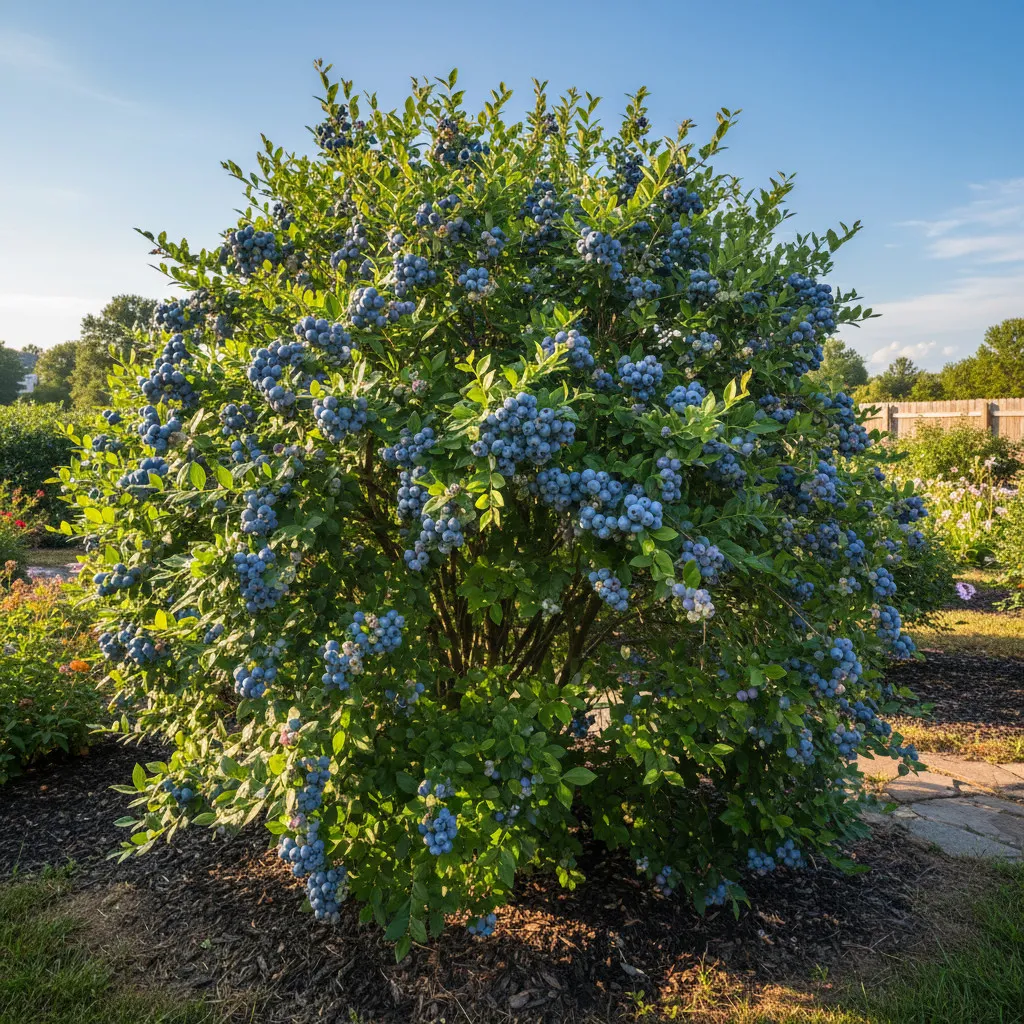
This section explores the fundamental characteristics of blueberry growth patterns and why these plants develop at their distinctive pace.
Blueberry bushes belong to the heath family (Ericaceae) and share growth characteristics with their relatives like rhododendrons, azaleas, and cranberries. These plants have evolved to grow methodically rather than rapidly, and this slow-and-steady approach is actually a survival strategy. In their native habitats across North America, blueberries developed in acidic, nutrient-poor soils where resources were limited. Rather than racing to maturity, they invested energy in building extensive, efficient root systems and sturdy woody structures that could withstand harsh winters and produce for many years.
The growth rate of blueberry bushes can seem frustratingly slow to eager gardeners, but there’s method to this botanical patience. Most blueberry plants take approximately eight to ten years to reach their full mature size. During this extended development period, the plant is constantly balancing multiple demands: establishing roots, producing new shoots, developing flower buds, and eventually supporting fruit production. This juggling act means that visible growth from year to year may seem minimal, even though significant development is happening below the soil surface and within the plant’s internal structure.
Understanding that blueberries grow in distinct “flushes” throughout the season helps explain their overall pace. Rather than continuous, steady growth like some plants, blueberries experience periods of active shoot elongation followed by rest periods. Most highbush varieties have one to three growth flushes per growing season, with each flush ending when the terminal bud dies back (creating the characteristic “black tip”). This pattern is influenced by cultivar genetics, environmental conditions, and cultural practices like fertilization and pruning.
Key characteristics of blueberry growth patterns include:
-
Perennial nature: Unlike annual crops, blueberries are woody perennial shrubs that can live and produce for 30-50 years or even longer with proper care, making the initial slow establishment period a worthwhile investment.
-
Shallow root system: Blueberries have fine, fibrous roots concentrated in the top 12 inches of soil, with most roots within 8-12 inches from the crown. This shallow rooting pattern means plants require consistent moisture and careful weed management but also explains why they’re sensitive to soil conditions.
-
Seasonal dormancy: These deciduous plants go completely dormant in winter, ceasing all growth when temperatures drop. They require a specific number of “chill hours” (time spent between 32-45°F) before they can break dormancy and grow vigorously in spring, which varies by variety.
-
Energy allocation priorities: Blueberry plants prioritize resource allocation with fruit being the strongest “sink” for carbohydrates, followed by flowers, then shoot and root tips, and finally storage organs. This hierarchy explains why heavy fruit loads can reduce vegetative growth.
Growth Timeline: From Planting to Full Production
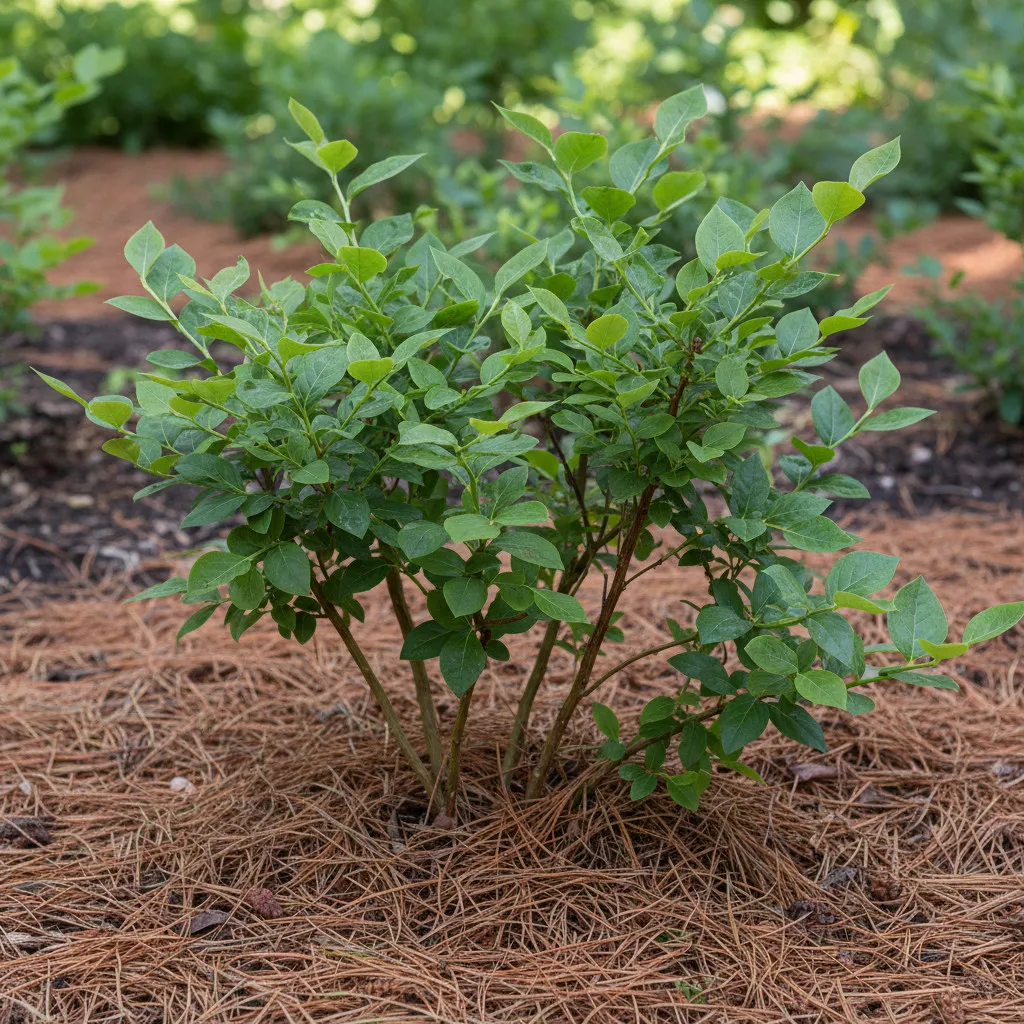
This section provides a detailed year-by-year breakdown of what to expect as your blueberry bush develops from a young transplant to a mature, productive shrub.
Understanding the progression of blueberry development helps gardeners know what to expect at each stage and how to provide appropriate care. The timeline below assumes you’re starting with a typical two- to three-year-old nursery plant, which is the most common starting point for home gardeners. If you’re growing from seed (which is rarely recommended), add an additional two to three years to these estimates.
Years 1-2: The Establishment Phase
The first two years after planting are absolutely critical for long-term success, even though you’ll see relatively little visible growth above ground. During this establishment phase, your blueberry bush is investing the majority of its energy into developing a robust root system that will support decades of production. The plant is essentially building its foundation, and rushing this process by allowing fruit production too early can compromise the plant’s vigor for years to come.
When you first plant a blueberry bush, it experiences transplant shock as it adjusts to new soil conditions, moisture patterns, and environmental factors. The roots need time to grow outward from the original root ball and establish themselves in the surrounding soil or potting mix. During the first growing season, young plants can actually grow to approximately 70 percent of their eventual mature size in terms of root development, though this extensive underground growth isn’t visible. Above ground, you’ll see the plant produce new shoots and leaves, but the overall size increase may seem modest.
The most important care task during these first two years is removing any flower buds or blooms that form. This might seem counterintuitive when you’re eager for berries, but pinching off flowers forces the plant to redirect energy from fruit production into building stronger roots and more vigorous branches. Blueberry experts universally recommend this practice because plants that are allowed to fruit too early often remain stunted and never reach their full productive potential. Think of it as a short-term sacrifice for long-term gain—you’re essentially training the plant to become a powerhouse producer in later years.
Essential care priorities for years 1-2:
-
Flower bud removal: Systematically remove all flower buds in early spring before they open. This single practice has the greatest impact on future plant vigor and productivity, allowing the bush to channel all its resources into growth rather than reproduction.
-
Consistent moisture: Young blueberry plants have limited root systems that can’t reach deeply for water. Provide at least 1-1.5 inches of water per week through rainfall or irrigation, using drip systems when possible to maintain steady soil moisture without waterlogging.
-
Weed control: The shallow roots of young blueberries can’t compete well with weeds for water and nutrients. Maintain a 2-4 inch layer of acidic mulch (like pine needles, shredded bark, or wood chips) to suppress weeds while conserving moisture.
-
No fertilization initially: Don’t fertilize at planting time or during the first few months. Only begin light fertilization after you see a second flush of new growth, which indicates the roots have successfully established. Even then, use only a quarter of the mature plant rate.
Years 3-4: Initial Fruiting Begins
The third year marks an exciting transition when you can finally allow your blueberry bush to produce its first crop. While the yield won’t be substantial—expect just a few handfuls of berries—this initial fruiting represents an important milestone. The plant has now developed sufficient root mass and branch structure to support reproduction without compromising its continued growth. During years three and four, you’ll notice the bush taking on a more substantial, shrubby appearance with multiple established canes and increasing branch density.
Growth during this phase becomes more visually apparent as the plant adds height and width each season. The bush begins to look less like a small, sparse transplant and more like a legitimate fruiting shrub. You’ll observe that the one-year-old wood (last season’s growth) produces flower buds at the tips, and these will develop into your first berry clusters. The number of flower buds increases significantly compared to previous years, and if you’re growing multiple varieties, you’ll begin to see the benefits of cross-pollination as bees move between bushes.
During these middle years, the focus shifts from pure establishment to balanced development. The plant is simultaneously growing new roots and shoots while also supporting a modest fruit load. Your pruning strategy should remain relatively conservative, focusing on removing only the weakest, crossing, or damaged branches while leaving the strongest, healthiest canes to fruit. These productive canes will be reddish-brown in color with plenty of fat, round fruit buds along the terminal portions. Avoid heavy pruning that would sacrifice too many fruit buds, but don’t be afraid to remove obvious problem areas.
Development milestones for years 3-4:
-
First meaningful harvest: You can expect to harvest 2-3 pints per bush in year three, with yields potentially doubling by year four. While this won’t fulfill all your blueberry dreams, it provides a delicious preview of what’s to come and helps you evaluate berry size, flavor, and ripening times for your chosen varieties.
-
Increased plant size: The bush will likely reach 50-70 percent of its mature height by the end of year four. For highbush varieties that ultimately reach 5-6 feet, you might see plants that are 3-4 feet tall. The root system continues expanding, with 50-60 percent of roots now established in the top foot of soil.
-
More vigorous shoot growth: You’ll notice stronger, longer shoots developing, particularly if you’ve been diligent about proper fertilization and moisture. These vigorous shoots will become the productive fruiting canes in subsequent years, creating a positive cycle of increasingly better production.
-
Beginning of renewal pruning: Start implementing maintenance pruning that focuses on keeping the youngest, most productive canes while gradually removing weaker or damaged wood. This sets the pattern for annual pruning that will maintain plant health and productivity throughout its life.
Years 5-10: Reaching Maturity and Peak Production
Year five through seven represents the period when blueberry bushes transition from developing juveniles to mature, fully productive plants. This is when your patience truly pays off, as harvest quantities jump dramatically. A well-maintained bush that’s five to six years old can produce anywhere from 5 to 10 pounds of berries per season, and this can increase to 10-12 pounds or more by year eight or ten. Commercial plantings in optimal conditions sometimes achieve even higher yields, with mature plants producing 7-10 tons per acre for early varieties and potentially more for vigorous mid- and late-season cultivars.
The plant’s physical structure becomes noticeably more substantial during these years. Highbush varieties will reach or approach their mature height of 5-8 feet, depending on cultivar and growing conditions. The bush develops a full, rounded canopy with numerous established canes of varying ages. At this point, your pruning becomes more sophisticated as you implement true renewal pruning—systematically removing the oldest canes (six years or older) at ground level each year while encouraging new canes to develop. This creates a continuous cycle where the plant always has a mix of young, vigorous canes that produce the largest, highest-quality berries.
By year ten, a blueberry bush is considered fully mature, though it will continue producing reliably for decades if properly maintained. The plant has reached its maximum size and has established the production patterns you can expect going forward. At this stage, annual care becomes routine: consistent watering, appropriate fertilization in early spring, maintenance pruning each dormant season, and protection from birds during harvest. The lengthy establishment period is now a distant memory as you enjoy buckets of homegrown blueberries each summer.
Characteristics of mature, productive blueberries:
-
Substantial yearly harvests: Mature bushes provide enough berries for fresh eating, baking, freezing, and potentially sharing or selling. A single plant can yield 2-3 gallons of berries in a good season, and a modest home planting of 4-6 bushes can produce 30-50 pounds annually.
-
Stable growth patterns: The plant has reached its genetic size potential for your growing conditions and will maintain this stature with proper care. Growth becomes predictable, with consistent patterns of shoot development, flower bud formation, and fruit production that you’ll recognize year after year.
-
Enhanced berry quality: Many gardeners notice that berry size, flavor, and overall quality improve as plants mature. This is because established root systems can support optimal fruit development, and proper pruning ensures carbohydrates are concentrated in fewer, better-quality berries rather than spread thin across excessive fruit buds.
-
Established maintenance routines: With a mature plant, you develop a rhythm of care that becomes second nature: annual dormant pruning, spring fertilization, summer harvest, and fall preparation for dormancy. The plant’s needs are well understood, and providing appropriate care requires less guesswork.
Factors That Influence Blueberry Growth Speed
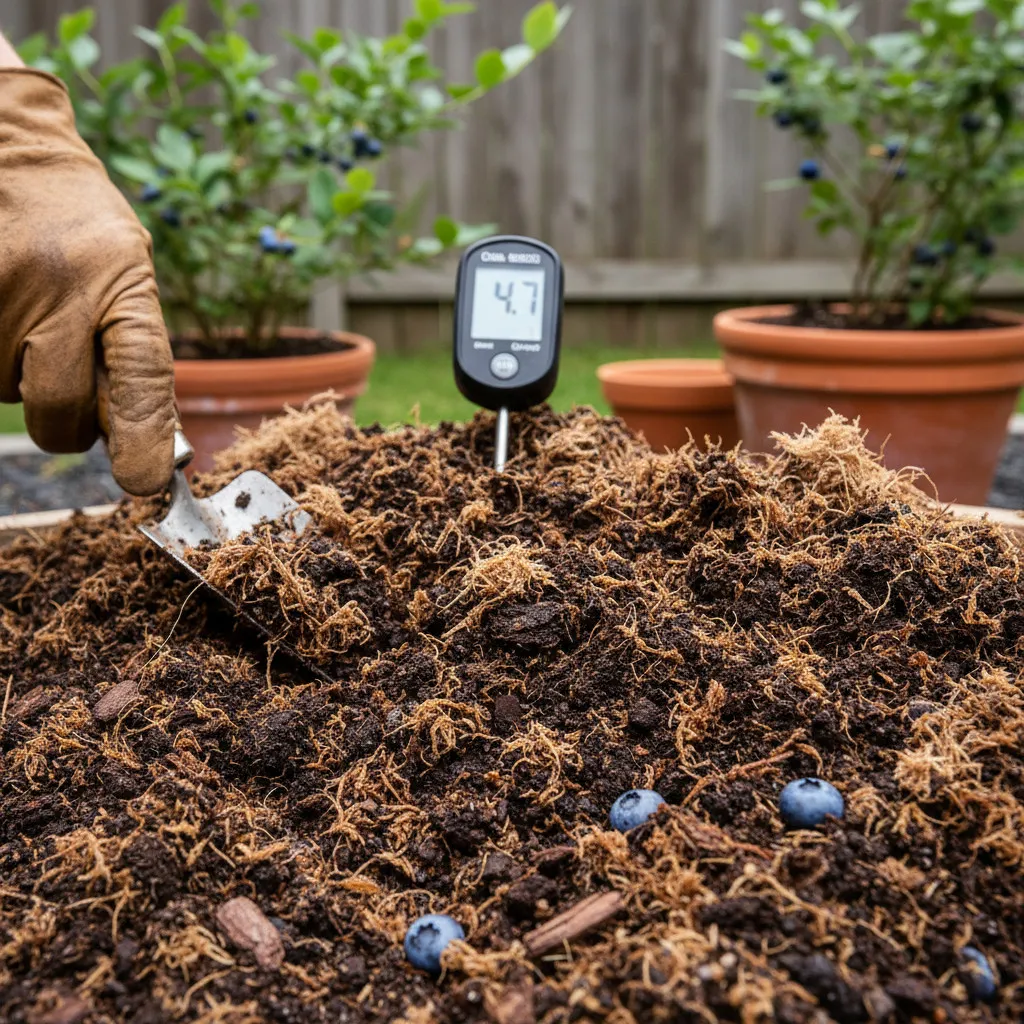
This section examines the environmental and cultural conditions that significantly impact how quickly blueberry bushes develop and reach productive maturity.
While genetics determine the basic growth characteristics of any blueberry variety, environmental factors and your management practices can either accelerate development or slow it dramatically. Understanding and optimizing these key factors gives you significant control over how quickly your plants establish and begin producing meaningful harvests.
Soil Conditions and pH Requirements
Soil is arguably the single most critical factor influencing blueberry growth rates, and within that category, pH stands out as the make-or-break element. Blueberries absolutely require acidic soil with a pH between 4.0 and 5.5, with the ideal range being 4.5 to 5.0. This isn’t a preference—it’s a physiological necessity. At pH levels above 5.5, blueberry roots cannot effectively absorb iron and other essential nutrients from the soil, even if those nutrients are present in abundance. This leads to chlorosis (yellowing leaves), stunted growth, poor fruit production, and potentially plant death.
The reason for this strict pH requirement lies in the plant’s evolutionary adaptation. Blueberries evolved in acidic, organic-rich soils and developed associations with mycorrhizal fungi that help them access nutrients under these conditions. When soil pH rises above their tolerance range, these beneficial associations break down, and the plant’s specialized root system can’t function properly. Many frustrated gardeners have planted blueberries without testing soil pH, only to watch their bushes languish for years, never understanding that unsuitable soil chemistry was the culprit all along.
Beyond pH, soil structure and organic matter content significantly influence growth rates. Blueberries thrive in loose, well-draining soils high in organic matter—think of the acidic, humus-rich conditions found in their native woodland habitats. Heavy clay soils that hold excessive water can lead to root rot and oxygen deprivation, while extremely sandy soils dry out too quickly and hold insufficient nutrients. The ideal blueberry soil is somewhere in between: a sandy loam or loamy soil heavily amended with organic materials like peat moss, composted pine bark, or aged leaf mold.
Critical soil management practices:
-
Mandatory soil testing: Always test your soil pH before planting blueberries and annually thereafter. Home test kits provide quick results, but laboratory testing through university extension services offers more comprehensive information about pH, nutrient levels, and amendment recommendations. Never skip this step or assume your soil is suitable.
-
pH adjustment strategies: If soil pH is too high (above 5.5), you have several options. For small planting areas, incorporating 4-6 inches of Canadian sphagnum peat moss into the top 6-8 inches of soil can quickly create suitable conditions. For longer-term pH management, elemental sulfur is more sustainable—apply it in fall before spring planting, as it takes several months to react with soil and lower pH. The amount needed depends on current pH and soil type.
-
Organic matter enrichment: Regardless of starting pH, generously incorporate organic materials into the planting area. Mix in composted pine bark, peat moss, or well-aged leaf compost to improve soil structure, increase water retention, and provide the humus-rich environment blueberries prefer. This is especially critical in clay or sandy soils that lack natural organic content.
-
Container growing alternatives: If your native soil is stubbornly alkaline or poorly draining, growing blueberries in containers or raised beds filled with acidic planting mix is a perfectly viable option. Use containers at least 18 inches in diameter and depth, filled with a 50:50 mix of peat moss and quality potting soil, or commercial ericaceous (acid-loving plant) potting mix.
Sunlight Exposure
Blueberries are sun-loving plants that perform best with full sun exposure, defined as at least six to eight hours of direct sunlight daily. While they can tolerate and even survive in partial shade, fruiting quantity and quality decline substantially when light is limited. This is because fruit production is energy-intensive, requiring the abundant carbohydrates generated through photosynthesis in fully illuminated leaves. Shaded plants may still grow vegetatively and look relatively healthy, but they’ll produce far fewer flower buds and consequently much smaller berry harvests.
The impact of sunlight on growth speed becomes apparent when comparing blueberries planted in optimal sunny locations versus those in shadier spots. Sun-grown plants develop more vigorous shoots, denser branching, greater flower bud set, and generally reach mature size faster than shade-grown counterparts. Additionally, sunlight intensity affects fruit quality—berries grown in full sun tend to be sweeter and develop better color compared to those ripening in shade. The increased light exposure also helps shoots mature and harden off properly before winter, improving cold hardiness.
When selecting a planting site, consider not just current light availability but also how sun patterns might change as nearby trees and shrubs grow. A location that seems sunny when you plant young blueberries might become progressively shadier as surrounding vegetation matures. Ideally, choose spots away from large trees that could eventually shade your berries or compete for water and nutrients. South-facing locations generally receive the most intense light, though east and west exposures can also work well. Northern exposures or areas shaded by buildings are generally unsuitable.
Optimizing light conditions:
-
Site selection priorities: Choose the sunniest available location, prioritizing areas that receive morning through mid-afternoon sun. Morning sun is particularly valuable as it helps dry dew from leaves quickly, reducing disease pressure, while afternoon sun provides peak photosynthetic productivity.
-
Strategic spacing: Plant blueberries with adequate spacing (4-5 feet for most varieties) to prevent them from shading each other as they mature. Proper spacing ensures each plant receives maximum light penetration throughout its canopy, not just on the outer edges.
-
Pruning for light: Annual pruning should aim to open up the plant’s center, allowing light to penetrate to interior branches. This produces more productive wood throughout the bush rather than just on the outer periphery. Remove crossing branches and thin out excessively dense areas during dormant pruning.
Water Management
Water availability has a profound impact on blueberry growth rates, fruit size, and overall plant health. These plants have shallow, fibrous root systems concentrated in the top foot of soil, making them particularly vulnerable to drought stress. During periods of inadequate moisture, growth slows or stops entirely, leaves may show stress symptoms, and fruit development suffers dramatically. Conversely, excellent water management accelerates establishment, promotes vigorous growth, and ensures large, plump berries at harvest.
The water needs of blueberries vary throughout the growing season, with peak demands occurring during three critical periods: active spring growth, fruit development and ripening, and the weeks following harvest when the plant is setting next year’s flower buds. During spring growth, consistent moisture supports rapid shoot elongation and flower development. As berries form and ripen (particularly during the cell expansion phase), water needs increase to 4 inches per week—without this, berries remain small and may shrivel on the bush. After harvest, maintaining good soil moisture helps ensure abundant flower bud formation for the following year’s crop.
The key to proper watering is consistency rather than sporadic heavy applications. Blueberries prefer evenly moist (but never waterlogged) soil throughout the growing season. This is best achieved through drip irrigation or soaker hoses that deliver water directly to the root zone without wetting foliage. Such systems can be automated with timers, ensuring plants receive regular moisture even during vacation periods or busy schedules. For young plants in their establishment years, irrigation is essentially mandatory unless you experience frequent, consistent rainfall. Mature plants with well-established root systems are more drought-tolerant but still benefit greatly from supplemental watering during dry spells.
Water management best practices:
-
Establish irrigation systems: Install drip lines or soaker hoses at planting time, positioning emitters within 6 inches of each plant’s stem. For young plants, this proximity is crucial since roots haven’t spread far from the crown. As plants mature and roots extend, you can adjust emitter placement.
-
Use rainwater when possible: Blueberries are sensitive to alkaline conditions, and most municipal tap water contains dissolved minerals that gradually raise soil pH over time. Collecting and using rainwater helps maintain the acidic conditions blueberries require, though this isn’t always practical for regular irrigation needs.
-
Monitor soil moisture: Rather than following a rigid schedule, check soil moisture regularly by feeling the soil 2-3 inches deep. It should feel moist but not soggy. During fruit development, increase watering frequency and volume to prevent berries from remaining small or failing to plump up properly.
-
Mulch for moisture retention: Maintain a 2-4 inch layer of organic mulch (pine needles, shredded bark, wood chips) around each plant, extending several feet from the crown. This dramatically reduces water loss through evaporation, keeps root zones cooler in summer heat, and reduces irrigation frequency requirements.
Climate and Temperature
Climate significantly influences both the growth rate and ultimate size of blueberry bushes, with temperature playing a particularly important role. These plants require a dormancy period with sufficient winter chill hours (time between 32-45°F) to break dormancy properly and grow vigorously in spring. Northern highbush varieties need 800-1,500 chill hours, while southern highbush and rabbiteye types require fewer (200-600 hours). Insufficient chilling leads to delayed, weak spring growth and poor flower bud development. Conversely, extremely cold temperatures below a variety’s hardiness rating can damage buds and wood, setting back growth substantially.
The length of the growing season affects how much growth plants can achieve each year and how fully they can mature their wood before winter. Regions with long, moderate growing seasons allow blueberries to complete multiple growth flushes and thoroughly harden off before cold weather, while areas with short summers may see only one growth flush and potentially winter injury to shoots that didn’t mature adequately. Late spring frosts can damage or kill flower buds and open blooms, reducing that year’s crop and potentially stressing plants. Similarly, early fall frosts can injure late-season growth that hasn’t hardened off yet.
Temperature extremes during the growing season also impact performance. Excessive heat combined with dry conditions can stress plants, slowing growth and causing heat damage to foliage and fruit. On the other hand, cool, cloudy summers with limited heat accumulation may result in slower fruit ripening and less vigorous growth overall. The ideal climate for blueberries provides moderate summer temperatures (70-85°F), adequate chill hours in winter, and protection from late spring frosts and early fall freezes.
Climate-related considerations:
-
Variety selection is critical: Choose blueberry varieties specifically bred for your climate zone. Northern highbush types excel in USDA zones 4-7 with cold winters, southern highbush suits zones 7-10 with mild winters, and rabbiteye thrives in zones 7-9. Half-high varieties offer superior cold hardiness for zone 3-4. Planting the wrong type for your region virtually guarantees slow growth and poor performance.
-
Microclimate advantages: Take advantage of favorable microclimates in your landscape—south-facing slopes that warm early in spring, areas protected from harsh winter winds by buildings or evergreens, or locations near heat-absorbing surfaces that moderate temperature extremes. These small-scale climate differences can significantly impact growth rates.
-
Frost protection planning: In areas prone to late spring frosts, be prepared to protect blossoms with frost blankets or other coverings when freezing temperatures threaten during bloom. Lost flowers mean lost crop potential that year, and repeated frost damage can stress plants and slow long-term growth.
Different Blueberry Varieties and Their Growth Patterns
This section explores how various blueberry types differ in growth habits, mature size, and time to production, helping you choose the best options for your specific situation.
Not all blueberries grow at the same rate or reach the same mature size. Understanding the characteristics of different blueberry types helps you set appropriate expectations and select varieties that match your space, climate, and patience level.
Highbush Blueberries
Northern highbush blueberries (Vaccinium corymbosum) are the most common type grown in home gardens and represent the majority of commercial production in cooler climates. These plants are native to eastern North America and have been extensively bred to produce the large, flavorful berries familiar to most consumers. As their name suggests, highbush varieties grow into substantial shrubs, typically reaching 5-6 feet tall at maturity, though some cultivars can grow to 8 feet or more under ideal conditions. These plants are hardy in USDA zones 4-7, tolerating winter temperatures down to -20°F or colder once fully dormant.
Growth rates for northern highbush varieties are moderate within the blueberry family. They typically begin producing meaningful crops in the third or fourth year after planting, with full production achieved by years five to seven. Popular varieties like ‘Bluecrop,’ ‘Duke,’ ‘Blueray,’ ‘Jersey,’ and ‘Elliott’ exemplify this growth pattern. ‘Bluecrop’ is particularly vigorous and may reach productive maturity slightly faster than some other cultivars, while ‘Elliott,’ being a late-season variety, may take slightly longer to reach full size but ultimately produces generous yields.
Southern highbush blueberries are hybrids developed by crossing northern highbush with native southern species (V. darrowii, V. virgatum). These varieties require fewer chill hours (200-600 hours) and are suited to warmer climates in zones 7-10. Southern highbush types are generally shorter than northern varieties, typically reaching 3-6 feet at maturity. They often grow slightly faster in their first few years due to the longer growing seasons in warm climates, but the trade-off is that they’re less cold-hardy and unsuitable for northern regions. Varieties like ‘Emerald,’ ‘Springhigh,’ and ‘Windsor’ represent this category.
Highbush variety characteristics:
-
Mature size: Northern highbush typically reaches 5-8 feet tall and 4-6 feet wide; southern highbush is slightly more compact at 3-6 feet tall and 4-5 feet wide. Plan spacing accordingly, with 4-6 feet between plants being standard.
-
Growth vigor: Generally moderate, with noticeable annual increases once established. Some cultivars like ‘Duke’ show excellent vigor and relatively quick establishment, while others like ‘Legacy’ (part southern highbush) may grow slightly differently.
-
Ornamental value: Highbush varieties offer excellent landscape appeal with white to pink spring flowers, attractive summer foliage, and spectacular fall color ranging from yellow and orange to deep crimson and burgundy.
Lowbush Blueberries
Lowbush blueberries (Vaccinium angustifolium) represent a completely different growth form, spreading horizontally through underground rhizomes rather than growing upward as individual bushes. These are the “wild blueberries” of northeastern North America, native to regions from Newfoundland to Minnesota and south to the Appalachian Mountains. Mature lowbush blueberries grow only 6-18 inches tall but spread outward to form extensive colonies covering several square feet or more. This spreading habit makes them excellent ground cover plants but also means they behave quite differently from the upright shrub types.
The growth rate of lowbush blueberries can seem slow initially as small plants establish, but their spreading nature means they eventually cover much more ground than the original planting. These plants are among the most cold-hardy blueberries, suitable for USDA zone 3 and warmer. They may begin producing small crops by the second or third year, but because individual plants remain small, you need a larger colony to harvest significant quantities. Wild blueberry fields typically achieve peak production around year five to seven after establishment, similar to other types, but the definition of “mature” is different given their spreading growth habit.
Lowbush blueberries are less commonly available as named cultivars in nurseries; more often, you’ll find them sold simply as “lowbush blueberries” or “wild blueberries.” Their berries are smaller than highbush types but are prized for intense flavor and sweetness. These plants require less maintenance than highbush varieties but do best with periodic burning or mowing (every 2-3 years) to stimulate new growth and maintain productivity. This management mimics the natural fire cycles that maintained wild blueberry barrens historically.
Lowbush variety characteristics:
-
Spreading growth: Expands outward through rhizomes rather than growing upward, creating low, dense carpets of foliage that work beautifully as edible ground cover or on slopes for erosion control.
-
Exceptional hardiness: Tolerates the coldest winters of any blueberry type, making them ideal for zone 3 gardens where highbush varieties may suffer winter damage. They’re virtually indestructible once established in appropriate sites.
-
Smaller but intensely flavored fruit: The berries are typically 1/4 to 1/3 inch in diameter—noticeably smaller than highbush types—but what they lack in size they make up for in concentrated blueberry flavor and sweetness.
Half-High Blueberries
Half-high blueberries are relatively new hybrids created by crossing northern highbush varieties with native lowbush species. The goal was to combine the larger berry size and upright growth of highbush with the superior cold hardiness of lowbush. The result is a compact plant that grows 2-4 feet tall—roughly “half” the height of standard highbush varieties, hence the name. These hybrids are exceptionally cold-hardy (suitable for zones 3-5) while producing berries much larger than pure lowbush types, making them ideal for northern gardeners with limited space.
Growth rates for half-high blueberries are comparable to full-size highbush varieties despite their smaller stature. They typically begin producing modest crops in year three or four, with full production by years five to six. Because they’re smaller plants, “full production” means 1-5 pounds per bush rather than the 5-10 pounds you might expect from full-size highbush. However, their compact size means you can plant them more closely (3-4 feet apart) and fit more bushes in a given space, potentially achieving similar total yields to fewer but larger plants.
Popular half-high varieties include ‘Northblue,’ ‘Northsky,’ ‘Northcountry,’ and ‘St. Cloud,’ all developed by the University of Minnesota specifically for cold-climate gardeners. These varieties excel in northern gardens where winters are harsh and growing seasons are short. They’re also excellent choices for container growing or for incorporating into ornamental landscapes where full-size bushes might be overwhelming. The plants remain attractive and manageable throughout their lives, never requiring a ladder for harvest or aggressive pruning to control size.
Half-high variety characteristics:
-
Compact mature size: Typically reaching just 2-4 feet tall and wide, these are perfect for small gardens, container growing, or edible landscape designs where space is limited but fresh blueberries are still desired.
-
Superior cold tolerance: Hardy to at least -35°F when fully dormant, these varieties reliably survive brutal northern winters that would damage or kill standard highbush types. They’re the best choice for zone 3-4 gardens.
-
Moderate yields from small plants: While individual plant production is lower due to small size, the berries themselves are respectably large—much bigger than lowbush types and approaching highbush berry size in many cases.
Rabbiteye Blueberries
Rabbiteye blueberries (Vaccinium virgatum, formerly V. ashei) are native to the southeastern United States and are the blueberry of choice for hot, humid climates where northern highbush varieties struggle. The common name comes from the pink color of unripe berries, which resembles a rabbit’s eye. These plants are vigorous growers that can reach 10-15 feet tall if left unpruned, though they’re typically maintained at 6-10 feet in cultivation. Rabbiteye varieties are hardy in zones 7-9, tolerating heat and humidity that would stress other types but not surviving the severe winters of northern regions.
Rabbiteye blueberries grow vigorously once established but generally take longer to reach full production than highbush varieties. Small crops may appear by year four, but full production typically doesn’t occur until years six to eight. However, once mature, rabbiteye bushes are extremely productive, often yielding more than highbush varieties in suitable climates. The berries are slightly smaller and seedier than highbush types and have tougher skins, but they’re still delicious and excellent for cooking, baking, and preserving.
One important characteristic of rabbiteye blueberries is that they require cross-pollination with another variety to set fruit adequately. Self-pollination in rabbiteye types is very poor, so you must plant at least two different varieties that bloom simultaneously. Popular rabbiteye varieties include ‘Brightwell,’ ‘Powderblue,’ ‘Tifblue,’ ‘Climax,’ and ‘Premier.’ These should be planted in groups to ensure successful pollination and good fruit set. The vigorous growth of rabbiteye varieties means they respond well to pruning and can be maintained at manageable heights with annual attention.
Rabbiteye variety characteristics:
-
Vigorous, tall growth: The most vigorous blueberry type, rabbiteye varieties can become quite large—10-15 feet if unpruned—requiring more space in the landscape but offering impressive production once mature.
-
Heat and drought tolerance: Better adapted to hot, humid southern conditions than other blueberry types, rabbiteye varieties tolerate summer heat and moderate drought that would stress highbush plants, making them ideal for zones 7-9.
-
Mandatory cross-pollination: Unlike many highbush varieties that are reasonably self-fertile, rabbiteye blueberries absolutely require pollen from a different variety to set fruit adequately, making companion planting essential rather than optional.
The Annual Growth Cycle of Blueberry Plants
This section details the seasonal growth patterns of blueberries, explaining what happens during each phase of the year and how these cycles affect long-term development.
Understanding the annual rhythm of blueberry growth helps you provide appropriate care at the right times and appreciate why these plants develop at their characteristic pace. Blueberries follow a predictable yearly cycle of dormancy, vegetative growth, flowering, fruiting, flower bud development, and return to dormancy. Each phase plays a crucial role in the plant’s overall health and productivity.
The cycle begins in late winter or early spring when dormant flower buds on one-year-old wood begin to swell as temperatures warm and chilling requirements are satisfied. This “bud swell” stage is the first visible sign that winter dormancy is ending. Vegetative buds (which will produce shoots and leaves) also begin to swell, though they lag slightly behind flower buds. As temperatures continue rising, the buds progress through “bud burst” when the protective scales separate, revealing the flowers or developing leaves inside.
By mid to late spring, depending on location and variety, flower buds open fully, revealing clusters of delicate, bell-shaped white or pinkish blooms. This flowering period is critical for the year’s crop, as bees and other pollinators must visit flowers to transfer pollen and enable fruit set. Simultaneously, vegetative buds have opened and are producing the year’s new shoot growth. These tender green shoots elongate rapidly during spring, producing leaves that will support fruit development through photosynthesis.
After successful pollination, the flowers’ petals drop off and tiny green berries begin developing at the base of each flower. These immature fruits go through distinct growth phases: initial cell division (where berry cell numbers increase), embryo development (where seeds mature), and cell expansion (where berry cells enlarge and berries accumulate sugars and develop their characteristic blue color). Meanwhile, shoot growth continues until midsummer, when most varieties experience “shoot tip set”—the terminal growing point dies back and shoot elongation stops for the season.
Key phases of the annual cycle:
-
Spring: Dormancy break and flowering – As temperatures warm, stored carbohydrates mobilize from roots and crown to fuel bud break, flowering, and new shoot growth. This energy-intensive period requires adequate moisture and benefits from early-season fertilization that supplies readily available nitrogen.
-
Early summer: Fruit development and shoot growth – The plant juggles multiple demands: supporting rapidly growing fruit, producing and expanding new leaves and shoots, and maintaining root growth. This is the most resource-intensive period, requiring optimal water, nutrients, and sunlight to support all these simultaneous processes.
-
Mid to late summer: Ripening and flower bud formation – As berries ripen and are harvested, the plant’s focus shifts to developing next year’s crop. Flower buds initiate in late summer at shoot tips, progressing downward along the stem. Adequate moisture and nutrition during this period directly affects next year’s yield potential.
-
Fall: Hardening off and nutrient storage – As days shorten and temperatures cool, shoot growth stops entirely and the plant begins preparing for winter. Leaves change to brilliant shades of red, orange, and yellow as nutrients are translocated from foliage back to roots and woody stems for storage. After leaves drop, the plant enters full dormancy.
-
Winter: Dormancy and chill accumulation – Blueberries require this dormant period and must accumulate sufficient chill hours to break dormancy properly in spring. During dormancy, the plant is cold-hardy to temperatures well below freezing. This rest period is essential for the plant’s physiology and cannot be rushed or shortened without consequences.
5 Proven Methods to Accelerate Blueberry Growth
This section provides actionable strategies for maximizing growth rates and reducing the time to full production, while maintaining plant health and long-term productivity.
While you can’t completely bypass the natural development timeline of blueberries, several proven techniques can accelerate establishment and help plants reach productive maturity faster.
1. Purchase Older, Well-Established Plants
The single most effective way to reduce waiting time is starting with older nursery plants rather than young seedlings. Most garden centers sell two- to three-year-old blueberry bushes, which gives you an immediate head start compared to growing from seed or one-year-old whips. If you can find and afford four- to five-year-old plants, you might even get a modest harvest the very first year after planting. These older plants have already completed much of their establishment phase in the nursery, with well-developed root systems and mature cane structures.
When purchasing plants, look for specimens with multiple healthy canes, good branch structure, and vigorous appearance. Container-grown plants generally transplant with less shock than bare-root plants, though both can succeed with proper care. Inspect plants carefully for signs of disease, dead wood, or poor vigor. Even though older plants cost more initially, the time savings can be well worth the investment, especially if you’re eager to start harvesting sooner rather than later.
Be aware that larger plants may experience more transplant shock and require extra attention during their first season to help them adjust to their new location. Water them consistently, provide adequate mulch, and avoid letting them fruit heavily the first year even if they’re capable. This allows them to focus on establishing roots in their new home rather than supporting a large crop, setting them up for better long-term performance.
2. Optimize Soil Conditions Before Planting
The importance of preparing ideal soil conditions before planting cannot be overstated. Blueberries planted into properly prepared soil establish faster, grow more vigorously, and reach productive maturity sooner than those struggling in marginal conditions. This means testing soil pH and adjusting it to the optimal 4.5-5.0 range well in advance of planting—ideally six months to a year ahead if using sulfur to lower pH.
In addition to pH adjustment, substantially increase organic matter in the planting area. Dig generous amounts of peat moss, composted pine bark, or aged leaf compost into the soil to a depth of 12-18 inches. For in-ground plantings, amend a 2-3 foot wide area for each plant rather than just the planting hole, as roots will quickly grow beyond the immediate hole. This pre-planting investment pays dividends for years as plants grow in the rich, well-draining, acidic environment they require.
For container growing, use premium quality ericaceous (acid-loving plant) potting mix or create your own blend of 50% peat moss and 50% quality potting soil with added perlite or sand for drainage. Fill containers completely with this mix rather than trying to economize with inferior products. The superior growing medium will dramatically improve growth rates compared to substandard soil, easily justifying the additional cost.
3. Implement Drip Irrigation for Consistent Moisture
Installing drip irrigation at planting time provides one of the highest returns on investment for accelerating growth. Consistent, optimal moisture dramatically improves establishment and annual growth compared to sporadic hand watering or relying on inconsistent rainfall. Young plants in particular are highly sensitive to drought stress, which can slow or halt growth for weeks after each stress event. With automated drip irrigation, you eliminate this growth-limiting factor.
Set up drip lines or individual emitters positioned 6 inches from each plant’s stem, delivering water directly to the root zone without wetting foliage. Run the system 2-4 times weekly during the growing season, adjusting frequency based on weather conditions, with longer run times during fruit development when water needs peak. An inexpensive timer makes the system truly automated, ensuring plants never experience drought stress even when you’re away or busy.
The beauty of drip irrigation is that it delivers water slowly enough for soil absorption without runoff, applying it precisely where needed without waste. This creates optimal soil moisture conditions—consistently moist but never waterlogged—that promote rapid root and shoot growth. The investment in materials and installation time is modest compared to the cumulative benefit of accelerated growth over the plant’s lifetime.
4. Practice Strategic Pruning and Flower Bud Removal
Counterintuitive as it seems, removing flower buds for the first two to three years after planting significantly accelerates overall development and leads to earlier heavy production. When young plants are allowed to fruit too early, the energy diverted to reproduction comes at the expense of vegetative growth. The result is a plant that remains smaller with less-developed root and shoot systems, ultimately taking longer to reach full productive capacity.
By systematically removing all flower buds in spring before they open, you force the plant to redirect those resources into root expansion and shoot development. This creates a much more vigorous plant with more fruiting canes, a larger root system, and greater overall capacity for heavy production. The short-term sacrifice of a few handfuls of berries results in bushes that produce pounds of fruit just a year or two later—far more than you would have harvested by letting young plants fruit prematurely.
Once you do allow fruiting (typically year three), continue strategic pruning to maintain plant vigor and maximize berry quality. Annual dormant-season pruning should remove weak, crossing, or damaged wood while thinning out the oldest canes (six years or older) on mature plants. This renewal pruning ensures the plant always has a good balance of productive young canes that grow vigorously and produce the largest, highest-quality berries.
5. Apply Appropriate Fertilization at the Right Times
Proper fertilization provides another opportunity to enhance growth rates without pushing plants into unproductive, excessive vegetative growth. The key is applying the right type of fertilizer in appropriate amounts at strategic times. Blueberries prefer acidic fertilizers that won’t raise soil pH, such as ammonium sulfate, cottonseed meal, or specialty fertilizers formulated for azaleas, rhododendrons, and other acid-loving plants.
Timing matters significantly. The most beneficial application occurs in early spring just as plants are breaking dormancy, when readily available nitrogen supports vigorous shoot growth and strong flower development. A second, lighter application in late spring after fruit set can boost berry development, though this should be done cautiously to avoid promoting excessive late-season vegetative growth. Never fertilize after midsummer, as this can encourage tender new growth that won’t harden off before winter and may be damaged by early frosts.
Rates should be conservative, especially for young plants. Start with just 1/4 pound of 10-10-10 fertilizer per plant after the first growing season, increasing gradually to 1/2 pound per plant by year four or five. For mature plants, 1/2 to 1 pound annually is typically sufficient, split between early and late spring applications. More is not better with blueberries—excessive fertilization can actually reduce fruit quality, promote disease-susceptible succulent growth, and damage the shallow root system through fertilizer burn.
Common Mistakes That Slow Down Blueberry Growth
This section identifies frequent errors gardeners make that unnecessarily prolong the time to productive maturity, along with how to avoid them.
Many frustrated blueberry growers unknowingly sabotage their plants’ development through common but preventable mistakes. Avoiding these errors can make the difference between bushes that languish for years and those that thrive and reach productivity on schedule.
Planting Without Soil Testing
Perhaps the most common and damaging mistake is planting blueberries without first testing soil pH. Many gardeners assume their soil is suitable or attempt to judge acidity through unreliable methods like observing which other plants grow well. The harsh reality is that blueberries are unforgiving of improper pH—even a pH of 6.0, which would be perfectly fine for most garden plants, is too high for blueberries to absorb iron and other nutrients effectively.
Plants struggling with unsuitable pH may show severe chlorosis (yellowing leaves with green veins), stunted growth, and poor or non-existent fruit production. In extreme cases, they may never truly establish and can die within a few years. Even less obvious pH problems can slow growth dramatically, adding years to the timeline before meaningful harvests. The simple step of conducting a soil test before planting and properly adjusting pH saves enormous frustration and ensures your investment of time and money isn’t wasted.
The solution is straightforward: always test soil pH before planting, using either a home test kit or sending samples to a soil testing laboratory. If pH is above 5.5, take steps to acidify the soil before planting, either through sulfur application (allowing several months for reaction) or by creating planting beds with added peat moss or growing in containers with acidic media. Retest every year or two to ensure pH hasn’t drifted out of range.
Inadequate Watering During Establishment
Another growth-limiting mistake is failing to provide adequate, consistent moisture during the critical first two years when plants are establishing. Newly planted blueberries have limited root systems confined to the immediate planting area, giving them little ability to seek moisture during dry periods. Repeated drought stress during these establishment years severely stunts growth, forcing plants to focus on survival rather than development.
Many gardeners underestimate how much water blueberries need, particularly during hot, dry summer months. The “1 inch per week” guideline that applies to many plants is a minimum for blueberries, not an ideal, and water needs increase substantially during fruit development. Without supplemental irrigation, plants in most climates will experience periods of moisture stress that slow growth. The shallow root systems of blueberries mean they can’t access deeper soil moisture like deep-rooted plants can, making them particularly vulnerable.
Installing drip irrigation addresses this problem comprehensively, but even without automated systems, you can ensure adequate water through vigilant hand watering. Check soil moisture regularly by feeling it 2-3 inches deep—it should be consistently moist, like a wrung-out sponge. During hot weather, this may require watering several times per week. Apply water slowly and deeply rather than in quick surface sprinkles that don’t penetrate to roots.
Planting Only a Single Bush
Many first-time blueberry growers plant just one bush, not realizing that cross-pollination between varieties significantly improves fruit set, berry size, and overall yields. While some blueberry cultivars are partially self-fertile and will produce fruit in isolation, virtually all produce better when pollen from a different variety is available. Rabbiteye varieties in particular require cross-pollination and will set very little fruit without a companion variety.
Beyond pollination benefits, planting multiple varieties provides other advantages that affect growth and productivity. Different varieties often have different ripening times, extending your harvest season from a few weeks to potentially two months or more. This spreads out the resource demands on plants and gives you a more practical harvest schedule. Additionally, having multiple bushes means you’re not relying on the success of a single plant—if one struggles due to variety-specific susceptibility to a particular stress, others may thrive.
The ideal home planting includes at least two, and preferably three to five bushes of different varieties that bloom simultaneously for effective cross-pollination. Select a mix of early-, mid-, and late-season varieties appropriate for your climate to maximize the harvest window and ensure reliable production even if weather affects one variety more than others.
Neglecting Annual Pruning
While blueberries don’t absolutely require pruning to survive, neglecting this maintenance task significantly reduces growth quality and productivity over time. Unpruned bushes become dense and crowded with excessive old wood, thin twiggy growth, and branches competing for light and resources. This congestion reduces air circulation (increasing disease risk), limits light penetration to interior branches (reducing flower bud formation), and forces the plant to support more wood than is productive (diluting resources and producing smaller berries).
Many gardeners avoid pruning either because they’re unsure how to do it properly or they worry about removing potential fruit. However, proper annual pruning actually increases fruit production by concentrating the plant’s resources into fewer, more productive canes that produce larger, higher-quality berries. The goal is maintaining the most vigorous canes (one to five years old) while systematically removing the oldest, least productive wood.
Begin annual pruning in late winter while plants are still dormant, starting around year four. Remove dead, damaged, or diseased wood first, then eliminate thin, twiggy growth and crossing branches. On mature plants, remove one of every five or six of the oldest canes at ground level, choosing the thickest, grayest canes that show declining vigor. This renewal system ensures your plant always has a good mix of productive younger wood and never becomes clogged with over-aged, non-productive canes.
Over-Fertilization or Wrong Fertilizer Type
While blueberries need nutrition to grow well, more fertilizer is not better—in fact, excessive fertilization can seriously damage plants and reduce fruit quality. Blueberries have relatively low nutrient requirements compared to many garden crops and are sensitive to fertilizer burn, particularly from high-salt fertilizers. Over-fertilization promotes lush, succulent growth that’s susceptible to diseases and winter damage, produces fruit of poor quality (larger but less flavorful), and can directly damage the sensitive, shallow root system.
Using the wrong type of fertilizer is equally problematic. Standard “balanced” fertilizers often contain lime or other alkaline materials that gradually raise soil pH, creating the very conditions blueberries can’t tolerate. Slow-release formulations designed for general garden use may contain nutrients in forms that blueberries can’t effectively access. The result is fertilizer that not only doesn’t help but actively harms the plant’s growing conditions.
Always use fertilizers specifically designed for acid-loving plants (azalea, rhododendron, or blueberry fertilizers) or naturally acidic organic options like cottonseed meal or ammonium sulfate. Apply conservatively according to label directions, erring on the side of less rather than more. A single spring application of 1/2 pound per plant is adequate for most mature blueberries, with a possible second light feeding in late spring. Avoid any fertilization after midsummer, which can promote tender late growth susceptible to frost damage.
What to Expect: Realistic Growth and Production Milestones
This section provides concrete, realistic expectations for blueberry development to help gardeners gauge whether their plants are progressing normally or facing problems.
Having clear benchmarks helps you assess whether your blueberry bushes are developing on schedule or struggling with some limitation. Keep in mind that these milestones are general guidelines and actual growth rates vary based on cultivar, climate, and growing conditions.
Year 1: Expect minimal visible growth above ground as the plant focuses on root establishment. You should see some new shoots and leaves, but overall size increase may be modest—perhaps 6-12 inches of growth. The plant may produce a few flower clusters; remove these. No fruit harvest.
Year 2: Growth becomes more apparent with longer, more vigorous shoots developing. The plant should be noticeably larger than at planting, potentially reaching 50-60% of its eventual mature height. More flower buds form; continue removing these. No fruit harvest.
Year 3: First fruit year! Allow the plant to bloom and set fruit, but don’t expect much—perhaps 1-3 pints from the bush. The plant continues growing and filling out its framework. This is an exciting milestone even though the harvest is small.
Year 4: Production increases to perhaps 3-5 pints per bush. The plant is now clearly a substantial shrub, occupying most of the space it will eventually fill. Regular annual maintenance pruning should begin, focusing on removing weak or damaged wood.
Year 5-6: Approaching full production with harvests of 5-8 pints (roughly 2.5-4 pounds) per bush. The plant has reached 80-90% of its mature size. Begin renewal pruning by removing the oldest canes to maintain a cycle of productive younger wood.
Year 7-10: Full maturity and peak production. Expect 8-12 pints (4-6 pounds) or more per bush, depending on variety and growing conditions. The plant has reached its maximum size for your conditions and requires only annual maintenance to sustain this production level.
Years 10+: With proper care, blueberries can maintain peak production for decades. Annual renewal pruning keeps plants productive by continuously replacing old wood with vigorous young canes. Mature plants may gradually decline after 20-30 years, but many remain productive for 40-50 years or longer.
These milestones assume you’re starting with typical two- to three-year-old nursery plants and providing good growing conditions. If you purchase older plants, you can shift the timeline forward by the difference in age. For example, a four-year-old nursery plant might produce a small crop in its first year in your garden (which would be its fifth year overall).
Final Thoughts
Growing blueberries is unquestionably a long-term commitment, with most plants requiring five to seven years to reach full productive capacity and eight to ten years to achieve complete maturity. However, understanding this timeline and the factors that influence growth rates transforms the waiting period from frustrating uncertainty into purposeful cultivation. The slow development that initially seems like a drawback is actually one of blueberries’ greatest strengths—this deliberate pace results in remarkably long-lived plants that can produce abundant harvests for 30, 40, or even 50 years with proper care.
The key to success lies in starting with the right foundation. Test your soil and create the acidic conditions blueberries require, choose varieties suited to your climate, plant multiple bushes for cross-pollination, and establish consistent watering systems from day one. By optimizing these fundamental factors and avoiding common mistakes like planting in unsuitable soil or allowing young plants to fruit too early, you can ensure your bushes reach productivity on schedule rather than languishing for years.
Remember that while you’re waiting for those first substantial harvests, your blueberries are providing value beyond fruit production. These attractive shrubs offer ornamental appeal throughout the year: delicate spring flowers that attract pollinators, lush summer foliage, and spectacular autumn color that rivals any purely ornamental shrub. They’re contributing to your landscape’s beauty while building the root systems and branching structure that will support decades of delicious harvests.
Patience with blueberries ultimately pays compound interest. That modest first-year bush that barely produces a handful of berries can transform into a 6-foot shrub yielding gallons of fruit annually, providing fresh berries for eating, baking, freezing, and sharing. By year seven or eight, a modest planting of just four to six bushes can produce 20-40 pounds of blueberries per season—more than many families can consume fresh, creating wonderful problems of abundance that lead to freezers stocked with berries and opportunities to share your harvest with grateful friends and neighbors.
So while blueberries may not satisfy the desire for instant gratification, they reward thoughtful planning and patient care with decades of productivity. Start today, provide excellent growing conditions, and in just a few years, you’ll be enjoying one of the most rewarding crops any home garden can produce. The question isn’t whether blueberries are worth the wait—it’s why you didn’t start growing them sooner.