Table of Contents
- How Fast Do Onions Grow? Your Complete Timeline from Seed to Harvest
- Understanding Onion Growth Timelines: The Big Picture
- Growth Speed by Planting Method: Choosing Your Starting Point
- Growing from Seed: The Long But Rewarding Path
- Growing from Transplants: The Middle Ground
- Growing from Sets: The Fastest Route to Harvest
- Factors That Influence How Fast Onions Grow
- Soil Quality and Preparation
- Water Consistency and Management
- Temperature and Growing Season Length
- Sunlight Exposure
- Weed Competition
- Pest and Disease Pressure
- Day-Length Requirements and Growth Speed: Understanding Photoperiodism
- How Photoperiodism Affects Growth Speed
- The Three Day-Length Categories
- How to Use Day-Length Information to Predict Harvest Timing
- Impact on Total Growing Time
- Stage-by-Stage Growth Timeline: What to Expect Week by Week
- Weeks 1-2: Germination and Emergence (Indoor Seed Starting)
- Weeks 3-8: Seedling Growth (Indoor)
- Weeks 9-10: Transplanting Outdoors
- Weeks 11-16: Vegetative Growth Phase
- Weeks 17-20: Bulbing Phase Begins
- Weeks 21-24: Final Bulb Development and Maturation
- How to Speed Up Onion Growth: Proven Strategies
- Start with Transplants or Sets Rather Than Seeds
- Optimize Soil Before Planting
- Choose Fast-Maturing Varieties
- Maintain Consistent Optimal Conditions
- Plant at the Optimal Time for Your Region
- Provide Maximum Sun Exposure
- Common Mistakes That Slow Down Onion Growth
- Planting the Wrong Day-Length Variety
- Inconsistent Watering
- Over-Fertilizing with Nitrogen Late in the Season
- Planting Sets That Are Too Large
- Planting in Soil That’s Too Compact or Poorly Drained
- Neglecting Weed Control
- Harvesting Too Early or Too Late
- Harvesting at Different Stages: Flexible Timeline Options
- Green Onions or Scallions (3-4 Weeks from Sets or Transplants)
- Spring Onions or Fresh Onions (6-10 Weeks from Sets or Transplants)
- Storage Bulbs (12-20 Weeks Depending on Method)
- Seed Production (2 Years)
- Final Thoughts: Patience and Planning for Perfect Onions
How Fast Do Onions Grow? Your Complete Timeline from Seed to Harvest
Picture this: you’re standing in your garden, envisioning rows of plump, golden onions ready to cure and store for months of delicious meals. But here’s the question that every gardener asks when planning their vegetable patch – how long will it actually take to get from that tiny seed or set to a harvest-ready bulb? The answer might surprise you, because growing onions is less of a sprint and more of a marathon that beautifully connects the seasons in your garden.
Onions are fascinating plants that demand patience but reward you generously. Unlike quick-growing radishes or lettuce that you can harvest in weeks, onions are in it for the long haul. Whether you’re dreaming of sweet Walla Wallas for summer salads, pungent storage onions to last through winter, or tender scallions for your morning omelet, understanding the growth timeline is absolutely essential for planning a successful harvest. The growth speed varies dramatically based on your chosen planting method, your geographic location, the variety you select, and even the care you provide throughout the season.
What makes onions particularly intriguing is their biennial nature and day-length sensitivity, which means they’re literally responding to the hours of sunlight in your specific location. This isn’t just about dropping a seed in the ground and waiting – it’s about understanding the intricate dance between variety selection, climate, and cultivation methods. Let’s dig deep into the fascinating world of onion growth rates, explore every factor that influences their development, and equip you with the knowledge to grow the biggest, healthiest onions in the shortest time possible for your situation.
Understanding Onion Growth Timelines: The Big Picture
Before we dive into specific numbers and timelines, it’s crucial to understand that onions operate on a different schedule than many other vegetables in your garden. These alliums are playing the long game, and their growth timeline is influenced by multiple interconnected factors that you’ll need to consider from the very beginning of your planning process.
The complete onion growth cycle typically ranges from 90 to 180 days (approximately 3 to 6 months), depending primarily on your starting method and variety. This wide range isn’t meant to confuse you – it’s actually empowering information that helps you choose the right approach for your specific gardening goals, climate zone, and available growing season. Understanding these timelines allows you to work backward from your desired harvest date to determine the perfect planting time.
Onions are technically biennial plants, which means their natural life cycle spans two growing seasons. In the first year, they focus energy on producing foliage and developing that delicious bulb we’re after. If left in the ground through a dormant period, they would use their second year to produce flowers and seeds. For gardeners, this means we’re essentially interrupting their life cycle by harvesting after the first season’s bulb formation, which is exactly what we want for culinary purposes.
Here’s your quick reference for general onion growth timelines:
- From seed (direct sown outdoors): 100-120 days from germination to harvest
- From seed (started indoors, then transplanted): 90-110 days from transplanting to harvest (plus 8-10 weeks of indoor growing time)
- From transplants (purchased or homegrown): 60-80 days from transplanting to mature bulb
- From onion sets (small bulbs): 60-80 days to mature bulb, or as little as 14-16 weeks
- For green onions/scallions: 21-30 days from sets or transplants, 60-70 days from seed
These timelines represent the period from planting to harvest of storage-type bulbing onions. However, it’s important to remember that you can technically harvest and eat onions at almost any stage of development. That immature onion you pull in May to thin your rows? Perfectly delicious as a spring onion. This flexibility is one of the beautiful aspects of growing onions – they’re “mature” at every stage, unlike crops like tomatoes or winter squash that must reach full maturity to be palatable.
The growth speed also varies significantly between fresh-eating onions and storage onions. Sweet, mild varieties grown for immediate consumption typically mature slightly faster, while pungent storage varieties with their lower moisture content and higher sulfur levels often require the full growing season to develop properly. Understanding these distinctions helps you select varieties that match both your timeline and your culinary needs.
Growth Speed by Planting Method: Choosing Your Starting Point
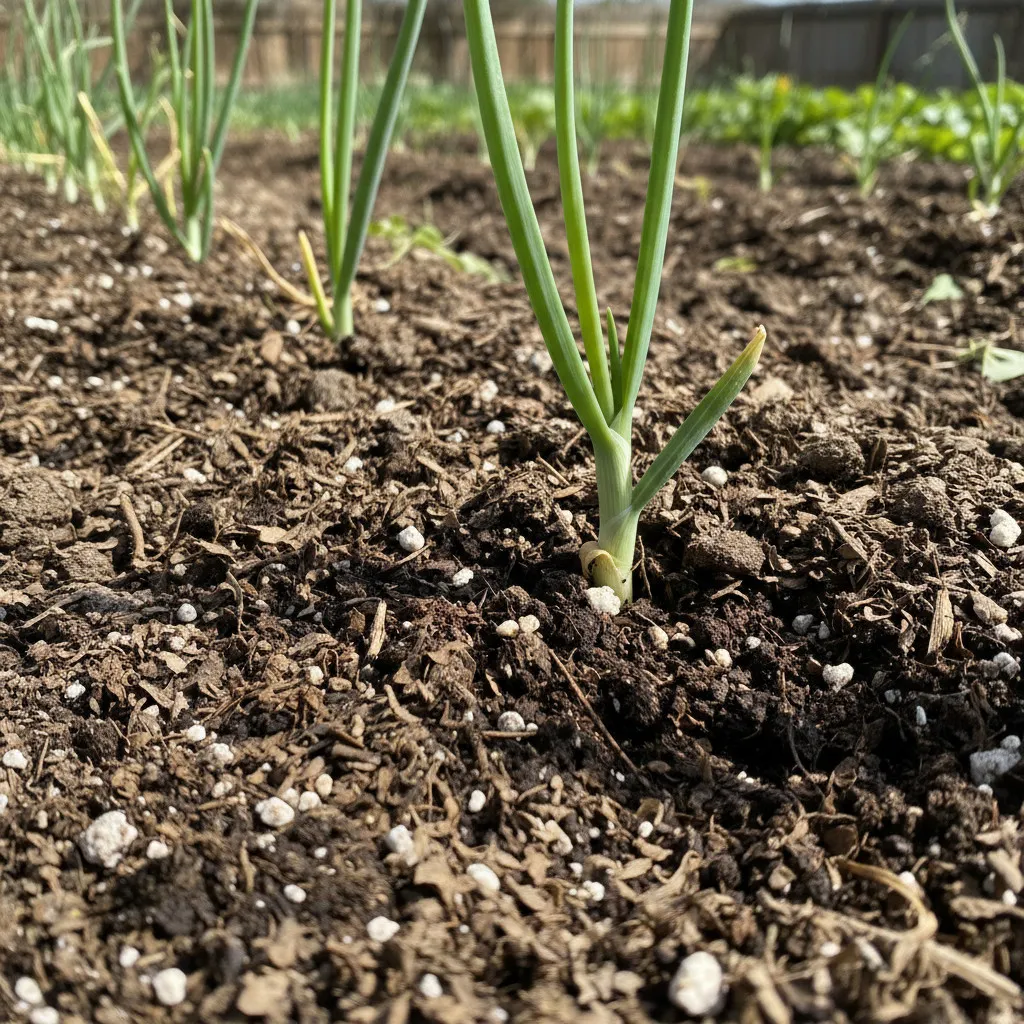
The single biggest factor determining how fast your onions will grow is your chosen starting method. Each approach offers distinct advantages and disadvantages in terms of time investment, cost, variety selection, and ultimate harvest timeline. Let’s break down each method in detail so you can make an informed decision.
Growing from Seed: The Long But Rewarding Path
Starting onions from seed is the most economical and offers the widest variety selection, but it requires the longest commitment – typically 120-150 days total from seed to harvest. This method is ideal for gardeners who enjoy the complete growing experience, want access to unusual or heirloom varieties not available as sets or transplants, and have the time and space for indoor seed starting.
When you start onion seeds indoors (which is recommended for most climates), you’ll need to begin 8-10 weeks before your last expected spring frost date. This typically means starting seeds in late January through early March for most northern gardeners. The seeds themselves germinate relatively quickly – usually within 7-10 days when kept at optimal soil temperatures of 75-85°F. However, those tiny seedlings will spend the next two months growing stronger under lights before they’re ready to face the outdoor garden.
After your 8-10 week indoor growing period, you’ll transplant seedlings outdoors about 2-4 weeks before your last frost date. From this transplanting point, expect another 90-110 days until your bulbs are ready to harvest. This means if you start seeds indoors in early February, transplant in mid-April, you’re looking at a late July to mid-August harvest. The total timeline from seed starting to harvest spans roughly 5-6 months.
Direct seeding outdoors is an option in mild climates where you don’t experience hard freezes and have a long growing season. This approach eliminates the indoor growing period but extends the in-ground time. Direct-sown seeds need soil temperatures of at least 50°F to germinate properly, and they’ll take 100-120 days from germination to harvestable bulbs. The challenge with direct seeding in northern climates is that germination can be slow and patchy in cool spring soils, and you lose valuable growing time that could be spent developing leaf mass before bulbing begins.
Growing from Transplants: The Middle Ground
Onion transplants offer an excellent balance between convenience and growth speed, requiring 60-80 days from transplanting to mature bulbs. These are actively growing seedlings either purchased from nurseries or grown by you from seed indoors. Transplants give you a significant head start compared to direct seeding while offering more variety options than sets typically provide.
When you use transplants, whether purchased or homegrown, you’re essentially skipping 2-3 months of the growing process. These plants are already established with developed root systems and several inches of green growth. Once transplanted into your garden beds in early spring (2-4 weeks before last frost), they quickly acclimate and begin growing vigorously. The reduced transplant shock compared to sets means faster establishment and earlier bulb development.
The key advantage of transplants is timing flexibility. Because they’re actively growing rather than dormant like sets, they adapt more quickly to soil conditions and experience less lag time before resuming growth. Many gardeners report that transplants produce more uniform bulbs with fewer issues like bolting (premature flowering) compared to sets, though they cost more than either seeds or sets.
Growing from Sets: The Fastest Route to Harvest
Onion sets are small, dormant bulbs that provide the fastest path to mature onions – just 60-80 days from planting to harvest, sometimes even faster. For beginners or gardeners seeking simplicity and speed, sets are incredibly appealing. They’re essentially onions that were grown from seed the previous year, harvested young, and stored through dormancy specifically for replanting.
Sets can be planted extremely early in spring – as soon as the soil can be worked and temperatures don’t regularly dip below 28°F. This early planting window is a significant advantage because it maximizes the time onions have to develop foliage before day length triggers bulb formation. Many gardeners report harvesting green onions from sets in as little as 3-4 weeks after planting, and mature bulbs in just 14-16 weeks.
However, sets come with trade-offs. The variety selection is severely limited – you’ll typically find only generic yellow, red, or white varieties without specific cultivar names. Additionally, because sets are technically in their second year of growth (remember, onions are biennials), they have a higher tendency to bolt or send up flower stalks. When an onion bolts, it stops putting energy into bulb development and instead focuses on seed production, resulting in a smaller, less desirable bulb. Sets larger than ¾ inch in diameter are particularly prone to bolting.
Despite these limitations, sets remain incredibly popular for good reason. They require minimal effort, don’t need indoor seed starting equipment, tolerate early spring planting, and deliver results quickly. For gardeners growing onions primarily for storage and who aren’t particular about specific varieties, sets represent an excellent, reliable choice.
Factors That Influence How Fast Onions Grow
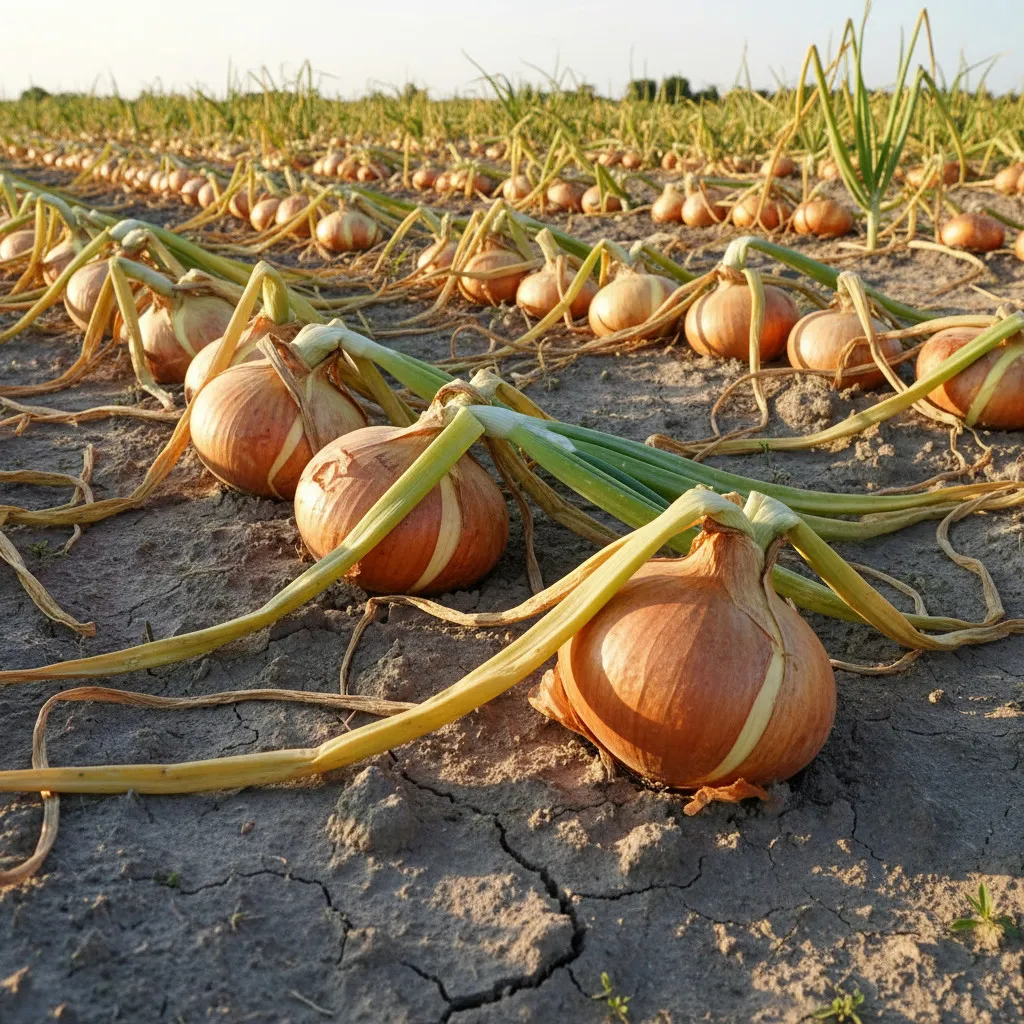
While your planting method sets the baseline timeline, numerous environmental and cultural factors can significantly accelerate or delay onion development. Understanding these variables allows you to optimize conditions and potentially shave weeks off your growing time or troubleshoot when growth seems slower than expected.
Soil Quality and Preparation
Onions are heavy feeders with shallow root systems, making soil quality absolutely critical to growth speed. These plants can’t search deep into the soil profile for nutrients like deep-rooted tomatoes or squash. Instead, they depend entirely on the top 6-8 inches of soil for all their nutritional and water needs. Rich, loose, well-draining soil with abundant organic matter is non-negotiable for optimal growth rates.
Before planting, your soil should ideally have a pH between 6.0 and 7.0. Soils outside this range limit nutrient availability even if nutrients are present. Conduct a soil test several weeks before planting so you have time to amend accordingly. Heavy clay soils that compact easily will significantly slow bulb development because the bulbs literally can’t push through dense soil. If you’re working with clay, either extensively amend with compost and other organic matter, or grow onions in raised beds with improved soil.
Nitrogen availability particularly impacts growth speed. Onions need consistent nitrogen throughout their foliage development stage to grow the green tops that eventually become bulb layers. However, there’s a delicate balance – too much nitrogen, especially late in the season, delays bulb formation and maturity, resulting in large necks that are difficult to cure. The sweet spot involves incorporating nitrogen-rich amendments at planting time and providing supplemental feedings every 2-3 weeks during active growth, stopping once bulbing begins.
Key soil preparation steps for faster growth:
- Incorporate 2-3 inches of well-aged compost or manure into the top 6 inches of soil several weeks before planting
- Add a balanced organic fertilizer (such as a 5-10-10 or similar formulation) at planting time according to package directions
- Ensure excellent drainage – onions may rot in waterlogged soils, which obviously stops all growth permanently
- Work soil to a fine, loose texture – breaking up clumps allows roots to establish quickly and bulbs to expand freely
Water Consistency and Management
Consistent moisture is arguably the most important factor in steady, rapid onion growth. Onions’ shallow root systems cannot tolerate drought stress, and irregular watering leads to uneven growth, cracked bulbs, and delayed maturity. These plants need approximately one inch of water per week throughout the growing season, delivered either through rainfall or irrigation.
The key word here is “consistent.” Drought followed by heavy watering stresses plants and can cause bulbs to split as they rapidly absorb water. This stop-and-start growth pattern extends the time to harvest and reduces bulb quality. Instead, aim for even soil moisture – the soil should feel like a wrung-out sponge at all times during active growth.
Monitor soil moisture by checking 2-3 inches below the surface. If it feels dry at that depth, it’s time to water. Sandy soils dry out much faster than clay soils, so adjust your watering frequency accordingly. Drip irrigation or soaker hoses provide ideal water delivery because they keep foliage dry (reducing disease risk) while maintaining consistent root-zone moisture.
Stop watering 1-2 weeks before harvest once bulbs have reached full size and tops begin to yellow and fall over. This final dry-down period allows the protective papery skins to form properly and initiates the curing process, which is essential for storage. However, premature drying during the growth phase will slow or stop development entirely.
Temperature and Growing Season Length
Onions are cool-season crops that grow most vigorously when daytime temperatures range between 55°F and 75°F. They can tolerate light frosts and even brief periods down to 28°F without damage, which is why we plant them so early in spring. However, temperature extremes in either direction slow growth noticeably.
Cold temperatures (consistently below 50°F) essentially pause growth. While the plants survive, they’re not actively developing. This is why fall-planted onions in mild climates sit relatively dormant through winter, then explode with growth as temperatures warm in spring. Conversely, heat stress when temperatures consistently exceed 85°F slows growth and can trigger premature bulbing before adequate foliage develops, resulting in disappointingly small bulbs.
Your total growing season length – the period between last spring frost and first fall frost – determines which onion varieties you can successfully mature. Short-season northern areas (90-120 frost-free days) require fast-maturing varieties and often benefit from starting with transplants or sets to maximize the growing window. Long-season southern areas (200+ frost-free days) can successfully grow slow-maturing varieties and even succession plant multiple crops.
Sunlight Exposure
Onions absolutely require full sun (6-8 hours of direct sunlight daily minimum) for optimal growth speed. These plants convert sunlight into energy that fuels both foliage development and bulb formation. Reduced sunlight means reduced energy production, which translates directly to slower growth and smaller bulbs.
The relationship between sunlight and bulb size is direct and proportional – more sunlight during the growing season means larger bulbs at harvest, while shaded or cloudy conditions extend the time to maturity and reduce bulb size. This is why overcast, rainy springs often result in slower onion development compared to bright, sunny seasons.
Never plant onions in partial shade or where they’ll be shaded by taller crops. They should occupy a prime, full-sun garden location. If you’re space-limited, prioritize sun exposure for your onions even if it means other, more shade-tolerant crops occupy less ideal locations.
Weed Competition
Weeds are particularly problematic for onions and can significantly slow growth if not managed diligently. Because onions have such shallow roots and relatively sparse foliage, they’re terrible competitors. Weeds steal water, nutrients, and even sunlight, directly reducing the resources available for onion development.
A weedy onion patch might take several extra weeks to reach harvest size compared to a weed-free patch, and the resulting bulbs will be noticeably smaller. The solution is simple but requires commitment: keep your onion beds meticulously weed-free from planting through harvest.
Best practices for weed management:
- Hand-pull weeds when small rather than allowing them to become established – young weeds are easy to remove
- Cultivate shallowly with a hoe or hand tool, cutting weeds just below the soil surface without disturbing onion roots
- Apply 2-3 inches of organic mulch (straw, grass clippings without herbicide residue, or similar materials) between rows once onions are established to suppress weed germination
- Never let weeds go to seed in or near your onion bed – one season’s seeds become many seasons of weed problems
Pest and Disease Pressure
While not as common as with some other vegetables, pest and disease problems can dramatically slow onion growth or stop it entirely. Healthy onions grow at their expected rate; stressed or damaged onions limp along slowly if they survive at all.
Onion maggots, thrips, and allium leaf miners are the primary insect pests that can delay growth. Maggots feed on roots and bulbs, directly damaging the growing tissues. Thrips rasp leaf surfaces to feed on sap, reducing the plant’s photosynthetic capacity and energy production. Leaf miners create tunnels through foliage, similarly reducing the plant’s ability to produce energy for growth.
Diseases like fusarium basal rot, botrytis leaf blight, and bacterial soft rot can kill plants outright or weaken them enough to severely stunt growth. Many of these problems are prevented rather than cured, which is why proper cultural practices are essential.
Prevention strategies to maintain optimal growth rates:
- Practice crop rotation – never plant onions or their relatives (garlic, leeks, shallots) in the same bed more than once every 3-4 years
- Ensure good air circulation through proper spacing and avoiding overhead watering when possible
- Remove plant debris completely at the end of each season – many pathogens overwinter on old plant material
- Monitor regularly for early signs of problems and address them immediately before they become severe
Day-Length Requirements and Growth Speed: Understanding Photoperiodism
Here’s where onion growing gets truly fascinating and where many gardeners inadvertently sabotage their success. Onions are photoperiodic, meaning they respond to day length (hours of daylight) as the trigger to begin bulb formation. This isn’t optional or variable – it’s hardwired into each variety’s genetics. Understanding this concept is absolutely essential for choosing varieties that will mature properly in your location and for predicting your harvest timeline.
How Photoperiodism Affects Growth Speed
During the early part of the growing season, onions focus exclusively on producing foliage – those green tops that grow from the bulb. Each leaf above ground corresponds to a ring or layer in the developing bulb. More leaves equals more layers equals bigger bulbs. This vegetative growth phase is when you want your onions putting on as much green growth as possible.
Then, when day length reaches a genetically predetermined threshold for that specific variety, the plant receives a signal to stop producing leaves and start forming a bulb. From that point forward, all the plant’s energy goes into swelling the bulb. You want this transition to happen after the plant has maximum foliage development but with enough growing season remaining to form large bulbs before harvest.
Here’s the critical issue: if you plant a short-day variety in a long-day location, it will receive the bulbing signal very early in the season when plants are still small with minimal foliage. The result is tiny, marble-sized bulbs that mature months early. Conversely, if you plant a long-day variety in a short-day location, it may never receive the bulbing signal at all, continuing to produce foliage without forming bulbs, eventually bolting or being killed by weather.
The Three Day-Length Categories
Short-Day Onions (10-12 hours of daylight to trigger bulbing): These varieties are designed for southern latitudes, generally south of 36°N (roughly the latitude of Oklahoma City or the southern borders of Tennessee and North Carolina). Short-day onions planted in early fall will grow vegetatively through the mild southern winter, then begin bulbing in late winter or early spring when days reach 10-12 hours. They’re typically harvested in late spring or early summer. Popular varieties include ‘Texas 1015Y Supersweet,’ ‘Vidalia,’ ‘Crystal Wax White Bermuda,’ and ‘Red Creole.’
Intermediate or Day-Neutral Onions (12-14 hours of daylight to trigger bulbing): These versatile varieties work across a wide range of latitudes, roughly between 32°N and 42°N (from Texas up through the middle tier of states like Kansas, Missouri, Pennsylvania). They offer flexibility and can often succeed in both northern and southern gardens, though they’re optimized for middle latitudes. Varieties include ‘Candy,’ ‘Red Stockton,’ ‘Super Star,’ and ‘Superstar.’
Long-Day Onions (14-16 hours of daylight to trigger bulbing): Designed for northern latitudes north of 37°N (roughly from northern California, the upper South, and Mid-Atlantic northward), long-day varieties wait for the long days of mid to late summer before beginning to bulb. This extended vegetative growth period allows plants to develop substantial foliage before bulbing begins, resulting in large bulbs if conditions are favorable. Popular varieties include ‘Walla Walla,’ ‘Yellow Sweet Spanish,’ ‘Copra,’ ‘Red Wing,’ ‘Ailsa Craig,’ and ‘Patterson.’
How to Use Day-Length Information to Predict Harvest Timing
Your chosen variety’s day-length category directly influences how fast your onions will grow and when they’ll be ready to harvest. A long-day variety planted in Minnesota will spend most of the growing season in vegetative growth, not beginning to bulb until late June or early July when day length exceeds 14 hours. Harvest typically occurs in late July through September after several weeks of bulb development.
A short-day variety planted in Georgia begins bulbing much earlier in the season when day length reaches just 10-12 hours, which might be as early as February or March. With bulbing triggered early, these onions mature faster and are ready for harvest in late spring, often May or June.
This timing difference isn’t a defect or problem – it’s intentional design that matches variety to climate. The key lesson is simple: always choose onion varieties appropriate for your latitude. Seed catalogs and packets usually indicate whether varieties are short, intermediate, or long day. When in doubt, look for varieties described as suited to your region or ask your local Extension office for recommendations.
Impact on Total Growing Time
The day-length sensitivity means that two gardeners can plant identical onion sets on the same date but harvest at completely different times if they’ve chosen different day-length varieties. A southern gardener planting short-day varieties in October will harvest in April or May – roughly 6-7 months but mostly during cool, slow-growing conditions. A northern gardener planting long-day varieties in April will harvest in August or September – also roughly 4-5 months but during the most vigorous growing season.
Understanding this principle helps you interpret seed packet information accurately. When a variety description says “95 days to maturity,” that’s counting from transplanting or planting sets, and it assumes you’re growing that variety in its appropriate day-length zone. A long-day variety will not mature in 95 days in a short-day location because it won’t receive the bulbing signal.
Stage-by-Stage Growth Timeline: What to Expect Week by Week
Let’s walk through the complete growth cycle of onions started from seed indoors, which gives the most comprehensive view of the process. Understanding what happens at each stage helps you monitor progress, identify problems early, and predict harvest timing accurately.
Weeks 1-2: Germination and Emergence (Indoor Seed Starting)
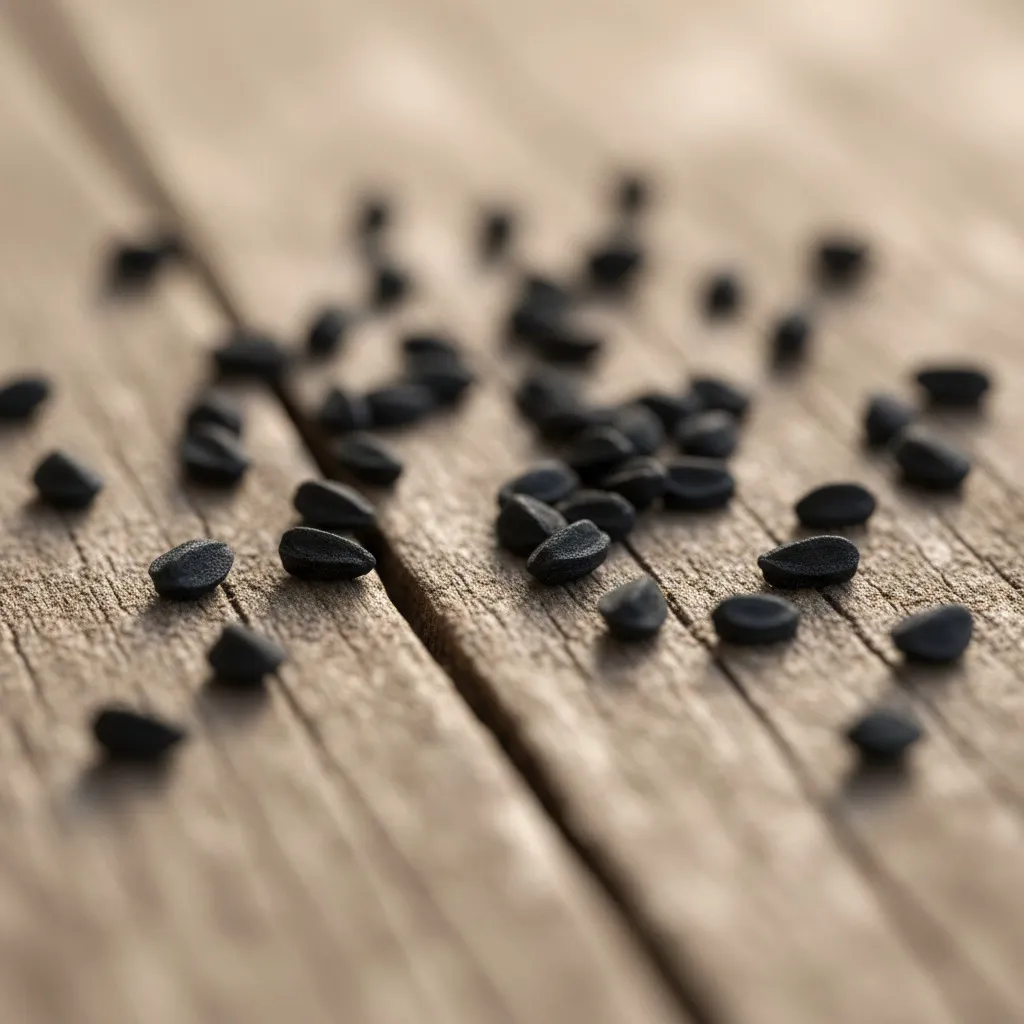
After sowing seeds indoors in late winter, the first signs of life appear within 7-10 days if soil temperature is kept between 75-85°F. Onion seeds are small, dark, and wrinkled, but they’re tough little things. The first structures to emerge are thin, grass-like shoots that loop upward, pushing through the soil surface.
At this stage, your seedlings need: consistent moisture (never letting the starting mix dry out completely), warmth, and as soon as shoots emerge, immediate bright light. Without adequate light, seedlings become spindly and weak. Position trays under grow lights set just a few inches above the seedlings, running 12-14 hours daily.
Weeks 3-8: Seedling Growth (Indoor)
For the next 6 weeks, your seedlings gradually strengthen and grow taller. Onion seedlings look like thick blades of grass or chive plants – they’re much sturdier than they first appear. During this period, they’re developing root systems and storing energy for the transition to outdoor life.
Regular maintenance includes: keeping the soil consistently moist but not waterlogged, fertilizing every 2 weeks with half-strength liquid fertilizer, and trimming the tops when seedlings reach 5-6 inches tall. Yes, trimming! This practice, which feels counterintuitive, actually strengthens seedlings by encouraging energy redirection into root development. Cut the tops back to about 3-4 inches using clean scissors.
Around week 6-7, begin the hardening off process. This gradual acclimation to outdoor conditions is essential. Start by moving trays outside for just an hour or two on a mild day, gradually increasing exposure over 7-10 days until plants are outdoors full-time. Skip this step and you’ll shock your plants, potentially losing weeks of growth time to recovery or even losing plants entirely.
Weeks 9-10: Transplanting Outdoors
Approximately 2-4 weeks before your last expected frost, your seedlings are ready for their permanent home. Soil temperature should be at least 50°F, ideally warmer. Prepare beds by incorporating compost and fertilizer, then separate seedlings (they’re surprisingly easy to tease apart despite tangled roots) and plant 4-6 inches apart in rows 12-18 inches apart.
For the first week after transplanting, water daily by hand if natural rainfall doesn’t occur. This frequent watering helps establish roots. Many seedlings will flop over initially – this is normal. Some will even appear to die, with tops turning yellow or brown, but if roots are intact, they’ll often produce new growth. Don’t give up on them immediately.
Within 7-10 days, you’ll notice new growth emerging, and plants will be standing upright again. This signals successful establishment.
Weeks 11-16: Vegetative Growth Phase
For the next month to six weeks, onions put all their energy into producing foliage. This is the most critical growth phase because every leaf produced above ground becomes a layer in your eventual bulb. More leaves now directly equals bigger bulbs later. You want rapid, vigorous growth during this period.
Your management focus should be: consistent watering (about 1 inch per week), side-dressing with nitrogen fertilizer every 2-3 weeks, and maintaining absolutely weed-free beds. The plants should develop sturdy, upright foliage with thick, healthy green color. Yellowing or stunted growth indicates problems (usually nutritional deficiencies or water stress) that need immediate correction.
During this phase, you might thin plants if they’re crowded, harvesting every other one as green onions or spring onions for fresh eating. This is bonus harvest while simultaneously improving spacing for the remaining plants.
Weeks 17-20: Bulbing Phase Begins
When day length reaches the threshold for your variety, you’ll notice plants beginning to swell at the base. This is the beginning of bulb formation. The tops may slow their upward growth, and the plant’s energy shifts underground. Some varieties push up partially out of the soil as they grow, while others remain mostly buried.
Continue watering consistently during this phase. Stop fertilizing once bulbing clearly begins – additional nitrogen at this point can delay maturity and cause storage problems. The bulbs will continue expanding for several weeks, rapidly putting on size.
Weeks 21-24: Final Bulb Development and Maturation
As bulbs reach their maximum size for the conditions provided, you’ll notice the foliage beginning to yellow and weaken. When approximately 50% of the tops have fallen over and turned yellow or brown, harvest time has arrived. This typically occurs 90-110 days after transplanting, which translates to late July through September for most northern gardeners.
Don’t wait until 100% of tops have died back – by that point, bulbs are vulnerable to rot and insect damage. The 50% point is optimal for harvest, providing mature bulbs with the best storage potential.
How to Speed Up Onion Growth: Proven Strategies
While you can’t completely override biology and force onions to mature in half the expected time, you can optimize conditions to achieve growth at the faster end of the expected range. These strategies can potentially save you 2-3 weeks compared to less-than-ideal conditions.
Start with Transplants or Sets Rather Than Seeds
The single fastest way to reduce your calendar time to harvest is choosing transplants or sets instead of seeds. This immediately eliminates 2-3 months of growing time from your calendar (though obviously someone else grew those plants during that period). If speed is your priority, this is the non-negotiable first step.
When selecting sets, choose ones that are about ¾ inch in diameter – not larger. Smaller sets (½ inch or less) will grow into scallions but may not form large bulbs in a single season. Larger sets (over 1 inch) are much more prone to bolting, which stops bulb development. That middle size range is the sweet spot for fast, reliable bulb formation.
For transplants, look for plants with healthy green foliage, no signs of disease or pest damage, and good root development. Avoid transplants that are already showing bulb development, as these may be stressed and won’t perform as well.
Optimize Soil Before Planting
You cannot overstate the importance of soil preparation for fast onion growth. Taking the time to create ideal soil conditions before planting will reward you with faster, more vigorous growth throughout the season. This isn’t a step to shortcut.
Have your soil tested at least a month before planting so you have time to amend based on results. Work 2-4 inches of well-aged compost or composted manure into the top 6-8 inches of soil several weeks before planting. If your soil test indicates phosphorus or potassium deficiencies, incorporate amendments according to recommendations.
For nitrogen, incorporate a balanced organic fertilizer at planting time, aiming for about 1 pound of actual nitrogen per 100 square feet of bed space. This provides readily available nutrition for early growth without oversupplying.
If you’re working with heavy clay soil, either extensively amend with compost and coarse sand to improve drainage and structure, or grow onions in raised beds filled with a quality garden soil blend. Clay soil that compacts and stays soggy will significantly delay bulb development regardless of other factors.
Choose Fast-Maturing Varieties
Not all onion varieties mature at the same speed even within the same day-length category. Some varieties are bred specifically for quick maturity, while others are selected for maximum storage life or size, which often comes with longer growing times. When shopping for seeds, sets, or transplants, look for varieties described as “early maturing” or note the days-to-maturity information.
For long-day varieties, early options might mature in 90-100 days from transplanting, while storage varieties might require 110-120 days. That 2-3 week difference can be significant if you’re working with a short growing season. Some varieties known for faster maturation include ‘Red Baron,’ ‘Buffalo,’ ‘Stuttgarter’ (as sets), and ‘First Edition.’
Keep in mind that faster-maturing varieties often don’t store as long. If your goal is onions to last through winter, you’ll need to balance maturation speed with storage quality. Many gardeners plant both early and storage varieties, enjoying the early harvest fresh while curing storage types for long-keeping.
Maintain Consistent Optimal Conditions
Steady, uninterrupted growth is always faster than stop-and-start growth that requires recovery time. Your goal should be creating and maintaining ideal conditions throughout the season rather than allowing stress periods followed by recovery.
This means:
- Consistent watering – install drip irrigation or soaker hoses if hand watering isn’t reliable, and monitor soil moisture regularly
- Regular feeding – side-dress with nitrogen fertilizer every 2-3 weeks during vegetative growth rather than applying one large dose
- Immediate weed control – removing weeds when they’re tiny seedlings rather than waiting until they’re established competitors
- Protection from temperature extremes – using row covers if unexpected cold threatens, or shade cloth if extreme heat is forecast
Plant at the Optimal Time for Your Region
Planting too early or too late both extend the time to harvest. There’s a sweet spot for onion planting in every region that balances cool-weather preference with adequate growing time.
For most regions, this means planting 2-4 weeks before the last expected spring frost. Earlier planting in soil that’s too cold (below 50°F) means seeds sit dormant or transplants grow very slowly. Later planting means shorter vegetative growth periods before day length triggers bulbing, resulting in smaller bulbs.
The exception is fall planting in mild climates. In zones 7-9 with mild winters, onions planted in October or November will establish roots before winter, remain semi-dormant through cold months, then begin vigorous growth in early spring. This extended growing time, despite occurring mostly in cool weather, often produces the largest bulbs because plants have maximum time to develop foliage before day length triggers bulbing.
Provide Maximum Sun Exposure
Plant your onions in the absolute sunniest location in your garden – nothing less than 8 hours of direct sun daily. Every hour of reduced sunlight means measurably slower growth and smaller final bulbs. If you have limited space and must prioritize, give the sunniest spots to your onions and plant more shade-tolerant crops like lettuce or leafy greens in partial shade areas.
Common Mistakes That Slow Down Onion Growth
Even experienced gardeners sometimes make errors that significantly extend the time to harvest or reduce bulb size. Learning to recognize and avoid these common pitfalls will keep your onions on track for timely maturation.
Planting the Wrong Day-Length Variety
This is perhaps the most common mistake and the most frustrating because you won’t realize the error until it’s far too late to correct. A gardener in Minnesota planting short-day varieties will watch their onions bulb prematurely when plants are just a few inches tall, resulting in marble-sized bulbs that mature months too early. Conversely, a southern gardener planting long-day varieties may never see bulb formation at all.
Always verify that you’re purchasing varieties appropriate for your latitude. Reputable seed companies clearly label day-length requirements. If buying sets from a big-box store where varieties aren’t specified, ask staff or check with the company that produced them. When in doubt, intermediate varieties offer more flexibility and are safer choices for gardeners near the boundaries between zones.
Inconsistent Watering
Allowing onions to experience drought stress, then soaking them, then drying out again creates several problems that all extend the time to maturity. First, stressed plants stop growing during drought periods – that’s lost time you can’t recover. Second, irregular watering can cause bulbs to crack or split as they rapidly absorb water after drought, which may ruin them for storage. Third, water-stressed plants are more susceptible to disease and pest problems.
The solution is installing drip irrigation or soaker hoses that deliver consistent moisture directly to root zones. These systems pay for themselves many times over in improved yields and reduced water waste. Combine drip irrigation with mulch to maintain even soil moisture with minimal effort.
Over-Fertilizing with Nitrogen Late in the Season
While nitrogen is essential during vegetative growth, continuing to apply nitrogen once bulbing begins causes several problems. The plants continue pushing energy into foliage production rather than bulb development, delaying maturity by weeks. The bulbs that eventually form have thick necks that are difficult or impossible to cure properly, making them unsuitable for storage. And the bulbs themselves may be softer and more prone to rot.
Stop all nitrogen fertilization once you notice bulbs beginning to form at the base of plants. At this point, the plant has all the foliage it will produce, and additional nitrogen is counterproductive. You can continue watering and even apply phosphorus and potassium if soil tests indicated deficiencies, but no more nitrogen.
Planting Sets That Are Too Large
Onion sets larger than 1 inch in diameter are much more likely to bolt (produce flower stalks) than smaller sets. When an onion bolts, it stops bulb development and instead puts energy into flowering and seed production. The bulbs of bolted onions become small, tough, and hollow in the center – essentially unusable.
When shopping for sets, examine them carefully and select smaller, uniform bulbs around ¾ inch diameter. If you receive sets that include some large ones, consider using those specifically for green onion production, harvesting them early before bolting can occur. Never plant sets larger than 1 inch if you want mature bulbs.
Planting in Soil That’s Too Compact or Poorly Drained
Onion bulbs develop underground and need to be able to push through the soil as they expand. In heavy, compacted clay soil, the bulbs simply cannot develop properly. Growth is stunted and extremely slow, and bulbs that do form may be misshapen or remain small regardless of how long you wait.
Similarly, poorly drained soil that stays waterlogged after rainfall or irrigation creates conditions for root rot and other diseases that kill plants or severely stunt growth. If you notice water pooling on the surface or soil remaining soggy for days after rain, your onions will struggle.
Address these issues before planting by extensively amending clay soils with organic matter and coarse materials, creating raised beds that drain freely, or choosing a different location altogether. Trying to grow onions in unsuitable soil is an exercise in frustration.
Neglecting Weed Control
Weeds compete directly with your onions for water, nutrients, and sunlight, significantly slowing growth. Because onions have such shallow roots and relatively sparse foliage, they’re particularly poor competitors. A weedy onion bed might take 30% longer to reach harvest size compared to weed-free beds, and yields will be dramatically reduced.
Stay ahead of weeds through regular shallow cultivation, hand-pulling, and mulching. The investment of time in weed control pays enormous dividends in faster growth and bigger bulbs. Don’t wait until weeds are large and well-established – at that point, they’ve already stolen resources from your onions. Remove them when they’re tiny seedlings that pull effortlessly.
Harvesting Too Early or Too Late
While not exactly a “growth” issue, improper harvest timing wastes all the time you invested in growing. Harvesting too early means bulbs haven’t reached their potential size, and they won’t store well because the protective papery skins haven’t fully developed. Harvesting too late means you risk bulbs rotting in the ground or being damaged by pests.
The optimal harvest timing is when approximately 50% of the tops have naturally fallen over and yellowed. At this point, bulbs have reached maximum size and are beginning the natural curing process. Stop watering 1-2 weeks before harvest to accelerate this process. If you wait until 100% of tops have died, you’ve waited too long and risked your harvest.
Harvesting at Different Stages: Flexible Timeline Options
One of the beautiful aspects of growing onions is their flexibility. While we’ve focused primarily on growing bulbs to full maturity for storage, you can actually harvest and enjoy onions at virtually any stage of development. Understanding this flexibility helps you make the most of your onion patch and provides earlier harvests even while waiting for storage onions to mature.
Green Onions or Scallions (3-4 Weeks from Sets or Transplants)
The fastest harvest comes from pulling immature onions as green onions or scallions when they’re just pencil-thick with minimal bulb development. If you planted from sets or transplants, you can begin harvesting green onions in as little as 21-28 days after planting. From seed, expect 60-70 days to usable green onion size.
To maximize your harvest, consider planting onions more densely than you ultimately need, then progressively thinning them as they grow. Use these thinnings as green onions in cooking. This strategy provides both early harvest and improved spacing for the remaining plants that will grow to full bulbs.
Some varieties are specifically bred as bunching onions (also called scallions) that never form bulbs but produce delicious green stalks. Varieties like ‘Tokyo Long White,’ ‘Evergreen Hardy White,’ or ‘Italian Red of Florence’ can be harvested repeatedly, providing continuous green onions for months. These typically reach harvestable size in 50-70 days from seed.
Spring Onions or Fresh Onions (6-10 Weeks from Sets or Transplants)
As your onions continue growing, there’s a wonderful intermediate stage where small bulbs have formed (perhaps golf ball to tennis ball size) but the tops are still fresh and green. These “spring onions” or “fresh onions” are sublime – milder and sweeter than fully mature storage onions but with more substance than green onions.
You can begin harvesting spring onions roughly 45-70 days after planting sets or transplants, depending on growing conditions and variety. From seed, expect 80-100 days. Simply pull the whole plant, trim the roots, and use both the bulb and the tender green tops in cooking.
Spring onions are perfect for grilling, roasting whole, or using fresh in salads. They won’t store long – perhaps a week or two in the refrigerator – but their fresh, sweet flavor is worth the limited shelf life. Many cooks consider this the prime stage for onions, and it’s well worth harvesting at least some of your crop at this point even if you’re growing primarily for storage.
Storage Bulbs (12-20 Weeks Depending on Method)
Full-sized storage onions represent the longest timeline but the greatest reward – bulbs that, when properly cured and stored, will provide you with homegrown onions for 4-8 months after harvest. The exact timing depends on your starting method:
- From seeds started indoors: 90-110 days from transplanting (add 8-10 weeks for indoor growing = 17-20 weeks total)
- From transplants: 70-90 days from transplanting
- From sets: 60-80 days from planting
Storage onions are ready when approximately half the tops have fallen over and yellowed. At this point, the bulbs have reached maximum size, and the protective papery skins are developing. Proper harvest and curing are essential for storage success – we’ll cover this in detail in the next section.
Different varieties have vastly different storage capabilities. Some mild, sweet varieties like ‘Walla Walla’ store only 2-3 months under ideal conditions. Pungent storage varieties like ‘Copra’ or ‘Patterson’ can last 6-8 months or even longer. When selecting varieties, match storage capability to your needs.
Seed Production (2 Years)
If you’re interested in seed saving, onions require a second growing season to produce flowers and seeds (remember, they’re biennials). After harvesting bulbs at the end of the first season, select the best specimens and replant them the following spring. They’ll produce tall flower stalks topped with globe-shaped seed heads. When seed heads dry completely, harvest and store the seeds for future planting.
This two-year cycle takes patience but allows you to save seeds from varieties that perform particularly well in your garden, gradually developing onions perfectly adapted to your specific conditions. It’s advanced gardening but incredibly rewarding.
Final Thoughts: Patience and Planning for Perfect Onions
Growing onions successfully requires understanding their unique timeline and respecting their biological requirements. Unlike quick crops that provide near-instant gratification, onions ask for patience, but they reward that patience with unmatched versatility and value. From those first tiny green shoots emerging from seed in February to the satisfying moment in August when you pull fat, golden bulbs from the earth, the onion growing journey connects you deeply to the rhythm of the seasons.
The question “how fast do onions grow?” doesn’t have a single answer because it depends on so many interconnected factors – your starting method, your chosen varieties, your climate and latitude, your soil quality, and your cultural practices. But armed with the information in this guide, you can now confidently predict your onion timeline and optimize conditions to achieve growth at the faster end of the expected range.
Remember these key principles as you plan your onion crops: Match day-length variety to your latitude – this is non-negotiable. Start with transplants or sets if speed is your priority, but don’t overlook the satisfaction and variety selection that comes with seed starting. Prepare your soil thoroughly before planting because you cannot compensate for poor soil later. Maintain consistent moisture and nutrition throughout the growing season for uninterrupted growth. And perhaps most importantly, be patient and enjoy the process.
Whether you’re growing pungent storage onions to last through winter, sweet fresh-eating varieties for summer salads, or quick-growing scallions for continuous harvest, onions deserve a prominent place in your garden. Yes, they take time – but few crops offer such generous returns on that time investment. A single 25-foot row of onions planted in April can provide green onions in May, spring onions in June, fresh bulbs through summer, and cured storage onions from September through the following spring. That’s nearly a full year of homegrown onions from one planting.
So gather your seeds, sets, or transplants, prepare that sunny garden bed with rich, loose soil, and commit to the onion growing timeline. In just a few months, you’ll be harvesting beautiful bulbs that prove the wait was absolutely worth it. And once you experience the superior flavor and satisfaction of homegrown onions, you’ll wonder how you ever gardened without them. Here’s to fast, healthy growth and a bountiful onion harvest that keeps your kitchen supplied with this indispensable vegetable for months to come!


![What Is the National Fruit of Ecuador and Why? [ANSWERED]](https://fruitonix.com/wp-content/uploads/2023/04/What-Is-the-National-Fruit-of-Ecuador-and-Why-1024x637.jpg)