

Table of Contents
- How to Care for Roses Outside: Complete Care Guide
- Understanding Rose Basics: What Makes Roses Thrive
- Choosing the Right Location for Your Outdoor Roses
- Planting Roses Outdoors: The Foundation for Success
- When to Plant Roses for Best Results
- How to Prepare the Planting Hole and Soil
- Special Considerations for Bare-Root Roses
- Watering Roses: Finding the Perfect Balance
- Feeding Your Roses: Fertilization Essentials
- Pruning Roses: The Key to Abundant Blooms
- Mulching and Soil Care for Healthy Roses
- Protecting Roses from Pests and Diseases
- Seasonal Rose Care: What to Do Year-Round
- Winter Protection and Preparation
- Key Takeaways: Growing Roses with Confidence
How to Care for Roses Outside: Complete Care Guide
Picture this: You’re sipping your morning coffee on the patio, surrounded by the intoxicating fragrance of blooming roses in every shade imaginable. The dew-kissed petals glisten in the early sunlight, and you can’t help but feel a sense of pride knowing you’ve created this stunning display. This dream can become your reality, and it’s far more achievable than you might think.
Roses have long held the title of “Queen of Flowers,” and for good reason. These timeless beauties symbolize love, passion, and elegance, transforming ordinary gardens into extraordinary outdoor sanctuaries. Yet, despite their regal reputation, many gardeners shy away from growing roses, intimidated by myths about their supposedly demanding nature and finicky requirements. The truth? Caring for roses outdoors is much simpler than the legends suggest, and with the right knowledge and techniques, even beginner gardeners can cultivate stunning rose bushes that flourish season after season.
Whether you’re planting your first rose bush or looking to improve your existing rose garden, this comprehensive guide will walk you through everything you need to know about outdoor rose care. From selecting the perfect planting location and mastering watering techniques to pruning like a pro and protecting your plants through winter, you’ll discover that roses aren’t the high-maintenance divas they’re made out to be. Instead, they’re remarkably resilient plants that reward basic care with spectacular blooms and year-round beauty. Let’s dive into the essential practices that will help your outdoor roses thrive and transform your garden into a fragrant paradise that neighbors will envy.
Understanding Rose Basics: What Makes Roses Thrive
Before you dig your first hole or prune your first cane, understanding what roses need to thrive will set you up for long-term success and help you avoid common pitfalls that frustrate new rose gardeners.
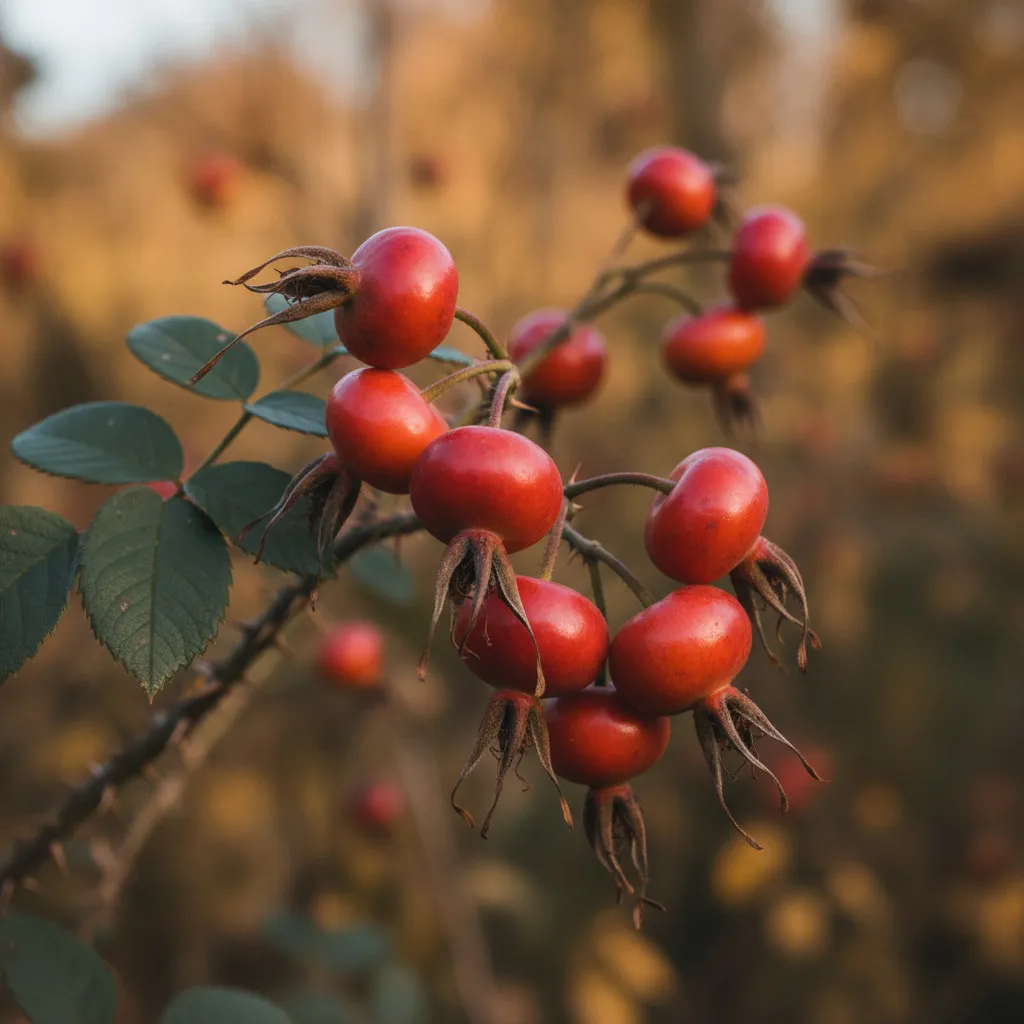
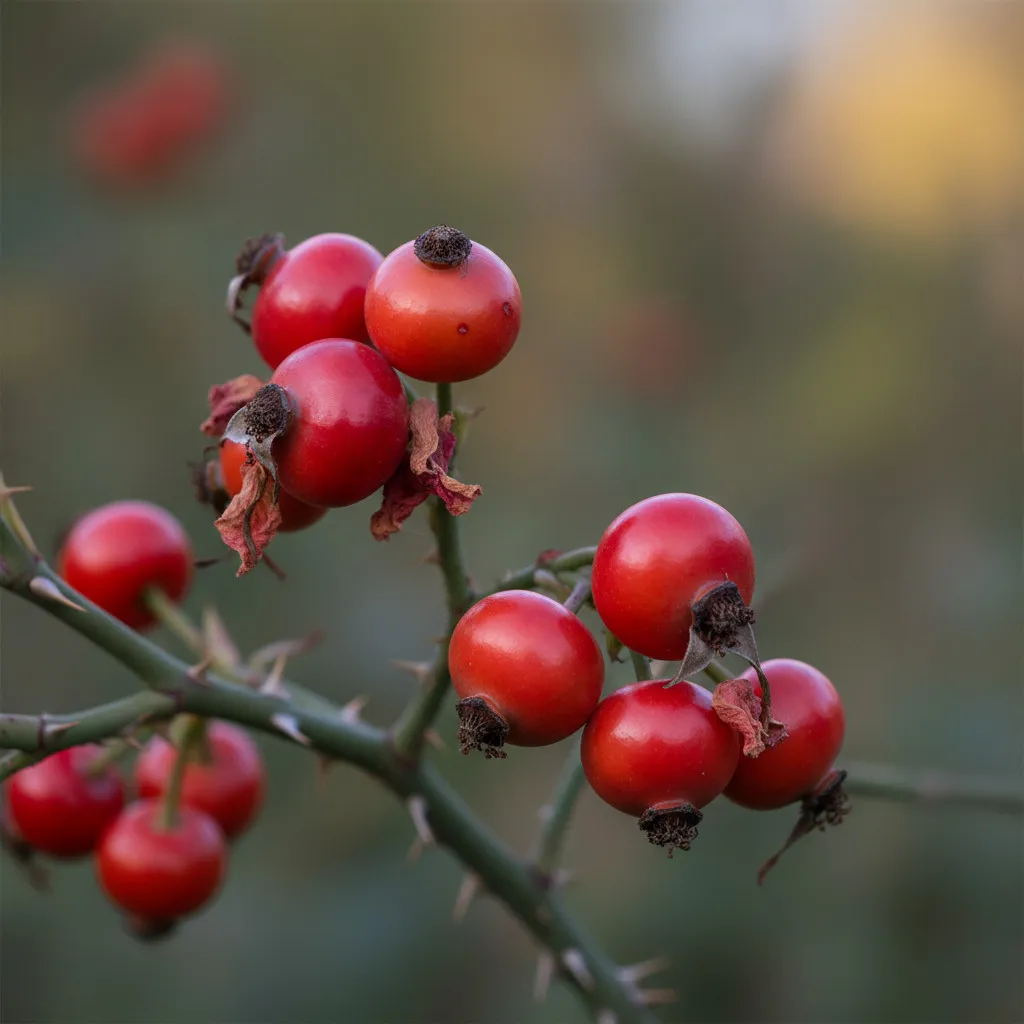
Roses belong to the Rosaceae family, which also includes apples, strawberries, and peaches—plants known for their beautiful flowers and delicious fruits. This connection hints at roses’ dual nature: they’re both ornamental beauties and practical plants that produce edible rose hips rich in vitamin C. Understanding the basic anatomy of rose plants will help you communicate with other gardeners, follow pruning instructions, and diagnose problems more effectively. At the base of your rose plant, you’ll find the root system, which can extend as far horizontally as the plant is tall. Above the roots on grafted plants, you’ll notice a knobby bump called the graft union, where the desirable rose variety (the scion) was joined to hardy rootstock. The main stems are called canes, which support leaves arranged in groups of three, five, or seven leaflets. Flowers grow on stems called peduncles, and after blooms fade, they develop into rose hips—the fruit of the rose plant.
The key factors that determine rose success include sunlight, soil quality, water availability, air circulation, and proper spacing. Most roses demand at least six to eight hours of direct sunlight daily, though some varieties tolerate partial shade with reduced flowering. Soil quality proves equally critical—roses flourish in slightly acidic to neutral soil (pH 5.5-7.0) that’s rich in organic matter and drains well while retaining adequate moisture. Poor drainage leads to root rot, while excessively sandy soil dries out too quickly and starves plants of nutrients. Air circulation around and through the plant helps prevent fungal diseases like black spot and powdery mildew, which thrive in humid, stagnant conditions. Finally, proper spacing between plants ensures each rose has access to nutrients, water, and airflow without competing with neighbors.
Different types of roses have varying care requirements, making it essential to choose varieties suited to your climate, experience level, and maintenance preferences. Hybrid tea roses, with their classic long-stemmed blooms, require more intensive care including regular pruning, feeding, and disease monitoring. Floribunda roses produce clusters of smaller flowers with less maintenance, making them ideal for gardeners seeking continuous color without constant attention. Shrub roses, including the popular Knock Out and Drift series, offer exceptional disease resistance and require minimal pruning—perfect for low-maintenance landscapes. Climbing and rambling roses need structural support and training but create dramatic vertical displays when grown on fences, arbors, or walls. Groundcover roses spread horizontally, staying under a foot tall while providing excellent weed suppression and erosion control. Old garden roses and species roses tend to be hardier and more disease-resistant than modern hybrids, though they may bloom only once per season rather than continuously.
Understanding these fundamentals creates a solid foundation for all the care practices that follow. When you know what your roses need and why they need it, you can make informed decisions about placement, variety selection, and ongoing maintenance. This knowledge transforms rose care from a mysterious art into a straightforward gardening practice that anyone can master with attention and consistency.
Choosing the Right Location for Your Outdoor Roses
Location is perhaps the single most important decision you’ll make when growing roses outdoors, as it directly impacts plant health, bloom production, disease resistance, and long-term survival.
Sunlight requirements should guide your placement decisions because roses are sun-loving plants that produce the most abundant and vibrant blooms in bright light. The ideal location provides at least six to eight hours of direct sunlight daily, with morning sun being particularly valuable. Morning sunlight dries dew from leaves quickly, reducing the time that foliage stays wet and thereby decreasing the likelihood of fungal diseases like black spot developing. In northern regions with cooler summers, choose the sunniest spot available, as roses will happily accept more than eight hours of sun without issue. However, in southern zones with scorching afternoon heat, providing some shade during the hottest part of the day (typically 2-4 PM) helps protect blooms from fading and prevents stress that can reduce flowering. Roses planted in insufficient light become leggy, produce fewer blooms, and show increased susceptibility to pests and diseases as the plants weaken over time.
Soil drainage and composition require careful evaluation before planting to avoid the most common cause of rose failure—waterlogged roots. Walk your potential planting site after a heavy rain and observe how quickly water drains away. Puddles that remain for more than a few hours after rain indicate poor drainage that will likely cause root rot in roses. Heavy clay soil, common in many regions, holds too much water and compacts easily, suffocating roots and preventing proper development. Sandy soil presents the opposite problem, draining so quickly that roses struggle to access adequate moisture and nutrients. The ideal rose soil is loose, loamy soil that drains freely while retaining enough moisture for roots to absorb between waterings. If your native soil isn’t ideal—and most aren’t—you can improve it substantially through amendments. Mix generous amounts of compost, aged manure, or peat moss into clay soil to improve drainage and add air spaces. For sandy soil, incorporate organic matter to increase water and nutrient retention. Testing your soil’s pH using an inexpensive kit from your local extension office or garden center helps you determine if amendments are needed to achieve the slightly acidic conditions (6.0-6.5) that roses prefer.
Air circulation and spacing prevent disease problems that plague overcrowded plantings and roses tucked into tight corners with stagnant air. Good airflow around and through the plant helps foliage dry quickly after rain, dew, or watering, creating an environment less favorable to fungal spores. When planning your rose garden, avoid planting in corners, against walls, or in enclosed spaces where air can’t move freely. Leave at least two to three feet between rose plants, depending on their mature size—more space for larger shrub roses, less for compact varieties. Avoid planting roses directly beneath trees or large shrubs where they’ll compete for water and nutrients while suffering from reduced sunlight and air circulation. Similarly, don’t site roses too close to buildings, fences, or walls; maintain at least 24 inches of clearance to allow air movement and prevent issues with snow or ice sliding off roofs in winter and damaging plants.
Consider protection from environmental extremes when selecting your rose location to minimize winter damage and reduce stress during harsh weather. In cold climates (zones 3-6), planting near south- or west-facing walls provides passive solar heating that moderates temperature fluctuations and offers some protection from harsh winter winds that can desiccate canes. However, avoid planting directly under eaves where snow and ice may slide off and crush plants. In windy areas, position roses where taller structures, hedges, or other plants provide windbreaks without creating excessive shade or competition. Strong winds can snap laden canes during peak bloom, dry out foliage, and stress plants unnecessarily. Avoid frost pockets—low-lying areas where cold air settles—as these locations increase the risk of late spring frost damaging new growth or early fall frost cutting the season short. Taking time to observe your property through different seasons, noting sun patterns, drainage issues, and wind exposure, helps you identify the ideal locations that will give your roses the best chance to thrive for years to come.
Planting Roses Outdoors: The Foundation for Success
Proper planting techniques establish the foundation for healthy, vigorous roses that will reward you with years of beautiful blooms, while poor planting practices create problems that may take seasons to overcome.
When to Plant Roses for Best Results
Timing your planting correctly gives roses the best opportunity to establish strong root systems before facing the stress of extreme temperatures. In most regions, the optimal planting times are spring (after the last expected frost) or fall (at least six weeks before the first expected frost). Spring planting proves ideal for bare-root roses, which typically arrive dormant in late winter or early spring and should be planted as soon as the ground can be worked. This timing allows roots to establish during the growing season before plants must endure winter. Fall planting works beautifully for container-grown roses in most zones, as cooler temperatures reduce transplant shock while soil remains warm enough for root growth. Roots continue developing even after top growth slows in autumn, giving fall-planted roses a head start come spring. However, avoid fall planting in the coldest zones (3-5) unless you can provide excellent winter protection, as insufficient establishment time may lead to winter damage or loss.
How to Prepare the Planting Hole and Soil
Creating an ideal growing environment begins with proper soil preparation that gives roses room to spread their roots and access to the nutrients they need. Follow these essential steps for preparing your planting area:
1. Dig a Generous Hole: Excavate a hole approximately 18 inches deep and 24 inches wide—significantly larger than the rose’s root ball or container. This extra space allows you to work in amendments and gives roots loose, friable soil to penetrate easily as they establish. Wide, shallow holes encourage roots to spread horizontally, creating a stable, well-anchored plant rather than a deep, narrow root system that may be less stable. When planting multiple roses, loosen the entire bed rather than just individual holes, creating a more uniform growing environment that encourages healthy, vigorous growth across all plants. The physical act of loosening soil improves drainage, increases oxygen availability to roots, and makes it easier for emerging roots to push through the soil as they grow.
2. Amend Your Soil Generously: Mix the soil you removed from the hole with organic matter at a ratio of about one part amendment to three parts native soil. Excellent amendment options include well-rotted compost, aged manure, peat moss, or leaf mold—all of which improve soil structure, increase water retention in sandy soils, improve drainage in clay soils, and add valuable nutrients that support plant growth. Avoid using fresh manure, which can burn roots, or materials that haven’t fully decomposed. If your soil test revealed pH issues, this is the time to incorporate limestone to raise pH or sulfur to lower it, following test recommendations for application rates. For heavy clay soil, consider adding coarse sand along with organic matter to improve drainage further. Well-prepared soil feels loose and crumbly in your hands rather than sticky or hard-packed, creating the ideal environment for roses to thrive.
3. Position the Rose Correctly: For container-grown roses, remove the plant from its pot and gently loosen circling roots by teasing them apart with your fingers or making shallow vertical cuts with a clean knife. This encourages roots to grow outward into surrounding soil rather than continuing to circle. Place the plant in the prepared hole, positioning it so the crown (where roots meet the stem) sits at ground level or slightly above in heavy soil that may settle. For grafted roses, the graft union—that knobby bump at the base—should be just above soil level in warm climates or one to two inches below in cold climates where winter protection is necessary. For bare-root roses, create a small cone of soil in the center of the hole, spread roots over this mound naturally, and adjust height so the graft union sits at the proper level. Turn the plant so its best side faces the main viewing angle.
4. Backfill and Water Thoroughly: Fill the hole halfway with your amended soil mixture, firming it gently around roots to eliminate large air pockets but avoiding excessive compaction that restricts root growth and water movement. Water thoroughly at this point, allowing the soil to settle naturally around roots and ensuring good soil-to-root contact. Once water drains, finish filling the hole with the remaining amended soil, creating a slight basin around the plant to catch and hold water. Water again thoroughly, applying enough to soak the entire root zone—typically one to three gallons depending on plant size. For newly planted roses, you may want to create a temporary soil berm around the plant base about six inches high, protecting tender new growth while roots establish over the first few weeks. Remove this mound once you see new growth emerging and leaves beginning to unfold.
Special Considerations for Bare-Root Roses
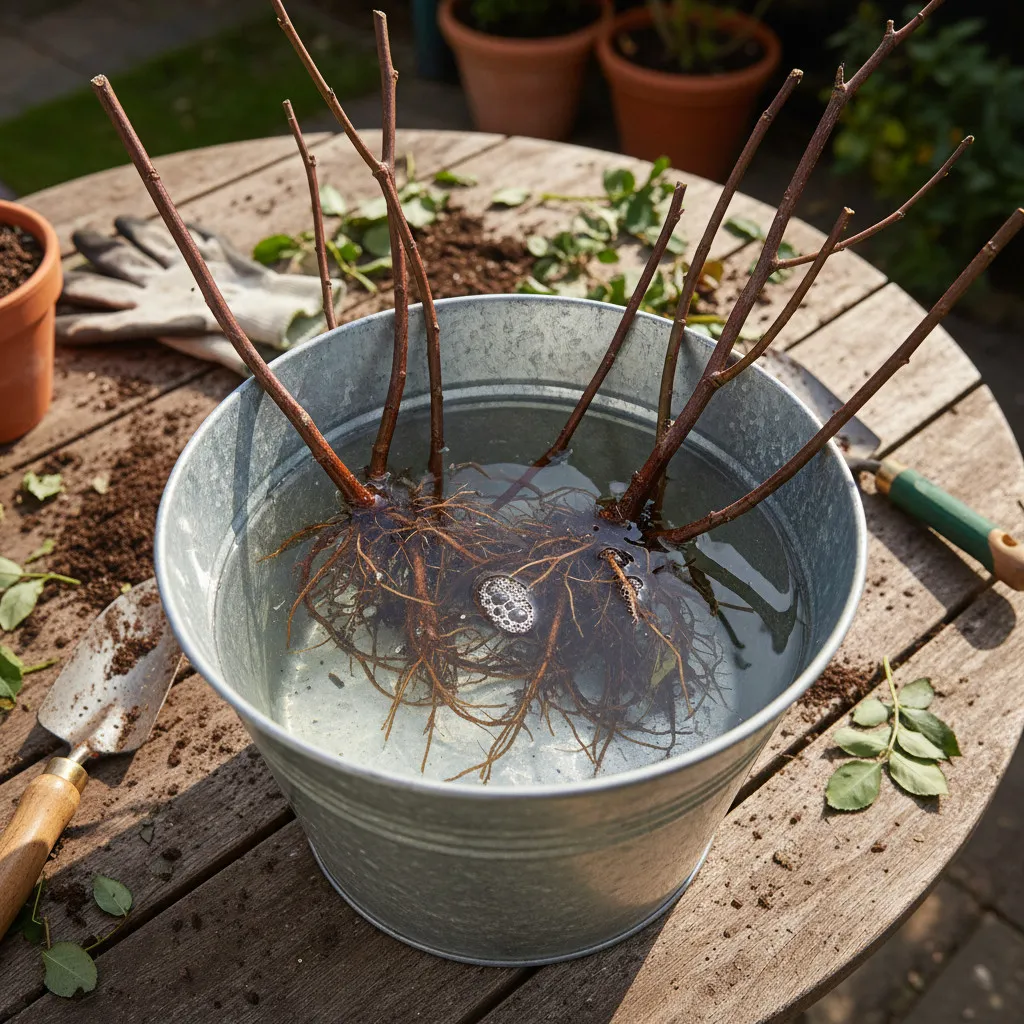
Bare-root roses require some additional preparation steps to ensure success. Before planting, soak the roots in room-temperature water for at least two hours but no more than 12 hours to rehydrate them after their journey. Inspect roots carefully, using clean, sharp pruning shears to remove any that appear dried out, damaged, or broken. Dusting roots with mycorrhizal fungi before planting helps establish beneficial relationships that enhance nutrient uptake. Plant immediately after soaking—don’t allow roots to dry out again. The care you take during planting pays dividends for years to come, establishing plants that grow vigorously and bloom abundantly.
Watering Roses: Finding the Perfect Balance
Proper watering makes the difference between roses that merely survive and those that thrive with abundant blooms, lush foliage, and strong disease resistance.
Understanding rose water needs helps you avoid the extremes of drought stress and waterlogged soil that both cause serious problems. Roses typically need about one to two inches of water per week during the growing season, whether from rainfall or supplemental irrigation. This guideline varies based on several factors including temperature, humidity, wind exposure, soil type, and plant maturity. Sandy soils drain quickly and require more frequent watering, while clay soils hold moisture longer and need less frequent irrigation. During hot, dry periods with temperatures consistently above 85°F, roses may need supplemental water even if you’re receiving some rainfall. Newly planted roses demand more consistent moisture while establishing roots—typically water every two to three days for the first month unless rainfall is adequate. Established roses develop deeper root systems that access moisture from lower soil layers, allowing them to go longer between waterings. Container-grown roses dry out much faster than in-ground plants and may need daily watering during hot summer weather.
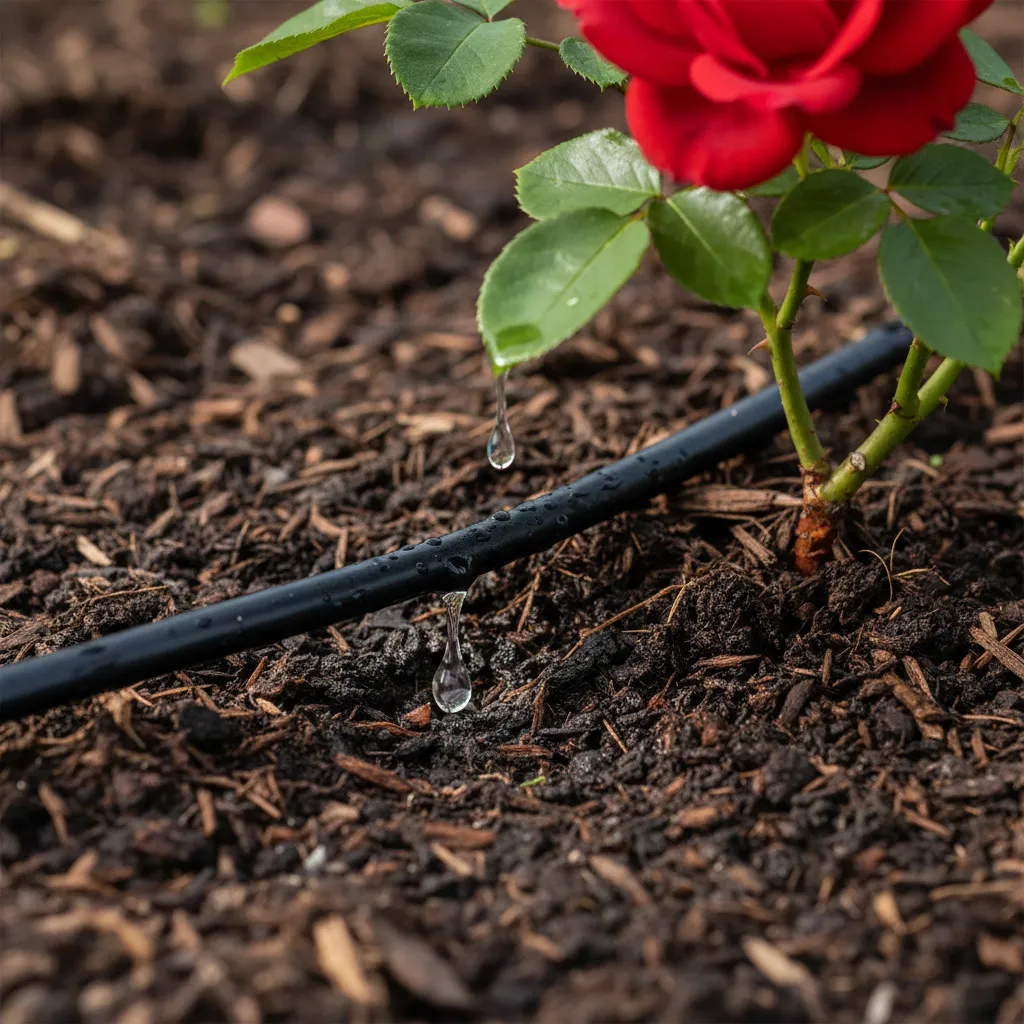
How to water roses properly proves as important as how much you water, since improper watering techniques can actually promote disease and waste water. Always apply water directly to the soil at the base of plants rather than overhead on foliage. Wet leaves create ideal conditions for fungal diseases like black spot and powdery mildew to develop and spread. When you must use overhead sprinklers, do so early in the morning (before 10 AM) so foliage dries completely before evening when cooler temperatures and higher humidity favor fungal growth. Deep, infrequent watering encourages roots to grow deep into the soil, creating drought-resistant plants, while shallow, frequent watering promotes surface roots that are vulnerable to heat and dry spells. When watering, apply water slowly at the base of the plant, allowing it to soak in rather than running off. A soaker hose or drip irrigation system provides ideal delivery, placing water precisely where needed while keeping foliage dry. Budget-friendly alternatives include creating a basin around each plant to hold water, using a watering wand to deliver water at soil level, or simply placing your regular hose at the base and letting water trickle out slowly.
Recognizing water stress symptoms allows you to adjust your watering schedule before problems become severe. Underwatering signs include: drooping leaves that don’t perk up in the evening; dry, crispy leaf edges turning brown; fewer blooms than normal; and flower buds that shrivel before opening. When you dig down three to four inches and find completely dry soil, your roses definitely need water. Overwatering symptoms can mimic underwatering, making diagnosis tricky—both cause yellowing leaves and wilting, but overwatered plants typically show yellowing on lower leaves first while underwatered plants yellow from the top down. Overwatered roses often develop root rot, indicated by mushy, dark roots rather than firm, white healthy ones. Soil that stays soggy for extended periods, moss growing at the base of plants, and a perpetually wet, muddy appearance indicate excessive moisture.
Best practices for watering roses efficiently help you conserve water while keeping plants healthy. Install a simple rain gauge in your garden to track rainfall and know when supplemental watering is necessary. Water deeply once or twice weekly rather than lightly every day, encouraging deep root growth. Apply a two- to three-inch layer of mulch around roses to reduce evaporation and maintain more consistent soil moisture. Consider installing drip irrigation on a timer if you have multiple roses, ensuring consistent watering even when life gets busy. Group roses with similar water needs together, making irrigation more efficient. During fall, continue watering if rainfall is scarce, as well-hydrated plants entering winter survive cold better than drought-stressed plants. However, reduce watering frequency as temperatures cool and growth slows, adjusting to your roses’ changing needs through the seasons.
Feeding Your Roses: Fertilization Essentials
Regular fertilization provides the nutrients roses need to produce vigorous growth, abundant blooms, and maintain the energy reserves necessary for disease resistance and winter survival.
Why roses need supplemental feeding becomes clear when you consider their unique demands. Unlike many ornamental plants that bloom once and rest, most modern roses flower repeatedly throughout a long growing season, demanding substantial energy and nutrients to maintain this performance. Each flush of blooms requires nitrogen for leaf growth, phosphorus for root development and flower production, and potassium for overall plant health and disease resistance. Even soil properly prepared at planting gradually depletes these nutrients as plants use them for growth. Rain and irrigation leach nutrients deeper into soil beyond root reach. Without regular feeding, roses slowly decline, producing smaller blooms, showing yellow leaves, and becoming more susceptible to pests and diseases.
Choosing the right fertilizer type depends on your gardening philosophy, budget, and how much time you can dedicate to rose care. Organic fertilizers like compost, composted manure, alfalfa meal, fish emulsion, and bone meal release nutrients slowly over time while improving soil structure and supporting beneficial soil microorganisms. They’re environmentally friendly, virtually impossible to over-apply, and contribute to long-term soil health. However, organic fertilizers are less concentrated than synthetic options, requiring larger volumes and more frequent application. They also work more slowly since nutrients must be broken down by soil organisms before plants can use them. Synthetic or chemical fertilizers provide concentrated, immediately available nutrients in precise ratios. Rose-specific formulas typically feature higher phosphorus (the middle number in N-P-K ratios) to promote abundant flowering. Products like 4-8-4, 5-10-5, or 4-12-4 work well for roses. If you can’t find these, a balanced 10-10-10 or 8-8-8 formula works adequately. Slow-release granular fertilizers offer a middle ground, providing steady nutrition over several months with a single application. Many experienced growers combine approaches, using organic amendments to build soil health while supplementing with synthetic fertilizers during peak bloom periods.
When and how to fertilize roses throughout the season follows a rhythm that supports plants’ changing needs:
1. First Spring Feeding (March-April): Apply the first fertilizer application in early spring just as new growth begins emerging and leaf buds start swelling. Wait until new shoots reach about two inches long with leaves beginning to unfold before feeding. This timing ensures plants are actively growing and can utilize applied nutrients. For newly planted roses (less than one year old), wait until after the plant produces its first blooms before applying full-strength fertilizer to avoid burning tender new roots that are still establishing. Use a balanced rose fertilizer at the rate of approximately three pounds per 100 square feet of rose bed, or about 1/4 cup sprinkled in a circle around each individual plant. Alternatively, apply a slow-release organic fertilizer like Osmocote or a natural product containing alfalfa meal, which provides nitrogen plus growth-stimulating compounds that roses love.
2. Post-Bloom Feeding (Late Spring-Early Summer): After the first major flush of blooms fades (typically late May or June), apply a second round of fertilizer to encourage repeat flowering on everblooming varieties. This feeding replenishes nutrients used during that spectacular first bloom period and provides energy for producing the next round of flowers. Modern shrub roses and hybrid teas benefit particularly from this mid-season boost.
3. Mid-Summer Feeding (July): A final light application in mid to late July gives roses energy to continue blooming into fall without promoting excessive soft growth that won’t harden off before winter. Some gardeners skip this application in colder zones to allow plants to naturally begin preparing for dormancy.
4. Stop Feeding in Late Summer: Cease all fertilization about six weeks before your area’s first expected frost date (typically no applications after late July or early August in most zones). Late-season feeding stimulates tender new growth that won’t mature before cold weather arrives, making it susceptible to winter damage.
Application techniques matter for safe, effective feeding. Scatter granular fertilizers evenly around the base of plants, extending out to the drip line (the area beneath the outermost branches where rain drips off). Keep fertilizer several inches away from canes to prevent burn. Lightly scratch the fertilizer into the soil surface with a cultivating fork, then water thoroughly to dissolve nutrients and carry them down to root zones. For liquid fertilizers, follow package directions for dilution rates and apply directly to soil at the base of plants. After any fertilizer application, water deeply to prevent root burn and ensure nutrients reach roots. Apply a fresh layer of compost or mulch after spring feeding to conserve moisture and add organic matter as it decomposes.
Pruning Roses: The Key to Abundant Blooms
Pruning may seem intimidating at first, but it’s essential for maintaining healthy, attractive roses that produce abundant flowers year after year—and it’s nearly impossible to permanently damage a rose through pruning.
Understanding why pruning matters helps you approach this task with confidence rather than fear. Pruning stimulates vigorous new growth from remaining buds, replacing old, less productive wood with fresh canes that flower more profusely. It removes dead, diseased, or damaged wood that can harbor pests and diseases or sap energy from the plant. Pruning opens up the plant’s center to improve air circulation, reducing fungal disease problems. It controls plant size and shape, keeping roses manageable and attractive within your landscape design. Finally, strategic pruning directs the plant’s energy toward producing larger, higher-quality blooms rather than excessive foliage or weak, spindly growth. Different rose types have different pruning requirements, but all benefit from at least some pruning each year.
When to prune roses depends on your climate and rose type. The major pruning session for most roses occurs in late winter or early spring, just as plants are breaking dormancy but before they’ve fully leafed out. Timing this pruning perfectly is less critical than many beginners think—simply watch for buds on canes to begin swelling, indicating winter dormancy has ended. In warmer zones (8-10), this typically occurs in February or early March, while colder zones (4-6) should prune in March or April. Pruning too early risks exposing tender new growth to late frosts, while pruning too late wastes the plant’s energy on growth you’ll just cut away. Once-blooming roses like many antique varieties and ramblers bloom on old wood (last year’s growth), so prune them immediately after flowering in late spring or early summer rather than in spring. Pruning them in spring removes all the flower buds they developed. Everblooming and repeat-blooming roses tolerate light pruning throughout the growing season to remove spent blooms, dead growth, or to shape the plant.
How to prune roses properly involves several basic techniques and principles that apply across rose types:
Basic Pruning Steps:
1. Gather Sharp, Clean Tools: Use bypass pruning shears (not anvil style, which crush stems) for cuts up to 1/2 inch diameter, loppers for cuts from 1/2 to 1 inch, and a pruning saw for larger canes. Sharpen tools before starting and sterilize blades with rubbing alcohol between plants to prevent disease spread. Wear sturdy gloves that protect your hands and forearms from thorns—rose pruning gloves with gauntlets work best.
2. Remove the Four D’s First: Begin every pruning session by removing Dead, Diseased, Damaged, and Deformed wood. Dead canes appear brown or black rather than green, and feel dry and brittle. Cut them back to the base or to where green, healthy pith (the center of the cane) appears. Diseased canes show discoloration, dark spots, or cankers and should be removed entirely. Damaged canes—broken, split, or wounded—can’t heal properly and should be cut back to healthy wood. Deformed growth includes crossing branches that rub together (creating wounds that invite disease), canes growing inward toward the plant’s center, and very thin, weak growth thinner than a pencil that won’t support quality blooms.
3. Make Proper Cuts: All pruning cuts should be made at a 45-degree angle about 1/4 inch above an outward-facing bud. The angled cut allows water to run off rather than pooling on the cut surface where it could promote rot. Cutting just above a bud stimulates that bud to grow, so selecting an outward-facing bud encourages open growth habit rather than congested, inward-growing canes. If you’re cutting back to a main cane, make the cut flush with the parent cane without leaving a stub that will die back.
4. Reduce Height and Shape the Plant: After removing problematic growth, cut remaining healthy canes back by about one-third to one-half their height, depending on the rose type and your desired size. Hybrid teas and other modern roses typically get cut back to 18-24 inches tall in spring, leaving about three to five strong canes. Shrub roses need less severe pruning—just shape them and reduce height by about one-third. The goal is creating a vase or goblet shape with the center open and main canes spreading outward.
Deadheading throughout the season extends blooming on everblooming roses by preventing energy from going into seed production. As flowers fade, cut the stem back to just above the first set of five-leaflet leaves (five leaflets on one stem). Cut at a 45-degree angle 1/4 inch above this leaf set. This encourages new flowering shoots to emerge from that point. Some modern roses are “self-cleaning,” dropping spent blooms on their own without deadheading—check if your specific variety has this convenient trait. Stop deadheading about four weeks before your first expected frost to allow plants to form rose hips, which signals them to begin hardening off for winter.
Mulching and Soil Care for Healthy Roses
Maintaining healthy soil through mulching and proper soil management creates the foundation for vigorous roses with strong disease resistance and spectacular blooms.
Benefits of mulching roses extend far beyond mere aesthetics, though a well-mulched rose bed certainly looks polished and professional. A two- to four-inch layer of organic mulch provides multiple advantages: it suppresses weeds that compete for water and nutrients; moderates soil temperature, keeping roots cooler in summer heat and insulated from winter cold; conserves soil moisture by reducing evaporation, meaning you water less frequently; prevents soil from splashing onto lower leaves during rain or irrigation, reducing disease spread; and gradually breaks down to add organic matter and nutrients to the soil. Mulched roses typically show better overall health, more consistent growth, and fewer problems than unmulched plants—all for minimal effort and expense.
Choosing the right mulch material matters more for roses than for many other plants due to their susceptibility to fungal diseases. Excellent rose mulch options include: shredded hardwood bark, which looks attractive and breaks down slowly; wood chips, which are often available free from tree services; pine needles (pine straw), which are acidic and perfect for rose pH preferences; compost or aged manure, which add nutrients as they break down; and cocoa bean hulls, which smell lovely but can be toxic to dogs. Avoid these materials: fresh wood chips, which can temporarily tie up nitrogen as they decompose; fresh grass clippings, which can heat up excessively and smell unpleasant as they break down; and leaves unless they’re chopped or composted first, as whole leaves can mat down and prevent water penetration. Never use dyed mulches, which may contain harmful chemicals.
How to apply mulch properly ensures maximum benefits without causing problems. In early spring after pruning, remove any old mulch that has decomposed to a thin layer, pulling it away from the base of plants. Weed thoroughly, then apply fresh mulch in a two- to four-inch layer over the entire rose bed. Keep mulch about four to six inches away from the base of canes, creating a small open circle around each plant. Mulch piled directly against stems can hold excessive moisture, promoting rot, disease, and creating habitat for pests. Replenish mulch as needed throughout the season to maintain depth, particularly after heavy rains that may wash it away. In fall, you can apply a thicker mulch layer (six to eight inches in cold zones) for winter protection, mounding it around the base of tender roses that need extra insulation.
Soil amendments beyond mulching support long-term soil health and plant vigor. Each spring, lightly work compost into the top few inches of soil around roses, adding organic matter that improves structure and provides slow-release nutrients. Every few years, test your soil pH and adjust as needed—roses perform best in slightly acidic soil around 6.5. If pH drifts too high, apply sulfur; if too low, add lime. Epsom salts (magnesium sulfate) can benefit roses when applied at a rate of about one tablespoon per foot of plant height, scratched into the soil around the base in spring. The magnesium helps with chlorophyll production and enhances foliage color. Alfalfa meal is another favorite amendment among rose enthusiasts, containing not just nutrients but also growth-stimulating compounds—apply 1/2 cup around each rose in spring, water well, and watch for vigorous growth.
Protecting Roses from Pests and Diseases
Even the most carefully tended roses face challenges from pests and diseases, but understanding common problems and prevention strategies keeps issues manageable without resorting to harsh chemical treatments.
Prevention is your best defense against rose problems, and several cultural practices dramatically reduce pest and disease incidence. Proper spacing ensures good air circulation that dries foliage quickly, creating an unfavorable environment for fungal diseases. Watering at soil level rather than overhead keeps leaves dry. Choosing disease-resistant varieties like Knock Out, Drift, and many modern shrub roses eliminates many problems before they start. Cleaning up fallen leaves and debris reduces overwintering sites for disease spores and pest eggs. Pruning to open up plant centers allows light and air to penetrate throughout the plant. Avoiding excessive nitrogen fertilization reduces succulent growth that attracts aphids and other pests. Encouraging beneficial insects by planting diverse gardens with nectar sources brings in natural predators that control pest populations. These simple practices prevent most problems or keep them at minor nuisance levels rather than serious infestations.
Common rose pests and how to manage them include several insects that almost every rose grower encounters eventually:
Aphids are tiny, soft-bodied insects (green, black, red, or brown) that cluster on new growth and buds, sucking sap and causing distorted growth. A strong spray of water often controls light infestations—blast them off in the morning and repeat daily for a week. For persistent problems, spray with insecticidal soap or neem oil following label directions. Lady beetles, lacewings, and other beneficial insects consume aphids voraciously, so consider releasing these helpers rather than spraying.
Japanese beetles are metallic green and copper beetles about 1/2 inch long that skeletonize leaves and damage flowers. Handpicking early in the morning when beetles are sluggish works for light infestations—drop them into soapy water. For larger populations, apply neem oil or spinosad, an organic insecticide. Avoid pheromone traps, which may attract more beetles to your yard than they catch.
Spider mites are nearly microscopic arachnids that suck plant juices, causing stippled, yellowing leaves and fine webbing. They thrive in hot, dry conditions. Strong water sprays dislodge them, or apply insecticidal soap or neem oil, being sure to spray undersides of leaves where mites congregate. Horticultural oil also works well.
Thrips are tiny, slender insects that damage flower buds, causing them to become distorted or fail to open. Remove and destroy affected buds before thrips can reproduce. Beneficial insects like minute pirate bugs prey on thrips. For severe infestations, spray with spinosad.
Common rose diseases and their management include several fungal issues that affect roses nationwide:
Black spot appears as circular black spots with fringed edges on leaves, followed by yellowing and leaf drop. This fungal disease thrives in warm, humid conditions with wet foliage. Prevention includes good air circulation, watering at soil level, and cleaning up fallen leaves. Choose resistant varieties. For organic control, spray with neem oil, sulfur-based fungicides, or a baking soda solution (1 tablespoon baking soda and 1/2 teaspoon horticultural oil per gallon of water). Apply preventatively before symptoms appear and after rain.
Powdery mildew creates a white, powdery coating on leaves, buds, and stems, causing distorted growth. Unlike most fungal diseases, it thrives in dry conditions with high humidity—common in fall. Improve air circulation, plant resistant varieties, and spray with fungicides labeled for powdery mildew. Milk spray (1 part milk to 2 parts water) offers an effective organic option.
Rust appears as orange or rust-colored pustules on leaf undersides, with yellow spots on upper surfaces. Remove infected leaves promptly, improve air circulation, and spray with appropriate fungicides. Rust is less common than black spot but can be severe when it occurs.
Integrated pest management approaches combine multiple strategies for effective control without excessive chemical use. Monitor plants regularly—weekly walk-throughs allow you to catch problems early when they’re easiest to manage. Use physical controls like handpicking or water sprays first. Encourage beneficial insects that provide natural pest control. Choose pest- and disease-resistant varieties suited to your region. Only if these measures prove inadequate should you resort to botanical insecticides like neem, pyrethrin, or spinosad, starting with the least toxic effective option. Chemical fungicides and pesticides should be your last resort, used only when problems threaten plant survival or when organic options have failed repeatedly.
Seasonal Rose Care: What to Do Year-Round
Understanding what roses need during each season helps you provide timely care that keeps plants healthy and productive throughout the year.
Spring rose care (March-May) launches the growing season with tasks that set the stage for abundant blooms:
- Remove winter protection once danger of severe freeze has passed and buds begin swelling on canes, typically when forsythia blooms in your area. Remove protective materials gradually over a week to avoid shocking plants.
- Prune roses once you see new growth starting, cutting away dead wood, shaping plants, and removing winter damage. Clean and sharpen tools before starting.
- Rake away old mulch and clean debris from the base of plants to reduce disease carryover. Look for signs of pest eggs or disease lesions on canes.
- Apply fresh mulch once soil warms, spreading a two- to four-inch layer that conserves moisture and suppresses weeds.
- Fertilize with your first application once new growth reaches two inches and leaves begin to open, providing nutrients for active growth.
- Water regularly as soil dries, establishing a consistent moisture routine that prevents stress as temperatures warm.
- Plant new roses after last frost, giving them the full season to establish before winter.
Summer rose care (June-August) focuses on maintenance tasks that support continuous blooming and prevent problems during heat and humidity:
- Water deeply once or twice weekly, providing one to two inches of water per week from all sources. Adjust based on temperature and rainfall.
- Deadhead spent blooms regularly on everblooming varieties to encourage repeat flowering. Snip just above the first five-leaflet leaf set.
- Feed again after first flush of blooms fades (typically late May or June), and optionally once more in mid-July. Stop fertilizing by late July or early August.
- Monitor for pests and diseases during weekly inspections, addressing problems promptly while they’re minor and easier to control.
- Refresh mulch as needed, maintaining proper depth to conserve moisture during hot weather.
- Provide afternoon shade in the hottest climates by using shade cloth or planting tender roses where they receive morning sun but protection from scorching afternoon rays.
- Cut roses for bouquets in early morning when they’re well-hydrated, cutting at a 45-degree angle just above a five-leaflet leaf.
Fall rose care (September-November) helps roses transition into dormancy and prepare for winter rest:
- Continue watering through fall, especially if rain is scarce, as well-hydrated plants entering winter survive better than drought-stressed plants.
- Stop deadheading about four weeks before first expected frost, allowing hips to form, which signals plants to begin hardening off for winter.
- Stop fertilizing by late summer, as late-season feeding promotes tender growth susceptible to frost damage.
- Clean up fallen leaves and debris to reduce overwintering sites for disease spores and pest eggs. This is especially important if your roses experienced black spot or other issues.
- Do light pruning only to remove obviously diseased canes or to shorten extra-tall canes that might whip in winter winds and damage the plant. Save major pruning for spring.
- Apply winter protection in cold zones once plants have gone dormant and after several hard frosts but before ground freezes solid.
- Plant spring-flowering bulbs like tulips and daffodils around rose beds for early season color before roses bloom.
Winter rose care (December-February) varies dramatically by climate, from minimal attention needed in warm zones to active protection in cold regions:
- Check winter protection periodically, ensuring mulch mounds or protective structures remain in place and repairing any damage from weather or animals.
- Monitor for animal damage from rabbits, mice, and deer that may nibble on roses during winter food scarcity. Install fencing or repellents as needed.
- Prune winter-damaged canes in late winter in warmer zones where roses remain semi-evergreen and new growth begins early.
- Water occasionally in zones where ground doesn’t freeze, providing supplemental moisture during extended dry spells.
- Plan next season by browsing catalogs, researching new varieties, and ordering bare-root roses for spring planting.
- Maintain tools by cleaning, sharpening, and oiling pruning equipment in preparation for spring.
Winter Protection and Preparation
Proper winter protection ensures roses survive cold temperatures and emerge healthy and ready to grow when spring arrives, particularly in zones 6 and colder.
Determining if your roses need winter protection depends on several factors including your hardiness zone, the specific rose types you grow, and your microclimate. Hardy roses like species roses, rugosas, old garden roses, and many shrub varieties survive winter in zones 4-5 without protection. Modern roses including hybrid teas, floribundas, grandifloras, and climbing hybrid teas typically require protection in zones 6 and colder. Miniature roses grown in containers need protection even in zone 7 since pots expose roots to more extreme temperatures than ground planting. Consider your specific garden conditions—roses planted in protected south-facing locations near buildings need less protection than those exposed to wind and temperature extremes in open areas. First-year roses regardless of type benefit from extra winter protection while their roots establish.
How to prepare roses for winter involves several steps that gradually harden plants and prepare them for dormancy:
1. Stop Fertilizing in Late Summer: Cease all fertilization by late July or early August, about six to eight weeks before your first expected frost. This allows plants to naturally slow growth and begin the hardening process rather than pushing tender new growth that will be damaged by frost.
2. Continue Watering Through Fall: Maintain regular watering right up until the ground freezes, as adequate moisture helps plants tolerate cold stress and prevents winter desiccation of canes.
3. Stop Deadheading in Early Fall: Allow the last flush of blooms to develop into rose hips starting about four weeks before first frost. Hip formation signals the plant biochemically that it’s time to prepare for dormancy.
4. Clean Up Around Plants: After several hard frosts have killed off remaining foliage, remove all leaves and debris from around the base of plants. This sanitation reduces disease spores and pest eggs that might overwinter and cause problems next year. Dispose of this material in the trash rather than composting it if plants experienced disease issues.
5. Apply Winter Mulch or Mounds: Once plants have gone fully dormant (after several hard frosts, typically late November) but before the ground freezes solid, apply winter protection. The most effective method involves mounding well-draining soil, compost, or aged sawdust around the base of plants to a height of 10-12 inches, covering the graft union and lower canes. Don’t use materials that stay wet or compress like grass clippings or leaves, as these promote rot. For extra protection in zone 5 and colder, add a layer of straw, evergreen boughs, or dry leaves over the mounds after the ground freezes. In the coldest zones (3-4), some gardeners use rose cones or construct wire cylinders filled with leaves around entire plants.
6. Protect Climbing Roses: Long canes are particularly vulnerable to winter damage from cold and desiccation. Tie canes together loosely to prevent wind damage. In cold zones, some gardeners lay climbing roses down, pinning them to the ground and covering with soil, straw, or evergreen boughs. Alternatively, wrap canes with burlap and stuff the interior with insulating material like straw.
Special considerations for container roses require additional protection since roots in pots are exposed to more extreme temperatures than roots insulated by ground soil. In zones 7 and warmer, simply group containers together in a protected location like against a south wall. In zones 6 and colder, either bring containers into an unheated garage where temperatures stay just above freezing, or bury entire pots in the ground if possible. If neither option works, wrap containers with bubble wrap or burlap, then surround with bags of leaves for insulation, creating a protected microclimate.
Key Takeaways: Growing Roses with Confidence
You’ve made it through this comprehensive guide to caring for roses outdoors, and if there’s one thing I hope you take away, it’s this: roses aren’t the finicky, high-maintenance divas that legend makes them out to be. Yes, they appreciate attention and reward good care with spectacular results, but they’re also remarkably forgiving plants that will thrive with consistent basic care and a little patience as you learn their rhythms.
The foundation of rose success lies in selecting the right location with adequate sunlight, good drainage, and proper air circulation. Get the planting right from the start by preparing soil generously with organic matter, positioning plants at the correct depth, and establishing a regular watering routine. Feed roses regularly during the growing season, providing the nutrients they need for abundant blooms while stopping fertilization in time for plants to harden off before winter. Prune confidently in spring, remembering that it’s nearly impossible to permanently damage a rose through pruning, and that proper pruning promotes vigorous growth and better flowering.
Protect your investment through preventive pest and disease management that emphasizes cultural practices over chemical interventions. Good air circulation, proper spacing, watering at soil level, and choosing disease-resistant varieties prevent most problems before they start. Monitor plants regularly so you catch any issues early when they’re easiest to address with simple solutions like water sprays, handpicking, or targeted organic treatments.
Finally, recognize that rose growing is a journey of continuous learning and discovery. Each season teaches you more about your specific roses, your unique microclimate, and the techniques that work best in your garden. Don’t be discouraged by setbacks—even experienced rosarians lose plants occasionally or struggle with particular pests or diseases. The key is to observe, adjust, learn, and keep growing. Your roses will forgive mistakes and reward persistence with beauty that enriches your life and garden for years to come.
Whether you start with a single rose bush or create an entire garden dedicated to these magnificent flowers, you’re joining a tradition that spans thousands of years and connects gardeners across cultures and continents. There’s something deeply satisfying about cutting a fragrant bouquet you’ve grown yourself, making jam from hips you’ve harvested, or simply sitting in the garden surrounded by the beauty and scent of roses in full bloom. These moments make every bit of effort worthwhile.
So take what you’ve learned here, select a rose variety suited to your zone and conditions, and get planting. Trust yourself, trust the plant’s resilience, and enjoy the wonderful journey of growing roses outdoors. Your garden—and your spirit—will bloom all the more beautifully for it.


