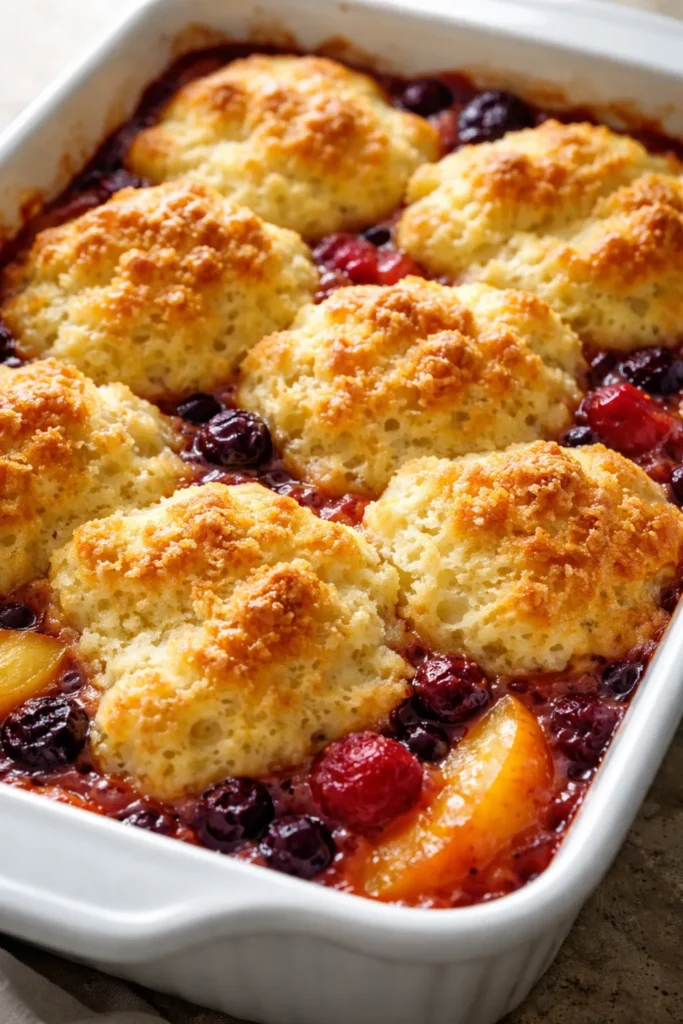
Imagine opening your refrigerator and seeing a rainbow of fresh produce, each item holding the promise of delicious meals that nourish your body and delight your taste buds. The “5 a day” guideline—eating at least five portions of fruits and vegetables daily—has become a cornerstone of healthy eating worldwide, yet many home cooks struggle to consistently incorporate this principle into their everyday meals. The truth is, mastering recipes that effortlessly deliver your daily fruit and vegetable quota doesn’t require culinary school training or hours spent in the kitchen. With the right approach, strategic planning, and a collection of versatile recipes, you can transform this nutritional goal from an overwhelming challenge into an enjoyable daily practice that becomes second nature.
The journey toward making 5 a day recipes a seamless part of your routine begins with understanding not just what to cook, but how to think about meal construction differently. Rather than treating fruits and vegetables as afterthoughts or side dishes, they become the stars of your plate, with other ingredients playing supporting roles. This shift in perspective opens up a world of culinary possibilities where vibrant produce drives flavor, texture, and satisfaction in every meal. Whether you’re cooking for yourself, a partner, or an entire family, the strategies and recipes you’re about to discover will equip you with everything needed to consistently achieve—and even exceed—the recommended daily intake while genuinely enjoying the process.
Table of Contents
- Understanding the 5 A Day Foundation
- Stocking Your Kitchen for Success
- Essential Kitchen Tools and Preparation Techniques
- Breakfast Recipes That Jumpstart Your Daily Count
- Smoothie and Smoothie Bowl Foundations
- Savory Vegetable-Packed Options
- Lunch Solutions That Make Midday Simple
- Building Better Salads
- Wraps, Bowls, and Portable Options
- Dinner Recipes That Deliver Satisfaction
- One-Pot and Sheet Pan Simplicity
- Vegetable-Forward Main Courses
- Smart Snacks and Sides to Boost Your Count
- Meal Planning and Preparation Strategies
- Overcoming Common Obstacles
- Final Words
Understanding the 5 A Day Foundation
Before diving into specific recipes and techniques, establishing a solid understanding of what “5 a day” truly means will set you up for long-term success. This foundational knowledge helps you make informed decisions when planning meals and ensures you’re meeting nutritional guidelines effectively.
The 5 a day recommendation stems from extensive research demonstrating that consuming at least five 80-gram portions of varied fruits and vegetables daily significantly reduces the risk of heart disease, stroke, and certain cancers while supporting overall health and wellbeing. A portion typically equals about a handful for fresh produce—roughly one medium apple, a medium banana, three heaping tablespoons of cooked vegetables, or a cereal bowl full of salad. Understanding these portion sizes removes the guesswork from meal planning and helps you accurately track your daily intake without becoming obsessive about measurements.
What counts toward your daily goal extends beyond raw fruits and fresh vegetables. Frozen and canned varieties (preferably without added sugar or salt) provide the same nutritional benefits and often prove more convenient and economical for home cooking. Dried fruits count, though only one portion per day due to their concentrated sugar content—a 30-gram serving (about one heaping tablespoon) equals one portion. Beans and pulses contribute one portion regardless of quantity consumed in a day, making them valuable additions but not sufficient on their own. Fresh fruit juice and smoothies similarly count as just one portion daily, no matter how much you drink, because the juicing process removes beneficial fiber and releases natural sugars.
Key principles to remember:
- Variety matters immensely – Different colored produce contains different beneficial compounds, so eating a rainbow throughout the week maximizes nutritional benefits
- Potatoes don’t count – While nutritious, potatoes are classified as starchy carbohydrates rather than vegetables for the 5 a day purpose
- Preparation methods affect nutritional value – Steaming, roasting, and eating raw generally preserve more nutrients than prolonged boiling
- Timing provides flexibility – You can distribute portions throughout the day or concentrate them in fewer meals, whatever works best for your lifestyle
Understanding these fundamentals empowers you to make strategic choices when shopping, prepping, and cooking. Rather than rigidly following rules, you’ll develop an intuitive sense of how to build meals that naturally deliver abundant fruits and vegetables while still being delicious and satisfying enough to maintain long-term adherence.
Stocking Your Kitchen for Success
Creating an environment that supports your 5 a day goals dramatically increases your success rate. When your kitchen contains the right ingredients and your shopping habits align with your nutritional objectives, healthy cooking becomes the path of least resistance rather than a daily battle.
Building a well-stocked pantry begins with strategic shopping that balances fresh produce with shelf-stable and frozen options. Fresh fruits and vegetables should form the cornerstone of your weekly shopping, but complementing them with frozen varieties ensures you always have options available, regardless of shopping schedules or unexpected life interruptions. Frozen produce is harvested and frozen at peak ripeness, often containing equal or superior nutritional content compared to fresh items that have traveled long distances or sat in storage. Stock your freezer with bags of spinach, mixed berries, cauliflower rice, stir-fry vegetable blends, and mixed peppers to create a safety net for busy weeks.
Your pantry should contain versatile flavor enhancers that make vegetables irresistible. Quality olive oil, balsamic vinegar, various herbs and spices, garlic, and onions transform simple produce into memorable dishes. Canned tomatoes, tomato paste, and jarred pasta sauces (check labels for versions without added sugar) provide convenient bases for numerous vegetable-forward meals. Keeping canned beans, chickpeas, and lentils on hand adds protein and fiber to vegetable-centric dishes, making them more filling and nutritionally complete. Nuts, seeds, and whole grains like quinoa, brown rice, and whole wheat pasta complement produce perfectly while adding satisfying texture and additional nutrients.
Essential fresh produce to maintain:
- Versatile vegetables: Onions, garlic, carrots, celery, bell peppers, tomatoes, leafy greens, broccoli, and cauliflower serve as foundations for countless recipes
- Quick-prep fruits: Bananas, apples, berries, citrus fruits, and grapes require minimal preparation and work perfectly for snacks or recipe additions
- Salad components: Mixed greens, cucumbers, cherry tomatoes, and radishes enable quick, fresh meals with minimal cooking
- Cooking greens: Spinach, kale, and chard wilt down significantly when cooked, making it easy to consume large quantities
Developing a shopping rhythm that matches your consumption patterns prevents waste while ensuring constant availability. Many successful 5 a day practitioners shop twice weekly—a larger trip for staples and hardy produce, followed by a mid-week refresh for delicate items like berries, leafy greens, and herbs. This approach balances convenience with freshness, reducing the likelihood of forgotten produce languishing in your crisper drawer.

Essential Kitchen Tools and Preparation Techniques
Having the right equipment and mastering fundamental preparation techniques removes friction from the cooking process, making it genuinely enjoyable to prepare vegetable-rich meals rather than viewing it as a chore.
A sharp chef’s knife ranks as the single most important tool in your produce-preparation arsenal. Dull knives make chopping vegetables tedious and dangerous, while a properly sharpened blade glides through produce effortlessly, making prep work almost meditative. Invest in a quality 8-inch chef’s knife and either a sharpening stone or regular professional sharpening service. Pair this with a large cutting board—wood or plastic, whichever you prefer—that provides ample space for chopping without ingredients tumbling off the edges. A smaller paring knife handles detail work like coring tomatoes or peeling awkward shapes.
Beyond knives, several other tools dramatically accelerate preparation. A food processor transforms tedious tasks like shredding cabbage or grating carrots into five-second jobs, while also handling tasks like making cauliflower rice or blending creamy vegetable-based sauces. A quality blender creates silky smoothies, soups, and dressings that incorporate multiple produce servings seamlessly. A box grater provides a low-tech alternative for shredding and grating when you don’t want to pull out powered equipment. Vegetable peelers, ideally both a traditional Y-shaped and a straight peeler, handle everything from potato skins to creating elegant vegetable ribbons for salads.
Time-saving preparation techniques:
-
Batch washing and storing – When you return from shopping, immediately wash and dry leafy greens, berries, and other delicate produce, then store in containers lined with paper towels to absorb excess moisture. This simple step means grab-and-go convenience throughout the week, dramatically increasing the likelihood you’ll actually use these items.
-
Strategic chopping sessions – Dedicate 20-30 minutes once or twice weekly to chopping frequently used vegetables like onions, peppers, carrots, and celery. Store these in airtight containers in the refrigerator, where most remain fresh for 3-5 days. When cooking time arrives, you’ll have mise en place ready, making meal preparation feel almost effortless.
-
Proper storage methods – Different produce requires different storage approaches for maximum longevity. Leafy herbs like parsley and cilantro last weeks when stored upright in jars with water, like bouquets. Asparagus benefits from the same treatment. Most vegetables prefer the high-humidity crisper drawer, while fruits do better in low-humidity settings. Tomatoes, avocados, and stone fruits should never be refrigerated until fully ripe.
-
Smart freezing strategies – When produce nears its expiration or you’ve purchased more than you can use fresh, freezing preserves both the food and your investment. Chop peppers, onions, and ginger, then freeze in single-layer arrangements on baking sheets before transferring to freezer bags. Overripe bananas become smoothie ingredients when peeled and frozen. Leafy greens destined for cooked applications freeze beautifully after a quick blanch.
Mastering these fundamental skills and organizing your kitchen thoughtfully creates an environment where cooking vegetable-rich meals feels natural and easy rather than requiring exceptional willpower or motivation. The goal is building systems that work even on your most tired, unmotivated days.
Breakfast Recipes That Jumpstart Your Daily Count
Starting your day with at least one or two portions of fruits or vegetables sets a positive trajectory that makes achieving your daily goal significantly easier. Breakfast offers unique opportunities to incorporate produce in ways that feel indulgent rather than virtuous.
Smoothie and Smoothie Bowl Foundations
Smoothies represent perhaps the most efficient vehicle for delivering multiple fruit and vegetable portions in a single, delicious package. The key to creating smoothies you’ll actually crave rather than merely tolerate lies in balancing flavors and textures thoughtfully. Start with a liquid base—unsweetened almond milk, coconut water, or regular milk work beautifully—using just enough to achieve your preferred consistency, typically 1-1.5 cups. Add a handful of leafy greens like spinach or kale; when blended with fruit, their flavor becomes virtually undetectable while still contributing valuable nutrients and a full portion toward your daily goal.
The fruit component should include both frozen and fresh elements. Frozen bananas create incredible creaminess while naturally sweetening the blend. Add one cup of frozen berries—strawberries, blueberries, or mixed berries—for antioxidants and vibrant color. A fresh apple, pear, or handful of grapes contributes additional portions and complexity of flavor. For extra nutrition and satiety, incorporate a tablespoon of nut butter, a handful of oats, or a scoop of protein powder. A few mint leaves, a squeeze of lemon juice, or a dash of vanilla extract can elevate your smoothie from ordinary to exceptional.
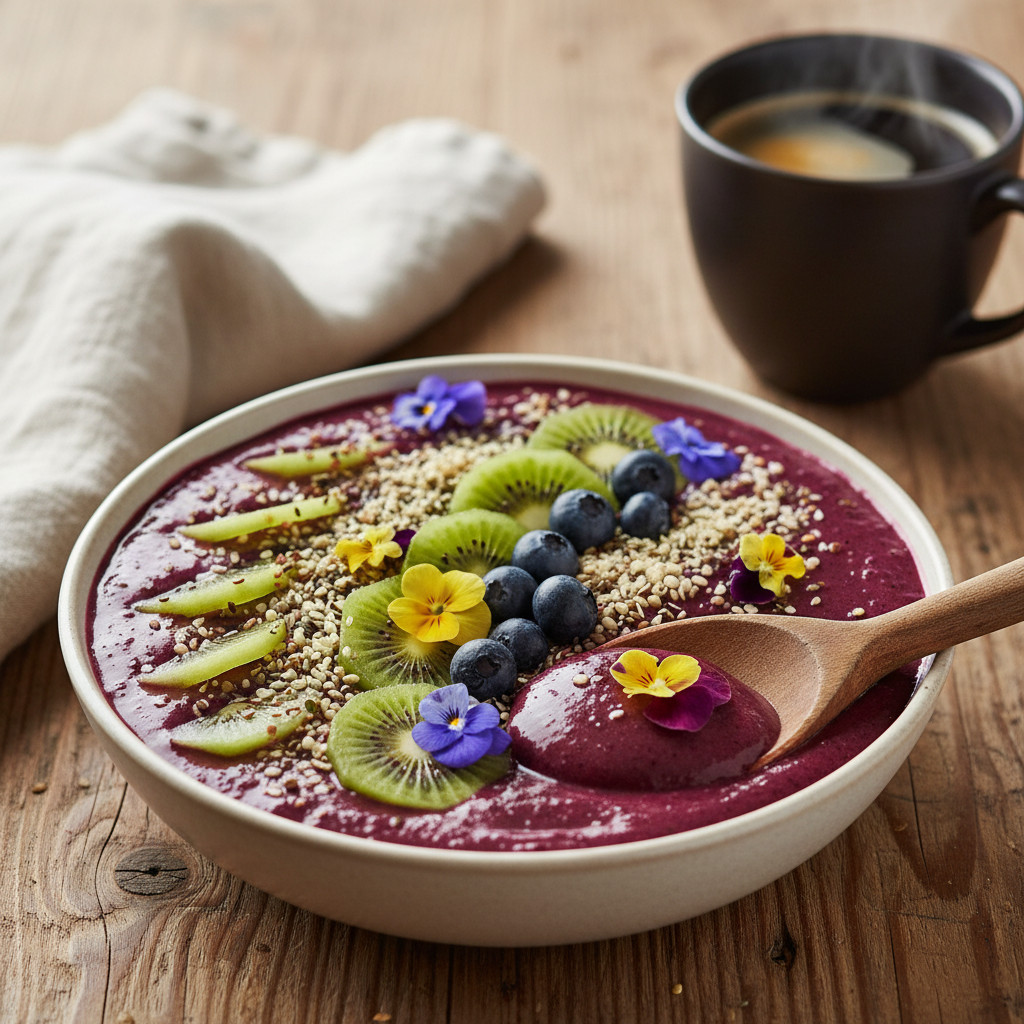
Smoothie bowls transform this concept into a more substantial, spoon-able breakfast that feels more like a meal than a drink. Use less liquid to create a thicker base—roughly half the amount you’d use for a drinkable smoothie. Pour into a bowl and arrange toppings artfully: fresh berries, sliced banana, a sprinkle of granola, coconut flakes, and chia seeds create visual appeal and textural variety. A properly constructed smoothie bowl easily delivers three portions before you’ve even finished your morning coffee.
Savory Vegetable-Packed Options
For those who prefer savory breakfasts, eggs provide the perfect canvas for incorporating morning vegetables. A vegetable-packed omelet or scramble transforms a simple egg dish into a nutritional powerhouse that carries you through the morning with sustained energy. Sauté diced onions, bell peppers, mushrooms, tomatoes, and spinach in a touch of olive oil until softened and aromatic—this mixture alone contributes two generous portions. Add beaten eggs and cook to your preferred consistency, finishing with fresh herbs like chives or parsley.
Sheet pan breakfast bakes offer another excellent approach, particularly when cooking for multiple people or preparing breakfasts for the week ahead. Dice sweet potatoes and regular potatoes, toss with olive oil and seasonings, and spread on a baking sheet. Nestle in halved cherry tomatoes, broccoli florets, and bell pepper chunks. Roast at 400°F (200°C) for about 25 minutes until vegetables are tender and beginning to caramelize. Create wells in the vegetable mixture and crack eggs directly into them, returning to the oven until eggs reach desired doneness. This single dish can easily provide two to three vegetable portions, and leftovers reheat beautifully throughout the week.
Quick breakfast ideas that deliver produce:
- Avocado toast elevated – Whole grain toast topped with mashed avocado, sliced tomatoes, and a handful of arugula provides two portions
- Overnight oats with fruit – Oats soaked overnight with milk, topped with sliced banana, berries, and grated apple delivers two to three portions
- Breakfast burritos – Whole wheat tortillas filled with scrambled eggs, black beans, salsa, and sautéed peppers and onions
- Baked apple with toppings – Core an apple, fill with oats, cinnamon, and nuts, then bake until tender for a warm, comforting option
The breakfast opportunity shouldn’t be overlooked or rushed. Taking just ten minutes to prepare a produce-rich morning meal establishes momentum that carries through the rest of your day, making subsequent meals easier to plan around your remaining portions.
Lunch Solutions That Make Midday Simple
Lunch often presents the greatest challenge for maintaining your 5 a day commitment, especially for those working outside the home or managing busy schedules. However, with strategic planning and a repertoire of quickly assembled options, midday becomes another opportunity to enjoy delicious, produce-forward meals.
Building Better Salads
The word “salad” unfortunately conjures images of sad, limp lettuce for many people, but truly satisfying salads bear no resemblance to this stereotype. A properly constructed salad delivers multiple produce portions while being genuinely filling and flavorful enough to look forward to. The formula begins with a substantial base—mixed greens, spinach, arugula, or even shredded cabbage—at least two cups per serving. This alone provides one generous portion while creating volume that satisfies.
Layer in substantial vegetables that add crunch, flavor, and additional portions: diced cucumbers, halved cherry tomatoes, shredded carrots, thinly sliced bell peppers, and red onion all work beautifully. Don’t be timid with quantities; aim for at least one to two cups of these additions, easily contributing another two portions. Add a protein source—grilled chicken, canned tuna, hard-boiled eggs, chickpeas, or crumbled feta cheese—to make the salad substantial enough to carry you through the afternoon without energy crashes.
The dressing makes or breaks salad satisfaction. Homemade dressings require just minutes and contain no hidden sugars or preservatives. A classic vinaigrette combines three parts olive oil to one part vinegar (balsamic, red wine, or apple cider), plus a small spoonful of Dijon mustard, minced garlic, salt, and pepper. Shake vigorously in a jar and drizzle generously over your salad. For creamier options, blend tahini or Greek yogurt with lemon juice, garlic, and herbs. The right dressing transforms raw vegetables from something you tolerate into something you crave.
Salad combinations that never bore:
- Mediterranean bowl – Mixed greens, cucumber, tomatoes, red onion, olives, chickpeas, and feta with lemon-herb dressing
- Asian-inspired – Shredded cabbage, edamame, carrots, bell peppers, and mandarin oranges with sesame-ginger dressing
- Mexican-style – Romaine, black beans, corn, tomatoes, avocado, and peppers with lime-cilantro dressing
- Autumn harvest – Spinach, roasted butternut squash, apple slices, dried cranberries, and pecans with apple cider vinaigrette
Wraps, Bowls, and Portable Options
For variety beyond salads, grain bowls and wraps offer similarly customizable platforms for produce. Grain bowls start with a base of quinoa, brown rice, or farro, topped with roasted or raw vegetables, a protein source, and a flavorful sauce. The beauty of bowls lies in their flexibility—use whatever vegetables you have available, and the format remains delicious. Roast a sheet pan of mixed vegetables on Sunday evening, and you’ll have bowl components ready for quick assembly throughout the week.
Wraps provide portable convenience perfect for packed lunches or eating on the go. Large whole wheat tortillas or flatbreads contain hummus spread generously across the surface, followed by layered vegetables—lettuce, tomatoes, cucumbers, shredded carrots, bell peppers, and avocado slices. Add protein if desired, then roll tightly and slice in half. The hummus not only adds flavor and helps vegetables adhere but also contributes chickpeas toward your legume portion. A well-stuffed wrap easily contains three to four produce portions in a handheld format that travels beautifully.
Soup represents another lunch option that effortlessly incorporates abundant vegetables while being deeply satisfying. A basic vegetable soup begins with sautéed onions, carrots, and celery, followed by whatever other vegetables you have available—zucchini, tomatoes, green beans, leafy greens, or bell peppers. Add vegetable or chicken stock, herbs, and seasonings, then simmer until vegetables are tender. A single large bowl can easily deliver three to four portions, and soup freezes beautifully for future meals. Pair with whole grain bread and a side of fresh fruit for a complete lunch that exceeds your daily requirements.
Dinner Recipes That Deliver Satisfaction
Dinner offers the most substantial opportunity to build impressive produce counts while creating meals that feel special and satisfying enough to keep everyone at the table happy. The key lies in recipes where vegetables play starring rather than supporting roles.
One-Pot and Sheet Pan Simplicity
Sheet pan dinners have revolutionized weeknight cooking by combining proteins and vegetables on a single pan, minimizing both preparation and cleanup. The technique involves arranging seasoned protein—chicken breasts, salmon fillets, or chickpeas for vegetarian options—alongside chopped vegetables, drizzling everything with olive oil and seasonings, then roasting at high heat until everything is cooked through and beautifully caramelized. The high heat creates complex flavors through caramelization that makes vegetables irresistible.
A foolproof formula starts with 400-425°F (200-220°C) oven temperature. Choose vegetables with similar cooking times or cut items into sizes that compensate for different densities—smaller pieces for dense vegetables like carrots, larger chunks for quick-cooking items like zucchini. Excellent combinations include cherry tomatoes, bell peppers, red onion, and broccoli; or Brussels sprouts, sweet potato, and cauliflower. Season generously with salt, pepper, garlic powder, and herbs like rosemary or thyme. Roast for 25-35 minutes, depending on protein choice, until vegetables are tender and beginning to char at edges. A single sheet pan dinner easily provides three vegetable portions alongside satisfying protein.

One-pot pasta dishes similarly streamline dinner while incorporating abundant vegetables. Unlike traditional pasta preparation, these recipes cook pasta directly in a flavorful liquid along with vegetables, concentrating flavors as everything cooks together. Start with aromatics—garlic, onions, and perhaps red pepper flakes—sautéed in olive oil. Add uncooked pasta, canned tomatoes, vegetable broth, and chunky vegetables like bell peppers, zucchini, and spinach. Bring to a boil, then simmer, stirring occasionally, until pasta is al dente and vegetables are tender, usually 10-12 minutes. The pasta releases starch as it cooks, creating a silky sauce without cream or flour. Finish with fresh basil and Parmesan for restaurant-quality results from a single pot.
Vegetable-Forward Main Courses
Reimagining vegetables as the main attraction rather than side dishes opens up creative possibilities that feel special and indulgent while dramatically increasing your produce intake. Stuffed vegetables exemplify this approach beautifully. Bell peppers, large tomatoes, or zucchini boats become edible vessels for flavorful fillings. A classic preparation involves hollowing out bell peppers and filling them with a mixture of cooked rice or quinoa, seasoned ground meat or lentils, diced tomatoes, onions, and herbs. Arrange in a baking dish with a little liquid in the bottom, cover with foil, and bake until peppers are tender, about 45 minutes. Each stuffed pepper provides at least two portions—the pepper itself plus the vegetables mixed into the filling.
Vegetable stir-fries represent perhaps the most efficient method for consuming large quantities of varied produce in a single meal. The key to restaurant-quality stir-fries at home lies in proper technique: extremely high heat, cooking in batches to avoid overcrowding, and adding ingredients in the correct order based on cooking time requirements. Start with aromatics—ginger, garlic, and scallions—briefly sautéed in a very hot wok or large skillet. Add firmer vegetables first—carrots, broccoli, bell peppers—cooking 2-3 minutes until beginning to soften. Follow with quicker-cooking items like snap peas, mushrooms, and leafy greens. A simple sauce of soy sauce, a touch of honey or brown sugar, and cornstarch for thickening brings everything together. Serve over rice or noodles for a complete meal that easily delivers four to five vegetable portions.
Dinner strategies for maximum produce:
-
Embrace vegetable-based pasta alternatives – Spiralized zucchini, sweet potato noodles, or spaghetti squash strands replace or supplement traditional pasta, dramatically increasing vegetable content without sacrificing the comfort-food appeal of noodle dishes.
-
Build meals around roasted vegetables – Roasting transforms vegetables into deeply flavored, caramelized versions of themselves. Make a large sheet pan of varied roasted vegetables the centerpiece, with grain and protein as complements rather than the reverse.
-
Incorporate vegetables into sauces – Blending cooked vegetables into pasta sauces, gravies, or curry bases adds portions invisibly. Pureed butternut squash, carrots, or cauliflower add body and nutrition without altering the expected appearance of familiar dishes.
-
Use lettuce wraps instead of bread – Large lettuce leaves—romaine, butter lettuce, or iceberg—make excellent vessels for taco fillings, Asian-style meat mixtures, or burger patties, adding produce while reducing refined carbohydrates.
The dinner hour offers your final opportunity to meet or exceed daily produce goals, making it worth investing slightly more time and creativity into meals that deliver both nutrition and genuine satisfaction.
Smart Snacks and Sides to Boost Your Count
Snacks and side dishes represent often-overlooked opportunities to add fruit and vegetable portions throughout your day. Rather than viewing snacks as dietary indulgences to minimize, reframe them as strategic chances to increase produce intake while managing hunger between meals.
Fresh fruit requires absolutely no preparation while providing the convenience and portability that makes snacking effortless. Keep a bowl of washed, ready-to-eat fruit on your counter or at eye level in your refrigerator—apples, bananas, oranges, grapes, or whatever you enjoy most. Visibility dramatically increases consumption, as you’ll naturally reach for what you see first when hunger strikes. Pair fruit with protein for more sustained energy: apple slices with almond butter, banana with a handful of nuts, or grapes with cheese create balanced snacks that satisfy while contributing produce portions.
Vegetable-based snacks require slightly more preparation but offer variety and savory options for those who don’t gravitate toward fruit between meals. Pre-cut vegetables—carrots, celery, bell pepper strips, cherry tomatoes, and cucumber slices—stored in containers with a small amount of water stay crisp for several days. Pair with hummus, guacamole, or Greek yogurt-based dips for protein and flavor. A substantial serving of vegetables with dip easily provides one full portion while feeling indulgent rather than restrictive.
Snack ideas that count toward your daily goal:
- Energy balls – Blend dates with nuts, oats, and dried fruit, roll into balls for grab-and-go convenience
- Frozen fruit bites – Freeze grapes or banana slices for a sweet, refreshing treat
- Veggie “fries” – Slice sweet potatoes, carrots, or zucchini into sticks, toss with olive oil and seasonings, and bake until crispy
- Fruit salad – Combine varied fresh fruits with a squeeze of lemon juice and fresh mint
- Roasted chickpeas – Toss drained chickpeas with spices and roast until crunchy for a satisfying, portable snack
Side dishes accompanying main courses provide another strategic opportunity to increase vegetable intake. Rather than default to rice or bread as automatic sides, make vegetables the featured accompaniment. A simple side salad adds one portion with minimal effort. Steamed or roasted vegetables require just 10-15 minutes and transform any protein-focused main dish into a balanced, produce-rich meal. Developing a mental rotation of quick vegetable sides—roasted broccoli, sautéed green beans with garlic, honey-glazed carrots, or wilted spinach—means never running out of ideas when planning meals.
The psychological shift from viewing produce as something you must eat to recognizing it as a delicious, convenient option happens gradually as you discover preparations and combinations you genuinely enjoy. Experiment with different seasonings, cooking methods, and pairings until you find approaches that excite rather than bore you.
Meal Planning and Preparation Strategies
Consistently achieving your 5 a day goals requires more than good intentions; it demands systems and strategies that make success the path of least resistance. Effective meal planning removes daily decision-making burden while ensuring you always have the ingredients and prepared components needed for produce-rich meals.
Begin with a weekly planning session—just 15-20 minutes on a weekend morning makes the entire week run more smoothly. Review your schedule to identify which days require quick meals versus when you’ll have more cooking time. Plan dinners first, as these typically require the most effort and planning. Aim for variety throughout the week—a mix of cooking methods, cuisines, and main ingredients prevents boredom and ensures you’re consuming a wide range of nutrients. Build lunches around planned dinner leftovers or batch-prepared components. Breakfasts can often follow a template—smoothies certain days, eggs others—reducing decision fatigue.
Create a detailed shopping list organized by store sections—produce, proteins, pantry staples, etc. This organization streamlines shopping while reducing the likelihood you’ll forget crucial items and need to make extra trips. Buy produce at various stages of ripeness—some ready to eat immediately, others that will peak mid-week—to minimize waste. Don’t be overly ambitious; purchase quantities you’ll realistically use based on past consumption patterns, not idealized visions of your behavior.
Meal prep techniques that maximize efficiency:
-
Dedicate time for batch cooking – Spend 2-3 hours on a weekend afternoon preparing components that assemble into various meals throughout the week. Cook a large pot of grains, roast several sheet pans of vegetables, prepare a batch of soup or chili, wash and chop raw vegetables, and portion snacks into grab-and-go containers. This investment dramatically reduces daily cooking time.
-
Use theme nights to simplify planning – Assign themes to specific weeknights—Meatless Monday, Taco Tuesday, Stir-Fry Friday, etc. Themes provide structure while still allowing flexibility in specific recipes. Once you build a collection of recipes within each theme, planning becomes nearly automatic.
-
Embrace intentional leftovers – Cook double portions of dinner components to repurpose for next day’s lunch or later in the week. Roasted vegetables from Monday’s dinner become Wednesday’s grain bowl base. Extra grilled chicken transforms into salad protein or wrap filling.
-
Maintain a working recipe collection – Keep a document or notebook of recipes your household actually enjoys and will eat repeatedly. Note which provide the most produce portions and prioritize these in your rotation. Having a reliable collection of 15-20 recipes means you’ll never struggle to plan meals.
The relationship between planning and success cannot be overstated. Those who plan consistently consume significantly more fruits and vegetables than those who approach meals reactively. The few minutes invested in planning create a framework that makes healthy eating inevitable rather than requiring constant willpower.
Overcoming Common Obstacles
Even with the best intentions and solid planning, everyone encounters obstacles that threaten their 5 a day commitment. Recognizing common challenges and having strategies to address them ensures temporary setbacks don’t derail long-term success.
Budget constraints concern many people attempting to increase produce consumption, as fruits and vegetables can seem expensive compared to processed alternatives. However, strategic shopping makes adequate produce affordable for most budgets. Prioritize frozen vegetables, which typically cost significantly less than fresh while offering equal nutrition—a large bag of frozen broccoli or mixed vegetables costs a fraction of fresh equivalents while lasting months. Buy produce in season when prices drop significantly; berries cost half as much in summer, while winter squashes are bargains in fall. Shop at discount grocery stores, farmers markets near closing time, or purchase “ugly” produce through specialized services that sell cosmetically imperfect items at reduced prices. Focus on inexpensive staples like bananas, apples, carrots, cabbage, and onions rather than exotic or out-of-season specialty items.
Time limitations represent another frequently cited barrier. The perception that cooking vegetable-rich meals requires extensive time doesn’t match reality when you employ efficient techniques. Many produce-forward meals come together in 20-30 minutes—the same time required to pick up takeout. Embrace no-cook or minimal-cook options for rushed days: salads, veggie wraps, fruit with nuts, or pre-cut vegetables with hummus require no cooking. Use time-saving tools like food processors, pressure cookers, or slow cookers that reduce active cooking time. Accept that some convenience products like pre-washed salads, pre-cut vegetables, or microwaveable frozen vegetables cost slightly more but make success achievable when time is scarce.
Family resistance challenges those cooking for others, particularly children or partners with ingrained preferences. Rather than forcing dramatic overnight changes, gradually increase produce while decreasing other components. Add finely chopped vegetables to familiar dishes like pasta sauce, casseroles, or tacos where they blend in. Involve resistant eaters in meal planning and preparation—people tend to eat what they help create. Serve new vegetables alongside familiar favorites rather than making entire meals unfamiliar. Be patient and persistent; research shows it sometimes takes 10-15 exposures to new foods before acceptance develops, so continue offering without pressure.
Cooking fatigue affects even enthusiastic home cooks eventually. When meal preparation feels burdensome rather than enjoyable, simplify rather than abandon your goals. Rotate through a smaller collection of truly easy recipes you can prepare almost automatically. Rely more heavily on raw preparations that require no cooking—salads, fruit, vegetable sticks. Use convenience products strategically when motivation is low—pre-made salad kits, rotisserie chicken, or frozen vegetable blends remove barriers without completely abandoning home cooking. Remember that imperfect consistency beats perfect inconsistency; eating three portions somedays is better than giving up entirely.
Storage and waste issues frustrate those who purchase produce with good intentions only to discover forgotten items liquefying in the crisper drawer. Improve the visibility of produce by storing it at eye level in clear containers, making it impossible to overlook. Maintain a “use first” section in your refrigerator for items approaching their expiration. When vegetables reach the edge of freshness, immediately cook them—roast, steam, or turn into soup—to prevent total loss. Keep your freezer stocked with backup options for weeks when fresh purchases don’t last as expected. Accept that some waste is inevitable as you learn your household’s actual consumption patterns, and adjust purchases accordingly.
Final Words
Mastering 5 a day recipes at home represents far more than simply checking off a nutritional guideline—it’s a transformation in how you approach food, cooking, and nourishment. The journey from viewing produce as obligatory virtuous eating to genuinely looking forward to meals centered around colorful fruits and vegetables happens gradually, built through repeated positive experiences where delicious flavors and satisfying fullness prove that healthy eating doesn’t require sacrifice.
The strategies, recipes, and techniques shared throughout this guide provide a comprehensive framework, but your personal success will come from experimentation and adaptation. Not every recipe will resonate with your preferences, and that’s perfectly fine. Focus on discovering preparations you genuinely enjoy, then rotate through these frequently rather than forcing yourself to eat things you merely tolerate. The most sustainable approach is one that feels easy and enjoyable rather than requiring constant discipline.
Remember that perfection isn’t the goal—consistency is. Some days you’ll easily exceed five portions, while others might fall short. What matters is the overall pattern across weeks and months, not individual days. Be patient with yourself during the learning curve as you develop new habits, build your cooking skills, and discover which approaches work best for your unique circumstances, schedule, and preferences.
The investment you’re making extends far beyond the immediate nutritional benefits, as significant as those are. You’re developing skills that will serve you throughout your life, creating patterns that protect your long-term health, and quite possibly inspiring those around you to make similar positive changes. Every meal you prepare with abundant fruits and vegetables is a vote for the person you want to become and the health you want to maintain.
Start wherever you currently are—whether that’s adding a single fruit to breakfast or completely overhauling your approach to meal planning. Small steps accumulate into significant transformations over time. With the comprehensive roadmap now at your disposal, you’re fully equipped to make 5 a day not just an occasional achievement but a natural, effortless aspect of your daily routine that nourishes your body while delighting your taste buds. Your kitchen, stocked with vibrant produce and your newfound knowledge, stands ready to become the launching point for a lifetime of delicious, health-supporting meals.