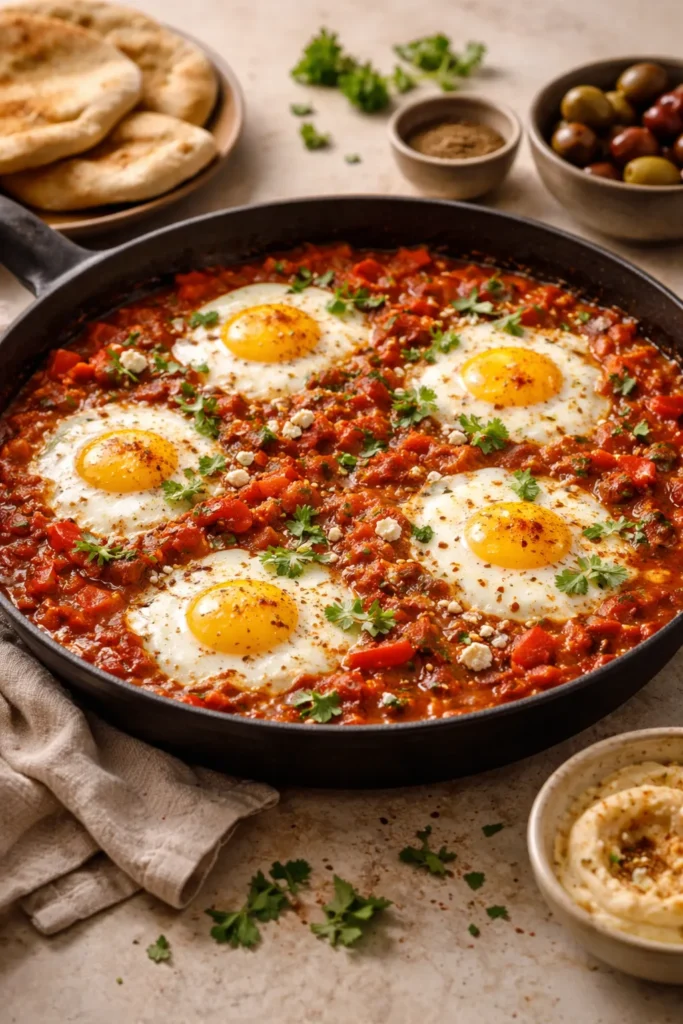
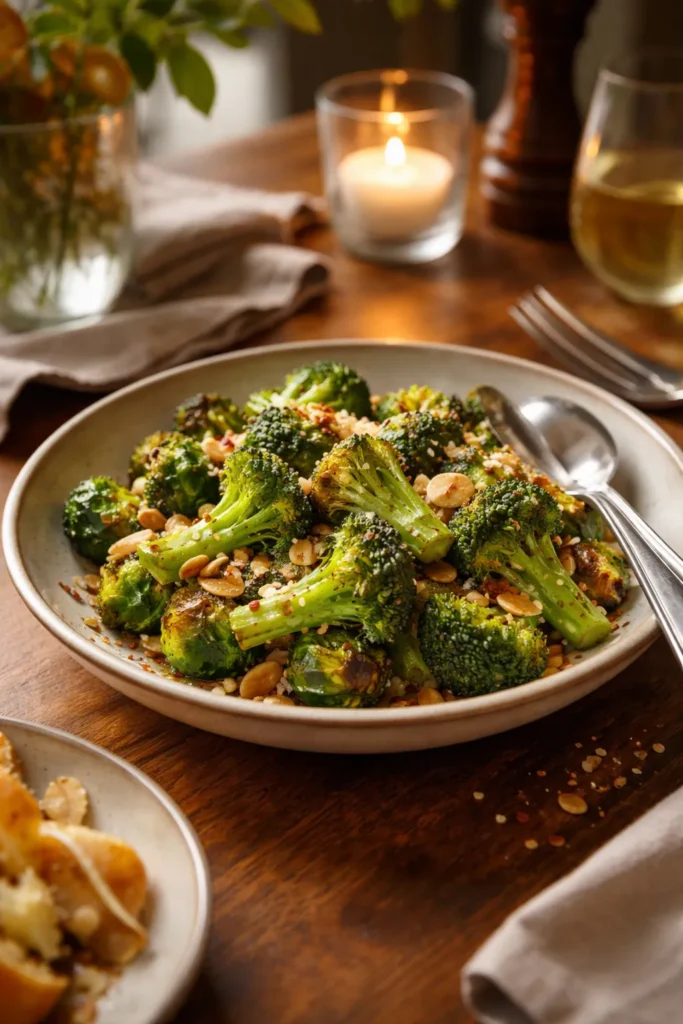
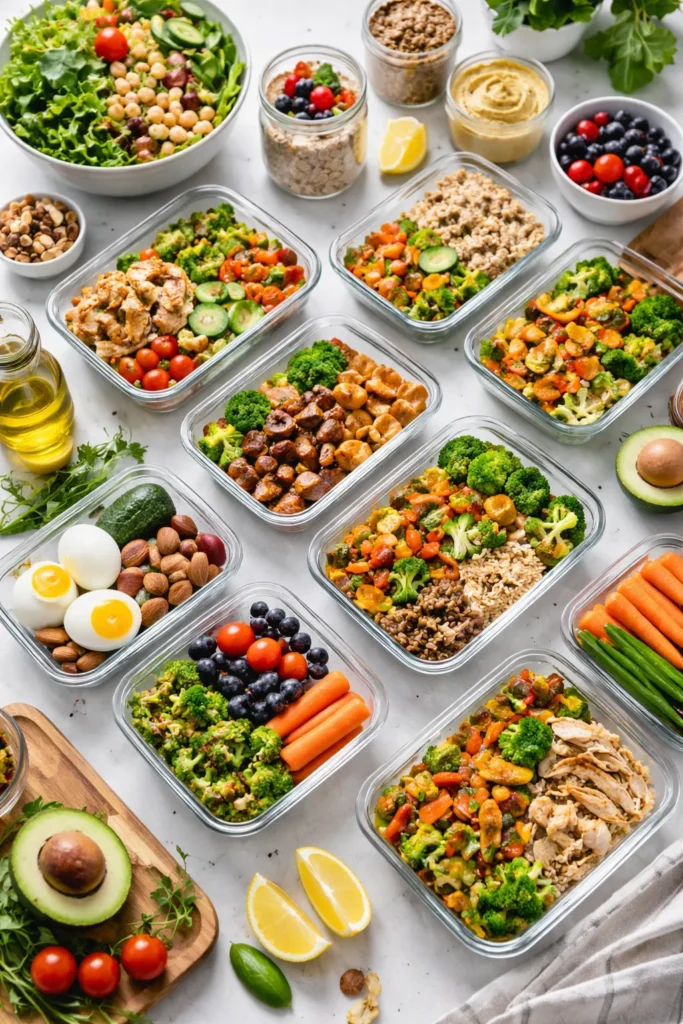
The chaos of weeknight dinners is a familiar scene in countless households: tired parents scrambling to figure out what to cook, children demanding different meals, and the clock ticking relentlessly as hunger grows. The dinner menu dilemma affects families everywhere, turning what should be a nourishing and enjoyable experience into a daily source of stress. But mastering dinner menus for your family doesn’t require culinary school credentials or endless hours in the kitchen. With the right strategies, planning techniques, and mindset shifts, you can transform your family’s dinner routine into a streamlined, stress-free system that delivers nutritious meals everyone will actually enjoy.
The secret lies not in complex recipes or expensive ingredients, but in developing a sustainable approach that works specifically for your family’s unique needs, schedules, and preferences. Whether you’re feeding picky toddlers, accommodating teenagers with specific dietary preferences, or simply trying to bring everyone together for a meaningful meal, the principles of effective dinner menu planning remain consistent. This comprehensive guide will walk you through every aspect of mastering dinner menus at home, from initial planning and budgeting to execution and adaptation.
Table of Contents
- Understanding Your Family’s Nutritional Needs and Preferences
- Strategic Menu Planning: The Foundation of Success
- Time-Saving Techniques for Busy Families
- Budget-Friendly Strategies Without Compromising Quality
- Building a Versatile Recipe Rotation
- Meal Prep and Batch Cooking Essentials
- Accommodating Dietary Restrictions and Picky Eaters
- Creating Balanced and Nutritious Meals
- Making Dinner Time an Enjoyable Family Experience
- Adapting Menus for Different Seasons and Occasions
- Troubleshooting Common Dinner Menu Challenges
- Wrapping Up
Understanding Your Family’s Nutritional Needs and Preferences
Before diving into menu planning, successful family dinner mastery begins with a thorough understanding of who you’re feeding and what they need. This foundational knowledge becomes your roadmap for creating menus that satisfy both nutritional requirements and personal tastes, setting you up for long-term success rather than nightly battles at the dinner table.
Every family member has unique nutritional needs based on age, activity level, and health considerations. Growing children require adequate protein for development, while active teenagers need substantial caloric intake to fuel their busy lives. Adults may have specific health goals or dietary restrictions that must be considered. Taking time to assess these individual needs allows you to create balanced menus that support everyone’s wellbeing without preparing entirely separate meals for each person.
Start by conducting a family preferences audit. Gather everyone together and create lists of favorite foods, acceptable foods, and absolute deal-breakers. This exercise often reveals surprising commonalities and potential compromise areas. You might discover that while your son claims to hate vegetables, he actually enjoys roasted carrots and bell peppers. Perhaps your partner who avoids carbs would happily eat quinoa or sweet potatoes. These insights become invaluable when building your menu rotation.
Understanding portion sizes appropriate for different age groups prevents food waste and ensures everyone gets adequate nutrition. Toddlers typically need smaller portions served more frequently, while teenagers might require adult-sized servings or even larger. Creating a mental framework of appropriate portions helps with both meal planning and grocery shopping, ensuring you purchase the right quantities without excessive leftovers or shortages.
Consider documenting food allergies, intolerances, and strong aversions in a central location. This reference document becomes crucial when trying new recipes or planning weekly menus. Nothing derails a dinner plan faster than realizing mid-preparation that a key ingredient contains an allergen or something your family refuses to eat. Having this information readily accessible saves time, money, and frustration.
Strategic Menu Planning: The Foundation of Success
Menu planning transforms chaotic dinner decisions into organized, intentional choices that save time, money, and mental energy. Rather than facing the dreaded “what’s for dinner” question daily, strategic planning allows you to make decisions once and reap the benefits throughout the week.
1. Choose Your Planning Timeframe
Determining the right planning interval sets the rhythm for your entire system. Most families find success with weekly planning, which offers enough variety without becoming overwhelming. Weekly planning allows you to shop once, take advantage of weekly grocery store sales, and maintain a clear view of the upcoming days. You review your family’s schedule on Sunday, plan seven dinners, create your shopping list, and execute throughout the week with minimal additional decision-making.
Some families prefer bi-weekly planning, especially those with larger storage capacity or access to bulk purchasing options. This approach reduces shopping frequency and can yield greater cost savings through bulk buying. However, it requires more comprehensive planning skills and adequate refrigerator and freezer space to store ingredients and prepared components. Bi-weekly planning works particularly well for families with relatively consistent schedules and preferences.
Monthly planning represents the most advanced approach, typically involving significant batch cooking and freezer meal preparation. While this method offers maximum time savings and often the best budget optimization, it requires dedicated planning time upfront and substantial meal prep sessions. Families who successfully implement monthly planning often dedicate one weekend day to bulk cooking and freezing meals, then simply reheat throughout the month. This approach suits families with extremely busy schedules or those who genuinely enjoy extended cooking sessions.
2. Create a Master Recipe Collection
Building a curated collection of tried-and-true family-favorite recipes eliminates the exhausting search for dinner ideas each planning session. Start by gathering recipes your family already loves, documenting them in a centralized system whether digital or physical. Include preparation time, cooking time, difficulty level, and any important notes about ingredient substitutions or family member preferences for each recipe.
Organize your master collection by categories that make sense for your planning style. Common organizational approaches include meal type (casseroles, slow cooker meals, sheet pan dinners), main protein (chicken, beef, vegetarian), cuisine type (Mexican, Italian, Asian-inspired), or cooking method (grilling, baking, stovetop). Some families prefer organizing by preparation time, separating quick weeknight meals from weekend projects. The best organizational system is whichever one you’ll actually use consistently.
Continuously expand your collection by adding one or two new recipes monthly. This gradual expansion prevents menu fatigue while avoiding the overwhelm of too many untested recipes. When you discover a winner, immediately add it to your master collection with notes about what worked well and any modifications you made. Conversely, don’t be afraid to remove recipes that didn’t resonate with your family, even if they seemed appealing initially. Your master collection should reflect your family’s actual preferences, not aspirational cooking goals.
3. Implement a Menu Rotation Framework
A rotation framework provides structure while maintaining enough flexibility to prevent boredom. Many families find success with theme nights, assigning specific meal types or cuisines to particular days. Meatless Monday, Taco Tuesday, Crockpot Wednesday, Pasta Thursday, and Pizza Friday create predictable patterns that simplify planning while still offering variety within each category.
Theme nights reduce decision fatigue dramatically because you’re only choosing among a subset of recipes rather than your entire collection. When Wednesday arrives, you simply select from your slow cooker recipes rather than considering every possible dinner option. This constraint actually enhances creativity because it challenges you to explore variations within a category. Taco Tuesday might feature traditional beef tacos one week, fish tacos the next, and taco salad bowls the following week.
Seasonal rotation adds another layer of variety and often improves both nutrition and budget-friendliness. Planning menus around seasonal produce means ingredients are at peak freshness, flavor, and affordability. Summer menus might emphasize grilled proteins and fresh salads, while winter planning leans toward hearty soups, stews, and roasted vegetable dishes. This natural rotation prevents menu monotony while connecting your family to seasonal eating patterns.
Time-Saving Techniques for Busy Families
Time constraints represent the primary obstacle most families face when preparing home-cooked dinners. Mastering time-saving techniques transforms dinner preparation from an overwhelming burden into a manageable routine that fits within even the busiest schedules.
Batch ingredient preparation dramatically reduces daily cooking time by front-loading certain tasks. Dedicate one hour during the weekend to washing and chopping vegetables, portioning proteins, or preparing commonly used components like cooked rice or beans. Store these prepared ingredients in clear, labeled containers so they’re grab-and-go ready during weeknight cooking. When dinner time arrives, you’re essentially assembling pre-prepped ingredients rather than starting from scratch.
Strategic use of time-saving appliances revolutionizes home cooking efficiency. Slow cookers and Instant Pots allow you to set dinner in the morning and return to a fully cooked meal. Sheet pan dinners minimize both preparation and cleanup by roasting proteins and vegetables together on a single pan. Rice cookers ensure perfect grains every time without monitoring. Investing in and learning to use these tools effectively pays dividends in saved time and reduced stress.
One-Pot and Sheet Pan Meals
One-pot meals consolidate cooking and cleanup into single vessels, saving precious time on both ends of the cooking process. Soups, stews, pasta dishes, and stir-fries all fall into this category, offering complete meals with minimal dish washing. These meals typically layer flavors beautifully as ingredients cook together, often yielding more complex taste profiles than separately prepared components.
Sheet pan dinners have surged in popularity because they deliver restaurant-quality results with minimal effort. The basic formula involves arranging proteins and vegetables on a rimmed baking sheet, seasoning everything, and roasting until done. The key to perfect sheet pan dinners lies in understanding cooking times for different ingredients. Start proteins or harder vegetables first, then add quicker-cooking items partway through. Alternatively, cut ingredients to sizes that ensure everything finishes simultaneously.

These simplified cooking methods don’t sacrifice nutrition or flavor. In fact, one-pot meals often incorporate more vegetables than traditional multi-dish dinners because vegetables integrate seamlessly into the main dish. The reduced complexity encourages cooking at home more frequently, which typically results in healthier eating patterns overall compared to takeout alternatives.
Budget-Friendly Strategies Without Compromising Quality
Creating nutritious, delicious family dinners doesn’t require an unlimited grocery budget. Strategic planning and smart shopping habits allow you to feed your family well while respecting financial constraints and even building savings.
Understanding true cost per serving provides clarity about which meals deliver the best value. A seemingly expensive ingredient might actually be cost-effective if it serves the entire family multiple times, while cheap convenience foods often cost more per serving than homemade alternatives. Calculate the total recipe cost by adding all ingredient prices, then divide by the number of servings to determine the per-person cost. This analysis often reveals surprising insights about which meals are truly economical.
Protein strategies significantly impact grocery budgets since meat typically represents the largest expense in family meals. Incorporating meatless meals one or two nights weekly immediately reduces costs while potentially improving nutrition. Plant-based proteins like beans, lentils, eggs, and tofu cost substantially less than meat while providing excellent nutrition. When you do serve meat, consider stretching it by combining with vegetables, grains, or legumes rather than making it the star of every meal.
Buy versatile ingredients that work across multiple recipes to reduce waste and maximize value. Rather than purchasing unique ingredients for single recipes, build your menu around versatile staples. Chicken breasts work in stir-fries, salads, pasta dishes, and countless other preparations. Root vegetables appear in soups, roasted side dishes, and grain bowls. This approach minimizes the specialty ingredients that often languish unused in your pantry or spoil in your refrigerator.
Shopping strategies materially impact your food budget effectiveness. Creating detailed shopping lists organized by store layout prevents impulse purchases and forgotten items that necessitate additional trips. Shop your pantry and refrigerator first, building menus around what you already have before purchasing new ingredients. Buy store brands for staple items where quality differences are negligible. Purchase meat when it’s on sale and freeze it for future use. These small habits compound into significant savings over time.
Leveraging leftovers intentionally transforms them from afterthoughts into planned components of your menu strategy. When cooking Sunday’s roasted chicken, deliberately prepare extra to use in Monday’s chicken tacos or Tuesday’s chicken soup. This “planned-overs” approach differs from simply reheating the same meal, instead repurposing components into entirely different dishes. Your family enjoys variety while you maximize the value of your cooking time and ingredient investment.
Building a Versatile Recipe Rotation
A well-designed recipe rotation prevents menu fatigue while ensuring you’re not constantly searching for new dinner ideas. The goal is developing a collection of approximately 20-30 reliable recipes that your family genuinely enjoys, then rotating through them systematically while occasionally introducing new options.
Start by categorizing your recipes by preparation method and time requirement. Quick weeknight meals that come together in 30 minutes or less form the backbone of your rotation, typically comprising 60-70% of your menu. These speedy options ensure you can always get dinner on the table even during the busiest weeks. Intermediate recipes requiring 45 minutes to an hour make up another 20-30%, perfect for evenings with slightly more flexibility. Weekend or special occasion meals that demand more time and attention round out your collection, providing opportunities for more elaborate cooking when schedules allow.
Balance your rotation across protein types and cooking methods to ensure nutritional diversity and prevent monotony. Your rotation should include poultry-based meals, beef or pork options, seafood dishes, and vegetarian choices. Similarly, vary cooking methods between baked, grilled, slow-cooked, stovetop, and no-cook options. This variety ensures your family receives diverse nutrients while keeping meals interesting. It also distributes your cooking skill development across multiple techniques rather than over-relying on a single method.
Document successful modifications and family feedback for each recipe in your rotation. Note when someone particularly loved a dish or found it too spicy. Record successful ingredient substitutions or timing adjustments. These annotations transform your recipe collection from a static list into a living document that evolves with your family’s changing preferences. Over time, this personalized collection becomes increasingly valuable because every recipe reflects your family’s specific tastes and your kitchen capabilities.
Periodically audit your rotation to identify recipes that have fallen out of favor or no longer suit your family’s needs. Perhaps your children have outgrown their intense pasta phase, or your partner’s dietary preferences have shifted. Removing recipes that no longer serve you makes room for new discoveries and keeps your rotation fresh and relevant. Aim to evaluate your collection quarterly, removing underperformers and adding promising new candidates.
Meal Prep and Batch Cooking Essentials
Meal prep and batch cooking represent powerful strategies for families seeking to maximize dinner efficiency. These approaches front-load effort during times of lower stress, creating convenience during hectic weeknights when time and energy are scarce.
Understanding the meal prep spectrum helps you choose the right approach for your family. Full meal prep involves cooking complete meals in advance, portioning them into containers, and simply reheating throughout the week. Component prep focuses on preparing individual ingredients or dish components that you’ll combine into various meals. This middle-ground approach offers more flexibility and fresher-tasting meals while still saving substantial weeknight time. Finally, minimal prep might involve simply creating your shopping list and ensuring all ingredients are available, relying on quick-cooking techniques during the week.
Choosing the right meal prep day increases your likelihood of following through consistently. Most families default to Sunday, using weekend time when schedules are typically more flexible. However, if your Sundays are packed with activities or you’re exhausted from the week, Sunday prep might create additional stress rather than relieving it. Consider whether Saturday morning, Wednesday evening, or even splitting prep across multiple shorter sessions works better for your family’s rhythm.
Essential meal prep containers and tools make the process more efficient and effective. Invest in high-quality, airtight containers in various sizes for storing prepped ingredients and complete meals. Glass containers are ideal for reheating and avoiding plastic concerns, though they’re heavier and breakable. BPA-free plastic containers offer lighter weight and durability. Ensure your containers are clearly labeled with contents and dates to prevent mystery containers in your refrigerator.
Sharp knives dramatically accelerate chopping tasks, while a food processor makes quick work of slicing, dicing, and shredding large quantities. Adequate cutting board space and good kitchen organization prevent bottlenecks during prep sessions. Setting up an efficient workspace before beginning saves time and reduces frustration during the actual preparation.
Batch cooking specific components provides maximum flexibility while still achieving significant time savings. Preparing large batches of grains like rice, quinoa, or pasta gives you ready-to-use bases for multiple meals. Cooking several pounds of ground meat seasoned neutrally works in tacos, pasta sauce, rice bowls, and countless other dishes. Roasting sheet pans full of vegetables provides ready-to-eat sides or meal components. These versatile preparations support various meals rather than locking you into specific dishes.
Accommodating Dietary Restrictions and Picky Eaters
Managing dietary restrictions, food allergies, and selective eaters challenges many families, but strategic approaches allow you to feed everyone satisfactorily without preparing entirely separate meals for each person.
The base-plus-customization approach allows everyone to eat together while accommodating individual needs. Prepare a neutral base that meets any dietary restrictions, then offer various proteins, toppings, and seasonings for customization. Taco bars, rice bowls, pasta bars, and salad stations naturally support this approach. Everyone constructs their meal according to their preferences from shared components, creating a communal dining experience despite different dietary needs.

This method works particularly well for families with one member who has dietary restrictions. If one child has a dairy allergy, serve the cheese separately so everyone else can add it while the allergic child enjoys their meal plain. If someone avoids gluten, serve gluten-free pasta or rice while others have traditional pasta. This approach normalizes different dietary needs without making anyone feel excluded or burdensome.
Introducing new foods gradually and without pressure helps expand picky eaters’ palates over time. Research consistently shows that repeated, pressure-free exposure increases acceptance of previously rejected foods. Serve small portions of new or challenging foods alongside familiar favorites, with no requirement that children eat the new item. Over multiple exposures, many children gradually become willing to try previously rejected foods. This patience-based approach proves far more effective than pressure, bribing, or forcing, which often intensify food resistance.
Create deconstructed meals that allow family members to combine ingredients according to their preferences. Rather than serving a fully assembled casserole, present the components separately. This way, the family member who dislikes mushrooms can skip them, while everyone else enjoys the complete dish. Deconstructed presentations often succeed with selective eaters who reject mixed dishes but accept individual components.
Involve children in meal planning and preparation to increase their investment in family dinners and willingness to try new foods. Children who participate in choosing recipes, shopping for ingredients, or helping with age-appropriate cooking tasks show greater acceptance of the resulting meals. Even young children can wash vegetables, tear lettuce, or stir ingredients. Older children and teenagers can take on more complex tasks, developing valuable life skills while contributing to family meals.
Creating Balanced and Nutritious Meals
Nutritional balance ensures your family receives the energy and nutrients necessary for health, growth, and wellbeing. Understanding basic nutrition principles allows you to evaluate and adjust your menus for optimal health benefits.
The balanced plate method provides a simple framework for creating nutritious meals without complex calculations. Visualize dividing each plate into sections: approximately half filled with vegetables and fruits, one quarter with lean protein, and one quarter with whole grains or starchy vegetables. This basic template ensures adequate nutrition while remaining flexible enough to accommodate various cuisines and dietary preferences.
Vegetables and fruits provide essential vitamins, minerals, fiber, and beneficial plant compounds. Aim for colorful variety throughout the week, as different colors typically indicate different nutrient profiles. Dark leafy greens offer different benefits than orange vegetables or purple produce. Rather than stressing about specific nutrients, focus on incorporating diverse colors and types of produce across your weekly menu.
Protein supports growth, muscle maintenance, and satiety. Include protein from various sources throughout your rotation, including animal proteins, plant-based options like beans and lentils, eggs, dairy products, and soy foods. Different protein sources provide different nutrient profiles, so variety serves your family’s nutritional needs better than relying exclusively on any single source.
Whole grains and complex carbohydrates provide sustained energy and important nutrients often lacking in refined grain products. Gradually shift toward whole grain options by mixing them with familiar refined grains initially. Combine brown and white rice, offer whole wheat pasta alongside regular pasta, or use half whole wheat flour in baking. These gradual transitions typically meet less resistance than abrupt changes while still improving nutritional quality.
Healthy fats play crucial roles in nutrient absorption, brain health, and satiety. Include sources like olive oil, avocados, nuts, seeds, and fatty fish regularly in your menus. These fats help your family feel satisfied after meals and support various bodily functions. Don’t fall into the fat-free trap that dominated nutrition advice decades ago—dietary fats are essential for health when chosen wisely.
Minimize added sugars, excess sodium, and heavily processed ingredients by cooking from whole food ingredients as much as possible. Home cooking naturally reduces these concerning elements compared to restaurant meals and packaged convenience foods. When using packaged ingredients, read labels and choose options with shorter ingredient lists and lower sodium and sugar content.
Making Dinner Time an Enjoyable Family Experience
Beyond the food itself, family dinners offer valuable opportunities for connection, communication, and creating positive memories. The atmosphere and experience surrounding meals matter as much as the nutritional content on the plates.
Establish consistent dinner routines that signal it’s time to transition from individual activities to family time. This might involve everyone helping set the table, lighting candles, or playing particular music. These rituals create psychological transitions that help family members shift into dinner mode, leaving behind distractions and stress from the day. Consistency in timing also helps, though perfect consistency isn’t always possible with varied schedules.
Create a device-free zone during family dinner to encourage genuine conversation and connection. Establish a basket or designated spot where phones rest during meals, with parents modeling this behavior just as consistently as children. The research is clear: device-free family meals support better communication, stronger relationships, and even improved nutrition as family members eat more mindfully.
Facilitate meaningful conversation through intentional discussion prompts rather than relying on generic “how was your day” questions that typically elicit one-word responses. Keep a list of conversation starters handy, such as “What was the best part of your day?” “If you could have any superpower, what would it be and why?” or “What’s something kind you witnessed or did today?” These prompts encourage more engaged sharing and help family members learn about each other’s thoughts and experiences.
Assign age-appropriate tasks to involve everyone in the dinner process. Young children can help set the table or fold napkins. Older children can prepare simple side dishes or help with cleanup. Teenagers might take responsibility for planning and preparing an entire meal weekly. This shared responsibility builds life skills, reduces the burden on primary meal preparers, and creates investment in family dinner success.
Keep expectations realistic about how family dinners will unfold, especially with young children. Some meals will be chaotic, messy, or interrupted. Some family members will dislike what’s served. Conversations may occasionally devolve into bickering. These imperfect moments don’t negate the value of regularly gathering for meals. Focus on the overall pattern rather than expecting every dinner to be a Norman Rockwell painting.
Adapting Menus for Different Seasons and Occasions
Seasonal adaptation keeps your menu rotation feeling fresh while taking advantage of peak-quality produce and appropriate comfort levels for the weather. This natural variation prevents menu fatigue and connects your family to seasonal rhythms.
Spring menus emphasize lighter preparations and fresh flavors as warmer weather arrives. Incorporate tender spring vegetables like asparagus, peas, and leafy greens. Cooking methods shift toward quicker preparations, grilling, and fresh salads. Spring also brings renewed interest in outdoor dining when weather permits, adding novelty and enjoyment to family meals.
Summer cooking minimizes heat-generating indoor cooking while maximizing fresh, seasonal produce. Grilling moves to center stage, cooking proteins and vegetables outdoors while keeping kitchens cool. No-cook and minimal-cook meals like salads, cold pasta dishes, and sandwich spreads reduce kitchen time during busy summer activity schedules. Take advantage of incredible seasonal produce like tomatoes, corn, berries, and stone fruits at their peak flavor and affordability.
Fall transitions toward heartier, warming preparations as temperatures drop and schedules intensify with back-to-school routines. Slow cooker meals regain popularity, providing comforting dinners without extensive evening effort. Root vegetables, winter squashes, and apples feature prominently. This season often requires the most structured meal planning as families adjust to busy school and activity schedules.
Winter menus emphasize comfort foods that warm both body and spirit. Soups, stews, casseroles, and roasted dishes dominate, often featuring longer cooking times that make homes smell wonderful and provide welcome warmth. Heartier vegetables like cabbage, Brussels sprouts, and various root vegetables shine in winter preparations. Holiday baking and special occasion meals add complexity but also create cherished memories and traditions.
Holiday and special occasion planning requires additional consideration but builds family traditions and memories. Involve family members in choosing special menus for birthdays, holidays, and celebrations. Consider establishing traditions around certain meals for specific occasions—perhaps homemade pizza for family movie nights, pancakes for Sunday breakfast dinners, or particular dishes for holiday celebrations. These food traditions become touchstones that connect family members across years and generations.
Troubleshooting Common Dinner Menu Challenges
Even well-planned systems encounter obstacles. Anticipating common challenges and having strategies ready helps you navigate difficulties without abandoning your dinner menu mastery journey.
“No one likes the same things” remains a common frustration. Remember that feeding a family doesn’t mean everyone loves every meal equally. Aim for each person to find at least one component they enjoy at each meal rather than expecting universal enthusiasm. Rotate through meals so everyone’s favorites appear regularly, even if not every meal is any individual’s top choice. The base-plus-customization approach mentioned earlier specifically addresses this challenge by building flexibility into meal structure.
Last-minute schedule changes derail even the best-laid plans. Build flexibility into your system by keeping emergency meals available—whether that’s frozen homemade meals, quick-cooking backup options, or carefully selected convenience items you feel good about serving. Don’t view schedule-related adjustments as failures; they’re normal life occurrences that your system should accommodate. Simply shift planned meals forward and use your backup option for the unexpected evening.
Recipe failures and disasters happen to everyone. When a meal doesn’t turn out as expected, keep perspective and avoid catastrophizing. Order pizza, make sandwiches, or rely on a backup option. Discuss with your family what didn’t work and whether the recipe deserves another attempt with modifications or should be removed from rotation. These experiences teach resilience and problem-solving while demonstrating that perfection isn’t required.
Meal planning and preparation fatigue occasionally strikes even enthusiastic planners. When motivation wanes, simplify temporarily rather than abandoning the system entirely. Use only your absolute easiest recipes, rely more heavily on slow cooker meals, or reduce your planning timeframe from weekly to just a few days ahead. Sometimes even using quality convenience items strategically helps you maintain momentum through challenging periods.
Budget fluctuations may necessitate adjusting your menu approach. If finances tighten, shift toward more affordable proteins, increase meatless meals, and emphasize budget-friendly staples. If your budget expands, you might incorporate higher-quality ingredients, try more expensive proteins occasionally, or experiment with specialty items. Your menu system should flex with your financial circumstances rather than remaining rigidly fixed.
Wrapping Up
Mastering dinner menus for your family represents one of the most valuable skills you can develop, paying dividends in health, finances, reduced stress, and family connection. The journey from nightly chaos to systematic success doesn’t happen overnight, but each step forward builds momentum and confidence. Remember that your goal isn’t perfection or gourmet excellence—it’s consistently providing nutritious meals that work for your family’s unique needs, schedules, and preferences.
Start with small, manageable changes rather than overhauling your entire approach at once. Perhaps begin by simply planning just three dinners this week instead of seven, or commit to one batch prep session to see how it feels. Experiment with one new time-saving appliance or cooking method. Build your master recipe collection gradually, adding favorites as you discover them. This incremental approach prevents overwhelm while allowing your skills and systems to develop naturally.
Involve your family in the process, seeking their input on menus, enlisting help with preparation, and creating shared ownership of family dinners. When everyone participates, the entire system becomes more sustainable and enjoyable. Children who help plan and prepare meals develop valuable life skills while potentially becoming less selective eaters. Partners who share the mental and physical labor of dinner both benefit from reduced individual burden.
Remain flexible and willing to adjust your approach as circumstances change. What works beautifully for your family now may need modification as children grow, schedules shift, or preferences evolve. Your dinner menu system should serve your family, not the reverse. Don’t hesitate to abandon strategies that aren’t working in favor of approaches better suited to your current reality.
Celebrate your successes, even small ones. Each home-cooked meal represents an investment in your family’s health and wellbeing. Each successful planning session builds your capability and confidence. Each dinner gathered around your table creates opportunities for connection and memories. These accumulating moments matter more than any individual meal’s perfection.
The transformation from dinner chaos to menu mastery is absolutely achievable for any family willing to invest time in developing sustainable systems. Your family deserves the benefits of regular, nutritious home-cooked meals, and you deserve to provide them without constant stress and overwhelm. The strategies, techniques, and frameworks outlined here offer you a roadmap toward that goal. Start today with whatever first step feels most manageable, and trust that consistency over time will yield the mastery you seek. Your future self—and your well-fed, connected family—will thank you for the effort you invest now in transforming your family’s dinner experience.