Hosting a dinner party at home can feel like walking a tightrope between being a gracious host and a stressed-out chef. You want to impress your guests with restaurant-quality dishes while still enjoying their company, but the reality often involves kitchen chaos, last-minute scrambling, and barely sitting down to enjoy your own party. The good news? Mastering dinner party ideas at home isn’t about being a culinary genius or having professional equipment—it’s about smart planning, strategic menu choices, and understanding a few key principles that separate memorable gatherings from mediocre meals. Whether you’re hosting an intimate dinner for four or a celebration for twelve, the right approach transforms your dining room into the hottest reservation in town, with you as the calm, collected host who makes it all look effortless.
Table of Contents
- Understanding Your Guests and Setting the Stage
- Planning Your Menu Like a Pro
- Balancing Flavors and Dietary Considerations
- Make-Ahead Strategies That Save Your Sanity
- Appetizers That Impress Without Overwhelming
- Show-Stopping Main Course Ideas
- Foolproof Protein Options for Different Skill Levels
- Vegetarian and Plant-Based Centerpieces
- Side Dishes That Complement Without Competing
- Desserts to Remember
- Beverage Pairing and Presentation
- Timing and Execution: Your Dinner Party Timeline
- Creating Ambiance Beyond the Food
- Troubleshooting Common Dinner Party Challenges
- Final Words
Understanding Your Guests and Setting the Stage
Before you even think about recipes or shopping lists, successful dinner party planning begins with understanding who you’re feeding and what kind of experience you want to create. This foundational step determines everything from your menu selection to your table setup, and skipping it is the fastest route to a mismatched, stressful evening.
Start by considering your guest list composition carefully. Are these close friends who’ve been to your home dozens of times, or are you mixing social circles and introducing new people? The dynamics matter significantly because they influence how formal or casual your approach should be. When hosting familiar faces, you can take more creative risks with unconventional dishes or interactive dining experiences. For mixed groups or more formal occasions, classic crowd-pleasers provide safer ground while you focus energy on facilitating introductions and conversation.
Dietary restrictions and preferences deserve immediate attention during your planning phase. Send a casual text or email asking about any allergies, dietary restrictions, or strong dislikes well before your shopping day. This isn’t just courteous—it’s essential for ensuring everyone can fully participate in the meal. Nothing deflates a dinner party atmosphere faster than a guest watching others eat while they nibble bread because nothing accommodates their needs. The good news is that with advance notice, you can design a menu that naturally includes options for various diets without preparing entirely separate meals or making anyone feel singled out.
Consider the occasion and season when setting your dinner party’s tone. A summer gathering calls for lighter fare, refreshing flavors, and perhaps outdoor dining if your space allows. Winter holidays invite heartier dishes, warm spices, and cozy indoor settings. Anniversary celebrations might warrant more elegant presentations, while casual get-togethers with old friends can embrace comfort food and family-style serving. Aligning your dinner ideas with the context ensures everything feels cohesive and intentional rather than randomly assembled.

Planning Your Menu Like a Pro
The menu is where dinner party dreams either flourish or fall apart, and professional caterers know that successful menus follow specific principles that home cooks often overlook. Your goal isn’t to showcase every cooking technique you know or serve seven courses—it’s to create a harmonious progression of dishes that complement each other while remaining manageable for a solo cook or small team.
The golden rule of dinner party menu planning is balance—in flavors, textures, colors, and cooking methods. If your main course is rich and creamy, your appetizer should be bright and acidic. When serving a heavy protein, pair it with light, crisp vegetables. This principle extends to your cooking methods as well: if your main requires last-minute stovetop attention, choose appetizers and sides that come together in the oven or are served cold. This strategic distribution prevents you from juggling five burners simultaneously while guests wait.
Create your menu by working backward from the main course, which typically requires the most attention and timing precision. Select your protein or vegetarian centerpiece first, then build complementary appetizers, sides, and desserts around it. This approach ensures coherence rather than a collection of random dishes that happen to share a table. For instance, if you’re serving Mediterranean grilled lamb, your appetizers might include hummus and vegetables, your sides could feature herbed couscous and roasted eggplant, and dessert might be a light lemon tart—all reinforcing a cohesive flavor profile.
Document everything in writing, including your complete menu, cooking timeline, and shopping list. This might feel excessive for a home dinner, but it’s precisely what professionals do because it works. Your written plan becomes your roadmap on party day, eliminating decision fatigue and those panicked “what was I supposed to do next?” moments. Include specific timing notes like “start oven at 6:15” or “remove chicken from fridge at 5:30 to reach room temperature.” These details transform cooking from reactive chaos into proactive execution.
Balancing Flavors and Dietary Considerations
Creating a menu that satisfies diverse palates and dietary needs without preparing multiple entirely different meals requires strategic thinking. The most elegant solution involves building dishes that are naturally inclusive or easily adaptable with minimal extra effort.
Focus on naturally accommodating dishes as your foundation. Many sophisticated dinner party foods work beautifully for various diets without seeming like “special” versions. Roasted vegetable platters, grain-based salads, seafood dishes, and fruit-forward desserts often satisfy vegetarian, gluten-free, and dairy-free requirements simultaneously. When you center your menu around whole, minimally processed ingredients, you automatically create more inclusive options than building around traditional cream-and-butter-heavy preparations.
Consider the “build-your-own” approach for certain courses, which empowers guests to customize while reducing your workload. A beautifully presented grain bowl bar with various proteins, vegetables, and dressings allows everyone to create their ideal plate. Taco or flatbread stations work similarly, letting guests choose ingredients that suit their preferences. This interactive element often becomes a conversation starter while solving the dietary accommodation puzzle elegantly.
Strategic ingredient swaps let you accommodate restrictions without altering recipes significantly. Keep high-quality olive oil, coconut cream, and vegetable stock on hand as substitutes for butter, dairy cream, and chicken stock. Learn which gluten-free grains like quinoa, rice, and polenta can replace pasta or couscous without compromising dish integrity. Master a few egg substitutes for binding and leavening. These small adjustments to your cooking repertoire dramatically expand your ability to feed anyone who sits at your table.
Make-Ahead Strategies That Save Your Sanity
The difference between harried hosts and relaxed ones often comes down to timeline management and knowing which elements to prepare in advance. Professional caterers prepare 70-80% of dinner party components before guests arrive, and you should too.
Identify which dishes improve with time and prioritize making them one to three days ahead. Marinated dishes, braised meats, soups, stews, and many desserts actually taste better after flavors have melded overnight. Salad dressings, sauces, and dips also benefit from advance preparation. These aren’t compromises—they’re strategic choices that both improve your food and reduce party-day pressure. Make a list dividing your menu into “make three days ahead,” “make one day ahead,” “morning of,” and “final hour” categories.
Prep ingredients even when you can’t fully assemble dishes. Vegetables can be washed, trimmed, and cut days in advance if stored properly in airtight containers with damp paper towels. Proteins can be seasoned and refrigerated overnight. Desserts can be baked and frozen. Table linens can be ironed and set aside. Each small advance task removes a decision and action from your party-day list, leaving you with mostly assembly and heating rather than actual cooking during the crucial final hours.
Create detailed do-ahead timelines for your specific menu. If hosting Saturday evening, plan Thursday for grocery shopping and long-storing prep, Friday for major cooking and dessert preparation, Saturday morning for remaining components, and Saturday afternoon for final touches and setup. This systematic approach prevents the classic dinner party mistake of realizing at 6:00 p.m. that you have three hours of work remaining before 7:00 p.m. guests arrive.
Appetizers That Impress Without Overwhelming
Appetizers set your dinner party’s tone while buying crucial time for final main course preparations, but many hosts either skip them entirely or go overboard with fussy, complicated bites that require constant kitchen attention. The sweet spot involves appetizers that look impressive, taste delicious, and require minimal last-minute work.
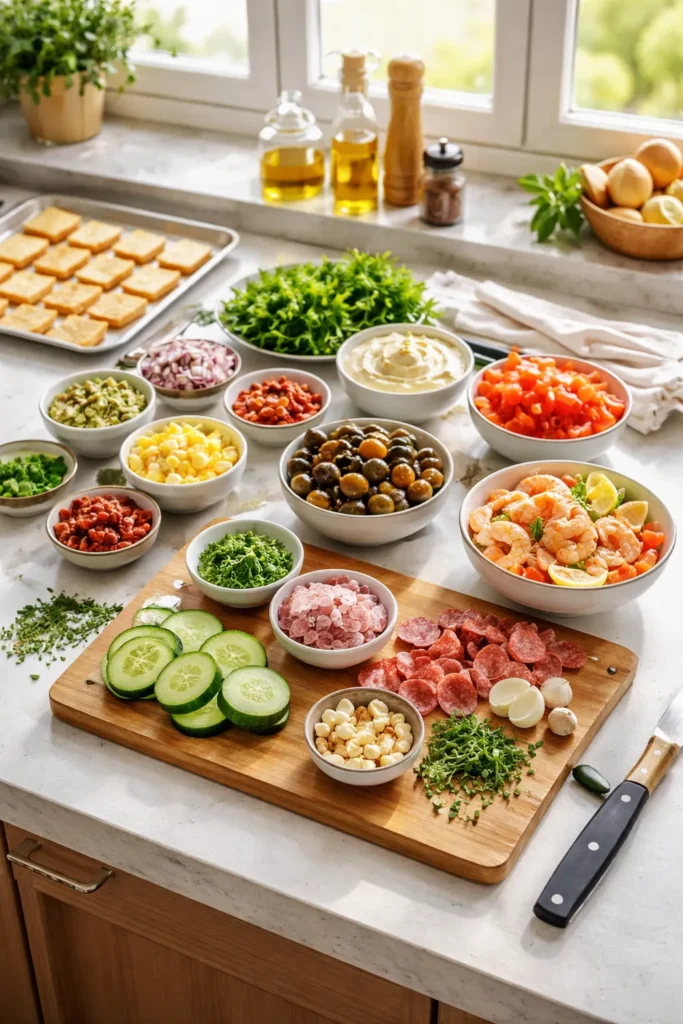
Elevated simplicity always wins over complicated attempts at molecular gastronomy in your home kitchen. A beautifully arranged charcuterie board with quality meats, interesting cheeses, seasonal fruits, nuts, and artisan crackers provides visual impact and satisfies various tastes with zero cooking required. The secret is curation and presentation—choose items with contrasting colors, textures, and flavors, then arrange them thoughtfully on a large wooden board or slate rather than dumping everything on a plate.

Warm, savory appetizers add a cooked element that signals effort without demanding precision timing. Consider dishes like stuffed mushrooms that bake while guests arrive, a warm artichoke and spinach dip served with vegetables and crackers, or bruschetta with tomatoes that you assemble on pre-toasted bread. These options come together in twenty minutes or less, can hold without deteriorating, and deliver that satisfying warmth that elevates the experience beyond raw vegetables and dip.
Here are proven appetizer approaches that balance impressiveness with practicality:
- Seasonal crostini variations: Toast baguette slices earlier in the day, then top them just before serving with combinations like ricotta and roasted grapes, whipped feta and honey, or white bean puree and herbs
- Upgraded dips: Transform ordinary hummus by topping it with spiced lamb or chickpeas; create a stunning beet and yogurt dip; or prepare a warm caramelized onion and Gruyère spread
- Elegant skewers: Thread caprese ingredients, grilled shrimp with pineapple, or antipasto components on small skewers for easy finger food that looks restaurant-quality
- Stuffed vegetables: Fill cherry tomatoes with herbed cream cheese, stuff dates with goat cheese and almonds, or prepare cucumber rounds with smoked salmon
- International small plates: Serve high-quality olives, marcona almonds, and pickled vegetables for a Spanish-inspired spread, or offer Vietnamese spring rolls with peanut sauce prepared earlier in the day
Quantity matters when planning appetizers—you want enough to satisfy early hunger without spoiling dinner appetites. Calculate approximately 5-7 pieces per person for a cocktail hour before a full meal, or 3-4 pieces if guests are arriving just thirty minutes before dinner. Variety trumps quantity, so offering three different appetizer types feels more abundant than large amounts of a single option.
Show-Stopping Main Course Ideas
Your main course anchors the entire dinner party experience, but it doesn’t need to be complicated to be memorable. The best dinner party mains share common characteristics: they look impressive, taste exceptional, and most importantly, allow you to spend time with guests rather than being trapped in the kitchen during the meal.
One-pan and oven-based dishes give you freedom that stovetop preparations don’t. A beautifully roasted whole chicken with vegetables, herb-crusted salmon on a sheet pan, or slow-roasted pork shoulder all deliver showstopping results with minimal active cooking time. These dishes also forgive small timing variations—if dinner conversation runs long during appetizers, an extra ten minutes in a low oven won’t ruin your main course the way overcooking delicate fish on the stovetop would.
Braised dishes represent the ultimate dinner party strategic choice because they improve when made ahead and require only reheating before serving. Coq au vin, short ribs in red wine, Moroccan lamb tagine, or osso buco all taste better the day after cooking as flavors meld and deepen. On party day, you simply reheat gently while preparing sides, then plate professionally. Guests perceive braised dishes as sophisticated and labor-intensive while you know they’ve been done for twenty-four hours.
Consider these main course options that balance impressiveness with execution ease:
1. Herb-Crusted Rack of Lamb: This classic dinner party centerpiece looks intimidating but requires minimal skill. Season your lamb racks, sear them quickly in a hot pan to develop a crust, then coat with a mixture of breadcrumbs, fresh herbs, Dijon mustard, and garlic. Roast in a hot oven for just 15-20 minutes for perfect medium-rare. The presentation—especially when you slice between the bones and fan the chops on the plate—delivers restaurant elegance with surprisingly little effort or expertise.

2. Pan-Seared Duck Breasts with Cherry Sauce: Duck seems fancy but is actually more forgiving than chicken breast. Score the skin, season generously, then start cooking skin-side down in a cold pan. The fat renders slowly as the pan heats, creating crispy skin while the meat stays tender. A quick pan sauce made with cherries, red wine, and stock transforms this into a memorable centerpiece that cooks start to finish in under thirty minutes.
3. Whole Roasted Fish: A whole roasted fish—whether branzino, red snapper, or sea bass—creates dramatic table presentation with remarkably simple preparation. Stuff the cavity with lemon slices, fresh herbs, and garlic, drizzle with olive oil, season generously, and roast at high heat until the flesh flakes easily. The bones actually protect the delicate meat from drying out, making this more foolproof than fish fillets.
4. Beef Tenderloin with Red Wine Reduction: For larger gatherings, whole beef tenderloin offers elegant individual portions and consistent cooking throughout. Season the entire tenderloin with herbs and garlic, sear it on all sides in a hot pan, then transfer to the oven to roast to your preferred doneness. One piece feeds 8-10 people, requires minimal seasoning thanks to the quality cut, and slices beautifully for plating. A simple red wine reduction sauce made from pan drippings elevates it to special occasion status.
Foolproof Protein Options for Different Skill Levels
Not everyone feels confident with complex proteins, and choosing a main course that matches your skill level ensures success rather than stress. Here’s how to select protein options that deliver impressive results without exceeding your comfort zone.
For beginner confidence, start with bone-in, skin-on chicken thighs rather than delicate breasts. Thighs forgive timing errors thanks to higher fat content, and the bones add flavor while protecting meat from drying out. A simple preparation like lemon and herb roasted chicken thighs with olives delivers sophisticated Mediterranean flavors with minimal technique required. Similarly, pork tenderloin offers foolproof results—this lean, uniform cut cooks quickly and evenly, making proper doneness easy to achieve. Season it with a spice rub, sear briefly, then roast for twenty minutes while you finish sides.
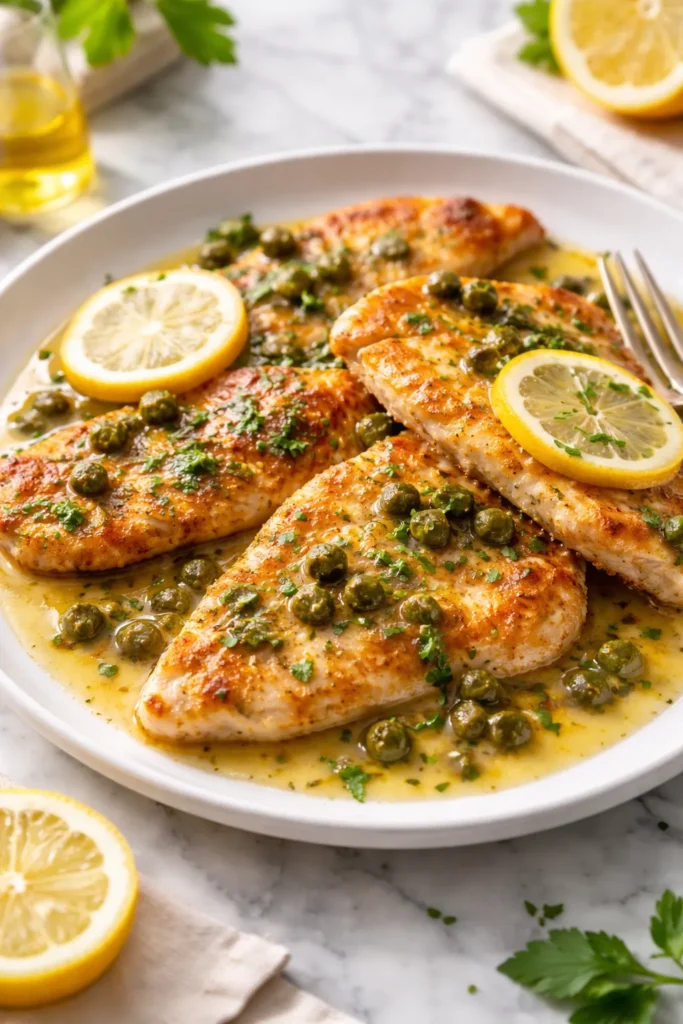
Intermediate cooks can tackle slightly more technique-dependent proteins like salmon fillets, where proper cooking means the difference between dry fish and butter-soft texture. The key is learning the visual cues—salmon is perfectly cooked when it’s just turned opaque throughout but still feels slightly soft to the touch. Starting salmon skin-side down in a cold, oiled pan, then slowly increasing heat as it cooks yields crispy skin and evenly cooked flesh. Creating a pan sauce afterward from white wine, butter, and capers adds restaurant polish with minimal extra effort.
Advanced home cooks might venture into more technical territory with dishes like duck confit, which requires advance planning but delivers extraordinary results. The slow-cooking process in fat yields impossibly tender meat and crispy skin that guests remember long after the party ends. Similarly, mastering beef Wellington or homemade pasta from scratch pushes your skills while creating those “wow” moments that define memorable dinner parties. These ambitious projects work best when you’ve practiced the technique previously rather than attempting them for the first time with an audience.
Vegetarian and Plant-Based Centerpieces
Vegetarian mains have evolved far beyond obligatory pasta primavera, and modern dinner parties increasingly feature plant-based centerpieces that satisfy everyone regardless of dietary preference. The secret is treating vegetarian dishes as intentional showpieces rather than afterthoughts.
Stuffed vegetables create natural presentation drama while offering substance that satisfies like traditional proteins. Consider whole roasted cauliflower seasoned with aromatic spices, served with tahini sauce and pomegranate seeds—the whole head presents beautifully and carves into portions like a roast. Alternatively, large portobello mushrooms become “steaks” when marinated in balsamic, garlic, and herbs, then grilled or roasted and topped with compound butter. Stuffed acorn squash halves filled with wild rice, cranberries, and pecans deliver autumn elegance, while eggplant parmesan prepared with care rivals any chicken dish for comfort and satisfaction.
Sophisticated grain and legume preparations elevate humble ingredients to centerpiece status through technique and presentation. A Persian-style jeweled rice pilaf topped with barberries, pistachios, and orange zest becomes a stunning focal point that feeds a crowd affordably. Creamy risotto—whether mushroom, butternut squash, or spring pea—delivers luxury through patient stirring and proper cheese finishing. Hearty bean stews like cassoulet made with white beans, vegetables, and herb-crusted breadcrumb topping provide the satisfying richness typically associated with meat dishes.
Consider these vegetarian main course options that impress omnivores and herbivores alike:
- Mushroom bourguignon: This vegetarian take on the classic French stew uses mixed mushrooms in place of beef, slow-cooked in red wine with pearl onions and carrots until rich and deeply flavored
- Eggplant involtini: Thin eggplant slices rolled around ricotta and spinach filling, then baked in marinara and topped with mozzarella for an elegant Italian presentation
- Vegetable Wellington: Layers of roasted vegetables, mushroom duxelles, and goat cheese wrapped in puff pastry create impressive individual portions or a show-stopping whole log
- Stuffed poblano peppers: Roasted poblanos filled with black beans, quinoa, corn, and cheese, then topped with enchilada sauce for Southwestern flair
Side Dishes That Complement Without Competing
Side dishes play a crucial supporting role that many dinner parties mishandle by either skipping them entirely or offering so many that plates become overcrowded and the meal loses focus. Strategic side selection enhances your main course while adding color, texture, and nutritional variety to the plate.
The rule of three serves dinner parties well—one starch, one vegetable, and one acid or crunch element create balanced, complete plates without overwhelming preparation or presentation. If you’re serving roasted chicken as your main, appropriate sides might include creamy mashed potatoes (starch), roasted Brussels sprouts with balsamic (vegetable), and a simple arugula salad with lemon vinaigrette (acid/crunch). This combination offers textural variety, color contrast, and complementary flavors without competing for attention or requiring complicated coordination.
Choose sides with complementary temperature profiles to simplify timing. If your main requires last-minute stovetop attention, select sides that hold well in a warm oven or are served at room temperature. Roasted vegetables, grain pilafs, and potato gratins all sit happily at warm temperatures without deteriorating, while cold salads actually benefit from being dressed early and allowed to rest. This strategic temperature planning prevents the frantic juggling of multiple dishes that need simultaneous plating.
Consider how sides contribute to the overall meal narrative. If you’ve chosen a French-inspired coq au vin as your main, sides like herbed fingerling potatoes and haricots verts with shallots reinforce the theme. An Asian-influenced salmon teriyaki pairs naturally with jasmine rice and sautéed bok choy. This culinary coherence elevates your dinner from “assorted foods on a plate” to a thoughtfully composed dining experience that feels intentional rather than random.
Popular side dishes that work across various main courses include:
- Roasted seasonal vegetables: Toss vegetables like carrots, parsnips, Brussels sprouts, or asparagus with olive oil, salt, and pepper, then roast at high heat until caramelized and tender
- Creamy polenta: This versatile Italian staple pairs with everything from braised meats to sautéed mushrooms and requires only stirring and patience
- Garlic herb roasted potatoes: Cut potatoes into chunks, toss with garlic, fresh rosemary, and olive oil, then roast until crispy outside and fluffy inside
- Sautéed greens: Quick-cooking greens like spinach, chard, or kale sautéed with garlic and finished with lemon brighten rich mains
- Wild rice pilaf: Nutty wild rice mixed with dried fruits, nuts, and fresh herbs adds textural interest and works at various temperatures
Batch-friendly sides deserve special consideration for dinner parties because they eliminate per-plate preparation. Gratins, casseroles, and large-format roasted vegetables allow you to portion directly from baking dishes rather than individually plating, saving precious minutes during the critical service window. Family-style presentation also encourages conviviality, with guests passing dishes and serving themselves in a more relaxed, communal way than formal plating allows.
Desserts to Remember
Dessert creates your dinner party’s lasting impression, but it’s also the course most frequently sacrificed when hosts feel overwhelmed. The secret is choosing or preparing desserts that deliver wow factor without requiring last-minute precision or complicated techniques during the party itself.
Make-ahead desserts eliminate stress while often tasting better thanks to flavor development over time. Tarts and pies can be baked a day ahead and stored covered at room temperature or refrigerated depending on filling. Cheesecakes actually require overnight refrigeration to set properly, making them perfectly suited to dinner party timelines. Panna cotta, chocolate mousse, and crème brûlée (minus the final caramelization) can all be prepared 1-2 days in advance and simply garnished before serving. These desserts free you completely from worry during dinner, knowing a beautiful finale awaits in your refrigerator.
Strategic store-bought elements combined with homemade touches create impressive desserts without exhausting yourself. Purchase high-quality vanilla ice cream, then serve it with homemade hot fudge sauce, candied nuts, and fresh berries for a sundae bar that guests customize. Buy excellent pound cake or angel food cake, then dress it up with macerated strawberries and whipped cream. Order a beautiful cake from a local bakery but present it on your own cake stand with fresh flowers or fruit. This hybrid approach focuses your energy where it matters most while maintaining the special occasion feel.
Interactive or tableside elements add theater that transforms simple desserts into memorable experiences. Flambéing bananas Foster tableside creates drama with minimal effort—the fire is the spectacle, while the dessert itself is just bananas, butter, brown sugar, and rum over ice cream. Similarly, serving a chocolate fondue with various dipping options (fruit, marshmallows, cookies) makes dessert participatory rather than passive. Building individual dessert parfaits in clear glasses at the table lets guests customize layers of cake, cream, and fruit while creating conversation.
Consider these dinner party dessert options organized by effort level:
Low-effort, high-impact:
- Chocolate bark: Melt quality chocolate, spread on parchment, top with nuts, dried fruit, or sea salt, refrigerate until firm, then break into shards for elegant presentation
- Affogato: Simply pour hot espresso over premium vanilla gelato tableside for a sophisticated Italian dessert that requires zero advance preparation
- Cheese course: Arrange interesting cheeses with honeycomb, nuts, and crackers as a savory-sweet finale that requires only shopping and plating
Moderate effort:
- Fruit galette: This rustic free-form tart uses seasonal fruit and a simple pastry dough, folded casually around the filling for an intentionally imperfect, artisanal look
- Tiramisu: Layers of coffee-soaked ladyfingers and mascarpone cream assemble easily without baking and taste better after resting overnight in the refrigerator
- Chocolate lava cakes: Despite their molten center drama, these individual cakes mix in minutes and can be prepared ahead in ramekins, then baked during dinner
Higher effort (but worth it):
- Tarte Tatin: This impressive upside-down apple tart caramelizes fruit in butter and sugar before baking under pastry, then flips to reveal glistening fruit
- Pavlova: Crisp meringue topped with whipped cream and fresh fruit creates a showstopper that’s lighter than most desserts—perfect after a heavy meal
- Soufflé: While intimidating, sweet soufflés like chocolate or Grand Marnier offer theatrical rise and impressive presentation, though timing requires precision
Dietary-inclusive dessert options ensure everyone participates in the finale. Fresh fruit sorbets satisfy dairy-free guests, while flourless chocolate cakes work for gluten-free needs. Coconut milk-based panna cotta or mousse accommodates vegan diets without compromising on elegance or flavor. Many guests appreciate lighter fruit-forward desserts like poached pears in spiced wine or berry compote over shortcake regardless of restrictions.
Beverage Pairing and Presentation
Beverages play a crucial role in dinner party success, yet they’re often treated as afterthoughts rather than integral components of the experience. Thoughtful drink selection and presentation enhance your meal while providing natural conversation starters and helping pace the evening’s flow.
Wine pairing basics don’t require sommelier expertise, just understanding a few fundamental principles. White wines with higher acidity complement lighter proteins like fish and chicken, while fuller-bodied reds pair with richer meats and heavier sauces. When in doubt, choose wines from the same region as your cuisine—Italian wines with Italian food, French wines with French dishes—as these developed together over centuries. If wine selection feels overwhelming, ask your local wine shop for recommendations based on your specific menu, or choose a versatile option like Pinot Noir or unoaked Chardonnay that works across various dishes.
Creating a signature cocktail for your dinner party adds personality while simplifying bar logistics. Rather than offering full mixologist services for every drink request, prepare one special cocktail that guests can enjoy upon arrival and throughout the evening, plus wine options and non-alcoholic alternatives. Batch cocktails in pitchers earlier in the day, then simply pour over ice and garnish when guests arrive. This approach feels special and hosted without requiring you to miss conversation while making individual drinks.
Consider these beverage strategies for smooth dinner party flow:
- Welcome drinks: Greet guests with a signature cocktail, sparkling wine, or sophisticated mocktail to signal the evening’s start and give early arrivals something to sip while others gather
- Wine progression: Serve lighter whites with appetizers and first courses, then transition to fuller reds with the main course, and finally dessert wine or port with sweets
- Water service: Keep beautiful water carafes or pitchers with citrus slices, cucumber, or herbs on the table throughout the meal so guests can serve themselves
- Temperature control: Chill whites and sparklings properly (45-50°F), serve reds slightly cool (60-65°F), and have appropriate glassware clean and ready before guests arrive
Non-alcoholic options deserve equal thought and presentation rather than relegating non-drinkers to tap water or soda. Create sophisticated mocktails using fresh juices, herbs, and sparkling water. Offer interesting non-alcoholic beers or wines that have improved dramatically in recent years. Brew special iced teas with fruit and herbs, or serve sparkling water with creative infusions. Presenting these options attractively ensures all guests feel equally considered and hosted.
Glassware and presentation details elevate beverage service from functional to memorable. Use proper wine glasses if you have them—the shape genuinely affects how wine smells and tastes. Chill cocktail glasses before serving cold drinks. Garnish thoughtfully with fresh herbs, citrus twists, or edible flowers. These small touches require minimal effort but communicate care and intention that guests notice and appreciate.
Timing and Execution: Your Dinner Party Timeline
Even the most beautifully planned menu fails without proper execution timing, and this is where many dinner parties derail. Creating and following a detailed timeline transforms cooking from reactive chaos into calm, controlled progression toward a delicious conclusion.
Work backward from your desired serving time to build your timeline. If guests arrive at 7:00 p.m. and you plan to serve dinner at 8:00 p.m., your main course needs to be ready by 8:00, which means it enters the oven at 7:15 for a 45-minute roast. Working backward, the main needs final seasoning at 7:10, should come to room temperature starting at 6:30, and required earlier prep steps might begin at 4:00 p.m. This backward planning ensures everything converges at the right moment rather than leaving you scrambling.
Build buffer time into every step because dinner parties inevitably include interruptions. Guests arrive early or late, conversations run long during appetizers, or cooking takes longer than expected. Add 10-15 minutes of cushion to your timeline at several points so delays in one area don’t cascade catastrophically through your entire evening. Planning to serve at 8:00 but being ready by 7:50 feels calm; planning for 8:00 and actually being ready at 8:20 feels like failure even when the food is perfect.
Critical timing windows require particular attention in your planning:
1. The final hour before guests arrive (6:00-7:00 for 7:00 arrival) should focus on finishing touches rather than major cooking. This is when you dress salads, arrange appetizers, set the table, light candles, and make yourself presentable. If you’re still actively cooking complicated dishes during this window, your timeline needs adjustment because you won’t be ready to greet guests with the calm, welcoming energy that sets the right tone.
2. The appetizer period (7:00-8:00 for 8:00 dinner) is when you’ll finish main course cooking while socializing. Choose dishes that largely cook themselves during this time—oven roasts, slow braises being reheated, or items that rest after cooking. You should be able to excuse yourself for 5-10 minute kitchen intervals while remaining present for your guests rather than disappearing entirely. This is why one-pan dishes and make-ahead components matter so much.
3. The service window (8:00-8:15) is when everything comes together for plating. Recruit a helper if possible during these critical minutes—having someone assist with plating, carrying dishes, or pouring wine transforms a frantic solo sprint into a manageable team effort. If cooking solo, choose serving style accordingly. Family-style service where guests pass dishes and serve themselves requires less precision timing than individually plated courses.
4. The post-main relaxation (9:00-9:30) gives everyone time to digest, enjoy conversation, and prepare for dessert. This natural pause is built into dinner party rhythm and shouldn’t be rushed. Use this time to clear main course dishes, prepare coffee, and bring dessert to room temperature if needed, but don’t feel pressured to serve dessert immediately after mains.
Temperature management across multiple dishes challenges even experienced cooks, but strategic approaches help. Keep a warm oven (200°F) for holding finished dishes while others complete. Use insulated carriers or coolers to keep cold dishes chilled. Serve some items at room temperature intentionally—many foods taste better slightly cooled than piping hot. Accept that not everything will be at perfect temperature simultaneously and focus on getting the main course right while sides are warm enough.
Creating Ambiance Beyond the Food
Outstanding dinner parties engage all senses, not just taste, and the environment you create around the meal matters as much as the food itself. Ambiance sets emotional tone, facilitates conversation, and creates those intangible elements that guests remember long after they’ve forgotten exactly what they ate.
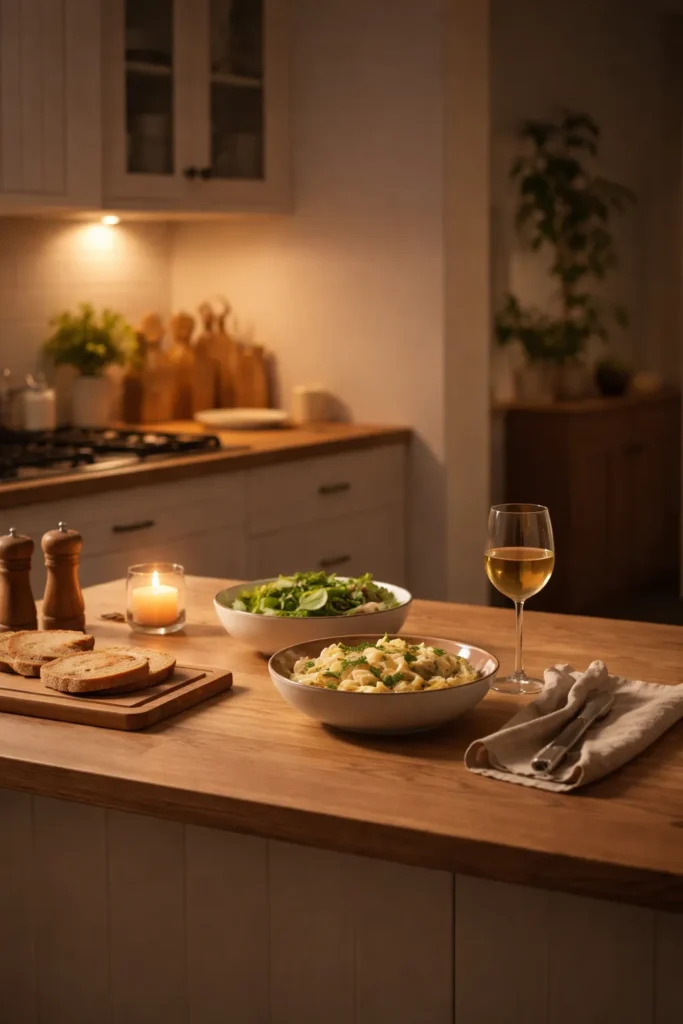
Lighting dramatically affects dinner party atmosphere, perhaps more than any other single element. Overhead bright lights create harsh, unflattering illumination that feels institutional rather than intimate. Instead, use multiple light sources at varying heights—table candles, floor lamps, string lights, or wall sconces—to create warm, layered lighting that flatters guests and encourages relaxation. Dimmer switches allow you to adjust brightness as the evening progresses from brighter for serving and eating to softer for post-dinner conversation. The warm glow of candlelight specifically signals special occasion and transforms ordinary dining rooms into memorable spaces.
Table setting communicates care without requiring expensive dishes or linens. Start with a clean, pressed tablecloth or beautiful placemats as your foundation. Layer with coordinating napkins—cloth rather than paper for dinner parties—folded simply or with a napkin ring. Set complete place settings with all necessary utensils arranged outside-in in order of use. Add small details like place cards for larger gatherings, a centerpiece that doesn’t block sightlines across the table, and perhaps a small favor or special touch at each setting. These elements require time but minimal money while signaling that this evening matters.
Music provides subtle background atmosphere that fills awkward silence pauses without dominating conversation. Create a playlist beforehand that matches your dinner party’s mood—perhaps jazz standards, acoustic covers, classical, or world music—avoiding anything with explicit lyrics, jarring tempo changes, or strong associations that might distract. Keep volume low enough that guests can easily converse without raising voices. Music pacing can also signal evening progression: slightly more upbeat during appetizers and cocktails, mellower during dinner, and either relaxed or slightly more energetic again during dessert depending on whether you want guests to linger or naturally wind down.
Consider these ambiance elements that elevate dinner parties:
- Fresh flowers or greenery: A centerpiece doesn’t need elaborate arrangements—a simple vase of seasonal flowers, branches, or greenery adds life and beauty without blocking conversation
- Pleasant scents: Light candles with subtle scents like vanilla, citrus, or herbs before guests arrive, then extinguish strongly scented ones before serving to avoid competing with food aromas
- Temperature control: Ensure your space is comfortable—slightly cooler than you’d normally keep it since body heat from multiple people plus kitchen warmth will raise temperatures
- Seating arrangements: Think strategically about who sits near whom to facilitate good conversation dynamics, alternating genders in traditional settings or mixing social circles to encourage new connections
- Personal touches: Include elements that reflect your personality—whether specific cuisine, décor style, or conversation starters like interesting questions at place settings
Conversation facilitation is part of hosting well, particularly when mixing guests who don’t know each other. Prepare a few conversation starters or interesting questions if discussion lags. Make introductions that include connection points (“Sarah, this is Mike—you both love hiking”). Gently redirect if one person monopolizes conversation. As host, your comfort level sets the tone for everyone else, so even if you feel stressed about kitchen logistics, project calm confidence that helps guests relax and enjoy themselves.
Troubleshooting Common Dinner Party Challenges
Despite perfect planning, dinner parties sometimes encounter challenges that require quick thinking and graceful recovery. Knowing how to troubleshoot common issues beforehand prepares you to handle them calmly rather than panicking when they arise.
Food timing disasters where everything finishes at different times or nothing seems done when you need it can derail service. If your main course finishes early, tent it loosely with foil and keep warm in a low oven while sides complete. If it’s running late, serve another round of appetizers or a small salad course while buying time. If something is genuinely ruined beyond recovery, this is when you embrace flexibility—order pizza, make a large salad from whatever’s in your fridge, or lean heavily on sides and dessert. Your attitude matters more than the menu change; if you handle it with humor and grace, guests will often remember your recovery more fondly than they would have remembered the original plan.
Dietary restrictions you discover at the last minute (“Oh, I forgot to mention I’m allergic to shellfish!”) require quick adaptation. Keep emergency backup ingredients on hand—pasta, jarred marinara, frozen vegetables, eggs—that can quickly become a respectable alternative dish. Many mains can be simply portioned differently; if someone can’t eat your paella, serve them the saffron rice component with extra vegetables. Worst case, a beautifully plated salad with protein and grain additions becomes a complete meal. Apologize sincerely, do your best to accommodate, and mentally note to be more thorough in your pre-party screening next time.
Kitchen disasters like broken sauces, burnt components, or dropped dishes happen to everyone eventually. Stay calm and assess whether the element is salvageable or whether you need Plan B. Many broken sauces can be rescued by whisking in small amounts of liquid over lower heat. Burnt components can sometimes be trimmed or discarded while the intact portions serve. If something hits the floor, that dish is simply eliminated—don’t risk food safety trying to salvage it. Humor and honesty usually work better than pretending nothing happened; guests appreciate authenticity and often have their own kitchen disaster stories to share.
Conversation challenges where guests aren’t connecting or topics become uncomfortable require gentle hosting intervention. If conversation lags, have a few prepared questions or topics to introduce. If discussion becomes heated around controversial subjects, acknowledge different viewpoints respectfully then suggest exploring the topic more another time while steering toward lighter subjects. If one guest dominates conversation, ask directed questions to quieter guests. Remember that as host, you’re not just feeding people—you’re facilitating an enjoyable social experience.
Managing intoxication is an unfortunate but sometimes necessary hosting responsibility. Serve food before and alongside alcohol, provide plenty of water, and pace drink service rather than constantly refilling. If someone becomes noticeably impaired, quietly arrange alternative transportation—call a rideshare service, offer your guest room, or ask a sober guest to drive them. Never let impaired guests drive regardless of their protests. Your liability and moral responsibility extend to ensuring everyone arrives home safely.
Unexpected guests like plus-ones you weren’t told about strain both food quantities and seating. Stretch what you have by bulking up with quickly prepared additions—more bread, a larger salad, extra appetizers, or additional sides. Reset the table to accommodate the extra person even if settings become slightly tighter. Handle the situation graciously in the moment, then privately address boundary-crossing afterward if needed. The immediate priority is making everyone feel welcome even when circumstances aren’t ideal.
Final Words
Mastering dinner party ideas at home isn’t about achieving Michelin-star precision or creating Instagram-perfect tablescapes that require professional styling. It’s about understanding that successful entertaining balances delicious food with genuine hospitality, strategic planning with flexibility, and impressive presentation with manageable execution. The hosts everyone wants to dine with aren’t necessarily the most skilled cooks—they’re the ones who create warm, welcoming environments where guests feel valued, conversations flow naturally, and the meal, whether simple or sophisticated, becomes a backdrop for connection rather than the entire focus.
Your journey to dinner party mastery begins with choosing the right foundation: menus that match your skill level, make-ahead strategies that preserve your sanity, and timing that keeps you present with guests rather than isolated in your kitchen. It continues through thoughtful details like dietary accommodation, strategic side selection, and ambiance creation that engages all senses. And it culminates in your ability to recover gracefully from inevitable challenges while maintaining the relaxed confidence that puts everyone at ease.
Start small if you’re new to entertaining—invite a few close friends for a simple menu that you’ve practiced once before. Build your repertoire gradually, adding new dishes and techniques as your confidence grows. Keep notes about what worked well and what you’d change next time. Pay attention to which guests connected strongly and consider those pairings for future gatherings. Over time, you’ll develop your personal dinner party style that reflects your cooking strengths, aesthetic preferences, and entertaining philosophy.
The most important ingredient in any memorable dinner party isn’t exotic spices, expensive proteins, or elaborate decorations—it’s your genuine pleasure in bringing people together over a shared meal. When you approach entertaining with joy rather than obligation, authenticity rather than perfection, and generosity rather than showing off, your dinner parties naturally become the occasions guests anticipate eagerly and remember fondly. Your home can indeed become the neighborhood’s most desired reservation, with you as the confident host who makes it all look effortless, one thoughtfully planned dinner party at a time.