Table of Contents
- How to Pollinate Apple Trees: Complete Guide
- Understanding Apple Pollination Basics
- Choosing Compatible Apple Tree Varieties
- The Role of Crabapple Trees in Pollination
- Optimal Spacing for Apple Tree Pollination
- Pollinators: The Unsung Heroes of Apple Production
- Weather and Environmental Factors Affecting Pollination
- Hand Pollination Techniques for Apple Trees
- Common Pollination Problems and Solutions
- Pollination Strategies for Different Orchard Sizes
- Key Takeaways
How to Pollinate Apple Trees: Complete Guide
There’s nothing quite as rewarding as biting into a crisp, juicy apple plucked fresh from your own backyard tree. But before you can enjoy that satisfying crunch and burst of sweet flavor, your apple trees need to undergo a crucial biological process: pollination. Whether you’re a first-time orchardist or an experienced gardener looking to maximize your harvest, understanding how to pollinate apple trees is absolutely essential for success. Without proper pollination, even the healthiest apple trees will produce little to no fruit, leaving you disappointed and confused.
The good news is that apple tree pollination doesn’t have to be complicated or mysterious. While the process involves some fascinating science and requires careful planning, nature does most of the heavy lifting once you’ve set up the right conditions. From selecting compatible varieties and understanding bloom times to attracting the right pollinators and even performing hand pollination when necessary, this comprehensive guide will walk you through everything you need to know to ensure your apple trees produce abundant, high-quality fruit year after year. Let’s dive into the world of apple pollination and unlock the secrets to a thriving, productive orchard.
Understanding Apple Pollination Basics
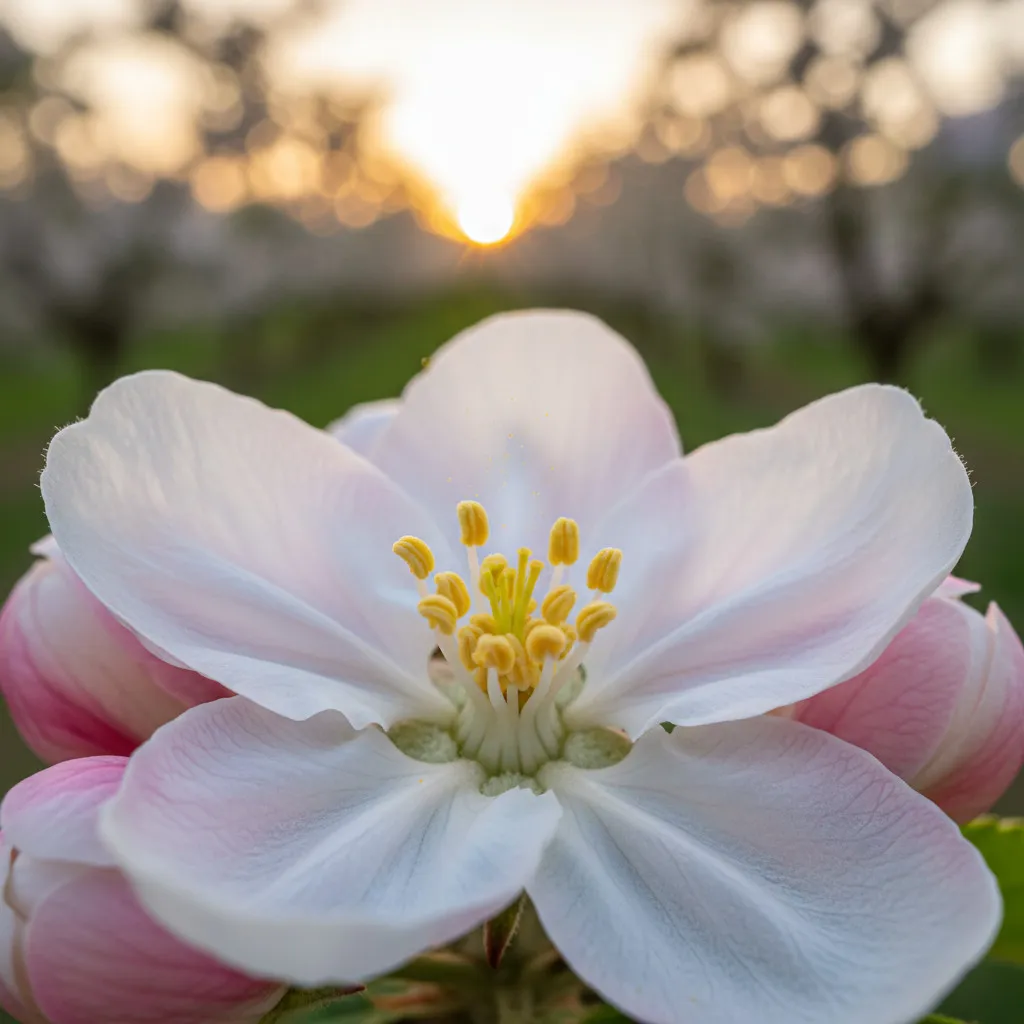
Before diving into practical techniques, it’s important to grasp what pollination actually means and why it matters so much for your apple trees. Pollination is the biological process where pollen grains move from the male part of a flower (the anther) to the female part (the stigma), eventually leading to fertilization and fruit development.
The Biology Behind the Bloom
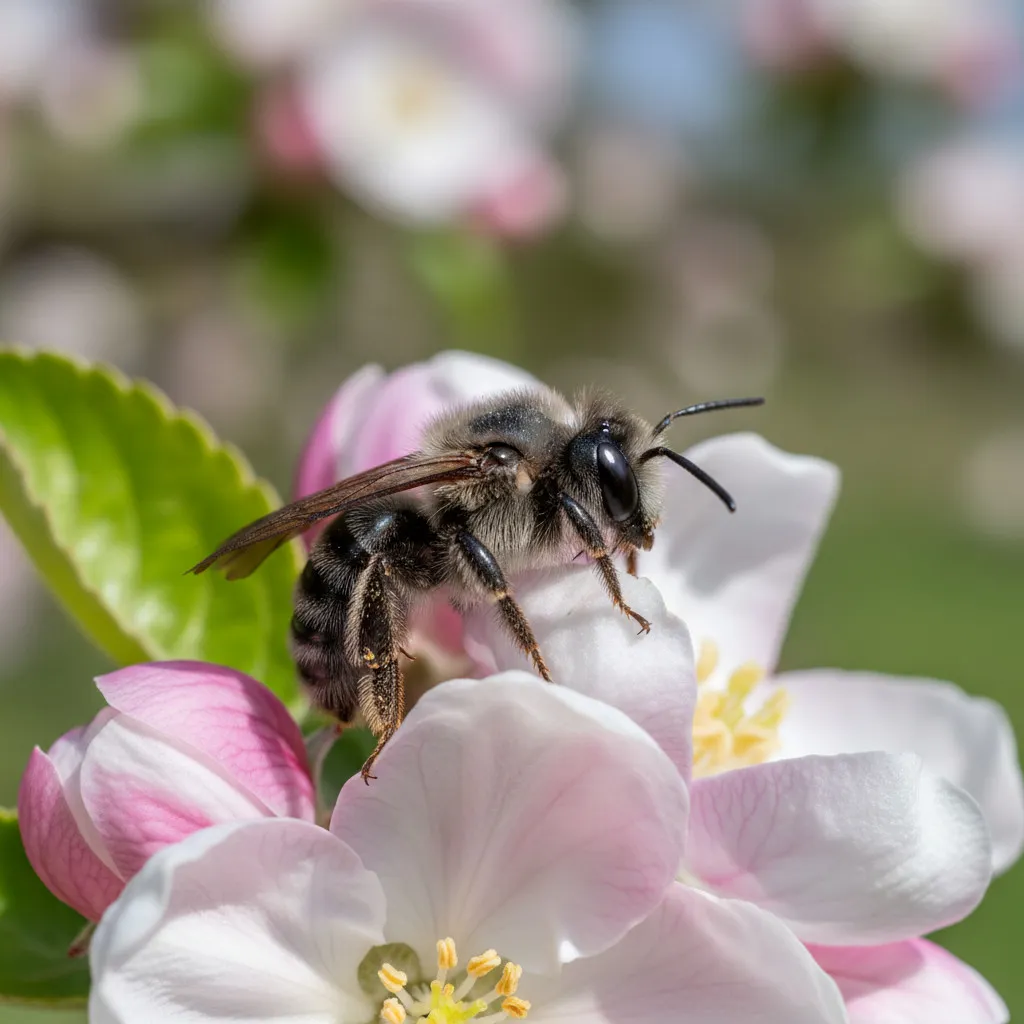
When a bee or other pollinator visits an apple blossom, pollen sticks to its fuzzy body. As the bee moves to the next flower seeking nectar, some of that pollen rubs off onto the stigma. Once the pollen grain lands on the stigma, it germinates and sends a tube down through the style to reach the ovary, where fertilization occurs. This union triggers the development of seeds and the surrounding fruit tissue that we enjoy eating.
Apple ovaries typically contain five chambers, each with two ovules available for pollination. A fully pollinated apple will contain up to 10 seeds, though a minimum of 6-7 seeds per apple generally ensures good fruit development. Well-pollinated apples tend to be larger, more symmetrical, and have better flavor than poorly pollinated fruit, which may be misshapen or drop prematurely from the tree.
Why Most Apples Need Cross-Pollination
Here’s the critical point that surprises many new apple growers: nearly all apple varieties require cross-pollination to produce fruit. This means they need pollen from a different apple variety, not just another tree of the same type. Two Honeycrisp trees planted next to each other won’t effectively pollinate one another—you need genetic diversity.
The reason for this lies in the genetics of apple trees. Most varieties are self-incompatible or self-unfruitful, meaning their own pollen cannot successfully fertilize their flowers. Even varieties labeled as “self-fertile” or “partially self-fertile” will produce significantly better crops when cross-pollinated with a compatible partner. This natural mechanism promotes genetic diversity, resulting in healthier trees and more resilient offspring.
Choosing Compatible Apple Tree Varieties
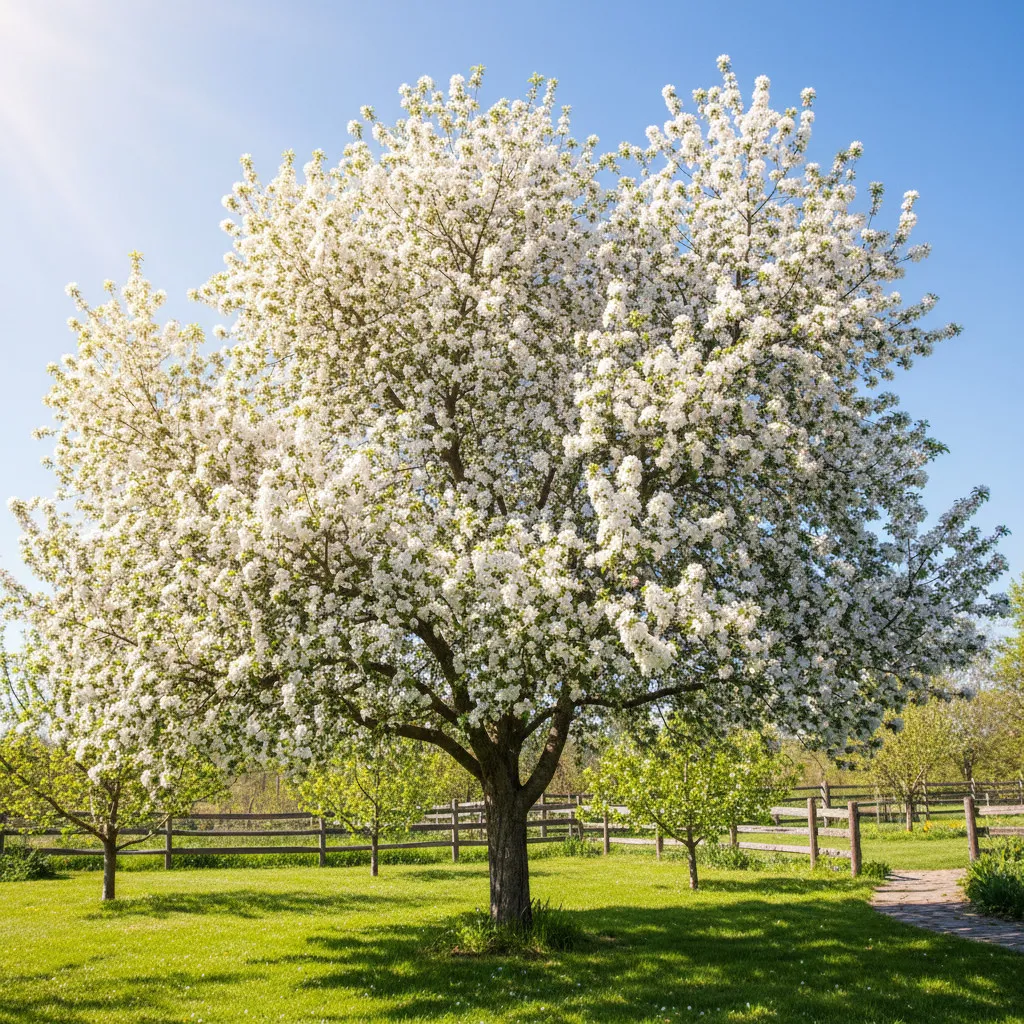
Selecting the right combination of apple varieties is the foundation of successful pollination. You can’t simply plant any two apple trees and expect great results—compatibility matters tremendously, and understanding pollination groups is your key to success.
Understanding Pollination Groups and Bloom Times
Apple varieties are categorized into pollination groups (sometimes called flowering groups) based on when they bloom during spring. These groups are typically labeled with letters (A, B, C, D, E) or numbers (1, 2, 3, 4, 5), depending on the source, with each representing a different bloom period from early to late season.
For successful cross-pollination, you need to select varieties whose bloom times overlap significantly. Here’s how it works:
- Same Group Compatibility: Varieties in the same pollination group bloom at approximately the same time and make ideal partners
- Adjacent Group Pairing: Varieties from neighboring groups (like Group B and Group C) will have enough overlap to pollinate each other effectively
- Climate Considerations: In temperate climates with extended springs, varieties even two groups apart may overlap enough to work together
For example, a mid-season bloomer like ‘Fuji’ (Group 3/C) can pollinate ‘Granny Smith’ (also Group 3/C), ‘Gala’ (Group 4/D), or even early-mid bloomers like ‘McIntosh’ (Group 2/B) in many regions. However, pairing an early bloomer like ‘Anna’ with a late bloomer like ‘Braeburn’ would be risky, as their flowering periods might not overlap at all.
Popular Apple Pollination Partnerships
Here are some tried-and-true pollination combinations that work reliably across many growing zones:
-
Honeycrisp and Gala: Both are popular eating apples with overlapping bloom times, making them perfect companions that also offer variety in harvest times and flavors.
-
Granny Smith and Golden Delicious: These classic varieties bloom mid-to-late season and cross-pollinate beautifully while providing both tart and sweet apple options.
-
Fuji and Gravenstein: Fuji’s late-mid season bloom pairs well with Gravenstein’s earlier blooming period in most climates.
-
McIntosh and Cortland: These heritage varieties share similar bloom times and cultural requirements, making them ideal orchard companions.
-
Liberty and Enterprise: For organic growers, these disease-resistant varieties bloom at compatible times and offer excellent pollination support.
The Triploid Challenge
Some apple varieties are triploid, meaning they have three sets of chromosomes instead of the normal two. This genetic quirk makes their pollen sterile—they cannot pollinate other trees, nor can they pollinate themselves. Common triploid varieties include ‘Jonagold’, ‘Bramley’s Seedling’, ‘Ashmead’s Kernel’, ‘Gravenstein’, ‘Mutsu’, and ‘Arkansas Black’.
If you want to plant a triploid variety, you’ll need at least two other compatible apple varieties nearby: one to pollinate the triploid tree and one to pollinate the pollinator. While this sounds complicated, it simply means planning for three compatible varieties instead of two. The extra effort is often worthwhile, as many triploid varieties are prized for their exceptional flavor, disease resistance, or other desirable qualities.
The Role of Crabapple Trees in Pollination
If you’re looking for the ultimate insurance policy for apple pollination, consider planting a crabapple tree. These underappreciated landscape trees are pollination powerhouses that solve multiple problems at once.
Why Crabapples Make Excellent Pollinators
Crabapple trees produce an abundance of blossoms over an extended period, often outlasting standard apple varieties by several days or even a week. This long flowering window increases the chances that bees will transfer pollen during the optimal time for your eating apples. Additionally, crabapples produce viable pollen in large quantities and are generally compatible with nearly all apple varieties.
Commercial orchardists frequently interplant crabapple trees throughout their orchards specifically for pollination purposes. The practice is so effective that many experts recommend crabapples as the single best pollinator choice when space is limited or when you’re unsure about variety compatibility.
Top Crabapple Varieties for Pollination
- Dolgo Crabapple: Blooms early to mid-season with profuse white flowers; extremely hardy and reliable
- Whitney Crabapple: Mid-season bloomer that produces edible fruit suitable for jellies
- Manchurian Crabapple: Early to mid-season bloomer, though some sources note it may be linked to certain postharvest rot issues
- Snowdrift: Mid to late season bloomer with beautiful white flowers and good disease resistance
- Wickson Crabapple: Produces flavorful fruit while serving as an excellent pollinator
Beyond their pollination value, crabapples offer beautiful spring blossoms, attractive fall fruit that feeds wildlife, and relatively low maintenance requirements. Even if their small fruits aren’t appealing for fresh eating, they make excellent jellies, preserves, and cider additions.
Optimal Spacing for Apple Tree Pollination
Even with perfectly compatible varieties, spacing matters tremendously for successful pollination. Plant your trees too far apart, and pollinators won’t effectively transfer pollen between them.
The 50-100 Foot Rule
The general recommendation from horticultural experts is to plant apple trees within 50 to 100 feet of each other for reliable cross-pollination. This distance ensures that bees and other pollinators can easily travel between trees while foraging, maximizing pollen transfer opportunities.
Within this range:
- 50 feet or less: Ideal spacing that guarantees excellent pollination under most conditions
- 50-100 feet: Acceptable spacing that should work well, especially with abundant pollinator populations
- Beyond 100 feet: Pollination becomes increasingly unreliable, though not impossible if pollinator populations are robust
In urban and suburban settings, you might not even need to worry about planting a second tree. Many neighborhoods have apple trees in various yards within the critical 100-foot radius. Wild crabapples, ornamental crabapples, and neighbors’ apple trees can all serve as effective pollinators for your tree.
Adapting Spacing for Different Orchard Designs
Different planting situations call for different approaches:
- Home Orchards: Plant compatible varieties in proximity, ideally within 20-50 feet of each other
- Small Gardens: Use dwarf or semi-dwarf rootstocks to allow multiple varieties in limited space
- Commercial Orchards: Often use a pollinator row every 3-4 rows of the main variety
- High-Density Plantings: May place one pollinator tree for every 8-10 trees of the primary variety
For solitary trees or situations where planting a second tree isn’t feasible, you can hang branches with fresh blossoms from a compatible variety in buckets of water within the tree’s canopy during bloom time, or consider grafting a compatible variety onto the existing tree.
Pollinators: The Unsung Heroes of Apple Production
While choosing compatible varieties and proper spacing creates the framework for pollination, the actual work happens through the tireless efforts of insect pollinators, with bees taking center stage.
Honeybees: The Primary Workforce
Honeybees (Apis mellifera) are the most important managed pollinators for apple trees. A single honeybee may visit up to 5,000 flowers in a single day, making them incredibly efficient pollen distributors. Their fuzzy bodies are perfectly designed to collect and carry pollen, and their systematic foraging patterns ensure thorough coverage of the orchard.
Commercial orchardists typically place beehives in orchards when trees reach the “king bloom” stage—when the largest, central flower in each cluster opens. For standard or semi-dwarf apple trees, one strong hive (containing 15,000-20,000 bees) per acre is usually sufficient. High-density orchards with dwarf trees may require two hives per acre due to the increased number of trees.
Native and Solitary Bees
While honeybees get the most attention, native pollinators deserve recognition for their often superior pollination efficiency:
-
Mason Bees (Osmia spp.): These solitary bees are incredibly efficient pollinators, with one mason bee doing the work of 100 honeybees in terms of pollination effectiveness. They’re active earlier in spring and work in cooler temperatures than honeybees.
-
Bumblebees: Larger and furrier than honeybees, bumblebees carry more pollen and work longer hours, often starting earlier in the morning and continuing later into the evening.
-
Other Native Bees: Hundreds of native bee species visit apple blossoms, including sweat bees, mining bees, and carpenter bees, all contributing to pollination success.
Creating a Pollinator-Friendly Environment
To maximize pollinator activity in your orchard, consider these strategies:
-
Plant diverse flowering plants: Lavender, borage, clover, wildflowers, and other nectar-rich plants attract and sustain pollinator populations throughout the season, not just during apple bloom.
-
Provide nesting habitat: Leave some areas of undisturbed soil for ground-nesting bees, maintain dead wood for cavity-nesting species, and consider installing mason bee houses.
-
Eliminate pesticides during bloom: Never apply insecticides when trees are flowering, as this kills the very pollinators you need. If pest control is absolutely necessary, apply treatments in the evening when bees are less active.
-
Maintain water sources: Shallow dishes of water with pebbles or floating corks give bees a safe place to drink without drowning.
-
Preserve natural areas: Hedgerows, forest edges, and unmowed areas near orchards provide crucial habitat for diverse pollinator communities.
Weather and Environmental Factors Affecting Pollination
Even with perfect variety selection and abundant pollinators, environmental conditions during bloom time can make or break your apple crop. Understanding these factors helps you set realistic expectations and take protective measures when possible.
Temperature Considerations
Apple blossoms and their pollinators are both temperature-sensitive during the critical pollination window:
- Ideal Range: Pollen germination in apples works best at temperatures between 60-70°F (15-20°C)
- Minimum Activity: Honeybees become active around 50-55°F (10-13°C), but work more efficiently as temperatures rise
- Cold Damage: Late frosts can kill blossoms or damage the reproductive parts even if petals appear unharmed
- Extended Bloom: Cool weather during bloom extends the flowering period, potentially increasing pollination opportunities
- Compressed Bloom: Unusually warm weather shortens bloom time, narrowing the pollination window
In regions with cold spring temperatures, choosing varieties with later bloom times helps avoid frost damage, while selecting varieties known to germinate pollen at lower temperatures improves success rates.
Precipitation and Wind
Weather conditions during bloom dramatically affect pollinator activity and pollen viability:
- Rain: Washes pollen away, prevents bee flight, and can dilute or damage pollen grains
- Wind: Discourages bee activity, can blow blossoms off trees before pollination, though it provides minor assistance in pollen transfer
- Humidity: Moderate humidity helps pollen remain viable, while extreme dryness or excessive moisture can impair pollen function
The good news is that you don’t need perfect weather throughout the entire bloom period. Just 1-2 days of favorable conditions with active pollinators during peak bloom can result in successful pollination and good fruit set.
Climate-Specific Challenges
Different growing regions face unique pollination challenges:
- Continental Climates: Rapid transition from winter to summer compresses bloom periods, making compatible bloom timing even more critical
- Temperate Climates: Extended spring seasons provide more flexibility in pairing varieties from adjacent pollination groups
- Cool Regions: Late frosts pose ongoing threats; choose frost-tolerant varieties that bloom later
- Warm Regions: May experience insufficient chill hours, leading to irregular bloom; select low-chill varieties adapted to the region
Hand Pollination Techniques for Apple Trees
While natural pollination through insect activity is ideal, there are situations where hand pollination becomes necessary or beneficial. This technique gives you complete control over the pollination process and can ensure fruit set when environmental conditions or pollinator scarcity threaten your crop.
When to Consider Hand Pollination
Hand pollination is particularly useful in several scenarios:
- Limited pollinator activity: During cold, rainy springs when bees aren’t flying
- Isolated trees: When you have a single tree without nearby compatible pollinators
- Breeding projects: When you want to control exactly which varieties cross-pollinate for seed-saving purposes
- Protected growing: For apple trees in greenhouses or screened areas where pollinators cannot access blossoms
- Rare varieties: When growing uncommon cultivars where you want to ensure every possible fruit sets
Step-by-Step Hand Pollination Method
Successfully hand-pollinating apple trees requires proper timing and technique. Follow these detailed steps for best results:
-
Identify the Optimal Timing: Begin hand pollination when flowers are fully open and the stigma appears fresh and sticky. This is typically mid-morning on a dry, sunny day when flowers have been open for 1-2 days. The stigma’s receptivity lasts for several days, but pollinating fresher flowers yields better results.
-
Collect Fresh Pollen: Take pollen from a compatible variety by gently brushing open flowers with a small, soft paintbrush or cotton swab. The pollen appears as fine yellow dust. Alternatively, collect anthers (the small stalks with yellow tips) directly from flowers that have just opened, store them in a small container, and allow them to dry slightly to release the pollen.
-
Transfer Pollen to Recipient Flowers: Using your brush or swab loaded with pollen, gently dab the center of open flowers on the tree you want to pollinate. Make contact with the sticky stigma in the flower’s center. Apply enough pollen that you can see yellow dust on the stigma.
-
Pollinate Multiple Times: For best results, pollinate each flower 2-3 times over the course of several days. This increases the likelihood of successful fertilization.
-
Cover Pollinated Flowers (Optional): If conducting controlled breeding, cover pollinated flower clusters with organza bags or breathable fabric bags to prevent bees from introducing unwanted pollen. This step isn’t necessary if you simply want to ensure fruit set.
Tools for Effective Hand Pollination
- Small soft paintbrushes: Watercolor brushes or makeup brushes work excellently
- Cotton swabs or Q-tips: Disposable and easy to use for small-scale projects
- Microfiber applicators: Professional breeders often use these small tools for precise work
- Organza bags: Sheer mesh bags in various sizes (6×9, 8×12, 12×16, 16×24 inches) for protecting hand-pollinated blossoms from insects
- Tags and labels: To mark which flowers were pollinated with which pollen source
While hand pollination is more labor-intensive than relying on natural pollinators, it provides certainty in challenging conditions and enables precise breeding projects. Many home orchardists find the process rewarding, as it connects them more intimately with their trees’ reproductive cycle.
Common Pollination Problems and Solutions
Despite your best planning, apple trees sometimes fail to produce adequate fruit due to pollination issues. Recognizing common problems and implementing solutions can salvage a disappointing season and prevent future failures.
Problem: Little to No Fruit Set Despite Abundant Blooms
This frustrating situation has several potential causes:
-
Lack of Compatible Pollinizer: You may have planted two trees of the same variety or incompatible varieties. Solution: Graft a compatible variety onto your existing tree or plant a suitable pollinator within 50-100 feet.
-
No Bloom Overlap: Your varieties may bloom at significantly different times. Solution: Consult pollination group charts and select varieties from the same or adjacent groups for your climate.
-
Insufficient Pollinators: There may not be enough bees visiting your trees. Solution: Plant pollinator-attracting flowers, avoid pesticides during bloom, and consider installing mason bee houses or renting honeybee hives.
-
Triploid Varieties: You may have unknowingly planted a sterile-pollen variety. Solution: Plant two additional compatible varieties to pollinate each other and the triploid.
Problem: Misshapen or Undersize Apples
Apples that develop with odd shapes or remain small often indicate poor or incomplete pollination:
-
Partial Pollination: When only some ovules are fertilized, apples develop unevenly. Solution: Improve pollinator activity and ensure compatible varieties are nearby.
-
Frost Damage: Late frosts can damage some parts of the flower while leaving others functional. Solution: Choose late-blooming varieties for frost-prone areas, or use frost protection methods like overhead sprinklers or frost blankets during critical periods.
-
Bitter Pit: Self-pollinated apples (in partially self-fertile varieties) may develop bitter pit, a disorder linked to inadequate pollination and small seeds. Solution: Ensure cross-pollination with a compatible variety.
Problem: Early Fruit Drop
When developing fruitlets drop from the tree shortly after bloom:
-
Failed Pollination: Unpollinated or poorly pollinated flowers abort and drop. Solution: Enhance pollinator activity and verify variety compatibility.
-
Environmental Stress: Extreme temperatures, drought, or nutrient deficiency can cause trees to shed fruit. Solution: Maintain consistent watering, proper fertilization, and protect trees from environmental extremes.
-
Natural Thinning: Apple trees naturally drop some fruit to adjust crop load to available resources. Solution: This is normal; only be concerned if excessive fruit drops.
Problem: Pesticide Damage to Pollinators
Applying insecticides during bloom can devastate pollinator populations:
-
Direct Toxicity: Many insecticides kill bees on contact. Solution: Never spray insecticides when trees are flowering. If absolutely necessary, apply in late evening when bees are inactive, and choose bee-safe products.
-
Residual Effects: Some pesticides remain toxic even after drying. Solution: Consult pesticide labels for bee toxicity information and follow recommended waiting periods.
-
Drift Damage: Pesticides applied to nearby areas can drift onto flowering trees. Solution: Coordinate with neighbors, avoid spraying on windy days, and maintain buffer zones of pollinator-friendly plants.
Pollination Strategies for Different Orchard Sizes
The approach to apple pollination varies considerably depending on whether you’re managing a single backyard tree, a small home orchard, or a larger commercial planting. Tailoring your strategy to your scale ensures success.
Single Tree Solutions
If you only have space for one apple tree, you can still achieve good fruit set:
-
Choose Self-Fertile Varieties: Select varieties like ‘Golden Delicious’, ‘Granny Smith’ (partially self-fertile), or ‘Scrumptious’ that can set some fruit with their own pollen, though yields improve with a pollinator.
-
Graft Multiple Varieties: Top-work your tree by grafting 2-3 compatible varieties onto different branches, creating a “fruit salad tree” that cross-pollinates itself.
-
Urban Advantage: In suburban areas, nearby apple or crabapple trees in neighboring yards often provide adequate pollen without you needing a second tree.
-
Blossom Bouquets: During bloom time, place cut branches with fresh flowers from a compatible variety in buckets of water and hang them in your tree’s canopy.
-
Crabapple Companion: Plant a small ornamental crabapple nearby, which serves double duty as a pollinator and attractive landscape feature.
Home Orchard Planning (2-10 Trees)
Small-scale orchards offer more flexibility and control:
-
Strategic Variety Selection: Choose 3-4 varieties from compatible pollination groups that ripen at different times, extending your harvest season while ensuring pollination.
-
Proximity Planting: Keep trees within 50 feet of each other, using dwarf or semi-dwarf rootstocks to maximize variety while minimizing space.
-
Pollinator Ratio: For every 4-6 trees of eating apples, include one crabapple or highly compatible variety specifically for pollination insurance.
-
Pollinator Habitat: Dedicate a portion of your property to wildflowers, herbs, and native plants that support diverse bee populations throughout the growing season.
Commercial Orchard Management
Large-scale operations require systematic pollination planning:
-
Pollinizer Rows: Plant rows of pollinizer varieties at regular intervals (typically every 3-4 rows of the main cultivar) to ensure pollen distribution throughout the orchard.
-
Within-Row Pollinizers: In high-density plantings, place pollinizer trees every 8-10 trees within rows, staggering positions in adjacent rows.
-
Crabapple Integration: Many commercial operations use crabapple varieties as reliable pollinizers due to their extended bloom periods and abundant pollen production.
-
Managed Hives: Rent or maintain honeybee hives, placing 1-2 strong colonies per acre depending on tree density and variety needs.
-
Supplemental Pollinators: Some orchards build mason bee houses or purchase bumblebee colonies to supplement honeybee activity, especially in cool spring conditions.
-
Bloom Monitoring: Track bloom progression across different varieties and portions of the orchard to optimize hive placement timing and ensure adequate overlap.
Key Takeaways
Successfully pollinating apple trees combines horticultural knowledge, strategic planning, and working with nature’s rhythms. While the process may seem complex at first, understanding a few fundamental principles sets you up for abundant harvests year after year.
Remember that most apple varieties require cross-pollination from a compatible partner—two different varieties that bloom at the same time and are planted within 50-100 feet of each other. Selecting varieties from the same or adjacent pollination groups ensures bloom overlap, while avoiding triploid varieties as sole pollinators prevents frustrating failures. Crabapple trees serve as exceptional pollination insurance, blooming prolifically over extended periods and compatible with nearly all apple varieties.
Supporting robust pollinator populations is equally crucial to variety selection. Honeybees, mason bees, bumblebees, and native pollinators do the essential work of transferring pollen between flowers. Create welcoming habitat by planting diverse flowering plants, providing nesting sites, maintaining water sources, and absolutely avoiding pesticides during bloom periods. When natural pollination isn’t sufficient—due to weather, isolation, or limited pollinators—hand pollination techniques provide reliable backup, though they require more time and attention.
Environmental factors, particularly temperature and weather during bloom, significantly impact pollination success. Understanding your local climate helps you choose appropriate varieties, while recognizing that just 1-2 days of favorable conditions during peak bloom can produce excellent fruit set. Monitor your trees for signs of poor pollination, such as misshapen fruit or excessive fruit drop, and address underlying causes rather than accepting diminished yields.
Whether you’re growing a single tree in your backyard or managing a commercial orchard, adapting your pollination strategy to your specific situation maximizes success. With proper variety selection, adequate pollinator support, and attention to environmental conditions, your apple trees will reward you with abundant, high-quality fruit that makes all the planning worthwhile. The journey from flower to fruit is one of nature’s most remarkable transformations, and understanding pollination allows you to participate actively in this beautiful process while enjoying the delicious results.