
H. pylori is a type of bacteria that infects your stomach and can sometimes cause ulcers and other stomach problems. You might be wondering if eating cucumbers is good or bad when you have H. pylori. Cucumbers are known to reduce swelling but can they also help control the bacteria, or are they not recommended?
Understanding H. Pylori Infections
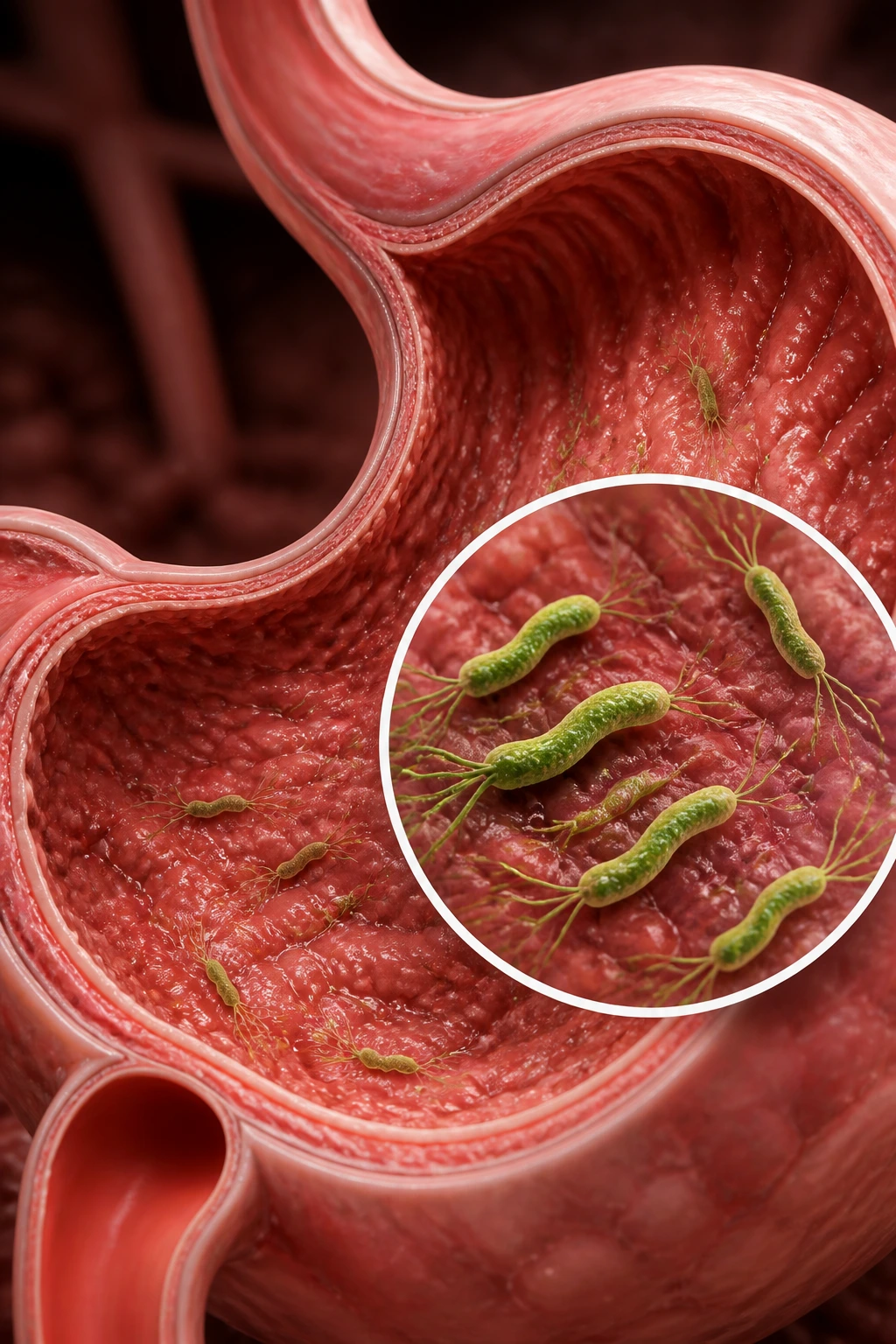
Many people around the world have H. pylori bacteria in their stomach. It often does not bother them, but it can trigger serious issues like ulcers and increase your chances of getting stomach cancer.
The bacteria usually spread from person to person or through food and water that aren’t clean. When it causes problems, people might feel pain in their belly, feel puffed up, get sick to their stomach, and feel tired.
To get rid of H. pylori, doctors will give a mix of medicines that cut down on stomach acid and kill the bacteria. This treatment lasts about one or two weeks. Afterward, taking care of your health by managing stress, not smoking, drinking less alcohol, and eating healthy can aid your recovery. Supplements could help too. You should think about whether certain foods, like cucumbers, can be helpful or not if you have H. pylori.
The Pros and Cons of Cucumbers for H. Pylori
Cucumbers might affect people with H. pylori in different ways.
If your infection is mild, cucumbers could be useful. They have stuff in them that might lessen swelling and fight damage from harmful molecules. Moreover, cucumbers have vitamin C, which is vital for your body’s defense system to battle germs like H. pylori.
Cucumbers are not heavy in calories and are packed with water, which is great for staying hydrated. They also have vitamin K and a bit of vitamins like vitamin C, magnesium, and potassium. Some elements in cucumbers, like cucurbitacins and tannins, might help to reduce stomach swelling.
But cucumbers can also create some issues:
Possible Benefits
- They have water which can help if you’re losing fluids through vomiting or diarrhea.
- Their anti-swelling properties can calm inflammation in your stomach.
- Antioxidants in cucumbers can protect the lining of your stomach.
- Vitamin C can boost your body’s ability to fight off bacteria.
Possible Downsides
- Their fiber can be hard to digest if your stomach is upset.
- Cucumbers have fructans which can lead to gas and bloating.
- Because they are mostly water, they can thin your stomach acid which needs to be strong to kill bacteria.
Most times, doctors say to avoid raw veggies including cucumbers while you’re getting treated. Cooked cucumbers might be easier on your stomach.
Is Cucumber Water Helpful During H. Pylori Infections?
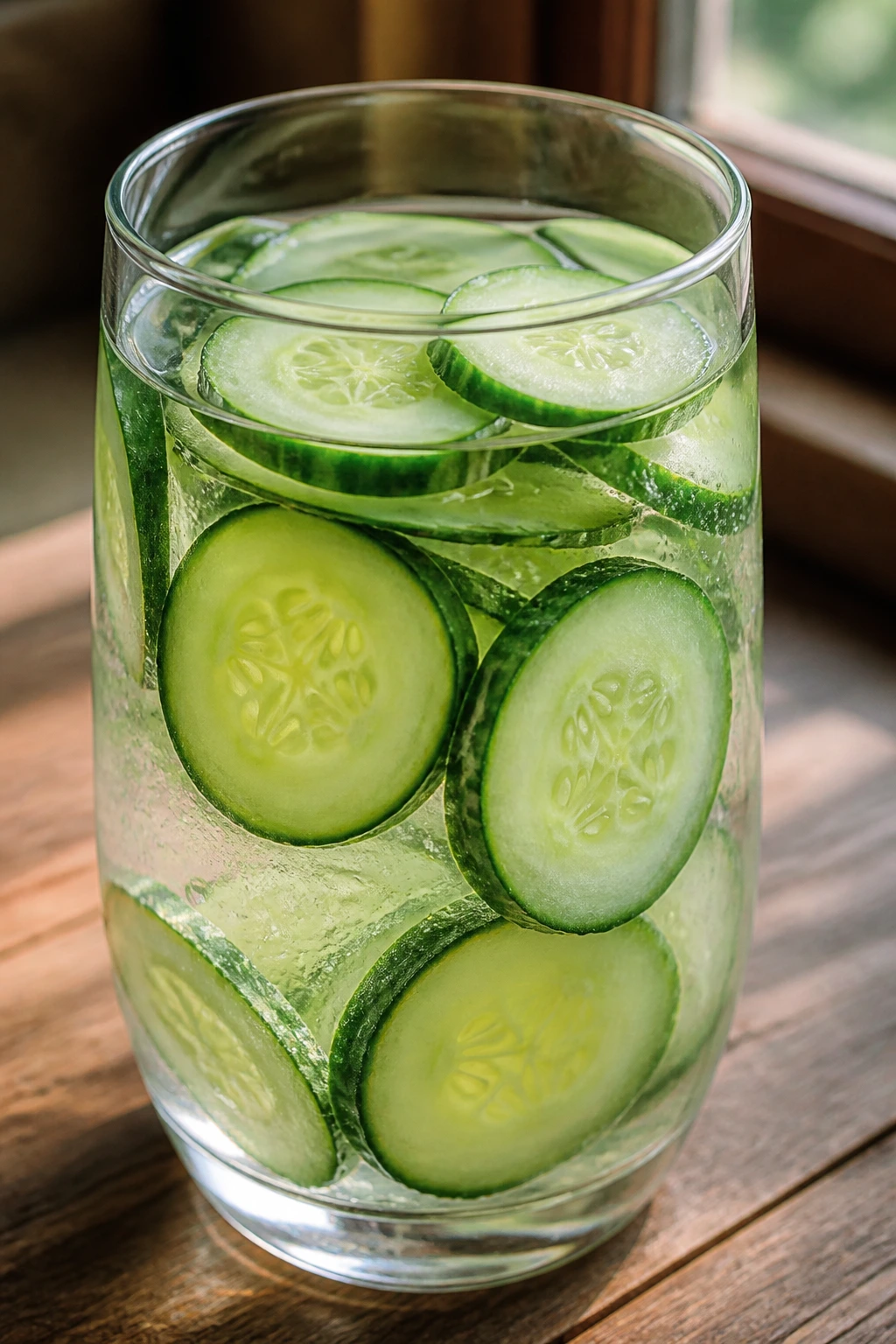
Some folks enjoy putting slices of cucumber in their water for a refreshing drink. But when you’re getting over an H. pylori infection, it’s better to stick to plain water or herbal tea. Here’s why:
- Cucumber’s high water content could make your stomach acid weak.
- The flesh of cucumbers might be tough to break down if your stomach is sensitive.
- The skin of cucumbers could bother your upset stomach.
- Room temperature water is more gentle on your stomach.
While cucumber water can feel soothing, normal water is the better choice while you’re on medication for the infection. Once the bacteria is fully gone, you can try adding cucumber to your water again if it agrees with your stomach.
What About Cucumber Juice When Dealing with H. Pylori?
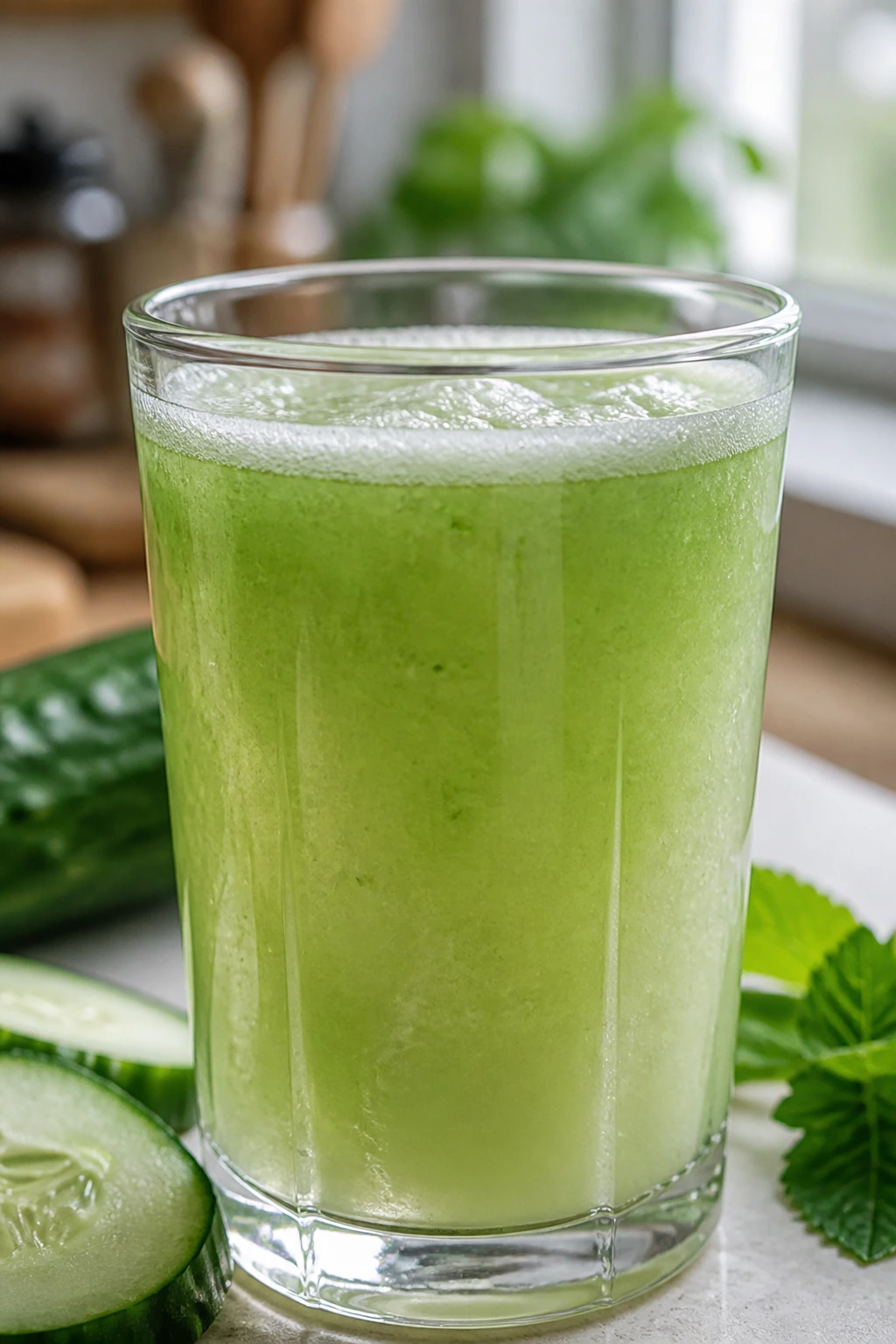
It’s generally not a good idea to drink juices from vegetables and fruits like cucumber while you’re dealing with H. pylori. Reasons to be careful include:
- Just like whole cucumbers, the juice may lead to digestive issues.
- Juicing strips away fiber that can be good for your gut.
- It’s too easy to drink a lot of it without the bulk to fill you up.
- Too much fluid can further weaken your stomach acid.
Fermented cucumber juice like in pickles might even make your symptoms worse. Cucumber juice has some antioxidants, but cooked cucumbers are a better option while getting treated for H. pylori. Later, you can slowly introduce diluted, fresh vegetable juices if your stomach can handle it.
Cucumber Probiotics and H. Pylori: A Good Mix?
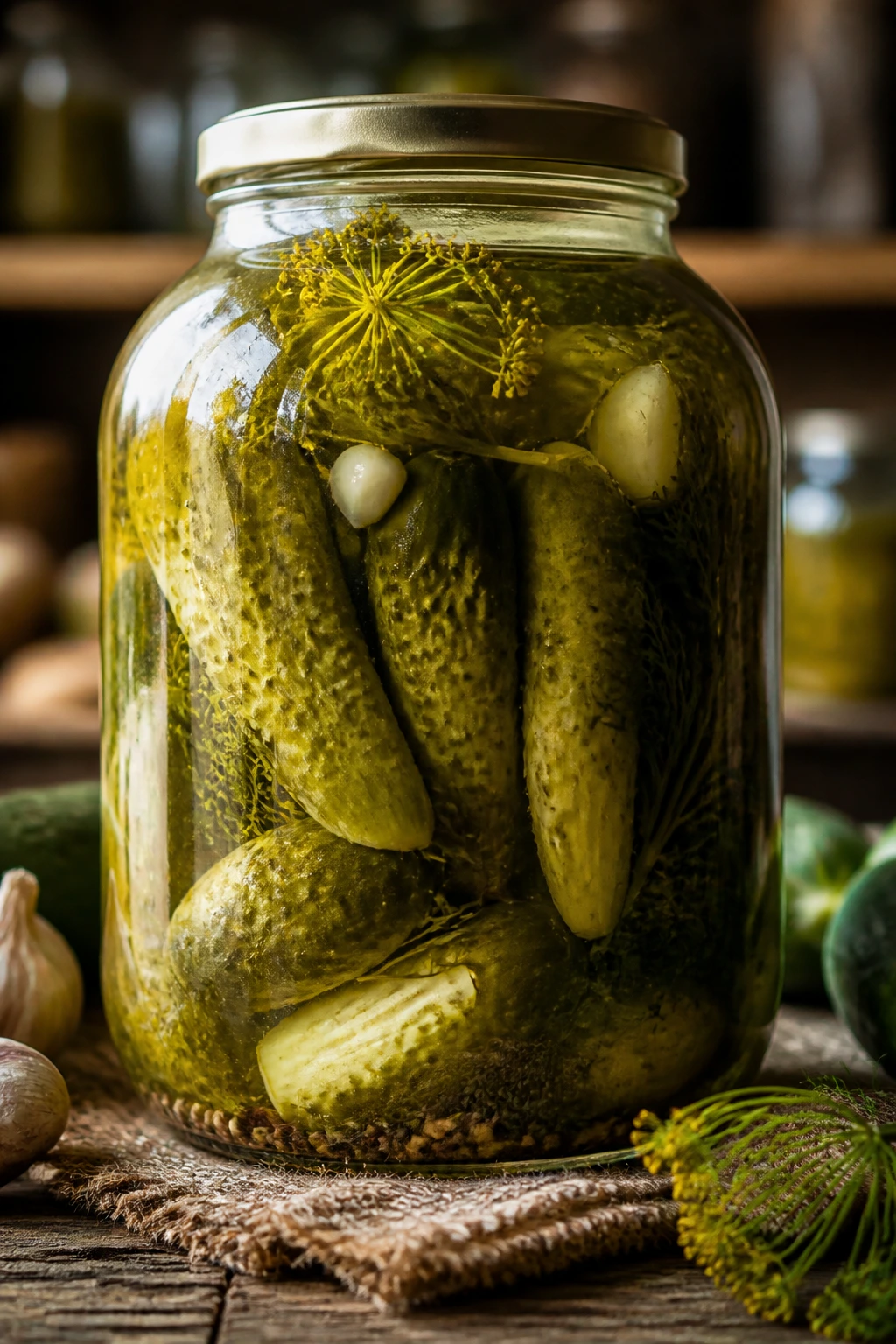
Probiotic supplements, which can help give your digestive system a boost, are very popular. Some even come from things like pickles. But these cucumber-based probiotics might not be the best choice for H. pylori infections.
Probiotics can help make your gut stronger, but there are special concerns with cucumber probiotics:
- They could bring in new bacteria before your infection is fully healed.
- Eating pickled cucumbers could irritate an already upset stomach.
- There isn’t much proof that they work against H. pylori.
Better known strains like Lactobacillus might be more effective against H. pylori. Make sure to talk to your doctor before trying any new supplement, especially during an infection. The right antibiotics and specific probiotics are the best way to kick H. pylori out.
Final Thoughts: Eating Cooked Cucumbers with Caution
Eating raw cucumbers isn’t typically advised if you have H. pylori because they could upset your stomach. But having them cooked and in small amounts might help by keeping you hydrated and giving you nutrients as you get better.
Until the bacteria are completely gone, it’s best to stick to foods that don’t cause inflammation and don’t have a lot of fiber. If you can handle cucumbers after the infection is treated, you can start enjoying them again for their antioxidant benefits. The most effective way to overcome an H. pylori infection is usually through medical treatment and supportive eating habits.