After a long day juggling work deadlines, family responsibilities, and countless other commitments, the last thing you want is to spend hours preparing dinner—yet you also don’t want to compromise on nutrition or flavor. The eternal struggle between convenience, health, and taste often leads many of us straight to takeout menus or processed frozen meals. But what if creating nutritious, delicious dinners could actually be simple, satisfying, and something you genuinely look forward to?
The truth is that healthy eating doesn’t mean sacrificing flavor or spending your entire evening in the kitchen. With the right recipes, smart ingredient choices, and strategic meal planning approaches, you can transform your dinners into nourishing experiences that fuel your body while delighting your taste buds. Whether you’re cooking for yourself, your family, or meal prepping for the week ahead, the recipes and strategies shared here will revolutionize how you approach your evening meals.
This comprehensive guide brings together the best healthy dinner recipes that check all the boxes—nutritionally balanced, incredibly flavorful, and surprisingly easy to prepare. From quick weeknight solutions to comfort food classics reinvented with wholesome ingredients, you’ll discover practical meal ideas that fit seamlessly into your lifestyle while supporting your wellness goals.
Table of Contents
- Why Healthy Dinners Matter For Your Overall Wellness
- Essential Components Of A Balanced Dinner Plate
- Quick & Easy Weeknight Dinner Recipes
- 1. Sheet Pan Lemon Herb Chicken with Rainbow Vegetables
- 2. One-Pot Quinoa and Black Bean Fiesta Bowl
- 3. Baked Salmon with Roasted Brussels Sprouts and Sweet Potato
- Comfort Food Favorites Made Healthy
- Cauliflower Crust Pizza Loaded with Vegetables
- Turkey and Vegetable Meatballs with Zucchini Noodles
- Creamy Butternut Squash Mac and Cheese
- Plant-Based Dinner Options That Satisfy
- Mediterranean Chickpea Power Bowls
- Coconut Curry Lentils with Spinach
- Quinoa-Stuffed Bell Peppers with Black Beans
- Meal Prep Strategies For Healthy Dinners
- Smart Substitutions To Make Any Recipe Healthier
- Tips For Making Healthy Dinners More Flavorful
- Final Words
Why Healthy Dinners Matter For Your Overall Wellness
Understanding the profound impact your evening meal has on your health can be the motivation you need to prioritize nutritious dinner choices. Dinner isn’t just another meal—it’s a critical component of your daily nutrition that influences everything from your sleep quality to your long-term health outcomes.
Your dinner choices directly affect your sleep patterns and overnight recovery processes. Eating heavy, processed, or sugar-laden foods in the evening can disrupt your circadian rhythm, cause digestive discomfort, and lead to poor sleep quality. Conversely, balanced dinners containing lean proteins, complex carbohydrates, and fiber-rich vegetables provide steady energy release throughout the night, support muscle repair during sleep, and promote deeper, more restorative rest. The nutrients you consume at dinner fuel your body’s overnight maintenance and repair functions, making this meal particularly important for recovery and rejuvenation.
Weight management and metabolic health are significantly influenced by your dinner habits. Research consistently shows that individuals who consume balanced, portion-controlled dinners tend to maintain healthier body weights compared to those who skip dinner or eat excessively large evening meals. When you eat nutrient-dense dinners at regular times, you help regulate hunger hormones like leptin and ghrelin, prevent late-night snacking driven by nutritional deficiencies, and maintain stable blood sugar levels that support metabolic health. Additionally, eating dinner earlier in the evening—ideally at least three hours before bedtime—allows your body adequate time to digest and can improve insulin sensitivity.
Beyond immediate effects, your dinner choices contribute to long-term disease prevention and overall vitality. Regularly consuming dinners rich in vegetables, whole grains, lean proteins, and healthy fats provides essential vitamins, minerals, antioxidants, and phytonutrients that protect against chronic conditions including heart disease, diabetes, and certain cancers. The cumulative effect of nutritious dinners over months and years builds a foundation of wellness that supports healthy aging, cognitive function, and sustained energy levels throughout your life.

Essential Components Of A Balanced Dinner Plate
Creating nutritionally complete dinners becomes effortless once you understand the fundamental building blocks that should appear on your plate. This section breaks down the essential components that transform ordinary meals into powerhouse nutrition.
Lean Proteins: The Foundation of Satiety and Repair
Protein should occupy approximately one-quarter of your dinner plate, providing the amino acids necessary for muscle maintenance, enzyme production, and immune function. Excellent lean protein sources include skinless chicken breast, turkey, fish like salmon and cod, plant-based options such as tofu and tempeh, legumes including lentils and chickpeas, and eggs. These proteins deliver essential nutrients without excessive saturated fat, keeping your meal heart-healthy while providing the satiety that prevents evening snacking. Aim for 20-30 grams of protein at dinner, which supports overnight muscle recovery and helps maintain lean body mass as you age.
Complex Carbohydrates: Sustained Energy Without the Crash
Another quarter of your plate should feature complex carbohydrates that provide fiber, B vitamins, and steady energy release. Unlike refined carbohydrates that spike blood sugar and leave you hungry shortly after eating, complex carbs from sources like quinoa, brown rice, sweet potatoes, whole grain pasta, farro, and bulgur digest slowly, maintaining stable glucose levels throughout the evening. These carbohydrates also supply the fiber necessary for digestive health, cholesterol management, and feelings of fullness. The fiber content in complex carbs feeds beneficial gut bacteria, supporting your microbiome and overall immune function while helping you feel satisfied with appropriate portion sizes.
Colorful Vegetables: Nutrient Density and Disease Protection
Vegetables should comprise at least half your dinner plate, providing the vitamins, minerals, antioxidants, and phytonutrients that protect your cells from damage and support every bodily function. Aim for variety in both color and type—dark leafy greens like spinach and kale, cruciferous vegetables such as broccoli and cauliflower, colorful bell peppers, tomatoes, carrots, and mushrooms. Each color represents different beneficial compounds: orange and red vegetables provide beta-carotene, purple vegetables offer anthocyanins, and green vegetables deliver folate and vitamin K. By filling half your plate with diverse vegetables, you naturally crowd out less nutritious options while maximizing nutrient intake and fiber consumption.
Healthy Fats: Essential Nutrients and Enhanced Absorption
While fats should be used more sparingly than other components, they’re absolutely essential for hormone production, brain health, and the absorption of fat-soluble vitamins A, D, E, and K from your vegetables. Incorporate healthy fats through ingredients like olive oil, avocado, nuts, seeds, and fatty fish rich in omega-3 fatty acids. A tablespoon of olive oil drizzled over roasted vegetables, a quarter of an avocado sliced onto your plate, or salmon as your protein source provides these beneficial fats without overwhelming your calorie budget. These fats also significantly enhance the flavor and satisfaction factor of your meals, making healthy eating genuinely enjoyable rather than restrictive.
Quick & Easy Weeknight Dinner Recipes
Busy weeknights demand recipes that deliver maximum nutrition and flavor with minimal time investment and cleanup. These dinner solutions prove that healthy eating can fit seamlessly into even the most hectic schedules.
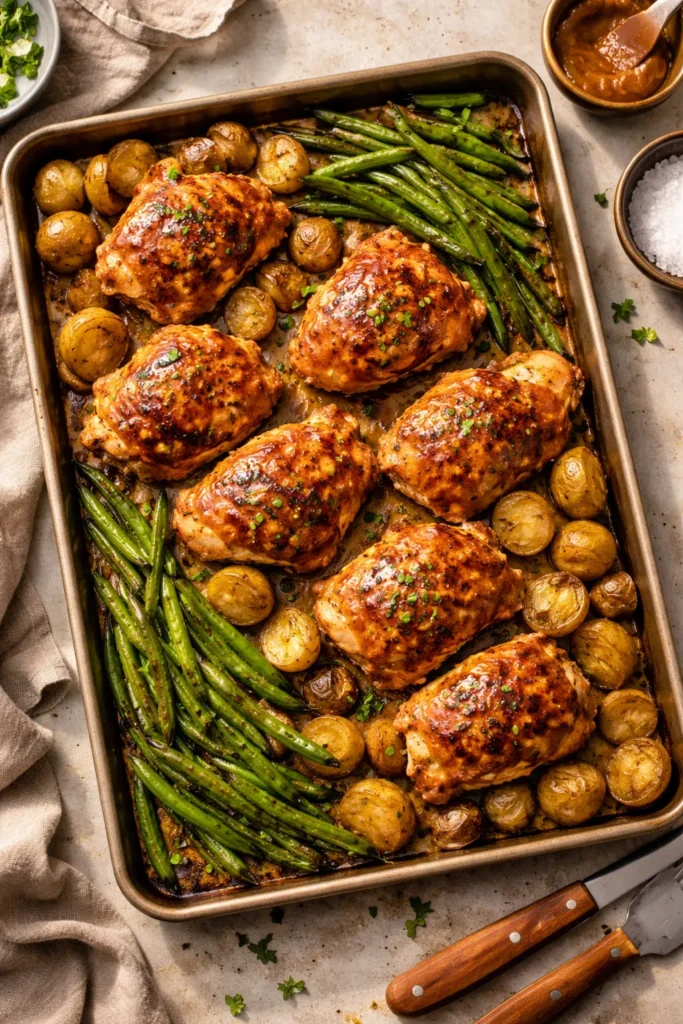
1. Sheet Pan Lemon Herb Chicken with Rainbow Vegetables
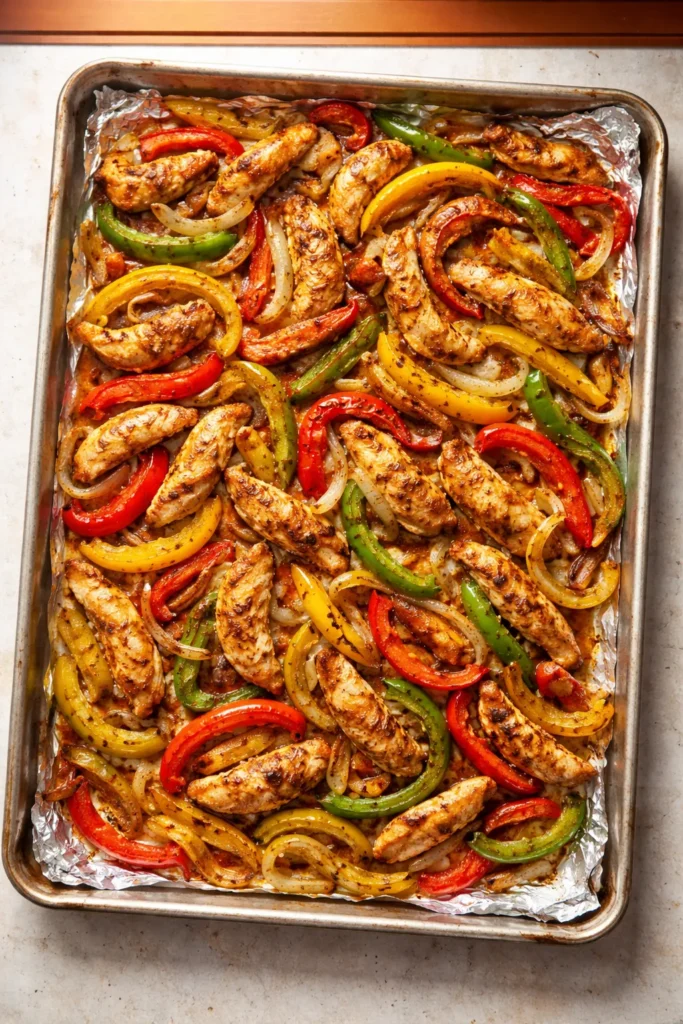
This one-pan wonder delivers a complete, balanced meal with virtually no cleanup, making it perfect for those evenings when time and energy are in short supply. The beauty of sheet pan cooking lies in its simplicity—everything roasts together, allowing flavors to meld while you attend to other tasks or simply relax.
Start by preheating your oven to 425°F (220°C) and lining a large baking sheet with parchment paper for easy cleanup. Arrange 4-6 boneless, skinless chicken breasts or thighs on one side of the pan, then surround them with chopped vegetables such as broccoli florets, sliced bell peppers in various colors, cherry tomatoes, and red onion wedges. The vegetable combination is endlessly customizable based on what’s in season or available in your refrigerator—zucchini, asparagus, Brussels sprouts, and carrots all work beautifully.
Create a simple yet flavorful marinade by whisking together the juice and zest of two lemons, three tablespoons of olive oil, four minced garlic cloves, one tablespoon of fresh thyme (or one teaspoon dried), one tablespoon of fresh rosemary (or one teaspoon dried), and salt and pepper to taste. Drizzle this mixture over both the chicken and vegetables, using your hands to ensure everything is evenly coated. The lemon provides brightness and helps tenderize the chicken, while the herbs add aromatic complexity without any added calories.
Roast for 25-30 minutes until the chicken reaches an internal temperature of 165°F (74°C) and the vegetables are tender with slightly caramelized edges. The high heat creates beautiful browning that develops deep flavors through the Maillard reaction, transforming simple ingredients into a restaurant-quality meal. This single recipe provides lean protein, abundant vegetables, and healthy fats from the olive oil, delivering a nutritionally complete dinner that requires about 10 minutes of active preparation time.
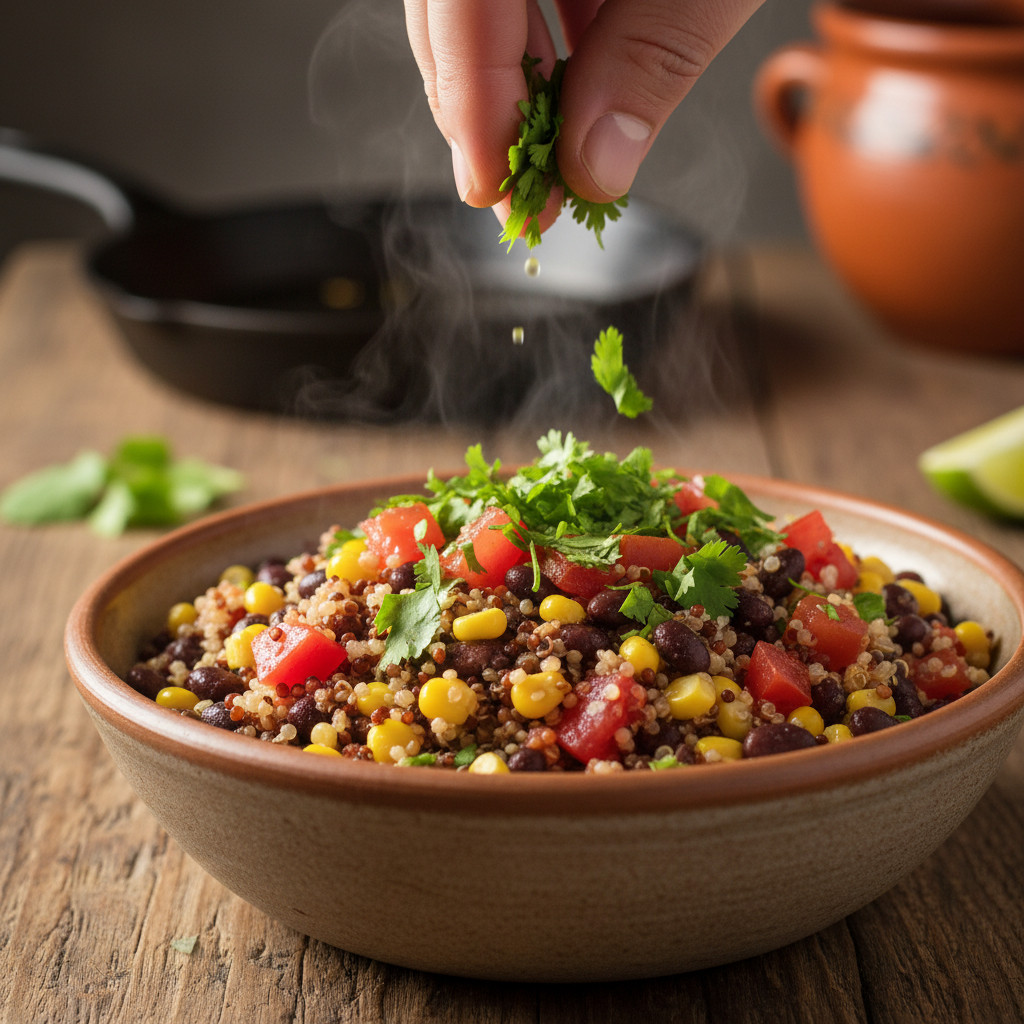
2. One-Pot Quinoa and Black Bean Fiesta Bowl
When you want bold flavors and complete nutrition without facing a sink full of dishes, this Southwestern-inspired one-pot meal delivers on all fronts. Quinoa serves as a complete protein containing all nine essential amino acids, while black beans add additional protein and fiber for exceptional satiety.
Heat two tablespoons of olive oil in a large pot over medium heat, then sauté one diced onion and one diced bell pepper for 3-4 minutes until softened. Add three minced garlic cloves, one tablespoon of chili powder, two teaspoons of cumin, and one teaspoon of smoked paprika, stirring for about 30 seconds until fragrant. This step blooms the spices, releasing their essential oils and intensifying their flavors throughout the dish.
Add one cup of rinsed quinoa, one 15-ounce can of black beans (drained and rinsed), one 14-ounce can of diced tomatoes with their juice, one cup of corn kernels (fresh or frozen), and two cups of low-sodium vegetable broth. Bring the mixture to a boil, then reduce heat to low, cover, and simmer for 15-20 minutes until the quinoa is tender and has absorbed the liquid. The beauty of this cooking method is that the quinoa absorbs all the seasoned cooking liquid, infusing every grain with flavor.
Remove from heat and stir in a handful of fresh cilantro, the juice of one lime, and salt and pepper to taste. The fresh cilantro and lime juice added at the end provide a burst of freshness that balances the warm spices. Serve topped with diced avocado, a dollop of Greek yogurt (a healthier alternative to sour cream), and additional cilantro. This complete meal provides protein from quinoa and beans, complex carbohydrates, fiber, and when topped with avocado, healthy fats—all from a single pot that takes about 30 minutes from start to finish.
3. Baked Salmon with Roasted Brussels Sprouts and Sweet Potato
Salmon stands as one of the most nutritionally impressive proteins you can choose for dinner, delivering omega-3 fatty acids that support heart health, brain function, and reduce inflammation throughout your body. This simple preparation method enhances the salmon’s natural richness while keeping it moist and flavorful.
Preheat your oven to 400°F (200°C) and prepare a baking sheet with parchment paper. Toss halved Brussels sprouts and cubed sweet potato (about 3 cups total) with one tablespoon of olive oil, salt, pepper, and a pinch of garlic powder. Spread them in a single layer on the prepared sheet and roast for 15 minutes to give them a head start since they take longer to cook than salmon.
While the vegetables roast, prepare your salmon by patting four 4-6 ounce fillets dry and seasoning them with salt, pepper, and a light drizzle of olive oil. After the vegetables have roasted for 15 minutes, remove the pan from the oven, push the vegetables to the sides, and place the salmon fillets in the center of the pan. Drizzle the salmon with a mixture of two tablespoons of Dijon mustard, one tablespoon of honey, and one tablespoon of lemon juice for a sweet-tangy glaze that caramelizes beautifully.
Return the pan to the oven and roast for an additional 10-12 minutes until the salmon flakes easily with a fork and the vegetables are tender with crispy, caramelized edges. The Brussels sprouts develop a nutty sweetness when roasted, while sweet potatoes provide complex carbohydrates and beta-carotene. This meal exemplifies balanced nutrition—omega-3 rich protein, fiber-rich vegetables, and complex carbohydrates—all prepared on a single pan in under 30 minutes total cooking time.
Comfort Food Favorites Made Healthy
Craving comfort food doesn’t mean abandoning your health goals. These reinvented classics deliver all the satisfaction of traditional comfort dishes while incorporating nutrient-dense ingredients and smarter cooking methods.
Cauliflower Crust Pizza Loaded with Vegetables
Pizza night becomes guilt-free when you swap traditional refined flour crust for a nutrient-packed cauliflower base that’s surprisingly crispy and delicious. This transformation cuts carbohydrates and calories while adding vegetables, fiber, and important micronutrients to a beloved comfort food.
Create the crust by processing one large head of cauliflower into rice-sized pieces using a food processor, then microwave it for 7-8 minutes or steam it until very tender. The crucial next step involves removing as much moisture as possible—place the cooked cauliflower in a clean kitchen towel and squeeze firmly to extract the water. This step is essential for achieving a crispy crust rather than a soggy one. Mix the dried cauliflower with one egg, one cup of shredded mozzarella cheese, one-quarter cup of grated Parmesan, one teaspoon of Italian seasoning, and a pinch of salt.
Press this mixture onto a parchment-lined baking sheet in a circular or rectangular shape about one-quarter inch thick, then bake at 425°F (220°C) for 15-20 minutes until golden and firm. Remove from the oven and top with your favorite healthy toppings—a thin layer of tomato sauce, part-skim mozzarella, and abundant vegetables like bell peppers, mushrooms, onions, spinach, and tomatoes. Return to the oven for another 10 minutes until the cheese melts and bubbles.
This cauliflower crust pizza provides significantly more vitamins C and K, folate, and fiber compared to traditional pizza while containing far fewer refined carbohydrates. The vegetable-heavy toppings further boost nutritional value, transforming pizza from an occasional indulgence into a meal that actually contributes to your vegetable intake goals. You can prepare multiple crusts in advance and freeze them, making healthy pizza night possible even on the busiest evenings.
Turkey and Vegetable Meatballs with Zucchini Noodles
Traditional spaghetti and meatballs get a wholesome makeover with lean ground turkey meatballs packed with hidden vegetables, served over nutrient-rich zucchini noodles instead of refined pasta. This version delivers all the comforting flavors you crave while providing substantially more protein and vegetables with fewer refined carbohydrates.
Make the meatballs by combining one pound of lean ground turkey with one-half cup of finely grated zucchini (squeeze out excess moisture), one-half cup of finely grated carrots, one-quarter cup of whole wheat breadcrumbs or almond flour, one egg, three minced garlic cloves, one-quarter cup of grated Parmesan cheese, one teaspoon of Italian seasoning, and salt and pepper. The grated vegetables add moisture, nutrition, and flavor while reducing the density of the meatballs, making them lighter than traditional versions. Form into 16-20 meatballs and place on a parchment-lined baking sheet.
Bake at 400°F (200°C) for 20-25 minutes until golden brown and cooked through (internal temperature of 165°F/74°C). While the meatballs bake, prepare zucchini noodles using a spiralizer or julienne peeler, creating long, pasta-like strands from 3-4 medium zucchini. You can lightly sauté the zucchini noodles in a pan with a bit of olive oil for 2-3 minutes, or for a crispier texture with fewer calories, simply toss them raw—they’ll warm and soften slightly when topped with hot sauce and meatballs.
Serve the meatballs over the zucchini noodles with your favorite marinara sauce (look for versions with no added sugar), and garnish with fresh basil and a sprinkle of Parmesan. This meal provides lean protein from turkey, abundant vegetables both in the meatballs and as the “noodles,” and all the comforting flavors of traditional spaghetti and meatballs. The zucchini noodles add vitamins A and C, potassium, and antioxidants while keeping the meal light and digestible for evening consumption.

Creamy Butternut Squash Mac and Cheese
Mac and cheese reaches new nutritional heights when butternut squash creates a naturally creamy, slightly sweet sauce that mimics the richness of traditional cheese sauce while adding beta-carotene, fiber, and vitamins. This clever substitution allows you to enjoy comfort food while actually boosting your vegetable intake.
Cook one pound of whole grain pasta (shells or elbows work beautifully) according to package directions, then drain and set aside. Meanwhile, prepare the sauce by roasting or steaming about 3 cups of cubed butternut squash until very tender—roasting at 400°F (200°C) for 25-30 minutes intensifies the natural sweetness. Alternatively, microwave the squash for 8-10 minutes for a faster option.
Transfer the cooked squash to a blender with one cup of low-sodium vegetable broth, one-half cup of milk (dairy or unsweetened plant-based), one cup of shredded sharp cheddar cheese, two tablespoons of nutritional yeast for extra cheesy flavor, one teaspoon of garlic powder, one-half teaspoon of onion powder, one-quarter teaspoon of nutmeg, and salt and pepper to taste. Blend until completely smooth and creamy—the squash creates a luxurious texture that rivals traditional cheese sauce made with heavy cream and butter.
Toss the sauce with the cooked pasta, adding a bit more broth if needed to reach your desired consistency. For added nutrition and texture, stir in some steamed broccoli florets or peas. Transfer to a baking dish, top with a mixture of whole wheat breadcrumbs and a sprinkle of Parmesan, then bake at 375°F (190°C) for 15-20 minutes until bubbling and golden on top. This version provides the creamy, cheesy comfort you crave while incorporating a full serving of vegetables, complex carbohydrates from whole grain pasta, and significantly less saturated fat than traditional mac and cheese.
Plant-Based Dinner Options That Satisfy
Plant-based dinners offer impressive nutritional benefits while being naturally rich in fiber, antioxidants, and phytonutrients. These recipes prove that meatless meals can be hearty, satisfying, and packed with flavor.
Mediterranean Chickpea Power Bowls
Bowl meals allow for endless customization while ensuring you get a balanced combination of nutrients in every bite. This Mediterranean-inspired version centers around protein-rich chickpeas enhanced with bold flavors from herbs, spices, and healthy fats.
Begin with the star ingredient by draining and rinsing two 15-ounce cans of chickpeas, then tossing them with two tablespoons of olive oil, one teaspoon of cumin, one teaspoon of paprika, one-half teaspoon of garlic powder, and salt and pepper. Roast at 425°F (220°C) for 25-30 minutes, shaking the pan halfway through, until the chickpeas are golden and slightly crispy on the outside. This roasting process concentrates flavors and creates a satisfying texture that transforms ordinary canned chickpeas into a crave-worthy protein source.
Build your bowls starting with a base of mixed greens or quinoa, then add the roasted chickpeas, cucumber slices, cherry tomatoes, red onion, kalamata olives, and crumbled feta cheese (optional for vegan diets). The combination provides protein from chickpeas, healthy fats from olives and optional feta, and abundant vegetables for vitamins, minerals, and fiber.
Prepare a simple lemon-tahini dressing by whisking together one-quarter cup of tahini, the juice of one lemon, two tablespoons of olive oil, one minced garlic clove, water to thin to desired consistency, and salt and pepper. This creamy, tangy dressing adds healthy fats, additional protein from tahini, and ties all the bowl components together with bright, fresh flavor. Each serving delivers approximately 15 grams of plant-based protein, 12 grams of fiber, and a wealth of Mediterranean diet benefits associated with reduced inflammation and cardiovascular disease risk.
Coconut Curry Lentils with Spinach
This aromatic curry demonstrates how plant-based proteins like lentils can create deeply satisfying, restaurant-quality meals at home. Lentils provide impressive amounts of protein, iron, folate, and fiber while absorbing the complex spice blend beautifully.
Heat one tablespoon of coconut oil in a large pot over medium heat, then sauté one diced onion for 4-5 minutes until softened. Add four minced garlic cloves, one tablespoon of grated fresh ginger, two tablespoons of curry powder, one teaspoon of turmeric, and one-half teaspoon of cumin, stirring for 30-60 seconds until fragrant. This step of blooming the aromatics and spices in oil releases their essential compounds, creating a flavor foundation that permeates the entire dish.
Add one and one-half cups of dried red or green lentils (rinsed), one 14-ounce can of diced tomatoes, one 14-ounce can of coconut milk (use light coconut milk for fewer calories), and three cups of vegetable broth. Bring to a boil, then reduce heat and simmer for 25-30 minutes until the lentils are tender but not mushy. The lentils will absorb the aromatic cooking liquid, becoming incredibly flavorful while the sauce thickens to a perfect consistency.
During the last five minutes of cooking, stir in four cups of fresh spinach and allow it to wilt into the curry. The spinach adds iron, vitamins A and K, and barely any calories while contributing to the dish’s vibrant color. Finish with a squeeze of fresh lime juice and salt to taste. Serve over brown rice or cauliflower rice for a complete meal that provides all essential amino acids when the lentils are paired with the grain. This curry offers approximately 18 grams of protein per serving along with anti-inflammatory compounds from turmeric and ginger.
Quinoa-Stuffed Bell Peppers with Black Beans
Stuffed peppers become a complete plant-based meal when filled with a protein-rich mixture of quinoa, black beans, and vegetables, all enhanced with bold Southwestern seasonings. The colorful bell peppers serve as both a vegetable serving and an edible vessel, making this dinner as visually appealing as it is nutritious.
Start by cutting the tops off of four large bell peppers (choose various colors for visual appeal and different antioxidant profiles), removing seeds and membranes, then arranging them cut-side up in a baking dish. If needed, trim a small amount from the bottoms so they stand upright without assistance, being careful not to create holes that would allow filling to leak out.
Prepare the filling by cooking one cup of quinoa according to package directions, then mixing it with one 15-ounce can of black beans (drained and rinsed), one cup of corn kernels, one cup of diced tomatoes (fresh or canned, drained), one-half cup of salsa, one teaspoon of chili powder, one-half teaspoon of cumin, one-half teaspoon of garlic powder, and salt and pepper to taste. This mixture provides complete protein from the quinoa-bean combination, complex carbohydrates, fiber, and bold flavors that make healthy eating genuinely exciting.
Stuff each pepper generously with the quinoa mixture, pressing down gently to pack it in, then top each with a small amount of shredded cheese if desired (dairy or plant-based alternatives work equally well). Pour one-quarter cup of water or vegetable broth into the bottom of the baking dish to create steam that will help the peppers cook evenly, then cover with foil and bake at 375°F (190°C) for 30 minutes. Remove the foil and bake for an additional 10-15 minutes until the peppers are tender and any cheese is melted and golden. Each stuffed pepper serves as a complete meal providing approximately 12-15 grams of protein, 10-12 grams of fiber, and multiple servings of vegetables.
Meal Prep Strategies For Healthy Dinners
Consistent healthy eating becomes dramatically easier when you implement strategic meal preparation techniques that set you up for success throughout the week. These approaches save time, reduce stress, and ensure nutritious options are always within reach.
Batch Cooking Foundation Ingredients
Rather than preparing complete meals days in advance, which can sometimes compromise texture and freshness, consider cooking versatile foundation ingredients that you can mix and match throughout the week. Dedicate 1-2 hours on a weekend day to prepare large batches of proteins like grilled chicken breasts, baked tofu, hard-boiled eggs, or cooked ground turkey. Similarly, cook big batches of grains such as quinoa, brown rice, or farro that can be reheated quickly. Roast several sheet pans of vegetables using different seasoning combinations so you have variety throughout the week. These components can then be combined in different ways—grain bowls one night, wraps another night, added to salads, or incorporated into stir-fries—keeping your meals interesting while minimizing daily cooking time. Store these foundation ingredients in clear, labeled containers in your refrigerator where you can easily see your options when assembling dinner.
Strategic Shopping and Ingredient Organization
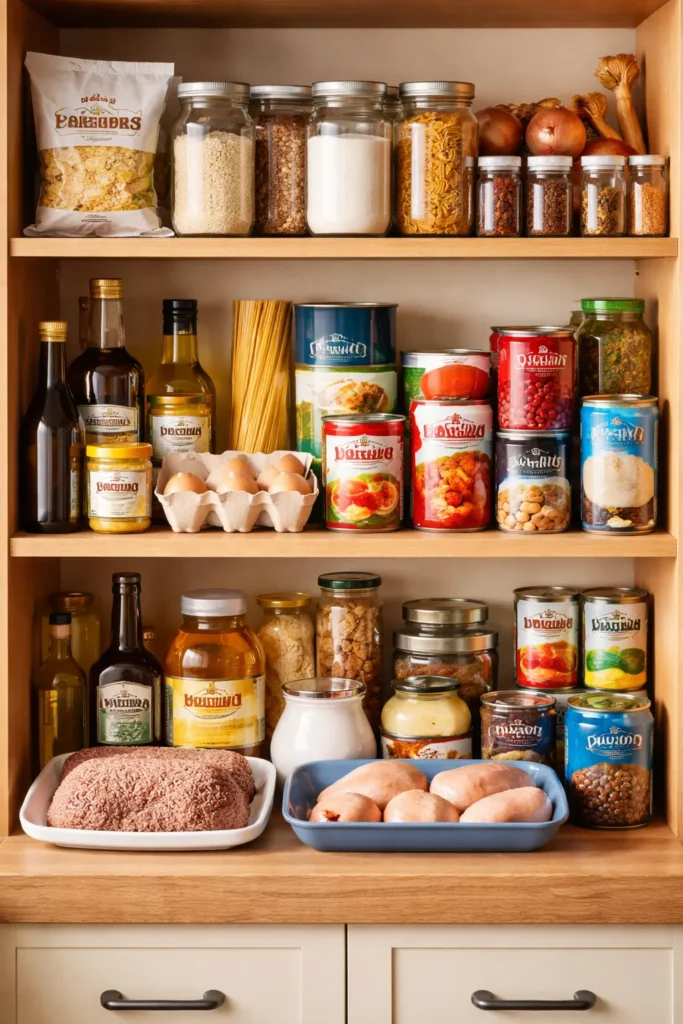
Successful healthy dinner preparation begins at the grocery store with thoughtful shopping strategies. Create a master shopping list organized by store sections that includes your staple items—lean proteins, whole grains, a variety of fresh and frozen vegetables, healthy fats, herbs and spices, and healthy pantry items like canned beans and tomatoes. Shop the perimeter of the store first where fresh, whole foods are typically located, then selectively venture into center aisles only for specific whole-food items rather than browsing and being tempted by processed options. Buy vegetables in various forms—fresh for near-term use, frozen for convenience and reducing waste, and some pre-cut options for extremely busy nights when the convenience is worth the slightly higher cost. When you arrive home, immediately prep vegetables by washing, drying, and chopping them, storing them in clear containers so they’re grab-and-go ready. This initial investment of 20-30 minutes dramatically reduces the barrier to cooking healthy dinners on busy weeknights.
Time-Saving Kitchen Tools and Techniques
Investing in certain kitchen tools can dramatically reduce the time and effort required for healthy dinner preparation. A quality chef’s knife that you keep sharp makes vegetable prep significantly faster and more enjoyable compared to struggling with a dull blade. An Instant Pot or pressure cooker reduces cooking time for beans, grains, and tough cuts of meat while maintaining nutrients and developing deep flavors. A sheet pan allows you to cook complete meals with minimal cleanup, while a slow cooker lets you start dinner in the morning and return to a ready meal in the evening. A food processor makes quick work of chopping vegetables, creating healthy sauces, and preparing ingredients that would otherwise be time-consuming to prep by hand. Learning time-saving techniques like cooking pasta directly in sauce (one-pot pasta method), using the pasta water to adjust sauce consistency, and properly preheating pans for faster cooking all contribute to getting healthy dinners on the table in less time.
Container System for Success
Implement a container system that makes meal prep and storage seamless. Invest in a set of glass or BPA-free plastic containers in various sizes with tight-fitting lids. Use larger containers for batch-cooked grains and proteins, medium containers for prepped vegetables and salad components, and smaller containers for sauces, dressings, and garnishes. Consider using containers with compartments for assembled meals if you’re preparing complete dinners in advance for grab-and-go convenience. Label containers with the contents and date prepared using removable labels or a dry-erase marker on the lid. Organize your refrigerator with a “prep zone” where all your prepared components live together, making dinner assembly as simple as selecting proteins, grains, and vegetables and combining them. This visual organization makes it much easier to see what you have available and use ingredients before they spoil, reducing food waste while making healthy eating convenient.
Smart Substitutions To Make Any Recipe Healthier
Transform your favorite recipes into nutritious meals by implementing intelligent ingredient swaps that reduce calories, increase nutrients, and improve overall health benefits without sacrificing flavor or satisfaction.
Ingredient Swaps That Boost Nutrition
Strategic ingredient substitutions can dramatically improve a recipe’s nutritional profile while maintaining the taste and texture you love. Replace refined white rice with cauliflower rice, quinoa, or farro to increase fiber, vitamins, and minerals while reducing refined carbohydrates. Swap regular pasta for chickpea pasta, lentil pasta, or spiralized vegetables to boost protein and reduce empty calories. Use Greek yogurt instead of sour cream, mayo, or even in baked goods to add protein while reducing fat and calories—Greek yogurt provides the same creamy tang with the bonus of probiotics for gut health. Replace heavy cream in sauces with blended white beans or pureed cauliflower for creaminess with added fiber and nutrients. Substitute breadcrumbs with ground nuts or seeds for added healthy fats, protein, and minerals. These simple swaps maintain the essential character of dishes while significantly improving their contribution to your health goals.
Cooking Method Modifications
How you cook your food affects both its nutritional value and calorie content. Replace frying with baking, roasting, grilling, or air-frying to achieve similar crispy textures with a fraction of the oil. For example, “fried” chicken can be prepared by coating chicken in whole grain breadcrumbs and baking at high heat until crispy, delivering the satisfying crunch without excessive oil. Steam or sauté vegetables in broth instead of butter or oil to reduce calories while maintaining flavor—if you do use oil, measure it rather than pouring freely to control portion sizes. Grill or broil meats rather than pan-frying to allow excess fat to drip away during cooking. Use non-stick cookware or invest in quality stainless steel pans that require minimal oil when properly preheated. These cooking method adjustments can reduce calorie content by hundreds of calories per meal while actually enhancing natural flavors rather than masking them with heavy fats.
Portion Adjustments and Volume Strategies
Sometimes the healthiest modification isn’t changing ingredients but adjusting their proportions within a recipe. Double or triple the vegetable content of any recipe—add extra peppers, mushrooms, and onions to pasta sauce, bulk up soups and stews with additional vegetables, pile extra lettuce and tomatoes onto sandwiches. This volume-eating approach allows you to eat satisfying portions while consuming fewer calories since vegetables provide bulk and satiety with minimal caloric density. Reduce cheese portions but choose stronger-flavored varieties like aged cheddar or Parmesan so you get more flavor impact from smaller amounts. Cut back on oil used in recipes by one-third to one-half—most recipes contain more than necessary, and this reduction often goes completely unnoticed. Increase herbs and spices proportionally when you reduce salt to maintain robust flavor without the sodium. These proportion adjustments help you enjoy the foods you love while naturally aligning portions with health recommendations.
Tips For Making Healthy Dinners More Flavorful
One of the biggest misconceptions about healthy eating is that it must be bland or boring. These strategies prove that nutritious dinners can be explosively flavorful and genuinely crave-worthy.
Mastering Herbs and Spices
Herbs and spices are the secret weapons of healthy cooking, providing intense flavor, aromatic complexity, and health-promoting compounds without adding calories, sodium, or unhealthy fats. Build a spice collection that includes versatile players like garlic powder, onion powder, paprika (both sweet and smoked), cumin, chili powder, Italian seasoning blend, curry powder, cinnamon, and red pepper flakes. Fresh herbs including basil, cilantro, parsley, rosemary, and thyme elevate dishes with bright, fresh flavors that dried versions can’t replicate—add them at the end of cooking to preserve their delicate flavors and aromatic oils. Learn the technique of blooming spices in a dry pan or in oil at the beginning of cooking to intensify their flavors—heat releases essential oils and aromatic compounds, distributing them throughout your dish. Experiment with spice blends from different cuisines to keep your meals exciting—try za’atar for Middle Eastern flavor, garam masala for Indian cuisine, or Chinese five-spice powder for Asian-inspired dishes.
Acid, Salt, and Umami Balance
Understanding how to balance the fundamental flavors of acid, salt, and umami transforms good dishes into extraordinary ones. Acid from ingredients like lemon juice, lime juice, vinegars (balsamic, red wine, apple cider), and tomatoes brightens flavors and makes them pop, often reducing the need for excessive salt. Add acid at the end of cooking as a finishing touch—a squeeze of fresh lemon over roasted vegetables or grilled fish, a splash of vinegar in soup, or lime juice over tacos creates a final flavor boost. Use salt strategically by seasoning in layers throughout cooking rather than dumping it all in at once—this builds depth and allows you to use less total salt. Incorporate umami-rich ingredients like mushrooms, tomato paste, soy sauce or coconut aminos, miso paste, Parmesan cheese, and nutritional yeast to create savory depth that makes dishes taste rich and satisfying even without heavy fats. The combination of bright acid, appropriate salt, and deep umami creates balanced, complex flavors that make healthy meals genuinely crave-worthy.
Technique-Driven Flavor Development
Proper cooking techniques develop flavors through chemical reactions that simple ingredient combinations cannot achieve. Master the art of proper browning—whether searing meat, roasting vegetables, or caramelizing onions—the Maillard reaction that occurs when proteins and sugars are exposed to high heat creates hundreds of new flavor compounds that taste rich, complex, and deeply satisfying. Don’t overcrowd your pan when sautéing or roasting, as this creates steam rather than browning and results in bland, mushy textures. Allow proteins to develop a golden crust before flipping them, and let roasted vegetables stay in the oven until their edges are crispy and caramelized. Toast nuts, seeds, and whole grains before using them to intensify their natural flavors. Build layered flavors by sautéing aromatics like onions, garlic, and ginger at the beginning of cooking, adding spices midway through, and finishing with fresh herbs and acid. These technique-driven approaches maximize flavor from whole, healthy ingredients without relying on excessive fats, sugars, or sodium.
Final Words
Creating nutritious, delicious dinners doesn’t require culinary school training, hours of daily cooking, or giving up the foods you love. As you’ve discovered throughout this guide, healthy dinner preparation is entirely achievable through smart recipe selection, strategic meal planning, ingredient intelligence, and flavor-building techniques that make wholesome eating genuinely enjoyable rather than restrictive.
The recipes shared here—from quick sheet pan meals to plant-based powerhouses to comfort food classics reinvented—prove that you can satisfy both your taste buds and your nutritional needs in a single meal. Each recipe balances lean proteins, complex carbohydrates, healthy fats, and abundant vegetables, providing the essential nutrients your body needs for energy, recovery, disease prevention, and long-term wellness.
Remember that transforming your dinner routine is a journey, not an overnight switch. Start by incorporating one or two new healthy recipes into your weekly rotation, gradually building your confidence and expanding your repertoire. Implement the meal prep strategies that resonate with your schedule and lifestyle, whether that’s batch cooking on weekends or simply keeping a well-stocked pantry of healthy staples. Experiment with the smart substitutions and flavor-building techniques until they become second nature rather than conscious efforts.
The beauty of these approaches is their flexibility—you can adapt them to accommodate dietary preferences, food allergies, budget constraints, and family preferences. The fundamental principles remain the same: prioritize whole foods, include plenty of vegetables, choose quality proteins and healthy fats, and season boldly to make healthy eating something you look forward to rather than endure.
Your dinner choices create a ripple effect that extends far beyond a single meal. Consistent healthy dinners improve your sleep quality, support healthy weight management, provide sustained energy, reduce disease risk, and model positive behaviors for anyone who shares meals with you. Every nutritious dinner you prepare is an investment in your current vitality and your long-term health.
Start tonight. Choose one recipe from this guide that excites you, gather the ingredients, and experience firsthand how delicious healthy eating can be. Your body will thank you, your taste buds will celebrate, and you’ll wonder why you didn’t embrace this approach sooner. Here’s to many flavorful, nourishing dinners ahead!