Table of Contents
- The Complete Guide to Difference Between Gardening And Fruit Farming
- Understanding the Fundamentals: What Defines Gardening?
- Types of Gardening Practices
- Primary Goals and Motivations Behind Gardening
- Scale and Space Requirements for Gardens
- What Is Fruit Farming? A Comprehensive Overview
- The Commercial Nature of Fruit Farming
- Types of Fruit Farming Operations
- Economic Considerations in Fruit Production
- Key Differences Between Gardening and Fruit Farming
- Scale of Operation
- Purpose and Intent
- Investment and Resources Required
- Time Commitment and Labor
- Land Requirements and Space Utilization
- Gardening Space Considerations
- Fruit Farming Acreage Needs
- Equipment and Tools: A Comparative Analysis
- Essential Gardening Tools
- Fruit Farming Machinery and Equipment
- Financial Investment and Return on Investment
- Startup Costs Comparison
- Ongoing Expenses and Maintenance
- Revenue Potential and Profitability
- Skills and Knowledge Required
- Gardening Skills for Beginners and Experts
- Professional Expertise in Fruit Farming
- Environmental Impact and Sustainability
- Sustainable Gardening Practices
- Commercial Fruit Farming and Environmental Considerations
- Choosing Between Gardening and Fruit Farming
- Factors to Consider
- Hybrid Approaches: Small-Scale Fruit Growing
- Final Thoughts: Finding Your Path in Plant Cultivation
The Complete Guide to Difference Between Gardening And Fruit Farming
Have you ever wondered why your neighbor’s backyard vegetable patch looks vastly different from the sprawling orchards you drive past on country roads? While both activities involve nurturing plants and harvesting produce, the worlds of gardening and fruit farming exist on entirely different spectrums of agricultural practice. Understanding these distinctions isn’t just academic curiosity—it’s essential knowledge for anyone considering growing their own food, starting an agricultural business, or simply wanting to appreciate the complexity behind the produce on their table.
Whether you’re a weekend hobbyist dreaming of fresh tomatoes or an aspiring entrepreneur eyeing commercial fruit production, grasping the fundamental differences between these two pursuits will help you make informed decisions about your time, resources, and expectations. From the intimate joy of tending a small herb garden to the calculated precision of managing acres of apple orchards, each path offers unique rewards and challenges that deserve careful consideration.
This comprehensive guide will walk you through every aspect of gardening and fruit farming, helping you understand not only how they differ but also how they might complement each other in your agricultural journey.
Understanding the Fundamentals: What Defines Gardening?
Gardening represents one of humanity’s oldest and most therapeutic connections with the natural world. At its core, gardening involves cultivating plants within a relatively small, manageable space for personal enjoyment, aesthetic beauty, or household consumption.
The essence of gardening lies in its accessibility and personal nature. Unlike large-scale agricultural operations, gardens typically occupy limited spaces ranging from windowsill containers to modest backyard plots. The gardener maintains direct, hands-on involvement with their plants, often knowing each specimen individually and tending to their specific needs with personal attention.

Gardening encompasses an incredibly diverse range of practices and purposes. Some individuals garden purely for ornamental reasons, creating stunning displays of flowers, shrubs, and decorative plants that enhance their living spaces. Others focus on food production, growing vegetables, herbs, and yes, even fruits for their family’s table. The unifying thread is the personal scale and the direct relationship between gardener and garden.
Types of Gardening Practices
The gardening world offers remarkable variety to suit different interests, spaces, and goals. Understanding these types helps clarify what distinguishes gardening from commercial fruit farming operations.
Container gardening has revolutionized plant cultivation for urban dwellers and those with limited outdoor space. This approach utilizes pots, planters, raised beds, and even repurposed containers to grow everything from ornamental flowers to productive vegetable plants. Container gardens can thrive on balconies, patios, rooftops, and windowsills, making gardening accessible regardless of property size.
Vegetable gardening focuses specifically on growing edible plants for household consumption. Home vegetable gardens typically include seasonal crops like tomatoes, peppers, lettuce, beans, and squash. These gardens provide fresh, nutritious produce while offering the satisfaction of self-sufficiency and food security.
Ornamental gardening emphasizes aesthetic appeal through carefully designed landscapes featuring flowers, shrubs, trees, and decorative elements. This type of gardening often incorporates principles of landscape design to create visually harmonious outdoor spaces that enhance property values and personal enjoyment.
- Herb gardening concentrates on culinary and medicinal plants
- Flower gardening creates colorful displays for visual pleasure
- Native plant gardening supports local ecosystems and wildlife
- Rock gardening utilizes stone elements with drought-tolerant plants
Primary Goals and Motivations Behind Gardening
Understanding why people garden reveals fundamental differences from commercial fruit farming. Gardeners typically pursue this activity for reasons that extend far beyond economic gain.
Personal satisfaction and mental health benefits rank among the top motivations for gardeners worldwide. Research consistently demonstrates that gardening reduces stress, improves mood, and provides therapeutic benefits comparable to meditation. The act of nurturing plants, watching them grow, and harvesting the results creates a profound sense of accomplishment and connection with nature that cannot be measured in monetary terms.
Self-sufficiency and food security drive many gardeners to cultivate their own produce. Growing vegetables and fruits at home ensures access to fresh, pesticide-free food while reducing dependence on commercial supply chains. During uncertain times, home gardens provide reliable nutrition and peace of mind that store-bought alternatives cannot match.
Educational opportunities make gardening invaluable for families with children. Gardens serve as living classrooms where young people learn about plant biology, ecology, nutrition, and responsibility. These lessons create lasting impressions and foster environmental stewardship in future generations.
Scale and Space Requirements for Gardens
One of the most distinguishing characteristics of gardening is its adaptability to virtually any available space. This flexibility sets gardening apart from the land-intensive requirements of fruit farming.
Micro-gardens can thrive in surprisingly small areas, including apartment windowsills, kitchen countertops, or tiny urban balconies. These compact growing spaces can produce meaningful harvests of herbs, salad greens, and compact vegetable varieties when properly managed with appropriate containers and growing conditions.
Backyard gardens typically range from a few hundred to several thousand square feet, providing ample space for diverse plantings. A well-designed backyard garden can supply a family with substantial quantities of fresh produce throughout the growing season while still leaving room for recreational activities and landscape features.
Community gardens offer shared space solutions for those without private land access. These collaborative growing spaces allow individuals to cultivate personal plots within larger communal areas, fostering social connections while providing meaningful gardening opportunities.
What Is Fruit Farming? A Comprehensive Overview
Fruit farming represents an entirely different approach to plant cultivation, operating on commercial scales with profit-driven objectives and specialized operational requirements.
Fruit farming, also known as orcharding or pomology, involves the systematic cultivation of fruit-bearing plants for commercial sale and distribution. This agricultural enterprise requires significant land, capital investment, specialized knowledge, and long-term commitment to achieve profitability. Unlike casual gardening, fruit farming demands business acumen alongside horticultural expertise.
The complexity of fruit farming extends beyond simple plant care to encompass market analysis, distribution logistics, labor management, regulatory compliance, and financial planning. Successful fruit farmers must balance agricultural science with business strategy, making decisions that affect both immediate operations and long-term sustainability.
The Commercial Nature of Fruit Farming
Commercial intent fundamentally distinguishes fruit farming from hobby gardening. Every aspect of a fruit farming operation reflects its profit-oriented purpose.
Market-driven production characterizes professional fruit farming operations. Farmers select crop varieties based on market demand, consumer preferences, pricing trends, and distribution opportunities rather than personal taste. This commercial focus influences planting decisions, harvest timing, quality standards, and post-harvest handling procedures.
Economic viability requires fruit farmers to achieve production volumes and quality levels that generate sufficient revenue to cover substantial operational costs while yielding reasonable profits. This economic imperative creates pressures unknown to hobby gardeners, including the need for consistent yields, market-quality produce, and efficient resource utilization.
Supply chain integration positions fruit farmers within larger agricultural and food distribution networks. Commercial operations must coordinate with wholesalers, retailers, processors, and transportation providers to move products from farm to consumer efficiently. This integration requires business relationships, contractual obligations, and logistical coordination that hobby gardeners never encounter.
Types of Fruit Farming Operations
The fruit farming industry encompasses diverse operational models, each with distinct characteristics and requirements.
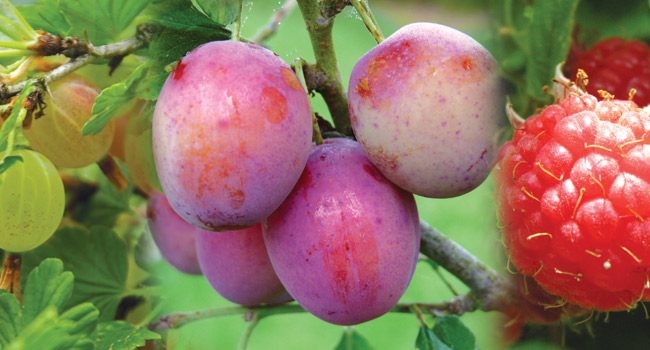
Tree fruit orchards represent perhaps the most iconic form of fruit farming, featuring extensive plantings of apples, pears, cherries, peaches, plums, and citrus varieties. These operations require substantial acreage and patience, as fruit trees typically need three to seven years before reaching full production. However, once established, orchards can remain productive for decades with proper management.

Berry farming focuses on smaller fruit-bearing plants including strawberries, blueberries, raspberries, and blackberries. Berry operations often require less initial investment than tree orchards and can achieve profitability more quickly, though they demand intensive labor during harvest periods and may require specialized equipment for efficient production.
Vineyard operations cultivate grapes for fresh consumption, wine production, or dried fruit processing. Vineyards combine agricultural expertise with processing knowledge and often develop strong connections to regional identity and tourism opportunities.
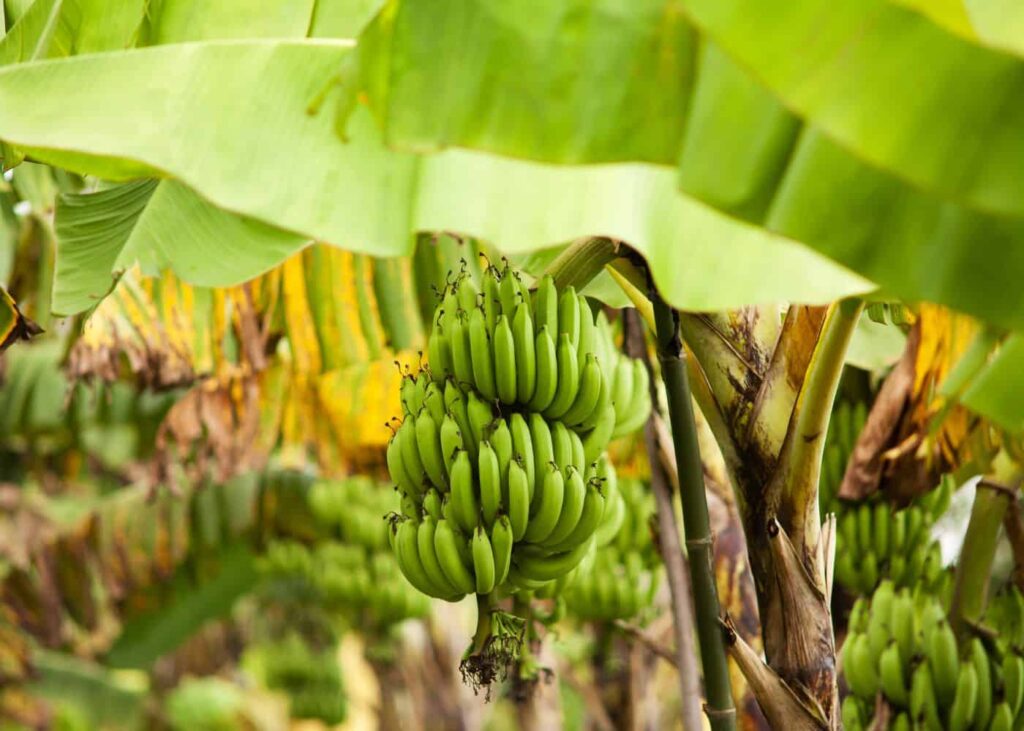
Tropical fruit farming specializes in climate-specific crops like bananas, mangoes, papayas, and pineapples in suitable regions. These operations require specific environmental conditions and may involve unique production and marketing challenges.
Economic Considerations in Fruit Production
Financial realities shape every aspect of commercial fruit farming, creating a business environment quite different from recreational gardening.
Capital requirements for establishing fruit farming operations can be substantial, often requiring hundreds of thousands of dollars for land acquisition, tree or plant stock, irrigation systems, equipment, and facilities. This investment represents significant financial risk and typically requires several years before generating returns.
Operating costs continue throughout the farming operation’s life, including expenses for labor, fertilizers, pest management, water, equipment maintenance, and administrative functions. Managing these ongoing costs while maintaining profitability requires careful budgeting and efficient operations.
Revenue streams in fruit farming depend on production volumes, market prices, product quality, and distribution efficiency. Successful operations often diversify income sources through direct sales, wholesale relationships, value-added products, and agritourism opportunities.
Key Differences Between Gardening and Fruit Farming
Understanding the specific contrasts between gardening and fruit farming helps clarify which approach aligns with your goals, resources, and circumstances.
These two agricultural pursuits differ fundamentally in scale, purpose, investment requirements, time commitment, and expertise needed. While both involve growing plants, the similarities largely end there. Recognizing these distinctions prevents unrealistic expectations and helps aspiring growers choose appropriate paths.
Scale of Operation
The most immediately apparent difference between gardening and fruit farming relates to operational scale.
Home gardens typically occupy spaces measured in square feet, ranging from compact container gardens of just a few square feet to substantial backyard plots of several thousand square feet. Even the most ambitious home gardens rarely exceed one acre, and most occupy far less space. This manageable scale allows individual gardeners to maintain personal involvement with every plant.
Commercial fruit farms measure their operations in acres, often spanning tens, hundreds, or even thousands of acres depending on the operation’s scope. A small commercial orchard might cover 10-20 acres, while large operations can encompass thousands of acres across multiple locations. This scale necessitates systematic management approaches impossible to replicate with hands-on gardening methods.
Key scale comparisons include:
- Land area: Gardens use square feet; farms use acres
- Plant counts: Gardens might include dozens of plants; farms maintain thousands or millions
- Management approach: Gardens allow individual attention; farms require systematic processes
- Harvest volumes: Gardens produce for household use; farms supply commercial markets
Purpose and Intent
The fundamental reasons behind gardening and fruit farming create dramatically different operational priorities.
Gardening primarily serves personal, recreational, or educational purposes. Gardeners cultivate plants for enjoyment, stress relief, aesthetic beauty, fresh food access, or family activities. Success metrics might include personal satisfaction, plant health, harvest quality, or garden appearance rather than financial returns. This personal focus allows flexibility in plant selection, growing methods, and time investment based on individual preferences.
Fruit farming exists to generate profit through commercial produce sales. Every operational decision in fruit farming connects to economic outcomes, from variety selection and planting density to harvest timing and quality standards. Success requires achieving production volumes and quality levels that generate revenue exceeding costs while maintaining long-term operational sustainability.
Investment and Resources Required
Resource requirements differ dramatically between these two pursuits, affecting accessibility and risk profiles.
Gardening requires modest investment accessible to virtually anyone interested in growing plants. Basic gardening can begin with just a few dollars for seeds and containers, with more elaborate setups requiring perhaps several hundred dollars for quality tools, soil amendments, and infrastructure. Even substantial home gardens rarely require investments exceeding a few thousand dollars.
Fruit farming demands substantial capital investment that creates significant financial barriers and risks. Establishing a commercial orchard or berry farm requires land purchase or lease, irrigation systems, planting stock, equipment, storage facilities, and working capital for several years before meaningful revenue begins. Initial investments often range from tens of thousands to millions of dollars depending on operational scale.
Time Commitment and Labor
The time and labor demands of gardening versus fruit farming differ not just in quantity but in nature and scheduling flexibility.
Gardening accommodates flexible time investment based on garden size, complexity, and personal availability. Weekend gardeners can maintain productive plots with just a few hours weekly, while dedicated enthusiasts might spend several hours daily tending their plants. This flexibility makes gardening compatible with full-time employment, family responsibilities, and other commitments.
Fruit farming requires full-time commitment with seasonal intensity variations but year-round responsibilities. Commercial operations demand consistent attention to irrigation, pest management, pruning, training, and maintenance throughout the year, with harvest periods requiring intensive labor for weeks or months. Most fruit farmers work well beyond typical 40-hour weeks, especially during critical production phases.
Land Requirements and Space Utilization
Space considerations fundamentally shape what’s possible in both gardening and fruit farming contexts, influencing everything from crop selection to management approaches.
Land availability and configuration determine the scope and nature of any growing operation. Understanding these requirements helps potential growers realistically assess their options based on available space and resources.
Gardening Space Considerations
Gardens demonstrate remarkable adaptability to available spaces, making productive growing possible in diverse settings.
Vertical gardening techniques maximize production in limited footprints by utilizing upward space through trellises, towers, hanging containers, and wall-mounted systems. These approaches can dramatically increase growing capacity in small areas, making meaningful harvests possible even in apartment balconies or tiny urban yards.
Intensive gardening methods like square foot gardening, raised bed systems, and succession planting optimize production from limited ground space. These techniques concentrate growing efforts in highly managed areas, achieving productivity levels per square foot that rival or exceed conventional gardening approaches using much larger spaces.
Space optimization strategies include:
- Interplanting compatible crops to maximize ground coverage
- Succession planting to maintain continuous harvests
- Container stacking to utilize vertical space
- Reflective surfaces to enhance light availability in shaded areas
- Seasonal extension through cold frames and row covers
Fruit Farming Acreage Needs
Commercial fruit production requires substantially more land than even ambitious home gardens.
Minimum viable acreage varies by fruit type and market approach, but most commercial operations need at least five to ten acres to achieve economies of scale necessary for profitability. Smaller operations might succeed through direct marketing, agritourism, or specialty products, but traditional wholesale marketing typically requires larger production volumes.
Land quality considerations extend beyond simple acreage to include soil characteristics, drainage patterns, frost protection, water availability, and access for equipment and transportation. Commercial fruit farming often requires careful site selection and significant land preparation before planting begins.
Expansion planning factors into fruit farming land decisions, as successful operations often grow over time. Securing additional adjacent or nearby acreage for future expansion can influence initial property selection and long-term business planning.
Equipment and Tools: A Comparative Analysis
The tools and equipment used in gardening versus fruit farming reflect their different scales and operational requirements.
Equipment needs range from simple hand tools for gardening to sophisticated machinery for commercial fruit production. Understanding these requirements helps potential growers budget appropriately and appreciate the infrastructure supporting commercial food production.
Essential Gardening Tools
Home gardening requires relatively modest tool investments to maintain productive growing spaces.
Basic hand tools form the foundation of any gardening toolkit. Quality spades, trowels, pruners, rakes, and hoes enable gardeners to accomplish most necessary tasks efficiently. Investing in well-made tools from reputable manufacturers provides better performance and longer service life than cheap alternatives, though even quality hand tools represent modest expenses.

Watering equipment ranges from simple watering cans for small gardens to drip irrigation systems for larger plots. Efficient watering systems save time and water while promoting healthier plant growth, making them worthwhile investments for serious gardeners.
Essential gardening tools include:
- Hand trowel and transplanter for planting and cultivating
- Pruning shears and loppers for plant maintenance
- Garden fork and spade for soil work
- Watering equipment appropriate to garden size
- Garden cart or wheelbarrow for material transport
Fruit Farming Machinery and Equipment
Commercial fruit production requires substantial equipment investments that dwarf home gardening needs.
Tractors and implements represent core equipment for commercial operations, enabling efficient cultivation, spraying, mowing, and transport across large acreages. Modern fruit farming relies heavily on mechanization to achieve the productivity levels necessary for profitability, with tractor investments often ranging from $30,000 to over $100,000 depending on size and capabilities.
Specialized fruit farming equipment includes mechanical harvesters, sprayers, pruning platforms, sorting lines, and cold storage facilities. This specialized equipment represents substantial capital investment but enables production volumes impossible to achieve through manual methods alone.
Irrigation infrastructure in commercial orchards requires significant installation and maintenance investment. Drip irrigation systems, wells or water rights, pumping equipment, and monitoring systems represent essential infrastructure for reliable fruit production in most regions.
Financial Investment and Return on Investment
Money matters differently in gardening and fruit farming contexts, with dramatically different investment requirements and return expectations.
Financial considerations range from modest expenses in hobby gardening to substantial business investments in commercial fruit production. Understanding these financial realities helps potential growers make realistic assessments of their options and expectations.
Startup Costs Comparison
Initial investments differ by orders of magnitude between gardening and fruit farming.
Garden startup costs can be remarkably low, with basic gardens beginning for under $50 in seeds, soil, and containers. More elaborate setups with raised beds, quality soil, irrigation, and comprehensive tool collections might require $500 to $2,000. Even the most ambitious home gardens rarely exceed $10,000 in total investment, making gardening accessible to virtually anyone interested in growing plants.
Fruit farming startup costs typically range from $50,000 to several million dollars depending on scale, location, and crop selection. Land acquisition or lease, tree or plant stock, irrigation systems, equipment, buildings, and working capital for years before harvest all contribute to substantial initial investment requirements.
| Investment Category | Home Garden | Commercial Fruit Farm |
|---|---|---|
| Land | Often existing property | $10,000 – $500,000+ |
| Plants/Seeds | $50 – $500 | $5,000 – $100,000+ |
| Equipment | $200 – $2,000 | $50,000 – $500,000+ |
| Infrastructure | $0 – $5,000 | $20,000 – $200,000+ |
| Working Capital | Minimal | $50,000 – $500,000+ |
Ongoing Expenses and Maintenance
Continuing costs follow similar patterns to startup investments.
Garden maintenance costs remain modest, primarily including seeds, fertilizers, pest management products, and occasional tool replacement. Annual expenses for active gardens typically range from $100 to $1,000 depending on garden size and management intensity. Many gardeners reduce costs through seed saving, composting, and natural pest management approaches.
Fruit farming operating costs include labor (often the largest expense), fertilizers, pest management, irrigation, equipment maintenance, insurance, marketing, and administrative functions. Annual operating costs for commercial orchards often range from $3,000 to $10,000 per acre or more, representing substantial ongoing financial commitment.
Revenue Potential and Profitability
Return expectations differ fundamentally between these pursuits.
Garden returns are primarily non-monetary, including fresh produce value, recreational enjoyment, aesthetic improvements, and personal satisfaction. While home gardens can reduce grocery expenses by hundreds or even thousands of dollars annually, most gardeners don’t calculate financial returns as primary success metrics.
Fruit farming profitability varies considerably based on crop selection, market conditions, management efficiency, and numerous other factors. Successful commercial operations can generate significant profits, but many farms struggle with thin margins or losses, especially during establishment periods or adverse market conditions.
Skills and Knowledge Required
Both gardening and fruit farming require knowledge and skills, though the depth and breadth differ substantially.
Skill requirements range from basic horticultural understanding for gardening to comprehensive agricultural and business expertise for commercial fruit production. Recognizing these knowledge demands helps potential growers prepare appropriately for their chosen path.
Gardening Skills for Beginners and Experts
Gardening offers accessible entry points for beginners while providing endless learning opportunities for experienced practitioners.
Basic gardening skills include understanding plant needs for light, water, and nutrients; recognizing common pests and diseases; timing planting and harvesting appropriately; and maintaining soil health. These foundational skills can be acquired through books, online resources, extension services, and hands-on experience, making successful gardening achievable for motivated beginners.
Advanced gardening knowledge encompasses plant breeding, sophisticated pest management, microclimate manipulation, season extension techniques, and specialized growing methods. Experienced gardeners continually expand their knowledge, discovering new techniques and refining their approaches over years or decades of practice.
Professional Expertise in Fruit Farming
Commercial fruit production demands comprehensive knowledge across multiple disciplines.
Agricultural expertise for fruit farming includes understanding pomology (fruit science), entomology, plant pathology, soil science, irrigation management, and integrated pest management. This specialized knowledge typically requires formal education, extensive experience, or both to master sufficiently for commercial success.
Business acumen proves equally essential for fruit farming success. Marketing, financial management, labor relations, regulatory compliance, and strategic planning all influence operational outcomes. Many technically skilled growers struggle with business aspects of fruit farming, highlighting the importance of comprehensive preparation.
Environmental Impact and Sustainability
Both gardening and fruit farming interact with environmental systems, though their impacts and opportunities for sustainable practices differ.
Environmental considerations range from minimal footprints in small gardens to significant ecological interactions in commercial fruit production. Understanding these impacts helps growers make responsible choices aligned with environmental values.
Sustainable Gardening Practices
Home gardens offer numerous opportunities for environmentally responsible cultivation.
Organic gardening methods eliminate synthetic chemicals while building soil health through composting, cover cropping, and natural pest management. These approaches create productive gardens while protecting environmental quality and human health.
Wildlife-friendly gardening incorporates native plants, pollinator habitat, and wildlife corridors that support local ecosystems. Gardens can serve as important refuges for beneficial insects, birds, and other wildlife in increasingly developed landscapes.
Sustainable gardening practices include:
- Composting kitchen and garden waste
- Rainwater harvesting for irrigation
- Mulching to conserve water and suppress weeds
- Companion planting for natural pest management
- Native plant integration to support pollinators
Commercial Fruit Farming and Environmental Considerations
Large-scale fruit production creates more significant environmental interactions requiring careful management.
Integrated pest management approaches in commercial fruit farming balance economic productivity with environmental responsibility. These systems minimize chemical inputs while maintaining crop protection through biological controls, cultural practices, and targeted treatments when necessary.
Water management represents a critical environmental consideration for fruit farming, particularly in water-limited regions. Efficient irrigation systems, soil moisture monitoring, and drought-tolerant varieties help commercial operations reduce water consumption while maintaining productivity.
Choosing Between Gardening and Fruit Farming
Selecting the appropriate path requires honest assessment of your goals, resources, and circumstances.
The right choice depends on your motivations, available resources, risk tolerance, and lifestyle preferences. Neither option is inherently superior—each serves different purposes and suits different situations.
Factors to Consider
Several key considerations should guide your decision between gardening and fruit farming.
Personal goals provide the most important guidance. If you seek relaxation, fresh food for your family, or outdoor recreation, gardening likely serves your purposes. If you desire agricultural business opportunities and are prepared for commercial challenges, fruit farming might be appropriate.
Available resources including land, capital, time, and expertise significantly influence feasible options. Gardening accommodates limited resources while fruit farming requires substantial investments across all categories.
Risk tolerance matters considerably, as fruit farming involves significant financial risk while gardening risks little beyond time and modest expenses.
Hybrid Approaches: Small-Scale Fruit Growing
Many growers find middle-ground approaches that combine elements of both gardening and fruit farming.
Backyard orchards allow home gardeners to grow fruit trees for personal consumption without commercial pressures. Even small properties can accommodate several dwarf fruit trees, providing fresh fruit while maintaining manageable scale and investment.
Market gardening represents small-scale commercial production that bridges the gap between hobby gardening and full-scale farming. These operations typically occupy one to several acres and serve local markets through farmers’ markets, farm stands, or community-supported agriculture programs.
Final Thoughts: Finding Your Path in Plant Cultivation
The journey from understanding these differences to choosing your path represents an exciting opportunity to connect with the ancient human tradition of plant cultivation in ways that suit your unique circumstances.
Gardening and fruit farming both offer meaningful ways to engage with growing plants, but they serve fundamentally different purposes and require dramatically different commitments. Gardening provides accessible entry into plant cultivation with modest requirements and flexible engagement, while fruit farming represents serious agricultural business with substantial demands and potential rewards.
Key takeaways to remember:
- Scale matters: Gardens measure in square feet; farms measure in acres
- Purpose differs: Gardening serves personal goals; farming pursues profit
- Investment varies dramatically: Gardens require hundreds; farms require thousands to millions
- Time commitments contrast: Gardening offers flexibility; farming demands dedication
- Both provide value: Neither is superior—each serves different needs
Whether you choose the contemplative satisfaction of a backyard vegetable garden or the ambitious challenge of commercial fruit production, growing plants rewards effort with fresh food, environmental connection, and deep personal satisfaction. Start where you are, learn continuously, and let your growing practice evolve with your experience and circumstances.
The best time to begin growing plants was years ago. The second best time is today. Whatever scale or approach you choose, the journey of cultivation offers rewards that extend far beyond the harvest itself.