Table of Contents
- The Complete Guide to Fruit Plant Garden
- Why Growing Your Own Fruit Garden Transforms Your Lifestyle
- Planning Your Fruit Plant Garden for Success
- Assessing Your Space and Climate Conditions
- Choosing the Right Fruit Plants for Your Garden
- Essential Tools and Materials for Fruit Gardening
- Step-by-Step Guide to Planting Fruit Trees and Bushes
- Soil Preparation and Nutrient Management
- Understanding Soil pH and Composition
- Fertilization Schedules and Best Practices
- Watering and Irrigation Strategies for Optimal Growth
- Pruning and Training Techniques for Maximum Yield
- When and How to Prune Different Fruit Plants
- Training Methods for Various Fruit Types
- Pest and Disease Management in Your Fruit Garden
- Common Pests Affecting Fruit Plants
- Organic and Chemical Control Methods
- Harvesting and Storing Your Fruit
- Seasonal Care Calendar for Fruit Gardens
- Final Thoughts: Growing Your Dream Fruit Garden
The Complete Guide to Fruit Plant Garden
There’s something deeply satisfying about walking into your backyard, reaching up to a sun-warmed branch, and plucking a perfectly ripe peach that you grew yourself. The explosion of flavor from homegrown fruit simply cannot be matched by anything you’ll find in a supermarket, where produce is often picked weeks before ripening and shipped thousands of miles. Whether you have sprawling acreage or a modest suburban lot, creating your own fruit plant garden opens the door to fresher, healthier eating while connecting you to the age-old tradition of cultivating the land.

Growing fruit at home has experienced a remarkable resurgence in recent years, with more people recognizing the economic, environmental, and health benefits of producing their own food. According to the National Gardening Association, food gardening has increased significantly, with fruit trees and berry bushes becoming increasingly popular additions to home landscapes. This comprehensive guide will walk you through everything you need to know to establish, maintain, and harvest a thriving fruit plant garden, regardless of your experience level or available space.
Why Growing Your Own Fruit Garden Transforms Your Lifestyle
Starting a fruit garden delivers benefits that extend far beyond simply having fresh produce at your fingertips—it fundamentally changes how you interact with food and nature.
The decision to grow your own fruit represents an investment in your health, finances, and environmental footprint. Unlike store-bought produce, homegrown fruit can be harvested at peak ripeness when nutritional content and flavor are at their highest. Commercial fruit is typically picked early to survive transportation and extend shelf life, sacrificing taste and nutritional value in the process.
Health Benefits of Homegrown Fruit:
-
Superior Nutritional Content: Fruit picked at peak ripeness contains significantly higher levels of vitamins, antioxidants, and phytonutrients compared to commercially harvested produce. Studies show that nutrient degradation begins immediately after harvest, meaning the shorter the time from tree to table, the more nutritious your fruit will be.
-
Chemical-Free Options: When you control the growing process, you decide exactly what goes on your plants. Many home gardeners opt for organic methods, eliminating exposure to synthetic pesticides and herbicides that are commonly used in commercial fruit production.
-
Increased Fruit Consumption: Research consistently demonstrates that people with home gardens consume more fruits and vegetables than those without. The convenience and freshness encourage healthier eating habits for the entire family.
Financial Advantages:
Beyond health considerations, a well-planned fruit garden delivers substantial cost savings over time. While the initial investment in plants and supplies requires upfront spending, mature fruit trees and bushes can produce hundreds of pounds of fruit annually for decades. A single mature apple tree can yield 400-800 pounds of fruit per year, representing hundreds of dollars in savings compared to grocery store prices. Berry bushes often pay for themselves within two to three growing seasons.
Planning Your Fruit Plant Garden for Success
Proper planning forms the foundation of every successful fruit garden—rushing this stage leads to costly mistakes and disappointing harvests down the road.
Before purchasing a single plant, you must thoroughly assess your growing conditions and develop a strategic plan. This planning phase determines which fruits will thrive in your specific environment and how to arrange them for optimal production.
Assessing Your Space and Climate Conditions
Understanding your local climate is absolutely critical for fruit garden success. The USDA Plant Hardiness Zone Map divides North America into zones based on average annual minimum winter temperatures, and this information guides your plant selection decisions. Most fruit plants have specific zone requirements—planting outside these parameters typically results in winter damage or complete plant loss.
Key Climate Factors to Evaluate:
-
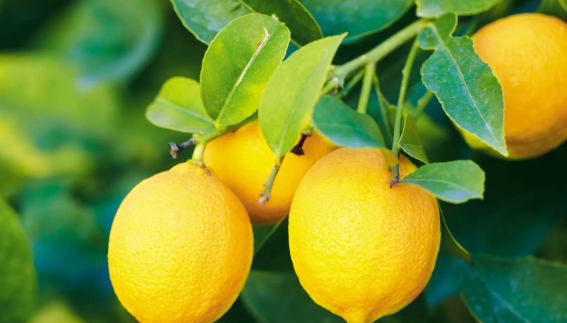
Hardiness Zone Identification: Determine your zone by consulting the USDA map or entering your zip code on their website. This tells you the coldest temperatures your plants must survive. For example, citrus trees generally require zones 9-11, while apple trees thrive in zones 3-8. Understanding your zone prevents investing in plants doomed to fail in your climate.
-
Chill Hour Requirements: Many fruit trees require a specific number of hours below 45°F during winter dormancy to produce fruit properly. Apples might need 500-1000 chill hours, while some stone fruits require 200-700 hours. Gardeners in warm climates must select low-chill varieties specifically bred for their conditions.
-
Last Frost Dates: Late spring frosts devastate fruit blossoms, eliminating that year’s harvest entirely. Know your area’s average last frost date and consider selecting varieties that bloom later to avoid this common problem.
Sunlight and Space Requirements:
Most fruit plants demand full sun—defined as at least six to eight hours of direct sunlight daily—to produce abundant, sweet fruit. Observe your intended planting area throughout the day, noting shadows cast by buildings, fences, and existing trees. South-facing locations typically receive the most consistent sunlight in the Northern Hemisphere.
Space planning must account for mature plant size, not the small specimens you’ll initially plant. Standard apple trees can spread 25-30 feet wide, while dwarf varieties stay compact at 8-10 feet. Berry bushes and vines require varying amounts of space, from compact blueberry bushes to sprawling grape vines needing substantial support structures.
Choosing the Right Fruit Plants for Your Garden
Selecting appropriate fruit varieties represents one of the most important decisions in your gardening journey. Consider your climate, available space, family preferences, and experience level when making selections.
Beginner-Friendly Fruit Options:
-
Apple Trees: Remarkably adaptable and available in countless varieties for nearly every climate zone, apples offer an excellent starting point for fruit gardening. Dwarf and semi-dwarf rootstocks make them suitable for smaller spaces while providing full-sized fruit.
-
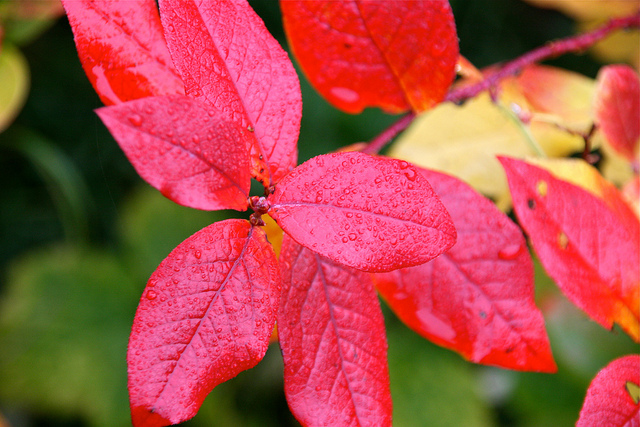
Blueberry Bushes: These low-maintenance shrubs produce abundantly with minimal intervention once established. They provide ornamental value with beautiful fall foliage and require acidic soil that’s easily amended if needed.
-
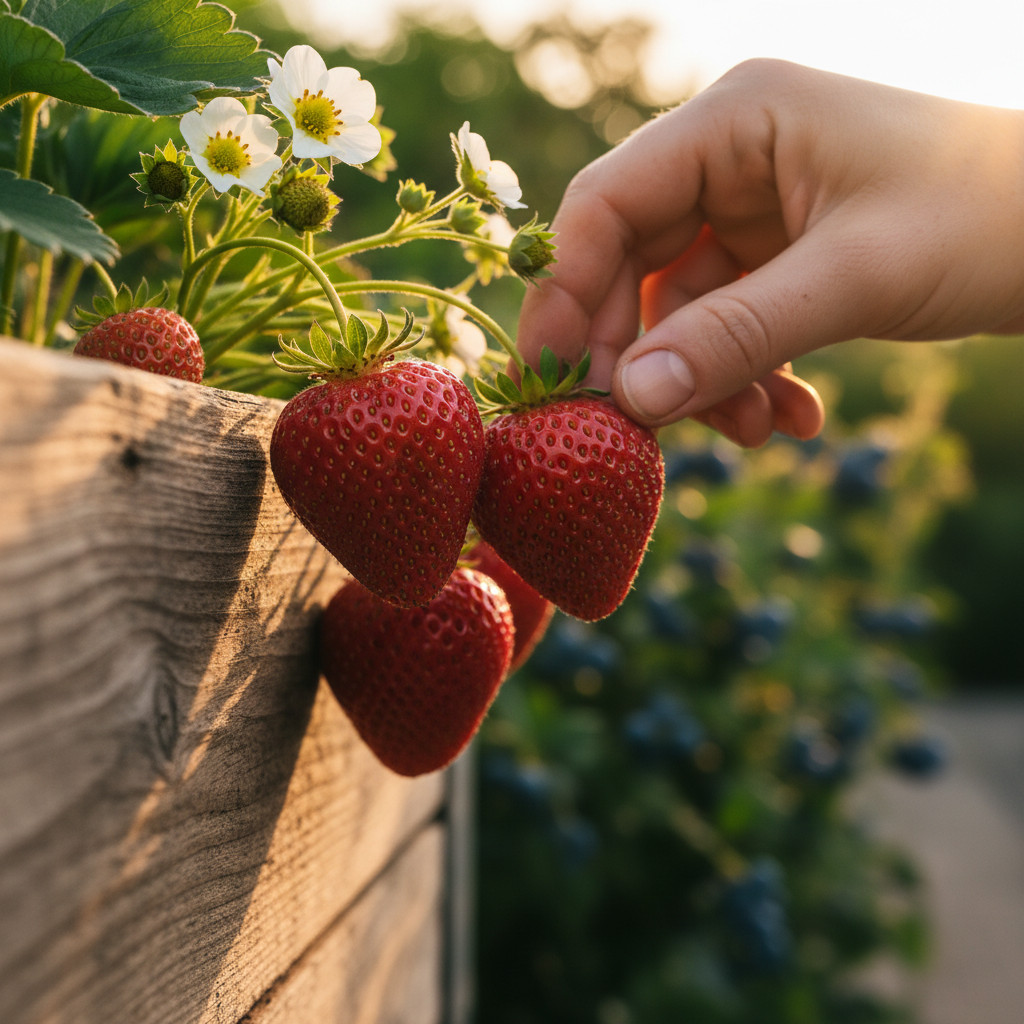
Strawberries: Perfect for beginners, strawberries produce fruit in their first year and spread readily to fill garden beds. They’re also excellent for container gardening, making them accessible to those with limited space.
-
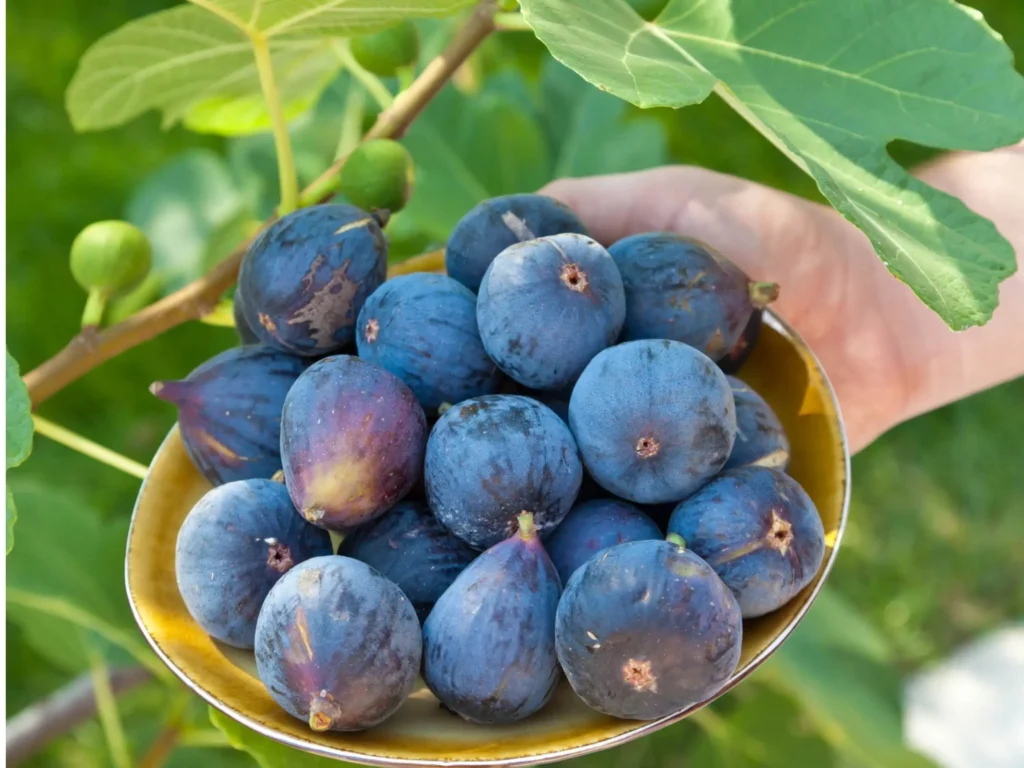
Fig Trees: In suitable climates (zones 7-10), figs are remarkably trouble-free, requiring little pruning and experiencing few pest problems while producing two harvests annually.
Pollination Considerations:
Understanding pollination requirements prevents the frustrating scenario of healthy trees that produce no fruit. Self-fertile varieties (like most peaches and sour cherries) produce fruit with their own pollen, while self-sterile varieties (many apples, pears, and sweet cherries) require a compatible pollinator variety nearby. When space is limited, choose self-fertile varieties or research compatible pollination partners before purchasing.
Essential Tools and Materials for Fruit Gardening
Equipping yourself with the right tools makes every gardening task easier and more effective, setting you up for long-term success.
Investing in quality tools pays dividends through durability, efficiency, and better results. While you don’t need everything immediately, building a comprehensive toolkit over time ensures you’re prepared for any fruit garden task.
Fundamental Gardening Tools:
| Tool Category | Essential Items | Purpose |
|---|---|---|
| Digging | Spade, garden fork, trowel | Planting, soil amendment |
| Cutting | Bypass pruners, loppers, pruning saw | Pruning, harvesting |
| Watering | Hose, watering wand, drip irrigation | Consistent moisture delivery |
| Support | Stakes, tree ties, trellising wire | Training and supporting plants |
| Protection | Netting, tree guards, frost cloth | Pest and weather protection |
Soil Amendments and Fertilizers:
Quality soil forms the foundation of productive fruit plants. Stock your garden shed with compost or composted manure for organic matter, sulfur or lime for pH adjustment, and balanced fertilizers formulated for fruit production. Organic options like bone meal (phosphorus), blood meal (nitrogen), and kelp meal (micronutrients) provide gentle, long-lasting nutrition.
Step-by-Step Guide to Planting Fruit Trees and Bushes
Proper planting technique establishes the foundation for decades of productive growth—taking time to do this correctly prevents countless problems later.
The planting process directly impacts your fruit plants’ long-term health and productivity. Following proven techniques ensures your investment gets the best possible start.
1. Site Preparation (2-4 Weeks Before Planting)
Begin preparing your planting site well in advance to allow soil amendments time to integrate. Remove all grass, weeds, and debris from an area at least three times the diameter of your plant’s root ball. For trees, this typically means clearing a six to eight-foot circle. Test your soil pH and nutrient levels, adjusting as needed based on your specific fruit plants’ requirements. Most fruit trees prefer slightly acidic to neutral soil (pH 6.0-7.0), while blueberries require strongly acidic conditions (pH 4.5-5.5).
2. Digging the Planting Hole
Create a hole two to three times wider than the root ball but only as deep as the root ball’s height. This wide, shallow approach encourages lateral root growth into the surrounding soil rather than deep root development. Roughen the sides of the hole with your spade to prevent “glazing” that can impede root penetration into surrounding soil. For bare-root plants, form a small mound in the center of the hole to support roots at the proper height.
3. Proper Plant Positioning
Position your plant so the graft union (the bulge where the fruiting variety meets the rootstock) sits two to three inches above the soil line. Planting too deeply can cause rootstock sprouting and eventual plant death. For bare-root specimens, spread roots evenly over the center mound, ensuring no roots circle or cross each other. Remove any broken or damaged roots with clean pruners.
4. Backfilling and Initial Care
Fill the hole with the original excavated soil—avoid adding amendments directly to the planting hole as this creates an artificial environment that discourages roots from spreading into native soil. Water thoroughly as you backfill to eliminate air pockets, then apply two to four inches of organic mulch over the root zone, keeping it several inches away from the trunk to prevent rot. Water newly planted trees deeply two to three times weekly during their first growing season.
Soil Preparation and Nutrient Management
Healthy soil produces healthy plants—understanding and optimizing your soil creates the conditions for maximum fruit production.
Fruit plants are long-term investments that will occupy the same soil for years or decades, making initial soil preparation and ongoing nutrient management critically important.
Understanding Soil pH and Composition
Soil pH dramatically affects nutrient availability, regardless of how much fertilizer you apply. When pH falls outside a plant’s preferred range, essential nutrients become chemically locked in forms plants cannot absorb. Before planting and periodically thereafter, test your soil using a home testing kit or professional laboratory analysis.
Adjusting Soil pH:
-
Raising pH (More Alkaline): Apply agricultural lime (calcium carbite) according to soil test recommendations. Sandy soils require less lime than clay soils to achieve the same pH change. Apply in fall when possible, allowing winter rains to incorporate amendments.
-
Lowering pH (More Acidic): Add elemental sulfur or aluminum sulfate. Sulfur works more slowly but provides longer-lasting results. For blueberries and other acid-loving plants, maintain acidity through ongoing applications of sulfur and acidifying mulches like pine needles.
Fertilization Schedules and Best Practices
Fruit plants have specific nutritional needs that change throughout their life cycle. Young, establishing plants need balanced nutrition to develop strong root systems, while mature bearing plants require specific ratios to maximize fruit production.
Key Fertilization Guidelines:
-
First Year: Avoid heavy fertilization of newly planted trees, which can burn tender roots. Light applications of balanced fertilizer in late spring provide gentle nutrition without overwhelming young plants.
-
Established Trees: Apply fertilizer in early spring before bud break, using formulations with moderate nitrogen and higher phosphorus and potassium to promote flowering and fruiting rather than excessive vegetative growth.
-
Berry Bushes: Feed with acidifying fertilizers formulated for acid-loving plants (for blueberries) or balanced fruit fertilizers (for other berries) in early spring and again after harvest.
Watering and Irrigation Strategies for Optimal Growth
Consistent, appropriate watering represents the single most important factor in fruit garden success—both overwatering and underwatering create serious problems.
Fruit plants require reliable moisture throughout the growing season, with needs varying based on plant type, age, soil conditions, and weather. Developing an effective watering strategy prevents stress that reduces fruit quality and plant health.
Establishing Watering Routines:
Young fruit plants lack extensive root systems and require more frequent watering than established specimens. During the first two growing seasons, water deeply two to three times weekly, applying enough water to moisten soil to a depth of 12-18 inches. As plants mature and roots spread, transition to less frequent but deeper watering that encourages roots to grow downward toward moisture reserves.
Irrigation System Options:
-
Drip Irrigation: The gold standard for fruit gardens, drip systems deliver water directly to the root zone with minimal evaporation loss. They keep foliage dry (reducing disease pressure) and can be automated for consistent, worry-free watering.
-
Soaker Hoses: An economical alternative to drip systems, soaker hoses weep water along their length and can be arranged around plants. They’re easy to install and move as needed.
-
Hand Watering: While labor-intensive, hand watering allows close plant observation and precise moisture delivery. Build small soil berms around plants to create watering basins that prevent runoff.
Signs of Water Stress:
Monitor plants for wilting leaves (underwatering), yellowing leaves with green veins (overwatering), or dropped fruit (either extreme). Mulching heavily around plants dramatically reduces watering needs by preventing evaporation and maintaining consistent soil moisture levels.
Pruning and Training Techniques for Maximum Yield
Strategic pruning shapes plants for optimal production, improves air circulation to prevent disease, and keeps fruit within easy harvest reach.
Pruning intimidates many beginning gardeners, but understanding basic principles transforms this essential practice into a straightforward maintenance task.
When and How to Prune Different Fruit Plants
Timing matters significantly in fruit plant pruning, as cutting at the wrong time can remove flower buds, invite disease, or stress plants.
Seasonal Pruning Guidelines:
-
Late Winter/Early Spring: The ideal time for most fruit tree pruning, when plants remain dormant but the worst winter cold has passed. Pruning cuts heal quickly as spring growth begins, and the leafless canopy makes it easy to see branch structure.
-
Summer Pruning: Use sparingly to remove water sprouts (vertical shoots), manage size on vigorous trees, and improve air circulation. Summer pruning has a dwarfing effect that can help control overly vigorous growth.
-
After Harvest: Ideal timing for stone fruits (peaches, cherries, plums) in areas with wet winters, as it reduces disease entry points during rainy periods.
Training Methods for Various Fruit Types
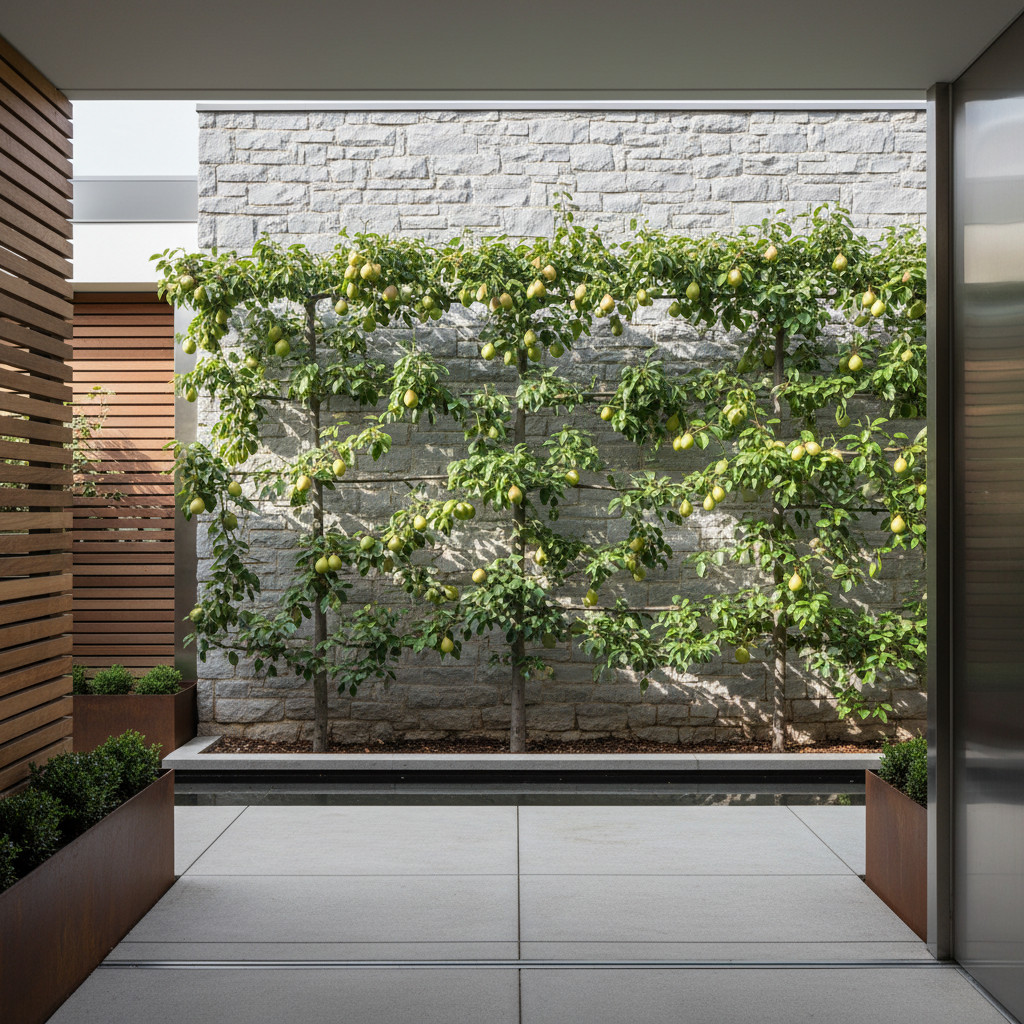
Training young trees to proper forms maximizes production and simplifies future maintenance. Central leader training creates a single dominant trunk with evenly spaced scaffold branches—ideal for apples and pears. Open center/vase training removes the central leader to create a bowl-shaped canopy—preferred for peaches, plums, and cherries. Espalier training flattens trees against walls or trellises—perfect for small spaces and creating ornamental features.
Pest and Disease Management in Your Fruit Garden
Preventing problems proves far easier than treating them—implementing integrated pest management strategies protects your harvest while minimizing chemical inputs.
Fruit plants face numerous pest and disease challenges, but proactive management keeps most problems under control.
Common Pests Affecting Fruit Plants
Understanding likely pest threats allows you to monitor effectively and intervene before populations explode.
Major Pest Categories:
-
Aphids: These small, soft-bodied insects cluster on new growth, sucking plant sap and transmitting diseases. Strong water sprays dislodge them, and beneficial insects like ladybugs provide natural control.
-
Codling Moths: The larvae create “wormy” apples and pears. Pheromone traps monitor populations, while properly timed sprays interrupt their life cycle.
-
Japanese Beetles: Adult beetles skeletonize leaves while larvae damage roots. Hand-picking, traps, and milky spore disease provide control options.
-
Birds: Often the most damaging “pests,” birds can strip an entire crop within days of ripening. Netting remains the only reliable protection.
Organic and Chemical Control Methods
Implement integrated pest management (IPM) principles, starting with cultural controls and escalating to chemical options only when necessary.
IPM Hierarchy:
-
Cultural Controls: Proper sanitation (removing fallen fruit and pruning debris), adequate spacing for air circulation, and selecting disease-resistant varieties prevent many problems before they start.
-
Biological Controls: Encourage beneficial insects by planting flowers near your fruit garden and avoiding broad-spectrum pesticides that kill friends along with foes.
-
Organic Pesticides: Neem oil, horticultural oils, insecticidal soaps, and sulfur-based fungicides provide effective control for many problems while breaking down quickly in the environment.
-
Conventional Pesticides: When organic options prove insufficient, targeted conventional products used according to label directions can save crops. Always follow application timing and pre-harvest intervals precisely.
Harvesting and Storing Your Fruit
Knowing exactly when to harvest maximizes flavor and storage potential—picking too early or too late significantly impacts quality.
The moment of harvest represents the culmination of your gardening efforts. Proper timing and techniques ensure you enjoy the fruits of your labor at peak quality.
Ripeness Indicators by Fruit Type:
-
Apples and Pears: Lift fruit gently upward with a slight twist—ripe fruit separates easily from the branch. Check seed color (brown seeds indicate ripeness) and taste-test a sample. Pears should be harvested slightly underripe and ripened off the tree.
-
Stone Fruits: Peaches, plums, and cherries should be fully colored with slight give when gently pressed. The fruit should separate from the stem easily without tearing.
-
Berries: Harvest when fully colored and easily detached. Strawberries should be red to the stem; blueberries should be fully blue with no red or green remaining.
Storage Best Practices:
Different fruits require different storage conditions for maximum longevity. Apples store for months in cool (32-35°F), humid conditions with good air circulation. Stone fruits have limited storage life and are best eaten fresh or preserved promptly. Berries are highly perishable—refrigerate immediately and consume within days, or freeze for longer storage.
Seasonal Care Calendar for Fruit Gardens
Following a seasonal maintenance schedule ensures your fruit garden receives appropriate care throughout the year.
Spring Tasks:
- Complete dormant pruning before bud break
- Apply fertilizer as growth begins
- Monitor for pest emergence
- Thin fruit after natural drop
Summer Tasks:
- Maintain consistent watering
- Monitor and treat pest/disease problems
- Summer prune if needed
- Protect ripening fruit from birds
Fall Tasks:
- Complete harvest
- Clean up fallen fruit and debris
- Apply fall fertilizer if needed
- Prepare plants for winter
Winter Tasks:
- Plan next season’s additions
- Order plants from nurseries
- Maintain tools
- Protect tender plants from freeze damage
Final Thoughts: Growing Your Dream Fruit Garden
Creating a productive fruit plant garden represents one of the most rewarding endeavors you can undertake as a homeowner and gardener. The journey from planting your first tree to harvesting baskets of homegrown fruit requires patience, learning, and consistent effort, but the rewards—both tangible and intangible—far exceed the investment.
Remember that every experienced fruit gardener was once a beginner who planted their first tree without knowing exactly what to expect. Mistakes will happen, seasons will disappoint, and pests will challenge your resolve. But with each passing year, your knowledge deepens, your plants mature, and your harvests grow more abundant.
Start small, learn continuously, and expand gradually. Plant one or two fruit trees this season, add a berry patch next year, and before you know it, you’ll have transformed your property into a productive food forest that feeds your family for generations.
The best time to plant a fruit tree was twenty years ago. The second best time is today. Your future self—enjoying fresh-picked peaches on a summer morning—will thank you for starting now.