Did you know that the most popular fruit in the world is often mistaken for a vegetable? When we look at global agricultural data, the results are often surprising, revealing not just what we enjoy as snacks, but what sustains entire populations. Fruit is an essential component of the human diet, celebrated universally for its ready-to-eat convenience, high water content, and nutrient-dense profiles packed with fiber and vitamins. From the bustling street markets of India to the massive supermarkets of North America, fruit consumption is a window into culture, climate, and economics.
Global fruit production has skyrocketed over the last two decades, reaching over 950 million metric tons in recent years. This massive output is driven by better agricultural practices, global trade networks that allow non-native varieties to thrive in new regions, and a growing awareness of health benefits. While tropical icons like mangoes and bananas dominate the equator, temperate favorites like apples and grapes hold court in cooler climates. However, when we crunch the numbers based on production volume and consumption, a distinct hierarchy emerges.
In this comprehensive guide, we will explore the top 20 most consumed fruits in the world. We will delve into the production statistics that crown the winners, the historical origins of these dietary staples, and the nutritional powerhouses that make them so vital to our well-being. Whether you are a culinary enthusiast, a health-conscious eater, or simply curious about global food trends, this breakdown offers a fresh perspective on the bounty of the earth.

Table of Contents
The Global Titans: The Top 5 Most Consumed Fruits
The top tier of global fruit consumption is occupied by agricultural heavyweights that are produced in staggering quantities. These fruits are not merely snacks; they are industrial commodities that shape economies. According to data from the Food and Agriculture Organization (FAO) and other authoritative bodies, the top five fruits alone account for hundreds of millions of metric tons of food annually. China and India frequently emerge as the dominant producers in this category, leveraging their vast landmasses and favorable climates to feed billions.
What makes these top five so ubiquitous is their versatility. They are consumed fresh, processed into juices, dried, fermented, or cooked into savory dishes. This section analyzes the absolute leaders of the fruit world, starting with a controversial champion that technically rules the roost, followed by the sweet staples found in lunchboxes worldwide.
1. Tomatoes (The Undisputed Leader)
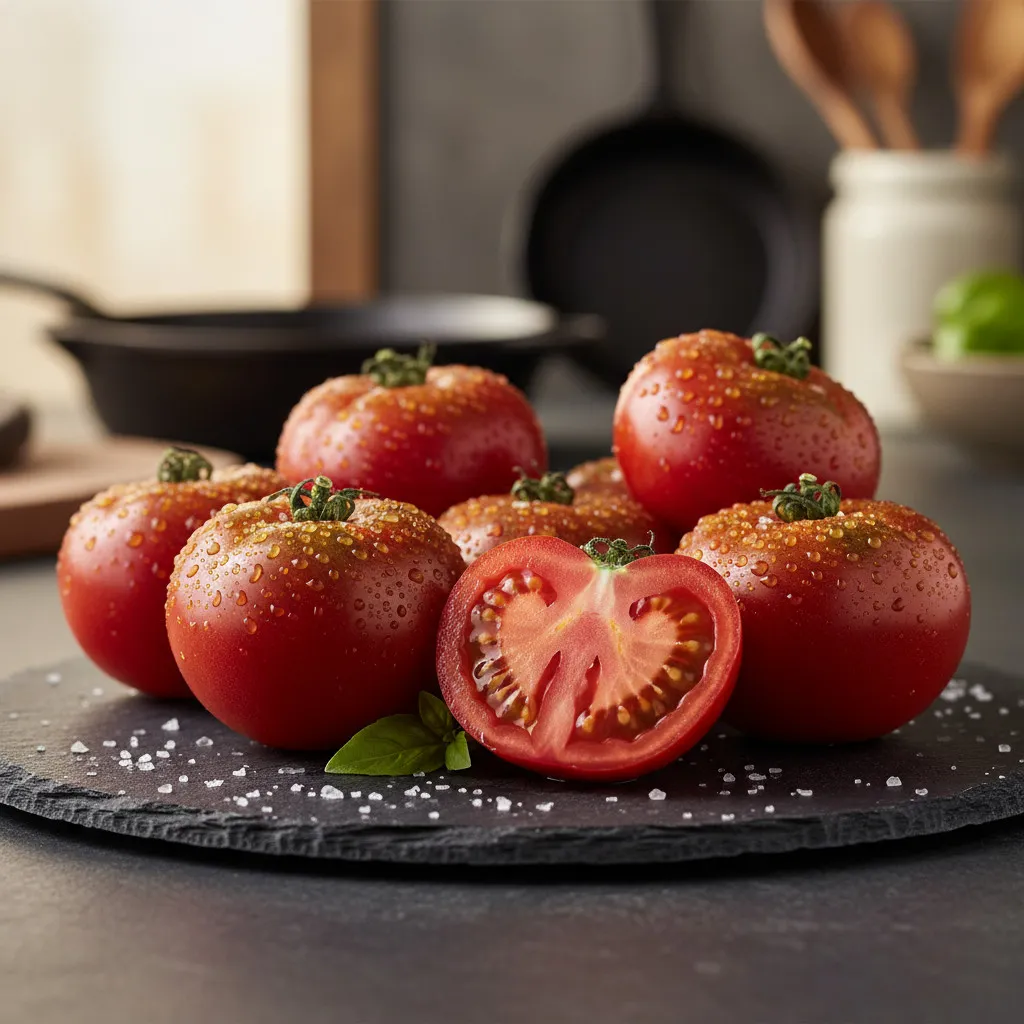
It often comes as a shock to many, but the tomato is botanically a fruit—specifically a berry—and it is the most consumed fruit on the planet by a significant margin. Global production exceeds 182 million metric tons annually, with China producing nearly 37% of that total, followed by India and the United States. While legally classified as a vegetable in the U.S. for tax purposes (dating back to a 19th-century Supreme Court ruling), the tomato’s biological status places it firmly at the top of this list.
The secret to the tomato’s dominance lies in its unique flavor profile, specifically its high concentration of glutamate, which provides the savory “umami” taste. This makes it a foundational ingredient in almost every major cuisine, from Italian pasta sauces and pizza to Indian curries and American ketchup. Beyond flavor, tomatoes are a nutritional powerhouse, rich in lycopene, an antioxidant linked to reduced risks of heart disease and cancer. They originated in the Andes of South America and were cultivated by the Aztecs, eventually conquering the globe after being introduced to Europe by explorers.
2. Bananas
Coming in second is the banana, the world’s favorite portable snack. With annual production ranging between 115 and 179 million metric tons, bananas are a staple food for millions, particularly in tropical regions where they are available year-round. India is the largest producer, churning out close to 30 million tons annually. The banana’s popularity stems from its incredible convenience; it comes in its own biodegradable, protective packaging and requires no washing before eating.
Most of the bananas consumed globally are of the Cavendish variety, a cultivar that dominates the export market due to its resilience during transport. However, there are over 1,000 varieties grown worldwide. Nutritionally, bananas are celebrated for their potassium content, which aids in muscle function and preventing cramps, as well as providing a quick source of carbohydrate energy. They are also a “clean” fruit; recent data suggests they are among the produce with the lowest pesticide residues, making them a safe choice for infants and adults alike.
3. Watermelons
Securing the third spot is the watermelon, a fruit synonymous with summer refreshment. Global production hits roughly 104 million metric tons per year, with China producing a staggering two-thirds of the world’s supply. Watermelons originated in present-day Egypt, where they were so revered that they were placed in the tombs of Pharaohs to nourish them in the afterlife. Their massive size contributes significantly to their high tonnage in production rankings.
Watermelon is aptly named, as it is comprised of 92% water, making it one of the most hydrating foods available. This high water content helps beat hunger and thirst simultaneously. Despite being mostly water, it is nutrient-dense, containing vitamins A, C, and magnesium. It is also a versatile ingredient, used in everything from fruit salads and smoothies to savory feta salads and even grilled dishes. The entire fruit is edible, including the rind, which is often pickled in various cultures to reduce food waste.
4. Apples
Apples hold the fourth position with approximately 86 to 97 million metric tons produced annually. Originating in Central Asia, specifically southern Kazakhstan, apples spread along the Silk Road and have been a dietary staple for thousands of years. Today, China leads global production, followed by the United States and Poland. The phrase “an apple a day” has merit due to the fruit’s high fiber content, particularly pectin, which promotes gut health, and polyphenols found in the skin that reduce inflammation.
The apple’s success is largely due to its incredible genetic diversity; there are over 7,500 varieties grown worldwide, ranging from the tart Granny Smith to the sugary Fuji. This variety allows apples to be grown in diverse temperate climates. They have an impressive shelf life compared to berries or stone fruits, allowing for long-term storage and year-round availability in supermarkets. Whether eaten raw for their satisfying crunch, baked into pies, or pressed into cider, apples remain a cornerstone of the Western diet.
5. Grapes
Rounding out the top five are grapes, with an annual global production of around 79 million metric tons. This fruit is unique because a significant portion of its production is not eaten fresh but is instead fermented into wine. Italy, France, and Spain are major players in the wine industry, while China leads in the production of table grapes. Grapes are native to the Mediterranean and Central Asia and have been cultivated for at least 6,000 to 8,000 years.
Grapes are incredibly versatile: they are eaten fresh as table grapes, dried into raisins, or crushed for juice and wine. They contain powerful antioxidants, including resveratrol (found in the skins of red grapes), which is studied for its heart-health benefits. Their small size and sweetness make them a favorite for snacking and charcuterie boards. The distinction between seeded and seedless varieties has also driven their popularity in recent decades, making them more convenient for modern consumers.
Tropical Staples and Citrus Giants: Ranks 6-10
Moving beyond the top five, we encounter a vibrant mix of citrus fruits and tropical delicacies that provide essential vitamins and calories to vast populations. This section features fruits that are often grown in warmer climates—such as Brazil, India, and Southeast Asia—and exported globally. These fruits are crucial for food security in many developing nations and serve as major economic drivers.
The fruits ranked 6 through 10 represent a shift from the temperate staples like apples to the juicy, sun-ripened offerings of the tropics. Here, we see the dominance of Vitamin C sources and the “King of Fruits,” the mango.
6. Oranges
Oranges are the most popular citrus fruit in the world, with production levels hovering around 76 million metric tons. Brazil is the undisputed champion of orange production, responsible for about 20% to 30% of the global total, largely to fuel the orange juice industry. Oranges were first cultivated in China around 2500 BCE and were introduced to the Americas by explorers like Columbus. They are prized for their high Vitamin C content, providing more than 100% of the daily requirement in a single serving.
7. Mangoes
Often grouped with guavas and mangosteens in statistical data, mangoes alone account for over 40 to 50 million metric tons of global production. India produces almost half of the world’s mangoes, where the fruit is culturally revered and considered the “King of Fruits.” Mangoes are technically a stone fruit and are considered a “superfruit” due to their rich profile of vitamins A and C, fiber, and antioxidants. They are consumed at all stages of ripeness, from tart, green mangoes used in savory chutneys to soft, sweet, ripe mangoes eaten as dessert.
8. Plantains
While often confused with sweet bananas, plantains are a distinct staple crop, ranking eighth with nearly 40 million metric tons produced. Unlike their dessert cousins, plantains are starchier, lower in sugar, and are almost always cooked before eating. They are a critical food source in Africa, Latin America, and the Caribbean, often treated more like a potato than a fruit. They provide essential carbohydrates and energy for millions of people in tropical regions.
9. Tangerines, Mandarins, and Clementines
This group of easy-to-peel citrus fruits produces about 34 million metric tons annually. They are distinct from oranges due to their loose skins and sweeter, less acidic flavor profile. South Korea is one of the few countries where mandarins are the most consumed fruit, but their popularity is global, especially as a convenient snack for children. China is also a massive producer of these varieties, which are often associated with good fortune and consumed heavily during the Lunar New Year.
10. Pineapples
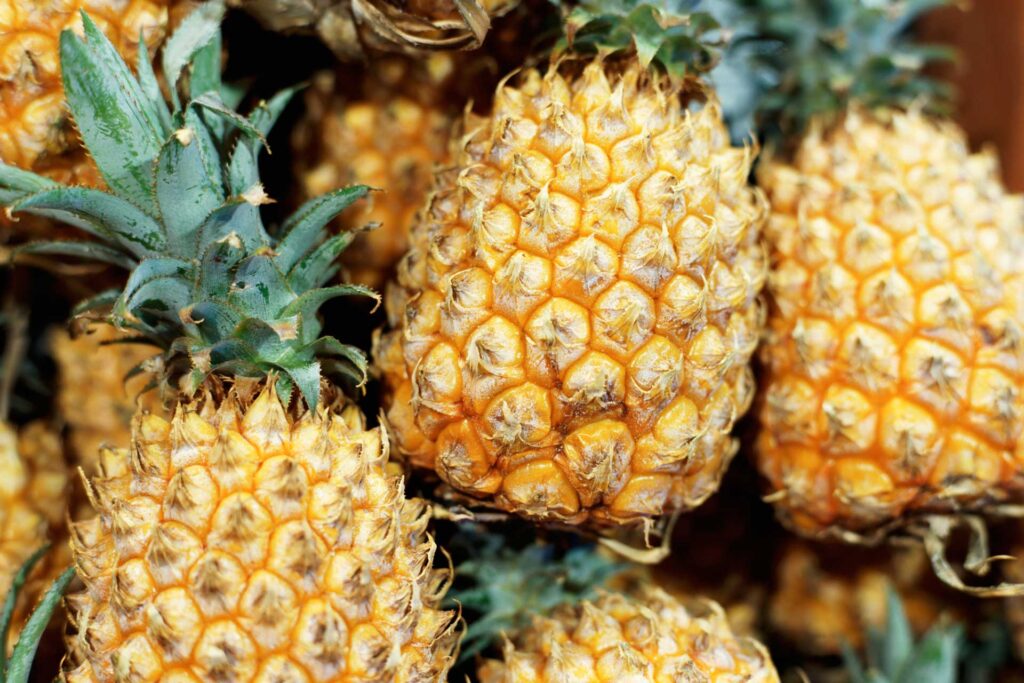
Closing out the top ten is the pineapple, with approximately 28 million metric tons produced each year. Native to South America, pineapples are now grown extensively in Costa Rica, the Philippines, and Brazil. They are unique for containing bromelain, an enzyme that aids digestion and can tenderize meat. Pineapples are also notable for being part of the “Clean Fifteen,” meaning conventional pineapples generally have very low pesticide residues because their thick, inedible skin protects the fruit flesh.
Key Insights on Tropical Consumption:
- Vitamin C Dominance: Citrus fruits (Oranges, Mandarins) are the primary source of Vitamin C for much of the world, essential for immune health.
- Cooking vs. Snacking: While mangoes and oranges are often eaten fresh, plantains demonstrate how fruit can serve as a savory dietary staple similar to grains or tubers.
- Geographic Concentration: The production of these fruits is heavily concentrated in the “Global South,” specifically Brazil, India, and China, highlighting the importance of tropical agriculture.
The Diverse Middle: Stone Fruits, Melons, and Pomes (11-15)
As we move into the second half of the top 20, the list becomes more diverse, featuring a mix of melons, stone fruits, and pome fruits. These fruits may not reach the massive tonnage of tomatoes or bananas, but they are deeply integrated into regional diets and seasonal celebrations. Production numbers here typically range between 13 and 27 million metric tons.
11. Melons (Other than Watermelon)
This category includes cantaloupes, honeydews, and other muskmelons, totaling about 27 million metric tons. These fruits are favorites in the Middle East and Central Asia, particularly in countries like Kazakhstan and Afghanistan. They are prized for their fragrance and sweetness. Like watermelons, they are high in water content and electrolytes, making them essential for hydration in hot, dry climates.
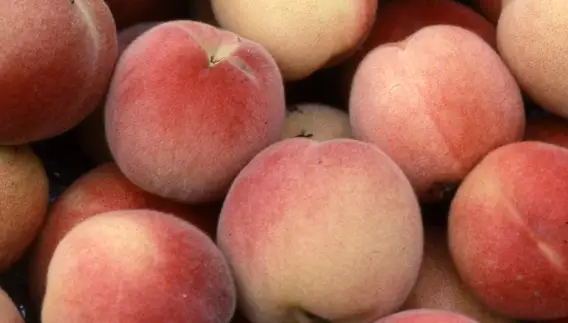
12. Peaches and Nectarines
With roughly 24.5 million metric tons produced, peaches and nectarines are beloved stone fruits. They are genetically almost identical, with the main difference being the peach’s fuzzy skin versus the nectarine’s smooth skin. China is the leading producer. These fruits are rich in vitamins A and C and are a staple of summer in temperate regions, often preserved through canning or jamming to be enjoyed year-round.
13. Pears
Pears account for nearly 24 million metric tons of global production. Uniquely, pears are native to many parts of the world, including Europe and Asia. In China, which is the largest producer, pears are often crisp and eaten like apples, whereas Western varieties like the Bartlett are eaten when soft and buttery. Pears are high in fiber and are often hypoallergenic, making them a common first food for babies.
14. Lemons and Limes
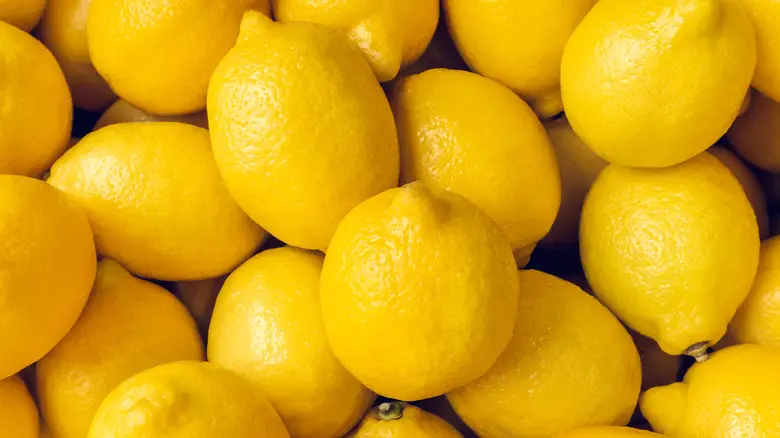
These acidic citrus fruits contribute about 19 to 20 million metric tons to the global fruit basket. While rarely eaten whole due to their sourness, they are indispensable culinary tools used for flavoring, preservation (curing fish in ceviche), and beverages. Mexico, India, and China are top producers. They are loaded with citric acid and Vitamin C, historically used to prevent scurvy among sailors.
15. Papayas
Papayas, producing around 13 million metric tons, are a tropical favorite known for their buttery texture and musky sweetness. They are native to Central America but are now widely grown in India and Brazil. Papayas contain papain, an enzyme similar to bromelain in pineapples, which aids in protein digestion. They are also incredibly rich in Vitamin C and folate.
The Nutrient Powerhouses: Ranks 16-20
The final five fruits in the top 20 are smaller in production volume but massive in nutritional impact and cultural significance. From the healthy fats of avocados to the ancient energy of dates, these fruits round out the global diet.
16. Plums and Sloes
Producing over 12 million metric tons, plums are a diverse stone fruit grown extensively in China, Romania, and Serbia. They are unique for their high antioxidant content and are widely consumed in their dried form as prunes, which are famous for aiding digestive health.
17. Grapefruits
Grapefruits, a hybrid of the sweet orange and the pomelo, account for about 9 million metric tons. They are unique to the Americas, originating in Barbados. Known for their tangy, semi-bitter flavor, they are a popular breakfast fruit in Western countries and are touted for their metabolism-boosting properties.
18. Dates
Dates are an ancient fruit with production around 8.5 million metric tons. They are a staple in the Middle East and North Africa (Egypt, Saudi Arabia, Iran). Unlike most fruits which are high in water, dates are naturally dried and concentrated with sugar and calories, making them an essential energy source in arid environments.
19. Strawberries
The most popular berry worldwide, strawberries have a production volume of over 8 million metric tons. They are grown globally, with China and the U.S. leading. Rich in manganese and antioxidants, they are a favorite for desserts and fresh eating, though they are notoriously delicate and have a short shelf life.
20. Avocados
Rounding out the list is the avocado, with over 6.4 million metric tons produced. Native to South Central Mexico, avocados are unique among fruits because they are primarily composed of healthy monounsaturated fats rather than carbohydrates. This makes them incredibly filling and a staple of modern healthy diets, used in everything from guacamole to toast toppings.
Global Consumption Trends and Safety
Understanding what we eat is only half the story; who eats it and how safe it is are equally important. Fruit consumption varies wildly by country, influenced by local agriculture and income levels. Furthermore, as consumption rises, so does the concern regarding pesticides and farming practices.
The World’s Biggest Fruit Eaters
According to data from the World Population Review, the Caribbean nation of Dominica leads the world in fruit consumption, with the average person eating nearly 486 kg (over 1,000 lbs) of fruit per year. They are followed by the Dominican Republic and Guyana. In these tropical regions, fruit is not just a snack but a primary source of calories. In contrast, Western nations like the U.S. and the U.K. consume significantly less, averaging between 86 kg and 93 kg per person annually.
Navigating Pesticides: The Clean Fifteen
As we strive to eat more fruit, safety is a priority. The Environmental Working Group (EWG) releases an annual list known as the “Clean Fifteen,” highlighting produce with the least pesticide residue.
- Pineapples often top this list as the cleanest fruit.
- Avocados and Papayas also rank highly for safety.
- Bananas are a safe bet because their thick peels protect the edible fruit from chemicals.
Conversely, strawberries and grapes often appear on the “Dirty Dozen” list, meaning it is highly recommended to buy these organic when possible or wash them thoroughly to reduce chemical exposure.
Summary of Key Takeaways
- Vegetable or Fruit? Tomatoes are the world’s most consumed fruit, driven by their savory flavor and culinary versatility.
- Top Producers: China and India are the titans of fruit agriculture, leading production in almost every major category.
- Nutrition: From the potassium in bananas to the healthy fats in avocados, the top 20 list covers the full spectrum of human nutritional needs.
- Safety: Consumers should be aware of pesticide levels, utilizing lists like the “Clean Fifteen” to make informed choices about when to buy organic.
Final Words
The landscape of global fruit consumption is a testament to nature’s abundance and human ingenuity in agriculture. From the ubiquitous tomato that flavors our sauces to the humble banana that fuels our mornings, these top 20 fruits form the backbone of our global diet. They provide the vitamins, minerals, and hydration necessary for survival, all while offering a spectrum of flavors that define our cultures.
As we look to the future, the popularity of these fruits is likely to grow, driven by a global shift toward plant-based diets and health-conscious living. Whether you are reaching for a crunchy apple, slicing a creamy avocado, or peeling a sweet mandarin, you are participating in a global food system that connects us all. So next time you visit the grocery store, try expanding your horizons—perhaps pick up a papaya or some dates—and enjoy the diverse bounty the world has to offer.

![What Is the National Fruit of Argentina and Why? [ANSWERED]](https://fruitonix.com/wp-content/uploads/2023/04/What-Is-the-National-Fruit-of-Argentina-.jpg)