Picture this: it’s a busy weeknight, you’re exhausted from the day, and the last thing you want is to spend hours in the kitchen preparing a complicated meal. Yet, you still crave something wholesome, delicious, and satisfying that doesn’t compromise on flavor or nutrition. This is where the magic of a chicken breast tomato bake comes into play. This one-pan wonder has been transforming dinner tables across the globe, offering a perfect harmony of tender, juicy chicken bathed in a rich, aromatic tomato sauce that practically cooks itself while you unwind. Whether you’re a seasoned home cook or someone just beginning their culinary journey, mastering this versatile dish will revolutionize your weeknight dinner routine and impress everyone at your table.
The beauty of chicken breast tomato bake lies not only in its simplicity but also in its incredible adaptability. It’s a canvas waiting for your creative touches, a reliable foundation that welcomes countless variations while maintaining its comforting essence. From Mediterranean-inspired versions bursting with olives and feta to Italian-style preparations rich with basil and mozzarella, this dish transcends cultural boundaries while remaining accessible to cooks of all skill levels. Beyond convenience, it delivers substantial nutritional benefits, combining lean protein with antioxidant-rich tomatoes and aromatic vegetables that support overall health. In this comprehensive guide, we’ll explore everything you need to know about creating the ultimate chicken breast tomato bake, from selecting the finest ingredients to mastering cooking techniques, avoiding common pitfalls, and discovering creative variations that will keep this dish exciting meal after meal.
Table of Contents
- Why Chicken Breast Tomato Bake Deserves a Place in Your Recipe Collection
- Essential Ingredients for the Perfect Chicken Breast Tomato Bake
- The Protein Foundation: Selecting Quality Chicken Breasts
- Tomatoes: Fresh vs. Canned Options
- Aromatics and Seasonings That Elevate Flavor
- Step-by-Step Guide to Creating the Ultimate Chicken Breast Tomato Bake
- Preparation and Pre-Cooking Steps
- Building Layers of Flavor
- Baking Techniques for Optimal Results
- Variations and Customization Options
- Mediterranean-Inspired Variations
- Italian-Style Enhancements
- Nutritional Benefits and Health Considerations
- Serving Suggestions and Side Dish Pairings
- Storage, Reheating, and Meal Prep Tips
- Common Mistakes to Avoid
- Final Words
Why Chicken Breast Tomato Bake Deserves a Place in Your Recipe Collection
This section explores the compelling reasons why chicken breast tomato bake has become a beloved staple in kitchens worldwide and why it should become your go-to recipe.
When evaluating recipes to add to your regular rotation, certain criteria distinguish truly exceptional dishes from merely adequate ones. Chicken breast tomato bake checks every box that matters to modern home cooks who balance busy schedules with the desire to serve nutritious, delicious meals. This dish represents the perfect intersection of practicality and palatability, offering restaurant-quality results with minimal effort and straightforward techniques that don’t require culinary school training or specialized equipment.

Time efficiency stands as one of the most compelling advantages of this preparation method. Active cooking time typically requires only 15-20 minutes for preparation, while the oven does the heavy lifting during the 30-40 minute baking period. This hands-off cooking approach means you can attend to other tasks, help children with homework, catch up on emails, or simply relax while dinner prepares itself. Unlike stovetop methods that demand constant attention and stirring, baking allows you to set a timer and walk away with confidence. The entire dish comes together in a single baking dish, dramatically reducing both preparation complexity and cleanup time—a benefit that cannot be overstated when you’re juggling multiple responsibilities.
The nutritional profile of chicken breast tomato bake makes it particularly appealing for health-conscious individuals and families. Chicken breast provides lean, high-quality protein essential for muscle maintenance, satiety, and numerous bodily functions, all while remaining relatively low in calories and fat. Tomatoes contribute lycopene, a powerful antioxidant associated with reduced risk of certain cancers and heart disease, along with vitamins C and K, potassium, and folate. When you incorporate additional vegetables like bell peppers, zucchini, or spinach, the nutritional value increases exponentially. This dish supports various dietary preferences and restrictions, easily adapting to low-carb, gluten-free, dairy-free, and paleo approaches depending on your ingredient choices.
Budget-friendliness represents another significant advantage that makes this recipe accessible to virtually everyone. Chicken breast, particularly when purchased in bulk or on sale, offers excellent value for money as a protein source. Canned tomatoes are consistently affordable year-round and often provide better flavor than out-of-season fresh tomatoes at a fraction of the cost. The supporting ingredients—onions, garlic, herbs, and basic seasonings—are pantry staples that most households already have on hand. A complete meal serving four to six people typically costs between $10-15, making it substantially more economical than takeout or restaurant dining while delivering superior nutrition and taste.
The versatility of chicken breast tomato bake cannot be overstated, as it accommodates endless variations and personal preferences. The basic formula serves as a reliable foundation that welcomes experimentation with different herbs, spices, cheeses, vegetables, and flavor profiles. You can transform the same core concept into Greek, Italian, Spanish, or Middle Eastern versions by adjusting the seasonings and accompaniments. This flexibility means you’ll never grow bored with the dish, and you can customize it to suit what’s in your refrigerator or what your family prefers. It’s equally appropriate for casual weeknight dinners, meal prep sessions, potlucks, or serving to guests, adapting seamlessly to any occasion.
Essential Ingredients for the Perfect Chicken Breast Tomato Bake
Understanding the key components and how to select quality ingredients ensures your dish achieves optimal flavor, texture, and nutritional value every time.
The Protein Foundation: Selecting Quality Chicken Breasts
The chicken breast forms the centerpiece of this dish, making its selection and preparation critical to overall success. Not all chicken breasts are created equal, and understanding the differences will elevate your results considerably.
When shopping for chicken breasts, prioritize quality over price whenever possible. Organic, free-range, or air-chilled chicken typically offers superior flavor and texture compared to conventionally raised options. These birds tend to have firmer meat with better moisture retention and a more pronounced chicken flavor rather than the bland, watery quality sometimes found in mass-produced poultry. Look for breasts that appear plump with a light pink color and no discoloration, gray spots, or excessive liquid in the package. The meat should feel firm to the touch, not slimy or sticky, and should have a fresh, clean smell rather than any sour or unpleasant odors.
Size consistency matters significantly for even cooking. When selecting multiple chicken breasts for a single bake, try to choose pieces of similar thickness and weight. Dramatically different sizes will cook at different rates, potentially leaving smaller pieces overcooked and dry while larger ones remain undercooked. If you can only find unevenly sized breasts, consider butterflying the thicker pieces or pounding them to a uniform thickness of about ¾ to 1 inch. This simple step takes just a few minutes but ensures that all pieces reach the safe internal temperature of 165°F simultaneously while maintaining optimal juiciness throughout.
Whether to use boneless, skinless breasts or other cuts is a common question. While boneless, skinless chicken breasts are the standard choice for convenience and quick cooking, bone-in, skin-on breasts offer enhanced flavor and moisture retention due to the protective skin layer and the flavor contribution from the bones. If you choose bone-in breasts, simply increase the cooking time by approximately 10-15 minutes and adjust the positioning in your baking dish accordingly. Some cooks prefer chicken thighs for their richer flavor and more forgiving nature when it comes to overcooking, though this changes the dish’s character somewhat. Ultimately, the choice depends on your preferences, dietary goals, and what’s available at your market.
Tomatoes: Fresh vs. Canned Options
The tomato component provides the saucy foundation that keeps chicken moist while delivering vibrant flavor and beautiful color to the finished dish. Your choice between fresh and canned tomatoes significantly impacts the final result.
Canned tomatoes often deliver more consistent, reliable flavor than fresh tomatoes, especially outside peak summer season. High-quality canned tomatoes are harvested and processed at peak ripeness, capturing optimal flavor and nutritional content. San Marzano tomatoes, whether imported from Italy or domestic varieties, are particularly prized for their sweet flavor, low acidity, and minimal seeds. Canned whole tomatoes that you crush yourself typically offer better texture and flavor than pre-diced varieties, which may contain calcium chloride to maintain shape, potentially affecting taste. A 28-ounce can of quality whole tomatoes, crushed by hand or with a potato masher, creates approximately 3-4 cups of tomato base—perfect for a standard recipe serving four to six people.
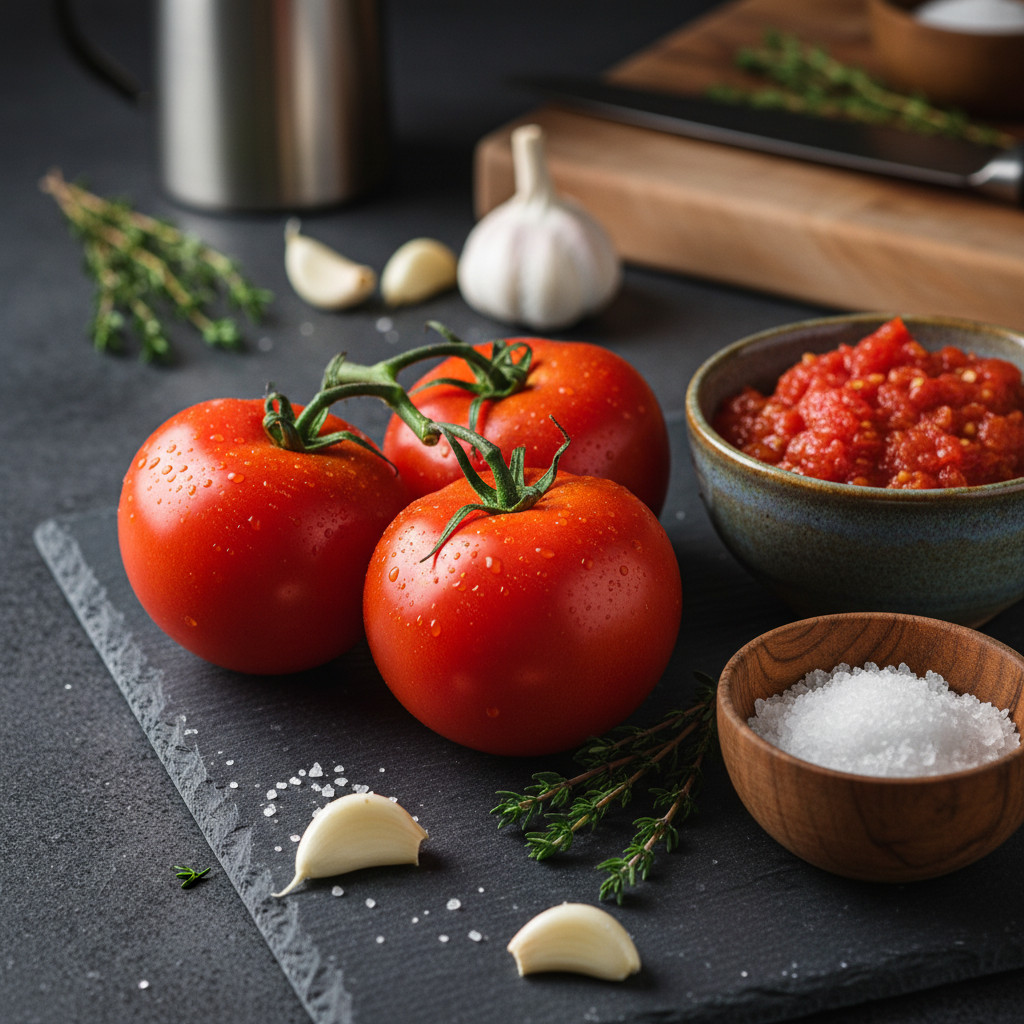
Fresh tomatoes shine during summer months when locally grown, vine-ripened varieties are abundant. Roma or plum tomatoes work particularly well for baking due to their meaty texture, lower moisture content, and concentrated flavor. When using fresh tomatoes, you’ll need approximately 2-3 pounds to equal one 28-ounce can. Remove the core, score the bottom with an X, blanch briefly in boiling water, then plunge into ice water to easily remove the skins. This extra step may seem labor-intensive, but it prevents tough skin pieces in your finished sauce. Alternatively, you can chop fresh tomatoes and use them skin-on if you don’t mind a more rustic texture. During winter months when fresh tomatoes taste bland and watery, canned options are definitively superior and more economical.
Tomato paste serves as a secret weapon for intensifying flavor and creating a richer, more concentrated sauce. Adding 2-3 tablespoons of tomato paste to your tomato base amplifies the umami notes and deepens the color substantially. For even better results, sauté the tomato paste in olive oil for 1-2 minutes before adding other ingredients. This caramelization process mellows acidity while developing complex, savory notes that make your sauce taste like it simmered for hours even though it’s a quick preparation. Look for tomato paste in tubes rather than cans if possible, as they’re more convenient for using small amounts and store well in the refrigerator for several months after opening.
Aromatics and Seasonings That Elevate Flavor
The supporting cast of aromatics and seasonings transforms simple ingredients into a memorable dish with depth, complexity, and irresistible aroma that fills your kitchen during cooking.
Onions and garlic form the aromatic foundation that should never be skipped or shortchanged. One medium to large yellow or white onion, diced, provides sweetness and body to the sauce, while 4-6 cloves of fresh garlic contribute pungent, savory notes that become mellow and sweet during baking. Some recipes call for sautéing these aromatics before assembling the bake, which develops deeper caramelized flavors, while others add them raw, which yields a brighter, sharper taste. Both approaches work beautifully, so choose based on your time constraints and flavor preferences. Shallots can substitute for onions when you want a more delicate, refined flavor, while garlic powder (not garlic salt) can work in a pinch, though fresh garlic is strongly preferred for optimal results.
Herb selection dramatically influences the dish’s flavor profile and cultural character. Fresh basil brings Italian brightness and a slight anise note that pairs beautifully with tomatoes. Oregano—whether fresh or dried—contributes earthy, slightly bitter notes characteristic of Mediterranean cuisine. Thyme adds subtle floral undertones and woodsy complexity that complements chicken exceptionally well. Rosemary provides a bold, pine-like intensity that should be used more sparingly due to its potency. For the ultimate chicken breast tomato bake, a combination of fresh basil, dried oregano, and fresh thyme creates a balanced, aromatic profile. Use approximately 1 tablespoon of fresh herbs or 1 teaspoon of dried herbs per pound of chicken, adjusting to taste. Fresh herbs are best added near the end of cooking to preserve their bright flavor and color, while dried herbs benefit from longer cooking times to bloom and mellow.
Additional seasonings and flavor enhancers round out the taste profile and add professional polish. Crushed red pepper flakes introduce a subtle heat that enhances rather than overwhelms other flavors—start with ¼ teaspoon and adjust according to your heat tolerance. A pinch of sugar or a teaspoon of honey balances tomato acidity and brings out natural sweetness. Kosher salt and freshly ground black pepper are non-negotiables that should be adjusted throughout the cooking process, tasting and seasoning in layers. A splash of good quality olive oil adds richness and helps seasonings distribute evenly. Some cooks swear by adding a parmesan rind to the sauce while it bakes, which imparts subtle umami depth and savory complexity. Balsamic vinegar, wine, or lemon juice can brighten the dish and add sophisticated complexity when used judiciously, typically 1-2 tablespoons near the end of cooking.
Step-by-Step Guide to Creating the Ultimate Chicken Breast Tomato Bake
This comprehensive walkthrough ensures success by breaking down the cooking process into manageable steps with professional tips for optimal results at every stage.
Preparation and Pre-Cooking Steps
Proper preparation sets the foundation for cooking success, ensuring ingredients are ready and organized before you begin the actual cooking process, which professionals call mise en place.
1. Prepare your ingredients and workspace systematically. Begin by removing chicken breasts from the refrigerator 15-20 minutes before cooking to allow them to come to room temperature, which promotes even cooking throughout. Pat them thoroughly dry with paper towels, as excess moisture prevents proper browning and can make the sauce watery. While the chicken rests, dice your onion into uniform ¼-inch pieces for consistent cooking. Mince the garlic finely or use a press for maximum flavor distribution. If using fresh tomatoes, prepare them as described earlier; if using canned, open the can and have it ready. Measure out your dried herbs and seasonings into a small bowl. Select a baking dish large enough to hold all chicken pieces in a single layer without excessive crowding—typically a 9×13-inch dish works perfectly for four breasts. Preheat your oven to 375°F-400°F, depending on your recipe variation, allowing at least 15 minutes for proper heat distribution. This organized approach prevents scrambling mid-recipe and ensures smooth execution from start to finish.
2. Season and sear the chicken breasts for maximum flavor. Season both sides of each chicken breast generously with kosher salt and freshly ground black pepper, using approximately ½ teaspoon of salt and ¼ teaspoon of pepper per breast. Some cooks add additional seasonings at this stage, such as paprika, garlic powder, or Italian seasoning, which creates a flavorful crust. Heat 2 tablespoons of olive oil in a large skillet over medium-high heat until shimmering but not smoking. Working in batches if necessary to avoid overcrowding, add the chicken breasts presentation-side down. Sear without moving them for 3-4 minutes until a golden-brown crust develops. Flip and sear the second side for another 2-3 minutes. The goal isn’t to cook the chicken through at this stage—internal temperature should reach only 120-130°F—but rather to develop rich, caramelized flavors through the Maillard reaction. This step is technically optional for time-constrained situations, but it adds significant depth that elevates the dish from good to exceptional. Transfer seared chicken to a plate and set aside while you prepare the sauce.

3. Create the aromatic base for your tomato sauce. Using the same skillet with the flavorful browned bits left from searing the chicken, reduce heat to medium and add another tablespoon of olive oil if the pan seems dry. Add the diced onion and sauté for 4-5 minutes, stirring occasionally, until softened and beginning to turn translucent. The residual chicken flavors in the pan will incorporate into the onions, adding extra savory depth. Add the minced garlic and cook for an additional 60-90 seconds, stirring constantly to prevent burning—garlic can turn bitter quickly when overcooked. If you’re using tomato paste, add it now and stir constantly for 1-2 minutes, allowing it to caramelize slightly and darken in color. This caramelization process concentrates flavors and eliminates any metallic or tinny notes sometimes present in tomato paste. The aromatics should smell fragrant and inviting at this point, filling your kitchen with appetizing scents that build anticipation for the finished dish.
Building Layers of Flavor
Assembling the components properly and layering flavors creates a cohesive dish where every element complements and enhances the others, resulting in a harmonious final product.
4. Develop the tomato sauce with proper seasoning. Add your crushed canned tomatoes or prepared fresh tomatoes to the skillet with the sautéed aromatics, stirring to combine thoroughly. Include any accumulated tomato juices from the can for maximum flavor. Add your dried herbs now—typically 1 teaspoon each of dried oregano and dried basil, plus ½ teaspoon of dried thyme. Season with ½ teaspoon of kosher salt, ¼ teaspoon of black pepper, and a pinch of crushed red pepper flakes if you enjoy subtle heat. Add a teaspoon of sugar or honey to balance acidity. Bring the mixture to a simmer, then reduce heat to medium-low and let it cook for 5-7 minutes, stirring occasionally. This brief simmering allows flavors to meld and the sauce to thicken slightly. Taste and adjust seasoning as needed—this is your opportunity to fine-tune the flavor before baking. The sauce should taste slightly more seasoned than you want the final dish, as flavors will mellow during the baking process and distribute throughout the chicken. If the sauce seems too thick, thin it with a splash of chicken broth, white wine, or water; if too thin, let it reduce a bit longer or add another tablespoon of tomato paste.
5. Assemble the baking dish with strategic layering. Spread approximately one-third to one-half of your prepared tomato sauce across the bottom of your baking dish, creating an even layer that will prevent the chicken from sticking and ensure moisture surrounds the meat during cooking. Arrange the seared chicken breasts on top of the sauce in a single layer, ensuring they don’t overlap, which would create uneven cooking. Leave small gaps between each breast to allow sauce and heat to circulate freely. Spoon the remaining tomato sauce over and around the chicken breasts, ensuring each piece is partially covered but not completely submerged. The top surface of the chicken can remain exposed, which allows it to develop attractive color during baking. If you’re adding vegetables like bell peppers, zucchini, or mushrooms, nestle them around and between the chicken breasts at this stage. Drizzle everything with another tablespoon of quality olive oil, which helps ingredients brown beautifully and prevents drying. At this point, you can cover the dish tightly with aluminum foil and refrigerate for up to 24 hours if you’re meal prepping, or proceed directly to baking for immediate cooking.
6. Add final touches and enhancements before baking. Consider incorporating ingredients that will melt and meld during baking to create additional layers of flavor and visual appeal. Scatter pitted olives—Kalamata, green, or a mixture—around the chicken for briny, savory pops of flavor. Add capers for tangy brightness that cuts through richness. Tuck in a few strips of sun-dried tomatoes for concentrated tomato intensity and chewy texture contrast. If you enjoy cheese, reserve it for adding during the final 10 minutes of baking rather than at the beginning, which prevents burning while still achieving melted, golden perfection. Fresh mozzarella, crumbled feta, grated parmesan, or aged provolone all work beautifully depending on your preferred flavor profile. A few whole garlic cloves left in their skins, added to the dish, become sweet and spreadable during baking, offering a delicious accompaniment when squeezed out. These finishing touches transform a straightforward dish into something special with minimal additional effort or expense.
Baking Techniques for Optimal Results
Proper baking methodology ensures the chicken cooks through perfectly while remaining moist and tender, with a sauce that achieves ideal consistency and concentrated flavors.
7. Begin baking with proper heat and moisture management. Place the assembled baking dish on the middle rack of your preheated 375°F-400°F oven. If you want guaranteed moisture retention and tender chicken, cover the dish tightly with aluminum foil for the first 20-25 minutes of baking. This covering traps steam, creating a humid environment that keeps the chicken from drying out. The covered phase essentially braises the chicken in the tomato sauce, resulting in incredibly tender, juicy meat. Alternatively, if you prefer more caramelization and concentrated flavors with slightly reduced sauce, you can bake uncovered from the start, though this requires more vigilance to prevent drying. The ideal approach for most home cooks combines both methods: bake covered initially, then remove the foil for the final 15-20 minutes. This hybrid technique delivers the best of both worlds—tender, moist chicken with beautifully browned surfaces and a sauce that’s reduced to perfect consistency rather than remaining watery.
8. Monitor internal temperature for food safety and optimal texture. Chicken breast is safely cooked when it reaches an internal temperature of 165°F at the thickest part. Use an instant-read meat thermometer inserted into the thickest portion of the breast, being careful not to touch the bottom of the baking dish, which would give a false reading. Begin checking temperature after 25-30 minutes of total baking time for standard-sized breasts. Remember that carryover cooking will increase the temperature by 3-5 degrees after removal from the oven, so you can actually pull the chicken when it reaches 160-162°F, then let it rest for 5 minutes before serving. This prevents overcooking, which is the primary culprit behind dry, tough chicken breast. If your chicken breasts are particularly thick or you’re cooking bone-in pieces, total cooking time may extend to 40-45 minutes. Conversely, thin or pounded breasts may be done in as little as 20-25 minutes. Always rely on temperature rather than time alone, as variables like your oven’s actual temperature, chicken thickness, and starting temperature all affect cooking duration.
9. Add cheese and fresh herbs during the final stage. If you’re incorporating cheese into your chicken breast tomato bake, wait until the chicken reaches approximately 155-160°F internal temperature before adding it. Remove the baking dish from the oven, quickly but carefully sprinkle or arrange your chosen cheese over the top of the chicken and sauce, then return it to the oven uncovered for an additional 5-10 minutes. This timing allows the cheese to melt completely and brown slightly without burning or becoming greasy from prolonged heat exposure. Fresh mozzarella creates beautiful, stretchy pools of melted cheese. Crumbled feta adds tangy, creamy contrast without fully melting. Grated parmesan develops a golden, slightly crispy top layer that adds textural interest. Once the chicken reaches 165°F and any cheese is melted and bubbling, remove the dish from the oven. If using fresh herbs like basil, oregano, or parsley for garnish, add them only after baking is complete. Sprinkle torn or chopped fresh herbs over the top just before serving to preserve their bright color, fresh flavor, and aromatic qualities that would be diminished by heat exposure.
Variations and Customization Options
The basic chicken breast tomato bake formula welcomes endless creativity, allowing you to explore different flavor profiles while maintaining the dish’s essential character and convenience.
Mediterranean-Inspired Variations
This section highlights how to transform your basic recipe into a Mediterranean feast bursting with sun-drenched flavors and healthy ingredients characteristic of coastal cuisines.
Greek-style preparation incorporates ingredients beloved in Hellenic cuisine for a bright, tangy variation. Add ½ cup of pitted Kalamata olives and 2 tablespoons of capers to the tomato sauce for briny complexity. Season with dried oregano as the dominant herb, using a full tablespoon for pronounced flavor. Include sliced red onion instead of yellow for sharper bite and beautiful color. During the final 10 minutes of baking, top the chicken with crumbled feta cheese—about 4-6 ounces total—which will soften without completely melting, maintaining its distinctive tangy flavor and crumbly texture. Add quartered artichoke hearts (canned or jarred work perfectly) around the chicken for earthy, slightly nutty notes and meaty texture. Finish the baked dish with a generous drizzle of quality extra-virgin olive oil, plenty of fresh lemon juice (from 1-2 lemons), and a scattering of fresh dill or oregano. Serve with warm pita bread, tzatziki sauce on the side, and a simple cucumber-tomato salad for a complete Greek-inspired meal that transports you to the Mediterranean coast.
Provençal-influenced version channels the flavors of southern France with refined, herbaceous character. Create a herbes de Provence blend using equal parts dried thyme, oregano, basil, and rosemary, plus a pinch of lavender if you have it available—roughly 2 teaspoons total. Add 4-6 anchovy fillets to the sauce while it cooks (they’ll dissolve completely, adding savory umami depth without fishy flavor), or substitute with 1 tablespoon of anchovy paste. Include sliced fennel bulb and bell peppers (red and yellow for color variety) as vegetable additions. Use crushed tomatoes combined with ½ cup of dry white wine for a more refined sauce with bright acidity. Add Niçoise or Picholine olives for authentically French flavor. Consider topping with herbed goat cheese during the final minutes of baking for creamy, tangy richness. Garnish with fresh tarragon and serve alongside crusty French bread and ratatouille or a simple green salad dressed with Dijon vinaigrette for an elegant yet approachable meal that captures Provençal simplicity and sophistication.
Italian-Style Enhancements
Italian variations emphasize robust flavors, generous use of cheese, and classic herb combinations that have made Italian cuisine beloved worldwide.
Classic Italian preparation focuses on the timeless combination of tomatoes, basil, and mozzarella reminiscent of Caprese salad. Use San Marzano tomatoes for authentic flavor and add 3-4 tablespoons of tomato paste for richness. Season predominantly with fresh basil—add dried basil to the sauce during cooking, then finish with abundant fresh basil leaves torn and scattered over the top. Include plenty of fresh garlic (6-8 cloves) for pronounced garlic presence. Top the chicken with sliced fresh mozzarella or torn mozzarella balls during the final 10 minutes, creating stretchy, melted pools of cheese. Add a generous grating of Parmigiano-Reggiano over everything for nutty, salty complexity. For extra indulgence, nestle halved cherry tomatoes around the chicken, which will burst and caramelize during baking, intensifying their sweetness. Drizzle with basil-infused olive oil and balsamic glaze just before serving. Serve with pasta tossed in olive oil and garlic, garlic bread, and a simple arugula salad for a satisfying Italian feast.
Tuscan-inspired variation incorporates white beans, sun-dried tomatoes, and spinach for a heartier, more substantial one-dish meal. Drain and rinse one 15-ounce can of cannellini beans and add them to the tomato sauce—they’ll absorb flavors while adding creamy texture and plant-based protein. Include ⅓ cup of julienned sun-dried tomatoes (oil-packed variety for better flavor and texture) for concentrated tomato sweetness and chewy contrast. Add 3-4 cups of fresh baby spinach during the final 5 minutes of baking, which will wilt down into the sauce, contributing earthiness and nutritional value. Use a combination of fresh rosemary and sage as the primary herbs for distinctive Tuscan character. Top with shaved Pecorino Romano cheese instead of Parmesan for sharper, more assertive flavor. Add a splash of dry white wine or chicken broth to create more sauce that will coat the beans and vegetables. This version is particularly filling and requires no side dishes beyond perhaps a simple crusty bread to soak up the delicious sauce. It’s an excellent choice for cold weather when you want comfort and sustenance in a single dish.
Nutritional Benefits and Health Considerations
Understanding the nutritional profile and health implications helps you appreciate why chicken breast tomato bake qualifies as both delicious and beneficial for overall wellness.
This section examines the nutritional advantages that make chicken breast tomato bake an excellent choice for health-conscious individuals while addressing potential concerns and modifications for various dietary needs.
The protein content delivers substantial benefits for numerous bodily functions and overall health maintenance. A typical 6-ounce serving of chicken breast provides approximately 52-54 grams of high-quality, complete protein containing all essential amino acids your body requires but cannot produce independently. This protein supports muscle growth and maintenance, which becomes increasingly important as we age and naturally lose muscle mass. It promotes satiety, helping you feel full and satisfied for hours after eating, which can support weight management goals by reducing unnecessary snacking and overall calorie consumption. Protein also requires more energy to digest than carbohydrates or fats, providing a slight metabolic advantage through increased thermogenesis. For active individuals, athletes, or anyone engaged in strength training, the protein in chicken breast supports recovery and adaptation to exercise, making this dish an excellent post-workout meal option when you need substantial nutrition without excessive calories or heavy fats.
Tomatoes contribute remarkable nutritional value beyond their delicious flavor and vibrant color. They’re exceptionally rich in lycopene, a carotenoid antioxidant that gives tomatoes their red color and offers powerful health benefits. Research suggests lycopene consumption may reduce risks of certain cancers, particularly prostate cancer, and supports cardiovascular health by reducing oxidative stress and inflammation. Interestingly, cooking tomatoes actually increases lycopene bioavailability, making tomato-based baked dishes more beneficial than raw tomato preparations in this regard. Tomatoes also provide significant amounts of vitamin C (supporting immune function and collagen production), vitamin K (important for bone health and blood clotting), potassium (essential for blood pressure regulation and heart health), and folate (crucial for DNA synthesis and cell division). The combination of lycopene with the healthy fats from olive oil in this recipe enhances absorption of fat-soluble nutrients, maximizing the nutritional benefits you receive from every serving.
The dish easily accommodates various dietary approaches with simple modifications that don’t compromise flavor or satisfaction. For low-carb or ketogenic diets, the recipe as written is already quite suitable, providing minimal carbohydrates primarily from tomatoes and vegetables while delivering substantial protein and moderate fat. To increase fat content for keto purposes, add more olive oil, include higher-fat cheeses like aged cheddar or gouda, or serve with avocado on the side. For paleo adherents, simply omit cheese and ensure all other ingredients comply with paleo guidelines—the dish remains delicious and satisfying without dairy. Whole30 participants can follow similar guidelines, avoiding cheese and ensuring no added sugars in canned tomatoes or other ingredients. For gluten-free diets, the recipe is naturally compliant as long as you serve it with gluten-free sides rather than traditional bread or pasta. Those following Mediterranean or DASH diets for heart health will find this preparation aligns perfectly with recommended eating patterns, emphasizing lean protein, abundant vegetables, healthy fats from olive oil, and minimal processed ingredients.
Calorie content remains moderate while providing substantial nutrition and satisfaction, making this dish appropriate for weight management goals. A typical serving (one chicken breast with approximately one cup of tomato sauce) contains approximately 300-350 calories without cheese, or 400-450 calories when including moderate amounts of mozzarella or feta. This calorie density allows you to enjoy a satisfying, protein-rich meal while maintaining a caloric deficit if weight loss is your goal. The high protein content promotes satiety that helps prevent overeating later in the day. The volume of food—between the chicken, sauce, and any added vegetables—creates substantial visual portions that psychologically contribute to meal satisfaction. For those looking to increase calories for muscle building or maintenance, simply add more olive oil, include cheese, serve larger portions, or accompany the dish with calorie-dense sides like pasta, rice, or bread. The flexibility to adjust calorie content while maintaining nutritional quality makes this recipe appropriate for virtually any dietary goal or requirement.
Serving Suggestions and Side Dish Pairings
Thoughtful accompaniments transform a simple chicken dish into a complete, balanced meal that satisfies all the senses while providing nutritional variety.
This section explores complementary side dishes and presentation ideas that enhance both the visual appeal and overall dining experience of your chicken breast tomato bake.
Starch-based sides provide satisfying substance and help soak up the delicious tomato sauce that accompanies the chicken. Classic pasta preparations work beautifully—try linguine, penne, or rigatoni tossed simply with olive oil, garlic, and fresh herbs to avoid competing with the main dish’s flavors. For a complete Italian experience, serve with creamy polenta or soft polenta that’s been enriched with butter and Parmesan, which provides a luxurious base for the chicken and sauce. Crusty artisan bread, garlic bread, or focaccia offers another excellent option, perfect for mopping up every last bit of flavorful sauce from your plate. For those following lower-carb approaches, cauliflower rice seasoned with herbs makes an excellent substitute that adds volume without excessive calories or carbohydrates. Roasted potatoes—whether fingerling, red, or Yukon gold—seasoned with rosemary and olive oil provide earthy, comforting notes that complement the bright tomato flavors. Consider serving over a bed of cooked quinoa or farro for added nutrition, interesting texture, and nutty flavor that stands up well to the robust sauce.
Vegetable sides add nutritional diversity and color contrast that makes your plate more visually appealing while providing additional vitamins, minerals, and fiber. A simple green salad dressed with a light vinaigrette offers refreshing contrast to the rich, warm baked dish—consider arugula with lemon juice and olive oil, mixed greens with balsamic vinaigrette, or a Caesar salad for more substantial greens. Roasted vegetables like zucchini, eggplant, bell peppers, or asparagus share the Mediterranean character of the main dish while introducing different textures and slightly caramelized flavors from roasting. Steamed or sautéed green beans with garlic provide a classic, simple side that doesn’t compete for attention. For a complete Italian vegetable course, prepare a traditional tricolore salad with sliced tomatoes, fresh mozzarella, and basil, or make a proper Caprese with high-quality ingredients. Grilled or roasted fennel offers an elegant, slightly sweet, anise-flavored option that pairs particularly well with tomato-based preparations. The key is choosing sides that complement rather than duplicate flavors in the main dish while adding visual and textural variety to create a balanced, interesting plate.
Wine pairings can elevate the dining experience by complementing and enhancing the dish’s flavors through thoughtful beverage selection. For white wine enthusiasts, consider a medium-bodied Italian white like Vermentino, Pinot Grigio, or Soave, which provide enough character to stand up to the tomato sauce without overwhelming the delicate chicken. If you prefer red wine, choose lighter-bodied options rather than heavy, tannic selections—Chianti, Valpolicella, or Sangiovese all originate from tomato-friendly Italian wine regions and offer bright acidity that complements rather than clashes with the tomato’s natural acidity. A dry rosé from Provence or Spain offers a versatile middle ground that works beautifully with this dish, providing fruit notes and refreshing character that suits warm-weather dining. For non-alcoholic options, sparkling water with lemon, Italian sodas, or homemade lemonade provide refreshing contrast. Iced tea with lemon works particularly well for casual family dinners. The goal is selecting a beverage that refreshes your palate between bites while harmonizing with the overall flavor profile of your meal.
Storage, Reheating, and Meal Prep Tips
Proper storage and reheating techniques maintain quality while maximizing the convenience factor that makes this dish ideal for meal planning and batch cooking.
This section provides practical guidance for extending the life of your chicken breast tomato bake and incorporating it into efficient meal prep routines that save time and reduce food waste.
Refrigerator storage maintains quality for several days when handled properly from the moment you finish cooking. Allow the baked dish to cool at room temperature for no more than two hours after removing it from the oven—this cooling period prevents condensation inside storage containers, which would create soggy textures and potentially promote bacterial growth. Transfer cooled chicken and sauce to airtight containers, separating the chicken from the sauce if possible, which allows for more versatile reheating options later. Glass containers with tight-fitting lids work particularly well as they don’t absorb flavors or odors, clean easily, and can go directly into the oven for reheating. Properly stored chicken breast tomato bake maintains optimal quality for 3-4 days in the refrigerator at 40°F or below. Label containers with the preparation date to track freshness easily. If you’ve added cheese to the dish, expect slightly reduced storage time of 2-3 days, as dairy products shorten shelf life somewhat. The flavors often deepen and meld during refrigeration, sometimes making leftovers even more delicious than the original meal as seasonings have additional time to permeate the chicken thoroughly.
Freezing extends storage significantly for make-ahead meals and batch cooking strategies. For best results, freeze the cooked chicken and sauce separately in portioned containers that hold single or double servings—this allows you to thaw only what you need rather than the entire batch. Use freezer-safe containers or heavy-duty freezer bags, removing as much air as possible to prevent freezer burn that degrades quality over time. Label containers clearly with contents and date, as frozen foods can look similar and become difficult to identify after a few weeks. Properly frozen chicken breast tomato bake maintains good quality for up to 3 months, though it remains safe indefinitely at 0°F or below. Avoid freezing versions with cheese already added, as dairy products can become grainy or separated when frozen and thawed. Instead, freeze the base preparation and add fresh cheese during reheating for optimal texture and flavor. You can also freeze the dish before baking—assemble completely in a freezer-safe baking dish, cover tightly with plastic wrap and foil, then freeze. When ready to cook, thaw overnight in the refrigerator and bake as directed, adding approximately 10 minutes to the cooking time to account for the chilled starting temperature.
Reheating methods affect final texture and quality significantly, so choose the appropriate technique based on your available time and desired results. For best quality that most closely replicates freshly baked texture, reheat portions in a 350°F oven for 15-20 minutes until heated through to 165°F internally. Cover the dish with foil to prevent excessive browning and drying, removing it during the last 5 minutes if you want to crisp the surface. Add a splash of water, chicken broth, or additional tomato sauce if the mixture seems dry after refrigeration. Microwave reheating offers convenience for quick lunches or individual portions—place chicken and sauce in a microwave-safe dish, cover with a microwave-safe lid or damp paper towel to retain moisture, and heat on medium power in 90-second intervals, checking temperature and stirring between intervals. This prevents the edges from overcooking while the center remains cold. For stovetop reheating, slice the chicken breast and warm it gently in the sauce in a covered skillet over medium-low heat for 8-10 minutes, which allows even heating while preventing the chicken from becoming rubbery. Regardless of method, ensure reheated chicken reaches 165°F internally for food safety, and avoid reheating more than once, as repeated temperature fluctuations degrade quality and increase food safety risks.
Meal prep strategies maximize efficiency by preparing components in advance or cooking larger batches that provide multiple meals throughout the week. Consider preparing double batches whenever you make chicken breast tomato bake—the active cooking time is nearly identical whether you’re making four servings or eight, yet you’ll have meals ready for the entire week with minimal additional effort. Cook the chicken and sauce components on Sunday or your designated meal prep day, portion them into individual containers with your chosen side dishes, and refrigerate for convenient grab-and-go meals throughout the week. Alternatively, prepare the tomato sauce in large batches—it freezes beautifully in portioned containers and can be thawed and used with freshly cooked chicken for weeknight meals. You can even prep the entire assembled dish in baking dishes, refrigerate overnight, and bake fresh the following evening for minimal same-day work while still enjoying a hot, freshly baked meal. Marinate chicken breasts in advance with seasonings and refrigerate in sealed bags—when ready to cook, simply sear and proceed with the recipe, saving prep time on busy evenings. These strategies transform a simple recipe into a powerful tool for maintaining healthy eating habits even during the busiest weeks.
Common Mistakes to Avoid
Understanding frequent pitfalls allows you to sidestep problems before they occur, ensuring consistent success with every batch of chicken breast tomato bake you prepare.
This section identifies typical errors home cooks make and provides clear solutions that guarantee optimal results regardless of your experience level.
Overcooking chicken ranks as the most common mistake that transforms tender, juicy breasts into dry, tough, unappetizing results. Many home cooks, concerned about food safety, cook chicken well beyond the required 165°F internal temperature, essentially squeezing all the moisture out of the meat through excessive heat exposure. Remember that chicken breast is very lean with minimal intramuscular fat, so it has little protection against drying out during cooking. Always use a reliable instant-read thermometer rather than guessing based on time or appearance—oven temperatures vary, chicken sizes differ, and visual cues can be misleading. Remove chicken from the oven when it reaches 160-162°F, then let it rest for 5 minutes as carryover cooking brings it to the safe 165°F while allowing juices to redistribute throughout the meat. If you consistently struggle with dry chicken despite monitoring temperature, consider switching to chicken thighs, which contain more fat and connective tissue that keeps them moist even with slight overcooking. You might also try brining chicken breasts before cooking—submerge them in a solution of ¼ cup kosher salt dissolved in 4 cups of water for 30 minutes, which increases moisture retention significantly through osmosis.
Using watery sauce creates disappointing results with thin, soup-like consistency rather than the rich, clingy coating that properly coats chicken and creates satisfying mouthfeel. This problem often stems from not reducing the sauce before baking or adding too much liquid initially. Remember that tomatoes release additional moisture during baking, and chicken releases juices as it cooks, both of which thin the sauce considerably. If using canned tomatoes, drain some liquid before using them, or simmer the sauce on the stovetop for 5-10 minutes before adding it to the baking dish to evaporate excess moisture and concentrate flavors. Tomato paste serves as an excellent thickener—add an extra tablespoon or two if your sauce seems thin. If you discover after baking that your sauce is too watery, carefully transfer the cooked chicken to a serving platter and keep it warm, then pour the sauce into a skillet and simmer it on the stovetop for several minutes until it reduces to desired consistency before spooning it back over the chicken. Another option is mixing a cornstarch slurry (1 tablespoon cornstarch mixed with 2 tablespoons cold water) into the thin sauce and simmering briefly until thickened, though this should be a last resort as it slightly alters the authentic character of tomato sauce.
Crowding the baking dish prevents proper heat circulation and creates steaming rather than baking, resulting in pale, unappealing chicken with rubbery texture instead of beautifully browned surfaces with appealing color. Chicken pieces need space around them for hot air to circulate freely and for excess moisture to evaporate. If pieces are touching or overlapping, the areas in contact will remain pale and soft because steam gets trapped between them. Use a baking dish large enough that you can arrange chicken in a single layer with at least ½ inch of space between pieces—a 9×13-inch dish typically accommodates four standard chicken breasts comfortably. If you need to cook more chicken than fits properly, use two smaller dishes rather than cramming everything into one. Alternatively, cook in batches, keeping the first batch warm in a low oven (200°F) while the second batch bakes. This principle applies to any added vegetables as well—overcrowding leads to steaming and soggy textures rather than the slight caramelization and texture that makes vegetables appealing.
Skipping the searing step eliminates depth of flavor that separates good chicken dishes from truly exceptional ones. While searing adds 10-15 minutes to preparation time, it develops complex flavors through the Maillard reaction—the chemical process that creates hundreds of flavor compounds when proteins and sugars brown under high heat. These browned bits (fond) contain concentrated savory flavor that forms the foundation of professional-quality dishes. If you must skip searing due to time constraints, at least sauté the aromatics well and develop good caramelization on the onions, which partially compensates for the missing chicken fond. Consider that the time investment in searing actually saves time later since you won’t need to spend as much effort adjusting seasonings and boosting flavors in a dish that tastes flat without that initial browning. For those who genuinely cannot add any extra steps, increase the oven temperature to 425°F and bake uncovered for the final 15 minutes to develop some surface browning through high heat, though this won’t fully replicate the flavor complexity that proper searing provides.
Neglecting to season in layers produces bland, one-dimensional results even when you’ve used adequate amounts of seasonings overall. Professional cooks understand that salt and other seasonings should be added at multiple stages throughout the cooking process rather than all at once at the beginning or end. Season the chicken before searing, season the aromatics as they cook, season the tomato sauce as it simmers, taste and adjust before baking, then finish with fresh herbs and perhaps a final pinch of flaky sea salt just before serving. Each addition of seasoning builds complexity and ensures flavors penetrate throughout the dish rather than sitting only on the surface. Additionally, tasting and adjusting as you go allows you to correct course before the dish is complete, whereas adding all seasoning at the end leaves you with limited options if something tastes off. Keep in mind that salt draws moisture out of ingredients, intensifies other flavors, and balances acidity and sweetness—it’s not merely about making food salty but about making all flavors more vibrant and perceptible to your palate.
Final Words
The chicken breast tomato bake stands as a testament to the principle that the simplest recipes often deliver the most satisfaction, particularly when executed with quality ingredients, proper technique, and attention to detail. Throughout this comprehensive guide, we’ve explored every aspect of this versatile dish, from selecting premium chicken and tomatoes to mastering baking techniques, creating exciting variations, understanding nutritional benefits, and avoiding common pitfalls that can compromise results. The knowledge you’ve gained empowers you to approach this recipe with confidence, whether you’re preparing a quick weeknight dinner for your family or creating an impressive meal for guests that belies its straightforward preparation.
What makes chicken breast tomato bake truly special extends beyond its delicious flavors and satisfying textures. This dish represents accessibility and inclusivity in home cooking, proving that restaurant-quality meals don’t require professional training, exotic ingredients, or hours of labor. It accommodates various dietary preferences and restrictions with simple modifications while remaining budget-friendly and nutritionally sound. The one-pan approach minimizes cleanup, the mostly hands-off baking time frees you for other activities, and the excellent storage and reheating properties make it ideal for meal prep and planning. These practical advantages, combined with genuinely delicious results, explain why this preparation has earned its place as a beloved staple in kitchens worldwide.
As you embark on creating your own ultimate chicken breast tomato bake, remember that cooking is as much about personal expression as following recipes. Use this guide as your foundation, but don’t hesitate to adjust seasonings to suit your preferences, incorporate your favorite vegetables, experiment with different cheese varieties, or develop your own signature variation that becomes your household’s favorite version. The beauty of this dish lies in its flexibility and forgiveness—it welcomes your creativity while remaining reliable and consistent in delivering satisfying results.
Start with the basic recipe until you understand how the components work together, then gradually introduce variations and personal touches that reflect your taste preferences and dietary needs. Pay attention to what your family enjoys most, noting which herbs resonate, whether they prefer more or less sauce, and which vegetables they find most appealing. Over time, you’ll develop an intuitive understanding of the dish that allows you to prepare it without constant reference to recipes, adjusting quantities and ingredients based on what’s in your kitchen and who you’re serving.
The true measure of a recipe’s value isn’t complexity or exotic ingredients but how frequently you return to it, how reliably it delivers satisfaction, and how it enriches your daily life. By mastering the chicken breast tomato bake, you’ve added a powerful tool to your culinary repertoire—one that will serve you well for years to come through countless dinners, each one bringing comfort, nourishment, and the simple pleasure of a well-prepared, delicious meal shared with people you care about. Now it’s time to gather your ingredients, preheat your oven, and experience firsthand why this humble dish has captured the hearts and satisfied the appetites of home cooks everywhere.