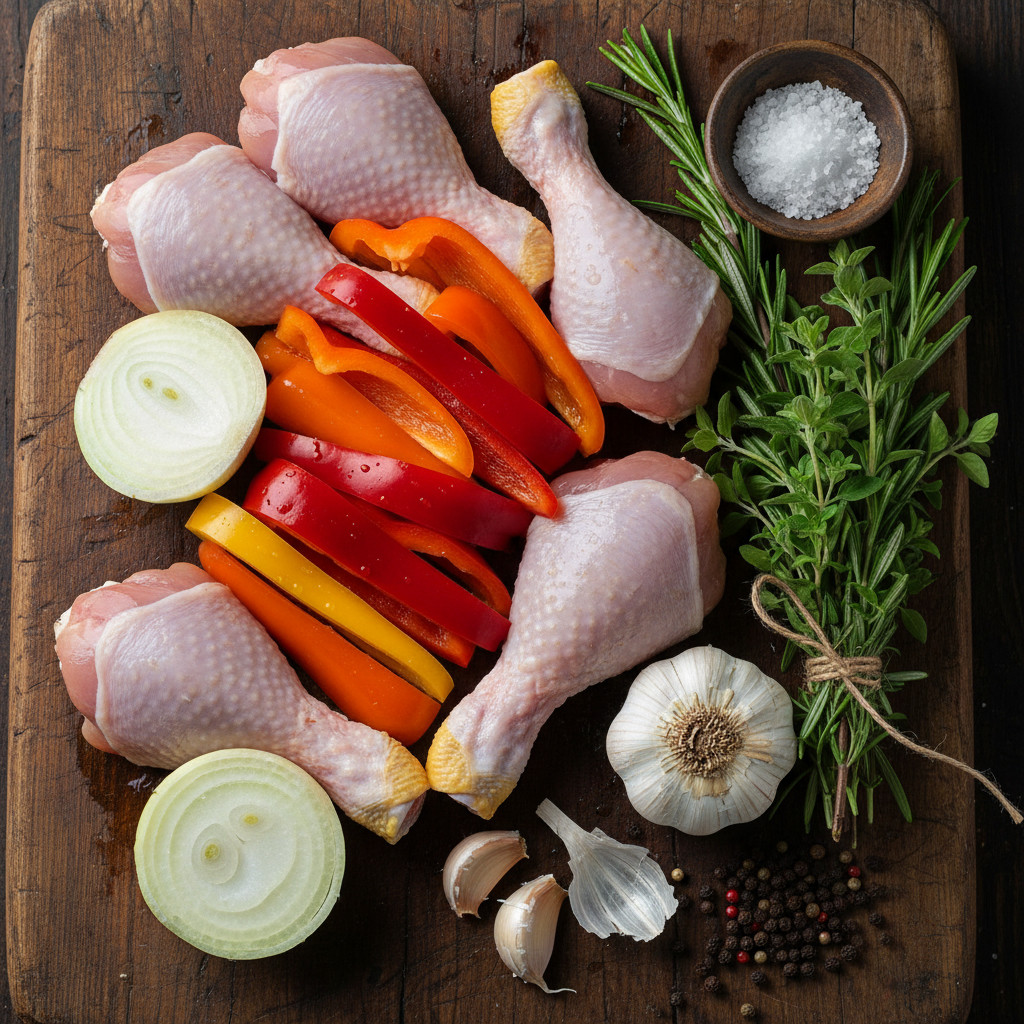
Picture this: You’ve just walked through the door after a long day, your stomach is growling, and the last thing you want to do is spend hours in the kitchen juggling multiple pots, pans, and endless cleanup. This is where the magic of one pot chicken recipes transforms your cooking experience from a dreaded chore into an effortless culinary adventure. These incredible dishes deliver maximum flavor with minimal effort, combining tender, juicy chicken with vibrant vegetables, aromatic herbs, and perfectly cooked grains or pasta—all in a single vessel. Whether you’re a busy professional, a parent managing a hectic household, or simply someone who appreciates the beauty of simplicity, mastering one pot chicken recipes will revolutionize your meal planning and free up precious time for the things that truly matter.
The beauty of one pot cooking extends far beyond convenience. These recipes are designed to build layers of flavor through strategic cooking techniques, where each ingredient contributes to a harmonious final dish. As chicken browns and releases its savory juices, vegetables caramelize and release their natural sugars, and aromatics infuse the entire pot with their fragrance, creating a symphony of taste that rivals dishes requiring far more complex preparation. This comprehensive guide will walk you through everything you need to know about creating extraordinary one pot chicken meals, from essential techniques and equipment to mouthwatering recipes spanning various cuisines and dietary preferences.

Table of Contents
- Why One Pot Chicken Recipes Are a Game-Changer
- Essential Equipment for One Pot Cooking Success
- Key Techniques for Perfect One Pot Chicken
- Classic Comfort: Traditional One Pot Chicken Recipes
- Chicken and Rice Variations
- Creamy Chicken Pasta Dishes
- Global Flavors: International One Pot Chicken Dishes
- Mediterranean-Inspired Recipes
- Asian Fusion Options
- Latin American Favorites
- Healthy and Nutritious One Pot Chicken Meals
- Time-Saving Tips for Busy Weeknights
- Common Mistakes to Avoid
- Meal Prep and Storage Guidelines
- Final Words
Why One Pot Chicken Recipes Are a Game-Changer
One pot chicken recipes represent a fundamental shift in how we approach home cooking, addressing the most common pain points that prevent people from preparing fresh, homemade meals. The consolidated cooking method eliminates the stress and chaos of traditional multi-dish preparation while delivering restaurant-quality results.
Minimal Cleanup and Maximum Convenience
The most immediately apparent benefit of one pot cooking is the dramatic reduction in cleanup time. Traditional recipes often require multiple cutting boards, several pots and pans, countless utensils, and extensive counter space, leaving you with a kitchen disaster zone by the time dinner is served. One pot chicken recipes consolidate everything into a single cooking vessel, whether that’s a Dutch oven, large skillet, or stockpot. This means fewer dishes to wash, less time spent scrubbing, and more time enjoying your meal with family or relaxing after dinner. The convenience factor cannot be overstated—you can literally have dinner on the table in under an hour with only one pot to clean afterward. This efficiency makes it far more likely that you’ll choose cooking at home over ordering takeout, ultimately saving money and improving your overall nutrition.
Enhanced Flavor Development Through Unified Cooking
Beyond convenience, one pot cooking actually improves the flavor of your dishes through a process culinary experts call flavor layering. When you cook chicken and vegetables together in the same pot, the rendered chicken fat and released proteins create a foundation of savory richness that permeates every ingredient. As vegetables cook, they release moisture and natural sugars that combine with herbs, spices, and aromatics to create a complex sauce or broth that brings everything together. This integrated cooking method ensures that no flavor is wasted—everything that would typically be lost when draining pasta or transferring ingredients between pans instead remains in your final dish, creating depth and complexity that’s difficult to achieve through other methods. The chicken absorbs flavors from the aromatic base, while the grains or pasta soak up the delicious cooking liquid, resulting in a cohesive, well-balanced meal.
Budget-Friendly and Economical Cooking
One pot chicken recipes are exceptionally economical, making them perfect for budget-conscious households. Chicken, particularly bone-in pieces or thighs, remains one of the most affordable protein options available. These recipes stretch your food budget by incorporating inexpensive ingredients like rice, pasta, beans, and seasonal vegetables while creating substantial, satisfying meals. The cooking method itself is energy-efficient, requiring only a single burner or oven space rather than multiple heating sources. Additionally, one pot recipes excel at utilizing pantry staples and preventing food waste—you can easily incorporate vegetables that need to be used up, leftover herbs, or that half-can of beans sitting in your refrigerator. The generous yield of most one pot recipes also means built-in leftovers, providing ready-made lunches or easy reheating options for busy nights throughout the week.
Versatility for Every Dietary Need and Preference
The adaptability of one pot chicken recipes makes them suitable for virtually any dietary requirement or taste preference. Whether you’re following a low-carb lifestyle, need gluten-free options, prefer Mediterranean flavors, or crave spicy Asian-inspired dishes, the one pot format accommodates endless variations. You can easily adjust ingredients to increase vegetables for lighter meals, swap pasta for cauliflower rice, use coconut milk instead of cream, or incorporate different spice profiles to keep your weekly menu exciting and diverse. This versatility means you’ll never get bored with one pot cooking—each recipe serves as a template that you can customize based on seasonal availability, family preferences, or specific nutritional goals.
Essential Equipment for One Pot Cooking Success
Investing in the right equipment significantly impacts your one pot cooking experience, ensuring even heat distribution, proper capacity, and optimal results. While you don’t need an extensive collection of specialized tools, having a few key pieces makes all the difference.
The Dutch Oven: Your Ultimate Workhorse
A quality Dutch oven stands as the most versatile and essential piece of equipment for one pot chicken recipes. These heavy-duty pots, traditionally made from cast iron with an enamel coating, provide exceptional heat retention and distribution, ensuring your chicken cooks evenly and develops beautiful browning. A 5-7 quart Dutch oven offers the ideal capacity for most family meals, accommodating a whole cut-up chicken or 2-3 pounds of chicken pieces along with vegetables and grains. The tight-fitting lid traps moisture and creates a self-basting environment that keeps chicken incredibly tender and juicy. Dutch ovens transition seamlessly from stovetop to oven, allowing you to start dishes with a sear on the burner and finish them with gentle oven braising. Leading brands like Le Creuset, Staub, and Lodge offer excellent options, though even budget-friendly versions perform admirably for one pot cooking. The investment pays dividends over time—a well-maintained Dutch oven can last decades and becomes more seasoned and non-stick with regular use.
Large Deep Skillets and Sauté Pans
For quicker-cooking one pot chicken recipes that don’t require oven time, a large deep skillet or sauté pan becomes your go-to choice. Look for pans with a minimum 12-inch diameter and at least 2-3 inches of depth to accommodate chicken pieces, liquids, and additional ingredients without overflow. Stainless steel skillets with aluminum cores provide excellent heat conductivity and develop fond—those flavorful browned bits that form the foundation of exceptional sauces. Cast iron skillets offer superior heat retention and naturally non-stick properties when properly seasoned, making them ideal for achieving crispy chicken skin. Modern non-stick options work well for lower-fat cooking and easy cleanup, though they typically can’t withstand the high heat needed for optimal browning. A heavy-bottomed pan prevents hot spots that can cause uneven cooking or burning, while helper handles on both sides make maneuvering a heavy, hot pan much safer and easier.
Stockpots and Additional Useful Tools
For soup-based one pot chicken recipes or feeding larger crowds, a 6-8 quart stockpot proves invaluable. Choose one with a thick, heavy bottom to prevent scorching and ensure even heat distribution throughout the large volume of liquid. Beyond your primary cooking vessel, a few additional tools enhance your one pot cooking experience. A reliable instant-read thermometer eliminates guesswork, ensuring chicken reaches the safe internal temperature of 165°F without overcooking. Good-quality tongs allow you to easily turn chicken pieces and retrieve them for browning without piercing the meat and losing precious juices. A wooden spoon or silicone spatula helps scrape up fond from the bottom of your pot, incorporating those flavorful bits into your dish. Finally, a proper lid that fits snugly on your chosen pot is essential for trapping steam and creating the moist cooking environment that makes one pot recipes so successful.
Key Techniques for Perfect One Pot Chicken
Mastering a few fundamental techniques elevates your one pot chicken dishes from merely convenient to truly exceptional. These methods ensure properly cooked chicken, maximum flavor development, and perfectly balanced final dishes.
Proper Browning and Searing
Browning chicken properly before adding other ingredients represents the single most important technique for developing deep, complex flavors in one pot recipes. This process, known as the Maillard reaction, creates hundreds of flavor compounds that simply can’t be replicated through boiling or steaming alone. To achieve optimal browning, always pat chicken pieces completely dry with paper towels before seasoning—moisture is the enemy of crispy, golden skin. Heat your pot over medium-high heat and add just enough oil to lightly coat the bottom, allowing it to shimmer before adding chicken. Don’t overcrowd the pot; if necessary, brown in batches to maintain proper heat levels. Allow chicken to cook undisturbed for 4-5 minutes per side until a deep golden crust forms and the meat releases easily from the pot. This initial browning step does more than just create appealing color—it also develops fond, those caramelized bits stuck to the bottom of your pot that, when deglazed, form the flavor foundation of your entire dish. Resist the temptation to skip this step or rush through it; the extra few minutes invested here pay enormous flavor dividends in your final meal.

Building Your Aromatic Base
After browning and temporarily removing chicken from the pot, the next critical step involves building your aromatic base, which forms the flavor backbone of your one pot recipe. This typically involves sautéing the “holy trinity” vegetables—onions, carrots, and celery—or similar aromatic combinations until softened and beginning to caramelize. The rendered chicken fat and oil remaining in your pot provide the perfect medium for this, carrying flavors throughout your dish. Cook aromatics over medium heat for 5-7 minutes, stirring occasionally and scraping up the fond from the bottom of the pot. This is also the ideal time to add garlic, ginger, or other potent aromatics that need just 30-60 seconds to release their fragrance without burning. Fresh or dried herbs can be added at this stage to bloom in the hot fat, intensifying their essential oils and infusing the cooking fat with their flavors. The goal is to create a fragrant, softened vegetable base that will support and complement your chicken while providing additional nutrition, texture, and taste to the finished dish.
Deglazing and Liquid Management
Deglazing represents a crucial technique that captures all the flavorful fond developed during browning and integrates it into your cooking liquid. After sautéing aromatics, add wine, broth, water, or another liquid to the hot pot and use a wooden spoon to scrape the bottom, releasing those stuck-on brown bits and dissolving them into your liquid. This process adds remarkable depth and complexity that would otherwise be washed away during cleanup. The type and amount of liquid you add depends on your specific recipe—braised dishes require enough liquid to come halfway up the chicken pieces, while pilafs and risotto-style dishes need precisely measured liquid-to-grain ratios for proper absorption. A critical but often overlooked aspect of liquid management involves understanding evaporation and reduction. If cooking uncovered or partially covered, liquids will reduce and concentrate flavors, potentially requiring adjustments near the end of cooking. Conversely, tightly covered pots trap all moisture, sometimes creating more liquid than desired, which can be remedied by removing the lid for the final 10-15 minutes of cooking to allow excess moisture to evaporate and concentrate flavors.
Temperature Control and Timing
Achieving perfectly cooked chicken while ensuring all other ingredients reach ideal doneness requires understanding temperature control and component timing. Chicken breasts cook faster than thighs, small pieces finish before large ones, and delicate vegetables like spinach need only minutes while root vegetables require extended cooking. Dark meat chicken (thighs and drumsticks) benefits from longer, slower cooking that breaks down connective tissue, making them ideal for extended braising and more forgiving of slight overcooking. White meat chicken breasts require more careful monitoring to prevent drying out—consider cutting them into uniform pieces to ensure even cooking. When combining chicken with grains or pasta, timing becomes critical. Quick-cooking ingredients like spinach, peas, or pre-cooked pasta should be added only in the final 5-10 minutes, while raw rice, dried beans, or hearty vegetables go in with or before the chicken. Many recipes benefit from a two-stage cooking process: searing chicken and then setting it aside while building the base and partially cooking grains, finally nestling chicken back in to finish cooking together. This ensures everything reaches completion simultaneously rather than having overcooked chicken alongside undercooked vegetables.
Classic Comfort: Traditional One Pot Chicken Recipes
Traditional one pot chicken recipes evoke the warmth and satisfaction of home cooking, delivering familiar flavors that comfort and nourish. These time-tested combinations have earned their place as family favorites across generations.
Chicken and Rice Variations
The pairing of chicken and rice represents one of the most universally beloved one pot combinations, appearing in cuisines worldwide with endless regional variations. The fundamental technique involves browning seasoned chicken, building an aromatic base with onions, garlic, and celery, then adding rice to toast slightly in the flavorful fat before introducing liquid. The standard ratio of 1 cup rice to 2 cups liquid ensures properly cooked, fluffy grains that absorb all the savory chicken essence. Classic American chicken and rice features simple seasonings—salt, pepper, thyme, and bay leaf—allowing the natural chicken flavor to shine through. For a Southern-style version, add a can of cream of mushroom soup along with your broth for extra richness and a nostalgic flavor profile. Spanish arroz con pollo incorporates saffron, bell peppers, tomatoes, and peas, creating a vibrant, colorful dish with complex aromatic layers. Greek-inspired versions feature lemon, oregano, and garlic, often with the addition of artichoke hearts and kalamata olives. The beauty of chicken and rice lies in its adaptability—substitute brown rice for added nutrition (increasing liquid and cooking time accordingly), use jasmine rice for a fragrant Asian twist, or try arborio rice for a creamy, risotto-like texture.
Key Success Factors:
-
Rice Selection: Long-grain white rice like basmati or jasmine provides fluffy, separate grains, while short-grain varieties create creamier results. Avoid instant rice, which turns mushy in one pot preparations.
-
Liquid Ratio Precision: Too much liquid creates soggy, porridge-like rice; too little leaves crunchy, undercooked grains. Measure carefully and resist lifting the lid during cooking, which releases essential steam.
-
Resting Period: After cooking completes, let the pot rest covered for 5-10 minutes off heat. This allows residual steam to finish cooking the rice and makes it easier to fluff.
Creamy Chicken Pasta Dishes
One pot chicken pasta recipes deliver the indulgent satisfaction of restaurant-quality dishes without multiple pots or complicated techniques. These recipes work by cooking pasta directly in seasoned liquid along with chicken and vegetables, allowing the pasta to absorb flavors while its starches thicken the sauce naturally. Start by browning chicken pieces seasoned with Italian herbs, garlic powder, and paprika, then remove and sauté mushrooms, onions, and garlic. Add chicken broth and bring to a boil before stirring in pasta—short shapes like penne, rigatoni, or farfalle work best, as they cook evenly and hold sauce beautifully. Return chicken to the pot, reduce heat to a simmer, and cook covered until pasta reaches al dente texture, typically 12-15 minutes depending on pasta type. The magic happens during this simmering stage as pasta releases starch that thickens the cooking liquid into a silky sauce. In the final minutes, stir in cream, cream cheese, or evaporated milk for luxurious richness, along with freshly grated Parmesan cheese that melts into the sauce. Add handfuls of fresh spinach or sun-dried tomatoes for color, nutrition, and additional flavor dimensions. Tuscan chicken pasta featuring sun-dried tomatoes, garlic, spinach, and cream has become particularly popular for its restaurant-worthy presentation and complex flavor profile.
Essential Tips:
-
Pasta Quantity Management: Use about 8-12 ounces of pasta for a one pot dish serving 4-6 people. More pasta than this may not have adequate liquid for proper cooking.
-
Stirring Frequency: Stir every 3-4 minutes during pasta cooking to prevent sticking and ensure even liquid absorption without the constant attention traditional pasta requires.
-
Sauce Consistency Adjustment: If sauce seems too thin after pasta cooks, simmer uncovered for 3-5 minutes. If too thick, add splashes of reserved pasta water or additional broth to reach desired consistency.
Global Flavors: International One Pot Chicken Dishes
Exploring international one pot chicken recipes opens up a world of exciting flavors and cooking techniques, allowing you to travel the globe through your kitchen. These globally-inspired dishes demonstrate the universal appeal and adaptability of one pot cooking.
Mediterranean-Inspired Recipes
Mediterranean one pot chicken dishes celebrate the region’s signature ingredients: olive oil, garlic, tomatoes, olives, capers, and fresh herbs like oregano, basil, and rosemary. These recipes typically feature bone-in chicken pieces for maximum flavor, browned in olive oil until golden before being braised with aromatic vegetables and bright, acidic components. Greek-style one pot chicken with potatoes, lemon, and oregano exemplifies this approach—chicken pieces and quartered potatoes roast together in a single pan with olive oil, lemon juice, garlic, and copious oregano, creating crispy-skinned chicken and tender potatoes infused with lemony herb essence. Italian cacciatore transforms chicken into a rich tomato-based sauce studded with bell peppers, mushrooms, and olives, traditionally served over polenta but equally delicious with the cooking liquid reduced to a thick, flavorful sauce. Moroccan-inspired tagine-style chicken cooked in a Dutch oven combines warming spices like cumin, cinnamon, and ginger with dried fruits such as apricots or dates, chickpeas, and preserved lemons for a sweet-savory profile. The Mediterranean approach emphasizes fresh, high-quality ingredients with relatively simple preparation, allowing individual components to shine while creating harmonious, balanced dishes.

Asian Fusion Options
Asian-inspired one pot chicken recipes introduce bold, complex flavors through characteristic ingredients like soy sauce, ginger, garlic, sesame oil, and rice vinegar. Teriyaki chicken and rice combines these elements in perfect harmony—chicken thighs marinated in a mixture of soy sauce, mirin, sake, sugar, and ginger are browned and then cooked with rice, broccoli, and snap peas in the same flavorful liquid. The result is tender, glossy chicken over perfectly seasoned rice with crisp-tender vegetables. Thai coconut curry chicken delivers restaurant-quality complexity in a single pot, starting with sautéing curry paste in oil until fragrant, then adding coconut milk, fish sauce, lime juice, and chicken to simmer with vegetables like bell peppers, bamboo shoots, and Thai basil. For a Filipino-inspired approach, chicken adobo simmers chicken pieces in soy sauce, vinegar, garlic, bay leaves, and peppercorns until tender and falling off the bone, with the cooking liquid reducing to a concentrated, tangy-savory sauce. These Asian fusion recipes often incorporate fresh herbs at the end—cilantro, Thai basil, or scallions—that provide bright, fresh contrast to the rich, savory base.
Latin American Favorites
Latin American one pot chicken dishes showcase the region’s love of bold spices, peppers, and hearty, satisfying combinations. Arroz con pollo takes on distinctly Latin characteristics when prepared with sofrito (a sautéed mixture of onions, peppers, garlic, cilantro, and tomatoes), saffron or bijol for golden color, and optional beer for depth. The chicken and rice cook together with green olives, pimentos, and peas, creating a festive, colorful presentation. Mexican-inspired chicken tortilla soup becomes a complete one pot meal when shredded rotisserie chicken joins a broth rich with tomatoes, black beans, corn, cumin, and chili powder, finished with crispy tortilla strips, avocado, cheese, and lime. Brazilian-style chicken and black beans features chicken thighs simmered with soaked black beans, bacon, onions, garlic, orange zest, and bay leaves until both protein and legumes are tender and infused with smoky, citrusy flavors. Colombian chicken and potato soup (ajiaco) layers chicken, three types of potatoes, corn, and guasca herb in a creamy broth, served with capers, avocado, and rice on the side for a substantial meal.
Healthy and Nutritious One Pot Chicken Meals
One pot chicken recipes naturally lend themselves to nutritious eating, easily incorporating abundant vegetables, whole grains, and lean protein while controlling added fats and sodium. These health-conscious variations prove that nutritious eating need not sacrifice flavor or satisfaction.
Vegetable-Forward Preparations
Creating healthy one pot chicken meals starts with dramatically increasing the vegetable content, transforming your dish into a nutrient-dense powerhouse. Aim for at least 2-3 cups of vegetables per person, incorporating a rainbow of colors to maximize vitamin, mineral, and antioxidant content. Dark leafy greens like spinach, kale, or Swiss chard wilt down significantly and add iron, calcium, and vitamins A and C without adding many calories. Cruciferous vegetables such as broccoli, cauliflower, and Brussels sprouts provide fiber and cancer-fighting compounds. Colorful bell peppers contribute vitamin C and antioxidants, while carrots and sweet potatoes offer beta-carotene and natural sweetness. The one pot format makes consuming these larger vegetable portions effortless—everything cooks together in flavorful chicken broth, causing even vegetable-averse eaters to enjoy them. Consider chicken and vegetable soup packed with celery, carrots, zucchini, tomatoes, and leafy greens in a herb-infused broth. Alternatively, create a Mediterranean chicken skillet with artichokes, sun-dried tomatoes, spinach, and chickpeas for a fiber-rich, satisfying meal that delivers complete nutrition.
Whole Grain and Legume Integration
Replacing refined grains with whole grain alternatives significantly boosts the nutritional profile of your one pot chicken dishes. Brown rice, farro, quinoa, bulgur, and barley all work beautifully in one pot preparations, adding fiber, B vitamins, and minerals while providing satisfying texture and nutty flavors. Keep in mind that whole grains require longer cooking times and more liquid than white rice—brown rice typically needs 40-45 minutes and a ratio of 2.5 cups liquid per cup of grain. Quinoa cooks more quickly (15-20 minutes) and provides complete protein with all essential amino acids. Incorporating legumes like lentils, chickpeas, or white beans adds plant-based protein, fiber, and minerals while creating substantial, filling meals with fewer calories than pasta or rice dishes. Red lentils break down during cooking, thickening the liquid into a creamy sauce, while firmer lentils and beans maintain their shape for textural interest. A Moroccan-spiced chicken with chickpeas and quinoa delivers complete nutrition in a single pot, featuring warm spices, tender chicken, protein-rich quinoa, and fiber-filled chickpeas with abundant vegetables.
Lean Cooking Methods and Portion Control
Healthy one pot chicken cooking begins with choosing the right chicken cuts and employing cooking methods that minimize added fats. Skinless chicken breasts and tenderloins offer the leanest options, though they require careful cooking to avoid drying out. Boneless, skinless chicken thighs provide a better balance—they contain more flavor and remain juicy during extended cooking while still being relatively lean compared to skin-on pieces. Remove visible fat before cooking and use cooking spray or minimal oil for browning rather than generous amounts of butter or oil. Replace heavy cream in creamy recipes with Greek yogurt stirred in at the end (off heat to prevent curdling), evaporated milk, or pureed white beans for thickness without excessive calories. Control sodium by using low-sodium broth and adding salt gradually, allowing the natural flavors of chicken, vegetables, and herbs to shine. Portion control becomes easier with one pot meals—serve generous portions of the vegetable and grain components with a single, appropriately-sized chicken piece (3-4 ounces of cooked chicken per person) rather than making chicken the centerpiece with minimal sides.
Time-Saving Tips for Busy Weeknights
Maximizing efficiency in your one pot chicken cooking ensures you can consistently prepare homemade meals even during the most hectic weeks. Strategic planning and smart shortcuts make all the difference.
1. Prep-Ahead Strategies
Dedicating just 30 minutes on a weekend to prep-ahead work dramatically reduces weeknight cooking time and stress. Chop all your aromatics—onions, garlic, celery, carrots, and peppers—and store them in labeled containers or bags in the refrigerator for up to five days. Pre-portioned vegetable combinations for specific recipes save time and eliminate decision fatigue on busy evenings. Season chicken pieces with dry rubs or marinades in advance, storing them in the refrigerator or freezer until needed. Frozen marinated chicken can go directly from freezer to cooking pot, adding just 5-10 minutes to cooking time while infusing maximum flavor. Measure out dry spices and store them in small containers labeled with the recipe name, creating your own custom spice blends ready to add. For recipes using canned goods like tomatoes, beans, or coconut milk, gather all required cans together with your labeled spice blend and store them in a designated area of your pantry, making weeknight cooking as simple as grabbing a bundle and following your recipe. Consider preparing double batches of aromatic bases (sautéed onions, garlic, and celery) and freezing them in ice cube trays—these flavor bombs can be added directly to your pot, eliminating the first 10 minutes of cooking time.
2. Smart Ingredient Shortcuts
Strategic use of convenience products doesn’t mean sacrificing quality or nutrition—it means being smart about where you invest your time and energy. Rotisserie chicken from the grocery store costs only slightly more than raw chicken while eliminating 30-40 minutes of cooking time. Shred it and add it to one pot dishes in the final 5-10 minutes just to heat through. Pre-washed, pre-cut vegetables from the produce or freezer section cost more per pound but eliminate significant prep time. Frozen vegetables often have better nutritional content than “fresh” vegetables that have been sitting in produce sections for days, and they require zero prep. Quality jarred or canned products like roasted red peppers, artichoke hearts, fire-roasted tomatoes, and prepared pesto add complex flavors without hours of work. Store-bought broth or quality bouillon cubes provide good flavor foundations, though choosing low-sodium versions gives you better control over final seasoning. Pre-cooked grains like microwavable rice pouches or quinoa can transform a traditional one pot recipe into a 15-minute meal—simply cook chicken and vegetables in broth, then stir in the pre-cooked grains at the end to heat through.
3. Recipe Simplification Without Sacrificing Flavor
Streamline your one pot chicken recipes by focusing on techniques and ingredients that deliver maximum flavor with minimal steps. Choose naturally flavorful, forgiving cuts like chicken thighs rather than finicky breasts that require precise timing. Embrace browning as the single most important flavor-building step, but skip it entirely for soups and stews if time is extremely tight—you’ll lose some depth but still create a delicious meal. Reduce the number of individual spices by using quality spice blends (Italian seasoning, curry powder, taco seasoning, herbs de Provence) that provide complex flavor in a single addition. Focus recipes around three primary components: protein, starch/grain, and vegetables, rather than elaborate multi-step preparations. Choose recipes with overlapping ingredients so you’re using the same vegetables, herbs, and pantry staples repeatedly throughout the week, reducing shopping time and preventing waste. Keep a rotating menu of 5-7 favorite one pot chicken recipes that you know by heart, requiring minimal recipe consultation and reducing cooking anxiety.
Common Mistakes to Avoid
Understanding frequent pitfalls in one pot chicken cooking helps you avoid frustration and consistently achieve delicious results. These mistakes are common but easily preventable with awareness and proper technique.
Overcrowding the Pot
One of the most common mistakes home cooks make is cramming too many chicken pieces into the pot, whether from desire to cook extra servings or simply not realizing the importance of space. Overcrowding prevents proper browning—the foundation of flavor development—because crowded chicken pieces steam rather than sear, creating gray, rubbery exteriors instead of golden, crispy skin. When chicken releases moisture, insufficient space prevents that moisture from evaporating, creating a wet cooking environment that inhibits the Maillard reaction responsible for those delicious browned flavors. Even after the browning stage, overcrowding affects cooking quality throughout the process. Insufficient space for heat circulation means uneven cooking, with some pieces overdone while others remain undercooked. Additionally, overcrowding can lead to excess liquid accumulation that dilutes flavors and creates watery, unsatisfying sauces. To avoid this mistake, choose a pot appropriately sized for your quantity of ingredients—pieces should fit in a single layer with space between them during browning. If your pot won’t accommodate everything comfortably, brown chicken in batches, setting finished pieces aside while you brown the rest. The extra few minutes invested in proper browning pays enormous dividends in final flavor.
Incorrect Heat Management
Improper heat control throughout the cooking process leads to numerous problems: burned garlic, raw-in-the-center chicken, scorched rice stuck to the pot bottom, or vegetables cooked to mush. Many home cooks maintain too-high heat throughout cooking, thinking it will speed up the process. In reality, one pot chicken dishes benefit from a two-stage heat approach: higher heat for browning and building the aromatic base, then reduced heat for the simmering, braising, or absorption cooking stages. During browning, medium-high heat creates beautiful color without burning—if your chicken is smoking excessively or your aromatics are turning black rather than golden, reduce heat immediately. Once liquid is added and chicken returns to the pot, reduce heat to maintain a gentle simmer rather than a rolling boil. Gentle simmering keeps chicken tender and juicy while properly cooking grains and vegetables. Excessive heat toughens chicken, causes rice to burn on the bottom while remaining undercooked on top, and breaks down vegetables into unappetizing mush. Invest in a reliable burner thermometer or learn the visual cues of proper simmering: small bubbles should break the surface periodically rather than constant violent bubbling.
Improper Seasoning and Timing
Seasoning mistakes—both under-seasoning and poor timing of seasoning—prevent one pot chicken dishes from reaching their flavorful potential. Many cooks season only the chicken at the beginning, neglecting to season the aromatic base, cooking liquid, or final dish, resulting in bland vegetables and grains surrounding flavorful chicken. Proper technique involves seasoning at multiple stages: seasoning chicken before browning, seasoning aromatics as they sauté, seasoning your cooking liquid, and tasting the final dish before serving to adjust as needed. Salt serves multiple purposes beyond flavor—it draws moisture from vegetables during sautéing, enhances browning, and seasons ingredients throughout. Don’t be afraid to use adequate salt during cooking, though always taste before adding final seasoning since liquids concentrate as they reduce. Another common timing mistake involves adding delicate ingredients too early in the cooking process. Fresh herbs lose their vibrant flavor and color when subjected to extended cooking—add hardy herbs like rosemary and thyme early for maximum infusion, but reserve delicate herbs like parsley, cilantro, and basil until the final few minutes. Similarly, tender vegetables like spinach, peas, and zucchini need only 5-10 minutes of cooking time, while root vegetables and dried grains require the full cooking duration.
Meal Prep and Storage Guidelines
Proper storage and reheating techniques ensure your one pot chicken meals remain delicious for days, maximizing the value of your cooking efforts and providing convenient grab-and-go meals throughout the week.
Safe Cooling and Storage Practices
Food safety begins with proper cooling techniques immediately after cooking. Don’t leave your one pot chicken dish at room temperature for more than two hours (one hour if ambient temperature exceeds 90°F), as bacteria multiply rapidly in the “danger zone” between 40°F and 140°F. For large quantities, divide the meal into smaller, shallow containers (no more than 2-3 inches deep) to accelerate cooling—deep containers insulate the food, keeping the center in the danger zone for extended periods. Avoid placing piping-hot containers directly into the refrigerator, which raises the internal temperature and potentially affects other foods’ safety. Instead, let dishes cool at room temperature for 20-30 minutes, then refrigerate. Store chicken dishes in airtight containers to prevent odor transfer and moisture loss. Glass containers with secure lids work particularly well, as they don’t absorb odors or stains and can go directly from refrigerator to microwave. Label containers with contents and preparation date—properly stored one pot chicken meals remain safe and delicious for 3-4 days in the refrigerator. For longer storage, freeze portions in freezer-safe containers or heavy-duty freezer bags, removing as much air as possible to prevent freezer burn. Frozen one pot chicken dishes maintain quality for 2-3 months.
Reheating for Optimal Quality
Reheating techniques significantly impact the final texture and flavor of your stored one pot chicken meals. The goal is to heat food thoroughly to 165°F throughout while preventing drying, mushiness, or separation. For stovetop reheating, place the desired portion in a pan over medium-low heat, adding 2-3 tablespoons of water or broth to prevent sticking and restore moisture. Cover and heat gently, stirring occasionally, until steaming throughout. This method provides the best texture and quality, particularly for rice and grain-based dishes. Microwave reheating offers convenience—place portions in microwave-safe containers with lids (or cover with a damp paper towel to trap steam), and heat on 50-70% power rather than full power. Lower power levels heat more evenly and prevent the edges from drying out while the center remains cold. Stop and stir every minute or two for even heating. For pasta-based one pot dishes, add a splash of milk or cream during reheating to restore creamy texture, as sauces often thicken considerably during storage. Frozen portions should be thawed overnight in the refrigerator before reheating for best results, though you can reheat directly from frozen by increasing cooking time and adding extra liquid.
Freshness-Enhancing Finishing Touches
Restore just-cooked freshness to reheated one pot chicken meals with strategic finishing touches that revive flavors and textures. Add a squeeze of fresh lemon juice or a splash of vinegar to brighten flavors dulled by storage—acid awakens taste buds and balances richness. Fresh herbs stirred in just before serving add vibrant color and fresh aromatics that compensate for any flavor loss during storage. A drizzle of high-quality olive oil or a pat of butter stirred into reheated dishes restores richness and creates a silky mouthfeel. For dishes that have become too thick, thin with small amounts of broth, water, or milk until reaching desired consistency. Conversely, if your reheated meal seems watery, simmer uncovered for a few minutes to evaporate excess moisture and concentrate flavors. Top reheated servings with fresh elements that weren’t stored with the dish: toasted nuts, fresh cheese (grated Parmesan, crumbled feta, dollops of goat cheese), crispy breadcrumbs, or fresh avocado slices add textural contrast and visual appeal that make leftovers feel like a fresh meal.
Final Words
One pot chicken recipes represent far more than convenient cooking shortcuts—they embody a thoughtful approach to home cooking that values your time, budget, and well-being without compromising on flavor, nutrition, or satisfaction. These versatile dishes prove that simplicity and excellence are not mutually exclusive; in fact, the streamlined one pot method often produces superior results precisely because flavors meld and develop together rather than being assembled from separate components. Whether you’re drawn to the comforting familiarity of classic chicken and rice, the exotic allure of international flavors, or the health-conscious appeal of vegetable-forward preparations, one pot cooking accommodates your preferences while making the cooking process manageable and enjoyable rather than overwhelming.
The journey to mastering one pot chicken recipes begins with understanding fundamental techniques—proper browning, building aromatic bases, managing liquids, and coordinating timing—that apply across countless variations. As you develop confidence with these methods, you’ll find yourself naturally adapting recipes, improvising with available ingredients, and creating signature dishes that reflect your personal taste. The modest investment in quality equipment like a Dutch oven or large skillet pays dividends for years, becoming trusted kitchen companions that make weeknight cooking feel effortless.
Beyond the practical benefits, one pot cooking creates opportunities for what matters most: gathering around the table with loved ones, savoring homemade meals prepared with care, and reclaiming time previously lost to excessive meal prep and cleanup. Each one pot chicken recipe you master becomes a reliable resource in your cooking repertoire, ready to deliver comfort and nourishment whenever needed. Start with a single recipe that appeals to you, perhaps a classic that resonates with childhood memories or an adventurous international flavor profile that excites your palate. Master that dish until you can prepare it confidently without constant recipe consultation, then expand your collection gradually.
The beauty of one pot chicken cooking lies not in perfection but in consistency—showing up in your kitchen regularly, nourishing yourself and your loved ones with wholesome meals, and finding joy in the simple act of cooking. These recipes don’t demand culinary school training or expensive ingredients; they simply require your willingness to embrace a cooking method that prioritizes what truly matters. As you incorporate more one pot chicken meals into your weekly routine, you’ll discover that good food and a well-lived life are deeply interconnected. The time saved on cleanup becomes time spent lingering at the dinner table, sharing stories and laughter. The money saved on takeout becomes resources available for other meaningful experiences. The confidence gained from cooking competently becomes a foundation for broader life skills and self-sufficiency.
Embrace the one pot chicken cooking journey with patience and curiosity, knowing that each meal prepared brings you closer to effortless home cooking mastery. Your future self—standing in a clean kitchen, enjoying a delicious homemade meal, with no mountain of dishes awaiting attention—will thank you for taking this first step. The ultimate one pot chicken recipes aren’t found in a single cookbook or website; they’re the ones you make your own, adapted to your family’s preferences, prepared repeatedly with growing confidence, and shared with the people who make your house a home.