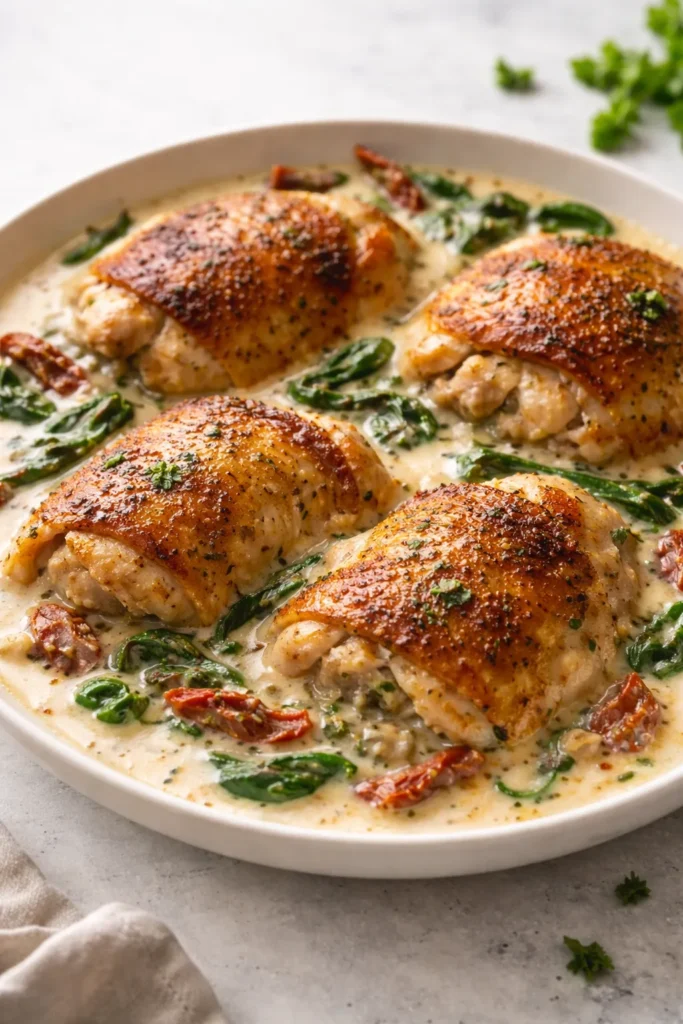
Picture this: a skillet filled with golden-seared chicken breasts swimming in a luscious, creamy sauce studded with sun-dried tomatoes, fragrant garlic, and fresh herbs. The aroma alone is enough to make anyone weak in the knees, and the first bite? Well, legend has it that this dish is so incredibly delicious, it inspired at least one marriage proposal—hence its charming name. Whether you’re cooking for a romantic dinner, impressing future in-laws, or simply treating yourself to restaurant-quality comfort food at home, Marry Me Chicken has earned its reputation as one of the most beloved chicken recipes on the internet. This isn’t just another chicken dish; it’s a culinary experience that combines simplicity with sophistication, delivering flavors so profound that they create unforgettable moments around the dinner table.

The beauty of this recipe lies in its perfect balance—tender, juicy chicken paired with a silky sauce that’s rich without being heavy, tangy without being overpowering, and aromatic without being complicated. Best of all, despite its impressive appearance and restaurant-worthy taste, Marry Me Chicken comes together in a single skillet in less than an hour, making it accessible even for home cooks with limited time or experience. In this comprehensive guide, we’ll explore everything you need to know to master this iconic dish, from selecting the right ingredients to executing flawless technique, plus insider tips that will elevate your results from good to absolutely extraordinary.
Table of Contents
- What Makes Marry Me Chicken So Irresistible
- The Story Behind the Marry Me Chicken Name
- Essential Ingredients for the Perfect Marry Me Chicken
- The Chicken
- The Creamy Sauce Components
- Herbs and Seasonings
- Step-by-Step Guide to Making Marry Me Chicken
- Preparing the Chicken
- Creating the Signature Sauce
- Bringing It All Together
- Pro Tips for Restaurant-Quality Results
- Variations and Customization Options
- What to Serve with Marry Me Chicken
- Storage and Reheating Instructions
- Common Mistakes to Avoid
- Final Words
What Makes Marry Me Chicken So Irresistible
The magic of Marry Me Chicken lies in its masterful combination of contrasting yet complementary flavors and textures that work together in perfect harmony. At its core, this dish represents everything we crave in comfort food: protein-rich chicken that’s cooked until perfectly tender, enveloped in a sauce that manages to be simultaneously creamy, tangy, savory, and slightly sweet. The sun-dried tomatoes provide concentrated bursts of umami and subtle sweetness, while the garlic adds aromatic depth that permeates every element of the dish. Fresh herbs like basil or thyme contribute brightness that cuts through the richness, preventing the sauce from feeling too heavy or one-dimensional.
What truly sets this recipe apart from countless other creamy chicken dishes is its accessibility paired with its gourmet presentation. Unlike elaborate French techniques that require specialized skills or hard-to-find ingredients, Marry Me Chicken uses pantry staples and straightforward cooking methods that any home cook can master. Yet the final result looks and tastes like something you’d order at an upscale Italian restaurant, complete with a glossy, emulsified sauce that coats the chicken beautifully and begs to be soaked up with crusty bread or served over pasta.
The dish also offers incredible versatility without losing its essential character. You can adjust the thickness of the sauce, switch up the herbs based on what’s available, add a pinch of red pepper flakes for heat, or incorporate baby spinach for added nutrition and color. This adaptability means you can make Marry Me Chicken dozens of times, tweaking it slightly each time to suit your mood or what’s in your refrigerator, yet it remains consistently delicious. The forgiving nature of the recipe—combined with its impressive results—makes it a go-to option for both weeknight dinners and special occasions, proving that you don’t need hours in the kitchen to create something truly memorable.
The Story Behind the Marry Me Chicken Name
While the exact origins of Marry Me Chicken remain somewhat shrouded in culinary folklore, the most widely circulated story attributes the name to a woman who prepared this dish for her boyfriend, who was so overwhelmed by its deliciousness that he proposed marriage on the spot. Whether this tale is entirely factual or slightly embellished for romantic appeal doesn’t really matter—what matters is that the name has captured the imagination of home cooks everywhere and speaks to the dish’s undeniable appeal. The story resonates because we’ve all experienced those rare culinary moments when a dish is so exceptional that it transcends mere sustenance and becomes an emotional experience.
The recipe gained massive popularity through food blogs and social media platforms, particularly Pinterest and Instagram, where its photogenic appearance and irresistible name made it incredibly shareable. Food bloggers and home cooks began posting their versions, each adding their own slight modifications while maintaining the core elements that make the dish special. This viral spread through digital channels represents a modern twist on how recipes traditionally passed through generations—instead of handwritten recipe cards shared between neighbors or family members, Marry Me Chicken became a global phenomenon through screens and shares.
What’s particularly interesting about this dish’s journey to fame is how it reflects our current food culture’s preferences. We’re drawn to recipes that promise big flavors without requiring professional training, that look impressive enough to photograph and share, and that come with a compelling story or emotional hook. Marry Me Chicken checks all these boxes, which explains why it has maintained its popularity even as food trends come and go. The name itself has become shorthand for “exceptionally delicious” in cooking communities, with people adapting the concept to other dishes—”Marry Me Salmon,” “Marry Me Pork Chops,” and so on—though the original chicken version remains the gold standard.
Essential Ingredients for the Perfect Marry Me Chicken
The success of your Marry Me Chicken depends heavily on selecting quality ingredients, though fortunately, nothing required is particularly exotic or expensive. Each component plays a specific role in creating the dish’s signature flavor profile, so understanding what to look for will help you make smart choices at the grocery store and achieve the best possible results.
The Chicken
For this recipe, boneless, skinless chicken breasts are the traditional choice, and for good reason—their mild flavor serves as the perfect canvas for the robust sauce, and their shape allows for even cooking and elegant presentation. When selecting chicken breasts, look for pieces that are relatively uniform in thickness, ideally around six to eight ounces each. If your chicken breasts are particularly thick (over one inch), consider butterflying them or pounding them to an even thickness using a meat mallet. This step ensures that the chicken cooks evenly throughout, preventing the dreaded scenario where the outside is overcooked and dry while the center remains underdone.
Quality matters significantly with chicken. If your budget allows, opt for organic or free-range chicken breasts, which typically offer better flavor and texture than conventional options. Fresh chicken is preferable to frozen, though if you’re working with frozen chicken, ensure it’s completely thawed and patted thoroughly dry before cooking—excess moisture will prevent proper browning and can make your sauce watery. Room temperature chicken cooks more evenly than cold chicken straight from the refrigerator, so plan to take your chicken out about twenty to thirty minutes before you begin cooking.
Some cooks successfully substitute chicken thighs for breasts in this recipe, which offers certain advantages. Thighs are generally more forgiving if slightly overcooked, remaining juicy due to their higher fat content, and they provide slightly richer flavor. However, thighs require a bit longer cooking time and don’t present quite as elegantly as breasts. If you choose thighs, opt for boneless, skinless versions for easier eating and better sauce integration. Regardless of which cut you choose, the key is ensuring your chicken is patted completely dry before seasoning and cooking—this single step dramatically improves the quality of your sear.
The Creamy Sauce Components
The sauce is where Marry Me Chicken truly shines, and getting the balance right among its components is crucial. Heavy cream forms the luxurious base, providing richness and body that makes the sauce cling beautifully to the chicken. Don’t substitute with half-and-half or milk—the lower fat content won’t create the same luscious texture, and the sauce may break or appear thin and watery. You’ll typically need about one cup of heavy cream for four chicken breasts, though you can adjust slightly based on how thick you prefer your sauce.
Sun-dried tomatoes are absolutely essential to this recipe, contributing concentrated tomato flavor with hints of sweetness and tang that cut through the cream’s richness. You can use either oil-packed or dry-packed sun-dried tomatoes, though oil-packed varieties are more convenient since they’re already soft and ready to use. If using oil-packed, drain them well and consider using a small amount of the flavorful oil for cooking your chicken. Dry-packed sun-dried tomatoes need to be rehydrated first—simply soak them in hot water for about ten to fifteen minutes until softened, then drain and chop. Roughly chop your sun-dried tomatoes into bite-sized pieces so their flavor distributes throughout the sauce.
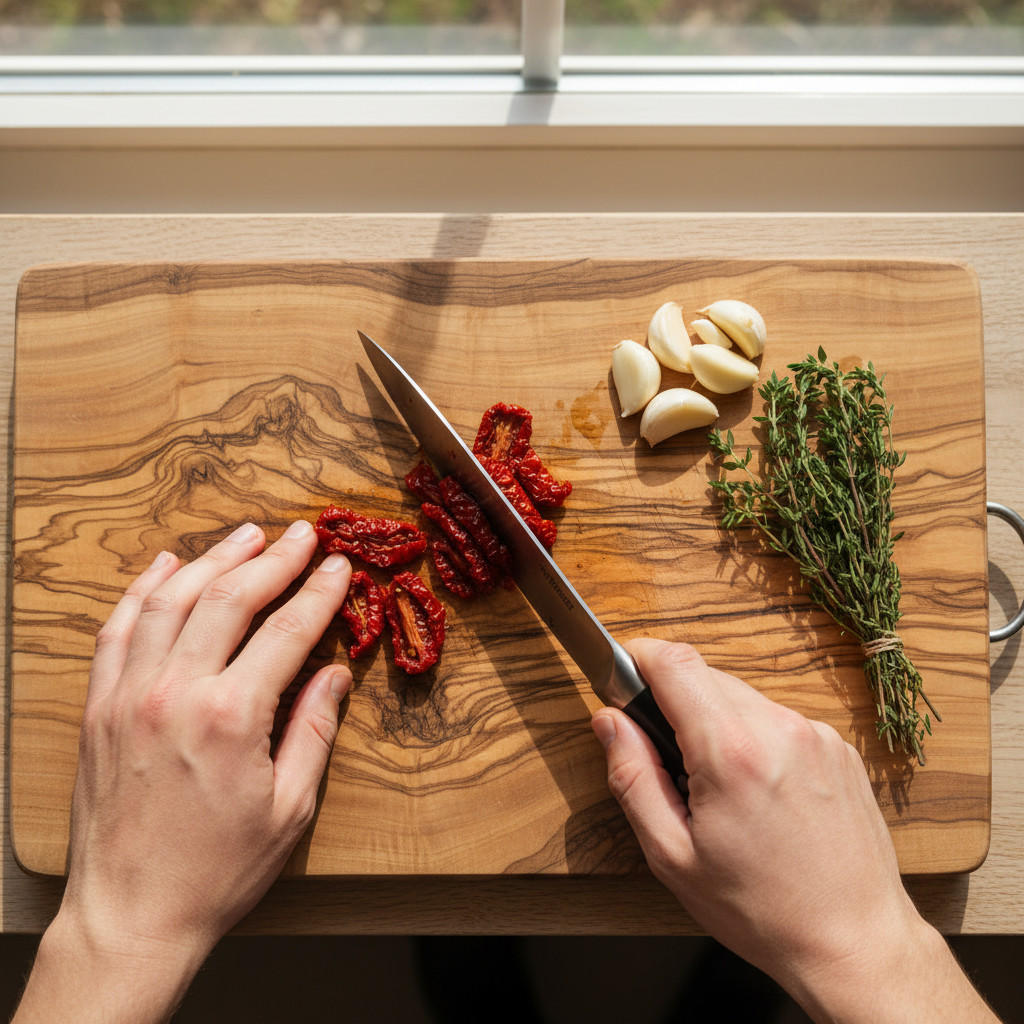
Chicken broth or stock adds savory depth and helps thin the sauce to the perfect consistency while contributing umami notes that enhance the overall flavor profile. Use a good-quality, low-sodium chicken broth so you can control the salt level in your finished dish. Some recipes incorporate white wine instead of or in addition to chicken broth, which adds acidity and complexity—dry white wines like Sauvignon Blanc or Pinot Grigio work beautifully. If you prefer to avoid alcohol, simply use all chicken broth or add a splash of white wine vinegar for similar acidity. Parmesan cheese, preferably freshly grated from a block rather than pre-grated, adds nutty, salty depth and helps thicken the sauce slightly as it melts.
Herbs and Seasonings
Fresh garlic is non-negotiable in Marry Me Chicken, providing aromatic foundation that permeates the entire dish. You’ll need at least three to four cloves, minced finely or pressed through a garlic press. Fresh garlic offers significantly better flavor than jarred minced garlic or garlic powder for this application, as it releases aromatic oils when sautéed that create the dish’s signature fragrance. Be careful not to burn your garlic during cooking, as burnt garlic turns bitter and can ruin the entire sauce—add it after your chicken is seared and cook just until fragrant, about thirty to sixty seconds.
Italian seasoning serves as a convenient herb blend that typically includes basil, oregano, thyme, and rosemary in varying proportions. This dried herb mixture adds complexity without requiring multiple separate bottles. However, if you have individual dried herbs, feel free to create your own blend. Fresh herbs elevate the dish even further—fresh basil added at the end provides brightness and aroma that dried herbs simply can’t match. If using fresh basil, stir in thinly sliced leaves just before serving to preserve their vibrant color and delicate flavor. Some variations include fresh thyme sprigs cooked in the sauce for woody, earthy notes.
Red pepper flakes are optional but highly recommended, adding subtle heat that enhances rather than overwhelms the other flavors. Just a quarter teaspoon creates gentle warmth; increase to half a teaspoon if you prefer more kick. Salt and freshly ground black pepper are essential for proper seasoning at multiple stages—you’ll season the chicken before searing, adjust the sauce during cooking, and likely add a final pinch before serving. Using kosher salt gives you better control than table salt, as its larger crystals are easier to pinch and distribute evenly. Freshly ground black pepper offers more complex flavor than pre-ground, though pre-ground will certainly work in a pinch.
Step-by-Step Guide to Making Marry Me Chicken
Now that we understand the ingredients, let’s walk through the cooking process in detail. Following these steps carefully will ensure your Marry Me Chicken turns out perfectly every time, with tender chicken and a silky, flavorful sauce that brings everything together beautifully.
Preparing the Chicken
1. Pat the chicken completely dry and season generously. Remove your chicken breasts from the refrigerator about twenty to thirty minutes before cooking to bring them closer to room temperature, which promotes even cooking. Use paper towels to pat each breast thoroughly dry on all sides—this step is crucial for achieving a golden-brown sear. Moisture on the chicken’s surface creates steam when it hits the hot pan, preventing proper browning and potentially making your chicken rubbery. Once dry, season both sides of each breast generously with salt and freshly ground black pepper. Don’t be shy with seasoning; chicken breasts are relatively large pieces of meat that need assertive seasoning to taste properly flavored. At this stage, some cooks also add a light dusting of flour to the chicken, which helps create an even better crust and slightly thickens the sauce later, though this is entirely optional.
2. Heat your skillet properly before adding the chicken. Select a large skillet—preferably 12 inches in diameter—that can comfortably hold all your chicken breasts without crowding. Cast iron, stainless steel, or enamel-coated cast iron work beautifully; avoid nonstick pans for this recipe as they don’t develop as good a fond (the flavorful browned bits that stick to the pan bottom). Place your skillet over medium-high heat and add about two tablespoons of olive oil or a combination of olive oil and butter. Allow the oil to heat until it shimmers and flows easily across the pan, indicating it’s reached the right temperature. To test, you can flick a tiny drop of water into the pan—it should sizzle and evaporate immediately. Proper pan temperature is essential; too cool and your chicken will stick and steam rather than sear, too hot and the outside will burn before the inside cooks through.
3. Sear the chicken until golden brown on both sides. Carefully place your seasoned chicken breasts in the hot skillet, laying them down away from you to prevent oil splatter toward your body. Resist the urge to move or flip the chicken prematurely—let it cook undisturbed for about five to six minutes on the first side. You’ll know it’s ready to flip when the chicken releases easily from the pan and has developed a beautiful golden-brown crust. If it’s sticking, give it another minute. Flip each breast carefully using tongs and cook the second side for another five to six minutes. At this stage, you’re not cooking the chicken all the way through—it will finish cooking in the sauce. You’re simply developing flavor through browning and creating an appealing appearance. Once both sides are seared, transfer the chicken to a clean plate and set aside. Don’t worry if the chicken seems slightly undercooked; it will continue cooking later and reach the safe internal temperature of 165°F once returned to the sauce.

Creating the Signature Sauce
1. Sauté the garlic and sun-dried tomatoes to build the flavor base. Reduce your heat to medium and examine your pan—you should see browned bits (fond) stuck to the bottom, which are packed with flavor. If your pan seems too dry, add another tablespoon of olive oil or a pat of butter. Add your minced garlic and chopped sun-dried tomatoes to the pan, stirring constantly with a wooden spoon or silicone spatula. The garlic should become fragrant within thirty to sixty seconds, filling your kitchen with an irresistible aroma. Be vigilant during this step—garlic burns quickly and turns bitter, which will negatively impact your entire sauce. As you stir, use your spatula to scrape up those browned bits from the pan bottom, incorporating them into the mixture. If you’re using red pepper flakes and dried Italian seasoning, add them now, stirring to toast them briefly in the oil, which releases their essential oils and intensifies their flavors.
2. Deglaze the pan and build the sauce foundation. If using white wine, now is the time to add it—pour in about half a cup and let it bubble vigorously, scraping the pan bottom with your spatula to release any remaining fond. The wine will reduce by about half over two to three minutes, concentrating its flavor and cooking off the harsh alcohol taste while leaving behind pleasant acidity and complexity. If you’re skipping the wine, proceed directly to adding your chicken broth. Pour in approximately half a cup to three-quarters of a cup of chicken broth, stirring to combine with the garlic and tomato mixture. This creates a flavorful base that will support the cream you’ll add next. Allow this mixture to simmer for about two minutes, letting the flavors meld together while the liquid reduces slightly, which intensifies the taste and helps the sauce reach the proper consistency once the cream is incorporated.
3. Add the cream and cheese to create the luxurious sauce. Reduce your heat to medium-low and pour in one cup of heavy cream, stirring constantly to combine it with the broth mixture. The sauce will begin to thicken as it heats and simmers. Add freshly grated Parmesan cheese—about half a cup—stirring continuously until it melts completely into the sauce. The cheese adds nutty, salty depth while also helping to thicken and emulsify the sauce, giving it body and sheen. Taste your sauce at this point and adjust the seasoning with salt and pepper as needed. Remember that the sauce will taste slightly more intense now than it will once the chicken is added and everything has simmered together, so season appropriately. The sauce should coat the back of a spoon and have a pourable but not watery consistency. If it seems too thick, add a splash more chicken broth; if too thin, let it simmer for a few more minutes to reduce and concentrate.
Bringing It All Together
1. Nestle the seared chicken into the sauce. Return your seared chicken breasts to the skillet, arranging them in a single layer so each piece is partially submerged in the creamy sauce. Spoon some of the sauce over the top of each breast to keep the exposed surfaces moist during cooking. Any juices that accumulated on the plate where the chicken was resting should be added to the pan as well—these juices contain concentrated chicken flavor that will enhance your sauce. The chicken breasts will likely still be slightly pink in the center at this point, which is perfectly fine; they’ll finish cooking gently in the simmering sauce, absorbing flavors while contributing their own to the overall dish.
2. Simmer until the chicken is perfectly cooked through. Reduce your heat to a gentle simmer—you should see small bubbles occasionally breaking the surface of the sauce, but not a vigorous boil, which could cause the cream to break or the sauce to reduce too quickly. Let the chicken cook in the sauce for about ten to fifteen minutes, depending on the thickness of your breasts. To check for doneness, use an instant-read thermometer inserted into the thickest part of the largest breast—it should register 165°F. Alternatively, you can cut into one breast to check that it’s white throughout with no pink remaining and the juices run clear. During this simmering time, occasionally spoon sauce over the chicken to keep it moist and encourage even cooking. The sauce will reduce and thicken slightly during this time, concentrating its flavors and developing a luscious, glossy appearance.
3. Finish with fresh herbs and a final seasoning adjustment. Once your chicken has reached the safe internal temperature, remove the skillet from heat. This is the perfect moment to add fresh herbs if you’re using them—tear or thinly slice fresh basil leaves and scatter them over the dish, or add a handful of baby spinach that will wilt in the residual heat, adding color, nutrition, and a pleasant earthy note. Taste the sauce one final time and adjust the seasoning with additional salt, pepper, or a squeeze of fresh lemon juice if needed. Lemon juice can brighten the sauce beautifully, cutting through the richness with a touch of acidity. Let the dish rest for about two to three minutes before serving, which allows the chicken to reabsorb some juices and ensures every bite is as tender and moist as possible.
Pro Tips for Restaurant-Quality Results
Elevating your Marry Me Chicken from good to absolutely exceptional comes down to attention to detail and incorporating a few professional techniques that make a significant difference in the final result.
Don’t overcrowd your pan. If you’re making a larger batch, work in batches rather than cramming all the chicken into the skillet at once. Overcrowding lowers the pan’s temperature, causing the chicken to steam rather than sear, which means you’ll miss out on the flavorful browning that adds depth to the dish. If cooking in batches, sear all your chicken first, set it aside on a plate, then proceed with making the sauce and return all the chicken to finish cooking together.
Use freshly grated Parmesan cheese for the smoothest sauce. Pre-grated Parmesan from a shaker or package contains anti-caking agents that prevent smooth melting and can make your sauce grainy or gritty. Buying a wedge of authentic Parmigiano-Reggiano and grating it yourself takes just an extra minute but makes a noticeable difference in both flavor and texture. A microplane grater creates fine, fluffy shreds that melt almost instantly into the sauce.
Let your chicken rest before slicing. If you plan to slice your chicken breasts for serving rather than presenting them whole, let them rest on a cutting board for about five minutes after cooking before slicing. This allows the juices to redistribute throughout the meat rather than running out onto the cutting board, ensuring every slice is moist and flavorful. Use a sharp knife and cut across the grain into thick slices, then arrange them artfully over pasta or vegetables with the sauce spooned generously over the top.
Consider finishing under the broiler for extra appeal. For an optional but stunning presentation, once your chicken is cooked through in the sauce, sprinkle a bit more Parmesan cheese over the top and place the entire skillet under a preheated broiler for one to two minutes. This creates a golden, slightly crispy cheese crust on top of the chicken while keeping the meat below tender and moist. Watch carefully during broiling to prevent burning, and ensure your skillet is broiler-safe before attempting this technique.
Make it ahead for even better flavor. Like many braised or saucy dishes, Marry Me Chicken actually tastes even better the next day as the flavors have time to meld and develop. You can prepare the entire dish, let it cool, then refrigerate it in an airtight container for up to three days. When ready to serve, reheat gently on the stovetop over medium-low heat, adding a splash of chicken broth or cream if the sauce has thickened too much during storage. This make-ahead quality makes it perfect for dinner parties where you want to minimize last-minute cooking stress.
Variations and Customization Options
While the classic Marry Me Chicken recipe is delicious exactly as written, part of its enduring appeal is how easily it adapts to different preferences, dietary needs, and what you happen to have in your pantry.
Add vegetables for a complete one-pan meal. Baby spinach is the most popular addition—simply stir in two to three cups during the last few minutes of cooking and let it wilt into the sauce, adding color, nutrition, and a pleasant earthy flavor. Quartered artichoke hearts (from a can or jar, well-drained) contribute a mild, slightly tangy flavor that complements the sun-dried tomatoes beautifully. Sautéed mushrooms add earthiness and meaty texture; cook them separately until golden, then add them to the sauce along with the chicken. Cherry tomatoes, halved and added during the last five minutes, provide fresh tomato flavor and bright pops of color that contrast beautifully with the creamy sauce.
Try different proteins using the same technique. The cooking method and sauce work wonderfully with other proteins beyond chicken breasts. Boneless pork chops prepared identically create “Marry Me Pork” with equally impressive results—just ensure the pork reaches an internal temperature of 145°F. Salmon fillets work beautifully but require adjusted cooking times; sear them skin-side down first, flip briefly, then add to a reduced-heat sauce for just five to six minutes since salmon cooks much faster than chicken. Even firm white fish like cod or halibut can be adapted to this recipe, though they’re more delicate and require gentle handling. Vegetarians can skip the meat entirely and make “Marry Me Mushrooms” using thick portobello mushroom steaks or a combination of hearty mushroom varieties.
Adjust the sauce to suit your preferences. For a lighter version, replace half the heavy cream with half-and-half or whole milk, though be aware that the sauce won’t be quite as rich and luxurious. A tablespoon or two of cream cheese stirred into the sauce adds extra tanginess and helps maintain a creamy texture even with less heavy cream. For more complex flavor, add a teaspoon of Dijon mustard to the sauce, which contributes subtle sharpness and helps emulsify the cream. A splash of balsamic vinegar at the end adds sweet-tart complexity that enhances the sun-dried tomatoes. Some cooks swear by adding a tablespoon of tomato paste along with the sun-dried tomatoes for deeper, more concentrated tomato flavor throughout the sauce.
Adapt for different cuisines and flavor profiles. While Marry Me Chicken is Italian-American in spirit, the basic technique can be adapted to other cuisines. Swap the Italian seasoning for herbes de Provence and add a tablespoon of Dijon mustard for a French-inspired variation. Use smoked paprika, cumin, and add roasted red peppers instead of sun-dried tomatoes for a Spanish twist. Replace the Parmesan with sharp white cheddar and add a teaspoon of Cajun seasoning for a Southern-style version with a bit of spice. The possibilities are nearly endless once you understand the fundamental technique of searing protein, building a flavorful sauce, and simmering everything together to meld the flavors.
What to Serve with Marry Me Chicken
The rich, creamy sauce of Marry Me Chicken practically begs to be soaked up by the right accompaniments, and choosing complementary side dishes transforms the meal from impressive to absolutely unforgettable.
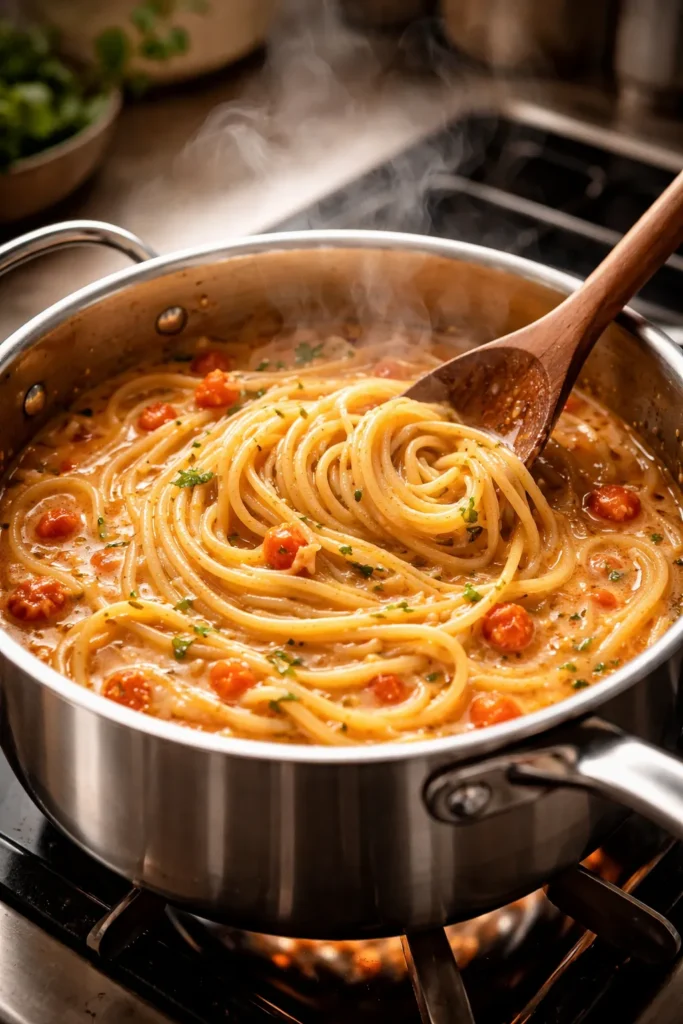
Pasta is the classic pairing. The sauce clings beautifully to pasta, making every bite a perfect combination of starch and sauce. Fettuccine, linguine, or pappardelle work wonderfully—their wide, flat shapes capture and hold the creamy sauce exceptionally well. Angel hair or spaghetti offer lighter options that allow the chicken to remain the star. Cook your pasta to al dente according to package directions, drain well (reserving a cup of pasta water), then toss the pasta directly in the skillet with some of the sauce before plating. If the sauce seems too thick, add a splash of reserved pasta water to help it coat the pasta evenly. For a complete one-pan meal, you can even cook small pasta shapes like orzo or small shells directly in the sauce with the chicken, adding extra broth as needed—this creates an incredibly flavorful, creamy result similar to a risotto.
Rice and grain options offer satisfying variety. Creamy white rice provides a neutral base that absorbs the sauce beautifully without competing with the dish’s flavors. Wild rice or a wild rice blend adds nutty complexity and visual interest with its darker color and varied textures. Risotto makes for an elegant pairing, particularly a simple Parmesan risotto that echoes the cheese in the sauce. For healthier whole grain options, try farro, which offers a pleasant chewy texture and nutty flavor that stands up well to the rich sauce, or quinoa, which contributes protein and a lighter feel. Cauliflower rice works beautifully for low-carb diets, providing a vehicle for the sauce while adding extra vegetables to the meal.
Bread is essential for sauce management. Never underestimate the power of good bread with a saucy dish like this. Crusty artisan bread, sliced thick and lightly toasted or grilled, is perfect for mopping up every last bit of that precious sauce. Garlic bread makes logical sense given the garlic in the dish, and its buttery richness complements the creamy sauce. A soft baguette offers elegance and works beautifully for soaking up sauce without overwhelming the palate. For a low-carb option, look for keto-friendly bread alternatives, or serve the chicken over sautéed zucchini noodles (zoodles) or roasted spaghetti squash, which provide texture and bulk while allowing the sauce to shine.
Vegetable sides add color, nutrition, and textural contrast. Since Marry Me Chicken is rich and indulgent, lighter vegetable sides provide welcome contrast. A simple arugula salad dressed with lemon vinaigrette offers peppery brightness and acidity that cuts through the cream. Roasted asparagus or green beans contribute color and a slight crunch that contrasts beautifully with the tender chicken. Roasted Brussels sprouts with a touch of balsamic glaze add earthiness and caramelized flavor. Sautéed or roasted broccoli works well, particularly if you toss it with a bit of lemon zest and Parmesan to echo the dish’s flavors. Garlic-roasted cherry tomatoes reinforce the tomato element while adding fresh, bright notes that complement the concentrated flavor of the sun-dried tomatoes in the sauce.
Storage and Reheating Instructions
Marry Me Chicken stores and reheats remarkably well, making it perfect for meal prep or enjoying leftovers for several days after initially cooking.
Proper storage ensures food safety and quality. Allow the chicken and sauce to cool to room temperature before storing, but don’t leave it out for more than two hours to prevent bacterial growth. Transfer the chicken and sauce to an airtight container—glass containers work particularly well as they don’t absorb odors or stains from the sauce. The chicken and sauce will keep in the refrigerator for up to three to four days. For longer storage, Marry Me Chicken freezes beautifully for up to three months. Portion it into individual servings before freezing for easier reheating. Use freezer-safe containers or heavy-duty freezer bags, removing as much air as possible to prevent freezer burn. Label containers with the date so you can track how long they’ve been stored.
Reheating requires gentle heat to maintain quality. The stovetop method produces the best results for reheating Marry Me Chicken. Place the chicken and sauce in a skillet over medium-low heat, add a splash of chicken broth or cream to loosen the sauce (it will have thickened considerably during refrigeration), and cover the pan. Heat gently for about eight to ten minutes, until the chicken is warmed through completely and the sauce is bubbling. Stir occasionally and turn the chicken pieces to ensure even heating. For microwave reheating, place a single portion in a microwave-safe dish, add a tablespoon of broth or cream, cover loosely with a damp paper towel to prevent drying, and heat in thirty-second intervals, stirring between each interval, until hot throughout. The microwave is convenient but can sometimes make the chicken slightly rubbery if overheated, so proceed with care.
Thawing and reheating from frozen requires planning. For the best texture and even heating, thaw frozen Marry Me Chicken in the refrigerator overnight before reheating. If you’re short on time, you can use the defrost setting on your microwave, checking and rotating the container every few minutes to ensure even thawing. Once thawed, reheat using either the stovetop or microwave method described above. In a pinch, you can reheat from frozen on the stovetop using low heat and a covered pan, adding extra liquid and allowing about twenty to twenty-five minutes for the chicken to thaw and heat through completely, but this method requires more attention and stirring to prevent scorching the sauce.
Common Mistakes to Avoid
Even a straightforward recipe like Marry Me Chicken can go awry if certain pitfalls aren’t avoided. Being aware of these common issues will help ensure your results are consistently excellent.
Overcooking the chicken creates dry, tough meat. Chicken breast is unforgiving when overcooked, quickly becoming dry and stringy. Using an instant-read thermometer is the most reliable way to prevent this—remove the chicken from heat when it reaches exactly 165°F in the thickest part. Remember that carryover cooking will cause the temperature to rise another few degrees even after removing from heat. If you consistently struggle with dry chicken, consider switching to chicken thighs, which remain moister due to their higher fat content, or try brining your chicken breasts for thirty minutes before cooking in a simple solution of salt and water, which helps them retain moisture during cooking.
Breaking the cream sauce with too-high heat. Cream sauces are temperature-sensitive and can break (separate into greasy-looking liquid and solids) if boiled too vigorously or heated too quickly. Always use medium to medium-low heat once the cream is added, and maintain a gentle simmer rather than a rolling boil. If your sauce does break, you can sometimes save it by removing it from heat and whisking in a tablespoon of cold cream or an ice cube while whisking vigorously, which can help re-emulsify the sauce. Using heavy cream rather than lighter dairy products also helps prevent breaking, as the higher fat content is more stable under heat.
Not building flavor through proper browning. Rushing the initial searing step or cooking over heat that’s too low prevents the Maillard reaction from occurring, which means you miss out on the complex, savory flavors that browning creates. That golden-brown crust on your chicken and the fond (browned bits) stuck to your pan are flavor powerhouses that significantly impact the finished dish. Take the time to properly preheat your pan, ensure your chicken is completely dry, and resist the urge to move the chicken around or flip it too early. Patience during this step pays huge dividends in the final flavor.
Underseasoning at multiple stages leads to bland results. Even with a flavorful sauce, chicken breasts are fairly large pieces of lean meat that need assertive seasoning. Season your chicken generously before searing, taste and adjust your sauce before adding the chicken back, and taste again before serving to ensure everything is properly seasoned. It’s much easier to add salt gradually throughout the cooking process than to try to correct bland food at the end. Remember that Parmesan cheese adds saltiness, so if you increase or decrease the cheese, you’ll need to adjust the salt accordingly.
Final Words
Marry Me Chicken has earned its place in the pantheon of beloved home-cooking recipes through a combination of foolproof technique, accessible ingredients, and flavors that truly live up to the hype. What makes this dish genuinely special isn’t just its impressive taste but its remarkable versatility—it works equally well for a casual Tuesday dinner or a special occasion meal that you want to impress someone you care about deeply. The single-skillet approach means minimal cleanup, while the relatively short cooking time makes it realistic for busy weeknights, yet the restaurant-quality presentation and complex flavors make it feel like a real culinary achievement.
As you make this recipe repeatedly, you’ll likely develop your own preferences and modifications that make it uniquely yours. Perhaps you’ll prefer slightly more garlic, or you’ll discover that adding a handful of spinach makes it feel more balanced, or you’ll decide that fresh thyme is your favorite herb addition. This personalization is part of cooking’s joy—taking a solid foundation and adapting it to suit your taste and your kitchen. The techniques you master while making Marry Me Chicken—properly searing protein, building a pan sauce, adjusting consistency and seasoning—are fundamental cooking skills that will serve you well across countless other recipes.
Whether this dish actually inspires any marriage proposals in your home remains to be seen, but it will almost certainly inspire enthusiastic compliments, requests for seconds, and demands that you add it to your regular rotation. The combination of tender, flavorful chicken bathed in a creamy, tangy, garlicky sauce studded with sun-dried tomatoes is simply irresistible. So gather your ingredients, heat up your skillet, and prepare to create something truly special. Your kitchen is about to smell absolutely amazing, and your dinner table is about to become a very happy place. Trust the process, pay attention to the details, and enjoy the wonderful experience of creating a dish that brings joy to everyone who tastes it. This is cooking at its most rewarding—simple enough to master quickly, delicious enough to become legendary in your home.