Table of Contents
- What Causes Tomato Worms: Identification and Treatment Guide
- What Are Tomato Worms?
- Types of Tomato Worms
- Tomato Hornworms vs Tobacco Hornworms
- Tomato Fruitworms (Corn Earworms)
- What Causes Tomato Worms? Understanding the Root Problem
- The Life Cycle Connection
- Environmental Factors That Attract Tomato Worms
- Why Your Garden Becomes a Target
- How to Identify Tomato Worms in Your Garden
- Physical Characteristics and Appearance
- Signs and Symptoms of Infestation
- When Tomato Worms Appear
- Understanding the Tomato Worm Life Cycle
- From Egg to Adult Moth
- Timing and Generations
- Damage Caused by Tomato Worms
- Hornworm Damage Patterns
- Fruitworm Damage Patterns
- Economic and Crop Impact
- Natural and Organic Treatment Methods
- Handpicking and Manual Removal
- Beneficial Insects and Natural Predators
- Organic Pesticides and Controls
- Homemade Remedies
- Chemical Treatment Options
- When to Use Chemical Controls
What Causes Tomato Worms: Identification and Treatment Guide
Picture this: You walk out to your thriving tomato garden one morning, excited to check on your ripening fruits, only to discover something shocking. Where yesterday there were lush, green leaves, today you find bare stems and mysterious black droppings scattered across the soil. Upon closer inspection, you spot the culprit—a plump, green caterpillar munching away on your prized plants as if they were at an all-you-can-eat buffet. If this scenario sounds familiar, you’ve likely encountered one of the most destructive garden pests: tomato worms.
Tomato worms are more than just an occasional nuisance—they’re voracious feeders capable of defoliating entire plants in just a matter of days. These caterpillars can decimate a tomato crop before you even realize they’re there, thanks to their excellent camouflage and nocturnal feeding habits. Whether you’re a seasoned gardener or just starting your first vegetable patch, understanding what causes tomato worms, how to identify them early, and the most effective treatment methods is essential to protecting your harvest. This comprehensive guide will walk you through everything you need to know about these garden invaders, from their life cycle and the environmental factors that attract them to proven organic and chemical control strategies that actually work.
What Are Tomato Worms?
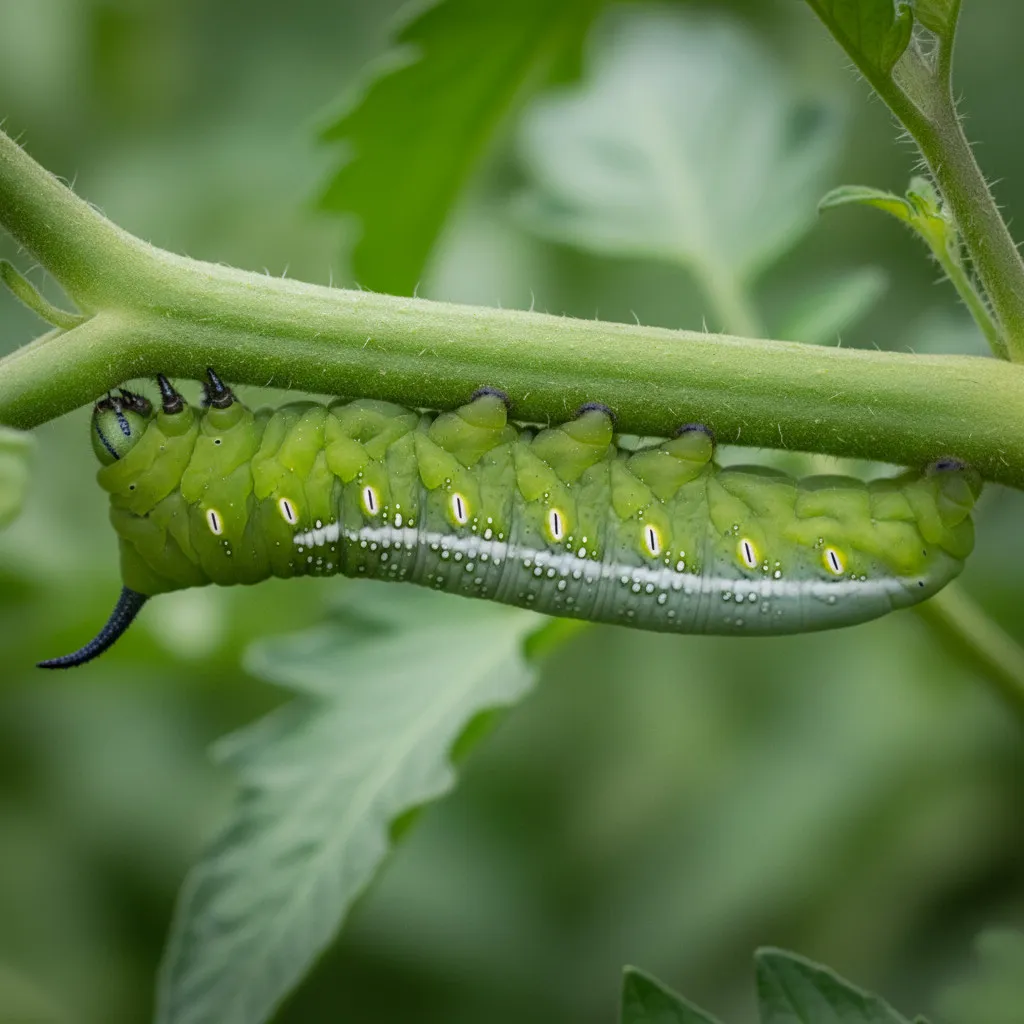
This section explores the different types of caterpillars commonly referred to as tomato worms, their biological classification, and which plants they target in your garden.
The term “tomato worms” actually refers to several species of caterpillars that feed on tomato plants and other members of the nightshade family (Solanaceae). These pests are the larval stage of various moth species, and while they share similar appetites for your tomato plants, they have distinct characteristics and behaviors. Understanding which type of tomato worm you’re dealing with is the first step toward effective management and control.
All tomato worms share one thing in common: they’re exceptionally hungry during their larval stage. A single caterpillar can consume massive amounts of foliage in a very short period, which is why early detection is so critical. These pests don’t discriminate—they’ll happily feast on tomatoes, peppers, eggplants, potatoes, and even tobacco plants. According to entomologists, the damage potential of these caterpillars is directly related to their size and the length of their feeding period, with larger caterpillars consuming exponentially more plant material as they approach maturity.
The most common tomato worms gardeners encounter belong to two main groups: hornworms (which include both tomato hornworms and tobacco hornworms) and fruitworms (also known as corn earworms or cotton bollworms). Each has unique identification features, feeding patterns, and preferred target plants. While hornworms are notorious for their ability to strip foliage, fruitworms cause a different type of devastation by burrowing directly into developing fruits, making them unmarketable and inedible. Both types can coexist in the same garden, which means you might be fighting a battle on multiple fronts.
Types of Tomato Worms
There are three primary types of caterpillars that gardeners refer to as tomato worms, and each belongs to a different moth species with its own distinct characteristics. The tomato hornworm (Manduca quinquemaculata) is the larval stage of the five-spotted hawk moth, also called a sphinx moth or hummingbird moth. These moths are large, robust-bodied insects with narrow front wings and a wingspan of approximately 4 to 5 inches. They’re mottled gray-brown in color with distinctive yellow spots on the sides of the abdomen, and they’re most active from dusk until dawn when they feed on the nectar of various flowers.
The tobacco hornworm (Manduca sexta), which is the larval form of the Carolina sphinx moth, is closely related to the tomato hornworm and causes identical damage to garden plants. Despite its name, the tobacco hornworm is equally at home on tomato plants and is actually more common in southern gardens. These moths have similar coloring and size to the five-spotted hawk moth, and they also exhibit the characteristic hovering flight pattern that resembles a hummingbird, which is how they earned one of their common names.
The tomato fruitworm (Helicoverpa zea), also known as the corn earworm or cotton bollworm depending on which crop it’s attacking, is a different pest entirely. This caterpillar is the larval stage of a medium-sized moth with a wingspan of about 1 to 1.3 inches. Adult moths are pale tan to medium brown, sometimes with a slight greenish tinge, and their front wings are variously marked with an obscure dark spot in the center. Unlike hornworms, which primarily damage foliage, fruitworms specifically target developing fruits, boring into them and creating cavities filled with waste and decay that render the entire tomato inedible.
Tomato Hornworms vs Tobacco Hornworms
While tomato hornworms and tobacco hornworms are often mistaken for one another due to their striking similarities, there are several key differences that can help you distinguish between the two species. Both caterpillars are impressively large, growing to approximately 3 to 5 inches in length when fully mature, with thick, robust bodies that can be as wide as a finger. Their bright green coloration provides excellent camouflage among tomato foliage, making them notoriously difficult to spot until they’ve already caused significant damage to your plants.
The most reliable way to tell these two species apart is by examining their markings and horn color. Tomato hornworms have eight white V-shaped markings along their sides that point forward toward the head, and they sport a distinctive black or dark blue horn protruding from their rear end. In contrast, tobacco hornworms have seven diagonal white stripes along their sides, often bordered by small black dots, and their horn is red or reddish-orange in color. A helpful mnemonic device: think of the white stripes on tobacco hornworms as resembling cigarettes, and the “V” markings on tomato hornworms as standing for “vine ripe tomatoes.”
Despite these differences in appearance, both species cause identical damage to garden plants and should be treated with equal urgency. They feed on the same host plants—primarily tomatoes, but also peppers, eggplants, potatoes, and tobacco—and they follow similar life cycles. Both overwinter as pupae in the soil and emerge as adult moths in late spring to begin the cycle anew. Interestingly, while tomato hornworms are more common in northern regions of the United States, tobacco hornworms predominate in southern states, though their territories overlap considerably and both species can be found throughout most of North America.
Tomato Fruitworms (Corn Earworms)
Tomato fruitworms represent a different challenge for gardeners because their damage is less visible from the outside but potentially more devastating to your harvest. These caterpillars, which go by multiple names depending on their host plant (corn earworm on corn, cotton bollworm on cotton, tomato fruitworm on tomatoes), are smaller than hornworms but equally destructive in their own way. When they first hatch, fruitworm larvae are tiny—creamy white caterpillars with a black head and conspicuous black tubercles and hairs that make them easy to overlook on plant foliage.
As fruitworm larvae mature, they undergo significant color changes that help them blend in with their surroundings. Larger caterpillars vary dramatically in color from yellowish green to nearly black, and they develop fine white lines running lengthwise along their bodies. They retain the characteristic black spots at the base of bristle-like hairs, and older larvae also develop patches of stubby spines on their body segments that are much shorter than the bristles. These spines can be difficult to see without magnification, but examining the caterpillar with a hand lens can help confirm identification. Fully grown fruitworms reach about 1.5 to 2 inches in length—significantly smaller than hornworms.
The feeding behavior of tomato fruitworms sets them apart from hornworms and makes them particularly problematic for gardeners. When fruit is present, fruitworms will complete their entire larval development inside the tomato, entering through the stem end when the fruit is between 0.75 to 2 inches in diameter. During their development, these caterpillars may emerge from one fruit and enter another, spreading damage across multiple tomatoes. Their feeding creates a messy, watery internal cavity filled with cast skins, feces, and decay. Damaged fruit ripens prematurely, and late in the season, small fruitworm larvae will even enter ripe fruit. Because the entry holes can be quite small initially and the larvae are difficult to detect, fruitworms pose a particular challenge for processing tomatoes where they may not be noticed until the fruit is cut open.
What Causes Tomato Worms? Understanding the Root Problem
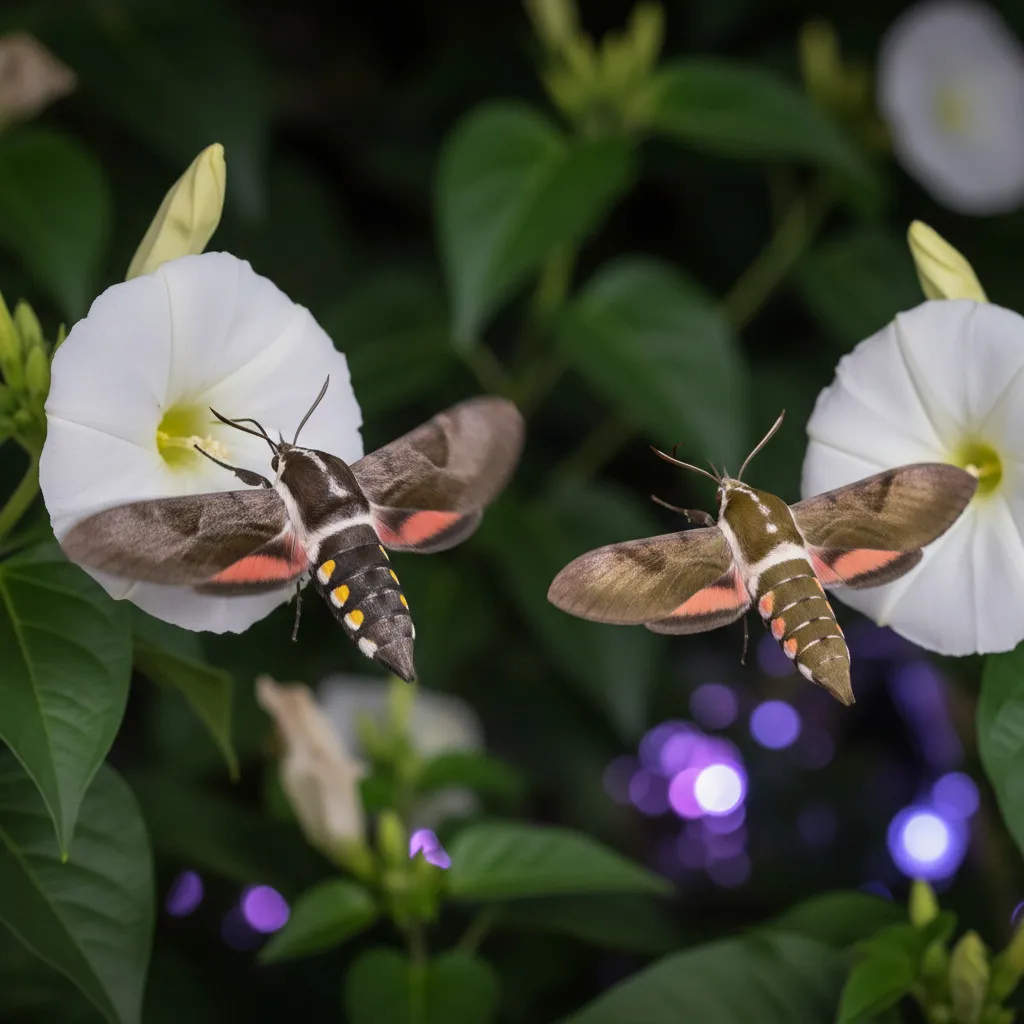
This section explains the underlying causes of tomato worm infestations, including adult moth behavior, environmental attractants, and factors that make your garden a prime target.
Understanding what causes tomato worms to appear in your garden is fundamental to both treating current infestations and preventing future ones. The simple answer is that tomato worms are caused by adult moths laying eggs on or near your tomato plants. However, the more complete picture involves a complex interaction of environmental conditions, plant availability, moth behavior patterns, and the natural life cycle of these insects. By understanding these factors, you can take proactive steps to make your garden less attractive to egg-laying moths and break the cycle of infestation.
The presence of tomato worms in your garden doesn’t happen by accident or bad luck—it’s the result of adult moths actively seeking out suitable host plants for their offspring. These moths have evolved to recognize plants in the nightshade family through visual and chemical cues, and they’re remarkably good at finding tomato patches even in urban and suburban settings. Female moths are incredibly prolific egg-layers, with a single tomato hornworm moth capable of laying hundreds of eggs during her lifetime, and fruitworm moths capable of producing up to 2,000 eggs under optimal conditions. This reproductive capacity means that even a small number of moths finding your garden can quickly lead to a significant caterpillar problem.
Several key factors determine whether your garden becomes a target for these pests. The timing of your planting, the proximity to other infested crops, the presence or absence of natural predators, and even your soil management practices all play a role in attracting or deterring tomato worms. Additionally, environmental conditions such as temperature, humidity, and the length of your growing season influence how many generations of these pests can complete their life cycle in your area. Warmer climates can support two or more generations per year, compounding the problem and requiring more vigilant monitoring and control efforts throughout the entire growing season.
The Life Cycle Connection
To truly understand what causes tomato worms, you need to recognize that the caterpillars you see in your garden are just one stage in a complex four-part life cycle: egg, larva (caterpillar), pupa, and adult (moth). The cycle begins when adult moths emerge from the soil in late spring or early summer, typically after soil temperatures have warmed sufficiently to trigger their emergence from overwintering pupae. These moths are strong fliers and can travel considerable distances to locate suitable host plants. The five-spotted hawk moth and Carolina sphinx moth are both nocturnal, meaning they’re most active at dusk and during nighttime hours when they seek out flowering plants for nectar and appropriate sites for egg-laying.
Female moths are remarkably selective about where they lay their eggs, choosing plants that will provide the best nutrition for their developing larvae. They deposit small, spherical eggs—typically green or cream-colored—on the undersides of leaves, usually on plants in the nightshade family. For hornworms, a single female may lay eggs throughout the upper canopy of tomato plants, often near flowers and young fruit where emerging caterpillars will have immediate access to tender foliage. Fruitworm moths lay their eggs singly on leaf surfaces, and these eggs develop a distinctive reddish-brown ring after about 24 hours, darkening further just before the larvae hatch approximately one week after being laid.
Once the eggs hatch, the tiny caterpillars begin feeding immediately, and this is when the damage to your plants starts. The larval stage lasts anywhere from three to six weeks depending on temperature and food availability, during which time the caterpillars undergo five or six molts (instars), growing larger with each stage. The final larval stage is responsible for the vast majority of plant damage—older hornworms can consume nearly as much foliage as all the younger stages combined. After completing their growth, the caterpillars drop or crawl to the ground and burrow into the soil to a depth of 2 to 4 inches, where they form a pupa (a hard, brown, protective casing). In warmer climates, adult moths emerge from these pupae in just two to four weeks, beginning a new generation. In cooler regions or late in the season, pupae remain dormant in the soil throughout winter, emerging the following spring when conditions are favorable.
Environmental Factors That Attract Tomato Worms
Several environmental conditions and garden characteristics make some areas more attractive to egg-laying moths than others, effectively increasing your risk of tomato worm infestations. Temperature plays a critical role—moth activity and egg-laying increase during warm periods, and development from egg to adult proceeds most rapidly when temperatures remain consistently warm throughout the growing season. This is why tomato worm problems tend to escalate during mid to late summer when temperatures peak and why southern gardens with longer, warmer growing seasons often experience more severe and repeated infestations compared to northern regions.
The proximity of your garden to other susceptible crops significantly influences moth populations and the likelihood of infestation. Gardens located near corn fields face particularly high risks of fruitworm damage because corn is the preferred host plant for Helicoverpa zea. After corn ears mature and dry down, or after harvest when that food source disappears, female moths actively seek alternative host plants and will readily move to nearby tomato gardens. Similarly, gardens adjacent to cotton fields may experience increased problems with both fruitworms (cotton bollworms) and armyworms once those crops are harvested. Even neighboring home gardens with established infestations can serve as a source of moths that spread to your plants.
Garden sanitation and nearby weeds also contribute to moth attraction and caterpillar populations. Various weeds in the nightshade family—including horsenettle, jimsonweed, and various nightshade species—serve as alternate host plants for both hornworms and fruitworms. If these weeds are present in or around your garden, they provide additional egg-laying sites and food sources that sustain moth populations even when tomatoes aren’t available. Additionally, gardens with undisturbed soil may harbor larger populations of overwintering pupae that emerge in spring. The presence of overwintering sites, combined with abundant host plants and warm temperatures, creates ideal conditions for recurring, severe infestations that can persist year after year without intervention.
Why Your Garden Becomes a Target
Your tomato garden becomes a specific target for egg-laying moths due to a combination of visual and chemical signals that these insects use to locate suitable host plants. Moths in the hornworm and fruitworm families have evolved sophisticated sensory systems that allow them to detect the volatile organic compounds released by plants in the Solanaceae family. When tomato plants transpire, especially during warm evening hours when moths are most active, they release distinctive aromatic chemicals that female moths can detect from considerable distances. These chemical signatures act like a beacon, drawing moths directly to your garden even if it’s relatively isolated from other agricultural areas.
The density and health of your tomato plants also influences moth attraction. Large, lush tomato plantings with abundant foliage provide ideal egg-laying sites and guaranteed food sources for emerging caterpillars, making your garden more attractive than smaller, struggling plants. Gardens with continuous plantings or successive plantings of tomatoes throughout the season offer an extended window of vulnerability because there are always suitable plants at the right stage for egg-laying. This is particularly relevant for fruitworms, which prefer to attack fruit when it’s in the green to barely-ripe stage, meaning gardens with continuous fruiting become targets throughout the entire growing season rather than just during a specific period.
The absence of natural predators and beneficial insects in your garden can also make it a more attractive and successful breeding ground for tomato worms. Gardens that rely heavily on broad-spectrum pesticides often inadvertently eliminate the parasitic wasps, predatory insects, and other beneficial organisms that would naturally help control caterpillar populations. When these natural enemies are absent, female moths face fewer risks to their offspring’s survival, and the eggs they lay are more likely to successfully complete development. Additionally, gardens that lack diverse plantings of nectar-rich flowers and herbs fail to attract and support populations of beneficial insects that could otherwise provide ongoing, season-long pest suppression. This creates a feedback loop where the lack of biological control leads to higher pest survival rates, which in turn leads to larger moth populations and even heavier infestations in subsequent years.
How to Identify Tomato Worms in Your Garden
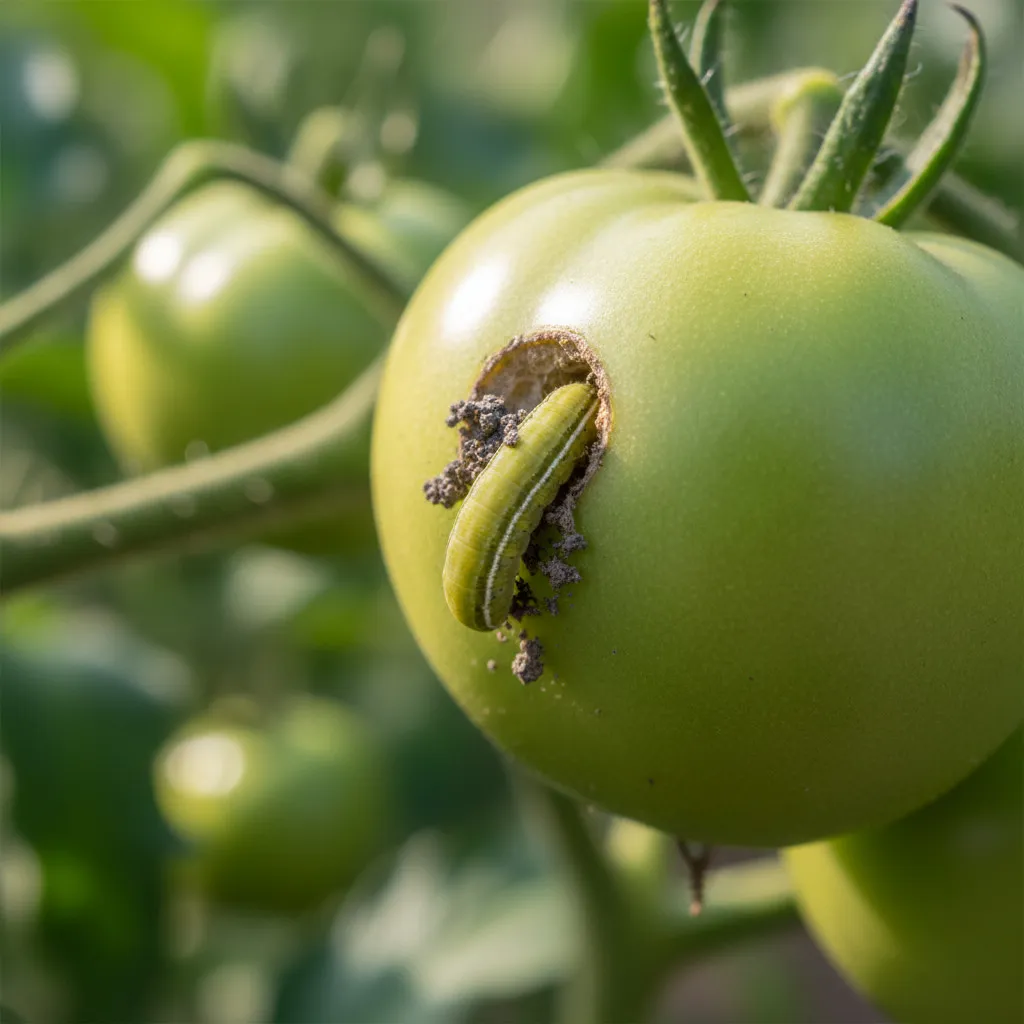
This section provides detailed identification information for recognizing tomato worms at various life stages and distinguishing between different species.
Accurate identification of tomato worms is the crucial first step in implementing effective control measures, yet these pests are remarkably skilled at avoiding detection. Their coloration, size, and behavior all contribute to making them one of the more challenging garden pests to spot despite their impressive dimensions. Many gardeners don’t realize they have a hornworm problem until they notice the damage—bare stems where lush foliage once grew, or mysterious droppings appearing on leaves and soil. By learning to recognize the telltale signs of these pests and understanding what to look for during your garden inspections, you can catch infestations early when they’re easiest to control.
Tomato worms can be identified through several methods: direct observation of the caterpillars themselves, recognition of their eggs on plant foliage, identification of characteristic damage patterns, and detection of the physical evidence they leave behind (primarily their droppings). Each identification method has its advantages depending on the stage of infestation and the time you have available for garden monitoring. Professional growers and extension agents recommend checking tomato plants at least twice per week during the growing season, and more frequently—ideally daily—during the peak period from late June through August when hornworm and fruitworm activity reaches its highest levels.
The time of day you conduct your inspections also matters significantly for successful identification. While you can spot damage and droppings at any time, the caterpillars themselves are most active and visible during early morning hours, late afternoon, and evening. Hornworms, in particular, tend to remain relatively still during the heat of the day, pressed against stems or hiding on the undersides of leaves where their camouflage is most effective. Several experienced gardeners report success using UV flashlights or blacklights at night—hornworm caterpillars fluoresce under ultraviolet light, glowing a bright yellowish-green that makes them stand out dramatically against the dark foliage and allows you to quickly locate every caterpillar on your plants.
Physical Characteristics and Appearance
Hornworms are among the largest caterpillars you’ll encounter in a vegetable garden, making size one of their most distinctive identifying features. Fully mature tomato and tobacco hornworms can reach lengths of 3.5 to 5 inches and can be as thick as an adult person’s finger, with smooth, plump bodies that give them a somewhat intimidating appearance to those unfamiliar with these pests. Despite their fearsome look, these caterpillars are completely harmless to humans—they cannot bite or sting, and the prominent horn on their posterior end is simply a harmless projection with no defensive capability whatsoever.
The body color of hornworms provides their primary camouflage and is one of the reasons they’re so difficult to spot on tomato plants. Both tomato and tobacco hornworms are bright green to pale green in color, matching the foliage of their host plants almost perfectly. When small, newly-hatched hornworms are yellow to white with no distinctive markings, making them even more challenging to detect. As they grow and pass through successive molts, they develop their characteristic striping patterns—the white V-shaped markings on tomato hornworms or the diagonal white stripes on tobacco hornworms. These markings, combined with their green base color, create a disruptive pattern that breaks up the caterpillar’s outline and helps them blend seamlessly into the dappled light and shadow of tomato foliage.
The defining feature that gives hornworms their common name is the prominent horn or spike projecting from the last segment of their body. This horn is quite substantial—about a quarter to half inch long on mature caterpillars—and its color is the most reliable way to distinguish between species. Tomato hornworms have a black or dark blue horn, sometimes with black sides, while tobacco hornworms sport a red or orange-red horn. Besides the horn, hornworms have a series of spiracles (breathing holes) along their sides that appear as small dots, and they have three pairs of true legs near the front of their body and several pairs of fleshy prolegs along the abdomen that they use for gripping stems and leaves with surprising strength.
Fruitworms have a very different appearance from hornworms and are generally smaller and more variable in coloration. Newly hatched fruitworm larvae are small, creamy white caterpillars with black heads and conspicuous black tubercles (small bumps) and hairs covering their bodies. As they mature, fruitworms undergo dramatic color changes and can be yellowish-green, tan, brown, pink, or even nearly black depending on their age and what they’ve been eating. Mature fruitworms reach only about 1.5 to 2 inches in length—roughly half the size of a fully grown hornworm. They develop fine white lines running lengthwise along their bodies, and they retain black spots at the base of bristle-like hairs throughout their development. Older fruitworm larvae also have patches of very short, stubby spines on their body segments that require close examination or magnification to see clearly, distinguishing them from the smooth-bodied hornworms.
Signs and Symptoms of Infestation
Because tomato worms themselves can be difficult to spot directly, learning to recognize the signs and symptoms of their presence is often the fastest way to detect an infestation before damage becomes severe. The most obvious and alarming symptom is rapid defoliation, particularly from the top of the plant downward, which is characteristic of hornworm feeding behavior. Hornworms typically start feeding on the newest, most tender growth at the top of tomato plants, and if left unchecked, they’ll work their way down, systematically stripping leaves and leaving behind bare stems with only the tough midribs remaining. This top-down damage pattern is quite distinctive and differs from the damage caused by many other garden pests.
Perhaps the most reliable sign of hornworm presence is their droppings, called frass, which are distinctively large and easy to spot once you know what to look for. Hornworm droppings are dark green to black in color, cylindrical in shape, and about the size of a grain of rice or slightly larger—some gardeners describe them as resembling miniature hand grenades or Nerds candies. These droppings accumulate on the leaves below where the caterpillar is feeding and often collect on the soil surface directly under infested plants. If you notice these characteristic droppings, look upward on the plant, particularly on stems and leaves directly above where you found the frass, and you’ll almost always find one or more caterpillars within a few inches of that location.
Other symptoms of hornworm infestation include chewed or missing leaves that show smooth-edged holes or entire leaf sections removed, bare stalks with only the main stem remaining, damaged flowers, and chewed fruit. Unlike many insects that create small, precise holes, hornworms are messy, voracious feeders that consume large sections of leaf tissue at once. You may also notice stems that appear to have been cleanly cut or partially chewed through, which can cause wilting of upper branches even when the caterpillar is no longer present on that section of the plant. On fruit, hornworms create irregular holes and damage areas on the surface, though they generally don’t burrow deep into tomatoes as fruitworms do.
Fruitworm damage presents differently and can be more challenging to detect early. The telltale sign of fruitworm infestation is small, round holes in developing or ripening fruit, typically at the stem end, where young caterpillars have bored their way inside. These entry holes may be as small as a pencil eraser initially but can expand as the caterpillar grows and moves within the fruit. Infested tomatoes often ripen prematurely and unevenly, developing soft spots and beginning to rot from the inside out while still on the vine. If you cut open a damaged tomato, you’ll find tunneling throughout the interior, along with a watery, foul-smelling cavity filled with frass, cast skins from the caterpillar’s molts, and decaying tomato tissue. Some fruitworms also feed on foliage, creating smaller, more precise holes in leaves than those made by hornworms, and you may find their droppings—smaller and more numerous than hornworm frass—scattered on leaf surfaces.
When Tomato Worms Appear
Understanding the seasonal timing of tomato worm appearances helps you know when to be most vigilant with monitoring and when to implement preventative measures. The emergence of adult moths from overwintering pupae is temperature-dependent and typically occurs in late spring once soil temperatures have warmed consistently. In most regions, adult hornworm moths begin appearing in May or early June, though this can vary by several weeks depending on your location and the specific weather patterns of any given year. These early-season moths lay eggs that hatch into the first generation of caterpillars, which typically become noticeable in gardens from mid-June through July.
The peak period for hornworm damage in most gardens occurs from late July through August and into early September, which corresponds to the second generation of caterpillars in areas with warm, long growing seasons. This second generation tends to cause more severe damage than the first for several reasons: the caterpillars are hatching onto plants that are already stressed from summer heat, they emerge in greater numbers because the parent moth population has increased, and they often benefit from increased food availability as tomato plants reach their full size and fruit production peaks. In southern states and warmer climates, there may even be a third generation in late summer or early fall, extending the period of vulnerability well into September or even October.
Fruitworm activity follows a similar but slightly more extended pattern because these moths have multiple generations and are less limited by specific host plant availability. Eggs are laid in late spring on various host plants, and larvae are most destructive from June through August in most regions. However, because fruitworms also utilize corn, cotton, and many other crops, their population dynamics are more complex than those of hornworms. Gardens located near corn fields often see a surge in fruitworm pressure in mid to late summer, after corn ears have been pollinated and begin to mature, as adult moths emerging from corn seek alternative sites for egg-laying. Similarly, late-season plantings of tomatoes may experience increased fruitworm damage as populations that built up on earlier crops and other hosts seek out remaining green fruit.
Monitoring timing is critical for effective control. You should begin checking your tomato plants for eggs and small caterpillars in early to mid-June in most regions, though this may need to start earlier in southern gardens or later in northern areas with shorter growing seasons. The frequency of monitoring should increase as the season progresses, with daily checks being ideal during the peak July-August period when damage can escalate rapidly. Many experienced gardeners find it helpful to set up pheromone traps in early summer to monitor adult moth flights—when traps begin catching moths, it’s time to intensify your egg and larva scouting because egg-laying will follow within days of adult emergence.
Understanding the Tomato Worm Life Cycle
This section provides an in-depth look at each stage of the tomato worm life cycle, helping you understand when and how to interrupt the cycle for better control.
A thorough understanding of the tomato worm life cycle is essential for effective pest management because it reveals specific vulnerabilities at each stage where you can intervene to break the cycle and prevent future generations. Like all butterflies and moths, tomato hornworms and fruitworms undergo complete metamorphosis, meaning they pass through four distinct life stages—egg, larva (caterpillar), pupa, and adult (moth)—with each stage having dramatically different appearance, behavior, and susceptibility to various control methods. By targeting multiple stages of this cycle rather than focusing only on the visible caterpillar stage, you can achieve more comprehensive and lasting control of these pests.
The duration of each life stage and the total time required to complete one full generation varies considerably based on environmental conditions, particularly temperature. Warm weather accelerates development through all stages, which is why southern gardens and warm summer periods see more rapid population buildup and multiple overlapping generations. Cooler temperatures slow development, extending the time caterpillars spend feeding (and thus potentially increasing the total damage they cause) while also providing a longer window for detection and control. Understanding these timing relationships helps you predict when to expect peak activity and when preventative measures will be most effective.
The life cycle also reveals important facts about where these pests spend different seasons and how infestations recur year after year. Because hornworms and fruitworms overwinter as pupae in the soil rather than as eggs or adults, your garden’s soil becomes a reservoir for future generations. This means that even if you achieve perfect control of all visible caterpillars in one season, the pupae already in your soil can emerge the following spring to start the cycle anew. This persistence explains why tomato worm problems tend to recur in the same gardens year after year and why soil management practices are such an important component of long-term control strategies.
From Egg to Adult Moth
The life cycle of tomato hornworms begins when adult five-spotted hawk moths or Carolina sphinx moths emerge from soil in late spring. These impressive moths, with wingspans of 4 to 5 inches, are strong fliers capable of traveling considerable distances in search of suitable host plants. Adult moths feed on nectar from flowers and are most active during twilight hours and at night, which is when they also mate and seek out egg-laying sites. Female moths are remarkably prolific, with a single female capable of laying 200 to 400 eggs during her lifetime, distributing them across multiple plants to give her offspring the best chance of survival.
Eggs are laid singly on the undersides of leaves, typically on upper portions of tomato plants near flowers and developing fruit. Hornworm eggs are small—roughly 1-2 millimeters in diameter—spherical, and pale green to white when first laid, making them quite difficult to spot against leaf undersides. However, these eggs undergo a color change that makes them easier to detect: within 24 hours after being laid, fertile eggs develop a pinkish or reddish tinge, and they darken considerably 2-3 days later as the developing caterpillar becomes visible through the translucent shell. The egg stage lasts approximately 4 to 8 days depending on temperature, with warmer conditions accelerating development.
When eggs hatch, tiny caterpillars emerge and immediately begin feeding on nearby leaf tissue. These first-instar larvae are very small—less than a quarter-inch long—pale yellow to white in color, and lack the distinctive markings they’ll develop later. During the larval stage, which lasts 3 to 6 weeks, hornworms undergo five molts (meaning they pass through six larval instars), growing dramatically larger with each stage. By the third instar, caterpillars develop their characteristic green coloration and distinctive marking patterns, making them easier to identify. The final larval instar accounts for the vast majority of feeding damage—these enormous caterpillars have insatiable appetites and can defoliate substantial portions of a tomato plant in just a day or two.
When fully grown, hornworm larvae stop feeding and begin wandering behavior, dropping from plants or crawling down stems to reach the soil surface. Once on the ground, they burrow into the soil to a depth of 2 to 4 inches and form a pupa—a hard, mahogany-brown protective casing roughly 2 inches long with a distinctive curved “handle” projecting from the head end (this is actually a sheath that protects the developing moth’s long proboscis). The pupal stage lasts 2 to 4 weeks during warm summer months, after which adult moths emerge, work their way to the soil surface, expand and dry their wings, and the cycle begins again. In cooler weather or late in the season, pupae enter diapause (a dormant state) and remain in the soil throughout winter, with adults emerging the following spring when soil temperatures reach appropriate levels.
Timing and Generations
The number of generations tomato worms can complete in a single growing season has enormous implications for the severity and persistence of infestations in your garden. In northern states and areas with shorter growing seasons, hornworms typically complete one full generation per year, with moths emerging in late spring, producing caterpillars that feed through summer, and pupae entering dormancy in mid to late summer to overwinter until the following spring. This single-generation pattern means there’s typically one main period of heavy caterpillar activity, usually in July or early August, making timing of control measures somewhat more predictable.
In southern states and areas with long, warm growing seasons, hornworms commonly complete two full generations and sometimes even begin a third before cold weather arrives. The first generation emerges in late spring as described above, but rather than entering dormancy, these pupae develop rapidly in warm summer soil and produce a second generation of adult moths in mid to late summer. This second generation lays eggs that produce caterpillars feeding in August and September—often the most destructive generation because populations have increased and because plants are somewhat more stressed and less able to tolerate defoliation during this period. The pupae from this second generation typically overwinter, though some may develop into a partial third generation in areas with very long growing seasons.
Fruitworms have an even more complex generational pattern due to their broader host range and ability to reproduce continuously under favorable conditions. Tomato fruitworms can complete three to five generations per year in warmer regions, with overlapping generations meaning that eggs, larvae, pupae, and adults are all present simultaneously from mid-summer onward. This makes fruitworm populations more difficult to predict and control compared to hornworms because there’s no clear peak activity period—instead, risk remains elevated throughout the entire growing season once populations are established. The degree-day model used by extension services calculates that fruitworms require approximately 968 degree-days (using base 55°F) to complete one generation, and this calculation can help predict when egg-laying activity will peak following moth emergence.
Understanding these generational patterns helps you plan your monitoring and control efforts more strategically. For single-generation hornworms, intensive monitoring from late June through early August covers the period of highest risk. For two-generation hornworms, you need to maintain vigilance from mid-June through September, with special attention during the late July to early September period when second-generation damage typically peaks. For fruitworms, continuous monitoring from the time fruit begins sizing (usually late June or early July) through the end of harvest season is necessary to catch infestations before caterpillars enter fruit and become impossible to treat effectively.
Damage Caused by Tomato Worms
This section details the specific types of damage caused by hornworms and fruitworms, their economic impact, and how to assess damage severity.
The damage caused by tomato worms ranges from cosmetic and tolerable to economically devastating, depending on the severity of infestation, the stage of plant development when attack occurs, and whether you’re growing tomatoes for home use or commercial sale. Understanding the specific types of damage these pests cause, how quickly damage can progress, and the differences between hornworm and fruitworm damage patterns helps you make informed decisions about when intervention is necessary and what level of control you need to achieve. For home gardeners, some defoliation may be acceptable if it doesn’t affect fruit production, but for commercial growers, even minor fruit damage can result in unmarketable produce and significant economic losses.
One of the most challenging aspects of tomato worm damage is how rapidly it can escalate. Because the final larval instar of hornworms is responsible for consuming nearly as much foliage as all the previous instars combined, damage that seems minor one day can become severe just 24-48 hours later as caterpillars reach their maximum size and feeding intensity. Similarly, fruitworm damage may not be immediately apparent from external observation—you might think your tomatoes are developing normally until you discover that many fruits have internal damage that renders them inedible. This rapid progression of damage is why regular monitoring and early intervention are so critical for successful management.
The timing of damage in relation to plant growth stage also significantly impacts its severity. Defoliation that occurs early in the season, while plants are still actively growing and developing their framework, typically has less impact on final yield than defoliation occurring when plants are flowering and setting fruit. However, severe early-season defoliation can stunt plants and delay maturity, while even moderate defoliation during fruit development reduces photosynthetic capacity precisely when plants need maximum energy to size and ripen fruit. Fruitworm damage is most concerning when it occurs as fruit approaches harvest maturity because damaged fruit must be discarded entirely—there’s no salvaging a tomato with internal tunneling and rot.
Hornworm Damage Patterns
Hornworm feeding creates a distinctive damage pattern that, once you’ve seen it, becomes easy to recognize in subsequent infestations. The most characteristic feature is defoliation that starts at the top of the plant and progresses downward, leaving behind bare stems with only the tough midribs of leaves remaining. Hornworms are messy eaters—unlike insects that create precise holes or feed from leaf edges inward, hornworms consume large, irregular sections of leaf tissue, often eating entire leaves except for the main vein. This creates a stripped appearance where lush foliage existed just days before.
In addition to leaf damage, hornworms feed on tender stem tips, flower clusters, and developing fruit, particularly when preferred leaf tissue becomes scarce. Damage to growing tips can interfere with the plant’s vertical growth and branching pattern, essentially topping the plant at whatever point the hornworm severed the stem. Flower consumption reduces fruit set by eliminating potential tomatoes before they even form, and this damage may not be immediately obvious until you realize your plant isn’t producing as many tomatoes as expected. When hornworms feed on fruit, they create shallow to moderately deep holes and irregular gouges, typically on green tomatoes, though they’ll also damage ripening fruit if it’s available.
The rate of damage progression by hornworms is shocking if you haven’t experienced it firsthand. A single large hornworm can completely defoliate a substantial portion of a tomato plant—consuming 10-15 large leaves or more—in just 24-48 hours during its final instar when feeding intensity peaks. If multiple hornworms are present on a single plant (which is common since female moths tend to lay multiple eggs on the same suitable host), the entire plant can be reduced to bare stems in less than a week. Small plants are especially vulnerable and can be killed outright by hornworm feeding, while larger, well-established plants typically survive but experience reduced vigor, delayed maturity, and decreased fruit production.
An often-overlooked consequence of hornworm defoliation is increased risk of sunscald on developing fruit. Tomatoes normally rely on a canopy of leaves to shade developing fruit and protect it from intense direct sunlight. When hornworms strip away this protective foliage, fruit that was previously shaded becomes suddenly exposed to full sun, and the intense heat and UV radiation can cause sunscald—pale, bleached areas on the fruit surface that eventually develop into tough, leathery patches. Sunscald doesn’t make tomatoes inedible, but it does affect their appearance and marketability, and severe cases can create entry points for disease organisms. This secondary damage from hornworm defoliation can continue to affect your crop even after you’ve eliminated all the caterpillars from your plants.
Fruitworm Damage Patterns
Fruitworm damage is fundamentally different from hornworm damage and in many ways more problematic because it directly affects the harvest rather than just the plant’s vegetative growth. The primary damage pattern is entry holes in fruit, typically at the stem end, where young caterpillars bore into developing tomatoes, usually when fruit are between three-quarters of an inch to two inches in diameter. These entry holes start small—sometimes just the size of a pinhead—but expand as the caterpillar grows and may reach the diameter of a pencil eraser or even larger by the time the larva completes its development.
Once inside the fruit, fruitworms create extensive internal tunneling and cavities filled with watery fluid, cast skins from successive molts, frass (droppings), and bacteria that cause secondary rot. This internal damage is often far more extensive than the small external entry hole would suggest. A tomato that looks relatively normal from the outside may be completely hollowed out and rotting internally. The presence of the caterpillar and its waste products inside the fruit creates perfect conditions for bacterial and fungal soft rot organisms, which rapidly break down the tomato tissue and produce the characteristic foul smell of advanced fruitworm damage. Affected tomatoes typically ripen prematurely and unevenly, developing soft spots and beginning to collapse while still on the vine.
An additional complication with fruitworms is their mobility during development. During their growth period, fruitworm caterpillars may emerge from one fruit and enter another, leaving behind a trail of damaged tomatoes before finally dropping to the soil to pupate. This means that detecting one damaged fruit doesn’t necessarily mean you’ve found the extent of the problem—there may be additional damaged fruits nearby, and there’s almost certainly a caterpillar still actively feeding somewhere on that plant or neighboring plants. Late in the season when fruit is scarce, small fruitworm larvae will even enter ripe fruit, creating damage right up until harvest.
For commercial tomato growers and those producing tomatoes for processing, fruitworm damage presents special challenges. Small larvae are difficult to detect and may be present inside fruit that appears externally normal, meaning damaged fruit may not be culled until it reaches the packing shed or processing facility. This can result in contamination issues if larvae are present in fruit destined for processing, and it requires additional labor and quality control measures to catch and remove damaged fruit before it enters the supply chain. For fresh market tomatoes, any fruit showing feeding damage must be discarded entirely since consumers won’t accept fruit with even small blemishes, making fruitworms economically significant even at relatively low population levels. This is why commercial growers use more intensive monitoring protocols and lower action thresholds for fruitworms compared to hornworms—even a few caterpillars can cause economically unacceptable damage levels.
Economic and Crop Impact
For home gardeners, the economic impact of tomato worms is measured primarily in terms of lost enjoyment and wasted effort—the disappointment of discovering that fruit you’ve nurtured for months has been destroyed, and the frustration of watching plants you’ve carefully tended become stripped of foliage overnight. While it’s difficult to assign a dollar value to these losses, they’re significant in terms of the time invested in gardening and the loss of fresh, homegrown produce that was the whole point of planting tomatoes in the first place. Even moderate hornworm infestations can reduce home garden tomato yields by 30-50% if left uncontrolled, and severe fruitworm damage can render an entire harvest unmarketable.
For commercial growers, the economic impact is measurable and can be substantial. Studies have shown that uncontrolled hornworm infestations can reduce tomato yields by up to 80-90% in severe cases, though more typical infestations result in 15-30% yield losses if action thresholds are exceeded without treatment. The economic threshold—the point at which the cost of control is less than the value of crop saved—is relatively low for both hornworms and fruitworms because these pests are easy to control when caught early, and the value of tomato crops is generally high enough to justify intervention. For processing tomatoes, extension recommendations suggest treating when 5 or more hornworm eggs are found in a sample of 60 leaves (two 30-leaf samples), while fresh market tomatoes may warrant treatment at even lower egg densities.
Fruitworm damage has additional hidden economic costs beyond direct crop loss. Any feeding damage on fresh market tomatoes results in fruit that must be culled at harvest or in the packing shed, increasing labor costs for sorting and reducing the percentage of marketable fruit from each plant. For processing tomatoes, the presence of small larvae that aren’t detected until fruit is cut or processed can result in entire loads being rejected, with devastating economic consequences. This is why commercial growers in areas with significant fruitworm pressure often implement preventative spray programs timed to coincide with peak egg-laying periods, even when egg counts are below traditional action thresholds—the cost of preventative treatment is less than the risk of having an entire harvest contaminated or rejected.
Beyond direct economic losses, tomato worm damage also affects subsequent growing seasons if infestations aren’t properly managed. Each generation of caterpillars that successfully completes development and pupates in your soil represents hundreds of potential adult moths for the next season, creating a feedback loop where problems become progressively worse year after year without intervention. This cumulative effect explains why some gardens develop persistent, recurring tomato worm problems that seem impossible to control—the soil has become heavily infested with overwintering pupae, ensuring high pest pressure regardless of what control measures are applied during the growing season. Breaking this cycle requires integrated management that targets multiple life stages, including the overwintering pupae through soil cultivation practices.
Natural and Organic Treatment Methods
This section covers effective organic and natural methods for controlling tomato worms, including handpicking, biological controls, and organic pesticides.
For many gardeners, particularly those committed to organic growing methods or concerned about pesticide impacts on the environment, natural and organic treatment methods represent the first line of defense against tomato worms. These approaches range from simple physical removal to sophisticated biological control strategies that work with nature rather than against it. The effectiveness of organic methods varies depending on the severity of infestation, the timeliness of application, and your willingness to invest time in regular monitoring and intervention. Generally speaking, organic methods work best when implemented early in an infestation before caterpillar populations explode and when combined with preventative measures that make your garden less attractive to egg-laying moths in the first place.
One of the most important principles of organic pest control is understanding that the goal isn’t necessarily complete elimination of every single pest—rather, it’s reducing pest populations to levels that don’t cause economically or aesthetically unacceptable damage while maintaining ecological balance in the garden. This means accepting that you might see an occasional hornworm or fruitworm without panicking and reaching for broad-spectrum pesticides. A few caterpillars feeding on a large, vigorous tomato plant typically won’t cause significant harm, and their presence supports populations of beneficial parasitic wasps and other natural enemies that provide ongoing pest suppression without any effort on your part.
Natural control methods are most effective when used as part of an integrated pest management (IPM) approach that combines multiple strategies. For example, handpicking caterpillars works well when combined with attracting beneficial insects, using trap crops to draw pests away from your main planting, and implementing cultural practices like crop rotation and soil cultivation that disrupt the pest’s life cycle. No single organic method is likely to provide perfect control, but using several methods together creates multiple barriers to pest success and can achieve very acceptable results without compromising your organic gardening principles or environmental values.
Handpicking and Manual Removal
Handpicking is arguably the single most effective method for controlling tomato worms in home gardens, and it has several significant advantages over other treatment approaches. Manual removal provides instant results, is completely safe for you and the environment, doesn’t harm beneficial insects, and costs absolutely nothing beyond your time. It’s especially effective for hornworms due to their large size, visibility (once you learn to spot them), and tendency to remain on the same plant for extended periods. For small garden plots with just a few tomato plants, handpicking may be the only control method you need if you’re diligent about checking plants regularly.
The key to successful handpicking is knowing when and how to inspect your plants. Check your tomatoes at least daily during peak season (July through August), and inspect plants in the early morning or late afternoon when caterpillars are most active and sunlight angles make them easier to spot. Start by looking for the telltale signs of hornworm presence—large dark droppings on leaves or soil, recently stripped branches with missing foliage, and partially chewed fruit. When you find evidence, look upward on the plant, checking stems and the undersides of remaining leaves in the area directly above where you found droppings. Hornworms often position themselves along the main stem where they’re surprisingly well-camouflaged despite their size.
One highly effective technique recommended by many experienced gardeners is using a UV flashlight or blacklight to inspect plants after dark. Hornworms fluoresce under ultraviolet light, glowing a brilliant yellow-green that makes them instantly visible against dark foliage. This method is so effective that gardeners who try it often express amazement at how many caterpillars they’d been missing during daylight inspections—one account described finding 40 hornworms at night with a blacklight after having found only 6-7 during the day without one. UV flashlights designed for scorpion hunting or detecting pet stains work perfectly for this purpose and are an inexpensive investment that can pay dividends throughout the growing season.
Once you’ve located hornworms, removal is straightforward. Wear garden gloves if the idea of handling large caterpillars bothers you, though hornworms are completely harmless and cannot bite or sting. Grasp the caterpillar firmly—they can grip stems and leaves with surprising strength using their multiple sets of prolegs—and pull steadily until they release. Drop captured caterpillars into a bucket of soapy water where they’ll drown within minutes, or feed them to backyard chickens if you keep them (chickens absolutely love hornworms and will come running when they see you approaching with your collection bucket). Some gardeners prefer to cut caterpillars in half with pruning shears, or to crush them on hard surfaces and leave them where predatory insects like wasps can find and consume them. After handpicking, continue monitoring daily for several more days because multiple caterpillars of different ages are often present, and those too small to notice initially will become obvious within a few days as they grow.
Beneficial Insects and Natural Predators
Encouraging populations of beneficial insects and natural predators in your garden is one of the most sustainable and effective long-term strategies for managing tomato worms. These helpful organisms provide season-long pest suppression without requiring any action on your part once they’re established, and they work continuously to keep pest populations below damaging levels. The key to successful biological control is understanding which beneficial insects target which life stages of tomato worms, creating habitat that attracts and supports these beneficial species, and protecting them from harm by avoiding broad-spectrum pesticides.
Parasitic wasps are the most important natural enemies of tomato hornworms and fruitworms. Several wasp species attack these pests, with braconid wasps (Cotesia congregata) being particularly effective against hornworms. Female braconid wasps lay their eggs on or inject them into hornworm caterpillars—a single hornworm may host 50 to 100 wasp eggs. The wasp larvae develop inside the caterpillar, feeding on its non-essential tissues and eventually emerging through the hornworm’s skin to spin distinctive white silken cocoons on the caterpillar’s back. These cocoons look like grains of white rice covering the hornworm and are easy to spot once you know what to look for. The parasitized hornworm dies before completing its development, and adult wasps emerge from the cocoons to seek out more hornworms, continuing the cycle.
If you find a hornworm covered with white cocoons, leave it alone! This is one of the most important rules of organic hornworm management. That parasitized caterpillar is doing more good than harm at this point—it’s no longer feeding significantly because the wasp larvae have disrupted its metabolism, and it’s functioning as an incubator for dozens of beneficial wasps that will soon emerge to attack other hornworms in your garden. Removing or killing parasitized hornworms eliminates this valuable source of natural pest control. Some gardeners even collect parasitized hornworms and move them to protected locations where they can complete their development undisturbed, ensuring maximum emergence of beneficial wasps.
Trichogramma wasps are another important parasitic species, though they work differently than braconids. Trichogramma are tiny wasps that parasitize the eggs of hornworms and fruitworms, laying their own eggs inside the pest eggs before they hatch. The developing Trichogramma larvae consume the egg contents, and instead of a caterpillar emerging, a new generation of Trichogramma wasps emerges. Parasitized eggs typically turn black, making them easy to distinguish from healthy eggs during scouting. Trichogramma wasps are commercially available and can be released into gardens as an augmentative biological control—releases of 100,000 wasps per acre during the period when moths are laying eggs can significantly reduce caterpillar populations. Monitor your releases by checking for parasitized (blackened) eggs within a few days after release to confirm the wasps are active and effective.
Other beneficial insects contribute to hornworm and fruitworm control by feeding on eggs or small caterpillars. Lady beetles (ladybugs) and green lacewings feed on hornworm and fruitworm eggs and newly-hatched larvae, though they’re more effective against smaller prey and may not consume larger caterpillars. Paper wasps, yellow jackets, and other predatory wasps hunt caterpillars to feed their developing larvae and can remove significant numbers of small to medium-sized hornworms from garden plants. Birds including cardinals, chickadees, wrens, and others also feed on caterpillars when they can find them, though hornworm camouflage makes them challenging even for sharp-eyed birds to locate.
To attract and support beneficial insects in your garden, focus on creating diverse habitat with continuous sources of nectar and pollen. Plant flowers such as sweet alyssum, marigolds, zinnias, cosmos, coreopsis, daisies, goldenrod, and yarrow around and within your vegetable garden. Allow herbs like dill, cilantro, parsley, fennel, and basil to flower—the tiny flowers of these umbelliferous plants are particularly attractive to parasitic wasps. Provide water sources such as shallow dishes with stones for insects to land on, and avoid using broad-spectrum insecticides that kill beneficial insects along with pests. Creating permanent plantings of perennial flowers and allowing some areas of your garden to remain undisturbed provides overwintering habitat for beneficial insect populations.
Organic Pesticides and Controls
When handpicking and natural predators aren’t providing adequate control, several organic pesticides can effectively manage tomato worm populations without compromising your commitment to organic gardening. These products are approved for use in certified organic production (look for OMRI-listed certification), and they work through various mechanisms that are generally safer for humans, wildlife, and beneficial insects compared to synthetic chemical pesticides. However, “organic” doesn’t necessarily mean “harmless”—these products can still affect non-target organisms if used improperly, so always follow label instructions carefully and use them as selectively as possible.
Bacillus thuringiensis variety kurstaki (Bt or Btk) is the gold standard for organic caterpillar control and is highly effective against both hornworms and fruitworms. Bt is a naturally occurring soil bacterium that produces protein crystals toxic to caterpillars but completely harmless to humans, mammals, birds, fish, and most beneficial insects. When caterpillars consume Bt-treated foliage, the protein crystals dissolve in their alkaline digestive system and bind to receptor cells in the gut lining, causing paralysis of the digestive system. Affected caterpillars stop feeding immediately and die within 1-3 days from starvation and system failure.
Bt products work best when applied to young caterpillars in their first through third instars, before they’ve caused significant damage and while they’re most susceptible to the toxin. Apply Bt when you first detect eggs or very small caterpillars, and reapply every 5-7 days or after rain since the bacteria breaks down rapidly in sunlight and is washed off by precipitation. For best results, apply Bt in the late afternoon or evening when temperatures are cooler and UV radiation is lower, maximizing the product’s persistence on foliage. Ensure thorough coverage of all leaf surfaces, especially the undersides where young caterpillars feed. Common Bt products include Dipel, Thuricide, and Monterey Bt, available as liquids, wettable powders, or ready-to-use sprays.
Spinosad is another highly effective organic insecticide derived from the fermentation products of a naturally-occurring soil bacterium (Saccharopolyspora spinosa). Spinosad affects the nervous system of insects, causing excitation, involuntary muscle contractions, paralysis, and death. It works both through direct contact and ingestion, making it effective against caterpillars at all larval stages, including larger hornworms that may be less susceptible to Bt. Spinosad products (such as Monterey Garden Insect Spray and the organic formulation Entrust) provide longer residual control than Bt—typically 7-10 days or more—and are less affected by UV breakdown.
While spinosad is approved for organic use and has relatively low mammalian toxicity, it’s important to note that spinosad is toxic to bees while spray droplets are still wet, so application timing is critical. Apply spinosad in the early morning before bees become active or in the evening after they’ve returned to their hives, and avoid spraying flowering plants or weeds where bees might forage. Once the spray has dried completely (usually 2-3 hours), the risk to bees is greatly reduced. Given spinosad’s broader toxicity profile compared to Bt, it’s best reserved for situations where Bt isn’t providing adequate control or where caterpillars have grown too large for Bt to be fully effective.
Neem oil is often recommended as an organic treatment for tomato worms, though its effectiveness is limited and somewhat controversial among gardeners. Neem oil works primarily as a feeding deterrent and growth regulator rather than a direct toxicant—it disrupts insect hormone systems, interferes with feeding and molting, and can reduce fertility in adult insects. While neem oil can help deter egg-laying by adult moths and may suppress development of very young caterpillars, it’s generally not effective against larger, established hornworms or fruitworms. If you choose to use neem oil, apply it preventatively before caterpillars appear or when they’re still in the first instar, and expect it to work as part of an integrated strategy rather than as a stand-alone solution.
Homemade Remedies
Many gardeners prefer to make their own pest control sprays using common household ingredients, and several homemade formulations can help manage tomato worms through repellent effects and, in some cases, direct toxicity to small caterpillars. These DIY remedies are inexpensive, use readily available ingredients, and give you complete control over what you’re applying to your food plants. However, it’s important to have realistic expectations—homemade sprays generally aren’t as effective as commercial organic pesticides, they require frequent reapplication, and they work best as preventatives or deterrents rather than treatments for established infestations of large caterpillars.
Insecticidal soap spray is one of the most useful homemade remedies and can be effective against small caterpillars while being extremely safe for you, your plants, and the environment. To make insecticidal soap, mix 5 tablespoons of pure castile soap (Dr. Bronner’s is a popular brand) in 1 gallon of water in a spray bottle or garden sprayer. Shake well to mix, then spray directly on caterpillars, covering them thoroughly with the solution. The soap disrupts the caterpillar’s cell membranes and waxy cuticle, causing dehydration and death, but it only works through direct contact—there’s no residual effect, so you must actually hit the caterpillar with the spray. Insecticidal soap is most effective against small caterpillars (first through third instars) and has little impact on large hornworms. Apply every 5-7 days and after rain as needed.
Garlic-pepper spray works primarily as a feeding deterrent rather than a direct toxicant, but many gardeners report good success using it to repel both caterpillars and the adult moths that lay eggs on plants. To make garlic-pepper spray, blend 2-4 cloves of garlic and 1-2 tablespoons of hot pepper (cayenne, jalapeño, or other hot varieties) with 1 quart of water until smooth. Let this mixture steep for 24-48 hours, then strain it through cheesecloth or a fine-mesh strainer to remove solid particles that might clog your sprayer. Add a few drops of dish soap to help the spray adhere to leaf surfaces, then apply to all plant surfaces including the undersides of leaves and stems. The strong odor and taste of garlic and capsaicin from peppers deter feeding, though you’ll need to reapply every few days and after rain to maintain effectiveness. Note: Always test homemade sprays on a small portion of one plant first and wait 24 hours to check for any phytotoxicity (plant damage) before treating your entire garden.
Cayenne pepper alone can be used as a dry application or in a simpler spray formulation. Some gardeners simply sprinkle cayenne pepper powder directly on and around plants, creating an irritant barrier that deters caterpillar feeding. For a spray, mix ¼ teaspoon cayenne pepper, 1 teaspoon dish soap, and 1 cup of water, shake well, and spray on plants. As with garlic-pepper spray, this works as a feeding deterrent that must be reapplied frequently. The effectiveness of pepper sprays varies considerably—some gardeners swear by them while others report limited results, possibly due to differences in caterpillar species, life stages, pepper potency, and environmental conditions.
Diatomaceous earth (DE) is a physical rather than chemical control—it’s a powder made from the fossilized remains of tiny aquatic organisms called diatoms. Under a microscope, DE particles look like tiny shards of broken glass, and when soft-bodied insects crawl over or ingest DE, these sharp particles abrade their protective cuticle, causing dehydration and death. To use DE for hornworm control, dust it onto foliage and around the base of plants where caterpillars might contact it. Food-grade DE is safe for use around edible plants, but wear a dust mask during application since inhaling any fine dust can irritate your respiratory system. DE loses effectiveness when wet, so it needs to be reapplied after rain or heavy dew. While DE can kill caterpillars that contact it, coverage needs to be thorough, and large hornworms may tolerate some exposure before succumbing, making DE more useful as part of an integrated approach rather than a sole treatment.
Chemical Treatment Options
This section covers conventional chemical pesticides for tomato worm control, when their use is appropriate, and how to apply them safely and effectively.
For some gardeners—particularly those managing larger gardens, commercial operations, or dealing with severe infestations that haven’t responded to organic methods—conventional chemical pesticides provide a more powerful and reliable option for tomato worm control. Modern insecticides approved for use on tomatoes include both broad-spectrum products that kill a wide range of insects and selective formulations that specifically target caterpillars while having minimal impact on beneficial insects. When used according to label instructions and as part of an integrated pest management program, chemical controls can be both effective and relatively safe.
It’s important to understand that choosing to use chemical pesticides is a decision that comes with trade-offs. On the positive side, chemical controls typically provide more rapid knockdown of pests, longer residual protection, and more reliable results under challenging conditions compared to organic alternatives. However, these benefits come at the cost of potential harm to beneficial insects, increased risk of pesticide resistance development, possible contamination of soil and water if products are misused, and the need to observe pre-harvest intervals (the required time between application and when you can safely harvest and eat your produce). For these reasons, chemical pesticides are best viewed as a last resort when other methods have failed or when pest populations are so severe that rapid intervention is necessary to save the crop.
Responsible use of chemical pesticides requires careful attention to several factors: selecting the right product for the target pest, applying at the optimal time in the pest’s life cycle, using the correct dosage and application method, observing all safety precautions including protective equipment, following pre-harvest intervals before consuming treated produce, and rotating between products with different modes of action to prevent resistance development. Many gardeners find that they can use reduced-risk pesticides (products that are less toxic to humans and non-target organisms while still being effective against pests) for most situations, reserving stronger broad-spectrum products only for true emergencies when nothing else has worked.
When to Use Chemical Controls
The decision to use chemical pesticides should be based on systematic monitoring data and established economic or aesthetic thresholds rather than a calendar-based schedule or panic response to seeing a few caterpillars. Spraying pesticides “just in case” or on a routine preventative schedule is wasteful, expensive, accelerates resistance development, and unnecessarily harms beneficial insects and the environment. Instead, implement regular scouting as described earlier in this guide, keep records of what you observe, and treat only when pest populations reach levels that justify intervention.
For processing tomatoes, university extension services have established specific treatment thresholds based on research. The generally accepted threshold for hornworms in processing tomatoes is finding 5 or more viable (white) eggs in a sample of 60 leaves (two samples of 30 leaves each from randomly selected plants throughout the field). If you also find significant numbers of parasitized (black) eggs, the threshold can be adjusted upward because those eggs won’t produce damaging caterpillars. For fruitworms in processing tomatoes, treatment is typically recommended when 3 or more viable




![Is Mango A Citrus Fruit, A Stone Fruit, Or A Drupe? [ANSWERED]](https://fruitonix.com/wp-content/uploads/2023/04/is-mango-a-drupe.jpeg)