


Have you ever wondered about the Philippines’ national fruit and why it’s so special? The Philippines is known for its vibrant culture, and this includes its beloved national fruit. We’re here to tell you all about it, including how it became an important symbol in Filipino life.
The Story Behind the Philippine National Fruit
Choosing the national fruit wasn’t just picking a random fruit; it involved thinking about its role in Filipino history, how healthy it is, and how it helps the country’s economy. The aim was to pick a fruit that really shows what the Philippines is all about.
So, What Is the Philippine National Fruit?
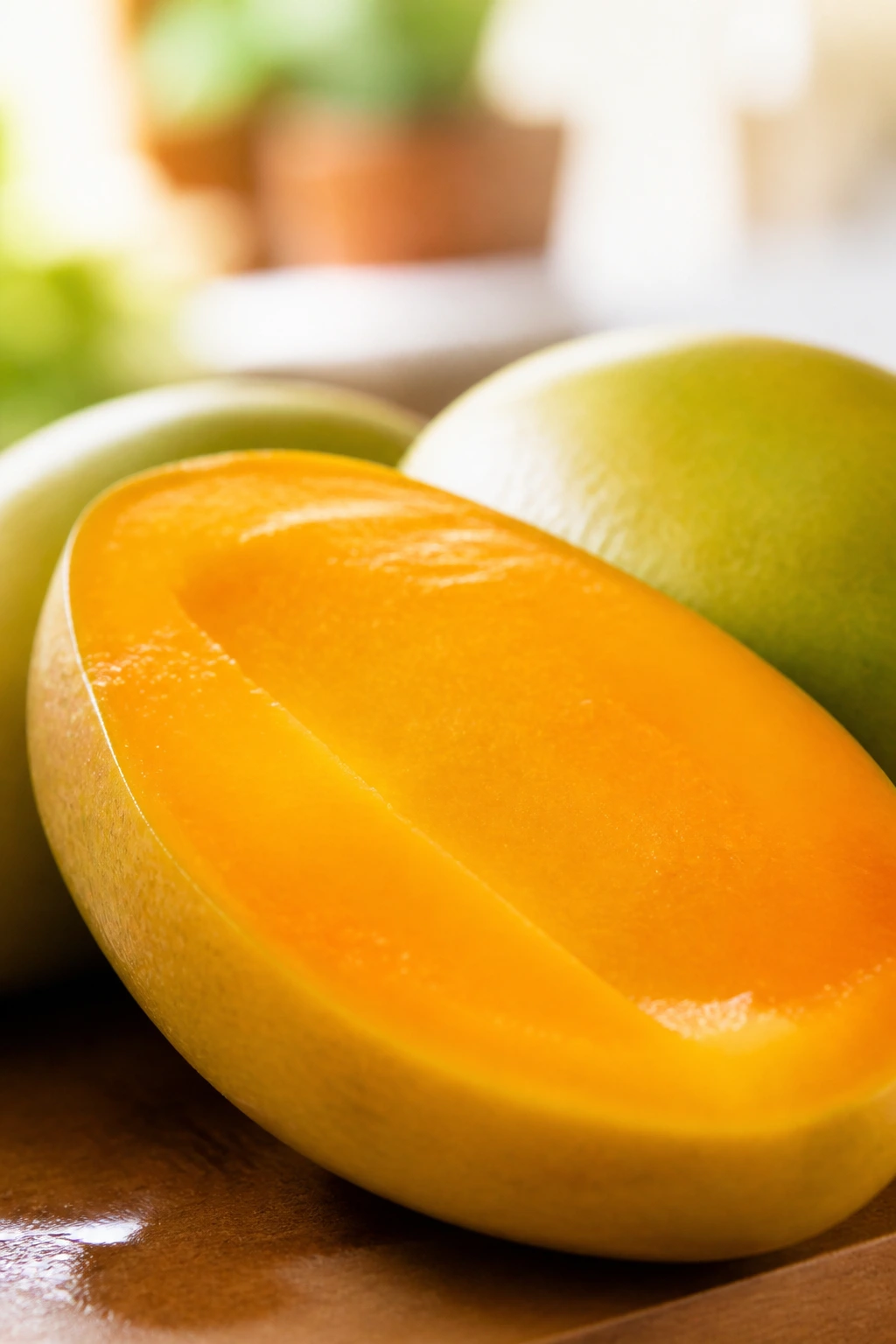
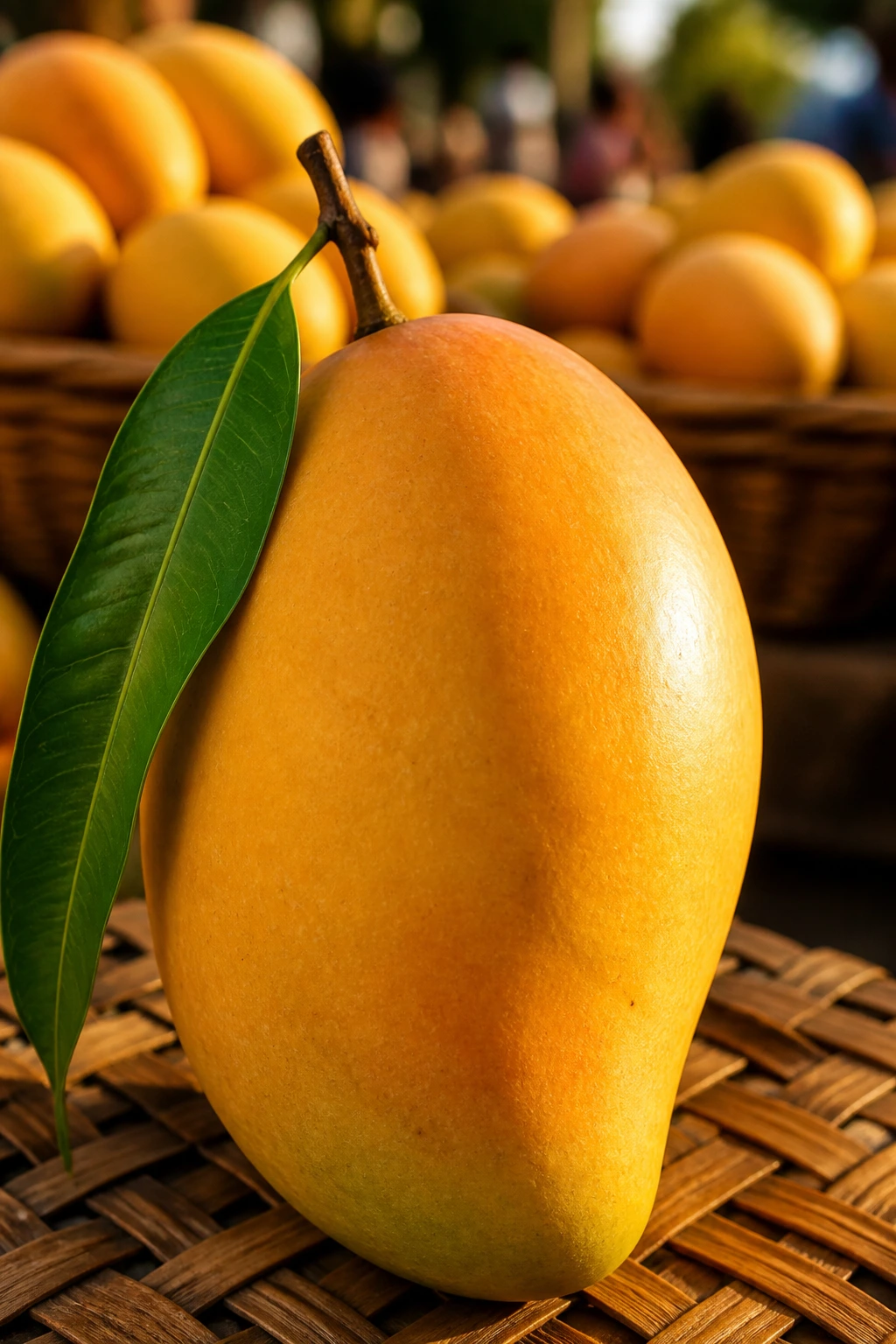
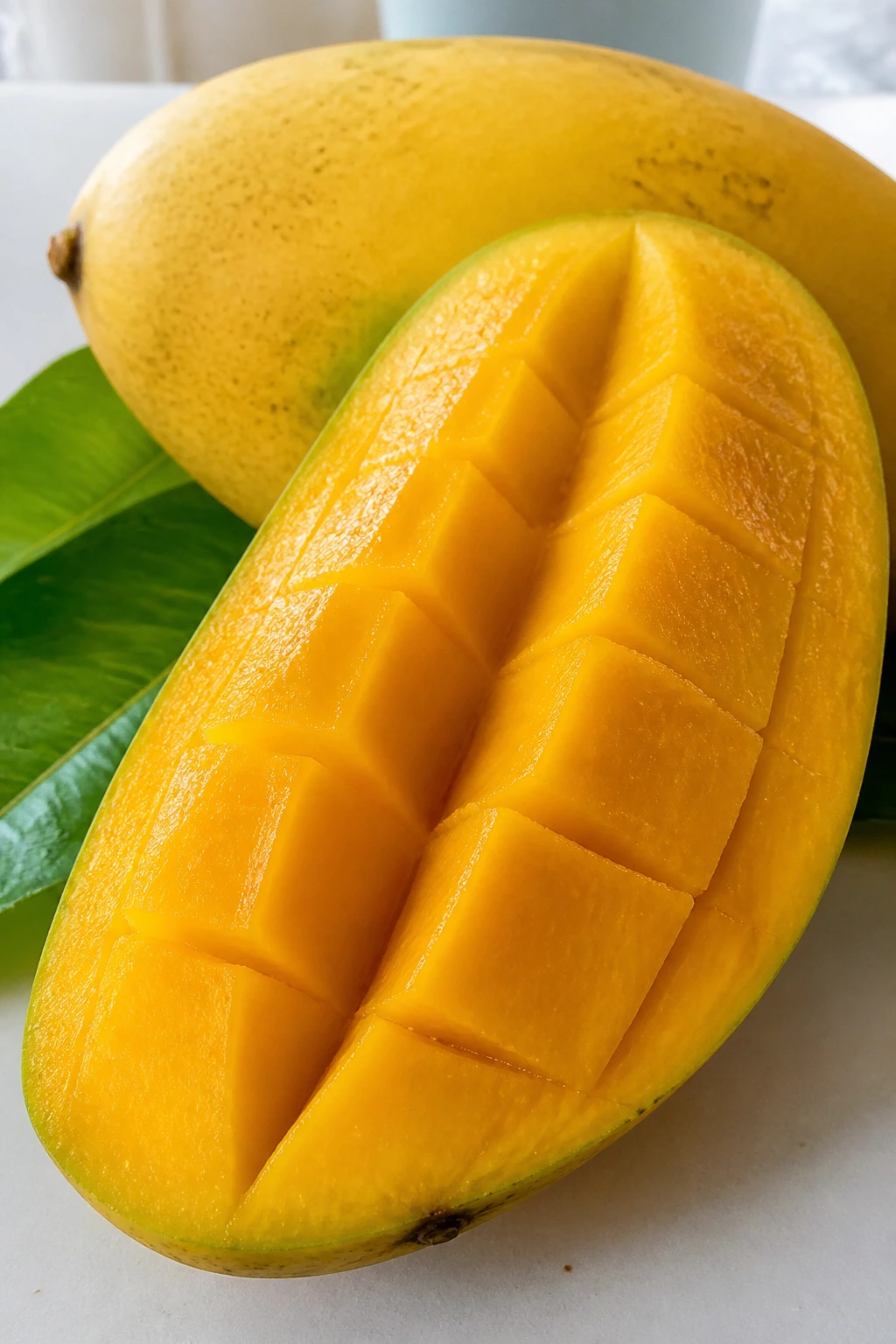
The mango, or to be more exact, the Carabao mango, is the Philippines’ pride. It’s grown locally, super sweet, and has a taste like no other. When it’s green, it means it’s not yet ripe, but when it turns yellow, it’s ready to be eaten. Its flesh is juicy and full of sweetness.
What’s Good About the Carabao Mango?
This mango is packed with good stuff like vitamins A and C, potassium, and fibre. Plus, it’s got substances that help fight off sickness and reduce swelling in the body.
Mangoes in Filipino Traditions
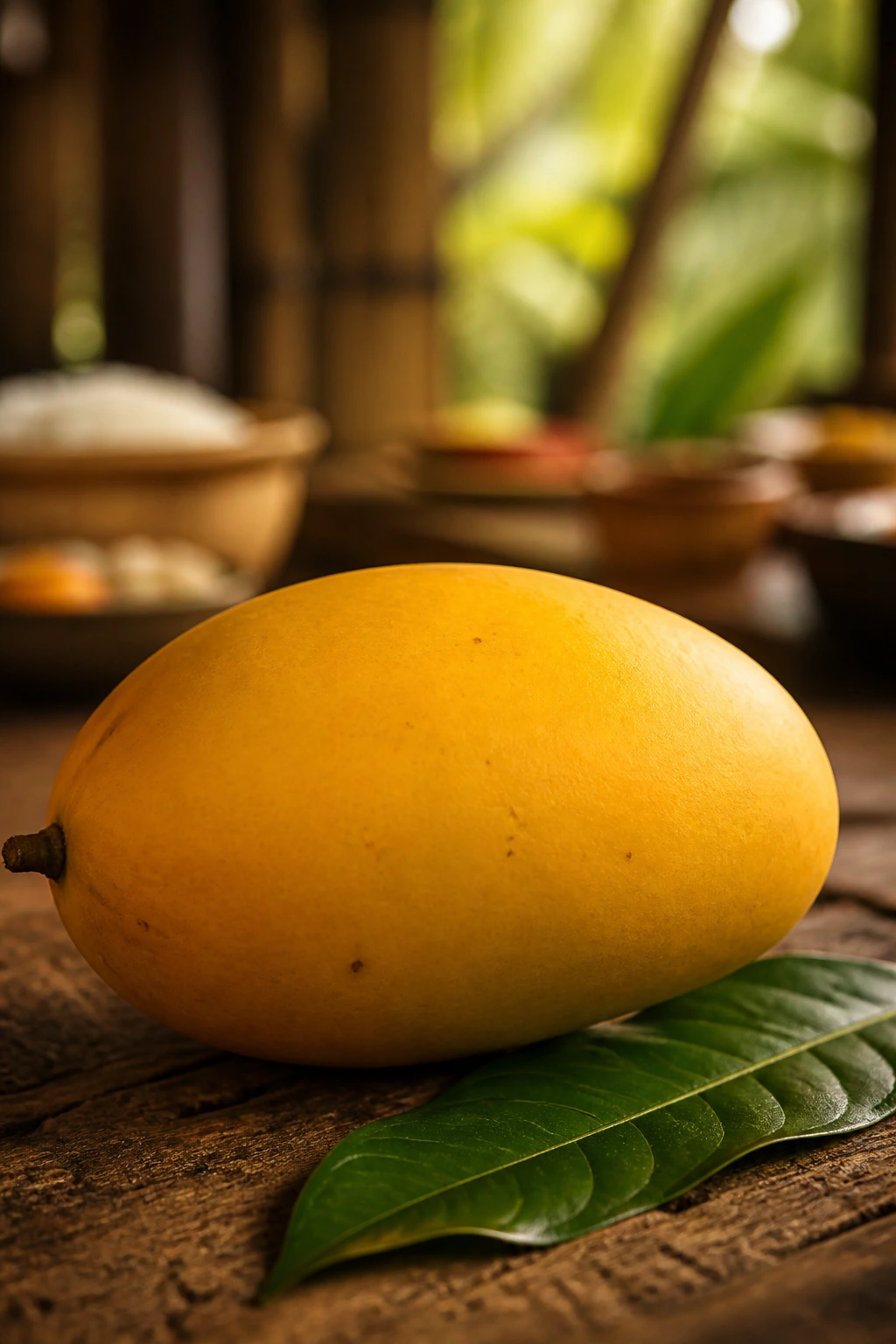
For generations, Filipinos have enjoyed mangoes. They are more than food—they are a part of who Filipinos are. The mango tree brings thoughts of wealth and happiness, and giving someone a mango is a warm way to show you care.
Mangoes in Filipino Food
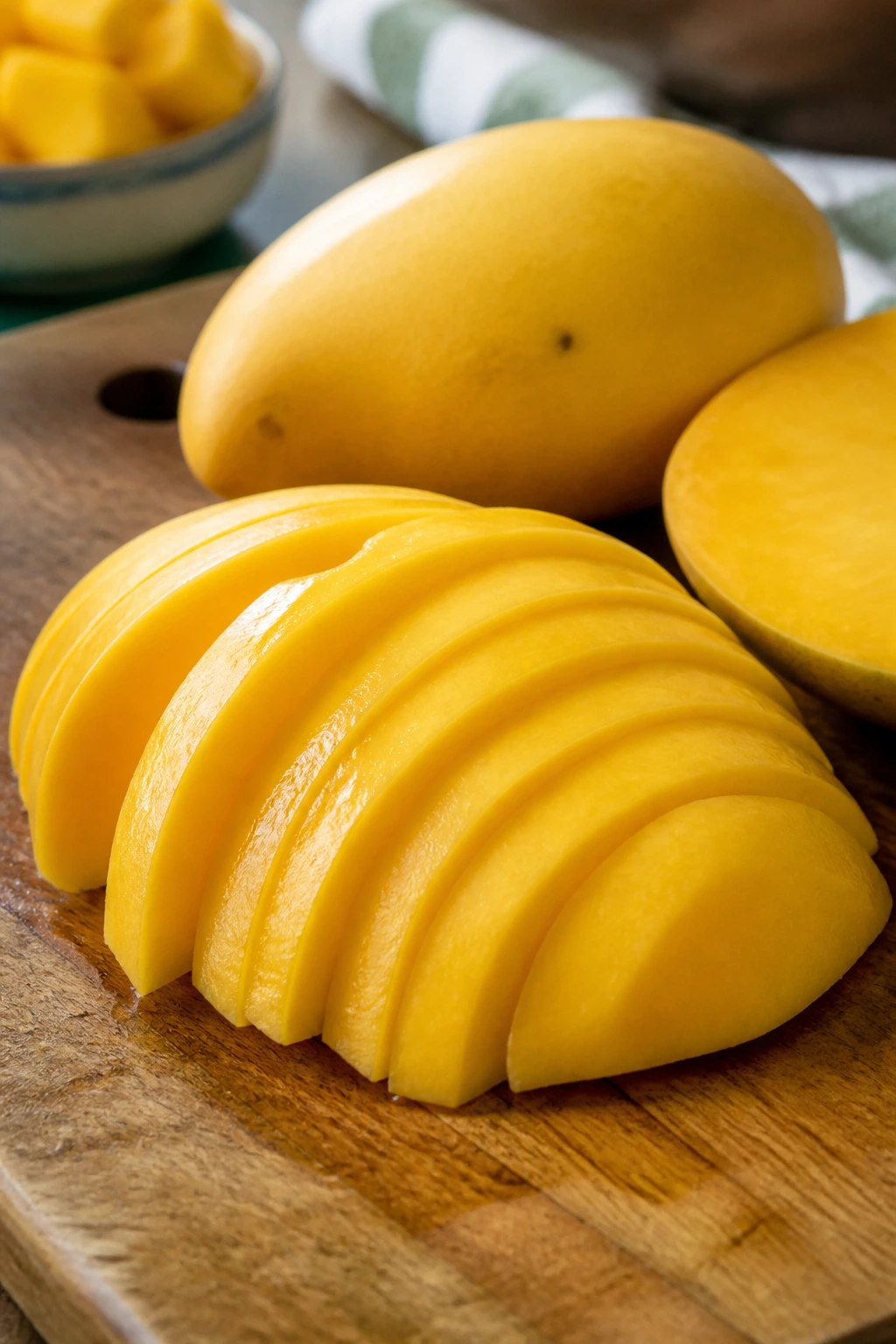
Mangoes pop up in all sorts of Filipino recipes. They can make desserts like mango float (a creamy, fruity treat), mango ice cream, and mango cake even better. They also go well in savoury dishes, like mango salsa, bringing a touch of sweetness to every bite.
Mangoes in Celebrations
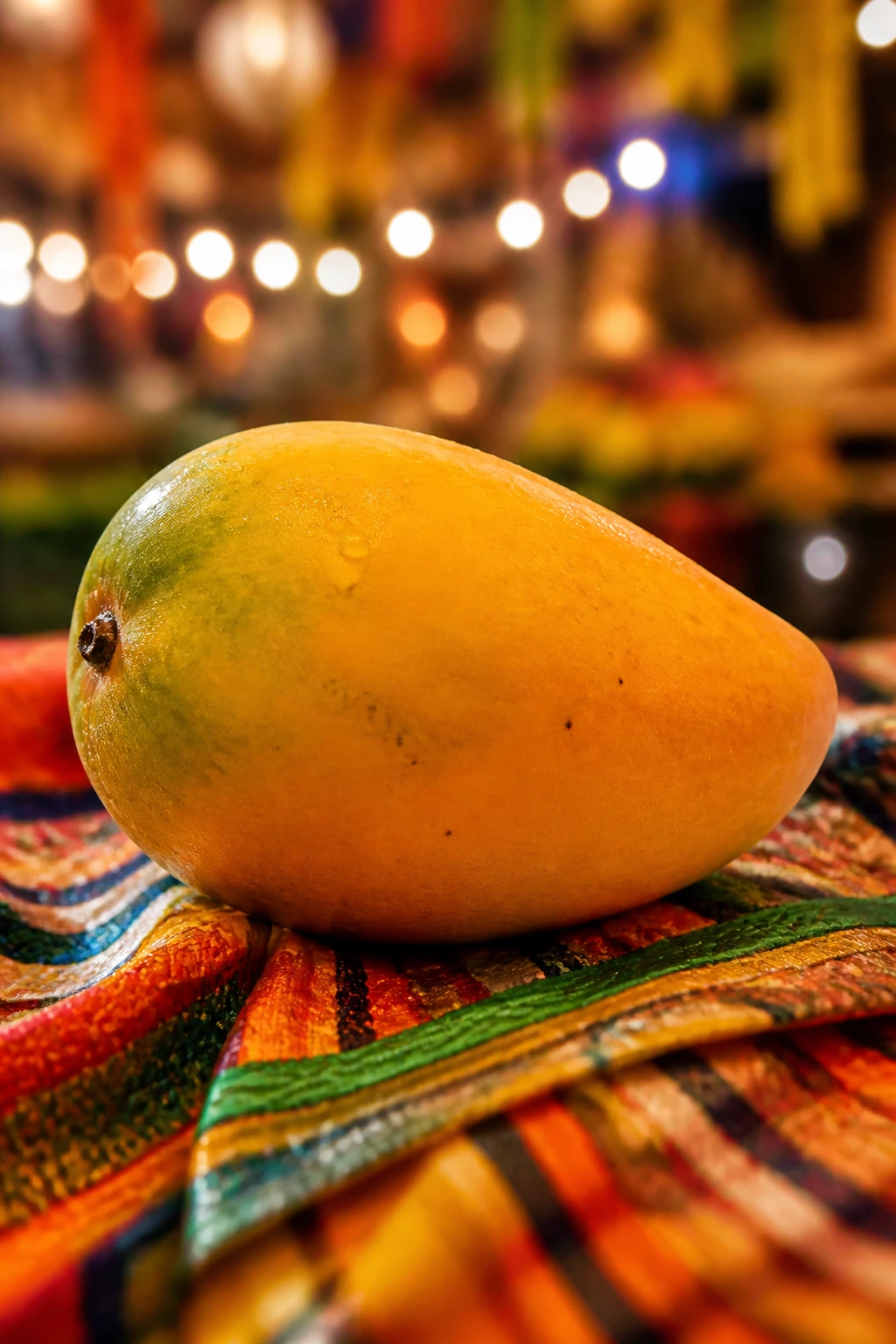
Mangoes get their own special time during festivals, like the Mango Festival in Zambales. People celebrate by enjoying lots of mango treats and showing off everything you can make with mangoes.
Mangoes in Art and Writing
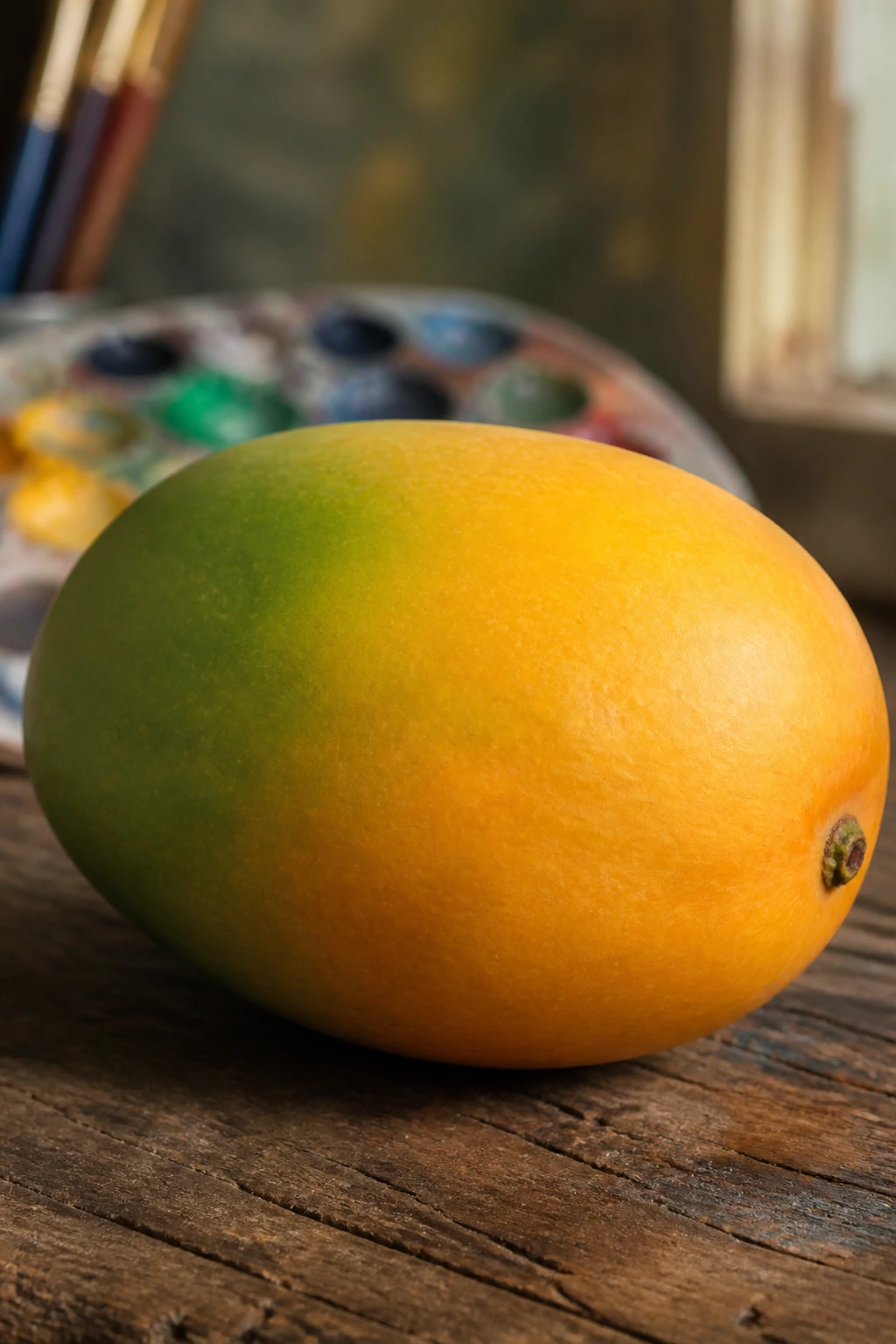
You’ll find mangoes in Filipino poems, stories, and even paintings. Artists and writers use mangoes to express ideas and feelings about life in the Philippines.
Other Mango Types in the Philippines
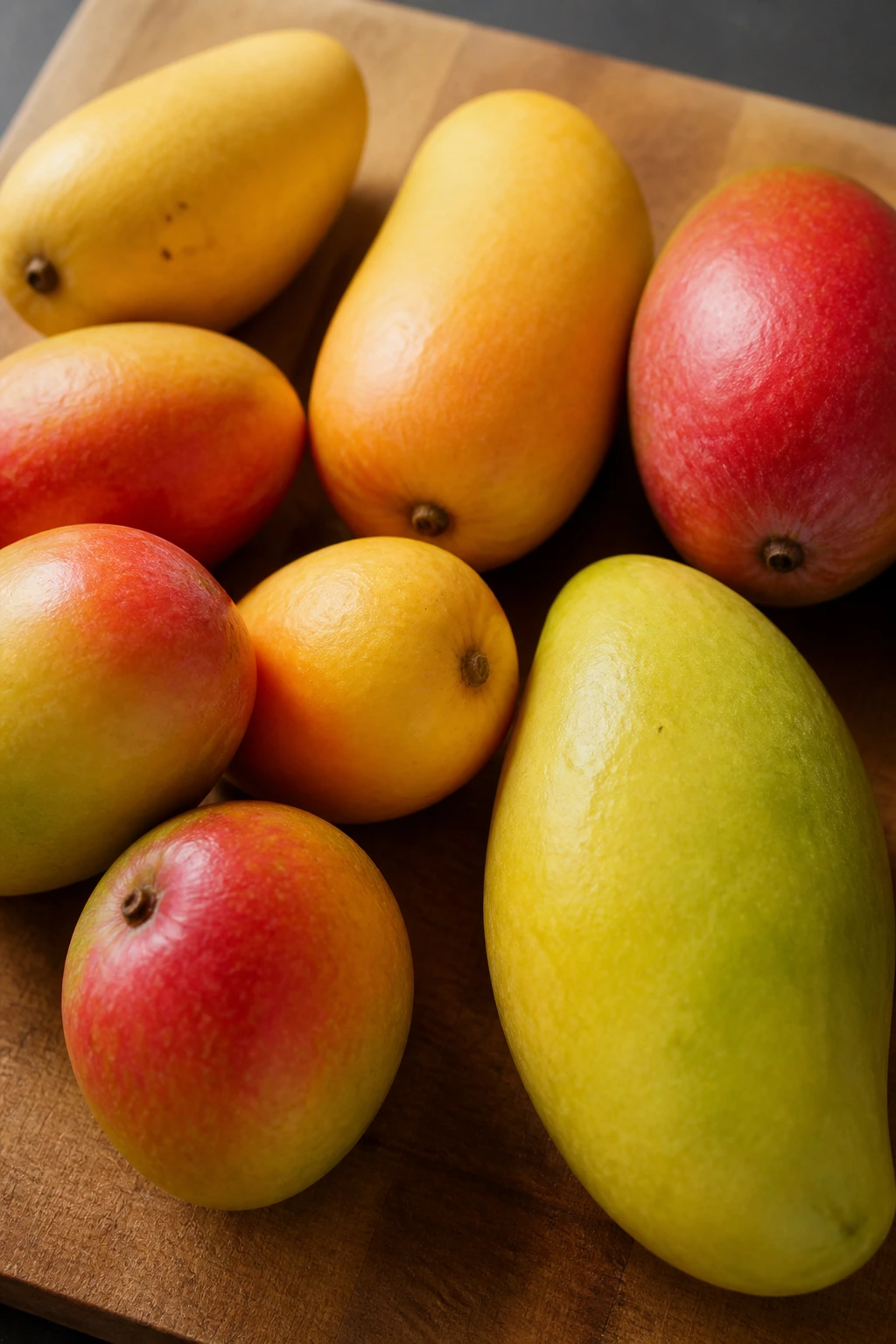
While the Carabao mango is number one, other kinds like Pico, Indian, and Apple mangoes are also loved. Each type has a different taste and texture, and they’re all popular.
Where Can You Find Carabao Mangoes?
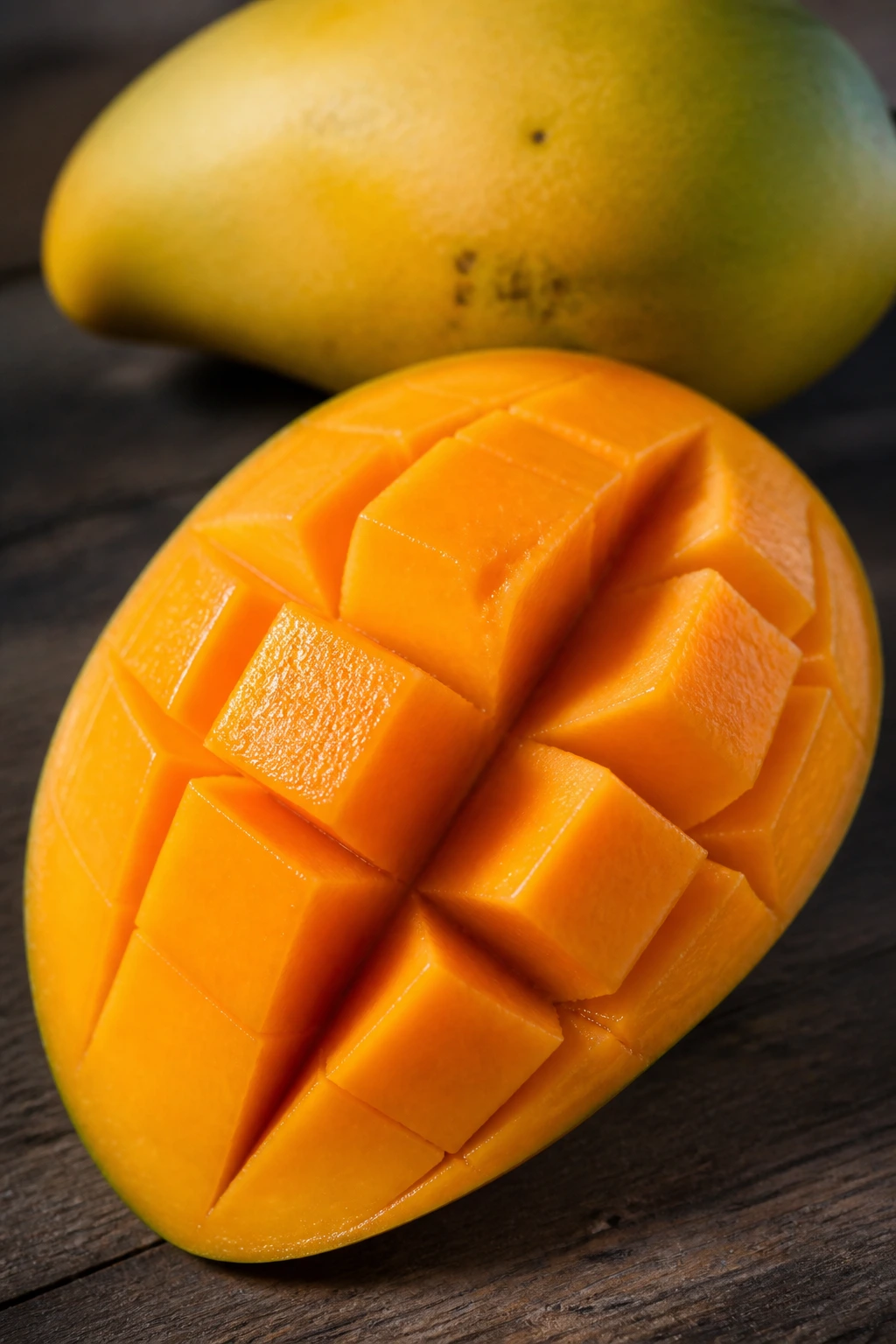
These mangoes are easy to find in the Philippines, in most grocery stores and marketplaces. They are also sent to other countries, like America and Canada, where people can’t get enough of their special taste.
Wrapping It Up
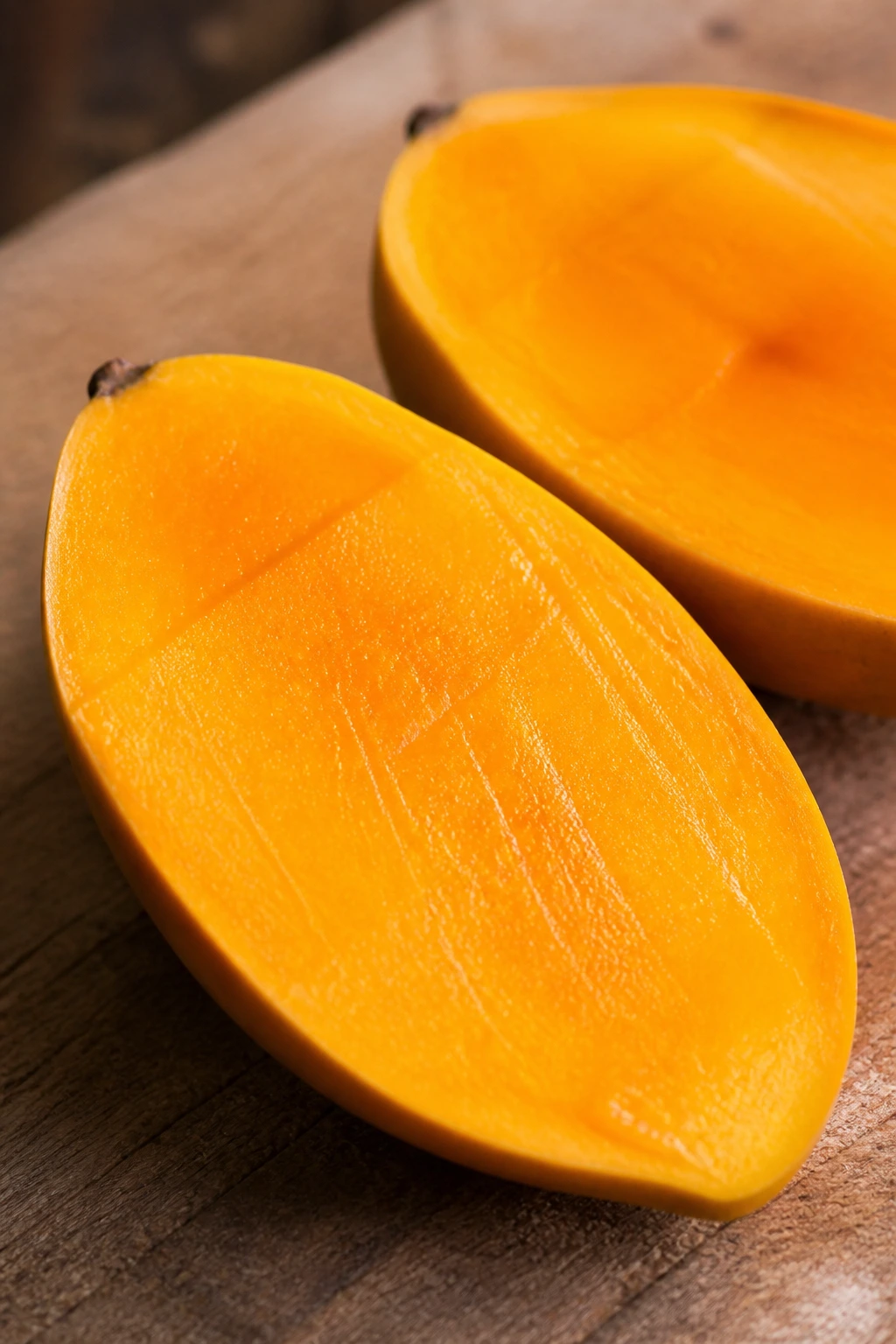
The Carabao mango means a lot to Filipinos—it’s part of their history and culture. And it’s not just tasty, it’s good for you too. It’s a big part of what Filipinos eat and how they celebrate life.
Frequently Asked Questions
How did they pick the Philippine national fruit?
They looked at how the fruit connected to Filipino culture and history, its health benefits, and the way it helps the economy. The Carabao mango was the perfect choice because it shows off the special qualities of the Philippines.
Why is the Carabao mango good for your health?
This mango is great because it has lots of vitamins, potassium, fiber, and stuff that helps protect you from getting sick. It can also lower swelling in your body.
Can Carabao mangoes be grown outside the Philippines?
Yes, they can, in places with similar weather, like Thailand and Indonesia. But remember, the taste might change based on where it grows.
Can visitors try the national fruit when in the Philippines?
Absolutely! If you visit the Philippines, you can taste Carabao mangoes and other types, too. They’re available in many places and are a key ingredient in traditional Filipino recipes.