Table of Contents
- What to Plant in August in Southern California: Your Complete Guide to Late Summer Gardening Success
- Understanding Southern California’s Unique August Growing Conditions
- Cool-Season Vegetables: Your August Planting Priority
- Warm-Season Crops: Last Chance August Plantings
- Herbs That Thrive When Planted in August
- Ornamental Flowers and Beautiful August Additions
- Fruit Trees, Berries, and Fruiting Plants
- Essential Planting Techniques for August Success
- Watering Strategies and Irrigation for August Plantings
- Fertilization and Soil Preparation for August Gardens
- Pest Management and Protection Strategies
- Common Mistakes to Avoid When Planting in August
- Final Words: Embracing Southern California’s Extended Growing Season
What to Plant in August in Southern California: Your Complete Guide to Late Summer Gardening Success
August in Southern California presents a golden opportunity that gardeners in many other regions simply don’t experience. While much of the country watches their gardens wind down for the season, Southern California gardeners stand at the threshold of an exciting planting period that can yield abundant harvests well into winter. The Mediterranean climate that defines this region—with its warm, dry summers and mild, wet winters—creates a unique window where strategic August planting sets the stage for months of productive gardening ahead. Understanding what to plant during this transitional month can transform your garden from a single-season wonder into a year-round source of fresh produce, vibrant flowers, and culinary herbs.
The secret to successful August gardening in Southern California lies in recognizing this month as a bridge between summer abundance and fall preparation. As temperatures soar and the summer sun beats down with intensity, this might seem like an unlikely time for planting. However, experienced gardeners know that August is actually the launching pad for fall and winter gardens that will thrive when temperatures moderate. Whether you’re a seasoned gardener looking to maximize your growing space or a beginner eager to extend your gardening season, this comprehensive guide will walk you through everything you need to know about what to plant in August in Southern California, along with expert techniques to ensure your success.
Understanding Southern California’s Unique August Growing Conditions
Southern California’s August climate presents both challenges and opportunities that gardeners must understand to achieve success. This section provides essential context for making informed planting decisions that align with regional weather patterns and microclimates.
Temperature and Weather Patterns During August
August typically ranks as the hottest month across Southern California, with inland valleys frequently experiencing temperatures exceeding 95-100 degrees Fahrenheit, while coastal areas enjoy more moderate conditions in the 75-85 degree range. These temperature extremes create distinct microclimates within relatively short distances, meaning a garden in Pasadena will have vastly different conditions than one in Santa Monica or San Diego. The intense heat and lack of rainfall during this period—part of the region’s characteristic Mediterranean dry season that runs from May through October—means that any seeds sown or transplants installed will require diligent attention to watering and protection from the scorching sun. Understanding your specific microclimate is crucial, as factors like elevation, proximity to the coast, and local wind patterns can create variations that significantly impact planting success.
The Transition from Summer to Fall Growing
August serves as the critical transition month when gardeners shift their focus from warm-season crops that have been producing all summer to cool-season vegetables that will thrive in the milder temperatures of fall and winter. This transitional period requires strategic planning because plants started now need sufficient time to establish before cooler weather arrives, yet they must also tolerate the remaining weeks of intense summer heat. The key advantage of starting cool-season crops in August rather than waiting until September or October is that plants become well-established during the warm soil conditions, developing strong root systems that support vigorous growth once temperatures moderate. Additionally, many cool-season vegetables planted in August will reach harvestable size by late October or November, providing fresh produce precisely when grocery store prices for these items typically increase.
Soil Temperature Considerations
Soil temperature plays a critical role in seed germination and transplant success during August. With soil temperatures often reaching 80-90 degrees Fahrenheit or higher in full sun exposure, many cool-season vegetable seeds struggle to germinate properly, and some may even enter dormancy rather than sprouting. This biological response is why experienced Southern California gardeners often start cool-season seeds indoors in air-conditioned environments or in shaded areas where temperatures remain more moderate, then transplant seedlings into the garden once they’ve developed their first true leaves. Alternatively, some gardeners employ creative techniques like watering seed beds multiple times daily to keep soil temperatures lower, or they use shade cloth to reduce direct sun exposure during the germination period. Understanding these soil temperature dynamics helps explain why certain planting methods work better than others during the intense heat of August, and why timing your plantings for late August rather than early August can sometimes yield better results as temperatures begin their gradual decline toward fall.
Cool-Season Vegetables: Your August Planting Priority
Cool-season vegetables represent the most important category for August planting in Southern California, as these crops will provide fresh harvests throughout fall and winter when many other regions experience gardening downtime.
1. Brassicas: The Cabbage Family Powerhouses
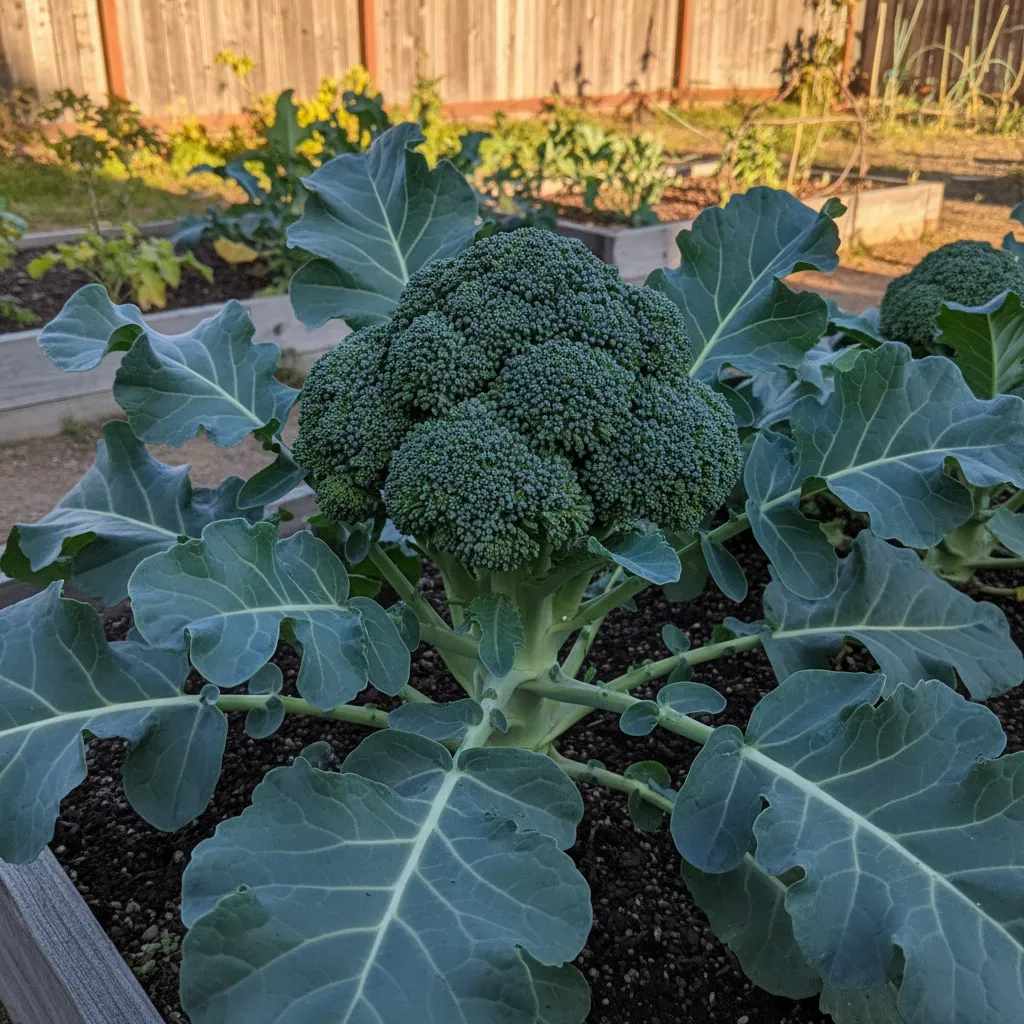
The brassica family—including broccoli, cauliflower, cabbage, Brussels sprouts, and kale—represents some of the most valuable vegetables you can plant in August for fall and winter harvests. These nutrient-dense crops thrive in cooler temperatures and actually develop sweeter, more flavorful leaves and florets after exposure to light frosts, making them perfectly suited to Southern California’s mild winter climate. August planting allows these slow-growing vegetables sufficient time to develop strong plants before the cooler months arrive, with most varieties requiring 60-100 days from transplanting to harvest depending on the specific vegetable and variety chosen. Starting brassicas from seed in August presents challenges due to the heat, so many Southern California gardeners find greater success by starting seeds indoors in small containers or module trays kept in a cool, shaded location like a garage, then transplanting seedlings into the garden once they’ve developed 2-3 true leaves and temperatures have moderated slightly.
Broccoli planted in August will typically produce harvestable heads by November or December, with many varieties continuing to produce smaller side shoots for weeks after the main head is cut. When selecting broccoli varieties, look for names like ‘Waltham 29’, ‘Green Magic’, or ‘Purple Peacock’ that perform well in Southern California’s climate. Cauliflower requires similar treatment but tends to be slightly more temperature-sensitive, making late August planting preferable to early August for this crop. Cabbage—available in green, red, and savoy types—develops into substantial heads that can weigh several pounds, providing excellent value from the garden space invested. Brussels sprouts represent the longest-season brassica, often requiring 90-120 days to produce their miniature cabbage-like sprouts along tall stalks, but the wait is worthwhile as homegrown Brussels sprouts have flavor far superior to store-bought versions. Kale, perhaps the easiest and most forgiving of the brassicas, grows vigorously once established and can be harvested continuously by picking outer leaves while allowing the plant’s center to continue producing new growth for months.
2. Root Vegetables: Underground Treasures
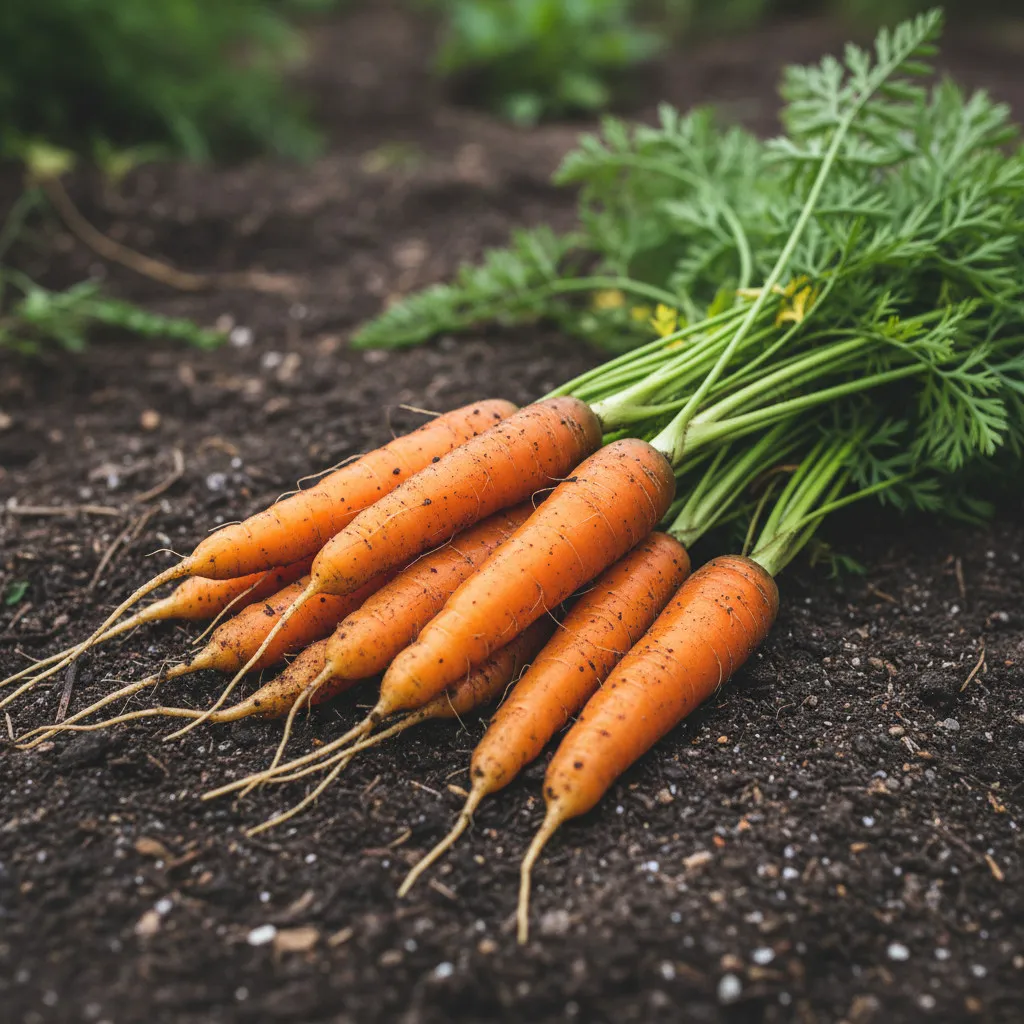
Root vegetables including carrots, beets, radishes, and turnips excel when planted in August, as they develop their underground storage organs during the cooling temperatures of fall, resulting in sweeter, more tender roots than those grown during warmer months. These vegetables can typically be direct-sown into the garden rather than started as transplants, though the hot August soil requires special attention to ensure successful germination of their small seeds. Carrots, in particular, benefit from August planting as they require 60-80 days to maturity and develop the best flavor when they mature during cooler weather. The challenge with carrots lies in their tiny seeds and slow germination, which can take 14-21 days even under ideal conditions, requiring consistent moisture throughout this period to prevent the seeds from drying out and failing to sprout. Many gardeners employ tricks like covering carrot seed rows with boards or damp burlap to maintain moisture, checking daily and removing the covering once sprouts begin to emerge.
Beets offer more forgiving growing characteristics, with larger seeds that germinate more reliably and faster growth that produces harvestable roots in just 50-60 days. Both the roots and the nutritious greens of beets can be harvested and eaten, making them a dual-purpose crop that provides excellent return on garden space. Radishes represent the speediest root crop, with some varieties ready to harvest in as few as 25-30 days, making them an excellent choice for beginning gardeners or for filling in gaps between slower-growing crops. Turnips, often overlooked in modern gardens, deserve reconsideration as they produce both edible roots and tasty greens, grow quickly (45-60 days), and tolerate a wide range of growing conditions. When planting any root vegetables in August, focus on preparing loose, well-draining soil free of rocks and clumps that might cause roots to fork or develop irregular shapes, and consider applying a light mulch over the seed bed to help retain moisture and moderate soil temperature during the critical germination period.
3. Leafy Greens: Salad Garden Essentials
Leafy greens including lettuce, spinach, arugula, and Asian greens like bok choy and mizuna can be planted in August for fall harvests, though these cool-season crops present particular challenges during the late summer heat. Lettuce, especially, struggles with germination when soil temperatures exceed 75-80 degrees Fahrenheit, often entering a dormancy state rather than sprouting. To overcome this challenge, Southern California gardeners employ several strategies: starting seeds indoors in cooler conditions, pre-sprouting seeds on damp paper towels in the refrigerator before planting, sowing seeds in the late afternoon and then watering them in with cool water, or simply waiting until late August when temperatures begin to moderate. Once lettuce seeds germinate and seedlings become established, the plants grow quickly in the fall weather, providing tender leaves for salads within 30-50 days depending on whether you’re growing loose-leaf varieties (faster) or heading types like romaine (slower).
Spinach offers similar nutritional benefits to lettuce but with even more pronounced preferences for cool weather, making late August a better planting time than early August for this crop. The large, nutritious leaves of spinach develop best when plants experience cool nights, and the flavor becomes sweeter after light frost exposure. For best results, choose bolt-resistant varieties like ‘Bloomsdale’ or ‘Space’ that tolerate temperature fluctuations better than older varieties. Arugula, with its distinctive peppery flavor, grows rapidly from seed and tolerates heat better than lettuce or spinach, making it one of the most reliable leafy greens for August planting. Swiss chard, while technically in the beet family, is grown for its nutritious leaves and colorful stems and can be planted almost year-round in Southern California, including August, as it tolerates both heat and cold better than most leafy greens. The colorful stems of varieties like ‘Bright Lights’ add ornamental value to vegetable gardens while providing continuous harvests of vitamin-rich leaves for months.
Warm-Season Crops: Last Chance August Plantings
While August marks the transition toward cool-season gardening, certain warm-season crops can still be planted early in the month to squeeze out additional harvests before fall temperatures arrive.
Quick-Maturing Warm-Season Vegetables
Several warm-season vegetables remain viable for August planting if you act early in the month and select fast-maturing varieties. Bush beans, for instance, can go from seed to harvest in just 50-60 days, meaning beans planted in early August can produce a crop in late September or early October before cooler temperatures shut down production. Choose varieties specifically bred for quick maturity and compact growth like ‘Contender’, ‘Provider’, or ‘Blue Lake Bush’ beans. Cucumbers represent another fast-growing warm-season crop that can still be planted in early August, particularly in inland areas where warm temperatures persist well into fall. Look for varieties that mature in 55-65 days and consider providing some afternoon shade to prevent sun-scald on the fruits as they develop. Summer squash including zucchini and yellow crookneck squash grow so vigorously in warm soil that they can still produce worthwhile harvests from early August plantings, though these large plants require consistent watering and ample space to spread.
Tomatoes and Peppers: A Calculated Risk
Planting tomatoes in August represents a gamble that sometimes pays off handsomely and other times disappoints, depending on your specific microclimate and the weather patterns that develop through fall. In frost-free coastal areas and warm inland valleys, tomatoes planted in August can produce fruit into December or even later, especially if you choose early-maturing determinate varieties or cherry tomatoes that set fruit quickly. However, tomatoes planted this late will likely produce smaller yields than spring-planted crops, and you must commit to providing the consistent care these heavy-feeders require. Peppers planted in August face similar challenges and opportunities, with hot peppers generally faring better than sweet bell peppers for late-season plantings since they tolerate cooler temperatures more effectively and continue producing even as growth slows.
For both tomatoes and peppers, purchasing transplants rather than starting from seed gives you a significant head start, effectively shortening the growing season by 6-8 weeks. Choose compact, bushy transplants rather than tall, leggy ones, and look for varieties specifically noted for their early maturity. Water these heat-loving plants deeply and regularly throughout August and September, and consider applying mulch around the base to conserve moisture and moderate soil temperature. Feed tomatoes and peppers with a balanced fertilizer at planting and again when flowers appear to support fruit development. Accept that production from August-planted tomatoes and peppers will be modest compared to spring plantings, but appreciate any harvest as a bonus extending your gardening season when these vegetables command premium prices at grocery stores and farmers markets.
Herbs That Thrive When Planted in August
Herbs represent some of the most valuable and versatile plants for August planting, with many varieties flourishing in the late summer heat while others appreciate the transition toward fall temperatures.
Heat-Loving Herbs for Immediate Planting
Basil stands out as the premier heat-loving herb that can still be planted in August, though earlier in the month is preferable to later for this warm-season annual. With soil and air temperatures still high, basil grows vigorously from transplants, quickly developing into bushy plants that provide abundant harvests of fragrant leaves for pesto, caprese salads, and countless other culinary applications. Choose from numerous basil varieties including classic sweet basil, purple-leafed types like ‘Dark Opal’, Thai basil with its distinctive anise flavor, or specialty varieties like lemon or cinnamon basil. Once established, keep basil plants productive by regularly pinching off flower buds as they form, which redirects the plant’s energy into leaf production rather than seed formation and prevents the leaves from developing bitter flavors. Cilantro, while technically preferring cooler temperatures, can be planted in late August as temperatures begin to moderate, though it will likely bolt to seed quickly if planted too early in the month when heat remains intense.
Perennial Herbs for Long-Term Garden Value
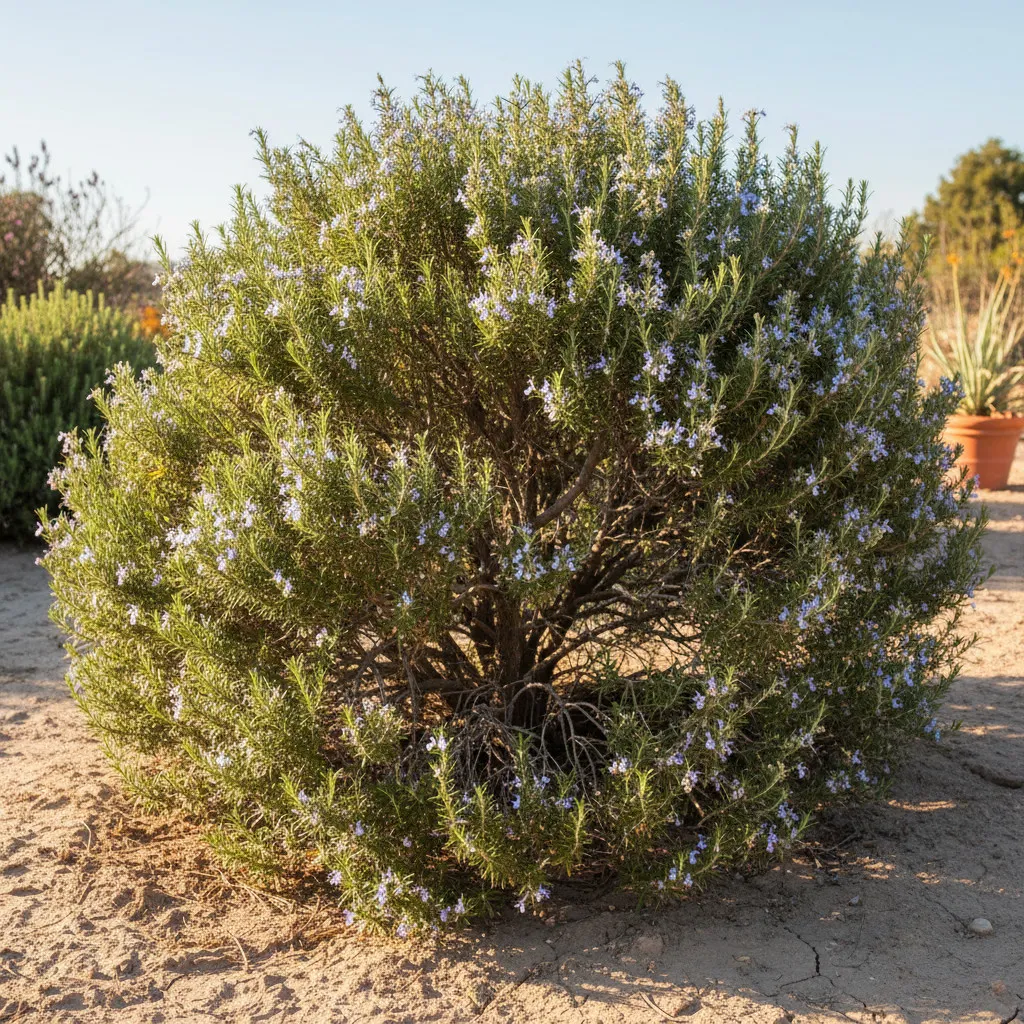
August offers an excellent opportunity to establish perennial herbs that will become permanent fixtures in your garden, providing harvests for years to come. Mediterranean herbs including rosemary, thyme, oregano, and sage all thrive when planted during the warm, dry conditions of late summer, as these conditions closely mimic their native habitat. These woody perennial herbs develop strong root systems during the warm soil period of late summer and fall, positioning them for vigorous growth the following spring. Rosemary, with its aromatic needle-like leaves, grows into a substantial shrub over time and tolerates drought exceptionally well once established, making it ideal for water-wise gardens. Thyme offers numerous varieties from common culinary thyme to lemon, orange, and caraway-flavored types, all forming low-growing, spreading plants perfect for edging pathways or filling in between pavers.
Oregano grows vigorously, sometimes aggressively, spreading to form substantial patches that can be harvested repeatedly throughout the growing season for use in Italian and Mexican cuisine. Sage, with its soft, gray-green leaves and beautiful purple-blue flower spikes, serves both culinary and ornamental purposes while requiring minimal care once established. When planting perennial herbs in August, choose locations with excellent drainage and full sun exposure, as soggy soil—especially during winter rainy periods—represents the primary cause of failure for these Mediterranean natives. Lavender, another Mediterranean perennial, can be planted in August and will develop into fragrant mounds of silver-gray foliage topped with purple, pink, or white flower spikes. While we typically think of lavender for its aromatic and ornamental qualities, it also has culinary applications and attracts numerous beneficial pollinators to the garden.
Ornamental Flowers and Beautiful August Additions
August planting isn’t limited to edibles—numerous flowering plants and ornamentals can be established during this month to provide color and beauty throughout fall and into the following year.
Annuals for Fall Color
Several annual flowers can be planted in August to provide bursts of color through fall and even into winter in Southern California’s mild climate. Zinnias, marigolds, and cosmos all thrive in the heat of late summer and will bloom prolifically if planted early in August from transplants or pre-sprouted seeds. These cheerful annuals grow quickly, with zinnias particularly valuable as cut flowers that last well in vases. Marigolds serve double duty by adding orange, yellow, and red hues to garden beds while potentially deterring certain garden pests with their pungent fragrance. Sunflowers planted from seed in August can reach impressive heights and produce their iconic blooms in October, providing both visual impact and edible seeds for you or the birds.
Perennials and Fall-Blooming Specialties
August marks the ideal time to plant bearded iris rhizomes, which should be divided and replanted every 3-4 years to maintain vigor. These spectacular spring-blooming perennials need the warm soil of late summer to establish roots before winter, then burst forth with their dramatic flowers in April and May. When planting iris rhizomes, remember the critical rule: the top of the rhizome should remain exposed above the soil surface, not buried, to prevent rot and ensure proper flowering. Pansies and violas can be planted from transplants in late August, especially in coastal areas, where they’ll provide cheerful flowers throughout fall and winter. These cool-season annuals come in a rainbow of colors and tolerate light frosts that would damage more tender flowering plants.
Wildflower seeds for spring blooming can be prepared for November planting by keeping the intended planting area free of weeds through August and September. Some experienced gardeners employ a clever technique of lightly watering wildflower areas several times in August to germinate weed seeds, then eliminating these weeds before they can mature and set seed, significantly reducing weed competition when wildflowers are sown in fall. California poppies, lupines, and other native wildflowers create stunning displays when planted appropriately, supporting local ecology while providing spectacular spring color with minimal water requirements once established.
Fruit Trees, Berries, and Fruiting Plants
While August isn’t the primary planting season for most fruit trees, certain fruiting plants can be established successfully during this month, and existing plants require specific care to ensure future productivity.
Subtropical Fruit Trees and Avocados
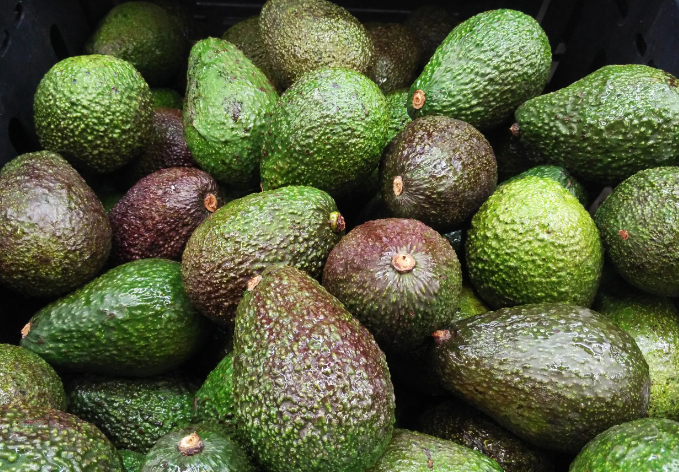
August remains suitable for planting subtropical fruit trees including citrus, avocados, and other heat-loving species, provided you commit to vigilant watering during establishment. The warm soil temperatures encourage rapid root growth, helping these trees establish quickly before winter arrives. However, newly planted trees in August will require much more frequent watering—potentially every day or every other day—to prevent heat stress while their limited root systems establish in the surrounding soil. Avocados planted in August need particular attention to watering, shade protection for the trunk and foliage, and mulching around the root zone to moderate soil temperature and conserve moisture. If you’re prepared to provide this intensive care, August planting can work well, but many gardeners find October and November easier months for establishing new fruit trees when temperatures have moderated.
Strawberries and Berry Maintenance
August represents a critical month for strawberry care, as these plants respond to late summer fertilization by setting the foundation for the following spring’s crop. Whether you’re growing June-bearing strawberries that produce one large crop in spring or ever-bearing varieties that produce sporadically through summer and fall, feeding them now with a berry-specific fertilizer encourages strong root development and bud formation. Strawberry runners that develop during summer can be allowed to root in place during August, creating new plants that can be transplanted to expand your berry patch once they’re well-established in October or November. Fall is actually the preferred time for planting new strawberries in Southern California rather than spring, as plants establish during the cool, moist winter months and then produce heavily the following April and May.
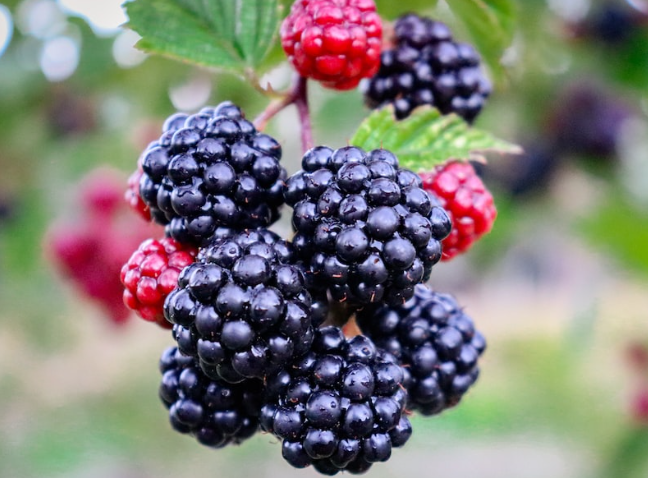
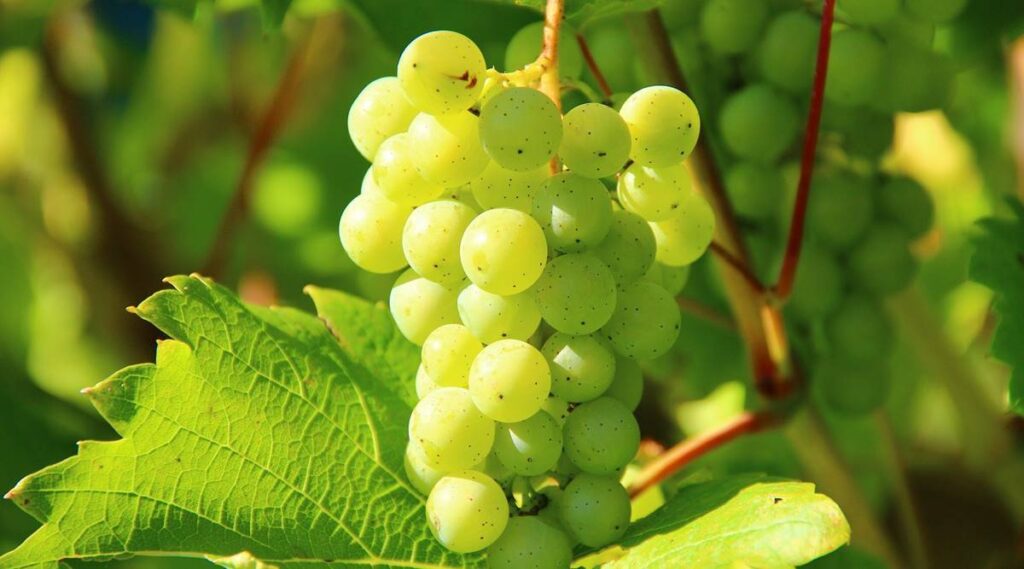
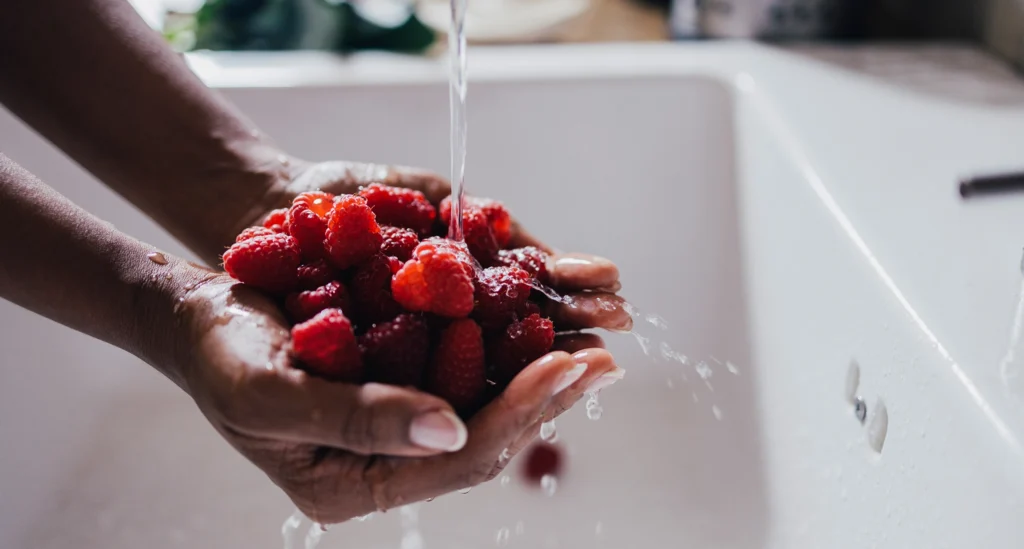
Bramble fruits including blackberries and raspberries also benefit from August attention, particularly feeding and consistent watering that supports next year’s fruiting potential. Remove spent canes that have finished producing fruit, as these won’t bear again, and train new canes to your trellis system. For grapes, August brings the harvest period for many varieties, and proper watering and feeding through this month ensures the vine remains healthy and productive. Feeding fruit trees and berry plants in August should generally focus on balanced fertilization that supports overall plant health rather than high-nitrogen formulas that might stimulate excessive vegetative growth when plants should be transitioning toward dormancy.
Essential Planting Techniques for August Success
Successful August planting in Southern California requires specific techniques that address the challenges of heat, intense sun, and dry conditions that define this month.
Seed Starting Methods for Hot Weather
Starting cool-season vegetable seeds in August presents unique challenges that require creative solutions. Direct sowing seeds into hot garden soil often results in poor germination rates as soil temperatures exceed the optimal range for cool-season crops, which typically germinate best when soil temperature ranges from 60-75 degrees Fahrenheit. To overcome this obstacle, many Southern California gardeners start seeds indoors in small containers, module trays, or seed-starting systems placed in air-conditioned spaces or cool garages where temperatures remain moderate. This controlled environment allows seeds to germinate reliably, after which seedlings can be gradually acclimated to outdoor conditions through a process called hardening off before final transplanting into garden beds.
Another effective technique involves creating a temporary shade structure over seed beds using shade cloth that blocks 30-50% of sunlight, significantly reducing soil temperature while still allowing sufficient light for growth. Water seed beds early in the morning, potentially multiple times per day if needed, to keep the soil surface consistently moist during the germination period without overwatering to the point of creating soggy, oxygen-deprived conditions. Some gardeners lay boards or damp burlap directly over seed rows immediately after planting, checking daily and removing the covering as soon as sprouts begin to emerge. This simple technique prevents soil from crusting, maintains consistent moisture, and moderates temperature, significantly improving germination rates for finicky seeds like carrots and lettuce.
Transplanting During High Heat
When transplanting seedlings into the garden during August’s heat, timing and technique significantly impact success rates. Always transplant during the cooler parts of the day—either early morning or evening—rather than during the heat of midday when plants experience maximum stress. Water the transplant thoroughly in its container before removing it, which helps the root ball hold together and reduces transplant shock. Dig the planting hole, position the transplant at the same depth it was growing in its container, backfill with soil, and then water thoroughly to settle soil around roots and eliminate air pockets. Creating a slight depression or basin around the transplant helps direct water to the root zone during subsequent irrigations.
For the first week after transplanting, provide temporary shade during the hottest part of the day using shade cloth, boards, overturned baskets, or even large cardboard boxes to protect tender transplants from full sun intensity. A light misting of foliage each morning helps plants cope with heat stress, though avoid wetting leaves during the heat of the day or in the evening when moisture could promote fungal diseases. Continue watering transplants daily or even twice daily during the first week, gradually reducing frequency as plants show signs of new growth indicating successful establishment. Apply a 2-3 inch layer of organic mulch around transplants, keeping it pulled back slightly from stems to prevent rot, to conserve moisture and moderate soil temperature. This extra attention during the first 7-10 days makes the difference between transplants that thrive and those that struggle or fail.
Watering Strategies and Irrigation for August Plantings
Proper watering represents perhaps the most critical factor determining success or failure for August plantings in Southern California, requiring a strategic approach that balances plant needs with water conservation.
Understanding Different Watering Needs
Newly planted seeds and transplants have vastly different watering requirements than established plants, and August plantings require extra attention due to the heat. Seeds need consistently moist surface soil during germination, which may require light watering multiple times per day in hot weather to prevent the soil surface from drying out and killing emerging seedlings. This frequent, light watering should continue until seedlings have developed several true leaves and roots have penetrated deeper into the soil profile, at which point you can transition to less frequent but deeper watering that encourages roots to grow downward.
Transplants need deep watering at planting time to settle soil around roots, followed by daily watering for the first week or two to support establishment. As transplants show signs of new growth—indicating their roots are growing into surrounding soil—you can gradually reduce watering frequency while increasing the amount of water applied at each irrigation. Established plants generally prefer deep, infrequent watering that encourages deep root growth rather than shallow, frequent watering that keeps roots near the surface where they’re more vulnerable to heat stress and drought. A general rule suggests that most vegetable crops need approximately 1-1.5 inches of water per week during active growth, though this varies based on temperature, humidity, wind, and soil type.
Irrigation Methods and Systems
Hand watering with a garden hose and soft spray nozzle provides ultimate control and works well for small gardens, containers, and newly planted areas. This method allows you to observe plants closely, adjust water delivery to individual plant needs, and spot problems early. However, hand watering requires time and consistent commitment, which some gardeners struggle to maintain. Drip irrigation systems deliver water slowly and directly to plant root zones with minimal evaporation or waste, making them ideal for water conservation and for accommodating the different water needs of various plants in a mixed garden. Installing drip irrigation before planting simplifies the process, though it can be added to existing plantings with some care.
Sprinkler systems provide efficient coverage for larger areas but deliver water less precisely than drip systems and lose more water to evaporation, particularly when run during hot, windy conditions. If using sprinklers, run them early in the morning (between 4-6 AM is ideal) when temperatures are coolest, humidity is highest, and winds are typically calm, maximizing the percentage of water that actually reaches plant roots. Regardless of irrigation method, periodically check soil moisture at root depth—not just at the surface—by digging down 4-6 inches with a trowel to ensure water is penetrating adequately. Soil moisture meters available at garden centers provide another tool for determining when plants actually need water versus when the surface appears dry but adequate moisture exists at root depth.
Fertilization and Soil Preparation for August Gardens
Proper soil preparation and strategic fertilization create the foundation for successful August plantings, providing the nutrients plants need for strong establishment and growth.
Pre-Planting Soil Preparation
Before planting anything in August, evaluate and improve your soil to give new plants the best possible start. Most vegetables grow best in loose, well-draining soil rich in organic matter, which may require amendments if your native soil is heavy clay or sandy. Working 2-4 inches of quality compost into the top 6-8 inches of soil improves soil structure, water-holding capacity, drainage, and nutrient content regardless of your existing soil type. Compost adds beneficial microorganisms that improve soil health, supplies a slow-release source of nutrients, and helps buffer pH extremes. If creating new garden beds, consider building raised beds filled with a mixture of quality topsoil, compost, and other amendments, which gives you complete control over growing conditions.
For root crops like carrots, beets, and radishes, pay special attention to removing rocks, clods, and debris that can cause roots to fork or develop misshapen. Break up compacted layers that might restrict root penetration by deeply working the soil with a spading fork or broadfork tool. Avoid using fresh manure, which can burn plants and contribute excessive nitrogen that promotes leafy growth at the expense of root development. Well-aged compost or mushroom compost works much better. Test soil pH if you haven’t recently, as most vegetables prefer slightly acidic to neutral pH (6.0-7.0), and extreme pH levels can lock up nutrients making them unavailable to plants even when present in adequate amounts in the soil.
Fertilization Strategies for Late Summer Plantings
Cool-season vegetables planted in August benefit from balanced fertilization that supports establishment and early growth. At planting time, incorporate a complete organic fertilizer into the soil according to package directions, typically 2-4 pounds per 100 square feet of garden bed. Organic fertilizers release nutrients slowly as soil microorganisms break them down, providing steady nutrition rather than the quick burst and rapid depletion characteristic of synthetic fertilizers. Products like fish bone meal provide excellent phosphorus for root development, while composted chicken manure supplies nitrogen for leafy growth, and kelp meal adds trace minerals and natural growth hormones. Many gardeners prefer blended organic fertilizers like “all-purpose 4-4-4” or similar formulations that provide balanced nutrition.
For young seedlings and transplants, avoid applying fertilizer directly at planting time, which can burn tender roots. Instead, allow plants to establish for 2-3 weeks, then begin supplemental feeding with diluted liquid fertilizer like fish emulsion or compost tea applied every 2-3 weeks. As plants mature and begin producing their edible portions (heads, roots, leaves, etc.), continue regular feeding since rapid growth requires consistent nutrient supply. Heavy feeders like broccoli, cabbage, and lettuce benefit from side-dressing with additional compost or granular organic fertilizer every 4-6 weeks throughout their growth period. Lighter feeders like radishes, carrots, and beans require less fertilization, with the nutrients provided at soil preparation often sufficient for their entire growth cycle.
Pest Management and Protection Strategies
August planting requires vigilance regarding pest management and plant protection, as warm temperatures support high insect populations while young plants are most vulnerable to damage.
Common August Garden Pests
Several insect pests reach peak populations during August’s heat, requiring monitoring and control to protect young plantings. Cabbage moths—small white butterflies that flutter around gardens—lay eggs on brassica crops, and their green caterpillar larvae can devour young seedlings within days. Protecting brassicas with lightweight row cover fabric immediately after planting prevents moths from accessing plants to lay eggs, providing reliable organic pest control without chemicals. Alternatively, spray young brassica plants with Bacillus thuringiensis (Bt), an organic biological insecticide that kills caterpillars but is harmless to beneficial insects, people, and pets. Apply Bt in the late afternoon or evening when caterpillars are actively feeding and reapply after rain or irrigation washes it off.
Aphids, small soft-bodied insects that cluster on tender new growth and undersides of leaves, reproduce rapidly in warm weather and can weaken plants by sucking sap. A strong spray of water from the hose often dislodges aphids adequately for control, or use insecticidal soap if populations become severe. Spider mites, nearly microscopic pests that thrive in hot, dry conditions, cause stippling and yellowing of leaves and may produce fine webbing on plant parts. Regular overhead watering and misting of foliage discourages spider mites, as they prefer dry conditions, but severe infestations may require horticultural oil sprays. Earwigs, sowbugs, and pillbugs sometimes damage tender seedlings by feeding on young leaves and stems at night, particularly in moist mulched areas where these pests hide during the day. Reduce populations by eliminating daytime hiding spots like boards and debris, or trap them under rolled corrugated cardboard or newspaper placed in garden beds and checked each morning.
Environmental Protection for Tender Plants
Beyond insect pests, August plantings require protection from environmental stresses that can damage or kill young plants. Intense sun can cause sunscald on tender leaves, particularly on transplants moved from protected nursery conditions into full sun exposure. Provide temporary shade using shade cloth, sheets suspended over stakes, or overturned containers during the hottest part of the day for the first week or two after transplanting. Hot, dry winds can quickly desiccate young plants with limited root systems, so consider creating windbreaks using existing plants, temporary screens, or shade cloth barriers in exposed areas. Apply 2-3 inches of organic mulch around plants to moderate soil temperature, conserve moisture, and suppress weeds that compete with crops for water and nutrients, but keep mulch pulled back slightly from plant stems to prevent rot.
Birds may eat newly planted seeds or pull up young seedlings, particularly in vegetable gardens that have been recently irrigated and where soil is soft. Protect seed beds with bird netting or row cover until seedlings have become established with several true leaves. Rabbits, ground squirrels, and other mammals can devastate gardens by eating young plants, requiring exclusion fencing as the most reliable long-term solution. Raised beds with hardware cloth bottoms prevent gophers from tunneling up into the root zone, and chicken wire fencing around beds excludes rabbits and other surface pests.
Common Mistakes to Avoid When Planting in August
Learning from others’ mistakes helps you avoid common pitfalls that derail August gardening efforts in Southern California.
Planting Too Much Too Soon
One of the most frequent mistakes enthusiastic gardeners make involves planting too extensively in early August when extreme heat persists, resulting in poor germination, stressed transplants, and disappointing results. A more strategic approach plants just a few items in early August—perhaps just transplants of the most heat-tolerant crops—then continues with succession plantings every week or two through August and into September as temperatures moderate. This staggered planting approach spreads out both the work and the risk while extending harvest periods rather than creating a situation where everything matures simultaneously. Start with small sections of your garden rather than trying to plant everything at once, which can lead to neglecting some areas as you struggle to keep up with watering and care requirements.
Inadequate Watering During Establishment
Another critical mistake involves underestimating the watering needs of August plantings. When temperatures exceed 90-100 degrees Fahrenheit, newly planted seeds and transplants may require watering twice daily—morning and evening—to survive, particularly if planted in full sun exposure. Many gardeners water once and assume plants are fine, only to discover wilted transplants or failed seed germination the next day. Make a realistic assessment of whether you can commit to the intensive watering requirements of August plantings before investing time and money. If you’ll be traveling or unable to provide frequent care, delay planting until September when heat moderates, or focus on establishing irrigation systems that can provide reliable water without constant hand-watering. Set reminders on your phone to check plants morning and evening, and don’t assume yesterday’s watering is sufficient for today’s needs during extreme heat.
Selecting Inappropriate Varieties
Not all varieties of a particular vegetable perform equally well in Southern California’s climate and August planting schedule. Selecting varieties bred for other regions—particularly those requiring long, cool growing seasons—often leads to disappointment when these varieties fail to thrive in your garden. Instead, choose varieties specifically recommended for mild winter climates, short growing seasons, or bolt resistance (for crops like lettuce and spinach that tend to go to seed prematurely in warm conditions). Many seed catalogs and nurseries now mark varieties particularly well-suited to Southern California, Southwest, or “warm winter” conditions. When in doubt, ask staff at quality local nurseries which varieties consistently perform well in the region, and review the All-America Selections website which tests varieties across different climates and identifies top performers. Learning which varieties succeed in your specific area is an ongoing process, so keep notes about what works and what doesn’t to inform future planting decisions.
Final Words: Embracing Southern California’s Extended Growing Season
August planting in Southern California represents far more than simply extending your garden’s productivity—it embodies a fundamental shift in perspective about what’s possible in your climate. While gardeners in much of the country watch their gardens decline into dormancy during late summer and fall, you stand at the threshold of a secondary growing season that can rival spring for productivity and beauty. The vegetables planted during these late summer weeks will provide fresh, nutritious harvests throughout fall and winter when grocery store prices soar and quality declines. The herbs established now will flavor your cooking for years to come, and the flowers you plant create beautiful landscapes that defy the stereotype of brown, dormant winter gardens.
Success with August planting requires understanding your microclimate, selecting appropriate crops and varieties, employing specific planting techniques that account for heat stress, providing adequate water during establishment, and protecting young plants from pests and environmental challenges. These requirements may seem daunting initially, but they quickly become second nature with experience. Start small, learn from both successes and failures, and gradually expand your August planting efforts as you gain confidence. Keep a garden journal documenting what you planted, when you planted it, when it germinated or how transplants performed, and when you harvested, creating a personalized guide that improves your results year after year.
Remember that Southern California’s gardening calendar operates differently than the traditional paradigms described in most gardening books and resources created for other regions. Embrace this difference rather than fighting against it. August isn’t the winding-down of the gardening year—it’s actually the beginning of a new cycle. By strategically planting during this transition month, you align your garden with the natural rhythm of your Mediterranean climate, working with nature rather than against it. The reward is a productive, beautiful garden that provides joy, food, and connection to the natural world throughout the year, not just during spring and summer.
So step into your August garden armed with this knowledge, prepared with quality seeds and transplants, committed to providing the care your young plants require, and excited about the abundant harvests that await just a few months down the timeline. The heat of August eventually gives way to the perfect growing conditions of fall, and your thoughtfully planted garden will respond with vigor, transforming your outdoor space into a productive oasis that showcases Southern California gardening at its finest.