Table of Contents
- What to Plant in December California: Your Complete Winter Gardening Guide
- Why December is a Golden Opportunity for California Gardeners
- Understanding California’s Unique Winter Growing Climate
- Cool-Season Vegetables to Plant in December
- Leafy Greens and Brassicas That Thrive in Winter
- Root Vegetables for Your December Garden
- Herbs to Plant for Winter Harvests
- Beautiful Flowers to Brighten Your Winter Garden
- Planting Techniques and Tips for December Success
- Essential Care and Maintenance for December Plantings
- Regional Considerations Across California
- Key Takeaways: Your December California Garden Success Plan
What to Plant in December California: Your Complete Winter Gardening Guide
While gardeners in much of the country are hanging up their tools and dreaming of spring, California gardeners have a secret advantage—December is actually one of the most productive and rewarding months to get your hands dirty. If you’ve been thinking that winter means the end of your gardening season, think again. California’s Mediterranean climate creates a unique opportunity to grow an abundance of fresh vegetables, vibrant flowers, and flavorful herbs right through the coldest months of the year.
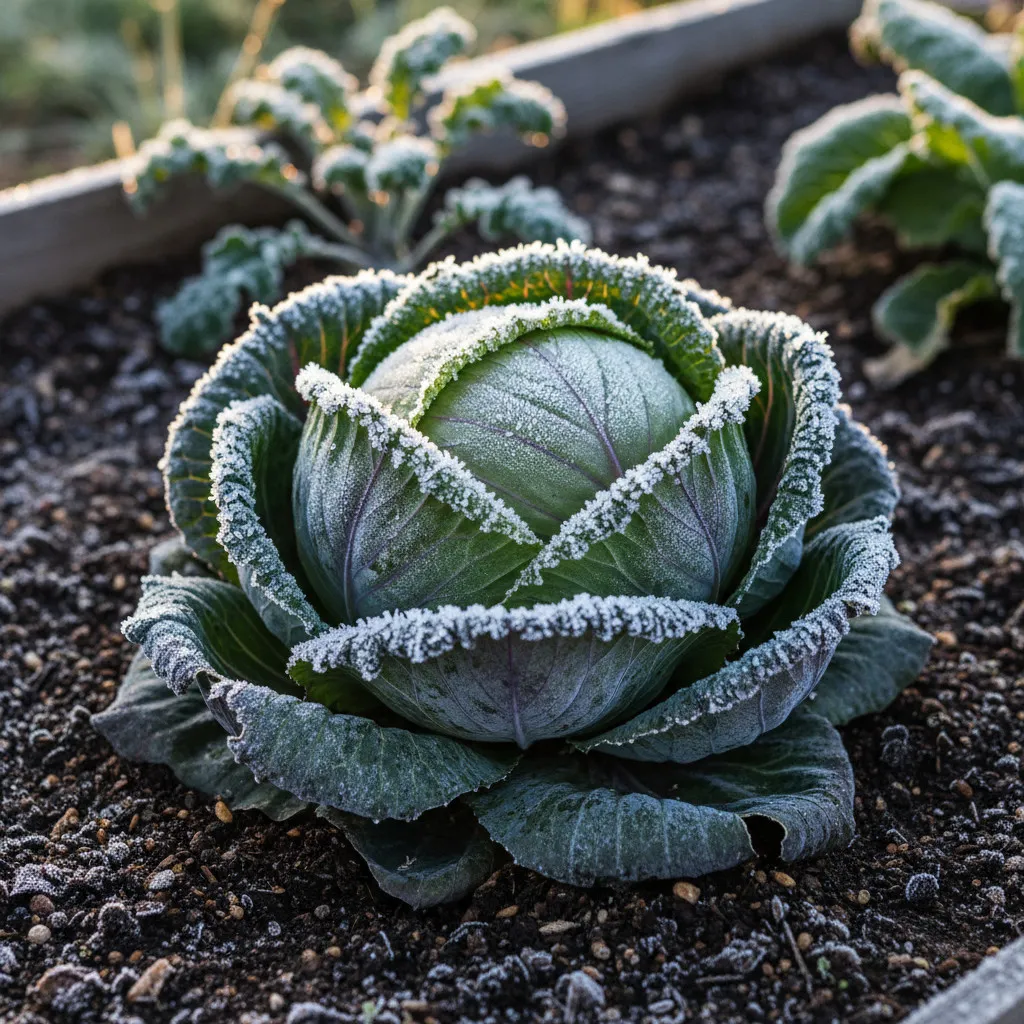
The cool, often rainy weather of December provides ideal conditions for a whole category of plants known as cool-season crops. These vegetables and flowers don’t just tolerate the shorter days and chillier temperatures—they actually prefer them. Many even develop sweeter, more complex flavors after exposure to cold weather. Some green kales and cabbages, for instance, taste noticeably better after experiencing a light frost. Whether you’re tending raised beds in San Diego, container gardens in Los Angeles, or traditional plots in the Bay Area, December offers the perfect window to establish plants that will reward you with harvests well into spring.
This comprehensive guide will walk you through everything you need to know about December planting in California, from selecting the right crops for your specific zone to mastering the techniques that ensure success during our mild but occasionally unpredictable winters.
Why December is a Golden Opportunity for California Gardeners
December gardening in California isn’t just possible—it’s actually one of the best times to plant certain crops, taking advantage of cooler temperatures, natural rainfall, and reduced pest pressure to establish a thriving winter garden.
The transition from fall to winter brings several gardening advantages that savvy California growers have learned to exploit. First and foremost, the hot weather has finally passed, creating comfortable conditions not just for you but for your plants as well. Days are cooler, which means less watering stress and slower evaporation rates. If you’re fortunate enough to receive winter rains, nature does much of the irrigation work for you, reducing your water bills and workload simultaneously.
Beyond the practical benefits, December planting addresses a fundamental truth about winter growing in California: timing is everything. While temperatures remain mild compared to most of the country, the amount of available sunlight decreases significantly after the winter solstice on December 20th. After November 18th, there are fewer than 10 hours of sunlight from dawn to dusk in many California locations. This means plants grow much more slowly during winter months than during the longer days of spring and summer. By planting in early December, you give your crops maximum time to establish strong root systems and develop foliage before the year’s shortest days arrive.
Another compelling reason to embrace December gardening is the dramatic reduction in pest pressure. Many of the insects, mites, and other pests that plague summer gardens either go dormant or die off in cooler weather. Whiteflies, spider mites, and aphid populations decrease naturally, meaning you can often grow beautiful, healthy crops with minimal intervention. This makes December an excellent time for organic gardeners who prefer to avoid pesticide applications altogether.
Finally, cool-season crops like lettuce, brassicas, root vegetables, and leafy greens are simply at their best when grown in winter conditions. These plants can bolt (go to seed prematurely) or develop bitter flavors when exposed to hot temperatures. In December’s mild weather, they grow steadily, developing the crisp textures and sweet, complex flavors that make homegrown winter produce so special.
Understanding California’s Unique Winter Growing Climate
California encompasses multiple USDA hardiness zones and distinct microclimates, making it essential to understand your specific growing conditions before selecting crops for your December garden.
One of the most important things to grasp about California gardening is that “California” isn’t really one climate at all—it’s a patchwork of dramatically different growing conditions. The state spans USDA hardiness zones ranging from 5a in the mountain regions all the way to 11a in the warmest coastal and desert areas. Most populated areas of California fall into zones 8 through 10, but even within these zones, significant variations exist.
Coastal regions benefit from the moderating influence of the Pacific Ocean, which keeps temperatures relatively stable year-round. Areas like San Diego, coastal Los Angeles, and the San Francisco Bay Area rarely experience hard freezes and can grow the widest variety of crops in December. These zones 9 and 10 areas are gardening paradise in winter, with daytime temperatures typically ranging from the mid-50s to low 70s Fahrenheit, and nighttime lows rarely dropping below the upper 30s or low 40s.
Inland valleys and foothill regions experience more temperature fluctuation, with warmer days but considerably colder nights. Cities like Fresno, Modesto, Sacramento, and Riverside can see frost on winter mornings, requiring gardeners to provide protection for tender crops and to focus on the most cold-hardy varieties. These areas, typically zones 8b through 9a, still offer excellent winter growing opportunities but demand more attention to frost dates and cold protection strategies.
Mountain and high desert regions face genuine winter conditions with regular freezing temperatures and occasionally snow. Gardeners in these zones 7 and below have more limited December planting options and may need to focus on protected growing environments like greenhouses or cold frames to extend their season.
Beyond the official hardiness zones, California gardeners must also consider their specific microclimate. Are you near the coast where fog is common? Do you live in a valley where cold air settles? Is your garden on a south-facing slope that receives extra sun? Do nearby buildings or trees create wind protection or additional shade? All these factors influence what you can successfully grow in December. Taking time to understand your unique conditions—and perhaps keeping a garden journal to track temperatures, rainfall, and plant performance—will dramatically improve your winter gardening success.
Cool-Season Vegetables to Plant in December
December is prime time for establishing cool-season vegetables that will provide fresh harvests throughout winter and early spring, with options ranging from quick-growing salad crops to long-season producers.
Cool-season vegetables form the backbone of any successful California December garden. These crops have evolved to thrive in the exact conditions our winter provides: moderate temperatures, shorter days, and adequate moisture. Unlike their warm-season counterparts that demand heat and long sunny days, cool-season crops actually struggle in hot weather but flourish when most other plants are dormant.
Brassicas: The Winter Garden Workhorses
The brassica family, also known as cole crops or cruciferous vegetables, absolutely shines in December plantings. This diverse family includes broccoli, cabbage, cauliflower, Brussels sprouts, and kohlrabi—all of which prefer cool weather and can tolerate light frosts. In fact, many brassicas develop sweeter, more nuanced flavors after experiencing cold temperatures, as the plants convert starches to sugars as a natural antifreeze mechanism.
For December planting in most of California, you’ll want to work with transplants rather than seeds for many brassicas, as they require several weeks of growth before they can handle outdoor conditions. Transplanting young broccoli, cabbage, and cauliflower plants in early December gives them time to establish before the coldest weather arrives. Choose varieties specifically bred for fall and winter production, as these are more cold-tolerant and less likely to bolt prematurely when spring temperatures begin rising.
Broccoli varieties like ‘Calabrese’ or ‘De Cicco’ perform exceptionally well with December planting. These plants typically take 60 to 90 days from transplant to harvest, meaning early December plantings will yield fresh heads in late winter or early spring. After harvesting the main head, many broccoli varieties continue producing smaller side shoots for weeks, extending your harvest period significantly.
Cabbage offers tremendous variety, from compact early varieties to massive storage types. For December planting, consider ‘Early Jersey Wakefield’ for quick harvests or ‘January King’ for its exceptional cold tolerance and beautiful purple-tinged leaves. Cabbages are heavy feeders, so prepare your soil with plenty of compost before planting.
Cauliflower can be slightly trickier than its brassica cousins, as it’s more sensitive to temperature fluctuations and requires consistent moisture. However, December plantings often succeed beautifully because winter rains provide the steady water supply these plants crave. Try colorful varieties like purple or orange cauliflower to add visual interest to your garden and dinner plate.
Alliums: Onions, Garlic, and Their Relatives
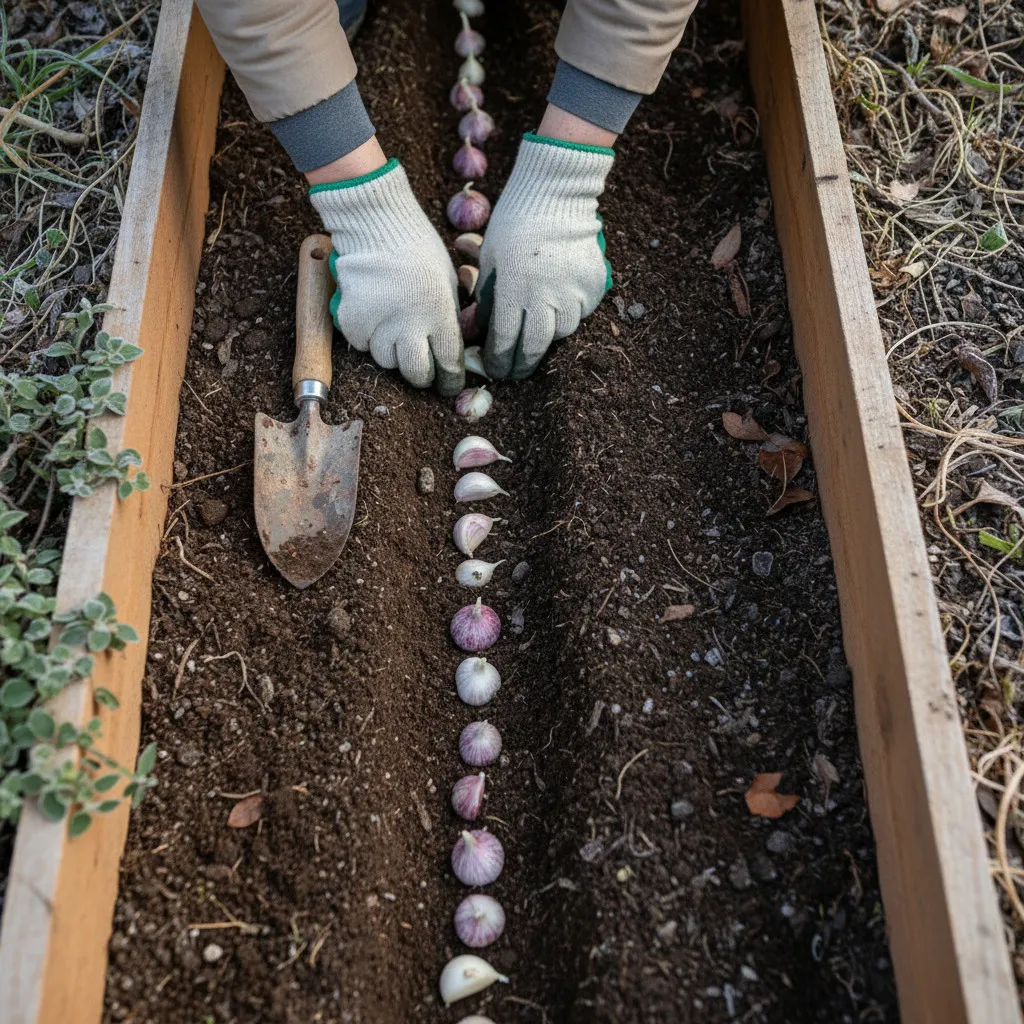
The allium family provides some of the most rewarding December plantings, though they require patience as they’re among the longest-season crops you can grow. Planting garlic cloves in December yields a summer harvest of full-sized bulbs—a wait of six to eight months that’s absolutely worth it for the superior flavor of homegrown garlic.
Choose garlic varieties suited to California’s mild winters. Softneck varieties like ‘California Early’ or ‘Inchelium Red’ perform better than hardneck types in our climate, as they don’t require the extended cold period (vernalization) that hardneck varieties need. Plant individual cloves about two inches deep and six inches apart, with the pointed end facing up. Garlic requires minimal care once established but benefits from consistent moisture and occasional feeding.
Short-day onions are perfect for California’s day length patterns. Unlike long-day varieties bred for northern climates, short-day onions form bulbs when days are still relatively short—exactly what happens during California’s late spring. Varieties like ‘Red Burgundy’ or ‘California Early Red’ can be planted from sets (small bulbs) or transplants in December. Plant onion sets with just the tip showing above the soil surface, spacing them about four to six inches apart. Onions planted in December will be ready to harvest by late spring or early summer.
Green onions (scallions) offer the fastest allium harvest, ready to pull in as little as 60 days. You can succession plant these every few weeks throughout December and winter, ensuring a continuous supply of fresh green onions for your kitchen. They’re also incredibly space-efficient and can be tucked into corners of beds or grown in containers.
Leeks are the patient gardener’s reward, taking four to six months from planting to harvest but offering a mild, sophisticated flavor that’s worth the wait. Transplant leek seedlings in December, planting them in trenches and gradually filling in soil around them as they grow to create the long white shanks that are the edible portion.
Leafy Greens and Brassicas That Thrive in Winter
Leafy greens represent the quickest path from December planting to fresh harvests, with many varieties ready to eat in as little as three to four weeks, making them ideal for beginner gardeners and succession planting.
If you want nearly instant gratification from your December garden, leafy greens are your answer. These fast-growing, cold-tolerant crops can be harvested young as baby greens or allowed to mature for larger leaves. Even better, most leafy greens can be harvested using the “cut-and-come-again” method, where you remove only the outer leaves and allow the plant to continue growing. This approach extends your harvest over many weeks from a single planting.
Lettuce: The Salad Garden Essential
Lettuce absolutely loves December weather in California. While summer heat causes lettuce to bolt and develop bitter flavors, cool temperatures produce sweet, crisp, tender leaves that transform simple salads into gourmet experiences. The variety of lettuce types available is staggering, and December is the perfect time to experiment with different colors, textures, and flavors.
Butterhead lettuces like ‘Buttercrunch’ or ‘Bibb’ develop soft, buttery leaves arranged in loose heads. These are among the most cold-tolerant lettuces and rarely show damage even after light frosts. Romaine or cos lettuces like ‘Little Gem’ or ‘Rouge d’Hiver’ form upright heads with crisp ribs and are particularly suitable for Caesar salads. Loose-leaf varieties offer the most diversity, with options like ‘Black-Seeded Simpson’ (green), ‘Oak Leaf’ (green or red), and ‘Lollo Rossa’ (frilly red leaves). These don’t form heads but produce leaves continuously that can be harvested individually.
For the ultimate lettuce experience, plant a mesclun mix—a combination of different lettuce varieties and other greens designed to be harvested young. You simply scatter seeds across prepared soil, lightly rake them in, keep the area moist, and begin cutting tender baby greens in as little as three weeks. A new patch of mesclun every two weeks ensures a continuous supply of premium salad greens throughout winter.
Hearty Cooking Greens
While lettuce dominates the salad bowl, cooking greens rule the winter kitchen with robust flavors and impressive nutritional profiles. These greens not only tolerate cold weather—they actively benefit from it, developing sweeter, less bitter flavors after frost exposure.
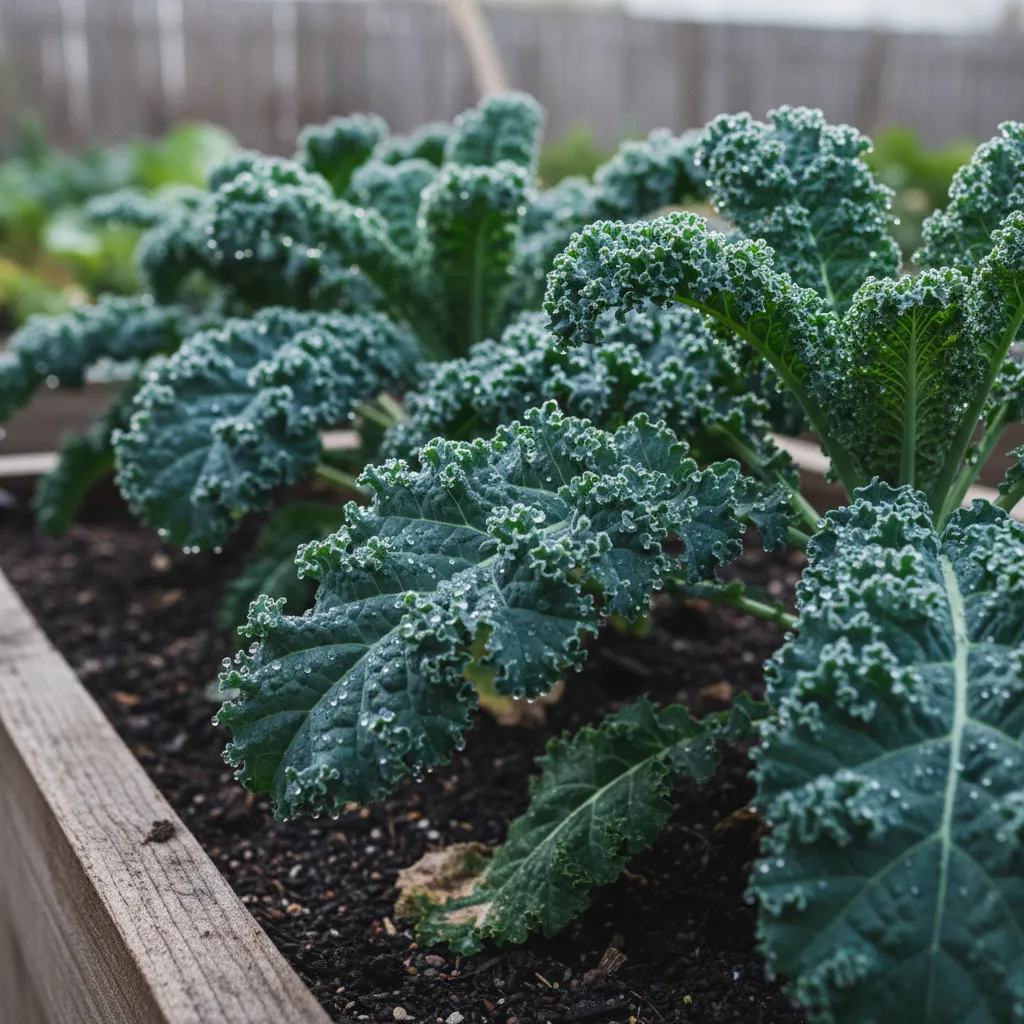
Kale has earned its reputation as a superfood, and December is ideal for establishing new plants. Varieties range from the frilly ‘Red Russian’ with purple-veined leaves to the classic ‘Lacinato’ (also called dinosaur kale) with dark blue-green, bumpy leaves to the traditional curly kales. All types become sweeter and more tender after cold weather. Start from transplants for the quickest results, or direct-sow seeds in early December in milder areas. Harvest outer leaves as needed, allowing the central growing point to continue producing.
Swiss chard delivers both beauty and nutrition, with varieties featuring brilliant red, orange, yellow, or white stems against dark green leaves. ‘Bright Lights’ is a gorgeous mix that turns the vegetable garden into an ornamental display. Chard tolerates a wide range of conditions, rarely bolts, and can be harvested for months once established. The slightly earthy flavor works in everything from stir-fries to gratins.
Spinach thrives in December’s cool weather and shorter days. Choose varieties bred for winter growing, such as savoy-leafed types that are more cold-tolerant than smooth-leafed varieties. ‘Bloomsdale Long Standing’ is a reliable choice. Spinach can be finicky about germinating in warm soil, so December’s naturally cool ground temperatures work in your favor. Keep the soil consistently moist during germination, and you’ll be rewarded with tender leaves in about six weeks.
Asian greens offer exciting flavors and textures beyond typical Western vegetables. Bok choy and pak choy form compact rosettes of white stems and green leaves with a mild, slightly mustardy flavor. These grow quickly and can be harvested whole as baby vegetables or allowed to mature. Mizuna produces feathery, serrated leaves with a pleasant peppery bite, perfect for adding interest to salad mixes. Mustard greens range from mild to intensely spicy, with varieties like ‘Red Giant’ providing both flavor and gorgeous burgundy coloring.
Collard greens are a Southern staple that adapts beautifully to California winters. These robust plants tolerate cold better than almost any other brassica and provide large, nutritious leaves throughout winter and spring. Unlike cabbage, collards don’t form heads, so you simply harvest leaves as needed from the bottom of the plant upward.
Root Vegetables for Your December Garden
Root vegetables planted in December take advantage of cool, moist soil conditions to develop sweet, flavorful crops that can be harvested throughout winter and stored for extended periods.
Root vegetables represent some of the most rewarding December plantings because they thrive in conditions that challenge many other crops. Cool soil temperatures slow their growth compared to spring plantings, but this extended growing period often results in superior flavor development. The steady moisture from winter rains helps roots expand evenly without the cracking or splitting that can occur with irregular summer watering.
Carrots: Underground Treasures
Carrots are quintessential December plantings in California, and winter-grown carrots often taste noticeably sweeter than summer harvests. The cool weather causes carrots to convert more starches to sugars, resulting in that perfect balance of sweetness and earthy flavor. December planting means you’ll harvest in late winter through spring, exactly when fresh garden produce is most appreciated.
Select carrot varieties based on your soil type and desired harvest size. Short, stubby varieties like ‘Thumbelina’ or ‘Paris Market’ work well in heavy clay soil or containers, as they don’t need to penetrate deeply. Standard varieties like ‘Nantes’ types offer excellent flavor and classic carrot shape, growing six to seven inches long. If you have deep, loose soil, try long varieties like ‘Imperator’ that can reach 10 inches or more.
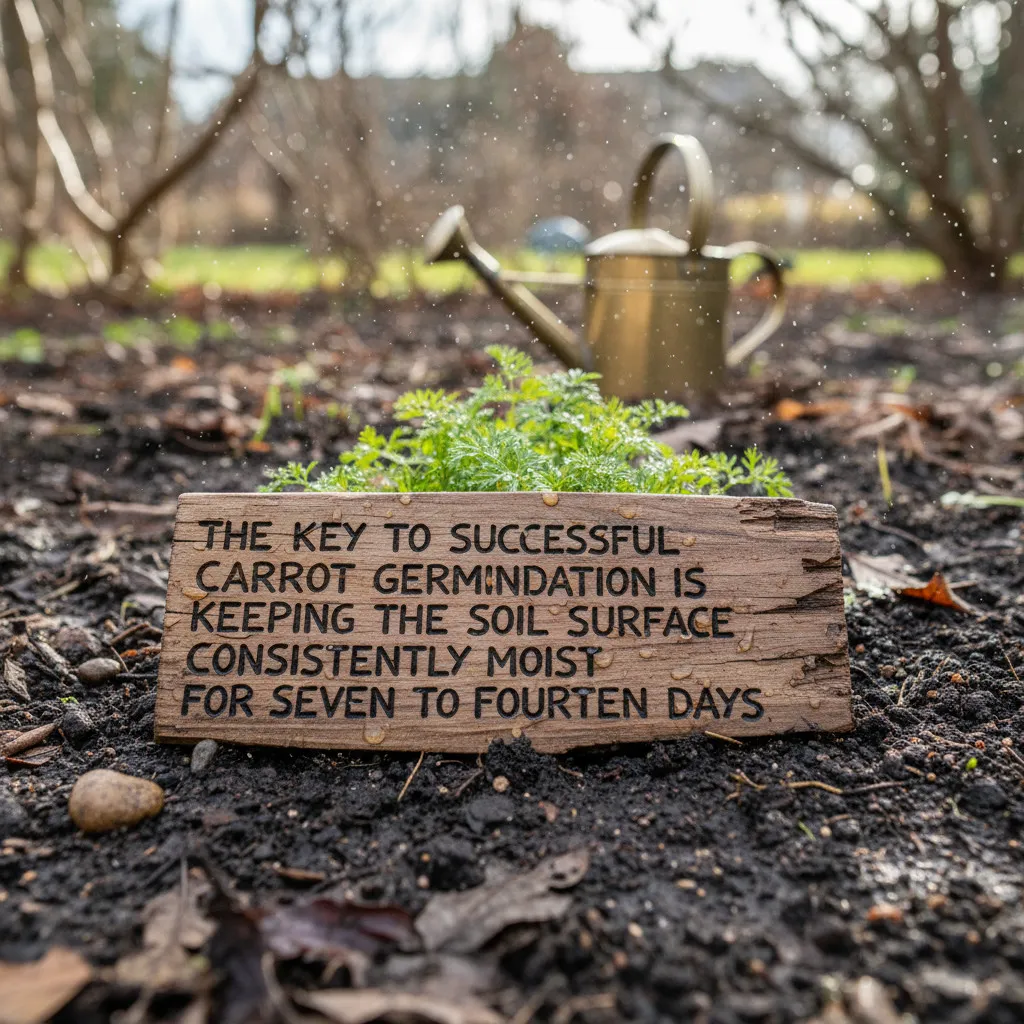
The key to successful carrot germination is keeping the soil surface consistently moist for the seven to fourteen days it takes seeds to sprout. The tiny seeds dry out easily, so many gardeners cover the seeded row with a board or damp burlap until sprouts appear. Once seedlings emerge, thin them to about two inches apart. This seems wasteful, but crowded carrots produce disappointing, twisted roots. The good news is that thinned baby carrots are delicious in salads.
Beets: Colorful and Versatile
Beets provide a double harvest—both the roots and the leafy tops are edible and nutritious. These hardy vegetables tolerate a wide range of conditions and rarely disappoint. While red varieties like ‘Detroit Dark Red’ are most common, consider branching out to golden beets like ‘Golden Detroit’ which don’t stain your cutting board, or the stunning ‘Chioggia’ with its concentric red and white rings.
Sow beet seeds directly in the garden in December. What appears to be a single beet seed is actually a cluster of several seeds, so each planted seed typically produces multiple seedlings. This means thinning is essential—aim for about three inches between plants. The thinned seedlings are tender and delicious, so add them to salads or sauté them lightly.
Beets can be harvested at any size from golf-ball-sized baby beets (tender and sweet) to softball-sized mature roots. Smaller beets are generally more tender, while larger ones may need peeling after cooking to remove tough skin. Don’t neglect the tops—young beet greens rank among the most nutritious vegetables you can grow, loaded with vitamins and minerals.
Radishes: The Speed Demons
If you’re new to gardening or simply impatient for results, radishes are your friend. These zippy roots mature in as little as three to four weeks, providing almost instant gratification. December plantings escape the pest pressure and heat stress that can make radishes woody and bitter in summer, resulting in crisp, mildly spicy roots perfect for salads, pickles, or simple snacking.
Beyond the common red globe radishes, explore the world of specialty varieties. ‘French Breakfast’ is an elongated radish with a white tip and mild flavor. ‘Watermelon’ radish (actually a winter radish) is white on the outside but reveals brilliant pink flesh when sliced. Daikon radishes grow large and can be used fresh or in Asian-style pickles.
Radishes are perfect candidates for succession planting—sow a new row every week or two throughout December and winter for a continuous supply. They also make excellent companion plants, as they mature and are harvested long before larger, slower-growing crops need the space.
Other Root Vegetables Worth Growing
Turnips are unfairly overlooked in many gardens, but December plantings produce mild, sweet roots and nutritious greens. Small, white-fleshed varieties like ‘Hakurei’ can be eaten raw like radishes, while traditional purple-top turnips are excellent roasted or mashed. Harvest turnips young (two to three inches) for the best texture and sweetest flavor.
Parsnips require patience—they take four to five months from seeding to harvest—but December planting is ideal because these roots actually need cold weather to develop their characteristic sweet, nutty flavor. Frost converts parsnips’ starches to sugars, making them taste dramatically better after exposure to freezing temperatures. Sow seeds in deep, loose soil and mark the row well, as germination can take two to three weeks and you’ll need to remember where they are.
Rutabagas (also called swedes) are cold-hardy roots that combine some characteristics of turnips and cabbage. These large, globe-shaped roots have golden flesh and a sweet, slightly cabbage-like flavor that’s wonderful in soups and stews. They’re exceptionally cold-tolerant and can be left in the ground through winter, harvested as needed.
Herbs to Plant for Winter Harvests
Fresh herbs transform everyday cooking into culinary adventures, and December is an excellent time to establish perennial herbs and sow seeds of annual varieties that thrive in cool weather.
While many people think of herbs as summer crops, several varieties actually prefer cool weather and can struggle in California’s hot summers. December planting allows these cool-season herbs to establish during their preferred conditions, providing fresh flavor for your winter and spring cooking.
Cool-Season Annual Herbs
Cilantro is notoriously quick to bolt and go to seed in hot weather, making it frustrating to grow in summer. December is absolutely the perfect time to sow cilantro seeds in California. The cool temperatures and shorter days prevent premature bolting, allowing plants to produce abundant leaves for months. Sow seeds directly in the garden or containers every three to four weeks for a continuous supply, as cilantro is best when harvested young and fresh.
Parsley, whether the flat-leaf Italian type or the curly variety, establishes beautifully from December plantings. This biennial herb won’t flower and go to seed until its second year, so December-planted parsley provides harvests well into the following fall. Parsley seeds can be slow to germinate (two to three weeks), so many gardeners prefer to purchase transplants for quicker results. Plant parsley in a location that receives partial shade during the hottest part of the day, as this extends its productive season.
Dill is another cool-season annual that performs better with December planting than summer sowing in most of California. This feathery herb requires consistent moisture and cool temperatures to produce the abundant foliage prized for pickling, fish dishes, and salads. Like cilantro, dill benefits from succession planting every few weeks to ensure a steady supply.
Chives are hardy perennials that can be divided and replanted in December. These onion relatives produce slender, hollow leaves with a mild onion flavor and beautiful purple flowers in spring. Once established, chives require virtually no care and can be harvested year-round by snipping leaves at the base.
Perennial Mediterranean Herbs
While most Mediterranean herbs like rosemary, thyme, oregano, and sage can technically be planted year-round in California, December is an ideal time to establish new plants. The cooler weather reduces transplant shock, and winter rains help new plants establish strong root systems before facing summer heat and drought.
These perennial herbs prefer well-drained soil and full sun exposure. If your garden has heavy clay soil, consider planting Mediterranean herbs in raised beds or mounds to improve drainage. Once established, these herbs are remarkably drought-tolerant and require minimal care, making them perfect for water-wise California gardens.
Beautiful Flowers to Brighten Your Winter Garden
Winter gardening isn’t just about vegetables—December is perfect for planting cool-season flowers that provide color, support pollinators, and create a beautiful garden landscape during the dormant season.
One of the greatest surprises for new California gardeners is discovering that winter can be one of the most colorful times in the garden. While Eastern gardens lie dormant under snow, California gardens can explode with flowers that thrive in cool weather and even bloom throughout winter in mild areas.
Annual Flowers for Winter Color
Sweet peas are quintessential winter-sown flowers in California, with a planting deadline often cited as Valentine’s Day—though earlier is better. These climbing vines produce abundant, fragrant flowers in every color except yellow. December-sown sweet pea seeds germinate in cool soil and develop strong root systems through winter, then burst into bloom in early spring. Nick the hard seed coat with a file or soak seeds overnight before planting to improve germination. Provide a trellis or support structure for these climbers to reach their full six-foot potential.
Calendula (pot marigold) brightens winter gardens with cheerful orange and yellow daisy-like flowers. These hardworking annuals tolerate frost, bloom prolifically, and attract beneficial insects. The petals are edible and add color to salads, while the flowers can be harvested for use in herbal preparations. Calendula self-sows readily, so a single December planting can become a permanent fixture in your garden.
Alyssum carpets the ground with tiny flowers in white, pink, or purple, creating a honey-scented groundcover that blooms for months. This low-growing annual reseeds enthusiastically and makes an excellent living mulch beneath taller plants. Alyssum attracts beneficial insects and pollinators, making it a valuable addition to vegetable gardens as well as ornamental beds.
Pansies and violas provide faces of color throughout winter, with flowers that tolerate frost and even snow in colder California areas. These cheerful annuals come in nearly every color imaginable, often with distinctive “face” markings. Plant transplants in December for immediate color, or sow seeds in early December for late winter bloom. Pansies prefer rich soil and consistent moisture, so add compost and plan for regular watering even in winter.
Perennials and Wildflowers
California poppies are the state flower for good reason—they’re tough, beautiful, and perfectly adapted to our climate. December is ideal for sowing poppy seeds, as they germinate best in cool, moist soil. Simply scatter seeds over prepared ground just before rain is forecast. The rain will wash them into contact with soil and trigger germination. Don’t bury the seeds deeply, as they need light to germinate. By spring, you’ll have drifts of golden orange blooms that self-sow year after year.
Wildflower mixes designed for California natives can be sown in December using the same technique as poppies. These mixes typically include species like baby blue eyes, clarkia, lupines, and gilia that germinate during winter rains and bloom in spring. Native wildflowers support local pollinator populations and require virtually no care once established.
Foxgloves are dramatic biennials that can be started from seed or transplants in December. These tall spires of tubular flowers attract hummingbirds and create vertical interest in the garden. Remember that all parts of foxgloves are toxic, so plant them away from areas where children or pets play.
Hollyhocks are old-fashioned cottage garden favorites that can be started in December for bloom the following year. These tall perennials or biennials produce showy flowers along stems that can reach six to eight feet tall, creating dramatic backdrops in the garden.
Planting Techniques and Tips for December Success
Proper planting techniques are crucial for December success, as cool weather and potentially wet conditions require different approaches than warm-season gardening.
December planting demands some adjustments to standard gardening techniques. The cooler temperatures, shorter days, and potentially wetter conditions mean plants grow more slowly and face different challenges than summer crops.
Starting Seeds in December
While many crops can be direct-sown in the garden during December, others benefit from starting seeds indoors where you can control conditions more precisely. Warm-season crops that you’re getting a head start on for spring planting (like tomatoes and peppers started in late December) absolutely require indoor starting, as outdoor temperatures are too cold for germination.
Even some cool-season crops germinate more reliably indoors during December. Brassicas like broccoli, cabbage, and cauliflower can be started in seed trays four to six weeks before transplanting to the garden. This gives you more control over watering and protection from pests during the vulnerable seedling stage.
When starting seeds indoors in December, temperature control is crucial. Most seeds need soil temperatures of 60 to 70°F to germinate reliably. Place seed trays on a heat mat or in a warm location like on top of the refrigerator. Once seeds sprout, move them to a sunny windowsill or provide grow lights, as weak winter sunlight through windows often isn’t sufficient for sturdy growth. Seedlings grown without adequate light become leggy and weak.
For crops that can be direct-sown in December gardens—lettuce, carrots, beets, peas, radishes, and many herbs—prepare the soil carefully before planting. Ensure the bed is level so water doesn’t pool or run off. Create shallow furrows for larger seeds like peas and beans, or broadcast tiny seeds like lettuce over prepared soil and lightly rake them in.
Soil Preparation for Winter Planting
December is an excellent time to improve your soil, as many amendments work more effectively when given time to integrate before plants need them. Work in several inches of finished compost to add organic matter and nutrients. This improves both drainage in heavy clay soils and water retention in sandy soils.
Avoid working soil when it’s waterlogged, as this damages soil structure by compressing air pockets and creating compacted clumps. To test if soil is ready to work, squeeze a handful. If it forms a solid ball that doesn’t crumble, it’s too wet. Wait a day or two after rain before digging or planting.
Many California soils benefit from added sulfur or other amendments to lower pH, especially for crops like blueberries that prefer acidic conditions. December is a good time to apply these amendments, as they need several months to alter soil chemistry.
Transplanting Techniques
When setting out transplants in December, handle young plants carefully to minimize root disturbance. Water transplants thoroughly in their containers before planting so they’re well-hydrated. Dig holes slightly larger than the root ball, and plant at the same depth the plant was growing in its container (with the exception of tomatoes, which can be planted deeper).
Avoid transplanting during the warmest, sunniest part of the day. Late afternoon or early evening planting gives transplants the cool night to recover from transplant shock before facing sun and wind. Water transplants thoroughly after planting, but be careful not to overwater in subsequent days, as cool weather means slower water uptake by plant roots.
Essential Care and Maintenance for December Plantings
Proper care after planting ensures your December crops establish successfully and produce abundant harvests, with attention to watering, protection from cold, and pest management.
Once your December crops are in the ground, appropriate care determines whether they thrive or merely survive. Winter care differs significantly from summer maintenance, with different watering needs, weather protection strategies, and pest management approaches.
Watering in Winter
The biggest mistake December gardeners make is overwatering. Winter’s cooler temperatures mean plants transpire less water through their leaves, and evaporation rates are much lower than summer. Additionally, winter rains may provide much of the water your garden needs. Overwatering in cool weather creates conditions for root rot and fungal diseases.
Check soil moisture before watering by digging down several inches with a trowel. If the soil is moist at that depth, don’t water yet. When you do water, apply enough to soak deeply into the root zone rather than frequent light sprinklings. Deep watering encourages roots to grow downward where moisture is more consistent.
Adjust irrigation systems for winter. If you have automated timers, reduce frequency and duration to match the season. In many California locations, winter rains provide sufficient water, and supplemental irrigation may not be needed at all during wet periods. However, stay alert to dry spells—winter is not uniformly rainy, and plants can still dry out during extended rainless periods, especially if Santa Ana winds blow through.
Cold Protection Strategies
While December in California is mild compared to most of the country, occasional cold snaps and frost events can damage tender crops. Monitor weather forecasts and be prepared to protect sensitive plants when frost is predicted.
Row covers or frost blankets made of lightweight fabric can be draped over plants when frost threatens. These covers trap heat radiating from the soil, often providing enough protection to prevent frost damage. Make sure covers extend to the ground and are secured so they don’t blow away. Remove covers once temperatures rise above freezing to prevent overheating.
Cold frames—essentially bottomless boxes with clear plastic or glass tops—create protected microclimates for tender greens and seedlings. These simple structures trap solar heat during the day and provide insulation at night. Cold frames are particularly useful for starting seeds or extending harvests of frost-sensitive crops.
For individual plants, wall-o-water devices or even plastic milk jugs with the bottoms cut off can provide localized protection. These work especially well for early-planted tomatoes or peppers that you’re trying to get a jump on the season.
Citrus trees, particularly young trees or less cold-hardy varieties like limes and lemons, may need protection during the coldest nights. Wrapping trunks with newspapers and covering the entire tree with plastic sheeting or frost blankets can prevent serious damage. Be sure the plastic doesn’t touch the foliage directly, as this can conduct cold and increase damage rather than prevent it.
Mulching and Soil Care
Applying a layer of organic mulch around plants provides multiple benefits during winter. Mulch moderates soil temperature, reduces weed growth, prevents soil erosion during heavy rains, and slowly decomposes to add organic matter and nutrients. Apply two to four inches of mulch, keeping it pulled back several inches from plant stems to prevent rot.
Good mulch materials include straw (not hay, which contains seeds), wood chips, shredded leaves, or finished compost. Fallen leaves collected from your own yard or neighbors make excellent free mulch. Some gardeners create a compost pile in December from fresh leaves, kitchen scraps, and garden waste, which will decompose over winter and be ready to use as mulch or soil amendment by spring.
Pest and Disease Management
Winter pest pressure is generally much lower than summer, but some issues still require attention. Snails and slugs thrive in cool, moist conditions and can devastate tender seedlings overnight. Hand-picking in evening hours when these pests are active is effective. Organic baits containing iron phosphate work well and are safe around pets and wildlife.
Aphids can still appear on winter crops, particularly brassicas and leafy greens. Small populations can simply be hosed off with a strong stream of water. For larger infestations, insecticidal soaps or neem oil provide organic control options.
Fungal diseases like powdery mildew can develop in winter, especially during periods of high humidity. Ensure adequate spacing between plants for good air circulation. Water at soil level rather than overhead to keep foliage dry. Remove affected leaves promptly to prevent disease spread.
Regional Considerations Across California
California’s diverse geography means December planting recommendations vary significantly by region, requiring gardeners to adapt general guidelines to their specific location.
While this article provides general guidance for California December gardening, your specific location determines which crops will thrive and when certain tasks should be completed. Understanding regional differences helps you optimize your planting schedule.
Southern California (Zones 9-10)
Southern California gardeners enjoy the mildest winter conditions in the state, with coastal areas rarely experiencing frost. This extended growing season allows the widest variety of December plantings, including some crops too tender for other regions.
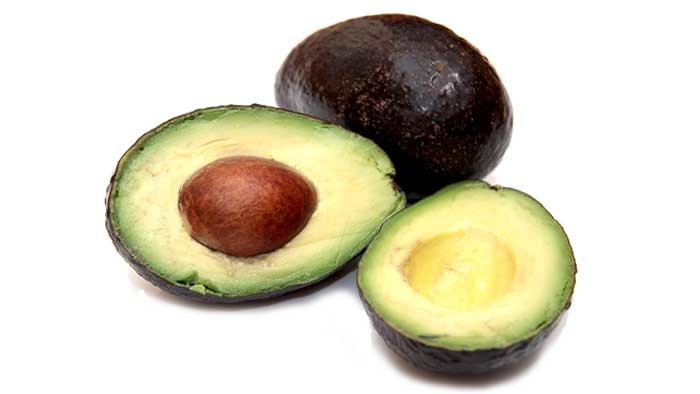
In San Diego and coastal Orange County, you can plant nearly anything mentioned in this guide with excellent success. Even subtropical crops like avocados can be planted in December here. Take full advantage of your privileged climate by succession planting fast-growing crops like lettuce and radishes every few weeks for continuous harvests.
Inland valleys of Southern California, including Riverside and San Bernardino, experience more temperature fluctuation with occasional frost. Gardeners in these areas should be prepared with frost protection materials and may want to delay planting the most tender crops until late December or early January.
Central Coast and Bay Area (Zones 9-10)
The Central Coast from Santa Barbara through the Bay Area benefits from marine influence, creating mild winters with consistent moisture. Fog can be a factor in these regions, potentially limiting sun exposure for some crops. Choose varieties suited to lower light levels, and position beds to maximize available sunlight.
These regions are ideal for cool-season crops and can support an amazing winter vegetable garden. Take advantage of winter rains but be prepared for occasional dry spells, particularly if El Niño or La Niña weather patterns disrupt typical precipitation.
Central Valley (Zones 8-9)
The Central Valley’s Fresno, Modesto, and Sacramento experience colder winters than coastal areas, with regular frost and occasional freezing temperatures. December planting is still viable but requires more attention to frost dates and cold-hardy varieties.
Focus on the most cold-tolerant crops like kale, cabbage, peas, and root vegetables. Have row covers or other protection ready for predicted cold snaps. The valley’s tule fog, while eerie, actually provides some frost protection by trapping heat near the ground.
Northern California (Zones 7-9)
Northern California gardeners face the coldest conditions in the state outside mountain regions. Coastal areas remain mild, but inland locations experience true winter with regular freezing temperatures.
December planting in these areas should focus on the hardiest crops or utilize season extension techniques like cold frames and hoop houses. Consider starting more transplants indoors to give plants a head start before conditions improve in spring.
High Desert and Mountains (Zones 6-8)
Gardeners in high desert areas like Victorville and mountain communities face significant winter challenges including freezing temperatures, potential snow, and shorter growing seasons. December planting outdoors is limited to the hardiest crops or should wait until late winter.
Focus instead on planning and preparation during December. Order seeds and supplies, prepare garden beds for spring, and start cold-hardy crops indoors in preparation for transplanting in early spring. Consider investing in greenhouse or cold frame infrastructure to extend your growing season.
Key Takeaways: Your December California Garden Success Plan
As winter officially arrives and holiday decorations go up, California gardeners are uniquely positioned to create productive, beautiful gardens that thrive while much of the country lies dormant. December planting isn’t just possible in the Golden State—it’s one of the most rewarding times to garden, offering mild temperatures, natural rainfall, reduced pest pressure, and the opportunity to grow crops that simply can’t tolerate summer heat.
The secret to December gardening success lies in understanding that cool-season crops have different needs and preferences than their warm-season counterparts. These plants thrive in the exact conditions December provides: shorter days, cooler temperatures, and consistent moisture. By selecting appropriate varieties, preparing soil properly, and providing basic care tailored to winter conditions, you can harvest fresh vegetables, herbs, and cut flowers throughout the coldest months and well into spring.
Remember that California encompasses vast climatic diversity. Coastal Southern California gardeners can plant almost any cool-season crop with confidence, while inland valley and northern gardeners need to focus on the most cold-hardy varieties and may need to provide frost protection. Take time to understand your specific microclimate, keep records of what works in your garden, and don’t be afraid to experiment with new varieties and techniques.
Start with the easiest, most reliable crops if you’re new to winter gardening: lettuce, radishes, peas, kale, and calendula are nearly foolproof and provide quick rewards. As you gain experience, branch out to longer-season crops like broccoli, carrots, and garlic that require more patience but offer exceptional flavor and satisfaction.
This December, resist the temptation to view your garden as dormant or “closed for the season.” Instead, embrace the opportunity to grow fresh, flavorful food and beautiful flowers during a time when most gardeners can only dream of digging in the dirt. Your future self—enjoying crisp lettuce salads, tender braised greens, and sweet roasted carrots on a chilly February evening—will thank you for the effort you put into your December garden today. The mild California winter isn’t just a pleasant backdrop for outdoor activities; it’s an invitation to keep growing, keep harvesting, and keep enjoying the endless rewards of gardening year-round in this remarkable climate.