Table of Contents
- What to Plant in January in California: Your Complete Winter Gardening Guide
- Understanding California’s Unique January Climate
- Cool-Season Vegetables to Plant in January
- Brassicas: The Cabbage Family
- Leafy Greens and Salad Crops
- Root Vegetables
- Legumes
- Herbs Perfect for January Planting
- Cool-Season Herbs
- Perennial Herbs
- Starting Tender Herbs Indoors
- Fruit Trees and Berries to Plant This Month
- Bare-Root Fruit Trees
- Citrus Trees
- Berries and Small Fruits
- Ornamental Flowers for January Gardens
- Cool-Season Annual Flowers
- Perennial Flowers
- California Native Plants
- Essential January Garden Tasks
- Pruning and Maintenance
- Soil Preparation and Amendment
- Planning and Preparation
- Pest and Disease Prevention
- Regional Considerations Across California
- Southern California (Zones 9-11)
- Central Valley (Zones 8-9)
- Northern California (Zones 7-9)
- Mountain and Desert Regions (Zones 5-8)
- Tips for Success in Your January Garden
- Key Takeaways
What to Plant in January in California: Your Complete Winter Gardening Guide
While much of the country remains buried under snow and ice, California gardeners enjoy a remarkable privilege—the ability to grow fresh produce and beautiful flowers even in the heart of winter. January in the Golden State isn’t a time for garden hibernation; rather, it’s a strategic month that sets the foundation for a productive year ahead. Whether you’re watching the coastal fog roll through your Santa Barbara garden or feeling the crisp Central Valley air in your Sacramento backyard, January offers unique opportunities that shouldn’t be missed.
Many new gardeners mistakenly believe that winter means putting their tools away until spring arrives. However, California’s Mediterranean climate and diverse microclimates create ideal conditions for cool-season crops that actually prefer the mild temperatures of January. This month is perfect for planting vegetables that would bolt or become bitter in summer heat, establishing fruit trees while they’re dormant, and getting a head start on your spring garden plans. The cooler temperatures also mean fewer pest problems, lower water requirements, and less garden maintenance overall—making January an excellent time for both experienced gardeners and beginners to work the soil. Understanding what to plant now and which garden tasks to prioritize will reward you with harvests throughout spring and set you up for success when the warmer months arrive.
Understanding California’s Unique January Climate
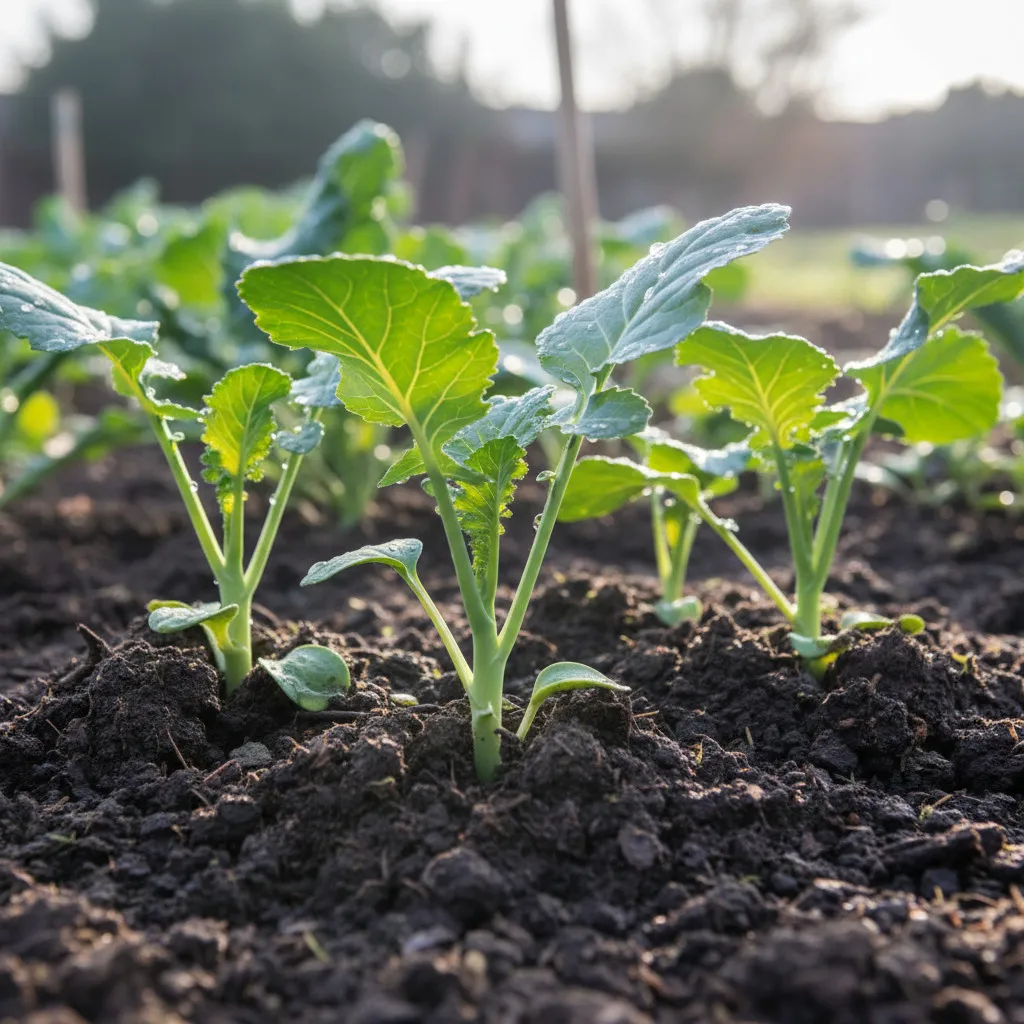
California’s January weather varies dramatically depending on your specific location, creating distinct growing opportunities across the state’s multiple climate zones. This diversity is both a blessing and a challenge for gardeners trying to determine exactly what they can plant during this winter month.
Coastal regions from San Diego to San Francisco typically experience the mildest January conditions, with daytime temperatures ranging from the mid-50s to mid-60s Fahrenheit and nighttime lows rarely dipping below 40°F. The marine influence keeps temperatures moderate, though coastal gardeners must contend with morning fog and salt air. In these areas, you can grow an impressive variety of cool-season crops with minimal frost protection. The consistent temperatures allow for nearly year-round gardening, making coastal California one of the most garden-friendly regions in the entire country.
Inland valleys, including the Central Valley and areas like Riverside and San Bernardino, experience more temperature variation. January days might reach the 60s, but nights can drop into the 30s or even upper 20s, creating frost conditions that coastal gardeners rarely see. Gardeners in these zones (typically USDA zones 8-9) need to be more strategic, providing frost protection for tender seedlings and choosing varieties that can withstand occasional cold snaps. Despite these challenges, the Central Valley’s fertile soil and abundant sunshine make it one of California’s most productive agricultural regions, and home gardeners can tap into these same advantages.
Mountain and high desert regions face the most significant January challenges, with genuine winter conditions including snow, hard freezes, and dormant gardens. Gardeners in these areas (zones 5-7) should focus on indoor seed starting, garden planning, and preparing equipment rather than outdoor planting. However, even in these colder zones, you can start certain seeds indoors under grow lights, preparing transplants for the spring season ahead.
Microclimates add another layer of complexity to California gardening. Your specific garden might be several degrees warmer or cooler than your neighbor’s just streets away, depending on factors like elevation, wind exposure, proximity to buildings or bodies of water, and sun exposure. Pay attention to which areas of your yard receive full sun versus shade, where frost tends to linger, and where heat accumulates. These observations will help you make smarter planting decisions throughout the year, but especially in transitional months like January when temperature variations can make or break tender seedlings.
Understanding your specific zone and microclimate is the first step toward successful January gardening. Check the USDA Plant Hardiness Zone Map for your area, note your average last frost date, and keep a garden journal recording temperatures and conditions in different parts of your yard. This knowledge will serve you well not just in January, but throughout your entire gardening year.
Cool-Season Vegetables to Plant in January
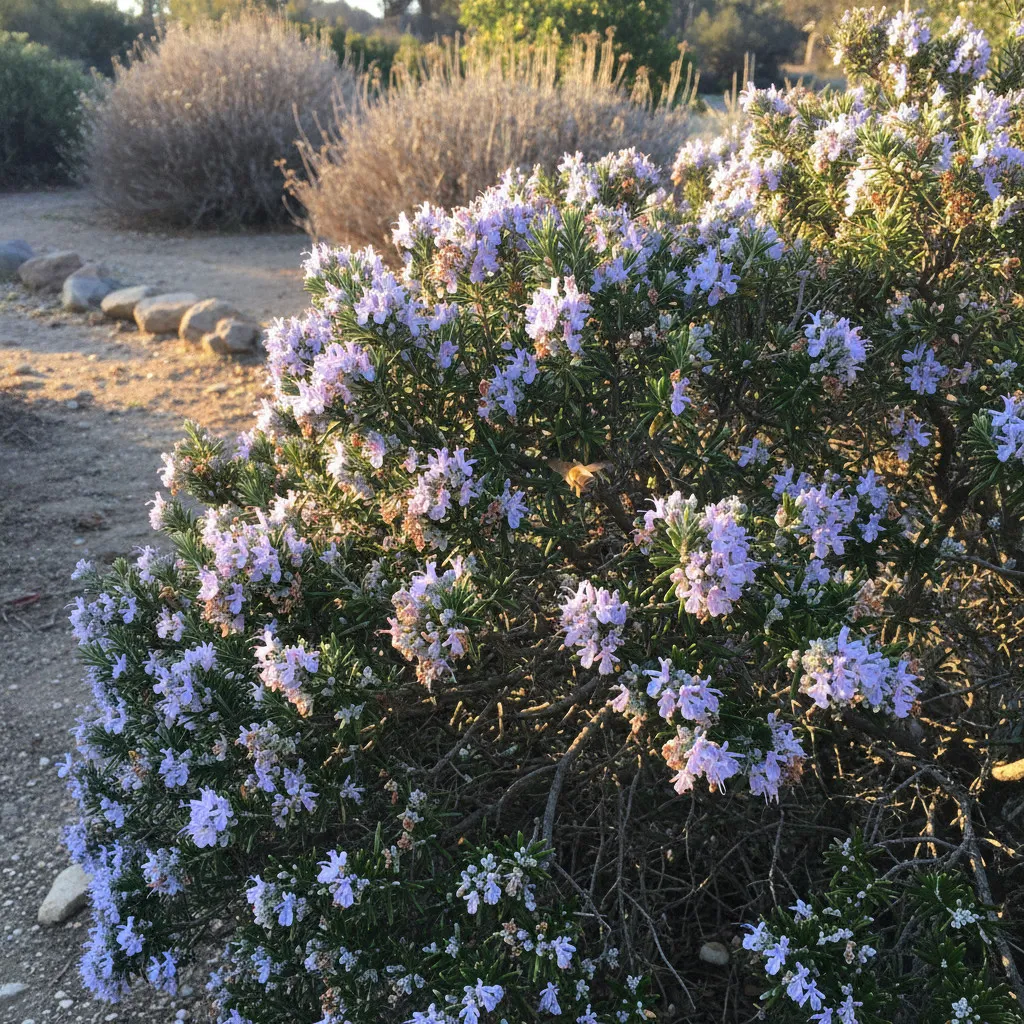
January is prime time for planting cool-season vegetables throughout most of California. These crops not only tolerate cooler temperatures—they actually prefer them, producing sweeter, more tender growth than they would in summer heat. The mild California winter provides ideal conditions for establishing these plants so they’ll be ready for harvest in spring.
Brassicas: The Cabbage Family
The brassica family thrives in California’s January weather and should be a cornerstone of your winter garden. Broccoli planted now from transplants will produce beautiful heads by April or May, giving you homegrown florets months before summer varieties mature. Choose varieties like ‘Calabrese’ or ‘De Cicco’ for reliable performance in California conditions. When planting broccoli transplants, set them slightly deeper than they were growing in their containers—up to the first set of true leaves—to encourage strong stem development and prevent the leggy growth that can plague this crop.
Cabbage is equally well-suited to January planting, whether you prefer green, red, or savoy varieties. Cabbage transplants need spacing of about 12-18 inches to develop their full-sized heads, though you can plant them closer if you plan to harvest some early as baby cabbages. Cauliflower is more temperature-sensitive than its brassica cousins, requiring consistent cool temperatures to form proper heads. Plant transplants in early January for the best results, and consider trying purple or orange varieties alongside traditional white types for visual interest and slightly different flavor profiles.
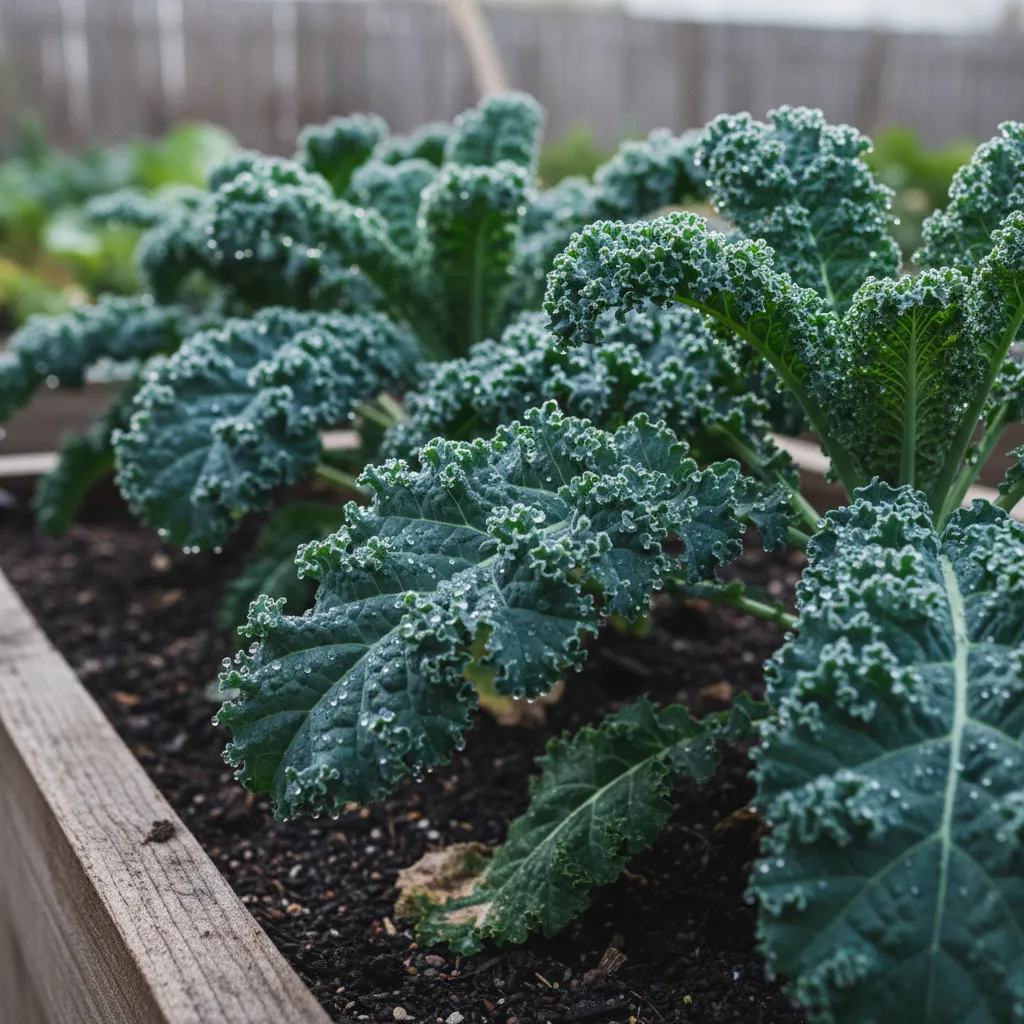
Kale has exploded in popularity in recent years, and for good reason—it’s incredibly easy to grow, highly nutritious, and actually tastes better after exposure to light frost. You can plant kale from transplants or direct seed in January, and it will produce leaves continuously for months if you harvest properly by taking outer leaves and leaving the center to continue growing. Brussels sprouts require a longer growing season but can still be planted in January in milder areas, where they’ll produce their miniature cabbage-like sprouts through spring and into early summer.
Leafy Greens and Salad Crops
Lettuce is perhaps the perfect January crop for California gardens. It germinates in cool soil, grows quickly, and can be harvested at any size from baby leaves to full heads. Direct seed or transplant multiple varieties for continuous harvests and visual interest—combine red and green leaf lettuces with romaine and butterhead types. Succession planting every two weeks ensures you’ll have fresh lettuce from February through May. In warmer inland areas, provide afternoon shade for lettuce as spring approaches to prevent premature bolting.
Spinach is another superstar cool-season green that should be planted in January. This nutrient-dense vegetable grows best when temperatures are cool, and it will bolt quickly once warm weather arrives. Choose varieties like ‘Bloomsdale’ or ‘Space’ for California gardens, and plant in full sun during winter months. Spinach can be harvested leaf by leaf or cut as entire plants, and it’s far superior in flavor to anything you’ll find at the grocery store. Swiss chard offers similar nutritional benefits with more heat tolerance, meaning January-planted chard can continue producing into summer.
Arugula adds peppery flavor to salads and grows so quickly you can harvest baby leaves in as little as three weeks. This Mediterranean native is perfectly adapted to California’s climate and can be direct seeded throughout January. Mesclun mixes that combine multiple salad greens in one planting are ideal for gardeners who want variety without dedicating space to individual crops. Asian greens like bok choy, mizuna, and mustard greens also thrive in January conditions, offering different flavors and textures while sharing similar cultural requirements with other leafy greens.
Root Vegetables
Carrots planted in January will develop sweet, tender roots by late spring. Direct seed carrots in loose, well-amended soil, as they don’t transplant well due to their taproots. Thin seedlings to proper spacing once they’re a few inches tall—while tedious, this step is crucial for developing full-sized roots. Carrots actually benefit from light frost exposure, which converts their starches to sugars and enhances their sweetness. Try rainbow varieties that produce orange, purple, yellow, and white roots for visual interest.
Beets are dual-purpose vegetables offering both edible roots and nutritious greens. They’re relatively quick-growing and can be succession planted throughout January and February for continuous harvests. Beet “seeds” are actually fruit clusters containing multiple seeds, so you’ll need to thin seedlings even if you think you’ve spaced them adequately. Radishes are the speedsters of the vegetable garden, ready to harvest in as little as 30 days from planting. They’re perfect for impatient gardeners or for filling spaces between slower-growing crops. Beyond the common red globe types, explore daikon, watermelon, and French breakfast radishes for variety.
Turnips and rutabagas are underappreciated root crops that deserve more attention from California gardeners. Both produce edible roots and greens, mature relatively quickly, and offer culinary versatility. They’re also cold-hardy and can withstand the occasional frost that might damage more tender crops. Parsnips require a longer growing season—often 120 days or more—but January planting is perfect for these slow-developers that taste best after cold weather exposure.
Legumes
Peas are quintessential cool-season crops that should absolutely be planted in January. Whether you prefer shelling peas, snow peas, or sugar snap peas, all types need to be planted early to produce before hot weather arrives. Peas are climbers that need support—install trellises, poles, or netting at planting time rather than trying to add support later when vines are established. The tall vines also make peas excellent space-efficient crops since they grow vertically. Peas are nitrogen-fixing legumes that actually improve your soil while they grow, leaving behind nutrients for subsequent crops.
Fava beans (also called broad beans) are another excellent legume for January planting. These substantial plants can grow quite tall—often 4-6 feet—and produce pods filled with large, meaty beans. Favas are remarkably cold-hardy and can withstand temperatures that would damage many other crops. They’re also commonly used as cover crops to fix nitrogen and add organic matter to garden beds, so even if you don’t harvest the beans, you can cut plants down and work them into the soil to improve its fertility.
Herbs Perfect for January Planting
January is an excellent month for establishing herbs in California gardens, both for those that will thrive immediately in cool temperatures and for those you want to get started indoors for later transplanting. Herbs generally require less care than vegetables, often have pest-repelling properties, and provide fresh flavors year-round.
Cool-Season Herbs
Cilantro (also called coriander when referring to its seeds) is a must-plant herb for January in California. This annual herb actually prefers cool weather and will bolt quickly once temperatures rise, so January through March is your optimal planting window. Direct seed cilantro rather than transplanting, as it develops a taproot that doesn’t respond well to disturbance. Plant in succession every few weeks to ensure a continuous supply of fresh leaves. When cilantro eventually bolts, allow it to flower and set seed—the seeds (coriander) are useful spices, and the flowers attract beneficial insects to your garden.
Parsley, both flat-leaf Italian and curly types, grows well from January plantings. While parsley can be direct seeded, its germination is notoriously slow—often taking 2-3 weeks—so many gardeners prefer to start with transplants. Parsley is actually a biennial that will grow for two years in California’s mild climate, though it’s typically grown as an annual. Plant it in partial shade in warmer areas, as too much heat can reduce leaf production and quality. Parsley is also a host plant for swallowtail butterfly caterpillars, so plant extra if you want to support these beautiful pollinators.
Chervil is an underused herb that deserves more attention from California gardeners. This delicate annual has a subtle anise flavor and prefers cool, partially shaded conditions—making January an ideal planting time. Dill is another annual herb that should be planted in January, particularly if you want to harvest it before hot weather causes it to bolt. Dill’s feathery foliage is attractive in the garden, and both its leaves and seeds are valuable in cooking.
Perennial Herbs
Thyme is a Mediterranean perennial perfectly adapted to California’s climate. While thyme can be planted any time of year, January planting allows it to establish during cool weather with minimal water needs. This low-growing herb is drought-tolerant once established and offers numerous varieties from common thyme to lemon, caraway, and woolly types. Thyme makes an excellent edging plant or groundcover and can even handle light foot traffic.
Rosemary is another Mediterranean native that thrives in California gardens with minimal care. This woody perennial can grow into a substantial shrub and offers cultivars ranging from prostrate groundcovers to upright varieties reaching 6 feet tall. January is a fine time to plant rosemary from containers, and it will establish quickly in well-draining soil with full sun. Rosemary flowers in winter and early spring, providing nectar for bees when few other plants are blooming.
Oregano and marjoram are closely related herbs that both do well with January planting. These perennials spread to form dense mats of aromatic foliage and prefer full sun and well-draining soil. Greek oregano is particularly flavorful for cooking, while ornamental oreganos offer attractive flowers along with culinary uses. Sage includes both culinary types and ornamental salvias, all of which can be planted in January. Common garden sage is a Mediterranean perennial with gray-green leaves, while salvia species offer a rainbow of flower colors and varying cold tolerance.
Chives are among the easiest herbs to grow, producing grass-like leaves with a mild onion flavor and edible purple flowers in spring. Plant from divisions, transplants, or seeds in January, and chives will multiply readily, often self-seeding and spreading throughout your garden. Both common chives and garlic chives (which have flat leaves and white flowers) are excellent additions to California gardens.
Starting Tender Herbs Indoors
While it’s too early to transplant warm-season herbs outdoors, January is the perfect time to start seeds indoors for later planting. Basil is the most popular warm-season herb and should be started indoors 6-8 weeks before your last frost date. Basil comes in numerous varieties beyond sweet basil, including Thai, lemon, purple, and cinnamon types—grow several for different culinary uses. Start seeds in containers under grow lights or in a sunny windowsill, maintaining warm temperatures above 65°F for best germination.
Other herbs you might start indoors in January include oregano (if growing from seed rather than divisions), chamomile, and lemon balm. These seeds are tiny and require surface sowing with minimal soil coverage, along with consistent moisture until germination. Having herb transplants ready to go when spring weather arrives means you’ll be harvesting fresh basil, oregano, and other favorites weeks earlier than if you wait to plant seeds outdoors.
Fruit Trees and Berries to Plant This Month
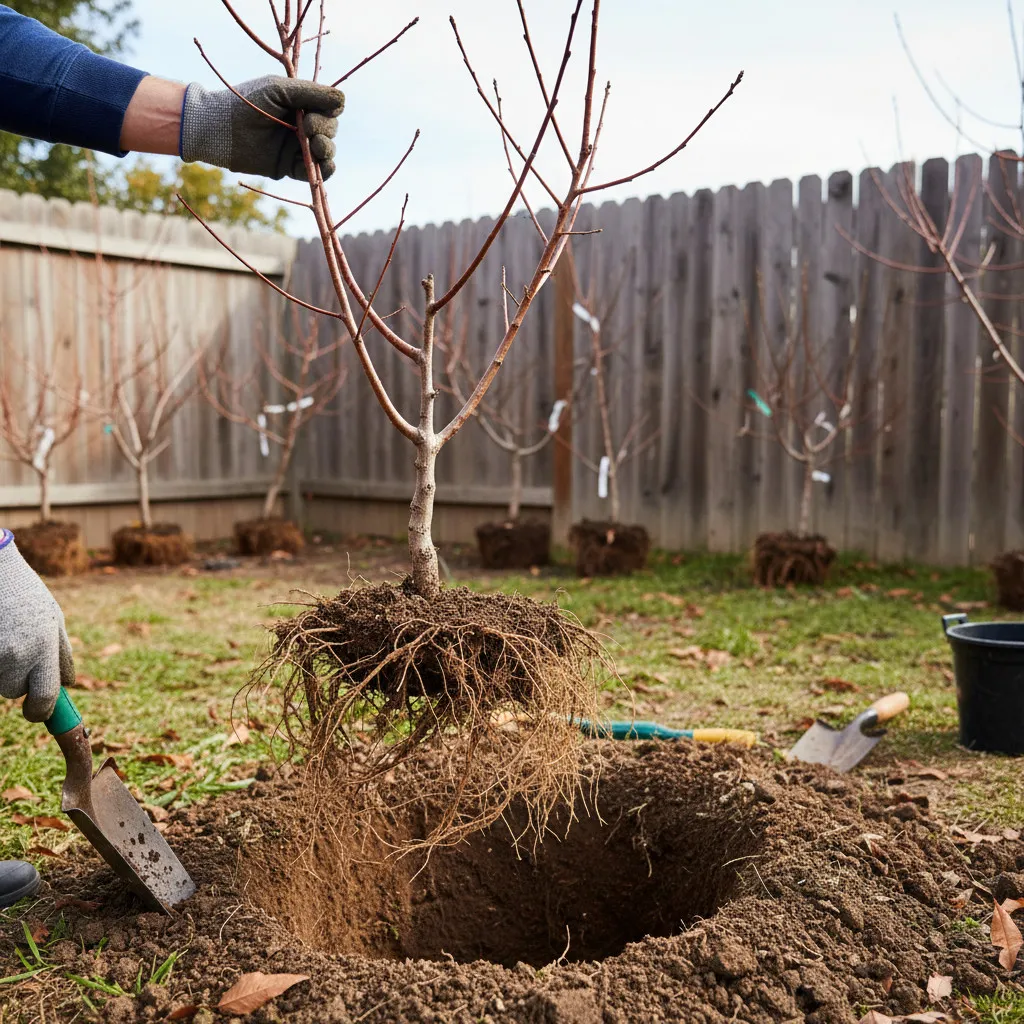
January is arguably the most important month for fruit tree planting in California. Deciduous fruit trees are available as bare-root stock during the dormant season, typically from late December through February. Bare-root trees are less expensive than container-grown specimens, easier to handle and plant, and generally establish more quickly since their roots aren’t pot-bound.
Bare-Root Fruit Trees
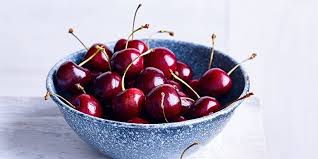
Stone fruits—including peaches, nectarines, plums, apricots, and cherries—should be selected and planted in January for best results. When shopping for stone fruit trees, pay attention to chill hour requirements. Chill hours are the number of hours below 45°F that a tree needs during winter to properly break dormancy and set fruit. Coastal and Southern California areas have low chill hours (often 200-400), so choose varieties specifically bred for these conditions, such as ‘Tropic Snow’ peach or ‘Santa Rosa’ plum. Central Valley and Northern California gardens have more chill hours (400-800+) and can grow a wider range of varieties.
Plant bare-root trees as soon as possible after purchase to prevent roots from drying out. Dig a hole twice as wide as the root system but no deeper—the crown of the tree should sit slightly above ground level to prevent crown rot. Spread roots out naturally rather than cramping them, backfill with native soil (amendments aren’t necessary in the planting hole), and water thoroughly. Stake young trees loosely to provide support without preventing all movement, which is necessary for developing strong trunk caliper.
Apple and pear trees are also available bare-root in January. Like stone fruits, these pome fruits have chill hour requirements, with many standard varieties needing more chilling than California’s mild winters provide. Fortunately, plant breeders have developed low-chill varieties specifically for California, including ‘Anna’ and ‘Dorsett Golden’ apples and ‘Hood’ pears. Consider planting at least two varieties for cross-pollination, or choose self-fertile varieties if space is limited. Dwarf and semi-dwarf rootstocks keep trees manageable in home garden settings while still producing substantial crops.
Figs are wonderfully adapted to California’s Mediterranean climate, requiring minimal chill hours and thriving in hot, dry summers. Common varieties include ‘Black Mission’, ‘Brown Turkey’, and ‘Kadota’, all of which produce reliable crops with minimal care. Figs can be planted from bare-root or container-grown stock in January. These trees are remarkably tough once established, handling both drought and neglect better than most fruit trees. They do, however, need winter chill to properly break dormancy, making January planting ideal.
Citrus Trees
While citrus trees are typically sold in containers rather than bare-root, January is still a good time for shopping and selection, even if actual planting is better delayed until March or April when soil has warmed. Take advantage of January nursery visits to choose specific varieties while trees are displaying fruit, allowing you to see exactly what you’re getting. California gardeners can choose from an impressive array of citrus types including lemons, limes, oranges, grapefruits, mandarins, tangelos, and specialty varieties.
Meyer lemons are perhaps the most popular citrus for home gardens, producing abundant, sweet-tart lemons with thin, edible rinds. These relatively compact trees can even be grown in large containers, making them accessible to gardeners with limited space. Standard Eureka and Lisbon lemons are also excellent choices, producing fruit year-round in California’s mild climate. For limes, Bearss (also called Persian) are reliably productive, though they’re more cold-sensitive than lemons.
Navel oranges are the classic California orange, producing sweet, seedless fruit that’s perfect for fresh eating. January is actually harvest time for navels, so you can taste-test fruit at the nursery before selecting your tree. Valencia oranges ripen later in the season and are better for juicing. Mandarins (including tangerines, clementines, and satsumas) are increasingly popular for their easy-to-peel nature and sweet flavor. Satsumas are particularly cold-hardy for citrus and can succeed in areas where other types might struggle.
When you do plant citrus (waiting until after January’s coldest weather has passed), remember that they need excellent drainage, regular irrigation, and protection from frost in colder areas. Apply nitrogen fertilizer in February or March just before bloom for best results, and consider using products specifically formulated for citrus that include micronutrients like iron and zinc.
Berries and Small Fruits
Strawberries are perfect for January planting throughout California. Bare-root strawberry plants are widely available now and should be planted with the crown exactly at soil level—too deep and the crown will rot, too shallow and roots will dry out. Choose varieties based on your growing goals: June-bearing types produce one large crop, ever-bearing varieties produce smaller harvests throughout the season, and day-neutral types are less affected by day length. Popular California varieties include ‘Chandler’, ‘Sequoia’, ‘Albion’, and ‘Seascape’. Remove flowers from newly planted strawberries for the first month to allow plants to establish strong root systems before fruiting.
Raspberries and blackberries are also excellent January plantings. Bare-root canes of both types are available now and establish quickly when planted during dormancy. Cane berries need support systems like trellises or posts with wires, which should be installed at planting time. There are summer-bearing and ever-bearing types, with different pruning requirements for each. Summer-bearing types produce fruit on second-year canes, while ever-bearing varieties fruit on first-year canes. Thornless varieties are increasingly available and make harvesting much more pleasant, though some gardeners insist that thorny types have superior flavor.
Blueberries can also be planted in January, though they require acidic soil (pH 4.5-5.5) that doesn’t naturally occur in most of California. Amend planting holes heavily with sulfur and peat moss, or grow blueberries in containers filled with acidic potting mix. Choose varieties bred for low-chill conditions, such as ‘Misty’, ‘O’Neal’, or ‘Sunshine Blue’. Plant at least two varieties for cross-pollination and better fruit set. Blueberries are beautiful landscape plants with attractive spring flowers, summer fruit, and brilliant fall foliage color, making them excellent dual-purpose additions to California gardens.
Grapes can be planted from bare-root stock in January as well. Choose table grapes for fresh eating or wine grapes if you’re interested in home winemaking. Grapes need strong support structures like arbors or heavy-duty trellises, as mature vines become quite heavy. Plant in full sun with excellent air circulation to minimize disease problems. Popular table grape varieties for California include ‘Flame Seedless’, ‘Thompson Seedless’, and ‘Fantasy Seedless’.
Ornamental Flowers for January Gardens
While vegetables and fruits might be the focus for many California gardeners, January is also an excellent time to plant ornamental flowers that will provide color throughout late winter, spring, and beyond. Cool-season annuals thrive in January’s mild temperatures, while certain perennials establish well when planted during dormancy.
Cool-Season Annual Flowers
Pansies and violas are the quintessential winter annuals for California gardens. These cheerful flowers bloom prolifically in cool weather, providing color from January through May. Modern breeding has produced pansies in virtually every color combination imaginable, from pastels to deep, velvety purples and blacks. Violas are smaller-flowered relatives that are even more cold-hardy and prolific. Both make excellent container plants, bedding plants, and edging plants. They prefer full sun in winter and early spring but benefit from afternoon shade as temperatures rise.
Primroses (Primula species) add bright splashes of color to shade and partial shade areas. These perennials are typically grown as cool-season annuals in California, planted from six-packs in fall and winter for spring bloom. English primroses, fairy primroses, and polyanthus types are all widely available. Primroses need consistent moisture and will flag quickly if allowed to dry out, making them better suited to containers where watering can be carefully controlled.
Iceland poppies are stunning flowers that thrive in California’s cool season. These delicate-looking plants actually prefer cool temperatures and will bloom from late winter through spring if planted in January. The papery flowers come in vibrant oranges, yellows, pinks, and whites, often with multiple colors on each petal. Despite their delicate appearance, Iceland poppies are quite tough and drought-tolerant once established. They resent transplanting, so plant them young and disturb roots as little as possible.
Stock (Matthiola) produces spikes of intensely fragrant flowers in white, pink, purple, and red. These cottage garden favorites prefer cool weather and can be planted in January for spring bloom. The scent is particularly noticeable on warm spring afternoons and evenings. Snapdragons (Antirrhinum) are another classic flower perfect for January planting. Modern varieties range from dwarf 6-inch plants to tall 3-foot types ideal for cutting gardens. Snapdragons are actually perennials in California’s mild climate, often surviving for several years, though they’re typically replaced annually for best flower production.
Calendula (pot marigold) is an easy-growing annual with cheerful orange or yellow flowers. Beyond its ornamental value, calendula has medicinal properties and edible petals that add color to salads. It readily self-seeds, so one planting can provide years of flowers. Sweet alyssum forms low mounds covered in tiny white, pink, or purple flowers with a honey-like fragrance. This annual self-seeds readily and often appears as a volunteer throughout the garden, providing a carpet of blooms around taller plants.
Perennial Flowers
Lavender is a Mediterranean perennial that thrives in California’s climate. While it can be planted year-round from containers, January planting allows it to establish during cool, moist weather with minimal water needs. Lavender requires excellent drainage and full sun, making it ideal for sunny borders, hillsides, and xeriscaping. Varieties range from compact English lavenders to larger Spanish and French types. Beyond its beautiful purple flowers and intense fragrance, lavender attracts beneficial insects and pollinators while deer and rabbits generally avoid it.
Salvia (sage) is a diverse genus that includes hundreds of species, many of which are perfect for California gardens. Ornamental salvias provide flowers in every color, from white and pink to red, purple, and blue. Many are California natives or from similar Mediterranean climates, making them exceptionally well-adapted to local conditions. January is a fine time to plant salvias from containers, which will establish quickly and often begin blooming within weeks. Penstemon is another large genus with many California native species producing tubular flowers attractive to hummingbirds.
Yarrow (Achillea) is a tough perennial that handles California’s dry summers with minimal water once established. The flat flower clusters bloom in white, yellow, pink, red, and orange, and the ferny foliage is attractive even when plants aren’t blooming. Yarrow spreads to form colonies and can be divided in winter to propagate. Coreopsis (tickseed) includes both California native species and garden hybrids, all producing cheerful yellow or gold daisy-like flowers. These tough plants handle heat, drought, and poor soil, making them excellent low-maintenance perennials.
California Native Plants
January through March is the optimal planting window for California native plants, which naturally grow during the cool, wet season and go dormant during hot, dry summers. Planting natives during their natural growing season allows them to establish with minimal supplemental water and care. Once established (typically after one to two years), most California natives require no irrigation during summer, making them ideal for sustainable, low-water landscapes.
California poppies (Eschscholzia californica) are the state flower and among the easiest natives to grow. Direct seed in January for spring bloom, scattering seeds on prepared soil and covering lightly. These annuals self-seed readily and will naturalize throughout your garden. Manzanita (Arctostaphylos species) includes numerous species ranging from prostrate groundcovers to tree-sized shrubs, all with attractive bark, evergreen foliage, and early spring flowers. Ceanothus (California lilac) is another diverse genus with species offering blue, white, or purple flowers and varying sizes from groundcovers to large shrubs.
Native sages (Salvia species) include white sage, black sage, and hummingbird sage, all of which are drought-tolerant perennials with aromatic foliage. Buckwheat (Eriogonum species) offers dozens of species adapted to different California habitats, most producing clusters of pink or white flowers attractive to butterflies. Toyon (Heteromeles arbutifolia) is a large shrub with white summer flowers followed by bright red berries that feed birds throughout winter.
Essential January Garden Tasks
Beyond planting new crops, January is an important month for maintenance tasks that will set your garden up for success throughout the coming year. These activities range from pruning dormant plants to planning your spring garden layout.
Pruning and Maintenance
Rose pruning should be done in January throughout most of California. Hybrid tea roses, floribundas, and grandifloras all benefit from annual pruning that shapes the plant, removes dead wood, and stimulates new growth. The general rule is to prune roses back by about one-third to one-half their height, cutting just above outward-facing buds at a 45-degree angle. Remove any canes smaller than a pencil, as well as any crossing or rubbing branches. Climbing roses should be pruned differently—remove only dead or diseased wood and train canes along supports without heavy cutting back.
After pruning, apply dormant spray to roses to control overwintering pests and disease spores. Dormant oils smother pest eggs, while fungicides like copper sulfate prevent diseases such as powdery mildew and black spot. This is also the time to apply a dormant spray to fruit trees, particularly to prevent peach leaf curl, which can devastate unprotected stone fruits. Spray after pruning but before buds begin to swell, covering all branches thoroughly. A second application is typically recommended in February for complete protection.
Deciduous fruit tree pruning is best done in January while trees are fully dormant. The goal is to create an open vase or center-leader shape that allows sunlight to reach all parts of the tree and facilitates air circulation to prevent disease. Remove any dead, diseased, or crossing branches first, then work on shaping. Different fruit types have different pruning requirements—peaches and nectarines need heavier pruning than apples or pears, for example. Consult specific resources for your tree types before making cuts, as improper pruning can reduce fruiting significantly.
Grapevine pruning is another critical January task. Grapes produce fruit on new growth from one-year-old canes, so pruning involves removing most of the previous year’s growth while leaving carefully selected canes for fruiting. Different training systems (spur pruning versus cane pruning) require different approaches. Grape pruning can seem intimidating, but remember that established vines are remarkably forgiving and will recover from most pruning mistakes.
Soil Preparation and Amendment
January is an excellent time to amend garden soil in preparation for spring planting. Remove spent crops from beds, pull any weeds, and work in compost, aged manure, or other organic matter. This improves soil structure, adds nutrients, and increases water retention—all beneficial for upcoming crops. For beds that won’t be planted for a month or more, consider planting a cover crop like fava beans, clover, or vetch. These plants fix nitrogen, prevent erosion, suppress weeds, and add organic matter when turned under before spring planting.
Mulching is another important January task. Apply a 2-4 inch layer of organic mulch around perennial plants, shrubs, and trees to conserve moisture, suppress weeds, moderate soil temperature, and gradually add organic matter as it breaks down. Keep mulch several inches away from plant stems and tree trunks to prevent rot and avoid creating habitat for pests. Good mulch options include wood chips, shredded bark, straw, or compost. In vegetable beds, wait until after planting to apply mulch, or remove mulch temporarily to allow soil to warm in early spring.
If you haven’t done so recently, consider conducting a soil test to determine pH and nutrient levels. County extension offices, private labs, and home test kits can all provide valuable information about your soil. Many California soils are alkaline and may benefit from sulfur applications to lower pH, particularly for acid-loving plants like blueberries and azaleas. Soil testing takes the guesswork out of fertilization and prevents over-application of nutrients that can lead to problems.
Planning and Preparation
Use January’s cool weather as an opportunity to plan your garden layout for spring and summer. Review last year’s garden journal (or start one this year if you haven’t been keeping records), noting what succeeded and what struggled. Sketch out bed layouts, considering crop rotation to prevent disease buildup and planning for succession planting to extend harvests. This planning phase helps you avoid impulse purchases and ensures you make the most of available space.
Order seeds in January while selection is best. Many heirloom and specialty varieties sell out by late winter, so early ordering ensures you get exactly what you want. Seed catalogs offer far more variety than garden centers, including unusual vegetables, specific cultivars suited to your microclimate, and organic or heirloom options. Create a seed order list based on your garden plan, checking your existing seed inventory first to avoid duplicates. Remember that most vegetable seeds remain viable for several years if stored properly in cool, dry conditions.
Clean and sharpen garden tools during January downtime. Remove rust with steel wool or a wire brush, sharpen cutting edges on pruners and loppers with a file or whetstone, and oil metal parts to prevent corrosion. Well-maintained tools work better, last longer, and make gardening more pleasant. This is also a good time to inventory supplies like stakes, ties, row covers, and fertilizers, replacing anything that’s depleted or deteriorated.
Inspect irrigation systems to identify problems before the busy growing season begins. Turn systems on and walk through your garden, checking for clogged emitters, leaky valves, broken sprinkler heads, and areas with inadequate coverage. Make repairs now rather than waiting until summer when water efficiency becomes critical. Consider upgrading to drip irrigation in vegetable beds for more efficient water delivery directly to plant roots.
Pest and Disease Prevention
While pest pressure is generally low in January, some issues still require attention. Snails and slugs are active during cool, moist weather and can devastate young seedlings overnight. Hand-pick these pests during evening patrols, set out beer traps, or use iron phosphate baits (sold as Sluggo) around vulnerable plants. Create barriers of copper tape around containers or raised beds—slugs and snails won’t cross copper.
Aphids may appear on cool-season crops, particularly on tender new growth. These soft-bodied insects can multiply rapidly, but they’re easily controlled by spraying plants with a strong stream of water or applying insecticidal soap. Fungal diseases like powdery mildew can also affect cool-season crops. Ensure adequate spacing between plants for good air circulation, avoid overhead watering late in the day, and remove affected foliage promptly. Organic fungicides containing sulfur or neem oil can provide additional control if needed.
Check for gopher and rodent activity and set traps if needed. Winter rains often drive these pests to search for food, and they can destroy newly planted fruit trees and vegetables quickly. Protect young trees with hardware cloth cages extending both above and below ground level. For persistent problems, consider installing gopher wire under raised beds.
Regional Considerations Across California
California’s diverse geography creates distinctly different growing conditions across the state. Understanding your specific region’s characteristics helps you make better planting decisions and adapt general guidelines to your local climate.
Southern California (Zones 9-11)
Southern California enjoys the mildest January weather in the state, with coastal areas rarely experiencing frost. Gardeners in San Diego, Orange County, Los Angeles, and coastal Santa Barbara can plant almost everything listed in this guide with confidence. Your primary challenge isn’t cold but rather marine layer influence in coastal areas, which reduces sunlight and can promote fungal diseases in susceptible plants. Ensure good air circulation and consider planting sun-loving crops in the sunniest microclimates of your garden.
Inland valleys like Riverside, San Bernardino, and Temecula have more temperature variation, with cold nights requiring frost protection for tender seedlings. Use row covers, cloches, or cold frames to protect vulnerable plants, or wait until February to plant if frost risk concerns you. The trade-off is that these warmer inland areas have better conditions for heat-loving crops later in the season. Take advantage of January’s cool weather to establish cool-season crops before heat arrives in May and June.
Water conservation is particularly important in Southern California, where drought conditions are common. Focus on drought-tolerant crops, install efficient irrigation systems, and mulch heavily to conserve soil moisture. Consider replacing portions of turf lawn with vegetable beds or drought-tolerant landscaping. Many Southern California water districts offer rebates for turf removal and irrigation upgrades, making these improvements more affordable.
Central Valley (Zones 8-9)
The Central Valley—including Sacramento, Stockton, Modesto, Fresno, and Bakersfield—experiences more pronounced winters than coastal California while still offering year-round growing opportunities. Tule fog is a characteristic January phenomenon that can persist for days or weeks, reducing temperatures and sunlight. This fog protects plants from hard freezes but also slows growth and can promote mildew. Plan accordingly by ensuring adequate spacing and good drainage.
Central Valley soils are typically heavy clay that becomes waterlogged in winter. Improve drainage by adding compost and growing in raised beds if possible. Avoid working soil when it’s wet, as this causes compaction that damages soil structure and makes it difficult for roots to penetrate. January rains usually provide adequate water for established plants, so supplemental irrigation is rarely needed this month. Focus instead on preparing beds with amendments and planning for the coming season.
The Central Valley’s fertile soil and abundant summer heat make it one of the most productive agricultural regions in the world. Take advantage of these conditions by planting warm-season crops early (after frost danger passes in March or April) to maximize your growing season. Many heat-loving crops that struggle in coastal areas—melons, tomatoes, peppers, and squash—thrive in Central Valley summers.
Northern California (Zones 7-9)
Northern California includes diverse climates from mild coastal areas around the Bay Area to colder inland regions near Chico and Redding. Coastal Bay Area gardeners enjoy conditions similar to Southern California’s coast, with mild temperatures and marine influence. The same crops and timing that work in Los Angeles generally succeed in San Francisco, though slightly cooler temperatures may slow growth somewhat. The Bay Area’s progressive food culture and strong interest in urban farming make it an ideal place for adventurous vegetable gardeners.
Inland Northern California experiences colder winters, with January freezes common. Gardeners in these areas should focus on cold-hardy crops like kale, collards, and root vegetables, providing frost protection for more tender plants. Starting seeds indoors for later transplanting makes sense in these zones, as outdoor planting of warm-season crops must wait until April or May. Pay attention to your specific frost dates—Sacramento’s average last frost is in mid-February, while Redding’s isn’t until late March.
Wine country regions like Napa and Sonoma have conditions influenced by proximity to the San Francisco Bay and surrounding mountains. These areas combine mild temperatures with well-draining soils and varied microclimates, creating excellent conditions for both grapes (obviously) and diverse vegetable crops. Take advantage of hillside locations for frost-sensitive crops, as cold air drains to valley floors while slopes remain several degrees warmer.
Mountain and Desert Regions (Zones 5-8)
Mountain communities in the Sierra Nevada, Southern California mountains, and other high-elevation areas face genuine winter conditions unsuitable for outdoor planting in January. Gardeners in these zones should focus on indoor seed starting, garden planning, tool maintenance, and cold-weather tasks rather than outdoor planting. Start seeds under lights for transplanting outdoors after the last spring frost, typically in May or June depending on elevation. Consider investing in season-extension tools like cold frames, row covers, and hoop houses to expand your growing window at both ends of the season.
High desert areas including Victorville, Lancaster, and Palmdale have cold winters and hot summers with minimal frost protection from marine influence. January is typically too cold for most outdoor planting, though some cold-hardy crops like kale, spinach, and root vegetables might succeed with protection. The combination of intense summer heat and cold winters creates challenges but also opportunities for cold-hardy crops in winter and heat-loving crops in summer. Water scarcity is a critical concern in desert regions, making drip irrigation, mulching, and drought-tolerant crop selection essential.
Low desert areas including Palm Springs, Imperial Valley, and Colorado River communities have unique climates where January is actually a prime growing month. Mild winter temperatures create ideal conditions for cool-season crops that would bolt in summer heat. These areas have extraordinarily hot summers where only the toughest crops survive, but winter vegetable production can be outstanding. Take full advantage of November through March for intense production, then shift focus to heat-tolerant crops like melons, summer squash, and desert-adapted natives during scorching summers.
Tips for Success in Your January Garden
Successfully gardening in January requires combining general principles with attention to your specific conditions and crops. These practical tips will help you maximize success regardless of your location or experience level.
Start small and expand gradually. If you’re new to winter gardening, resist the temptation to plant everything at once. Start with a few easy crops like lettuce, radishes, and herbs, then expand as you gain confidence and learn your microclimate’s quirks. Success with a small, manageable garden is more rewarding than being overwhelmed by a large space that becomes neglected.
Pay attention to microclimates within your garden. South-facing areas near walls or fences receive more heat and light, making them ideal for crops needing warmth. North-facing areas stay cooler and can provide shelter for crops sensitive to hot afternoon sun. Areas under eaves may be warmer but receive no rainfall, requiring supplemental watering even during rainy periods. Understanding these variations allows you to place crops in optimal locations.
Use row covers and cloches to protect young seedlings from frost, pests, and harsh weather. Floating row covers made from lightweight fabric allow sunlight, air, and water to penetrate while providing several degrees of frost protection. Individual cloches fashioned from cut-off milk jugs or purchased as glass or plastic bells protect individual plants. Both tools extend your growing season and increase success rates with tender crops.
Water wisely during California’s rainy season. January rainfall usually provides adequate moisture for established plants, but young seedlings need consistent moisture to germinate and grow. Use a moisture meter or finger test to check soil before watering—when in doubt, err on the side of less water rather than more, as overwatering causes more problems than underwatering during cool weather. Apply water in the morning when possible, allowing foliage to dry before nightfall to minimize disease problems.
Succession plant for continuous harvests. Rather than planting all your lettuce, radishes, or other quick-maturing crops at once, plant small amounts every two to three weeks. This approach provides fresh harvests over extended periods rather than a glut followed by nothing. Mark planting dates on markers or in your garden journal to track succession timing.
Fertilize appropriately for the season. Cool-season crops generally need less fertilization than summer crops due to slower growth rates. Use balanced organic fertilizers or compost tea rather than high-nitrogen synthetic fertilizers that can cause excessive leaf growth at the expense of roots or flowering. Many established trees and shrubs need no fertilization during January—wait until they resume active growth in spring.
Keep a garden journal to record what you plant, when you plant it, how it performs, and what problems arise. This simple practice provides invaluable information for planning future gardens. Note temperature extremes, rainfall amounts, pest issues, harvest dates, and which varieties performed best. A year from now, you’ll appreciate having this information at your fingertips.
Connect with local gardening communities through master gardener programs, garden clubs, farmers markets, and social media groups. Local gardeners have experience with your specific climate and can offer advice tailored to your conditions. Many communities have seed swaps where gardeners exchange extra seeds, providing opportunities to try new varieties at no cost while meeting fellow gardeners.
Don’t fear experimentation. Gardening is as much art as science, and conditions vary so much across California that no guide can provide perfect advice for every situation. Try new crops, test different varieties, experiment with planting dates, and learn from both successes and failures. The worst-case scenario is losing a few dollars worth of seeds or plants, while the potential upside is discovering something that thrives in your specific garden.
Key Takeaways
January in California is far from a dormant month for gardeners—it’s a dynamic time filled with planting opportunities and essential maintenance tasks. The state’s Mediterranean climate and diverse microclimates create conditions where cool-season crops thrive even as winter technically holds sway elsewhere in the country. From San Diego’s coastal gardens to Sacramento’s Central Valley plots, January gardeners can establish vegetables that will produce through spring, plant fruit trees that will bear for decades, and create ornamental displays that bring color to the cool-season landscape.
Success in January gardening comes from understanding your specific climate zone and microclimate, choosing appropriate crops for the season, and completing key maintenance tasks like pruning and soil amendment. Cool-season vegetables including lettuce, broccoli, carrots, and peas all thrive when planted now, while herbs like cilantro, parsley, and perennial Mediterranean types establish quickly in cool weather. Bare-root fruit trees and berries planted in January develop strong root systems before spring growth begins, setting themselves up for years of production.
Regional differences across California mean that gardeners must adapt general advice to their specific conditions. Coastal gardeners enjoy the mildest temperatures but contend with marine layer effects, while Central Valley growers have more temperature extremes and tule fog to consider. Mountain and desert gardeners face genuine cold that limits outdoor planting, though indoor seed starting and planning activities keep these gardeners engaged even during inhospitable weather.
Beyond planting, January is crucial for pruning roses and fruit trees, applying dormant sprays, amending soil, planning garden layouts, and ordering seeds for the coming season. These tasks may lack the immediate gratification of planting and harvesting, but they create the foundation for success throughout the rest of the year. California’s winter rains typically provide adequate moisture, freeing gardeners from irrigation concerns while allowing focus on these preparation activities.
Whether you’re a longtime California gardener or someone who just discovered that winter gardening is possible in your new state, January offers tremendous opportunities. Step outside, feel that cool morning air, notice the different quality of winter sunlight, and get your hands in the soil. Plant some lettuce seeds, put in a few transplants of broccoli, or select a bare-root fruit tree that will become part of your landscape for years to come. The crops you plant this month will reward you with fresh harvests in spring, the fruit trees will bear for decades, and the preparation work will set you up for your best gardening year yet. California January gardening isn’t just about working around winter—it’s about embracing the unique opportunities that this mild season provides.