Table of Contents
- What to Plant in November in California: Your Complete Guide to Fall Planting Success
- Why November is Prime Planting Time in California
- Cool-Season Vegetables to Plant in November
- Beautiful Flowers to Plant in November
- Spring-Blooming Bulbs
- Fruits and Berries
- Trees, Shrubs, and California Natives
- Essential November Gardening Tasks
- Regional Considerations
- Conclusion: Embrace California’s November Garden
What to Plant in November in California: Your Complete Guide to Fall Planting Success
If you’re a California gardener wondering whether your growing season has come to an end as November arrives, you’re in for a pleasant surprise. While much of the country is putting their gardens to bed for winter, California gardeners are just getting started with one of the most productive and enjoyable planting seasons of the year. November in California offers ideal conditions for establishing a thriving cool-season garden that will reward you with abundant harvests and beautiful blooms throughout winter and into spring.
The cooler temperatures, increased rainfall, and still-warm soil create perfect conditions for plants to establish strong root systems before winter truly sets in. Whether you’re gardening along the coast in zones 9-10, in the Central Valley, or in Northern California’s diverse microclimates, November presents exceptional opportunities to fill your garden with vegetables, flowers, fruits, and ornamental plants that will flourish in the months ahead.
Why November is Prime Planting Time in California
November stands out as one of the most important months in the California gardening calendar for several compelling reasons. The combination of cooling air temperatures and warm soil creates an optimal environment for root development, allowing plants to establish themselves before the coldest months arrive. Unlike the scorching heat of summer that can stress newly planted specimens, November’s mild conditions mean less maintenance, reduced water requirements, and healthier plant establishment.
The shortened daylight hours signal plants to focus their energy on root growth rather than leaf production, resulting in stronger, more resilient plants come spring. For California gardeners, this means that November plantings often outperform those established in spring, as they’ve had months to develop extensive root systems ready to support vigorous growth when temperatures warm again.
Additionally, November typically brings the first significant rainfall of the season in many parts of California. This natural irrigation reduces the need for supplemental watering and helps seeds germinate more successfully. The combination of cooler temperatures and occasional rain also means fewer pest problems, as many garden pests become less active or enter dormancy during this time.
Cool-Season Vegetables to Plant in November
November is the perfect month to fill your vegetable garden with an impressive variety of cool-season crops that actually prefer—and in many cases require—cooler temperatures to thrive. These vegetables will provide fresh harvests throughout winter and into early spring.
Leafy Greens and Salad Crops
Lettuce absolutely loves November planting conditions in California. You can plant virtually any variety, from crisp romaines to tender butterhead types, and small-heading Bibb varieties that thrive with only minimal damage from light frosts. Succession planting lettuce every two to three weeks ensures a continuous supply of fresh greens for your kitchen throughout the winter months. Consider varieties like ‘Patty’s Choice’ bibb-type lettuce, which shows exceptional performance in California’s November conditions.
Spinach is another star performer for November planting. Both smooth-leafed and curly savoy types grow beautifully in cool weather, and they’ll produce abundantly from now through early spring. Spinach actually becomes sweeter after exposure to cold temperatures, as the chill converts some of the plant’s starches into sugars. Plant seeds directly in your garden beds, spacing them about two inches apart in rows or scattering them more densely for a cut-and-come-again harvest approach.
Arugula, with its peppery flavor and rapid growth, can be direct-seeded now for harvests beginning in as little as three weeks. This Mediterranean green thrives in California’s cool season and can be planted successively throughout winter for continuous harvests. Other excellent leafy greens for November planting include Swiss chard, which continues producing for months once established, and various Asian greens like bok choy, mizuna, and tatsoi, which bring diversity to winter salads and stir-fries.
Brassicas and Cole Crops
The cabbage family, collectively known as brassicas or cole crops, represents some of the most rewarding vegetables for November planting in California. These nutrient-dense vegetables not only tolerate cool weather—they actually prefer it, developing better flavor and texture when grown during cooler months.
Broccoli planted in November will develop strong root systems over winter and produce generous harvests in spring. For the most productive plants, pinch out the main growing shoot about a month after transplanting to encourage the development of multiple large side shoots. If you prefer the traditional large central head followed by smaller side shoots, skip this pinching step. Sprouting broccoli varieties like ‘Calabrese’ offer an alternative approach, producing many smaller, bite-sized shoots perfect for fresh eating.
Cabbage, cauliflower, and Brussels sprouts all thrive when planted in November, though they require patience as they need several months to mature. The extended cool growing season in California provides the ideal conditions these vegetables need to develop properly. Brussels sprouts, in particular, benefit from California’s mild winters, as they require a long, cool growing season that can be difficult to achieve in many other regions.
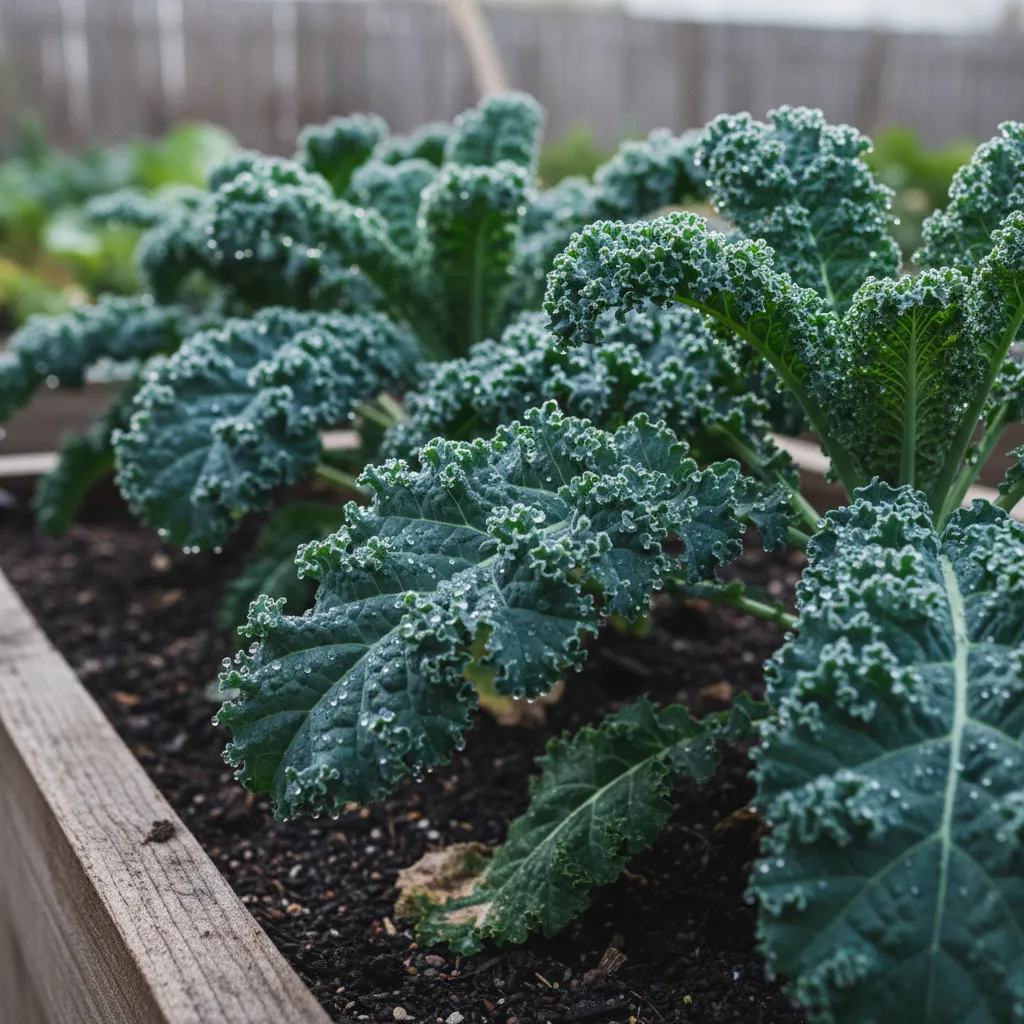
Kale has become increasingly popular, and for good reason—it’s incredibly nutritious, versatile in the kitchen, and remarkably productive. November plantings establish well and will produce harvests for many months. Kale actually improves in flavor after exposure to frost, becoming sweeter and less bitter. Consider varieties like ‘Lacinato’ (dinosaur kale) or curly varieties like ‘Winterbor’ for visual interest and excellent cold tolerance.
Root Vegetables
November is an excellent time to plant a variety of root vegetables that will develop slowly over winter, ready for spring harvests. Carrots can be direct-seeded now, and they’ll germinate well in the still-warm soil before temperatures drop significantly. Keep the soil consistently moist until seeds germinate, which typically takes one to two weeks in cool weather. California’s mild winters allow carrots to develop exceptional sweetness, as the cool temperatures encourage sugar development.
Beets offer both edible roots and nutritious greens, making them a double-duty crop for the November garden. They mature relatively quickly compared to other root vegetables, with some varieties ready to harvest in as little as fifty days. Beets are heavy feeders, so ensure your soil is enriched with compost before planting. Succession plant every few weeks for a continuous supply.
Radishes are among the fastest-growing vegetables you can plant in November, with some varieties ready to harvest in just three weeks. Their rapid growth makes them perfect for succession planting, and they can be tucked into gaps between slower-growing crops. Radishes grown in cool weather tend to be crisper and less pungent than those grown in warm conditions.
Turnips, parsnips, and rutabagas are all excellent choices for November planting in California. These often-overlooked root vegetables develop wonderful flavor when grown in cool conditions and can be left in the ground and harvested as needed throughout winter. Parsnips, in particular, become sweeter after exposure to frost, making them a delicious addition to winter meals.
Alliums: Garlic, Onions, and Their Relatives
November is garlic planting time in California, and this is one deadline you don’t want to miss. Garlic needs to be in the ground by mid-November at the latest to develop properly. The cloves require a period of cool weather to form individual cloves—if planted too late, you may end up with single bulbs rather than divided cloves. Plant individual cloves with the pointed end up, about one inch deep and four inches apart in well-draining soil enriched with compost.
Onions can be planted from seeds, sets, or transplants in November. Starting from seed or transplants now will result in larger bulbs that are less likely to bolt prematurely in spring compared to onions planted from sets. Consider varieties specifically bred for California’s climate and daylength requirements. Short-day varieties work best in Southern California, while intermediate-day types perform better in Northern California.
Shallots, leeks, and both bunching onions (scallions) and spring onions all thrive when planted in November. Shallots should be planted with just the stem showing above ground level and will be ready for harvest next summer. Leeks require a long growing season, so plant them now for late spring or early summer harvests. Bunching onions provide quick-growing green onions for continuous harvests throughout winter and spring.
Legumes: Peas and Fava Beans
Peas are delightful cool-season crops that produce sweet, crunchy pods throughout winter and spring. Snow peas, snap peas, and shelling peas all perform well when planted in November in California. Peas prefer cooler temperatures and will produce prolifically until hot weather arrives in late spring. Provide support for climbing varieties, or choose bush types if space is limited.
Fava beans, also called broad beans, are excellent November plantings that serve double duty as both a food crop and a cover crop. They fix nitrogen in the soil through their relationship with beneficial bacteria, enriching your garden beds while producing delicious beans. Fava beans are remarkably cold-tolerant and can handle frosts that would damage many other crops. They make an excellent choice for areas of the garden that will be planted with heavy-feeding summer crops like tomatoes and peppers.
Beautiful Flowers to Plant in November
Don’t limit your November planting to edibles—this is also an exceptional time to establish flowering plants that will brighten your garden throughout the cooler months and into spring.
Cool-Season Annuals
Pansies and violas are quintessential cool-season flowers that thrive in November plantings. These cheerful flowers come in an incredible range of colors and patterns, from solid jewel tones to intricate bicolors and faces. They bloom continuously from fall through spring in California gardens and tolerate light frosts without damage. Plant them en masse in beds or containers for maximum impact, and deadhead regularly to encourage continuous blooming.
Sweet peas are among the most rewarding flowers to plant in November. These fragrant climbing annuals prefer cool weather and will bloom profusely in spring if planted now. November is actually the ideal time to plant sweet peas in California, as they need several months of cool weather to develop strong root systems before blooming. Consider early-blooming varieties like ‘Winter Elegance’ or ‘Early Multiflora’ for earlier flowers. Soak seeds overnight before planting to improve germination, and provide sturdy support for these vigorous climbers.
Snapdragons bring vertical interest to the garden with their tall spikes of colorful flowers. They’re available in a wide range of heights, from dwarf varieties perfect for containers to tall types that make excellent cut flowers. Snapdragons thrive in California’s cool season and will bloom from winter through spring. The flowers are edible and make charming garnishes for salads and desserts.
Stock (Matthiola) fills the garden with incredible fragrance from their spikes of ruffled flowers. These old-fashioned favorites perform beautifully when planted in November and will bloom prolifically in late winter and early spring. They’re particularly well-suited to California’s Mediterranean climate and make excellent cut flowers that bring their spicy-sweet scent indoors.
Calendula, with its cheerful orange and yellow daisy-like flowers, is both ornamental and edible. These easy-to-grow annuals can be direct-seeded in November and will begin blooming within six to eight weeks. Calendula flowers are edible and have been used for centuries in cooking and herbal medicine. They’re also excellent companion plants that attract beneficial insects to the garden.
Wildflowers
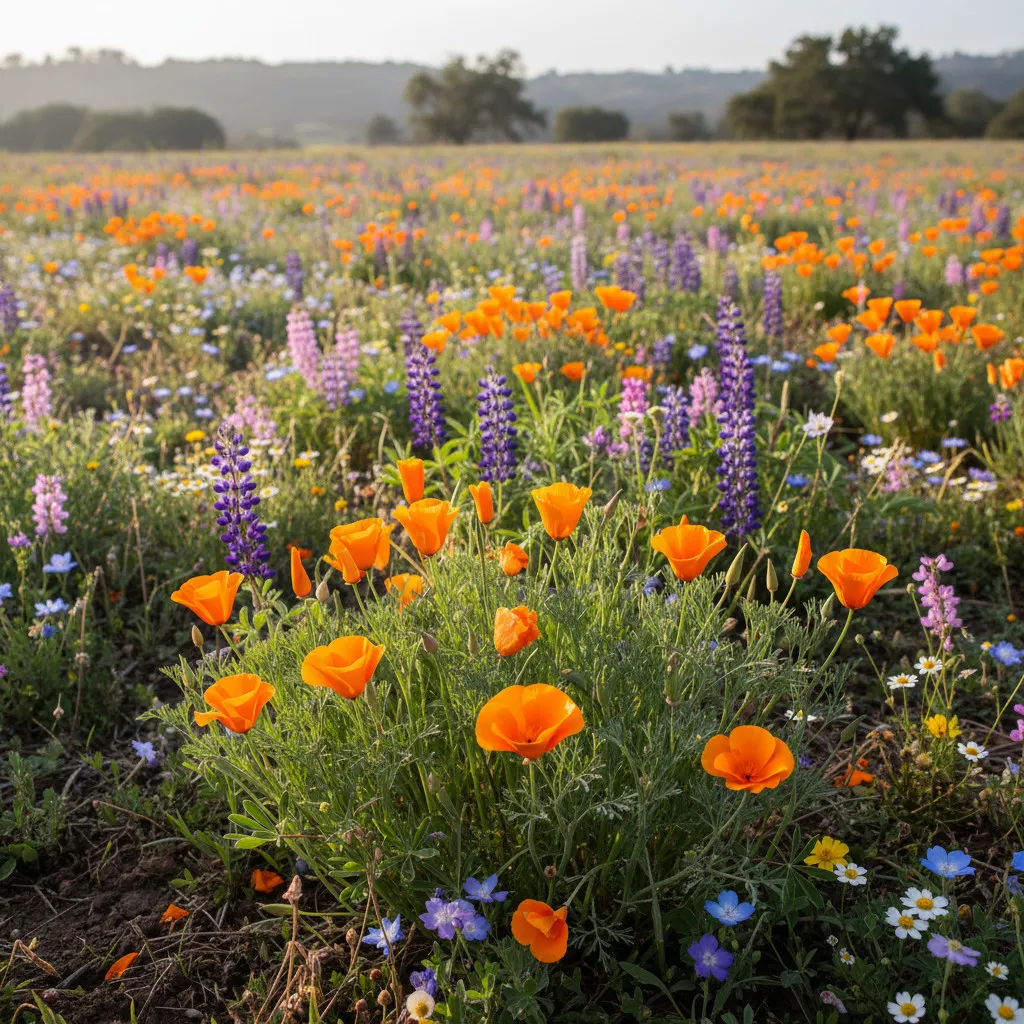
November may be the single best month to plant wildflowers in California. Broadcasting wildflower seeds just before forecasted rains gives them the perfect start. The rain helps seeds settle into the soil and provides the moisture needed for germination without the need for supplemental irrigation. Prepare the area by removing existing weeds and loosening the soil surface, then scatter seeds mixed with coarse sand for even distribution.
California native wildflowers are particularly well-suited to November planting. California poppies, lupines, clarkia, baby blue eyes, and tidytips all germinate readily when planted in fall. These natives have evolved to germinate with fall rains and grow during the cool, wet season, then bloom prolifically in spring before going dormant during California’s dry summers. This natural cycle makes them extremely low-maintenance once established.
Mix wildflower seeds with a few cups of clean sand before broadcasting to ensure even distribution. After scattering the seeds, rake lightly to ensure good seed-to-soil contact, but don’t bury them deeply—many wildflower seeds need light to germinate. Within a couple of weeks, seeds will begin sprouting. Be vigilant about weeding, as wildflowers can easily be overwhelmed by aggressive weeds if not kept in check during their establishment period.
Perennials for November Planting
November is one of the absolute best months for planting perennials in California. The combination of warm soil and cool air temperatures promotes excellent root development, allowing plants to establish strongly before their spring growth flush.
Fall-blooming perennials like asters and chrysanthemums are often available at nurseries now, showing you exactly what colors and forms you’re getting. Salvias are excellent choices for California gardens, offering flowers that attract hummingbirds and butterflies while requiring minimal water once established. Many salvia varieties bloom for months, and November planting gives them time to develop before their main flowering period.
Coreopsis, gaillardia, and rudbeckias (including coneflowers and black-eyed Susans) are all wonderful perennials to plant in November. These drought-tolerant, pollinator-friendly plants will establish over winter and burst into bloom next spring and summer. Their cheerful, daisy-like flowers bring bright color to the garden for months on end.
Lavender is exceptionally well-suited to California’s Mediterranean climate and thrives when planted in November. The cool, moist winter months allow lavender to establish without the stress of summer heat. Choose varieties suited to your specific microclimate—English lavenders (Lavandula angustifolia) are more cold-tolerant, while Spanish and French lavenders (L. stoechas) prefer milder winters and can be more heat-tolerant.
Spring-Blooming Bulbs
November is prime time for planting spring-blooming bulbs in California, though the timing varies slightly depending on your location and the specific bulbs you’re planting.
Bulbs to Plant Now
Most spring-flowering bulbs should be planted in November, including anemones, ranunculus, freesias, daffodils, narcissus, grape hyacinth (muscari), Dutch iris, and species tulips that don’t require pre-chilling. These bulbs will establish roots over winter and bloom beautifully in spring.
Anemones and ranunculus are particularly spectacular in California gardens, producing abundant flowers in jewel tones from late winter through spring. Plant corms about two inches deep with the “claws” pointing downward. Many gardeners soak these corms overnight before planting to give them a head start.
Daffodils and narcissus are among the most reliable spring bulbs for California, as they naturalize well and return year after year with minimal care. Unlike tulips, they don’t require pre-chilling and can be planted directly in the garden in November. Plant bulbs at a depth approximately three times their height, with the pointed end facing up.
Bulbs Requiring Pre-Chilling
Some spring bulbs, particularly tulips, hyacinths, and crocuses, require a period of cold temperatures before they’ll bloom successfully in California’s mild climate. These bulbs should have been pre-chilled in your refrigerator for six to eight weeks before planting, ideally starting in September or October. If you haven’t started this process yet, you can still purchase pre-chilled bulbs from nurseries in November for immediate planting.
When planting any bulbs, ensure your soil drains well—bulbs will rot in waterlogged soil. If you have heavy clay soil, amend with compost and plant bulbs in raised areas or mounds to improve drainage. Planting bulbs at varying depths can extend the bloom season, with shallow-planted bulbs blooming first and deeper-planted ones flowering later.
Fruits and Berries
November presents excellent opportunities for establishing fruit-producing plants that will reward you for years to come.
Strawberries
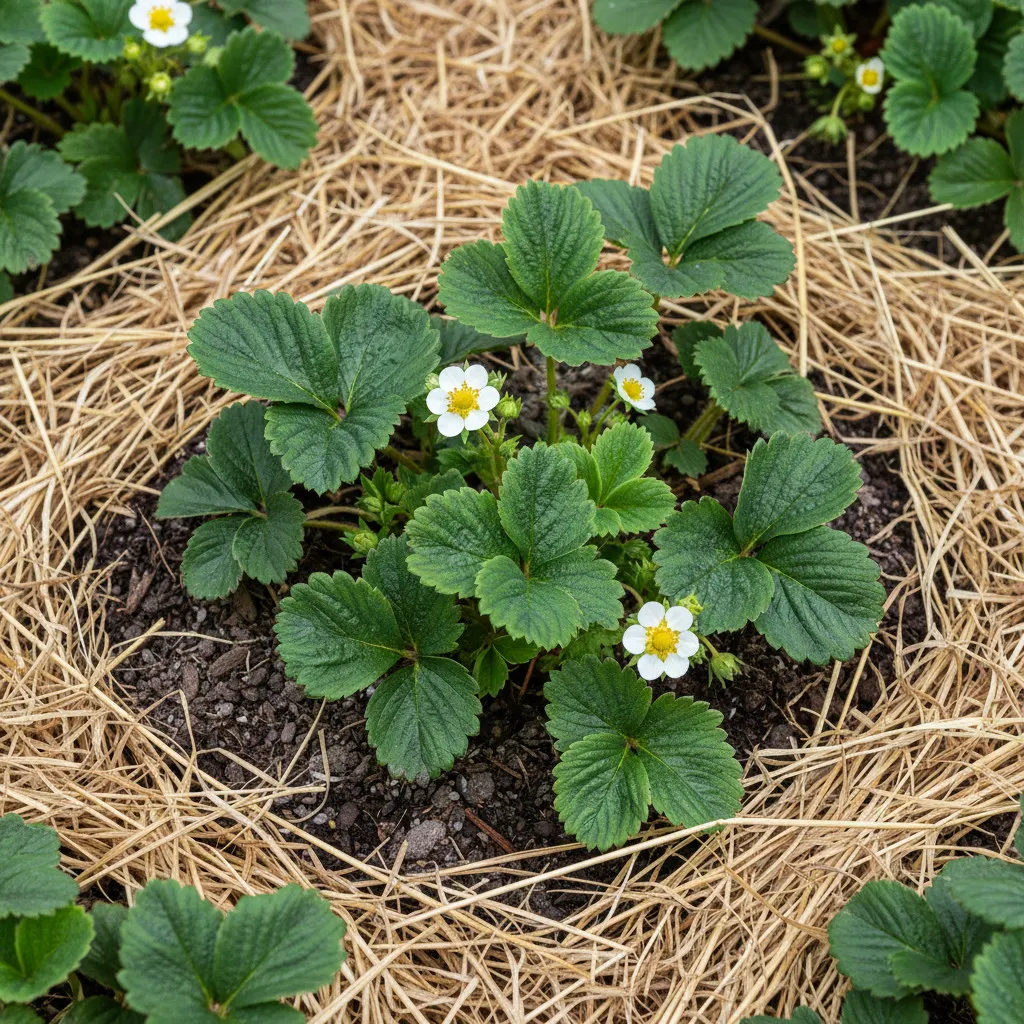
November is one of the best months for planting strawberries in California. Whether you’re starting from six-packs or pre-chilled bare-root plants (which become more available next month), now is the time to get strawberries in the ground. Early planting allows plants to establish strong root systems over winter, leading to abundant harvests starting in spring.
Plant strawberries in well-draining soil enriched with plenty of compost. Space plants about twelve inches apart to allow for runners, which is how strawberries naturally spread and multiply. Pinch off the first two or three sets of flowers that appear on newly planted strawberries—while it’s tempting to let them fruit immediately, removing these early flowers directs the plant’s energy into root development, resulting in a much stronger plant that will produce more prolifically in subsequent months.
Cane Berries
If you already have established cane berries (blackberries, boysenberries, raspberries), November is the time for important maintenance. Cut to the ground all canes that bore fruit this past summer—these will not produce again. However, leave the new canes that emerged from the soil this spring, as these will produce next year’s crop. This pruning improves air circulation, reduces disease pressure, and directs the plant’s energy into the productive canes.
For those looking to plant new cane berries, bare-root canes often become available at nurseries in November and December. These are excellent times to establish new berry patches, as the plants have winter to establish roots before spring growth begins.
Citrus and Avocado Care
While November is not the ideal time to plant new citrus or avocado trees (these subtropical plants prefer warm-season planting), it’s an important month for caring for established trees. Many mandarin varieties, including ‘Kishu’ and ‘Satsuma,’ ripen in November and can be harvested. Unlike many fruits, citrus doesn’t continue to ripen after picking, so taste-test a fruit before harvesting in quantity.
Reduce watering for established citrus and avocado trees as they enter a brief dormant period. Continue to maintain moisture but avoid overwatering. Potted citrus can receive a light feeding to keep foliage green through winter, but in-ground trees shouldn’t be fertilized again until late winter or early spring. Keep a thick layer of mulch under avocado trees to maintain the cool root zone they prefer.
Trees, Shrubs, and California Natives
November’s planting advantages extend beyond annuals and vegetables to woody plants that form the backbone of your landscape.
Trees and Shrubs
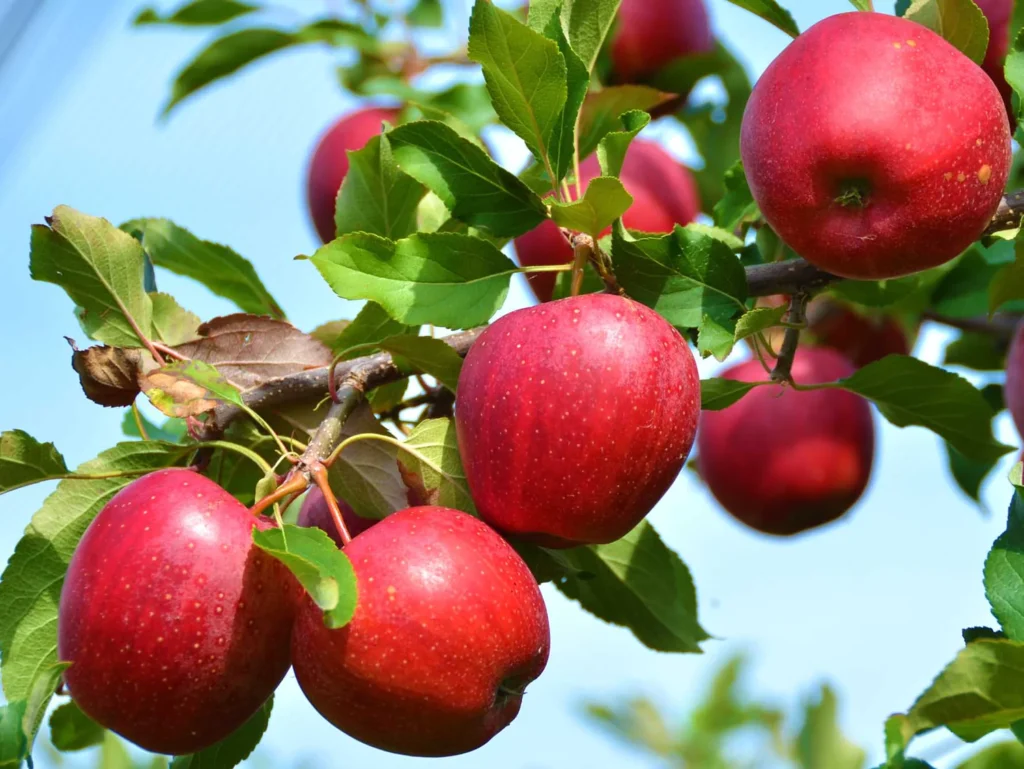
Fall is famously the best time for planting trees and shrubs, and November exemplifies why. Trees planted now establish extensive root systems over the winter, giving them a significant advantage over spring-planted specimens when summer heat arrives. Choose from a wide range of deciduous and evergreen trees, keeping in mind mature size and placement.
Late November is also an appropriate time for pruning most trees (with some exceptions like tender subtropicals and spring-blooming trees). Pruning in late fall, before winter storms arrive, helps strong winds pass through the canopy rather than causing structural damage. Few birds are nesting at this time, and reduced sap flow means less stress for the tree.
Camellias are particularly exciting to plant in November because they’re in full bloom at nurseries, allowing you to see exactly what you’re getting. Sasanqua camellias bloom in fall and early winter, while Japanese camellias will flower in late winter and spring. These elegant evergreen shrubs thrive in California’s climate when given acidic soil, partial shade, and adequate moisture.
Azaleas, which share camellias’ preferences for acidic soil and partial shade, are also excellent November plantings. Roses can be planted now, though you should reduce feeding and watering to allow them to harden off before winter. Most roses bloom beautifully in November in California, especially if you did summer pruning in August, but avoid heavy fertilizing now.
California Native Plants
November through February represents the optimal planting window for California native plants. Natives have evolved to grow during the cool, wet season and go dormant or slow their growth during hot, dry summers. Planting them in fall aligns with their natural cycle, giving them the best possible start.
California native groundcovers like ceanothus (California lilac) and manzanita (Arctostaphylos) are excellent November plantings. Salvias, sages, and California poppies will naturalize beautifully when planted in fall. Native grasses add texture and movement to the landscape while requiring minimal water once established.
When planting California natives, resist the urge to amend the soil heavily—most natives have evolved in California’s native soils and prefer less-rich conditions than many garden plants. Avoid planting them in areas that receive summer irrigation, as many natives are adapted to dry summers and can develop root rot if kept too wet. Instead, group natives together in areas that can remain relatively dry once plants are established.
Essential November Gardening Tasks
Beyond planting, November requires attention to several important garden maintenance tasks that will set the stage for success in the months ahead.
Soil Care and Preparation
November is an ideal time to focus on soil health—the foundation of every successful garden. Add a thick layer of organic mulch (about two inches) over garden beds to moderate soil temperatures, suppress weed germination, and improve soil life. As this mulch slowly decomposes over winter, it will add organic matter and nutrients to your soil.
Work compost into the top few inches of soil in beds where you’ll be planting vegetables and annuals. This immediately improves soil structure and provides nutrients for establishing plants. For perennial beds and areas around trees and shrubs, top-dress with compost rather than digging it in to avoid disturbing roots.
November’s soil temperatures are perfect for inoculating soil with beneficial mycorrhizal fungi. These beneficial organisms form symbiotic relationships with plant roots, dramatically improving plants’ ability to absorb water and nutrients while increasing disease resistance. Mycorrhizal tablets can be easily inserted near plants’ root zones with minimal disturbance.
Weed Control
After the first significant autumn rains, weed seeds will germinate prolifically. Young weeds are far easier to remove than established ones, so stay on top of weeding in November. Pulling weeds now, before they drop seeds, prevents exponentially larger weed problems next year. A thick layer of mulch helps suppress weed seed germination naturally.
For areas where you don’t want any plant growth, consider applying corn gluten meal (sold as “Preen Natural” and similar products) after rain. This organic pre-emergent prevents weed seeds from germinating without harming existing plants. It’s particularly useful in pathways, around established ornamentals, and in other areas where weeds are problematic.
Pest and Disease Management
November’s cooler weather brings relief from many garden pests, but a few issues still require attention. Slugs and snails remain active in cool, moist conditions and can devastate young seedlings overnight. Bait with iron phosphate products (Sluggo) around vulnerable plants. These organic baits are safe for pets, wildlife, and beneficial insects.
For established roses, fruit trees, and grapevines, late November (around Thanksgiving) marks the time for the first dormant spray of the season. Once leaves have dropped, apply horticultural oil to smother overwintering insect eggs and larvae. Follow up with copper-based fungicide sprays to prevent diseases like peach leaf curl, brown rot, and powdery mildew. These organic preventive treatments, applied while plants are dormant, are far more effective and less harmful than attempting to treat active infections during the growing season.
Water Management
As temperatures cool and (hopefully) rains arrive, adjust irrigation systems to water less frequently. Plants require significantly less water in November than during summer, and overwatering in cool weather can lead to root rot and fungal diseases. Check soil moisture before watering—if the top couple inches of soil are still moist, wait before watering again.
While you should reduce watering frequency, don’t reduce the duration of each watering session. Deep, infrequent watering encourages deeper root growth, creating stronger, more drought-tolerant plants. Shallow, frequent watering creates shallow root systems that require constant attention.
Regional Considerations
California’s incredible diversity means gardening recommendations vary significantly by region.
Northern California and Coastal Areas
Gardeners in Northern California can plant all the vegetables and flowers mentioned above, but timing becomes more critical as you move inland away from the coast’s moderating influence. Coastal gardeners enjoy extended planting windows and milder winters, while inland and foothill gardeners need to be more strategic about timing and frost protection.
Consider microclimates within your own property. Areas that receive reflected heat from south- or west-facing walls stay warmer and can support more tender plants. Low-lying areas and frost pockets get significantly colder and may require frost protection for vulnerable plants.
Southern California and Inland Valleys
Southern California gardeners in zones 9-10 have the longest planting season in the state. Nearly all cool-season vegetables and flowers thrive when planted in November in these areas. The mild winters mean many warm-season plants like tomatoes may continue producing, though their quality and productivity decline significantly compared to plants grown during their optimal season.
The Central Valley and inland areas experience greater temperature extremes than coastal regions. These areas benefit enormously from fall planting, as it allows plants to establish before summer heat, but they may also require frost protection for tender plants during occasional cold snaps.
Conclusion: Embrace California’s November Garden
November gardening in California offers unique opportunities unavailable to gardeners in most other parts of the country. While others are cleaning up their gardens for winter, California gardeners are planting, growing, and anticipating abundant harvests and beautiful blooms in the months ahead.
Take advantage of this special time by filling your garden with cool-season vegetables that will feed your family through winter, flowers that will brighten the shortest days of the year, and perennials and woody plants that will establish strong roots now to thrive for years to come. The combination of warm soil, cooling air, and (hopefully) seasonal rains creates optimal conditions that make November one of the very best planting months in California.
Whether you’re a seasoned gardener or just beginning your journey, November in California offers something for everyone. The milder weather makes outdoor work more pleasant than summer’s heat, pest pressure decreases, and the garden requires less intensive maintenance than during the growing season’s peak. It’s the perfect time to experiment with new varieties, establish long-lived perennials, and enjoy the unique rewards of California’s remarkable Mediterranean climate.
So don’t put away your gardening tools just because the calendar says autumn has arrived. Instead, embrace California’s November garden with enthusiasm, knowing that the plants you establish now will reward you with beauty, bounty, and gardening satisfaction for many months to come.