Table of Contents
- Why You Should Start Edible Fruit Garden Today
- The Growing Movement Toward Home-Grown Fruit
- Top Reasons to Start Your Edible Fruit Garden Today
- Financial Benefits and Long-Term Savings
- Superior Nutritional Value and Freshness
- Environmental Impact and Sustainability
- Health Benefits Beyond Nutrition
- Physical Health Advantages
- Mental Health and Therapeutic Benefits
- Best Fruits to Start With for Beginners
- Easy-to-Grow Fruit Trees
- Quick-Producing Berry Bushes
- Space-Saving Options for Small Gardens
- Getting Started: Essential Steps for Your Fruit Garden
- Assessing Your Space and Climate
- Planning and Designing Your Garden
- Soil Preparation and Planting Techniques
- Common Challenges and How to Overcome Them
- Pest and Disease Management
- Weather and Climate Considerations
- Long-Term Care and Maintenance
- Teaching the Next Generation
- Final Words: Your Fruit Garden Journey Begins Today
Why You Should Start Edible Fruit Garden Today
Imagine stepping into your backyard on a warm summer morning, reaching up to pluck a perfectly ripe peach from your very own tree, and biting into its sun-warmed sweetness. The juice runs down your chin as you experience flavor that no supermarket fruit could ever match. This isn’t just a dream reserved for those with sprawling country estates—it’s an achievable reality for anyone willing to put a little effort into creating their own edible fruit garden.
The movement toward home-grown produce has experienced an unprecedented surge in recent years, with millions of people discovering the profound satisfaction that comes from nurturing plants from seedlings to harvest. Whether you have acres of land or just a small balcony, the opportunity to grow your own fruit has never been more accessible or more important. From the undeniable financial benefits to the remarkable improvements in physical and mental health, starting an edible fruit garden today could be one of the most rewarding decisions you’ll ever make.
In this comprehensive guide, we’ll explore every compelling reason why now is the perfect time to begin your fruit-growing journey, provide expert insights on the best varieties for beginners, and equip you with the knowledge needed to cultivate a thriving garden that will provide fresh, nutritious fruit for years to come.
The Growing Movement Toward Home-Grown Fruit
The trend of growing fruit at home has transformed from a niche hobby into a mainstream lifestyle choice embraced by millions worldwide.
The past few years have witnessed a remarkable shift in how people think about their food sources. What was once considered an activity for rural homesteaders has now become a priority for suburban families, urban apartment dwellers, and everyone in between. This renaissance in home fruit cultivation reflects a deeper desire for connection—to our food, our health, and the natural world around us.
Recent studies indicate that approximately 35% of American households now engage in some form of food gardening, with fruit cultivation representing one of the fastest-growing segments. The COVID-19 pandemic accelerated this trend dramatically, as supply chain disruptions highlighted the vulnerability of our food systems and prompted many to seek greater self-sufficiency. However, the momentum has continued well beyond those initial concerns, suggesting that home fruit gardening represents a permanent shift in consumer behavior rather than a temporary reaction.
Key factors driving this movement include:
- Rising food costs making home cultivation increasingly economical
- Growing awareness of pesticide residues on commercial produce
- Desire for superior taste that only fresh-picked fruit can provide
- Environmental consciousness and the wish to reduce carbon footprints
- Mental health benefits associated with gardening activities
The beauty of this movement lies in its accessibility. Modern horticultural advances have produced dwarf fruit tree varieties, container-friendly berry bushes, and innovative growing systems that make fruit cultivation possible in virtually any space. Whether you’re working with a sprawling suburban lot or a modest apartment balcony, there’s a fruit-growing solution that can work for you.
Top Reasons to Start Your Edible Fruit Garden Today
Understanding the multifaceted benefits of home fruit cultivation reveals why this investment of time and effort pays dividends across every aspect of your life.
Financial Benefits and Long-Term Savings
The economic argument for growing your own fruit becomes more compelling with each passing year as grocery prices continue their upward trajectory. When you analyze the true cost of store-bought fruit versus home-grown alternatives, the math strongly favors the gardener who’s willing to invest initially for substantial long-term returns.
Consider the average family’s fruit expenditure: spending between $500 and $1,200 annually on fresh fruit from grocery stores is common. Meanwhile, a single mature apple tree can produce 300 to 500 pounds of fruit per year, representing a potential value of $450 to $1,000 from just one tree. Berry bushes offer even more dramatic returns—a well-maintained blueberry bush produces 5-10 pounds of berries annually for up to 50 years, while store-bought organic blueberries often cost $4-6 per pound.
The initial investment breakdown typically includes:
- Fruit trees or plants: $15-75 depending on variety and size
- Soil amendments and fertilizers: $20-50 for the first year
- Basic tools and supplies: $50-100 as a one-time purchase
- Mulch and protection materials: $25-40 annually
While the first year or two may not yield significant harvests as plants become established, the compounding returns over time create remarkable value. A standard fruit tree begins producing meaningful harvests by year three and reaches peak production by year five, continuing to bear fruit for decades with proper care. This means your initial investment of perhaps $50-100 per tree generates thousands of dollars in fruit value over its productive lifetime.
Superior Nutritional Value and Freshness
The nutritional superiority of home-grown fruit compared to commercial alternatives represents one of the most compelling reasons to start your garden immediately. The moment a fruit is picked from its parent plant, it begins losing nutritional value—a process that accelerates significantly during the transportation, storage, and display periods typical of commercial produce.
Commercial fruit is typically harvested 7 to 14 days before it reaches your local grocery store, and much of it is picked while still unripe to survive the shipping process. During this time, vitamin C content can decrease by 15 to 50 percent, while other vital nutrients like folate and certain antioxidants degrade similarly. By contrast, fruit picked from your own garden and consumed within hours retains its full nutritional profile, delivering maximum health benefits with every bite.
Nutritional advantages of home-grown fruit include:
- Higher antioxidant levels due to tree-ripening and immediate consumption
- Complete absence of post-harvest chemicals and wax coatings
- Control over growing methods allowing fully organic cultivation
- Access to heritage varieties bred for nutrition rather than shelf-life
- Peak ripeness harvesting when nutrient density is highest
The flavor difference alone is worth the effort. Commercial fruit varieties are selected primarily for their ability to withstand shipping and maintain appearance—taste is often a secondary consideration. Home gardeners can choose from hundreds of heirloom and specialty varieties optimized for flavor and nutrition, experiencing taste profiles that most people have never encountered.
Environmental Impact and Sustainability
Starting an edible fruit garden represents a meaningful contribution to environmental sustainability, allowing you to reduce your ecological footprint while creating habitat for beneficial wildlife and supporting the broader ecosystem.
The commercial fruit industry generates substantial environmental impacts through transportation, packaging, and intensive agricultural practices. The average piece of fruit travels 1,500 miles before reaching your plate, accumulating significant carbon emissions along the way. Fruit grown in your backyard travels mere feet from tree to table, eliminating transportation-related environmental costs entirely.
Environmental benefits of home fruit gardening include:
- Carbon footprint reduction through eliminated transportation needs
- Plastic packaging elimination as home-grown fruit requires no wrapping
- Pollinator support through providing flowers and habitat for bees and butterflies
- Reduced water waste compared to commercial irrigation systems
- Soil health improvement through organic matter addition and reduced chemical use
Your fruit trees and bushes also serve as carbon sinks, absorbing CO2 from the atmosphere and storing it in their wood and roots. A mature fruit tree can sequester 10 to 40 pounds of carbon dioxide annually, making your garden a small but meaningful contribution to climate change mitigation. Additionally, the habitat your garden provides supports declining pollinator populations, with each fruit tree’s blossoms feeding countless bees, butterflies, and other beneficial insects.
Health Benefits Beyond Nutrition
The health advantages of maintaining an edible fruit garden extend far beyond the nutritional content of the harvest itself, encompassing physical, mental, and emotional wellness.
Physical Health Advantages
Gardening activities provide a surprisingly comprehensive workout that builds strength, improves flexibility, and burns calories without the monotony often associated with traditional exercise routines. The varied physical demands of fruit garden maintenance engage multiple muscle groups while keeping the mind occupied with purposeful activity.
Regular gardening sessions involve bending, stretching, lifting, carrying, and fine motor movements that collectively provide excellent physical conditioning. Studies indicate that one hour of moderate gardening burns approximately 200 to 400 calories, comparable to walking at a brisk pace. Over a growing season, this accumulated activity contributes significantly to maintaining healthy body weight and cardiovascular fitness.
Physical health benefits of fruit gardening include:
- Improved strength and flexibility through varied movements
- Enhanced vitamin D production from regular sun exposure
- Better sleep quality due to physical activity and fresh air
- Reduced risk of chronic diseases including heart disease and diabetes
- Improved immune function through exposure to beneficial soil microbes
The concept of “earthing” or “grounding”—direct physical contact with the soil—has gained scientific support in recent years. Research suggests that contact with soil bacteria, particularly Mycobacterium vaccae, may trigger serotonin production in the brain, contributing to improved mood and immune function. Gardeners who work with their hands in the soil may literally be absorbing health benefits through their skin.
Mental Health and Therapeutic Benefits
The psychological benefits of maintaining a fruit garden deserve particular attention in our increasingly stressed and screen-dominated world. Horticultural therapy has emerged as a recognized treatment modality for anxiety, depression, and stress-related conditions, with fruit gardening offering all these benefits within the context of productive, purposeful activity.
The rhythmic, repetitive nature of many gardening tasks induces a meditative state that allows the mind to process thoughts and emotions while the hands stay busy with meaningful work. This combination of physical activity and mental engagement creates ideal conditions for stress reduction and emotional regulation. Studies have demonstrated that just 30 minutes of gardening can reduce cortisol levels more effectively than equivalent periods of indoor leisure activities.
Mental health benefits include:
- Reduced anxiety and depression symptoms through purposeful activity
- Improved self-esteem from successfully nurturing living things
- Enhanced mindfulness through attention to natural processes
- Stronger sense of accomplishment when harvesting fruit
- Connection to natural cycles providing perspective on life’s rhythms
The waiting inherent in fruit gardening—planting a tree and nurturing it for years before significant harvest—teaches patience and delayed gratification, qualities increasingly rare in our instant-satisfaction culture. This extended timeline creates a healthy relationship with time and accomplishment that benefits mental health in profound ways.
Best Fruits to Start With for Beginners
Selecting appropriate varieties for your first fruit garden sets the foundation for success and helps build confidence before tackling more challenging crops.
Easy-to-Grow Fruit Trees
For those new to fruit cultivation, starting with forgiving, productive tree varieties ensures early success that motivates continued gardening efforts. Several fruit tree options offer excellent beginner experiences while providing abundant harvests for years to come.
Apple trees consistently rank among the best choices for beginning fruit gardeners, offering remarkable adaptability to various climates and soil conditions. Modern disease-resistant varieties like ‘Liberty,’ ‘Enterprise,’ and ‘Freedom’ reduce maintenance requirements significantly while producing excellent fruit. Most apple varieties require a pollination partner, so plan to plant at least two compatible trees or select a self-pollinating variety.
Fig trees represent another outstanding beginner option, particularly for gardeners in zones 7-10. These remarkably resilient trees tolerate poor soil, irregular watering, and minimal fertilization while producing two crops of delicious fruit annually. Their shallow root systems make them excellent candidates for container growing, expanding accessibility to those with limited space.
Additional beginner-friendly fruit trees include:
- Pear trees: Similar requirements to apples with excellent storage qualities
- Persimmon trees: Native varieties require minimal care and pest management
- Mulberry trees: Extremely vigorous with abundant, low-maintenance harvests
When selecting fruit trees, consider your local hardiness zone, available space, and the time until first harvest. Dwarf varieties reach maturity faster and remain manageable in smaller spaces, while standard trees produce larger harvests but require more room and longer establishment periods.
Quick-Producing Berry Bushes
Berry bushes offer instant gratification compared to fruit trees, with many varieties producing meaningful harvests within their first or second year. This rapid return on investment makes berries ideal for beginners eager to experience the satisfaction of home fruit production.
Strawberries provide the fastest path to harvest, with June-bearing varieties producing fruit just months after planting. These versatile plants thrive in traditional garden beds, raised planters, hanging baskets, and even vertical growing systems. A modest planting of 25 strawberry plants can produce 10 to 15 pounds of fruit annually once established.
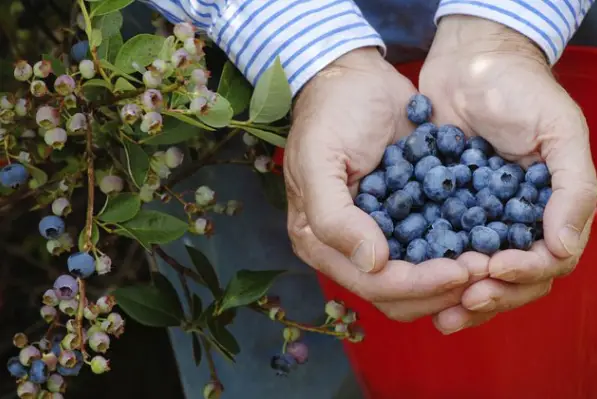
Blueberries combine exceptional nutritional value with outstanding ornamental qualities, offering attractive foliage that turns brilliant red in autumn. These acid-loving plants require specific soil conditions (pH 4.5-5.5) but reward proper care with decades of production. Plant at least two different varieties to ensure cross-pollination and maximum fruit set.
Raspberry and blackberry canes establish quickly and spread vigorously, creating abundant harvests within two years of planting. These bramble fruits do require some management to prevent overcrowding, but their productivity and ease of growth make them excellent beginner choices. One established raspberry patch can easily produce 5 to 10 pounds of fruit per plant annually.
Space-Saving Options for Small Gardens
Limited space should never prevent anyone from growing their own fruit. Modern horticultural innovations have created numerous options for cultivating productive fruit plants in the smallest of spaces, from apartment balconies to tiny urban yards.
Container fruit growing has revolutionized small-space gardening, with dwarf varieties of nearly every fruit tree now available for pot culture. A 15-20 gallon container can successfully support dwarf apple, citrus, fig, or peach trees that produce meaningful harvests while remaining manageable in size. Container growing also offers the advantage of mobility, allowing gardeners in cold climates to bring tender plants indoors during winter.
Espalier training—the art of growing trees flat against walls or trellises—maximizes production in minimal space while creating striking visual features. A single espaliered apple tree can produce just as much fruit as a standard tree while occupying only a few feet of garden width. This technique works particularly well along fences, walls, or between closely spaced buildings.
Additional space-saving strategies include:
- Columnar apple varieties that grow tall and narrow
- Hanging basket strawberries for vertical growing
- Compact blueberry varieties developed specifically for containers
- Grape vines trained along pergolas or arbors
Getting Started: Essential Steps for Your Fruit Garden
Proper planning and preparation before planting dramatically increase your chances of success and set the stage for years of productive harvests.
Assessing Your Space and Climate
Before purchasing a single plant, conducting a thorough assessment of your growing conditions ensures you select appropriate varieties and position them for optimal success. This foundational work prevents costly mistakes and frustration down the road.
Understanding your USDA hardiness zone provides the essential starting point for plant selection. This classification system, based on average annual minimum temperatures, indicates which plants will survive winter conditions in your area. Most plant labels and catalogs include hardiness zone recommendations, making variety selection straightforward once you know your zone.
Sun exposure represents perhaps the most critical factor in fruit production, with most fruit plants requiring 6 to 8 hours of direct sunlight daily for optimal yields. Observe your potential planting areas throughout a typical day, noting when and how long each area receives direct sun. South-facing locations typically offer the most consistent exposure in northern hemisphere gardens.
Soil testing reveals crucial information about your growing conditions, including pH levels, nutrient content, and soil composition. Many cooperative extension offices offer affordable or free soil testing services that provide detailed recommendations for amendments. Most fruit plants prefer slightly acidic to neutral soil (pH 6.0-7.0), with blueberries being a notable exception requiring more acidic conditions.
Planning and Designing Your Garden
Thoughtful garden design maximizes production while creating an aesthetically pleasing landscape that enhances your outdoor living space. Consider both immediate needs and long-term growth when positioning plants and planning pathways.
Spacing requirements vary dramatically between fruit varieties, with standard apple trees needing 20-25 feet between plantings while strawberries can thrive with just 12 inches of separation. Research the mature size of each plant you’re considering and allow adequate room for air circulation, which reduces disease pressure and improves fruit quality.
Companion planting strategies can enhance fruit production while reducing pest problems naturally. Planting aromatic herbs like basil, mint, and oregano near fruit trees helps repel harmful insects, while flowers like marigolds and nasturtiums attract beneficial pollinators. This integrated approach creates a more resilient garden ecosystem.
Considerations for garden planning include:
- Access paths for maintenance and harvest activities
- Water source proximity for efficient irrigation
- Visual impact from key viewing points
- Future expansion possibilities as your garden grows
- Seasonal interest through variety selection
Soil Preparation and Planting Techniques
The effort invested in soil preparation directly correlates with the health and productivity of your fruit plants for years to come. Taking time to create optimal growing conditions before planting pays dividends throughout your garden’s lifetime.
Soil amendment based on test results typically involves adding organic matter to improve structure, drainage, and nutrient content. Incorporating 2-4 inches of well-aged compost into planting areas benefits virtually all fruit varieties, improving water retention in sandy soils and drainage in clay-heavy conditions. For acid-loving plants like blueberries, adding eleite sulfur or peat moss helps achieve appropriate pH levels.
Proper planting depth significantly impacts plant establishment and long-term health. Most fruit trees should be planted with their graft union (the visible bulge where rootstock meets scion) positioned 2-3 inches above soil level. Planting too deeply can cause rootstock suckering and reduced vigor, while too-shallow planting exposes roots to temperature extremes.
Mulching immediately after planting provides numerous benefits including moisture retention, temperature moderation, and weed suppression. Apply 2-4 inches of organic mulch such as wood chips or shredded bark, keeping it several inches away from plant stems to prevent rot. This simple practice reduces watering needs by up to 50% while gradually improving soil quality as mulch decomposes.
Common Challenges and How to Overcome Them
Understanding potential obstacles and their solutions before they arise prepares you to maintain a healthy, productive fruit garden regardless of challenges encountered.
Pest and Disease Management
Every fruit garden will eventually face pest or disease pressure, but proactive management strategies minimize damage while maintaining the organic integrity many home gardeners desire. Prevention-focused approaches prove far more effective than reactive treatments.
Integrated Pest Management (IPM) combines multiple strategies to control pests while minimizing environmental impact. This approach emphasizes prevention through proper plant selection, cultural practices that promote plant health, biological controls using beneficial insects, and targeted interventions only when necessary. Most pest problems can be managed without synthetic chemicals when IPM principles are consistently applied.
Common fruit garden pests and organic solutions include:
- Aphids: Controlled through strong water sprays and ladybug introduction
- Codling moths: Managed with pheromone traps and kaolin clay sprays
- Japanese beetles: Hand-picking and milky spore treatment for grubs
- Spider mites: Addressed with increased humidity and predatory mites
- Birds: Deterred using netting during ripening periods
Disease prevention begins with variety selection, as modern disease-resistant cultivars eliminate many common problems entirely. Maintaining good air circulation through proper spacing and pruning reduces fungal disease pressure, while avoiding overhead watering prevents conditions that promote bacterial infections. Removing fallen fruit and foliage eliminates overwintering sites for pathogens.
Weather and Climate Considerations
Weather challenges require flexible responses and protective strategies that vary based on your specific climate and the particular threats your region faces. Preparation and quick response capability protect your investment against weather-related losses.
Late frost protection becomes critical when spring warmth encourages early blooming followed by temperature drops. Covering small trees and bushes with frost cloth when frost threatens can save entire harvests. For larger trees, running sprinklers during freezing nights creates a protective ice coating that paradoxically prevents more severe cold damage.
Drought management strategies include deep, infrequent watering that encourages root systems to grow downward toward moisture, thick mulch applications that reduce evaporation, and selecting drought-tolerant varieties appropriate for your climate. Installing drip irrigation systems ensures efficient water delivery directly to root zones while minimizing waste.
Additional weather management strategies:
- Windbreaks to protect against desiccating winds
- Shade cloth for extreme heat protection
- Proper pruning to reduce wind and ice damage
- Site selection avoiding frost pockets and exposed locations
Long-Term Care and Maintenance
Establishing consistent maintenance routines ensures your fruit garden remains productive and healthy for decades, maximizing the return on your initial investment.
Successful fruit gardening requires ongoing attention throughout the growing season and beyond, with specific tasks varying by season and plant type. Developing systematic maintenance habits transforms what could feel overwhelming into manageable routine activities.
Pruning represents the most critical ongoing maintenance task for fruit trees and many berry bushes. Annual dormant-season pruning maintains tree shape, removes dead or diseased wood, improves air circulation, and stimulates productive new growth. Learn the specific pruning requirements for each fruit variety in your garden, as techniques vary significantly between species. Improper pruning can reduce harvests or even damage trees, so invest time in understanding this essential skill.
Fertilization schedules should be based on soil tests and observed plant performance rather than arbitrary applications. Most established fruit trees require modest annual fertilization in early spring, with nitrogen being the primary nutrient needed. Over-fertilization promotes excessive vegetative growth at the expense of fruit production, so more is definitely not better in this case.
Watering best practices emphasize deep, thorough soaking over frequent light irrigation. Most fruit plants benefit from 1-2 inches of water weekly during the growing season, delivered through drip irrigation or soaker hoses that minimize foliar wetting. Newly planted trees and bushes require more frequent attention until root systems establish, typically during their first two growing seasons.
Seasonal maintenance calendar highlights:
- Early spring: Pruning, fertilizing, applying dormant sprays
- Late spring: Thinning fruit, monitoring for pests
- Summer: Watering, pest management, early harvest
- Fall: Harvest completion, cleanup, soil amendments
- Winter: Planning, tool maintenance, ordering new plants
Teaching the Next Generation
Involving children and young people in fruit gardening creates lasting memories while instilling valuable life skills and healthy habits.
The educational value of fruit gardening for children extends far beyond botany lessons, encompassing nutrition, patience, responsibility, and connection to nature that increasingly screen-focused young people desperately need. Gardens provide hands-on learning experiences that no classroom can replicate.
Children who participate in growing food are significantly more likely to eat fruits and vegetables and develop lifelong healthy eating habits. The pride of nurturing a plant from seedling to harvest, then preparing and eating the results of their labor, transforms children’s relationships with food in profound ways. Studies show that children who garden consume 25% more fruits and vegetables than non-gardening peers.
Educational benefits for children include:
- Science concepts including plant biology, ecology, and weather
- Math skills through measuring, counting, and planning
- Responsibility through caring for living things
- Patience by observing long growth cycles
- Nutrition awareness through understanding food origins
Creating a dedicated children’s garden area with easy-to-grow, quick-producing fruits like strawberries maintains young attention spans while building confidence. Allow children to make decisions, accept imperfect results, and learn from both successes and failures. These experiences build resilience and problem-solving skills applicable throughout life.
Final Words: Your Fruit Garden Journey Begins Today
The decision to start an edible fruit garden represents far more than simply growing food—it’s a commitment to healthier living, environmental stewardship, financial wisdom, and personal fulfillment that will enrich your life in ways you might not yet imagine. Every benefit we’ve explored, from the substantial cost savings to the profound mental health improvements, becomes available to you the moment you plant your first fruit tree or berry bush.
The best time to plant a fruit tree was twenty years ago; the second-best time is today. Each day you delay is another day of potential harvests lost, another season of grocery store fruit that can’t compare to what you could be growing yourself. Whether you start with a single strawberry pot on your apartment balcony or an ambitious orchard plan for your suburban lot, the important thing is simply to begin.
Remember these key takeaways as you embark on your fruit gardening journey:
- Start small with beginner-friendly varieties, then expand as you gain confidence
- Invest in soil preparation for long-term success
- Choose disease-resistant varieties to minimize maintenance requirements
- Be patient—fruit gardening rewards those who think in years, not days
- Enjoy the process as much as the harvest
The freshest, most nutritious, most delicious fruit you’ve ever eaten is waiting to grow in your own garden. The physical and mental health benefits are ready to enhance your wellbeing. The savings are prepared to accumulate in your bank account. The satisfaction of self-sufficiency stands ready to transform your relationship with food.
All that remains is for you to take that first step. Plant that first tree. Tend that first berry bush. Begin your fruit gardening journey today, and join the millions of people worldwide who have discovered that the sweetest rewards in life often grow on trees—especially when those trees grow in your own backyard.