Table of Contents
- Why You Should Start Fruit Plants For Garden Today
- The Growing Appeal of Home Fruit Gardens
- Rising Food Costs and Self-Sufficiency
- Health Benefits of Homegrown Fruits
- Benefits of Starting Fruit Plants Today
- Long-Term Investment That Pays Off
- Environmental Impact and Sustainability
- Mental Health and Therapeutic Advantages
- Best Fruit Plants for Beginners
- Easy-to-Grow Fruit Trees
- Berry Bushes for Quick Harvests
- Dwarf Varieties for Small Spaces
- When to Plant Fruit Plants in Your Garden
- Seasonal Considerations
- Climate Zone Factors
- Essential Steps to Start Your Fruit Garden
- Soil Preparation and Testing
- Choosing the Right Location
- Proper Planting Techniques
- Caring for Your Fruit Plants
- Watering and Irrigation Tips
- Fertilization Requirements
- Pruning and Maintenance
- Common Mistakes to Avoid When Growing Fruit Plants
- Overcrowding Plants
- Neglecting Pest Management
- Improper Watering Habits
- The Economic Benefits of Growing Your Own Fruit
- Cost Savings Over Time
- Increasing Property Value
- Success Stories and Expert Insights
- What Experts Recommend
- Real-Life Transformations
- Final Thoughts: Your Fruit Garden Awaits
Why You Should Start Fruit Plants For Garden Today
Imagine stepping into your backyard on a warm summer morning, reaching up to pluck a perfectly ripe peach from your own tree, and biting into its sweet, sun-warmed flesh. This isn’t just a dream reserved for those with sprawling countryside estates—it’s an achievable reality for anyone willing to start their fruit garden journey today. The movement toward homegrown produce has exploded in recent years, with millions of homeowners discovering the profound satisfaction, cost savings, and health benefits that come from cultivating their own fruit plants.
Whether you have acres of land or just a modest balcony, growing fruit at home has never been more accessible or rewarding. From the initial excitement of planting your first sapling to the triumphant moment of harvesting your first crop, the experience transforms not just your garden but your entire relationship with food. As grocery prices continue climbing and concerns about pesticide residues grow, there has never been a better time to take control of your food supply and embrace the fruit-growing revolution.
The Growing Appeal of Home Fruit Gardens
Home fruit gardening has transitioned from a nostalgic hobby to a practical lifestyle choice embraced by millions worldwide.
The resurgence of interest in growing fruit at home reflects a fundamental shift in how people view food production, sustainability, and personal well-being. Modern gardeners are discovering that fruit cultivation offers benefits extending far beyond simply having fresh produce available.
Rising Food Costs and Self-Sufficiency
Food prices have increased dramatically over the past several years, with fresh fruits often carrying premium price tags at grocery stores. According to recent agricultural statistics, the average household spends a significant portion of their grocery budget on fresh produce, making homegrown alternatives increasingly attractive from a financial perspective.
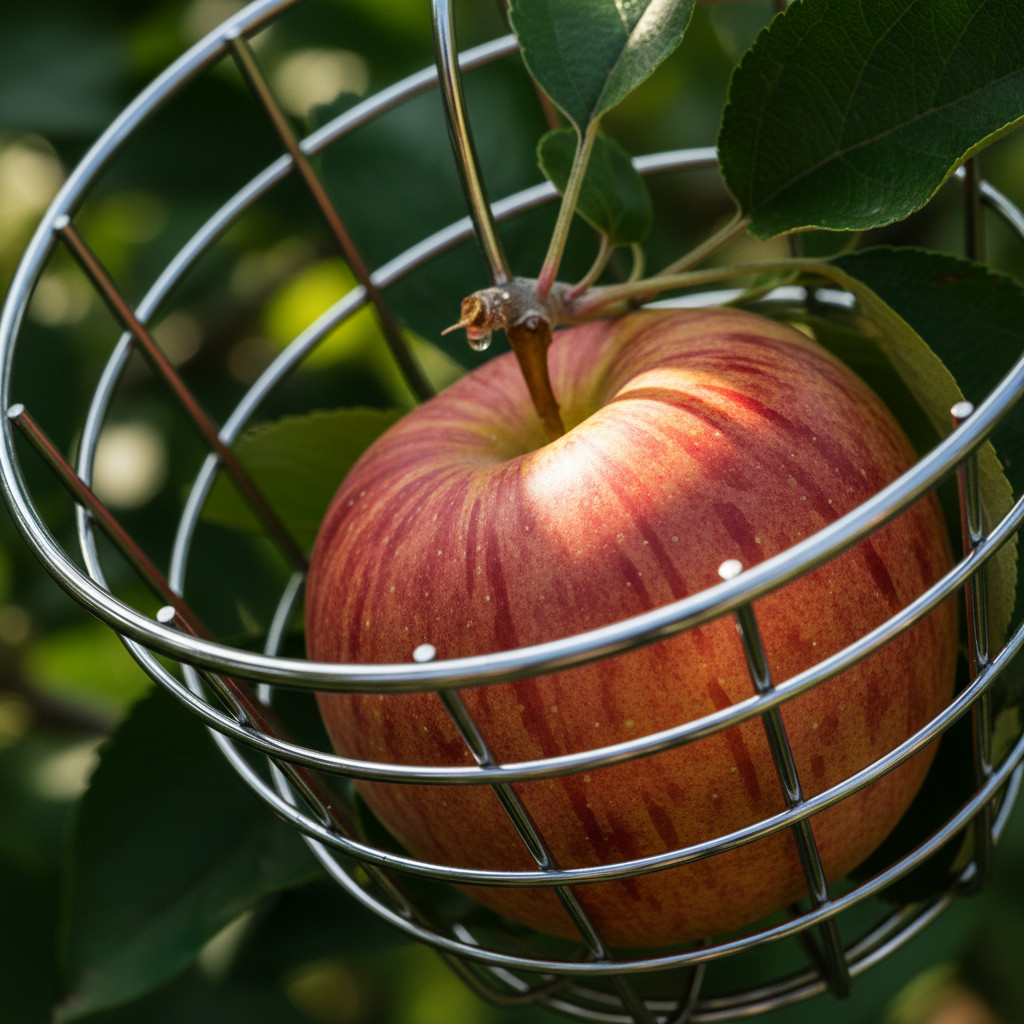
Starting fruit plants today means investing in a resource that will provide returns for years, even decades. A single mature apple tree can produce between 200 and 400 pounds of fruit annually, representing substantial savings compared to store-bought alternatives. The initial investment in quality fruit plants pays dividends exponentially over time, making it one of the smartest long-term decisions a homeowner can make.

Beyond mere cost savings, growing your own fruit provides a sense of security and independence. When supply chain disruptions occur or seasonal availability affects store shelves, home gardeners continue enjoying their homegrown bounty without interruption.
Health Benefits of Homegrown Fruits
Fresh fruit picked at peak ripeness contains significantly higher nutrient levels than commercially harvested produce, which is often picked early and transported long distances. Studies indicate that homegrown fruits can contain up to 50% more vitamins and antioxidants compared to their store-bought counterparts.
When you grow fruit at home, you control every aspect of production—eliminating concerns about pesticide residues, wax coatings, and chemical preservatives commonly applied to commercial produce. This control proves especially valuable for families with children or individuals with sensitivities to agricultural chemicals.
The physical activity involved in maintaining a fruit garden also contributes to improved health outcomes. Gardening burns calories, strengthens muscles, and increases flexibility while exposing you to beneficial sunlight and fresh air.
Benefits of Starting Fruit Plants Today
Beginning your fruit garden journey now positions you to reap maximum rewards in the shortest possible timeframe.
The decision to start planting fruit today rather than postponing creates a cascade of advantages that compound over time. Understanding these benefits helps motivate action and maintain commitment throughout the growing process.
Long-Term Investment That Pays Off
Fruit plants represent living investments that appreciate rather than depreciate over time. Unlike annual vegetables requiring replanting each season, many fruit trees and perennial berry bushes continue producing for decades with proper care.
Key investment benefits include:
- Extended productivity periods: Apple and pear trees often remain productive for 50+ years
- Increasing yields: Most fruit plants produce larger harvests as they mature
- Property enhancement: Established fruit trees add significant aesthetic and monetary value to properties
- Generational assets: Well-maintained orchards can be enjoyed by future generations
The sooner you plant, the sooner you begin enjoying returns on this investment. A fruit tree planted today will produce more fruit over your lifetime than one planted five years from now—time represents your most valuable gardening resource.
Environmental Impact and Sustainability
Growing fruit at home significantly reduces your environmental footprint by eliminating transportation emissions, reducing packaging waste, and supporting local ecosystem health. Commercial fruit production often involves extensive fossil fuel consumption for transportation, refrigeration, and processing.
Your home fruit garden contributes to environmental sustainability by:
-
Reducing carbon emissions – Eliminating transportation from distant orchards to your table cuts substantial carbon dioxide emissions. The average supermarket fruit travels over 1,500 miles before reaching consumers, generating significant greenhouse gases throughout the journey.
-
Supporting pollinator populations – Fruit plants provide essential food sources for bees, butterflies, and other pollinators experiencing dramatic population declines. By planting fruit-bearing species, you create vital habitat supporting these crucial creatures while ensuring your own pollination needs are met.
-
Improving local air quality – Trees and plants absorb carbon dioxide while releasing oxygen, actively improving air quality in your immediate environment. A single mature fruit tree can absorb up to 48 pounds of carbon dioxide annually while producing enough oxygen for two people.
-
Reducing water usage – Well-established fruit plants with developed root systems require less water than newly irrigated commercial operations, particularly when utilizing drought-resistant varieties and efficient watering practices.

Mental Health and Therapeutic Advantages
Gardening has been scientifically proven to reduce stress, anxiety, and depression while improving overall psychological well-being. The act of nurturing plants and watching them grow provides a unique sense of accomplishment and connection to natural cycles.
Working with soil exposes gardeners to beneficial microbes that naturally boost serotonin production—the same neurotransmitter targeted by antidepressant medications. This “outdoor therapy” offers healing without side effects while providing tangible, productive results.
The anticipation and patience required for fruit cultivation also teaches valuable life lessons about delayed gratification and long-term thinking in an increasingly instant-satisfaction world.
Best Fruit Plants for Beginners
Selecting appropriate fruit varieties ensures early success and builds confidence for expanding your edible garden.
Not all fruit plants require the same level of expertise or care. Beginning with forgiving, productive varieties sets you up for early wins that encourage continued investment in your fruit garden.
Easy-to-Grow Fruit Trees
Several fruit tree varieties have earned reputations as beginner-friendly options due to their resilience, disease resistance, and relatively low maintenance requirements. These trees tolerate minor care mistakes while still producing satisfying harvests.
Top beginner fruit trees include:
- Apple trees – Modern disease-resistant varieties like ‘Liberty,’ ‘Enterprise,’ and ‘Freedom’ withstand common problems while producing abundant, delicious fruit
- Pear trees – Asian pears and fire blight-resistant European varieties offer excellent disease tolerance and reliable production
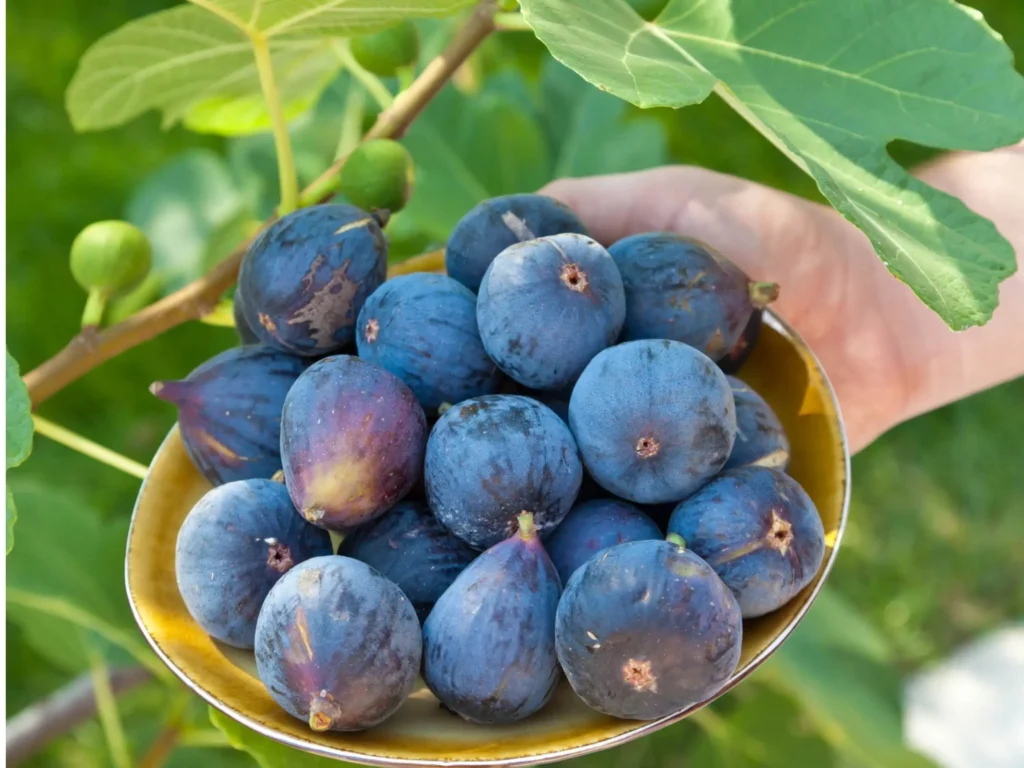
- Fig trees – Requiring minimal pruning and tolerating various soil conditions, figs reward beginning gardeners with sweet, unique fruit
- Plum trees – Japanese plum varieties adapt well to various climates and often produce fruit within 3-4 years of planting
- Persimmon trees – Native American persimmons require almost no care once established and produce nutritious fall fruit
When selecting fruit trees, always choose varieties suited to your specific climate zone and consider disease resistance as a primary selection criterion. Local nurseries and agricultural extension services can provide region-specific recommendations.
Berry Bushes for Quick Harvests
For gardeners seeking faster results, berry bushes offer earlier gratification while fruit trees mature. Many berry varieties produce harvestable fruit within their first or second growing season.
Excellent berry options for beginners:
-
Blueberries – These nutrient-packed berries thrive in acidic soil and offer stunning fall foliage alongside delicious fruit. Plant at least two compatible varieties for optimal cross-pollination and fruit set. With proper care, blueberry bushes remain productive for 20+ years.
-
Raspberries – Available in summer-bearing and ever-bearing varieties, raspberries spread readily and can produce abundant harvests with minimal intervention. Their bramble growth habit means you’ll have increasing quantities each year as plants naturally expand.
-
Blackberries – Modern thornless varieties eliminate the pain associated with traditional blackberry harvesting while maintaining exceptional flavor and productivity. These vigorous plants establish quickly and tolerate less-than-perfect growing conditions.
-
Strawberries – Producing fruit within months of planting, strawberries offer instant gratification for impatient gardeners. They grow well in containers, making them perfect for those with limited space.
Dwarf Varieties for Small Spaces
Limited garden space shouldn’t prevent anyone from enjoying homegrown fruit. Dwarf and semi-dwarf fruit varieties have revolutionized home fruit production, making cultivation possible in surprisingly compact areas.
Dwarf fruit trees typically reach only 8-10 feet in height compared to 20-30 feet for standard varieties, while producing full-sized fruit. These compact plants suit container growing, small urban lots, and spaces where standard trees would overwhelm.
Advantages of dwarf varieties:
- Easier harvesting without ladders
- Simplified pruning and maintenance
- Faster time to first fruit production
- Multiple variety planting in limited space
- Container mobility for climate protection
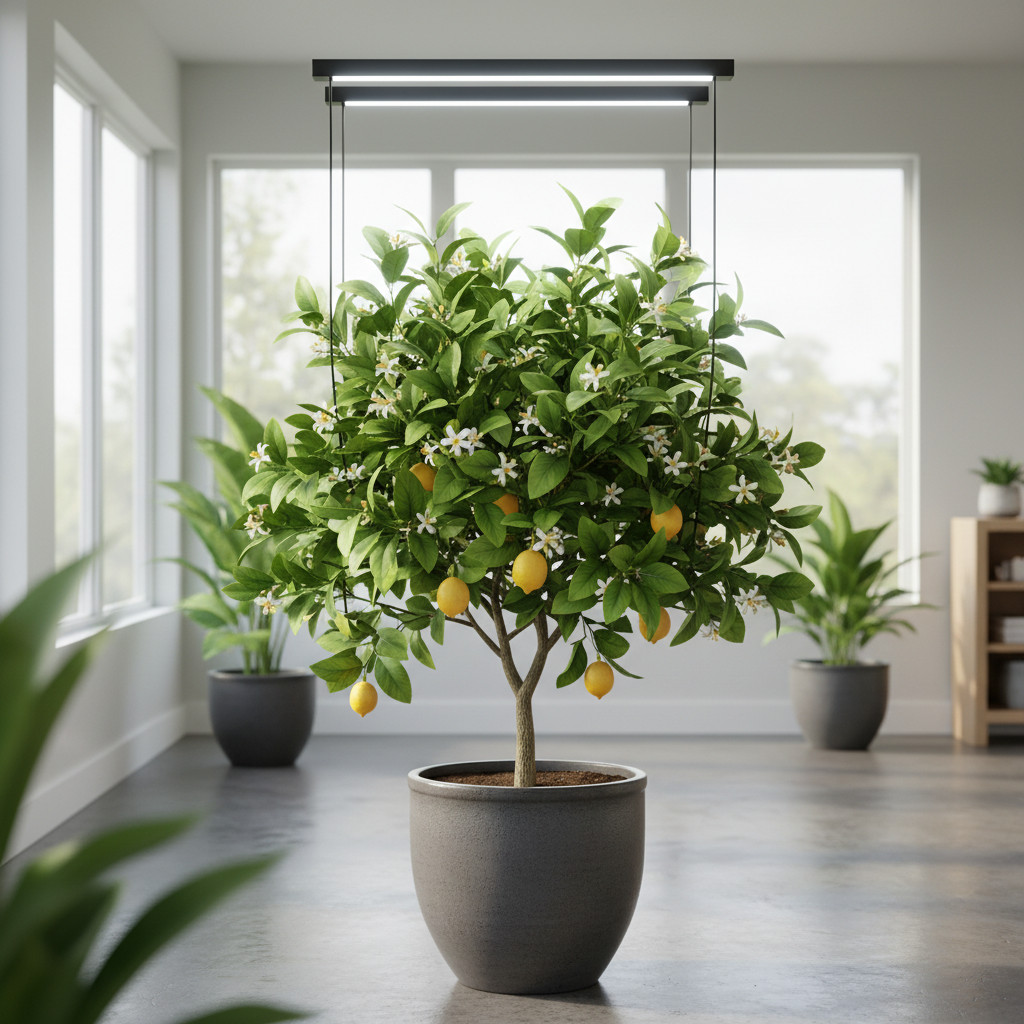
Many commercial nurseries now offer dwarf versions of nearly every popular fruit tree, from cherries and apples to citrus and peaches.
When to Plant Fruit Plants in Your Garden
Timing your planting correctly maximizes establishment success and accelerates the journey toward your first harvest.
Understanding optimal planting windows helps new fruit gardeners give their plants the best possible start. While the urgency to begin immediately is understandable, strategic timing improves long-term outcomes.
Seasonal Considerations
The best planting season varies depending on your location and the type of fruit plants you’re establishing. Generally, dormant-season planting during late fall through early spring offers advantages for most deciduous fruit trees and berry bushes.
Seasonal planting guidelines:
- Fall planting (October-November): Allows root establishment before winter dormancy, giving plants a head start come spring
- Late winter/early spring planting (February-April): Ideal in colder climates where severe winters might damage newly planted specimens
- Container plants: Can be planted almost anytime during the growing season with proper watering attention
- Bare-root plants: Should be planted immediately upon receipt during their dormant period
The key principle is planting when soil can be worked and temperatures allow root growth without exposing plants to extreme stress from heat or cold.
Climate Zone Factors
Your USDA hardiness zone determines which fruit varieties will thrive in your location and influences optimal planting timing. Understanding your specific climate conditions prevents costly mistakes and disappointment.
Zone-specific considerations:
- Zones 3-4: Focus on cold-hardy varieties like certain apple cultivars, hardy pears, and native plums; plant in spring after hard frost danger passes
- Zones 5-7: Enjoy the widest variety selection; fall planting often works well in these moderate climates
- Zones 8-10: Consider heat tolerance alongside cold hardiness; some varieties require specific “chill hours” that warmer climates may not provide
- Zones 9-11: Citrus and tropical fruit options become viable; year-round planting possible with attention to summer heat stress
Consulting local extension services or experienced regional nurseries provides invaluable guidance on variety selection and timing for your specific area.
Essential Steps to Start Your Fruit Garden
Following proven establishment practices ensures your fruit plants receive optimal conditions for healthy growth and production.
Successful fruit gardening begins with proper preparation and technique. Taking time to prepare correctly prevents problems that could take years to overcome.
Soil Preparation and Testing
Healthy soil forms the foundation of productive fruit gardens. Before planting, understanding your existing soil conditions allows targeted improvements that benefit plant health and fruit production.
Complete these soil preparation steps:
-
Conduct soil testing – Submit samples to your local extension service or use home testing kits to determine pH levels, nutrient content, and organic matter percentages. Most fruit plants prefer slightly acidic to neutral soil (pH 6.0-7.0), though blueberries require more acidic conditions (pH 4.5-5.5).
-
Amend soil based on test results – Add lime to raise pH or sulfur to lower it as needed. Incorporate organic matter like compost, aged manure, or leaf mold to improve soil structure, drainage, and nutrient-holding capacity regardless of starting conditions.
-
Ensure proper drainage – Fruit plants generally require well-draining soil to prevent root rot and other moisture-related problems. If your soil drains poorly, consider raised beds or mounded planting areas.
-
Remove competing vegetation – Clear grass, weeds, and other plants from the planting area to eliminate competition for water and nutrients during establishment.
Choosing the Right Location
Site selection dramatically impacts fruit plant success. Evaluating potential locations before planting prevents the difficult decision of transplanting established plants later.
Essential location criteria:
- Sun exposure: Most fruit plants require minimum 6-8 hours of direct sunlight daily; insufficient light reduces fruit production and increases disease susceptibility
- Air circulation: Good airflow reduces disease pressure by keeping foliage dry and discouraging fungal growth
- Cold air drainage: Avoid low spots where cold air settles, creating frost pockets that damage blossoms and young fruit
- Accessibility: Consider ease of maintenance, harvesting, and irrigation when positioning plants
- Proximity to structures: Account for mature plant size and root spread when planting near buildings, walkways, or utility lines
Proper Planting Techniques
Correct planting technique establishes the foundation for decades of healthy growth and production. Attention to detail during planting pays ongoing dividends.
Follow these planting best practices:
-
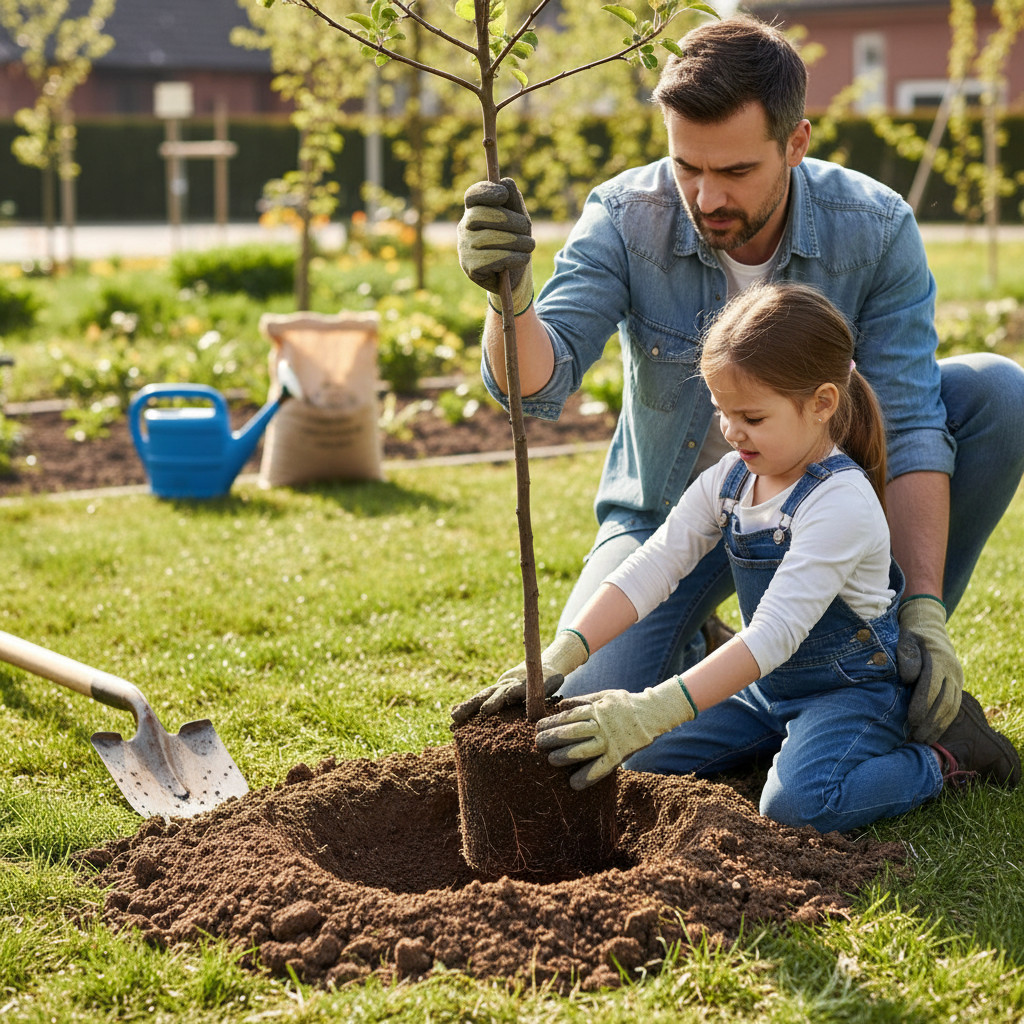
Dig appropriate holes – Prepare planting holes twice as wide as the root ball but only as deep as the root system. Wide holes encourage lateral root spread while proper depth prevents settling that could bury the graft union or trunk.
-
Position plants correctly – Ensure graft unions on grafted trees remain 2-3 inches above soil level; planting too deep can cause rootstock suckering or graft failure.
-
Backfill carefully – Use native soil mixed with organic matter, firming gently to eliminate air pockets without compacting excessively.
-
Water thoroughly – Saturate the root zone immediately after planting and apply mulch to conserve moisture and regulate soil temperature.
-
Stake if necessary – Young trees in windy locations may require temporary staking, though staking should be removed after 1-2 years to encourage trunk strength development.

Caring for Your Fruit Plants
Consistent, appropriate care transforms promising young plants into productive fruit-bearers that reward your efforts for years.
Once established, fruit plants require ongoing attention to reach their full potential. Understanding their needs throughout the growing season ensures maximum health and productivity.
Watering and Irrigation Tips
Water management represents one of the most critical aspects of fruit plant care. Both under-watering and over-watering create problems that impact plant health and fruit quality.
Effective watering strategies:
- Deep, infrequent watering: Encourage deep root development by watering thoroughly but allowing soil to dry somewhat between waterings rather than frequent shallow irrigation
- Morning watering: Water early in the day to allow foliage to dry before evening, reducing disease pressure
- Mulching: Maintain 3-4 inches of organic mulch around plants (keeping mulch away from trunks) to conserve moisture and moderate soil temperature
- Drip irrigation: Consider installing drip systems for efficient water delivery directly to root zones while keeping foliage dry
Newly planted fruit specimens require more frequent watering during their first growing season while root systems establish. Gradually reduce watering frequency as plants mature and develop extensive root networks.
Fertilization Requirements
Providing appropriate nutrients supports vigorous growth and abundant fruit production. However, over-fertilization can be as problematic as under-fertilization, causing excessive vegetative growth at the expense of fruit production.
Fertilization guidelines:
- Timing: Apply fertilizer in early spring before new growth begins; avoid late-season fertilization that stimulates tender growth vulnerable to winter damage
- Type: Balanced, slow-release fertilizers or organic options like compost and well-rotted manure provide steady nutrition
- Application: Follow package directions carefully; when in doubt, apply less rather than more
- Soil testing: Periodic soil testing reveals specific nutrient deficiencies allowing targeted amendments
Young fruit plants generally require less fertilizer than mature specimens, and excessive nitrogen particularly can delay fruit production while encouraging vegetative growth.
Pruning and Maintenance
Regular pruning maintains plant health, encourages proper structure, and maximizes fruit production. While pruning techniques vary by plant type, understanding basic principles empowers confident maintenance.
Essential pruning practices:
-
Remove dead, damaged, or diseased wood – This basic sanitation pruning should occur whenever problems are noticed, regardless of season. Removing affected material prevents disease spread and directs plant energy toward healthy growth.
-
Thin for air circulation – Opening plant canopies allows light penetration and air movement, reducing disease pressure while improving fruit color and sweetness.
-
Shape for structure – Developing strong scaffold branches in fruit trees prevents breakage under heavy fruit loads; most shaping occurs during the first 3-5 years of growth.
-
Control size – Regular pruning maintains manageable plant sizes for easier harvesting and care; summer pruning is particularly effective for size control.
Common Mistakes to Avoid When Growing Fruit Plants
Learning from others’ errors accelerates your success and prevents frustrating setbacks in your fruit gardening journey.
Even experienced gardeners occasionally make mistakes with fruit cultivation. Recognizing common pitfalls helps beginning fruit gardeners avoid problems that could set back progress significantly.
Overcrowding Plants
The temptation to maximize planting density often leads to overcrowded conditions that compromise long-term productivity. Young trees look small and widely spaced; mature trees quickly fill available space.
Consequences of overcrowding:
- Reduced sunlight penetration causing decreased fruit production
- Poor air circulation increasing disease pressure
- Competition for water and nutrients stressing all plants
- Difficult access for maintenance and harvesting
- Premature removal of productive plants
Always space plants according to their mature dimensions, not their nursery size. Though the garden may appear sparse initially, proper spacing ensures decades of healthy productivity.
Neglecting Pest Management
Many beginning fruit gardeners underestimate pest and disease pressure, learning painful lessons when problems devastate anticipated harvests. Proactive integrated pest management prevents most serious issues.
Effective pest management approaches:
- Monitor regularly: Inspect plants weekly for signs of pest activity or disease symptoms; early detection enables less intensive intervention
- Identify correctly: Accurate problem identification guides appropriate responses; incorrect diagnoses lead to ineffective treatments
- Use cultural controls first: Many problems are prevented through proper site selection, variety choice, sanitation, and cultural practices
- Apply appropriate treatments: When intervention becomes necessary, choose targeted solutions that minimize environmental impact
- Accept minor damage: Not every insect or blemish requires treatment; cosmetic imperfections rarely affect eating quality
Improper Watering Habits
Watering mistakes rank among the most common causes of fruit plant failure. Understanding plant water needs and recognizing stress symptoms prevents damage.
Common watering errors:
- Overwatering: Creates oxygen-deprived soil conditions promoting root rot; often kills more plants than underwatering
- Shallow watering: Encourages surface rooting vulnerable to drought stress; always water deeply when you water
- Inconsistent watering: Erratic moisture fluctuations stress plants and contribute to fruit problems like cracking and splitting
- Ignoring established plants: Even mature fruit plants need supplemental water during extended dry periods
The Economic Benefits of Growing Your Own Fruit
Beyond personal satisfaction, home fruit production delivers substantial financial advantages that accumulate over time.
The economic case for growing fruit at home becomes increasingly compelling as plants mature and production increases. Understanding these financial benefits helps justify initial investments and ongoing maintenance efforts.
Cost Savings Over Time
While fruit plants require upfront investment, their long-term production value far exceeds initial costs. A simple analysis demonstrates impressive returns on investment.
Consider these economic realities:
| Plant Type | Initial Cost | Annual Yield (mature) | Market Value | Years to ROI |
|---|---|---|---|---|
| Apple tree | $30-50 | 200-400 lbs | $200-400+ | 1-2 years |
| Blueberry bush | $15-25 | 10-20 lbs | $40-80 | 1 year |
| Raspberry patch | $20-40 | 15-30 lbs | $60-120 | 1 year |
| Peach tree | $30-50 | 100-150 lbs | $150-225 | 1-2 years |
Beyond direct harvest value, consider savings from reduced grocery trips, ability to preserve excess production, and elimination of packaging waste.
Increasing Property Value
Established fruit gardens add tangible value to residential properties. Real estate professionals note that attractive, productive landscaping—including fruit trees and gardens—can increase property values by 5-15%.
Property enhancement benefits:
- Mature fruit trees provide valuable shade reducing cooling costs
- Attractive landscaping improves curb appeal
- Productive gardens appeal to health-conscious buyers
- Established plantings represent years of growth buyers won’t need to wait for
Success Stories and Expert Insights
Learning from those who’ve successfully established fruit gardens provides inspiration and practical guidance for your journey.
What Experts Recommend
Horticultural experts and experienced fruit growers consistently emphasize several key principles for success.
Expert recommendations:
- Start small, expand gradually – Beginning with 2-3 plants allows focused attention while learning; expand as skills develop
- Choose disease-resistant varieties – Modern cultivars bred for disease resistance dramatically reduce care requirements
- Prioritize soil health – Building healthy soil through organic matter additions creates the foundation for plant success
- Connect with local resources – Extension services, master gardener programs, and local gardening clubs provide invaluable regional guidance
- Be patient – Fruit growing rewards long-term thinking; don’t expect instant results from perennial plants
Real-Life Transformations
Countless gardeners have transformed ordinary yards into productive food forests through dedication and patience. Urban homesteaders report producing hundreds of pounds of fruit annually from modest suburban lots, while apartment dwellers enjoy container-grown berries and dwarf citrus on balconies.
These success stories share common elements: they started despite imperfect conditions, learned continuously, adapted to challenges, and persisted through setbacks.
Final Thoughts: Your Fruit Garden Awaits
The decision to start growing fruit plants today represents one of the most rewarding investments you can make—in your health, your wallet, your environment, and your overall quality of life. Every day you delay is another day further from enjoying your first homegrown harvest and another season lost in the journey toward self-sufficient food production.
Remember these essential takeaways:
- Start now – The best time to plant fruit was years ago; the second-best time is today
- Begin appropriately – Select beginner-friendly varieties suited to your climate and space
- Prepare properly – Invest time in soil preparation and site selection for long-term success
- Maintain consistently – Regular care prevents most problems and maximizes productivity
- Stay patient – Fruit growing rewards those who think in seasons and years, not days and weeks
The journey from planting your first fruit tree to harvesting bushels of homegrown produce may take time, but every step along the way brings its own rewards. The satisfaction of watching seedlings mature into productive plants, the anticipation of approaching harvests, and the ultimate pleasure of eating fruit you grew yourself—these experiences await you.
Don’t wait for perfect conditions or perfect knowledge. Start your fruit garden today, learn as you grow, and join millions of gardeners discovering the profound benefits of growing their own fruit. Your future self—enjoying fresh-picked peaches, homemade blueberry jam, or apple pie from your own harvest—will thank you for the decision you make today.