Table of Contents
- Why You Should Start Your Fruit Tree Garden Plan Today
- The Compelling Case for Acting Now
- Financial Benefits That Multiply Over Time
- Health and Wellness Advantages
- Environmental Impact and Sustainability
- Essential Steps to Begin Your Fruit Tree Garden Plan
- Assessing Your Growing Conditions
- Selecting the Right Trees for Your Situation
- Common Mistakes to Avoid
- Creating Your Long-Term Maintenance Plan
- The Social and Family Dimensions
- Final Words: Your Fruit-Filled Future Awaits
Why You Should Start Your Fruit Tree Garden Plan Today
Imagine stepping into your backyard on a warm summer morning, reaching up to pluck a perfectly ripe peach from your very own tree, its sweet juice running down your chin as you take that first bite. This isn’t just a dream reserved for rural homesteaders or those with sprawling estates—it’s an achievable reality for homeowners, apartment dwellers with balconies, and everyone in between who decides to embrace the rewarding journey of growing their own fruit. The decision to start a fruit tree garden today could be one of the most impactful choices you make for your health, your wallet, your environment, and your overall quality of life.
The movement toward home fruit production has gained tremendous momentum in recent years, with more people recognizing the profound disconnect between modern consumers and the food they eat. When you bite into a store-bought apple that has traveled thousands of miles, sat in cold storage for months, and been handled by dozens of people before reaching your kitchen, you’re consuming something fundamentally different from fruit picked fresh from your own garden. Starting your fruit tree garden plan today isn’t just about growing food—it’s about reclaiming control over what nourishes your body and creating a lasting legacy that will bear fruit for decades to come.
The Compelling Case for Acting Now
Understanding why timing matters is crucial for anyone considering fruit tree cultivation, as every day of delay postpones the incredible rewards that await.
Many people make the mistake of treating fruit tree gardening as a “someday” project, continually pushing it to the back burner while missing out on years of potential harvests. Unlike vegetable gardens that produce within a single season, fruit trees represent a long-term investment that rewards early action. The sooner you plant, the sooner you’ll enjoy the fruits of your labor—quite literally.

The time investment factor is perhaps the most compelling reason to start immediately. Most fruit trees require between three to seven years before they produce their first significant harvest. Apple trees typically begin bearing fruit in four to eight years, while dwarf varieties can produce in as few as two to three years. Cherry trees often take four to seven years, and pear trees generally need four to six years before yielding their delicious bounty. Every year you wait is another year added to your timeline before enjoying homegrown fruit.
Consider this perspective: if you plant a fruit tree today, within five years you could be harvesting dozens or even hundreds of pounds of fresh fruit annually. Wait another year, and you’ve simply extended that timeline without any benefit. The compound nature of this investment means that early planters enjoy exponentially more fruit over their lifetime compared to those who procrastinate.
Key reasons why acting now matters include:
- Establishing root systems takes time, and trees planted earlier develop stronger, more drought-resistant foundations
- Learning curves are easier to navigate when you start sooner, allowing you to gain experience before scaling up
- Property enhancement begins immediately, as even young trees add aesthetic value and shade potential
- Climate adaptation becomes easier when trees have more time to acclimate to your specific microclimate
- Successive planting strategies only work when you have your first trees already in the ground
Financial Benefits That Multiply Over Time
A well-planned fruit tree garden represents one of the most cost-effective investments a homeowner can make, delivering returns that compound annually for decades.
The economics of home fruit production are remarkably favorable when viewed through a long-term lens. While the initial investment in trees, soil amendments, and basic tools requires some upfront capital, the ongoing returns far exceed these costs in ways that few other home improvements can match. Understanding these financial dynamics helps frame fruit tree gardening not as an expense but as a strategic investment in your household’s financial wellbeing.
Initial costs versus long-term savings present a compelling picture for budget-conscious families. A quality fruit tree typically costs between $25 and $100, depending on variety, size, and source. With proper care, that single tree can produce fruit worth hundreds of dollars annually for 30 to 50 years or more. A mature apple tree, for instance, can yield 200 to 400 pounds of fruit per year. At current organic apple prices of $2 to $4 per pound, that represents $400 to $1,600 in annual value from a single tree that cost less than $100 to purchase.
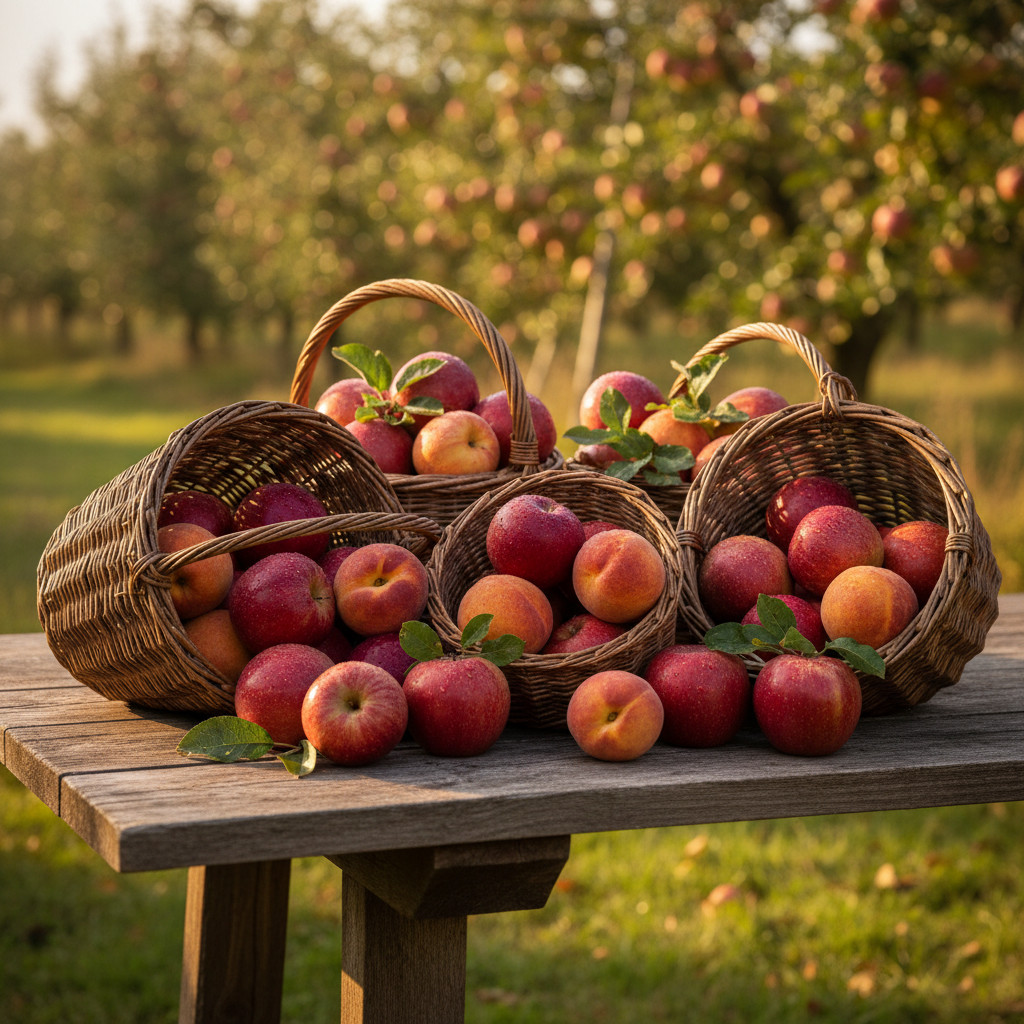
The comparison becomes even more favorable when you factor in the quality differential. Store-bought organic fruit commands premium prices partly because of transportation, storage, and retail markup costs that don’t exist when you grow your own. You’re essentially paying wholesale prices (or less) for fruit that exceeds retail quality in freshness and taste.
Property value enhancement is another significant financial consideration. Mature fruit trees are recognized as desirable landscape features that can increase property values by 5% to 20%, according to various real estate studies. Trees provide shade that reduces cooling costs, create visual privacy, and signal to potential buyers that a property has been thoughtfully maintained and improved.
Consider these financial advantages:
-
Elimination of recurring costs – Once established, fruit trees produce year after year with minimal ongoing investment beyond basic maintenance, water, and occasional fertilization. Unlike annual vegetable gardens that require new seeds, transplants, and soil amendments each season, fruit trees are the ultimate “plant once, harvest forever” proposition. The per-pound cost of homegrown fruit decreases dramatically each year as your initial investment is spread across an ever-increasing cumulative harvest.
-
Preservation and value-adding opportunities – Excess fruit can be preserved through canning, freezing, dehydrating, or fermentation, extending your savings throughout the year and reducing reliance on store-bought alternatives. A single productive apple tree can provide not just fresh eating apples but also applesauce, apple butter, dried apple rings, cider, and vinegar. These preserved products would cost significantly more if purchased commercially, multiplying the value derived from each harvest.
-
Income potential – Many home fruit growers discover opportunities to sell excess produce at farmers’ markets, through community-supported agriculture programs, or directly to neighbors and local restaurants. While this shouldn’t be your primary motivation, it represents a legitimate possibility for offsetting costs or even generating modest income from your fruit tree garden.
Health and Wellness Advantages
Beyond financial returns, fruit tree gardens deliver profound health benefits that extend from superior nutrition to improved mental wellbeing and increased physical activity.
The health case for growing your own fruit is multifaceted and compelling. Modern agricultural practices, while efficient at producing large quantities of food, often prioritize shelf stability and transport durability over nutritional density. When you grow fruit at home, you optimize for entirely different variables—taste, freshness, and nutrient content—resulting in a superior product that genuinely nourishes your body.
Nutritional superiority of homegrown fruit stems from several factors that commercial production cannot replicate. First, commercially grown fruit is often harvested before full ripeness to survive transportation and storage, meaning it never develops the complete vitamin and antioxidant profile that comes with vine or tree ripening. Second, the time lag between harvest and consumption—often weeks or months for commercial fruit—allows nutrients to degrade. Studies have shown that vitamin C content in fruits can decrease by 15% to 30% within a week of harvest. When you pick fruit from your own tree and eat it within hours, you’re consuming it at peak nutritional value.
The absence of unwanted chemicals represents another significant health advantage. While you can certainly choose to grow your fruit organically—avoiding synthetic pesticides, herbicides, and fertilizers—even conventional home growing typically uses far fewer chemicals than commercial operations. You have complete control over what touches your fruit, from the soil amendments you use to the pest management strategies you employ. This transparency and control are impossible to achieve with purchased fruit, regardless of labeling.
Physical activity benefits should not be underestimated in our increasingly sedentary society. Maintaining a fruit tree garden involves regular, moderate physical activity—digging, mulching, pruning, harvesting—that contributes to overall fitness without the monotony of gym workouts. This activity takes place outdoors, exposing you to sunlight (and valuable vitamin D), fresh air, and the restorative effects of nature contact. Research consistently shows that gardening activities reduce cortisol levels, lower blood pressure, and improve mood.
Mental health improvements associated with gardening are well-documented in scientific literature. The practice of nurturing living things provides purpose and satisfaction that counteracts depression and anxiety. Watching your trees grow, anticipating harvests, and enjoying the seasonal rhythms of your garden creates a sense of connection to natural cycles that modern indoor life often lacks. Many gardeners describe their time among their plants as meditative and restorative, a welcome counterbalance to screen-dominated daily routines.
Environmental Impact and Sustainability
Planting fruit trees represents a meaningful personal contribution to environmental health, supporting everything from carbon sequestration to pollinator populations.
In an era of growing environmental concern, many people feel overwhelmed by the scale of challenges like climate change, biodiversity loss, and ecosystem degradation. Fruit tree gardening offers a tangible, positive action that individuals can take to improve environmental outcomes while simultaneously benefiting themselves. This combination of personal and planetary benefit makes fruit tree cultivation an especially satisfying form of environmental stewardship.
Carbon sequestration is perhaps the most significant environmental contribution of fruit trees. Trees absorb carbon dioxide from the atmosphere and store it in their wood, leaves, roots, and the soil surrounding them. A single mature fruit tree can absorb 40 to 50 pounds of carbon dioxide annually while releasing enough oxygen to support two human beings. When you plant fruit trees, you’re creating long-term carbon sinks that will continue capturing carbon for decades, directly counteracting greenhouse gas emissions.
Supporting pollinator populations is another crucial environmental function of fruit tree gardens. Bees, butterflies, and other pollinating insects have faced dramatic population declines due to habitat loss, pesticide exposure, and disease. Fruit tree blossoms provide essential food sources for these creatures, particularly in early spring when other flowers may be scarce. By planting diverse fruit trees that bloom at different times, you create a sustained food supply that supports pollinator health throughout the growing season.

Reducing food miles through home production directly decreases the environmental footprint associated with your fruit consumption. Commercial fruit often travels thousands of miles from farm to table, requiring refrigeration, packaging, and transportation that consume fossil fuels and generate emissions. When your fruit travels only from your backyard to your kitchen, these impacts are eliminated entirely. The environmental savings compound when you consider that homegrown fruit also avoids the industrial agricultural practices—including heavy machinery, synthetic inputs, and soil degradation—associated with commercial production.
Key environmental benefits include:
- Soil health improvement through root systems that prevent erosion and build organic matter
- Microclimate modification as trees provide shade, reduce temperatures, and moderate wind
- Wildlife habitat creation supporting birds, beneficial insects, and small mammals
- Water management improvement as tree roots absorb and filter rainfall
- Reduced plastic packaging and other waste associated with commercial fruit purchasing
Essential Steps to Begin Your Fruit Tree Garden Plan
Successful fruit tree gardening requires thoughtful planning that accounts for your specific conditions, goals, and resources—starting with assessment and selection.
Enthusiasm for fruit tree gardening should be channeled through careful planning rather than impulsive purchasing. Trees planted in unsuitable locations, wrong climate zones, or without proper soil preparation often fail to thrive, leading to frustration and wasted resources. Taking time to plan properly ensures that your investment of time and money produces the rewarding results you envision.
Assessing Your Growing Conditions
Before selecting any trees, you must honestly evaluate what your property offers. This assessment forms the foundation of all subsequent decisions and determines which fruits will succeed in your specific situation.
Climate zone identification is your first task. The USDA Plant Hardiness Zone Map divides North America into zones based on average annual minimum winter temperatures. Most fruit trees are rated for specific zone ranges, and planting outside these ranges typically results in winter damage or death. Additionally, consider your chill hour requirements—many deciduous fruit trees need a certain number of hours below 45°F to produce fruit properly. Gardeners in warm climates must select low-chill varieties, while those in cold regions need cold-hardy cultivars.
Sunlight availability dramatically affects fruit production. Most fruit trees require at least six to eight hours of direct sunlight daily to produce abundant, sweet fruit. Observe your potential planting locations throughout the day and across seasons, noting when and where shadows fall. South-facing slopes and areas away from buildings and tall trees typically offer the best light exposure. Trees planted in excessive shade will grow but produce little to no fruit.
Soil conditions must be evaluated and potentially amended before planting. Conduct a soil test through your local cooperative extension service to determine pH, nutrient levels, and composition. Most fruit trees prefer slightly acidic to neutral soil (pH 6.0-7.0) with good drainage and adequate organic matter. Heavy clay soils may need amendment with comite or raised bed construction, while sandy soils may require organic matter addition to improve water and nutrient retention.
Selecting the Right Trees for Your Situation
With your conditions assessed, you can make informed tree selections that maximize success probability.
Beginner-friendly options provide the best starting point for new fruit gardeners. Apple trees are generally considered the most forgiving and widely adaptable, with thousands of varieties suited to nearly every climate. Fig trees are excellent for warmer zones, requiring minimal care and producing reliably. Plums and pears also offer good beginner success rates in appropriate climates. Citrus works well in zones 9-11, while cherry trees are excellent choices for cooler regions with distinct winters.
Dwarf and semi-dwarf varieties offer significant advantages for home gardeners. These trees, grafted onto size-controlling rootstocks, reach mature heights of 8 to 15 feet rather than the 25 to 35 feet of standard trees. This smaller stature makes pruning, pest management, and harvesting far easier, fitting better into typical residential landscapes. Dwarf trees also begin bearing fruit sooner than standard varieties—often two to three years earlier—accelerating your return on investment.
Pollination requirements must factor into your selection process. Many fruit trees require cross-pollination from a compatible variety to produce fruit. Apples generally need two different varieties that bloom simultaneously. Sweet cherries mostly require cross-pollination, while sour cherries are often self-fertile. Some fruit trees—including most peaches, nectarines, and many plums—are self-fertile, producing fruit with only one tree. Before purchasing, research the pollination needs of your chosen varieties and plan accordingly.
Common Mistakes to Avoid
Learning from others’ errors saves time, money, and frustration while accelerating your path to successful fruit production.
New fruit tree gardeners often make predictable mistakes that experienced growers have learned to avoid. Understanding these common pitfalls helps you sidestep problems that could set back your garden by years.
-
Planting too deep is one of the most frequent and damaging errors new gardeners make. Trees planted with their graft union (the bulge near the base of the trunk) below soil level may develop root rot, lose their dwarfing characteristics, or die entirely. The graft union should always remain two to three inches above the soil surface after settling. When in doubt, plant slightly high rather than too deep, as trees rarely suffer from slight elevation but often die from burial.
-
Neglecting water requirements in the critical establishment period stunts growth and can kill young trees outright. During their first one to two years, fruit trees need consistent moisture to develop the root systems that will sustain them long-term. This doesn’t mean constant wetness—which causes root rot—but rather deep, regular watering that encourages roots to grow downward. A general guideline is one to two inches of water weekly, applied slowly to encourage deep penetration, with adjustments based on soil type, temperature, and rainfall.
-
Ignoring pest and disease prevention until problems become severe makes management far more difficult and expensive. Proactive approaches—including proper spacing for air circulation, sanitation practices like removing fallen fruit and pruning debris, and monitoring for early signs of problems—prevent small issues from becoming orchard-wide disasters. Familiarize yourself with the common pests and diseases affecting your chosen fruits in your region, and develop prevention strategies before problems appear.
-
Over-fertilizing young trees is a counterintuitive mistake that damages rather than helps. Excessive nitrogen promotes leafy growth at the expense of fruit production and can make trees more susceptible to pests and disease. Young trees generally need minimal fertilization—if any—particularly if planted in reasonably fertile soil. Wait until trees begin bearing before implementing regular fertilization programs, and always soil test before adding amendments.
-
Improper pruning or no pruning compromises both tree health and fruit production. Fruit trees require training and maintenance pruning to develop strong structures, maintain appropriate size, and produce quality fruit. However, excessive or incorrect pruning can delay fruiting, create disease entry points, or even kill trees. Invest time in learning proper pruning techniques for your specific fruit types, and don’t be afraid to start conservatively—you can always remove more later.
Creating Your Long-Term Maintenance Plan
Sustainable fruit production requires consistent care following predictable seasonal patterns that become second nature over time.
Successful fruit tree gardening isn’t about intensive bursts of effort but rather consistent, moderate attention distributed throughout the year. Developing a maintenance calendar helps ensure nothing falls through the cracks while preventing the overwhelm that comes from letting tasks accumulate.
Winter dormant season (December through February in most northern hemisphere locations) is ideal for major pruning, planning, and preparation. With leaves gone, tree structure is visible, making pruning decisions easier. This is also the time to order new trees from nurseries, review the previous year’s successes and failures, and plan any expansions or changes to your garden. Apply dormant oil sprays to control overwintering pest eggs and disease spores. Check stored fruit and preserves, and enjoy the relative rest this season provides.
Spring awakening (March through May) demands increased attention as trees break dormancy. Monitor for pest emergence and apply appropriate controls before populations explode. Complete any remaining pruning before growth begins in earnest. Apply organic fertilizers or compost as trees begin active growth. Ensure adequate water as root systems become active. This is prime planting time for new bare-root trees in most regions. Thin fruit clusters after petal fall to improve size and quality of remaining fruit.
Summer growing season (June through August) focuses on maintenance and early harvests. Consistent watering becomes critical, especially during dry periods and when fruit is developing. Monitor for pests and diseases, addressing problems promptly. Begin harvesting early-ripening varieties, enjoying the fruits of your labor. Apply summer pruning to control vigorous growth and improve air circulation. Protect developing fruit from birds and other wildlife with netting or scare devices.
Fall harvest and preparation (September through November) brings peak harvest activity for many fruits and preparation for winter. Complete harvesting, processing, and preserving. Clean up fallen fruit and leaves to reduce disease and pest carryover. Apply fall fertilization if appropriate for your region. Protect young trees from winter damage with trunk guards and mulch. Plant new container trees in early fall while soil remains warm. Reflect on the season’s lessons and document observations for future reference.
The Social and Family Dimensions
Fruit tree gardens create opportunities for connection, education, and community building that extend far beyond the fruit itself.
In our digitally distracted age, fruit tree gardening offers something increasingly rare: meaningful activities that engage multiple generations, connect us with neighbors, and ground us in seasonal rhythms. These social dimensions often become the most treasured aspects of fruit tree cultivation, surpassing even the delicious harvests.
Family bonding opportunities emerge naturally from fruit tree care. Children who help plant trees develop ownership and investment in their success. Watching growth over seasons teaches patience and long-term thinking—valuable counterweights to instant gratification culture. Harvest time becomes a family event, with activities like apple picking, cider making, or jam preparation creating lasting memories. The trees themselves become living family history, marking years and milestones as they grow.
Educational value for children (and adults) encompasses biology, ecology, nutrition, economics, and more. Understanding where food comes from, how seasons affect growth, and what plants need to thrive builds scientific literacy through direct experience. Children who grow food tend to eat more fruits and vegetables, developing healthier dietary habits that persist into adulthood. The responsibility of caring for living things builds character and work ethic in ways that abstract lessons cannot match.
Community connections often develop around abundant harvests. Sharing excess fruit with neighbors builds relationships and creates reciprocity networks where garden surplus and skills are exchanged. Many communities have gleaning programs connecting gardeners with excess fruit to food banks and families in need. Fruit tree gardens can become neighborhood gathering points, with harvest celebrations bringing people together across demographic boundaries.
Final Words: Your Fruit-Filled Future Awaits
The decision to start your fruit tree garden plan today is ultimately about recognizing that the best time to plant a tree was twenty years ago—and the second-best time is right now. Every day of delay is a day of potential harvests lost, a day of benefits postponed, a day of growth and learning that slips away unrealized.
Let’s recap the compelling reasons to begin immediately:
- Financial returns that compound over decades, paying back your initial investment many times over
- Health benefits spanning superior nutrition, physical activity, mental wellness, and chemical-free eating
- Environmental impact through carbon sequestration, pollinator support, and reduced food miles
- Family and community connections that create lasting memories and meaningful relationships
- Personal satisfaction from producing your own food and connecting with natural cycles
The challenges are real but manageable. Yes, fruit trees require patience—but that patience is rewarded with decades of harvests. Yes, there’s learning involved—but that learning enriches your life and can be shared with others. Yes, there’s work—but it’s satisfying work that produces tangible, delicious results.
Start small if you must. A single dwarf apple tree in a sunny corner of your yard is enough to begin. One potted citrus on your apartment balcony counts. The specific starting point matters far less than the decision to start at all.
Your future self—standing in your own backyard, biting into sun-warmed fruit from trees you planted—will thank you for the decision you make today. The journey of a thousand harvests begins with a single planted tree. Make today the day you begin that journey. Your fruit tree garden isn’t just about growing food; it’s about growing a richer, healthier, more connected life for yourself and everyone you love.
The tools are available. The knowledge is accessible. The trees are waiting at your local nursery. All that’s needed now is your decision to act. What are you waiting for? Your fruit-filled future awaits.