Table of Contents
- 10 Secrets to Successful Commercial Gardening And Fruit Farming
- Secret #1: Conduct Thorough Market Research Before Planting
- Understanding Consumer Demand Patterns
- Identifying Profitable Crops and Fruits
- Secret #2: Choose the Right Location and Soil Quality
- Comprehensive Soil Testing and Amendment Strategies
- Climate Considerations for Different Crops
- Secret #3: Invest in Quality Seeds and Rootstock
- Certified vs. Non-Certified Seeds
- Disease-Resistant Varieties
- Secret #4: Master Irrigation and Water Management
- Implementing Drip Irrigation Systems
- Smart Water Conservation Techniques
- Secret #5: Implement Integrated Pest Management (IPM)
- Biological Control Methods
- Monitoring and Prevention Strategies
- Secret #6: Optimize Soil Nutrition and Fertilization
- Organic vs. Synthetic Fertilizers
- Soil Health Monitoring
- Secret #7: Embrace Technology and Modern Farming Techniques
- Precision Agriculture Tools
- Automation and Mechanization
- Secret #8: Plan for Seasonal Variations and Crop Rotation
- Succession Planting Strategies
- Diversification Benefits
- Secret #9: Build Strong Distribution Channels and Marketing
- Direct-to-Consumer Strategies
- Wholesale and Retail Partnerships
- Secret #10: Focus on Financial Management and Sustainability
- Budgeting and Cost Control
- Long-Term Sustainability Practices
- Final Thoughts: Your Path to Commercial Farming Success
10 Secrets to Successful Commercial Gardening And Fruit Farming
The agricultural industry is experiencing a remarkable renaissance, with commercial gardening and fruit farming emerging as some of the most profitable ventures for entrepreneurs and established farmers alike. Whether you’re a seasoned agriculturalist looking to expand your operations or a newcomer eager to break into this thriving industry, understanding the foundational secrets that separate successful commercial farms from struggling ones can mean the difference between abundant harvests and disappointing yields.
The global fresh fruit market alone is projected to reach staggering heights, with consumers increasingly demanding locally-grown, high-quality produce. This growing appetite for fresh fruits and vegetables presents an unprecedented opportunity for those willing to invest time, resources, and strategic thinking into their commercial gardening operations. However, success in this field doesn’t happen by accident—it requires a carefully orchestrated combination of scientific knowledge, business acumen, and practical wisdom passed down through generations of successful farmers.
In this comprehensive guide, we’ll unveil the ten closely-guarded secrets that commercial gardening and fruit farming professionals use to achieve consistent success. From soil preparation to market positioning, these strategies will equip you with the knowledge needed to transform your agricultural dreams into a flourishing reality.
Secret #1: Conduct Thorough Market Research Before Planting
Before a single seed touches the soil, successful commercial farmers invest significant time understanding market dynamics, consumer preferences, and competitive landscapes.
Understanding Consumer Demand Patterns
The foundation of any successful commercial gardening operation lies in producing what consumers actually want to buy. Market research isn’t just a business formality—it’s the compass that guides every planting decision you’ll make. Successful farmers analyze local demographics, dietary trends, and seasonal purchasing patterns to identify gaps in the market that their farm can fill.
Understanding consumer demand requires examining multiple data sources, including farmers’ market sales reports, grocery store purchasing trends, and restaurant supplier needs in your region. You should conduct surveys at local markets, speak directly with produce managers at supermarkets, and network with restaurant chefs who can provide invaluable insights into what ingredients they struggle to source locally. This direct feedback loop helps you identify high-demand crops that command premium prices while avoiding oversaturated markets where competition drives margins thin.
Identifying Profitable Crops and Fruits
Not all crops are created equal when it comes to profitability. Some fruits and vegetables offer exceptional returns per acre, while others barely cover their production costs. Your market research should focus on identifying crops that balance high demand with manageable cultivation requirements.
Key factors to consider when selecting profitable crops include:
- Market price stability – Some crops experience wild price fluctuations, while others maintain steady pricing year-round
- Shelf life and storage requirements – Longer-lasting produce reduces waste and extends your selling window
- Local competition levels – Entering markets with limited local production often yields better margins
- Growing season length – Shorter seasons allow for multiple crop rotations and diversified income streams
- Labor intensity requirements – Understanding harvest labor needs helps accurate profit projection
Specialty crops like heirloom tomatoes, exotic berries, and organic leafy greens often command premium prices that significantly exceed conventional varieties. However, these crops may require more intensive management and specialized knowledge. Balance your crop selection between reliable staples that provide consistent income and high-value specialty items that boost overall profitability.

Secret #2: Choose the Right Location and Soil Quality
Location selection and soil quality assessment form the bedrock upon which all successful commercial farming operations are built, directly influencing yield potential and operational efficiency.
Comprehensive Soil Testing and Amendment Strategies
Soil is the living foundation of your entire operation, and understanding its composition is absolutely critical before investing in any commercial gardening venture. Professional soil testing goes far beyond simple pH measurements—it encompasses nutrient profiles, organic matter content, drainage characteristics, and potential contamination issues that could affect crop safety and yield.
A comprehensive soil testing protocol should include:
-
Macronutrient analysis – Testing for nitrogen, phosphorus, and potassium levels provides the baseline for fertilization planning. These three elements are the primary drivers of plant growth, and deficiencies in any area will significantly impact your yields. Most agricultural extension offices offer affordable testing services, and the investment pays dividends throughout your farming career.
-
Micronutrient evaluation – Elements like iron, zinc, manganese, and boron play crucial roles in plant health despite being needed in smaller quantities. Commercial operations often overlook micronutrient deficiencies until visible symptoms appear, but proactive testing allows for preventive amendment strategies that maintain optimal growing conditions.
-
Organic matter assessment – Healthy soils typically contain 3-5% organic matter, which supports beneficial microbial activity, improves water retention, and enhances nutrient availability. Low organic matter levels indicate a need for cover cropping, compost application, or other soil-building strategies before commercial production begins.
Climate Considerations for Different Crops
Your geographical location determines which crops will thrive and which will struggle, regardless of soil quality or management expertise. Understanding your USDA hardiness zone, average frost dates, rainfall patterns, and temperature extremes helps match crop selection to environmental conditions.
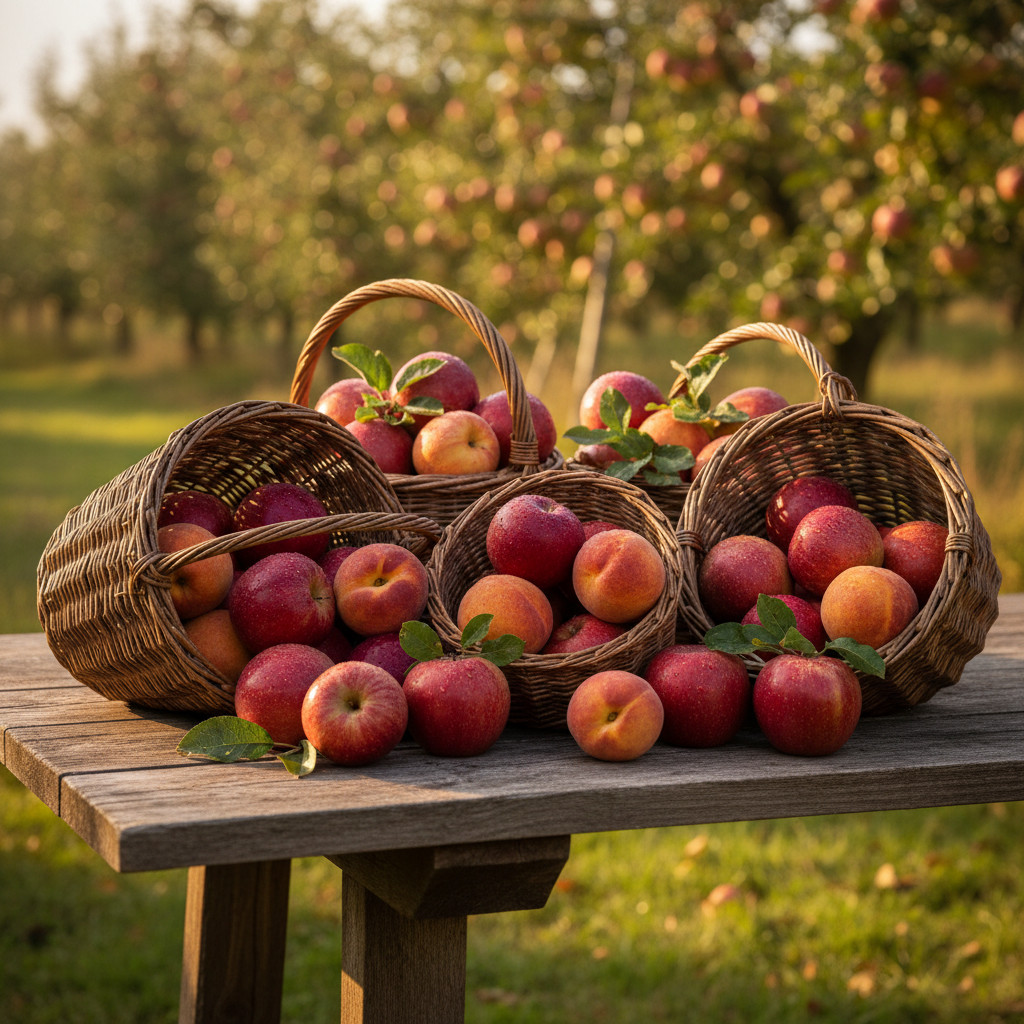
Fruit trees require particularly careful climate matching, as many species need specific chilling hours—periods of cold temperatures between 32°F and 45°F—to break dormancy and produce quality fruit. Apples, cherries, and peaches have varying chilling requirements, and planting varieties unsuited to your climate results in poor fruit set and disappointing harvests despite proper management.
Microclimates within your property can significantly expand your growing possibilities. South-facing slopes warm earlier in spring, frost pockets in low-lying areas extend cold exposure, and windbreaks can create protected zones for tender crops. Mapping these microclimates and matching appropriate crops to each zone maximizes your land’s productive potential.
Secret #3: Invest in Quality Seeds and Rootstock
The genetic foundation of your crops determines their ultimate potential, making seed and rootstock selection one of the most impactful decisions in commercial agriculture.
Certified vs. Non-Certified Seeds
The seed industry offers a bewildering array of options, from budget-friendly bulk seeds to premium certified varieties backed by rigorous quality standards. For commercial operations, the upfront cost difference between certified and non-certified seeds pales in comparison to the potential losses from poor germination, disease introduction, or genetic inconsistency.
Certified seeds undergo stringent testing that verifies genetic purity, germination rates, and freedom from seed-borne diseases. These certifications, issued by recognized agricultural authorities, provide assurance that your investment will produce the expected results. Non-certified seeds may carry hidden risks including weed seed contamination, reduced vigor, and genetic drift that produces inconsistent crops unsuitable for commercial markets demanding uniform quality.
Hybrid varieties often offer significant advantages for commercial growers, including improved disease resistance, higher yields, and better uniformity. While hybrid seeds cannot be saved and replanted (they don’t breed true), their performance benefits typically justify the annual seed purchase expense. Open-pollinated and heirloom varieties appeal to specific market segments and allow seed saving, but may require more intensive management to achieve commercial-quality results.
Disease-Resistant Varieties
Plant disease represents one of the greatest risks to commercial farming profitability, capable of devastating entire crops within days under favorable conditions. Selecting varieties with built-in disease resistance provides an essential layer of protection that complements your integrated pest management strategies.
Modern plant breeding has produced remarkable advances in disease resistance across virtually all commercial crops. Tomato varieties now resist multiple diseases including verticillium wilt, fusarium wilt, and nematodes—conditions that historically caused catastrophic losses. Apple rootstocks offer fire blight tolerance, while grape varieties resist powdery mildew without extensive fungicide applications.
When selecting disease-resistant varieties, consider the specific disease pressures prevalent in your region. Local agricultural extension services maintain databases of common plant diseases and can recommend varieties with appropriate resistance profiles. Remember that disease resistance often exists on a spectrum—highly resistant varieties may show minimal symptoms under heavy pressure, while moderately resistant varieties perform well under typical conditions but may suffer during disease epidemics.
Secret #4: Master Irrigation and Water Management
Water represents both the lifeblood of your crops and potentially the largest variable cost in commercial agriculture, making efficient irrigation management essential for profitability.
Implementing Drip Irrigation Systems
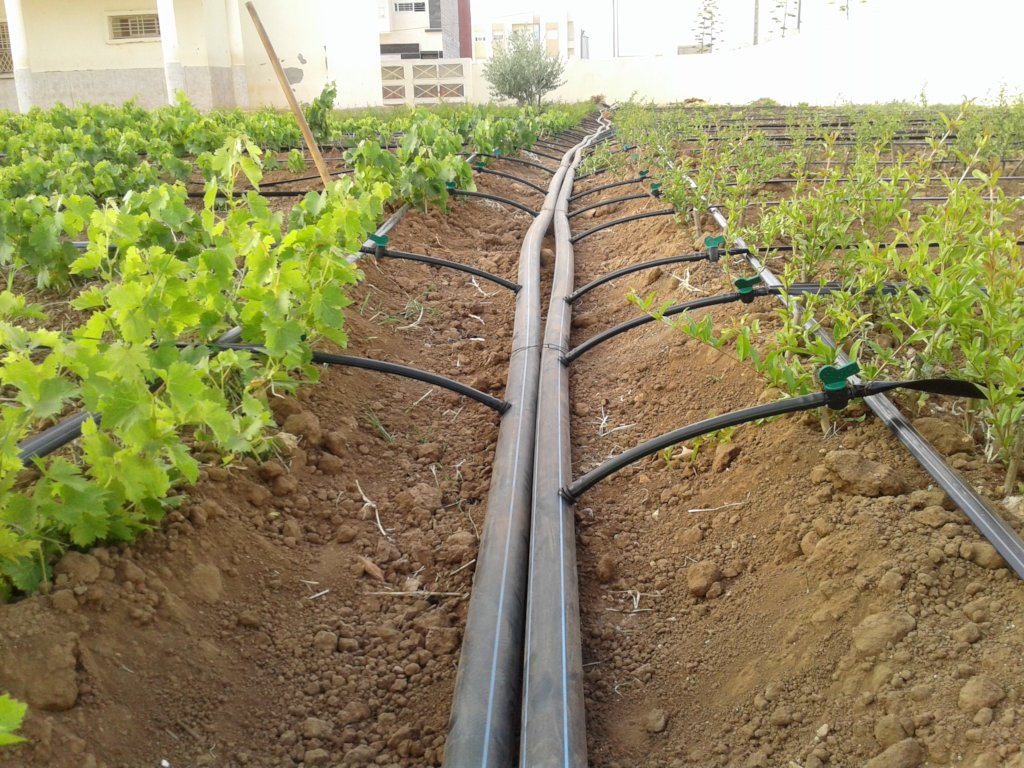
Drip irrigation has revolutionized commercial agriculture by delivering water directly to plant root zones with minimal waste. Unlike traditional overhead sprinklers that lose significant water to evaporation and runoff, drip systems achieve 90-95% water use efficiency, dramatically reducing water costs while improving crop health.
The benefits of drip irrigation extend beyond water savings:
- Reduced disease pressure – Keeping foliage dry eliminates conditions favorable for fungal and bacterial diseases
- Precise fertilizer delivery – Fertigation systems inject nutrients directly into irrigation water for targeted feeding
- Lower labor requirements – Automated systems reduce the need for manual irrigation management
- Improved weed control – Watering only crop rows keeps inter-row areas dry and less hospitable to weeds
- Uniform water distribution – Pressure-compensating emitters deliver consistent water rates regardless of terrain
Initial installation costs for drip systems exceed traditional irrigation methods, but return on investment typically occurs within two to three growing seasons through water savings, yield improvements, and reduced labor costs. Quality components from reputable manufacturers ensure reliable performance and minimize maintenance headaches that cheaper systems often create.
Smart Water Conservation Techniques
Beyond equipment selection, successful commercial farmers implement comprehensive water conservation strategies that maximize every drop’s productive value. These techniques combine traditional wisdom with modern technology to achieve remarkable efficiency gains.
Mulching represents one of the most effective conservation strategies, reducing evaporation by up to 70% while providing additional benefits including weed suppression, soil temperature moderation, and organic matter addition as materials decompose. Organic mulches like straw, wood chips, and compost improve soil health over time, while plastic mulches offer superior weed control and soil warming for heat-loving crops.
Soil moisture monitoring technology has become increasingly accessible and affordable, allowing real-time tracking of water availability throughout your fields. Tensiometers, capacitance sensors, and wireless monitoring systems provide data-driven insights that eliminate guesswork from irrigation scheduling. Rather than watering on arbitrary schedules, you irrigate based on actual plant needs, preventing both water waste and drought stress that reduces yields.
Secret #5: Implement Integrated Pest Management (IPM)
Sustainable pest control through integrated approaches protects both crop health and long-term soil vitality while meeting growing consumer demand for responsibly-produced food.
Biological Control Methods
Integrated Pest Management represents a paradigm shift from reactive chemical applications to proactive ecosystem management. By understanding pest biology and natural control mechanisms, commercial farmers can dramatically reduce pesticide dependence while achieving superior long-term pest suppression.
Biological control harnesses nature’s own pest management systems, introducing or encouraging beneficial organisms that prey upon or parasitize crop pests. Lady beetles consume aphids voraciously, parasitic wasps attack caterpillar populations, and predatory mites control spider mite infestations without chemical intervention. These beneficial organisms establish self-sustaining populations that provide ongoing pest control with minimal ongoing investment.
Cover crops and insectary plantings attract and support beneficial insect populations by providing alternative food sources during periods when pest populations are low. Flowering plants like alyssum, buckwheat, and clover support parasitic wasps and other beneficials, creating habitat diversity that promotes natural pest control throughout your operation.
Monitoring and Prevention Strategies
Effective IPM depends on regular monitoring to detect pest problems before they reach damaging levels. Systematic scouting protocols identify emerging issues when intervention costs are lowest and control options most numerous.
Essential monitoring practices include:
-
Weekly field scouting – Trained personnel examine representative plants throughout your fields, checking for pest presence, beneficial insect activity, and early disease symptoms. Consistent scouting routes ensure comprehensive coverage and allow tracking of pest population trends over time.
-
Pheromone trapping – Species-specific lures attract male moths of key pest species, providing early warning of population buildup and optimal timing for control interventions. Trap counts guide decision-making without expensive and time-consuming manual scouting for certain pests.
-
Degree-day tracking – Many pest life cycles correlate closely with accumulated heat units rather than calendar dates. Tracking degree-days from biological zero points allows precise prediction of pest development stages and optimal treatment timing.
-
Record keeping – Detailed records of pest observations, control actions, and outcomes build institutional knowledge that improves decision-making over time. Historical data reveals patterns that anticipate future problems and guide preventive strategies.
Secret #6: Optimize Soil Nutrition and Fertilization
Balanced plant nutrition underpins every aspect of crop performance, from germination vigor to fruit quality and post-harvest shelf life.
Organic vs. Synthetic Fertilizers
The organic versus synthetic fertilizer debate generates considerable passion, but successful commercial farmers take a pragmatic approach that considers agronomic, economic, and market factors rather than ideology alone.
Organic fertilizers including compost, manure, bone meal, and blood meal release nutrients slowly as soil microorganisms break down organic matter. This gradual release pattern matches plant uptake needs more closely than synthetic alternatives, reducing nutrient leaching and groundwater contamination risks. Organic materials also improve soil structure, water retention, and biological activity—benefits that synthetic fertilizers cannot provide.
Synthetic fertilizers offer precise nutrient concentrations and immediate plant availability, allowing rapid correction of deficiencies and exact matching of applications to crop requirements. Their lower cost per nutrient unit appeals to price-sensitive operations, and their concentrated nature reduces transportation and application labor compared to bulky organic alternatives.
Many successful commercial operations employ hybrid approaches that combine the soil-building benefits of organic matter with the precision and economy of synthetic supplementation. Base fertility comes from compost and cover crop incorporation, while synthetic fertilizers fine-tune nutrient availability during critical growth stages.
Soil Health Monitoring
Maintaining optimal soil nutrition requires ongoing monitoring that tracks nutrient availability, identifies emerging deficiencies, and guides amendment decisions. Annual soil testing provides baseline information, but in-season monitoring offers real-time insights for responsive management.
Tissue testing analyzes plant material to assess actual nutrient uptake, revealing deficiencies that soil tests might miss due to availability factors. Comparing tissue nutrient levels to established sufficiency ranges identifies limiting nutrients before visible deficiency symptoms appear, allowing corrective action that prevents yield loss.
Visual assessment skills complement laboratory testing by identifying nutrient problems in real-time. Nitrogen deficiency produces uniform yellowing of older leaves, phosphorus limitation creates purple discoloration, and potassium shortage causes marginal leaf scorch. Learning these visual signatures enables rapid response to developing problems without waiting for laboratory results.
Secret #7: Embrace Technology and Modern Farming Techniques
Technological adoption separates industry leaders from struggling competitors, offering unprecedented precision, efficiency, and data-driven decision-making capabilities.
Precision Agriculture Tools
Precision agriculture technologies allow management at previously impossible scales and accuracies, optimizing inputs while maximizing outputs. These tools range from simple smartphone applications to sophisticated satellite-guided systems that transform farming operations.
GPS guidance systems enable precise equipment operation that eliminates overlap and skips during planting, spraying, and harvesting operations. Reduced overlap decreases input costs for seeds, fertilizers, and pesticides, while eliminating skips ensures complete field coverage. Most systems achieve sub-inch accuracy, allowing controlled traffic patterns that minimize soil compaction.
Variable rate application technology adjusts input rates across fields based on soil variability maps, yield history, or real-time sensor readings. Rather than applying uniform rates across entire fields, these systems match applications to localized needs—increasing rates in productive zones while reducing inputs in areas with limited yield potential.
Drone technology has become increasingly accessible for commercial agriculture, offering aerial imaging capabilities that reveal crop stress patterns invisible from ground level. Multispectral cameras detect vegetation health variations, irrigation problems, and pest pressure zones before visible symptoms appear, enabling targeted interventions that address problems early.

Automation and Mechanization
Labor represents a significant and growing challenge for commercial agriculture, with declining rural populations and competing employment opportunities creating chronic workforce shortages. Automation technologies address these challenges while often improving quality and consistency compared to manual operations.
Mechanical harvesting systems for fruits and vegetables continue advancing, with gentle handling systems now available for crops previously considered too delicate for mechanization. While capital costs are substantial, reduced labor requirements and accelerated harvest speeds often justify investment, particularly for operations facing persistent workforce challenges.
Automated irrigation control systems integrate soil moisture sensors, weather forecasts, and crop development models to optimize watering schedules without manual intervention. These systems reduce labor requirements while often achieving better results than human-managed irrigation through elimination of scheduling inconsistencies and response delays.
Secret #8: Plan for Seasonal Variations and Crop Rotation
Strategic planning across seasons maximizes land utilization, maintains soil health, and provides income stability that single-crop operations cannot achieve.
Succession Planting Strategies
Succession planting extends harvest seasons and ensures continuous product availability, characteristics that command premium prices and strengthen customer relationships. Rather than planting entire crops at once, savvy commercial farmers stagger plantings to maintain steady supplies.
Effective succession planting requires careful calculation of days to maturity, market window timing, and available growing season length. Quick-maturing crops like lettuce and radishes support multiple successions per season, while longer-season crops like tomatoes and peppers may accommodate only two or three plantings before frost risk ends the growing season.
For fruit production, variety selection enables extended harvest windows by combining early, mid-season, and late-maturing cultivars. Apple orchards incorporating varieties from summer through late fall maintain market presence for months rather than weeks, building customer loyalty and capturing sales that single-variety operations miss.
Diversification Benefits
Crop diversification provides multiple benefits that strengthen commercial farming operations against risks that devastate single-crop enterprises. By spreading production across multiple crops, farmers reduce exposure to individual crop failures, price collapses, and market disruptions.
Key diversification strategies include:
- Multiple crop families – Rotating between plant families breaks pest and disease cycles while utilizing different soil nutrient profiles
- Annual and perennial integration – Combining quick-return annual crops with long-term perennial fruit production balances cash flow timing
- Direct and wholesale market mix – Diversifying sales channels protects against individual market disruptions
- Fresh and processed products – Value-added processing extends selling seasons and utilizes cosmetically imperfect produce
Diversification requires careful management attention distribution across multiple production systems, but the resulting risk reduction and income stability typically justify the additional complexity. Start conservatively with a few complementary crops and expand diversification gradually as management systems mature.
Secret #9: Build Strong Distribution Channels and Marketing
Producing excellent crops means nothing if you cannot move products to paying customers at prices that support profitable operations.
Direct-to-Consumer Strategies
Direct marketing captures retail margins that middlemen otherwise absorb, potentially doubling income per unit compared to wholesale channels. These strategies require additional time and customer service skills but reward farmers with closer customer relationships and market feedback.
Farmers’ markets remain the cornerstone of direct sales for many commercial operations, providing low-barrier market access with established customer traffic. Success requires consistent attendance, attractive display presentation, and customer service excellence that builds loyal following. Premium pricing reflects product quality, local sourcing, and the relationship value that differentiates farmers’ market purchases from commodity grocery shopping.
Community Supported Agriculture (CSA) programs provide upfront capital through advance member payments while guaranteeing market outlets for seasonal production. Members receive weekly produce shares throughout the growing season, sharing both abundance and occasional crop shortfalls with their farmer. This model builds deep customer loyalty and provides financial predictability that simplifies production planning.
Farm stands and pick-your-own operations capture tourism traffic while eliminating transportation costs and post-harvest handling losses. These on-farm direct sales require appropriate liability insurance, parking facilities, and customer amenities, but can generate substantial revenue while building community connections that support long-term business success.
Wholesale and Retail Partnerships
While direct sales offer superior margins, wholesale channels provide volume capacity that absorbs production beyond direct marketing capacity. Building strong wholesale relationships requires understanding buyer needs and delivering consistent quality and reliability.
Restaurant partnerships offer premium pricing for specialty products, with many chefs actively seeking local sourcing relationships that differentiate their menus. Successful restaurant sales require flexibility regarding product specifications, reliable delivery scheduling, and willingness to accommodate seasonal availability variations. Building these relationships takes time but creates loyal customers who promote your farm to their networks.
Grocery store partnerships provide high-volume outlets but demand consistency, packaging compliance, and competitive pricing that challenges many smaller operations. Regional chains and independent grocers often prove more accessible than national chains, with simpler supplier qualification processes and greater flexibility regarding volume commitments.
Secret #10: Focus on Financial Management and Sustainability
Long-term success requires financial discipline that maintains profitability while building soil health and operational capacity for future generations.
Budgeting and Cost Control
Agricultural operations face unique financial challenges including seasonal income concentration, weather-dependent revenues, and biological production cycles that resist acceleration. Effective financial management adapts business principles to these agricultural realities.
Comprehensive enterprise budgets project revenues and costs for each crop, revealing true profitability that gross sales figures often obscure. These budgets include direct costs like seeds, fertilizers, and harvest labor alongside allocated overhead expenses including equipment depreciation, land costs, and management time. Regular comparison of actual results against budgets identifies variances requiring investigation and correction.
Cash flow management becomes critical given agriculture’s seasonal income patterns. Most expenses occur during spring planting and summer cultivation, while revenue concentrates during harvest periods. Maintaining adequate reserves or credit access to bridge these timing gaps prevents operational disruptions that compound into lost opportunities.
Long-Term Sustainability Practices
Sustainable agriculture practices protect long-term productive capacity while often reducing current input costs and opening access to premium markets willing to pay for responsibly-produced food.
Soil conservation measures including cover cropping, reduced tillage, and erosion control protect the irreplaceable foundation of your operation. Topsoil loss through erosion or organic matter depletion degrades productive capacity that may require decades to restore. Investing in soil health delivers compounding returns as biological activity increases, nutrient cycling improves, and water retention expands.
Energy efficiency investments reduce operating costs while demonstrating environmental responsibility that appeals to growing consumer segments. Solar installations, efficient irrigation systems, and optimized equipment operations decrease energy expenses while potentially generating renewable energy credits or tax benefits that improve financial returns.
Final Thoughts: Your Path to Commercial Farming Success
Commercial gardening and fruit farming offer remarkable opportunities for those willing to combine hard work with strategic thinking and continuous learning. The ten secrets revealed in this guide—from thorough market research through sustainable financial management—provide a comprehensive framework for building operations that thrive across seasons and years.
Remember that success in commercial agriculture rarely happens overnight. Building soil health, establishing customer relationships, and developing management expertise requires patience and persistence through inevitable setbacks. The most successful farmers view challenges as learning opportunities that strengthen their operations for future seasons.
Start by assessing your current situation against these ten areas, identifying your strongest capabilities and most pressing improvement needs. Prioritize foundational elements like soil health and market understanding before investing in advanced technologies or aggressive expansion. Build systematically, adding complexity only as your management capacity expands to handle increased demands.
The agricultural industry needs passionate, knowledgeable farmers committed to producing quality food sustainably. Whether you’re launching a new venture or strengthening an existing operation, applying these secrets positions you among the industry leaders who will feed communities for generations to come.
Your journey to commercial farming success begins with a single decision to pursue excellence. Take that first step today, and watch your agricultural dreams flourish into profitable reality.





![What Kind Of Fruits Grow On Palm Trees? [10 Most Common Ones]](https://fruitonix.com/wp-content/uploads/2023/08/image-126-1024x683.png)