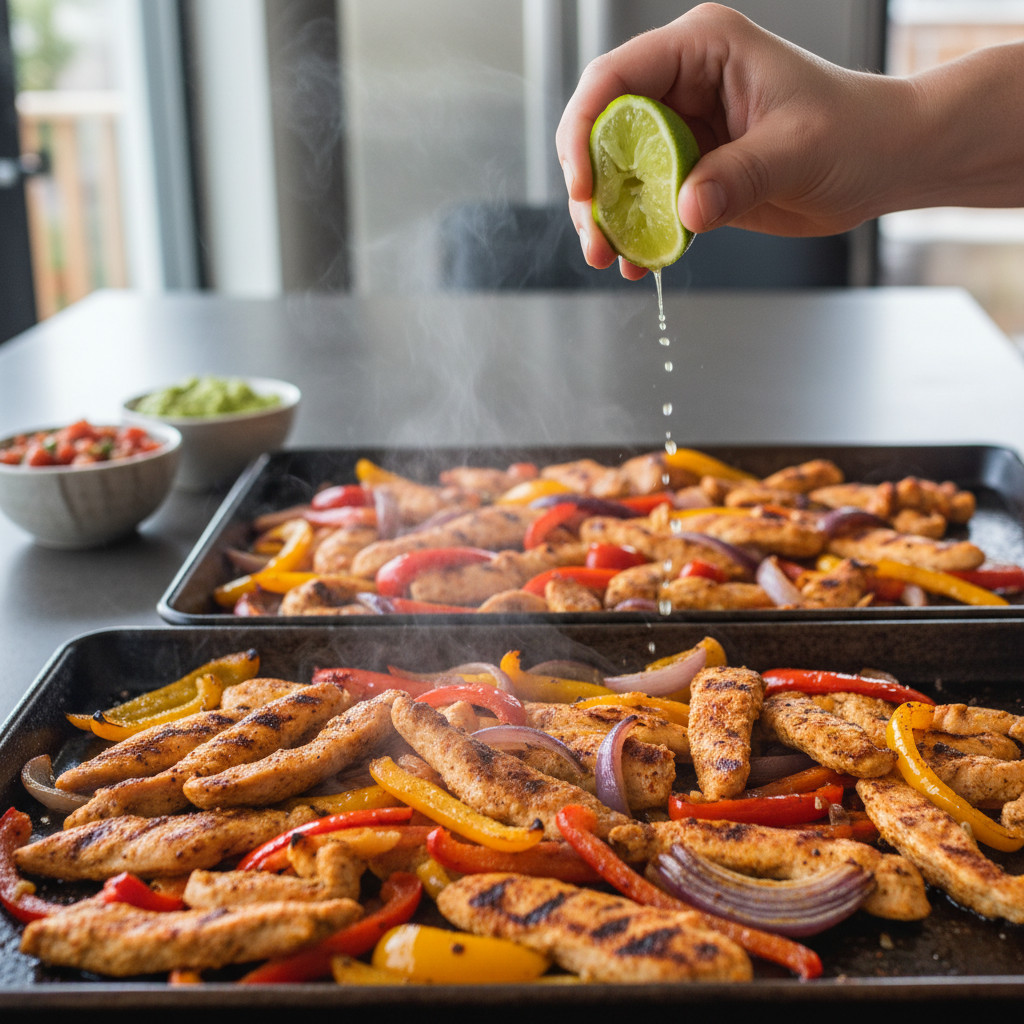
Feeding a family well without hemorrhaging money at the grocery store has become one of the most practical cooking challenges of modern life. Food costs have climbed steadily across the board — the USDA estimates a family of four can spend anywhere from $996 to over $1,600 a month on groceries depending on their approach — and that pressure lands hardest at dinnertime, when expectations are highest and everyone is hungry.
The good news? Eating well on a tight budget isn’t a compromise. It’s a skill. And once you know which meals deliver the most flavor, volume, and nutrition per dollar, you start to realize that some of the most satisfying dinners imaginable cost less than a gas station snack run.
Every dinner on this list comes in under $10 for the whole meal — not per person, but for the full dish. Most of them feed four to six people comfortably, which brings the per-serving cost down to something almost embarrassingly low. These aren’t sad, tasteless budget meals. These are the dishes that home cooks swear by, the ones that earn recipe requests from guests who had no idea how little they cost.
Table of Contents
- Red Beans and Rice with Kielbasa
- Why This One Works on a Budget
- How to Get the Most From It
- Creamy Veggie Pasta with Roasted Tomatoes
- The Technique That Makes It Special
- Smart Substitutions
- Chickpea Curry with Coconut Milk
- The Flavor Logic Here
- Variations to Try
- Crispy Chicken Thighs with Green Beans
- Why Chicken Thighs Beat Breasts on a Budget
- Getting That Crispy Skin Every Time
- Beef and Macaroni Soup
- Why This Soup Is Deeply Satisfying
- Make It Go Further
- Potato and Chorizo Burritos
- The Texture That Makes It Work
- Meal Prep Angle
- Salsa Chicken Crockpot Bowl
- Why the Slow Cooker Is a Budget Tool
- Ways to Use This Filling All Week
- 15-Bean Soup with Kielbasa over Rice
- The Soak-Overnight Trick
- Storage and Leftover Strategy
- Biscuits and Sausage Gravy
- Why Breakfast for Dinner Works So Well
- Upgrade Options That Stay Cheap
- Dirty Rice with Ground Beef
- The Single-Pan Advantage
- Variations That Cost Nothing Extra
- Pasta a la Norma (Roasted Eggplant Pasta)
- What Roasting Does to Eggplant
- Why This Is One of the Best Meatless Budget Meals
- Pork Shoulder in the Slow Cooker with Tacos
- Getting Multiple Meals From One Cook
- The Slaw That Costs Almost Nothing
- Drumstick and Carrot Broth Soup
- Why Bone-In Chicken Makes Superior Broth
- Variations on the Base
- Thai-Style Coconut Curry with Chicken
- The Pantry Investment That Pays Off
- Adjusting the Heat Level
- Breakfast Tacos with Egg, Potato, and Cheese
- The Texture Secret
- Building Out the Taco Bar Cheaply
- Final Thoughts
Red Beans and Rice with Kielbasa
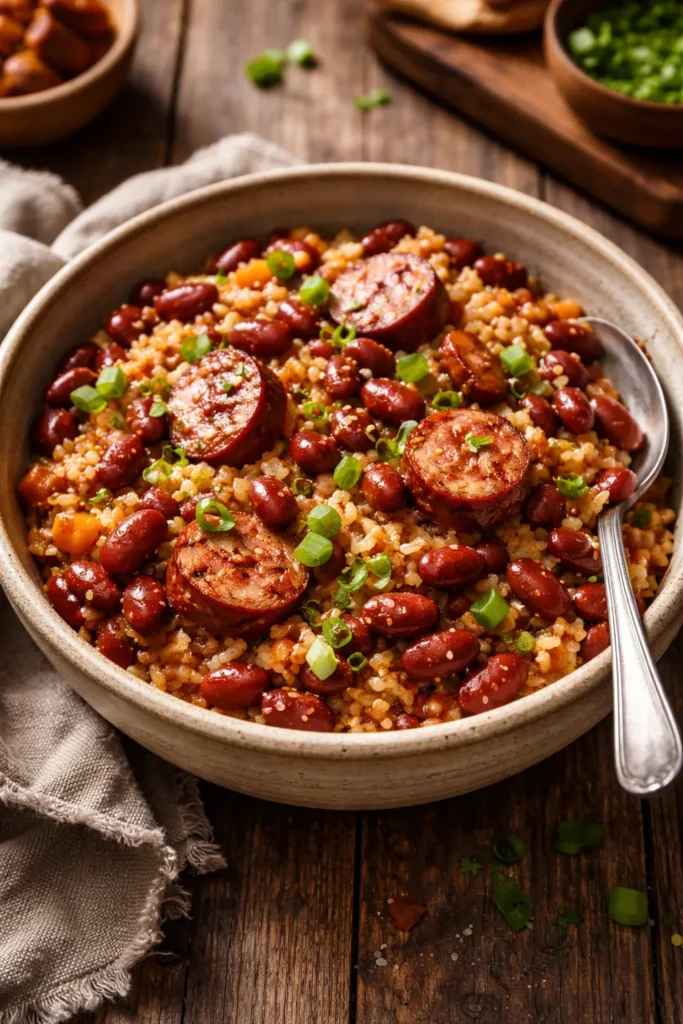
There’s a reason this dish has been feeding working families in Louisiana for generations. Red beans and rice is the textbook example of cheap ingredients becoming something genuinely crave-worthy through the alchemy of long simmering and bold seasoning.
A bag of dried red beans typically costs under $2. Add a link of kielbasa sausage — which runs around $3 to $4 — plus an onion, a green bell pepper, a few stalks of celery, and some garlic, and you’ve got a full, deeply flavored pot of food that feeds six people easily. The holy trinity of Cajun cooking (onion, celery, and bell pepper) does most of the heavy lifting in the flavor department, so don’t skip those aromatics.
Why This One Works on a Budget
Dried beans are among the most cost-effective proteins you can buy — a pound of dried red kidney beans yields roughly 6 cups of cooked beans, enough to form the base of a complete meal. They’re also high in fiber and plant-based protein, which means this dish keeps people genuinely full for hours.
The kielbasa adds smokiness and meaty depth without requiring a large quantity. A single 13-ounce link sliced into coins stretches across the whole pot. Season with Cajun seasoning, garlic powder, a bay leaf, and salt, then ladle it over white rice. A 69-cent box of Jiffy cornbread on the side turns this into a full spread that feels anything but budget-restricted.
How to Get the Most From It
- Soak dried beans overnight to cut the cooking time by about 30 minutes
- Cook the sausage first to render the fat, then sauté the vegetables in that same fat for extra flavor
- Add extra beans and a cup of broth to stretch the pot even further for larger households
- This reheats perfectly and actually tastes better the next day as the flavors meld
Worth knowing: If you’re short on time, canned red beans work fine — just rinse them well and reduce the simmering time to about 20 minutes.
Creamy Veggie Pasta with Roasted Tomatoes
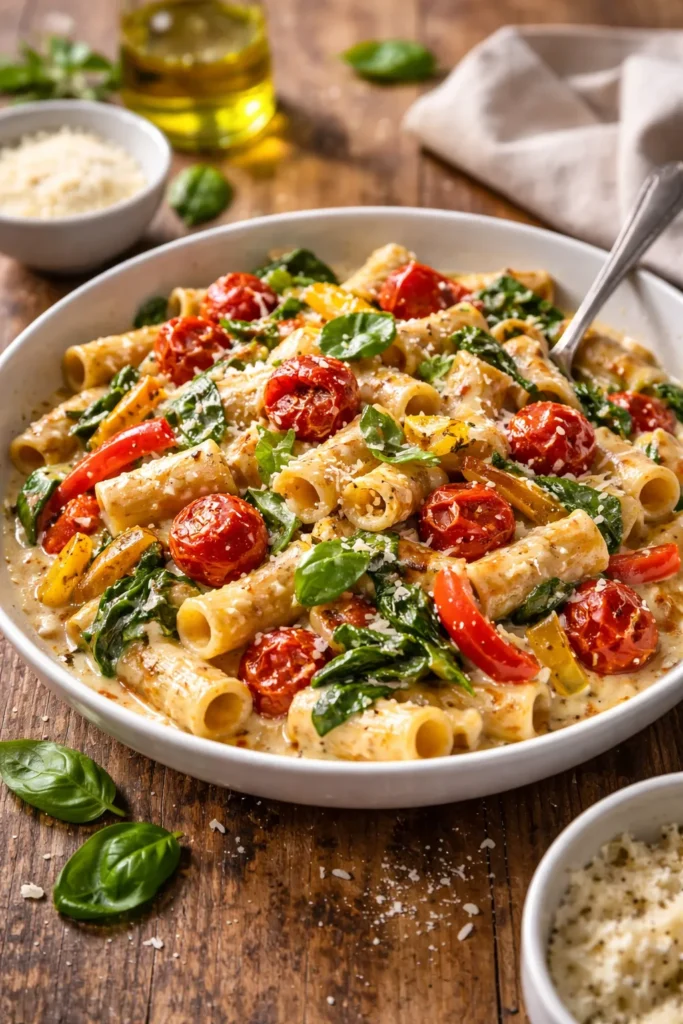
This one surprised a lot of people when it started making the rounds in budget-cooking communities. The concept: roast whatever vegetables are on sale, add a block of cream cheese to the pan, and let everything melt together into a sauce that coats pasta like a dream.
The total cost breaks down to roughly $2.50 for a bag of mixed peppers (especially if you catch them at half price), $2.50 for cherry tomatoes, $2 for a block of cream cheese, and $2.50 for pasta. You’re looking at about $9.50 for a meal that serves four generously, and it tastes like something from a pasta restaurant.
The Technique That Makes It Special
Roasting the vegetables at around 350°F for about an hour concentrates their natural sugars and softens everything into a jammy, intensely flavored base. Whole garlic cloves roasted alongside the tomatoes turn sweet and spreadable. When you pull the pan from the oven and mash the tomatoes and cream cheese together, you get an instant, silky sauce with zero effort.
Season the vegetables before they go in the oven — chipotle spice, dried parsley, salt, pepper, and red chili flakes all work beautifully here. Toss in the cooked pasta and add a splash of reserved pasta water to loosen the sauce to the consistency you want.
Smart Substitutions
- Swap cream cheese for ricotta if it’s on sale — the flavor is milder but equally creamy
- Use whatever vegetables need to be used up in your fridge: zucchini, eggplant, and broccoli all roast well
- Add a can of white beans to the pot to bump up the protein without spending more
Pro tip: Always save at least a cup of pasta water before draining. The starch in that water is what binds the sauce to the noodles and keeps it from going gluey.
Chickpea Curry with Coconut Milk
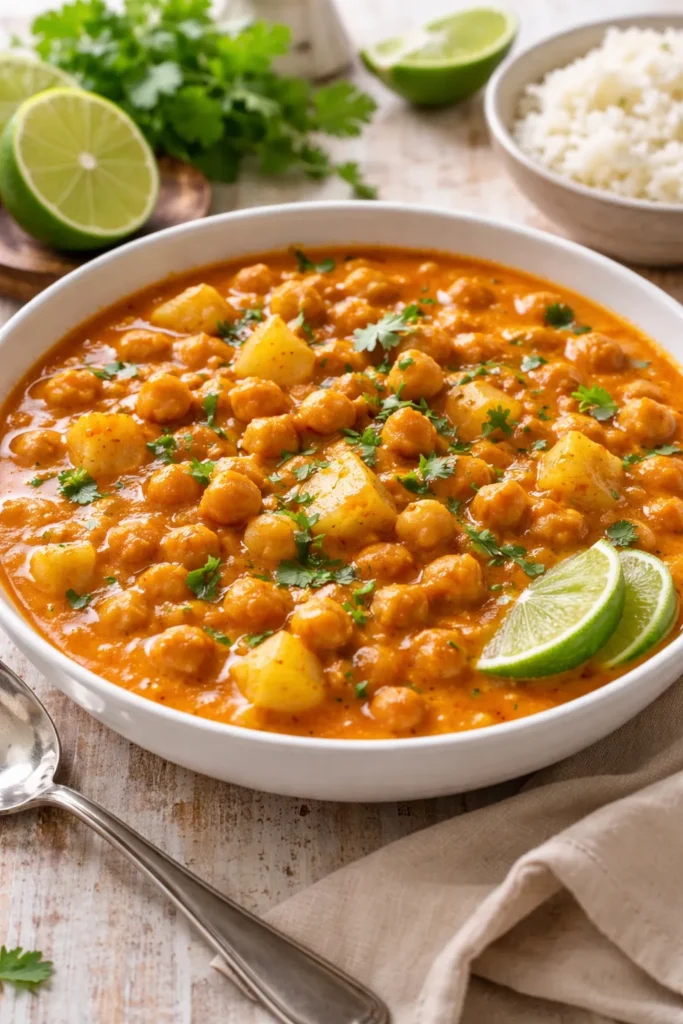
This is the meal that converted more skeptics to budget cooking than almost anything else. Two cans, a box of curry mix, and a pot. That’s it. The result is a rich, warmly spiced curry that tastes like it took serious effort.
Golden Curry blocks (the Japanese-style curry roux sold in the international aisle of most grocery stores) cost about $3 for a box and make multiple meals. A can of chickpeas runs under $1, and a can of coconut milk comes in around $1.50. Add in some diced potato and carrot — maybe another $1 combined — and you’ve got a full curry that serves four for well under $8.
The Flavor Logic Here
Golden Curry is mild-to-medium by default but deeply savory with that characteristic Japanese curry sweetness. Chickpeas absorb the sauce beautifully over the simmering time, turning soft but not mushy. Potato adds bulk and a starchy thickness that makes the dish even more filling. Coconut milk smooths everything out and adds a faint tropical creaminess that makes this taste indulgent.
Serve over white rice and add a simple salad on the side, and this is a dinner that disappears fast. Lentil bowls follow the same logic — lentils are even cheaper than chickpeas and take about 25 minutes on the stovetop with no soaking required.
Variations to Try
- Add a handful of frozen spinach in the last 5 minutes for extra nutrition
- Stir in a squeeze of lime juice just before serving to brighten the whole dish
- Use red or green Thai curry paste instead of Golden Curry for a completely different but equally delicious result
Crispy Chicken Thighs with Green Beans
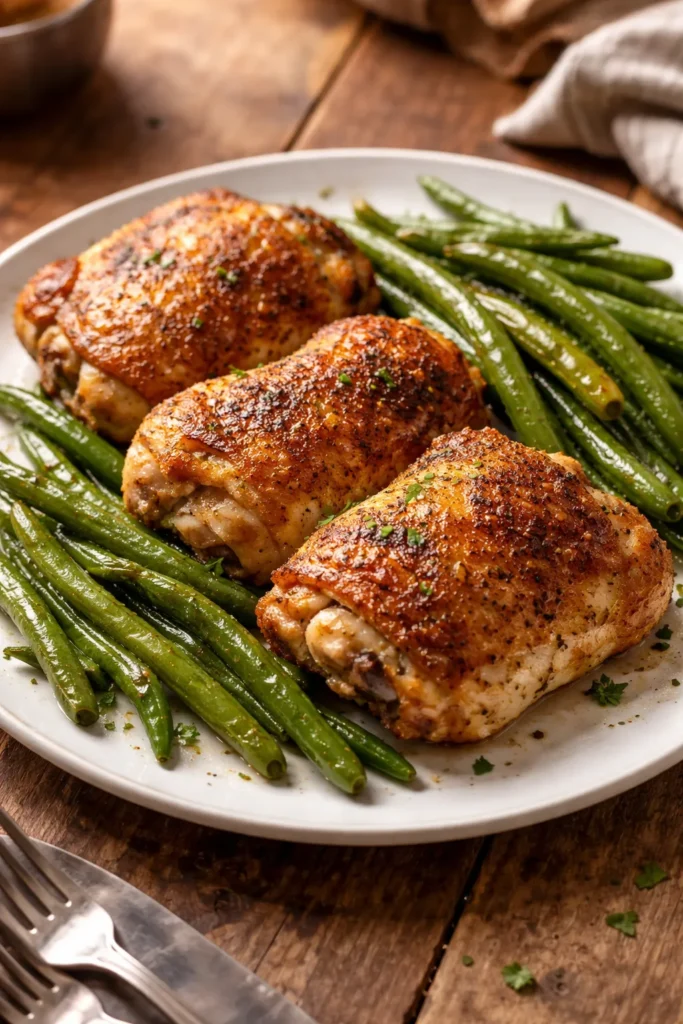
Bone-in, skin-on chicken thighs are one of the biggest bargains in the meat case. Five of them typically cost $4 to $5, and when cooked correctly — shaken with spices and a little baking powder, then roasted on a wire rack — they come out with genuinely crispy skin and incredibly juicy meat.
Pair them with a can of green beans cooked with diced onion and a splash of broth or a few bacon bits, and you’ve got a meal that serves three to four people for well under $10. The baking powder trick is the key: it raises the skin’s pH, which accelerates browning and produces a crust you’d swear came from a deep fryer.
Why Chicken Thighs Beat Breasts on a Budget
Thighs have more fat, which means more flavor and more forgiveness when cooking — they don’t dry out the way breasts do if you leave them in the oven an extra 10 minutes. They’re also significantly cheaper per pound at most grocery stores.
Bone-in cuts cost less than boneless, and the bones add flavor during roasting. If you’re buying boneless thighs for convenience, look for family packs, which typically come with a lower per-pound price than individual portions.
Getting That Crispy Skin Every Time
- Pat the chicken completely dry with paper towels before seasoning — moisture is the enemy of a crispy skin
- Use baking powder (not baking soda) — about 1 teaspoon per pound of chicken mixed into your spice rub
- Roast on a wire rack set over a baking sheet so hot air circulates under the skin
- Start at a high temperature (425°F) for the last 10 minutes to finish the crisping
Pro tip: The fat that drips onto the baking sheet below can be saved and used like butter for roasting vegetables or crisping up leftovers.
Beef and Macaroni Soup
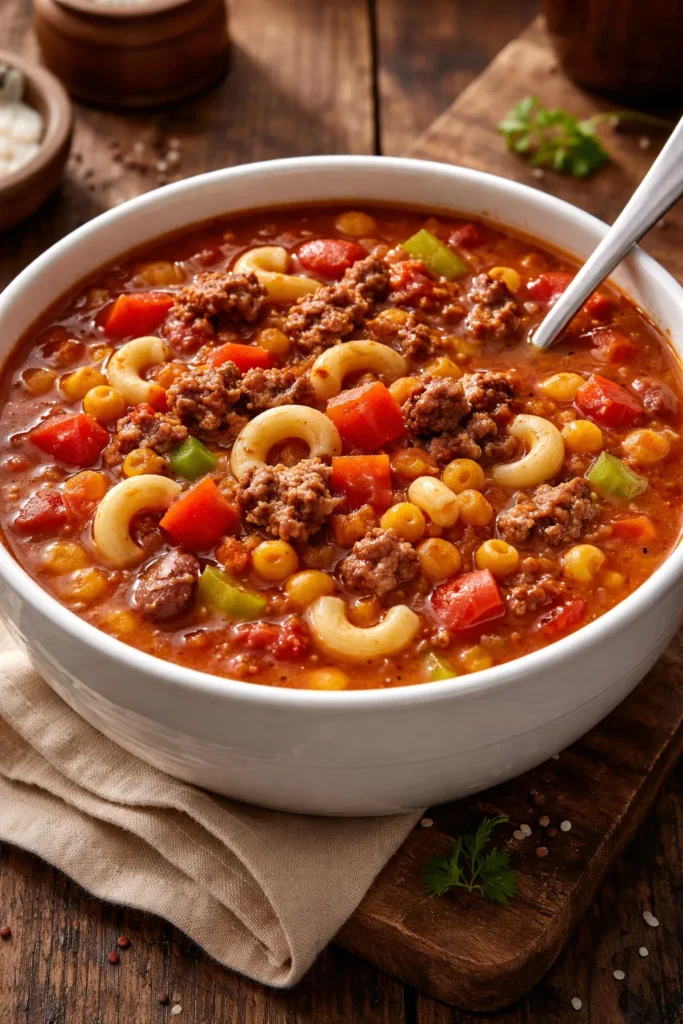
A pound of ground beef, a box of elbow macaroni, a can of diced tomatoes, a bag of frozen mixed vegetables, and a few pantry spices: this is a meal that costs around $8 to $9 total and makes enough soup to feed a family of four with lunch leftovers the next day.
Brown the beef, drain most of the fat but leave a little for flavor, and sauté a diced onion in that remaining fat. Add the canned tomatoes, frozen vegetables, two cups of water, a beef bouillon cube, and your spices — garlic powder, smoked paprika, Italian seasoning, salt and pepper. Let it simmer for 10 minutes, then stir in the cooked macaroni.
Why This Soup Is Deeply Satisfying
There’s something about the combination of beef, tomato, and pasta that hits a primal comfort food note. The smoked paprika and garlic powder are doing serious work here — they’re not just seasoning, they’re building a rounded, smoky depth that makes this taste like it’s been simmering all afternoon.
Swap in Italian sausage for the ground beef and the whole flavor profile shifts into something almost like a deconstructed Italian wedding soup. Use any pasta shape you have on hand — ditalini, rotini, or shells all work perfectly.
Make It Go Further
- Add an extra can of diced tomatoes and a cup of broth to stretch it into more servings
- Toss in any leftover vegetables from the fridge — zucchini, spinach, and corn all belong here
- Serve with garlic bread made from leftover bread with butter and garlic powder, toasted under the broiler
Potato and Chorizo Burritos
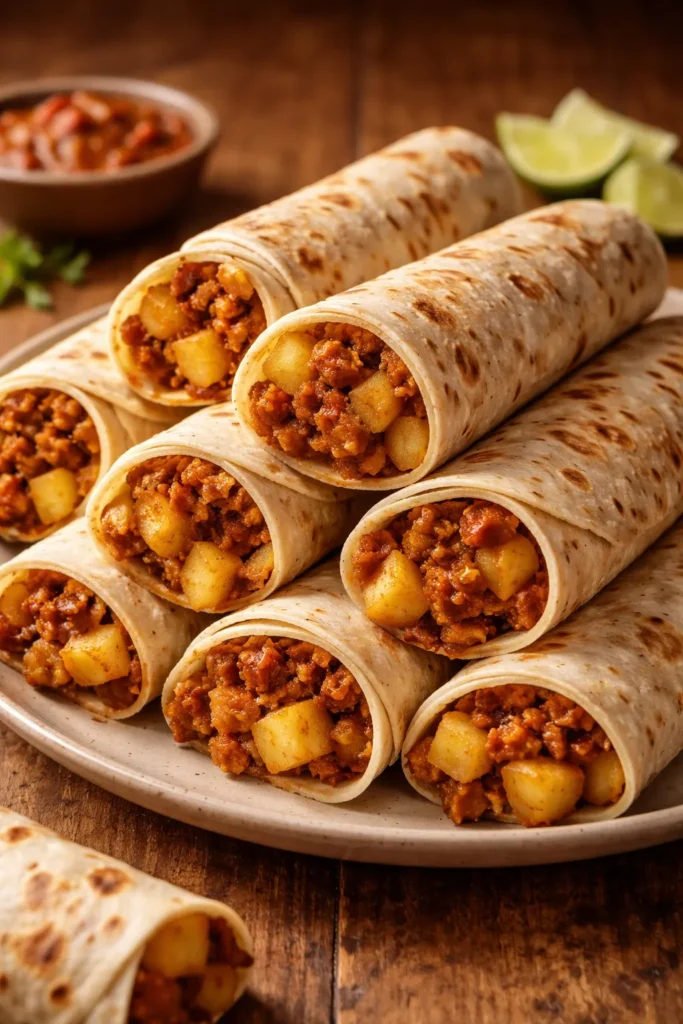
Dice some russet potatoes, fry them in oil with crumbled Mexican chorizo until everything is crispy and caramelized, wrap it in a flour tortilla, and you have one of the most satisfying burritos imaginable. This whole meal costs around $6 to $7 for enough filling to make 8 to 10 burritos.
Mexican chorizo (the fresh, uncured kind sold in a tube or casing) is intensely seasoned with chili, garlic, and vinegar. It seasons the potatoes as it cooks, so you barely need any additional spices. The natural paprika in the chorizo turns the potatoes a beautiful deep red.
The Texture That Makes It Work
The trick is patience. Let the potatoes cook in the oil for several minutes without stirring so they develop a proper crust on at least one side. When you add the chorizo and break it up, it renders its fat into the pan, which then bastes the potatoes and crisps them further. You want contrast — some soft interior and some genuinely crunchy exterior.
Top the burritos with sour cream, salsa, or sliced avocado if your budget allows. Even plain, with just the potato-chorizo filling, these are extraordinary.
Meal Prep Angle
- The filling stores in the fridge for up to 4 days and reheats well in a skillet
- Use the filling in tacos, breakfast burritos, or as a hash base topped with fried eggs
- Swap potatoes for sweet potatoes and add black beans for a slightly different — and slightly more nutritious — version
Salsa Chicken Crockpot Bowl
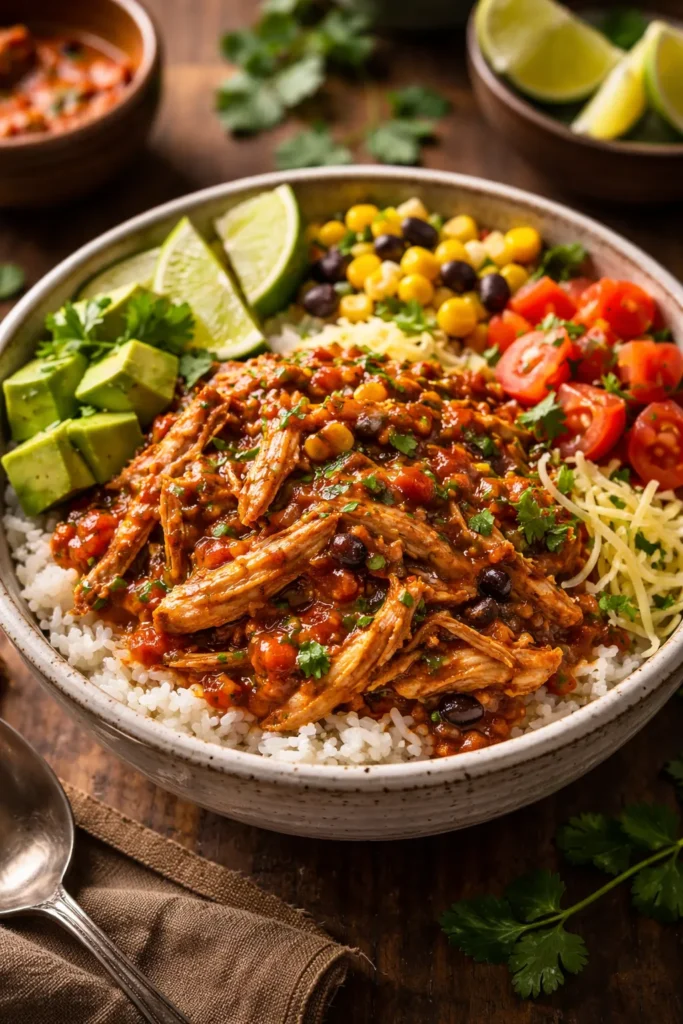
This is one of the most hands-off meals on this list. Two pounds of chicken (breasts or thighs, fresh or frozen), a jar of salsa or a can of Rotel tomatoes, a can of corn, a can of black beans, and a packet of taco seasoning. That’s the whole ingredient list. Dump everything in the slow cooker, cook on low for 6 hours, shred the chicken with two forks, and stir it all together.
The result is a thick, flavorful filling that works as a taco, a burrito bowl, a nacho topping, or eaten straight from a bowl with tortilla chips. Total cost for the full batch: roughly $8 to $9, which feeds a family of four to six.
Why the Slow Cooker Is a Budget Tool
The slow cooker is one of the best budget cooking appliances because it makes tough, inexpensive cuts of meat tender through long, gentle heat. Chicken thighs become fork-tender and absorb the seasoning all the way through. Frozen chicken goes directly in without thawing — just add an extra hour to the cook time.
If the mixture is too watery after shredding, stir in a cup of uncooked rice and let it cook on low for another 30 minutes. The rice absorbs the excess liquid and thickens the whole pot while adding even more volume.
Ways to Use This Filling All Week
- Taco night: serve in warmed tortillas with shredded cheese and lime
- Burrito bowls: over rice with avocado and sour cream
- Nachos: spread chips on a baking sheet, top with the filling and shredded cheese, and broil for 5 minutes
- Quesadillas: stuff between two tortillas with cheese and grill until crispy
Worth knowing: This filling freezes beautifully in zip-lock bags for up to 3 months.
15-Bean Soup with Kielbasa over Rice
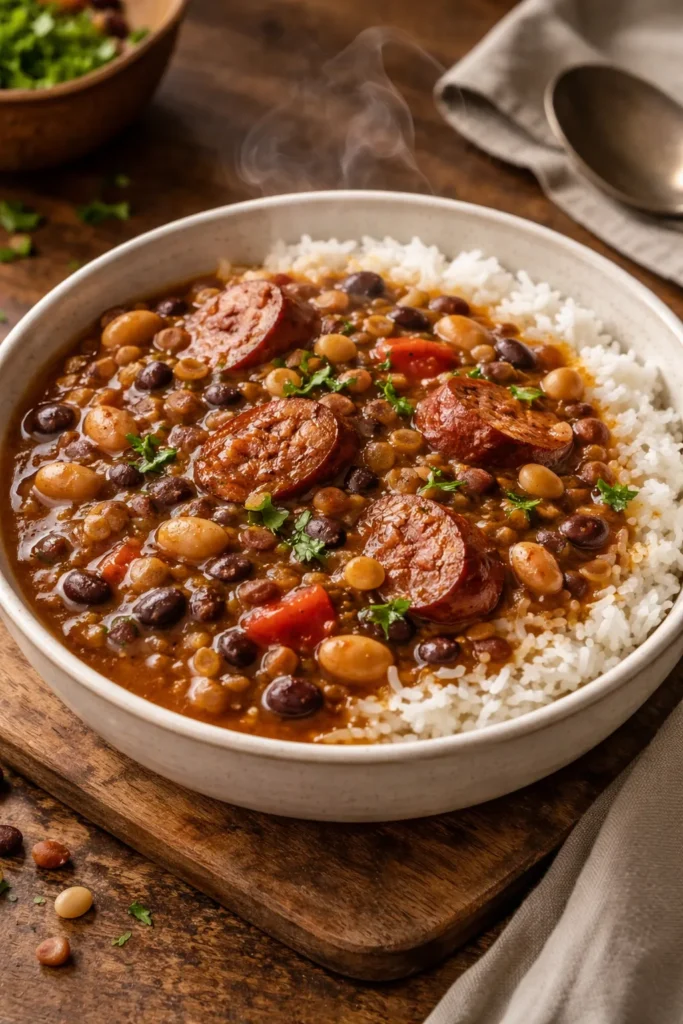
A bag of 15-bean soup mix with Cajun spices typically costs $3 at most grocery stores. Add a link of kielbasa ($3) and serve over white rice, and you’ve got one of the heartiest, most deeply flavored soups you’ll ever make for under $7.
The mixed bean situation is actually a feature, not a gimmick. Different beans cook at slightly different rates and have different textures, so the finished soup has an interesting variety of bite — some beans buttery soft, others with a little resistance. The smoked sausage permeates the whole pot with its flavor during the long simmer.
The Soak-Overnight Trick
Dried beans benefit enormously from an overnight soak in cold water, which reduces cooking time and improves digestibility. Drain and rinse them the next morning before adding to the pot with fresh water. This step also removes some of the compounds that cause… well, the side effects beans are famous for.
Simmer for about 90 minutes to 2 hours on the stovetop, or use a pressure cooker to get the same result in about 35 minutes. The Cajun spice packet that typically comes with the bean mix does most of the seasoning work, but taste and adjust with salt and black pepper toward the end.
Storage and Leftover Strategy
- This soup thickens dramatically in the fridge overnight — thin with broth or water when reheating
- Freeze individual portions in quart containers for easy weeknight meals
- Serve with cornbread for a complete, deeply satisfying meal that feels like serious cooking
Biscuits and Sausage Gravy

Few breakfasts-for-dinner options feel as indulgent as biscuits and gravy — and few cost as little. A tube of refrigerated biscuits runs about $2. Ground breakfast sausage (or a half-pound for a smaller household) costs $2 to $3. A packet of country gravy mix adds another $1. Milk is the final ingredient, and most households have it on hand.
The gravy is made by browning the sausage in a pan, stirring in the gravy mix, adding the milk, and whisking until thick and bubbling. Split the baked biscuits, ladle the gravy over the top, and that’s dinner. Serves four comfortably for under $6.
Why Breakfast for Dinner Works So Well
There’s a psychological comfort in eating morning food at night — it feels like an indulgence, a deliberate rule-breaking. Kids love it. Adults find it nostalgic. And it’s one of the fastest meals you can put on the table: biscuits bake in about 12 minutes, and the gravy comes together while they’re in the oven.
The key to excellent sausage gravy is not draining all the fat from the sausage. Leave it in the pan and let the fat toast the gravy mix slightly before adding the milk — this removes the raw flour taste and adds a nutty depth to the finished sauce.
Upgrade Options That Stay Cheap
- Add a pinch of red pepper flakes and smoked paprika to the gravy for a spicier version
- Scramble eggs on the side to make this a more complete meal with protein
- Make homemade buttermilk biscuits if you have 20 extra minutes — they’re infinitely better and cost about the same
Dirty Rice with Ground Beef
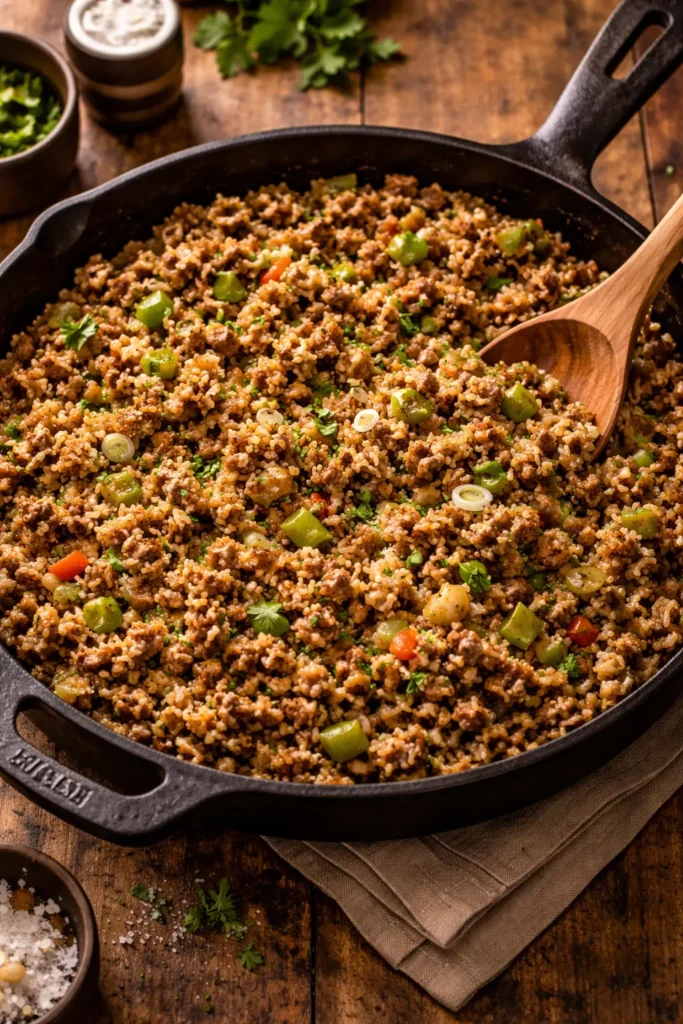
Dirty rice is a Southern staple that gets its name from the “dirty” look the cooked rice takes on from ground meat and browned bits. It’s also one of the most flavorful rice dishes you can make, and it comes together in a single skillet in about 30 minutes.
Brown a pound of ground beef with chopped onion, green bell pepper, and celery (the same Cajun holy trinity from the red beans recipe). Season aggressively with Cajun seasoning, garlic powder, and a bay leaf. Add frozen peas and carrots, uncooked white rice, enough water to cook the rice, and chicken bouillon to taste. Simmer covered until the rice is fluffy and has absorbed everything. Total cost: around $7 to $8.
The Single-Pan Advantage
Everything goes into one skillet or Dutch oven, which means minimal cleanup. The rice cooks directly in the seasoned meat and broth, absorbing all that flavor rather than being cooked separately and combined later. It ends up more cohesive and deeply seasoned than any rice dish you’d make in two separate pots.
This technique — cooking raw rice directly in a flavored liquid — works for numerous other budget dishes too, including Spanish rice, chicken and rice casseroles, and arroz con leche.
Variations That Cost Nothing Extra
- Add a can of diced tomatoes and reduce the water by half a cup for a tomato rice variation
- Swap ground beef for ground turkey for a leaner, slightly milder version
- Stir in a handful of frozen corn at the end for color and sweetness
Pro tip: If the rice starts sticking to the pan bottom before it’s fully cooked, add a small splash of water and keep the lid on tight for another 5 minutes. Steam will finish the job.
Pasta a la Norma (Roasted Eggplant Pasta)
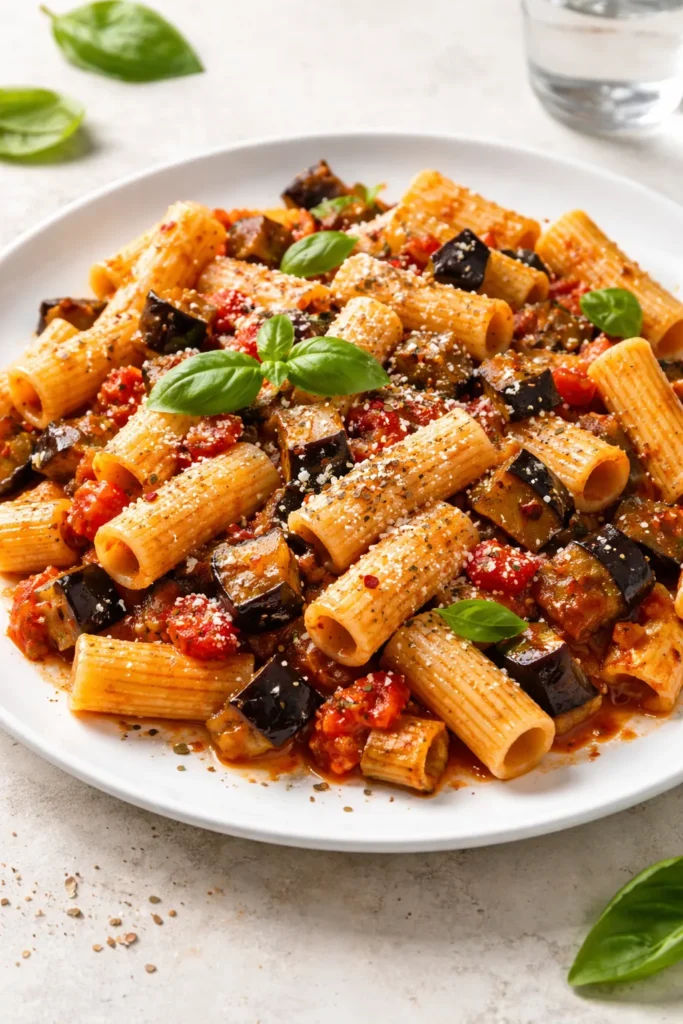
This Sicilian pasta dish is built around eggplant, crushed tomatoes, garlic, and pasta — ingredients that together cost well under $10 and produce something that tastes genuinely restaurant-worthy. Two eggplants, a box of rigatoni, a 28-ounce can of crushed tomatoes, garlic, olive oil, oregano, and Parmesan (optional but worth it) are all you need.
Cut the eggplant into 1-inch cubes, toss with olive oil, salt, and pepper, and roast at 425°F for about 25 minutes until caramelized and soft. Meanwhile, sauté garlic in olive oil, add the crushed tomatoes with oregano and red pepper flakes, and simmer for 15 minutes. Toss the roasted eggplant into the sauce, cook the pasta, combine, and finish with Parmesan.
What Roasting Does to Eggplant
Raw eggplant is slightly bitter and spongy. Roasted eggplant is nutty, sweet, slightly smoky, and intensely flavored. That transformation is the whole point of this dish. Don’t rush the roasting step — the edges need to caramelize properly, which means not overcrowding the baking sheet. Use two sheets if necessary and give every cube room to breathe.
Salting eggplant before cooking used to be standard advice to draw out bitterness. Modern eggplant varieties have been bred to be milder, so this step is optional, but if you have an extra 20 minutes, it’s still worth doing for texture.
Why This Is One of the Best Meatless Budget Meals
The eggplant provides a meaty, substantial bite that makes this feel filling in a way that plain tomato pasta doesn’t. Combined with the Parmesan, which adds umami depth, this is a completely satisfying vegetarian dinner that doesn’t feel like anything is missing.
Pork Shoulder in the Slow Cooker with Tacos
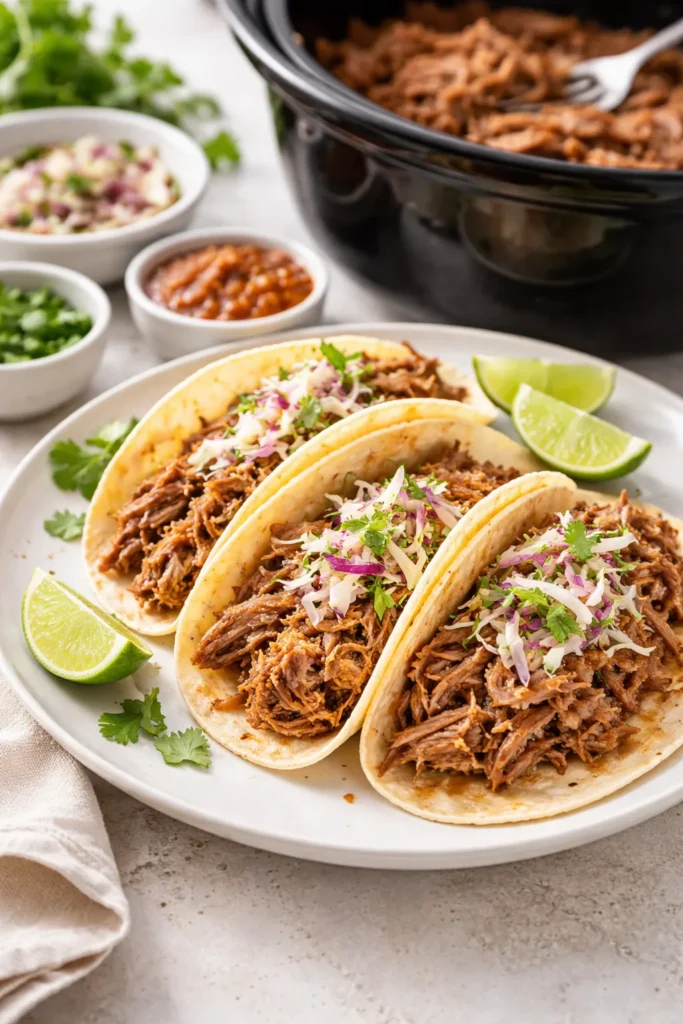
A whole pork shoulder — also called pork butt — is one of the most affordable cuts of meat you can buy, often running under $2 a pound. Even at that price, you get a cut that, cooked low and slow, produces pounds of tender, shredded meat that can anchor multiple meals across the week.
Season the pork generously with salt, garlic powder, cumin, and smoked paprika. For a tropical twist, add sliced jalapeños, a diced onion, and a can of pineapple chunks to the slow cooker alongside the meat. Cook on low for 8 to 10 hours. Shred with two forks and ladle the juices back over the meat.
Getting Multiple Meals From One Cook
A 3-pound pork shoulder at $1.99 per pound costs $6. It produces enough meat for:
- Night one: Pulled pork served over white rice with the cooking juices as a sauce
- Night two: Pork tacos with a simple slaw (cabbage, lime juice, salt)
- Night three: Pork fried rice using leftover rice and whatever vegetables are in the fridge
That’s three separate dinners from a single $6 to $8 investment, which makes the per-meal cost genuinely remarkable.
The Slaw That Costs Almost Nothing
A quarter head of green cabbage, thinly sliced, tossed with lime juice, a little salt, and a pinch of sugar is all you need. It costs under $1, takes 5 minutes, and cuts through the richness of the pork beautifully. If you have cilantro, add it. If you don’t, the slaw is still excellent.
Drumstick and Carrot Broth Soup
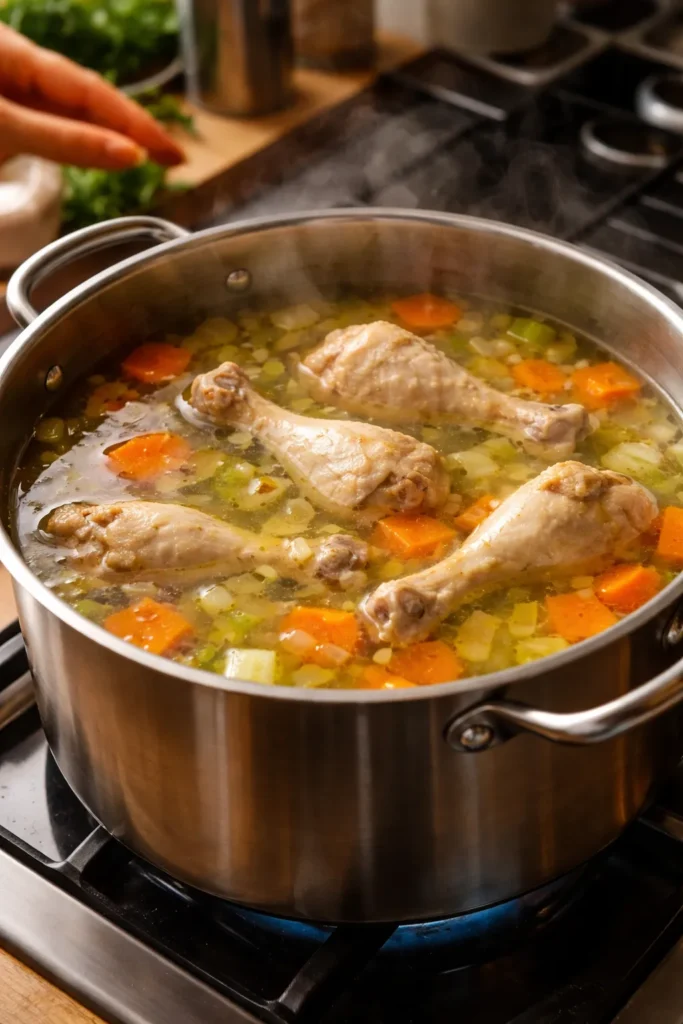
A 5-pound bag of chicken drumsticks from a warehouse or discount store typically costs around $6. Simmer the whole bag in a large pot of water for about 3 hours, then remove the chicken, let it cool, and pull all the meat from the bones. Return the meat to the pot, add 6 large chopped carrots and a container of additional chicken broth, and simmer until the carrots are tender.
The result is a genuinely made-from-scratch chicken soup that costs around $8 to $9 total and feeds a family of six. Add egg noodles, rice, or extra vegetables if your budget allows — or serve it plain as the deeply comforting, clear broth soup it already is.
Why Bone-In Chicken Makes Superior Broth
The collagen in chicken bones dissolves during long simmering and gives the broth a silky, slightly thick texture that carton broth simply doesn’t have. The fat from the skin adds richness. By the time the chicken has been simmering for 3 hours, the broth in the pot is genuinely stock-quality — the kind restaurants charge significantly more to produce.
Don’t salt the broth until the very end, once you’ve tasted it and adjusted. The broth reduces and concentrates during cooking, so early salting can lead to an oversalted result.
Variations on the Base
- Add orzo or egg noodles to turn it into chicken noodle soup
- Stir in frozen corn and diced tomatoes for a Mexican-style chicken soup
- Add a can of white beans and some kale for a minestrone-adjacent version
Worth knowing: Freeze the extra broth in ice cube trays, then transfer to a bag. Use the cubes for seasoning rice, deglazing pans, or reheating leftovers with added moisture.
Thai-Style Coconut Curry with Chicken

Mae Ploy or Maesri curry paste (sold in Asian grocery stores and the international aisle of larger supermarkets) costs about $5 for a container that makes 10 to 15 servings. A can of coconut milk runs $1 to $2. Add a pound of chicken thighs ($3 to $4 on sale), some diced potato and carrot, and fish sauce, and you’ve got a legitimate Thai curry for under $10 per batch.
Fry a tablespoon of curry paste in a splash of oil until fragrant — about 60 seconds. Pour in the coconut milk and stir to combine, then add the chicken, potato, carrot, a teaspoon of fish sauce, and a pinch of brown sugar. Simmer until the chicken is cooked through and the vegetables are tender, about 20 minutes. Serve over rice.
The Pantry Investment That Pays Off
Curry paste and fish sauce are upfront investments that pay dividends across dozens of meals. Fish sauce smells aggressively funky while cooking but adds an almost irreplaceable depth of umami flavor to anything it touches — a little goes a long way, and a bottle lasts for many meals. Once you have these pantry staples on hand, the per-meal cost of this dish drops dramatically.
Brown sugar balances the heat and saltiness. Lime juice squeezed over the finished bowl brightens every flavor. Don’t skip either of these finishing touches.
Adjusting the Heat Level
- Mae Ploy red curry paste is moderately spicy — green is hotter, massaman is milder
- Add less paste for a gentler heat level, or serve with extra coconut milk on the side
- A dollop of plain yogurt or sour cream stirred in at the end tempers the spice without affecting the flavor
Breakfast Tacos with Egg, Potato, and Cheese

Egg, potato, and cheese breakfast tacos are proof that the best food is often the simplest. A package of 10 flour tortillas costs $1.50. A dozen eggs runs around $3.50. Six ounces of sharp cheddar cheese is about $3. Three medium potatoes add another $2. Total: $10 or under, with enough filling for 8 to 10 tacos.
Microwave the potatoes until fork-tender (about 10 to 11 minutes), then roughly chop them. Whisk the eggs with a little water, salt, and any spices you like. Melt butter in a skillet over medium heat, pour in the eggs, and as they begin to set, add the chopped potatoes and scatter the cheese over the top. Turn off the heat when the eggs are just slightly underdone — carryover heat will finish them perfectly.
The Texture Secret
The biggest mistake people make with scrambled eggs is cooking them on too high a heat for too long. You want the heat low enough that the eggs set gently and slowly, producing soft, creamy curds rather than rubbery chunks. Pulling them from the heat while they still look slightly wet is the professional approach — they’ll finish cooking in 30 seconds from residual heat.
Toasting the tortillas directly over a gas flame for about 10 seconds per side (using tongs) gives them a slight char and a pliable texture that beats microwave-warming every single time.
Building Out the Taco Bar Cheaply
- A jar of salsa or hot sauce adds zero cost if you already have it on hand
- Sliced avocado adds maybe $1 to the total cost and makes these feel like restaurant tacos
- Black beans on the side, seasoned with cumin and lime, turn this into a full, balanced meal
Final Thoughts

The meals on this list share a common thread: they all rely on technique and seasoning rather than expensive ingredients to deliver real flavor. Crispy chicken thighs and creamy veggie pasta and slow-cooked pork shoulder aren’t budget dinners that settle for less — they’re genuinely delicious food that happens to cost very little.
The other thing they share is flexibility. Almost every dish here works as a launching pad for customization, improvisation, and leftovers. That’s the practical value of budget cooking that often goes unappreciated — these aren’t just cheap dinners, they’re versatile foundations that stretch your grocery spend across multiple meals and multiple days.
Start with two or three from this list that match ingredients you already have in your pantry. Once you see how satisfying — and how affordable — they actually are, the rest of the list will start to look less like budget compromises and more like a reliable rotation of meals worth making again and again.