There’s a particular kind of satisfaction that comes from biting into a crab cake you made yourself — a golden, crackling crust giving way to sweet, tender chunks of real crab meat inside. No fishy smell, no pasty filler, no disappointment. Just pure coastal flavor on your own kitchen table.
The challenge is that most home cooks treat crab cakes as restaurant-only territory. They look at the price of lump crab meat, imagine some complicated technique, and talk themselves out of it. That’s a shame, because crab cakes are one of the most forgiving, flexible, and genuinely rewarding seafood dishes you can make at home — once you understand a few non-negotiable principles.
What actually separates a transcendent crab cake from a mediocre one? Crab-to-filler ratio is the starting point. The best versions use just enough binder to hold things together — a bit of mayo, an egg, a modest handful of breadcrumbs — and nothing more. Every extra tablespoon of filler you add is a tablespoon that pushes the crab further into the background. The second factor is chilling the formed patties before cooking. Skip that refrigerator rest and they’ll fall apart in the pan every single time.
Whether you lean toward the stripped-back elegance of a true Maryland-style cake or you want a spicy, sauced-up version that makes a full dinner out of itself, the eight recipes below cover every version worth knowing. Each one uses a slightly different technique or flavor profile — giving you options for any occasion, any budget, and any cooking method you have available.
Table of Contents
- 1. Classic Maryland-Style Lump Crab Cakes
- What Makes It Authentically Maryland
- Ingredients and Quick Method
- 2. Panko-Crusted Pan-Fried Crab Cakes
- Building the Double-Panko Crust
- Ingredients and Quick Method
- 3. Easy 30-Minute Crab Cakes with Canned Crab Meat
- Why Canned Crab Works Better Than You’d Think
- Ingredients and Quick Method
- 4. Baked Crab Cakes for a Lighter Weeknight Dinner
- The High-Heat Baking Method
- Ingredients and Quick Method
- 5. Air Fryer Crab Cakes with Lemon Garlic Aioli
- The Aioli That Makes This Version Shine
- 6. Spicy Cajun Crab Cakes with Sriracha Remoulade
- The Sriracha Remoulade
- Ingredients and Quick Method
- 7. Crab Cake Sliders on Brioche Buns
- Building the Perfect Slider
- 8. Kenji-Style No-Filler Crab Cakes with Panko Crust (One Side Only)
- The Foil-Log and Freeze Method
- Ingredients and Quick Method
- Tips That Apply to Every Crab Cake Recipe
- Sauces That Work With Any Crab Cake
- Storing, Reheating, and Freezing Crab Cakes
- What to Serve Alongside Crab Cakes
- Final Thoughts
1. Classic Maryland-Style Lump Crab Cakes
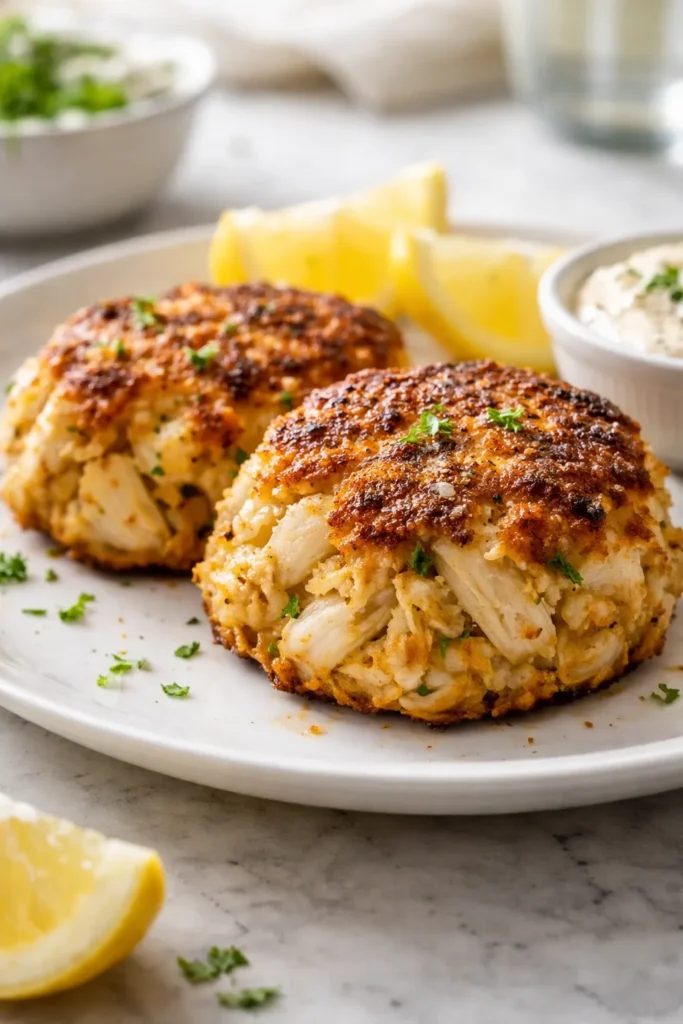
Maryland crab cakes are the gold standard, and for good reason. The tradition along the Chesapeake Bay has always been simple: use the best crab you can find, season it lightly, and let the meat speak for itself. No corn, no peppers, no unnecessary additions. Just lump crab, a whisper of Old Bay, and a quick sear until golden.
The key ingredient here is jumbo lump crab meat, sourced fresh from the seafood counter — not the shelf-stable canned stuff. Fresh-picked blue crab from the Chesapeake is the classic choice, though high-quality refrigerated crab (like Phillips brand) works well when fresh isn’t available. The difference in sweetness and texture between fresh and pasteurized canned crab is significant enough to matter in a recipe this minimal.
What Makes It Authentically Maryland
True Maryland crab cakes skip the celery, skip the hot sauce, and skip anything that would distract from the briny sweetness of blue crab. The seasoning is almost entirely Old Bay — that iconic blend of celery salt, paprika, and bay leaf that defines mid-Atlantic seafood cooking. A touch of Dijon mustard and a splash of Worcestershire sauce round out the binder without overwhelming it.
Chilling is non-negotiable here. Once you’ve formed the patties (about ½ cup of mixture each, shaped into thick disks rather than flat hamburger patties), they need at least one full hour in the refrigerator before hitting the pan. This firming step is what separates crab cakes that hold together from ones that collapse into an expensive mess.
Ingredients and Quick Method
- 1 lb fresh lump crab meat, picked for shell fragments
- 2 large eggs
- 2½ tablespoons good-quality mayonnaise (Hellmann’s or Duke’s)
- 1½ teaspoons Dijon mustard
- 1 teaspoon Worcestershire sauce
- 1 teaspoon Old Bay seasoning
- ¼ teaspoon salt
- 2 tablespoons fresh parsley, finely chopped
- ½ cup panko breadcrumbs
- Vegetable oil, for pan-frying
Whisk the eggs, mayo, mustard, Worcestershire, Old Bay, salt, and parsley together, then fold in the crab and panko with a rubber spatula — gently, so the lumps stay intact. Form into 6 patties, chill for 1 hour minimum, then pan-fry in a thin layer of oil over medium heat for 3 to 5 minutes per side until deeply golden.
Pro tip: If the pieces of jumbo lump are especially large, break them up just slightly before folding — cakes made with clumps that are too big tend to crack apart at the seams when you flip them.
2. Panko-Crusted Pan-Fried Crab Cakes
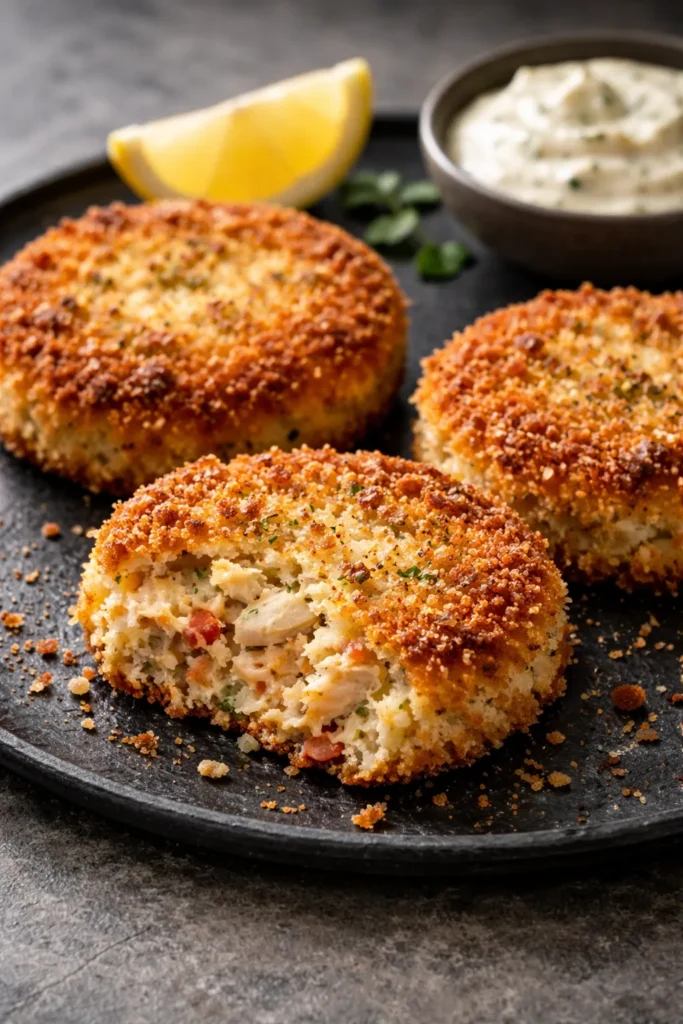
This version doubles down on crunch by using panko breadcrumbs two ways: inside the patty mixture as a binder, and pressed onto the outside surface of each formed cake just before frying. That exterior coating is what delivers the kind of crackling, shattering crust you’d expect from a high-end restaurant.
Panko is the right breadcrumb for this job, full stop. Regular Italian breadcrumbs absorb too much moisture and produce a dense, slightly gummy crust. Panko stays light and airy in the pan, developing a shaggy, irregular surface that browns evenly and stays crisp even after plating.
Building the Double-Panko Crust
The trick is to add ¾ cup panko inside the crab mixture, refrigerate the formed patties for at least 4 hours (overnight is even better), then press the exterior of each patty into a separate shallow bowl of panko right before frying. That final coat should adhere firmly — press it in with both hands, not just a light dusting. Any loose crumbs that fall off in the oil will burn and create a bitter, acrid note, so shake off the excess before the cakes hit the pan.
Oil temperature matters more than most recipes acknowledge. Medium heat is the target — not medium-high, not a ripping hot pan. If the oil is too hot, the panko exterior burns to a deep mahogany before the interior has had time to warm through. You want a steady, confident sizzle, not a violent splatter.
Ingredients and Quick Method
- 1 lb lump crab meat, drained and patted dry
- ¼ cup mayonnaise
- 1 large egg
- 1 teaspoon Worcestershire sauce
- 2 teaspoons fresh lemon juice
- 2 teaspoons Cajun seasoning
- 1 teaspoon dry mustard
- ½ teaspoon salt, ¼ teaspoon black pepper
- 2 green onions, thinly sliced
- 1¼ cups panko, divided (¾ cup inside the mix, ½ cup for exterior coating)
- ¼ cup vegetable oil for frying
Combine the wet ingredients and seasonings first, fold in crab, green onions, and ¾ cup panko, form into 9 patties, refrigerate 4 hours, then coat exterior in remaining panko and pan-fry 4 to 5 minutes per side until deeply golden.
Pro tip: Use a wire rack set over a baking sheet to rest the cakes after frying — not paper towels. Paper towels trap steam against the crust and soften it within minutes. The wire rack keeps air circulating underneath, preserving that crunch.
3. Easy 30-Minute Crab Cakes with Canned Crab Meat
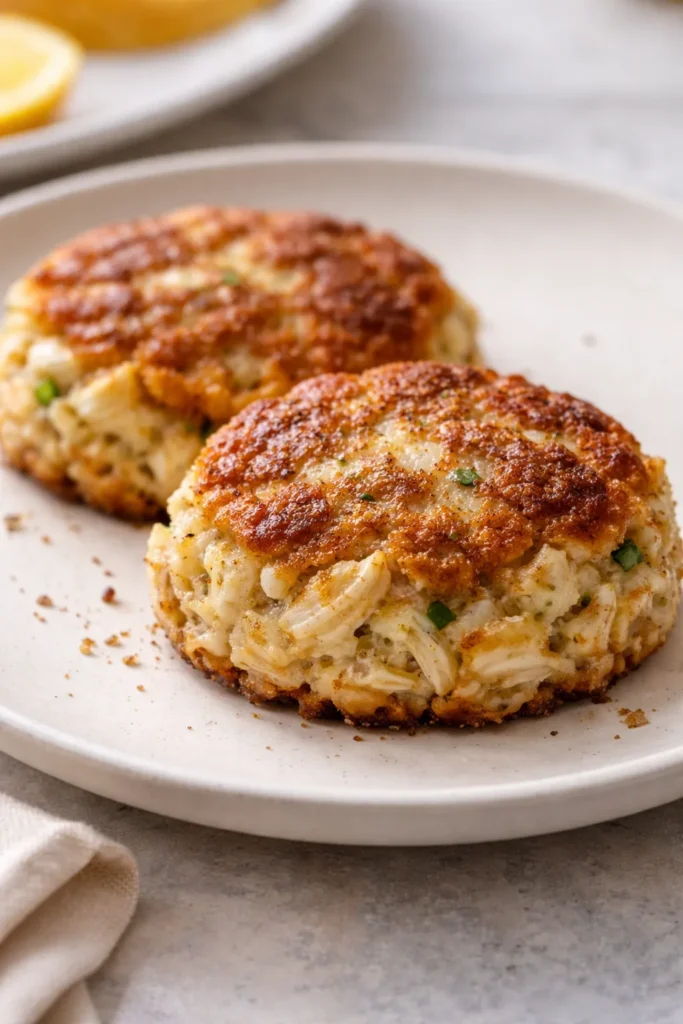
Fresh lump crab meat is wonderful, but at $25 to $30 per pound, it’s not an everyday ingredient for most households. The good news is that canned lump crab meat produces genuinely delicious crab cakes — particularly with the right technique — at a fraction of the cost. This recipe is designed specifically around canned crab, with a few adjustments that compensate for the higher moisture content.
The single most important step when using canned crab is draining it aggressively. Open the cans, drain the liquid, then transfer the crab to a clean kitchen towel or several layers of paper towels and press firmly to extract as much remaining moisture as possible. Wet crab meat = crab cakes that won’t hold together and won’t brown properly.
Why Canned Crab Works Better Than You’d Think
Canned lump crab has a slightly softer texture than freshly picked meat, but that’s actually an advantage in terms of binding — the mixture comes together more cohesively without needing extra binder. Keep the seasoning bright and forward (more lemon, a bit of hot sauce, fresh herbs) and the difference between canned and fresh is far less dramatic than crab cake purists claim.
This version comes together in under 30 minutes if you refrigerate the patties for just 30 minutes instead of the longer rest used in other versions. The shorter chill is a compromise, but it works here because the softer texture of canned crab holds its shape more readily.
Ingredients and Quick Method
- 12 oz (about 3 to 4 small cans) lump crab meat, drained and squeezed very dry
- 1 large egg
- 3 tablespoons mayonnaise
- 1 tablespoon minced green onions
- 4 teaspoons fresh lemon juice
- 1 teaspoon dried tarragon (or 1 tablespoon fresh dill as an alternative)
- ⅛ teaspoon red pepper flakes
- ½ cup crushed buttery round crackers (like Ritz) or panko
- 1 tablespoon butter for frying
Whisk the egg, mayo, onions, lemon juice, tarragon, and pepper flakes together, fold in the crab and crushed crackers until just combined, form into 4 large patties, refrigerate 30 minutes, then cook in butter over medium heat for 5 to 6 minutes per side until golden brown.
Pro tip: Crushed buttery crackers (rather than panko) work particularly well in this version. They absorb the extra moisture from canned crab while adding a rich, slightly salty flavor that amplifies the seafood taste.
4. Baked Crab Cakes for a Lighter Weeknight Dinner
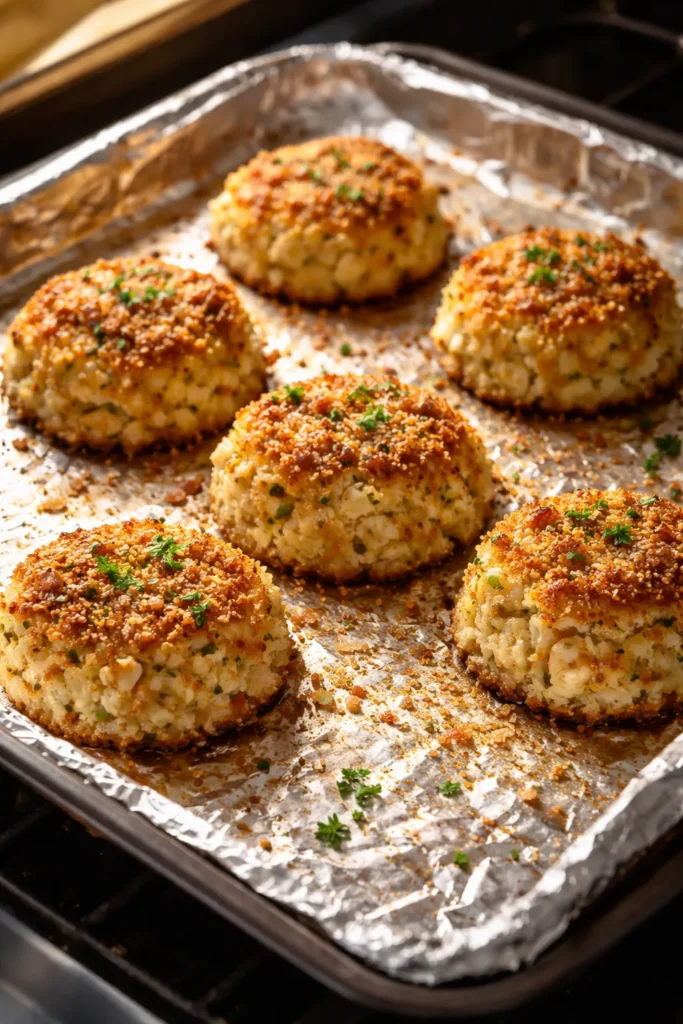
Pan-frying produces the crispiest crab cakes, but baking is a completely legitimate cooking method — especially on a weeknight when you don’t want to babysit a hot skillet through multiple batches. Baked crab cakes are less messy, more hands-off, and significantly lighter in fat without sacrificing flavor.
The honest trade-off is that baked crab cakes won’t develop quite the same shatteringly crisp exterior as their pan-fried counterparts. You can close that gap considerably by baking at a high temperature (450°F) and finishing under the broiler for the final 2 to 3 minutes. That broiler blast creates enough surface browning to approximate the color and texture you’d get from a skillet.
The High-Heat Baking Method
Preheat the oven to 450°F and line a baking sheet with foil. Lightly grease the foil — this step matters more than most people realize, because crab cakes have a tendency to stick and tear apart when you try to remove them from an ungreased surface. A light spray of cooking oil is sufficient.
Space the crab cakes at least 2 inches apart so hot air can circulate freely around each one. Bake for 13 to 18 minutes, depending on their thickness, until they’re firm to the touch and golden at the edges. If they’re not as brown as you’d like, switch the oven to broil for 2 to 3 minutes — but watch them closely. The difference between perfectly browned and burned under a broiler is about 90 seconds.
Ingredients and Quick Method
Use the same base mixture as the Classic Maryland version (1 lb lump crab, 2 eggs, mayo, Dijon, Old Bay, panko). After forming and chilling the patties, place on a greased foil-lined baking sheet and bake at 450°F for 13 to 18 minutes, then broil 2 to 3 minutes for color.
Pro tip: A light brush of melted butter on top of each patty before baking encourages better browning without the mess of a frying pan. It also adds richness that partially compensates for the absence of a hot butter-seared crust.
5. Air Fryer Crab Cakes with Lemon Garlic Aioli
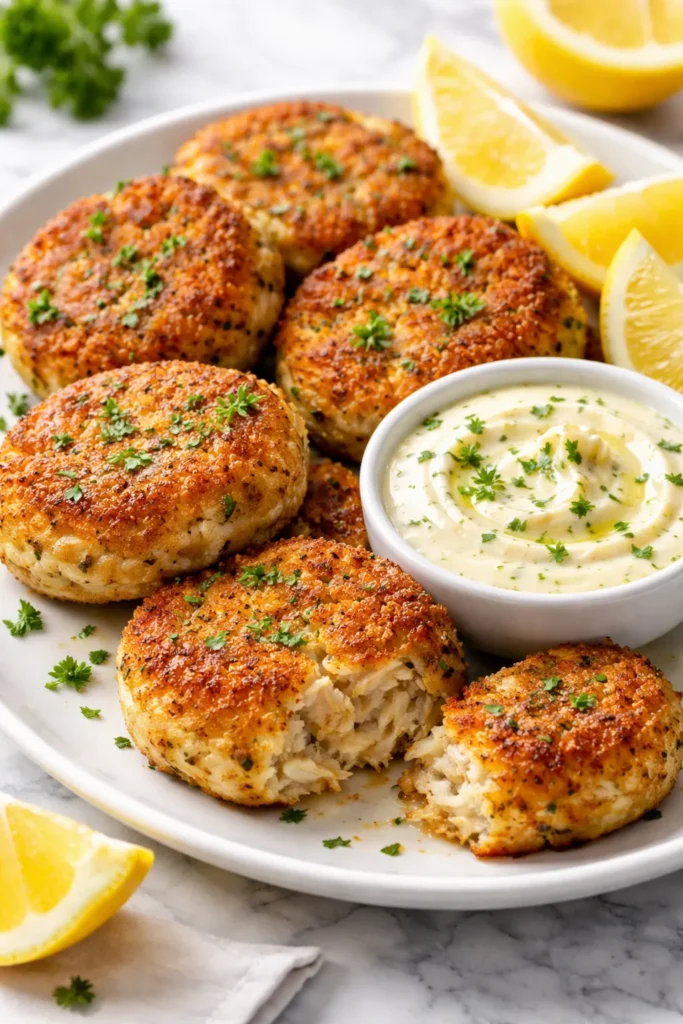
The air fryer turns out genuinely excellent crab cakes — crispier than the oven version, faster than the stovetop method, and with almost no cleanup. It’s become a preferred cooking method for a reason, and crab cakes respond particularly well to the circulating hot air that an air fryer produces.
Set your air fryer to 375°F. Spray the basket with cooking spray before adding the cakes, and don’t overcrowd — leave at least an inch of space between each patty so the hot air can reach every surface. Cook for 10 to 12 minutes total, flipping carefully at the halfway point, until the exterior is golden and the cakes are hot all the way through.
The Aioli That Makes This Version Shine
A quick lemon garlic aioli transforms these from a simple preparation into something that feels intentional and complete. Whisk together ½ cup good mayo, 1 small garlic clove (grated on a microplane, not minced), the zest and juice of half a lemon, a pinch of salt, and a crack of black pepper. That’s it — 90 seconds of work, and you have a sauce that cuts through the richness of the crab cake perfectly.
The aioli can be made up to 2 days in advance and stored covered in the refrigerator. If anything, it gets better after a few hours as the garlic mellows slightly.
Pro tip: If your air fryer tends to run hot, check the cakes at the 8-minute mark and adjust accordingly. Air fryer temperatures vary between brands and models more than most people account for.
6. Spicy Cajun Crab Cakes with Sriracha Remoulade
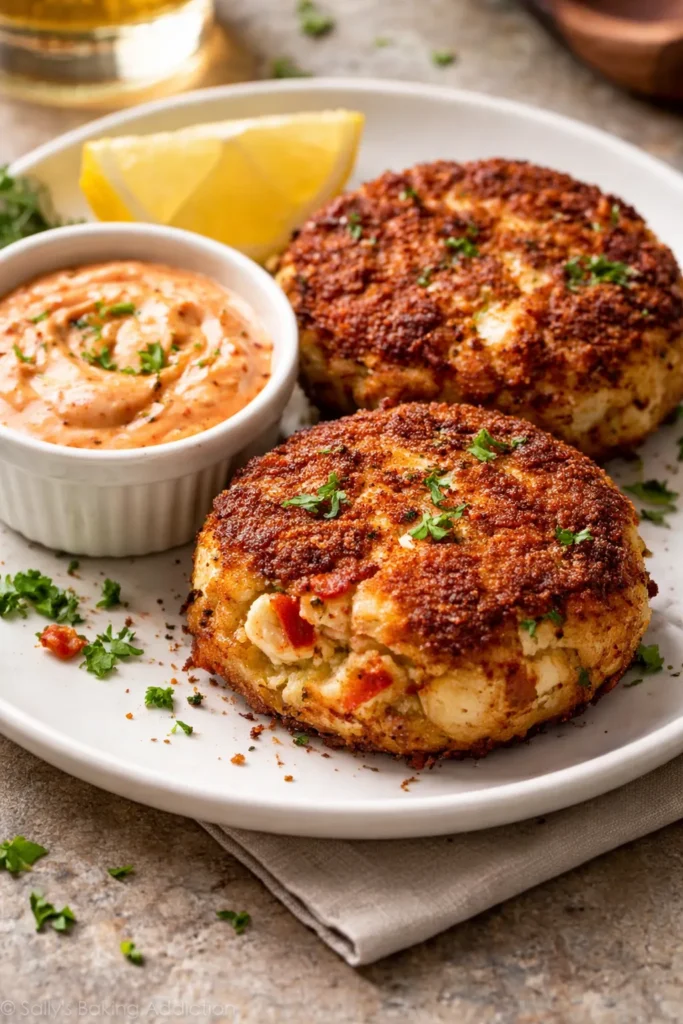
For anyone who finds the classic Maryland version a bit reserved, this Cajun-spiced variation brings a completely different energy. Cajun seasoning replaces Old Bay as the primary spice, sriracha goes into the binder, and the whole thing is served with a sriracha remoulade that adds both heat and creaminess to every bite.
Cajun seasoning does double duty here — it seasons the crab mixture and coats the exterior of each patty before frying, creating a spiced crust that blooms in the hot oil. Start with 2 teaspoons of Cajun seasoning if you want moderate heat, and push it to a full tablespoon if your palate runs hot.
The Sriracha Remoulade
This is not the kind of sauce you’ll want to skip. Whisk together ¾ cup mayo, 2 tablespoons sriracha, 1 tablespoon Dijon mustard, 1 tablespoon fresh lemon juice, 1 teaspoon Worcestershire sauce, 1 small garlic clove (grated), and a pinch of smoked paprika until smooth. Taste and adjust the sriracha level to your preference — the sauce should be recognizably spicy but not so hot that it overwhelms the crab underneath.
Ingredients and Quick Method
- 12 oz lump crab meat
- 1 large egg
- 3 tablespoons mayonnaise
- 1 teaspoon sriracha (or more to taste)
- 2 tablespoons fresh parsley, chopped
- 3 green onions, chopped
- ½ cup panko breadcrumbs
- 2 teaspoons Cajun seasoning (divided: 1 for the mix, 1 for exterior dusting)
- Salt and pepper to taste
- 2 tablespoons olive oil for frying
Combine, form 12 smaller patties (they work well as an appetizer at this size), chill 30 minutes, dust with remaining Cajun seasoning, and pan-fry 5 minutes per side.
Pro tip: Smaller patties (about 2 tablespoons of mixture each) are ideal when serving these as a passed appetizer or as part of a larger spread. They’re also easier to flip without breaking.
7. Crab Cake Sliders on Brioche Buns
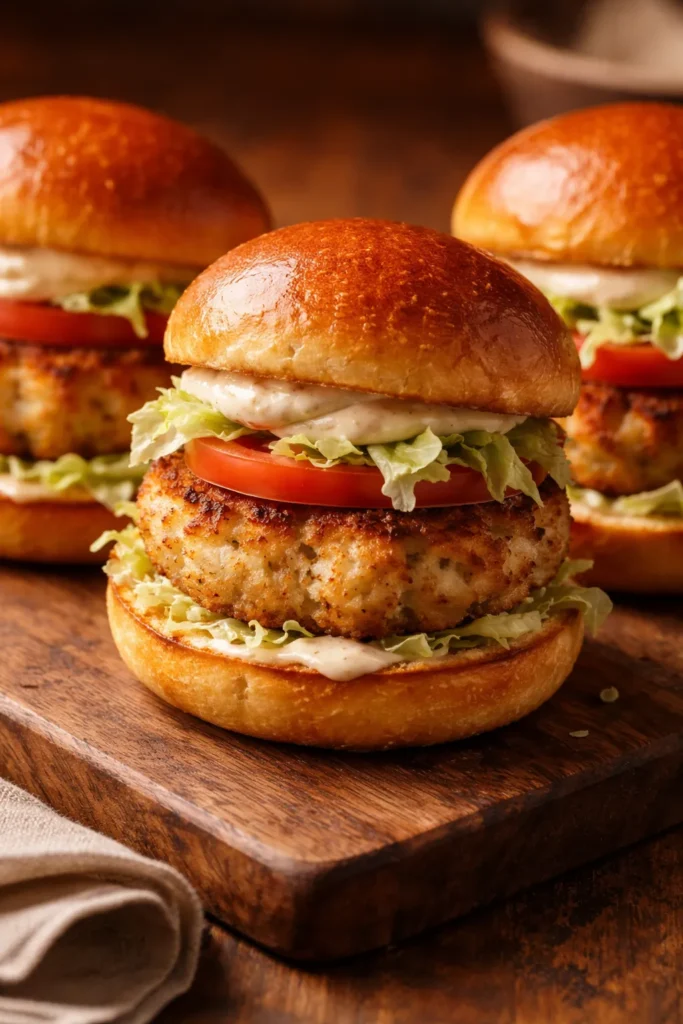
Turning crab cakes into sliders is one of those simple ideas that dramatically expands how you can serve them. Formed slightly smaller than a standard cake — about 2½ to 3 inches across — and stacked onto soft brioche buns with a smear of remoulade, shredded iceberg, and a thin slice of tomato, they become a proper meal rather than an appetizer.
The brioche bun is not a casual choice. Brioche’s slight sweetness and buttery richness complements the savory crab cake without competing with it, in a way that a standard hamburger bun simply doesn’t. Toast the buns cut-side down in a dry skillet over medium heat for about 90 seconds — just until golden — before assembling. That toasted surface keeps the bottom bun from absorbing moisture and going soggy within minutes of building the slider.
Building the Perfect Slider
Layer order matters more than people think. Spread the remoulade on both the top and bottom bun (not just one side), then add the crab cake directly on the bottom bun while it’s still hot from the pan. Follow with a small amount of shredded iceberg (it stays crisp longer than leaf lettuce), then a thin tomato slice, then the top bun. The crab cake should be the first thing your teeth hit when you bite in — not buried under a pile of toppings.
These work as a casual dinner party main, a game-day spread, or a weekend lunch with a cold beer. One pound of crab meat makes about 8 to 10 slider-sized cakes, which feeds 4 people comfortably at 2 to 3 sliders each.
Pro tip: Make the crab cakes and the sauce up to 24 hours ahead. Toast the buns and assemble just before serving — sliders assembled in advance get soggy and fall apart on the plate.
8. Kenji-Style No-Filler Crab Cakes with Panko Crust (One Side Only)
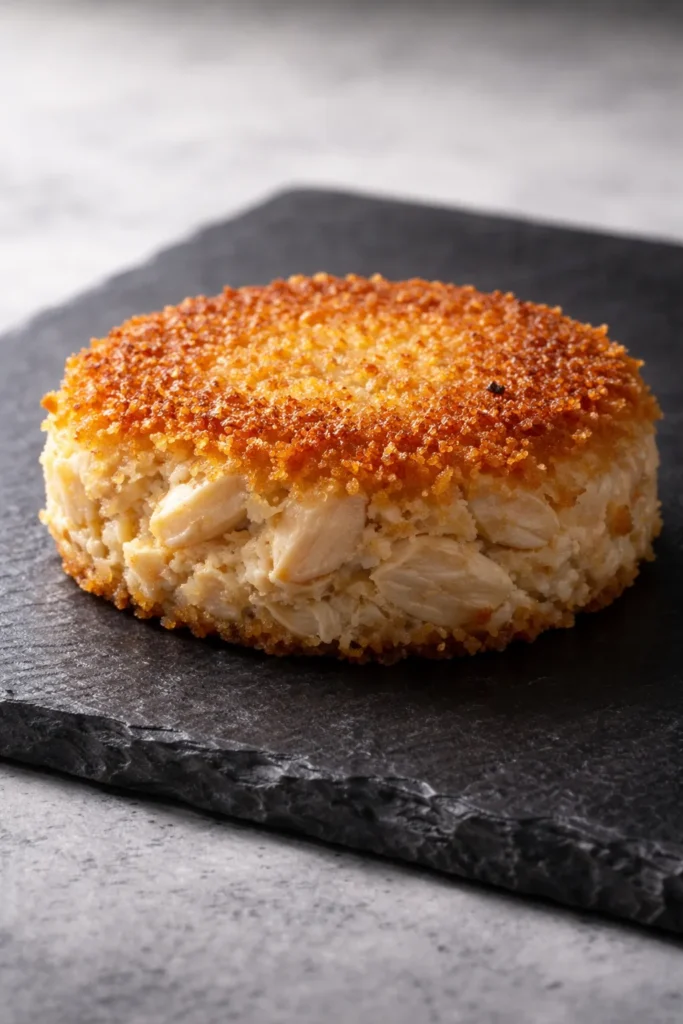
This is the technique-forward version of the bunch — the one that produces the most texturally impressive crab cake, with zero starchy filler inside and a crackling panko crust on exactly one side. It comes from the school of thinking that a crab cake should taste almost entirely of crab, with the breading playing a purely structural role.
The challenge with removing starchy binders entirely is that the mixture becomes almost impossibly loose and difficult to form. The solution, adapted from a technique used in professional kitchens to make soft croquettes, is to form the crab mixture into a log inside aluminum foil, freeze it partially until it’s firm enough to slice into clean disks, then bread just one face of each disk before cooking.
The Foil-Log and Freeze Method
On a sheet of aluminum foil, form the crab mixture (1 lb crab, 2 tablespoons mayo, 2 tablespoons mixed fresh herbs, 1 egg — nothing else) into a rough log about 6 inches long and 2½ inches wide. Wrap tightly in the foil, twisting the ends to compress it into a compact cylinder. Freeze for 45 to 50 minutes — not fully frozen, just firm enough that a sharp knife slices through cleanly without the mixture pulling apart.
Once sliced into disks about ¾ inch thick, dredge one flat face of each disk in panko breadcrumbs, pressing firmly so they adhere. Leave the foil liner in place around the sides of each disk — it acts as a mold that holds the cake together during the first crucial minutes in the pan.
Ingredients and Quick Method
- 1 lb fresh lump or jumbo lump crab meat
- 2 tablespoons mayonnaise
- 2 tablespoons mixed fresh herbs (chives, tarragon, parsley — your choice)
- 1 large egg
- 1½ cups panko (for one-sided breading)
- 3 tablespoons butter
- 3 tablespoons neutral oil (canola or vegetable)
- Kosher salt to taste
After slicing and one-side breading, cook panko-side down in a butter-and-oil mixture over medium-high heat for 4 to 5 minutes until the crust is deep golden and crisp. Carefully peel away the foil, spoon some of the browned butter over the bare top surface, then transfer the pan to a broiler set on high for 3 to 4 minutes until the top surface is lightly browned and the cakes are cooked through.
Pro tip: This method requires a broiler-safe skillet — cast iron or stainless steel. Don’t use a non-stick pan here, as most non-stick coatings can’t handle broiler temperatures safely.
Tips That Apply to Every Crab Cake Recipe
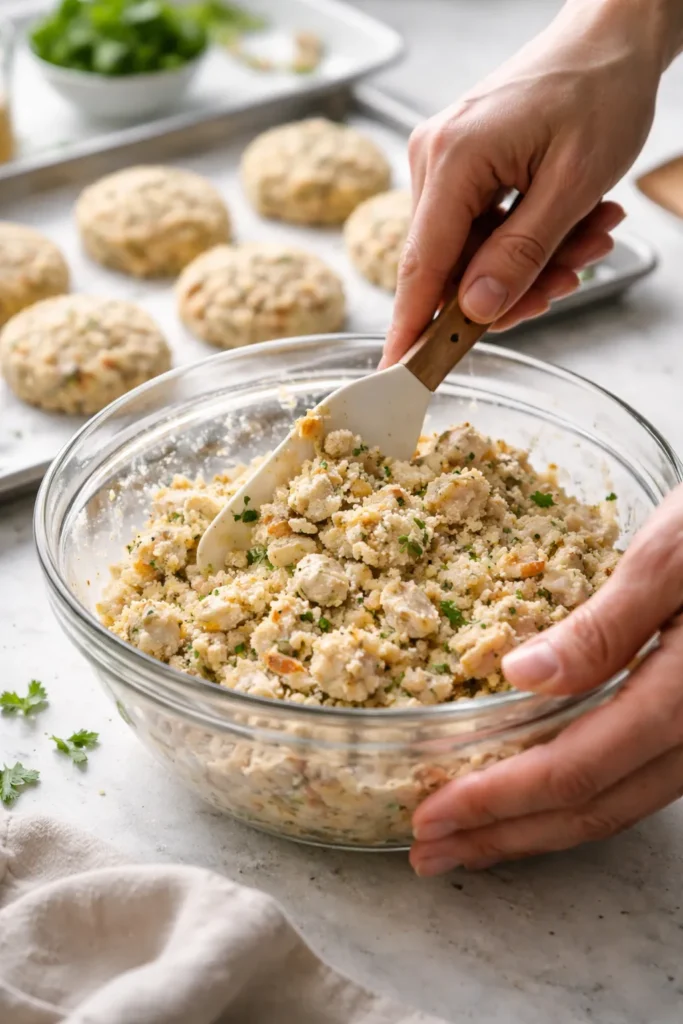
Regardless of which version you make, a handful of principles hold true across all of them. Understanding these will make you a more confident crab cake cook — someone who can troubleshoot on the fly rather than panic when something looks slightly off.
Don’t skip the refrigerator rest. Every recipe above calls for chilling the formed patties before cooking, and that instruction isn’t optional. The cold firms up the mayo and egg binder, tightens the mixture, and gives the breadcrumbs time to absorb ambient moisture from the crab. A cake that’s been chilled for 1 hour will hold together dramatically better than one that goes straight from the mixing bowl to the pan.
Fold, don’t stir. The moment you start stirring crab cake mixture aggressively, you’re shredding the lump crab into smaller and smaller fragments. Use a rubber spatula and a gentle folding motion — the same motion you’d use to incorporate egg whites into a batter. Some visible lumps of crab in the mixture are a feature, not a problem.
Use a non-stick or well-seasoned cast iron pan. Crab cakes stick more readily than most pan-fried foods because of the egg in the binder. A non-stick surface makes flipping easier and significantly reduces the chance of the cakes cracking apart when you try to turn them. If you’re using cast iron, make sure it’s genuinely well-seasoned and hot before the cakes go in.
Check for shell fragments. This sounds tedious, but running your fingers through the crab meat before mixing takes about 90 seconds and prevents the deeply unpleasant experience of biting down on a sharp fragment of shell mid-dinner. Spread the crab out on a plate and work through it systematically.
Sauces That Work With Any Crab Cake
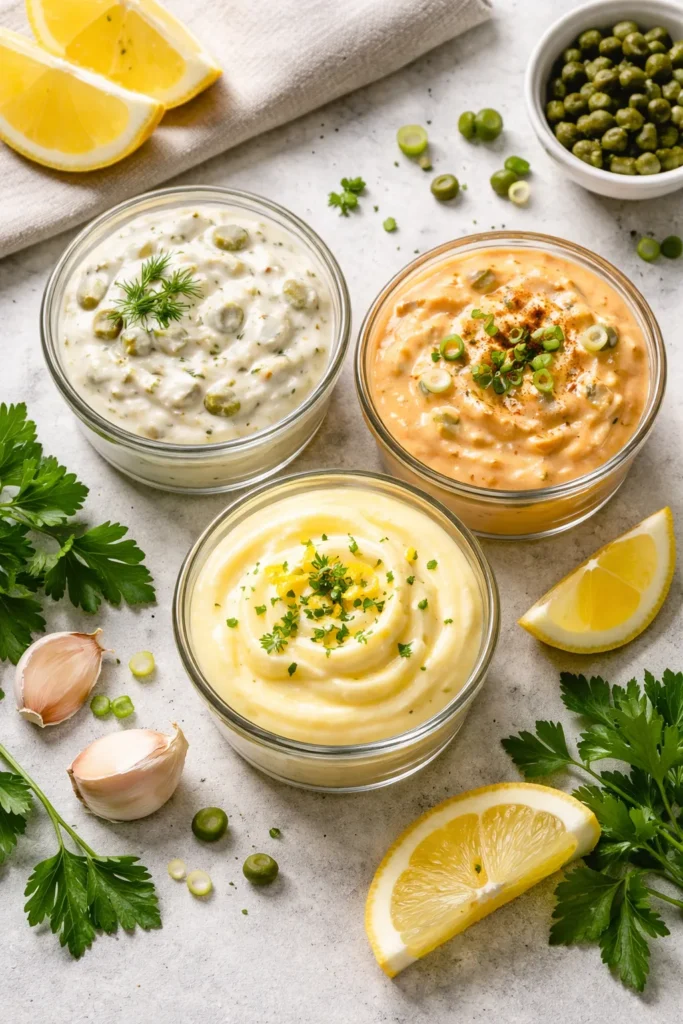
The crab cake is the star, but the sauce it’s served with shapes the entire eating experience. A good sauce should add brightness and contrast without drowning the delicate crab flavor.
Classic tartar sauce is a 5-minute mix of mayonnaise, sweet pickle relish, Dijon mustard, minced red onion, and lemon juice — seasoned with salt and pepper. It’s the default pairing for good reason: the acidity cuts through the richness, and the sweetness of the relish plays against the savory crab.
Quick remoulade adds Cajun personality: start with the tartar base and add a teaspoon of hot sauce, a teaspoon of Worcestershire, a pinch of smoked paprika, and a small clove of grated garlic. It’s bolder and more assertive than standard tartar sauce, and it pairs especially well with the spicier crab cake versions.
Simple lemon wedges are never wrong. Sometimes the cleanest presentation is just a wedge of fresh lemon squeezed directly over the cake right before eating. The acid brightens every flavor without adding any competing element.
Storing, Reheating, and Freezing Crab Cakes
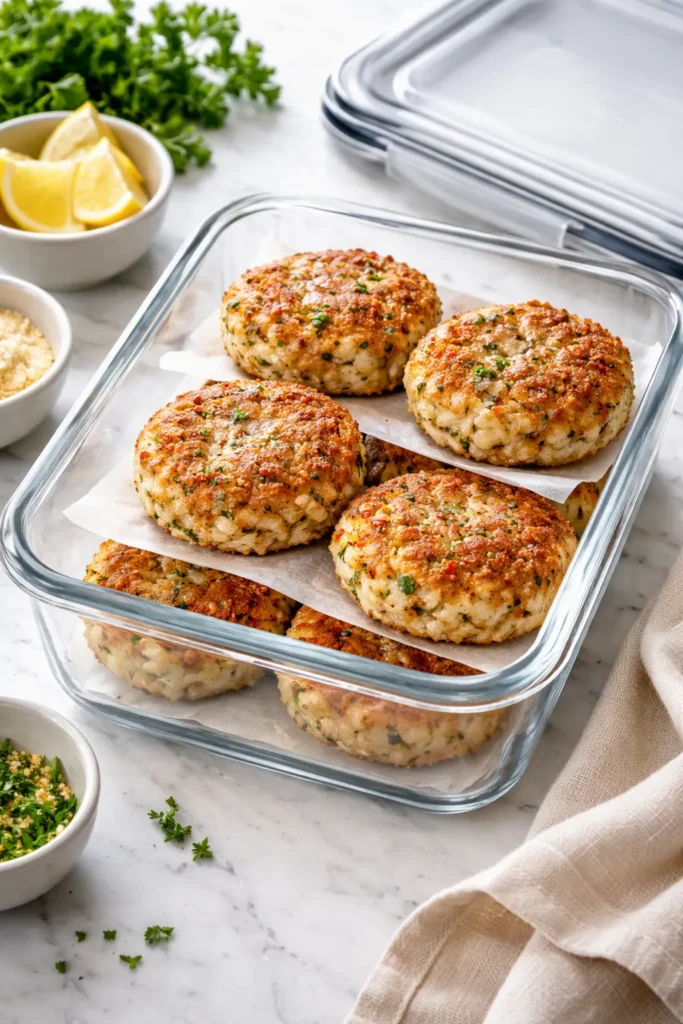
Cooked crab cakes keep in an airtight container in the refrigerator for up to 3 to 4 days. To reheat them without turning them into rubbery, steamed disappointments, skip the microwave entirely. Instead, heat them in a dry skillet over medium heat for 2 to 3 minutes per side, or reheat in an air fryer at 350°F for about 4 minutes. Both methods bring back some of the exterior crispness that disappears in the fridge.
For freezing, the best approach depends on timing. Uncooked, formed patties (without the exterior panko coating if you’re double-breading) freeze well on a parchment-lined baking sheet for 2 hours until solid, then individually wrapped in plastic wrap and transferred to a freezer bag. They keep for up to 3 months. Defrost overnight in the refrigerator before cooking as normal.
Already-cooked crab cakes can also be frozen using the same individual-wrapping method, and will keep for up to 4 months. Reheat directly from frozen in a 350°F oven for 25 minutes, flipping once halfway through.
What to Serve Alongside Crab Cakes
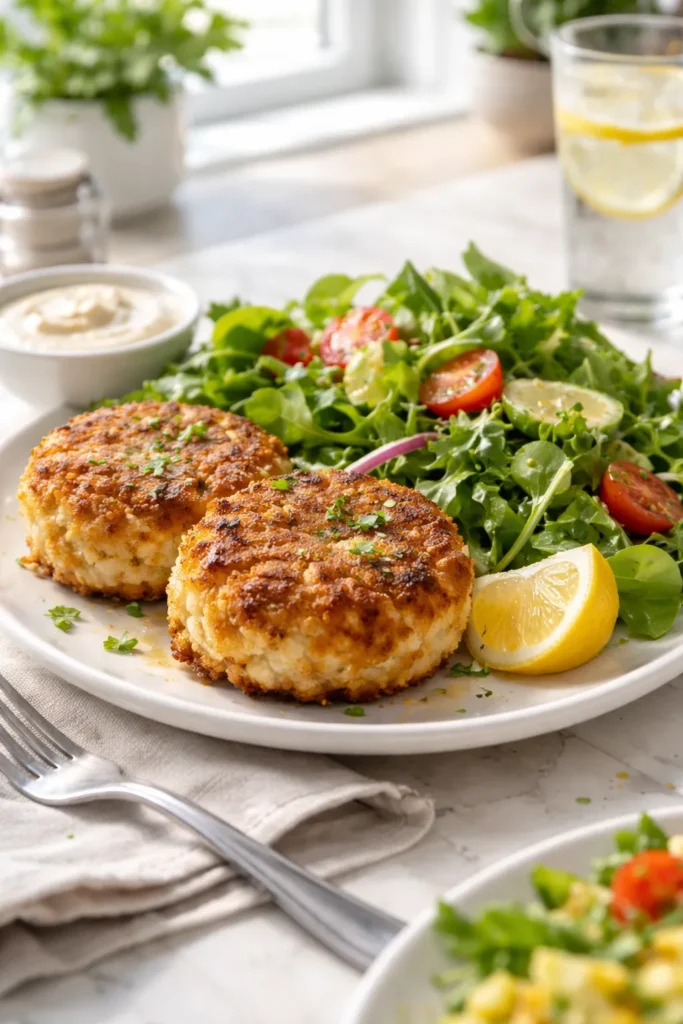
Crab cakes pair best with sides that are light, bright, and slightly acidic — anything that balances the richness of the pan-fried patty without competing for attention. A simple green salad dressed with lemon vinaigrette is nearly ideal. Fresh corn salad — charred corn cut from the cob, tossed with red onion, cilantro, lime juice, and a pinch of chili — is another excellent match, especially with the spicier versions.
For a full Maryland-style spread, serve alongside hush puppies and coleslaw. If you’re treating the crab cakes as a dinner main, simple roasted asparagus or sautéed broccolini alongside some crusty bread rounds out the meal without overwhelming it. The goal is always to let the crab cake remain the center of gravity on the plate.
Final Thoughts
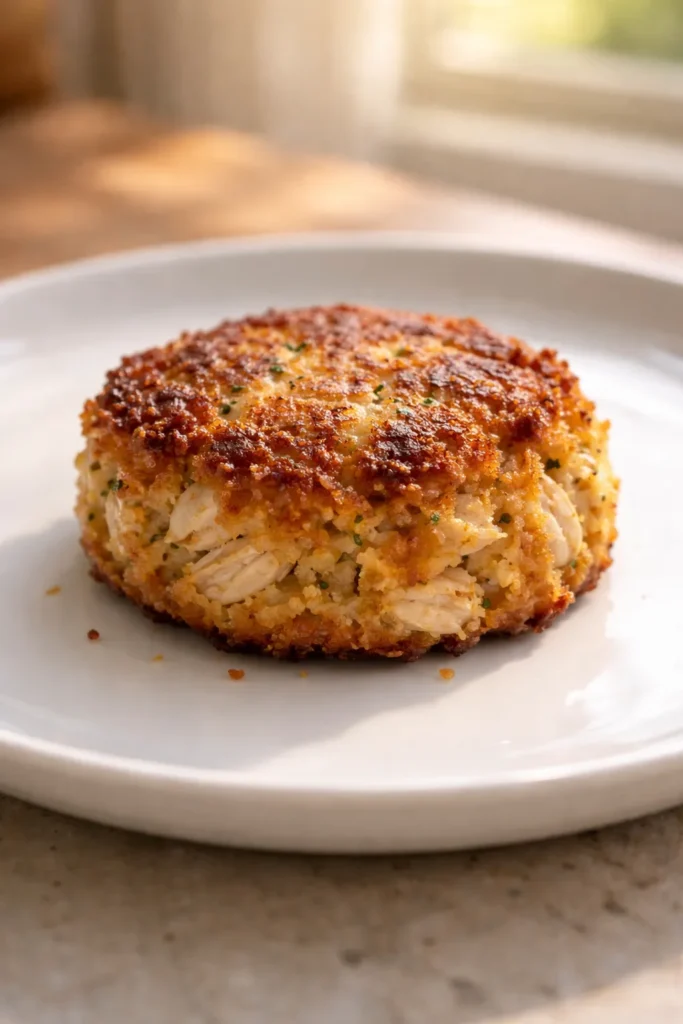
Eight recipes, one fundamental principle: the crab cake is only as good as the crab inside it. Everything else — the binder, the breadcrumbs, the cooking method, the sauce — exists in service of that central ingredient. Keep the filler minimal, treat the crab gently, and always give the formed patties proper time to chill before cooking.
The Maryland-style and no-filler versions are the ones to reach for when you want to show off the quality of your crab meat. The Cajun, panko-crusted, and slider versions are the crowd-pleasers — more forgiving, more flexible, and frankly a little more fun to eat casually. The baked and air fryer versions earn their place as weeknight-friendly alternatives that don’t require standing over a hot stove.
Whichever version you start with, make notes after your first batch. Crab cakes reward the cook who pays attention — who notices whether the patties held together well, whether the crust browned evenly, whether the seasoning needed more brightness or more heat. One or two batches in, you’ll have your own instincts about what works in your kitchen, and that’s when homemade crab cakes stop feeling like a project and start feeling like something you genuinely look forward to making.