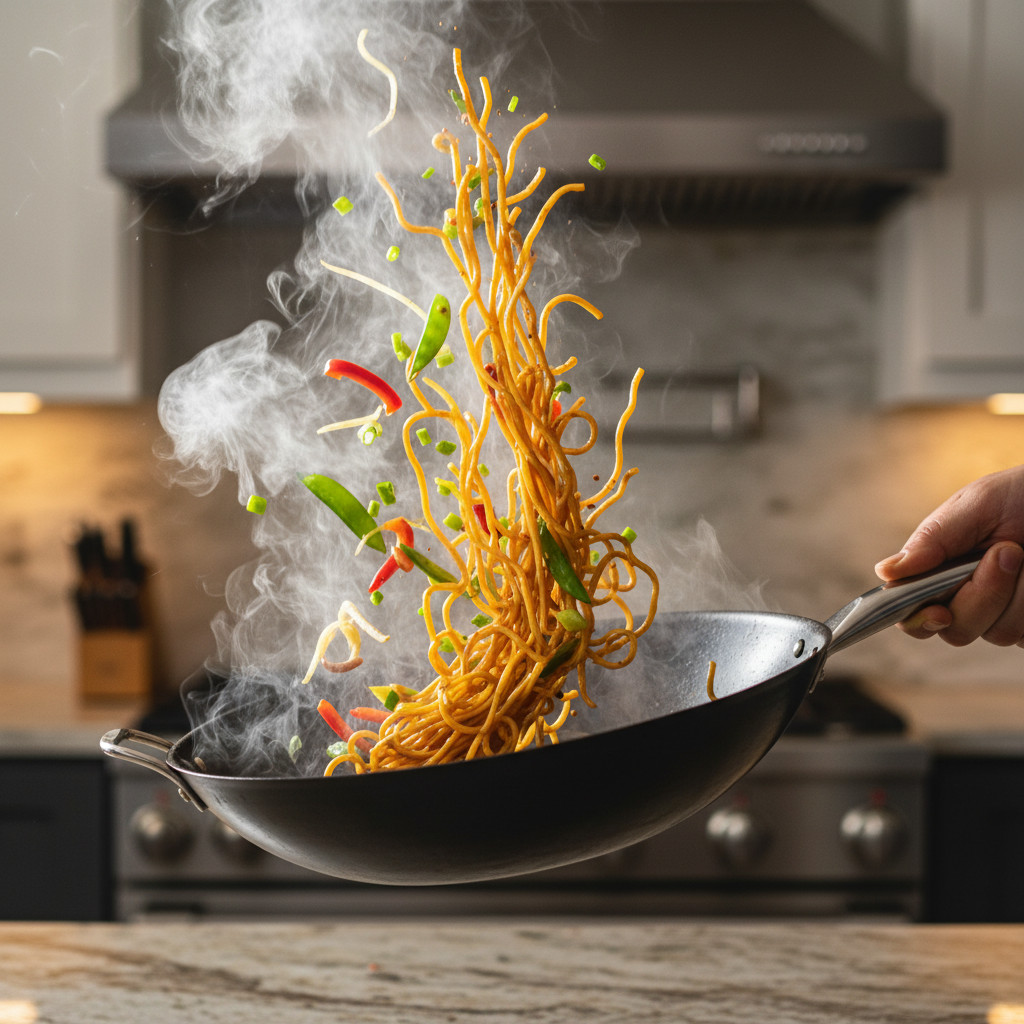
Friday has a distinct feeling the moment it arrives — that slow exhale, the loosening of shoulders, the quiet mental shift from “I have to” to “I want to.” And then comes the question that somehow always catches you off guard: what’s for dinner?
The worst thing you can do on a Friday night is start cooking something complicated. You’ve already given the week your best focus, your sharpest thinking, your most patient energy. The last thing you need is a recipe with seventeen steps, a sauce that needs constant stirring, or a protein that requires an overnight marinade you definitely forgot to start on Thursday. That’s a weekday trap, and you’re done with weekdays.
What you actually want is something that tastes like a reward — a plate that feels a little more special than Tuesday’s pasta but doesn’t require you to treat the kitchen like a professional operation. The sweet spot is real food with real flavor, made with minimal cleanup and zero culinary stress. These eight dinners land squarely in that category. Every single one can be pulled together on a tired Friday with a full sink, a hungry family, and approximately forty-five minutes between you and sitting down.
Table of Contents
- What Makes a Friday Night Dinner Different From a Weeknight Meal
- The One-Pan Rule and Why It Changes Everything
- Flavor Without Effort: The Pantry Shortcut Mindset
- 1. Sheet Pan Sausage and Peppers with Roasted Onions
- Why This One Works So Well on a Friday
- How to Serve It Three Different Ways
- 2. One-Skillet Creamy Lemon Chicken Pasta
- The One Step That Makes It Restaurant-Quality
- What to Adjust Based on Your Crowd
- 3. Shrimp Tacos with Chipotle Lime Slaw
- Building the Chipotle Lime Slaw While the Shrimp Cook
- What Goes in the Taco Bar
- 4. Sheet Pan Quesadillas for a Crowd
- Timing and the Crisp You’re After
- 5. Beef and Broccoli Stir-Fry Better Than Takeout
- The High-Heat Sequence That Gets It Right
- 6. French Bread Pizzas with Whatever’s in the Fridge
- Topping Combinations That Genuinely Work
- 7. Garlic Butter Shrimp Over Coconut Rice
- The Texture Contrast That Makes This Dish
- 8. Turkey Sloppy Joes with Sweet Pepper Relish
- Why the Sweet Pepper Relish Changes Everything
- Building the Sandwich
- Making the Most of Your Friday Dinner Routine
- Drinks, Mood, and the Friday Dinner Ritual
- Keeping a Friday Night Pantry
- Final Thoughts
What Makes a Friday Night Dinner Different From a Weeknight Meal
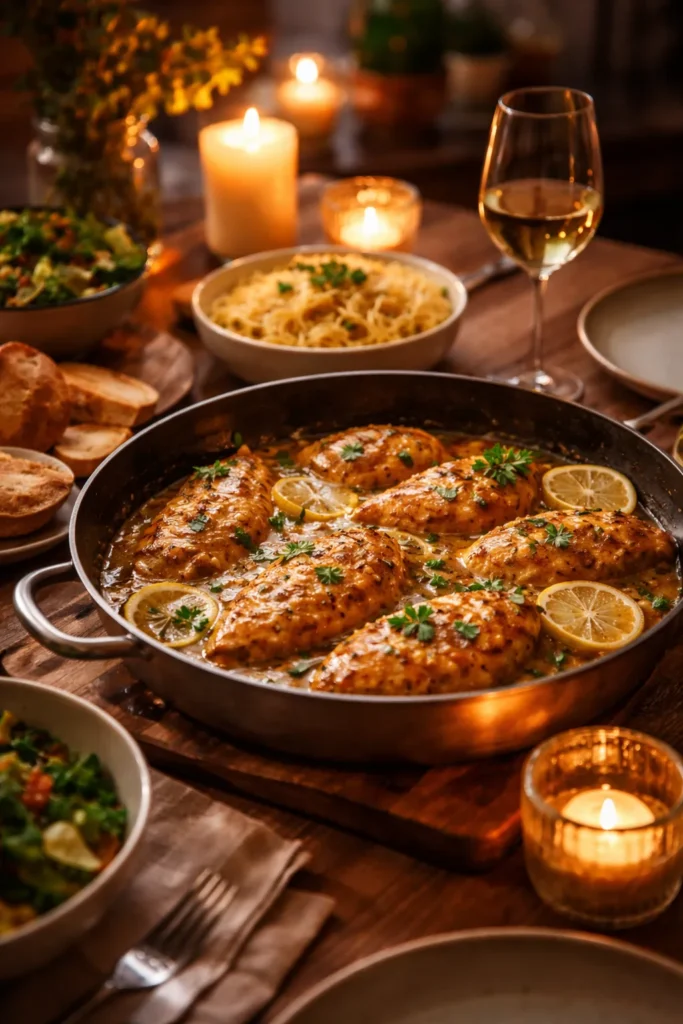
There’s a subtle but meaningful difference between a Wednesday dinner and a Friday dinner. On Wednesday, you’re optimizing for speed and nutrition — you want food in bowls, everyone fed, and dishes done so you can get to bed at a reasonable hour. Friday operates on a different rhythm entirely.
Friday dinner should feel like the weekend started early. That doesn’t necessarily mean it takes longer to cook. It means there’s a little more personality on the plate — a sauce with some depth, a topping that gets people excited, something interactive like tacos or sliders that makes the meal itself part of the evening.
The One-Pan Rule and Why It Changes Everything
The single biggest source of dinner stress isn’t the cooking itself — it’s the cleanup preview that runs in the back of your mind the whole time you’re cooking. When you can see four pots and two cutting boards accumulating in the sink while you’re still stirring something on the stove, the meal stops being enjoyable.
One-pan and sheet pan dinners eliminate that psychological tax entirely. When everything goes into one vessel, the meal feels contained and manageable from start to finish. Most of the eight dinners below follow this principle in some form.
Flavor Without Effort: The Pantry Shortcut Mindset
A few smart pantry staples do more heavy lifting than any complicated technique. A jar of good salsa, a bag of frozen shrimp, store-bought pizza dough, a can of chipotle peppers — these aren’t cheats. They’re the same tools professional home cooks rely on when they want maximum flavor with minimum friction.
Building your Friday pantry around a handful of reliable shortcuts means you’re never starting from zero, even when the week ran long and you haven’t thought about dinner until 5:30 PM.
1. Sheet Pan Sausage and Peppers with Roasted Onions
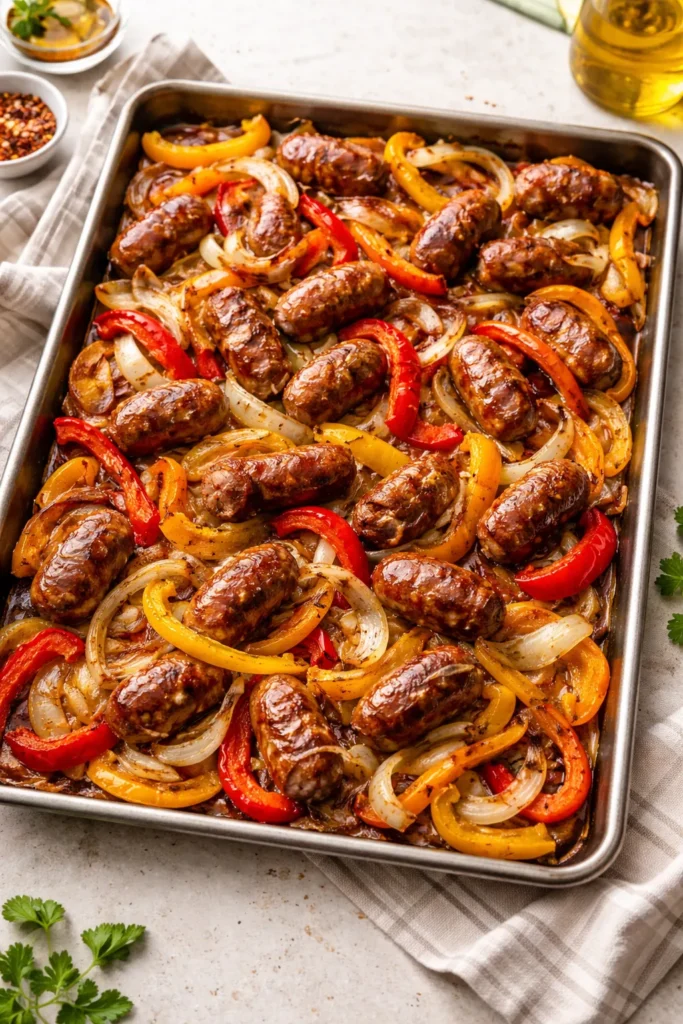
Few dinners deliver as much flavor per unit of effort as a properly done sheet pan sausage and peppers. You’re essentially asking the oven to do everything while you pour yourself something to drink and decompress.
The approach is straightforward: slice Italian sausages (sweet, hot, or a mix of both) into thick rounds, cut bell peppers — red, yellow, and orange give you the best color and sweetness — into wide strips, and slice a large onion into half-moons. Toss everything with a generous pour of olive oil, a heavy pinch of dried oregano, some smoked paprika, salt, and black pepper. Spread it across a large rimmed sheet pan in a single layer and roast at 425°F for about 30 to 35 minutes, stirring once halfway through.
Why This One Works So Well on a Friday
The high heat does something to the peppers and onions that you simply can’t replicate at lower temperatures — they caramelize at the edges, turning jammy and sweet while the sausage develops a golden, slightly crispy exterior. The contrast between the two textures is what makes this dish feel substantial despite how little active time it requires.
How to Serve It Three Different Ways
- Stuffed into hoagie rolls with a smear of spicy brown mustard and a little provolone melted under the broiler for 2 minutes
- Tossed with cooked pasta — rigatoni or orecchiette — with a splash of the pan juices and some grated Parmesan
- Served over polenta (use the quick-cooking tube variety, sliced and pan-seared) for something that feels genuinely rustic and warm
Worth knowing: Chicken sausage works exactly as well here and cooks slightly faster — start checking for browning around the 25-minute mark.
2. One-Skillet Creamy Lemon Chicken Pasta
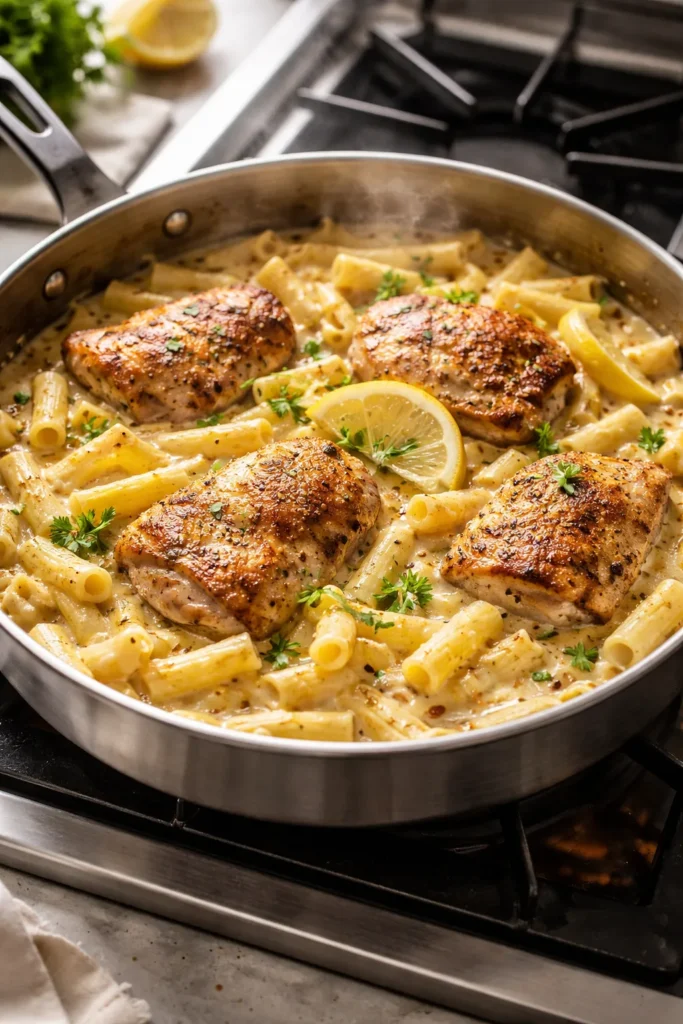
This is the dinner you make when you want something that tastes like it came from a decent Italian restaurant but can be done in a single skillet in under 35 minutes. The lemon keeps it from feeling heavy, the cream makes it feel indulgent, and the whole thing comes together in one pan — which means one pan to wash.
Season boneless, skinless chicken thighs (they stay juicier than breasts and forgive a minute or two of extra cooking) with salt, pepper, and garlic powder. Sear them in a wide skillet with a little olive oil over medium-high heat — about 5 to 6 minutes per side — until they develop a deep golden crust. Pull them out and rest them on a cutting board. In the same skillet, cook minced garlic in the remaining fat for about 30 seconds, then pour in chicken broth and heavy cream in roughly equal parts (about ¾ cup each), scraping up any browned bits from the bottom of the pan. Add dried pasta directly to the simmering liquid — short pasta like penne or fusilli works best — along with a squeeze of lemon juice and a strip of lemon zest.
The One Step That Makes It Restaurant-Quality
Cook the pasta in that liquid, stirring occasionally and adding small splashes of water or broth as needed to keep things moving. As the pasta absorbs the liquid and releases its starch, the sauce thickens and emulsifies naturally without any flour or cornstarch. Slice the rested chicken into pieces, nestle it back into the skillet, and finish with a generous handful of grated Parmesan and a scatter of fresh parsley. The sauce clings to every piece of pasta in a way that a separately-made cream sauce never quite does.
What to Adjust Based on Your Crowd
- Add a big handful of baby spinach in the last 2 minutes for color and nutrition
- Throw in a tablespoon of capers for a briny, more complex flavor profile
- Use half-and-half instead of heavy cream if you want something lighter — the sauce will be thinner but still satisfying
Pro tip: Chicken thighs left in the fridge from earlier in the week work perfectly here. You’re just finishing them in a new context rather than reheating the original preparation.
3. Shrimp Tacos with Chipotle Lime Slaw
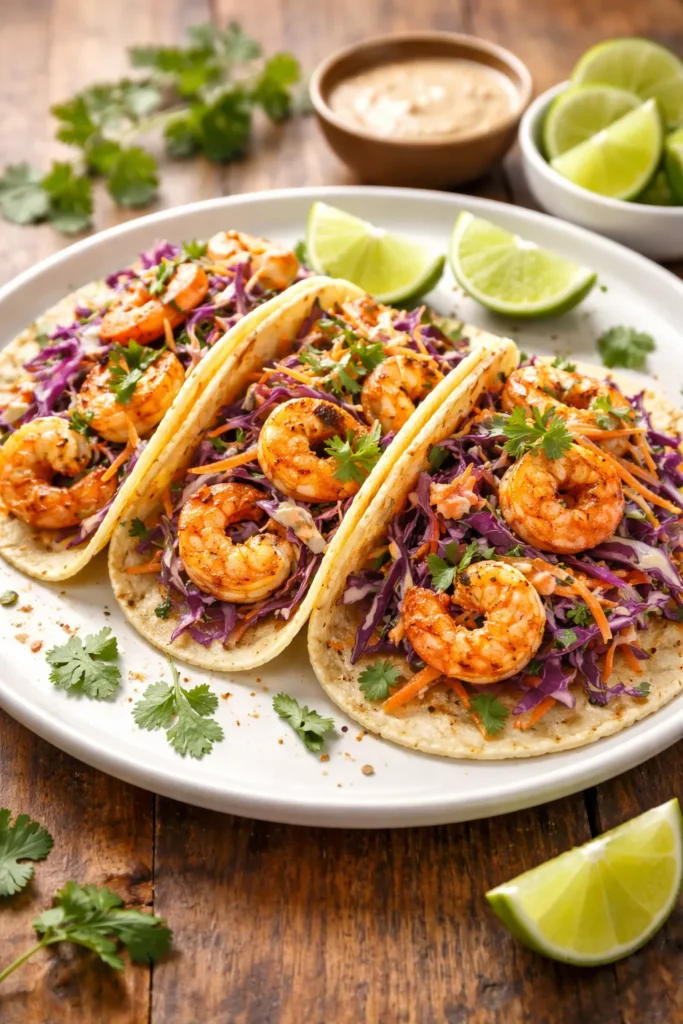
Tacos are the ultimate Friday dinner format — they’re inherently casual, they’re interactive, and they give everyone at the table a degree of personal control over their plate. Shrimp tacos in particular have a speed advantage that beef or chicken can’t match: shrimp go from raw to perfectly cooked in about 3 to 4 minutes over high heat.
Pat the shrimp dry with paper towels (this step genuinely matters — wet shrimp steam instead of sear). Toss them with olive oil, chili powder, cumin, smoked paprika, garlic powder, and a pinch of cayenne if you like heat. Get a cast iron skillet or heavy pan ripping hot over high heat, then cook the shrimp in a single layer — don’t crowd them, do them in two batches if needed — for about 90 seconds per side. They’re done the moment they curl into a loose C-shape and turn opaque.
Building the Chipotle Lime Slaw While the Shrimp Cook
The slaw comes together in 5 minutes and transforms the whole taco. Whisk together 3 tablespoons of mayonnaise, 1 tablespoon of adobo sauce from a can of chipotle peppers, the juice of one lime, a pinch of salt, and a teaspoon of honey. Toss with a bag of pre-shredded coleslaw mix. The result is creamy, smoky, tangy, and slightly sweet — everything a shrimp taco needs to feel complete.
What Goes in the Taco Bar
- Warm corn tortillas (char them directly over a gas burner for 20 seconds per side, or wrap in a damp paper towel and microwave for 45 seconds)
- Sliced avocado or quick-smashed guacamole
- Pickled jalapeños from a jar
- Crumbled cotija cheese or shredded cheddar
- Extra lime wedges
Worth knowing: The chipotle slaw holds up in the fridge for a full day, which makes it useful for lunches the next day alongside leftover shrimp.
4. Sheet Pan Quesadillas for a Crowd
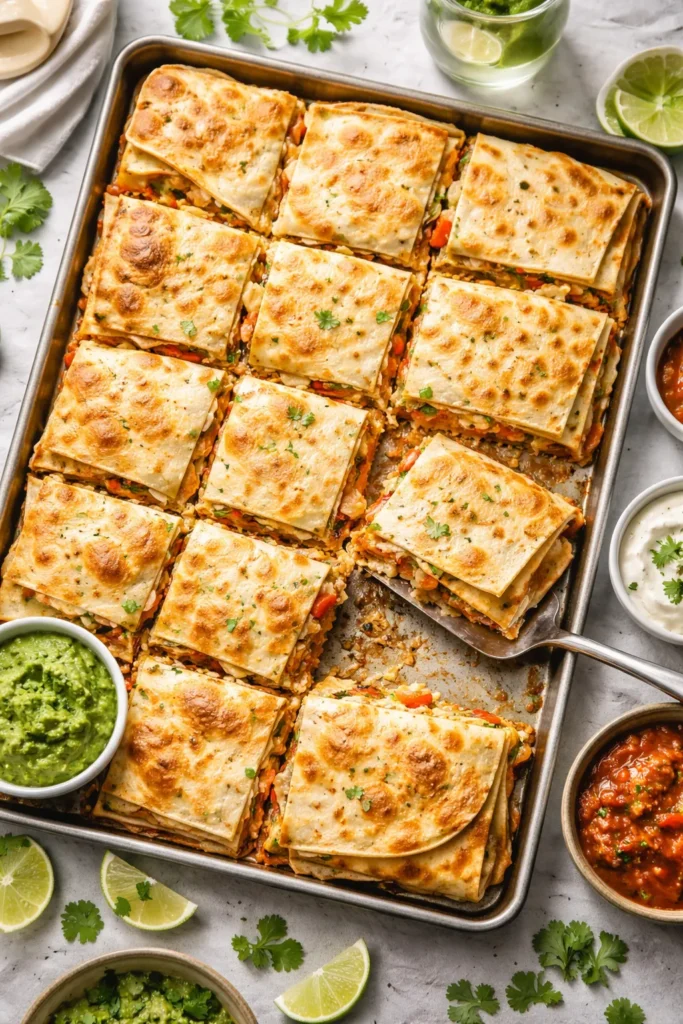
Standard skillet quesadillas are fine — but they require you to stand at the stove flipping one at a time while everyone waits, gets impatient, and eats theirs while it’s too hot before you’ve even sat down. The sheet pan method solves this completely: you build one giant quesadilla that covers the whole pan, bake it until crispy, and slice it into pieces that come out simultaneously for everyone.
Start with a filling: sauté a diced onion, two bell peppers, and a jalapeño in olive oil over medium heat until soft. Add minced garlic, a drained can of black beans, a cup of frozen corn, and a heavy seasoning of chili powder, cumin, and smoked paprika. Stir until everything is warmed through and fragrant.
Brush a 13×9-inch sheet pan with melted butter. Arrange six large flour tortillas overlapping around the perimeter of the pan so that roughly half of each tortilla overhangs the rim, and tuck one more in the center to cover the base. Spread the filling evenly across the tortilla-lined pan, then top with a generous mixture of shredded Monterey Jack and sharp cheddar — about 3 cups total. Place a final tortilla on top in the center, then fold all the overhanging tortillas inward over the top. Brush with remaining melted butter, press down with another sheet pan to compress, and bake at 425°F.
Timing and the Crisp You’re After
After 20 minutes, remove the top sheet pan and continue baking for another 5 to 6 minutes until the top is genuinely golden and crispy — not just pale and warm. Let it rest for 5 minutes before slicing (this rest period lets the cheese firm up slightly so pieces hold together when you cut them).
Pro tip: This feeds 4 to 6 people from a single pan with zero hovering required. Serve with sour cream, fresh salsa, and sliced avocado on the side.
5. Beef and Broccoli Stir-Fry Better Than Takeout
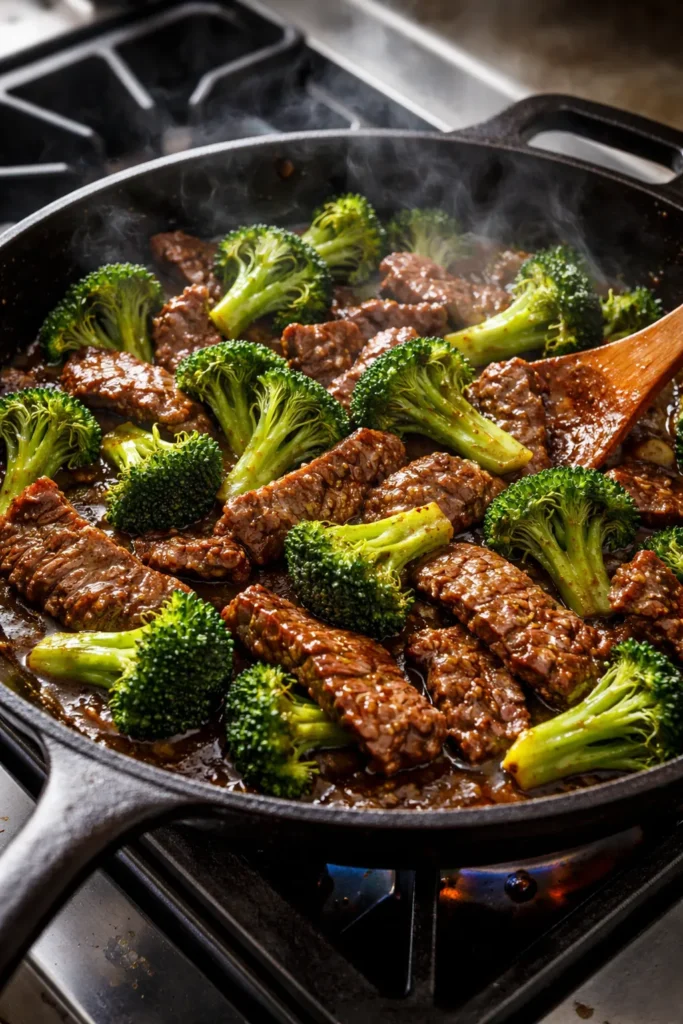
The reason most homemade beef and broccoli falls short of the takeout version isn’t the sauce — it’s the technique. Takeout woks reach temperatures far beyond what a home stove can achieve, which creates that characteristic scorched, smoky flavor called wok hei. You can approximate it at home with a cast iron skillet, high heat, and the discipline to not stir constantly.
Thinly slice flank steak or sirloin against the grain into strips about ¼-inch thick. Velvet the beef by tossing it with a teaspoon of baking soda and letting it sit for 15 minutes before rinsing it off — this is a Chinese restaurant technique that genuinely transforms the texture, making the meat noticeably more tender and able to withstand high-heat cooking without turning tough.
Make the sauce before anything hits the pan: whisk together 3 tablespoons of soy sauce, 1 tablespoon of oyster sauce, 1 tablespoon of hoisin sauce, 1 teaspoon of sesame oil, 1 tablespoon of cornstarch, and ¼ cup of beef broth. This takes 90 seconds and means everything can move fast once cooking starts.
The High-Heat Sequence That Gets It Right
Get your cast iron skillet very hot — 3 to 4 minutes of dry preheating over maximum heat before adding any oil. Cook the beef in two batches for 60 to 90 seconds per batch, leaving it alone for the first 45 seconds to develop a real sear, then tossing once. Pull it out. Blanche the broccoli florets in salted boiling water for exactly 90 seconds, then drain. In the same hot skillet, cook minced garlic and fresh ginger in a tablespoon of oil for 30 seconds, pour in the sauce, add the broccoli and beef back in, and toss everything together for 1 to 2 minutes until the sauce thickens and coats everything.
Serve over steamed white rice and scatter sesame seeds on top. Start to finish: 30 minutes, one skillet, one pot for rice and broccoli.
6. French Bread Pizzas with Whatever’s in the Fridge
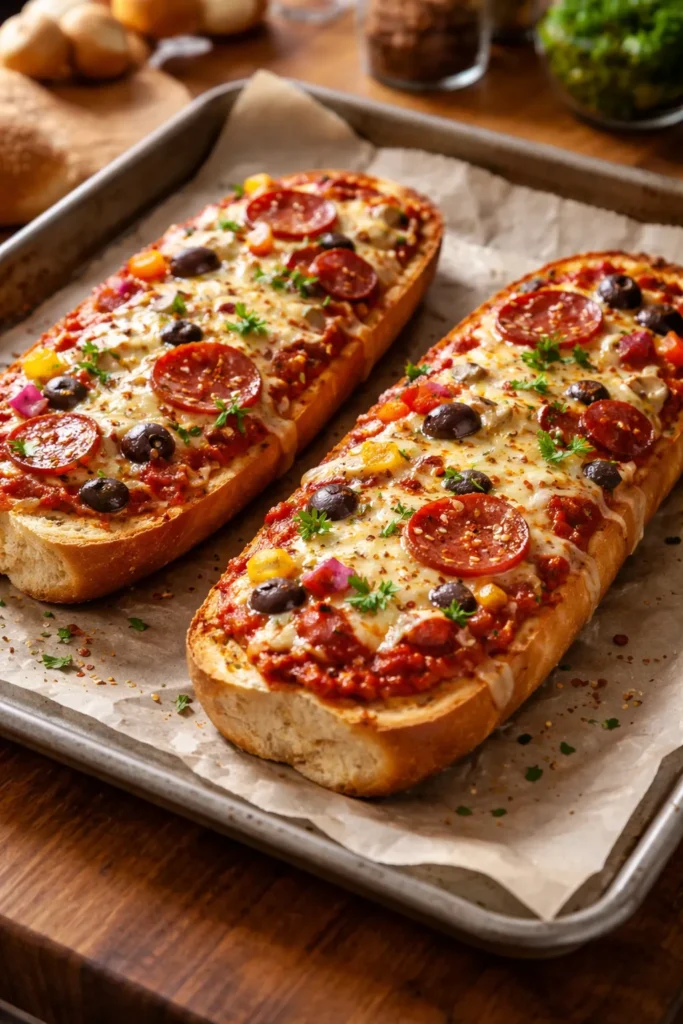
French bread pizzas are one of those dinners that somehow feels more fun than it has any right to — probably because everyone gets their own half of a loaf, which automatically makes it feel personal and festive. They’re also the answer to that Friday evening moment when the fridge contains nothing coherent but does contain scattered bits of cheese, a few vegetables, and half a jar of marinara.
Split a French baguette or Italian bread loaf down the middle lengthwise. Brush both cut sides generously with olive oil and broil for 2 to 3 minutes until lightly toasted and golden — this prevents the bread from turning soggy once the sauce goes on. Spread marinara sauce evenly across both halves, all the way to the edges.
Topping Combinations That Genuinely Work
- Classic: Mozzarella, pepperoni, fresh basil after baking
- Elevated: Smoked Gouda, caramelized onions, thin apple slices, a drizzle of hot honey after baking
- Vegetarian: Roasted red peppers from a jar, fresh mozzarella, Kalamata olives, torn fresh basil
- Protein-forward: Shredded rotisserie chicken, buffalo sauce in place of marinara, Monterey Jack, scallions
Bake at 400°F for 10 to 12 minutes until the cheese is bubbling and starting to brown at the edges. The broiler for the final 60 to 90 seconds gets you the cheese pull and golden color that makes this feel like proper pizza rather than a quick snack.
Worth knowing: Kids love building their own, which makes this a reliable option when you need dinner to be interactive enough to occupy everyone while you rest.
7. Garlic Butter Shrimp Over Coconut Rice
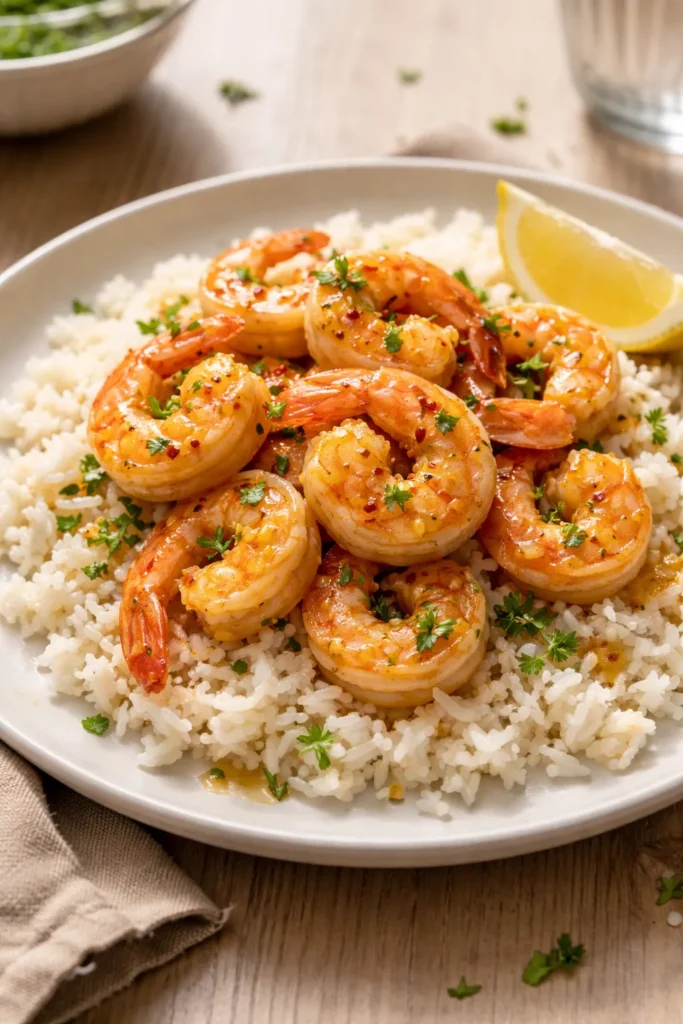
Ten minutes. That’s genuinely all the active cooking time this dinner requires — and it tastes like something you’d pay real money for at a casual seafood restaurant. The coconut rice is the quiet star here: it cooks with no more effort than regular rice but adds a faint sweetness and richness that makes the garlicky shrimp on top taste even better by contrast.
Start the rice first since it takes the longest, even though it’s entirely hands-off. Combine 1 cup of long-grain white rice with 1 cup of full-fat coconut milk and ½ cup of water in a saucepan. Add a pinch of salt, bring to a simmer, then cover and cook on low for 18 minutes. Don’t lift the lid. Don’t stir. Just let it do its thing.
While the rice finishes, melt 3 tablespoons of unsalted butter in a large skillet over medium-high heat. Add 4 to 5 cloves of minced garlic and cook for 45 seconds until fragrant and just beginning to turn golden. Add a pound of peeled, deveined shrimp — tail-on looks nicer, tail-off is easier to eat — and cook for 2 minutes, flip, then cook for another 90 seconds. Squeeze in the juice of half a lemon, add a pinch of red pepper flakes, and toss everything together with a small handful of chopped fresh parsley.
The Texture Contrast That Makes This Dish
The rice should come out slightly sticky and rich. The shrimp should be lightly golden in the butter with just enough garlic flavor to be assertive without being sharp. The lemon juice at the end cuts through the richness in a way that balances the whole plate. Spoon the shrimp over rice bowls and pour every last drop of the garlic butter pan sauce over the top — that sauce soaking into the coconut rice is the best bite of the meal.
Pro tip: A bag of frozen, pre-peeled shrimp that you defrost under cold running water for 5 minutes means zero prep work beyond seasoning. Keep a bag in your freezer specifically for Friday nights.
8. Turkey Sloppy Joes with Sweet Pepper Relish
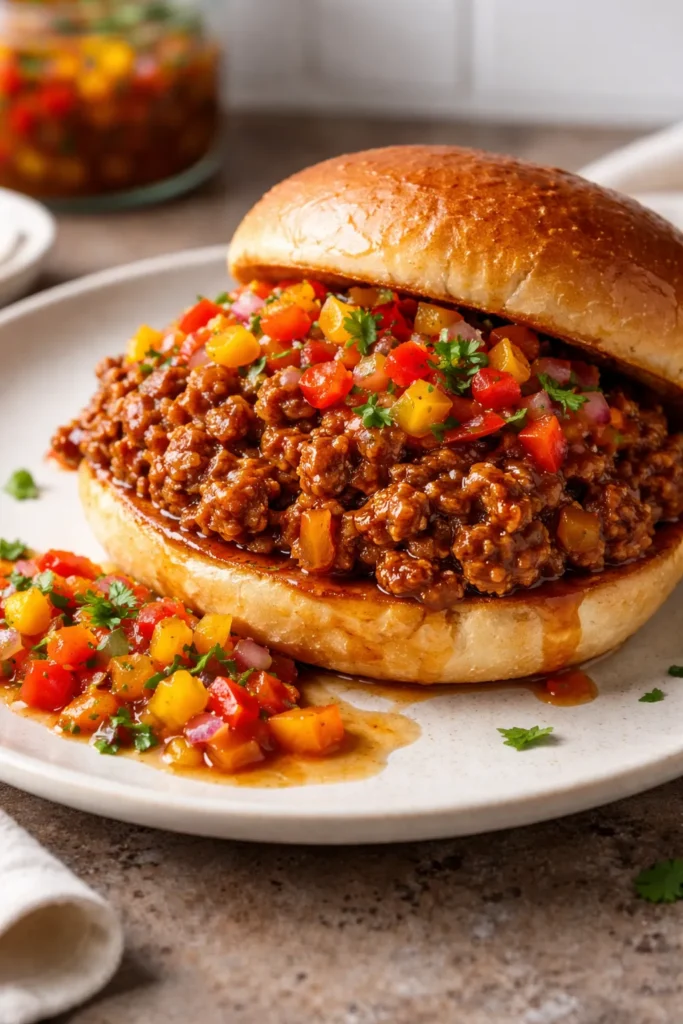
Sloppy Joes carry an unfair reputation as lazy, juvenile cooking — possibly because the canned version of their youth is many people’s primary reference point. A properly made sloppy joe with real ingredients and some thoughtful seasoning is an entirely different experience: deeply savory, slightly sweet, with enough complexity that adults find it just as satisfying as kids do.
Brown a pound of ground turkey in a large skillet over medium-high heat, breaking it up as it cooks, until it’s no longer pink — about 6 to 7 minutes. Don’t rush this step; you want actual browning on some of the meat, not just grey cooked through. Pull the turkey to the side of the pan and cook a diced onion and a diced red bell pepper in the same pan for 3 to 4 minutes until softened.
Add three cloves of minced garlic and cook for 30 seconds, then mix everything together. Now build the sauce directly in the pan: 2 tablespoons of tomato paste (cook it in for 60 seconds first, which concentrates the flavor dramatically), ¾ cup of ketchup, 1 tablespoon of Worcestershire sauce, 1 tablespoon of brown sugar, 1 teaspoon of yellow mustard, a splash of apple cider vinegar, and about ¼ cup of water to loosen the mixture. Stir everything together and let it simmer for 8 to 10 minutes, stirring occasionally, until the sauce thickens enough to mound slightly on a spoon.
Why the Sweet Pepper Relish Changes Everything
This is the detail that takes turkey sloppy joes from ordinary to genuinely memorable. While the meat simmers, very quickly dice a mix of jarred roasted red peppers and a few pickled pepperoncini, toss with a tiny drizzle of olive oil and a pinch of salt, and spoon this relish on top of each assembled sandwich. The brightness of the pickled peppers cuts through the sweetness of the joe mixture in a way that balances the whole thing.
Building the Sandwich
- Bread: Brioche buns are the best vehicle — slightly sweet, very soft, and they soak up the sauce without disintegrating immediately. Lightly toast them in a dry pan or under the broiler first.
- Extras: A few slices of dill pickle underneath the meat, a smear of yellow mustard on the top bun
- Side: Kettle chips and a simple coleslaw if you want to fully commit to the Friday energy
Worth knowing: The sloppy joe filling freezes exceptionally well in individual portions. Make a double batch while you’re at it and thank yourself on a future busy evening.
Making the Most of Your Friday Dinner Routine
Building a reliable rotation of Friday dinners has a compounding effect on your overall wellbeing at the end of the week. When you know that Friday is shrimp taco night this week, you buy the shrimp on Thursday, keep the slaw ingredients on hand, and you’ve made a decision that costs you nothing on Friday itself. Decision fatigue is real, and eliminating even one “what are we eating” conversation per week genuinely matters.
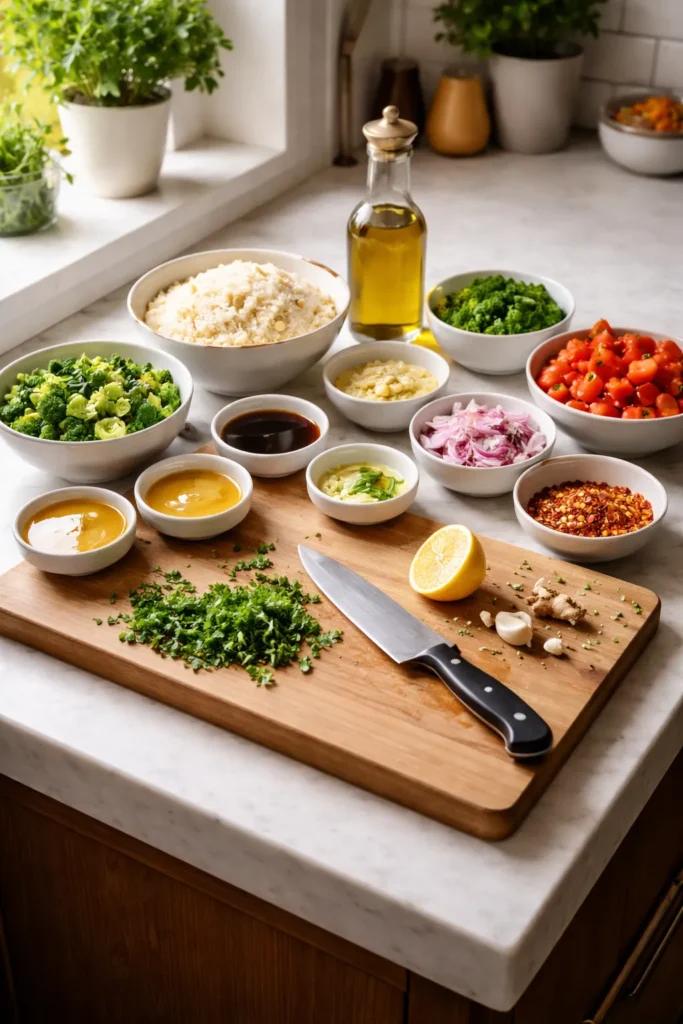
The other thing worth committing to: mise en place, even at the Friday night scale. It doesn’t mean professional prep work. It means pulling every ingredient out of the fridge and pantry before you start cooking anything. When everything you need is visible on the counter, cooking feels organized and calm rather than scattered and reactive.
Drinks, Mood, and the Friday Dinner Ritual
Part of what makes Friday dinner feel different is the permission to slow down slightly and enjoy the act of cooking rather than just executing it. Pour a drink before you start. Put on music. If there are kids, give them a task — tearing lettuce, setting the table, assembling their own tacos. Turning the meal into a small shared ritual makes even the simplest of these eight dinners feel like more than just food.
Keeping a Friday Night Pantry
Stock these eight ingredients consistently and you can pull off any dinner on this list without a dedicated shopping trip:
- Frozen shrimp (1-pound bag, pre-peeled)
- Canned black beans and chipotle peppers in adobo
- A jar of good marinara or tomato sauce
- Large flour tortillas
- Shredded cheese — Monterey Jack and cheddar, pre-shredded for speed
- Ground turkey or lean ground beef
- One pound of pasta (short shapes — penne, fusilli, rigatoni)
- Coconut milk, full-fat, one can
With these eight items plus whatever fresh protein you pick up during the week, you have a Friday dinner covered no matter what the week threw at you.
Final Thoughts
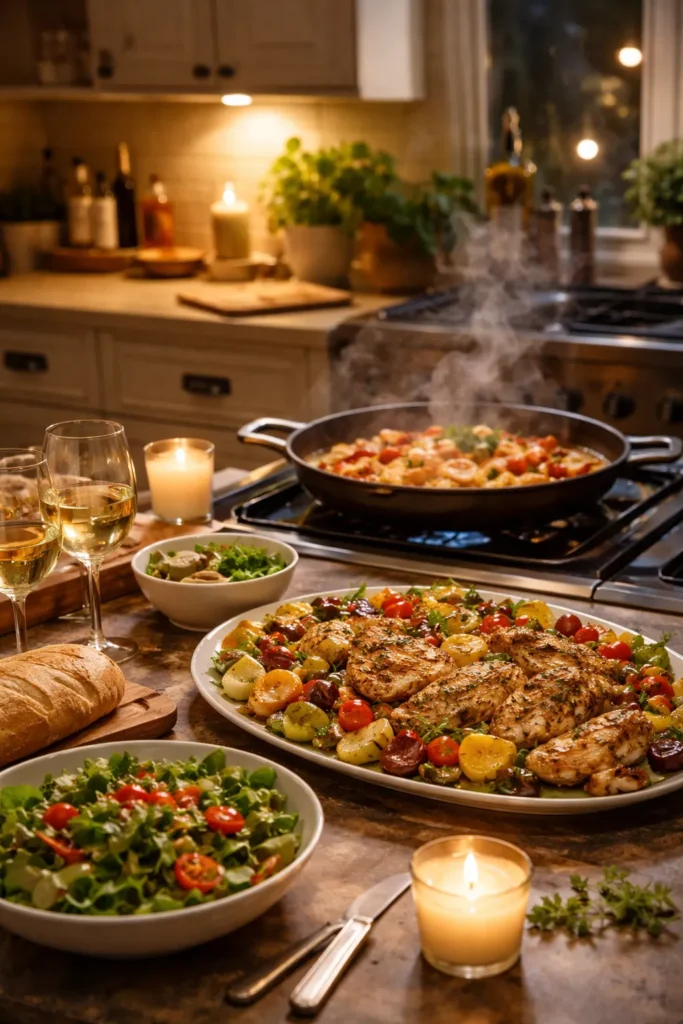
The goal of a Friday dinner isn’t culinary ambition — it’s a good meal with the people you like, made without stress and eaten without rushing. Every one of these eight dinners hits that mark in a different way: some are built for a crowd, some work beautifully for two, some are kid-approved without being boring for adults.
Pick one this week and let it be easy. Not everything about Friday has to be worked for.
The best Friday dinner is the one that’s already sizzling in the pan when you sit down with your drink, knowing that you didn’t have to think very hard to get there.