There’s a reason Taco Tuesday has become a household ritual across North America. It’s not just clever alliteracy — it’s the promise of something sizzling, smoky, and deeply satisfying at the end of a long day. And of all the Tex-Mex options that could anchor that weekly tradition, fajitas hold a special place.
The word fajita comes from the Spanish faja, meaning “little belt” or “strip” — a reference to the skirt steak that Mexican vaqueros in southern Texas used to cook over open fires after cattle drives. What started as a resourceful way to use overlooked cuts of beef has evolved into one of the most beloved dishes in North American cooking. The format is genius: seasoned protein, charred peppers and onions, warm tortillas, and a table full of toppings that everyone can personalize. It’s communal, adaptable, and almost impossible to mess up once you know a few key techniques.
But here’s the thing most people don’t realize — fajitas are far more versatile than chicken-or-steak. Once you understand the core formula (marinade + high heat + the right cut or protein + good sear on the vegetables), you can take fajitas in a dozen different directions without losing what makes them great. Skirt steak with chipotle and lime. Shrimp with a smoky paprika rub. Portobello mushrooms that char beautifully in a cast iron skillet. Even a crispy baked version that comes together without turning on a single burner.
Whether you’re cooking for a family of five or hosting a casual Taco Tuesday spread for friends, the eight recipes below cover every craving, every protein preference, and every skill level. Pick one tonight, save the rest for the weeks ahead.
Table of Contents
- 1. Classic Chicken Fajita Tacos
- Getting the Perfect Sear on the Chicken
- Building the Fajita Veggies
- What to Pile on Top
- 2. Steak Fajita Tacos with Chipotle Lime Marinade
- The Chipotle Lime Marinade That Sets This Apart
- Cooking and Slicing for Maximum Tenderness
- Topping Recommendations for Steak Fajitas
- 3. Shrimp Fajita Tacos with Smoky Paprika Rub
- Why Shrimp Demands High Heat and Speed
- Pairing Shrimp Fajitas with the Right Toppings
- 4. Vegetarian Portobello Mushroom Fajita Tacos
- The Key to Getting Real Char on Mushrooms
- Adding Extra Vegetables for Texture
- 5. Crispy Baked Fajita Tacos
- Why This Method Works for Feeding a Crowd
- Building the Baked Version
- 6. Sheet Pan Fajita Tacos
- Getting the Right Oven Temperature
- Making Sheet Pan Fajitas More Interesting
- 7. Salmon Fajita Tacos with Mango Salsa
- Cooking Salmon for Fajitas
- The Mango Salsa That Makes This Recipe
- 8. Breakfast Fajita Tacos
- Adding Protein Beyond Eggs
- Assembling the Breakfast Fajita Taco
- What Makes Any Fajita Recipe Great
- Toppings, Sides, and Serving Ideas That Complete the Spread
- Storing, Reheating, and Making Fajitas Ahead
- Final Thoughts
1. Classic Chicken Fajita Tacos
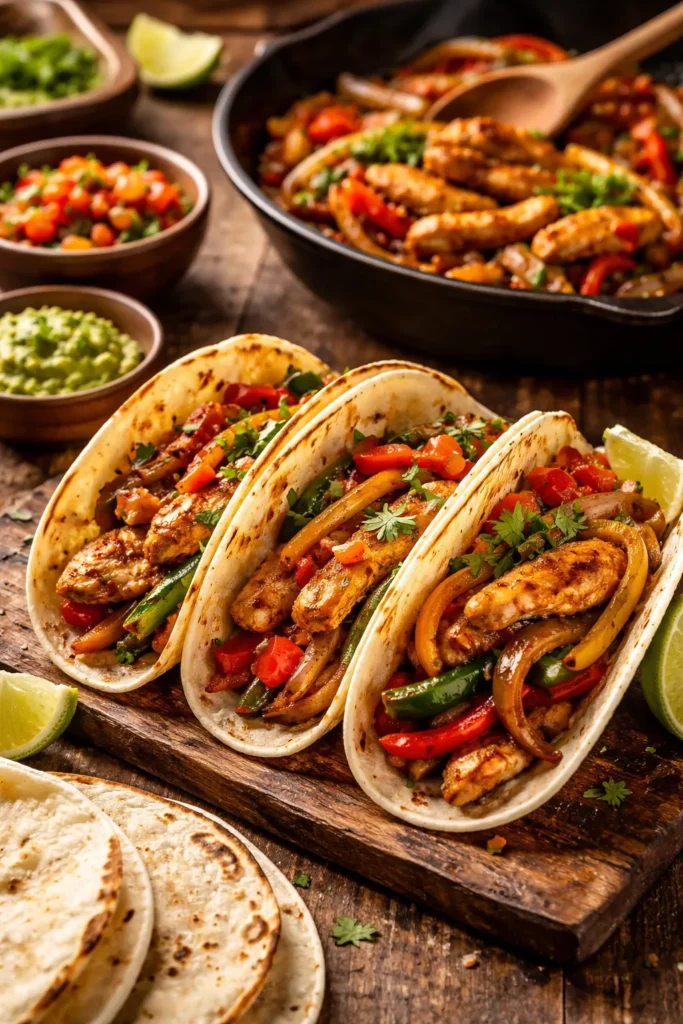
The original and still the one most people reach for on a weeknight. Chicken fajita tacos are fast, crowd-pleasing, and endlessly customizable — which is exactly why they’ve earned their permanent spot in the Taco Tuesday rotation.
The magic here is the marinade. At minimum, you need oil, fresh lime juice, cumin, chili powder, garlic powder, oregano, and a touch of paprika. That combination delivers the smoky, citrusy, mildly spiced flavor that defines the dish. For best results, marinate boneless, skinless chicken breast — sliced into thin strips — for at least 30 minutes. If you have 4 hours, even better. Overnight is exceptional.
Getting the Perfect Sear on the Chicken
A cast iron skillet is your best friend here. Get it properly hot before the chicken goes in — if it doesn’t sizzle aggressively on contact, the pan isn’t ready. Cook the strips in a single layer over medium-high heat for 5 to 6 minutes, turning once. The goal is lightly caramelized edges and no pink in the center, with an internal temperature of 165°F.
Building the Fajita Veggies
Cook your peppers and onions in the same skillet after removing the chicken. Use a mix of red and green bell peppers for color and balanced sweetness. The single most important rule: don’t cover the pan and don’t crowd it. Both mistakes trap steam and turn what should be slightly charred, tender-crisp vegetables into a limp, pale mess. Add salt only after they’ve developed some color — salting too early draws out water.
What to Pile on Top
- Shredded cheddar or Monterey Jack
- Guacamole or sliced avocado
- Pico de gallo or a chunky red salsa
- Sour cream or a quick avocado-lime crema
- Fresh cilantro and a squeeze of lime
Pro tip: Warm your flour tortillas directly over a gas flame for 10 to 15 seconds per side. The slight char and puffing that happens completely transforms the texture compared to microwaving.
Wrap the filling tightly, fold in half, and serve immediately while everything is still sizzling. This is the benchmark — every other fajita recipe on this list builds from here.
2. Steak Fajita Tacos with Chipotle Lime Marinade
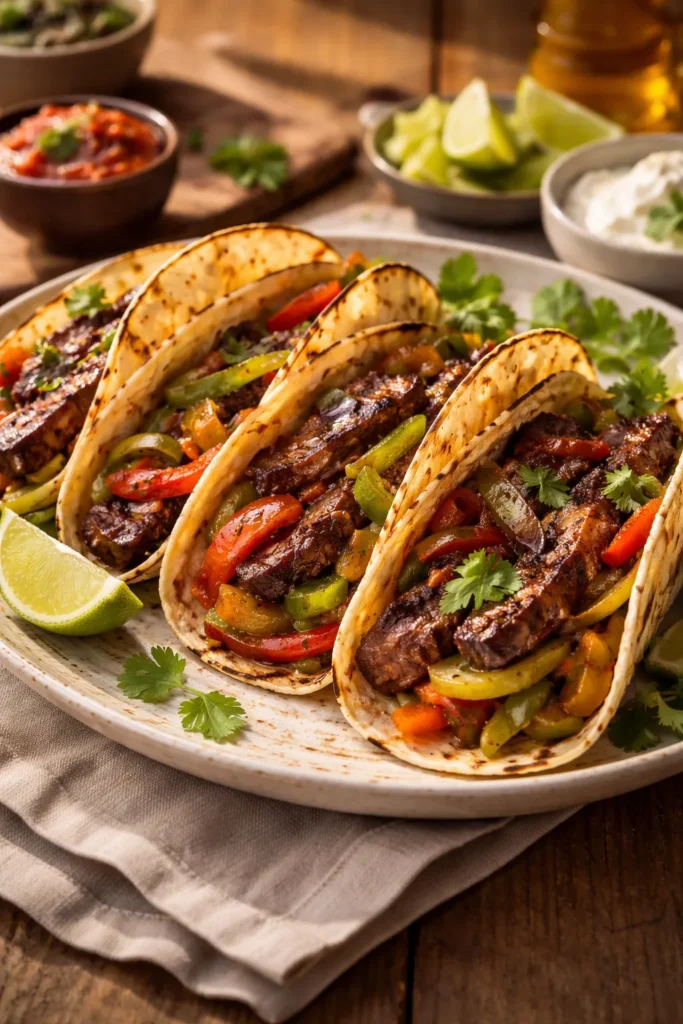
If chicken fajitas are the weeknight default, steak fajitas are the weekend treat — richer, beefier, and deeply satisfying in a way that makes every bite feel like a serious commitment to flavor.
The cut matters more here than with any other protein. Skirt steak and flank steak are the traditional choices, and for good reason. Both are relatively thin, absorb marinade exceptionally well because of their loose muscle fibers, and cook beautifully at high heat. The key distinction: skirt steak has a more intense beefy flavor and a coarser grain, while flank steak is leaner with a slightly tighter texture. Either works — just don’t go above medium-rare or you’ll lose the tenderness that makes them worth using.
The Chipotle Lime Marinade That Sets This Apart
Standard fajita marinades are good. This one is better because of one ingredient: chipotles in adobo. Blending two chipotle peppers with vegetable oil, fresh lime juice and zest, smashed garlic, cumin, chili powder, oregano, salt, and black pepper gives you a marinade with a deep smokiness that no dry spice blend can replicate. The lime zest (not just the juice) carries the oils from the actual fruit and gives the marinade a brightness that juice alone can’t achieve.
Coat the steak completely and marinate for at least 1 hour — up to overnight. The longer it sits, the more the flavors penetrate those muscle fibers.
Cooking and Slicing for Maximum Tenderness
Pull the steak out of the refrigerator 30 minutes before cooking so it reaches room temperature — this promotes an even sear. Use a cast iron skillet or plancha over medium-high heat with a high smoke-point oil like avocado or grapeseed oil.
Sear for 3 to 4 minutes per side without touching it. You want a good crust — that’s where the flavor lives. For medium-rare, pull the steak at an internal temperature of 128°F to 130°F and let it rest for 10 full minutes.
Always slice against the grain. This is non-negotiable. Those lines running down the length of the meat are muscle fibers — cutting perpendicular to them shortens those fibers and dramatically changes how tender the bite feels. Cutting with the grain means you’re biting through long, chewy strands. Cutting against it means the meat practically melts.
Topping Recommendations for Steak Fajitas
- Pickled red onions for acidity that cuts through the richness
- Queso fresco or Oaxacan cheese instead of cheddar
- Taquera-style salsa (the spicy orange kind) rather than jarred salsa
- A handful of fresh cilantro leaves
Corn tortillas work particularly well with steak — their slight earthiness and firm structure stand up to the bold marinade without getting lost.
3. Shrimp Fajita Tacos with Smoky Paprika Rub
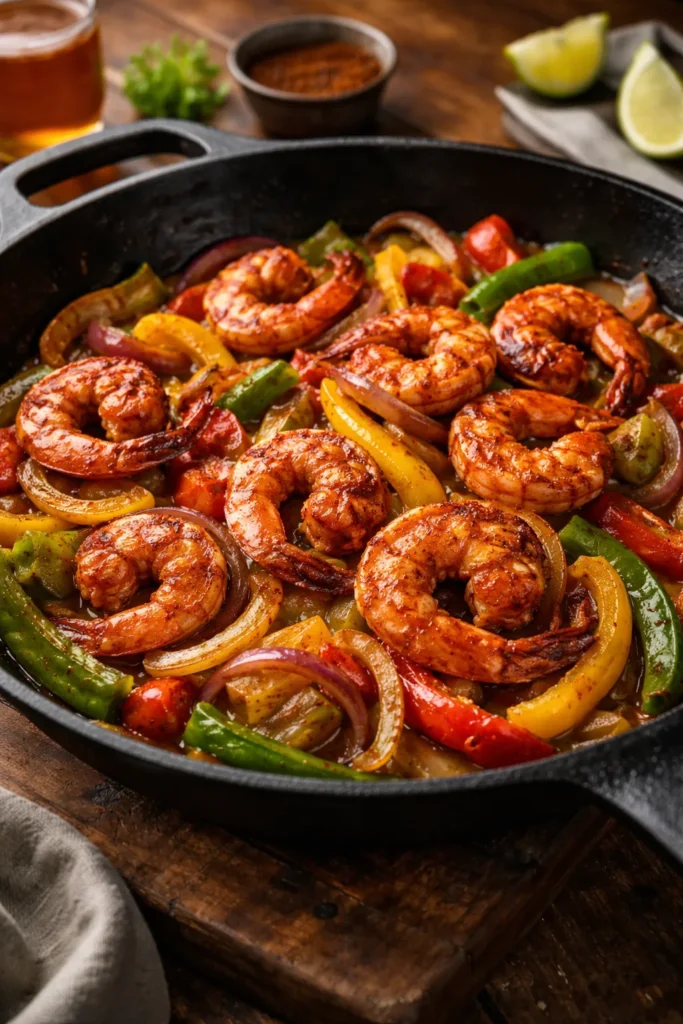
Shrimp fajitas are for the nights when you want big flavor in under 15 minutes — because shrimp is the fastest-cooking protein in the fajita repertoire, and it absorbs seasoning almost instantaneously.
The approach here skips a long marinade in favor of a dry rub applied directly before cooking. A combination of smoked paprika, cumin, chili powder, garlic powder, a pinch of cayenne, salt, and black pepper coats the shrimp and builds a gorgeous crust in the skillet. Toss large, deveined, tail-off shrimp in the rub just before cooking.
Why Shrimp Demands High Heat and Speed
Overcooking shrimp is the most common mistake, and it happens fast. Shrimp are done the moment they form a “C” shape and turn opaque — which takes about 1 to 2 minutes per side in a properly preheated skillet. An “O” shape means overcooked and rubbery. Watch them carefully.
Don’t marinate shrimp in lime juice for more than 10 to 15 minutes. The acid in citrus begins to denature the proteins — essentially cooking the shrimp chemically, the same principle behind ceviche. Season them, cook them immediately, and squeeze lime over the finished tacos instead.
Pairing Shrimp Fajitas with the Right Toppings
Shrimp has a natural sweetness that benefits from contrasting flavors — something cool, something spicy, something acidic.
- Avocado lime crema (blend sour cream, half an avocado, lime juice, and cilantro until smooth)
- Thinly sliced jalapeños or a fresh mango salsa
- Shredded purple cabbage for crunch and color
- Corn tortillas, warmed directly on the flame
Worth knowing: If you’re cooking for a crowd, shrimp fajitas are far easier to time correctly than steak because you don’t have to account for resting time. Cook, plate, serve immediately.
4. Vegetarian Portobello Mushroom Fajita Tacos
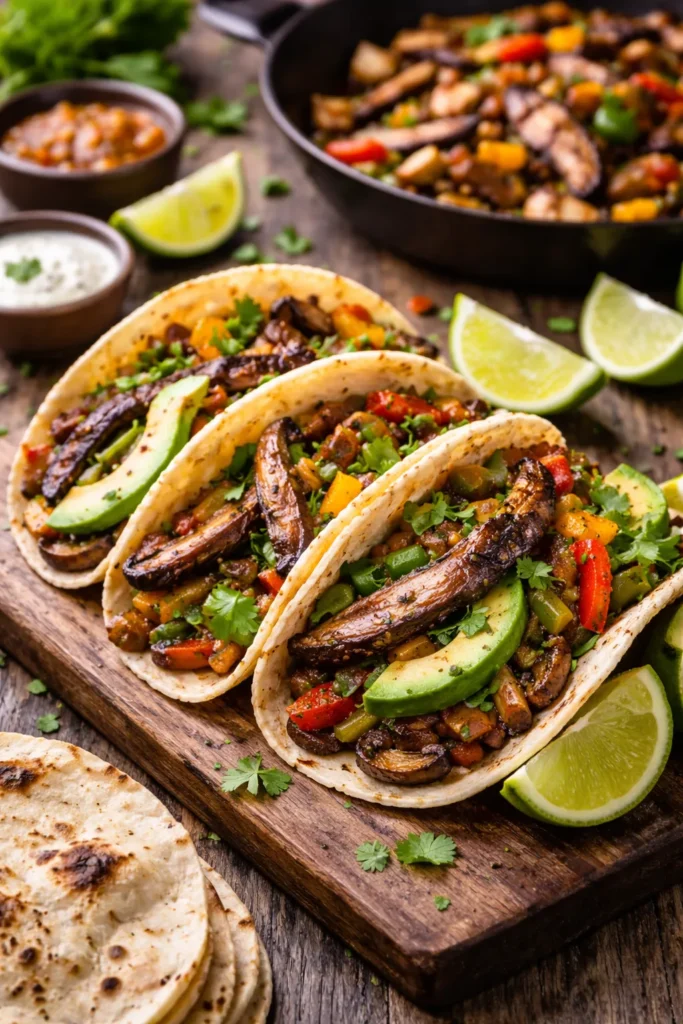
Skeptics of meatless fajitas have clearly never had portobello mushrooms in a properly screaming hot cast iron pan. These aren’t a consolation prize — they’re genuinely one of the most satisfying fajita variations on this entire list.
Portobello caps (or a mix of baby bella and cremini mushrooms) have a meaty, umami-rich quality that holds up to the same bold marinades you’d use on beef. Slice the portobellos into thick strips — about half an inch — and toss with olive oil, lime juice, smoked paprika, cumin, garlic powder, and a light hit of soy sauce (which amplifies the natural savory depth without making them taste Asian-fusion).
The Key to Getting Real Char on Mushrooms
Mushrooms release a significant amount of moisture as they cook. If you crowd the pan or use too much oil, they’ll steam instead of sear — and you’ll end up with gray, limp mushrooms that have none of the caramelized, smoky quality that makes this recipe work.
Spread the sliced mushrooms in a single layer with room between each piece. Use high heat, and resist the urge to stir them immediately. Let them sit undisturbed for 2 to 3 minutes before tossing so they can develop real brown color on at least one side. Then toss and cook for another 2 to 3 minutes.
Adding Extra Vegetables for Texture
The base of this recipe is mushrooms, peppers, and onions — but this is also a great opportunity to add:
- Sliced zucchini (add it in the last 2 minutes so it doesn’t get too soft)
- Corn cut from the cob for a touch of sweetness
- Black beans stirred in at the end for protein and heartiness
Finish with lime juice, fresh cilantro, and a generous scoop of guacamole. Warm corn tortillas complete the picture.
Pro tip: A drizzle of chipotle sauce or a spoonful of smoky salsa verde takes mushroom fajitas from good to memorable.
5. Crispy Baked Fajita Tacos
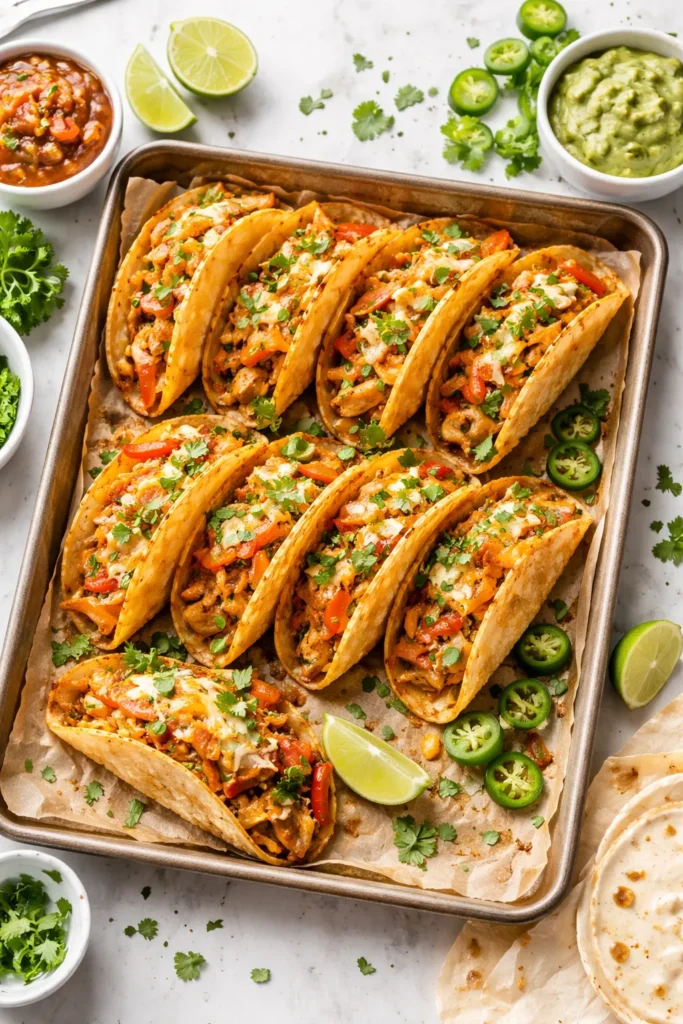
This one flips the script entirely. Instead of serving fajita filling in soft tortillas, you fill the tortillas before baking — and the result is something halfway between a taco and a crispy, golden fajita shell that shatters satisfyingly with every bite.
The method is straightforward. Prepare your fajita filling (chicken or a mix of seasoned peppers and onions both work brilliantly here), stuff it into corn or small flour tortillas, lay them in a single layer on a rimmed baking sheet, and bake at 400°F until the shells are golden brown and crispy. The filling steams slightly inside while the shell crisps on the outside — it’s a genuinely different textural experience from a standard soft taco.
Why This Method Works for Feeding a Crowd
If you’ve ever tried to time a taco night for more than four people, you know the chaos of keeping tortillas warm, proteins from drying out, and everything from hitting the table at the same time. Baked fajita tacos solve that problem. You can prep everything in advance, assemble on two sheet pans, and bake both simultaneously. Everyone eats at the same time. No juggling.
Building the Baked Version
Use a vegetarian filling of bell peppers, onions, black beans, and corn for a budget-friendly, deeply satisfying option. Season the vegetables generously with fajita seasoning and roast them briefly before stuffing — pre-roasting concentrates their flavor and removes excess moisture so the tortillas don’t go soggy.
- Add a thin layer of shredded cheese inside the tortilla before the filling — it melts and acts as a barrier that keeps the shell crispy longer
- Brush the outside of each tortilla lightly with oil before baking to encourage browning
- Serve with fresh toppings only after baking: pico de gallo, sour cream, sliced avocado
Pro tip: If the tortillas crack when you try to fold them for baking, warm them for 20 to 30 seconds on each side in a dry skillet first. They’ll fold without splitting.
6. Sheet Pan Fajita Tacos
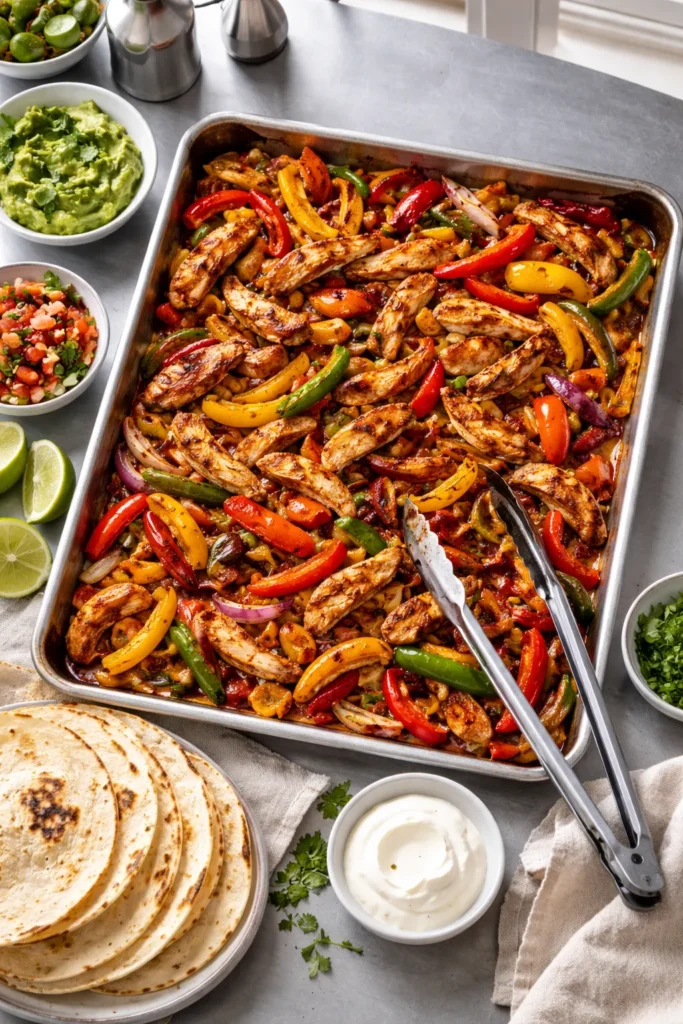
Sheet pan dinners have earned their reputation for good reason — minimal cleanup, hands-off cooking, and flavor that concentrates beautifully in the oven. Apply that concept to fajitas and you get a dinner that delivers on every promise without requiring you to stand over a hot skillet for 20 minutes.
The core technique is simple. Slice your protein (chicken thighs work especially well here — more forgiving than breast, more flavorful, and they stay juicy at oven temperatures) and your peppers and onions. Toss everything with oil, lime juice, and fajita seasoning. Spread in a single layer on one or two sheet pans — do NOT pile everything on one crowded pan, or you’ll get steaming instead of roasting.
Getting the Right Oven Temperature
425°F is the sweet spot for sheet pan fajitas. Hot enough to char the edges of the vegetables and get some caramelization on the chicken, but not so aggressive that the thinner pieces dry out. Position the rack in the upper third of the oven where heat is most intense.
Roast for 20 to 25 minutes, flipping everything once at the halfway mark. The chicken should hit 165°F internally, and the peppers should have visible darkened edges — that char is where the smokiness comes from.
Making Sheet Pan Fajitas More Interesting
- Add cherry tomatoes to the sheet pan in the last 10 minutes — they blister and burst, creating a natural sauce
- Toss in sliced red onions, which caramelize more deeply than yellow onions at high oven heat
- Use chicken thighs cut into strips rather than breast strips for better moisture retention
Serve straight from the pan with warm tortillas set out for everyone to build their own. The juices that collect on the sheet pan are pure concentrated flavor — scrape them up and pour them over the filling before serving.
7. Salmon Fajita Tacos with Mango Salsa
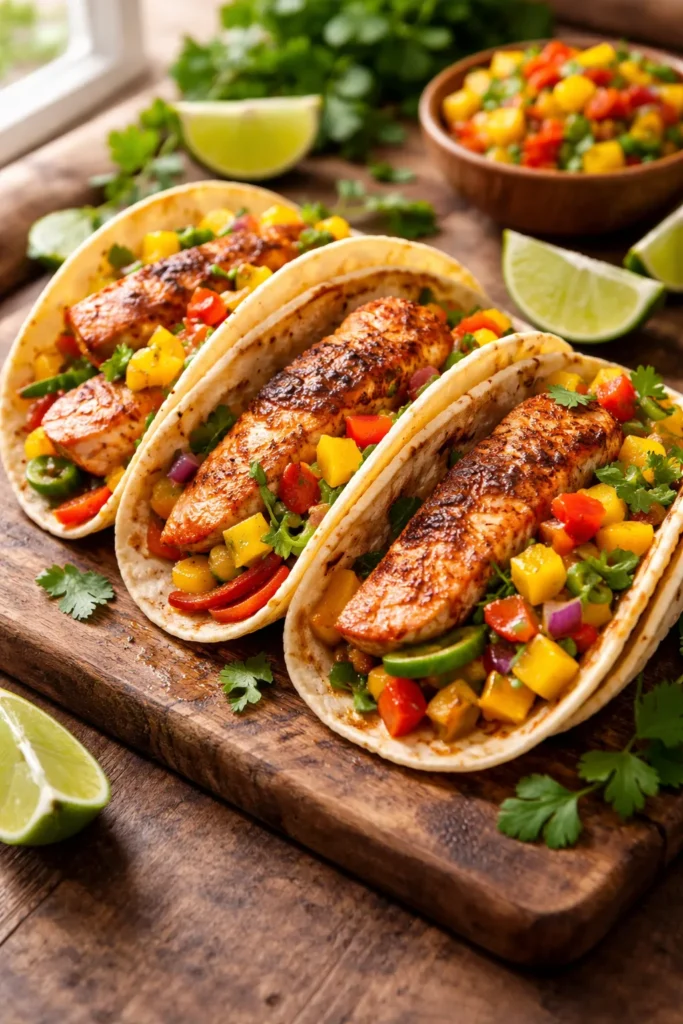
This combination sounds unexpected until you taste it — and then it makes complete sense. Salmon’s rich, slightly fatty flesh takes to bold Tex-Mex seasoning remarkably well, and the contrast between smoky, charred fish and a fresh mango salsa creates a balance that’s genuinely hard to stop eating.
Use salmon fillets with the skin removed, cut into strips about 1 inch wide. Season generously with smoked paprika, cumin, garlic powder, chili powder, a pinch of cayenne, salt, and a brush of oil. The high fat content of salmon means it naturally resists sticking, but a well-heated non-stick skillet or well-seasoned cast iron makes the process even more forgiving.
Cooking Salmon for Fajitas
Salmon cooks fast — faster than most people expect. In a properly preheated skillet over medium-high heat, strips this size take about 2 minutes per side. Look for the flesh to turn from translucent to opaque about two-thirds of the way up the side before flipping. The center can remain very slightly translucent — it will finish cooking from residual heat.
Don’t press down on the fish and don’t move it while it’s searing. Let it release naturally from the pan before flipping — if it sticks, it’s not ready to turn yet.
The Mango Salsa That Makes This Recipe
A simple mango salsa is the ideal companion for salmon fajitas. The sweetness of the mango, the heat of a small jalapeño, the acidity of fresh lime, and the brightness of cilantro do everything you’d want from a fajita topping while creating something that feels lighter and more vibrant than the usual combination.
Mango salsa components:
- 1 ripe mango, diced small
- ½ small jalapeño, minced (seed it for mild, leave seeds for heat)
- ¼ red onion, finely diced
- Juice of 1 lime
- A handful of fresh cilantro, roughly chopped
- Pinch of salt
Mix everything together at least 15 minutes before serving to let the flavors settle. Use corn tortillas for this one — their earthiness and structure play well against the fish.
8. Breakfast Fajita Tacos
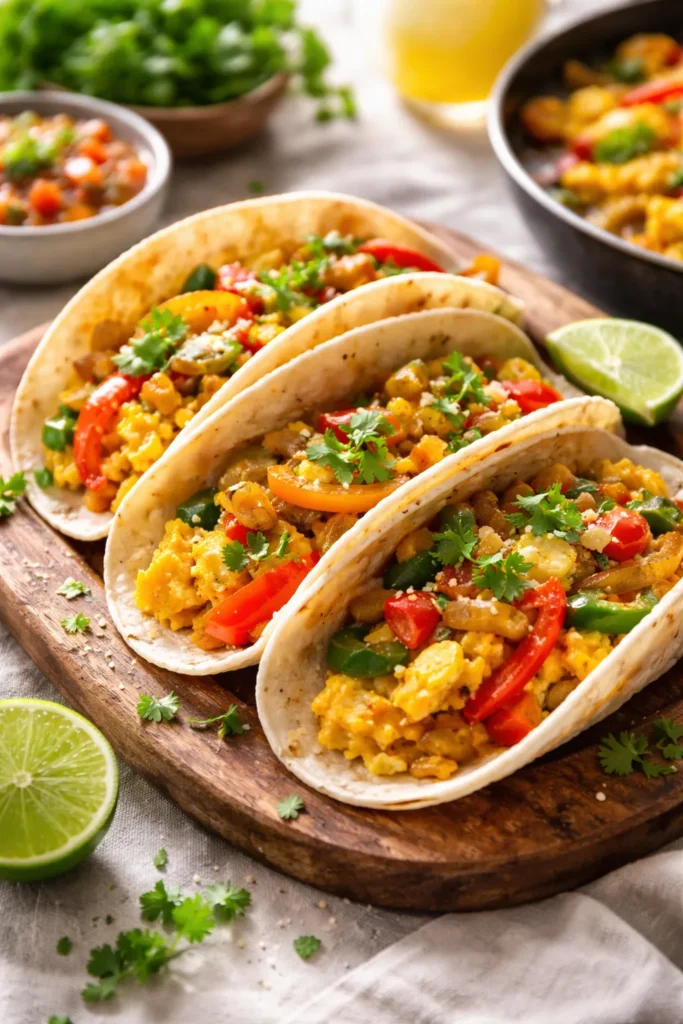
Nobody said fajitas were only for dinner. The breakfast fajita taco takes everything that works about a classic fajita — sautéed peppers and onions, bold seasoning, warm tortillas — and builds it around scrambled eggs, making it one of the most satisfying and practical morning meals you can put together in under 20 minutes.
Start by cooking your peppers and onions in a skillet over medium-high heat the same way you would for any fajita. Season them with a light version of fajita spice mix — cumin, garlic powder, a small amount of chili powder, and salt. You don’t need the full intensity of a dinner marinade here; breakfast flavors benefit from a lighter hand with the heat.
Adding Protein Beyond Eggs
Scrambled eggs are the base, but this is also a great opportunity to work in:
- Crumbled chorizo cooked in the same pan before the vegetables — its rendered fat becomes the cooking oil for the peppers, which absorbs all that paprika-spiced richness
- Leftover steak or chicken fajita filling from the night before, reheated in the skillet and folded with eggs
- Black beans warmed through and stirred in for plant-based protein
Scramble the eggs low and slow — medium heat, constant gentle movement with a spatula, pulled off the heat while still very slightly underdone. They’ll finish cooking from residual heat and stay creamy rather than rubbery.
Assembling the Breakfast Fajita Taco
Warm small flour tortillas — 6-inch works well for breakfast portions. Layer in the egg mixture, the peppers and onions, and any protein. Then:
- A spoonful of salsa verde (it’s brighter in the morning than a heavy red salsa)
- Sliced avocado or a thin smear of guacamole
- A sprinkle of cotija or crumbled feta
- Hot sauce if you want to wake up faster
Worth knowing: This is arguably the best use for leftover fajita filling. Reheat it in a skillet while the eggs cook, and you have a restaurant-quality breakfast taco in the time it takes to make toast.
What Makes Any Fajita Recipe Great
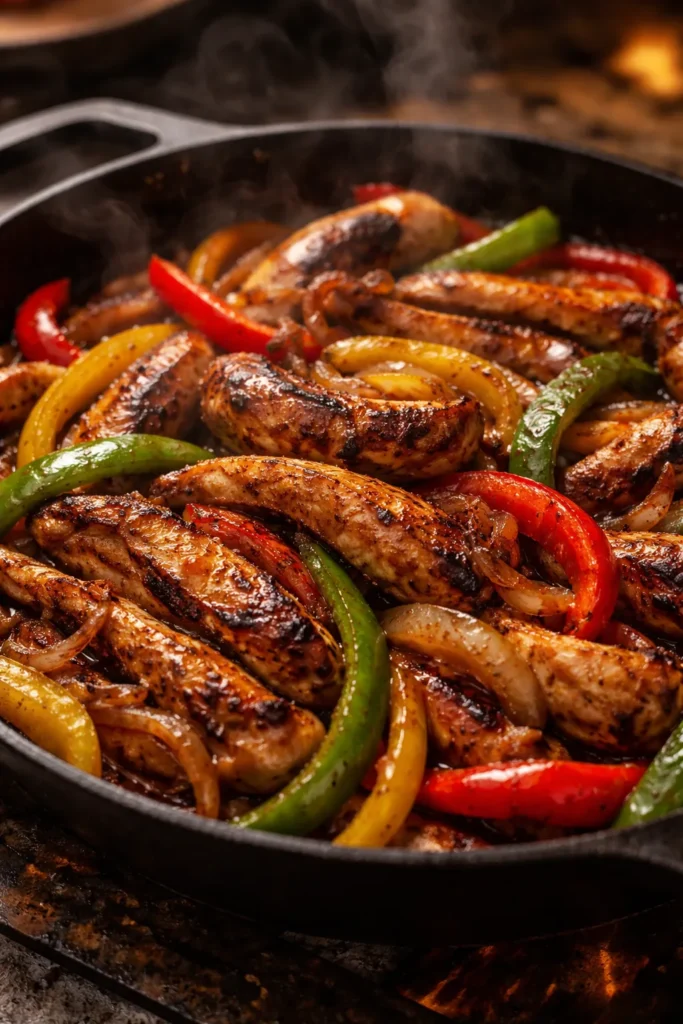
Before you fire up the skillet tonight, it helps to understand the handful of principles that separate genuinely good fajitas from forgettable ones.
The marinade is the foundation. Oil carries the fat-soluble spices into the protein. Acid (lime juice is the classic choice) begins tenderizing the meat and brightening the overall flavor. The spice blend — cumin, chili powder, garlic powder, paprika, oregano — defines the Tex-Mex character of the dish. All three elements need to be present, and the marinade needs time to work. Even 30 minutes makes a measurable difference.
High heat is non-negotiable. Fajitas are supposed to be seared, not stewed. A properly hot cast iron skillet or plancha creates the caramelization and slight char that gives fajitas their signature smoky quality. If the meat or vegetables are releasing liquid and simmering, the pan isn’t hot enough.
Don’t crowd the pan. This connects directly to the heat issue. When too much food goes in at once, the pan temperature drops and moisture has nowhere to go — the food steams in its own liquid rather than searing. Cook in batches if needed. It takes a few extra minutes but makes an enormous difference in the final result.
Slice against the grain. For any beef or chicken that you’re cutting after cooking, this rule determines whether the bites feel tender or chewy. Always look for the direction the muscle fibers run and cut perpendicular to them.
Rest the meat before slicing. Even for thin strips cooked quickly, a 5-minute rest after the skillet allows the internal juices to redistribute. Slice immediately and those juices run out onto the cutting board instead of staying in the meat where they belong.
Toppings, Sides, and Serving Ideas That Complete the Spread
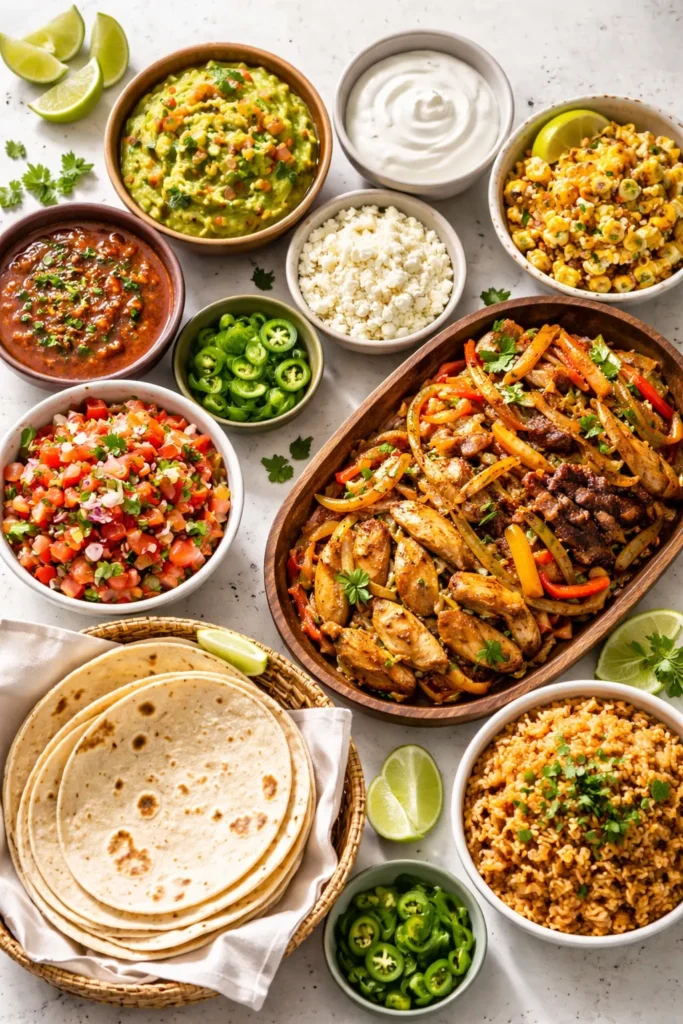
The filling is the star, but a Taco Tuesday spread lives or dies by its accompaniments.
For toppings, think in terms of four categories: creamy (sour cream, guacamole, avocado crema), fresh and acidic (pico de gallo, pickled red onions, lime wedges), rich and salty (shredded cheese, crumbled cotija, queso fresco), and heat (sliced jalapeños, chipotle hot sauce, salsa roja).
Sides that genuinely earn their place on the table:
- Cilantro lime rice — the acidity in the lime brightens every bite and it takes 20 minutes start to finish
- Black beans simmered with garlic, cumin, and a bay leaf — infinitely better than canned beans heated straight from the tin
- Mexican street corn (elote style) — grilled corn with cotija, lime, chili powder, and crema
- Chips and a fresh guacamole made right before serving, not 2 hours in advance
For drinks, a fresh agua fresca (hibiscus and lime is a good match for the smokiness of the fajitas) works beautifully, as does a cold Mexican lager with a lime wedge, or a margarita on the rocks with a salted rim.
Storing, Reheating, and Making Fajitas Ahead
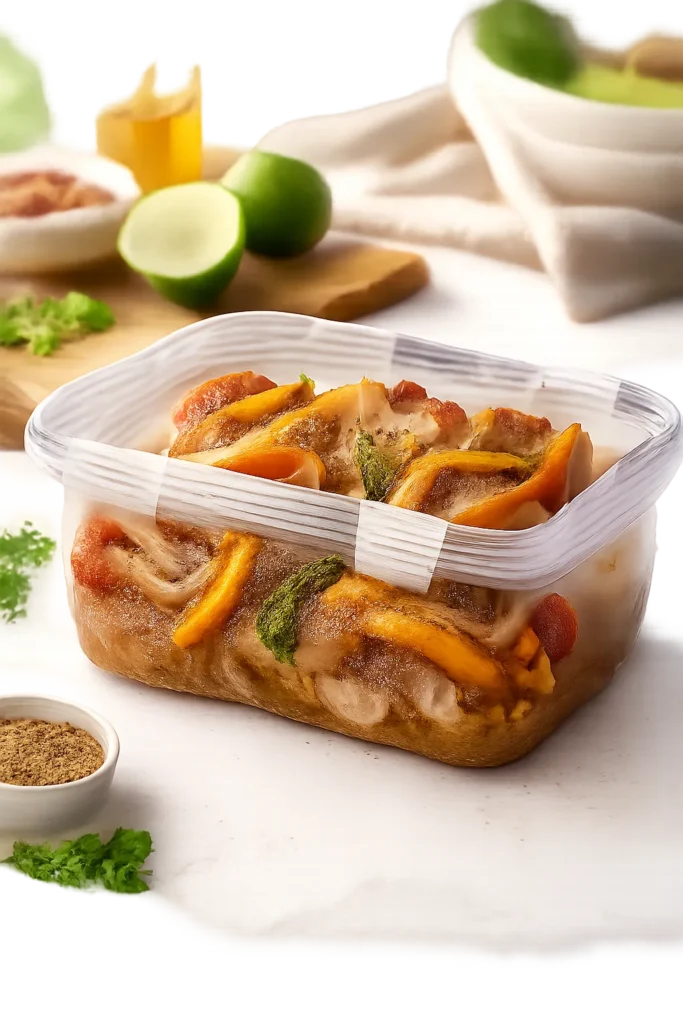
One of the genuinely underrated qualities of fajita fillings is how well they keep. The cooked protein and vegetables store together in an airtight container in the refrigerator for up to 4 days without a significant drop in quality.
For reheating, a hot skillet with a small drizzle of oil gives you results closest to freshly cooked — about 3 to 4 minutes over medium-high heat, tossing occasionally. The microwave works but tends to make the meat slightly rubbery and the vegetables limp. If you do use the microwave, cover the container and use 70% power in short 45-second bursts.
For make-ahead prep, the marinade can be blended and refrigerated up to a week before you need it. The vegetables can be sliced 2 to 3 days in advance and stored in an airtight container. With that prep done, a full fajita dinner on a Tuesday night takes no more than 15 minutes of active cooking time.
Avoid freezing cooked fajita filling — the texture of the meat changes noticeably after thawing, becoming somewhat grainy and dry. Raw, marinated protein, on the other hand, freezes well for up to 3 months. Marinate, freeze, thaw overnight in the refrigerator, and cook fresh.
Final Thoughts
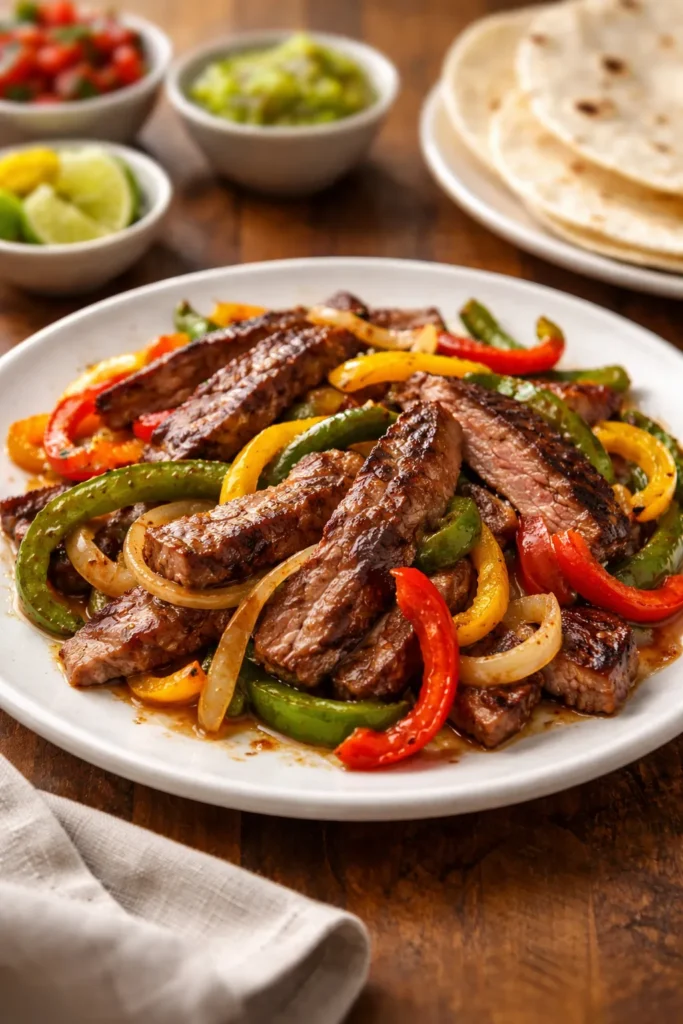
Eight recipes, eight different ways to do Taco Tuesday right — and the honest truth is that any one of them can become your house specialty with a little practice and the right technique.
Start with the classic chicken or steak version if you’re cooking fajitas for the first time. Get comfortable with the marinade, the high-heat sear, and the pepper-and-onion technique. Once that feels automatic, branch out. The shrimp version is a 15-minute weeknight solution. The salmon with mango salsa is genuinely impressive for guests. The breakfast fajita will make you rethink what morning food can be.
The common thread running through every single one of these recipes is simplicity in concept and generosity in flavor. Bold seasoning, proper heat, good-quality tortillas, and a table full of fresh toppings — that’s all a great fajita night requires. Everything else is just finding your favorite variation.
Pick your protein, heat up the skillet, and make Tuesday the best night of the week.