Table of Contents
- Quick Dinner Ideas New Zealand: Dinner on the Table in 30 Minutes
- Why 30-Minute Dinners Matter for New Zealand Families
- Essential Pantry Staples for Quick New Zealand Dinners
- Quick Kiwi-Inspired Dinner Ideas
- 10 Quick Dinner Recipes Perfect for NZ Kitchens
- Time-Saving Cooking Techniques
- Shopping Tips for Quick Dinner Success in New Zealand
- Meal Planning Strategies for Busy Weeknights
- Kid-Friendly Quick Dinners That Actually Work
- Final Words
Quick Dinner Ideas New Zealand: Dinner on the Table in 30 Minutes
Between juggling work commitments, school pickups, after-school activities, and the endless to-do lists that come with modern life, getting dinner on the table can feel like climbing Mount Taranaki after a long day. If you’ve found yourself standing in front of the fridge at 6 PM wondering what on earth to cook, you’re certainly not alone. Thousands of Kiwi families face this nightly challenge, often resorting to expensive takeaways or processed convenience foods that don’t quite tick the nutrition or budget boxes.
The good news? You absolutely can prepare delicious, nutritious, and satisfying dinners in 30 minutes or less—and we’re not talking about sad sandwiches or boring two-minute noodles. With the right strategies, a well-stocked pantry, and some clever cooking techniques, you can transform your weeknight dinner routine from stressful to streamlined. Whether you’re cooking for one, feeding a family of five, or somewhere in between, quick dinner solutions don’t have to mean compromising on flavor, variety, or quality.
This comprehensive guide will walk you through everything you need to know about preparing speedy weeknight meals that work specifically for New Zealand households. From pantry essentials readily available at your local New World or Pak’nSave, to recipes that celebrate our local produce and preferences, to time-saving techniques that’ll shave precious minutes off your cooking time—we’ve got you covered. Let’s dive into the world of quick dinner ideas that’ll have you reclaiming your evenings while still enjoying home-cooked goodness.
Why 30-Minute Dinners Matter for New Zealand Families
Understanding the importance of quick meal solutions helps motivate better planning and demonstrates how efficient cooking benefits your household beyond just saving time.
The reality of contemporary Kiwi life means that time has become one of our most precious commodities. According to recent lifestyle surveys, the average New Zealand household spends increasingly less time preparing evening meals, with many families feeling pressure to balance work obligations, children’s activities, and personal wellbeing. This time crunch has led to a significant increase in takeaway consumption across the country, with fish and chips, pizza, and fast food chains becoming default options when cooking feels too overwhelming.
However, regularly relying on takeaways carries substantial consequences beyond the immediate convenience. Financially, frequent takeaway meals can strain household budgets considerably—what might seem like a reasonable $30-40 spent on a quick dinner solution adds up to hundreds of dollars monthly. For many New Zealand families already facing rising living costs, grocery prices, and mortgage pressures, this represents a significant expense that could be redirected toward savings, family activities, or other priorities. Additionally, most commercial takeaway options contain excessive sodium, unhealthy fats, and hidden sugars that don’t align with health-conscious eating goals.
The health implications deserve particular attention. New Zealand faces ongoing challenges with obesity rates, diabetes, and cardiovascular disease, conditions strongly linked to dietary choices. Home-cooked meals typically contain more vegetables, better-quality proteins, and significantly less processed ingredients compared to restaurant or takeaway alternatives. When families cook at home, they control portion sizes, ingredient quality, and nutritional balance—critical factors in maintaining good health for both adults and growing children.
Beyond health and budget considerations, there’s something intrinsically valuable about gathering around a home-cooked meal. These moments create opportunities for family connection, conversation about the day’s events, and modeling healthy eating behaviors for children. Quick dinner solutions that take just 30 minutes bridge the gap between convenience and quality, allowing you to reap these benefits without spending your entire evening in the kitchen. You’re not sacrificing precious family time or personal downtime—you’re simply working smarter with efficient recipes and strategies that deliver maximum results with minimal effort.
Essential Pantry Staples for Quick New Zealand Dinners
Building a well-stocked pantry forms the foundation of speedy meal preparation, ensuring you always have key ingredients on hand when time is limited.
The secret to consistently pulling off 30-minute dinners lies not just in having great recipes, but in maintaining a strategic pantry and fridge stocked with versatile ingredients. Think of your pantry as your culinary insurance policy—when it’s properly stocked, you’re always just a few fresh ingredients away from a complete meal, regardless of how hectic your day has been.
Protein Powerhouses
Keeping a variety of quick-cooking proteins available transforms your dinner options exponentially. Canned tuna and salmon represent affordable, shelf-stable options that work brilliantly in pasta dishes, salads, rice bowls, and patties. Choose varieties packed in spring water or olive oil from brands readily available at New Zealand supermarkets. Eggs deserve a permanent spot in your fridge—they’re incredibly versatile, cook quickly, and work for breakfast-for-dinner options, fried rice additions, or simple omelettes packed with vegetables.
For meat-eaters, keeping quick-cooking cuts in your freezer provides flexibility. Chicken breast, thigh fillets, lamb leg steaks, and beef mince all cook relatively quickly, especially when sliced thinly or used in stir-fries and pan-cooked dishes. New Zealand produces exceptional quality meat, and buying when on special allows you to stock up economically. Fish fillets—whether fresh or frozen—cook in mere minutes and pair beautifully with our abundant local produce. Don’t overlook plant-based proteins like canned chickpeas, lentils, and black beans, which require zero cooking time and bulk up curries, salads, and Mexican-inspired dishes brilliantly.
Vegetables and Fresh Produce
While fresh vegetables obviously require regular shopping, certain varieties last longer and provide better value for quick cooking. Kumara, potatoes, onions, and garlic store well for weeks and form the flavor base for countless dishes. Keep carrots, capsicum, and broccoli on hand—they’re sturdy vegetables that maintain quality for over a week when properly stored and cook relatively quickly when cut into smaller pieces.
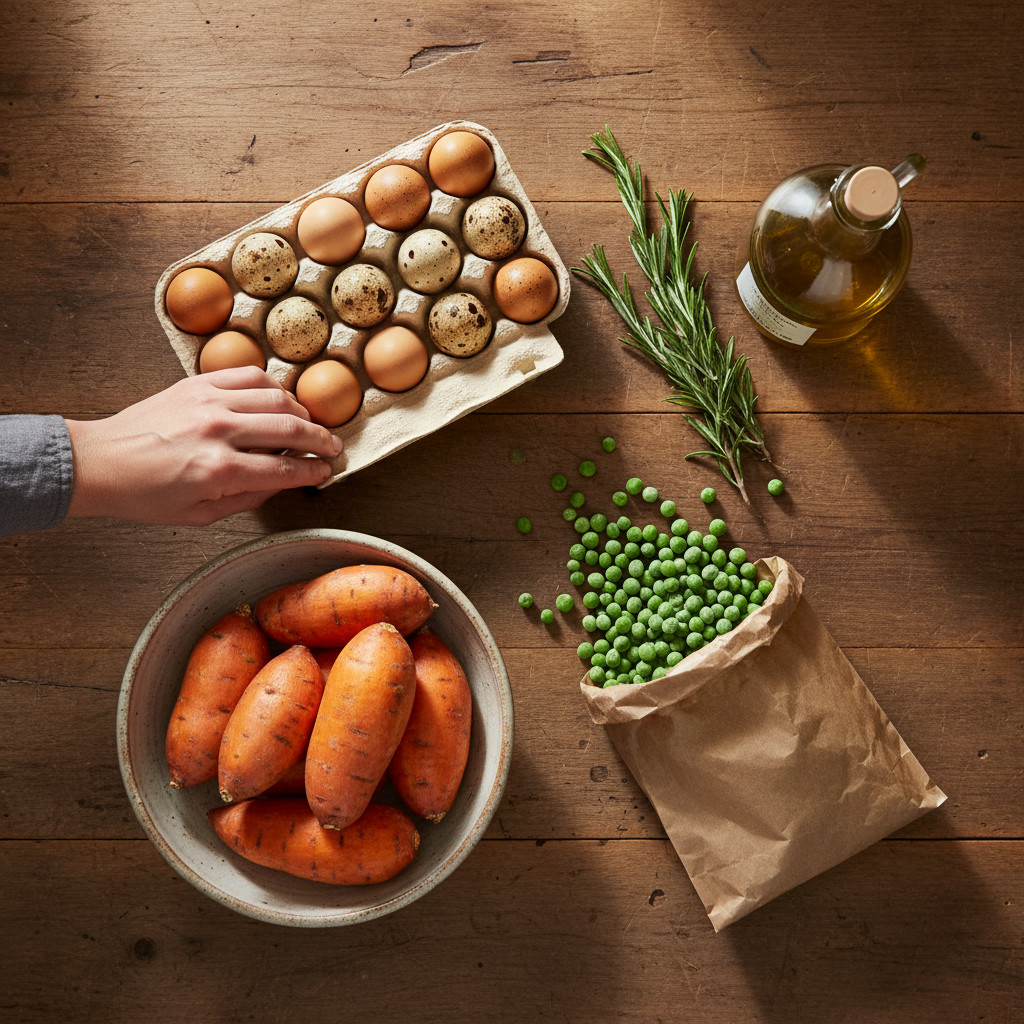
Frozen vegetables deserve serious recognition as quick-cooking heroes. Modern snap-freezing technology preserves nutrients exceptionally well, meaning frozen peas, corn, beans, and mixed vegetables often contain comparable or even superior nutritional value to fresh produce that’s been sitting in your crisper for a week. They require absolutely no preparation—no washing, peeling, or chopping—and cook in minutes, making them perfect for rushed weeknights. Stock your freezer with several varieties to add vegetable content to virtually any meal.
Don’t forget about pre-washed salad greens and coleslaw mixes available in the refrigerated section. While slightly more expensive than whole lettuces, the time savings and reduced waste often justify the cost, particularly during busy weeks. These products eliminate washing and chopping time while ensuring you can add fresh, crisp vegetables to any meal within seconds.
Pantry Basics That Deliver
Your pantry should contain flavor-building ingredients that turn simple components into delicious dinners. Quality stock cubes or liquid stock (chicken, beef, and vegetable varieties) form the foundation of soups, risottos, and sauce-based dishes. Canned tomatoes—both diced and whole—enable quick pasta sauces, curries, and casseroles. Keep various pasta shapes, rice (both white and brown), and quick-cooking grains like couscous or quinoa as your carbohydrate base options.
Condiments and flavor enhancers multiply your recipe possibilities exponentially. Soy sauce, sweet chili sauce, tomato sauce, and Worcestershire sauce are Kiwi staples that add instant flavor depth. Dried herbs and spices—particularly garlic powder, paprika, cumin, Italian herbs, and curry powder—transform bland dishes into flavorful meals. Olive oil for cooking and salad dressings, along with basic seasonings like salt and pepper, round out your essential collection. With these staples consistently available, you’ll find that quick dinners become less about scrambling for ingredients and more about simply combining what you already have in creative ways.
Quick Kiwi-Inspired Dinner Ideas
Celebrating New Zealand’s unique food culture while adapting traditional favorites for speed ensures your quick dinners feel familiar and satisfying.
New Zealand’s culinary identity beautifully blends British influences, Pacific Island flavors, Asian inspiration, and our own local innovations. The challenge lies in adapting beloved Kiwi classics into versions that fit within a 30-minute timeframe without sacrificing the essence of what makes them special.
Speedy Takes on Local Favorites
The traditional roast dinner holds sacred status in many New Zealand households, particularly on Sundays. While a proper roast requires hours, you can capture those comforting flavors much faster with deconstructed roast bowls. Pan-fry thin lamb leg steaks or chicken thigh fillets with rosemary and garlic, roast kumara chunks at high heat while the meat cooks, quickly steam or microwave frozen peas and broccoli, and finish with instant gravy. You’ll have all the flavors of a traditional roast in a fraction of the time, served in a casual bowl format that requires less formality and cleanup.
Meat pies represent quintessential Kiwi comfort food, but making pastry from scratch doesn’t fit quick dinner parameters. Instead, create deconstructed pie bowls by cooking mince with onions, peas, and gravy, then serving over mashed potato (use the microwave for speed) or with store-bought puff pastry strips baked separately as crispy toppers. This delivers all the savory satisfaction of a proper pie with significantly less effort and time investment.
Fish and chips can absolutely be achieved at home within 30 minutes using a few clever shortcuts. Instead of batter-frying, coat fish fillets in panko breadcrumbs and pan-fry in a generous amount of oil for a crispy exterior. Cut potatoes into thin wedges, toss with oil and salt, and roast at maximum oven temperature. While not identical to your local takeaway, this version provides similar satisfaction with better nutrition and lower cost. Serve with coleslaw made from pre-shredded cabbage mix and a simple mayo-based dressing for the complete experience.
Seasonal Considerations
New Zealand’s distinct seasons influence what’s available, affordable, and appealing at different times of year. During summer months when the weather’s warm and appetites lighter, embrace quick salads featuring seasonal produce. Combine cooked chicken or canned tuna with vibrant tomatoes, cucumbers, corn, and avocado over mixed greens. Summer also brings beautiful stone fruits—while typically dessert items, grilled peaches or nectarines alongside pork chops create sophisticated yet simple dinner plates.
Autumn and winter call for heartier, warming dishes that comfort on cold evenings. Quick soups and stews become appealing, particularly versions using pressure cookers or instant pots that dramatically reduce cooking times. Pumpkin soup made with pre-cut pumpkin pieces, stock, and cream can be table-ready in 20 minutes. Winter vegetables like broccoli, cauliflower, and brussels sprouts pair beautifully with robust proteins and rich sauces, creating satisfying meals that feel substantial without requiring hours of preparation.
Spring brings fresh asparagus, new potatoes, and lamb—capitalize on these seasonal treasures with simple preparations that highlight their natural flavors. Pan-fried lamb chops with steamed asparagus and baby potatoes tossed in butter and herbs requires minimal technique but delivers maximum impact. Letting seasonal ingredients shine means you need less manipulation and complexity in your cooking, which naturally aligns with quick meal preparation philosophies.
10 Quick Dinner Recipes Perfect for NZ Kitchens
These specific recipes utilize commonly available ingredients and straightforward techniques to deliver complete meals within the 30-minute timeframe.
Having a rotation of reliable quick recipes prevents decision fatigue and ensures you’re never stuck wondering what to cook. These ten options cover various protein sources, dietary preferences, and flavor profiles while remaining accessible to cooks of all skill levels.
1. One-Pan Honey Soy Chicken and Vegetables
Cut chicken thigh fillets into bite-sized pieces and cook in a hot pan with a little oil until golden. Add sliced capsicum, broccoli florets, and snap peas, cooking for several minutes until vegetables soften slightly. Combine honey, soy sauce, minced garlic, and a splash of water, pour over the chicken and vegetables, and simmer for a few minutes until the sauce thickens and coats everything beautifully. Serve over microwaved rice or quick-cooking egg noodles. This recipe delivers sweet-savory Asian-inspired flavors with minimal dishes and maximum convenience, making it perfect for weeknight cooking.
2. Speedy Fish Tacos with Quick Slaw
Season white fish fillets with cumin, paprika, salt, and pepper, then pan-fry in oil until cooked through and flaking easily. While fish cooks, combine pre-shredded coleslaw mix with lime juice, a touch of mayonnaise, and chopped cilantro if available. Warm flour or corn tortillas, fill with flaky fish pieces, top with the tangy slaw, and finish with sliced avocado and a squeeze of lime. This fresh, light meal feels special enough for entertaining while being straightforward enough for busy Tuesday nights, and the flavor combination appeals to both adults and children.
3. Kiwi-Style Mince and Macaroni
Brown beef mince in a large pot, drain excess fat, then add diced onion and cook until softened. Stir in canned diced tomatoes, tomato paste, beef stock, dried Italian herbs, and macaroni pasta, bringing everything to a boil before reducing to a simmer. Cook until pasta reaches tender consistency, adding water if the mixture becomes too thick. This one-pot wonder combines the nostalgia of classic mince dishes with the comfort of pasta, creating a filling, budget-friendly meal that children typically love and adults find satisfying after long days.
4. Thai-Inspired Coconut Curry
Sauté curry paste (red, green, or yellow based on preference and heat tolerance) in a little oil until fragrant, then add coconut cream and stir to combine. Add sliced chicken breast or prawns along with vegetables like capsicum, green beans, and bamboo shoots, simmering until protein cooks through. Finish with fish sauce, lime juice, and fresh basil if available. Serve over jasmine rice prepared in a rice cooker or microwave. This restaurant-quality curry delivers complex flavors from minimal ingredients, with the coconut cream providing rich, satisfying body that makes the meal feel indulgent.
5. Mediterranean Pasta with Chickpeas
Cook pasta according to package directions while simultaneously heating olive oil in a large pan with plenty of minced garlic. Add canned chickpeas (drained and rinsed), halved cherry tomatoes, sliced olives, and baby spinach, cooking until tomatoes soften and spinach wilts. Toss the cooked pasta through the vegetable mixture, adding pasta cooking water to create a light sauce. Finish with crumbled feta cheese and lemon juice. This vegetarian-friendly option proves that meat-free meals can be completely satisfying while also being economical and nutrient-dense.
6. Quick Lamb and Kumara Bowl
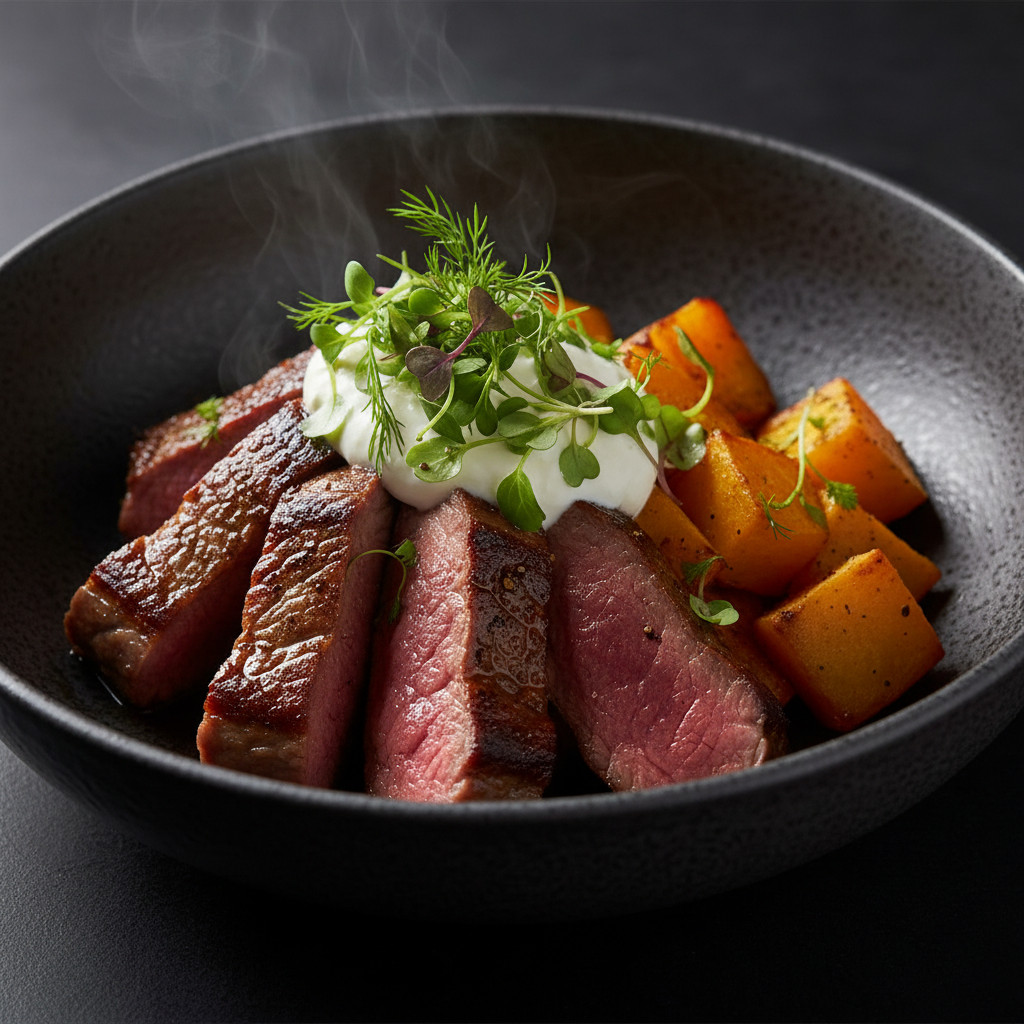
Cut lamb leg steaks into strips and season with cumin, coriander, and salt. Dice kumara into small cubes and microwave until tender, then pan-fry in a little oil until edges crisp slightly. Cook lamb strips in a hot pan until browned but still slightly pink inside. Assemble bowls with the kumara, lamb, mixed salad greens, sliced cucumber, and a dollop of Greek yogurt mixed with mint and lemon juice. This bowl-style meal celebrates distinctly Kiwi ingredients while providing a nutritionally balanced plate with protein, complex carbohydrates, and fresh vegetables.
7. Bacon and Egg Fried Rice
This breakfast-for-dinner approach uses pre-cooked rice (leftover from previous meals or microwave pouches work perfectly). Dice bacon and cook until crispy, remove from pan, then scramble eggs in the bacon fat. Add the cooked rice, breaking up any clumps, and stir-fry with frozen mixed vegetables, soy sauce, and sesame oil if available. Return bacon to the pan and mix everything together thoroughly. Top with sliced spring onions for freshness. This economical meal uses pantry staples and transforms them into something genuinely delicious that satisfies comfort food cravings.
8. Pesto Chicken with Roasted Vegetables
Coat chicken breast fillets with basil pesto (store-bought saves tremendous time) and pan-fry until cooked through. While chicken cooks, toss sliced zucchini, capsicum, and red onion with olive oil and roast at high temperature until slightly charred and tender. Serve chicken sliced over the roasted vegetables with a side of crusty bread or a simple green salad. The pesto provides instant flavor complexity without requiring multiple ingredients or complicated technique, making this recipe ideal for nights when mental energy runs as low as available time.
9. Mexican Bean Quesadillas
Mash canned black beans or refried beans with taco seasoning, spreading the mixture over half of large flour tortillas. Top with grated cheese, sliced spring onions, and corn kernels, folding the tortilla in half. Pan-fry in a dry pan until golden and crispy on both sides with cheese fully melted. Cut into wedges and serve with sour cream, salsa, sliced avocado, and a simple side salad. These quesadillas demonstrate how pantry ingredients can create satisfying meals without requiring fresh meat or complicated preparation, while also accommodating vegetarian household members.
10. Teriyaki Salmon with Stir-Fried Greens
Brush salmon fillets with teriyaki sauce (bottled versions work excellently) and bake at high temperature or pan-fry until cooked to preference. Stir-fry bok choy, broccolini, or Asian greens with garlic and ginger in a hot wok or pan, finishing with a splash of soy sauce. Serve salmon over the greens with steamed rice or instant noodles. Salmon’s quick cooking time and rich omega-3 content make it perfect for weeknight meals, while the teriyaki sauce delivers sweetness that appeals even to seafood-skeptical children, potentially expanding their culinary horizons.
Time-Saving Cooking Techniques
Mastering efficient cooking methods and strategic preparation approaches dramatically reduces the time required for meal preparation without compromising results.
Beyond following specific recipes, understanding fundamental time-saving techniques allows you to cook more efficiently regardless of what you’re preparing. These approaches work across various cuisines and ingredients, becoming increasingly natural with practice until they’re simply how you cook.
Strategic Preparation Methods
Mise en place—the professional cooking term for having everything prepared before cooking begins—might seem counterintuitive when trying to save time, but it actually prevents the mid-cooking scramble that extends preparation time. Before turning on any heat, gather all ingredients, measure what needs measuring, and complete basic prep like chopping vegetables or measuring liquids. This organized approach means you’re ready when the cooking process demands quick action, preventing burned garlic while you frantically search for the soy sauce or forgotten vegetables languishing in the crisper.
Cooking multiple components simultaneously represents one of the most effective time-saving strategies. While pasta boils, prepare the sauce. As meat cooks, chop salad ingredients. When rice steams in the cooker, prepare and cook your protein and vegetables. This parallel processing approach requires slightly more mental bandwidth and coordination but can easily shave 10-15 minutes off your total cooking time compared to sequential preparation where you complete one task before starting another.
Batch cooking certain components during less busy periods pays tremendous dividends on hectic nights. Spending 30 minutes on Sunday preparing elements like cooked rice, chopped vegetables, marinated proteins, or simple sauces means your 30-minute meals become 15-minute assembly jobs. Store these components in clear containers so you can see what’s available at a glance. Even modest preparation like washing and chopping a week’s worth of onions or cooking a large batch of mince for multiple meals creates meaningful time savings that compound throughout the week.
Kitchen Tools That Accelerate Cooking
Investing in a few key kitchen tools delivers returns through reduced cooking times and effort. A rice cooker might seem like a single-purpose extravagance, but it eliminates the need to monitor boiling rice, prevents burning, and frees up both mental attention and stovetop space for other cooking tasks. Many models include steamer baskets, allowing you to cook vegetables simultaneously with rice for truly hands-off side dish preparation.
Microwave ovens offer more than just reheating leftovers—they excel at quickly cooking vegetables, softening potatoes for faster roasting, and preparing components like kumara or pumpkin that might otherwise require extended oven time. While traditional cooking snobs might scoff, a microwave represents one of the most efficient cooking tools available for time-pressed households. Modern microwaves with sensor cooking features take even the guesswork out, delivering consistent results with minimal effort.
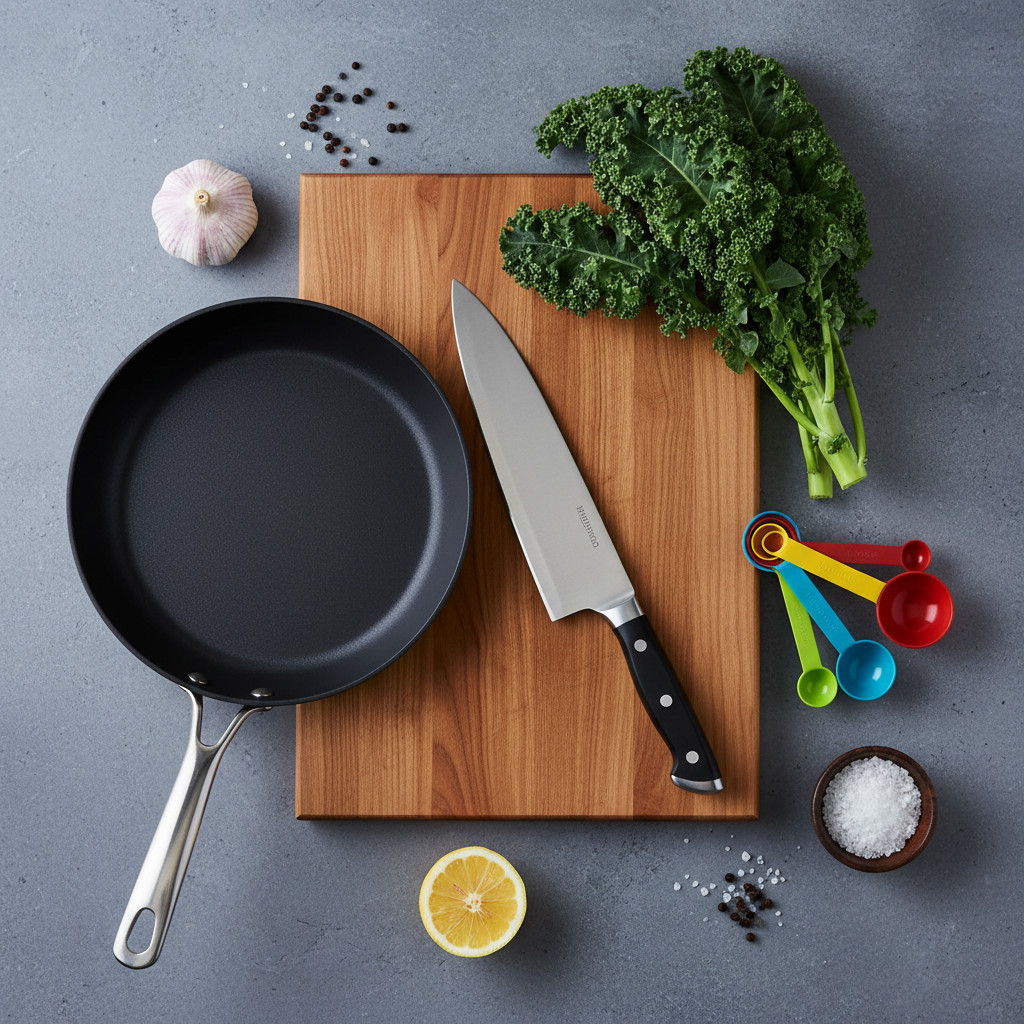
Sharp knives deserve mention not as fancy equipment but as fundamental tools that dramatically affect preparation speed. A sharp knife cuts through vegetables, herbs, and proteins quickly and safely, while dull knives require sawing and pressure that slows you down and increases injury risk. Keeping your knives sharp—either through professional sharpening services or learning basic honing techniques—immediately improves your cooking efficiency. Similarly, having appropriate cutting boards, measuring tools, and utensils easily accessible prevents the time waste of hunting through drawers or washing tools mid-preparation.
Pressure cookers and instant pots have revolutionized quick cooking by drastically reducing cooking times for traditionally slow dishes. Dried beans, tough meat cuts, and grain-based dishes that might normally require hours become weeknight-feasible when pressure cooked. While the initial learning curve might feel intimidating, these appliances ultimately expand your quick cooking repertoire beyond the typical stir-fries and pasta dishes, adding curries, stews, and braised preparations to your 30-minute meal rotation.
Shopping Tips for Quick Dinner Success in New Zealand
Strategic shopping ensures you have necessary ingredients available while managing budget constraints and reducing food waste.
The foundation of consistent quick cooking begins not in your kitchen but at the supermarket. How you shop, what you buy, and when you shop all impact your ability to pull together fast meals throughout the week.
Where and When to Shop
New Zealand offers various shopping options, each with distinct advantages. Major supermarket chains like Countdown, New World, and Pak’nSave provide comprehensive one-stop shopping with consistent availability of staples. Pak’nSave typically offers the most competitive pricing, making it ideal for budget-conscious households willing to sacrifice some convenience and presentation for lower costs. New World often features higher-quality produce and specialty ingredients, while Countdown balances price and selection reasonably well across most categories.
Shopping during off-peak hours saves significant time—early mornings, mid-afternoons, or late evenings typically feature shorter checkout queues and less crowded aisles. If your schedule permits, shopping mid-week rather than weekends provides similar benefits. Many New Zealand supermarkets now offer click-and-collect or home delivery services, which eliminate shopping time entirely while reducing impulse purchases. The modest fees often prove worthwhile when you factor in time savings and reduced food waste from buying only what you’ve specifically planned to use.
Don’t overlook supplementary shopping options that can enhance your quick dinner capabilities. Asian supermarkets offer excellent prices on noodles, rice, sauces, and frozen items like dumplings that work beautifully for fast meals. Farmers’ markets provide gorgeous seasonal produce, often cheaper than supermarkets when bought in season, though they require separate shopping trips. Bulk stores can offer significant savings on pantry staples like pasta, rice, and canned goods when you have storage space and upfront budget to purchase larger quantities.
What to Buy for Maximum Flexibility
Shopping strategically means choosing ingredients that work across multiple recipes rather than buying single-use specialty items. Chicken thigh fillets, for instance, work in stir-fries, curries, roast vegetable bowls, pasta dishes, and tacos—far more versatile than a pre-marinated specific-use product. Similarly, basic vegetables like onions, capsicum, and broccoli appear across numerous cuisines and preparation styles, while more specific vegetables might suit only particular dishes.
Pre-prepared options sometimes deserve space in your trolley despite higher per-unit costs. Pre-cut vegetables, washed salad greens, pre-marinated proteins, and jarred sauces trade money for time—a trade-off that might be worthwhile during particularly demanding weeks. The key lies in choosing these convenience items strategically rather than defaulting to them constantly. Perhaps you buy pre-cut stir-fry vegetables but chop your own onions, balancing convenience with economy based on what creates the most meaningful time savings for your specific cooking patterns.
Pay attention to specials and stock up on items you regularly use when they’re discounted. Meat, in particular, benefits from this approach—buying family packs when on special, separating into meal-sized portions, and freezing provides significant savings over purchasing small quantities at full price each week. Similarly, shelf-stable pantry items like pasta, rice, canned tomatoes, and canned fish can be purchased in bulk during sales without quality concerns, building your strategic pantry while managing your budget efficiently.
Meal Planning Strategies for Busy Weeknights
Implementing simple planning systems prevents decision fatigue and ensures you’re consistently prepared for quick dinner success.
Even the best recipes and most well-stocked pantries falter without basic planning. Fortunately, meal planning for quick dinners doesn’t require elaborate systems or hours of weekend prep—simple approaches deliver substantial benefits without becoming another burdensome task.
Simple Planning Approaches
The most basic planning involves designating themes for different weeknights, creating a simple framework for decision-making. Monday might be pasta night, Tuesday features tacos or Mexican-inspired meals, Wednesday showcases chicken, Thursday focuses on vegetarian options, and Friday becomes clean-out-the-fridge night using whatever needs using before weekend shopping. This structure eliminates the “what should we have for dinner” paralysis while maintaining sufficient variety to prevent monotony. Themes provide guardrails without rigidity—you’re not planning specific recipes weeks in advance, just general directions that narrow options to manageable choices.
Maintaining a running list of tried-and-true quick recipes prevents the common trap of forgetting what you already know how to cook quickly. Many people possess a larger quick-cooking repertoire than they realize but forget options when stressed and time-pressed. Keep a list on your phone, in a notebook, or on your fridge—somewhere easily referenced during meal planning or shopping. When you discover a new quick recipe that works well for your household, add it to this master list. Over time, this reference document becomes invaluable for breaking out of repetitive cooking patterns and rediscovering forgotten favorites.
Flexible meal planning acknowledges that life happens—the carefully planned Tuesday dinner might need to shift to Wednesday because of an unexpected work meeting or a child’s sports practice running late. Build flexibility into your plan by choosing recipes with ingredients that keep well and aren’t date-specific. Having two or three planned meals ready to go at any point during the week, rather than assigning specific recipes to specific dates, provides structure while accommodating inevitable schedule disruptions without causing food waste or necessitating takeaway defaults.
Strategic Component Preparation
Dedicating 20-30 minutes during a less busy period to prepare components significantly accelerates actual dinner cooking. This doesn’t mean fully cooking meals in advance—it means creating building blocks that speed up final preparation. Washing and chopping vegetables for the week, cooking a large batch of rice or quinoa, browning several batches of mince for different uses, or preparing marinade for proteins creates head starts that transform 30-minute meals into 15-minute assembly jobs.
Focus preparation efforts on the most time-consuming or annoying tasks. If you hate chopping onions, prep a week’s worth at once. If cooking rice always feels like it takes forever, cook a large batch to refrigerate and quickly reheat for multiple meals. If marinated chicken makes weeknight cooking easier, prepare several chicken breasts in different marinades on Sunday, storing them ready to cook throughout the week. Customize your prep approach to your personal pain points rather than following generic advice about what “should” be prepared in advance.
Batch cooking full meals works well for some households, particularly when freezer space permits. Making double batches of suitable dishes like curries, pasta sauces, or casseroles provides ready-made dinners requiring only reheating. However, this approach doesn’t suit everyone—some people find eating the same meal twice in one week boring, while others lack sufficient freezer storage for meaningful batch cooking. Experiment to find what works for your household’s preferences, storage capacity, and schedule patterns rather than forcing yourself into systems that feel burdensome.
Kid-Friendly Quick Dinners That Actually Work
Feeding children well within quick timeframes requires understanding their preferences while maintaining nutritional standards and avoiding separate meal preparation.
Parents face the additional challenge of preparing quick dinners that children will actually eat, ideally without becoming a short-order cook preparing multiple different meals for different family members. Certain strategies and recipe types prove consistently successful with young diners while still keeping preparation times manageable.
Understanding Child Food Preferences
Children typically prefer foods with familiar flavors, recognizable ingredients, and textures that aren’t challenging or unexpected. This doesn’t mean capitulating to only beige foods, but it does suggest introducing variety gradually rather than expecting adventurous eating overnight. Deconstructed meals where children can see individual components often work better than mixed dishes where everything melds together. A burrito bowl where rice, beans, cheese, and vegetables sit separately typically receives better reception than the same ingredients mixed into a casserole.
Involving children in meal preparation—even in small ways—increases their willingness to eat the results. Young children can wash vegetables, tear lettuce, stir ingredients, or set the table. Older children can help with simple cutting tasks (under supervision with appropriate tools), measure ingredients, or read recipe instructions. This involvement creates investment in the meal while teaching valuable cooking skills. Even on busy weeknights, small participation opportunities require only an extra few minutes while delivering returns in both meal acceptance and life skills development.
Consistent exposure to various foods eventually leads to acceptance, even when initial reactions seem negative. Research indicates children might need 10-15 exposures to a new food before accepting it, so continuing to serve vegetables and other nutritious options without pressure maintains exposure while respecting that preferences develop over time. Offering new or less-preferred foods alongside familiar favorites prevents dinner becoming a battle while ensuring adequate nutrition. Your child might not eat the roasted broccoli tonight, but the chicken and rice will provide sustenance while they continue seeing broccoli as a normal dinner component.
Specific Child-Approved Quick Options
Build-your-own dinner formats consistently succeed with children because they provide control and choice while you control the available options. Taco night where everyone assembles their own tacos works brilliantly—provide tortillas, seasoned mince, grated cheese, shredded lettuce, and simple toppings, letting each person create their preferred combination. Similarly, build-your-own pizza using pita bread or naan as bases allows children to customize while you ensure reasonable toppings appear on the table. DIY burrito bowls, pasta with various sauce and topping options, and sandwich boards all apply this successful principle.
Familiar formats with minor variations prevent boredom while maintaining the comfort of predictability. If your children enjoy spaghetti bolognese, try the same meat sauce over different pasta shapes, in lasagne form using no-boil noodles, or as a baked potato topping. The core familiar flavor remains while the presentation varies slightly, gradually expanding their comfort zone. Similarly, if chicken nuggets rate highly, transition toward homemade versions with better ingredients, then eventually toward other breaded chicken preparations that build on the accepted format while improving nutritional value.
Hiding or incorporating vegetables into familiar favorites helps increase vegetable consumption without battles. Grate carrot and zucchini into meatballs or meat sauce, blend vegetables into soup bases, add finely chopped mushrooms to mince dishes, or puree vegetables into pasta sauces. While you’re also serving visible vegetables to maintain exposure and normalize their presence, these stealth additions boost overall vegetable intake on nights when served vegetables go untouched. Over time, many children who initially resist vegetables become more accepting, particularly as they see parents and older siblings eating them normally.
Final Words
Getting dinner on the table in 30 minutes or less doesn’t require culinary school training, expensive equipment, or sacrificing nutrition and flavor. What it does require is a shift in approach—strategic shopping, smart pantry maintenance, simple planning systems, and a collection of reliable recipes that work within your time constraints and skill level. The strategies outlined throughout this guide provide multiple entry points depending on where you currently struggle most. Perhaps your pantry needs reorganizing, or maybe you’d benefit most from implementing simple meal themes, or possibly you just need that reliable list of quick recipes to reference when dinner time arrives.
Remember that building these systems and skills takes time—you won’t transform your dinner routine overnight, and that’s perfectly okay. Start with one or two changes that feel most impactful for your situation. Maybe this week you focus on stocking your pantry properly. Next week you try two new quick recipes. The following week you implement a simple meal theme structure. Gradual implementation proves more sustainable than attempting wholesale routine overhauls that quickly become overwhelming.
The ultimate goal isn’t achieving perfection but rather creating a weeknight dinner approach that feels manageable rather than stressful, that supports your family’s health and budget, and that allows you to reclaim your evenings for connection, relaxation, or whatever matters most to you beyond cooking. Some nights your 30-minute dinner will come together flawlessly. Other nights you’ll still order takeaway—and that’s fine. Progress, not perfection, defines success in the kitchen just as it does everywhere else in life.
New Zealand families deserve home-cooked meals that don’t consume entire evenings. Armed with these strategies, recipes, and techniques, you’re now equipped to make quick dinners your default rather than your exception. Your future self, standing in front of the fridge on a busy weeknight, will thank you for implementing even a few of these approaches. Here’s to more time around the dinner table and less time stressing about what to put on it.