The clock strikes 6 PM, and you’re just walking through the door after a long, exhausting day. Your stomach is growling, your family is hungry, and the last thing you want to do is spend hours in the kitchen preparing an elaborate meal. The temptation to order takeout or resort to frozen convenience food is strong, but what if you could create delicious, wholesome, home-cooked dinners in just 30 minutes? The reality is that quick cooking doesn’t have to mean sacrificing flavor, nutrition, or satisfaction. With the right strategies, essential tools, and a collection of reliable recipes, you can transform your weeknight cooking routine from stressful scrambling to streamlined success.
Modern life moves at an unprecedented pace, leaving many of us feeling time-starved and overwhelmed when it comes to meal preparation. Between demanding work schedules, children’s activities, personal commitments, and the desire for some semblance of relaxation, cooking often gets pushed to the bottom of the priority list. However, mastering the art of 30-minute meals can revolutionize not only your evenings but also your relationship with food, your health, and your household budget. This comprehensive guide will equip you with everything you need to get delicious, nutritious dinners on the table quickly and efficiently, night after night.
Table of Contents
- Why 30-Minute Meals Matter in Today’s Busy World
- Essential Tools and Ingredients for Quick Cooking
- Must-Have Kitchen Equipment
- Pantry Staples to Keep Stocked
- Time-Saving Techniques Every Home Cook Should Know
- Meal Prep Strategies
- Smart Cooking Shortcuts
- 30-Minute Recipe Ideas for Busy Weeknights
- Quick Pasta Dishes
- One-Pan Chicken Dinners
- Speedy Seafood Options
- Vegetarian Quick Meals
- Planning Your Week for Maximum Efficiency
- Common Mistakes to Avoid When Cooking Fast
- Expert Tips for Elevated Quick Meals
- Final Words
Why 30-Minute Meals Matter in Today’s Busy World
Quick meal preparation has become more than just a convenience—it’s a necessity for maintaining both physical health and mental well-being in our fast-paced society. This section explores the compelling benefits that make rapid cooking skills essential for modern households.
When you commit to cooking meals in 30 minutes or less, you’re making a significant investment in your family’s health and happiness. Restaurant meals and takeout options typically contain higher levels of sodium, unhealthy fats, and hidden calories compared to home-cooked food. By preparing meals at home, even quickly, you maintain complete control over ingredients, portion sizes, and nutritional content. Research consistently shows that people who cook at home more frequently consume fewer calories, less sugar, and more nutritious foods overall, leading to better health outcomes including lower rates of obesity, diabetes, and heart disease.
The financial benefits of quick home cooking are equally impressive. The average American household spends thousands of dollars annually on restaurant meals and takeout. When you calculate the per-serving cost of home-cooked meals versus dining out, the savings are substantial—often reducing food costs by 50-70%. A 30-minute meal made at home typically costs between $2-5 per serving, while the same meal from a restaurant or delivery service might run $10-20 per person. These savings accumulate rapidly, freeing up resources for other important priorities like savings, travel, or paying down debt.
Beyond health and finances, quick cooking reduces daily stress and creates opportunities for family connection. When dinner preparation feels manageable rather than overwhelming, you’re more likely to approach the kitchen with a positive mindset. The 30-minute timeframe is psychologically appealing because it feels achievable even on the busiest days. Additionally, this condensed cooking window can become quality time spent together, whether you’re cooking alongside a partner, teaching children basic cooking skills, or simply having conversation while preparing the meal. The dinner table becomes a space for connection rather than rushed eating or mindless consumption in front of screens.

Essential Tools and Ingredients for Quick Cooking
Success with rapid meal preparation begins long before you turn on the stove. Having the right equipment and ingredients readily available eliminates decision fatigue and unnecessary steps, allowing you to move through recipes with confidence and speed.
Must-Have Kitchen Equipment
Investing in quality kitchen tools specifically designed for efficiency will dramatically reduce your cooking time and frustration levels. While you don’t need an elaborate collection of expensive gadgets, certain key items make quick cooking significantly easier and more enjoyable.
1. A Large, Heavy-Bottomed Skillet or Sauté Pan
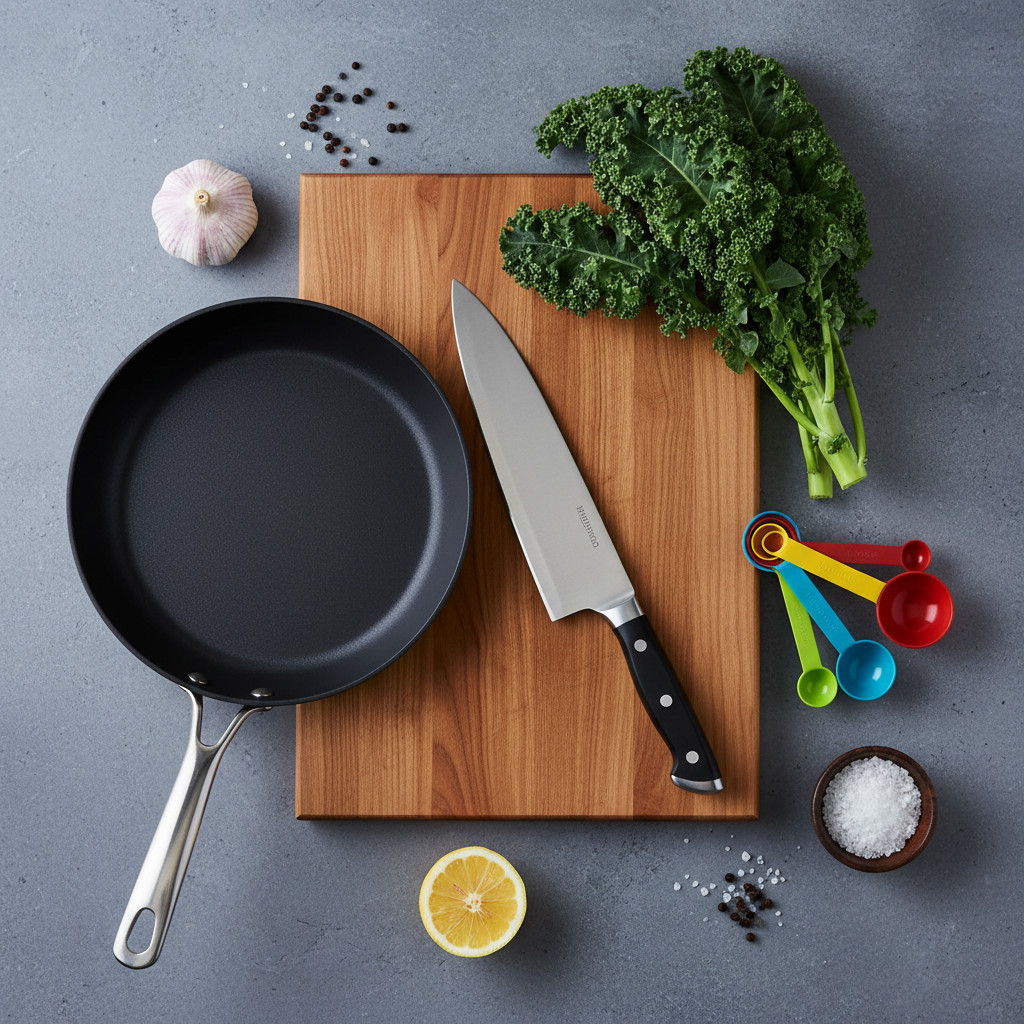
This versatile workhorse should be your go-to tool for quick meals. A 12-inch skillet with high sides provides ample space to cook proteins and vegetables together, creating complete one-pan meals that minimize both cooking time and cleanup. Look for stainless steel or hard-anodized aluminum with an even heat distribution to prevent hot spots that cause burning. The generous surface area allows ingredients to brown properly rather than steam, developing the complex flavors that make quick meals taste restaurant-quality. Many 30-minute recipes can be executed entirely in this single pan, from searing chicken breasts to building pasta dishes with sauce, making it an indispensable tool for weeknight cooking.
2. Sharp Chef’s Knife and Cutting Board
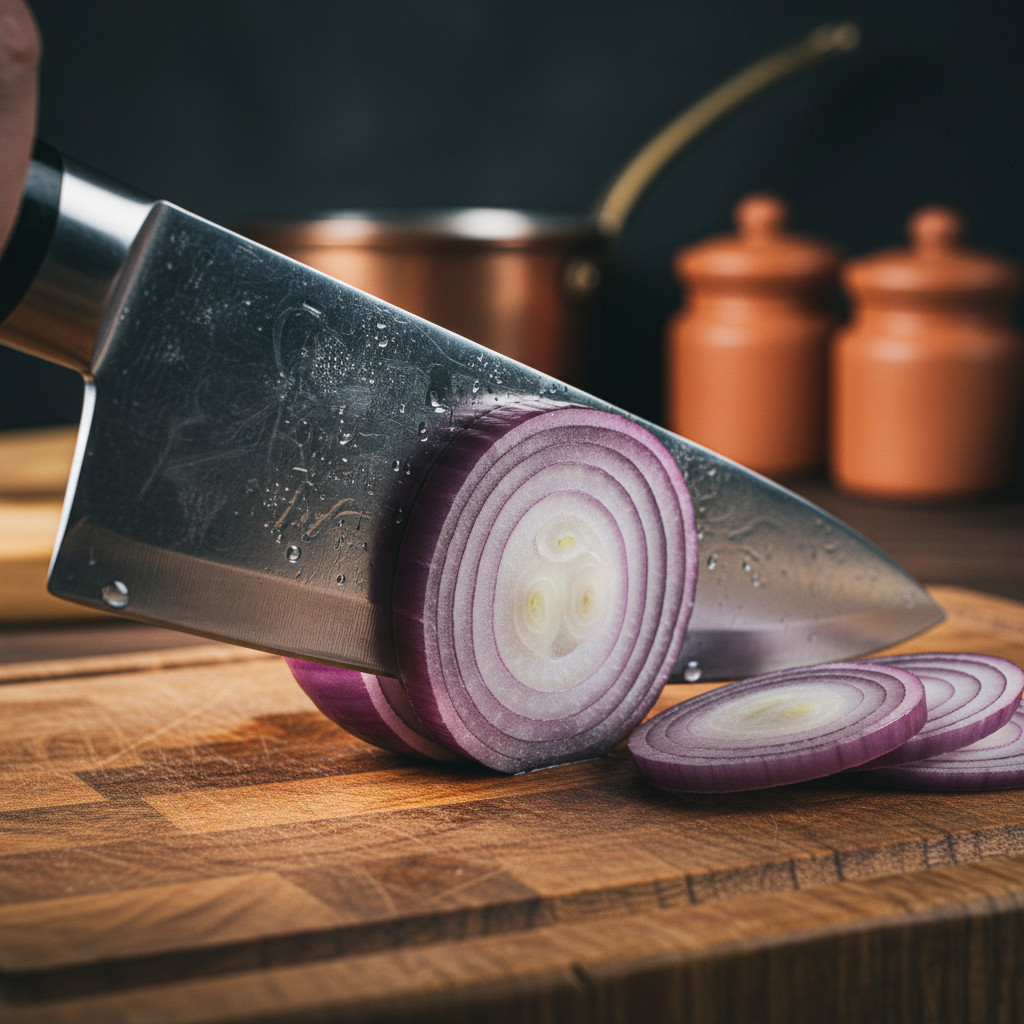
Nothing slows down meal preparation like struggling with a dull knife. A quality 8-inch chef’s knife that’s properly maintained will slice through vegetables, herbs, and proteins with minimal effort, easily cutting prep time in half. Pair this with a large, stable cutting board—preferably 15×20 inches or larger—that provides enough workspace to chop multiple ingredients without constantly stopping to transfer them to bowls. Consider keeping your knife professionally sharpened twice yearly and using a honing steel weekly to maintain the edge between sharpenings. The investment in proper knife skills and equipment pays dividends every single time you cook, making ingredient preparation swift and safe.
3. Instant-Read Thermometer
Guessing whether proteins are properly cooked wastes precious time and risks serving undercooked or dry, overcooked food. An instant-read digital thermometer eliminates uncertainty, allowing you to pull chicken, fish, or meat from the heat at exactly the right moment. This tool is particularly valuable when you’re rushing—instead of cutting into proteins repeatedly to check doneness (which releases juices and dries out the meat), you simply insert the thermometer into the thickest part and get an accurate reading within seconds. This precision ensures food safety while preserving moisture and tenderness, elevating the quality of even the quickest meals.
4. High-Powered Blender or Food Processor
These appliances become secret weapons for creating quick sauces, marinades, and even vegetable preparations. A food processor can chop an onion in seconds, create pesto in under a minute, or shred cheese in bulk for multiple meals. A quality blender transforms canned tomatoes into smooth sauce, blends up creamy soups, or creates restaurant-quality dressings and marinades that add tremendous flavor to simple proteins and vegetables. While these items represent a larger upfront investment, their time-saving capabilities and versatility make them invaluable for anyone serious about quick cooking.
Pantry Staples to Keep Stocked
A well-organized pantry stocked with versatile ingredients eliminates last-minute grocery runs and provides the foundation for countless quick meals. Think of these items as your culinary insurance policy against dinner emergencies.
Your pantry should always include quick-cooking carbohydrates like pasta (various shapes cook in 8-12 minutes), instant rice or quick-cooking grains like couscous and quinoa, and perhaps some Asian noodles like rice noodles or soba. These provide the base for countless meals and can be prepared while you handle other components of the dish. Canned goods are equally essential—quality canned tomatoes (whole, diced, and crushed), beans (black, cannellini, chickpeas), and canned fish like tuna or salmon provide protein and substance with zero prep time. Don’t overlook canned or jarred items like artichoke hearts, roasted red peppers, and olives, which add gourmet flavor instantly.
Building flavor quickly requires having the right seasonings and condiments readily available. Stock your pantry with olive oil and another high-heat cooking oil like avocado or grapeseed oil, soy sauce or tamari, various vinegars (balsamic, red wine, rice), and an assortment of dried herbs and spices including garlic powder, onion powder, paprika, cumin, oregano, basil, and red pepper flakes. Fresh garlic and onions, while technically produce, should be considered pantry staples since they form the flavor foundation of so many quick dishes. Store them in a cool, dark place where they’ll keep for weeks.
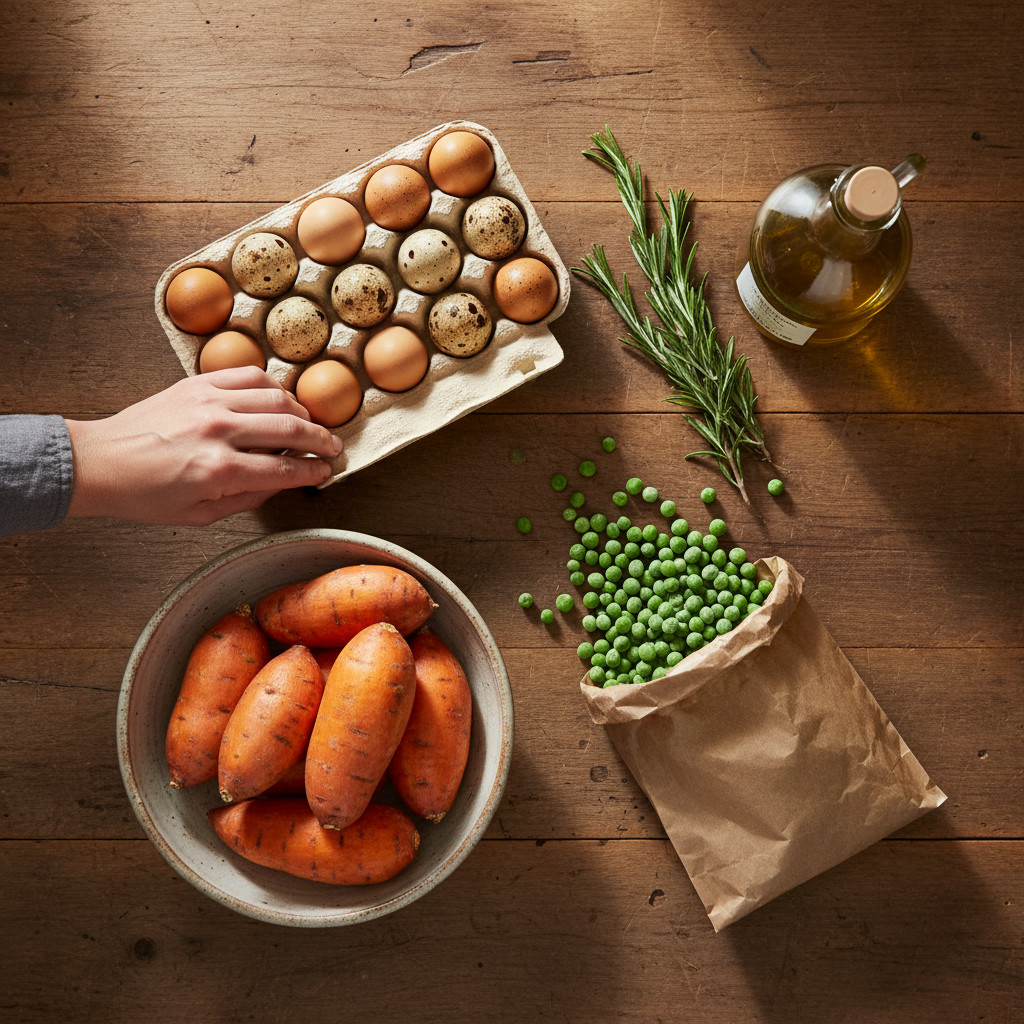
Your refrigerator and freezer also play crucial roles in quick meal success. Always keep eggs on hand—they cook in minutes and provide high-quality protein for breakfast-for-dinner options or as additions to grain bowls and fried rice. Blocks of parmesan cheese, butter, and fresh lemons add finishing touches that elevate simple dishes. In the freezer, maintain a selection of frozen vegetables like broccoli, spinach, and mixed vegetables, which are often more nutritious than fresh options that have sat in your refrigerator for days. Frozen pre-cooked shrimp, individually frozen chicken breasts, and pre-made meatballs provide protein options that go from freezer to table with minimal thawing time.
Time-Saving Techniques Every Home Cook Should Know
Beyond having the right tools and ingredients, mastering specific techniques and strategies will shave minutes off your cooking time while improving your results. These methods represent the accumulated wisdom of professional chefs adapted for home kitchen efficiency.
Meal Prep Strategies
Strategic preparation during less hectic times multiplies your efficiency during busy weeknights. Even dedicating 30-60 minutes on a weekend day can eliminate substantial stress and time pressure throughout the week.
Protein Preparation in Advance
One of the most time-consuming aspects of weeknight cooking is dealing with raw proteins. Consider spending time on Sunday or your least busy day to partially or fully prepare proteins for the week ahead. You might marinate several chicken breasts in different flavor profiles (teriyaki, Italian, lemon-herb), storing each in separate containers or bags ready to cook. Alternatively, you could fully cook a large batch of ground meat seasoned with basic aromatics, then portion it for use in different applications throughout the week—tacos one night, pasta sauce another, and grain bowls a third night. Some people prefer cooking whole chickens or roasting multiple chicken breasts at once, then using the cooked meat in various quick-assembly meals like salads, wraps, stir-fries, or soups.
Vegetable Prep and Storage
Washing, peeling, and chopping vegetables often represents the longest segment of meal preparation time. Batch-prepping vegetables transforms a 15-minute task into a 2-minute grab-from-the-fridge action. Wash and chop onions, peppers, carrots, celery, and other frequently used vegetables, storing them in airtight containers lined with paper towels to absorb excess moisture. Some vegetables, like broccoli and cauliflower, can be broken into florets and stored for several days. Heartier vegetables like bell peppers and onions keep for up to a week when properly stored. For maximum efficiency, prepare vegetables immediately after grocery shopping while you’re already in kitchen mode, preventing the task from feeling like an additional chore later.
Sauce and Marinade Creation
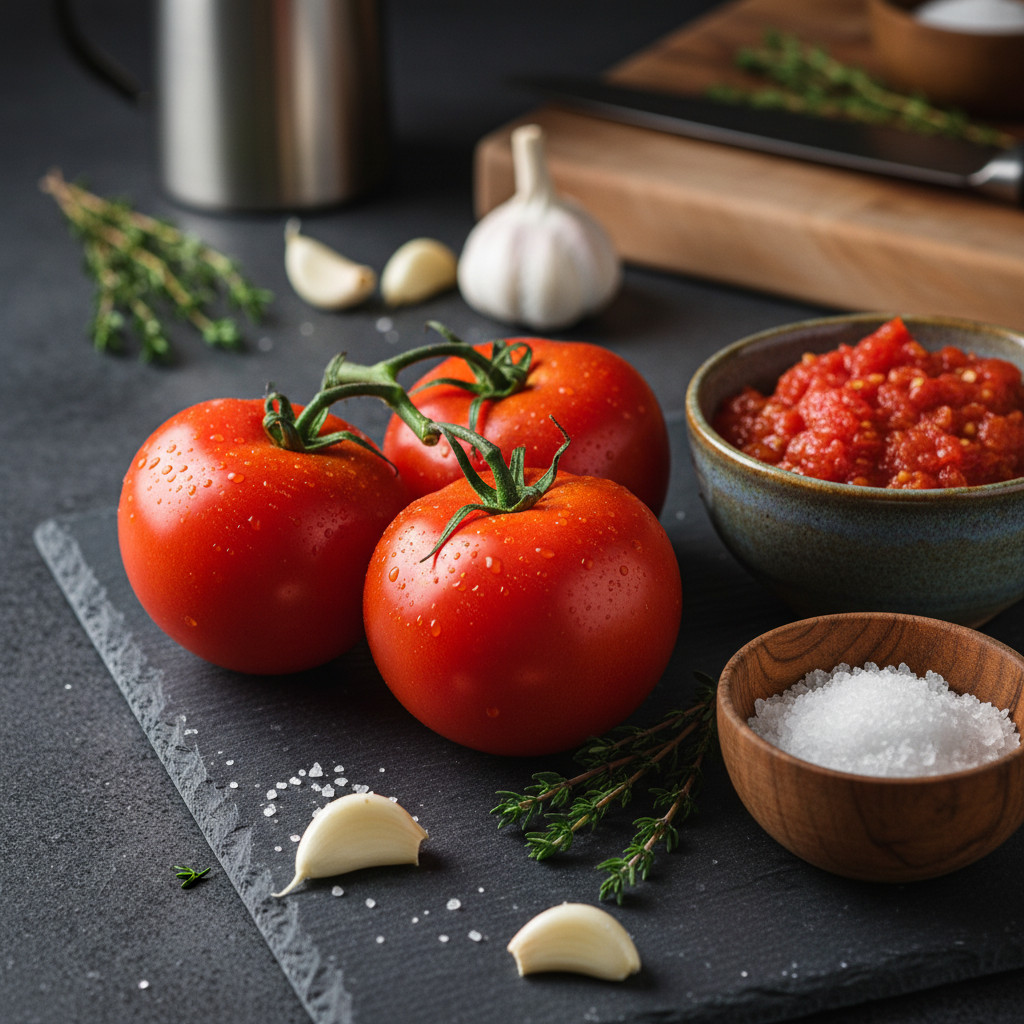
Sauces and marinades deliver tremendous flavor but often require measuring multiple ingredients and dirtying extra dishes. Dedicate time to mixing several versatile sauces that can transform simple proteins and vegetables into exciting meals. A batch of basic vinaigrette, a teriyaki-style sauce, a lemon-herb marinade, and a simple tomato sauce can each be prepared in 5-10 minutes and stored in jars or squeeze bottles in your refrigerator. These flavor-packed additions mean your weeknight cooking might simply involve searing a protein, roasting some vegetables, and adding your pre-made sauce—a complete, delicious meal in under 20 minutes.
Smart Cooking Shortcuts
Professional cooks rely on specific techniques that maximize efficiency without compromising quality. Incorporating these methods into your routine will immediately improve your speed and results.
Start proteins in a cold pan rather than waiting for the pan to preheat when appropriate—this technique works especially well with bacon, ground meat, and skin-on chicken, allowing fat to render slowly while the pan heats. Meanwhile, you can prepare other ingredients rather than standing idle. For maximum efficiency, read recipes completely before beginning, gathering and preparing all ingredients first (a practice called “mise en place”). This prevents mid-recipe scrambling for missing items and ensures smooth, confident cooking.
Use carryover cooking to your advantage, particularly with proteins. Remove chicken, fish, and steaks from heat when they’re 5 degrees below your target temperature—they’ll continue cooking as they rest, reaching perfect doneness without becoming dry. This prevents the common mistake of overcooking and eliminates the need for redo’s that waste precious time. Similarly, start timing vegetables the moment they hit the pan rather than waiting for water to return to a boil or the pan to reheat, adjusting cooking time as you gain experience with how long ingredients actually need.
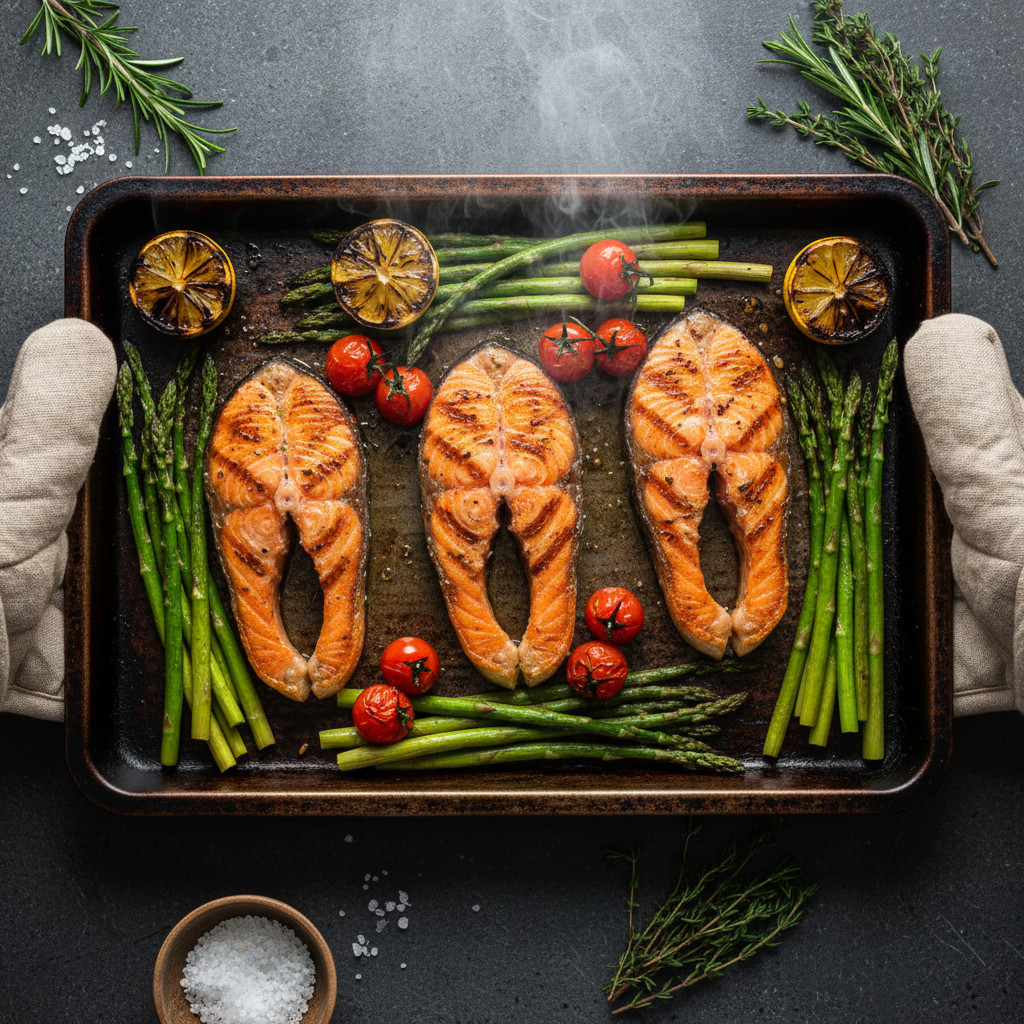
Embrace one-pot and sheet-pan cooking methods that allow multiple components to cook simultaneously. When roasting vegetables and proteins together on a sheet pan, arrange quicker-cooking items around the edges where heat is slightly less intense, and place items needing more time in the center. Use the same principle with stovetop cooking—start longer-cooking ingredients first, then add quicker-cooking items in stages, ensuring everything finishes simultaneously without overcooking early additions.
30-Minute Recipe Ideas for Busy Weeknights
With your kitchen equipped and techniques mastered, you need a reliable repertoire of delicious recipes that consistently deliver satisfaction in minimal time. These categories and examples provide frameworks you can customize based on preferences and what’s available.
Quick Pasta Dishes
Pasta remains the ultimate quick-dinner solution, with most varieties cooking in under 12 minutes while you prepare accompanying ingredients. The key to exceptional fast pasta lies in building layers of flavor efficiently and using the starchy pasta cooking water to create silky, restaurant-quality sauces.
Garlic Shrimp Pasta with Lemon and Herbs exemplifies elegant simplicity. Start your pasta water boiling immediately—this is always step one for pasta dishes. While the water heats, peel and devein shrimp if using fresh (or use pre-cleaned frozen shrimp, rinsed under cold water). Mince garlic, zest a lemon, and chop fresh parsley. Once pasta is cooking, heat olive oil in your large skillet, sauté the garlic until fragrant (about 30 seconds), then add shrimp seasoned with salt and pepper, cooking until just pink—roughly 2 minutes per side. Remove shrimp, add white wine or chicken broth to deglaze the pan, then add the drained pasta (reserve pasta water) directly to the skillet with butter, lemon juice, zest, and enough pasta water to create a light sauce. Toss everything together, return shrimp to the pan, add fresh herbs, and dinner is ready in under 25 minutes.
One-Pan Creamy Tomato Pasta with Spinach eliminates even the pasta pot, cooking everything together for ultimate convenience. Combine pasta, canned diced tomatoes, vegetable broth, minced garlic, Italian seasoning, and a pinch of red pepper flakes in your large, deep skillet. Bring to a boil, then simmer, stirring occasionally, until pasta is al dente and liquid has reduced to a sauce consistency—about 15 minutes depending on pasta shape. Stir in heavy cream or a cream cheese cube for richness, add several handfuls of fresh spinach (which wilts in seconds), season with salt and pepper, and finish with parmesan cheese. The result is a creamy, satisfying dish with only one pan to wash.
Spaghetti Aglio e Olio with Variations represents the foundation of quick pasta mastery—a classic combination of garlic, olive oil, red pepper flakes, and pasta water that comes together in the time it takes to cook spaghetti. Master this basic formula, and you can add endless variations: toss in canned tuna and capers for a Sicilian twist, add crumbled Italian sausage cooked while the pasta boils, throw in broccolini or asparagus for vegetables, or keep it purely traditional. The technique remains constant: cook sliced garlic gently in generous olive oil until golden, add red pepper flakes, then toss with drained pasta and pasta water, finishing with parmesan and fresh parsley. Total time from start to finish: 20 minutes.
One-Pan Chicken Dinners
Chicken’s mild flavor, quick cooking time, and versatility make it ideal for rapid weeknight meals. One-pan preparations where chicken and vegetables cook together eliminate multiple steps while creating complete, balanced dinners.
Skillet Chicken with Cherry Tomatoes and Basil delivers Mediterranean flavors with minimal effort. Pound chicken breasts to even thickness (about 3/4-inch) for faster, more even cooking—this takes just a minute but dramatically improves results. Season with salt, pepper, and Italian herbs, then sear in olive oil in your large skillet until golden brown on one side, about 5 minutes. Flip the chicken, add halved cherry tomatoes, minced garlic, and a splash of white wine or chicken broth to the pan. Cover and let everything cook together for another 8-10 minutes until chicken reaches 160°F (it will climb to 165°F as it rests). The tomatoes break down into a light, fresh sauce. Finish with torn fresh basil and serve with crusty bread to soak up the juices or over quick-cooking couscous.
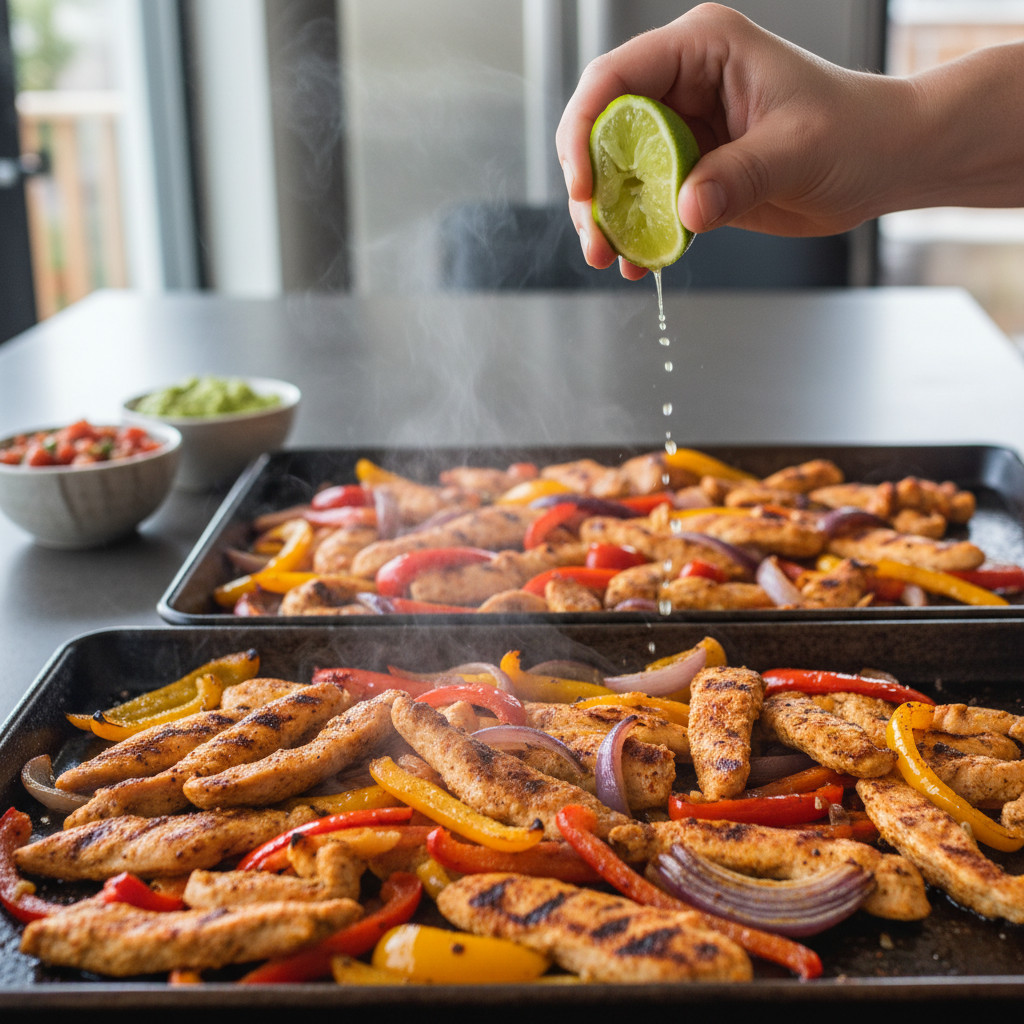
Sheet Pan Chicken Fajitas move the concept to the oven for truly hands-off cooking. Slice bell peppers and onions into strips, toss with olive oil, chili powder, cumin, garlic powder, and salt. Arrange on a sheet pan with sliced chicken breast or thighs seasoned identically. Roast at 425°F for 20-25 minutes, stirring once halfway through. While the oven works, warm tortillas, prepare toppings like sour cream, cheese, salsa, and guacamole, and clean up your prep dishes. When the timer rings, dinner is ready to assemble—the high heat caramelizes vegetables and creates flavorful browning on the chicken with zero supervision.
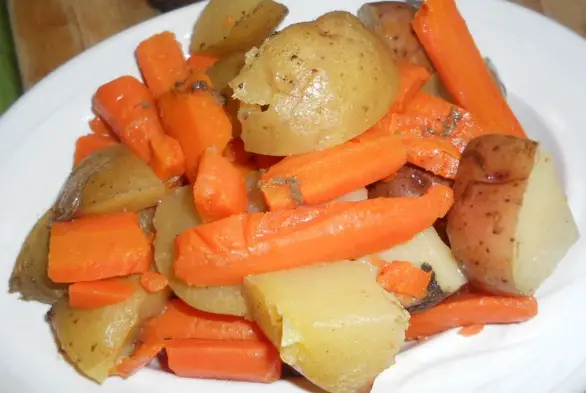
Honey Mustard Chicken Thighs with Roasted Vegetables combines sweet, tangy, and savory flavors in a complete meal. Whisk together Dijon mustard, honey, soy sauce, and garlic—a 2-minute sauce that packs tremendous flavor. Place chicken thighs (which stay more moist than breasts and cost less) on a sheet pan surrounded by chopped potatoes, carrots, and broccoli tossed with oil and seasonings. Brush the honey mustard sauce over the chicken and roast at 400°F for 25-30 minutes. The chicken develops a beautiful glaze while vegetables become tender and caramelized. This hands-off approach allows you to prepare a salad, set the table, or simply relax while dinner cooks itself.
Speedy Seafood Options
Seafood represents the fastest-cooking protein available, with most fish and shellfish requiring just 3-8 minutes of actual cooking time. This makes it perfect for ultra-quick dinners, though success requires attention to avoid overcooking.
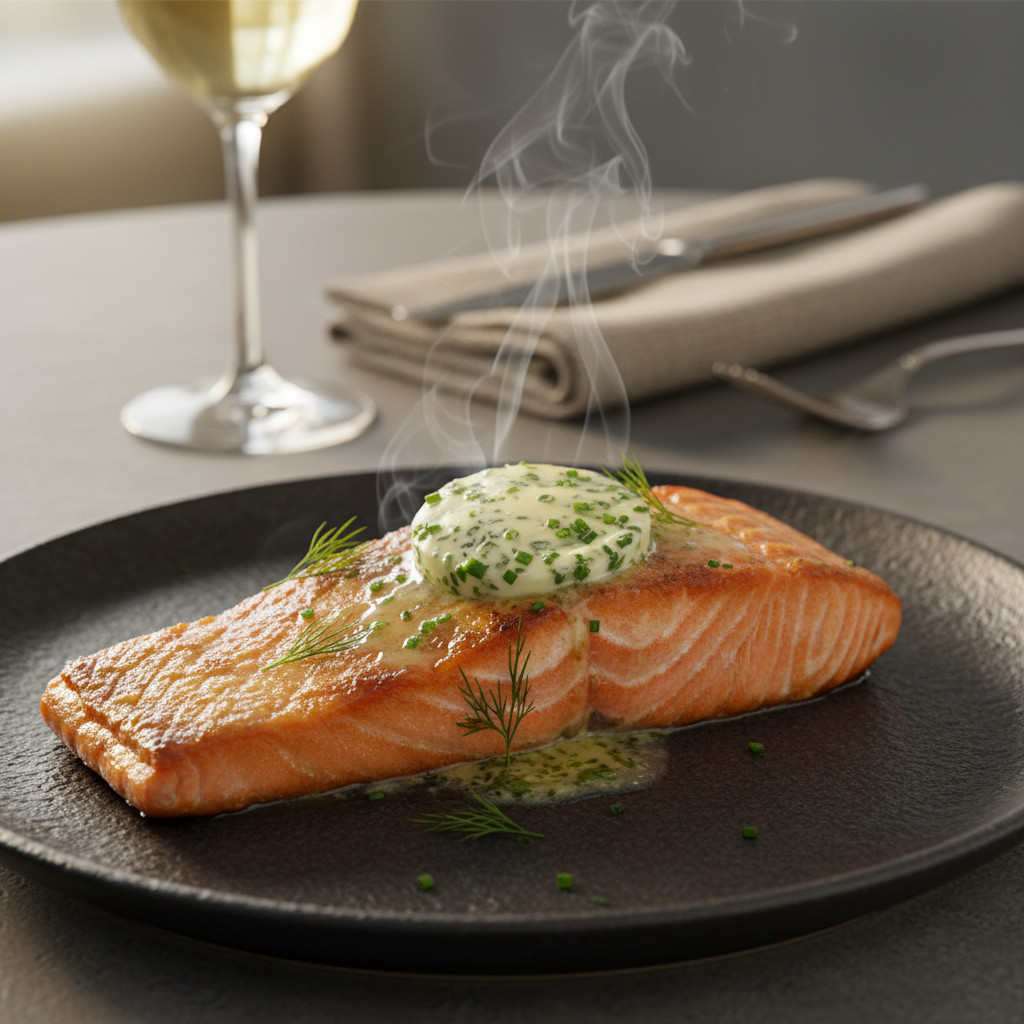
Pan-Seared Salmon with Lemon-Dill Sauce offers restaurant elegance in about 15 minutes total. Pat salmon fillets completely dry (moisture prevents proper searing), then season with salt and pepper. Heat oil in a skillet until shimmering, then place salmon skin-side up first, pressing gently to ensure contact with the pan. Cook undisturbed for 4-5 minutes until a golden crust forms, flip carefully, and cook another 3-4 minutes until the salmon reaches 125°F internally (for medium, which remains moist). While the salmon cooks, mix Greek yogurt or sour cream with fresh chopped dill, lemon juice, minced garlic, salt, and pepper. Serve the salmon with this bright sauce over mixed greens or alongside microwaved baby potatoes and steamed green beans.
Shrimp Stir-Fry with Vegetables leverages the 2-3 minute cooking time of shrimp for an incredibly fast dinner. The key to stir-fry success is having everything prepped before you begin cooking—once the pan heats, the actual cooking takes less than 10 minutes. Combine soy sauce, rice vinegar, honey, ginger, and cornstarch for your sauce. Heat a large skillet or wok until very hot, add oil, then quickly stir-fry your vegetables in order of cooking time: start with carrots and broccoli, then add quicker-cooking items like bell peppers and snap peas. Push vegetables aside, add shrimp to the center of the pan, cook until pink (about 2 minutes), then toss everything together with the sauce until glossy and thickened. Serve over instant rice or rice noodles prepared while you cook.
Blackened Fish Tacos with Quick Slaw transform simple white fish into exciting Tex-Mex dinners. Mix paprika, cayenne, garlic powder, onion powder, oregano, salt, and pepper to create blackening spice. Coat firm white fish fillets (tilapia, cod, or mahi-mahi work well) with the spice mixture and cook in a very hot skillet with oil for 3-4 minutes per side until the spices form a flavorful crust and fish flakes easily. While fish cooks, mix shredded coleslaw mix with lime juice, a touch of mayo or Greek yogurt, and cilantro for a quick slaw. Warm tortillas, break the fish into chunks, and assemble tacos with the slaw and your favorite toppings. From start to finish, this meal takes about 20 minutes but tastes like something from your favorite coastal restaurant.
Vegetarian Quick Meals
Meatless meals often cook even faster than those featuring animal proteins, and they’re typically more budget-friendly while delivering excellent nutrition. These options prove that vegetarian cooking can be satisfying, flavorful, and incredibly efficient.
Chickpea Curry in a Hurry demonstrates how canned beans become the foundation for rich, complex meals. Sauté diced onion in oil until softened, add minced garlic and ginger (or use convenient jarred versions) along with curry powder, cumin, and turmeric, cooking until fragrant. Add canned diced tomatoes, drained chickpeas, and a can of coconut milk. Simmer for 15 minutes while preparing rice in the microwave or rice cooker. The curry develops rich flavor quickly thanks to the concentrated spices and coconut milk. Add fresh spinach in the last few minutes, letting it wilt into the sauce. Finish with fresh cilantro and lime juice for brightness. This restaurant-quality dish costs just a few dollars and provides protein, vegetables, and complex flavors in under 30 minutes.
Caprese Quesadillas with Balsamic Reduction elevate the familiar quesadilla concept with Italian flavors. Spread pesto (store-bought or previously prepared) on flour tortillas, layer with fresh mozzarella slices, tomato slices, and fresh basil leaves. Fold and cook in a skillet until golden and crispy, about 3 minutes per side. While quesadillas cook, simmer balsamic vinegar in a small pot until reduced by half and syrupy—this takes about 5-7 minutes. Cut the finished quesadillas into wedges, drizzle with the balsamic reduction, and serve with a simple arugula salad. This meal showcases how combining quality ingredients simply can create impressive results without extensive cooking time or technique.
Vegetable Fried Rice with Egg transforms leftover rice (or microwavable pouches of rice) into a complete meal in about 15 minutes. Heat oil in your large skillet or wok, scramble a couple of eggs, then remove them. Add frozen mixed vegetables to the hot pan, cooking until thawed and beginning to brown. Add cooked rice, breaking up any clumps, then season with soy sauce, sesame oil, garlic powder, and white pepper, stirring constantly to distribute seasonings and achieve the slightly crispy texture that makes fried rice so appealing. Return the scrambled eggs to the pan, breaking them into pieces, and add sliced green onions. This flexible template accepts any vegetables you have available, any leftover cooked proteins, and adjusts easily for different flavor profiles—swap soy sauce for tamari to make it gluten-free, add sriracha for heat, or throw in cashews for crunch.
Planning Your Week for Maximum Efficiency
While having quick recipes is essential, strategic weekly planning multiplies your efficiency and eliminates the daily “what’s for dinner” stress that derails even the best intentions. A small investment of planning time yields substantial returns throughout the week.
Dedicate 15-20 minutes each week, perhaps on Sunday afternoon or whenever your week begins, to planning your dinners. Review your schedule to identify which nights will be most hectic—these become your simplest meal nights, perhaps featuring 15-minute options or slow-cooker meals started in the morning. Slightly less busy evenings can accommodate recipes requiring a few more steps or active cooking time. This realistic assessment prevents the frustration of attempting complex cooking on your most stressed evenings.
When selecting recipes for your week, look for ingredient overlap that reduces shopping and waste. If you’re making a recipe with bell peppers on Monday, plan another pepper-using recipe for Wednesday or Thursday while they’re still fresh. Buy a large bunch of cilantro and plan multiple Mexican or Asian-inspired meals that use it. This strategic ingredient usage means fewer items to purchase, less food waste, and often lower grocery bills since you’re buying larger quantities at better per-unit prices rather than small amounts of many different ingredients.
Create a flexible rotation of favorite meals rather than seeking novelty every night. Most families find that having 12-15 reliable recipes they rotate through regularly reduces decision fatigue while ensuring everyone eats foods they genuinely enjoy. You might designate theme nights—Pasta Monday, Taco Tuesday, Stir-Fry Wednesday—providing structure while still allowing variation within each category. This approach also allows you to master these recipes, becoming increasingly efficient as they become second nature. Reserve trying new recipes for weekends or less busy periods when you have mental energy for learning new techniques.
Batch cooking components strategically throughout the week creates efficiency cascades. If you’re chopping onions for Monday’s meal, chop extra for Wednesday’s dinner. When cooking rice or quinoa as a side dish, make double and use the extra for fried rice or grain bowls later in the week. This “cooking forward” mindset means each meal leaves you slightly better prepared for upcoming meals without requiring dedicated meal-prep sessions. Even five minutes of thinking ahead while cooking today can save fifteen minutes tomorrow.
Common Mistakes to Avoid When Cooking Fast
Understanding and avoiding typical quick-cooking pitfalls prevents frustration and improves your results significantly. These mistakes plague even experienced cooks when they’re rushing, but awareness allows you to sidestep them.
Skipping the Recipe Read-Through
The most common efficiency killer is discovering halfway through cooking that you need an ingredient you don’t have or that a step requires time you didn’t account for. Always read recipes completely before beginning, even those you’ve made before. This practice takes just 60-90 seconds but prevents mid-recipe crises. When you understand the full process beforehand, you can anticipate needs—starting water boiling before you begin prep, taking proteins out to come to room temperature, or preheating the oven—that prevent delays later. Reading thoroughly also helps you identify opportunities to multitask effectively, such as chopping vegetables while pasta water heats or preparing sauce while proteins cook.
Overcrowding the Pan
When you’re rushing to feed hungry people, the temptation to cook everything at once is strong, but overcrowding dramatically affects results and often takes longer overall. When too many items crowd a pan, temperature drops, steam accumulates rather than escaping, and ingredients steam rather than sear or brown. Browning creates the complex, savory flavors that make simple meals taste exceptional—skip this through overcrowding, and dishes become bland and watery. If necessary, cook proteins in batches, using two pans simultaneously, or choose a larger pan. The few extra minutes this requires pay off in dramatically better flavor and texture that make quick meals genuinely satisfying rather than merely adequate.
Using High Heat for Everything
High heat definitely cooks food faster, but it also burns aromatics like garlic, overcooks delicate proteins, and creates uneven results. Different ingredients and techniques require different temperatures. Garlic should be sautéed over medium heat to develop sweetness without burning—burned garlic tastes bitter and ruins dishes. Thick chicken breasts need moderate heat to cook through without burning the exterior. Learn to use medium-high heat for searing and browning, medium heat for sautéing aromatics and cooking proteins through, and low heat for gentle simmering of sauces. This temperature modulation doesn’t take longer; it simply requires adjusting your burner setting appropriately for each cooking stage.
Neglecting to Season Properly
Quick cooking doesn’t mean bland cooking, yet many rushed cooks forget to season adequately, creating tasteless results that feel unsatisfying. Season proteins generously with salt and pepper before cooking—this is non-negotiable. Taste dishes before serving and adjust seasoning, adding salt, acid (lemon juice, vinegar), or heat as needed. These final adjustments take seconds but transform dishes from flat to flavorful. Remember that salt doesn’t just make food salty; it enhances all other flavors present. A squeeze of citrus brightens dishes and balances richness. Even 15-minute meals should finish with fresh herbs or a drizzle of good olive oil—these bright, fresh touches create restaurant-quality impressions from simple ingredients.
Expert Tips for Elevated Quick Meals
Once you’ve mastered basic quick cooking, these advanced strategies will help you create meals that impress while remaining efficient. These techniques represent the difference between adequate weeknight dinners and meals you genuinely look forward to eating.
Build Layers of Flavor Strategically
Professional cooks develop complex flavors by building layers throughout the cooking process rather than adding everything at once. Start with aromatics like onion and garlic cooked in fat to create a flavorful base. Add dried spices early, cooking them briefly to bloom their flavors and eliminate any raw taste. Deglaze pans with wine, broth, or even water after searing proteins, scraping up browned bits that contain concentrated flavor. Finish dishes with fresh herbs, citrus zest, or a drizzle of finishing oil that provides bright, fresh notes contrasting with the cooked flavors. This layering approach doesn’t take extra time—you’re simply being intentional about when you add different elements—but it creates the depth of flavor that distinguishes memorable meals from forgettable ones.
Master the Art of the Pan Sauce
After cooking proteins in a skillet, the browned bits stuck to the pan (called fond) contain tremendous flavor potential. Rather than simply serving plain proteins, invest two minutes in creating a quick pan sauce that elevates the entire dish. After removing cooked proteins to rest, add minced shallot or garlic to the hot pan with a small amount of fat, cook briefly, then add liquid—wine, broth, or even water—and scrape the pan bottom to release all the flavorful fond. Let this reduce by half, then swirl in butter or cream for richness. Season with herbs, citrus, or mustard for complexity. This simple technique transforms ordinary chicken, pork, or steak into restaurant-quality entrées without additional ingredients or significant time investment.
Use Finishing Touches for Maximum Impact
The final 30 seconds of plating can dramatically elevate even the simplest quick meals. Consider finishing elements that provide textural contrast, visual appeal, and flavor intensity. A sprinkle of toasted nuts or seeds adds pleasant crunch to pastas and grain bowls. Fresh herbs provide bright color and flavor that makes plates look restaurant-worthy. A drizzle of good-quality extra-virgin olive oil, infused oil, or flavored vinegar adds richness and sophistication. Grated fresh cheese—not pre-shredded—provides better flavor and texture. These small touches require minimal effort but signal that you’ve put care into the meal, making even 15-minute dinners feel special and intentional rather than rushed.
Embrace Strategic Convenience Products
There’s no shame in using high-quality convenience products that save time without compromising results. Pre-washed salad greens, pre-spiralized vegetables, frozen pre-cooked grains, and quality jarred sauces can all play roles in efficient cooking. The key is choosing products wisely—read labels to avoid those with excessive additives, sodium, or low-quality ingredients. A jar of quality marinara sauce that you doctor with fresh garlic, herbs, and vegetables can form the base of an excellent quick pasta. Pre-riced cauliflower or pre-chopped butternut squash eliminate tedious prep without costing much more than whole vegetables. These products particularly shine on your busiest nights, when the choice might be between using a convenience item or ordering expensive takeout.
Final Words
Mastering the art of 30-minute meals represents one of the most valuable skills you can develop for modern life. The ability to consistently prepare delicious, nutritious home-cooked dinners quickly doesn’t just save time and money—it fundamentally improves your quality of life, reduces stress, supports better health, and creates opportunities for connection with the people you care about most. Quick cooking is not about compromise or settling for mediocrity; it’s about working smarter, not harder, in the kitchen.
The strategies, techniques, and recipes outlined throughout this guide provide everything you need to transform your relationship with weeknight cooking. Start by equipping your kitchen with essential tools and stocking your pantry with versatile ingredients. Implement time-saving techniques like strategic meal prep and smart cooking methods. Build a personal collection of reliable recipes across different categories—pasta, chicken, seafood, and vegetarian options—that you can execute confidently even on your most exhausted evenings. Plan your weeks thoughtfully to maximize efficiency while maintaining variety and enjoyment.
Remember that becoming proficient at quick cooking is a skill that develops over time. Your first attempts might take 40 minutes instead of 30, but with practice, these recipes and techniques will become second nature. You’ll develop the confidence to improvise, adapting recipes based on what’s available and what sounds appealing. You’ll internalize the fundamental principles that allow you to create satisfying meals quickly even without following specific recipes. Most importantly, you’ll break the cycle of stress, takeout, and dissatisfaction that plagues so many households, replacing it with the simple pleasure of gathering around the table to enjoy good food you made yourself in less time than it takes to have dinner delivered.
Start tonight. Choose one simple recipe from this guide, gather the ingredients, and put dinner on the table in 30 minutes. Experience the satisfaction of creating something delicious quickly. Then do it again tomorrow, and the day after that, building momentum and confidence with each meal. Before you know it, quick, delicious home cooking will become your default rather than the exception, and you’ll wonder why you ever thought preparing dinner had to be complicated or time-consuming. Your future self—healthier, less stressed, and with more time and money for the things that truly matter—will thank you for developing this invaluable skill.