Table of Contents
- 15 Easy To Cook Meals For Students That Are Actually Delicious
- Why Students Need Quick and Easy Meal Solutions
- Essential Kitchen Tools for Student Cooking
- Quick and Satisfying Breakfast Options
- 1. Customizable Overnight Oats
- 2. Easy Egg Muffins
- 3. Elevated Avocado Toast Variations
- Simple and Delicious Lunch Ideas
- 4. Greek Yogurt Power Bowl
- 5. Quick and Versatile Quesadillas
- 6. Upgraded Instant Ramen
- Easy and Delicious Dinner Recipes
- 7. One-Pan Chicken and Vegetables
- 8. Classic Pasta Aglio e Olio
- 9. Simple and Satisfying Stir-Fry
- 10. Baked Sweet Potato with Loaded Toppings
- Quick Snacks and Light Meals
- 11. Hummus and Veggie Wraps
- 12. Microwave Mug Pizza
- 13. Energizing Smoothie Bowls
- Weekend Special Recipes
- 14. Colorful Sheet Pan Fajitas
- 15. Comforting Simple Curry
- Money-Saving Tips for Student Cooking
- Meal Prep Strategies for Busy Students
- Final Words
15 Easy To Cook Meals For Students That Are Actually Delicious
Let’s face it—student life can be incredibly demanding. Between juggling classes, assignments, part-time jobs, and attempting to maintain some semblance of a social life, cooking often falls to the bottom of the priority list. The result? A steady diet of instant noodles, microwave dinners, and late-night fast food runs that leave your wallet empty and your energy levels crashed. But here’s the truth that might surprise you: creating delicious, nutritious meals doesn’t require culinary school credentials, hours of preparation, or an expensive ingredient list that reads like a gourmet restaurant menu.
The secret to successful student cooking lies in simplicity, smart ingredient choices, and recipes that deliver maximum flavor with minimal effort. Whether you’re cooking in a cramped dorm kitchenette with just a microwave and mini-fridge, or you have access to a full kitchen in shared accommodation, the meals we’re about to explore will revolutionize your approach to eating well on a student budget. These recipes are designed specifically with your lifestyle in mind—they’re quick enough to fit between study sessions, affordable enough not to drain your student loan, and most importantly, they’re genuinely delicious enough that you’ll actually want to cook them repeatedly.

What makes these fifteen meals truly special is that they’re built on versatile foundations. Once you master the basic techniques, you can customize them endlessly based on what’s in your fridge, your dietary preferences, or whatever ingredients happen to be on sale at the local grocery store. No more settling for sad, tasteless meals or spending money you don’t have on takeout. Let’s dive into these game-changing recipes that will transform you from a microwave-dependent student into a confident home cook who actually enjoys mealtime.
Why Students Need Quick and Easy Meal Solutions
Understanding the unique challenges students face in the kitchen helps explain why simple, practical recipes are essential for this demographic.
The modern student experience presents a perfect storm of circumstances that make traditional home cooking particularly challenging. Time scarcity ranks as the primary obstacle—when you’re racing between lectures, library sessions, group projects, and work shifts, spending an hour preparing dinner simply isn’t realistic. Most students operate on packed schedules that leave little room for elaborate meal preparation, which is why quick-cooking recipes that take thirty minutes or less become absolute lifesavers. The pressure to perform academically while maintaining other responsibilities creates a genuine need for efficient cooking solutions that don’t sacrifice nutrition or taste.
Budget constraints represent another significant factor shaping student eating habits. With tuition costs, textbooks, accommodation, and basic living expenses consuming most available funds, the grocery budget often becomes squeezed to uncomfortable levels. This financial reality means students need recipes that maximize affordable ingredients, minimize waste, and stretch dollars as far as possible. Learning to cook budget-friendly meals isn’t just a nice skill—it’s an economic necessity that can mean the difference between eating well and going hungry toward the end of the month. The recipes featured in this guide specifically address this concern by focusing on inexpensive staple ingredients that deliver nutritional value without breaking the bank.
Limited kitchen equipment and space also significantly impact what students can realistically prepare. Many dorm rooms offer only a microwave, mini-fridge, and perhaps a kettle, while shared accommodation might provide basic cooking facilities but limited storage for ingredients and cookware. This equipment limitation means students need recipes that work within these constraints—meals that don’t require specialized appliances, extensive prep tools, or elaborate cooking techniques. The meals outlined here accommodate these realities, offering solutions that range from microwave-friendly options to simple stovetop recipes that require minimal equipment. Understanding these unique challenges allows us to appreciate why conventional cooking advice often fails students and why targeted, practical meal solutions make such a meaningful difference in daily life.
Essential Kitchen Tools for Student Cooking
Before diving into the recipes, let’s identify the basic equipment that will make your cooking experience smoother and more enjoyable.
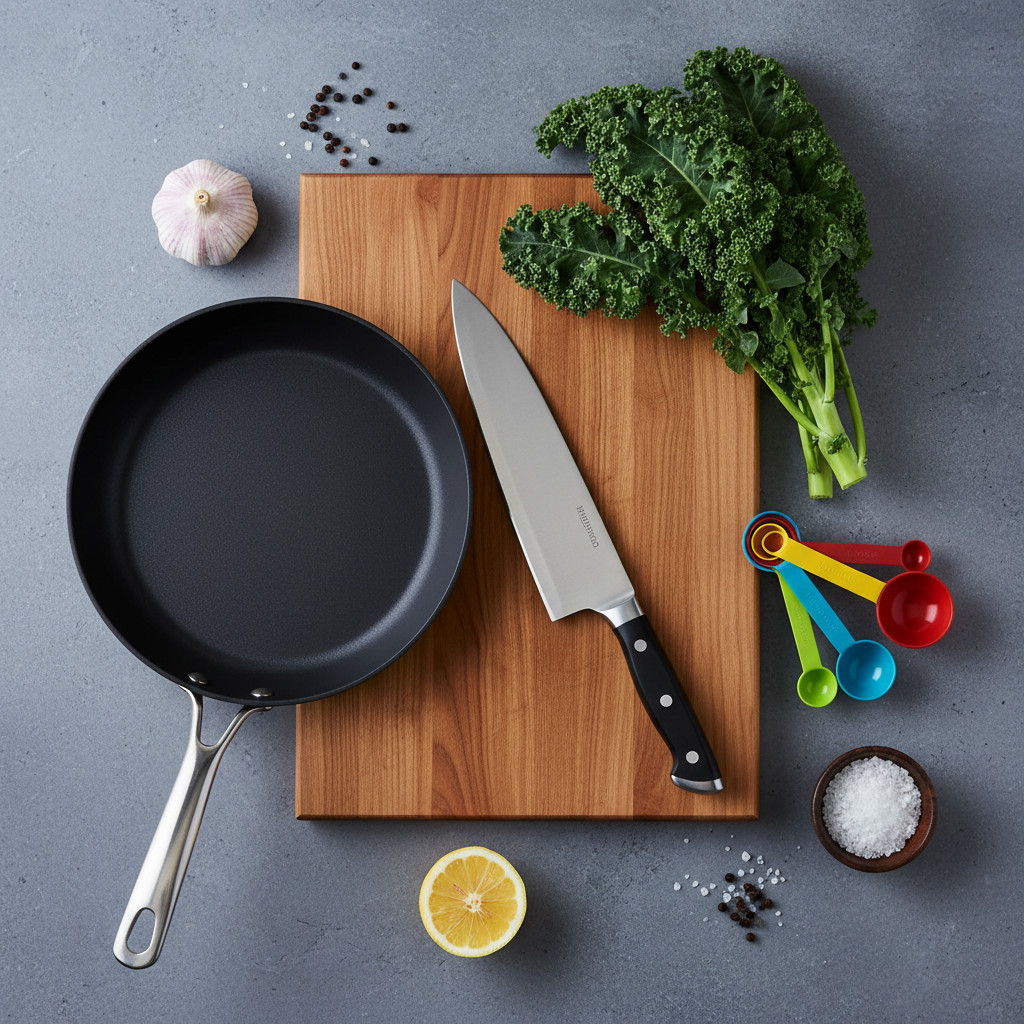
Investing in a few fundamental kitchen tools will exponentially expand your cooking capabilities without requiring significant financial outlay. First and foremost, a decent chef’s knife and cutting board form the foundation of efficient food preparation. You don’t need an expensive professional-grade knife—a mid-range chef’s knife that you keep reasonably sharp will handle virtually every cutting task you’ll encounter. Pair this with a plastic or wooden cutting board, and you’ve established the baseline for preparing fresh ingredients quickly and safely.
A medium-sized pot and a large non-stick frying pan represent your next essential purchases. These two pieces of cookware will handle approximately eighty percent of the recipes you’ll make as a student. The pot works perfectly for pasta, rice, soups, and boiling vegetables, while the frying pan accommodates everything from scrambled eggs to stir-fries to one-pan dinners. Choosing non-stick options makes cleanup considerably easier—an important consideration when you’re tired after a long day and facing a sink full of dishes. These basic pieces typically cost less than purchasing a few takeout meals, making them a smart investment that pays dividends throughout your student years.
Beyond these fundamentals, consider adding a few smaller items that dramatically increase convenience: measuring cups and spoons for following recipes accurately, a can opener, a wooden spoon or spatula for stirring and flipping, mixing bowls in various sizes, and food storage containers for leftovers and meal prep. A colander for draining pasta and washing vegetables proves invaluable, as does a baking sheet if you have oven access. These tools don’t need to be expensive—dollar stores, discount retailers, and even thrift shops often stock perfectly adequate kitchen equipment at student-friendly prices. With these basics assembled, you’ll be fully equipped to tackle every recipe in this guide and countless others beyond.
Quick and Satisfying Breakfast Options
Starting your day with a proper meal fuels your brain for classes and studying, and these breakfast recipes make morning nutrition achievable even on rushed schedules.
1. Customizable Overnight Oats
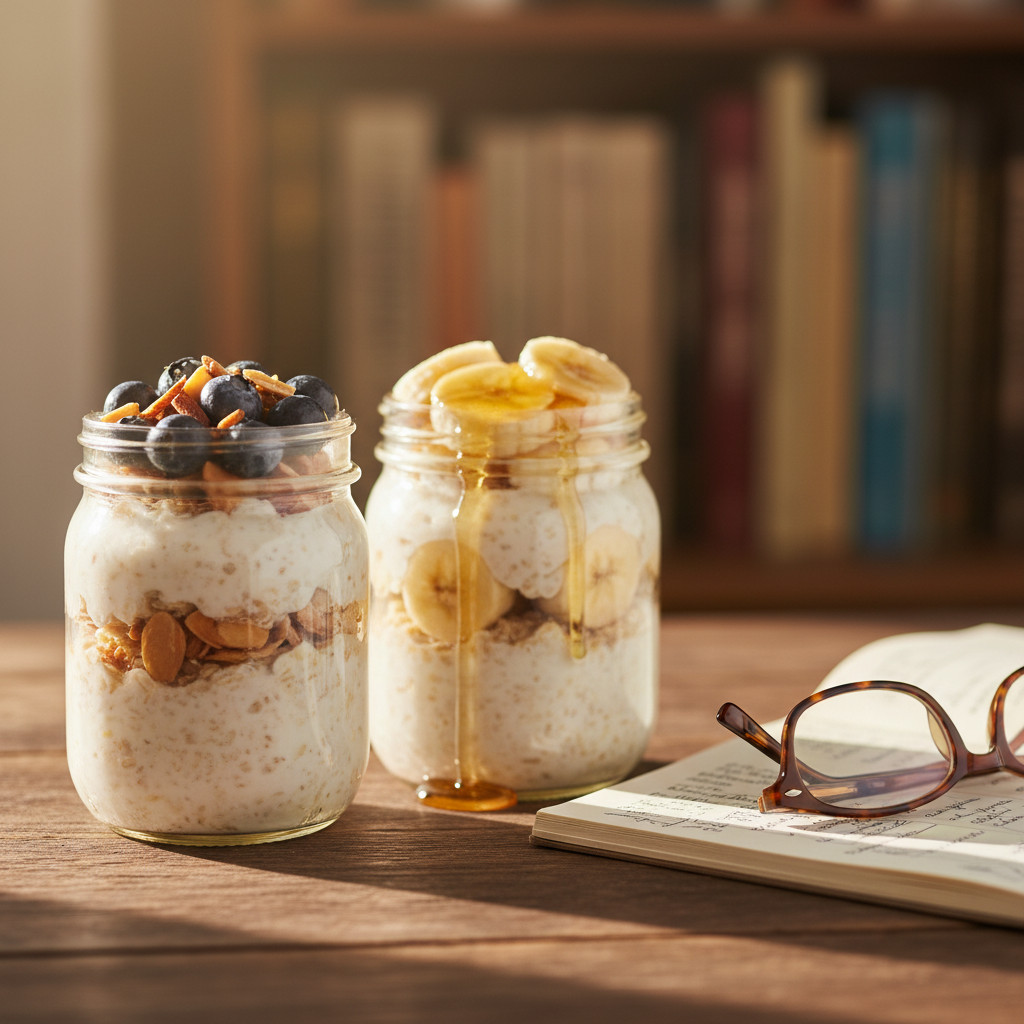
Overnight oats deserve the top spot on this list because they perfectly embody the ideal student meal: incredibly simple, endlessly customizable, nutritious, and absolutely no cooking required. This breakfast solution requires just five minutes of preparation the night before, and you wake up to a ready-made meal that you can eat cold or quickly warm up. The basic formula couldn’t be simpler—combine rolled oats with your choice of milk or yogurt in a jar or container, add a touch of sweetness and flavorings, then refrigerate overnight. The oats absorb the liquid and soften to a creamy, pudding-like consistency that’s genuinely delicious and keeps you satisfied through morning lectures.
The beauty of overnight oats lies in their remarkable versatility. Start with your base: one part oats to one part liquid (dairy milk, almond milk, oat milk, or even regular yogurt all work beautifully). From there, the flavor possibilities become virtually endless. Create a peanut butter banana version by adding a tablespoon of peanut butter, sliced bananas, and a drizzle of honey. Try a chocolate variety with cocoa powder, a touch of maple syrup, and chocolate chips. Go for apple cinnamon by stirring in diced apples, cinnamon, and a pinch of nutmeg. Berry bliss happens when you mix in fresh or frozen berries with a splash of vanilla extract. Each variation delivers different nutritional benefits while keeping you engaged with breakfast rather than bored by repetition.
The practical advantages extend beyond taste and convenience. Overnight oats cost pennies per serving when you buy oats in bulk, making them one of the most budget-friendly breakfast options available. They’re also incredibly portable—seal your jar and take it with you if you’re running late, eating between classes, or need breakfast during a study session at the library. From a nutritional standpoint, oats provide sustained energy through complex carbohydrates and fiber, preventing the mid-morning energy crash that comes from sugary breakfast cereals or skipping breakfast entirely. You can easily boost the protein content by adding Greek yogurt, protein powder, or nut butter, making this meal substantial enough to power you through demanding academic schedules. Once you establish the habit of preparing overnight oats, you’ll wonder how you ever functioned without this student-life essential.
2. Easy Egg Muffins
Egg muffins represent the perfect solution for students who want a protein-rich breakfast they can grab and eat on the way to class. These savory, portable breakfast bites are essentially mini frittatas baked in a muffin tin, combining eggs with vegetables, cheese, and optional meat for a nutritious start to your day. The preparation process takes approximately fifteen minutes, and they bake while you shower or get ready, emerging from the oven as perfect individual portions that you can refrigerate and reheat throughout the week. This meal prep approach means you invest time once and enjoy convenient breakfasts for days afterward.
Creating egg muffins requires minimal cooking skill. Start by whisking six to eight eggs in a bowl with a splash of milk, salt, and pepper. Prepare your mix-ins—chopped vegetables like bell peppers, spinach, onions, tomatoes, or mushrooms work excellently, along with shredded cheese and cooked bacon, sausage, or ham if desired. Grease a muffin tin or line it with paper cups, then distribute your mix-ins evenly among the cups before pouring the egg mixture over them, filling each cup about three-quarters full. Bake at 350°F (175°C) for approximately twenty minutes until the eggs are set and the tops begin to turn golden. The result is twelve portable breakfast portions that cost less than a single breakfast sandwich from a café.
The versatility of egg muffins allows you to work with whatever ingredients you have available or whatever happens to be on sale. Create Italian-inspired versions with mozzarella, tomatoes, and basil. Go Mexican-style with cheddar cheese, jalapeños, and salsa. Try Greek variations with feta, spinach, and sun-dried tomatoes. Each batch can be different, preventing breakfast boredom while using up leftover vegetables and cheese from other meals. Stored in an airtight container in the refrigerator, these muffins last four to five days—simply microwave one or two for thirty to forty-five seconds for a hot breakfast ready in less time than it takes to pour cereal. For students with early morning classes or those who habitually skip breakfast due to time constraints, having a stash of egg muffins in the fridge removes all barriers to starting the day with proper nutrition.
3. Elevated Avocado Toast Variations
Avocado toast has earned its reputation as a millennial and Gen-Z staple for good reason—it’s quick, requires no actual cooking, tastes fantastic, and provides healthy fats that keep you satisfied for hours. While the basic version of mashed avocado on toasted bread is perfectly acceptable, taking just a few extra minutes to elevate this simple meal transforms it from basic to genuinely crave-worthy. The foundation remains straightforward: toast your choice of bread (whole grain offers more nutrition and staying power than white bread), mash half an avocado with a fork, and spread it generously over the toast. From there, creative toppings turn this simple base into a proper meal.
The classic enhancement involves adding a poached or fried egg on top, which introduces protein and creates the delightful experience of runny yolk mixing with creamy avocado. If cooking eggs seems intimidating, don’t worry—fried eggs are easier than you think. Heat a small amount of oil or butter in a non-stick pan over medium heat, crack an egg into the pan, and cook for two to three minutes until the whites are set but the yolk remains soft. Slide it onto your avocado toast, and you’ve created a restaurant-quality breakfast. Season with salt, pepper, and red pepper flakes for the perfect finish.
Beyond the egg topping, numerous variations keep avocado toast interesting throughout the term. Try a Mediterranean version with crumbled feta cheese, cherry tomatoes, and a drizzle of olive oil. Create a Mexican-inspired toast with black beans, salsa, and a squeeze of lime. Go for a smoked salmon variation (when budget allows) with capers and a sprinkle of dill for an elegant weekend breakfast. Add everything bagel seasoning for extra flavor with zero effort. Each variation delivers different taste profiles and nutritional benefits while maintaining the core simplicity that makes avocado toast ideal for rushed mornings. The meal also scales beautifully—make one piece for a light breakfast or two to three pieces when you need something more substantial before a long day of classes.
Simple and Delicious Lunch Ideas
Midday meals need to be satisfying enough to power you through afternoon classes while being practical to prepare or pack.
4. Greek Yogurt Power Bowl
Greek yogurt power bowls offer a refreshing alternative to typical lunch fare, providing a perfect balance of protein, healthy fats, and carbohydrates in a format that requires absolutely no cooking. This meal works beautifully whether you’re eating at home between classes or packing it to campus in a container, and it delivers sustained energy without the post-lunch sluggishness that comes from heavy, greasy meals. The foundation is simple—high-protein Greek yogurt serves as your base, which you then top with a strategic combination of ingredients that transform plain yogurt into a complete, satisfying meal.
Start with approximately one cup of plain Greek yogurt as your base. Plain varieties give you control over sweetness and work with both sweet and savory flavor profiles. For a sweet power bowl, add fresh or frozen berries (which are often cheaper than fresh and just as nutritious), a handful of granola for crunch, a drizzle of honey or maple syrup, and a spoonful of nut butter or a sprinkle of nuts or seeds. This combination delivers protein from the yogurt and nut butter, complex carbohydrates from the granola, healthy fats from nuts, and antioxidants from berries. The textural variety—creamy yogurt, crunchy granola, chewy dried fruit—makes eating more enjoyable and satisfying than single-texture meals.
Savory Greek yogurt bowls might sound unusual if you’ve never tried them, but they’re absolutely delicious and popular in Mediterranean and Middle Eastern cuisines. Create a savory bowl by topping plain Greek yogurt with diced cucumber, cherry tomatoes, a drizzle of olive oil, a sprinkle of za’atar or dried herbs, and a handful of whole wheat pita chips or crackers. Add chickpeas or grilled chicken for extra protein and substance. This version works excellently as a light lunch that won’t weigh you down before afternoon classes. The protein content in Greek yogurt keeps you satisfied for hours, preventing the mid-afternoon vending machine temptation that derails many students’ eating habits and budgets. With five-minute preparation time and endless customization options, Greek yogurt power bowls deserve a regular spot in your meal rotation.
5. Quick and Versatile Quesadillas
Quesadillas represent the perfect intersection of fast, cheap, and delicious—a trifecta that makes them essential knowledge for any student cook. At their most basic, quesadillas involve melting cheese between two tortillas in a hot pan, but the addition of various fillings transforms them into legitimate meals that never feel boring despite their simplicity. The cooking process takes approximately ten minutes from start to finish, requires only a single pan, and results in a hot, satisfying meal that costs less than two dollars per serving. This efficiency makes quesadillas ideal for those evenings when you’re hungry, broke, and need something immediately.
The basic technique is straightforward even for complete beginners. Heat a large pan over medium heat (no oil needed initially). Place one flour or whole wheat tortilla in the pan, sprinkle a generous layer of shredded cheese over half of the tortilla, add your desired fillings over the cheese, fold the tortilla in half to create a half-moon shape, and cook for two to three minutes per side until golden brown and the cheese has melted. Cut into wedges and serve with salsa, sour cream, or guacamole if you have them available. The tortilla develops a crispy exterior while the interior becomes gooey and warm—textural contrast that makes quesadillas genuinely satisfying.
The filling possibilities extend far beyond plain cheese, though cheese-only quesadillas are perfectly delicious in their simplicity. Add black beans for protein and fiber, making the meal more substantial and nutritious. Include leftover cooked chicken, rotisserie chicken, or even canned chicken for a protein boost. Throw in sautéed bell peppers and onions for vegetables and flavor. Create breakfast quesadillas with scrambled eggs and cheese. Try spinach and feta for a Greek-inspired version. Use whatever vegetables need to be used up from your fridge—quesadillas are remarkably forgiving and work with most flavor combinations. This adaptability means you can make quesadillas regularly without repetition, and you can strategically use leftovers or clearance vegetables to keep costs minimal while reducing food waste. Mastering quesadillas gives you a reliable meal option that works for lunch, dinner, or even a substantial snack between study sessions.
6. Upgraded Instant Ramen
Before you roll your eyes at seeing ramen on this list, hear this out: while plain instant ramen is the stereotypical broke student meal, upgrading it with fresh ingredients and strategic additions transforms it from sad necessity into actually delicious, reasonably nutritious meal. The instant noodles and flavor packet provide an inexpensive foundation that costs less than a dollar, but adding vegetables, protein, and flavorful extras creates a bowl that rivals restaurant versions at a fraction of the cost. This approach acknowledges the reality that many students rely on instant ramen while offering a path toward making those meals better.
The basic upgrade process is simple. Cook your instant ramen according to package directions, but while the noodles cook, prepare your additions. Crack an egg directly into the boiling water during the last minute of cooking—it will poach right in the pot, adding protein and creating a rich, creamy element when the yolk breaks. Add a handful of fresh or frozen vegetables such as spinach, bok choy, frozen mixed vegetables, or bean sprouts during the final two minutes of cooking. These additions introduce vitamins, minerals, and fiber that plain ramen completely lacks. Drain some of the cooking liquid if you want a less soupy result, then add the flavor packet, adjusting the amount based on your sodium preferences.
Take your ramen upgrade further with strategic flavor additions that create genuinely exciting meals. Add a spoonful of peanut butter or tahini for richness and extra protein. Stir in a splash of soy sauce, sesame oil, or hot sauce for depth. Top with sliced green onions, cilantro, or whatever fresh herbs you have available. Include leftover cooked chicken, tofu, or a handful of frozen shrimp for substantial protein. Add a slice of American cheese—it might sound strange, but it melts into the broth creating an incredibly creamy texture that’s surprisingly addictive. For spice lovers, add fresh or dried chili peppers, sriracha, or chili oil. These simple additions require minimal extra time and cost but dramatically improve both the taste and nutritional value of your ramen. When you’re facing a long study night or you’re exhausted from classes and can barely function, upgraded ramen provides comfort, nutrition, and satisfaction while honoring the budget and time constraints of student life.
Easy and Delicious Dinner Recipes
Evening meals should be the most substantial of the day, and these recipes deliver satisfying dinners without demanding excessive time or skill.
7. One-Pan Chicken and Vegetables
One-pan meals represent a revolutionary concept for students: cook your entire dinner using a single pan, which means both easier preparation and—more importantly—minimal cleanup afterward. This chicken and vegetable version delivers a complete, balanced meal with protein, vegetables, and carbohydrates all roasted together until golden and delicious. The simplicity of this recipe belies its impressive results—the chicken develops crispy, flavorful skin while the vegetables caramelize and become tender, and everything cooks hands-off in the oven while you study, watch episodes, or work on assignments.
To create this weeknight wonder, start with bone-in, skin-on chicken thighs or drumsticks, which are typically much cheaper than chicken breasts and more forgiving to cook (they stay moist even if slightly overcooked). Pat the chicken dry with paper towels, season generously with salt, pepper, and any dried herbs you enjoy (Italian seasoning, paprika, garlic powder, or rosemary all work beautifully), and place them on a large baking sheet. Surround the chicken with cut vegetables—potatoes, carrots, broccoli, bell peppers, zucchini, or Brussels sprouts all roast wonderfully. Drizzle everything with olive oil, season the vegetables with salt and pepper, and roast at 425°F (220°C) for approximately thirty-five to forty-five minutes until the chicken reaches an internal temperature of 165°F and the vegetables are tender and golden.
The beauty of this recipe extends beyond the ease of preparation. First, it’s economical—chicken thighs cost significantly less per pound than breasts, and roasting with vegetables means you’re creating a complete meal from affordable ingredients. Second, it’s flexible—use whatever vegetables are in season, on sale, or sitting in your fridge needing to be used. Third, it creates intentional leftovers that you can repurpose for lunch the next day or use in other recipes like quesadillas, pasta, or grain bowls. Fourth, the hands-off cooking method means you’re not chained to the stove—slide the pan in the oven and use that time productively rather than actively cooking and monitoring. Finally, cleanup involves just one pan, dramatically reducing the post-dinner dish burden that often discourages students from cooking. Master this technique, and you’ve unlocked countless dinner possibilities by varying the seasonings and vegetable combinations.
8. Classic Pasta Aglio e Olio
Pasta aglio e olio—literally “pasta with garlic and oil”—proves that extraordinary flavor doesn’t require expensive ingredients or complicated techniques. This traditional Italian dish uses just five ingredients that collectively cost less than five dollars: pasta, olive oil, garlic, red pepper flakes, and parmesan cheese, yet it delivers restaurant-quality results that will genuinely impress. The recipe comes together in approximately fifteen minutes, making it perfect for evenings when you’re exhausted from classes but want something more interesting than plain pasta with jar sauce. Learning this recipe expands your cooking confidence because it demonstrates how proper technique and quality ingredients create delicious results from minimal components.
Begin by cooking your pasta according to package directions in well-salted water—this is your only opportunity to season the pasta itself, so the water should taste pleasantly salty like seawater. While the pasta cooks, prepare your sauce. Heat a generous amount of olive oil (about one-third cup for one pound of pasta) in your largest pan over medium heat. Add thinly sliced garlic—four to six cloves depending on your garlic tolerance—and cook gently for one to two minutes until fragrant and just beginning to turn golden. Be careful not to burn the garlic, as it becomes bitter; if it starts browning too quickly, reduce the heat immediately. Add a pinch of red pepper flakes for subtle heat that enhances rather than overwhelms.
When the pasta is one minute away from done, use tongs or a slotted spoon to transfer it directly to the pan with the garlic oil, bringing some pasta water with it—this starchy water helps create a silky sauce that coats the noodles. Toss everything together vigorously for one to two minutes, adding splashes of pasta water as needed to create a glossy, emulsified sauce that clings to the pasta. Finish with grated parmesan cheese and fresh parsley if available. The result is silky, garlicky, subtly spicy pasta with tremendous depth of flavor from such simple ingredients. This recipe teaches fundamental cooking principles—how to properly cook pasta, how pasta water helps create sauce, how to achieve the right garlic flavor without burning—that you’ll apply to countless other dishes. It’s also endlessly adaptable: add sautéed vegetables, canned tuna or anchovies, white beans, or whatever proteins and vegetables you have on hand.
9. Simple and Satisfying Stir-Fry
Stir-fries represent one of the most valuable cooking skills for students because they’re fast, flexible, work with virtually any ingredient combination, and deliver maximum flavor from minimal effort. The technique involves cooking ingredients quickly over high heat in a small amount of oil, constantly moving everything around the pan to prevent burning while achieving that characteristic slightly charred, caramelized flavor. Once you understand the basic stir-fry method, you can create infinite variations based on what’s in your fridge, what’s on sale, or what flavors you’re craving, making it a technique rather than just a single recipe.
The stir-fry process follows a logical sequence. Start by preparing all ingredients before you turn on the stove—this is crucial because cooking happens quickly once you start, leaving no time for chopping during the process. Cut your protein (chicken, beef, pork, tofu, or shrimp) into small, uniform pieces. Chop vegetables into similar-sized pieces for even cooking—bell peppers, broccoli, snap peas, carrots, onions, mushrooms, and bok choy all work excellently. Mix your sauce by combining soy sauce, a touch of sugar or honey, minced garlic, and a splash of water or broth in a small bowl. Having everything prepped and ready (“mise en place” in culinary terms) makes the actual cooking smooth and stress-free.
Heat your largest pan or a wok over high heat until it’s very hot, add a tablespoon of oil, then cook your protein first until just done, and remove it to a plate. Add a little more oil, then cook your vegetables starting with the firmest ones that take longest (carrots, broccoli) and adding quicker-cooking items later (mushrooms, leafy greens). When vegetables are tender-crisp, return the protein to the pan, pour in your sauce, and toss everything together for one to two minutes until the sauce thickens slightly and coats everything. Serve over rice, noodles, or enjoy as-is for a lower-carb option. The entire cooking process takes approximately fifteen minutes, making stir-fries ideal for busy weeknights. The economic benefit is significant—stir-fries allow you to use small amounts of protein stretched with plenty of vegetables, making expensive ingredients go further. You can also strategically use whatever produce is nearing the end of its life in your fridge, preventing waste while creating delicious meals. Master the stir-fry technique, and you’ll never be stuck wondering what to make for dinner.
10. Baked Sweet Potato with Loaded Toppings
The humble baked sweet potato deserves recognition as perhaps the ultimate student meal—ridiculously cheap, incredibly nutritious, requiring almost zero cooking skill, and transformable into countless flavor profiles through strategic toppings. A single sweet potato costs less than a dollar, cooks itself in the oven or microwave, and provides complex carbohydrates, fiber, vitamins, and minerals that fuel your brain and body. The neutral-yet-slightly-sweet flavor of sweet potato creates a versatile foundation that works with both savory and sweet topping combinations, meaning you can eat baked sweet potatoes frequently without boredom.
The cooking process couldn’t be simpler. For oven method, scrub your sweet potato clean, prick it several times with a fork to allow steam to escape, place it directly on the oven rack or on a baking sheet, and bake at 400°F (200°C) for forty-five to sixty minutes depending on size, until a knife slides through easily. The oven method produces the best texture—fluffy interior with slightly caramelized skin. For the faster microwave method, follow the same scrubbing and pricking process, then microwave on high for five to eight minutes, turning halfway through, until soft when squeezed gently. The microwave version doesn’t achieve quite the same caramelization but saves significant time when you’re in a hurry.
The topping possibilities transform basic baked sweet potato into exciting meals. For a savory Southwest version, split the potato open, fluff the interior with a fork, then top with black beans, salsa, shredded cheese, Greek yogurt or sour cream, and sliced avocado—you’ve created a complete meal with protein, vegetables, and healthy fats. Try a Mediterranean approach with chickpeas, diced cucumber and tomatoes, crumbled feta, and a drizzle of tahini. Go for a barbecue style with pulled rotisserie chicken, coleslaw, and a drizzle of barbecue sauce. Create a breakfast version topped with scrambled eggs, cheese, and hot sauce. For sweet versions, try cinnamon, butter, and a drizzle of maple syrup, or go dessert-style with almond butter, banana slices, and a sprinkle of chocolate chips. Each variation delivers different flavors and nutrients while maintaining the core simplicity. Baked sweet potatoes also pack beautifully for lunch—prepare them in advance, refrigerate, and reheat with your toppings, creating a substantial meal that costs pennies and provides sustained energy for demanding academic schedules.
Quick Snacks and Light Meals
Sometimes you need something between main meals—these options satisfy hunger without requiring full meal preparation.
11. Hummus and Veggie Wraps
Wraps offer the perfect solution when you need something more substantial than a snack but don’t want a full meal, and this hummus-based version comes together in approximately five minutes while providing vegetables, protein, and fiber. The beauty of wraps lies in their portability and customization—make them exactly how you like with whatever ingredients you have available, roll them up, and eat immediately or pack them for eating between classes, during study sessions, or on your commute. Unlike sandwiches that can become soggy when made in advance, wraps hold up remarkably well for several hours, making them ideal for meal prep.
Start with a large flour tortilla or flatbread as your base. Spread a generous layer of hummus across the tortilla—store-bought is perfectly fine and incredibly affordable, or you can easily make your own by blending canned chickpeas with tahini, lemon juice, garlic, and olive oil. The hummus serves multiple purposes: it’s packed with plant-based protein and fiber, it acts as a creamy element that adds moisture and richness, and it helps bind the other ingredients together so your wrap doesn’t fall apart when eating. From there, layer on your vegetables—lettuce, spinach, shredded carrots, cucumber slices, tomatoes, bell peppers, and red onion all work beautifully. Add extras like feta cheese, olives, or sunflower seeds for additional flavor and texture.
To roll your wrap properly without everything falling out, arrange your fillings in a line slightly below the center of the tortilla, leaving space on the sides. Fold the sides inward, then roll from the bottom up tightly, using the hummus to help seal the edge. Cut diagonally for easier eating and more appealing presentation. Beyond the basic Mediterranean version described above, create Mexican-inspired wraps with black beans, corn, salsa, and cheese. Try Asian-style with shredded cabbage, carrots, edamame, and peanut sauce. Go for a pizza wrap with tomato sauce, mozzarella, and your favorite pizza toppings. The wrap format is endlessly flexible, working with virtually any flavor profile and whatever ingredients need to be used from your fridge. They’re also excellent for using up small amounts of leftovers that aren’t quite enough for a full meal on their own but work perfectly as wrap fillings.
12. Microwave Mug Pizza
Microwave mug pizza sounds gimmicky, but it genuinely delivers—it’s fast, fun, and satisfies pizza cravings when you’re too broke for delivery or can’t justify ordering a whole pizza for yourself. This single-serving recipe comes together in under five minutes from ingredients you probably already have in your dorm or apartment, and while it obviously doesn’t replace proper pizza from a pizzeria, it’s surprisingly satisfying when you need something quick and comforting. The best part? It requires only a microwave and a mug, making it accessible even in the most limited dorm room situations.
To create your mug pizza, combine four tablespoons of all-purpose flour, one-eighth teaspoon of baking powder, a pinch of salt, and a pinch of dried Italian seasoning in a microwave-safe mug. Add three tablespoons of milk and one tablespoon of olive oil or melted butter, stirring until smooth—you’ve just made a quick batter that will form your “crust.” Microwave on high for one minute, then remove carefully (it will be hot). The base should be cooked through and bread-like in texture. Now for the pizza part: spread a tablespoon of marinara or pizza sauce over the top, sprinkle with shredded mozzarella cheese, and add your desired toppings like pepperoni, olives, or diced bell peppers. Return to the microwave for thirty to forty-five seconds until the cheese melts.
The result isn’t identical to traditional pizza, but it’s genuinely tasty—think of it more like a savory, pizza-flavored quick bread than actual pizza, and you’ll be pleased with the results. The texture is slightly dense and moist, similar to a pizza muffin, and the toppings deliver the pizza flavors you’re craving. Customize with different toppings and seasonings, or try variations like adding garlic powder to the batter or using pesto instead of marinara. This recipe is perfect for late-night study sessions when everything is closed, evening snack attacks, or times when you want something warm and comforting but don’t want to dirty multiple dishes or spend money on delivery. It also works as a fun, quick meal that adds variety to your cooking routine when you’re tired of making the same things repeatedly.
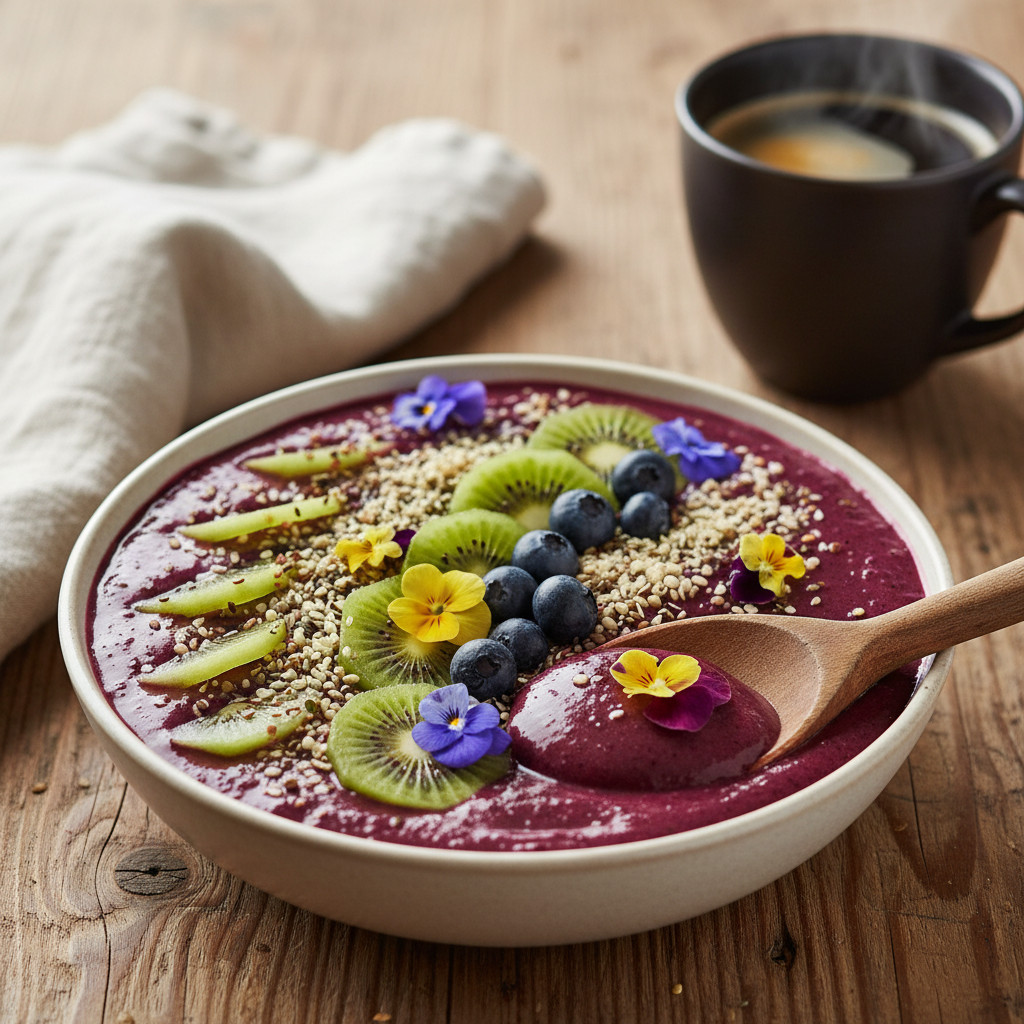
13. Energizing Smoothie Bowls
Smoothie bowls transform the drinkable smoothie into a meal you eat with a spoon, topped with crunchy, textural elements that make eating more satisfying and interesting than simply drinking your nutrition. While regular smoothies certainly have their place, smoothie bowls feel more like an actual meal and encourage slower, more mindful eating. They work brilliantly for breakfast when you want something refreshing, as a post-workout meal to refuel, or as a light dinner on hot days when heavy meals feel unappealing. The visual appeal of colorful smoothie bases topped with artistic arrangements of fruit, granola, and seeds makes them Instagram-worthy while still being completely practical.
The base of a smoothie bowl should be thicker than a drinkable smoothie so it holds up toppings without immediately becoming soup. Achieve this thickness by using frozen fruit as your primary ingredient—frozen bananas create the creamiest texture and work as a neutral base that pairs with other flavors. Combine one to two frozen bananas with a splash of milk or juice (use just enough liquid to get everything blending—too much and your bowl will be too thin), and add your flavor elements: berries for antioxidants, mango for tropical vibes, or cocoa powder for chocolate versions. Add a handful of spinach for extra nutrients without affecting the taste. A spoonful of protein powder, Greek yogurt, or nut butter boosts protein content, making the meal more substantial.
Pour your thick smoothie base into a bowl, then arrange your toppings artistically or just sprinkle them on—either way works. Classic toppings include granola for crunch, fresh fruit slices, coconut flakes, chia seeds, hemp seeds, a drizzle of nut butter, or dark chocolate chips. The toppings add textural contrast that makes smoothie bowls more satisfying than smoothies alone. Create an açai bowl with frozen açai, bananas, and berries, topped with granola and coconut. Try a green smoothie bowl with spinach, banana, mango, and pineapple, topped with kiwi and hemp seeds. Make a chocolate peanut butter version with cocoa powder, frozen banana, protein powder, topped with banana slices, peanut butter drizzle, and granola. Smoothie bowls let you consume significant amounts of fruit and vegetables in a format that feels like a treat rather than a chore, and they’re endlessly customizable based on what you have available and what flavors you’re craving.
Weekend Special Recipes
When you have a bit more time on weekends, these recipes deliver impressive results while still being student-friendly.
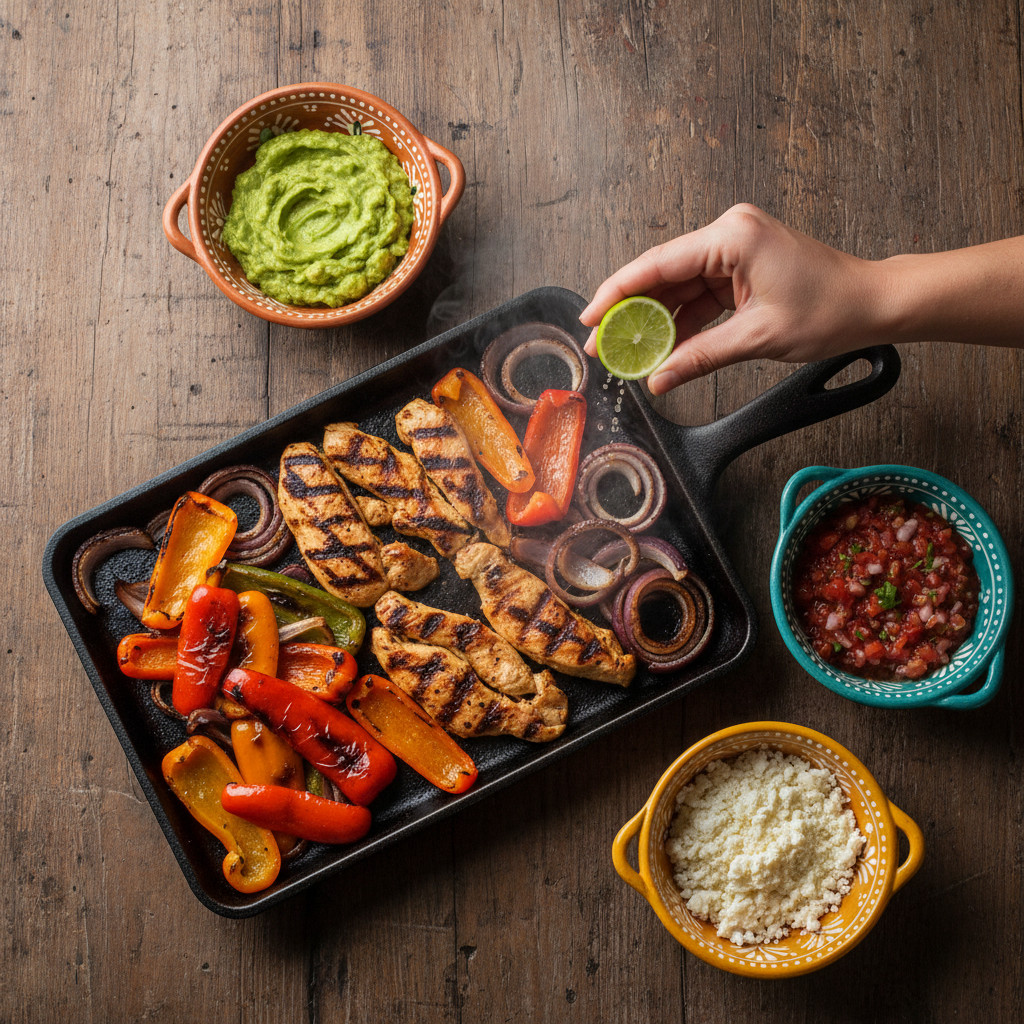
14. Colorful Sheet Pan Fajitas
Sheet pan fajitas bring restaurant-quality Mexican food into your kitchen with minimal effort and maximum flavor. Fajitas typically involve standing at the stove, tending to sizzling meat and vegetables, but the sheet pan method simplifies everything—you simply toss chicken or beef with sliced peppers and onions, season everything with fajita spices, spread it on a baking sheet, and roast until everything is caramelized and delicious. This hands-off approach means you can prep the pan, slide it in the oven, and use that time to finish homework, tidy up, or make sides, returning to perfectly cooked fajitas with zero active monitoring required.
Start by slicing chicken breasts, chicken thighs, or sirloin steak into strips approximately one-inch wide. Place them in a bowl or directly on your baking sheet. Slice bell peppers (use multiple colors for visual appeal) and onions into strips similar in size to your protein. Add everything to the baking sheet, drizzle with olive oil, and season generously with your spice mixture—combine chili powder, cumin, paprika, garlic powder, onion powder, salt, and pepper, or simply use store-bought fajita seasoning to make things even easier. Toss everything together directly on the pan until well-coated, then spread into a single layer for even cooking. Roast at 425°F (220°C) for twenty to twenty-five minutes, stirring halfway through, until the chicken is cooked through and the vegetables are tender with slightly charred edges.
Serve your fajitas with warm flour or corn tortillas, creating a DIY taco bar setup that feels fun and special. Put out bowls of toppings—shredded cheese, salsa, sour cream or Greek yogurt, guacamole or sliced avocado, cilantro, lime wedges—and let everyone build their own fajitas according to their preferences. This serving style works excellently when cooking for roommates or hosting friends, making it feel like an event rather than just dinner. The leftovers work beautifully for meal prep: portion the fajita mixture into containers and refrigerate, then reheat and wrap in fresh tortillas throughout the week, or use the filling for burrito bowls over rice, or add it to salads for easy lunches. Sheet pan fajitas demonstrate that feeding yourself or a group doesn’t require advanced skills or expensive ingredients—just smart planning and simple techniques that maximize flavor while minimizing effort.
15. Comforting Simple Curry
Curry might sound intimidating, but this simplified version requires no special ingredients, no complicated techniques, and delivers tremendously satisfying results that taste far more sophisticated than the effort required. This one-pot meal combines vegetables and optional protein in a flavorful, creamy sauce served over rice, creating the kind of warm, comforting dinner that makes you feel taken care of—something particularly valuable during stressful exam periods or when you’re generally feeling overwhelmed by student life. Making curry from scratch is also significantly more affordable than ordering takeout while giving you several servings of leftovers that taste even better the next day as the flavors continue developing.
Begin by sautéing diced onion in a large pot or deep pan with a bit of oil until soft and translucent. Add minced garlic and ginger (fresh if you have it, but powdered works fine) and cook for another minute until fragrant. Now add your curry powder or paste—curry powder is readily available in any grocery store and costs just a few dollars for a jar that will last numerous meals. Stir the curry powder in the pot for thirty seconds to “bloom” the spices and develop deeper flavor. Add diced vegetables—potatoes, cauliflower, carrots, peas, bell peppers, or whatever you have available all work wonderfully in curry. Pour in a can of coconut milk along with a cup of vegetable or chicken broth (or just water in a pinch), stir everything together, bring to a simmer, and cook for fifteen to twenty minutes until the vegetables are tender.
If adding protein, you have several options: dice chicken breast or thighs and cook them with the onions at the beginning before adding other ingredients; stir in cooked chickpeas or lentils during the last five minutes for plant-based protein; or add frozen shrimp during the final five minutes of cooking. Finish your curry with a squeeze of lime juice and adjust seasonings with salt, pepper, or a touch of sugar to balance the flavors. Serve over rice—white rice, brown rice, or even instant rice all work perfectly as vehicles for the flavorful sauce. The beauty of this recipe lies in its flexibility and forgivingness. You can adjust spice levels by using more or less curry powder, change vegetables based on what’s available or affordable, make it vegetarian or add various proteins, and the results will be delicious regardless. Curry also freezes exceptionally well, so consider making a double batch when you have time, freezing half in individual portions, and creating a personal stash of homemade frozen meals that you can defrost and enjoy during particularly busy weeks.
Money-Saving Tips for Student Cooking
Implementing smart shopping and cooking strategies can dramatically reduce your food expenses while still eating well.
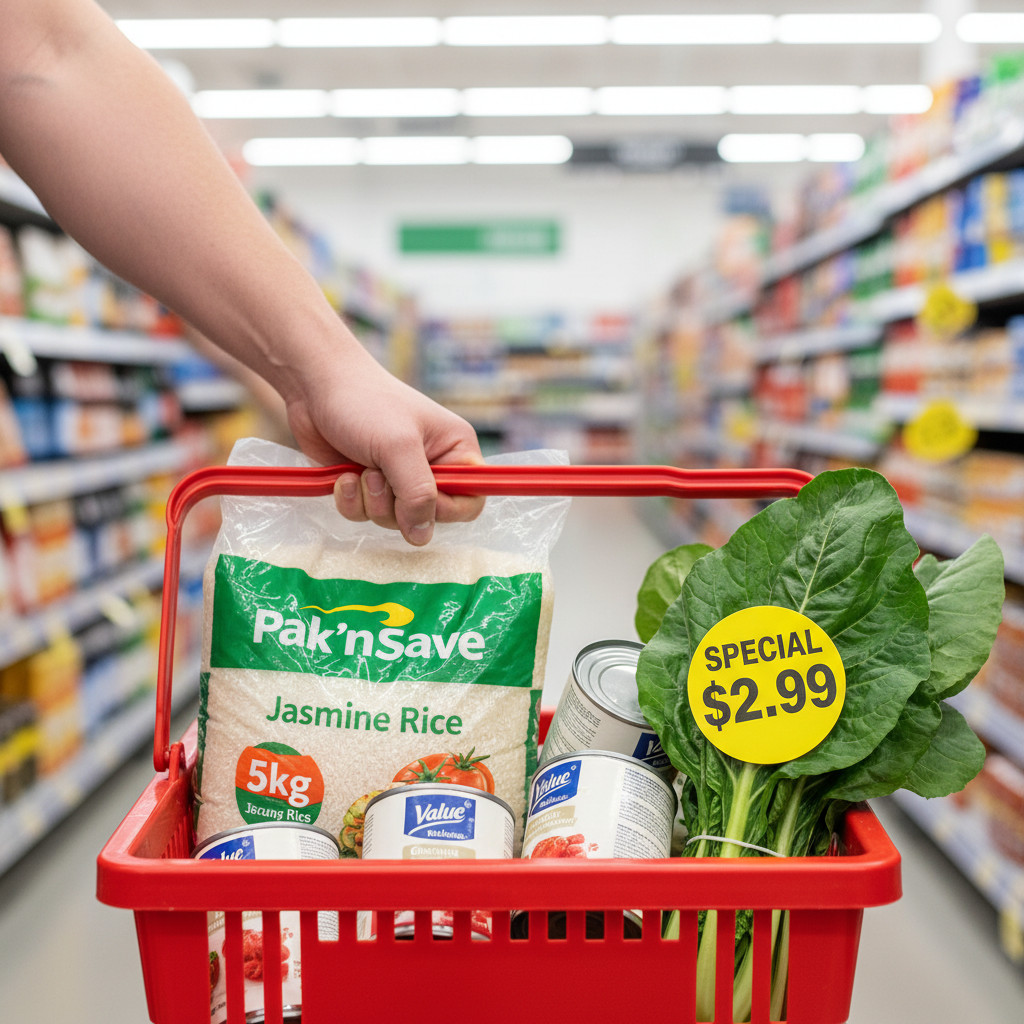
Strategic grocery shopping forms the foundation of eating well on a student budget. Start by planning your meals for the week before shopping, creating a list based on those meals, and sticking to that list in the store to avoid impulse purchases that blow your budget. Focus your shopping on store perimeter where fresh, whole foods typically live, buying primarily affordable staples and adding fresh produce, then supplementing with shelf-stable items from center aisles. Generic or store-brand products typically match national brand quality at significantly lower prices—save your money and choose store brands for basics like pasta, rice, canned goods, flour, and dairy products.
Buy ingredients that work across multiple recipes rather than specialty items you’ll use once. For example, buying chicken thighs, rice, pasta, eggs, cheese, onions, and a selection of basic spices enables dozens of different meals, whereas buying specialty ingredients for a single complex recipe leaves you with odd items you won’t use again. Purchasing larger quantities of non-perishables when they’re on sale reduces per-unit costs—stock up on pasta, rice, canned beans, canned tomatoes, and other staples when you spot good deals. Frozen vegetables and fruits often cost less than fresh equivalents while being equally nutritious, and they never spoil, eliminating the food waste that occurs when fresh produce goes bad before you use it.
Embrace strategic meal planning by intentionally creating leftovers and repurposing them into new meals. Roast a whole chicken on Sunday, eat it with vegetables that night, use the leftover chicken in quesadillas on Monday, add it to pasta on Tuesday, and make soup with the bones on Wednesday—you’ve extracted maximum value from a single ingredient. Cook large batches of grains and beans at the beginning of the week to use as bases for multiple meals. Shop your pantry first before buying new ingredients, challenging yourself to create meals from what you already have rather than automatically going shopping when you feel uninspired. These strategies collectively reduce your food budget significantly without sacrificing nutrition or satisfaction, allowing you to eat substantially better than the instant ramen stereotype suggests is necessary for student life.
Meal Prep Strategies for Busy Students
Investing time once or twice weekly in meal preparation creates convenience throughout the week while reducing both cooking stress and expenses.
Meal prep doesn’t mean eating identical meals from identical containers every single day—that’s a recipe for boredom and burnout. Instead, think of meal prep as creating building blocks that you can assemble into various meals throughout the week. Dedicate one or two hours on a Sunday afternoon or whenever your schedule allows, during which you prepare components rather than complete meals. Cook a large batch of rice or pasta, roast several sheet pans of vegetables with different seasonings, prepare a protein or two, and chop vegetables for quick use. These prepared components give you a head start on meals throughout the week—you can quickly assemble a grain bowl, create a pasta dish, make a wrap, or prepare a stir-fry in minutes rather than starting from scratch each time you’re hungry.
Container organization makes meal prep functional rather than chaotic. Invest in a set of reusable containers in various sizes—they don’t need to be expensive, but having proper containers makes storing and reheating prepared food much easier. Use larger containers for batch-cooked grains, beans, and roasted vegetables that you’ll use across multiple meals. Portion individual servings of complete meals into smaller containers when you want grab-and-go options. Label containers with contents and dates using masking tape and markers to prevent the mystery food situation that results in waste. Stack everything logically in your fridge so you can see what you have and use items before they spoil.
Strategic meal prep focuses on items that hold up well when prepared in advance. Roasted vegetables, cooked grains, pasta salads, overnight oats, egg muffins, cut vegetables for snacking, washed salad greens, cooked beans, marinated proteins, and prepared sauces all store well for three to five days. Avoid prepping foods that become soggy or unappetizing over time—save these for cooking fresh. Start small if meal prep feels overwhelming; even preparing just one or two components creates convenience throughout the week. As you become comfortable with the practice, you can expand your efforts based on what delivers the most value for your specific schedule and preferences. The time invested in meal prep pays dividends through reduced decision fatigue, fewer impulse takeout purchases, and decreased stress about what to eat when you’re already exhausted from classes and studying.
Final Words
Learning to cook simple, delicious meals represents one of the most valuable skills you’ll develop during your student years. These fifteen recipes provide a solid foundation that enables you to feed yourself well without requiring culinary expertise, significant time investment, or an unlimited budget. The techniques you’ve learned—how to make one-pan dinners, the basic principles of stir-frying, the simplicity of sheet pan meals, the versatility of eggs, the convenience of wraps and bowls—extend far beyond these specific recipes, giving you transferable knowledge you’ll use throughout your life.
Remember that cooking is a skill that improves with practice. Your first attempt at stir-fry might not be perfect, your quesadilla might stick to the pan, or your curry might need seasoning adjustments. That’s completely normal and expected. Each time you cook, you’ll learn something—how your stove’s heat works, which flavor combinations you prefer, which shortcuts work for your lifestyle. Be patient with yourself during the learning process, and don’t let minor setbacks discourage you from continuing to develop this important skill.
The benefits of cooking at home extend well beyond saving money, though the financial advantages are certainly significant. Preparing your own meals gives you control over ingredients and nutrition, allowing you to fuel your body and brain optimally for academic demands. It provides stress relief and creative expression—something particularly valuable when you’re mentally exhausted from studying. It creates community when you cook for or with roommates and friends. Most importantly, it’s a form of self-care that demonstrates you’re worth the effort of preparing nourishing, enjoyable food even during the busiest, most challenging periods of student life.
Start with whichever recipes appeal most to you, master those, then gradually expand your repertoire. Build confidence through repetition, experiment with variations once you’re comfortable with the basics, and don’t be afraid to adapt recipes based on your preferences, available ingredients, or dietary needs. The goal isn’t perfection or becoming a gourmet chef—it’s simply developing the ability to feed yourself well consistently, affordably, and without it feeling like an overwhelming burden. You absolutely have time to cook, you can definitely afford to eat well, and you’re completely capable of creating meals that are actually delicious. These fifteen recipes prove it. Now get into that kitchen and start cooking—your body, mind, and wallet will thank you.