Table of Contents
- The Ultimate Guide to Effortless Crowd-Feeding with Mouthwatering Results
- Understanding What Makes a Recipe Perfect for Crowds
- Hearty Main Dishes That Anchor Your Menu
- Budget-Friendly Favorites That Don’t Sacrifice Flavor
- International Flavors That Impress and Delight
- Show-Stopping Sides That Complete the Feast
- Sweet Endings That Satisfy Every Sweet Tooth
- Strategic Planning Tips for Stress-Free Crowd Cooking
- Shopping and Budgeting Strategies That Save Money and Time
- Wrapping Up: Your Roadmap to Confident Crowd Feeding
The Ultimate Guide to Effortless Crowd-Feeding with Mouthwatering Results
Planning a party, family reunion, or community gathering can quickly turn from exciting to overwhelming when you realize you need to feed dozens of hungry guests. The stress of preparing multiple dishes, managing your budget, and ensuring everyone finds something they’ll enjoy can feel like juggling flaming torches while riding a unicycle. But here’s the good news: feeding a crowd doesn’t require culinary school credentials or an unlimited budget. With the right recipes in your arsenal, you can serve delicious, crowd-pleasing meals that’ll have guests asking for seconds while keeping your sanity intact.
The secret to successful crowd cooking lies in choosing recipes that maximize flavor while minimizing your time in the kitchen. You need dishes that scale up easily, stay warm without drying out, accommodate various dietary preferences, and most importantly, taste absolutely phenomenal. Whether you’re hosting a casual backyard barbecue, organizing a potluck dinner, planning a graduation celebration, or coordinating a church social, having reliable recipes that feed large groups efficiently transforms you from a stressed host into the culinary hero of the event.
This comprehensive guide presents fifteen tried-and-true recipes specifically designed for crowd feeding. Each recipe has been selected based on its ease of preparation, scalability, broad appeal, and genuine deliciousness. We’ll explore everything from hearty main courses and budget-friendly options to international flavors and delectable desserts. You’ll discover practical tips for meal planning, preparation strategies, and insider tricks that professional caterers use to feed large groups successfully. By the end of this guide, you’ll feel confident tackling any crowd-feeding challenge that comes your way.
Understanding What Makes a Recipe Perfect for Crowds
Before diving into specific recipes, let’s explore the essential characteristics that separate mediocre crowd recipes from exceptional ones. This section provides the foundation for understanding why these fifteen recipes work so effectively for large gatherings.
Not all recipes translate well to large-scale preparation. The best crowd recipes share several key attributes that make them practical, economical, and consistently delicious when multiplied. Understanding these qualities helps you evaluate recipes and make smart choices when planning your menu. A truly great crowd-pleasing recipe checks multiple boxes simultaneously: it scales up without requiring complicated mathematical conversions, uses readily available ingredients that don’t break the bank, can be partially or fully prepared in advance, maintains its quality when kept warm, and appeals to diverse palates including picky eaters and adventurous food lovers alike.
Key characteristics of exceptional crowd recipes include:
- Scalability without complexity: The recipe should multiply easily without requiring specialized equipment or techniques that become impractical at larger volumes
- Make-ahead friendly: Components can be prepared hours or even days in advance, reducing day-of stress significantly
- Budget-conscious ingredients: Uses affordable, accessible ingredients that don’t require specialty stores or premium pricing
- Temperature flexibility: Maintains taste and texture whether served piping hot, warm, or at room temperature
- Universal appeal: Offers familiar flavors that satisfy traditional tastes while still delivering impressive results
The recipes featured in this guide have been specifically selected because they embody these principles. They’ve been tested in real-world scenarios—from family reunions to community fundraisers—and consistently deliver outstanding results. Each recipe serves 12-20 people as written but can be easily doubled or tripled for even larger gatherings. The ingredients are straightforward and available at any standard grocery store, and the techniques are accessible to cooks of all skill levels. Most importantly, these aren’t bland, boring “cafeteria-style” dishes that people tolerate; they’re genuinely delicious recipes that generate compliments and recipe requests.
Hearty Main Dishes That Anchor Your Menu
Main dishes form the centerpiece of any crowd-feeding menu, and choosing the right ones sets the tone for your entire meal. This section highlights three substantial, satisfying entrées that feed large groups without requiring constant attention.
1. Slow Cooker Pulled Pork Perfection
Slow cooker pulled pork stands as the ultimate crowd-feeding champion for numerous compelling reasons. This recipe transforms an affordable pork shoulder into tender, flavorful meat that practically falls apart with minimal effort. The beauty of this dish lies in its simplicity and versatility—you season a 8-10 pound pork shoulder with a simple spice rub, place it in your slow cooker (or use multiple slow cookers for larger crowds), add some liquid for moisture, and let time and low heat work their magic for 8-10 hours. The result is succulent, shreddable pork that serves 16-20 people generously. You can serve it as traditional sandwiches with coleslaw, create a taco bar with various toppings, pile it over nachos, or stuff it into slider buns for a more elegant presentation.
The make-ahead advantages of pulled pork cannot be overstated. You can prepare the meat a full day in advance, refrigerate it in its cooking liquid to maintain moisture, and simply reheat it before serving without any loss of quality. In fact, many cooks insist the flavors actually improve after a night in the refrigerator as the seasonings continue to penetrate the meat. From a budget perspective, pork shoulder costs significantly less per pound than most proteins while delivering maximum yield—the cooking process renders fat and connective tissue, but you still end up with abundant meat. Dietary accommodations are straightforward: serve the pork with gluten-free buns or lettuce wraps, and keep sauce on the side so guests can customize their spice levels.
2. Sheet Pan Chicken Fajitas for Easy Elegance
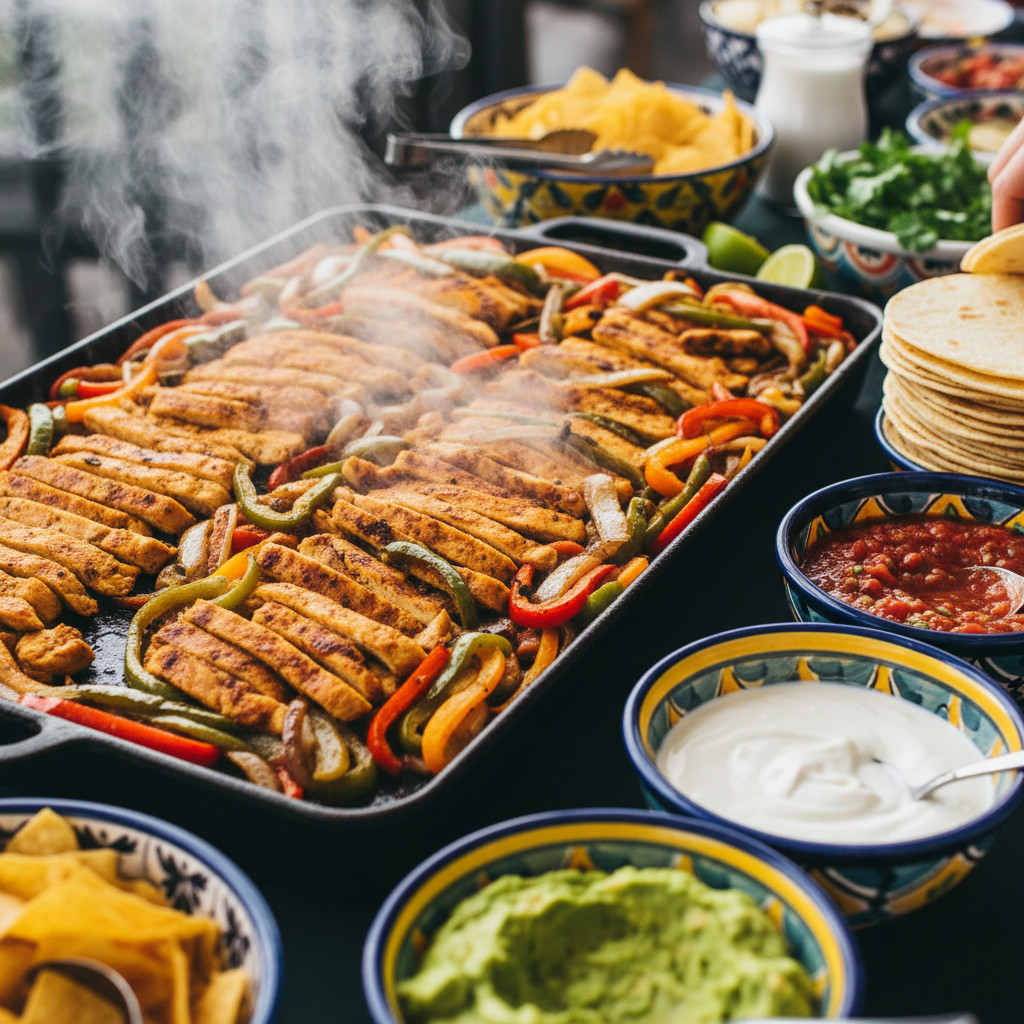
Sheet pan fajitas deliver restaurant-quality flavor with remarkably little hands-on cooking time. This recipe involves slicing chicken breasts, bell peppers, and onions, tossing them with fajita seasoning and oil, spreading everything across large sheet pans, and roasting at high heat until beautifully caramelized and perfectly cooked. For a crowd of 15-20, you’ll need about 5-6 pounds of chicken and proportional vegetables spread across 3-4 sheet pans. The oven does all the work while you attend to other hosting duties. The sizzling, colorful presentation when you bring the sheet pans to the table creates an impressive visual impact that suggests far more effort than you actually invested.
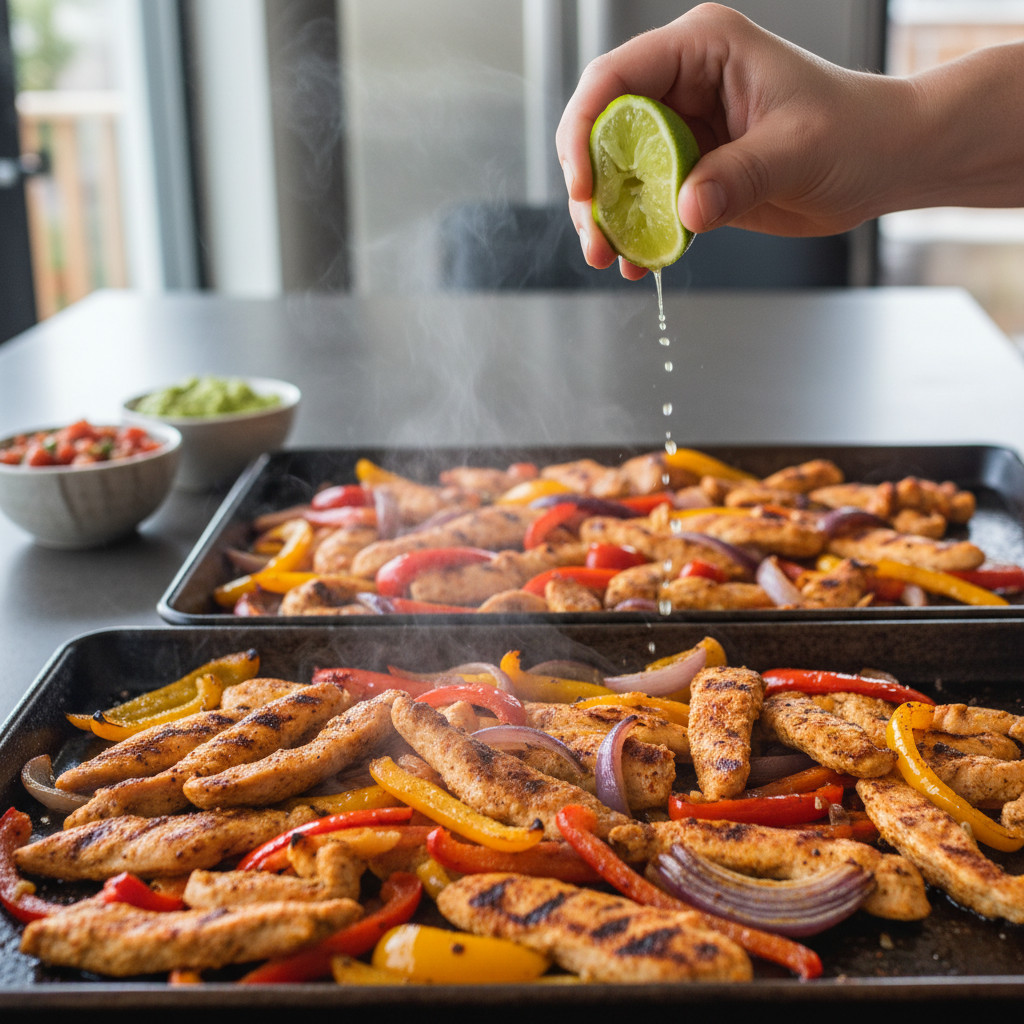
What makes sheet pan fajitas particularly crowd-friendly is the interactive, customizable serving style. Set up a fajita bar with warm tortillas, shredded cheese, sour cream, guacamole, salsa, cilantro, and lime wedges, allowing guests to build their perfect fajita according to their preferences. This approach automatically accommodates various dietary needs: provide both flour and corn tortillas, include vegetarian protein options like seasoned black beans, and clearly label toppings. The preparation can be streamlined by slicing vegetables and chicken the morning of your event, storing them separately in the refrigerator, and then assembling and roasting just before serving. The actual cooking time is only 25-30 minutes, making this an excellent choice when you need impressive results quickly.
3. Family-Style Baked Ziti That Satisfies Everyone
Baked ziti represents comfort food at its finest and scales beautifully for crowd feeding. This classic Italian-American dish combines pasta with rich tomato sauce, creamy ricotta, melted mozzarella, and optional ground beef or Italian sausage for a hearty, satisfying meal that appeals across generations. The recipe is remarkably forgiving and flexible—you can make it vegetarian by omitting meat, accommodate gluten-free guests by using alternative pasta, or boost nutrition by incorporating spinach or other vegetables into the layers. For 15-20 servings, you’ll prepare this in two 9×13 inch pans or one extra-large hotel pan, making transport and serving straightforward whether you’re hosting at home or bringing dishes to an off-site venue.
The make-ahead capability of baked ziti makes it a strategic choice for stress-free entertaining. You can fully assemble the dish up to two days in advance, cover tightly, and refrigerate until needed. Simply add 15-20 minutes to the baking time if cooking directly from the refrigerator, or let it come to room temperature for 30 minutes before baking. This advance preparation means you’re simply sliding pans into the oven rather than actively cooking when guests arrive. The dish holds beautifully at temperature, remaining delicious whether served immediately or kept warm for latecomers. Pair it with garlic bread and a simple salad, and you have a complete meal that costs roughly $2-3 per serving even when using quality ingredients. The familiar flavors ensure even the pickiest eaters will find something they enjoy, while the hearty portions guarantee satisfied guests.
Budget-Friendly Favorites That Don’t Sacrifice Flavor
Feeding a crowd shouldn’t require taking out a second mortgage. These three recipes prove that economical ingredients can produce extraordinary results when prepared thoughtfully.
4. Championship-Worthy Chili That Warms Hearts and Bellies
A large pot of hearty chili ranks among the most economical and satisfying ways to feed a crowd. This recipe combines ground beef (or turkey for a leaner option), multiple varieties of beans, tomatoes, onions, peppers, and a carefully balanced blend of spices into a thick, flavorful stew that improves with time. For maximum efficiency and flavor development, prepare your chili a day or two before your event, allowing the flavors to meld and deepen overnight. A single batch using 3-4 pounds of ground meat yields 15-20 generous servings at approximately $1.50-2.00 per portion, making it one of the most budget-friendly options available.
The beauty of chili lies in its versatility and customization potential. Set up a “chili bar” with various toppings: shredded cheese, sour cream, diced onions, jalapeños, corn chips, fresh cilantro, lime wedges, and hot sauce. This interactive approach lets guests personalize their bowls while accommodating different heat tolerances and dietary preferences. You can easily prepare vegetarian versions by omitting meat and increasing beans and vegetables, or create a white chicken chili variation for guests who prefer poultry. Chili also freezes exceptionally well, so you can prepare it weeks in advance if your freezer space allows. Keep it warm in a slow cooker during your event, eliminating the need for precise timing and ensuring it stays at the perfect temperature throughout your gathering.
5. Build-Your-Own Taco Bar for Maximum Crowd Appeal
A taco bar delivers impressive variety while keeping costs remarkably low and preparation surprisingly simple. The foundation requires seasoned ground beef (or shredded chicken, or both), but the real magic happens with the toppings array. Set out hard and soft taco shells, shredded lettuce, diced tomatoes, shredded cheese, sour cream, salsa, guacamole, black beans, seasoned rice, jalapeños, cilantro, and lime wedges. This spread allows each guest to create their perfect taco combination while automatically accommodating various dietary restrictions. Vegetarians can skip the meat and load up on beans and vegetables, while those avoiding dairy can simply bypass cheese and sour cream.
From a budget perspective, taco bars shine brilliantly. Ground beef costs significantly less than most proteins, and you can stretch it further by mixing in black beans or lentils without compromising flavor or satisfaction. The toppings are generally inexpensive produce items and pantry staples. For 20 people, you’ll typically need 4-5 pounds of ground meat, which extends to feed everyone when combined with all the other components. The preparation is straightforward: cook your proteins with seasoning, warm your shells, dice your vegetables, and arrange everything buffet-style. Guests serve themselves, eliminating the plating stress that comes with individually portioned meals. Clean-up is simplified since you’re essentially serving from a few pans and bowls rather than creating dozens of individual plates. The interactive, casual nature of a taco bar also creates a relaxed, festive atmosphere that encourages mingling and conversation.
6. BBQ Chicken That Delivers Big Flavor on a Small Budget
Oven-baked BBQ chicken provides crowd-pleasing flavor without the complications of outdoor grilling or the expense of premium cuts. This recipe uses chicken leg quarters or thighs—the most economical cuts of chicken that also happen to be the most flavorful and forgiving. Season the pieces simply with salt, pepper, and garlic powder, arrange them on sheet pans, bake until nearly done, brush generously with your favorite BBQ sauce, and return to the oven until the sauce caramelizes into a sticky, delicious glaze. For 20 people, you’ll need approximately 20-25 pieces, costing roughly $15-20 total depending on your location and sales.
The beauty of this approach lies in its simplicity and reliability. Unlike grilling, where you must monitor constantly and manage flare-ups, oven-baking requires minimal attention and delivers consistent results. You can use any BBQ sauce—from store-bought favorites to homemade recipes—allowing you to match the flavor profile to your audience. Some cooks prepare a mild sauce and a spicy sauce, letting guests choose their preferred heat level. The chicken can be baked earlier in the day and kept warm in slow cookers, or served at room temperature if your event style allows. Dark meat chicken stays moist and tender even when held at temperature for extended periods, unlike chicken breasts which dry out quickly. Pair this BBQ chicken with classic sides like coleslaw, baked beans, and cornbread for a complete backyard-style meal that satisfies without straining your budget.
International Flavors That Impress and Delight
Introducing international flavors to your crowd-feeding menu demonstrates culinary confidence while exposing guests to delicious dishes they might not prepare at home. These recipes bring global inspiration to your table without requiring exotic ingredients or complicated techniques.
7. Aromatic Chicken Curry That Transports Your Guests
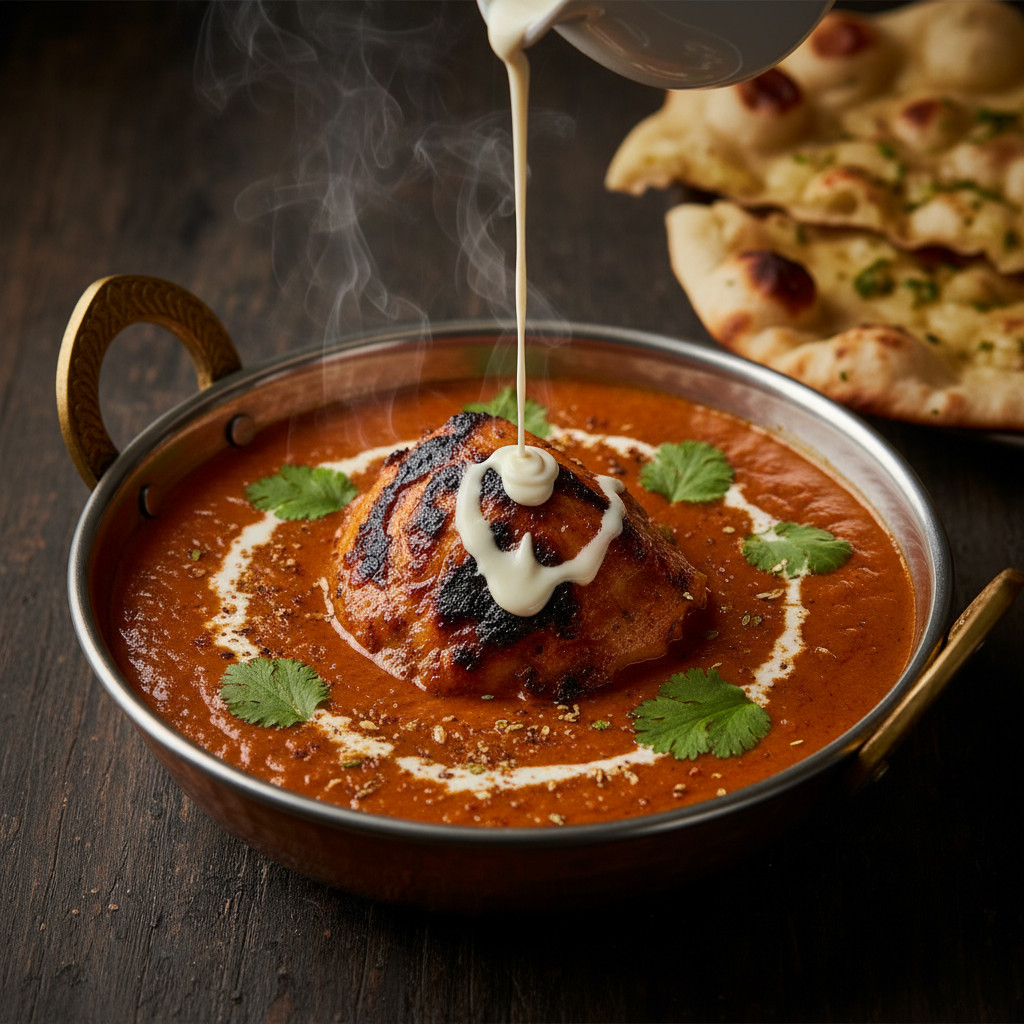
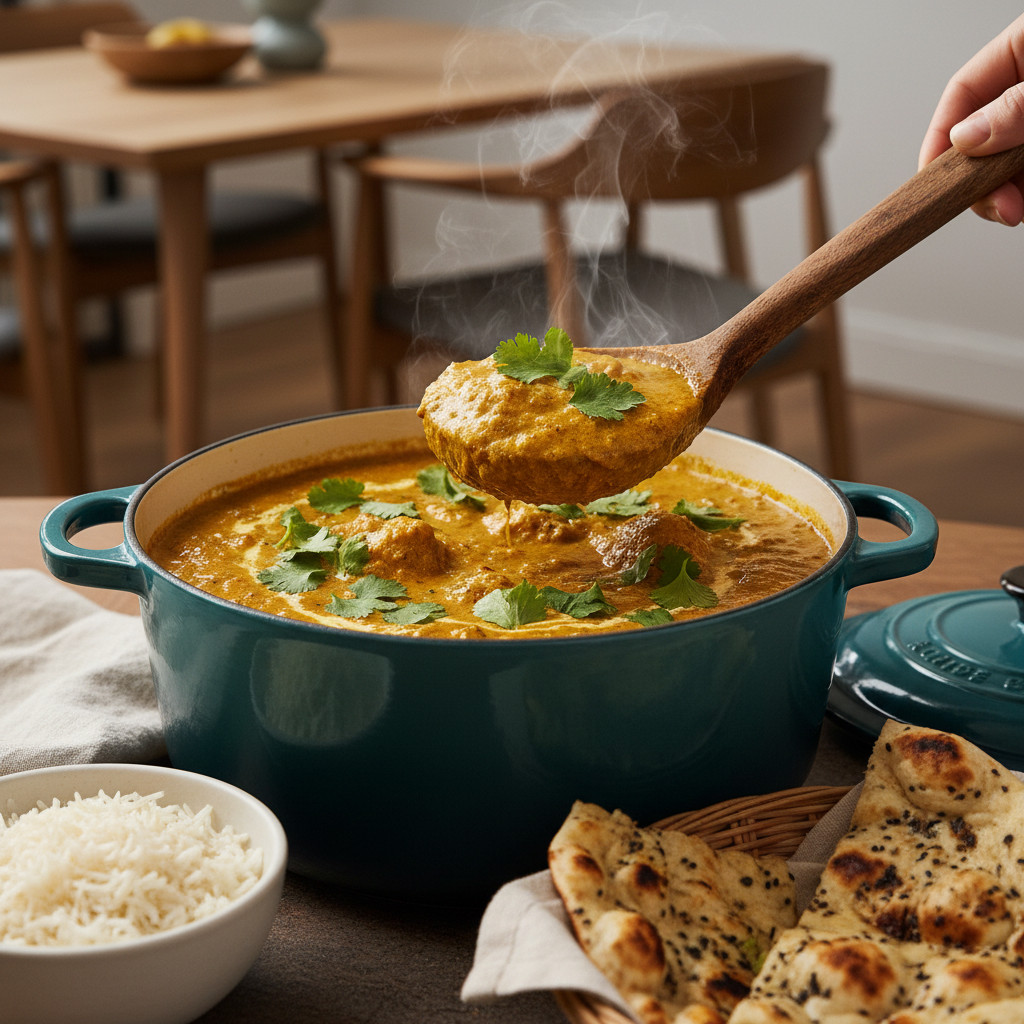
Chicken curry might seem intimidating for crowd cooking, but this simplified approach makes it completely accessible while maintaining authentic, complex flavors. This recipe builds layers of flavor by sautéing onions until golden, blooming curry powder and other spices in oil to release their essential oils, adding chicken pieces to brown, incorporating tomatoes and coconut milk for richness, and simmering until everything melds into a fragrant, satisfying dish. The beauty of curry lies in its scalability—the recipe multiplies effortlessly, and the flavors actually improve when made in larger quantities. Prepare this dish entirely the day before your event, as curry benefits tremendously from resting time that allows flavors to develop and deepen.
Serving curry to a crowd is straightforward and impressive. Present it over basmati rice or with warm naan bread, and offer condiments like mango chutney, yogurt raita, chopped cilantro, and lime wedges for guests to customize their experience. The sauce-based nature of curry means it holds beautifully at serving temperature without drying out—a critical advantage when feeding large groups over extended periods. For approximately $30-40, you can prepare curry for 20 people, making it economical as well as delicious. Many guests appreciate the opportunity to experience international flavors they might not otherwise encounter, and curry’s combination of warming spices and creamy coconut milk appeals to adventurous and traditional palates alike. You can adjust heat levels by controlling the amount of chili powder or fresh chilies, ensuring even spice-sensitive guests can enjoy this dish.
8. Pasta Primavera Celebrating Seasonal Vegetables
Pasta primavera brings Italian-inspired elegance to crowd feeding while showcasing seasonal vegetables in a light, flavorful presentation. This dish combines pasta with a variety of colorful vegetables—typically bell peppers, zucchini, carrots, broccoli, cherry tomatoes, and snap peas—in a garlic-herb sauce that can be either cream-based or olive oil-based depending on your preference. The vegetable-forward nature of this recipe appeals to health-conscious guests while still providing the satisfying heartiness of pasta. For 15-20 servings, cook 2-3 pounds of pasta and prepare approximately 3-4 pounds of mixed vegetables, creating a balanced dish that doesn’t feel heavy despite its substantial portions.
The versatility of pasta primavera makes it ideal for diverse crowds with varying dietary needs. The base recipe is vegetarian and easily becomes vegan when you use olive oil instead of cream and skip the parmesan. You can incorporate grilled chicken, shrimp, or Italian sausage for guests who prefer heartier protein options, or keep those additions on the side to maintain the vegetarian integrity of the main dish. Preparation can be streamlined by cutting all vegetables the night before and cooking pasta just before serving (or preparing it earlier and tossing with a small amount of olive oil to prevent sticking). The colorful presentation makes this dish visually appealing on a buffet table, and the combination of familiar pasta with fresh vegetables creates broad appeal. Cost-wise, primavera remains budget-friendly since vegetables typically cost less than meat, and pasta provides filling volume inexpensively. This recipe particularly shines during summer months when farmers markets overflow with fresh, affordable produce.
9. Beef Enchiladas With Crowd-Pleasing Appeal
Enchiladas bring the beloved flavors of Mexican cuisine to your crowd-feeding repertoire in a format that’s practical and manageable for large groups. This recipe involves preparing a seasoned beef filling, rolling it with cheese in corn or flour tortillas, arranging the rolled tortillas in large baking dishes, smothering everything in enchilada sauce, topping with more cheese, and baking until bubbly and golden. The assembly-line approach to rolling enchiladas makes the preparation process meditative rather than stressful—set up a station with your components and work through the process systematically. Two or three 9×13 inch pans yield approximately 18-24 enchiladas, easily serving 15-20 people when accompanied by rice and beans.
The make-ahead advantages of enchiladas make them strategic for stress-free entertaining. Assemble the entire dish up to 24 hours in advance, cover tightly, refrigerate, and simply bake before serving. This advance preparation means you’re heating rather than cooking when guests arrive, dramatically reducing your day-of workload. Enchiladas also hold exceptionally well at serving temperature, remaining delicious for latecomers without drying out thanks to their saucy nature. You can easily accommodate vegetarian guests by preparing one pan with seasoned black beans or vegetables instead of beef. Serve with traditional Mexican accompaniments like Spanish rice, refried beans, chips and salsa, and a simple salad to round out the meal. The comfort-food appeal of cheese-covered, sauce-smothered enchiladas virtually guarantees empty pans and satisfied guests. At approximately $2-3 per serving, enchiladas deliver impressive value alongside impressive flavor.
Show-Stopping Sides That Complete the Feast
While main dishes often receive top billing, exceptional sides elevate your entire menu from adequate to memorable. These three side dishes complement various entrées while standing strong enough to satisfy on their own.
10. Creamy Baked Mac and Cheese Worth Fighting Over
Homemade baked macaroni and cheese transcends its humble ingredients to become a crowd favorite that adults and children request equally. This recipe moves beyond boxed versions by creating a proper cheese sauce from butter, flour, milk, and multiple varieties of real cheese—typically sharp cheddar for flavor, gruyere for complexity, and cream cheese for extra richness. Combine this luscious sauce with cooked pasta, transfer to large baking dishes, top with buttered breadcrumbs for textural contrast, and bake until golden and bubbly. The result is infinitely superior to packaged versions while still remaining accessible to home cooks.
For crowd feeding, baked mac and cheese offers numerous advantages. The dish can be fully assembled a day in advance and refrigerated, then baked shortly before serving. It holds well at temperature without separating or becoming unappetizing, an important quality when serving large groups over extended periods. The universal appeal crosses age groups and cultural backgrounds—nearly everyone loves quality mac and cheese. From a practical standpoint, the recipe scales easily, and ingredients remain economical despite using real cheese. Two 9×13 inch pans serve approximately 20-25 people as a side dish. You can lighten the recipe by using milk instead of cream, or boost nutrition by stirring in pureed butternut squash or cauliflower (a trick that adds creaminess while sneaking in vegetables). The golden, crispy breadcrumb topping provides visual appeal and textural interest that elevates this comfort food classic into something special enough for company.
11. Loaded Baked Potato Bar for Interactive Fun
A baked potato bar transforms humble potatoes into an interactive, customizable side dish that guests genuinely enjoy. The concept is brilliantly simple: bake large russet potatoes until fluffy inside and crispy outside, then set up a topping station with butter, sour cream, shredded cheese, bacon bits, chives, steamed broccoli, chili, and any other toppings that appeal to your crowd. This approach lets each guest create their perfect loaded potato while accommodating various dietary preferences effortlessly. Vegetarians can skip bacon and chili while loading up on cheese and vegetables, while those seeking heartier fare can create a complete meal by adding chili or pulled pork.
From a logistics perspective, potato bars excel at crowd feeding. Potatoes are remarkably inexpensive, especially when purchased in bulk bags, making this one of the most budget-friendly options available. For 20 people, you’ll need 20-25 large potatoes, costing approximately $10-15 total. The potatoes can be baked several hours before your event and kept warm wrapped in foil, or even baked the day before and reheated briefly before serving. The toppings can be prepared in advance and simply set out when needed. This setup creates a casual, interactive element that encourages guest participation and conversation. The visual presentation is appealing—arrange the golden potatoes on a large platter with colorful toppings in separate bowls, creating an inviting display. Loaded potatoes also satisfy as either a side dish or a light main course, offering flexibility in how you structure your menu. The combination of crispy skin, fluffy interior, and customizable toppings creates a memorable experience that feels special despite its simplicity.
12. Caesar Salad That Actually Tastes Fresh and Delicious
While salads often feel like obligatory additions to buffet tables, a properly prepared Caesar salad delivers genuine deliciousness that complements heavier entrées beautifully. This classic combination of crisp romaine lettuce, tangy Caesar dressing, crunchy croutons, and shaved parmesan creates textural and flavor contrast that refreshes the palate. The key to serving quality Caesar salad to a crowd lies in proper timing and assembly. Prepare all components separately—wash and dry lettuce thoroughly, make dressing (homemade or enhanced store-bought), prepare or purchase quality croutons, and shave fresh parmesan. Store everything separately until just before serving, then toss together at the last possible moment to maintain crispness and prevent sogginess.
For large groups, consider a “toss and serve” approach: divide lettuce into large bowls, add dressing progressively while tossing (starting with less than you think you need—you can always add more), and finish with croutons and cheese just before placing on the buffet table. This method ensures the salad maintains quality throughout your event rather than becoming limp and overdressed. Caesar salad provides valuable balance to heavier main courses, offering freshness and crunch that cleanses the palate. From a dietary perspective, it can easily accommodate various needs: leave the anchovies out of the dressing for those avoiding fish, skip the croutons for gluten-free guests, or keep cheese on the side for those avoiding dairy. The sophisticated appearance and universally recognized flavor profile make Caesar salad appropriate for both casual and more formal gatherings. At approximately $20-25 for a salad serving 20 people, it provides an economical way to add freshness and vegetable content to your menu.
Sweet Endings That Satisfy Every Sweet Tooth
No crowd-feeding menu is complete without dessert, but serving sweets to large groups presents unique challenges. These three desserts deliver maximum satisfaction with minimal stress.
13. Fudgy Brownies That Disappear Instantly
Brownies represent crowd-dessert perfection: they’re universally loved, easy to prepare in large quantities, serve cleanly, and satisfy chocolate cravings completely. A single batch mixed in one bowl bakes in a 9×13 inch pan, yields 20-24 squares, requires approximately 30 minutes of baking time, and costs less than $10 in ingredients. Double or triple the recipe to feed larger crowds, baking in multiple pans simultaneously. The beauty of brownies lies in their simplicity—no frosting, no assembly, no delicate decorating. Cut them into squares, arrange on a platter, and watch them vanish.
From a preparation standpoint, brownies are strategically brilliant. Bake them a day or even two days before your event, store at room temperature wrapped well, and they actually improve as they settle and flavors develop. If you want to elevate presentation without adding work, dust with powdered sugar just before serving, or add a handful of chocolate chips or chopped walnuts to the batter. You can customize brownies for your audience: add a swirl of peanut butter for extra richness, incorporate espresso powder to intensify chocolate flavor, or keep them absolutely plain for traditional chocolate satisfaction. Brownies accommodate various dietary needs relatively easily—gluten-free versions using almond flour or gluten-free baking mixes work well, and dairy-free versions using coconut oil instead of butter satisfy vegan guests. The dense, fudgy texture holds up well on buffet tables without drying out quickly, an important consideration when desserts sit out for extended periods during parties and gatherings.
14. Fresh Fruit Salad That Brightens Every Plate
Fruit salad provides refreshing contrast to heavier desserts while offering a lighter option for guests who prefer something less sweet. A well-constructed fruit salad combines colorful varieties—typically strawberries, blueberries, grapes, pineapple, melon, and kiwi—cut into uniform, bite-sized pieces for visual appeal and easy eating. The key to exceptional fruit salad rather than merely adequate fruit salad lies in three details: using perfectly ripe fruit at the peak of freshness, cutting pieces uniformly so the salad looks intentional rather than thrown together, and adding a simple citrus-honey dressing that enhances rather than masks the natural fruit flavors.
For crowds, fruit salad scales effortlessly and offers several practical advantages. Prepare all the fruit the morning of your event, combine in a large bowl, cover tightly, and refrigerate until serving. The natural juices create a light syrup that keeps the fruit moist and flavorful. For 20 people, plan on approximately 10-12 cups of mixed fruit, which sounds like a lot but typically costs less than many other dessert options, especially when you purchase seasonal fruits on sale. Fruit salad automatically accommodates virtually every dietary restriction—it’s naturally gluten-free, dairy-free, vegan, low-fat, and relatively low in added sugar if you minimize dressing. From a presentation perspective, colorful fruit creates visual appeal on a dessert table, brightening the overall spread. Some guests actively seek lighter dessert options after heavy meals, making fruit salad a thoughtful inclusion that fills a real need. You can enhance the salad with fresh mint leaves, a squeeze of lime juice, or a drizzle of honey to add complexity without overwhelming the fresh fruit flavors.
15. Cookie Bar Station for Customizable Sweetness
A cookie bar transforms simple desserts into an interactive experience that delights guests of all ages. Rather than serving one or two varieties of cookies, set up a dessert station with four to six different types—typically including chocolate chip, oatmeal raisin or oatmeal chocolate chip, peanut butter, snickerdoodles, and perhaps shortbread or sugar cookies. Arrange them attractively on platters or tiered stands, providing small plates and napkins so guests can sample multiple varieties. This approach offers variety without requiring you to master complex dessert techniques or invest excessive time in preparation.
The strategic brilliance of a cookie bar lies in its flexibility and make-ahead nature. Cookies can be baked days or even weeks in advance and frozen, then thawed at room temperature the morning of your event. This advance preparation dramatically reduces day-of stress while ensuring you have impressive desserts ready. For maximum efficiency, prepare cookie dough for all varieties in one baking session, then bake them off systematically. Most cookie recipes yield 24-36 cookies per batch, so preparing two batches each of three varieties gives you over 150 cookies—abundant supply for 20-30 guests to enjoy multiple cookies each. From a budget perspective, cookies remain economical since they use pantry staples like flour, sugar, butter, and eggs. The variety ensures every guest finds something they enjoy—chocolate lovers gravitate toward chocolate chip, traditionalists appreciate oatmeal or peanut butter, and those preferring less sweet options choose shortbread. The casual, self-serve nature of a cookie bar creates a relaxed dessert experience that encourages lingering and conversation rather than formal plated service.
Strategic Planning Tips for Stress-Free Crowd Cooking
Understanding recipes is only half the equation—successful crowd feeding also requires strategic planning and smart execution. This section provides actionable advice for organizing your approach.
Create a Comprehensive Timeline Working Backward From Event Time
The single most valuable tool for successful crowd cooking is a detailed timeline that works backward from your event start time. Begin by determining when you want to serve food, then map out every task required to reach that goal, assigning each task to a specific day and time. For example, if you’re serving at 6:00 PM Saturday, your timeline might indicate: Friday morning—grocery shopping; Friday afternoon—prepare and refrigerate make-ahead dishes; Friday evening—set up serving area and gather serving pieces; Saturday 2:00 PM—begin baking items that need to be warm; Saturday 4:30 PM—start reheating make-ahead dishes; Saturday 5:30 PM—complete final touches and set out food. This approach transforms an overwhelming project into manageable tasks spread across multiple days.
Maximize Make-Ahead Opportunities Ruthlessly
Almost every recipe in this guide can be partially or fully prepared in advance, and you should exploit this advantage completely. Identify which components of each dish can be done ahead—chopping vegetables, mixing marinades, assembling casseroles, baking desserts—and complete those tasks when you have time rather than cramming everything into the hours immediately before your event. Your event-day self will thank your preparation-day self profusely when you’re simply reheating and serving rather than actively cooking while trying to greet guests and manage logistics.
Set Up Serving Stations Strategically to Prevent Bottlenecks
The physical layout of your food service significantly impacts traffic flow and guest experience. Avoid creating a single narrow buffet line where guests must queue and wait. Instead, establish multiple stations—perhaps appetizers on one table, main courses on another, and desserts in a separate area—allowing guests to access food from multiple directions simultaneously. Place plates and utensils at the beginning of each station, position less popular items on the ends and high-demand items in the middle, and ensure adequate space for guests to set down plates while serving themselves.
Embrace Disposable Serving Pieces for Easier Cleanup
While china and crystal create elegance, disposable or compostable serving pieces make crowd feeding significantly more manageable. Use sturdy paper plates, proper utensils (even if disposable), and cloth napkins if you want to elevate the presentation. This approach eliminates the mountain of dishes that otherwise accumulates when feeding crowds, allowing you to spend post-event time with remaining guests rather than washing dishes. If environmental concerns make you hesitant about disposables, consider renting plates and utensils from a party supply company that handles the cleanup.
Recruit Help Without Hesitation or Guilt
Attempting to single-handedly manage all aspects of crowd feeding sets you up for stress and exhaustion. Instead, delegate specific tasks to willing helpers. Ask a friend to manage beverages, request that family members handle setup or cleanup, or accept offers from guests who ask “what can I bring?” by assigning specific items. Most people genuinely want to help and appreciate receiving concrete assignments rather than vague offers. Your role as host doesn’t require martyrdom—it requires orchestrating a successful event where everyone, including you, enjoys themselves.
Shopping and Budgeting Strategies That Save Money and Time
Feeding crowds doesn’t have to drain your bank account when you approach shopping strategically and make smart purchasing decisions.
Shop at Warehouse Stores for Maximum Value
Warehouse stores like Costco, Sam’s Club, or BJ’s offer significant savings on large-quantity purchases, making them ideal for crowd cooking. Compare unit prices carefully, but generally you’ll find that purchasing proteins, cheese, produce, and pantry staples in bulk quantities reduces your per-serving cost by 20-40% compared to traditional grocery stores. Even if you don’t maintain a regular membership, consider buying a one-day pass or shopping with a friend who has membership. The savings on a single large shopping trip often exceed the annual membership cost.
Time Your Shopping Around Sales and Seasonal Availability
Plan your menu partially around what’s on sale during your event week. Check weekly grocery circulars before finalizing recipes, and adjust your selections based on available deals. If chicken is on deep discount, choose chicken-based recipes; if ground beef is sale-priced, lean toward recipes featuring that protein. Similarly, embrace seasonal produce that’s naturally less expensive and more flavorful—berries and stone fruit in summer, apples and squash in fall, citrus in winter. This flexible approach can reduce food costs by 25-30% compared to rigidly shopping a predetermined list regardless of prices.
Calculate Per-Serving Costs to Make Informed Decisions
Before committing to recipes, calculate approximate per-serving costs by estimating total ingredient expense and dividing by number of servings. This mathematical approach helps you make informed decisions about where to allocate your budget. Perhaps you choose an economical main course (like chili at $1.50 per serving) which allows splurging on a nicer dessert (like berry trifle at $3 per serving) while maintaining overall budget targets. Understanding the math also helps you communicate realistic expectations if you’re coordinating with co-hosts or planning committee members who have strong opinions but unclear budget awareness.
Don’t Overlook Store Brands for Major Savings
Store-brand or generic products often match national brand quality at significantly lower prices. Conduct your own taste tests beforehand if skeptical, but generally you’ll find that store-brand canned tomatoes, pasta, cheese, condiments, and baking ingredients perform identically to pricier alternatives. The cumulative savings across an entire crowd-feeding shopping list can easily amount to $30-50, money better spent on higher-quality proteins or an extra dish to ensure abundance. Reserve premium brands for ingredients where quality genuinely impacts results—like real vanilla extract or quality chocolate—while saving on basics where brand matters little.
Wrapping Up: Your Roadmap to Confident Crowd Feeding
Feeding a crowd successfully represents the intersection of smart recipe selection, strategic planning, efficient execution, and generous hospitality. The fifteen recipes outlined in this comprehensive guide provide you with a solid foundation of tried-and-true dishes that deliver genuine deliciousness without requiring culinary school training or unlimited budgets. From hearty main courses like slow cooker pulled pork and sheet pan fajitas to budget-friendly favorites including chili and taco bars, from international-inspired options like curry and enchiladas to show-stopping sides and satisfying desserts, you now possess a versatile recipe arsenal ready to deploy for any gathering size or occasion.
Remember that the most successful crowd-feeding experiences balance excellent food with stress-free execution. Utilize the strategic planning tips emphasized throughout this guide: create detailed timelines working backward from your event, maximize make-ahead opportunities ruthlessly, set up efficient serving stations, embrace disposable serving pieces when practical, and recruit help without hesitation. These organizational strategies transform potentially overwhelming projects into manageable tasks that allow you to actually enjoy your event rather than spending it entirely in the kitchen missing the celebration.
The shopping and budgeting strategies discussed—including shopping at warehouse stores, timing purchases around sales, calculating per-serving costs, and embracing store brands—ensure that crowd feeding remains affordable regardless of your budget constraints. Feeding large groups doesn’t require spending lavishly; it requires spending strategically and making informed decisions about where to invest and where to economize. With proper planning, you can serve impressive, abundant meals that generate compliments and recipe requests without straining your finances.
Approach your next crowd-feeding opportunity with confidence rather than trepidation. Armed with these tested recipes, practical strategies, and insider tips, you possess everything needed to successfully feed any size group while maintaining your sanity and exceeding guest expectations. The secret isn’t perfection—it’s preparation, smart recipe choices, and the generous spirit that motivates us to gather people around tables and create memories through shared meals. Your guests will remember the warmth of your hospitality and the deliciousness of your food long after the last dish has been cleared and the final goodbye has been said.
Now it’s time to select your recipes, create your shopping list, establish your timeline, and prepare to become the confident, capable host who makes crowd feeding look effortless. Your next gathering is an opportunity to showcase these skills, share delicious food, and create the kind of memorable experience that has guests already asking about your next event before they’ve even left this one.