Table of Contents
- The Complete Guide to Fruit Flies In Garden
- Understanding Fruit Flies: What Every Gardener Needs to Know
- Common Types of Fruit Flies in Gardens
- The Life Cycle of Fruit Flies
- Why Fruit Flies Are Attracted to Your Garden
- Environmental Factors That Draw Fruit Flies
- Common Garden Plants That Attract Fruit Flies
- Identifying Fruit Fly Damage in Your Garden
- Signs of Fruit Fly Infestation
- Distinguishing Fruit Fly Damage from Other Pests
- Natural and Organic Methods to Control Fruit Flies
- Homemade Traps and Baits
- Companion Planting Strategies
- Beneficial Insects That Prey on Fruit Flies
- Chemical Control Options for Severe Infestations
- Safe Pesticides for Garden Use
- Application Best Practices
- Prevention Strategies to Keep Fruit Flies Away
- Garden Hygiene and Maintenance
- Proper Harvesting Techniques
- Physical Barriers and Exclusion Methods
- Seasonal Management Tips for Fruit Flies
- Spring and Summer Prevention
- Fall and Winter Preparation
- Expert Tips for Long-Term Fruit Fly Management
- Integrated Pest Management Approach
- Monitoring and Early Detection
- Final Thoughts: Reclaiming Your Garden from Fruit Flies
The Complete Guide to Fruit Flies In Garden
Picture this: you’ve spent months nurturing your tomatoes, carefully watering your fruit trees, and watching your berries ripen to perfection. Then, seemingly overnight, tiny winged invaders descend upon your harvest, leaving behind damaged produce and shattered gardening dreams. If this scenario sounds painfully familiar, you’re not alone. Fruit flies represent one of the most persistent and frustrating challenges that home gardeners face worldwide, capable of decimating entire crops in remarkably short periods.
These diminutive pests might measure just a few millimeters in length, but their impact on garden productivity is anything but small. With the ability to reproduce at astonishing rates and an uncanny knack for locating ripening fruits, fruit flies have evolved into formidable adversaries for gardeners at every skill level. However, understanding these insects—their behaviors, preferences, and vulnerabilities—empowers you to protect your garden effectively and reclaim your rightful harvest.
This comprehensive guide will equip you with everything you need to know about managing fruit flies in your garden, from identification and prevention to natural remedies and long-term control strategies that actually work.
Understanding Fruit Flies: What Every Gardener Needs to Know
Before implementing any control strategy, it’s essential to understand exactly what you’re dealing with and how these pests operate within your garden ecosystem.
Fruit flies, belonging to the family Drosophilidae, are small flying insects that have plagued agricultural operations and home gardens for centuries. These pests are remarkably adaptable creatures that have evolved alongside human cultivation practices, making them particularly well-suited to exploiting the environments we create. Understanding their biology and behavior provides the foundation for effective management strategies that target their specific vulnerabilities.
Common Types of Fruit Flies in Gardens
Several fruit fly species commonly infest home gardens, and identifying which type you’re dealing with can significantly improve your control efforts. The most prevalent species include:
1. Common Fruit Fly (Drosophila melanogaster): This species, often called the vinegar fly, measures approximately 3mm in length and features distinctive red eyes. These flies are particularly attracted to overripe and fermenting fruits, making compost piles and fallen produce their preferred breeding grounds. They reproduce incredibly quickly, with females capable of laying up to 500 eggs during their brief lifespan. Understanding their preference for decaying matter helps gardeners implement targeted prevention strategies.
2. Spotted Wing Drosophila (Drosophila suzukii): Unlike other fruit flies that prefer overripe fruit, this invasive species attacks healthy, ripening produce. Native to Asia, this pest has spread globally and causes significant damage to soft-skinned fruits including raspberries, blackberries, strawberries, and cherries. The female possesses a serrated ovipositor that allows her to pierce intact fruit skin, depositing eggs inside healthy produce before any visible damage occurs. This behavior makes early detection and prevention critically important.

3. Mediterranean Fruit Fly (Ceratitis capitata): Commonly known as the medfly, this species targets a wide range of fruits and vegetables. Slightly larger than common fruit flies, medflies can devastate citrus orchards and stone fruit plantings. Their yellow-brown coloring and distinctive wing patterns help distinguish them from other species.
The Life Cycle of Fruit Flies
Understanding the fruit fly life cycle reveals critical intervention points where control measures prove most effective. The complete life cycle spans approximately 8-10 days under optimal conditions, allowing populations to explode rapidly during warm weather.
Egg Stage (1-2 days): Female fruit flies deposit tiny, white eggs directly on or near food sources. A single female can lay hundreds of eggs, typically in batches of five or more. Eggs are nearly invisible to the naked eye, measuring less than 0.5mm in length. This microscopic size makes early detection challenging but not impossible for observant gardeners.
Larval Stage (4-5 days): After hatching, larvae immediately begin feeding on surrounding fruit tissue. These small, white maggots tunnel through produce, causing internal damage that promotes bacterial and fungal infections. The larval stage involves three distinct instars, with larvae growing larger after each molt.
Pupal Stage (2-3 days): Mature larvae typically leave the fruit to pupate in nearby soil or debris. The pupal case, or puparium, provides protection during metamorphosis. This stage represents another vulnerable point where soil treatments can effectively reduce populations.
Adult Stage (30-50 days): Adult flies emerge from pupae ready to mate within hours. Females begin laying eggs within 24-48 hours of mating, perpetuating the rapid reproductive cycle that makes these pests so challenging to control.
Why Fruit Flies Are Attracted to Your Garden
Identifying the specific factors that draw fruit flies to your growing space enables you to address root causes rather than simply treating symptoms.
Gardens provide ideal habitats for fruit flies, offering abundant food sources, moisture, and sheltered breeding sites. These conditions create perfect storm scenarios where populations can establish and multiply before gardeners even notice their presence. By understanding what attracts these pests, you can modify your garden environment to become less hospitable to unwanted visitors.
Environmental Factors That Draw Fruit Flies
Multiple environmental conditions combine to make certain gardens more attractive to fruit fly populations than others:
- Warm temperatures: Fruit flies thrive in temperatures between 68-85°F (20-29°C), with activity increasing significantly during summer months
- High humidity levels: Moisture supports both adult survival and larval development within fruits
- Fermentation odors: Ripening and decaying produce release aromatic compounds that attract flies from considerable distances
- Standing water: Moist conditions around irrigation systems and containers provide essential hydration
- Organic matter accumulation: Compost piles, fallen leaves, and debris create ideal breeding habitats
Temperature plays a particularly crucial role in fruit fly activity and reproduction rates. During cooler periods, fruit fly populations naturally decline, while warm weather accelerates their life cycles dramatically. Gardens located in consistently warm climates face year-round pressure, requiring ongoing vigilance and management efforts. Understanding these temperature dynamics helps gardeners anticipate peak activity periods and implement preventive measures accordingly.
Common Garden Plants That Attract Fruit Flies
While fruit flies can affect numerous garden plants, certain crops face particularly high risk levels due to their characteristics:
| High-Risk Crops | Medium-Risk Crops | Lower-Risk Crops |
|---|---|---|
| Tomatoes | Peppers | Root vegetables |
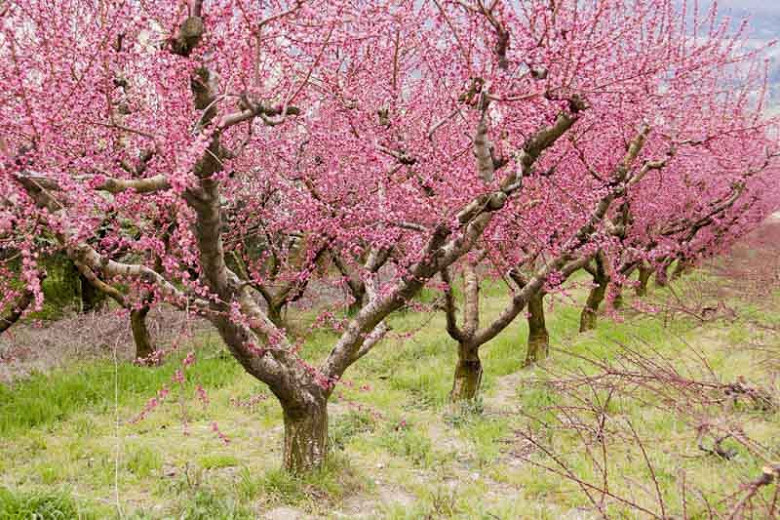
| Stone fruits | Melons | Leafy greens |
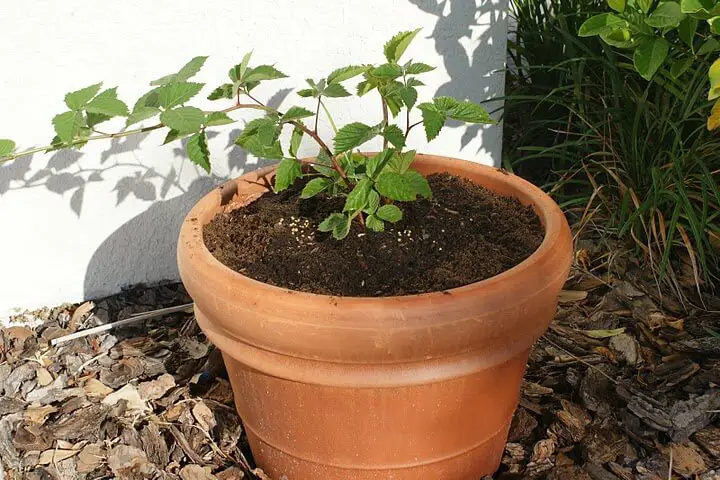
| Berries | Squash | Alliums |
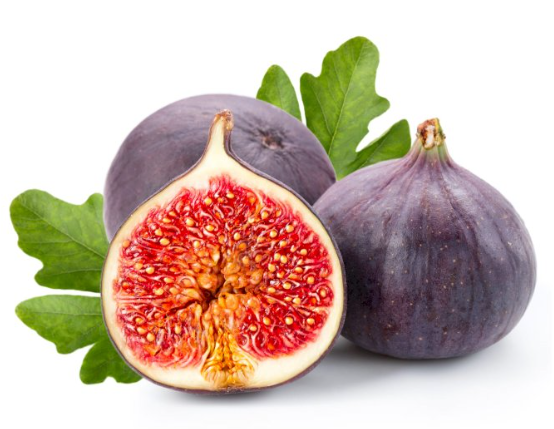
| Citrus | Figs | Cruciferous vegetables |
| Grapes | Apples | Herbs |
Soft-skinned fruits present the greatest vulnerability because their thin protective barriers offer minimal resistance to egg-laying females. Tomatoes, particularly during late-season ripening when skins soften, become prime targets for multiple fruit fly species. Stone fruits including peaches, plums, and apricots face similar challenges, especially as they approach peak ripeness. Berry patches require special attention because their multiple small fruits provide numerous oviposition sites, and damage often goes unnoticed until harvest reveals infested produce.
Identifying Fruit Fly Damage in Your Garden
Recognizing infestation signs early significantly improves control outcomes and helps prevent widespread crop losses.
Early detection represents your best defense against fruit fly devastation. These pests often establish populations quietly, with damage becoming apparent only after significant harm has occurred. Training yourself to recognize subtle warning signs empowers proactive responses that protect remaining harvests.
Signs of Fruit Fly Infestation
Watch for these telltale indicators that fruit flies have targeted your garden:
1. Small puncture marks on fruit skin: Female flies leave tiny wounds when depositing eggs, visible as small dots or dimples on fruit surfaces. These punctures may appear water-soaked or slightly discolored, distinguishing them from natural blemishes. Examining fruits carefully during routine garden inspections helps catch infestations before they spread to neighboring produce.
2. Soft, mushy areas on otherwise firm produce: Internal larval feeding causes localized tissue breakdown, creating soft spots that feel different from normal ripening. Pressing gently on fruits during harvest reveals these compromised areas, indicating internal damage that may not be visible externally. Affected produce should be removed immediately to prevent adult emergence and population growth.
3. Visible larvae in cut or damaged fruits: Slicing into infested produce reveals small, white maggots actively feeding within fruit flesh. While discovering larvae is unpleasant, it confirms fruit fly presence and indicates the need for immediate control measures. Properly disposing of infested fruits prevents continued breeding cycles.
4. Adult flies hovering near plants: Observing numerous small flies congregating around ripening produce indicates active infestation. Adults are most visible during early morning and late afternoon when temperatures moderate. Setting up monitoring traps helps quantify population levels and track control effectiveness.
5. Premature fruit drop: Heavy infestations cause fruits to drop before reaching maturity as internal damage compromises structural integrity. Investigating fallen fruits often reveals extensive larval damage that explains premature separation from plants.
Distinguishing Fruit Fly Damage from Other Pests
Accurate identification ensures appropriate treatment approaches. Fruit fly damage differs from other common garden pests in several key ways:
- Bird damage: Creates larger, irregular wounds with visible peck marks rather than tiny punctures
- Slug damage: Produces silvery slime trails and surface feeding rather than internal tunneling
- Caterpillar damage: Results in larger entry holes and visible frass (insect droppings)
- Fungal infections: Cause discoloration patterns and fuzzy growth rather than puncture wounds
Careful examination under magnification helps distinguish fruit fly activity from other damage sources. Using a hand lens reveals the distinctive tiny punctures characteristic of oviposition wounds. When uncertain, cutting open damaged fruits provides definitive evidence—fruit fly larvae are unmistakable white maggots without legs or visible heads, clearly different from other common pest larvae.
Natural and Organic Methods to Control Fruit Flies
Environmentally friendly approaches offer effective control while protecting beneficial insects and maintaining garden ecosystem health.
Many gardeners prefer natural control methods that avoid synthetic chemicals while still achieving meaningful results. These approaches work with natural processes rather than against them, often providing sustainable long-term solutions. Organic methods typically require more consistent application but offer advantages including safety around edibles and compatibility with beneficial insect populations.
Homemade Traps and Baits
Creating effective fruit fly traps requires minimal investment and provides both monitoring and control benefits:
Apple Cider Vinegar Trap:
- Fill a jar or container with approximately one inch of apple cider vinegar
- Add two or three drops of liquid dish soap to break surface tension
- Cover with plastic wrap secured by a rubber band
- Poke several small holes in the covering to allow fly entry
- Place traps near affected plants, replacing vinegar weekly
This simple trap exploits fruit fly attraction to fermentation odors while preventing escape once flies contact the liquid surface. The dish soap disrupts surface tension, causing flies to sink rather than float. Multiple traps distributed throughout garden areas maximize capture rates and help identify population hotspots requiring additional attention.

Wine and Fruit Bait Trap:
- Pour leftover wine or beer into shallow containers
- Add small pieces of overripe fruit for enhanced attraction
- Position containers among vulnerable plants during peak activity periods
- Empty and refresh traps every few days to maintain effectiveness
Red Sphere Traps: These commercially available sticky traps mimic ripening fruits, attracting and capturing adult flies before they can lay eggs. Hanging several throughout fruit-bearing areas provides ongoing population suppression while serving as monitoring tools.
Companion Planting Strategies
Strategic plant combinations can naturally deter fruit flies while enhancing overall garden biodiversity:
- Basil: Strong aromatic oils repel various flying insects including fruit flies
- Lavender: Fragrant flowers mask fruit odors while attracting beneficial pollinators
- Mint: Powerful scent disrupts fruit fly navigation and feeding patterns
- Marigolds: Produce compounds that repel numerous garden pests
- Tansy: Traditional pest-repelling herb with documented effectiveness
Interplanting aromatic herbs among vulnerable crops creates natural barriers that confuse and deter fruit flies seeking oviposition sites. Basil grown alongside tomatoes provides particularly effective protection while also improving culinary harvests. Establishing herb borders around fruit-bearing areas strengthens these deterrent effects and contributes pleasant fragrances to garden experiences.
Beneficial Insects That Prey on Fruit Flies
Encouraging natural predators provides ongoing, self-sustaining control:
Parasitic wasps from genera including Leptopilina and Pachycrepoideus specifically target fruit fly larvae and pupae, dramatically reducing population growth. These tiny, non-stinging insects pose no threat to humans while providing invaluable pest suppression. Avoiding broad-spectrum pesticides protects these beneficial species and allows their populations to establish naturally.
Ground beetles and rove beetles actively hunt fruit fly pupae in soil, reducing emergence of new adult generations. Maintaining ground cover and avoiding excessive tillage encourages beetle populations. Mulching around plants provides habitat while also offering other gardening benefits.
Chemical Control Options for Severe Infestations
When natural methods prove insufficient, targeted chemical applications can restore balance and protect valuable harvests.
Some infestations require more aggressive intervention to prevent total crop loss. Understanding appropriate products and application methods ensures effective control while minimizing environmental impacts. Always consider chemical options as components within integrated management approaches rather than standalone solutions.
Safe Pesticides for Garden Use
Several product categories offer fruit fly control with acceptable safety profiles:
Spinosad-based products derive from naturally occurring soil bacteria and provide effective fruit fly control with minimal toxicity to mammals and beneficial insects when applied correctly. These products work through both contact and ingestion, affecting the insect nervous system. Many organic certification programs approve spinosad for use, making it suitable for gardeners seeking reduced-chemical approaches while still employing active control measures.
Pyrethrin sprays originate from chrysanthemum flowers and break down rapidly in the environment. These contact insecticides provide quick knockdown of adult populations but require direct application to achieve results. Because pyrethrins degrade quickly in sunlight, evening applications often prove more effective than morning treatments.
Kaolin clay products create physical barriers on fruit surfaces that deter egg-laying while remaining safe for human consumption. This mineral coating makes fruits appear less attractive to flies while interfering with feeding and oviposition behaviors. Regular reapplication maintains protective coverage throughout vulnerable growth periods.
Application Best Practices
Maximizing product effectiveness while minimizing risks requires careful attention to application details:
- Always read and follow label instructions completely before applying any product
- Target applications during peak fruit fly activity periods (typically early morning or evening)
- Focus sprays on fruit-bearing areas rather than blanket applications
- Observe pre-harvest intervals specified on product labels before consuming treated produce
- Rotate products with different modes of action to prevent resistance development
Timing applications to coincide with vulnerable life stages dramatically improves results. Targeting adult flies before egg-laying reduces future generations, while soil treatments during pupal periods eliminate emerging populations. Combining approaches addresses multiple life stages simultaneously for comprehensive control.
Prevention Strategies to Keep Fruit Flies Away
Proactive prevention consistently outperforms reactive treatment in managing fruit fly populations effectively.
The most successful fruit fly management programs emphasize prevention over treatment, reducing pest pressure before damage occurs. Implementing preventive practices creates inhospitable environments that discourage establishment while protecting your investment of time and resources in garden production.
Garden Hygiene and Maintenance
Excellent sanitation practices form the foundation of fruit fly prevention:
- Remove fallen fruits promptly before they attract flies or serve as breeding sites
- Harvest produce at peak ripeness rather than allowing overripening on plants
- Maintain clean garden beds free from decaying vegetation and debris
- Manage compost properly by burying fruit scraps deeply and maintaining appropriate carbon-nitrogen ratios
- Eliminate standing water that provides essential moisture for fly survival
Regular garden walks serve multiple purposes, allowing you to enjoy your space while identifying problems early. Scheduling brief daily inspections during peak season catches issues before they escalate into serious infestations. Removing a single infested fruit prevents hundreds of future flies from developing, demonstrating how small consistent actions compound into significant results.
Proper Harvesting Techniques
How you harvest affects fruit fly pressure throughout the season:
Harvest frequency matters significantly because ripe fruits left on plants become increasingly attractive to fruit flies. During peak production periods, daily harvesting prevents overripe conditions that invite infestation. Even if you cannot use everything immediately, removing ripe produce eliminates attractants and breeding opportunities.
Handle harvested produce carefully to prevent damage that releases attractive odors. Bruised fruits emit chemical signals that draw flies from surrounding areas, potentially increasing garden-wide pressure. Using appropriate containers and avoiding rough handling protects fruit quality while reducing pest attraction.
Physical Barriers and Exclusion Methods
Creating physical obstacles prevents fly access to vulnerable crops:
Protective netting and row covers exclude adult flies while allowing light, air, and water penetration. Fine mesh materials with openings smaller than 1mm prevent even small flies from reaching protected plants. Installing covers before fruits begin ripening provides proactive protection rather than reactive treatment.

Individual fruit bags or sleeves protect high-value specimens from damage while allowing natural ripening. This labor-intensive method works best for limited quantities of premium fruits where investment justifies protection costs. Breathable materials prevent moisture accumulation that could cause other problems.
Seasonal Management Tips for Fruit Flies
Adapting your approach to seasonal conditions optimizes control efforts and conserves resources throughout the gardening year.
Fruit fly pressure fluctuates dramatically with seasonal changes, requiring adaptive management strategies. Understanding these patterns allows strategic resource allocation—intensifying efforts during peak periods while scaling back when conditions naturally suppress populations.
Spring and Summer Prevention
Warm-season gardening demands heightened vigilance:
As temperatures rise, fruit fly reproduction accelerates exponentially. A single overwintering female can give rise to thousands of descendants within weeks under favorable conditions. Beginning monitoring and prevention measures early—before populations establish—provides enormous advantages over waiting until problems become obvious.
Key spring and summer actions include:
- Installing monitoring traps when temperatures consistently exceed 60°F (15°C)
- Applying protective covers to fruiting crops before bloom completion
- Establishing beneficial insect habitats to support natural predation
- Increasing harvest frequency as production peaks
- Maintaining rigorous sanitation throughout growing areas
Fall and Winter Preparation
Off-season activities set the stage for reduced pressure in coming years:
Thorough fall cleanup eliminates overwintering sites that harbor pupae through cold months. Removing all fallen fruits, clearing debris, and cultivating soil disrupts life cycles and reduces spring emergence. These efforts may seem less urgent than in-season management but contribute significantly to long-term population suppression.
Consider soil treatments during dormant periods when edible crops are absent. Applying beneficial nematodes that target soil-dwelling pupae reduces emergence without chemical applications. Cover cropping provides additional benefits by improving soil health while suppressing pest populations.
Expert Tips for Long-Term Fruit Fly Management
Sustainable control requires systematic approaches that address underlying conditions rather than individual symptoms.
Experienced gardeners recognize that effective fruit fly management extends beyond single-season tactics into comprehensive programs that improve over time. Building systems that work together creates multiplicative effects far exceeding individual method effectiveness.
Integrated Pest Management Approach
IPM principles provide frameworks for sustainable control:
Combining multiple management strategies creates layered defenses that compensate for individual method limitations. When traps miss some flies, beneficial insects catch others. When predators fail, physical barriers provide backup protection. This redundancy ensures no single weakness allows population explosions.
The four pillars of IPM for fruit flies include:
- Cultural controls: Sanitation, proper irrigation, appropriate plant selection
- Biological controls: Beneficial insects, predators, parasitoids
- Mechanical controls: Traps, barriers, exclusion methods
- Chemical controls: Targeted applications when other methods prove insufficient
Monitoring and Early Detection
Consistent monitoring enables responsive management:
Establishing baseline population data through regular trap monitoring reveals trends that guide intervention timing. Recording captures weekly provides information for comparing seasons and evaluating method effectiveness. This data-driven approach replaces guesswork with informed decision-making.
Action thresholds guide intervention decisions by establishing population levels that warrant control measures. Rather than treating automatically, threshold-based management conserves resources while ensuring adequate protection. Individual gardeners develop appropriate thresholds through experience with their specific conditions and tolerance levels.
Final Thoughts: Reclaiming Your Garden from Fruit Flies
Managing fruit flies in your garden requires patience, persistence, and a willingness to employ multiple strategies working together toward common goals. While these tiny pests present genuine challenges, they are far from invincible. Armed with understanding of their biology, behavior, and vulnerabilities, you possess the knowledge needed to protect your harvests effectively.
Remember these essential principles:
- Prevention consistently outperforms treatment in effectiveness and efficiency
- Early detection enables intervention before populations explode
- Multiple methods working together provide superior results
- Consistency and persistence matter more than any single technique
- Seasonal adaptation optimizes resource allocation
Your garden represents a significant investment of time, effort, and care. Fruit flies threaten that investment, but they need not define your gardening experience. By implementing the strategies outlined in this guide—from understanding fruit fly biology through prevention, natural control, and long-term management—you create conditions that favor your success over pest proliferation.
Start with sanitation improvements and monitoring trap installation. Build from there based on what you observe in your specific garden. Every garden presents unique challenges and opportunities; your growing expertise will guide increasingly effective responses over time.
The battle against fruit flies is winnable. Your next harvest can be your best yet—protected, productive, and profoundly satisfying. Take the first step today, and watch your garden transform into the thriving, pest-resistant paradise you’ve always envisioned.